Exercise Comparison
Alternating Deltoid Raise vs One-Arm Kettlebell Clean and Jerk
Side-by-Side
Muscle Analysis
Shared
Instructions
Alternating Deltoid Raise
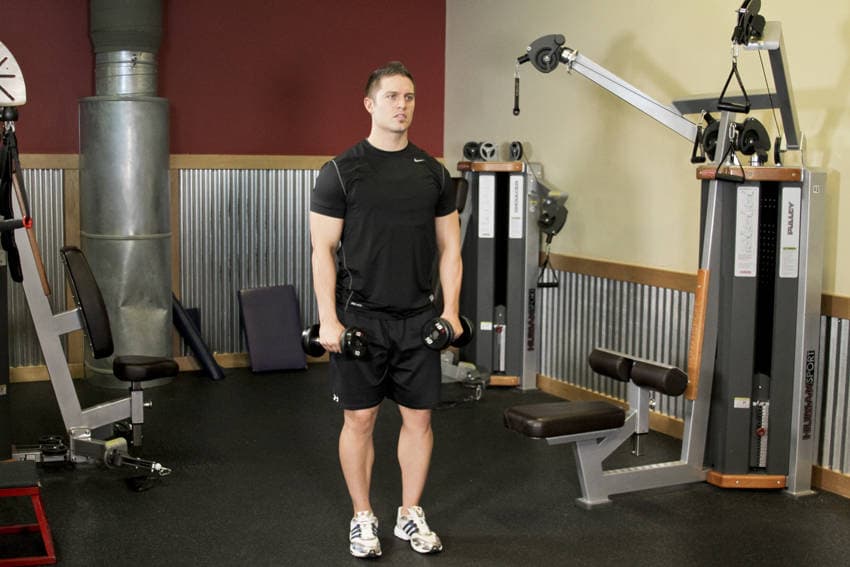
In a standing position, hold a pair of dumbbells at your side.
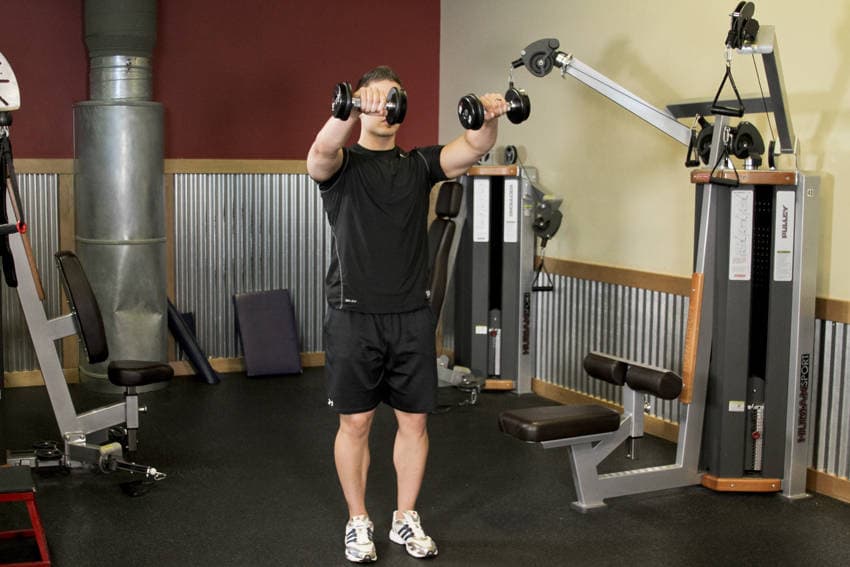
Keeping your elbows slightly bent, raise the weights directly in front of you to shoulder height, avoiding any swinging or cheating.
Return the weights to your side.
On the next repetition, raise the weights laterally, raising them out to your side to about shoulder height.
Return the weights to the starting position and continue alternating to the front and side.
One-Arm Kettlebell Clean and Jerk
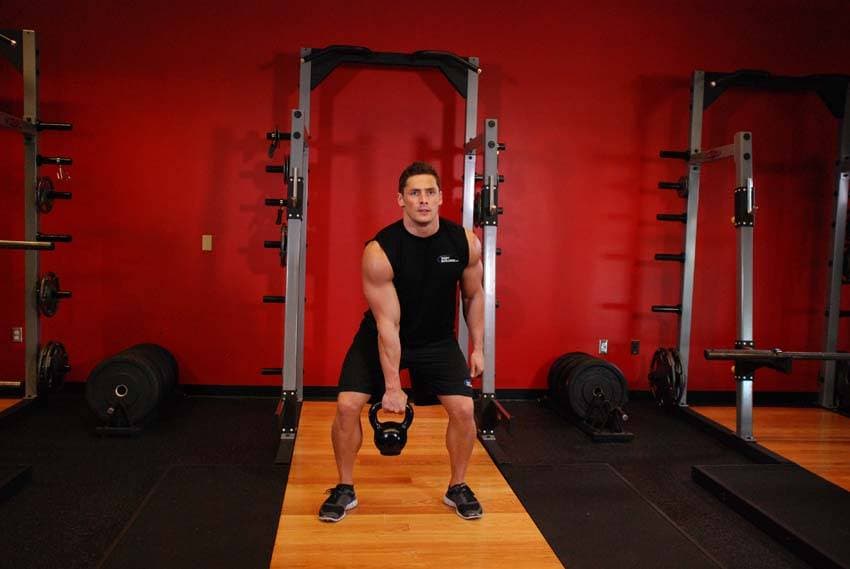
Hold a kettlebell by the handle.
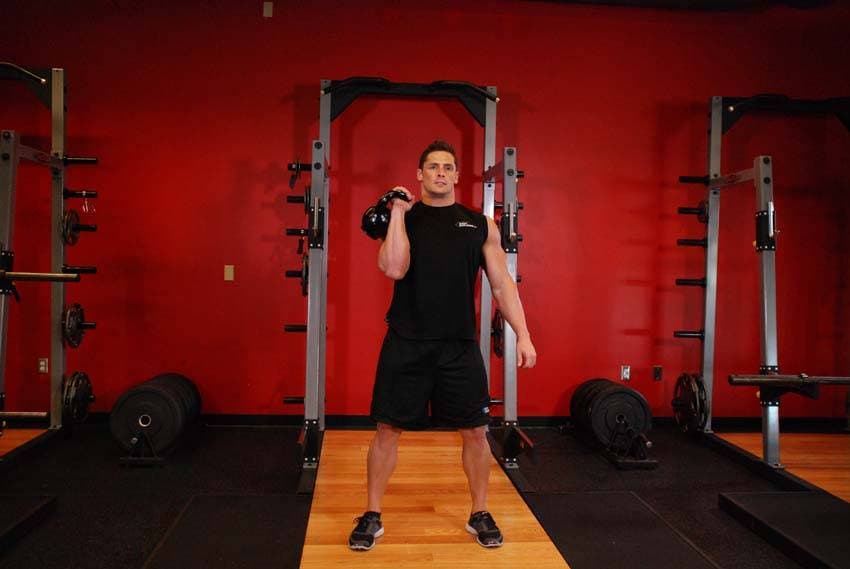
Clean the kettlebell to your shoulder by extending through the legs and hips as you pull the kettlebell towards your shoulder. Rotate your wrist as you do so, so that the palm faces forward.
Dip your body by bending the knees, keeping your torso upright.
Immediately reverse direction, driving through the heels, in essence jumping to create momentum. As you do so, press the kettlebell overhead to lockout by extending the arms, using your body's momentum to move the weight.
Receive the weight overhead by returning to a squat position underneath the weight.
Keeping the weight overhead, return to a standing position. Lower the weight to the floor to perform the next repetition.
Verdict
Both exercises target the shoulders. Alternating Deltoid Raise is a beginner exercise using dumbbell, while One-Arm Kettlebell Clean and Jerk is intermediate and uses kettlebells. Choose Alternating Deltoid Raise if you're looking for a more accessible option, or One-Arm Kettlebell Clean and Jerk for a greater challenge. One-Arm Kettlebell Clean and Jerk is a compound movement working multiple joints, making it better for overall strength. Alternating Deltoid Raise isolates the target muscle for focused development.