Exercise Comparison
Alternating Deltoid Raise vs Reverse Flyes
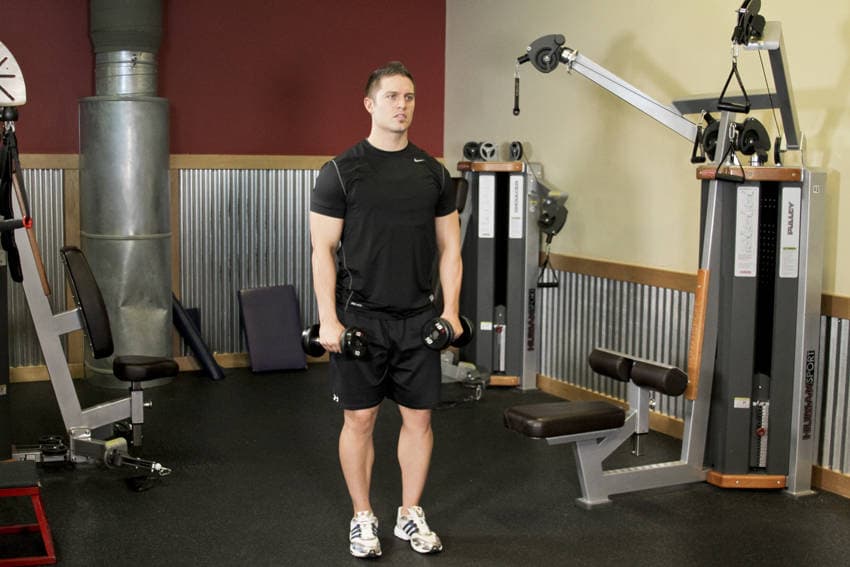
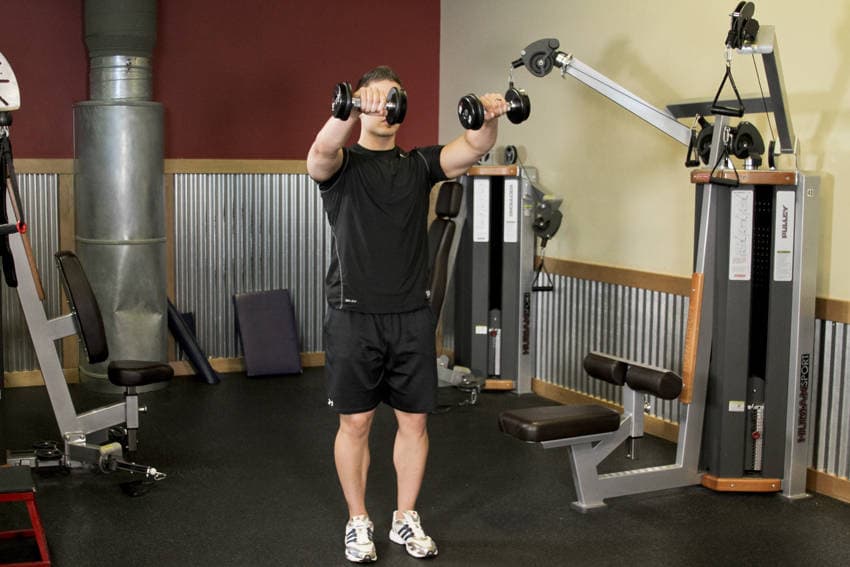
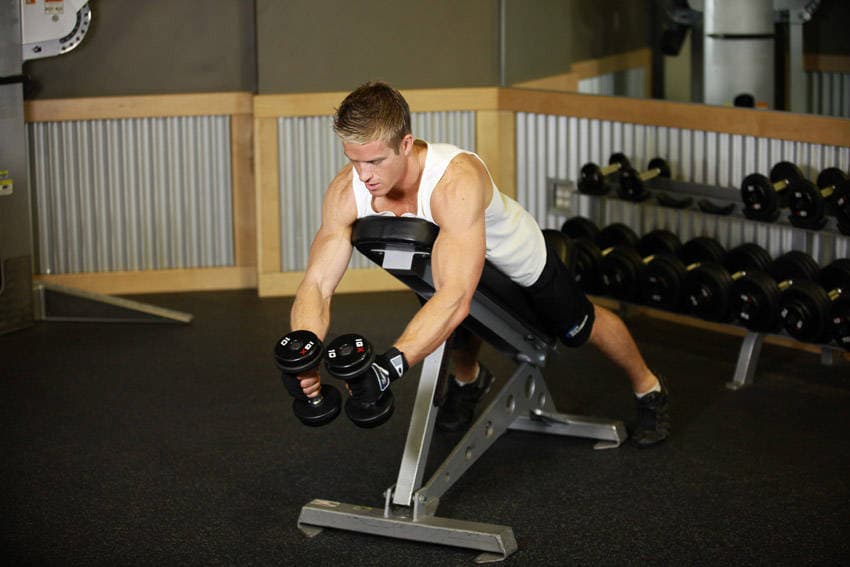
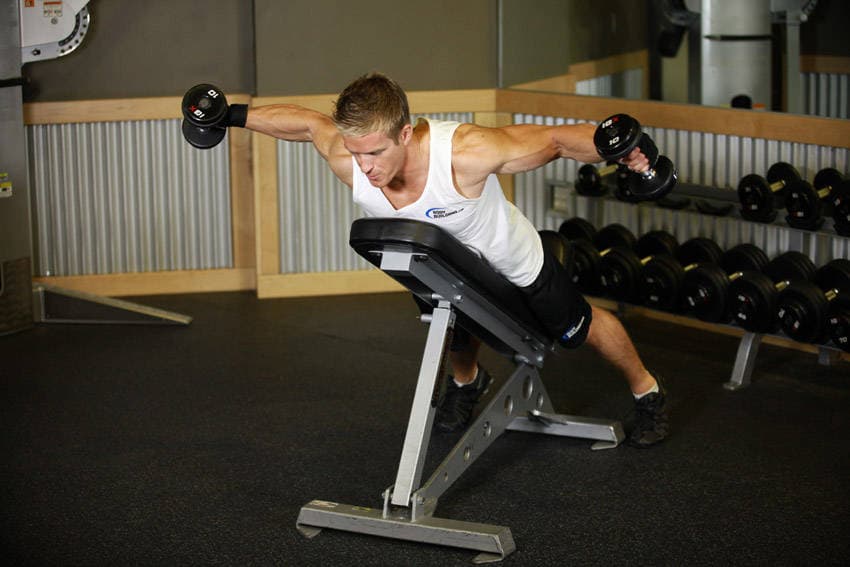
Side-by-Side
Muscle Analysis
Shared
Instructions
Alternating Deltoid Raise
In a standing position, hold a pair of dumbbells at your side.
Keeping your elbows slightly bent, raise the weights directly in front of you to shoulder height, avoiding any swinging or cheating.
Return the weights to your side.
On the next repetition, raise the weights laterally, raising them out to your side to about shoulder height.
Return the weights to the starting position and continue alternating to the front and side.
Reverse Flyes
To begin, lie down on an incline bench with the chest and stomach pressing against the incline. Have the dumbbells in each hand with the palms facing each other (neutral grip).
Extend the arms in front of you so that they are perpendicular to the angle of the bench. The legs should be stationary while applying pressure with the ball of your toes. This is the starting position.
Maintaining the slight bend of the elbows, move the weights out and away from each other (to the side) in an arc motion while exhaling. Tip: Try to squeeze your shoulder blades together to get the best results from this exercise.
The arms should be elevated until they are parallel to the floor.
Feel the contraction and slowly lower the weights back down to the starting position while inhaling.
Repeat for the recommended amount of repetitions.
Verdict
Both exercises target the shoulders. Alternating Deltoid Raise is a beginner exercise using dumbbell, while Reverse Flyes is beginner and uses dumbbell.