Exercise Comparison
Backward Drag vs Elevated Back Lunge
Side-by-Side
Muscle Analysis
Shared
Only in Backward Drag
Instructions
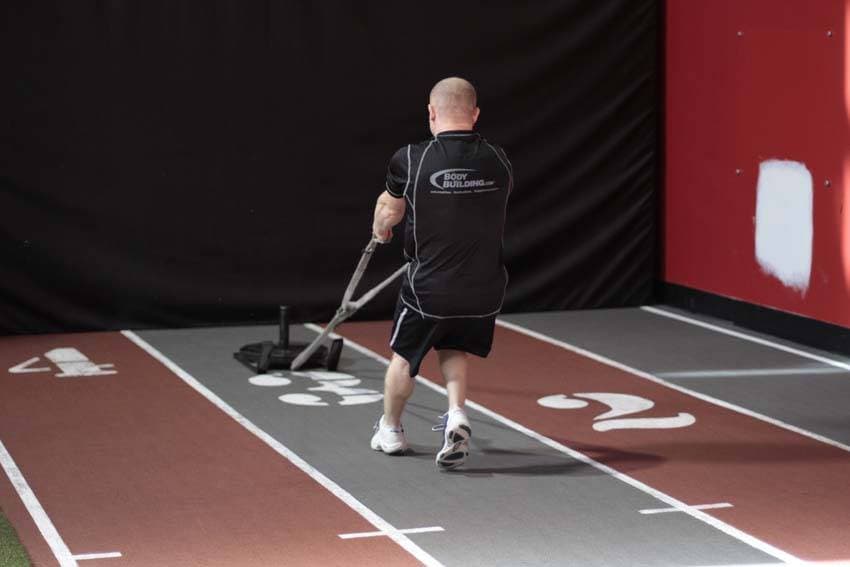
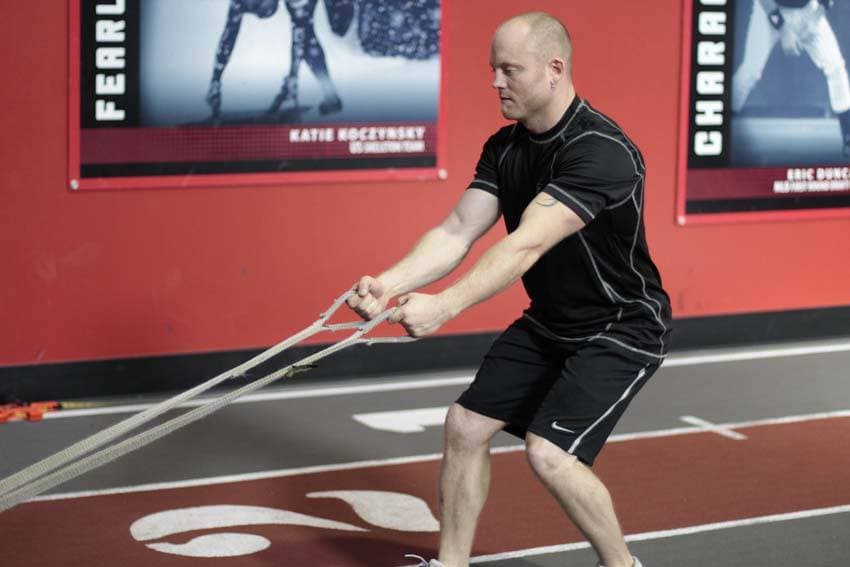
Backward Drag
Load a sled with the desired weight, attaching a rope or straps to the sled that you can hold onto.
Begin the exercise by moving backwards for a given distance. Leaning back, extend through the legs for short steps to move as quickly as possible.
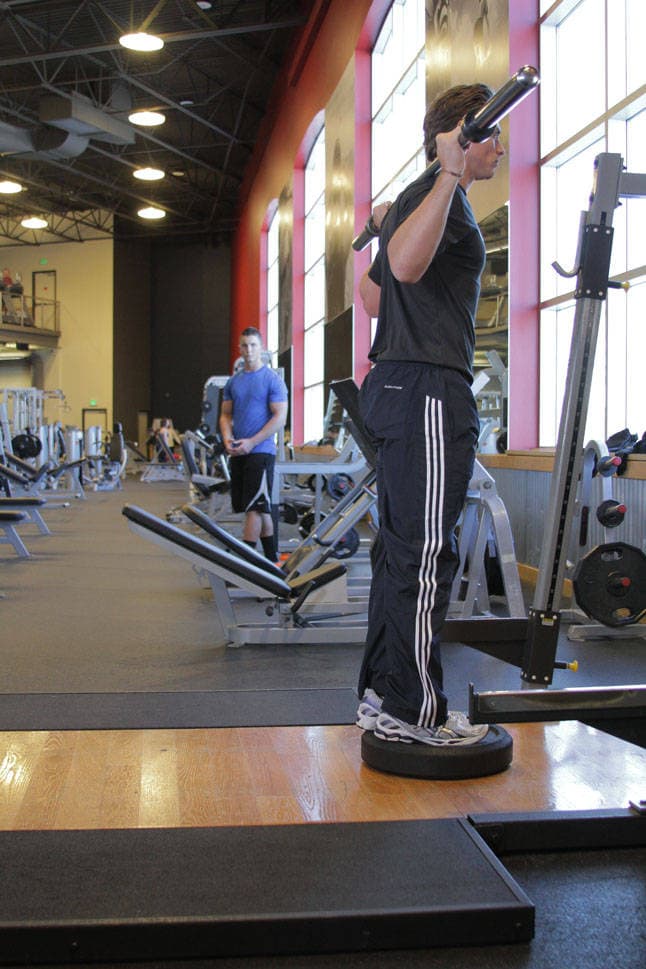
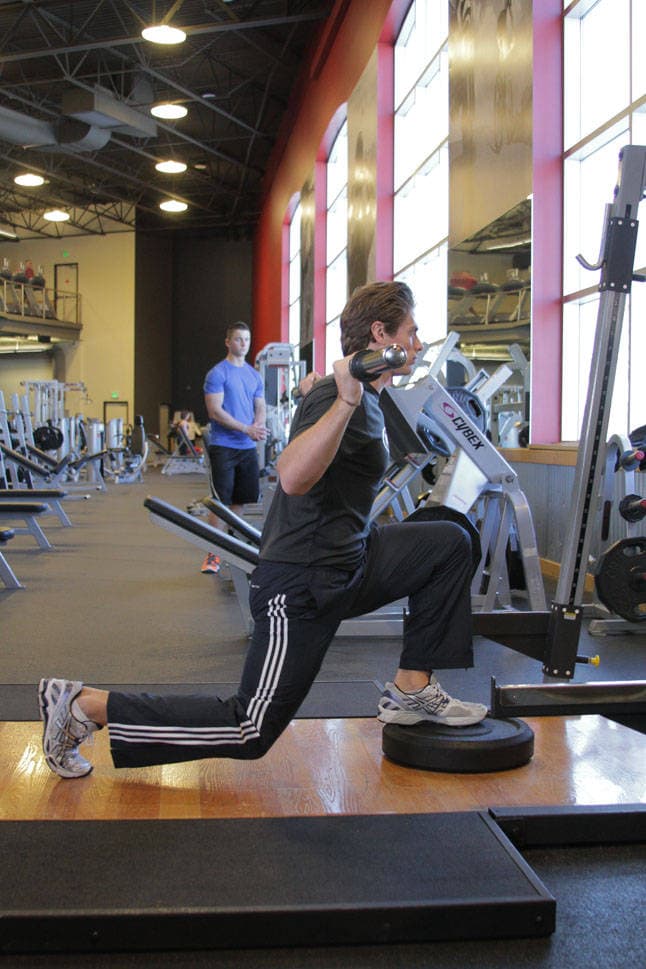
Elevated Back Lunge
Position a bar onto a rack at shoulder height loaded to an appropriate weight. Place a short, raised platform behind you.
Rack the bar onto your upper back, keeping your back arched and tight. Step onto your raised platform with both feet. This will be your starting position.
Begin by stepping backwards with one leg. Descend by flexing your hips and knees until your knee touches the floor.
Pause, and extend through the hips and knees to rise up, returning all the way to the starting position before alternating.
Verdict
Both exercises target the quadriceps. Backward Drag is a beginner exercise using other, while Elevated Back Lunge is intermediate and uses barbell. Choose Backward Drag if you're looking for a more accessible option, or Elevated Back Lunge for a greater challenge.