Exercise Comparison
Backward Drag vs Heaving Snatch Balance
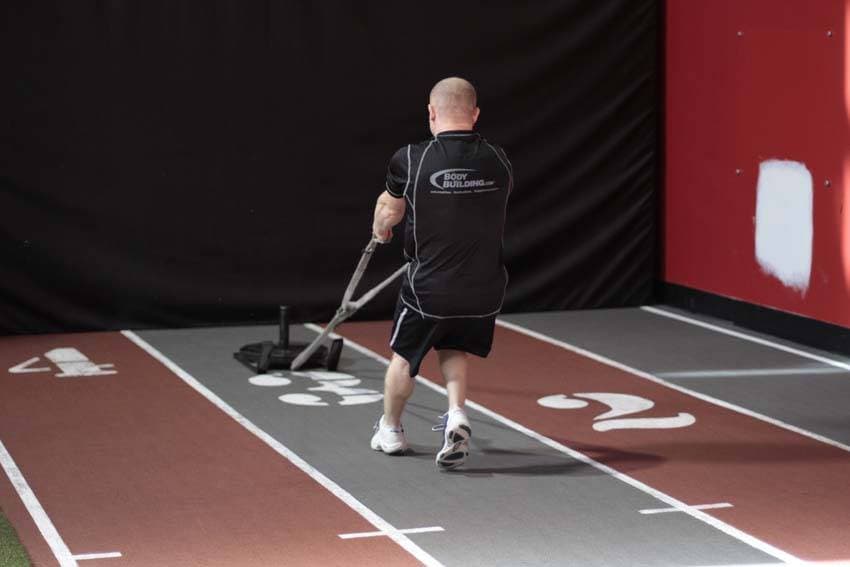
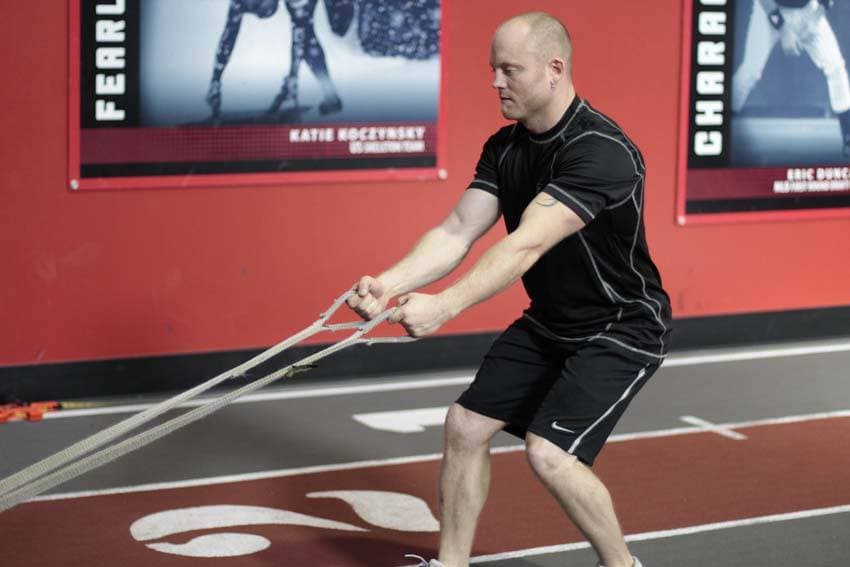
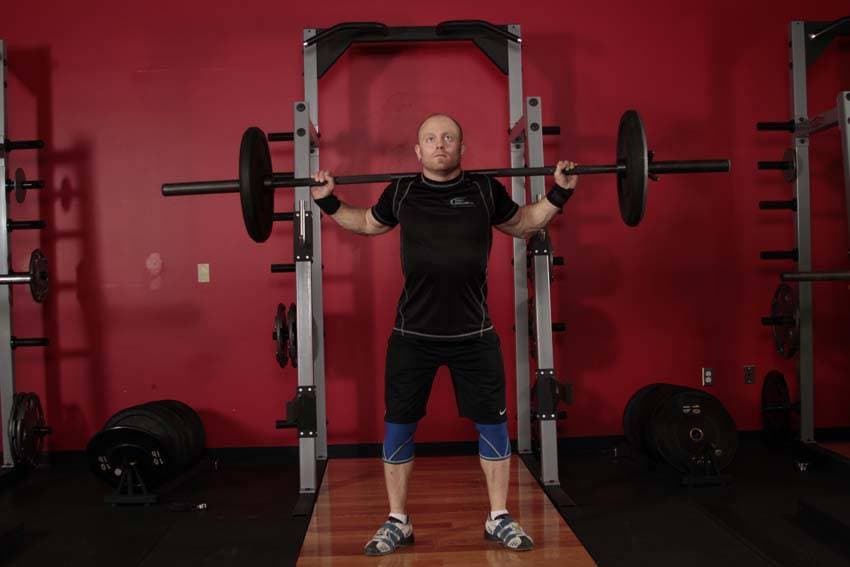
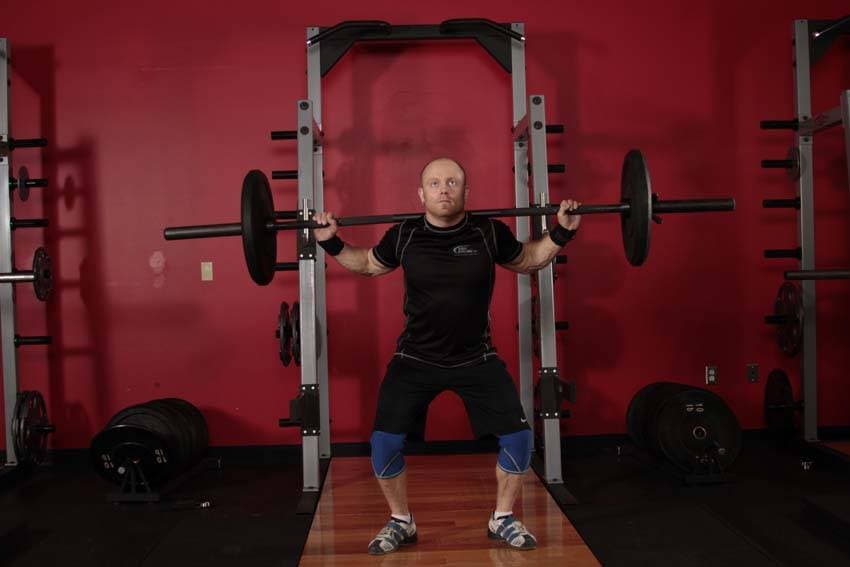
Side-by-Side
Muscle Analysis
Shared
Only in Backward Drag
Only in Heaving Snatch Balance
Instructions
Backward Drag
Load a sled with the desired weight, attaching a rope or straps to the sled that you can hold onto.
Begin the exercise by moving backwards for a given distance. Leaning back, extend through the legs for short steps to move as quickly as possible.
Heaving Snatch Balance
This drill helps you learn the snatch. Begin by holding a light weight across the back of the shoulders. Your feet should be slightly wider than hip width apart with the feet turned out, the same position that you would perform a squat with.
Begin by dipping with the knees slightly, and popping back up to briefly unload the bar. Drive yourself underneath the bar, elevating it overhead as you descend into a full squat.
Return to a standing position.
Verdict
Both exercises target the quadriceps. Backward Drag is a beginner exercise using other, while Heaving Snatch Balance is intermediate and uses barbell. Choose Backward Drag if you're looking for a more accessible option, or Heaving Snatch Balance for a greater challenge.