Exercise Comparison
Backward Drag vs Recumbent Bike
Side-by-Side
Muscle Analysis
Shared
Only in Backward Drag
Instructions
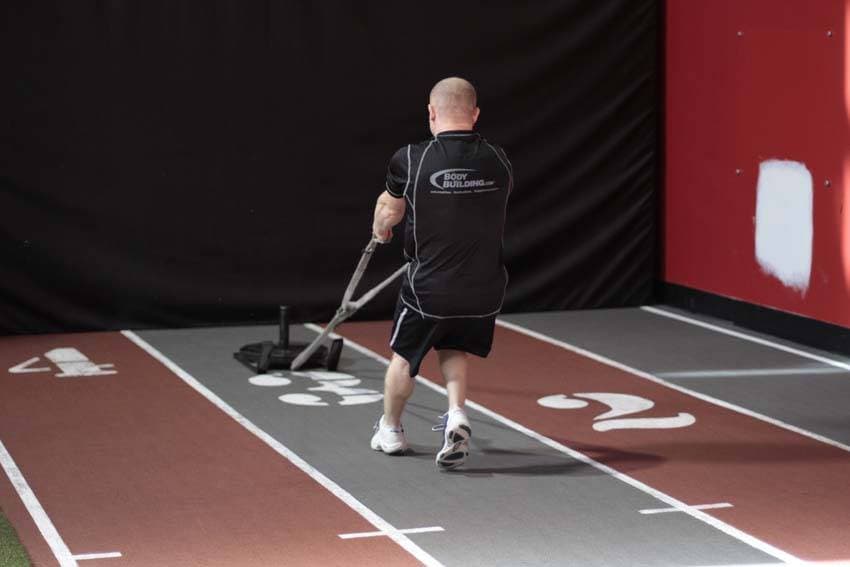
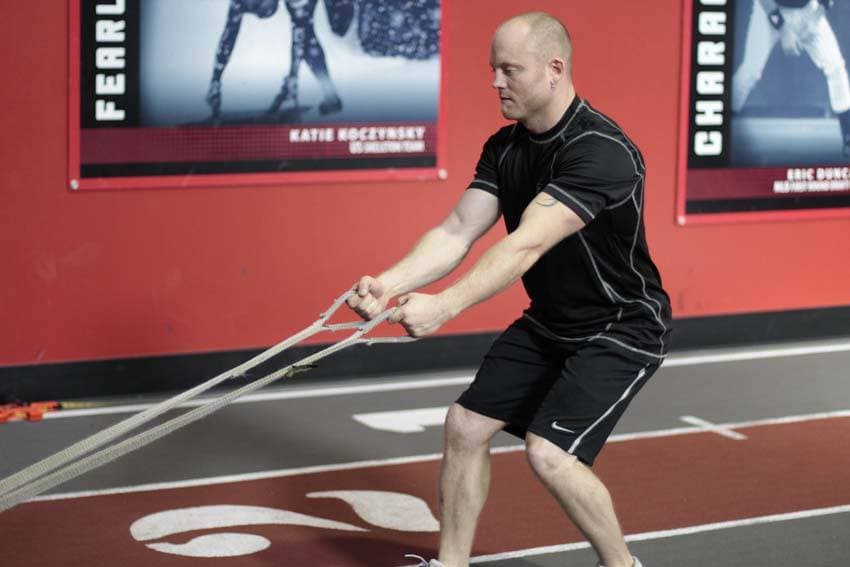
Backward Drag
Load a sled with the desired weight, attaching a rope or straps to the sled that you can hold onto.
Begin the exercise by moving backwards for a given distance. Leaning back, extend through the legs for short steps to move as quickly as possible.
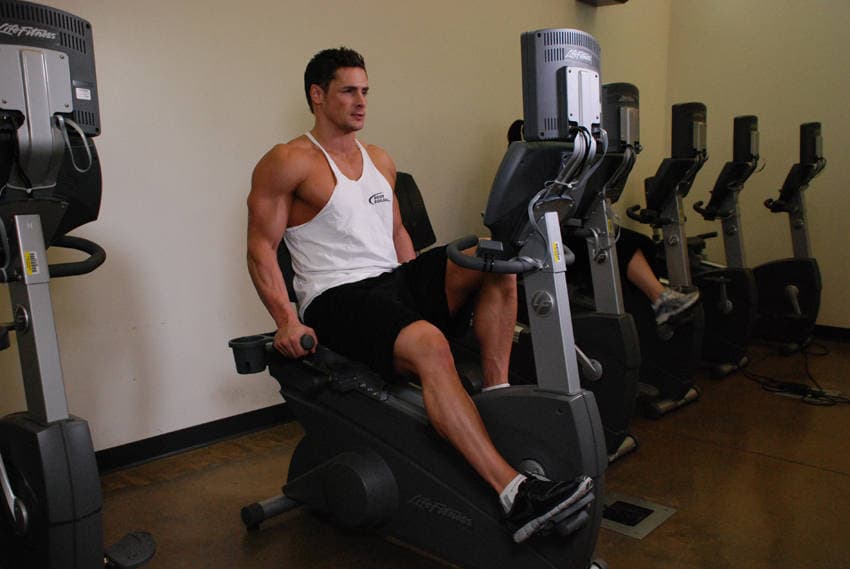
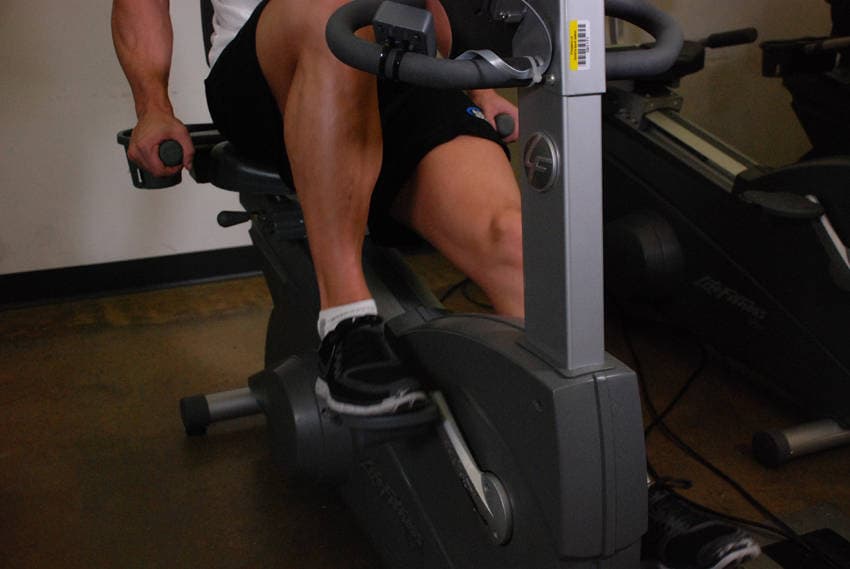
Recumbent Bike
To begin, seat yourself on the bike and adjust the seat to your height.
Select the desired option from the menu. You may have to start pedaling to turn it on. You can use the manual setting, or you can select a program to use. Typically, you can enter your age and weight to estimate the amount of calories burned during exercise. The level of resistance can be changed throughout the workout. The handles can be used to monitor your heart rate to help you stay at an appropriate intensity.
Recumbent bikes offer convenience, cardiovascular benefits, and have less impact than other activities. A 150 lb person will burn about 230 calories cycling at a moderate rate for 30 minutes, compared to 450 calories or more running.
Verdict
Both exercises target the quadriceps. Backward Drag is a beginner exercise using other, while Recumbent Bike is beginner and uses machine. Choose Backward Drag if you have access to other, or Recumbent Bike if you prefer machine.