Exercise Comparison
Backward Drag vs Rope Jumping
Side-by-Side
Muscle Analysis
Shared
Only in Backward Drag
Instructions
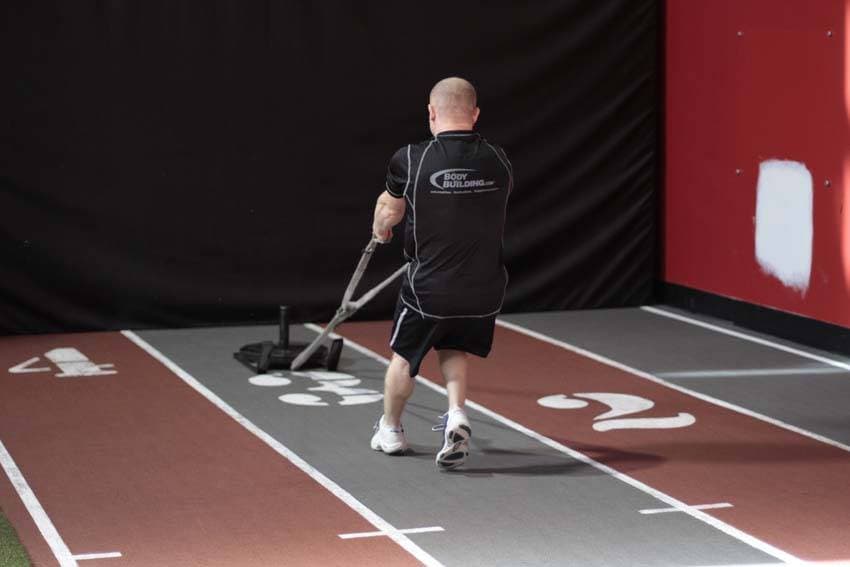
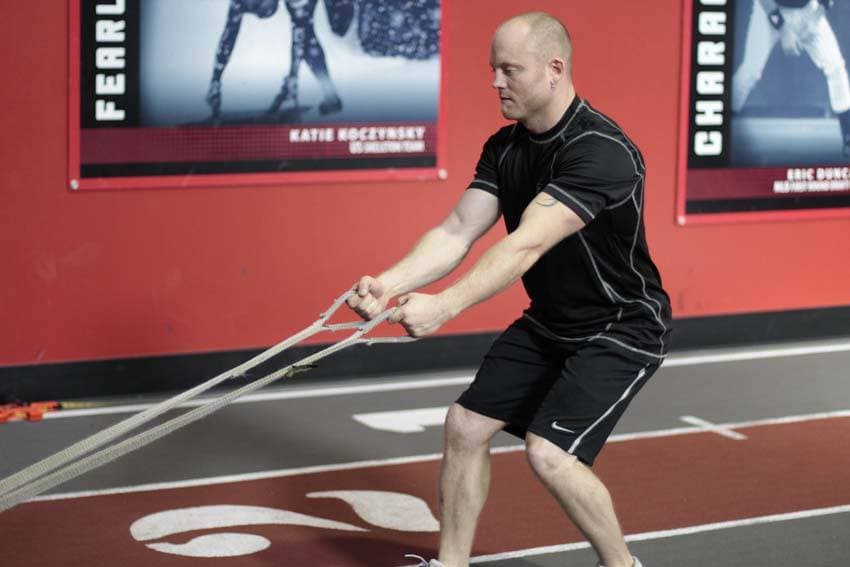
Backward Drag
Load a sled with the desired weight, attaching a rope or straps to the sled that you can hold onto.
Begin the exercise by moving backwards for a given distance. Leaning back, extend through the legs for short steps to move as quickly as possible.
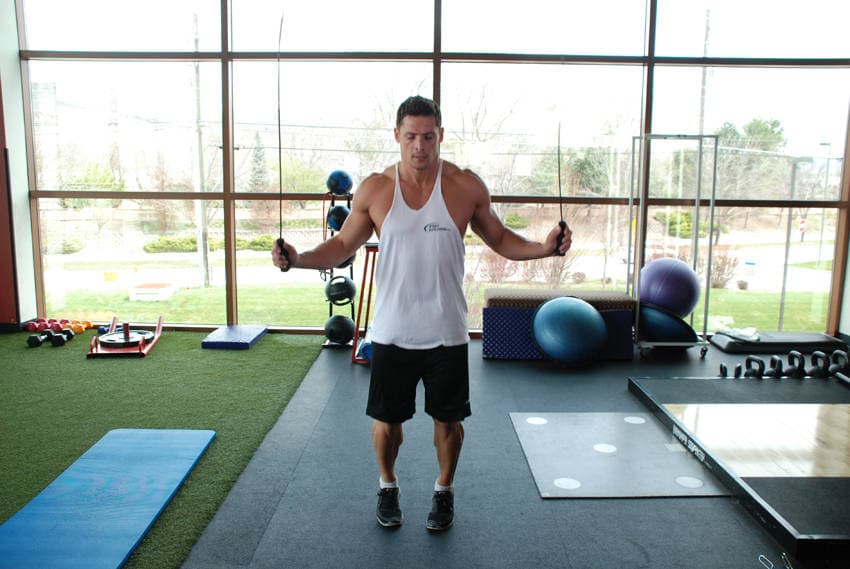
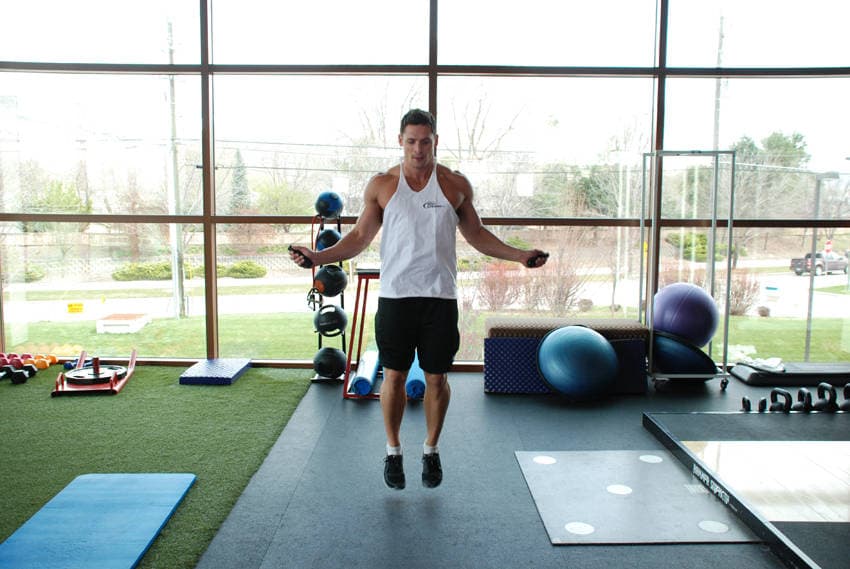
Rope Jumping
Hold an end of the rope in each hand. Position the rope behind you on the ground. Raise your arms up and turn the rope over your head bringing it down in front of you. When it reaches the ground, jump over it. Find a good turning pace that can be maintained. Different speeds and techniques can be used to introduce variation.
Rope jumping is exciting, challenges your coordination, and requires a lot of energy. A 150 lb person will burn about 350 calories jumping rope for 30 minutes, compared to over 450 calories running.
Verdict
Both exercises target the quadriceps. Backward Drag is a beginner exercise using other, while Rope Jumping is intermediate and uses other. Choose Backward Drag if you're looking for a more accessible option, or Rope Jumping for a greater challenge.