Exercise Comparison
Backward Drag vs Snatch Balance
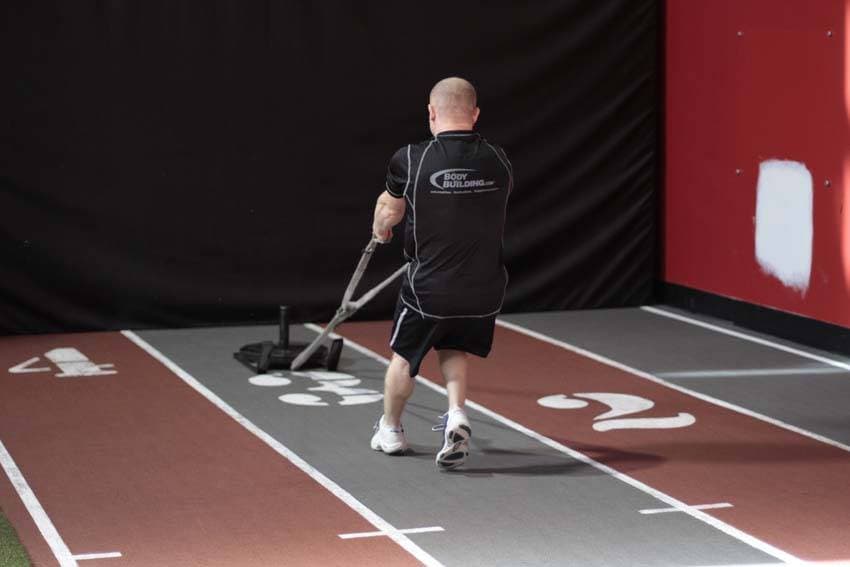
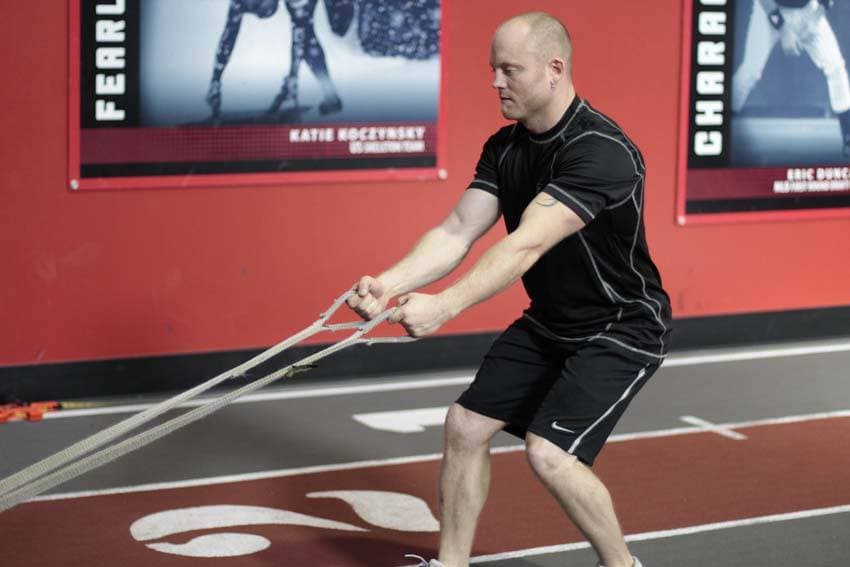
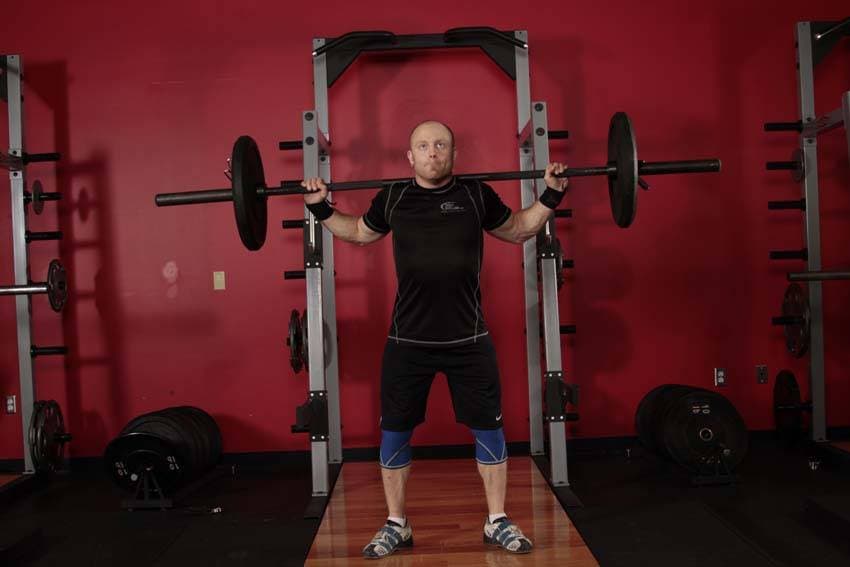
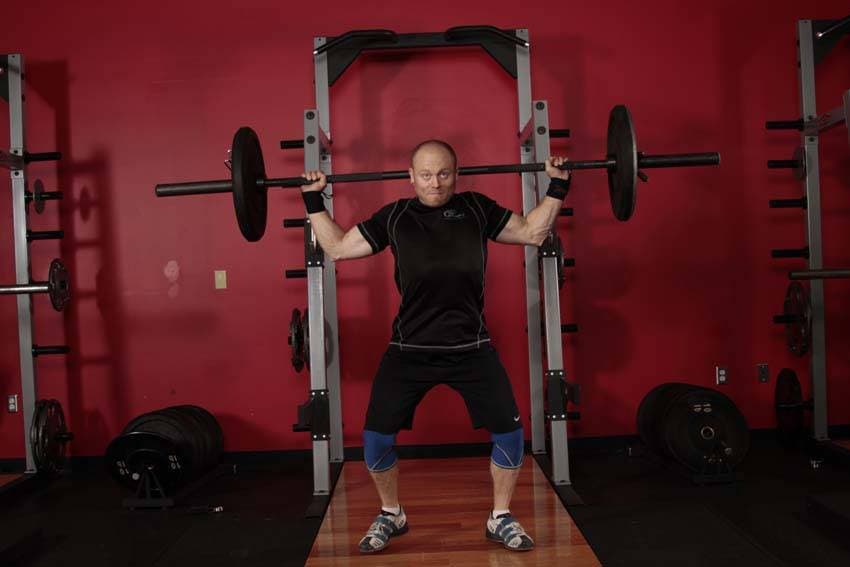
Side-by-Side
Muscle Analysis
Shared
Only in Backward Drag
Only in Snatch Balance
Instructions
Backward Drag
Load a sled with the desired weight, attaching a rope or straps to the sled that you can hold onto.
Begin the exercise by moving backwards for a given distance. Leaning back, extend through the legs for short steps to move as quickly as possible.
Snatch Balance
Begin with the feet in the pulling position, the bar racked across the back of the shoulders, and the hands placed in a wide snatch grip.
Pop the bar with an abrupt dip and drive of the knees, and aggressively drive under the bar, transitioning the feet into the receiving position.
Receive the bar locked out overhead near the bottom of the squat. The torso should remain vertical, lowering the hips between the legs.
Continue to descend to full depth, and return to a standing position. Carefully lower the weight.
Verdict
Both exercises target the quadriceps. Backward Drag is a beginner exercise using other, while Snatch Balance is intermediate and uses barbell. Choose Backward Drag if you're looking for a more accessible option, or Snatch Balance for a greater challenge.