Exercise Comparison
Ball Leg Curl vs Glute Ham Raise
Side-by-Side
Muscle Analysis
Shared
Instructions
Ball Leg Curl
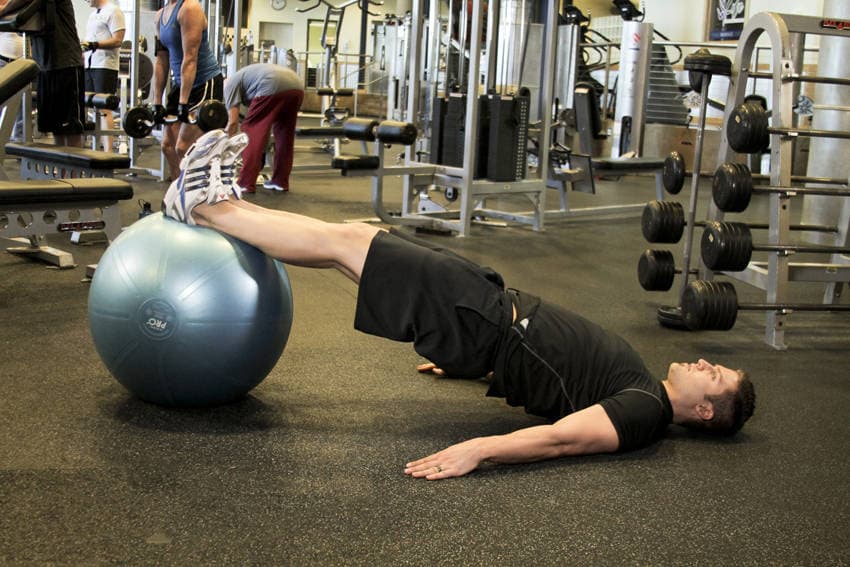
Begin on the floor laying on your back with your feet on top of the ball.
Position the ball so that when your legs are extended your ankles are on top of the ball. This will be your starting position.
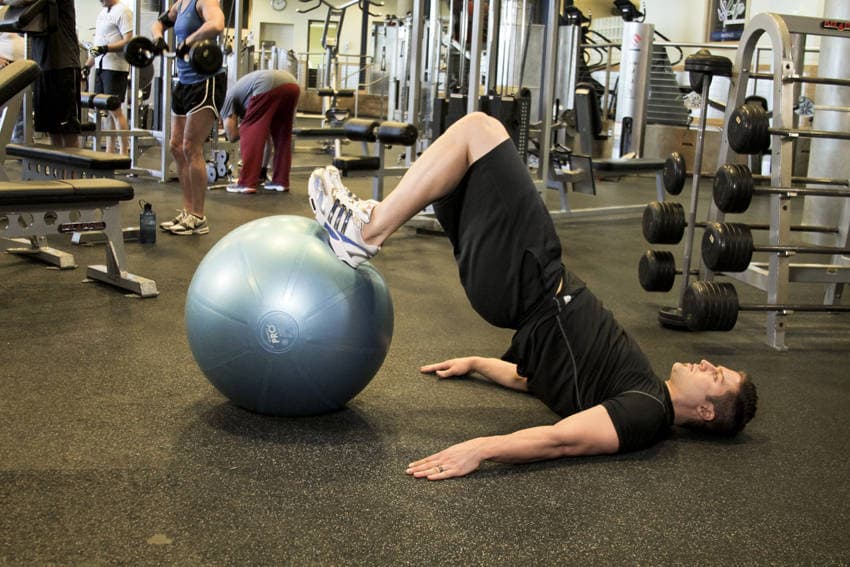
Raise your hips off of the ground, keeping your weight on the shoulder blades and your feet.
Flex the knees, pulling the ball as close to you as you can, contracting the hamstrings.
After a brief pause, return to the starting position.
Glute Ham Raise
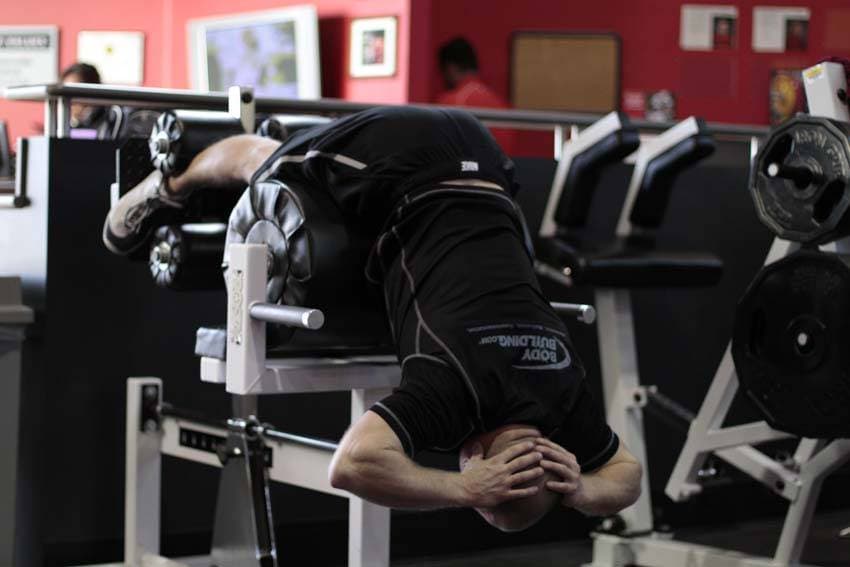
Begin by adjusting the equipment to fit your body. Place your feet against the footplate in between the rollers as you lie facedown. Your knees should be just behind the pad.
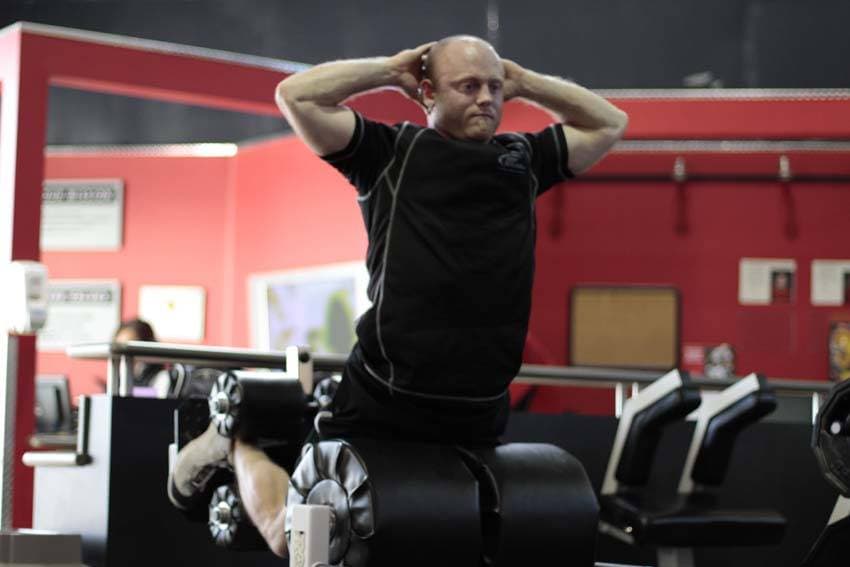
Start from the bottom of the movement. Keep your back arched as you begin the movement by flexing the knees. Drive your toes into the foot plate as you do so. Keep your upper body straight, and continue until your body is upright.
Return to the starting position, keeping your descent under control.
Verdict
Both exercises target the hamstrings. Ball Leg Curl is a beginner exercise using exercise ball, while Glute Ham Raise is intermediate and uses machine. Choose Ball Leg Curl if you're looking for a more accessible option, or Glute Ham Raise for a greater challenge. Glute Ham Raise is a compound movement working multiple joints, making it better for overall strength. Ball Leg Curl isolates the target muscle for focused development.