Exercise Comparison
Alternating Deltoid Raise vs Cable Rear Delt Fly
Side-by-Side
Muscle Analysis
Shared
Instructions
Alternating Deltoid Raise
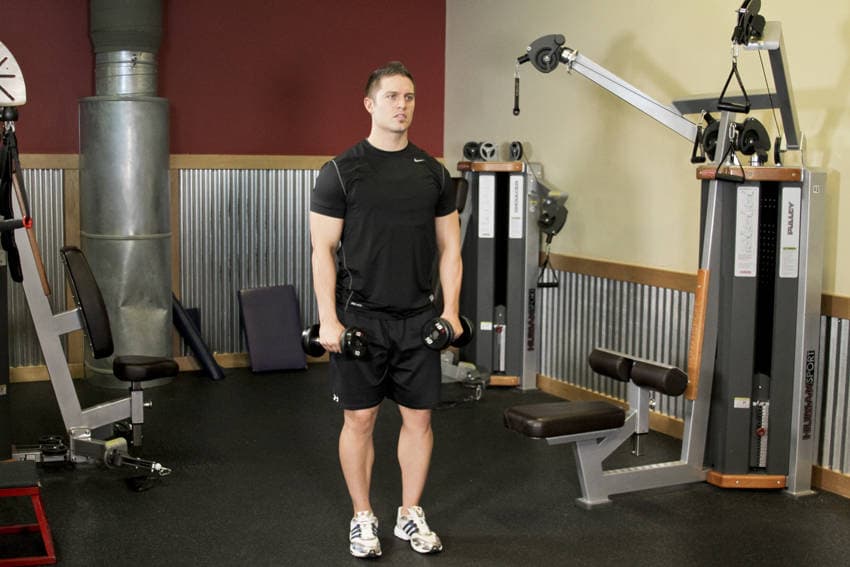
In a standing position, hold a pair of dumbbells at your side.
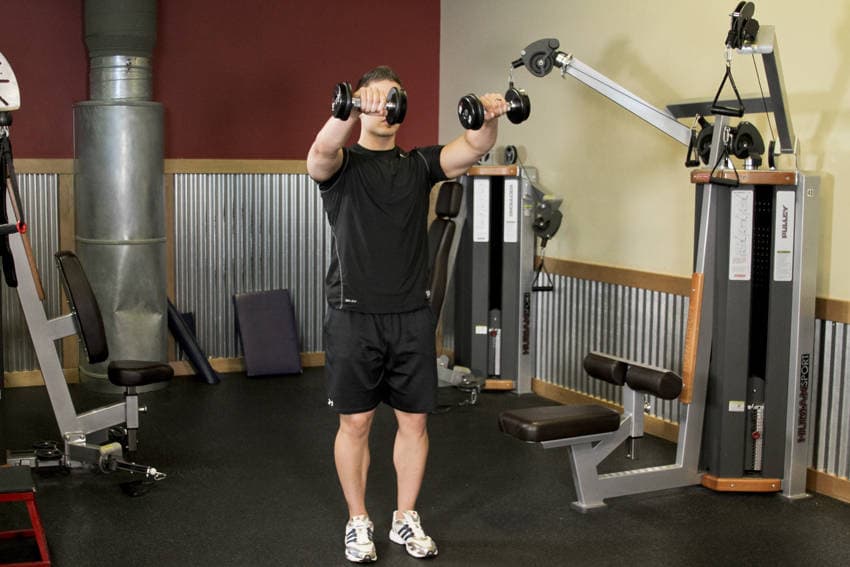
Keeping your elbows slightly bent, raise the weights directly in front of you to shoulder height, avoiding any swinging or cheating.
Return the weights to your side.
On the next repetition, raise the weights laterally, raising them out to your side to about shoulder height.
Return the weights to the starting position and continue alternating to the front and side.
Cable Rear Delt Fly
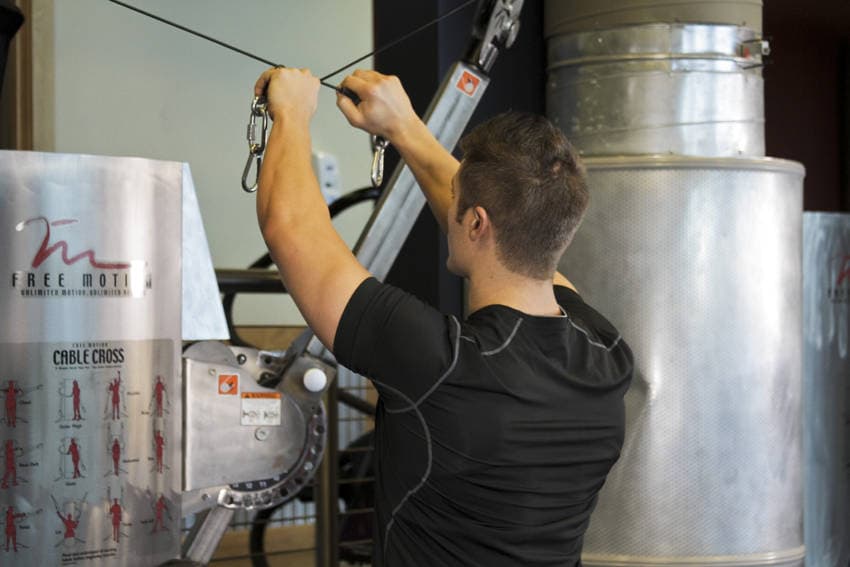
Adjust the pulleys to the appropriate height and adjust the weight. The pulleys should be above your head.
Grab the left pulley with your right hand and the right pulley with your left hand, crossing them in front of you. This will be your starting position.
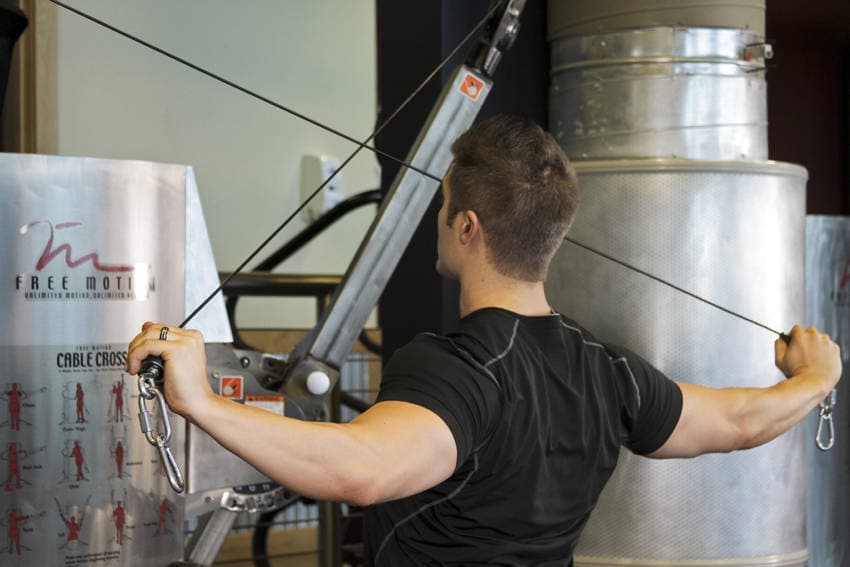
Initiate the movement by moving your arms back and outward, keeping your arms straight as you execute the movement.
Pause at the end of the motion before returning the handles to the start position.
Verdict
Both exercises target the shoulders. Alternating Deltoid Raise is a beginner exercise using dumbbell, while Cable Rear Delt Fly is beginner and uses cable. Choose Alternating Deltoid Raise if you have access to dumbbell, or Cable Rear Delt Fly if you prefer cable.