Exercise Comparison
Alternating Deltoid Raise vs Straight Raises on Incline Bench

Side-by-Side
Muscle Analysis
Shared
Only in Straight Raises on Incline Bench
Instructions
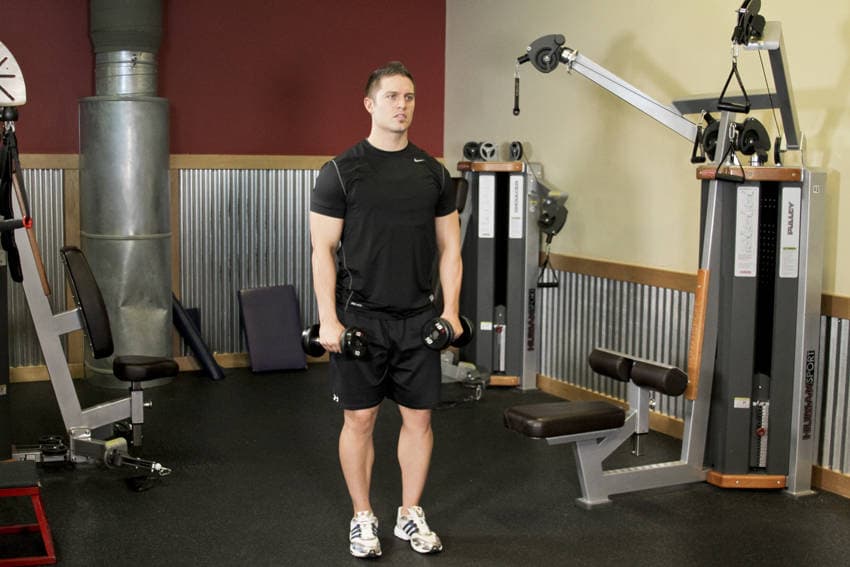
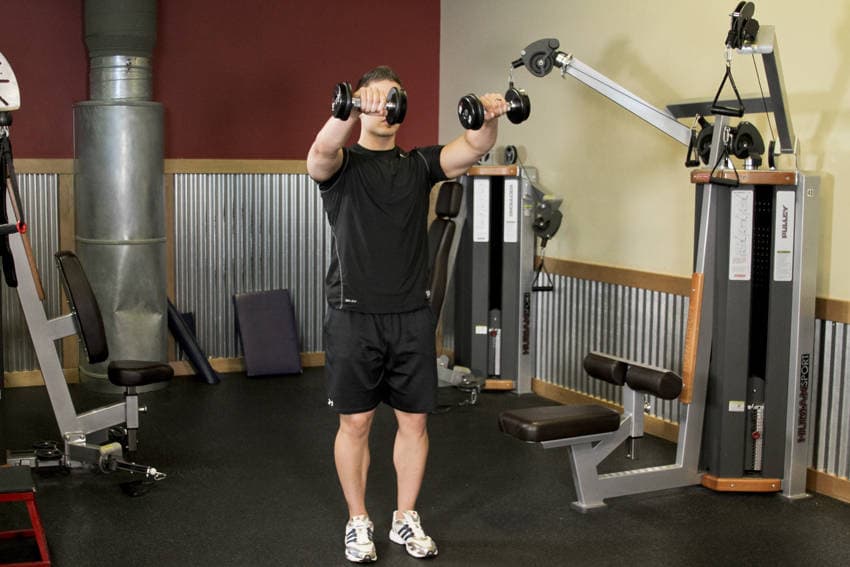
Alternating Deltoid Raise
In a standing position, hold a pair of dumbbells at your side.
Keeping your elbows slightly bent, raise the weights directly in front of you to shoulder height, avoiding any swinging or cheating.
Return the weights to your side.
On the next repetition, raise the weights laterally, raising them out to your side to about shoulder height.
Return the weights to the starting position and continue alternating to the front and side.
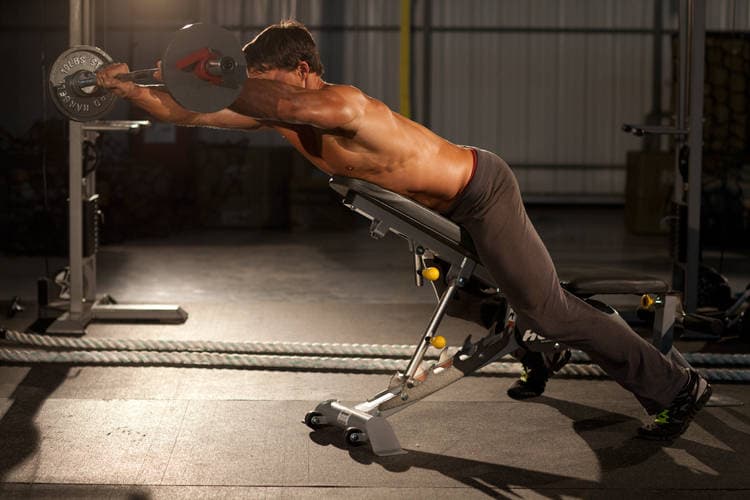
Straight Raises on Incline Bench
Place a bar on the ground behind the head of an incline bench.
Lay on the bench face down. With a pronated grip, pick the barbell up from the floor, keeping your arms straight. Allow the bar to hang straight down. This will be your starting position.
To begin, raise the barbell out in front of your head while keeping your arms extended.
Return to the starting position.
Verdict
Both exercises target the shoulders. Alternating Deltoid Raise is a beginner exercise using dumbbell, while Straight Raises on Incline Bench is beginner and uses barbell. Choose Alternating Deltoid Raise if you have access to dumbbell, or Straight Raises on Incline Bench if you prefer barbell.