Neck
rectus capitis posterior major
REK-tus KAP-i-tis pos-TEER-ee-or MAY-jor
The rectus capitis posterior major is a small deep neck muscle at the base of your skull, running from the upper cervical spine to the occiput. It extends and rotates the head, helping maintain upright posture during daily activities and workouts. Strong suboccipitals like this one prevent forward head posture common in desk workers and lifters.
Open in 3D ViewerCommon Pain & Injury
Pain from this muscle often feels like tension headaches at the base of the skull, with referral to the forehead or behind the eyes. Trigger points can cause dizziness or visual disturbances. See a doctor if accompanied by vertigo, numbness, or after trauma.
Anatomy & Function
Origin
Spinous process of C2 vertebra (axis, second neck bone)
Insertion
Occipital bone (base of skull)
Actions
- Extension of head (tilting head back)
- Rotation of head to opposite side
Innervation
Suboccipital nerve (posterior ramus of C1)
Muscle Relationships
Antagonists
Synergists
Trigger Points
Forms at the upper medial border near occiput; refers pain to forehead, eye orbit, and temple, sometimes causing occipital headaches.
Stretches
Common Conditions
Anatomical Parts
FAQ
What does rectus capitis posterior major do?
It extends and rotates the head, stabilizing the atlanto-occipital joint for posture and neck movement.
Rectus capitis posterior major pain?
Pain refers to the head and eyes; often from poor posture or whiplash-try gentle stretches and see a PT if persistent.
How to stretch rectus capitis posterior major?
Use chin tucks or side bends with gentle pressure on the occiput to release tension.
Rectus capitis posterior major headache?
Trigger points here commonly cause occipital headaches radiating forward; massage or dry needling helps.
Exercises for rectus capitis posterior major
8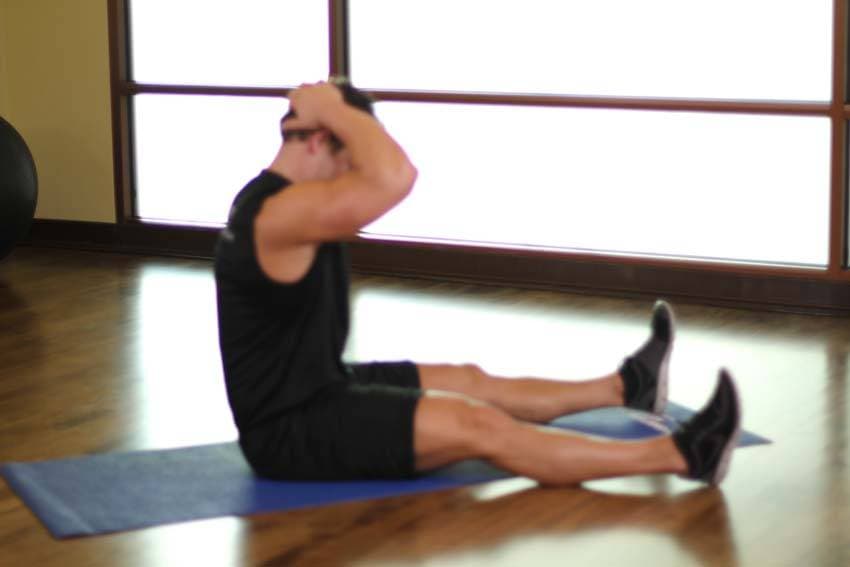
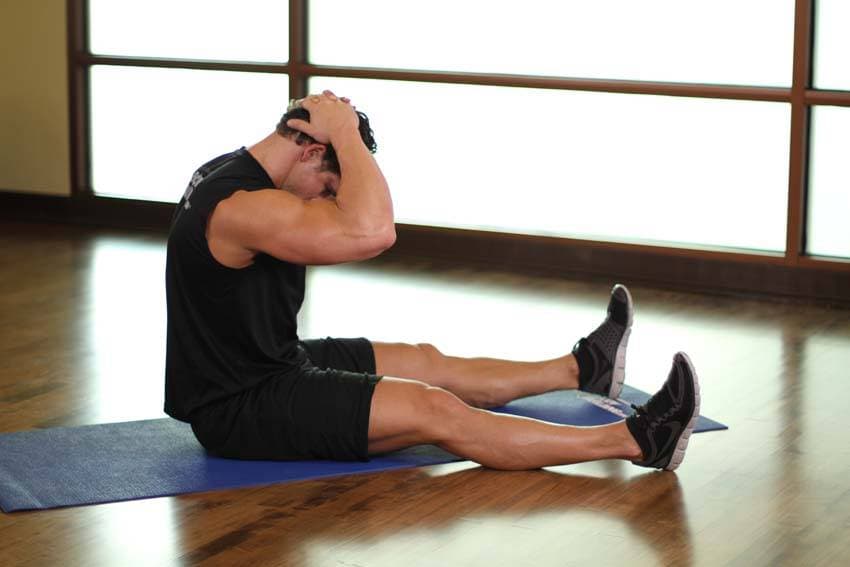
Chin To Chest Stretch


Isometric Neck Exercise - Front And Back
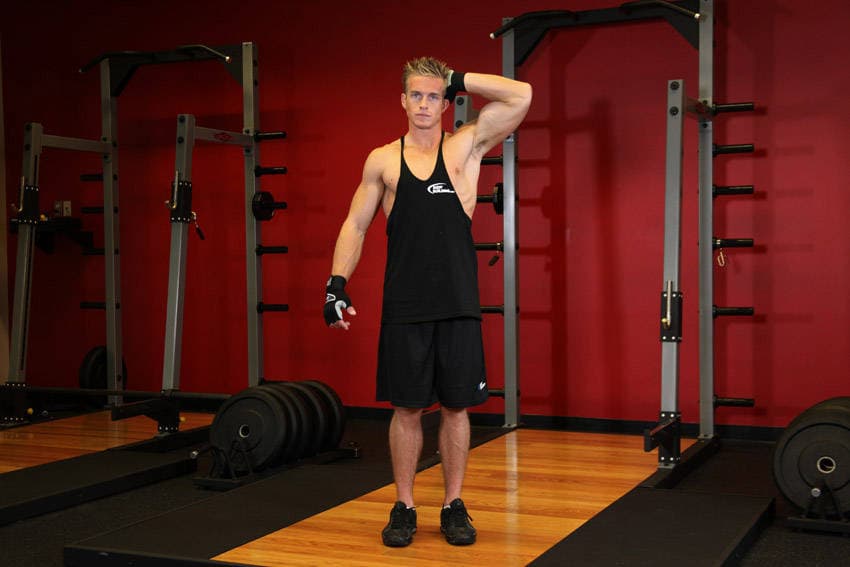
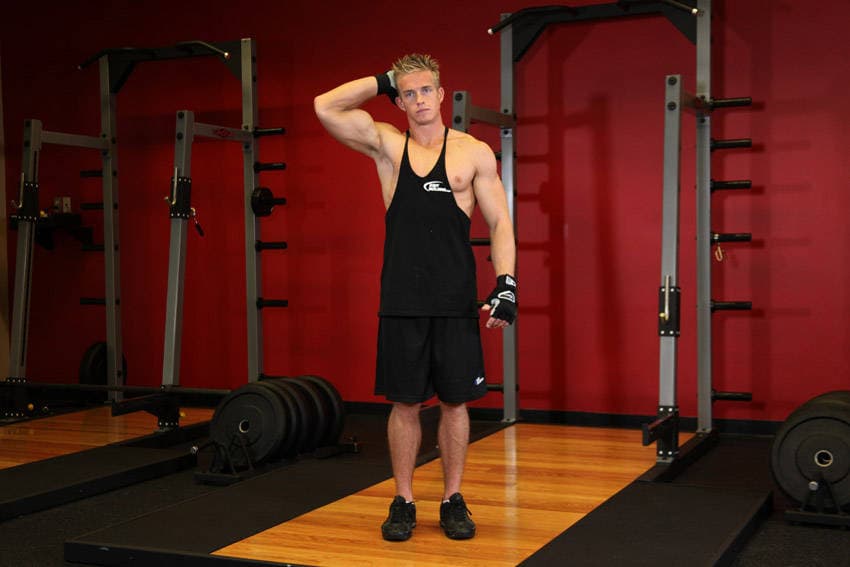
Isometric Neck Exercise - Sides
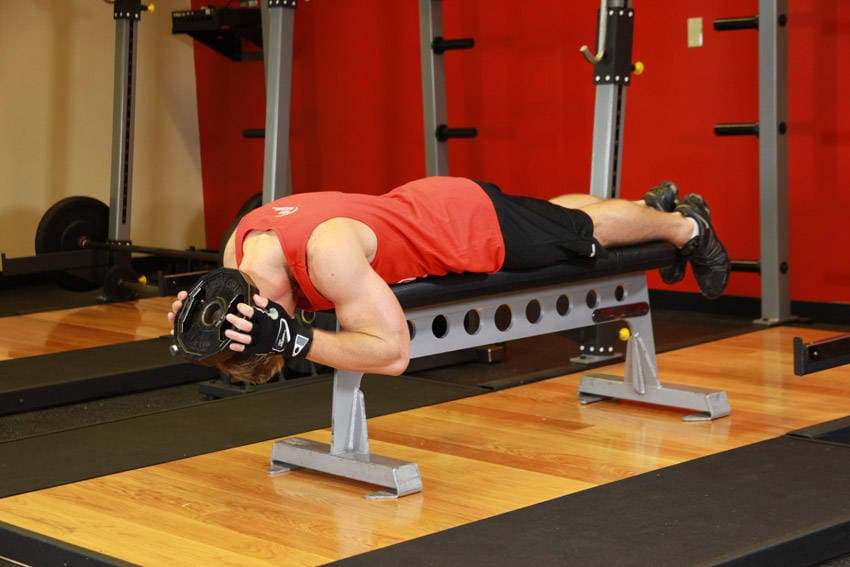
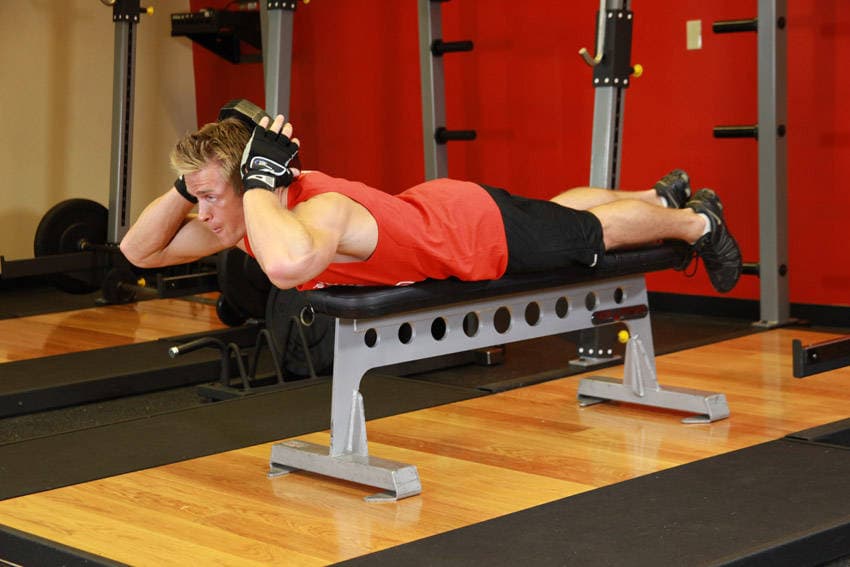
Lying Face Down Plate Neck Resistance
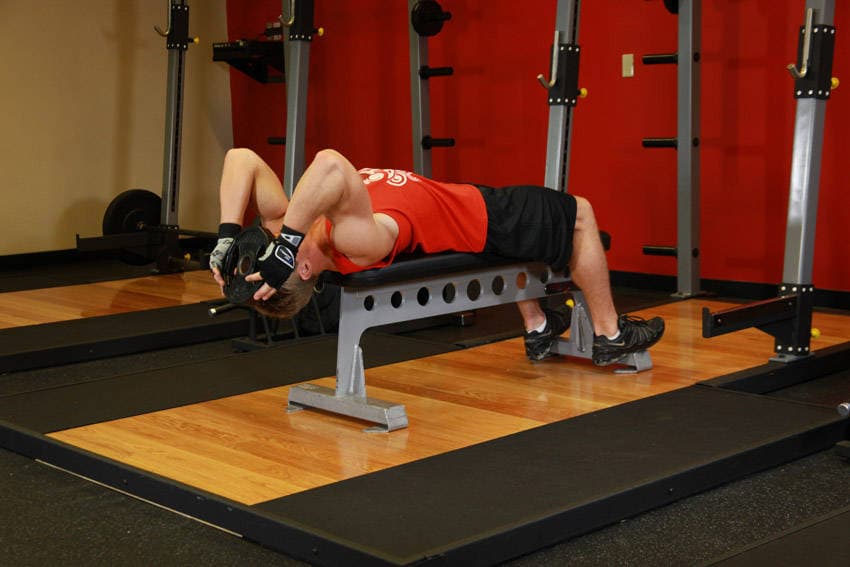
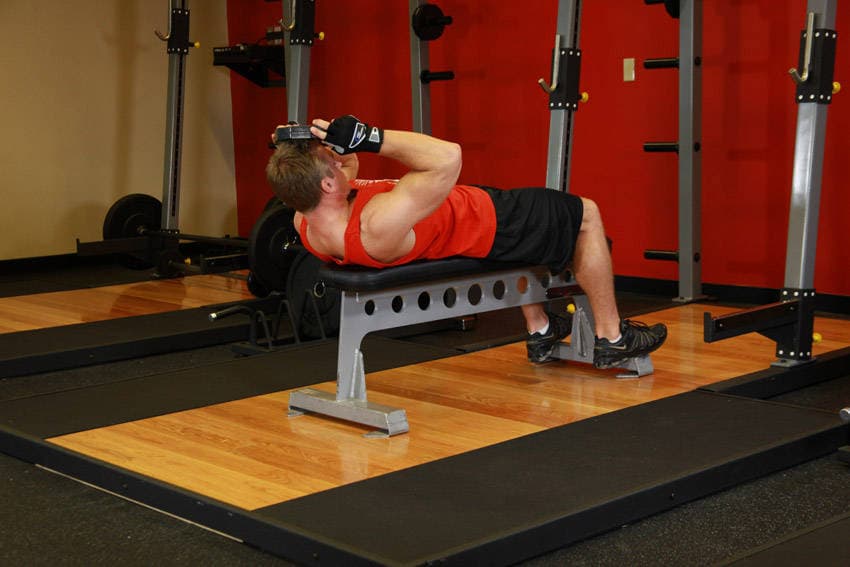
Lying Face Up Plate Neck Resistance
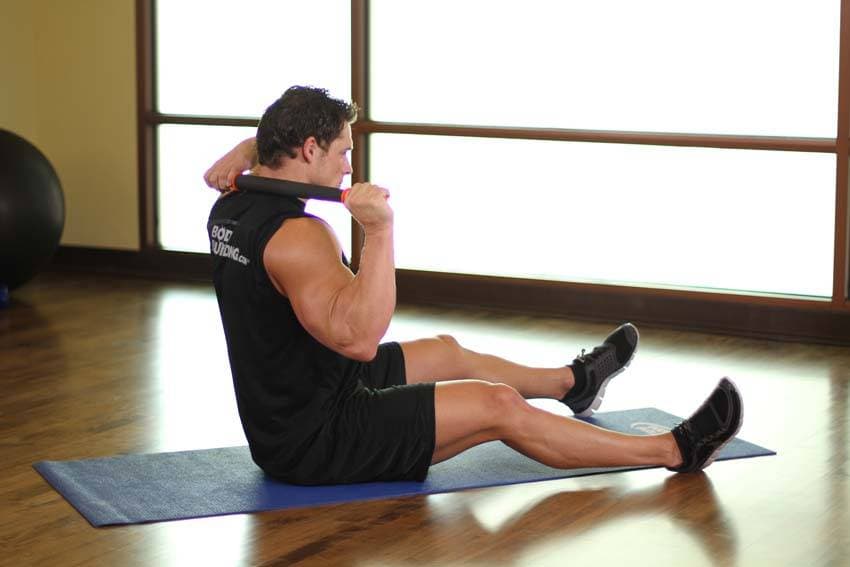
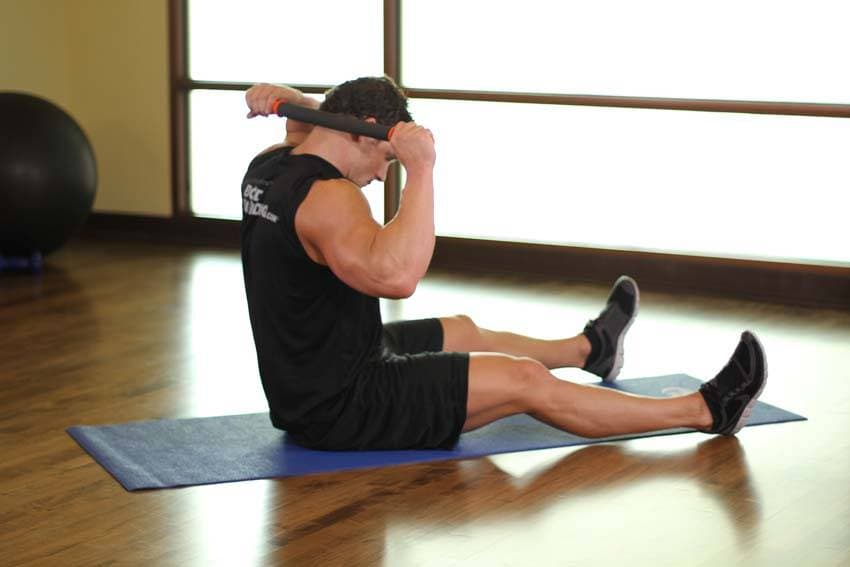
Neck-SMR
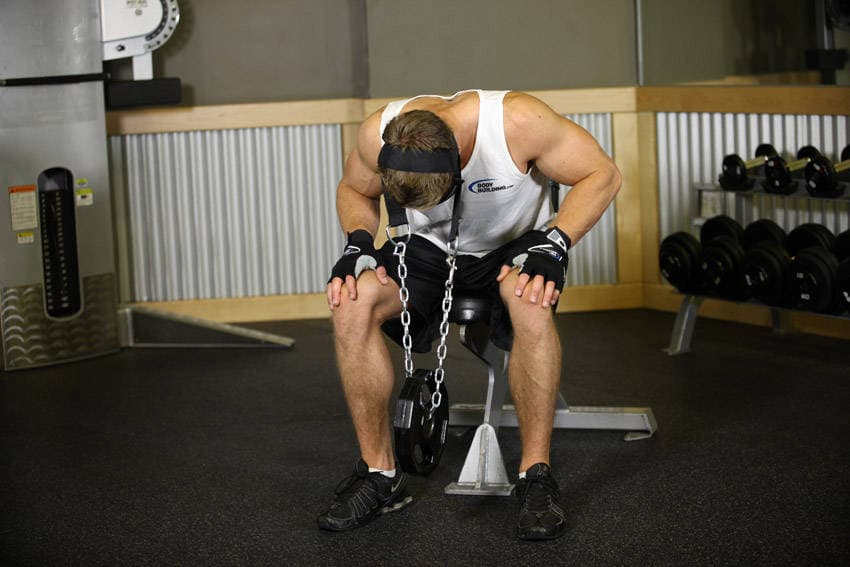
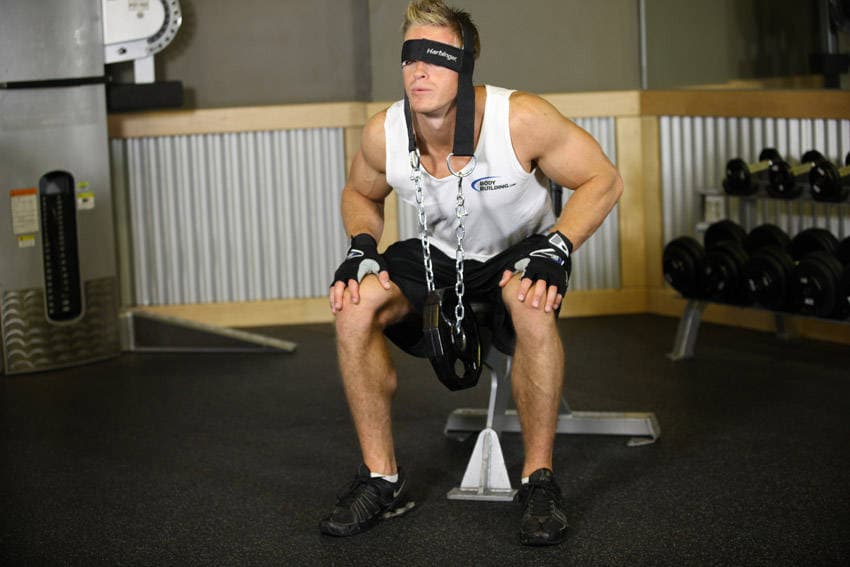
Seated Head Harness Neck Resistance
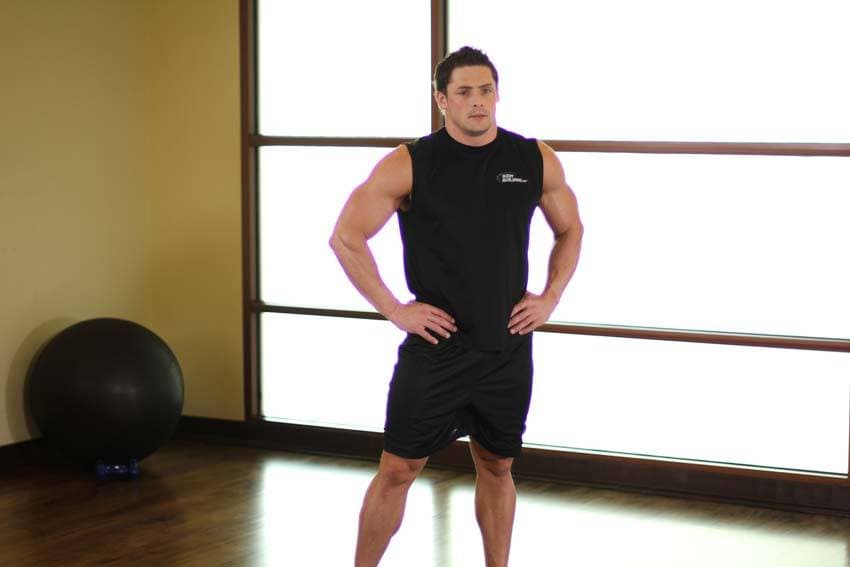
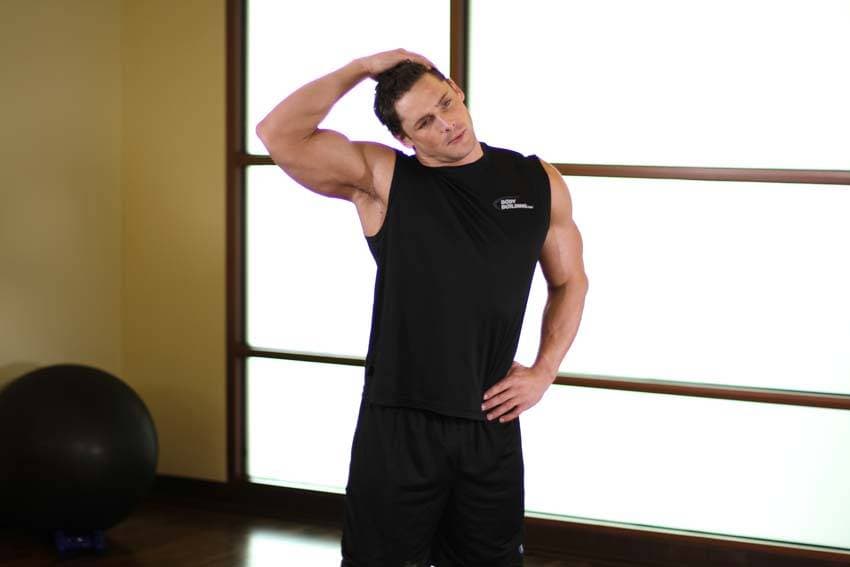
Side Neck Stretch
Also Works rectus capitis posterior major
1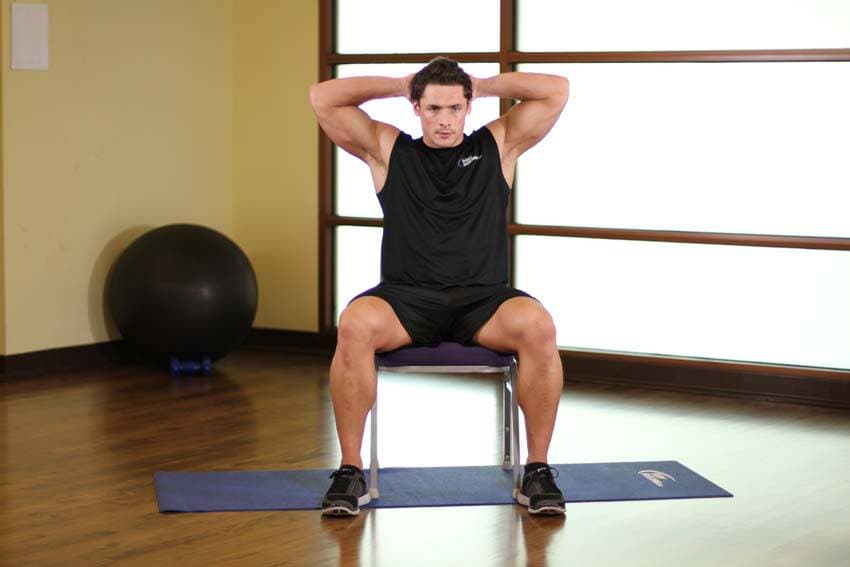
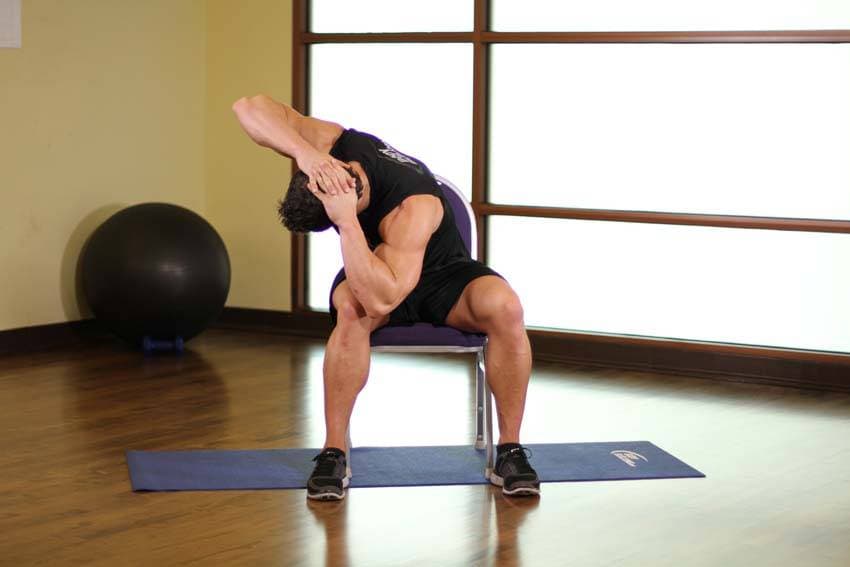
Related Neck Muscles
Neck Pain Guide
Common causes and relief
Activities & Sports
See which activities use rectus capitis posterior major