Neck
sternohyoid
ster-no-HY-oyd
The sternohyoid is a thin, strap-like muscle in the anterior neck that runs from the sternum to the hyoid bone. It depresses the hyoid bone during swallowing and speaking, stabilizing the larynx. For fitness enthusiasts, it's key for neck stability in exercises like deadlifts or overhead presses, preventing strain during heavy breathing.
Open in 3D ViewerCommon Pain & Injury
Pain in the sternohyoid often feels like a tight band under the chin or soreness in the lower neck, commonly from poor posture, whiplash, or overuse in singing/speaking. It may cause difficulty swallowing or a lump sensation. See a doctor if pain persists with swallowing issues or breathing difficulty.
Anatomy & Function
Origin
Sternal manubrium and clavicle (breastbone top and collarbone).
Insertion
Body of hyoid bone (small bone under the chin).
Actions
- Depresses hyoid bone (lowers bone under chin during swallow)
- Fixates hyoid during laryngeal depression (stabilizes for voice box movement)
Innervation
Ansa cervicalis (C1-C3 nerves).
Muscle Relationships
Antagonists
Synergists
Trigger Points
Trigger points form in the midbelly along the sternum-to-hyoid line, referring pain locally to the anterior neck and throat, sometimes mimicking thyroid discomfort.
Stretches
Common Conditions
Anatomical Parts
FAQ
What does the sternohyoid muscle do?
It lowers the hyoid bone to aid swallowing and speaking while stabilizing the neck during these actions.
Sternohyoid pain causes?
Common from poor posture, whiplash, or vocal strain, feeling like tightness under the chin.
How to stretch sternohyoid?
Use gentle neck extension tilts or chin tucks to lengthen it without straining.
Sternohyoid exercises?
Strengthen indirectly via neck bridges or isometric holds in yoga for stability.
Exercises for sternohyoid
8
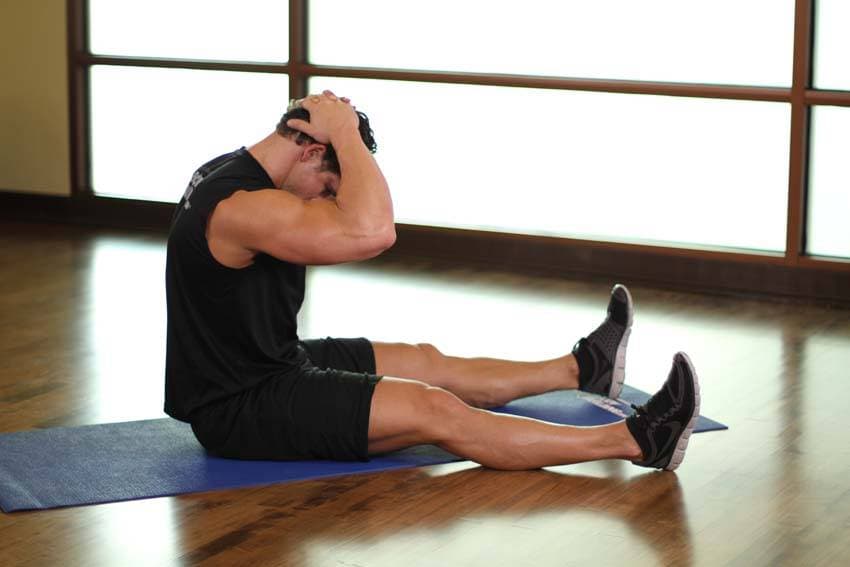
Chin To Chest Stretch


Isometric Neck Exercise - Front And Back
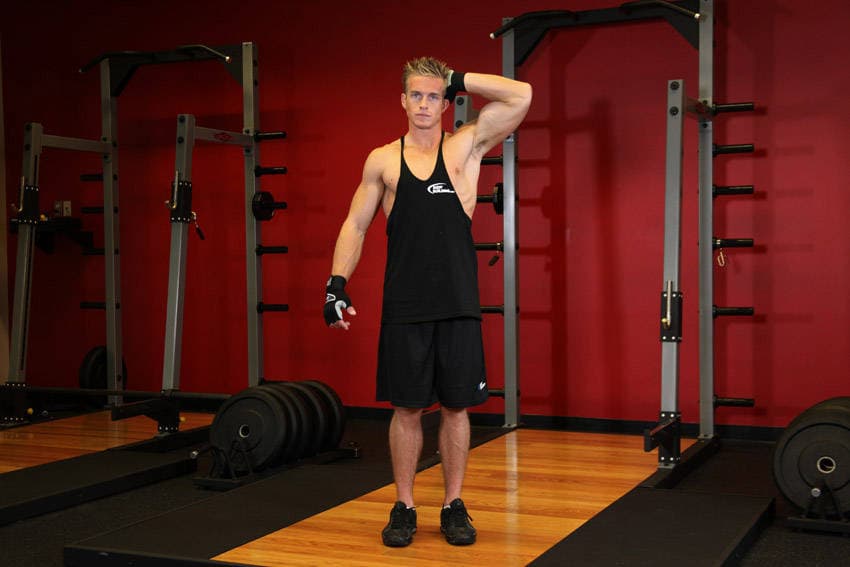
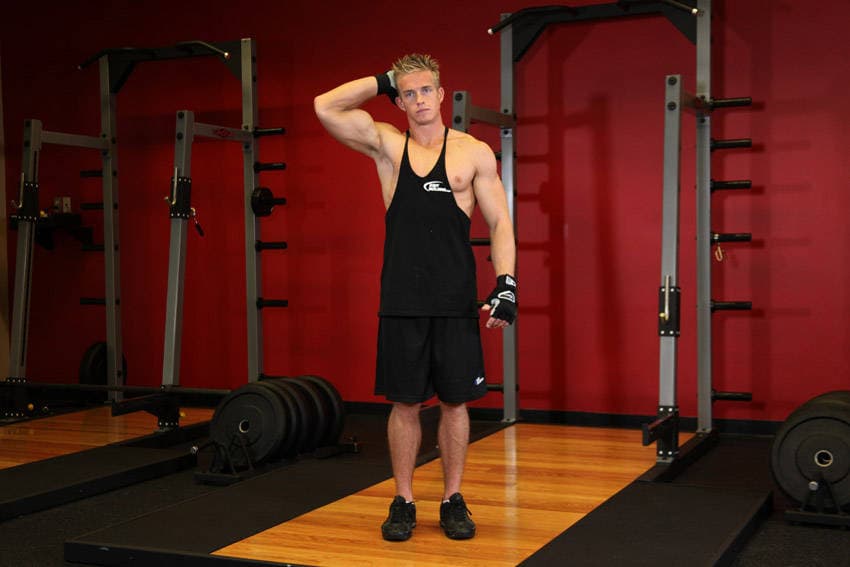
Isometric Neck Exercise - Sides
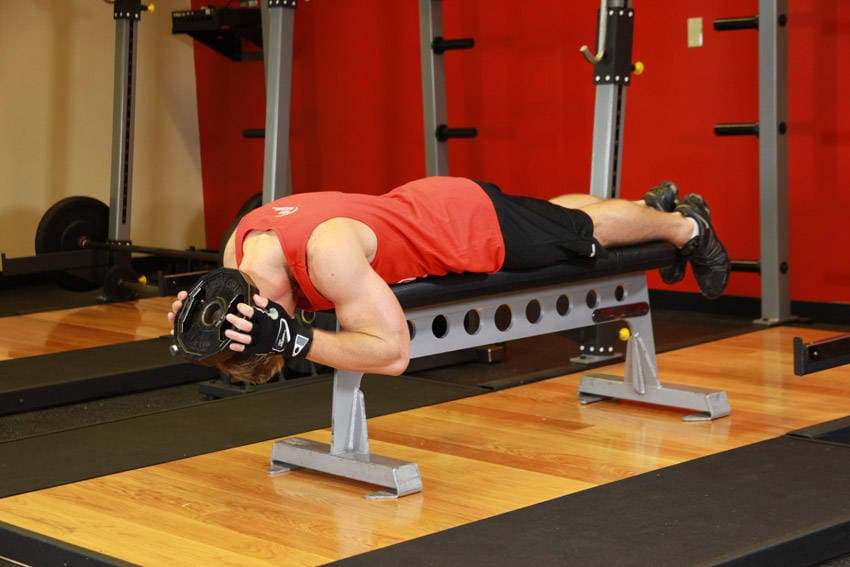
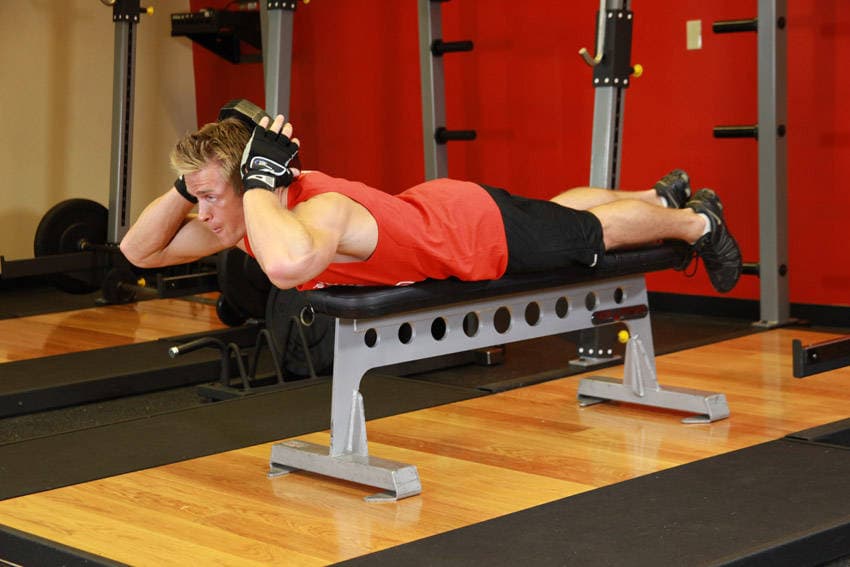
Lying Face Down Plate Neck Resistance
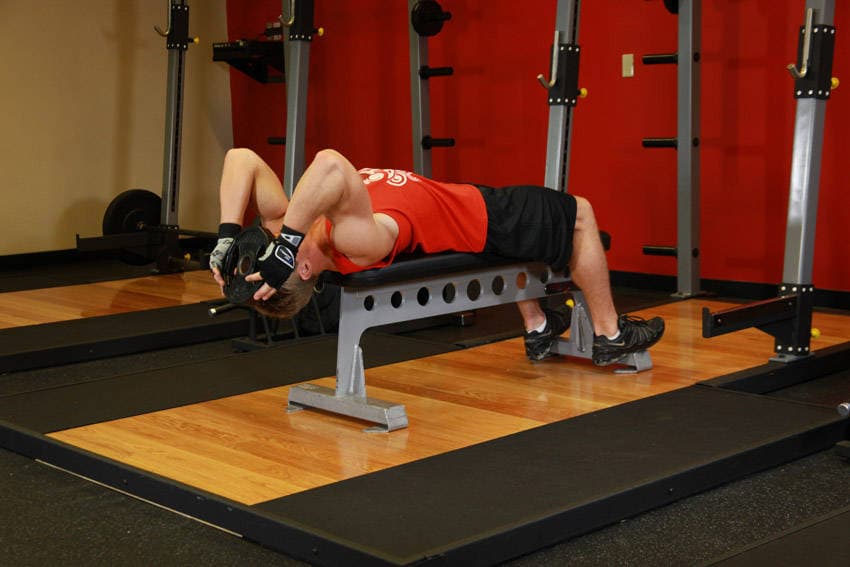
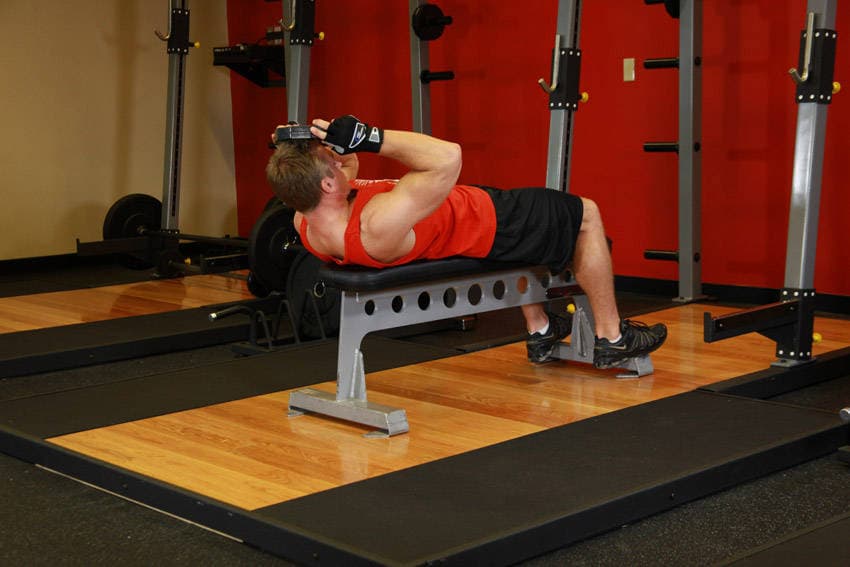
Lying Face Up Plate Neck Resistance
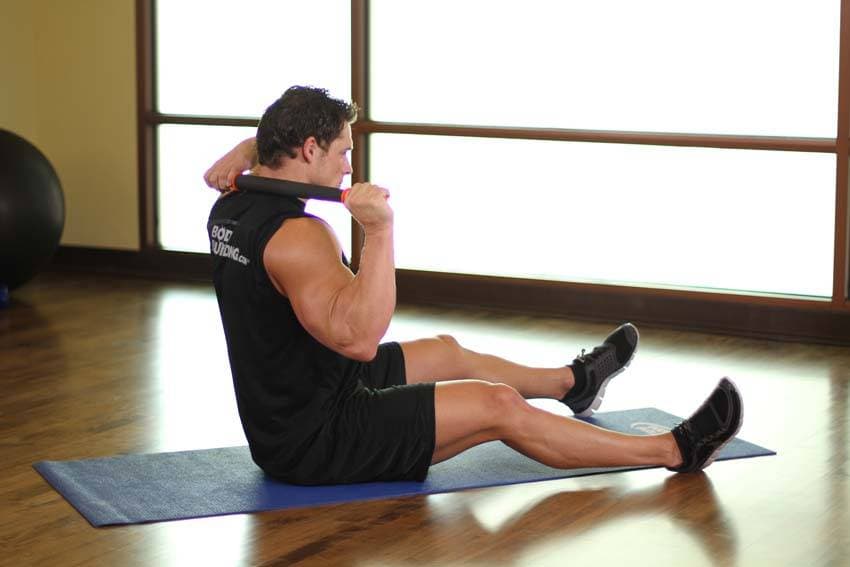
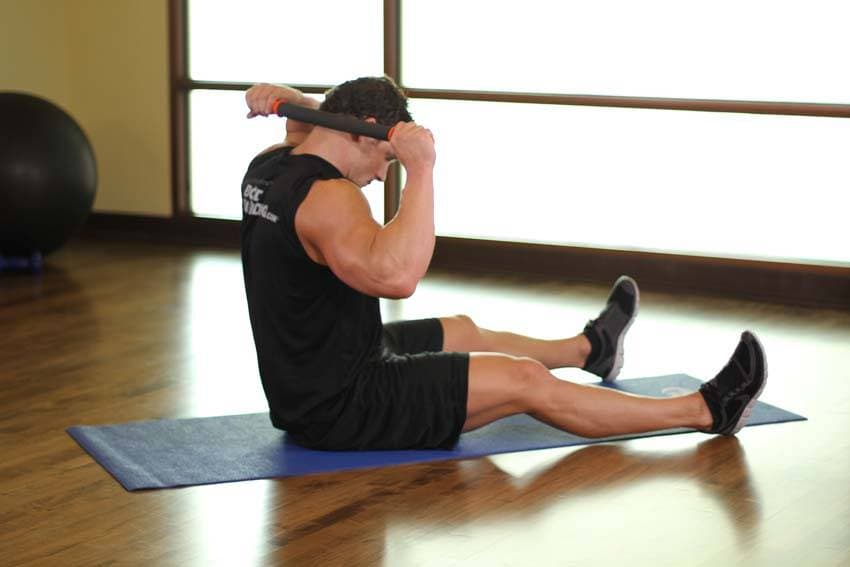
Neck-SMR
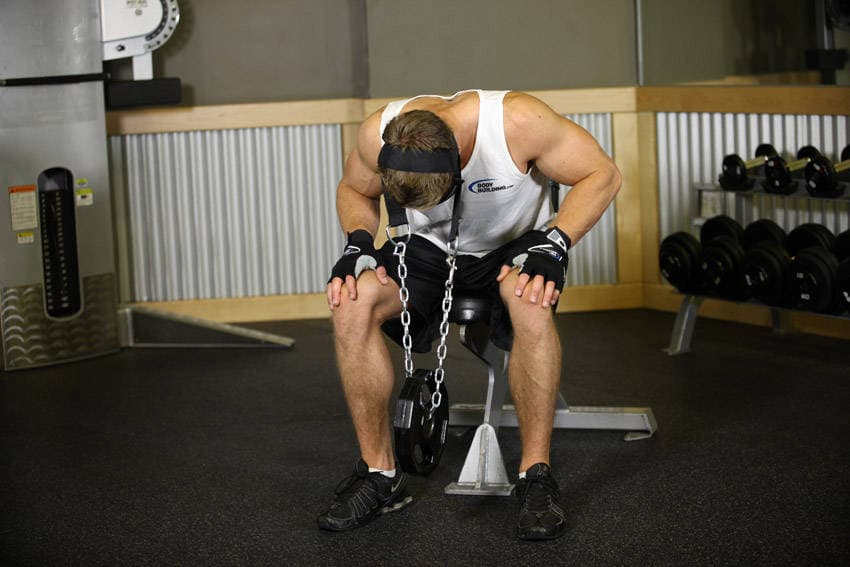
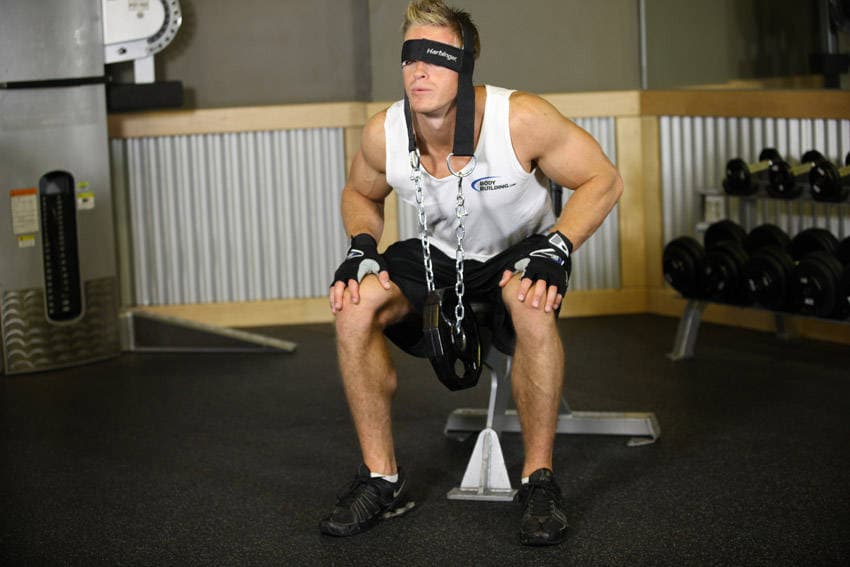
Seated Head Harness Neck Resistance
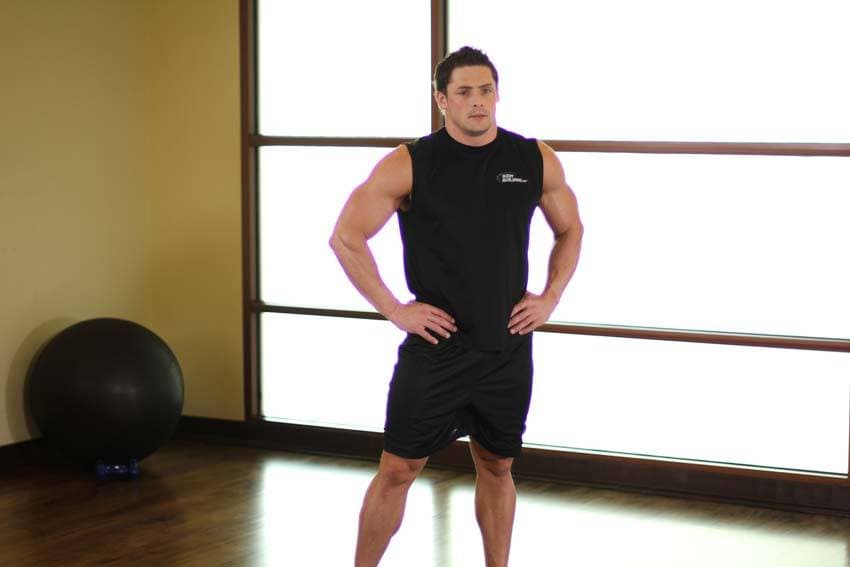
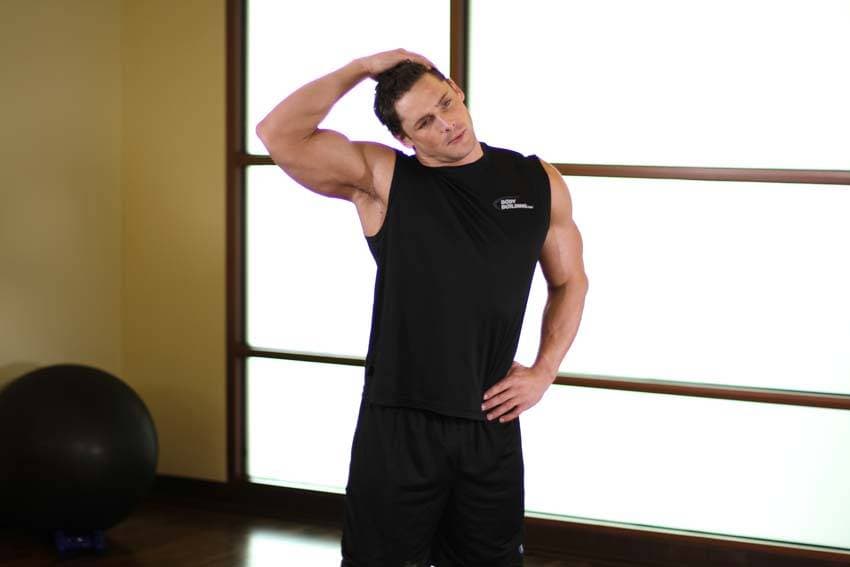
Side Neck Stretch
Also Works sternohyoid
1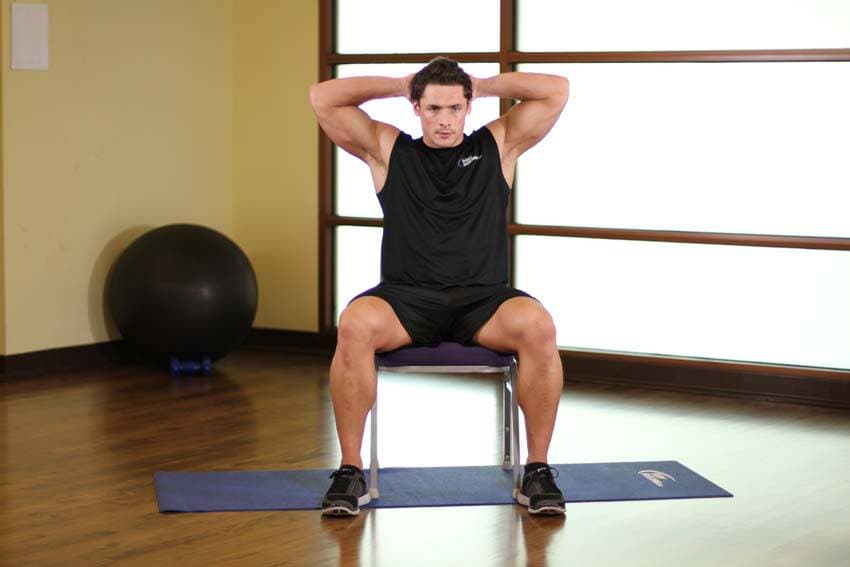
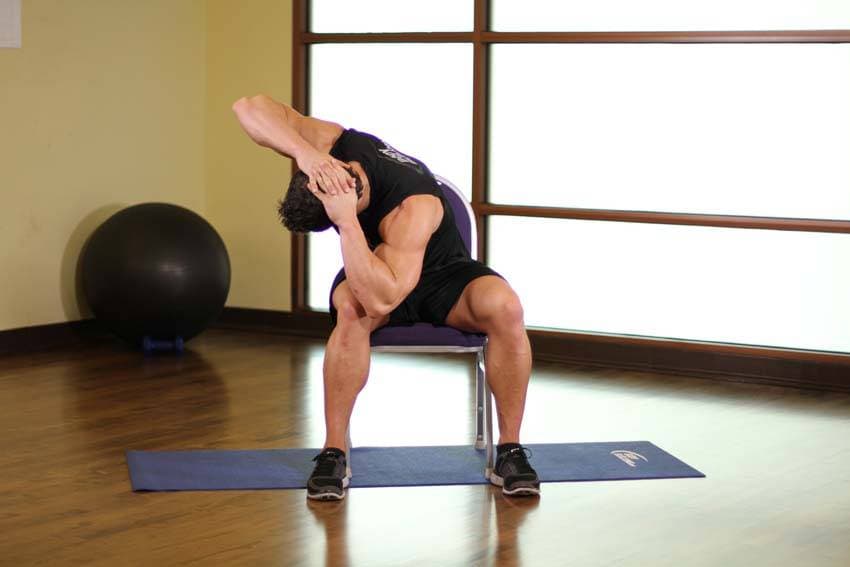
Related Neck Muscles
Neck Pain Guide
Common causes and relief
Activities & Sports
See which activities use sternohyoid