Neck
Vertical intermediate part of left longus colli
VER-ti-kal in-ter-MEE-dee-it left LON-gus KOL-eye
Vertical intermediate fibers of left longus colli flex neck laterally and forward. Deep neck stabilizer for posture.
Open in 3D ViewerCommon Pain & Injury
Neck stiffness; whiplash.
Anatomy & Function
Origin
Anterior bodies of T1-T3 vertebrae.
Insertion
Anterior C2-C4 vertebrae.
Actions
- Lateral neck flexion (left)
- Neck flexion
Innervation
Cervical sympathetic trunk
Muscle Relationships
Antagonists
Splenius cervicis
Synergists
Other longus colli parts
Trigger Points
Local neck pain.
Stretches
1Chin tuck
2Side neck stretch
Common Conditions
Cervical strainWhiplash-associated disorder
Anatomical Parts
Vertical intermediate part of left longus colli
FAQ
Longus colli function?
Deep neck flexor for stability and flexion.
Exercises for Vertical intermediate part of left longus colli
8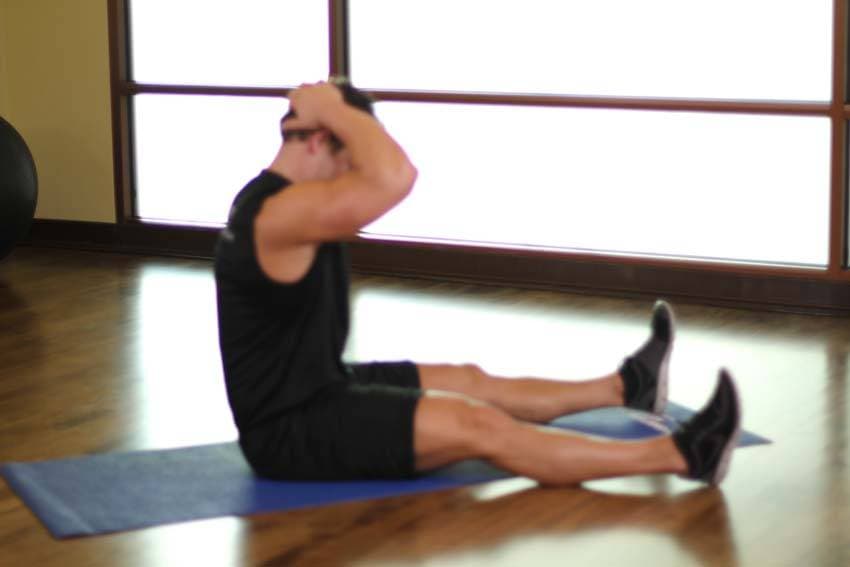
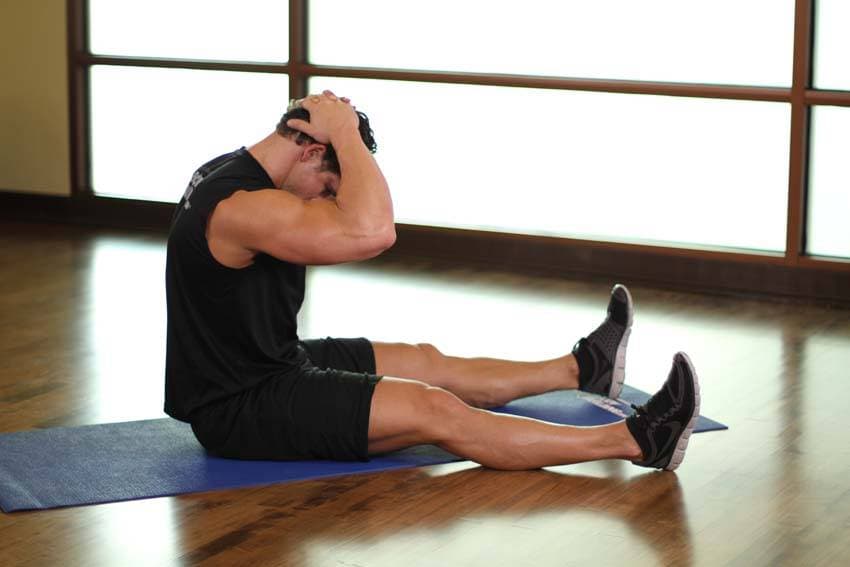
Chin To Chest Stretch
beginner


Isometric Neck Exercise - Front And Back
beginner·Bodyweight
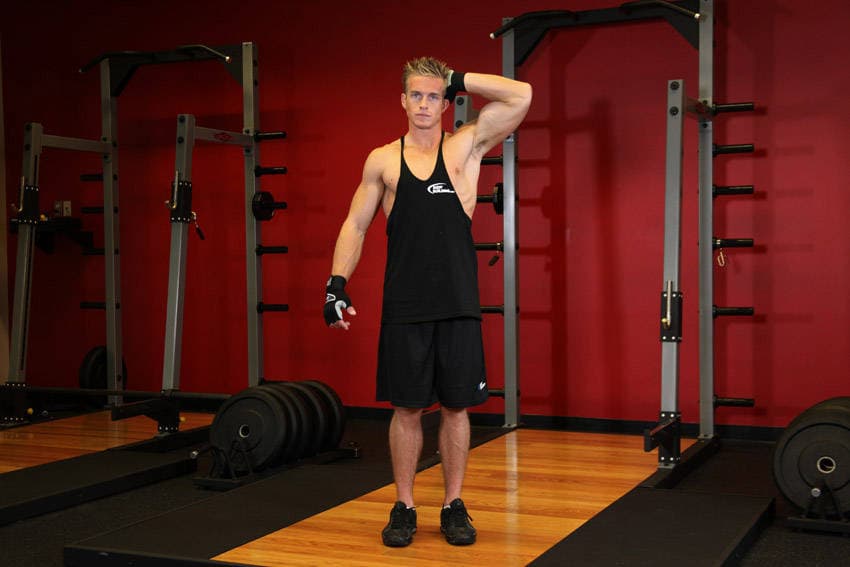
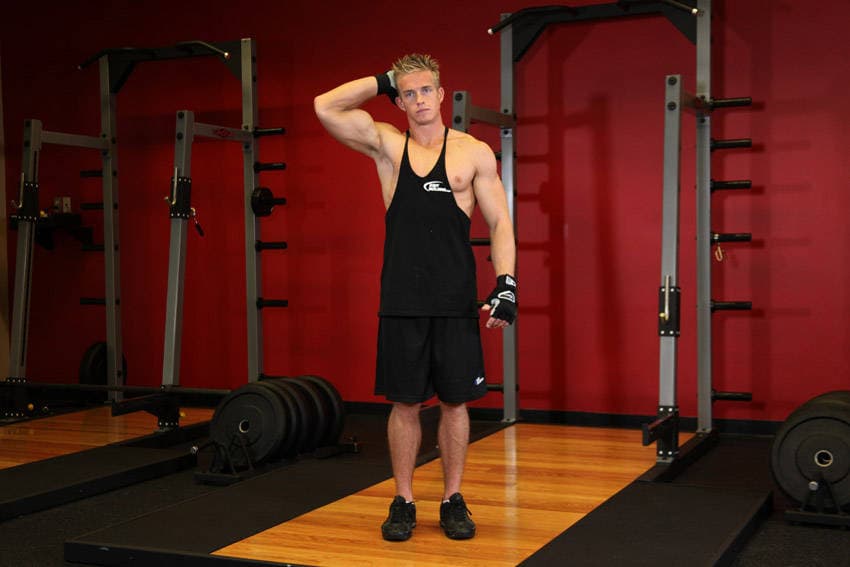
Isometric Neck Exercise - Sides
beginner·Bodyweight
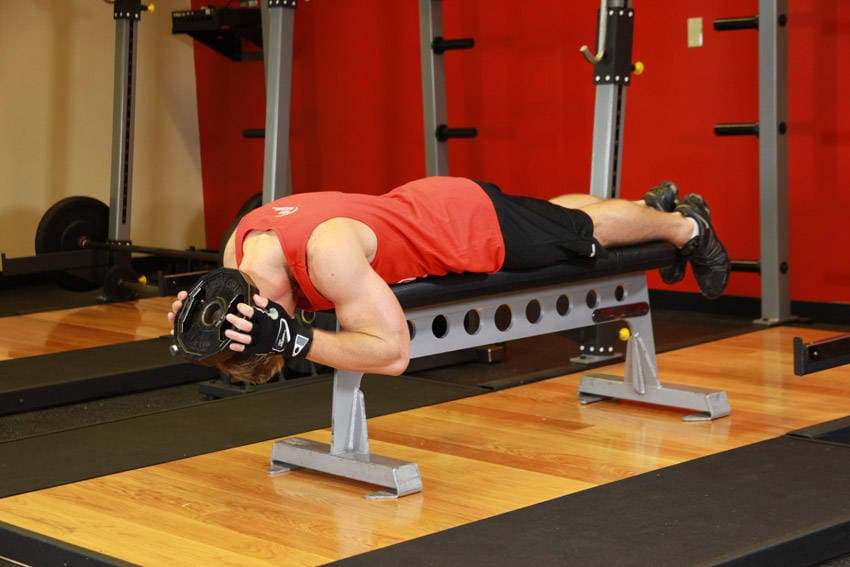
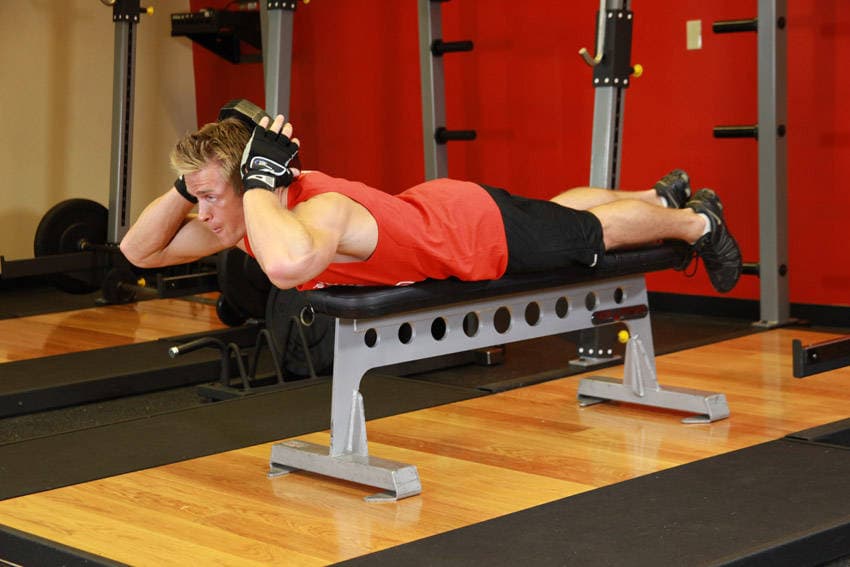
Lying Face Down Plate Neck Resistance
intermediate·other
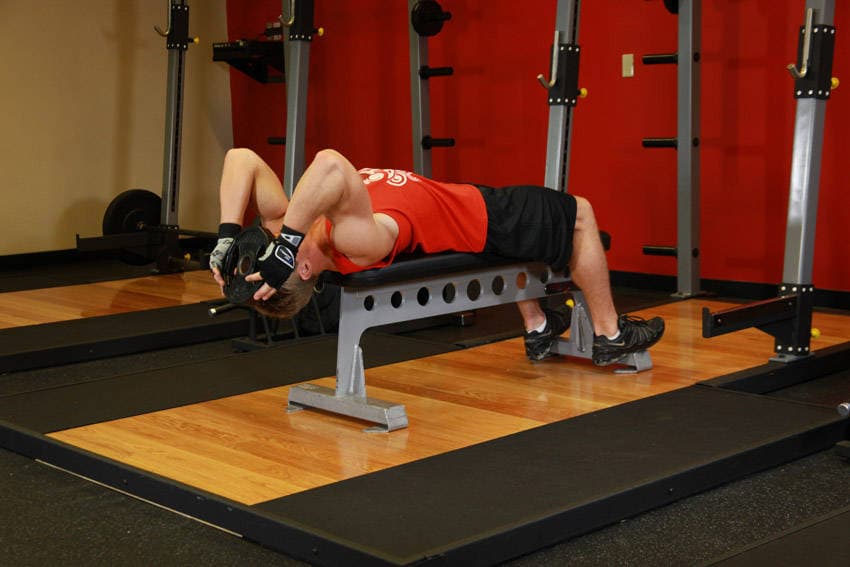
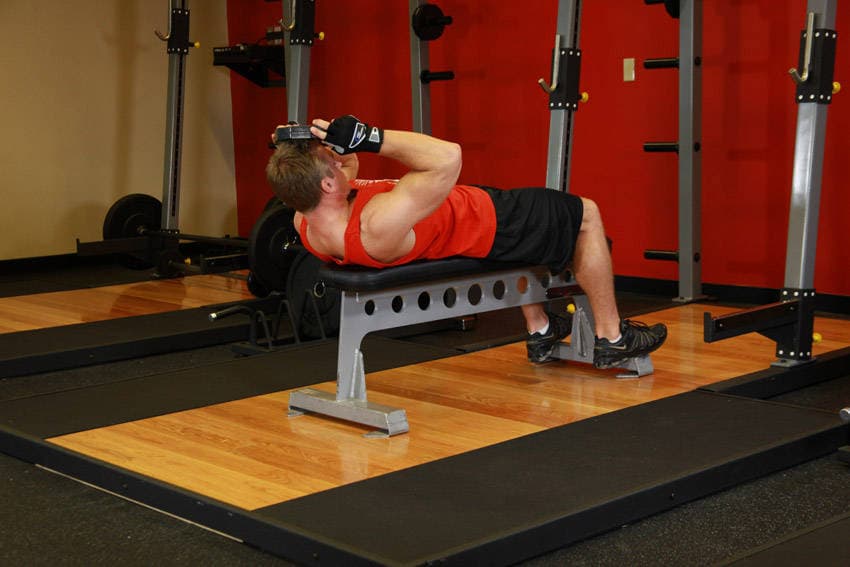
Lying Face Up Plate Neck Resistance
intermediate·other
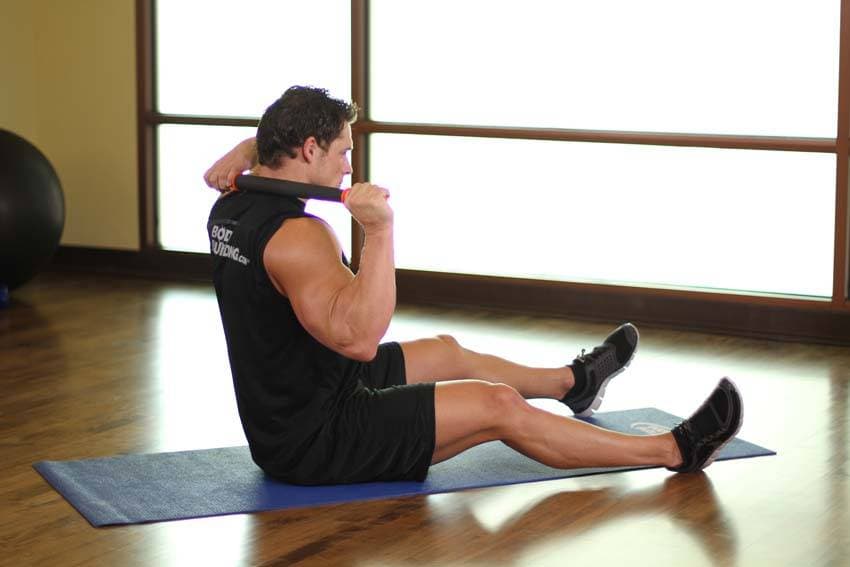
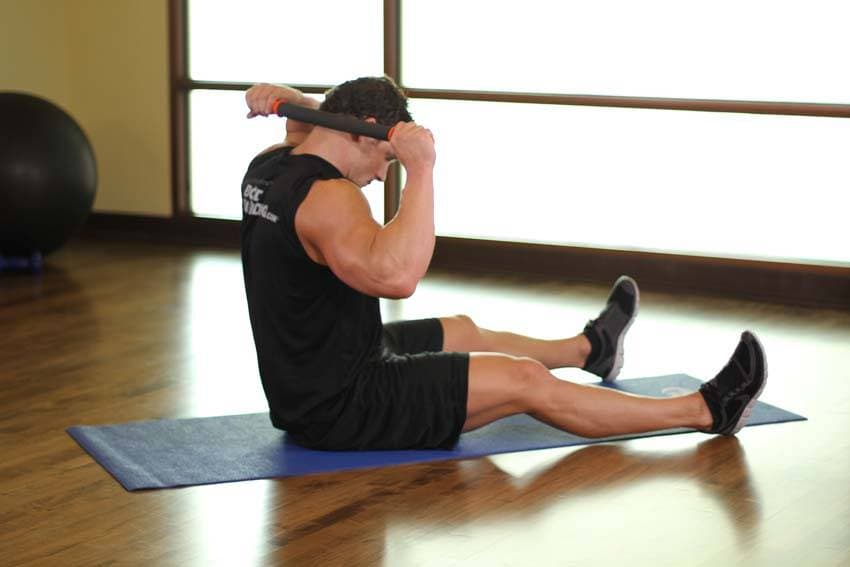
Neck-SMR
intermediate·other
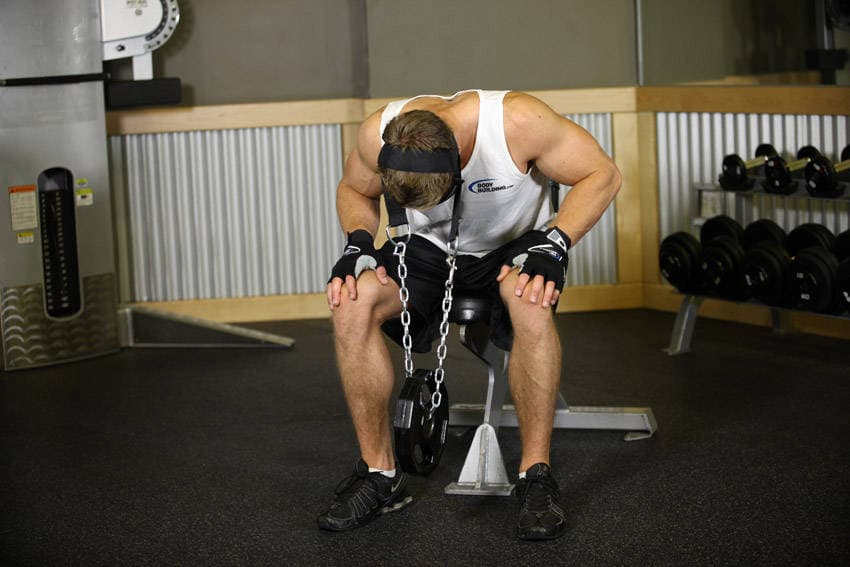
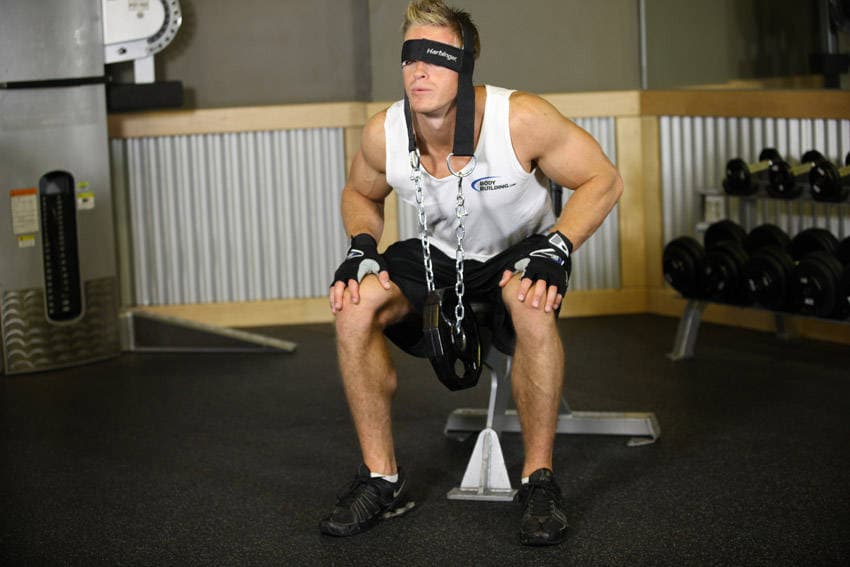
Seated Head Harness Neck Resistance
intermediate·other
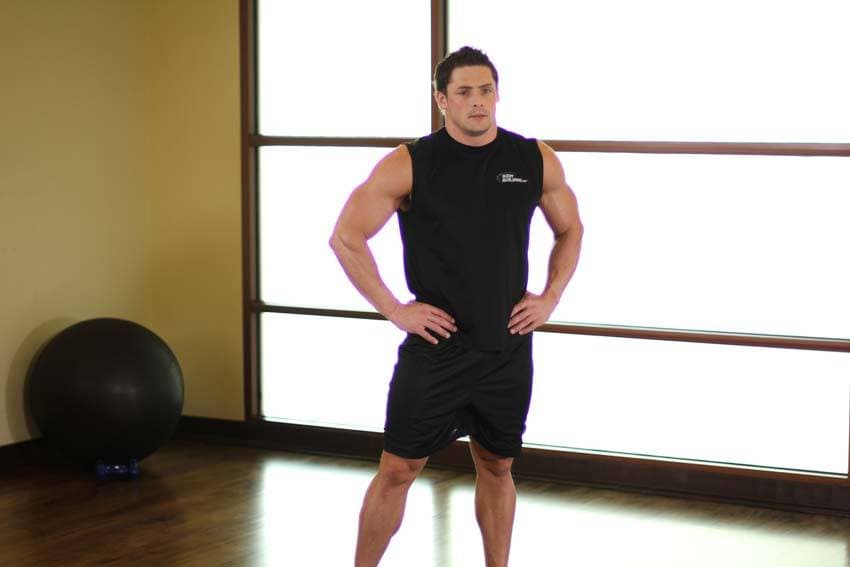
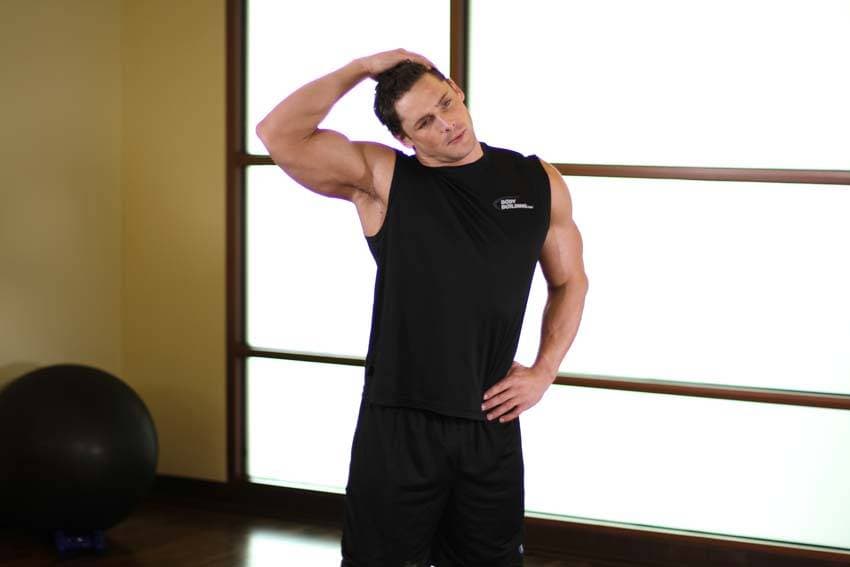
Side Neck Stretch
beginner
Also Works Vertical intermediate part of left longus colli
1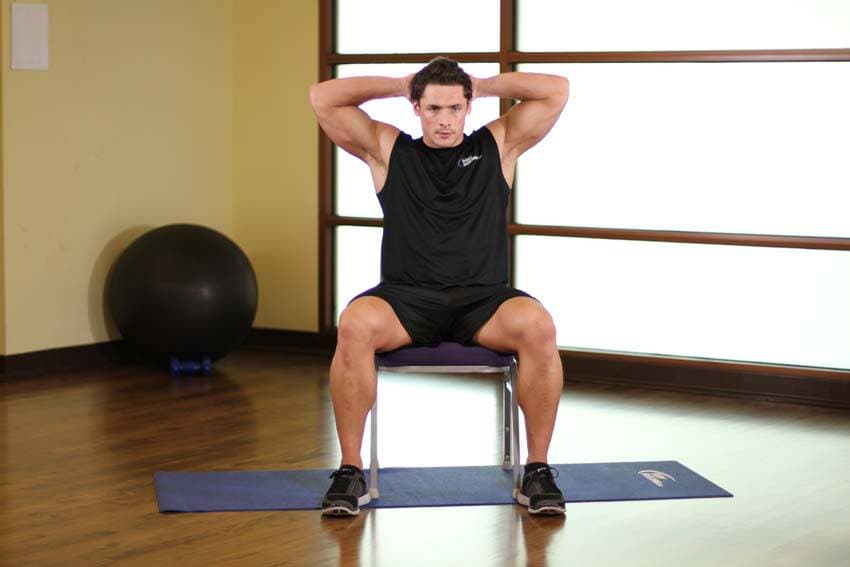
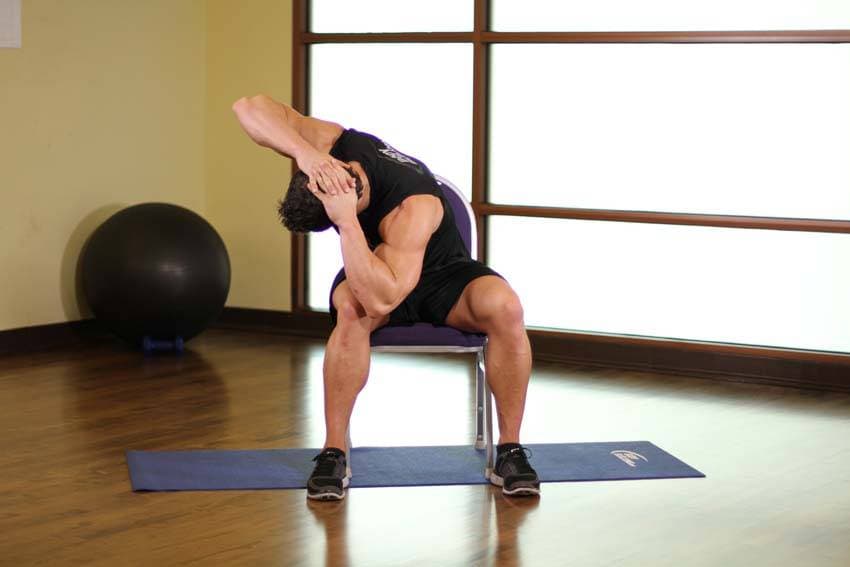
Related Neck Muscles
arytenoid cartilage
Paired laryngeal cartilages in throat enabling voice production via vocal cord movement. Not muscle but closest for neck; singers train supporting muscles. Vital for breathing/speaking.
Ascending part of right trapezius
The ascending part of the right trapezius is the uppermost portion of the trapezius muscle on the right side, running from the base of the skull and upper cervical spine up toward the clavicle and shoulder. It elevates the scapula (shoulder blade) and assists in neck extension and rotation, crucial for shrugging movements and maintaining upright posture during lifts. Strong ascending traps prevent neck strain in overhead presses and rows.
cervical rotator
Cervical rotators are deep neck muscles like obliquus capitis inferior and splenius cervicis that turn the head side-to-side. Located deep in the upper cervical spine, they enable rotation for looking over shoulder. Vital for neck mobility in sports and daily turns.
cricothyroid
The cricothyroid is a small intrinsic laryngeal muscle in the anterior neck, tensing vocal cords for higher pitch. Located between cricoid and thyroid cartilages, it's key for singing and speaking. Matters for vocal athletes like singers.
digastric
The digastric has anterior and posterior bellies under the jaw, opening the mouth by depressing mandible. Runs from mandible to mastoid via sling, key for chewing and yawning.
geniohyoid
Thin neck muscle under chin pulling hyoid forward/up, geniohyoid aids swallowing and tongue movement. Supports neck stability in planks.
hyoglossus
The hyoglossus is a thin tongue muscle running from the hyoid bone (under chin) up into the tongue's side. It depresses and retracts the tongue, aiding swallowing and speech. Rarely targeted in fitness, but dysfunction affects eating and breathing mechanics.
iliocostalis cervicis
Iliocostalis cervicis is the neck portion of the erector spinae, running vertically along upper back to cervical ribs. It extends and laterally bends the neck, vital for posture in overhead lifts and sports. Supports head stability in fitness.
Neck Pain Guide
Common causes and relief
Activities & Sports
See which activities use Vertical intermediate part of left longus colli