Hand
Finger Pain
Finger pain can involve the intrinsic hand muscles, flexor and extensor tendons, and the small joints of the fingers. Common causes range from trigger finger and arthritis to tendon strain from repetitive typing or gripping activities.
Medical Disclaimer
This information is for educational purposes only and does not constitute medical advice. Consult a qualified healthcare provider for proper diagnosis and treatment of any pain or medical condition.
Common Causes
Trigger finger (stenosing tenosynovitis)
Osteoarthritis of the finger joints
Extensor or flexor tendon strain
Dupuytren's contracture pulling fingers into flexion
Repetitive strain from typing or musical instruments
Muscles in This Area
8Hand
Set of lumbricals of left hand
Worm-like muscles in left hand palm flexing knuckles while extending fingers for writing/gripping. Essential for fine motor fitness tasks.
Hand
Set of lumbricals of right hand
Same as left but right hand; key for dexterity.
Hand
Set of dorsal interossei of left hand
These four small fan-shaped muscles on the back of the left hand abduct the fingers away from the middle finger. They work with other intrinsics for fine motor control and grip strength. Important for grip-intensive fitness like climbing or weightlifting.
Hand
Set of dorsal interossei of right hand
These four small fan-shaped muscles on the back of the right hand abduct the fingers away from the middle finger. They enable precise finger spreading and grip control. Crucial for hand-intensive sports and weight training.
Hand
Set of palmar interossei of left hand
Three muscles in left palm adducting fingers toward middle. Grip power for fitness.
Hand
Set of palmar interossei of right hand
Right palm adductors for grip.
Forearm
flexor digitorum superficialis
This superficial forearm muscle flexes the middle joints of fingers 2-5, key for precise hand control in sports like tennis or guitar playing. It sits in the anterior forearm, aiding in everything from typing to throwing. Balanced strength prevents imbalances with extensors.
Forearm
flexor digitorum profundus
Located in the deep anterior forearm, the flexor digitorum profundus flexes the distal joints of fingers 2-5, enabling a strong grip. It's vital for power activities like rock climbing, weightlifting, or crushing a grip trainer. Weakness here leads to dropped fingers and poor hand function.
Stretches That May Help
Recommended Exercises
12

Alternate Hammer Curl
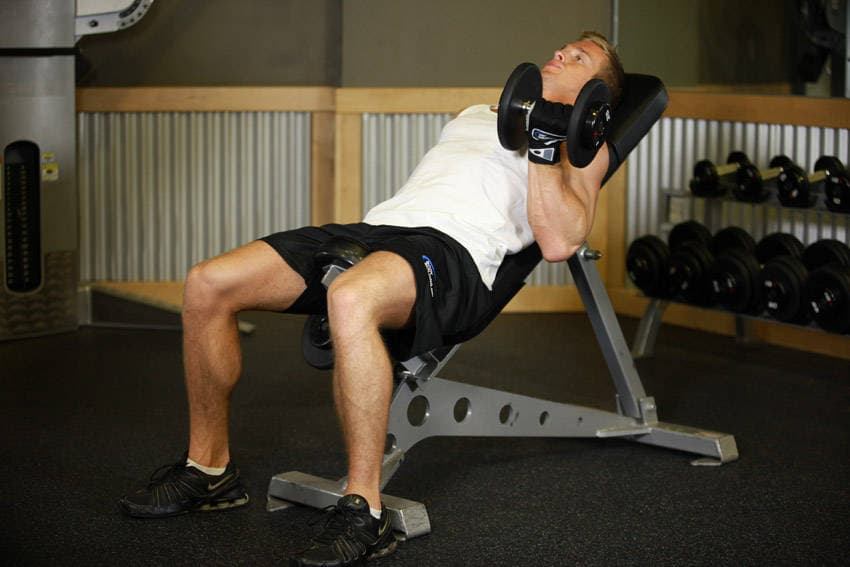
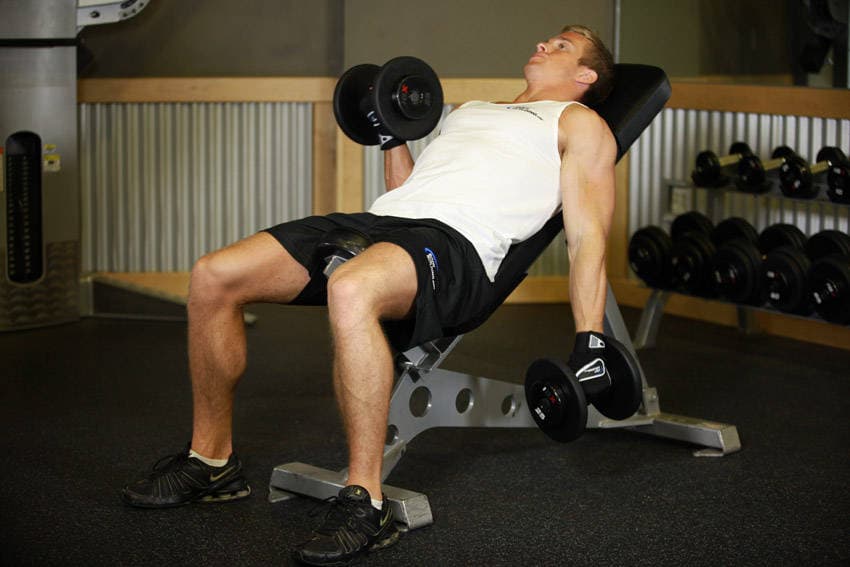
Alternate Incline Dumbbell Curl
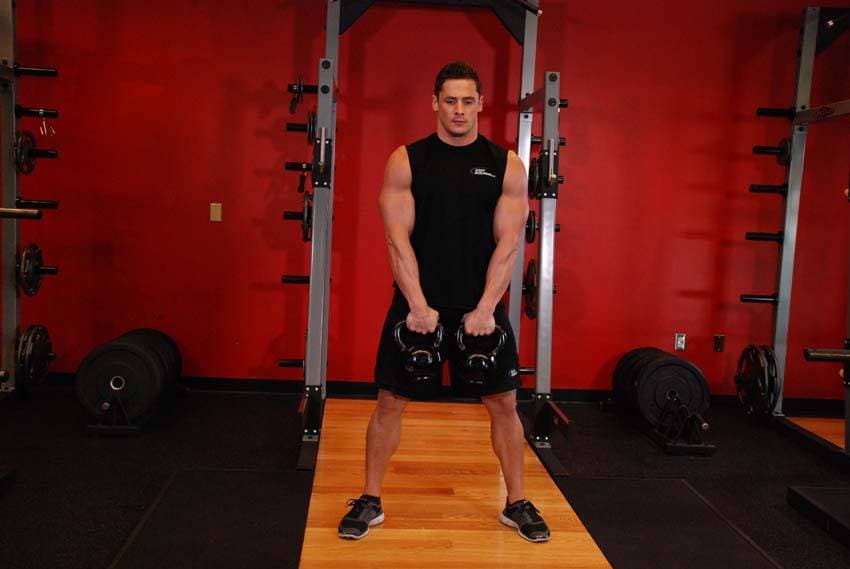
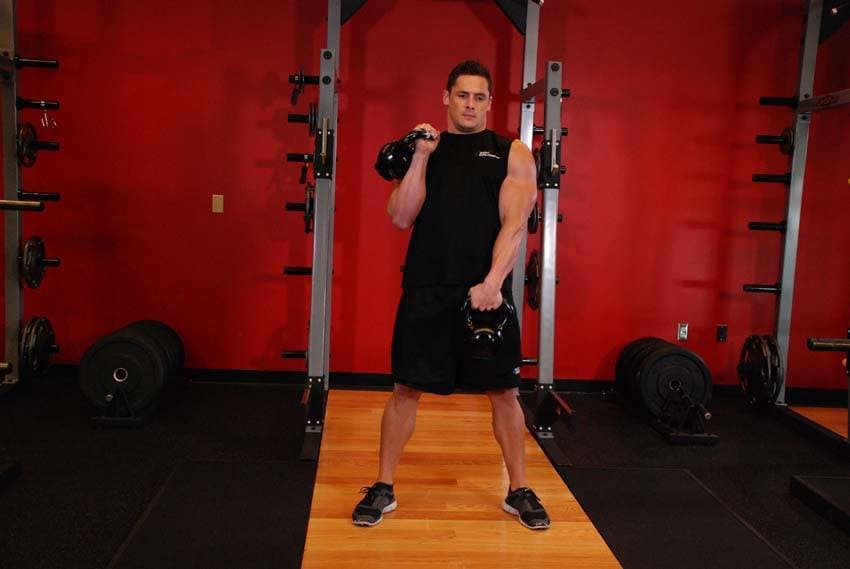
Alternating Hang Clean
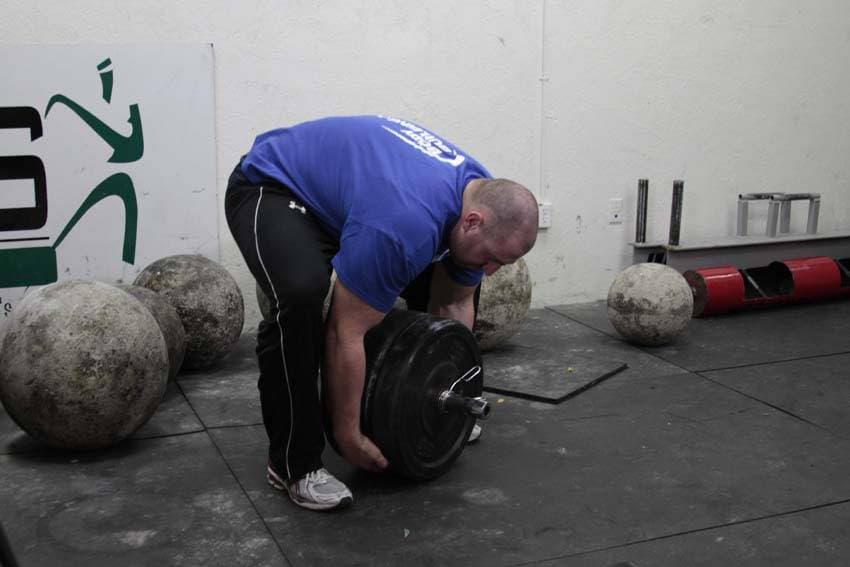
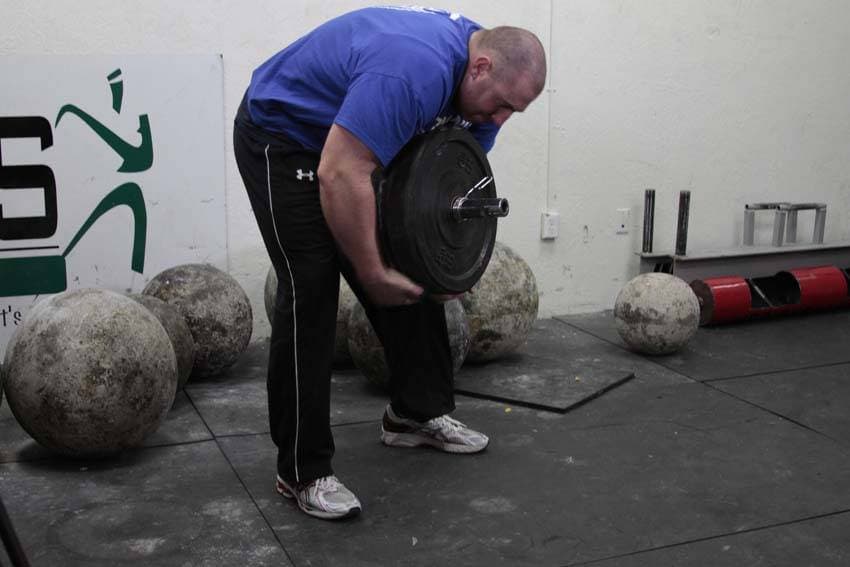
Atlas Stone Trainer
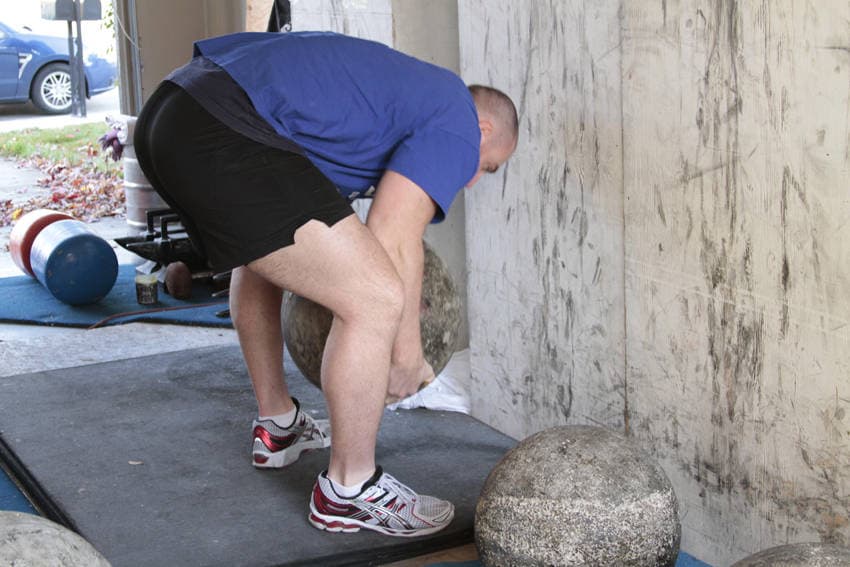
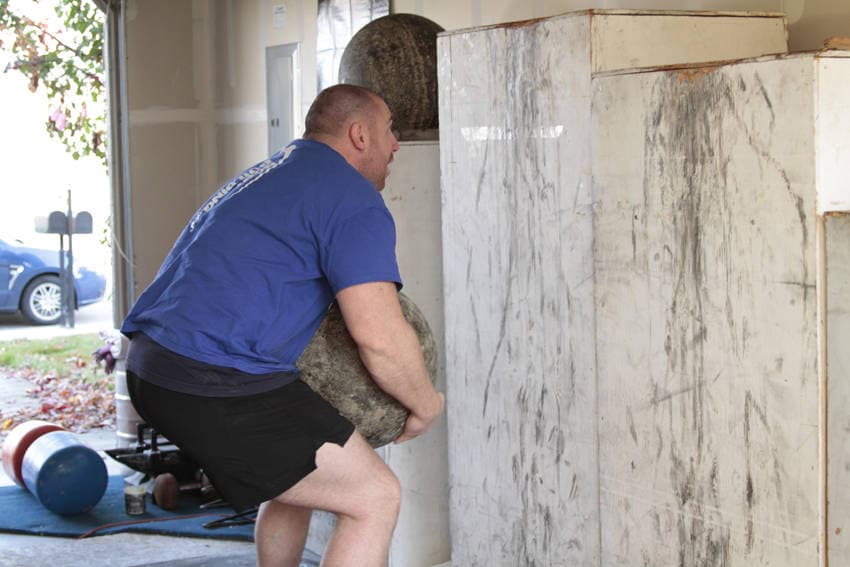
Atlas Stones
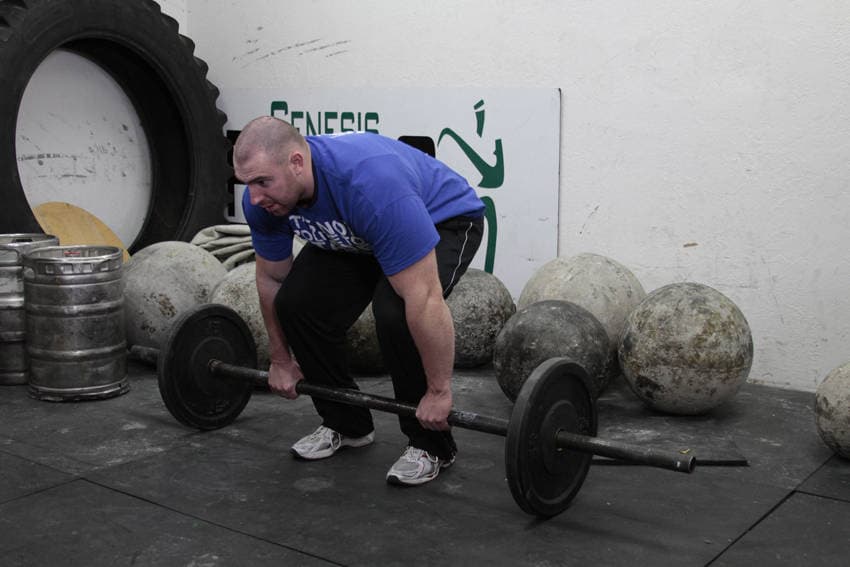
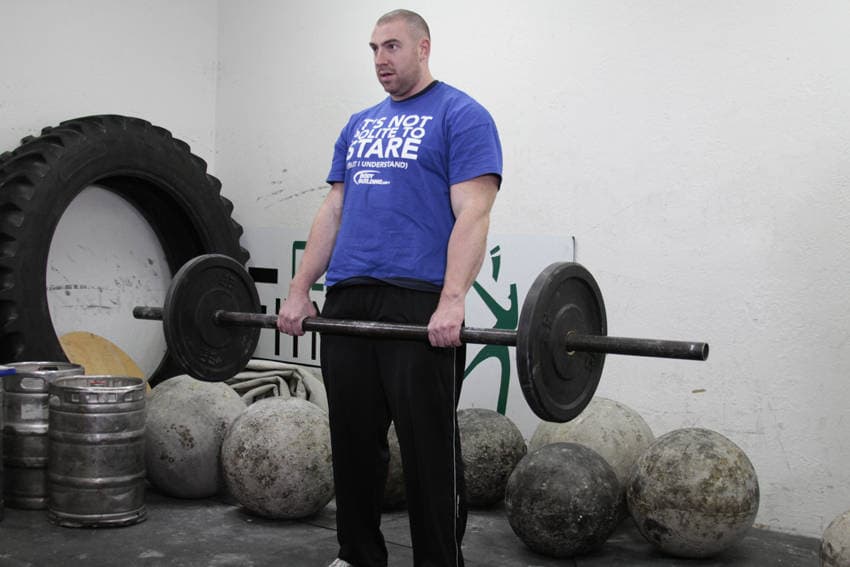
Axle Deadlift

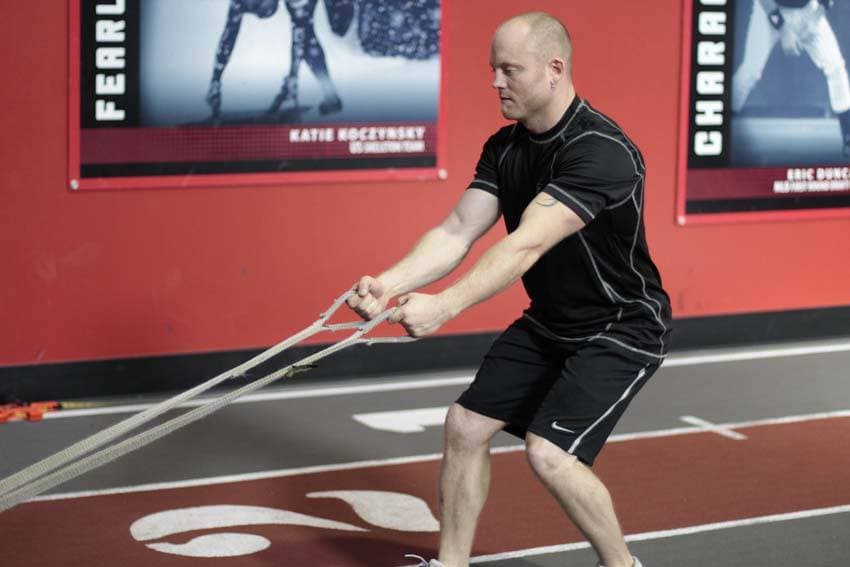
Backward Drag


Band Assisted Pull-Up
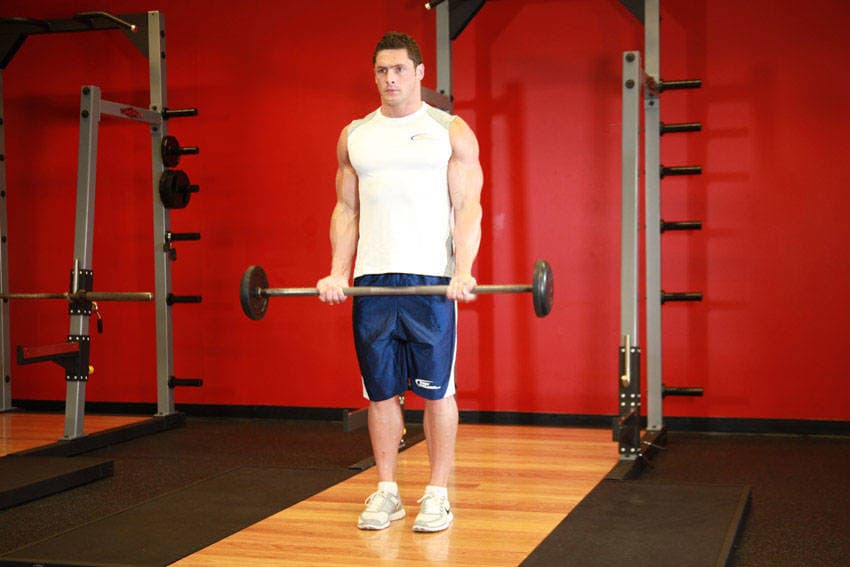
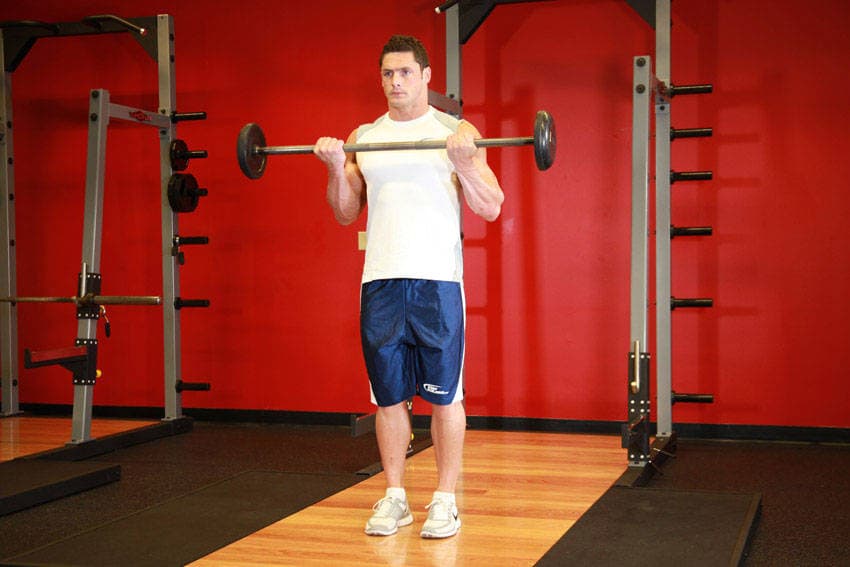
Barbell Curl

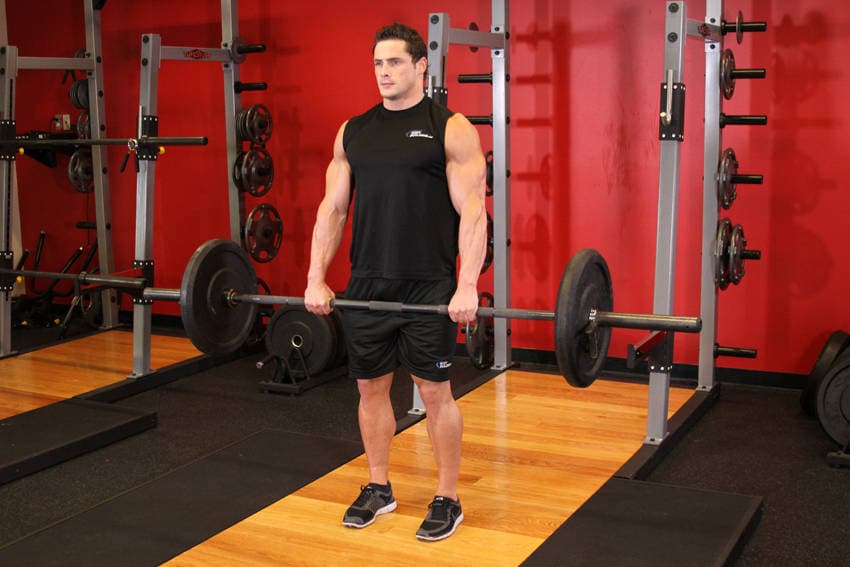
Barbell Deadlift

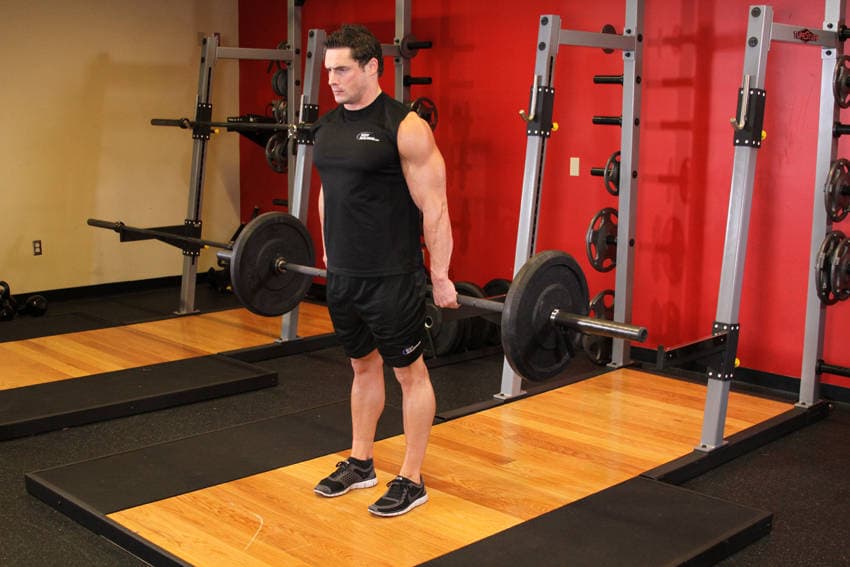
Barbell Hack Squat

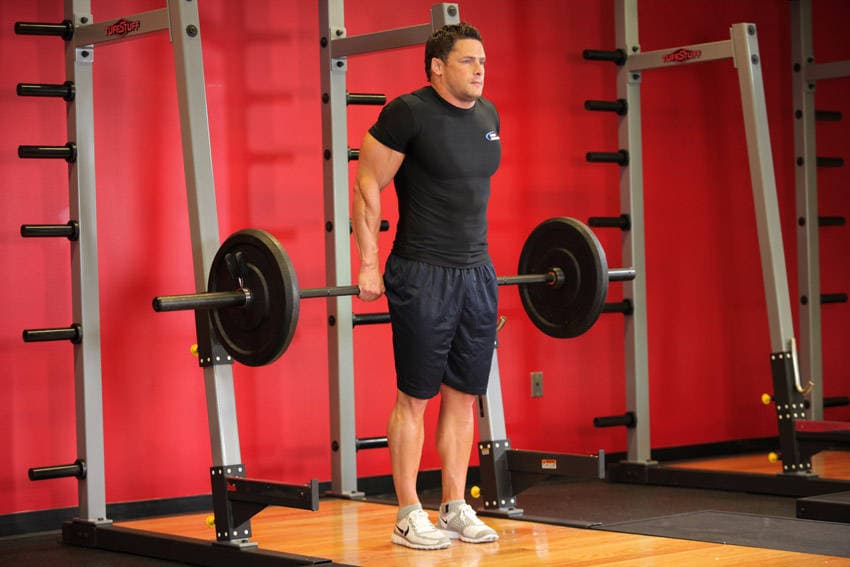
Barbell Shrug Behind The Back
When to See a Doctor
Seek medical attention if a finger is locked in a bent or straight position, there is visible joint swelling or deformity, you have numbness in specific fingers, or if a finger is dislocated or fractured.
Self-Care Tips
Gently stretch and mobilize each finger joint through its full range
Soak hands in warm water to relieve stiffness
Avoid repetitive gripping that worsens symptoms
Use ergonomic tools to reduce finger strain during work
Related Hand Pain
Hand Muscles
Explore all hand muscles in 3D
Activities & Sports
Find which activities involve this area