Upper Back
Descending part of left trapezius
de-SEN-ding part of left tra-PEE-zee-us
The descending part of the left trapezius fibers run downward from neck to scapula on the left side, aiding scapular depression and upward rotation. Key for pull-ups and lat work, preventing shoulder hike.
Open in 3D ViewerCommon Pain & Injury
Upper back tightness or scapular winging pain, worse with pulling. Numbness down arm needs eval.
Anatomy & Function
Origin
Occipital bone, nuchal ligament, spinous processes C7-T3 (skull base, neck ligament, upper back vertebrae)
Insertion
Spine of scapula, acromion, clavicle (shoulder blade ridge, peak, collarbone left)
Actions
- Scapular depression (lowering shoulder)
- Upward rotation (overhead arm raise)
- Left neck rotation assist
Innervation
Accessory nerve (CN XI), C3-C4
Muscle Relationships
Antagonists
Synergists
Trigger Points
Upper medial scapula; refer to jaw, temple left side.
Stretches
Common Conditions
Anatomical Parts
FAQ
Descending trapezius function?
Depresses and rotates scapula for overhead pulls.
Left upper trap pain?
Trigger points from rows or posture.
Exercises for Descending part of left trapezius
15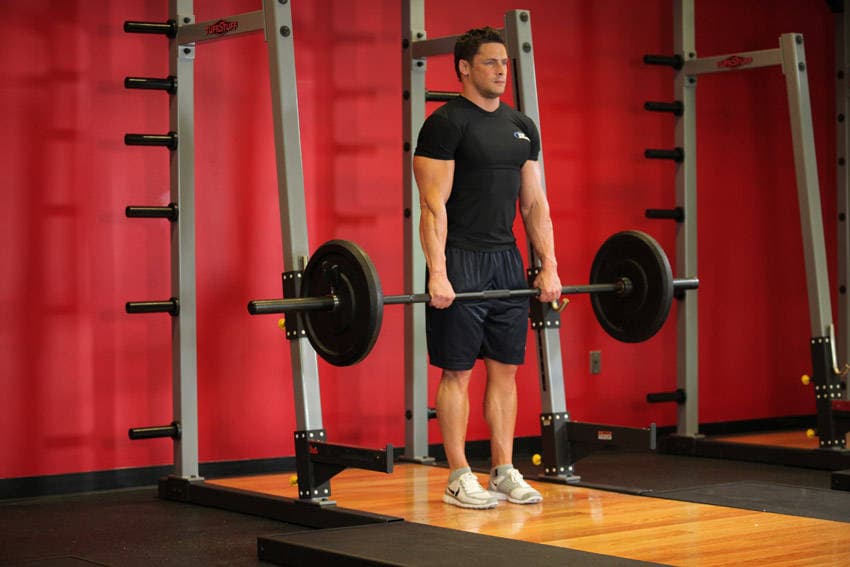
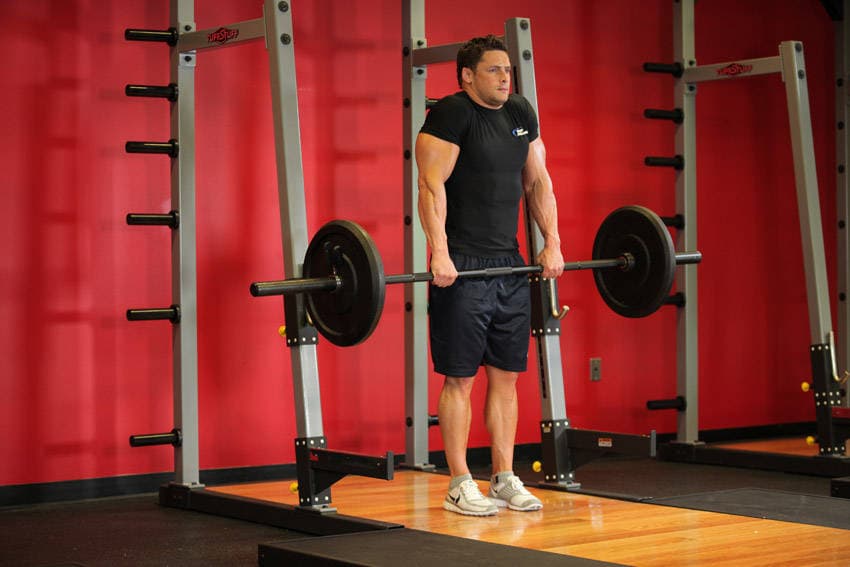
Barbell Shrug
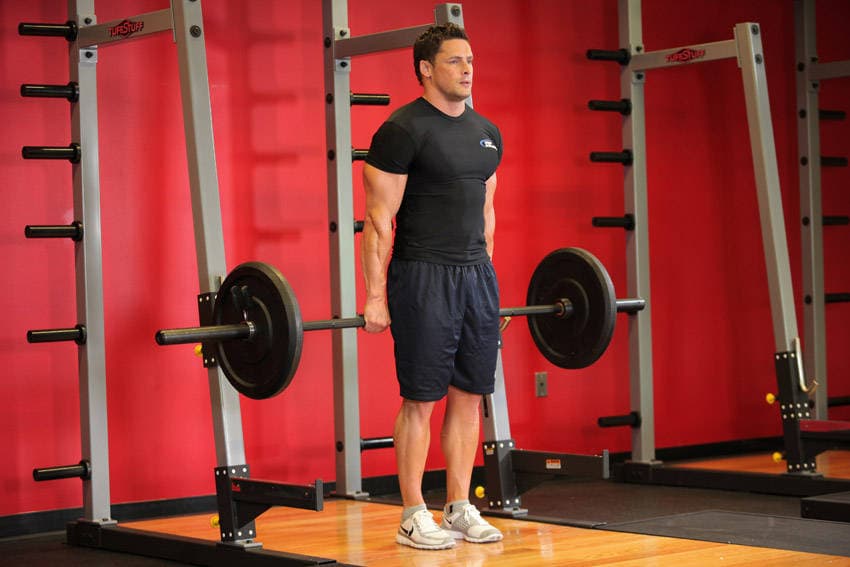
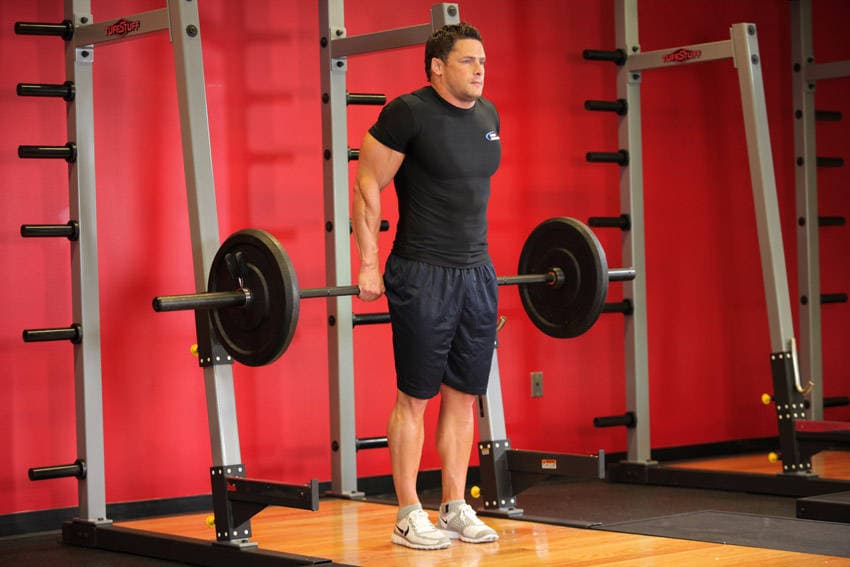
Barbell Shrug Behind The Back
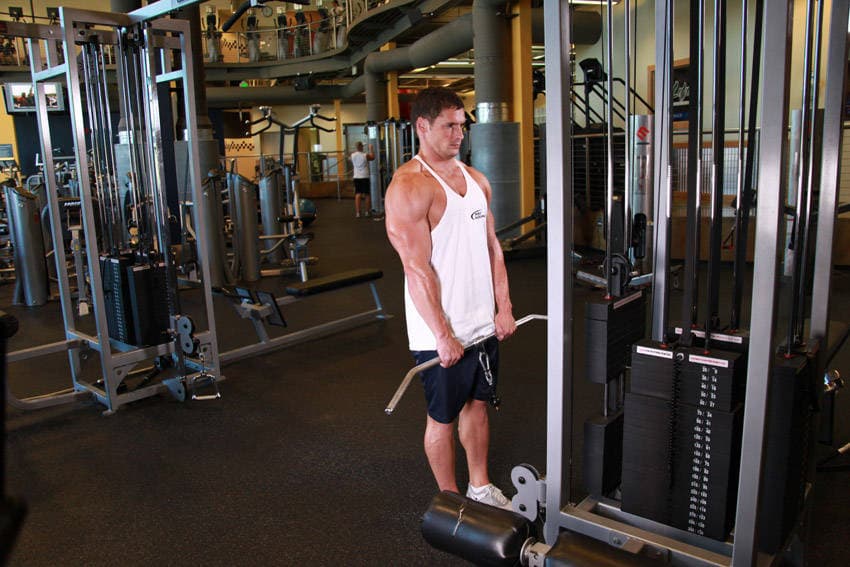
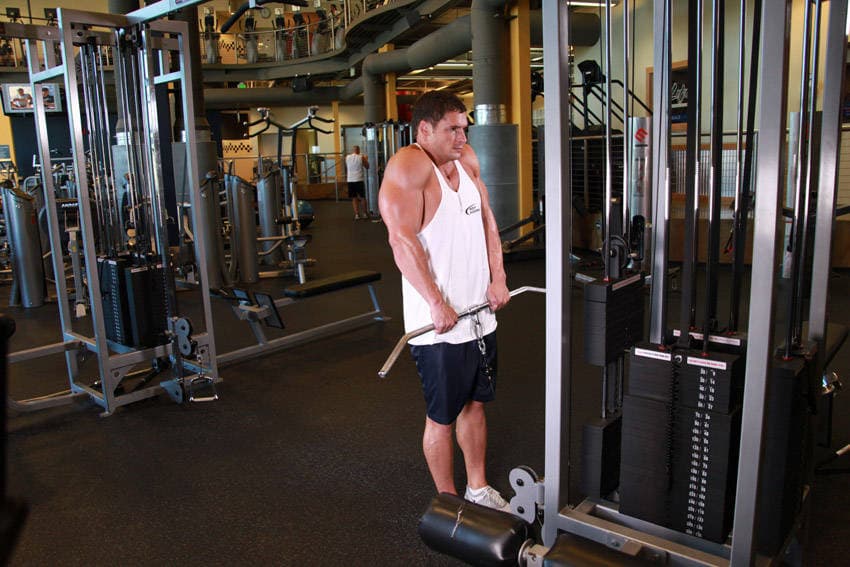
Cable Shrugs
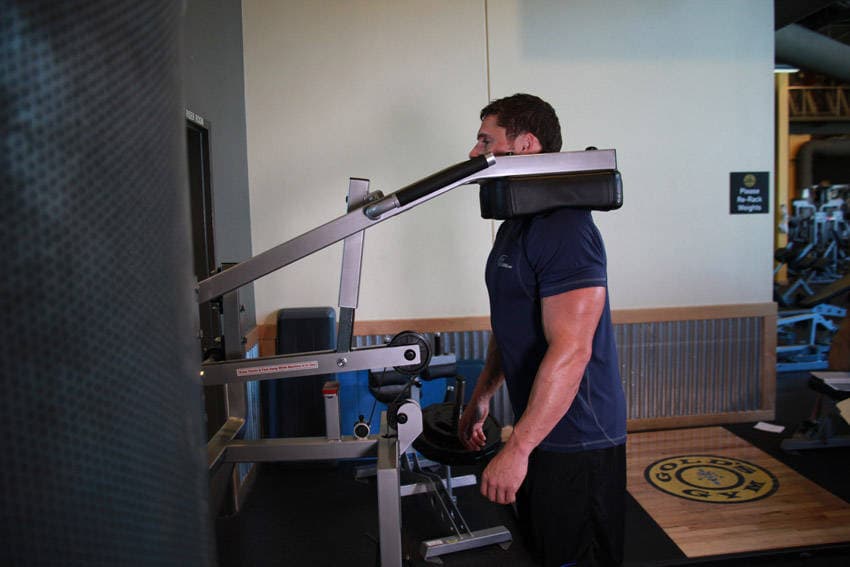
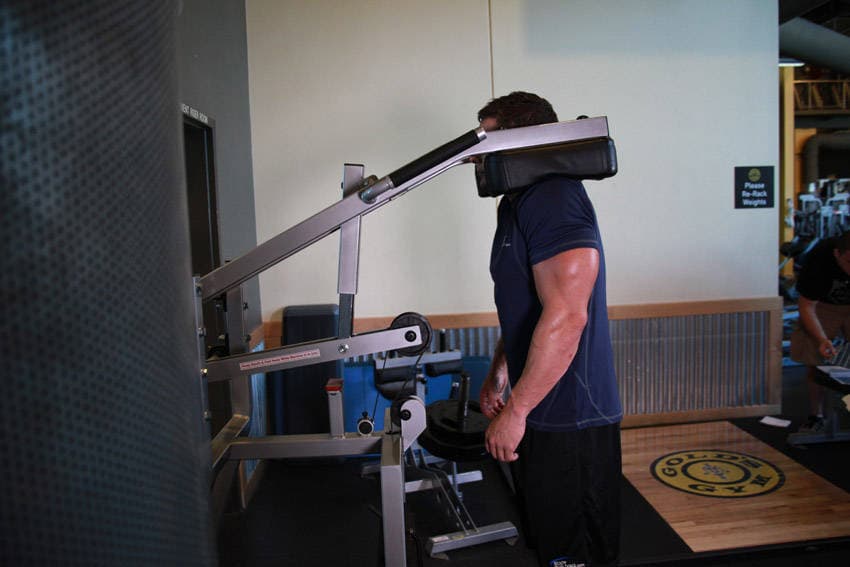
Calf-Machine Shoulder Shrug
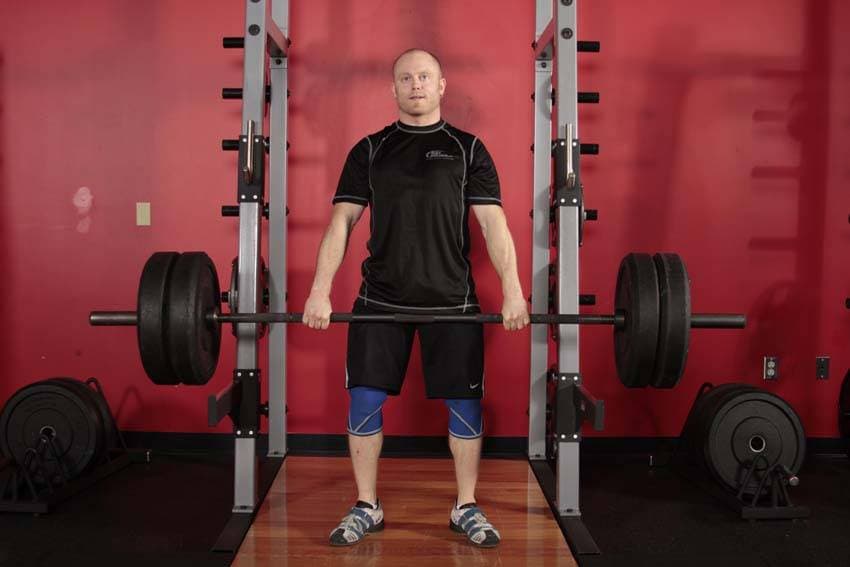
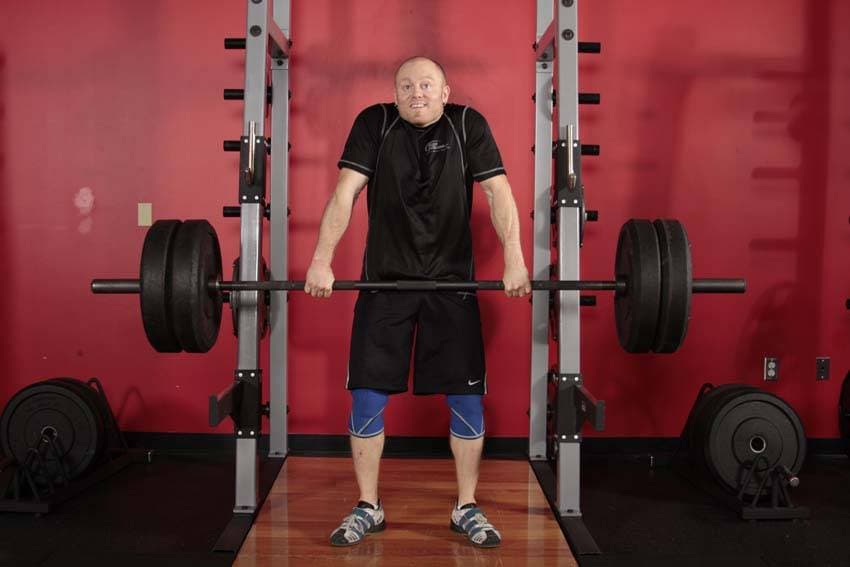
Clean Shrug
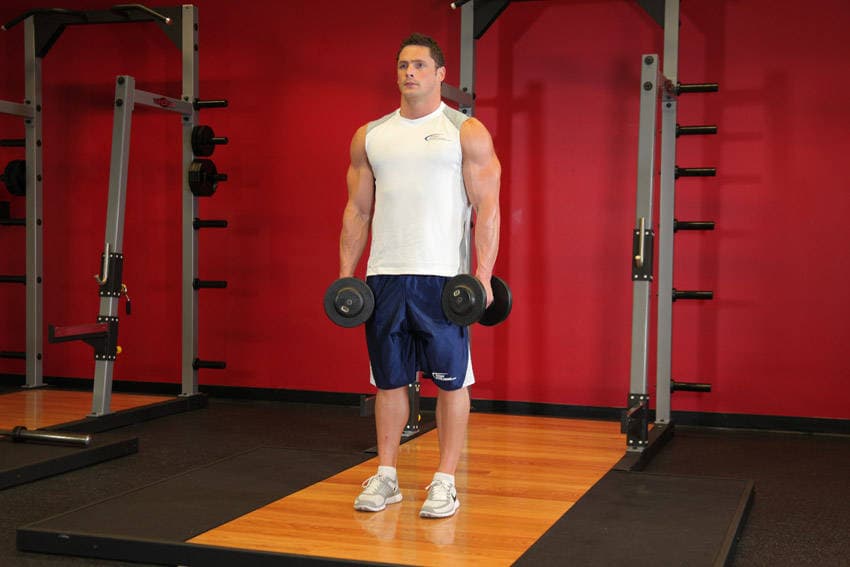
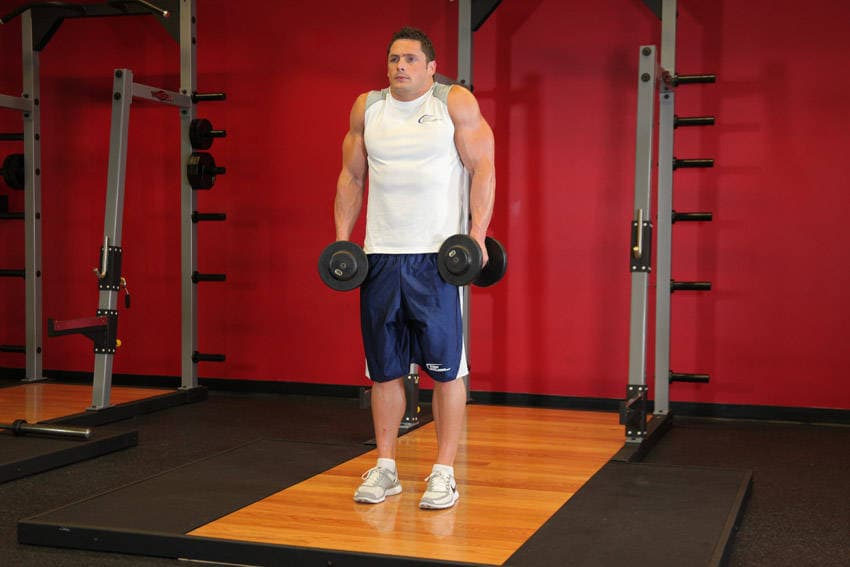
Dumbbell Shrug
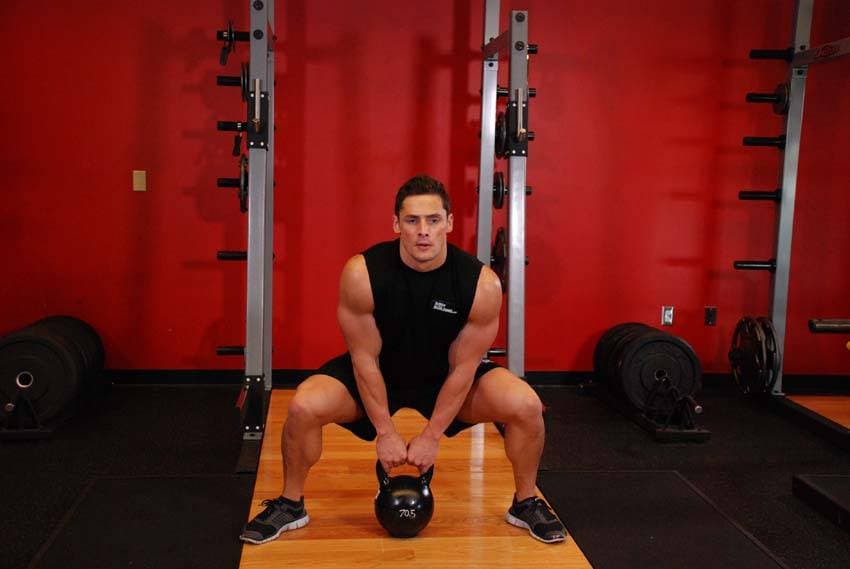
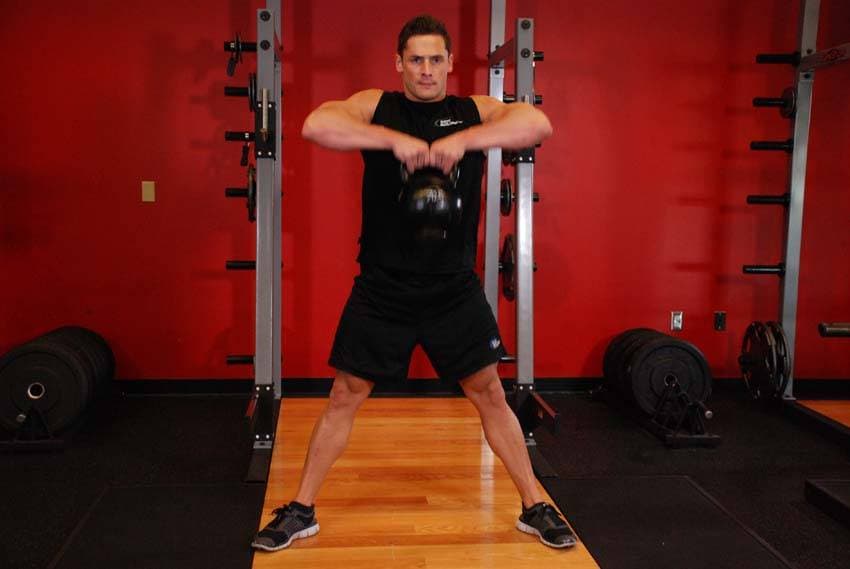
Kettlebell Sumo High Pull
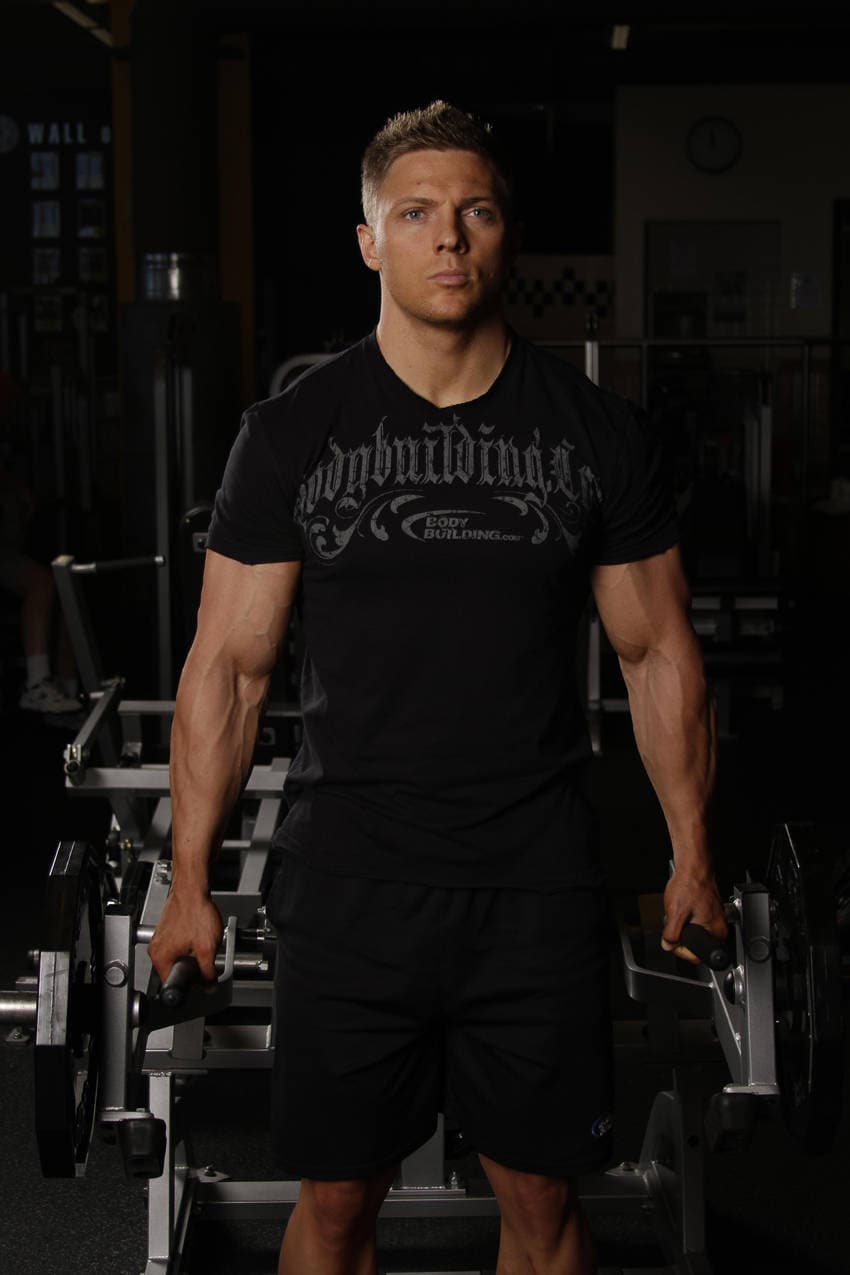
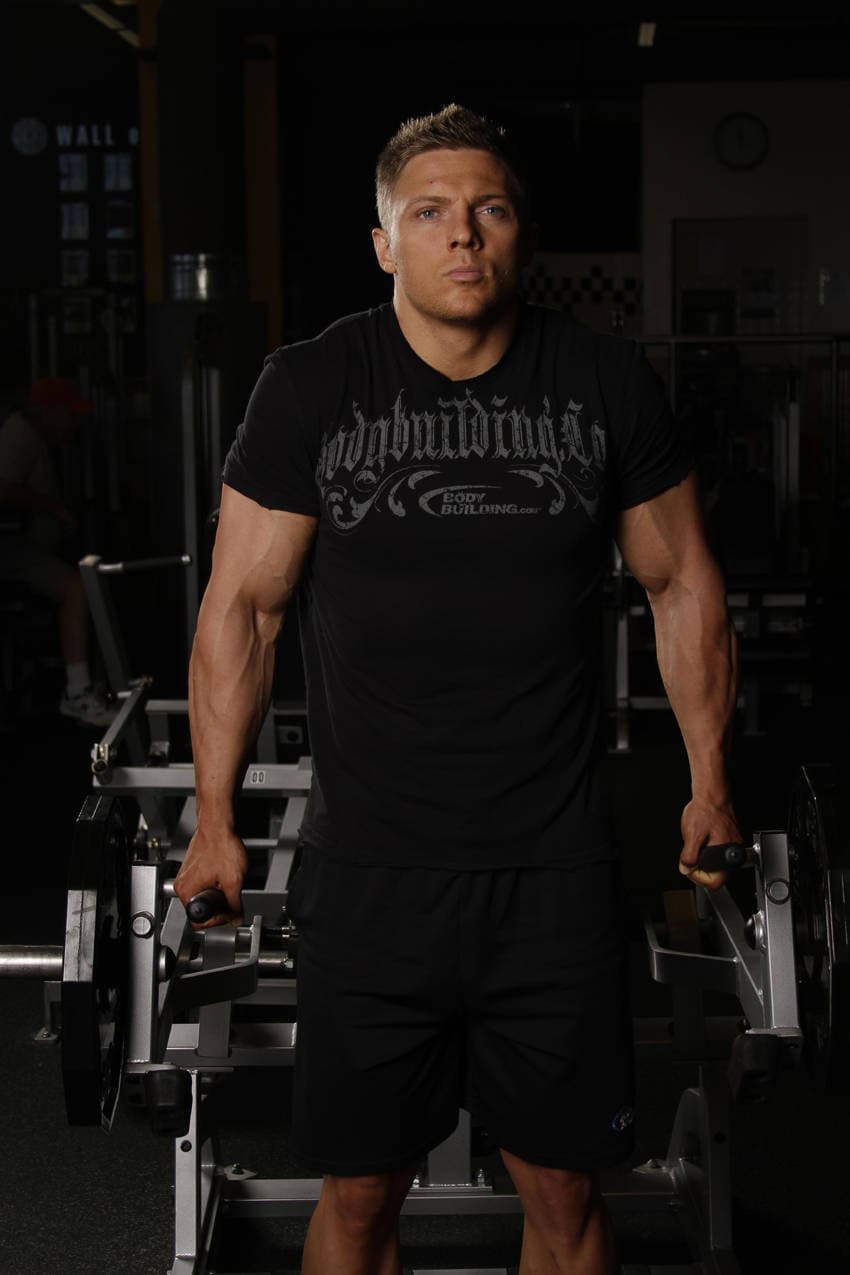
Leverage Shrug
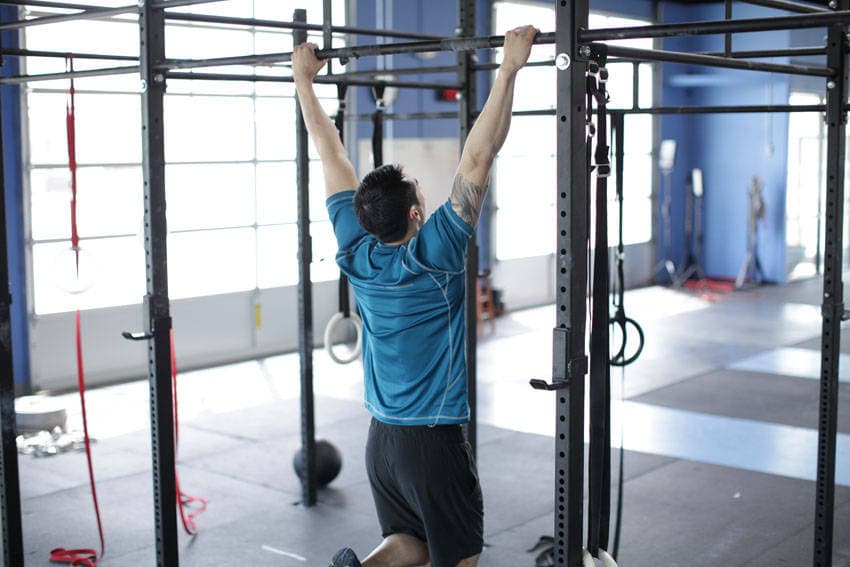
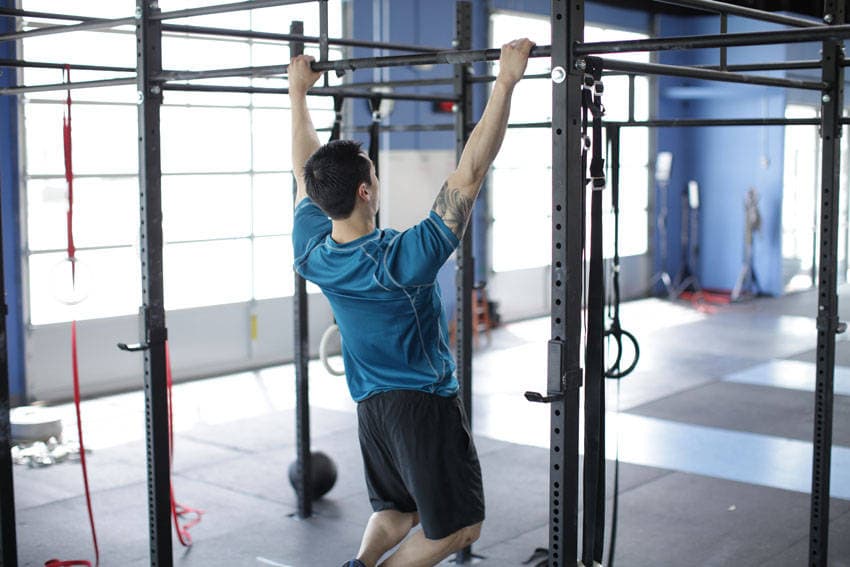
Scapular Pull-Up
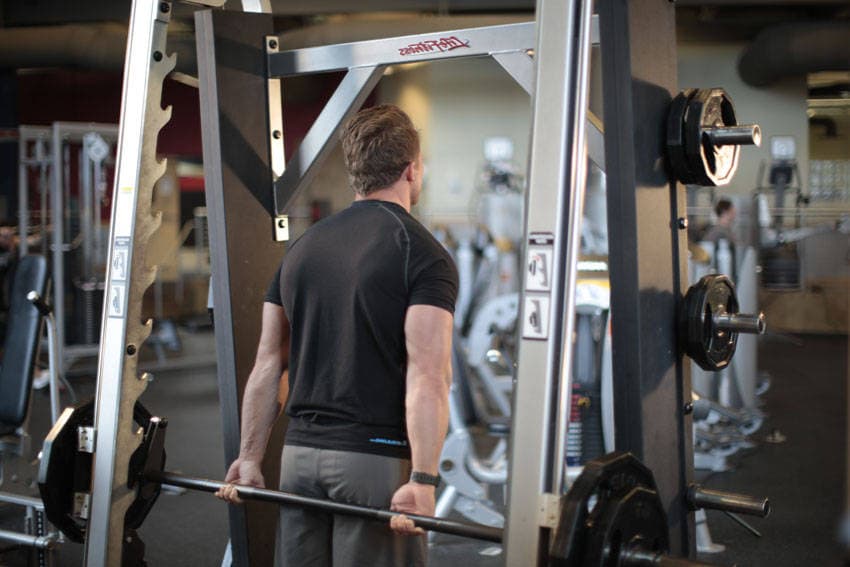
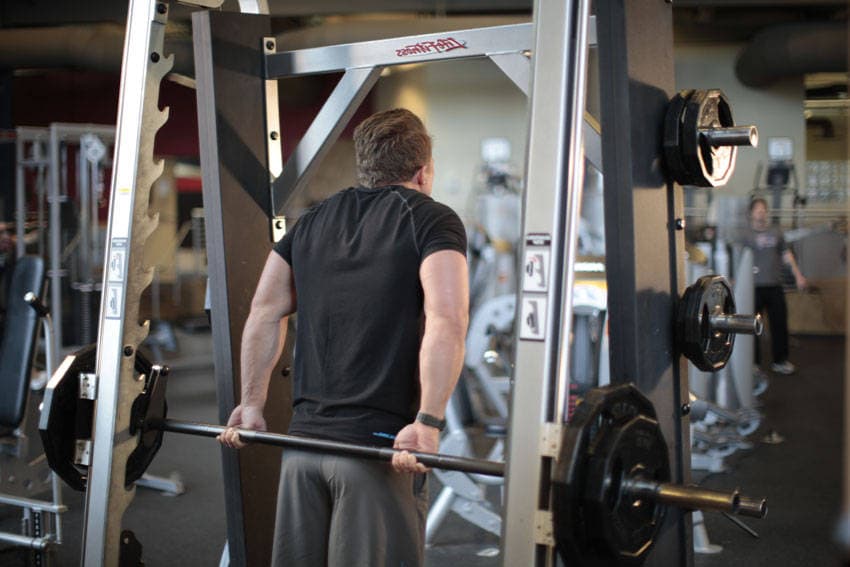
Smith Machine Behind the Back Shrug
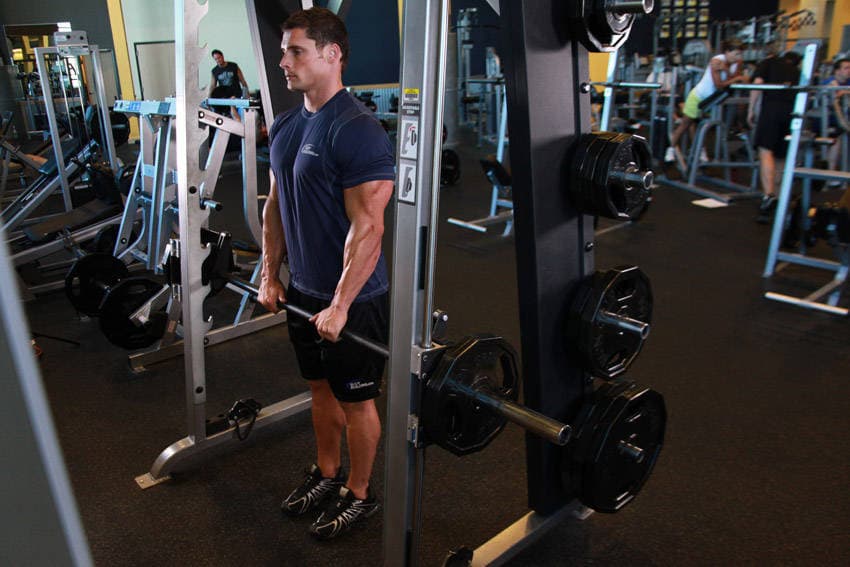
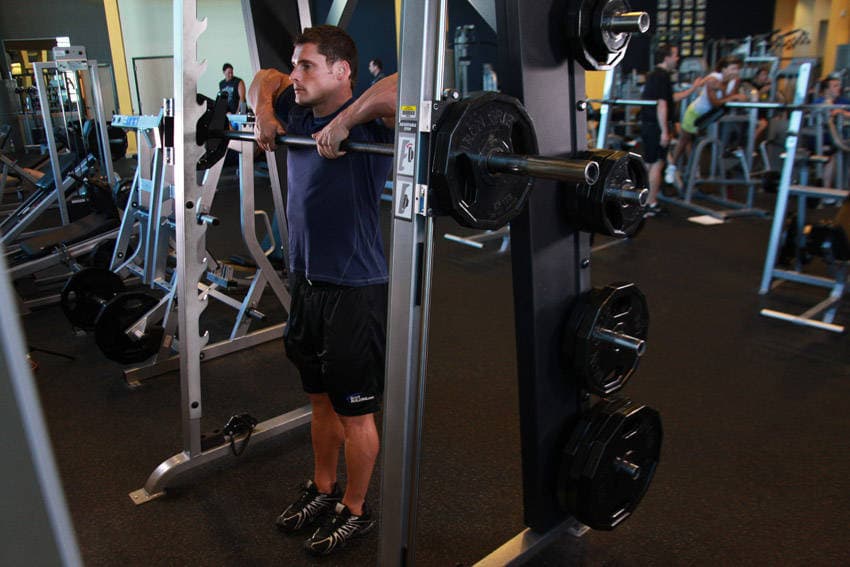
Smith Machine Upright Row
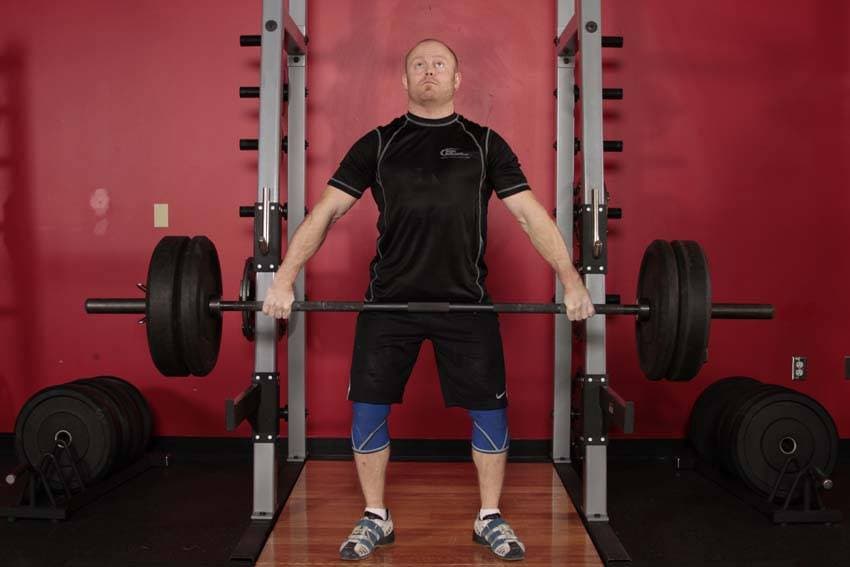
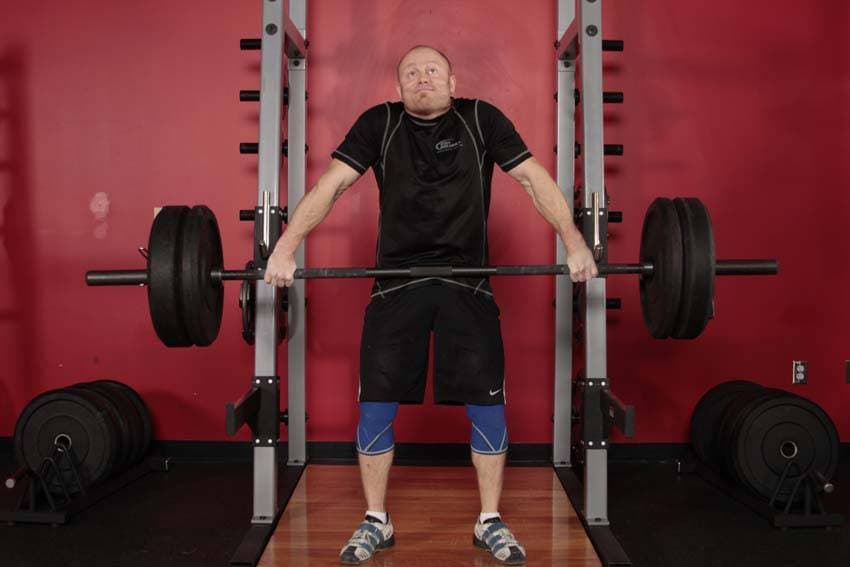
Snatch Shrug
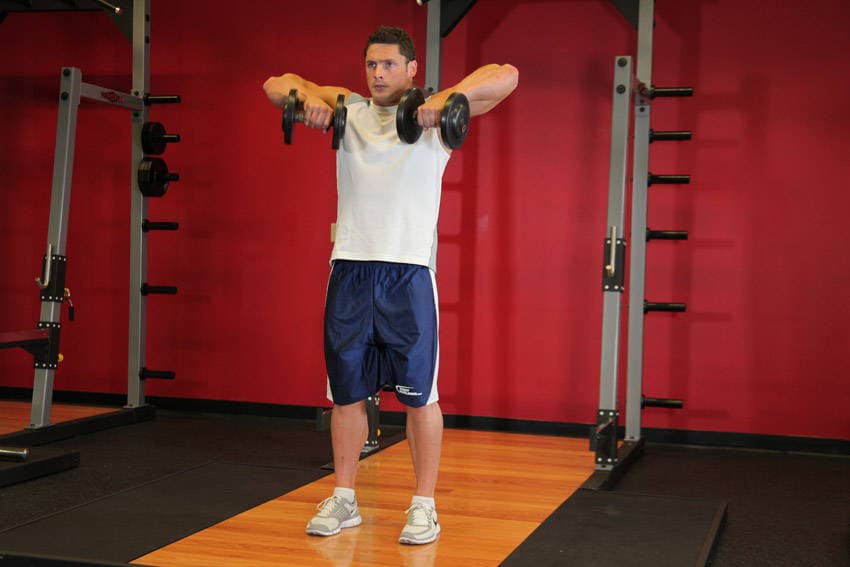
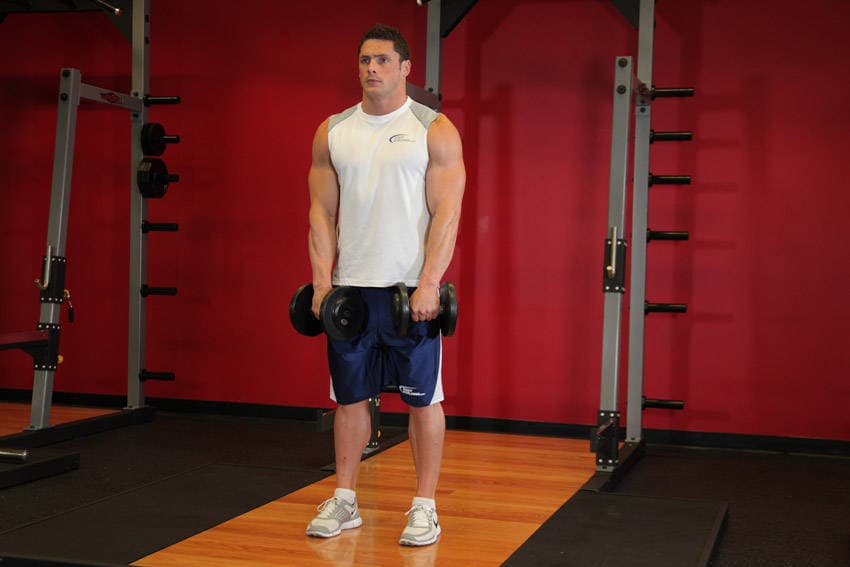
Standing Dumbbell Upright Row
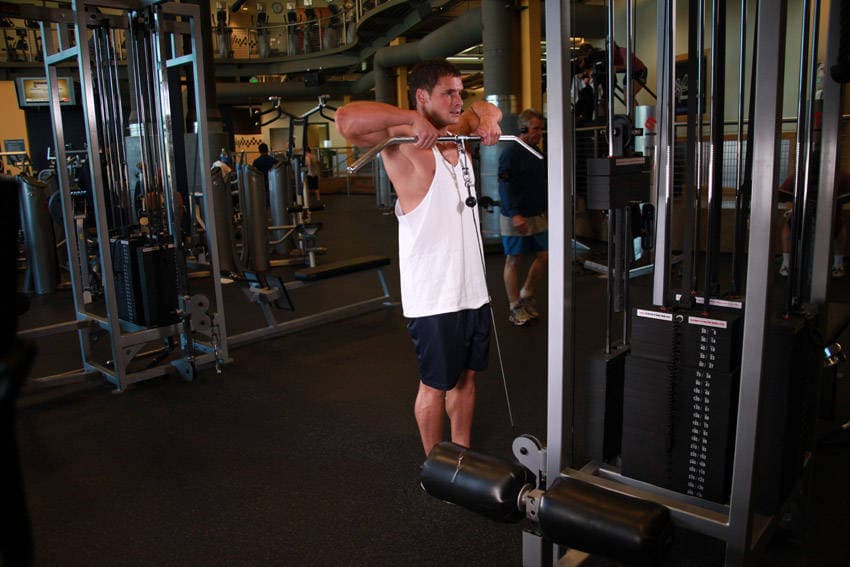
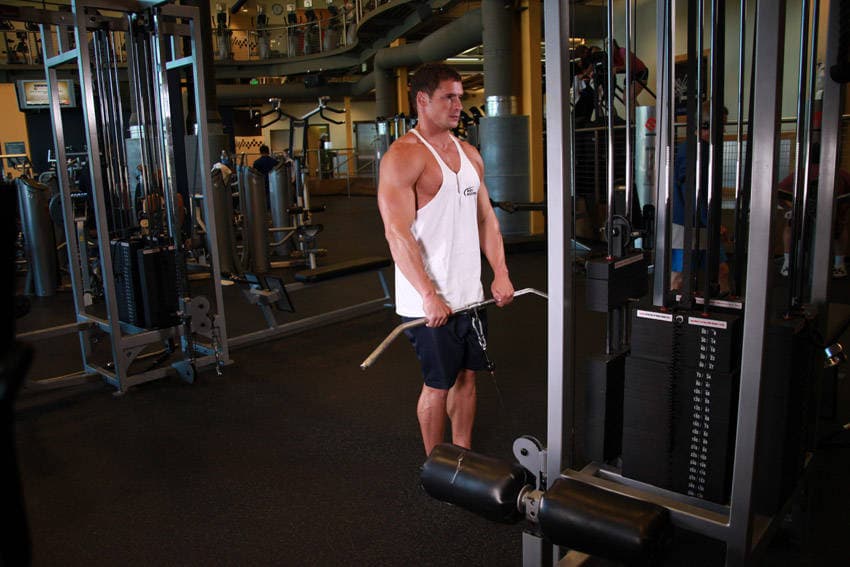
Upright Cable Row
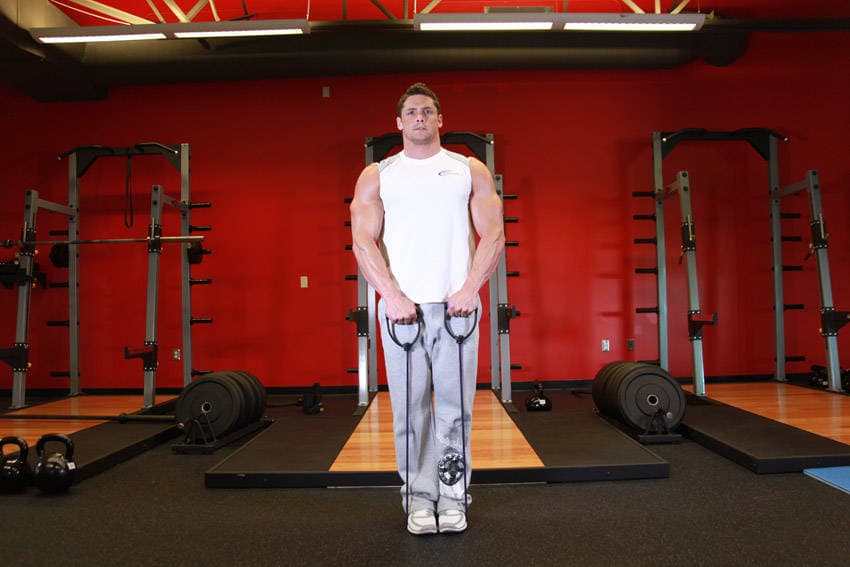
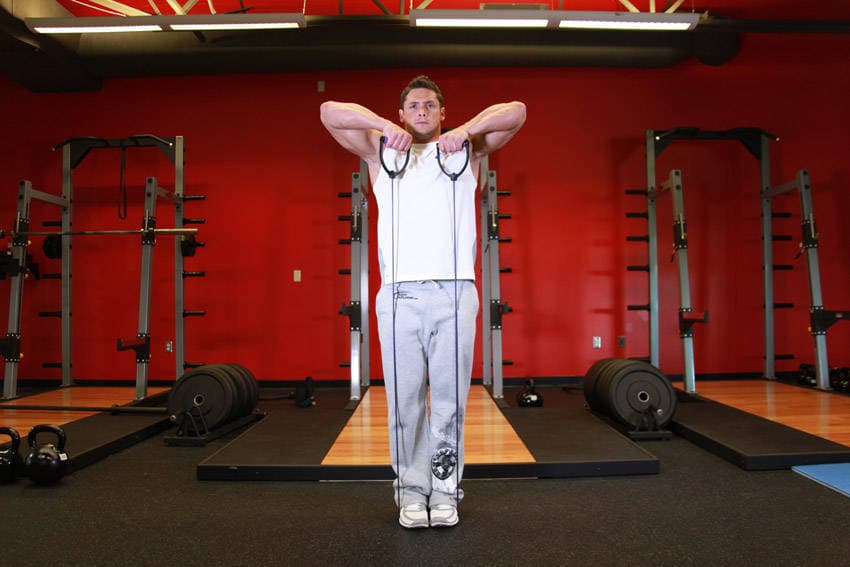
Upright Row - With Bands
Also Works Descending part of left trapezius
10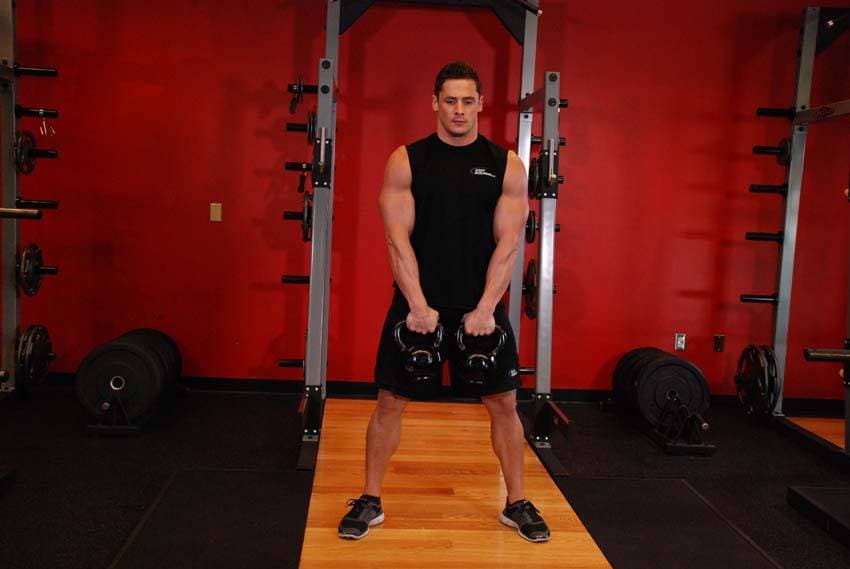
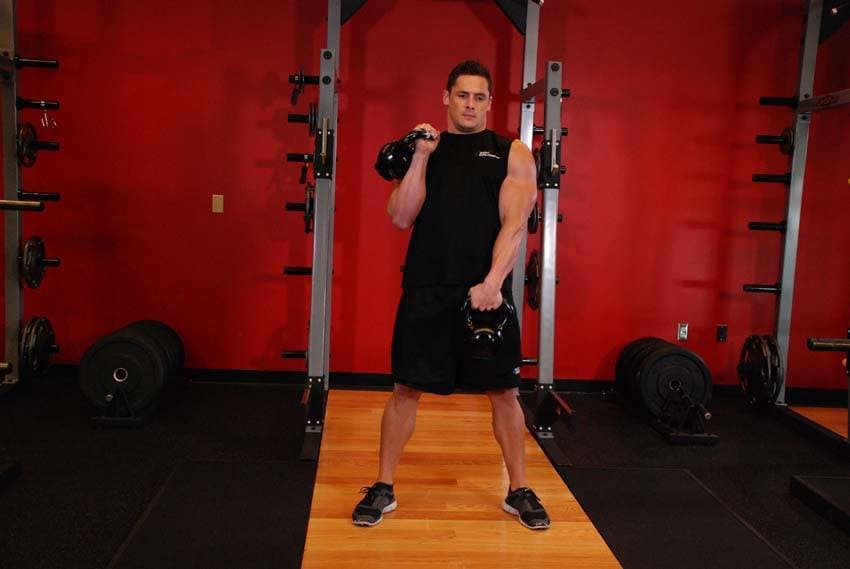
Alternating Hang Clean
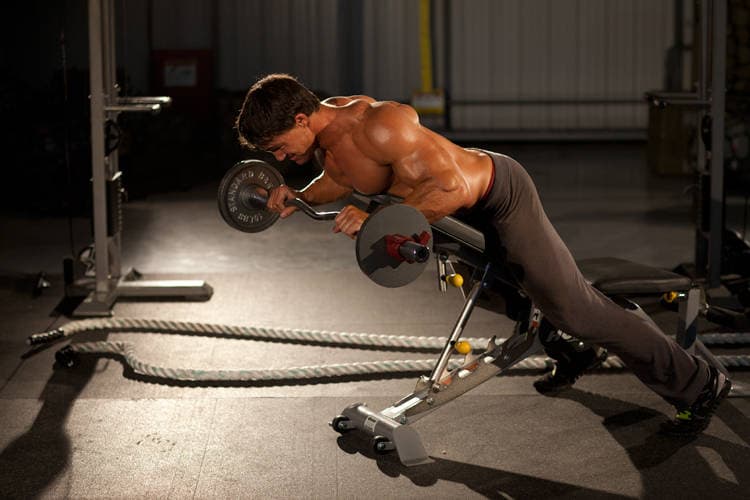
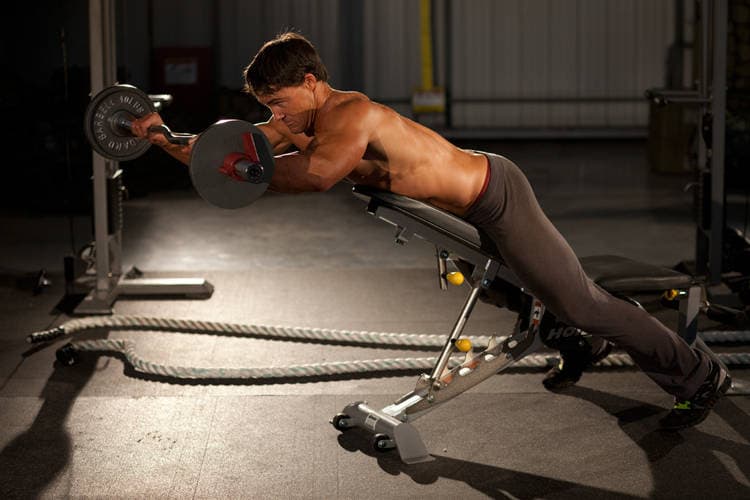
Anti-Gravity Press
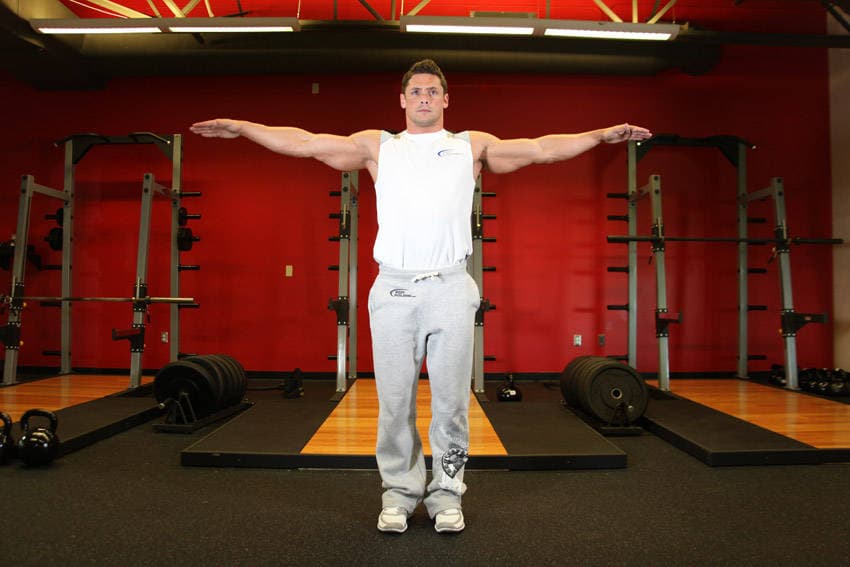
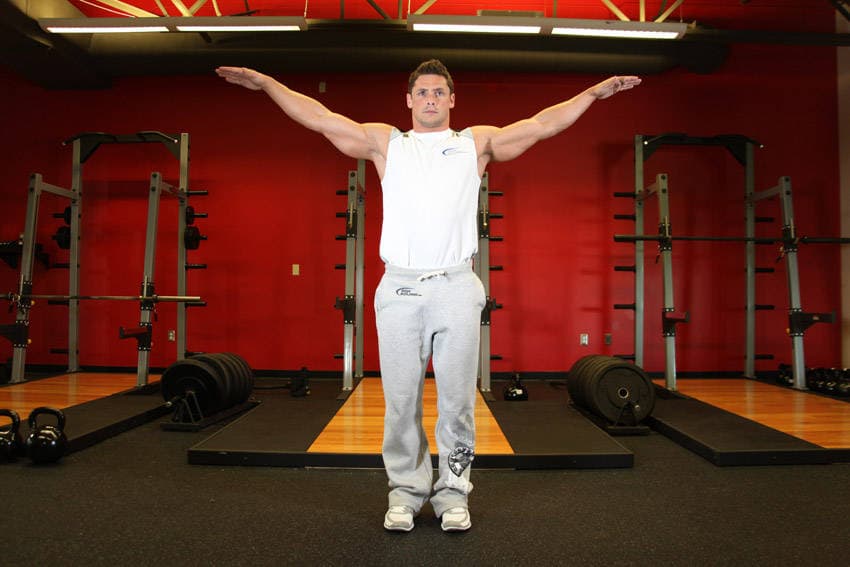
Arm Circles
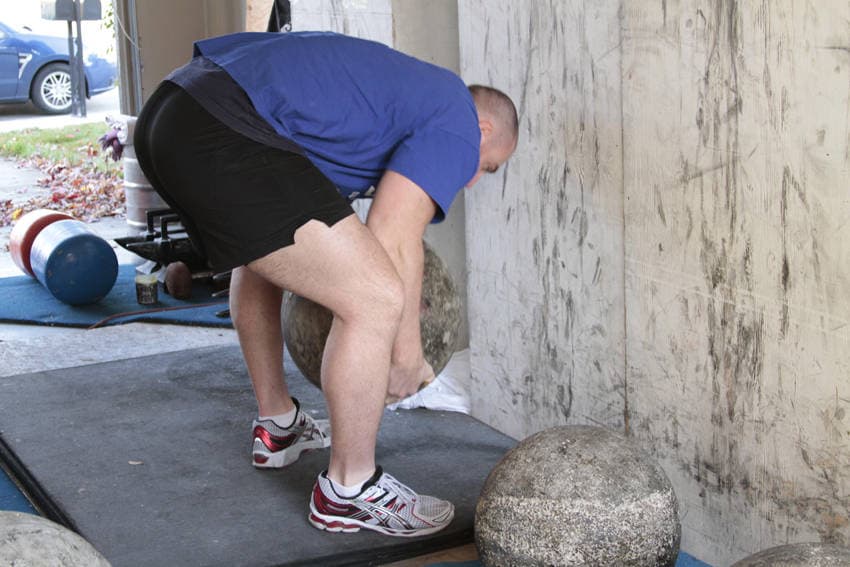
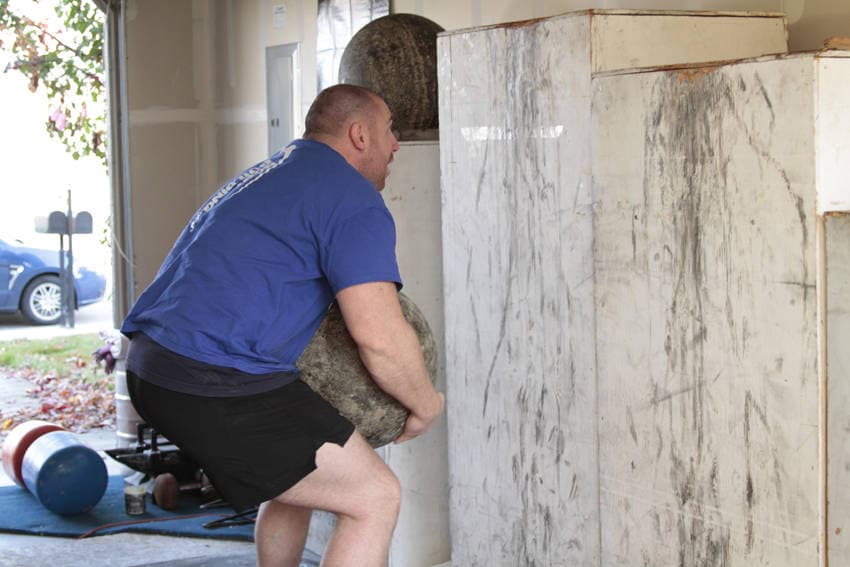
Atlas Stones
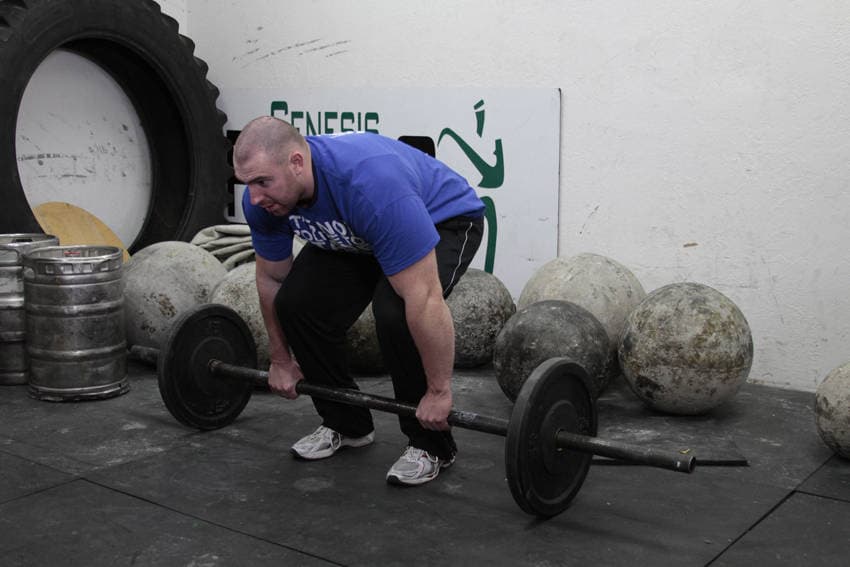
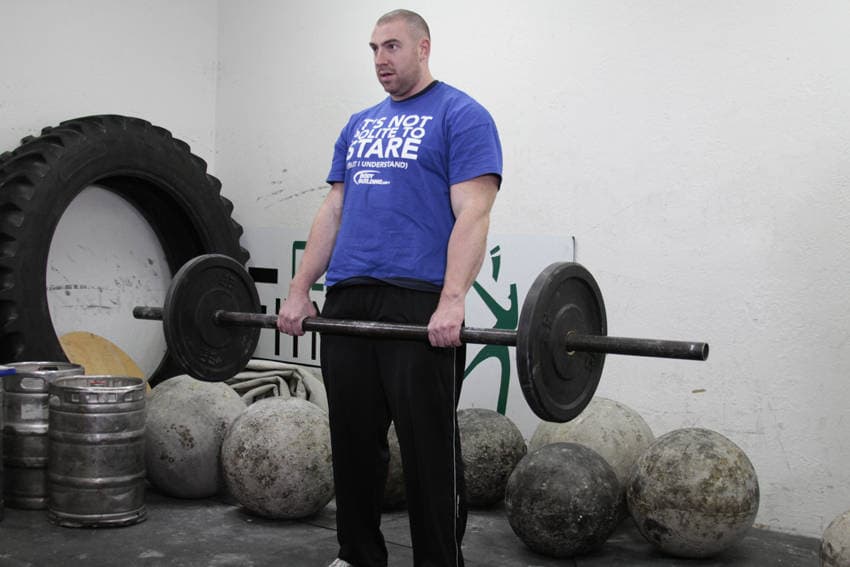
Axle Deadlift
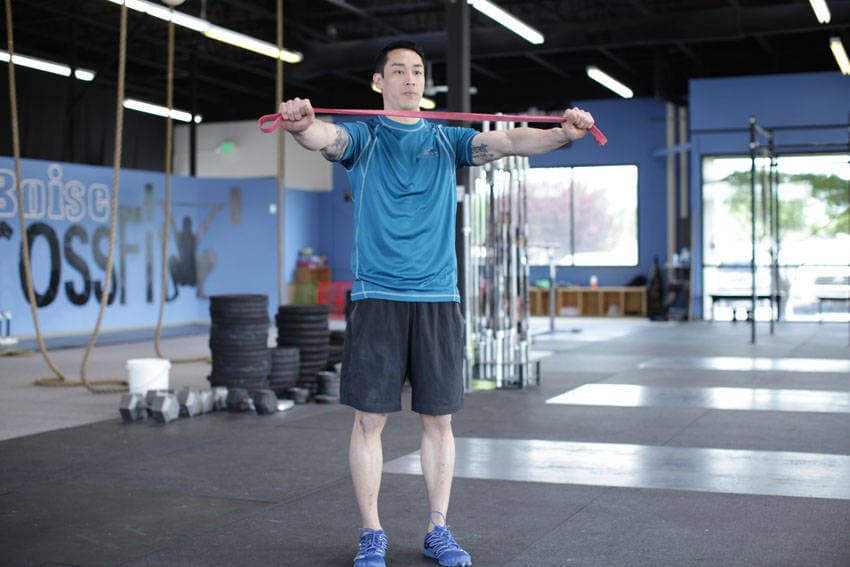
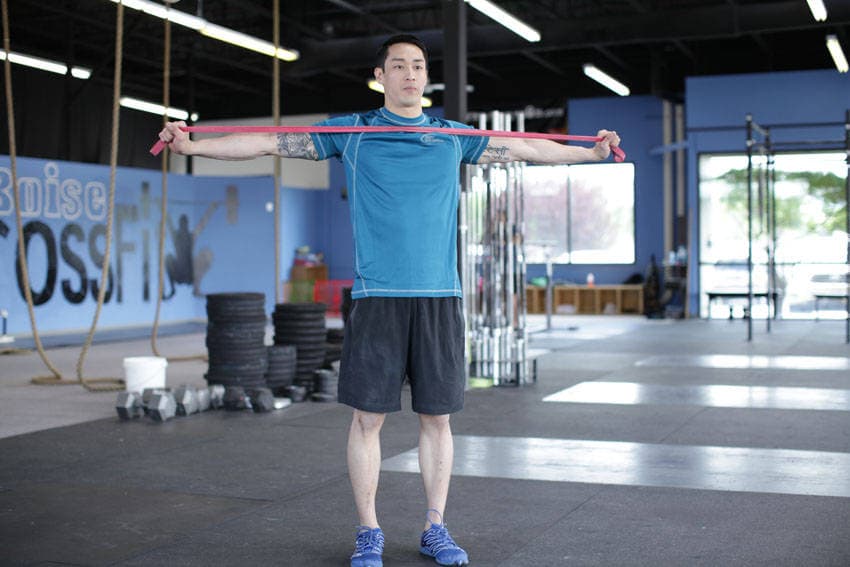
Band Pull Apart
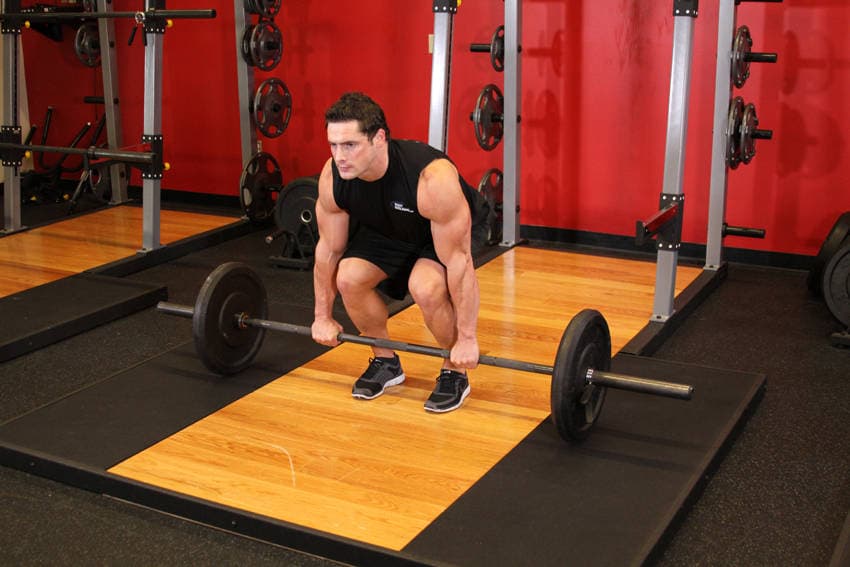
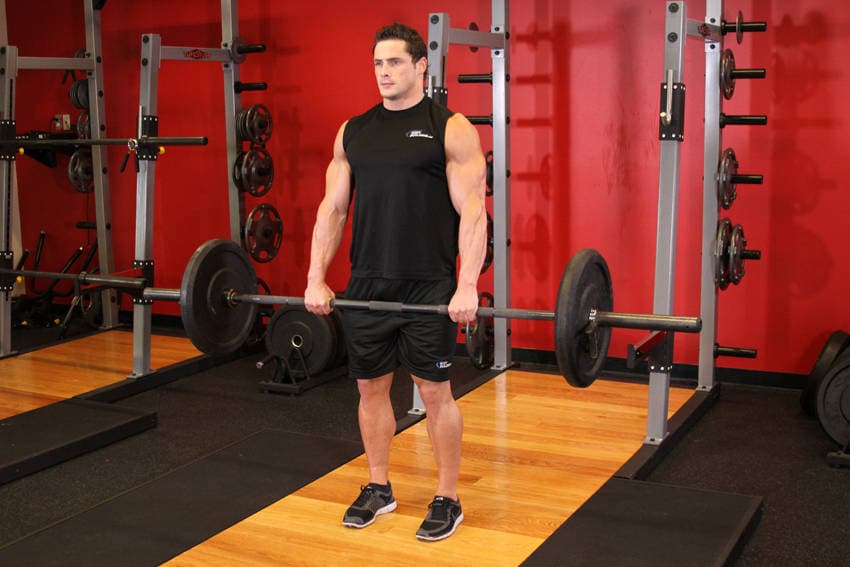
Barbell Deadlift
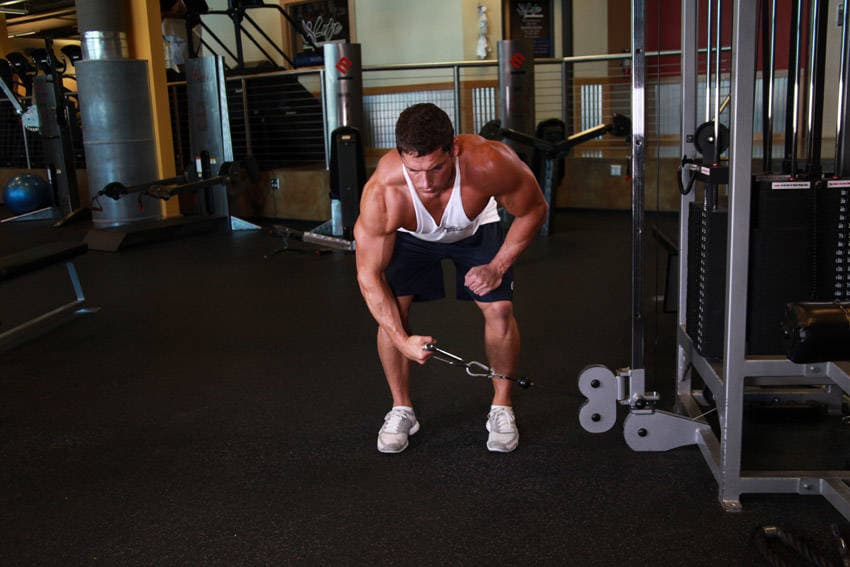
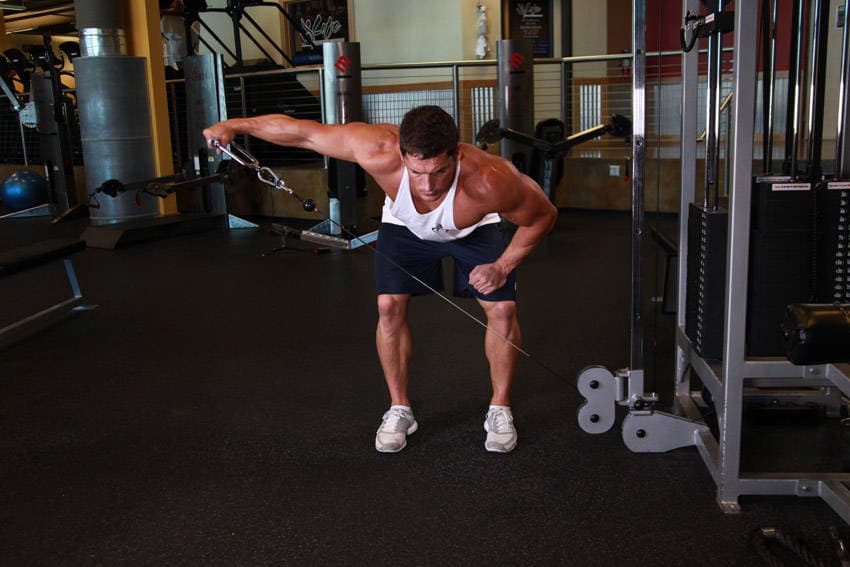
Bent Over Low-Pulley Side Lateral

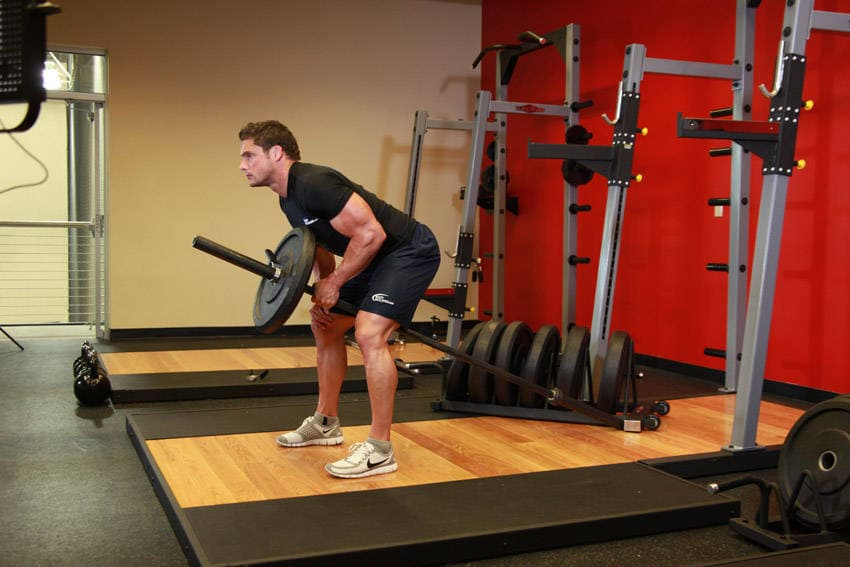
Bent Over One-Arm Long Bar Row
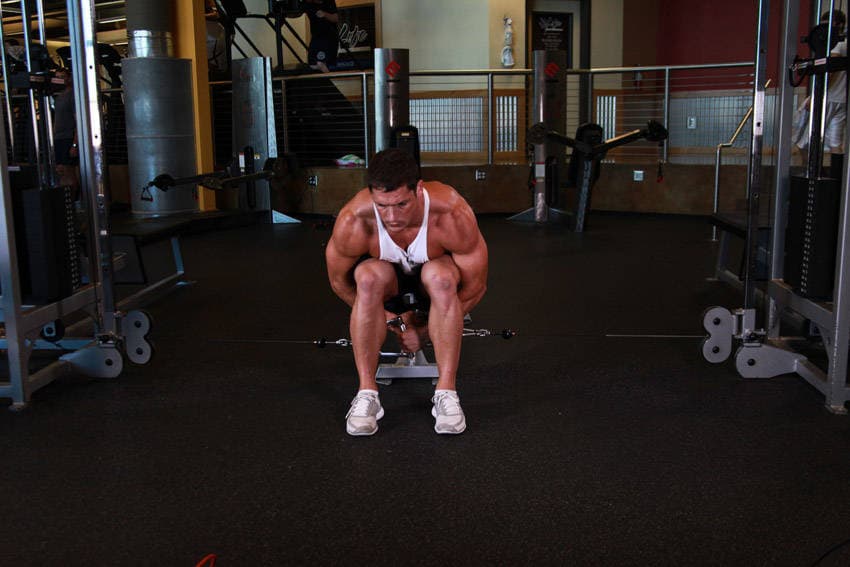
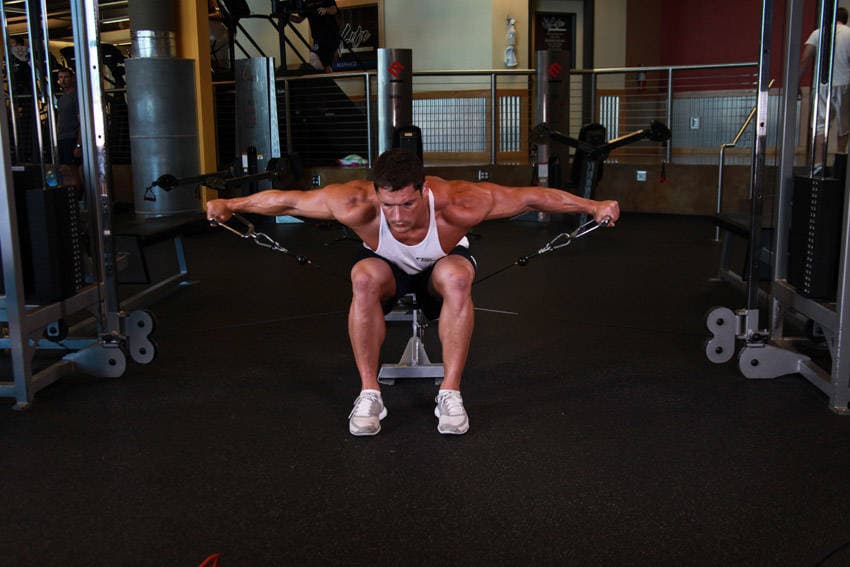
Cable Seated Lateral Raise
Related Upper Back Muscles
Upper Back Pain Guide
Common causes and relief
Activities & Sports
See which activities use Descending part of left trapezius