Upper Back
iliocostalis thoracis
il-ee-oh-kos-TAH-lis tho-RAH-sis
Iliocostalis thoracis, mid erector spinae, runs parallel to spine from low-mid back to upper ribs, aiding thoracic extension and breathing. Supports rows, pulls, and posture in upper body training.
Open in 3D ViewerCommon Pain & Injury
Mid-back stiffness post-workout or slouching. Rarely alone symptomatic.
Anatomy & Function
Origin
Thoracolumbar fascia near iliac crest (low back fascia)
Insertion
Medial angles of ribs 6-10 (mid rib angles)
Actions
- Thoracic extension
- Lateral flexion
- Assists inspiration
Innervation
Dorsal rami of thoracic nerves
Muscle Relationships
Antagonists
Internal intercostalsObliques
Synergists
Longissimus thoracisSpinalis thoracis
Trigger Points
Muscle belly; refers to mid-back, scapula.
Stretches
1Cat-cow pose
2Thread the needle
3Thoracic extension over foam roller
Common Conditions
Thoracic strainPostural myofascial pain
Anatomical Parts
Left iliocostalis thoracisRight iliocostalis thoracis
FAQ
What is iliocostalis thoracis?
Mid-back erector for extension and posture.
Iliocostalis thoracis tightness?
Stretch with thoracic rotations and extensions.
Exercises for iliocostalis thoracis
20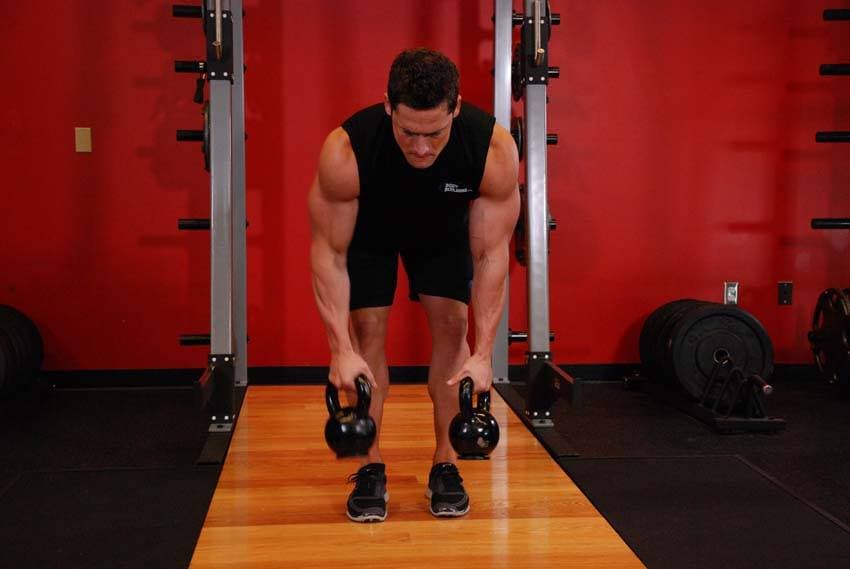
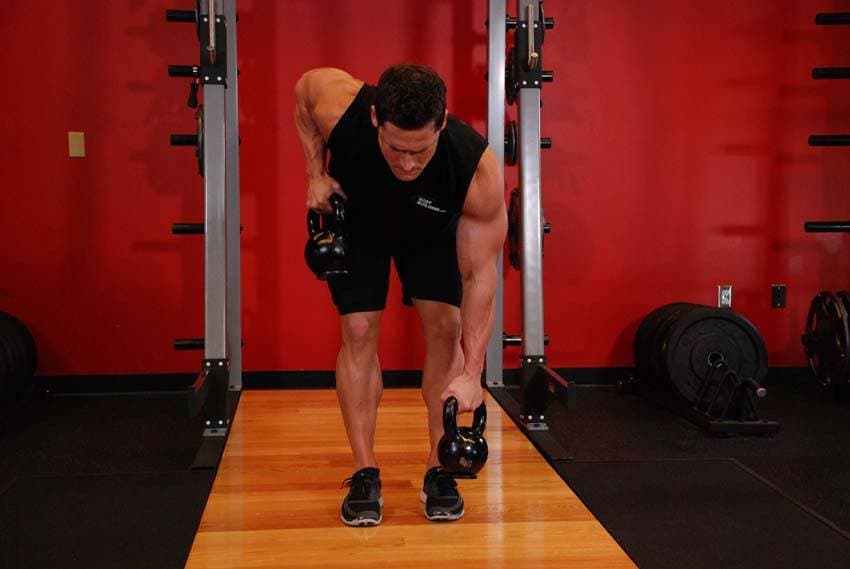
Alternating Kettlebell Row
intermediate·kettlebells
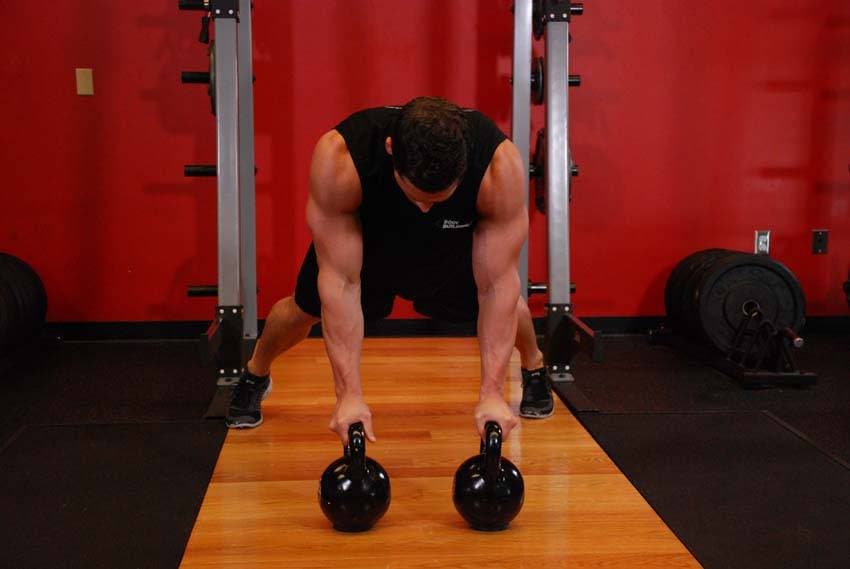
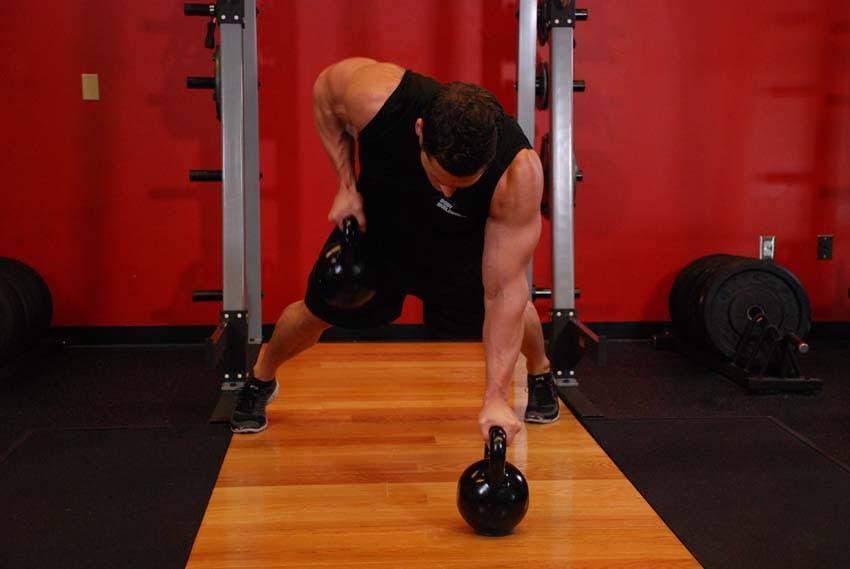
Alternating Renegade Row
expert·kettlebells
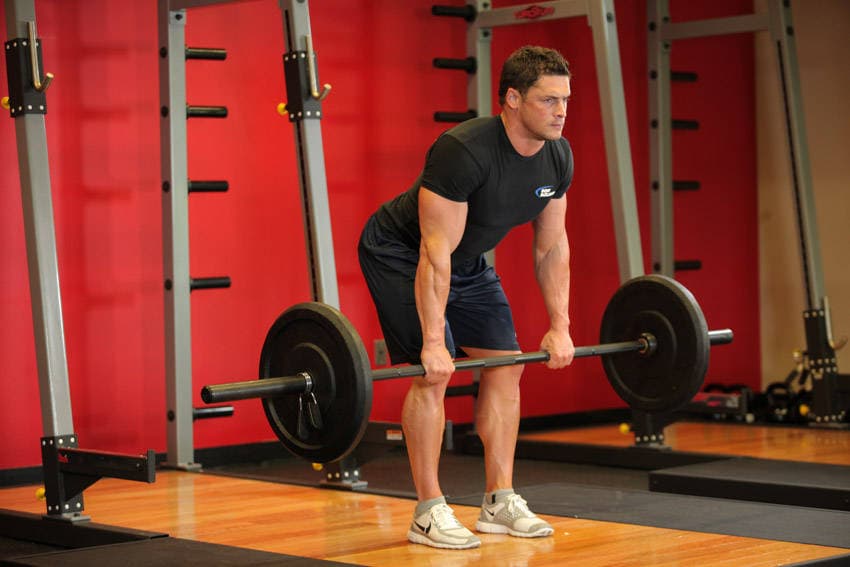
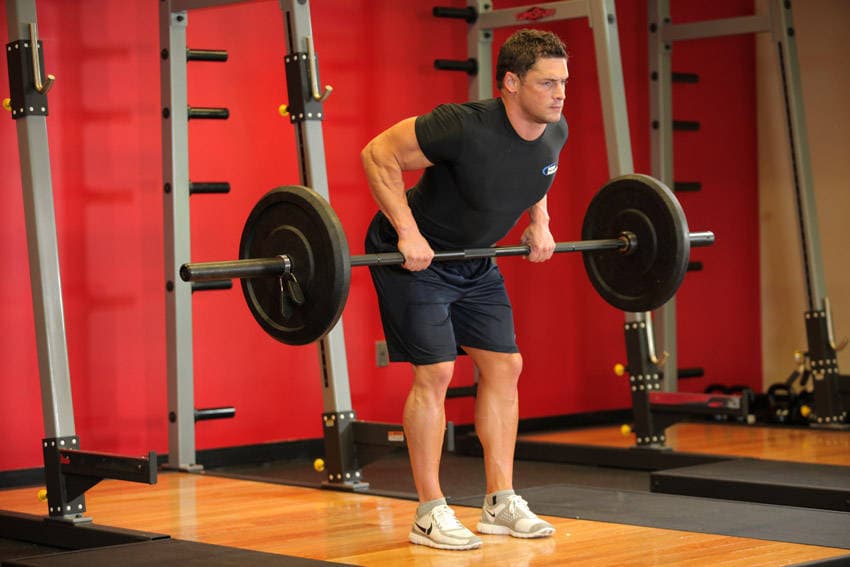
Bent Over Barbell Row
beginner·barbell

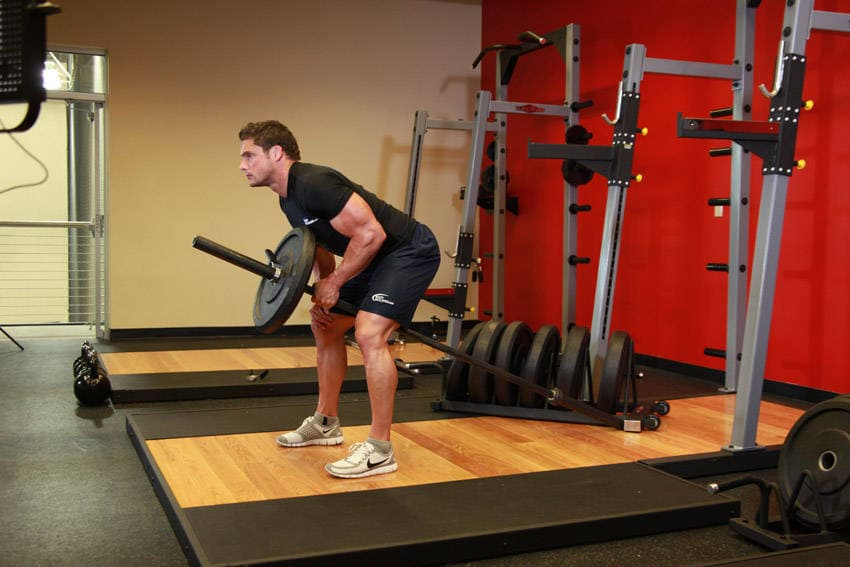
Bent Over One-Arm Long Bar Row
beginner·barbell
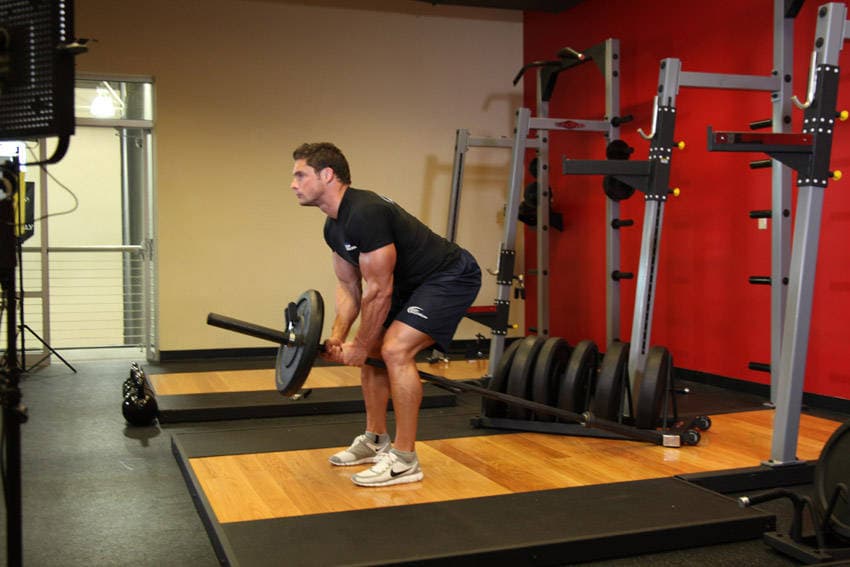

Bent Over Two-Arm Long Bar Row
intermediate·barbell
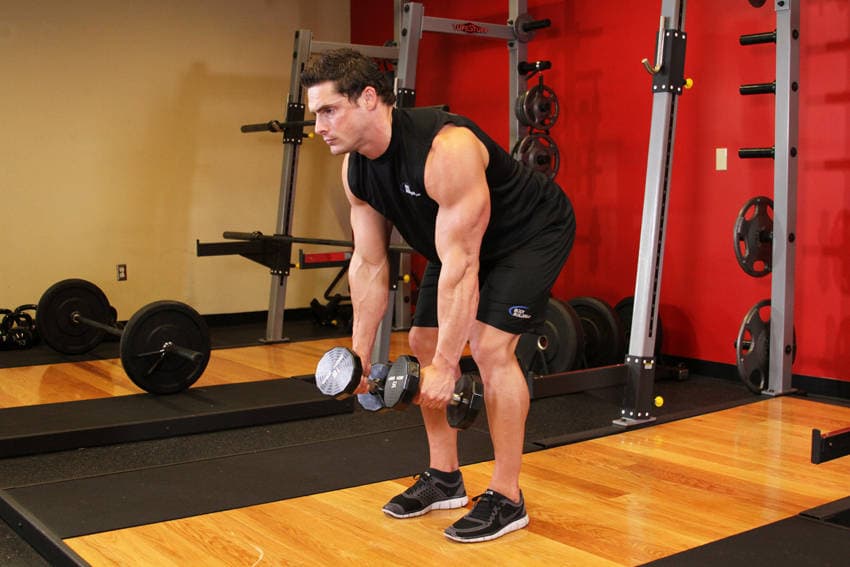
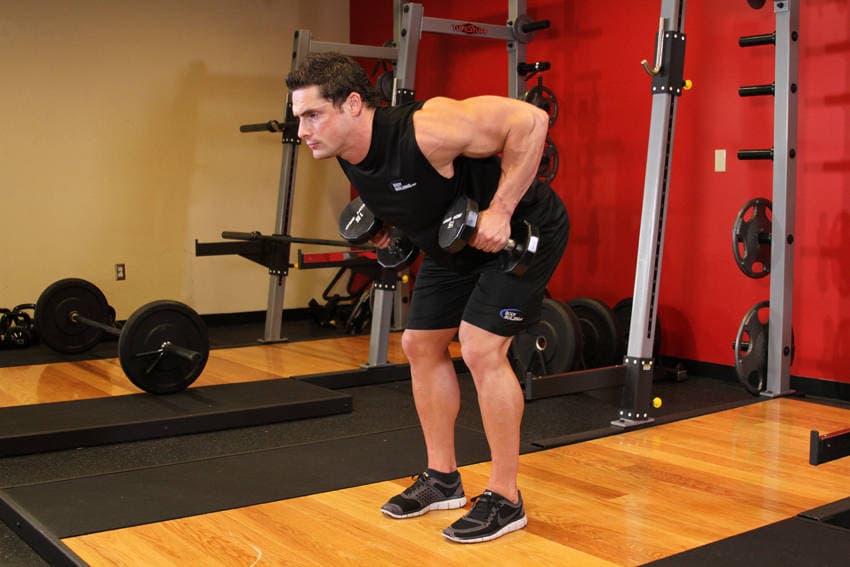
Bent Over Two-Dumbbell Row
beginner·dumbbell

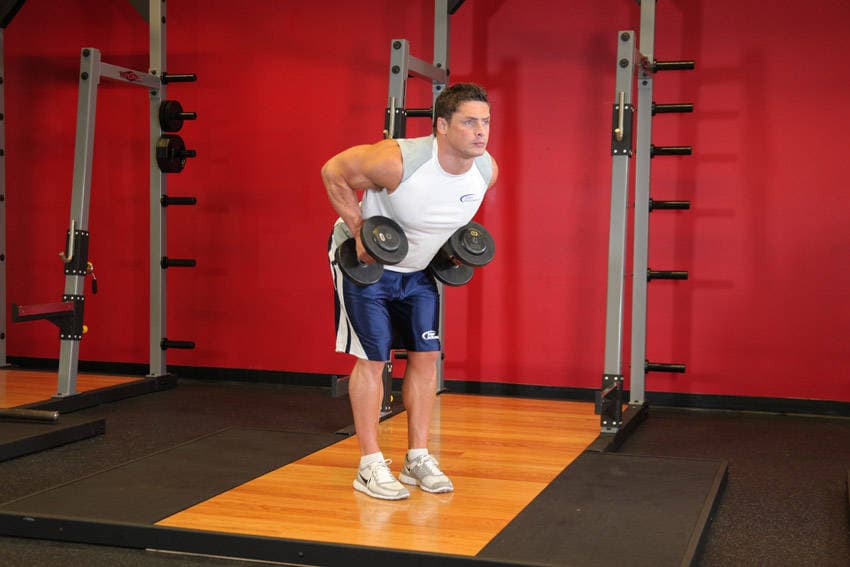
Bent Over Two-Dumbbell Row With Palms In
beginner·dumbbell
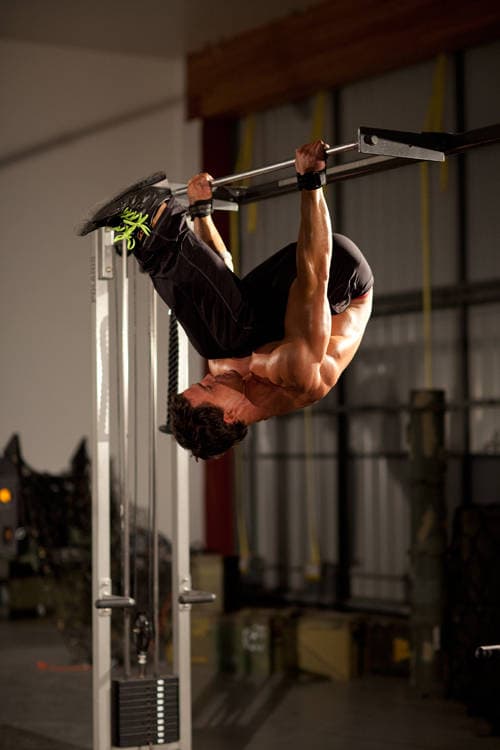
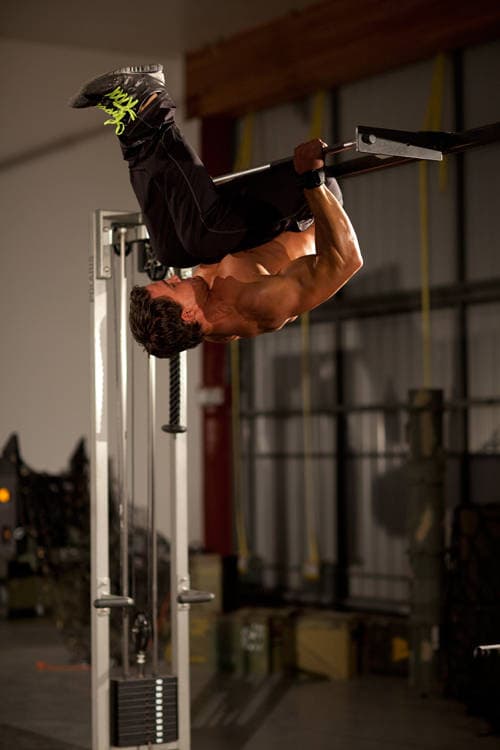
Bodyweight Mid Row
intermediate·other
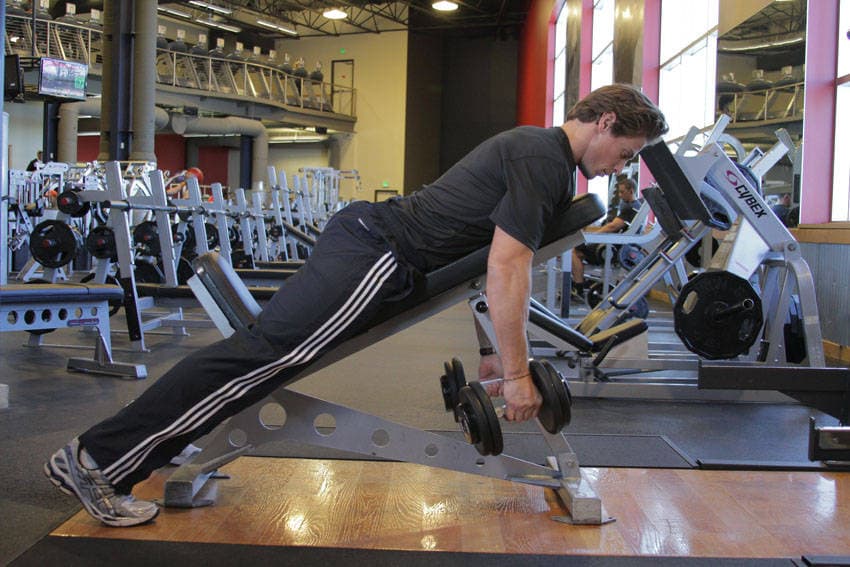
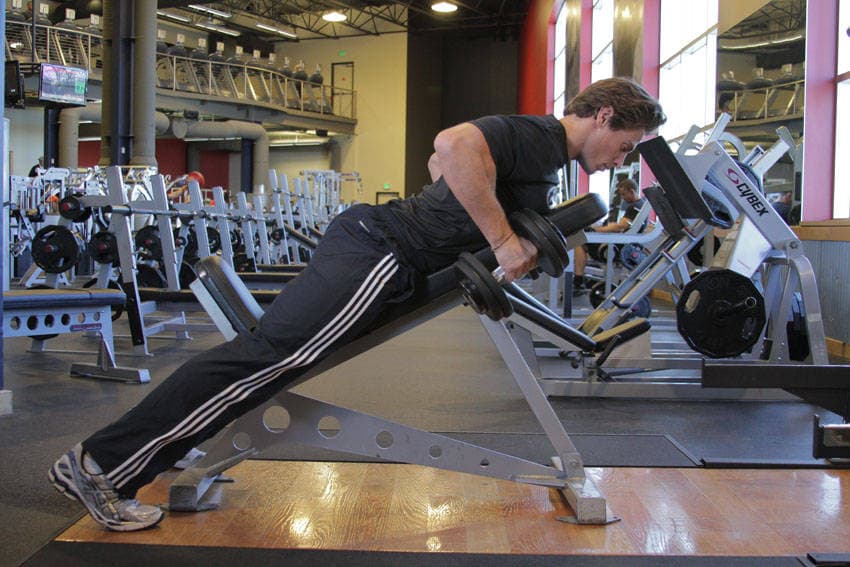
Dumbbell Incline Row
beginner·dumbbell
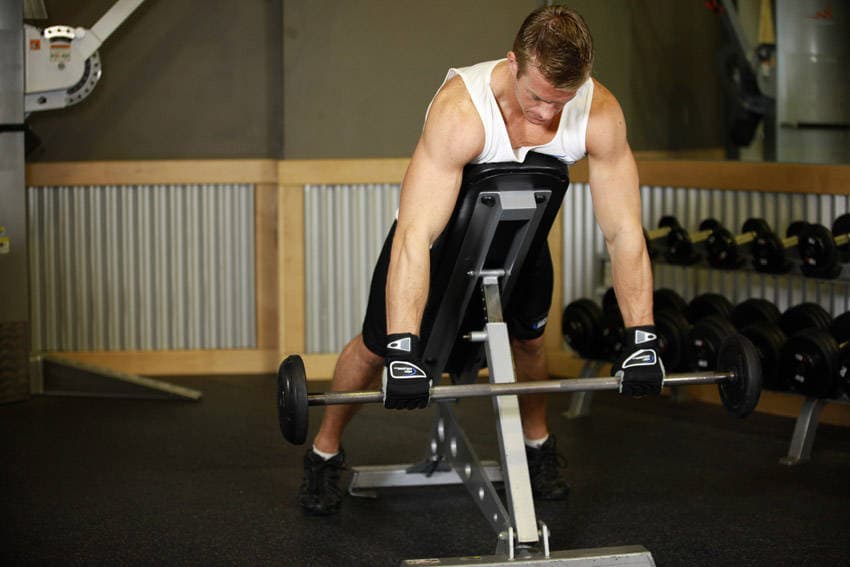
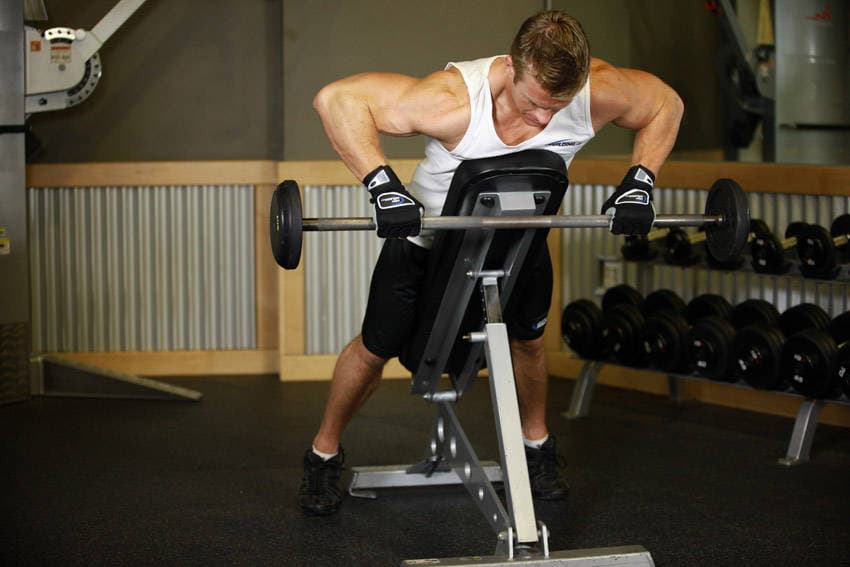
Incline Bench Pull
beginner·barbell
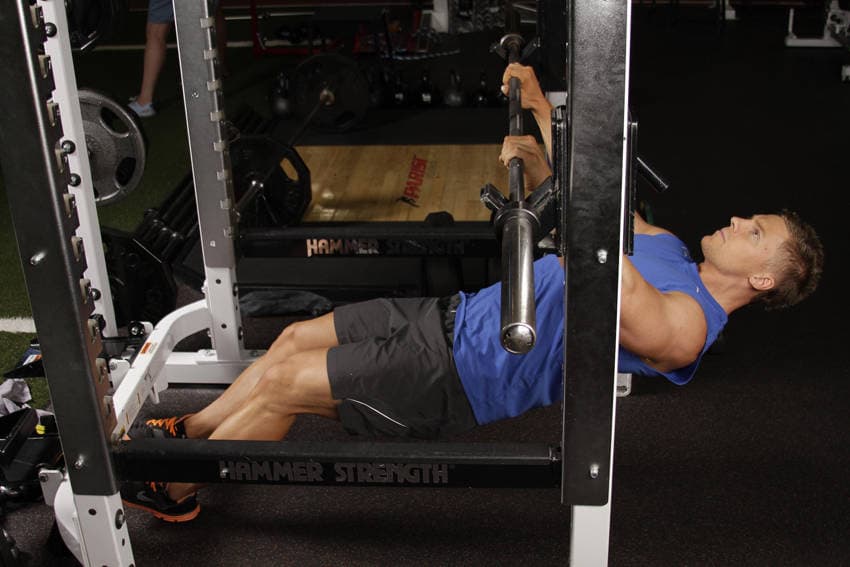
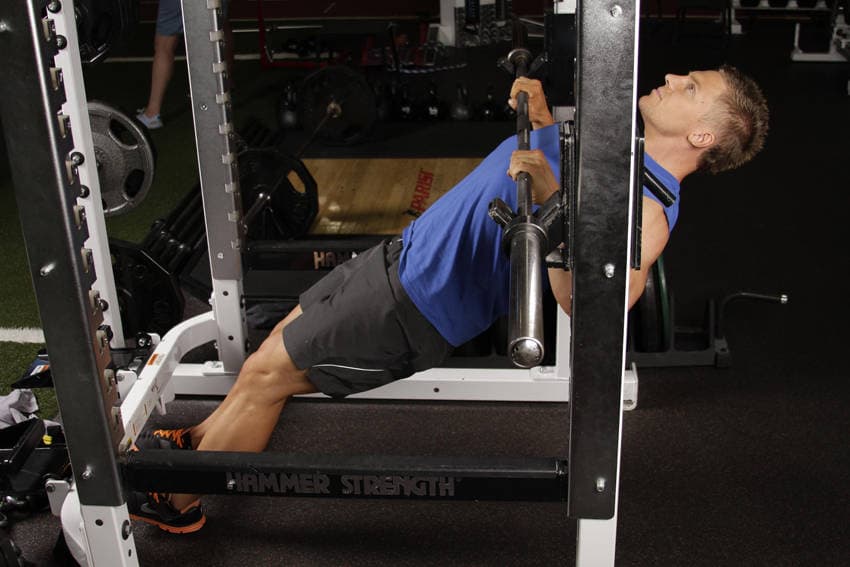
Inverted Row
beginner
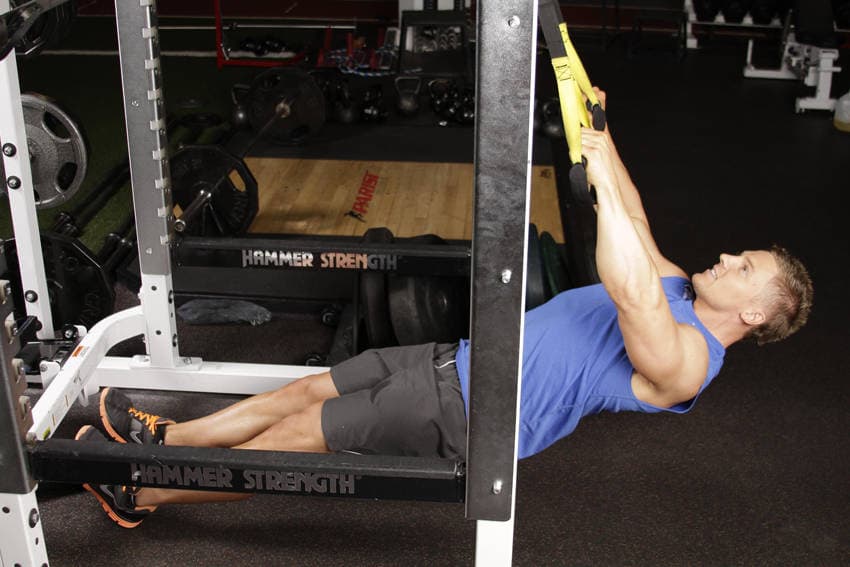
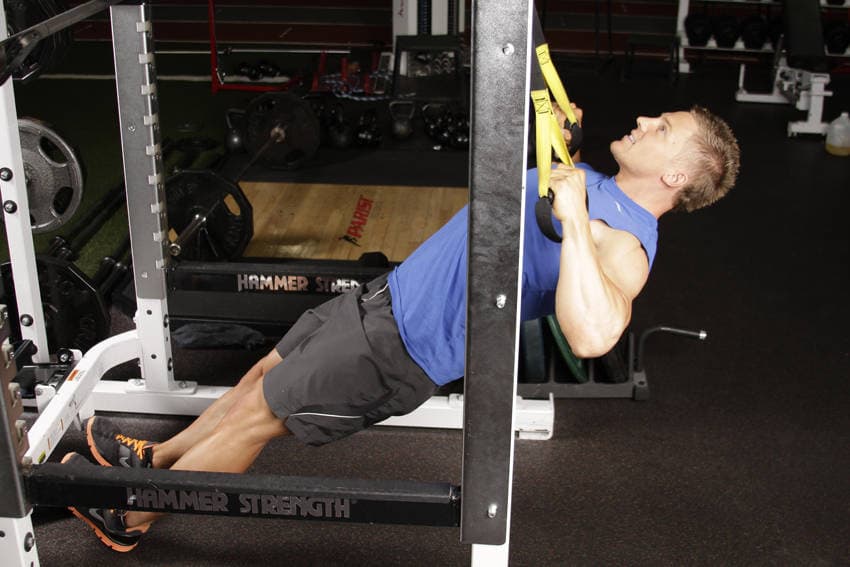
Inverted Row with Straps
beginner·other
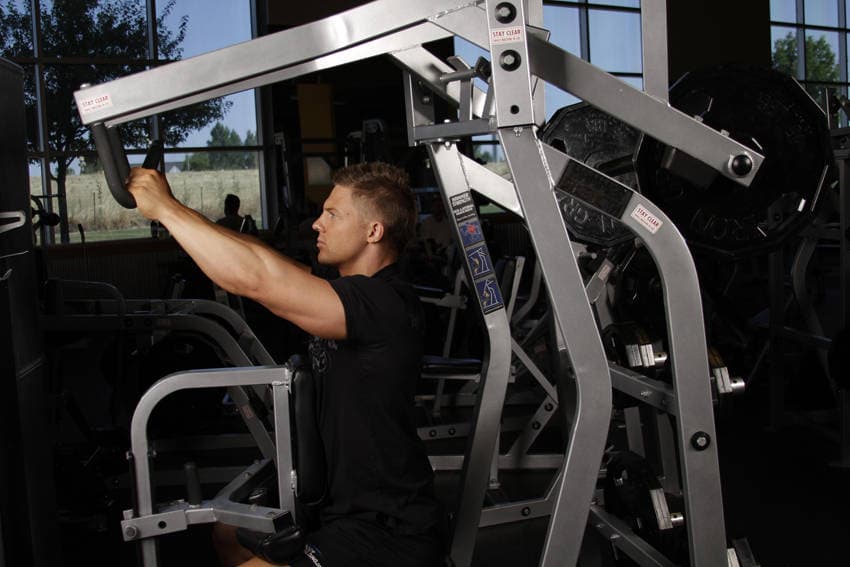
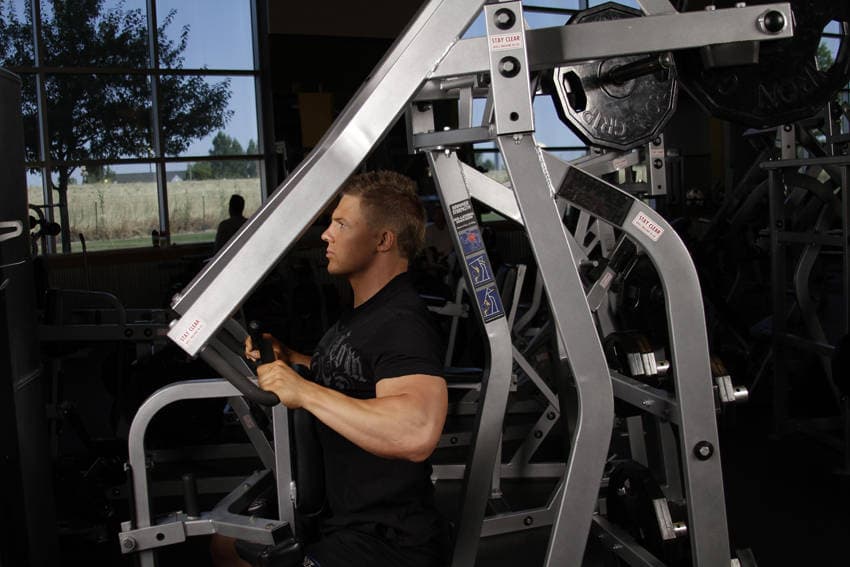
Leverage High Row
beginner·machine
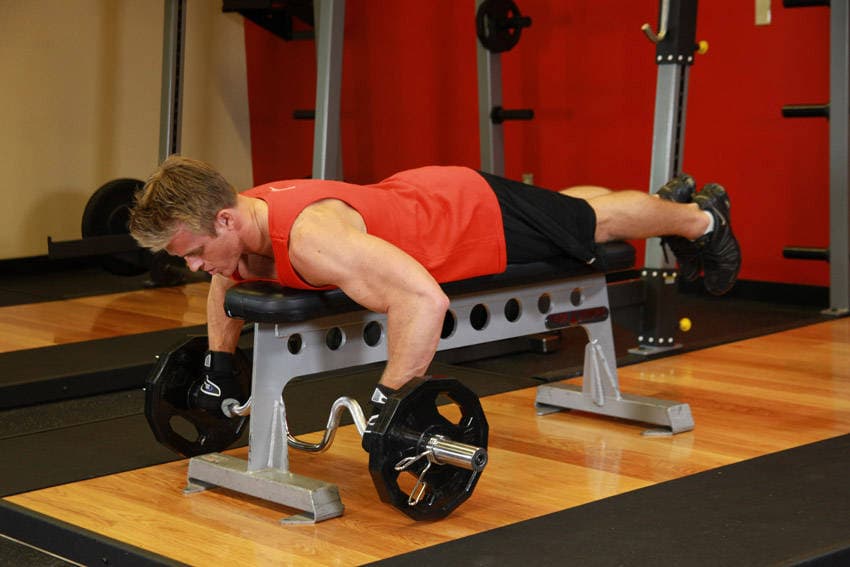
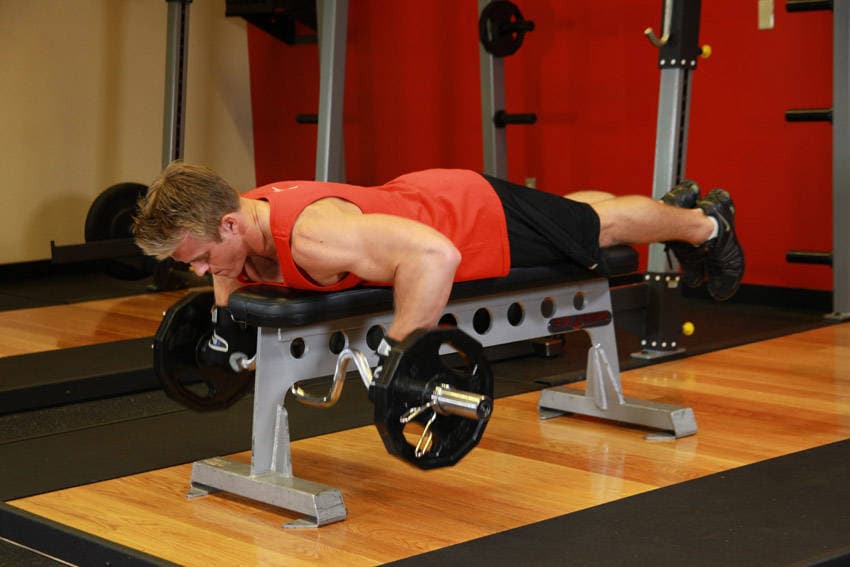
Lying Cambered Barbell Row
beginner·barbell
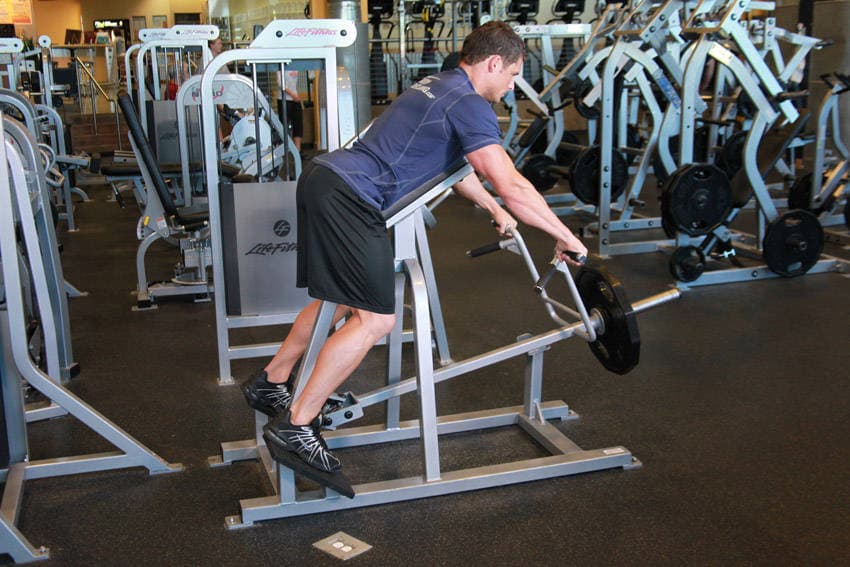
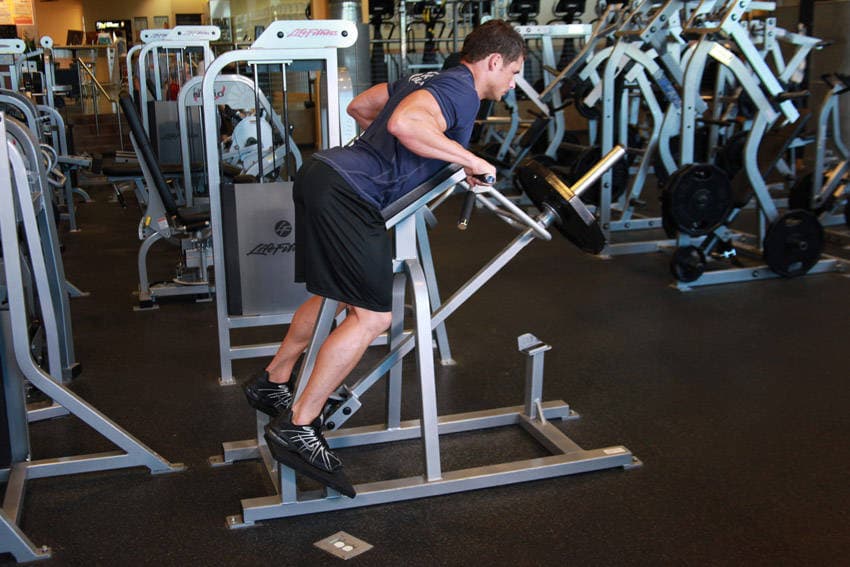
Lying T-Bar Row
intermediate·machine
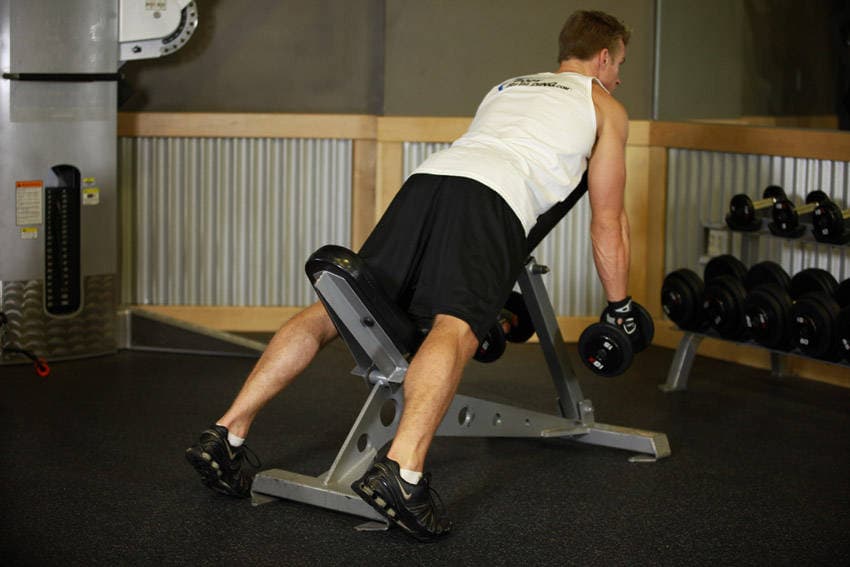
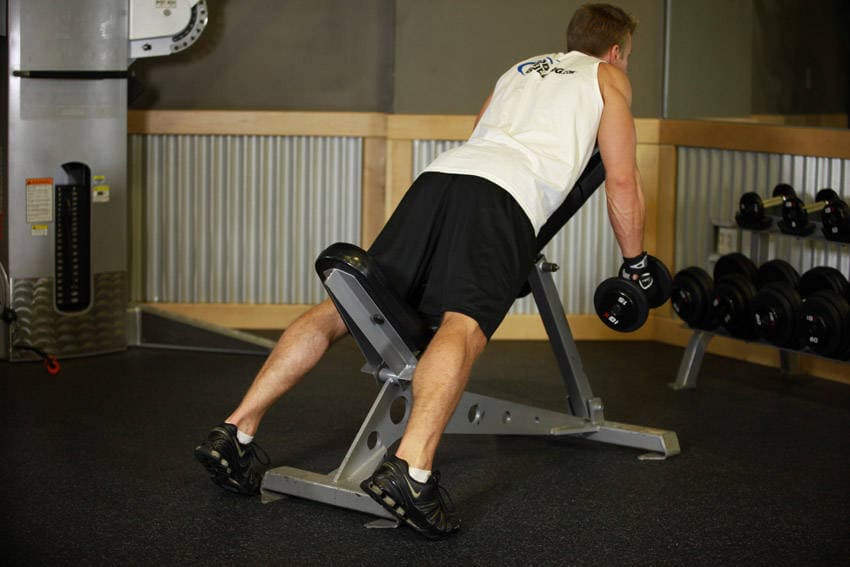
Middle Back Shrug
intermediate·dumbbell
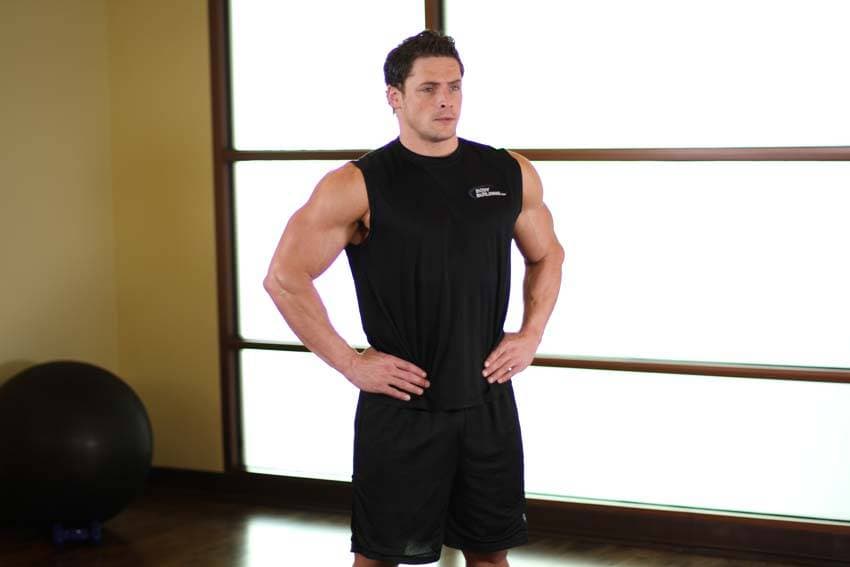
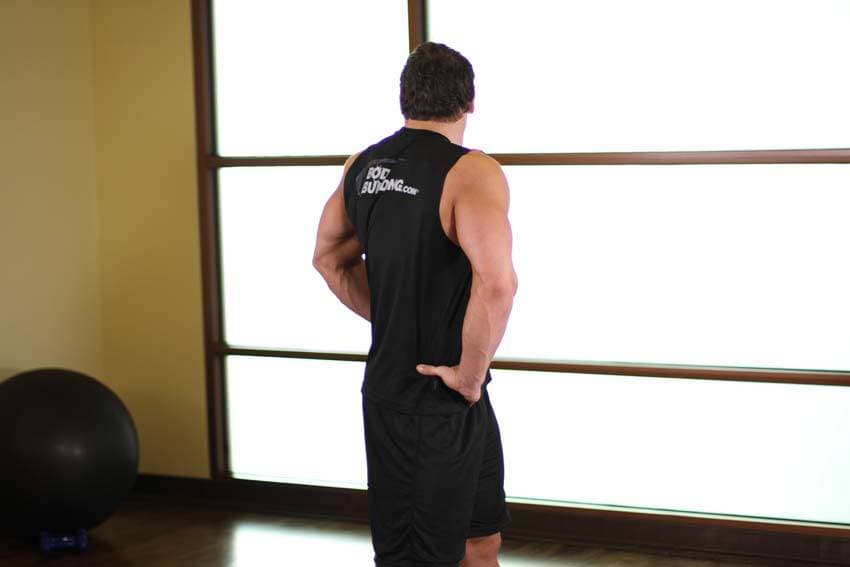
Middle Back Stretch
beginner
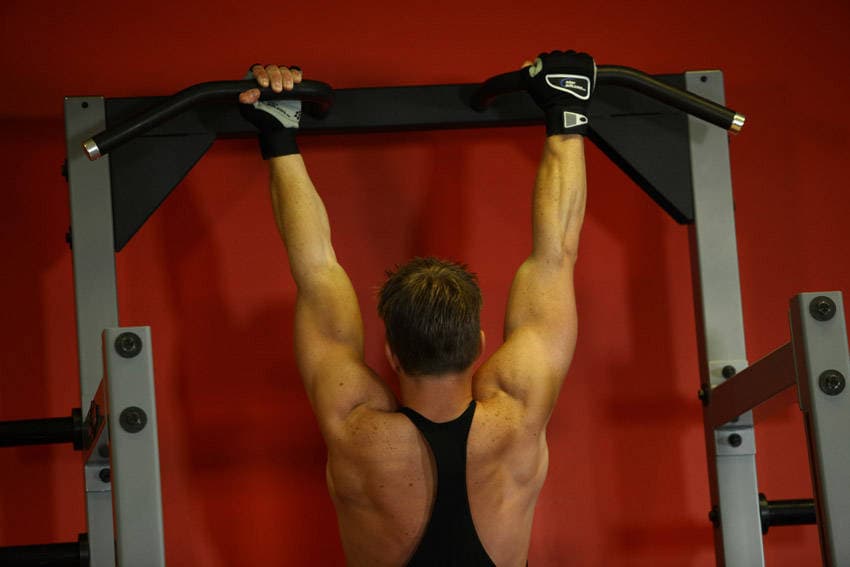
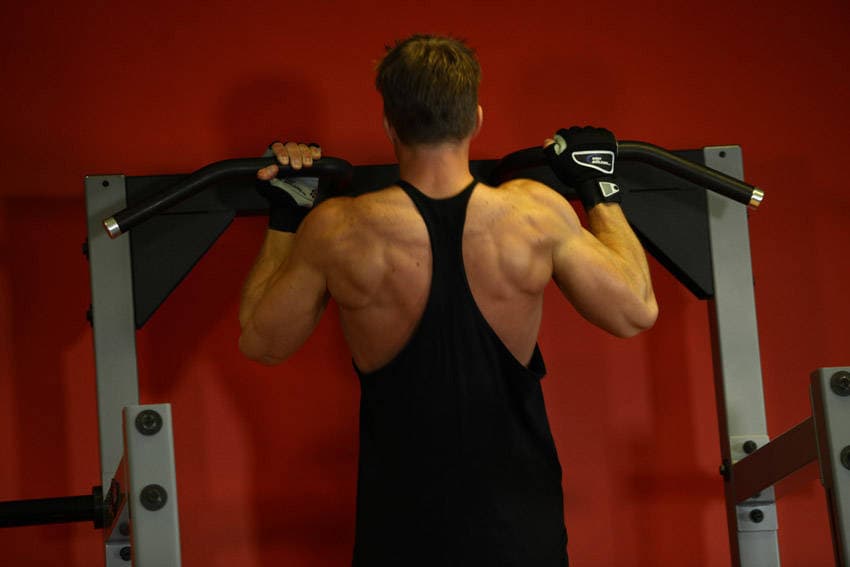
Mixed Grip Chin
expert·other
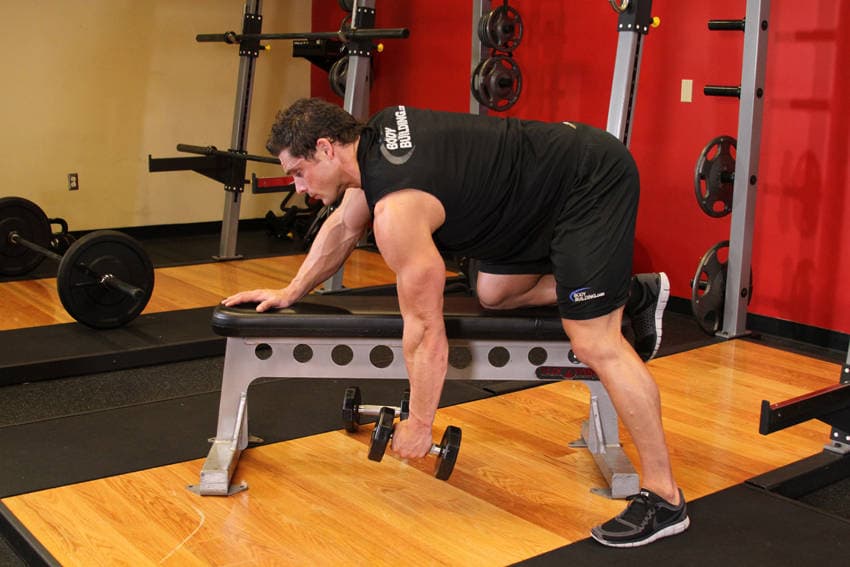
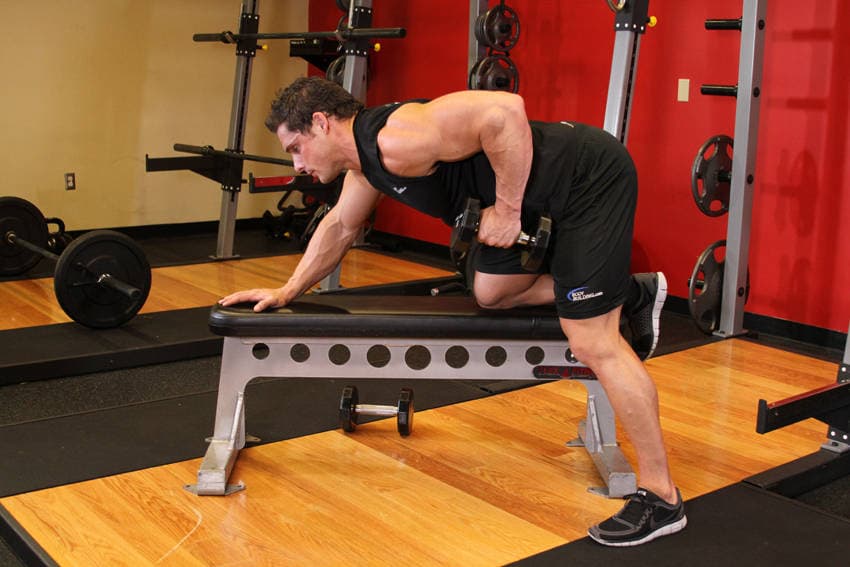
One-Arm Dumbbell Row
beginner·dumbbell
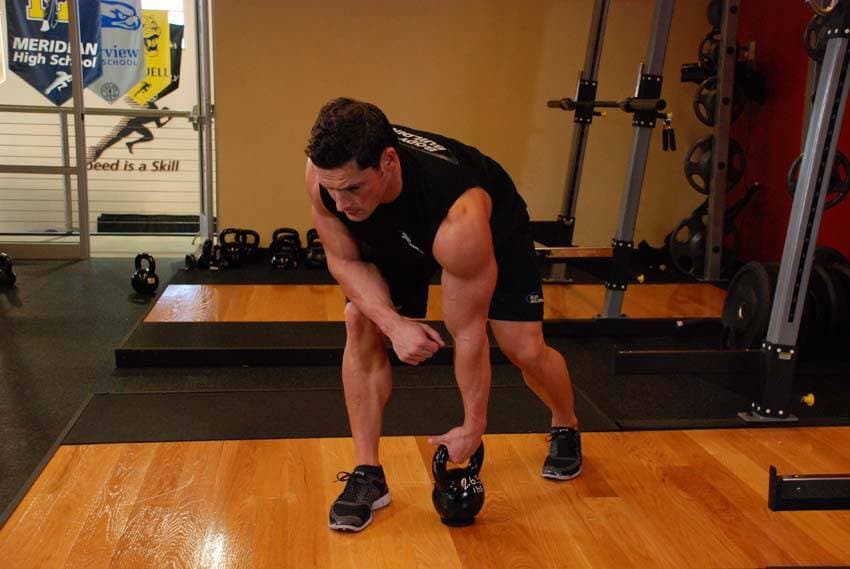
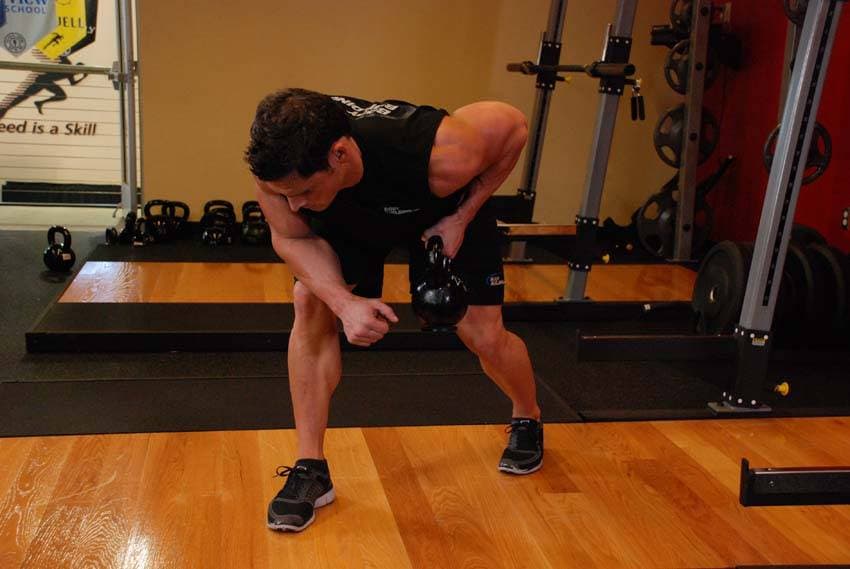
One-Arm Kettlebell Row
intermediate·kettlebells
Also Works iliocostalis thoracis
10
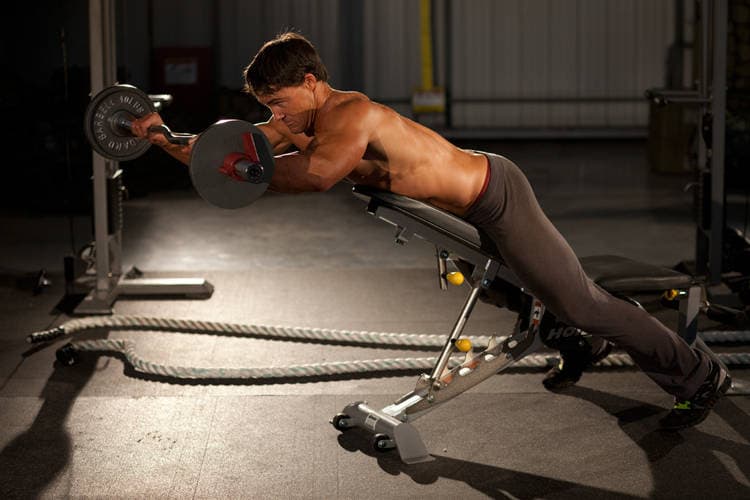
Anti-Gravity Press
beginner·barbell
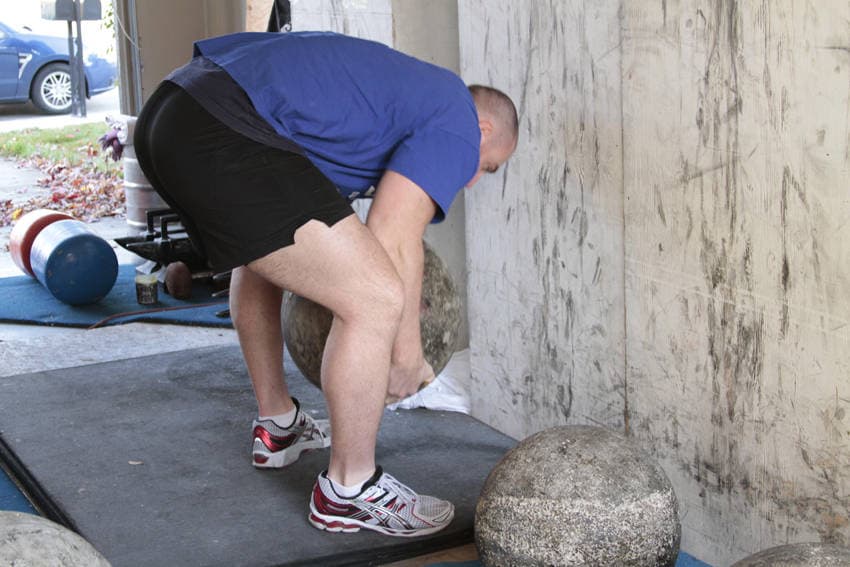
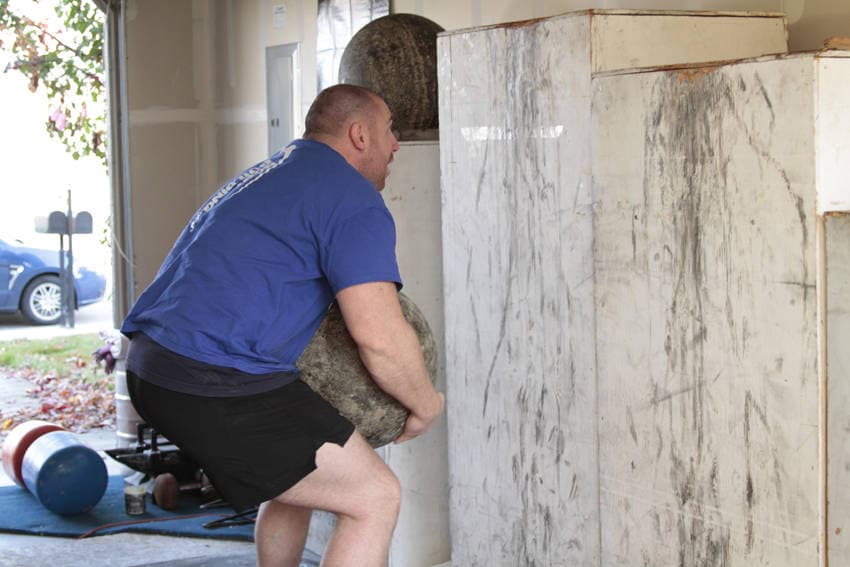
Atlas Stones
expert·other
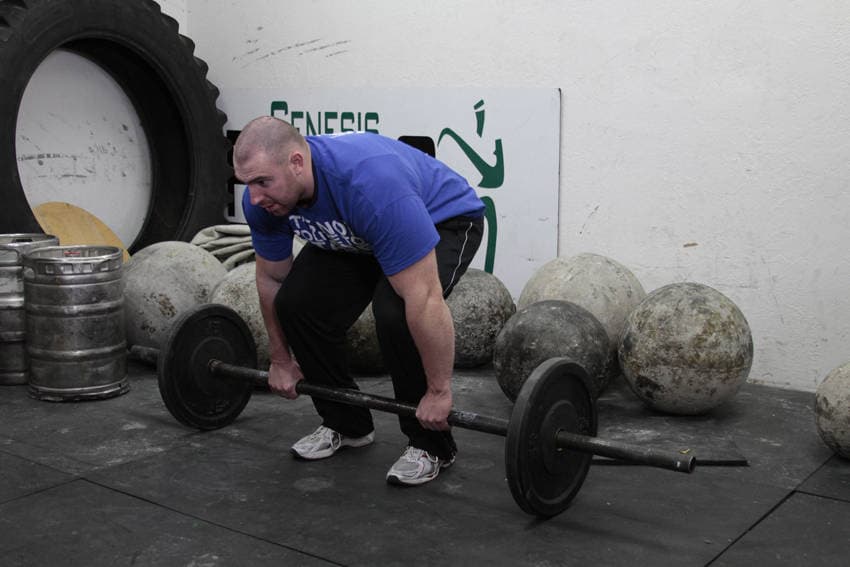
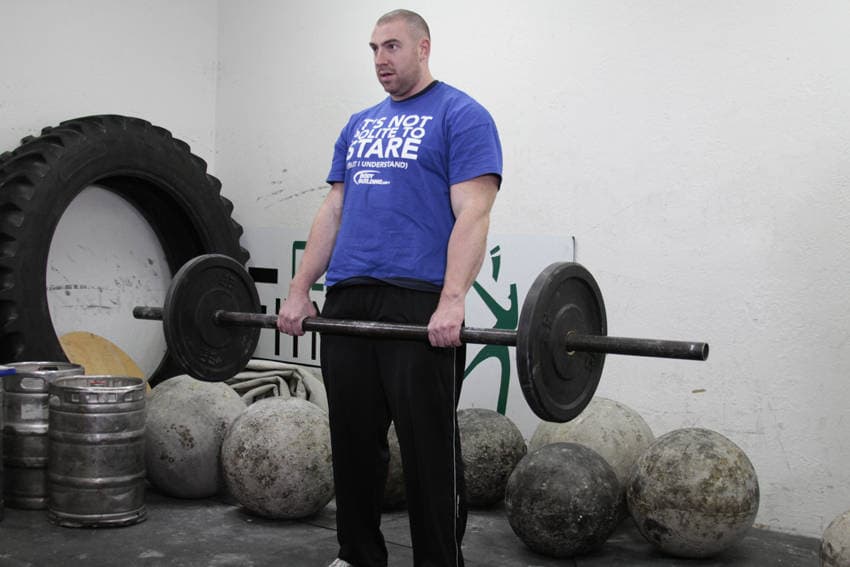
Axle Deadlift
intermediate·other
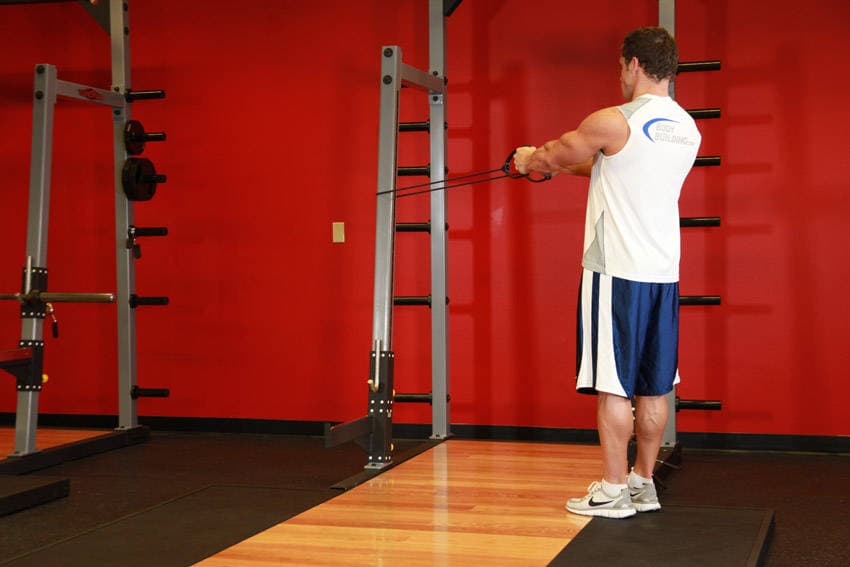
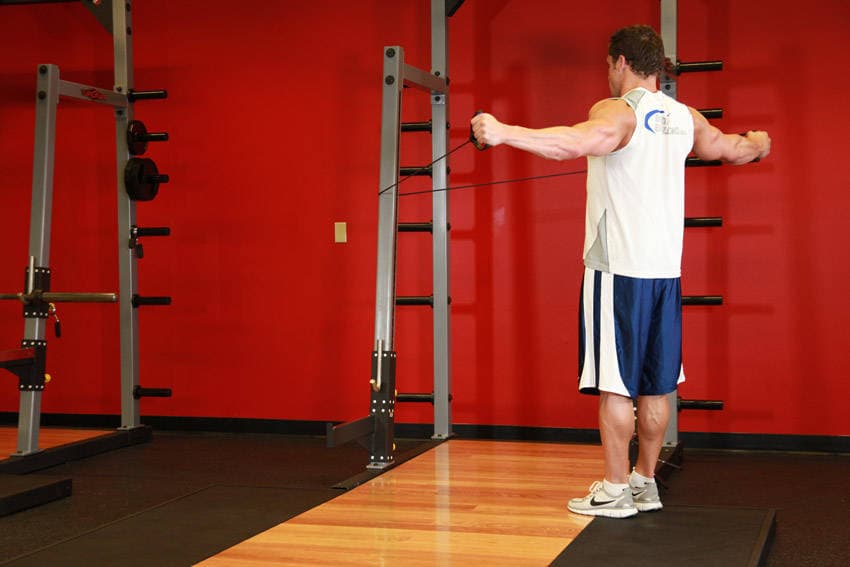
Back Flyes - With Bands
beginner·bands
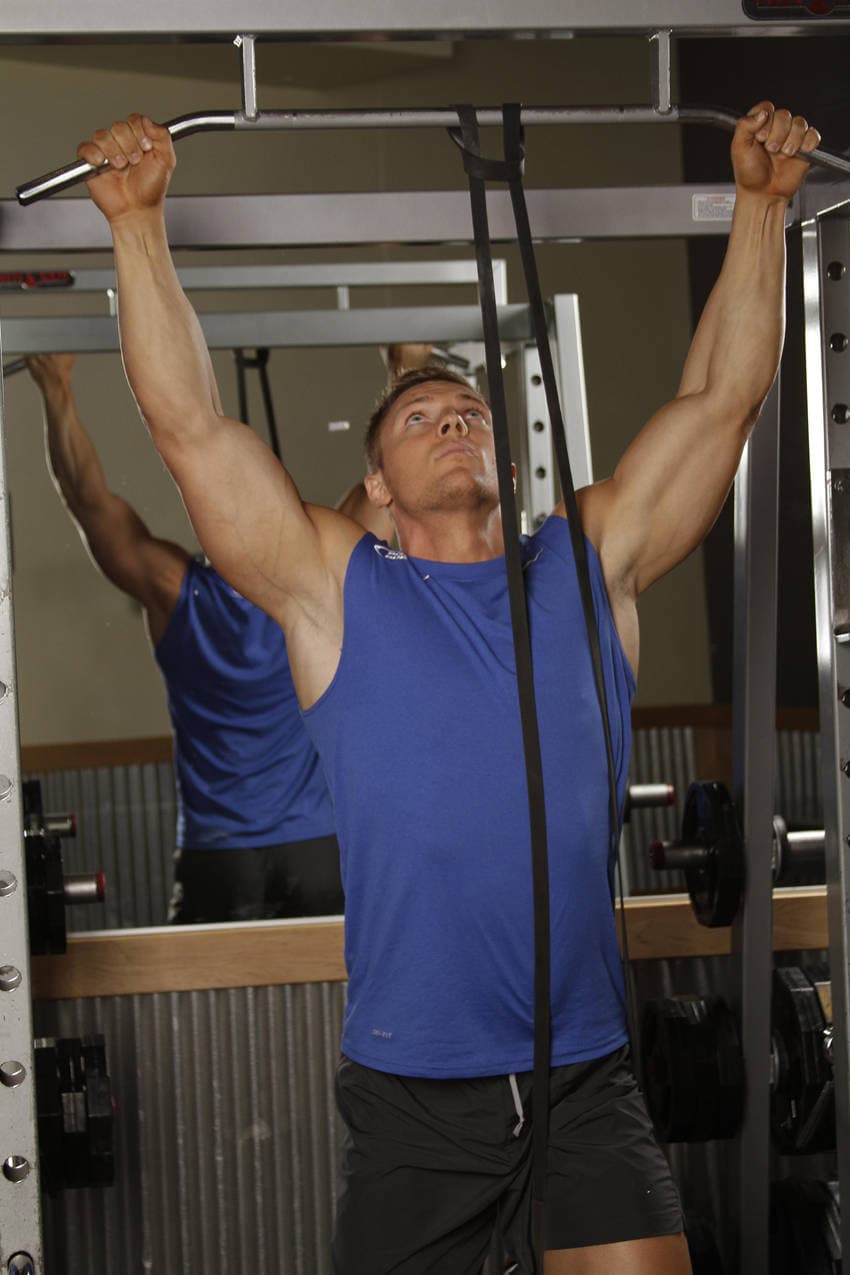
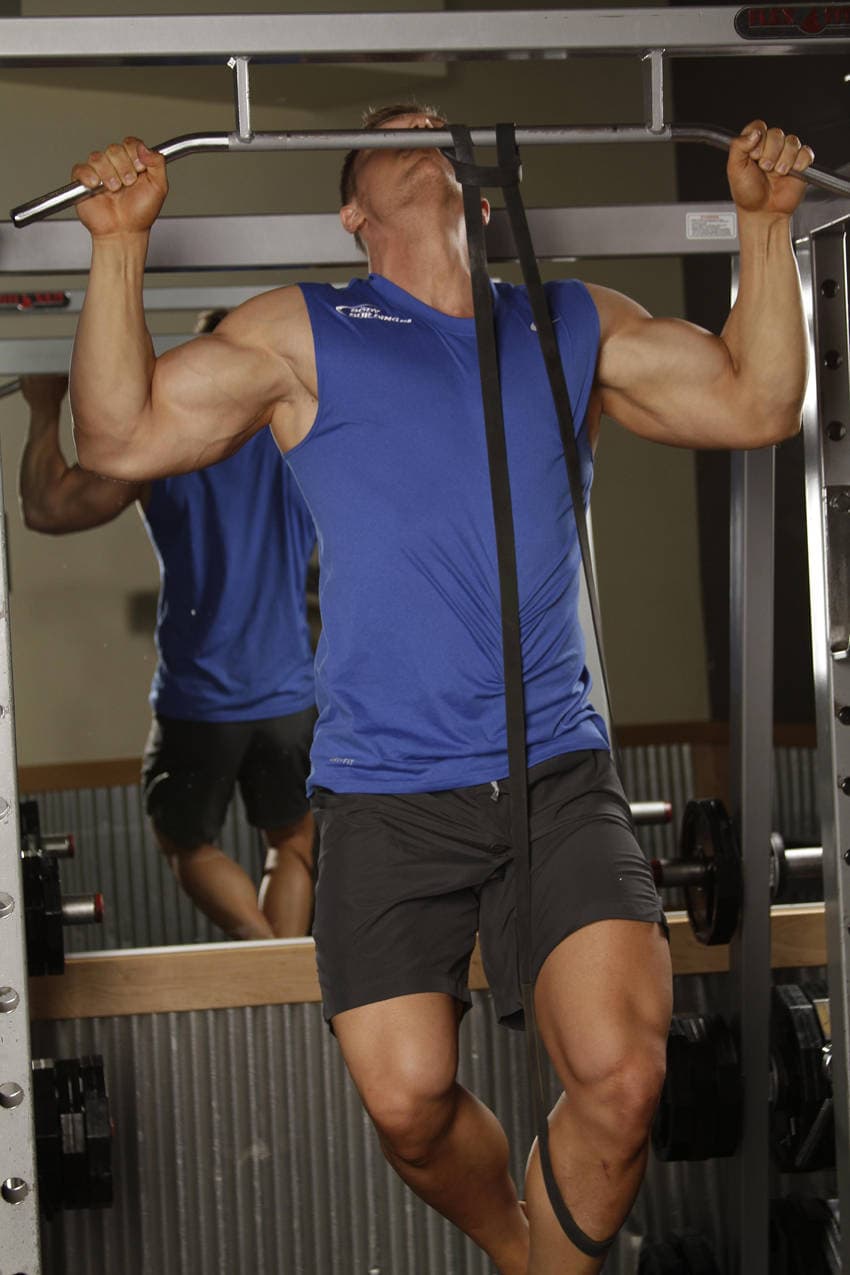
Band Assisted Pull-Up
beginner·other
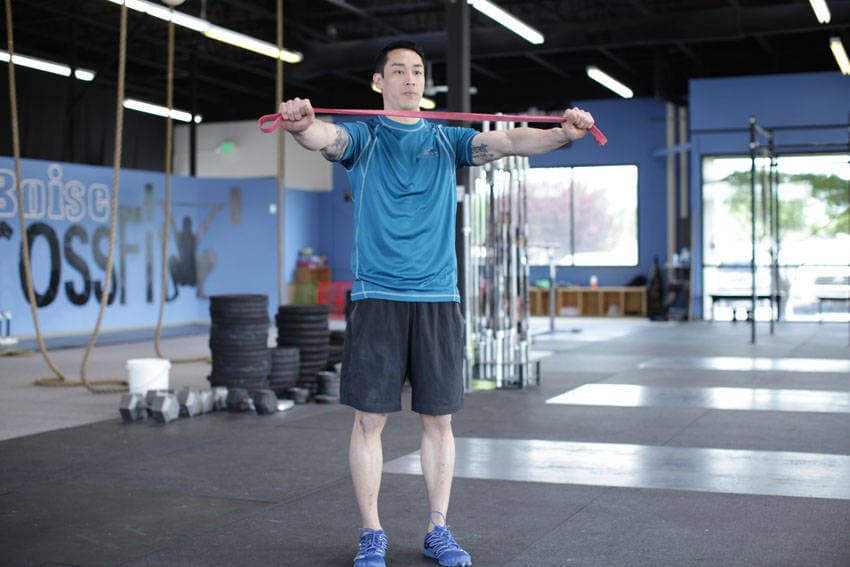
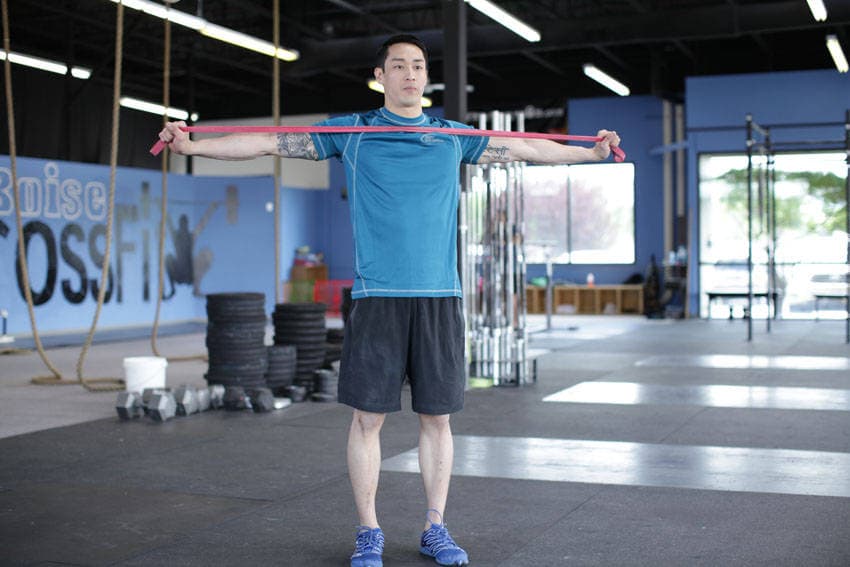
Band Pull Apart
beginner·bands
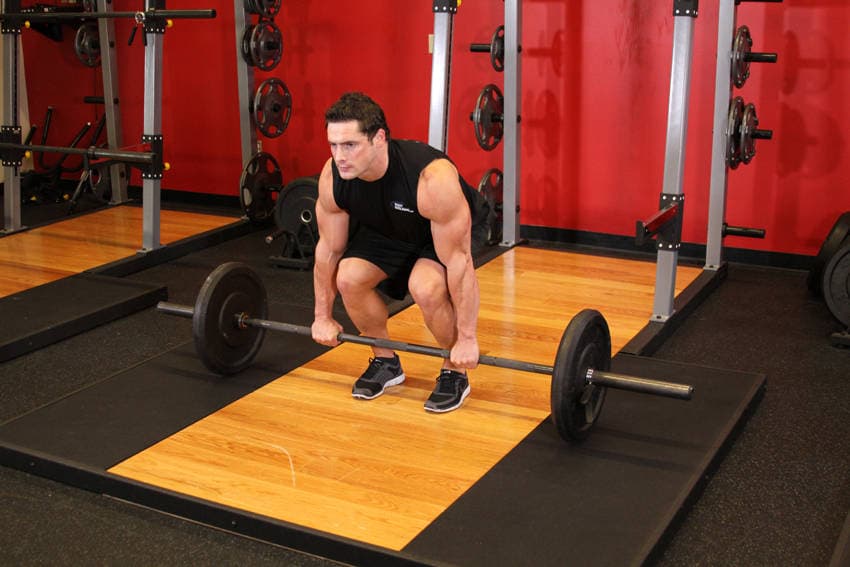
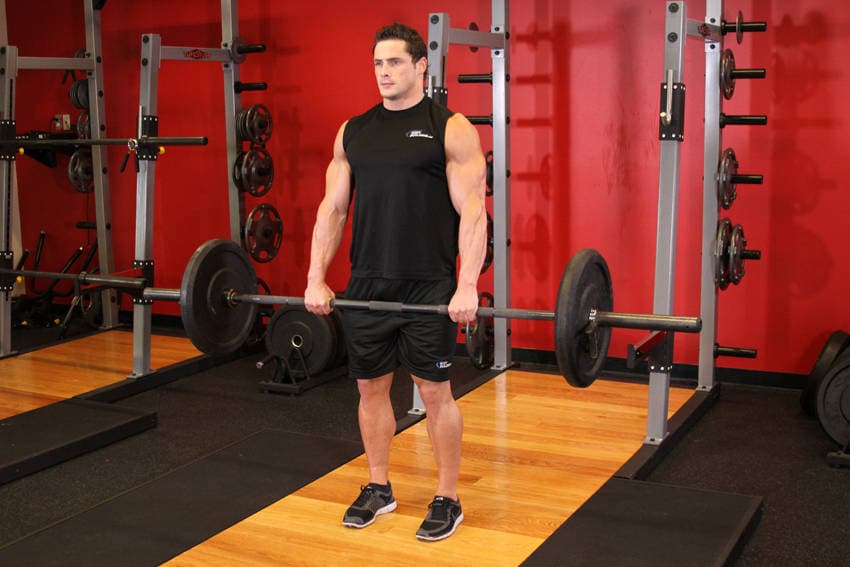
Barbell Deadlift
intermediate·barbell
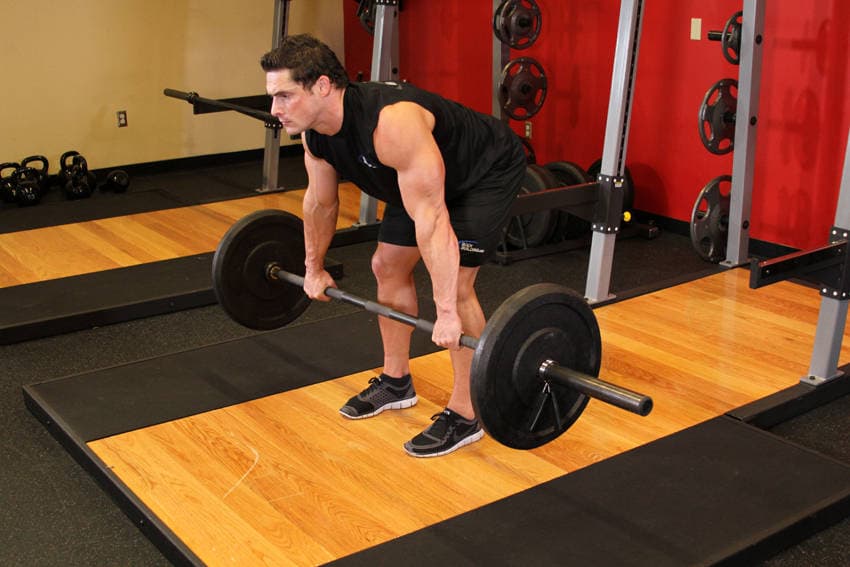
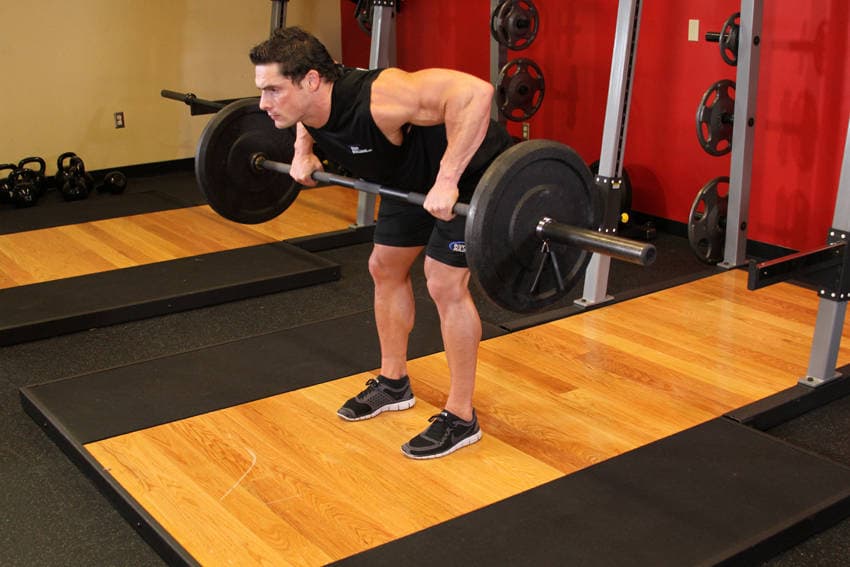
Barbell Rear Delt Row
beginner·barbell
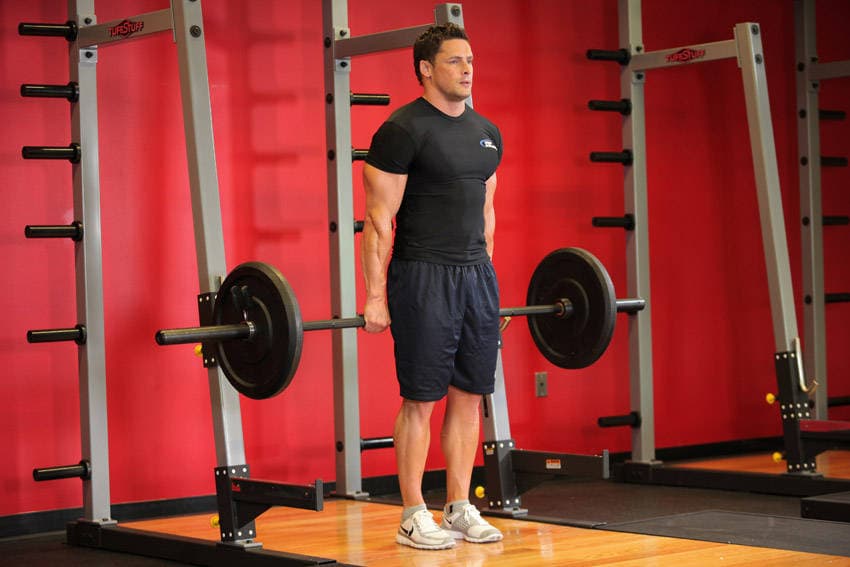
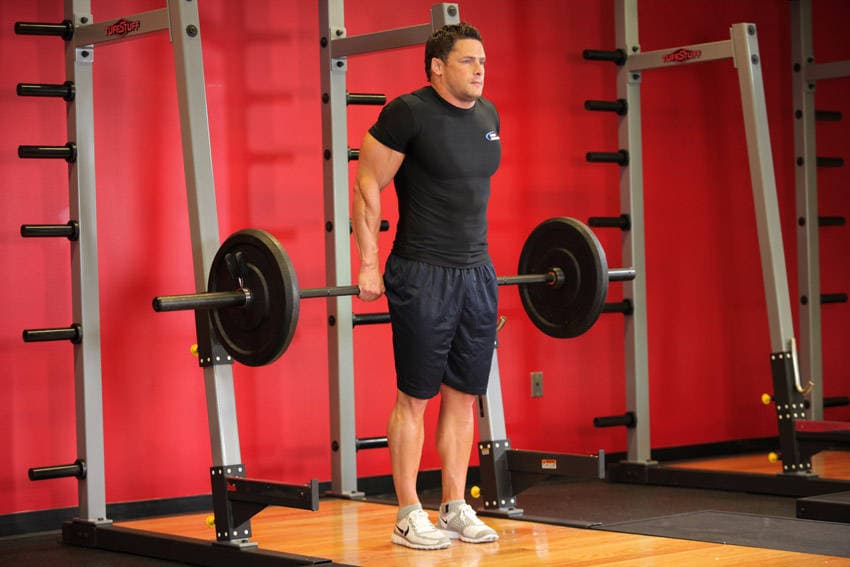
Barbell Shrug Behind The Back
beginner·barbell
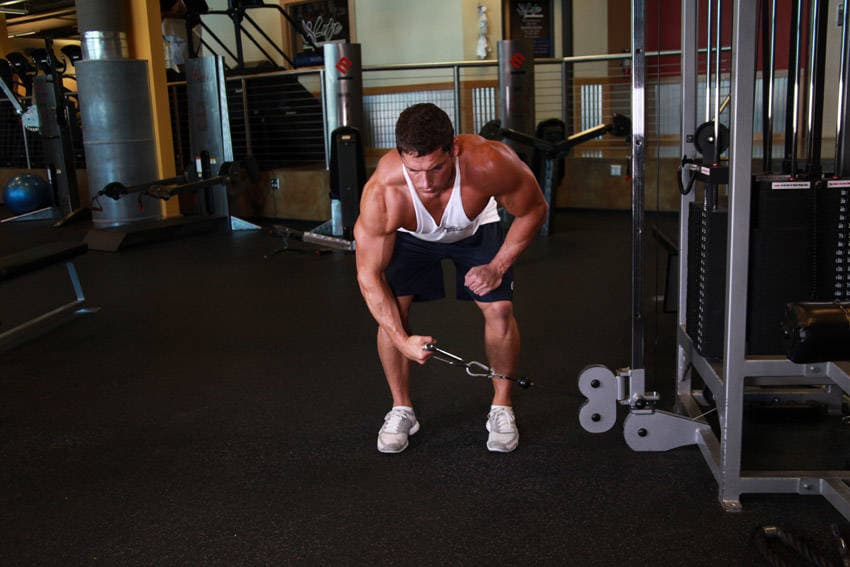
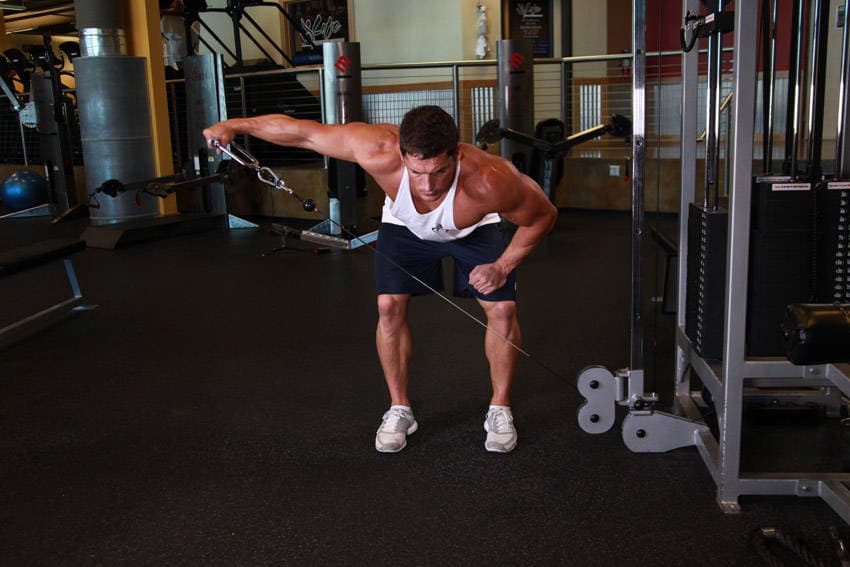
Bent Over Low-Pulley Side Lateral
beginner·cable
Related Upper Back Muscles
Ascending part of left trapezius
Upper fibers of left trapezius elevate and retract scapula for shrugs and pulls. Key for posture and overhead strength. Left-side focus corrects imbalances.
Descending part of left trapezius
The descending part of the left trapezius fibers run downward from neck to scapula on the left side, aiding scapular depression and upward rotation. Key for pull-ups and lat work, preventing shoulder hike.
Descending part of right trapezius
The descending part of the right trapezius fibers slope from occiput to right scapula, depressing and upwardly rotating the scapula. Essential for balanced shoulder mechanics in bilateral lifts.
interspinalis thoracis
Tiny interspinalis thoracis muscles between thoracic spinous processes fine-tune extension.
longissimus thoracis
The longest erector spinae muscle, running parallel to the spine from sacrum to mid-back, it extends the spine and maintains upright posture. Essential for deadlifts, squats, and spinal stability in powerlifting. Weakness leads to back rounding under load.
rhomboid major
The rhomboid major is a diamond-shaped muscle between your shoulder blades, retracting the scapula for better posture. It stabilizes during rows, pull-ups, and presses, countering slouched shoulders in gym-goers. Weak rhomboids lead to rounded posture and shoulder issues.
rhomboid minor
The rhomboid minor, above the major, connects upper thoracic spine to the shoulder blade's inner border. It retracts and stabilizes the scapula during upper body pulls. Essential for posture correction in lifters with desk jobs.
semispinalis thoracis
Semispinalis thoracis is a deep erector spinae muscle from thoracic spine, extending the vertebral column. Maintains thoracic posture during deadlifts and rows. Prevents slouching in prolonged sitting.
Upper Back Pain Guide
Common causes and relief
Activities & Sports
See which activities use iliocostalis thoracis