Head
genioglossus
jee-nee-oh-GLAH-sus
Fan-shaped tongue muscle from chin to tongue base, genioglossus protrudes and depresses tongue. Vital for swallowing, speech, and breathing in fitness vocal training.
Open in 3D ViewerCommon Pain & Injury
Tongue/jaw pain, swallowing issues. Rare strain. ENT for persistent.
Anatomy & Function
Origin
Superior genial tubercle of mandible (chin bump inside jaw)
Insertion
Hyoid bone and dorsum of tongue (tongue body and undersurface)
Actions
- Tongue protrusion (stick out)
- Tongue depression (flatten)
- Speech/swallow
Innervation
Hypoglossal nerve
Muscle Relationships
Antagonists
HyoglossusStyloglossus
Synergists
GeniohyoidMylohyoid
Trigger Points
Tongue base, refers to throat, jaw, ear.
Stretches
1Tongue protrusion stretch
2Mewing exercises
3Jaw hinge stretch
Common Conditions
Tongue tie (ankyloglossia)Hypoglossal nerve palsy
Anatomical Parts
Left genioglossusRight genioglossus
FAQ
Genioglossus function
Protrudes tongue for eating, speaking, breathing.
Genioglossus pain
From clenching; tongue exercises relieve.
Exercises for genioglossus
8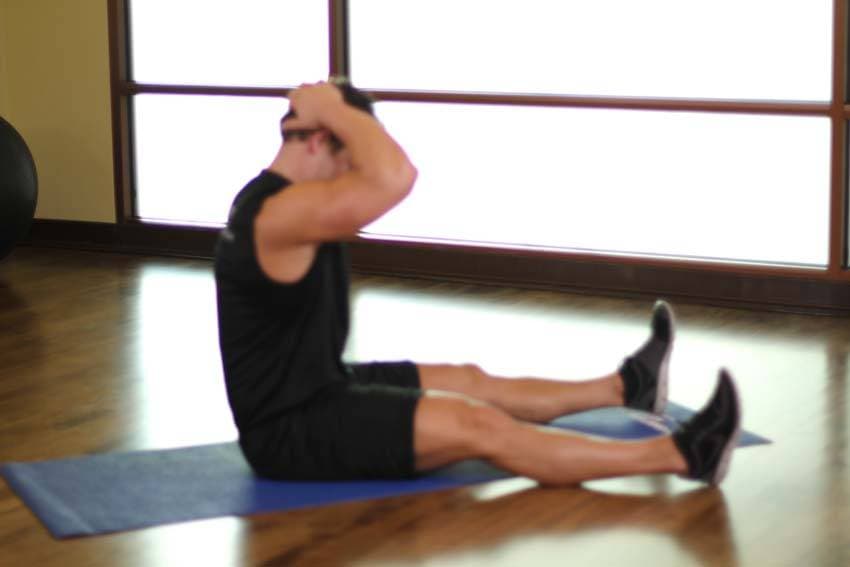
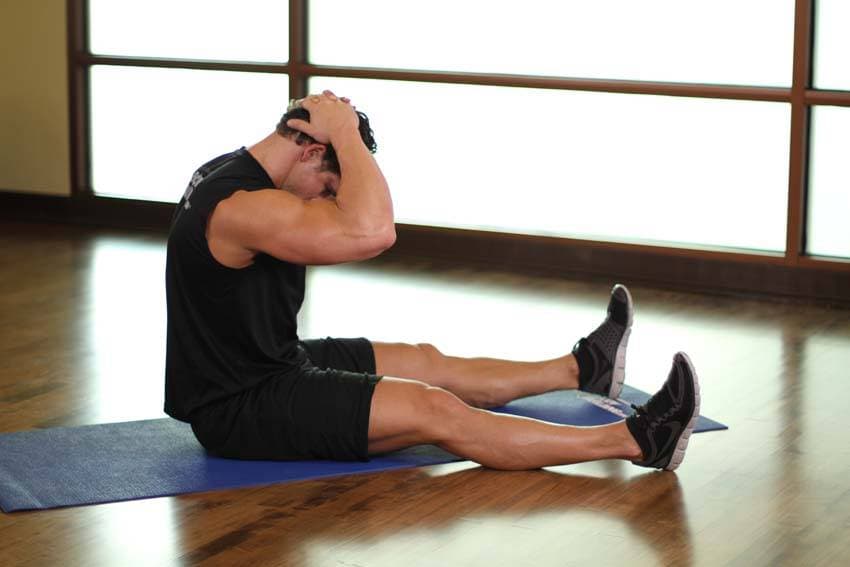
Chin To Chest Stretch
beginner


Isometric Neck Exercise - Front And Back
beginner·Bodyweight
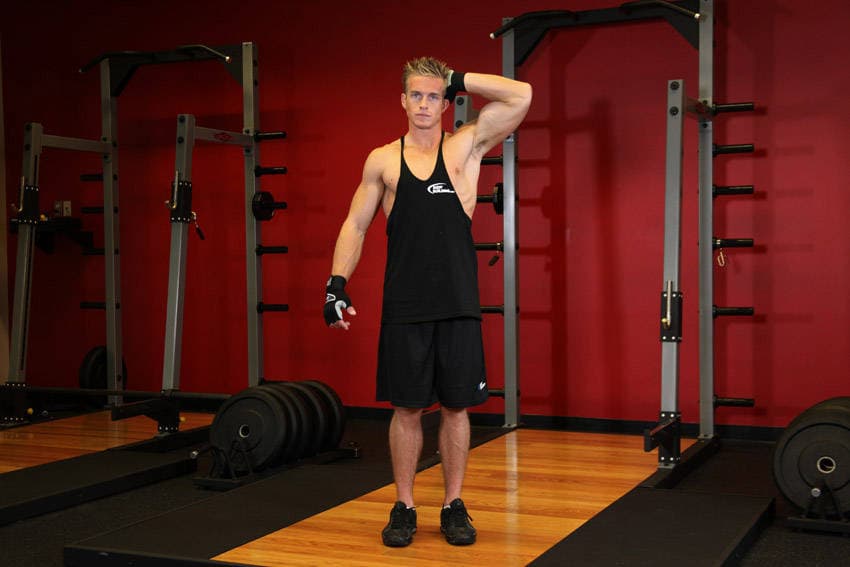
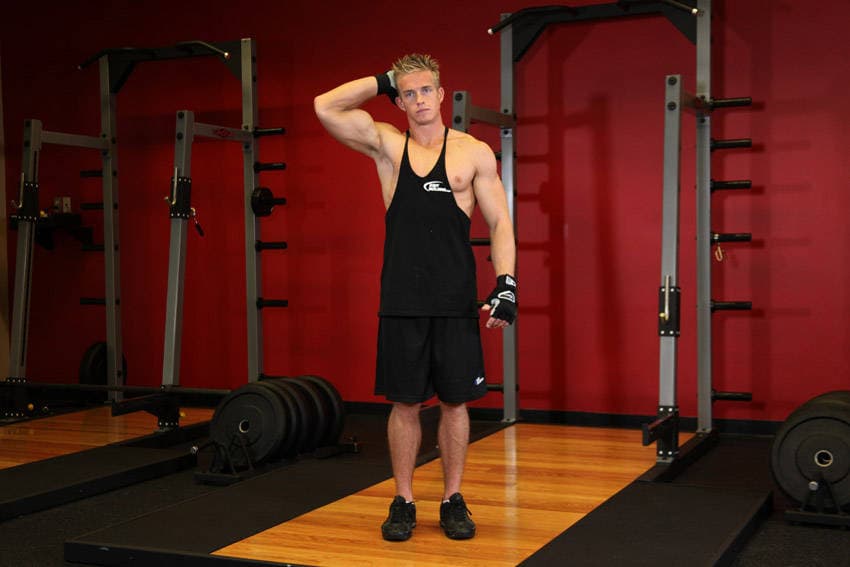
Isometric Neck Exercise - Sides
beginner·Bodyweight
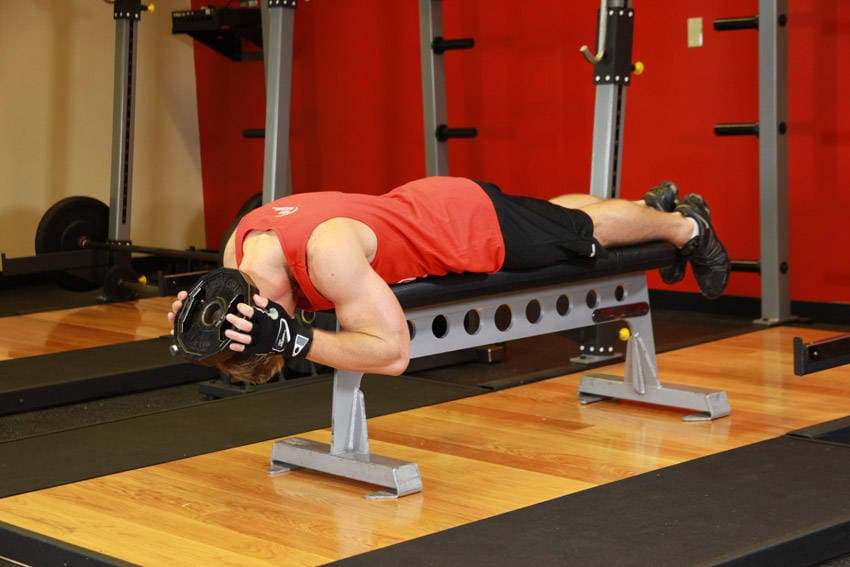
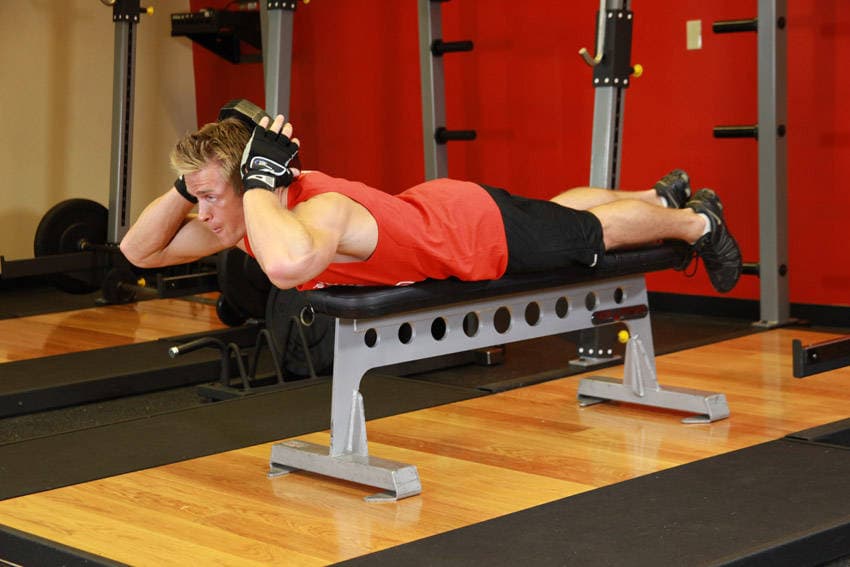
Lying Face Down Plate Neck Resistance
intermediate·other
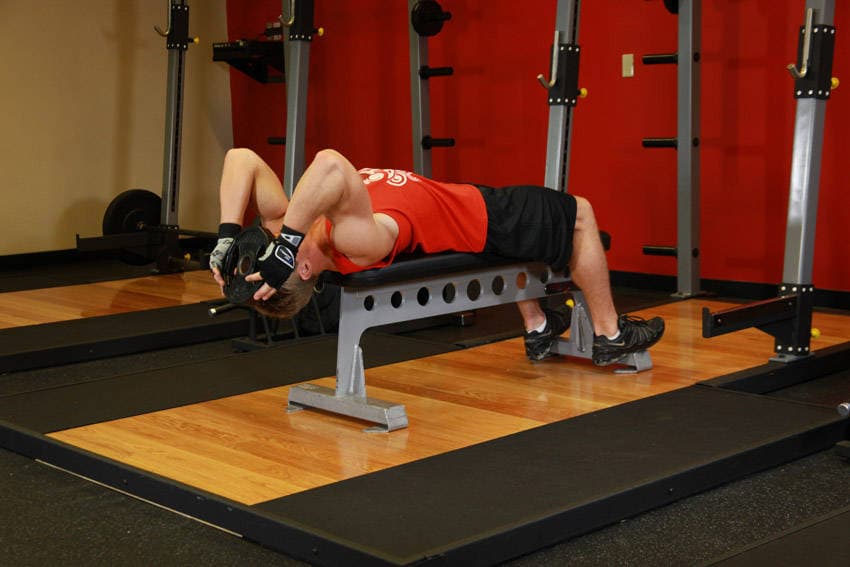
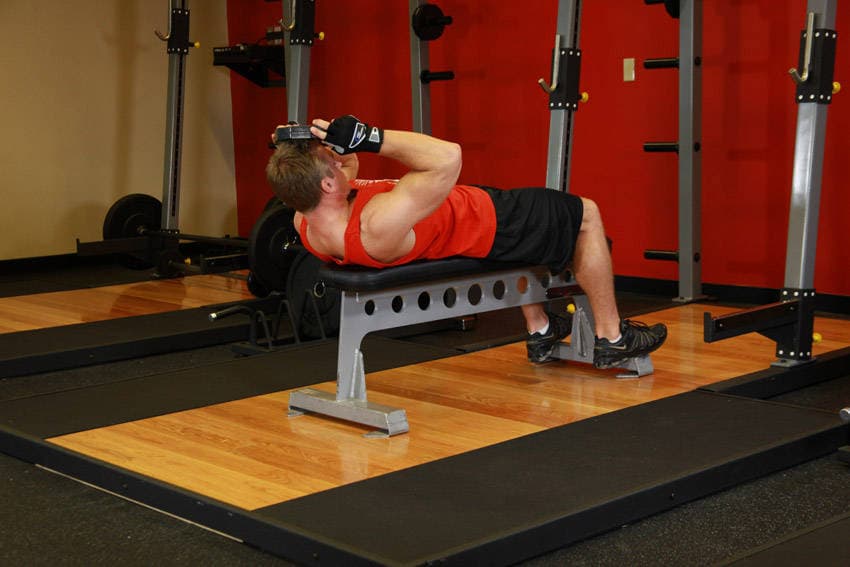
Lying Face Up Plate Neck Resistance
intermediate·other
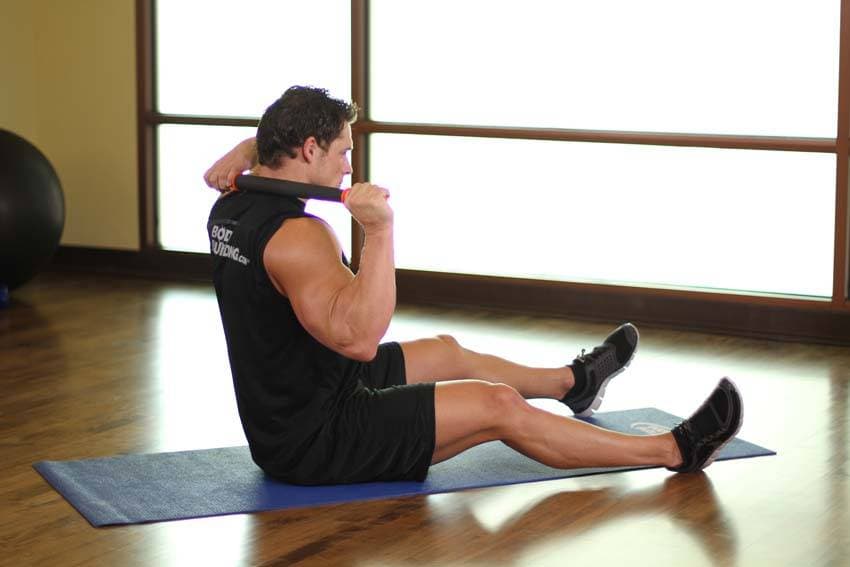
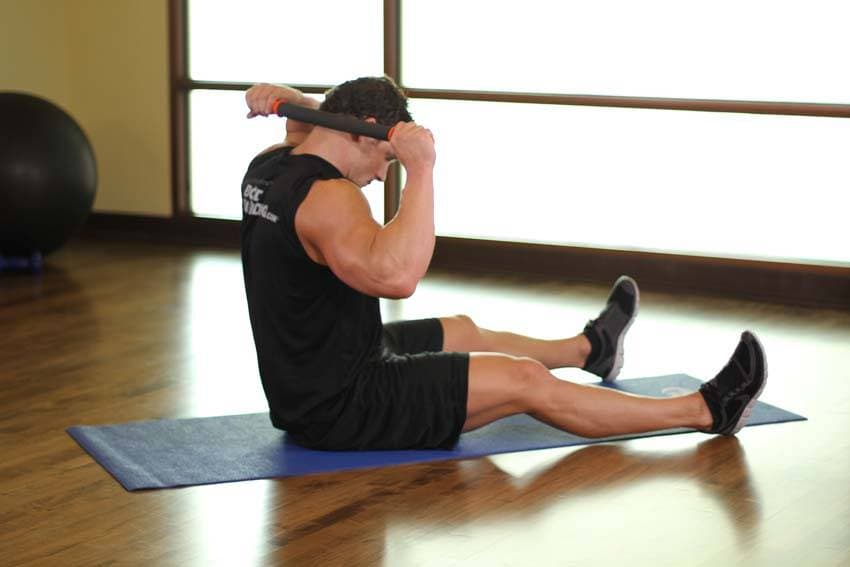
Neck-SMR
intermediate·other
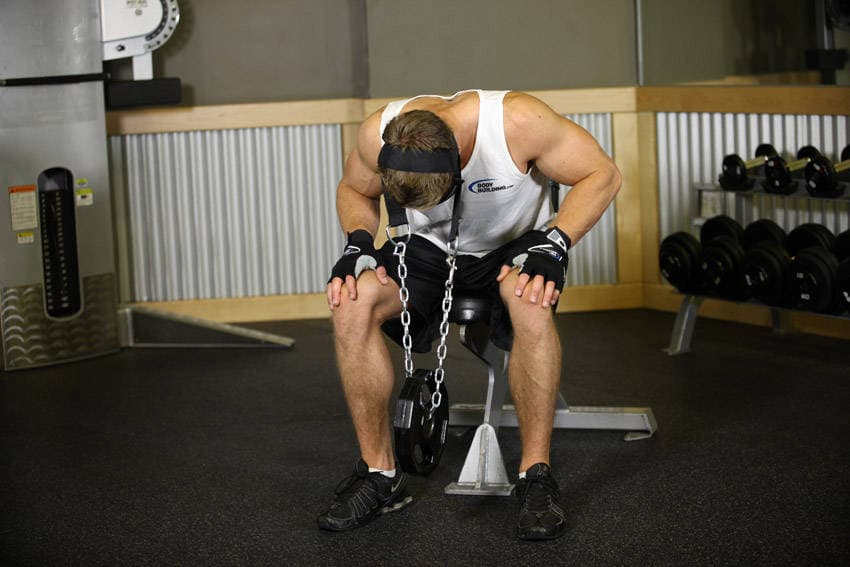
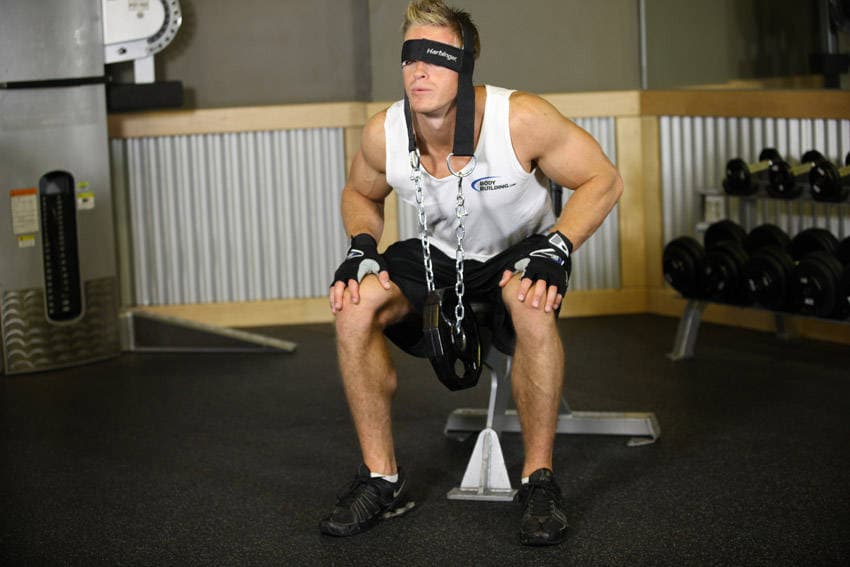
Seated Head Harness Neck Resistance
intermediate·other
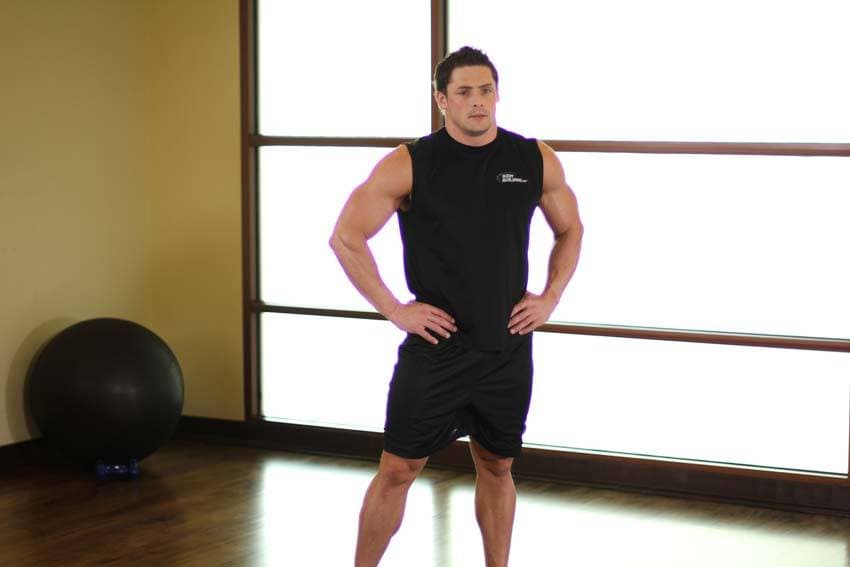
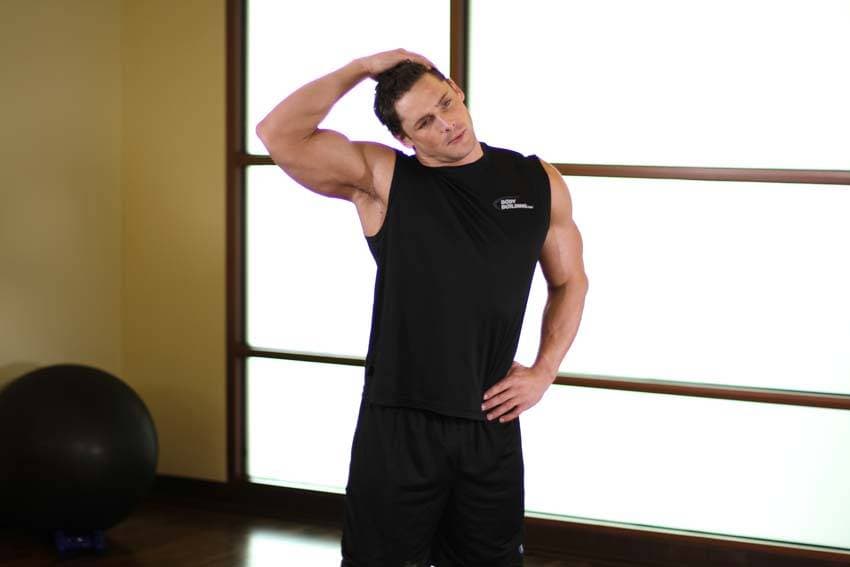
Side Neck Stretch
beginner
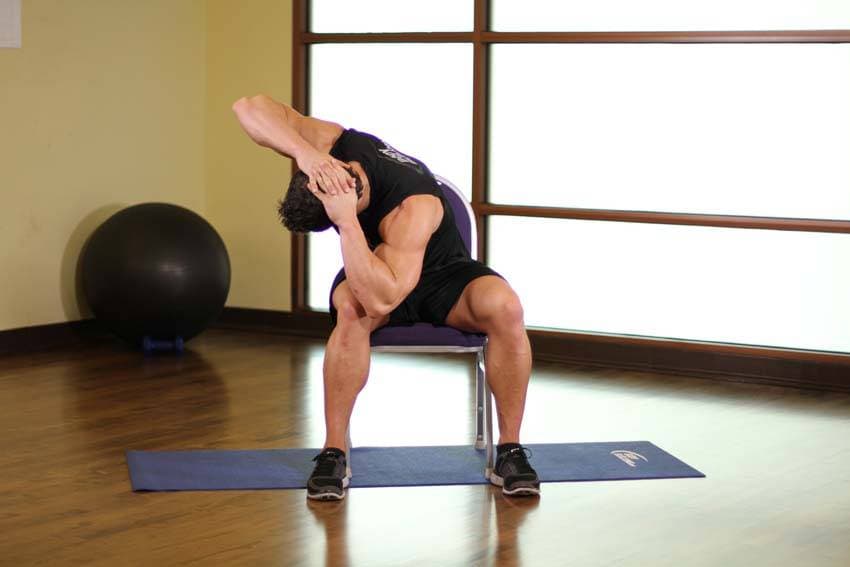
Also Works genioglossus
1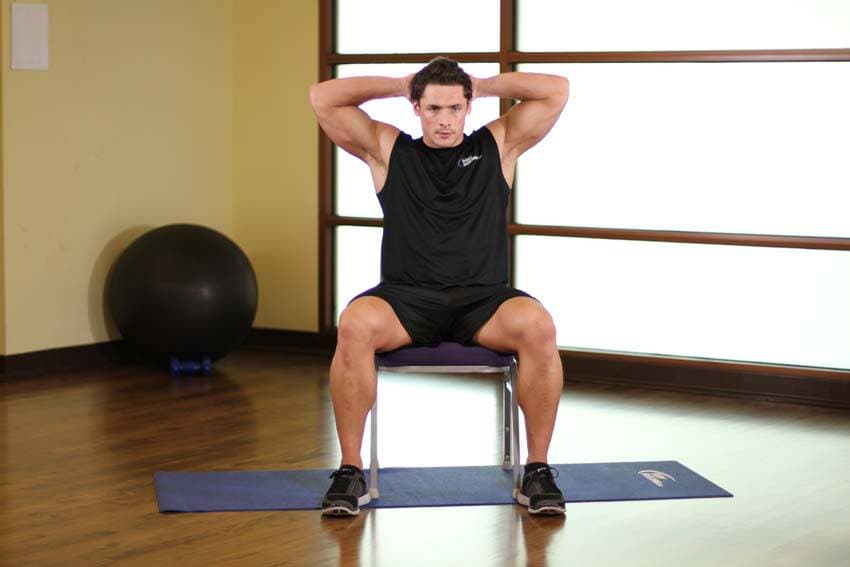
Related Head Muscles
inferior oblique
Inferior oblique is an eye muscle under the eyeball, rotating it up and out. Matters for gaze stability in dynamic sports; strains rare but affect tracking.
levator palpebrae superioris
The levator palpebrae superioris is a small muscle located above the eye within the orbit that elevates the upper eyelid. It plays a crucial role in opening the eyes for clear vision during workouts and daily activities. Fitness enthusiasts care about it because eyelid fatigue or weakness can impair focus during intense training sessions.
levator veli palatini
This small muscle in the side of the throat lifts the soft palate during swallowing and speech. It helps seal off the nasal cavity for proper voice resonance and prevents food from entering the nose. Relevant for singers or those doing breathwork in fitness to maintain clear airways.
superior oblique
The superior oblique is an extrinsic eye muscle originating near the nose, passing through a pulley to depress and intort the eyeball. It controls downward/outward gaze. Fitness note: eye stability aids visual tracking in sports.
Tendon of right levator palpebrae superioris
The tendon of the right levator palpebrae superioris attaches the muscle to the eyelid, elevating the upper lid for vision. Specific to right eye. Aids blink-free focus in precision sports.
Trochlea of left superior oblique
The trochlea is a cartilage pulley at the medial eye socket for the left superior oblique muscle tendon. It redirects the tendon to enable eye intorsion, depression, and abduction. Critical for coordinated eye movements, though not a muscle itself.
Trochlea of right superior oblique
The trochlea is a cartilage pulley at the medial orbit for the right superior oblique muscle tendon. It enables precise eye intorsion, depression, and abduction. Key for binocular vision coordination.
Uvular muscle
The uvular muscle elevates the uvula (soft palate dangler) during swallowing and speech. Aids gag reflex and velopharyngeal closure. Minor role in fitness but key for swallowing.
Head Pain Guide
Common causes and relief
Activities & Sports
See which activities use genioglossus