Pinpoint
Muscles/Head

Head

superior oblique

soo-PEER-ee-or oh-BLEEK

The superior oblique is an extrinsic eye muscle originating near the nose, passing through a pulley to depress and intort the eyeball. It controls downward/outward gaze. Fitness note: eye stability aids visual tracking in sports.

Open in 3D Viewer

Common Pain & Injury

Pain around orbit or brow from strain, causing double vision or head tilt. Common in head trauma. See ophthalmologist for diplopia.

Anatomy & Function

Origin

Sphenoid bone above medial rectus (roof of orbit near nose).

Insertion

Sclera of eye above lateral rectus (outer upper eyeball).

Actions

  • Depresses and abducts eye (down and out gaze)
  • Intorsion (rolls eye inward)

Innervation

Trochlear nerve (CN IV).

Muscle Relationships

Antagonists

Inferior obliqueInferior rectus

Synergists

Superior rectus (for intorsion)

Trigger Points

Rare; tension refers to brow and temple.

Stretches

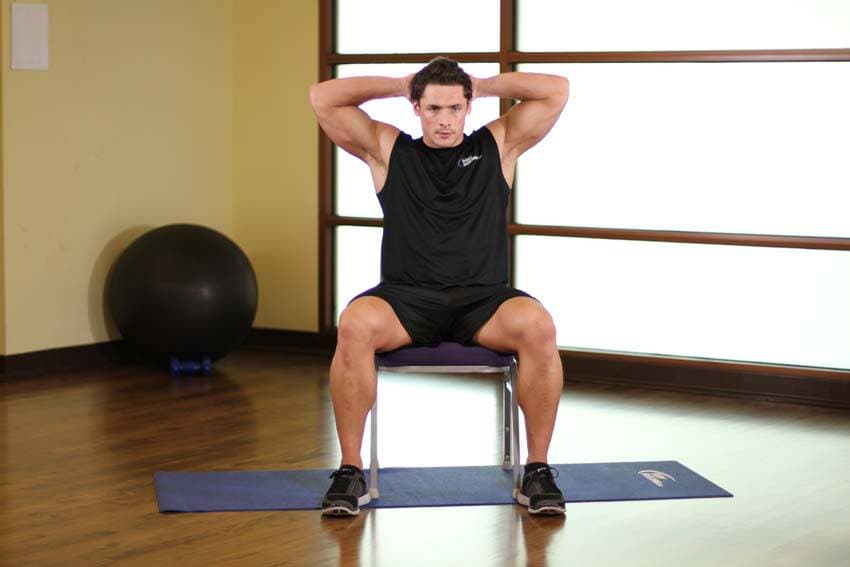
1Eye convergence exercises
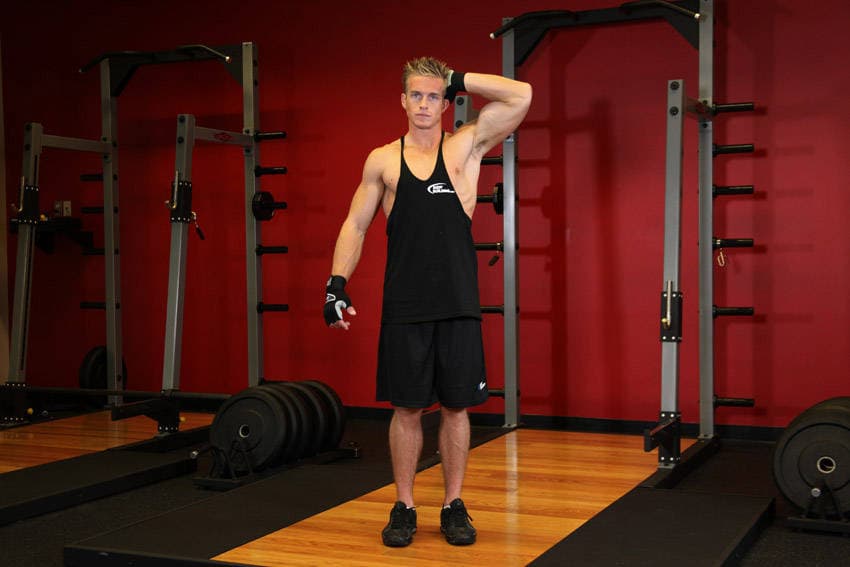
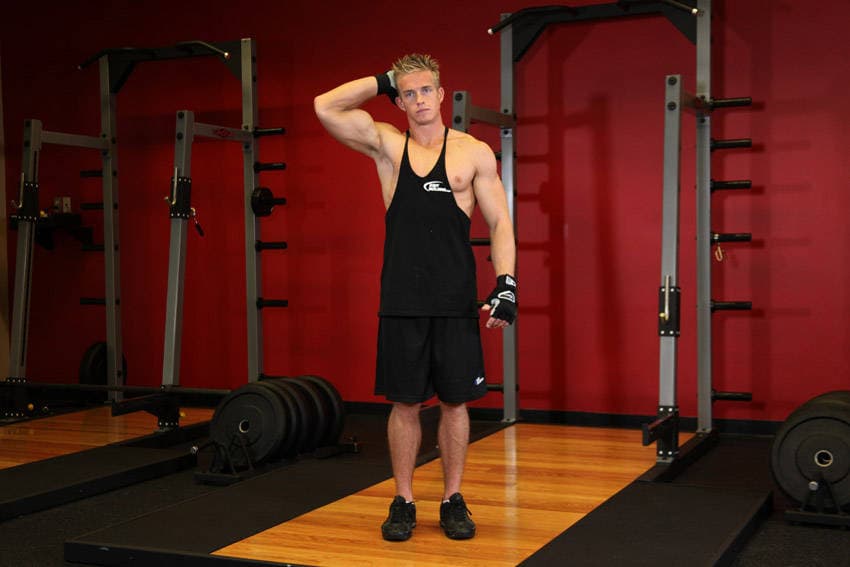
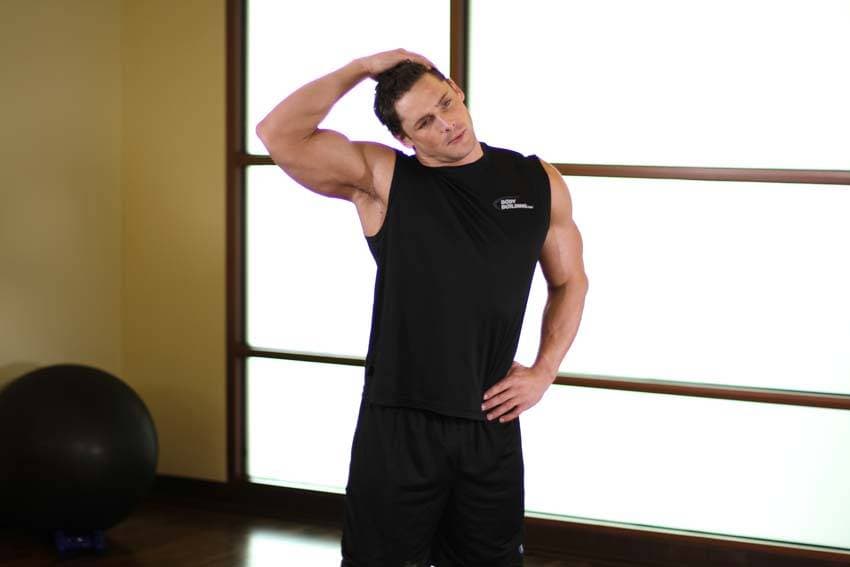
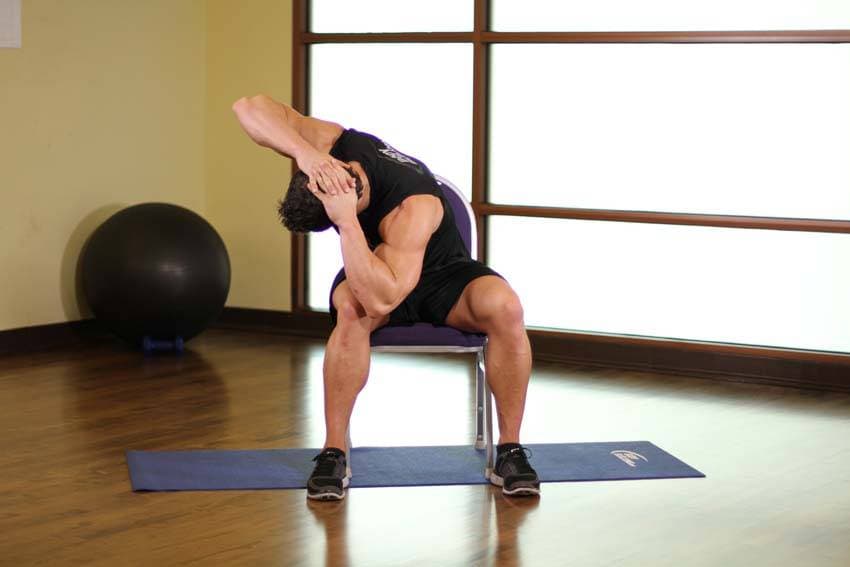
2Head tilt stretch
3Ocular motility drills

Common Conditions

Trochlear nerve palsySuperior oblique myokymiaOrbital floor fracture

Anatomical Parts

Left superior obliqueRight superior oblique

FAQ

Superior oblique eye muscle?

Depresses and abducts the eye, unique for passing through trochlea pulley.

Superior oblique palsy symptoms?

Vertical diplopia worse looking down/in, with head tilt compensation.

Exercises for superior oblique

8
Also Works superior oblique

1

Related Head Muscles

genioglossus
Fan-shaped tongue muscle from chin to tongue base, genioglossus protrudes and depresses tongue. Vital for swallowing, speech, and breathing in fitness vocal training.
inferior oblique
Inferior oblique is an eye muscle under the eyeball, rotating it up and out. Matters for gaze stability in dynamic sports; strains rare but affect tracking.
levator palpebrae superioris
The levator palpebrae superioris is a small muscle located above the eye within the orbit that elevates the upper eyelid. It plays a crucial role in opening the eyes for clear vision during workouts and daily activities. Fitness enthusiasts care about it because eyelid fatigue or weakness can impair focus during intense training sessions.
levator veli palatini
This small muscle in the side of the throat lifts the soft palate during swallowing and speech. It helps seal off the nasal cavity for proper voice resonance and prevents food from entering the nose. Relevant for singers or those doing breathwork in fitness to maintain clear airways.
Tendon of right levator palpebrae superioris
The tendon of the right levator palpebrae superioris attaches the muscle to the eyelid, elevating the upper lid for vision. Specific to right eye. Aids blink-free focus in precision sports.
Trochlea of left superior oblique
The trochlea is a cartilage pulley at the medial eye socket for the left superior oblique muscle tendon. It redirects the tendon to enable eye intorsion, depression, and abduction. Critical for coordinated eye movements, though not a muscle itself.
Trochlea of right superior oblique
The trochlea is a cartilage pulley at the medial orbit for the right superior oblique muscle tendon. It enables precise eye intorsion, depression, and abduction. Key for binocular vision coordination.
Uvular muscle
The uvular muscle elevates the uvula (soft palate dangler) during swallowing and speech. Aids gag reflex and velopharyngeal closure. Minor role in fitness but key for swallowing.

Head Pain Guide

Common causes and relief

Activities & Sports

See which activities use superior oblique

Pinpoint·Interactive 3D Anatomy & Exercise Guide