Head
levator palpebrae superioris
leh-VAY-tor pal-PEE-bree suh-peer-ee-OR-iss
The levator palpebrae superioris is a small muscle located above the eye within the orbit that elevates the upper eyelid. It plays a crucial role in opening the eyes for clear vision during workouts and daily activities. Fitness enthusiasts care about it because eyelid fatigue or weakness can impair focus during intense training sessions.
Open in 3D ViewerCommon Pain & Injury
Pain here is rare but can manifest as eyelid drooping (ptosis) or aching around the eye from overuse or nerve issues. Injury patterns include myasthenia gravis-related weakness. See a doctor if one eyelid droops persistently or vision blurs.
Anatomy & Function
Origin
Lesser wing of sphenoid bone (above the eye socket)
Insertion
Superior tarsus and skin of upper eyelid (upper eyelid structure)
Actions
- Eyelid elevation (opening the eye)
Innervation
Oculomotor nerve (CN III)
Muscle Relationships
Antagonists
Synergists
Trigger Points
Rarely documented; may form in the superior orbit referring pain to the forehead or brow.
Stretches
Common Conditions
Anatomical Parts
FAQ
What does levator palpebrae superioris do?
It lifts the upper eyelid to open the eye, essential for vision.
Why is my eyelid drooping?
Levator palpebrae superioris weakness from fatigue or nerve issues like myasthenia gravis can cause ptosis.
Levator palpebrae superioris exercises?
No direct exercises; maintain eye health with rest and overall cranial nerve support.
Levator palpebrae pain causes?
Overuse or neurological issues lead to aching or drooping around the eye.
Exercises for levator palpebrae superioris
8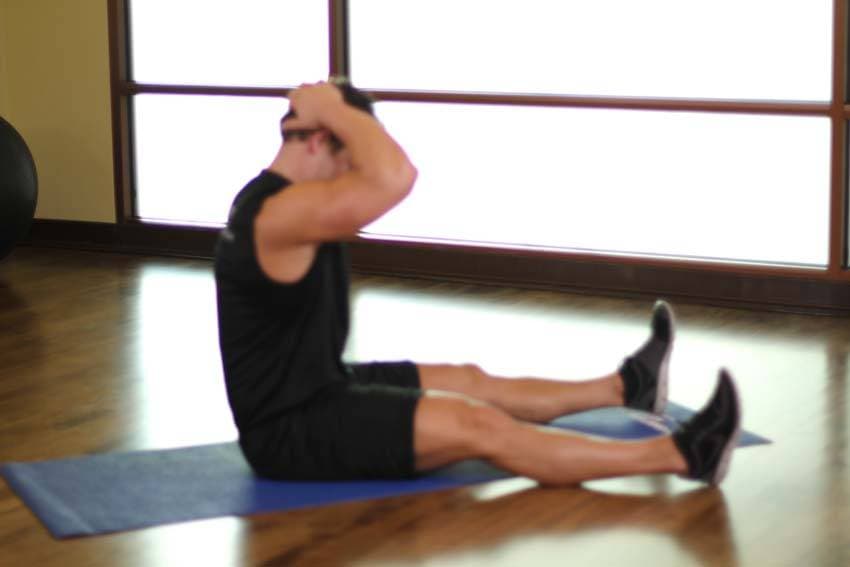
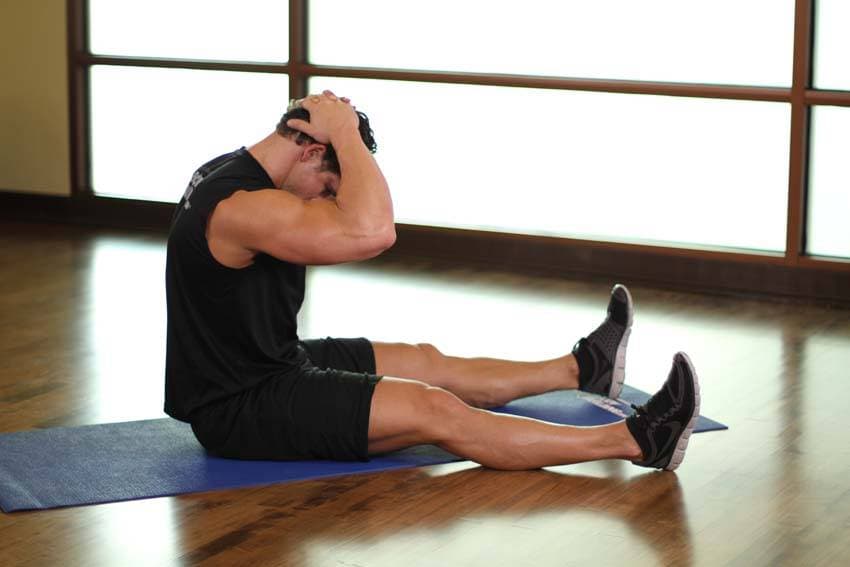
Chin To Chest Stretch


Isometric Neck Exercise - Front And Back


Isometric Neck Exercise - Sides
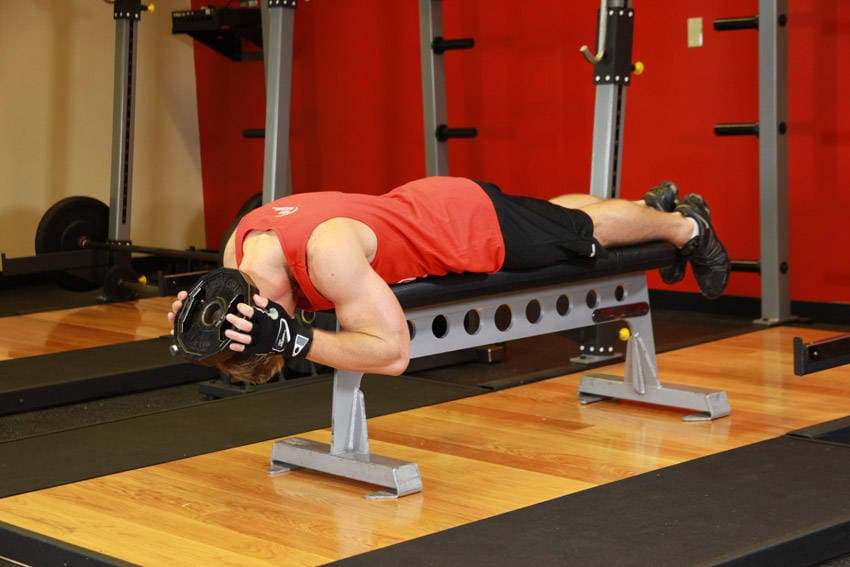
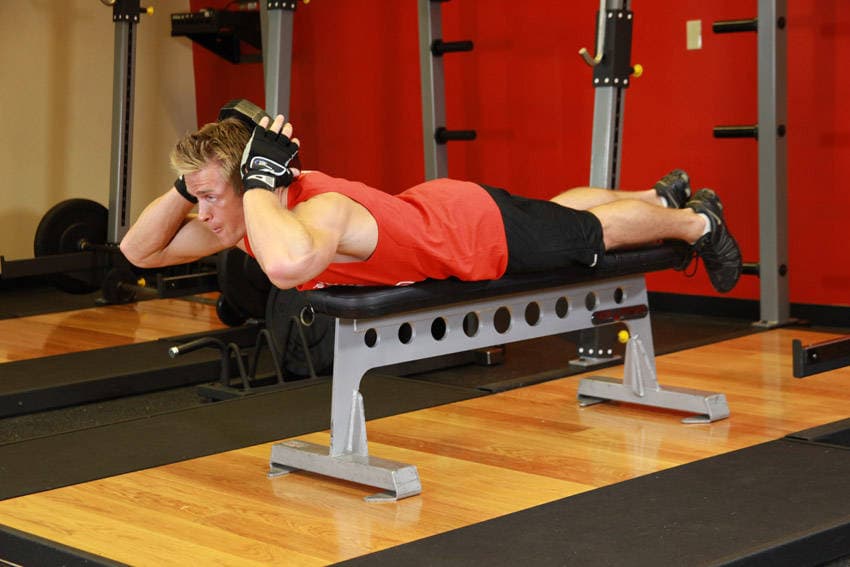
Lying Face Down Plate Neck Resistance
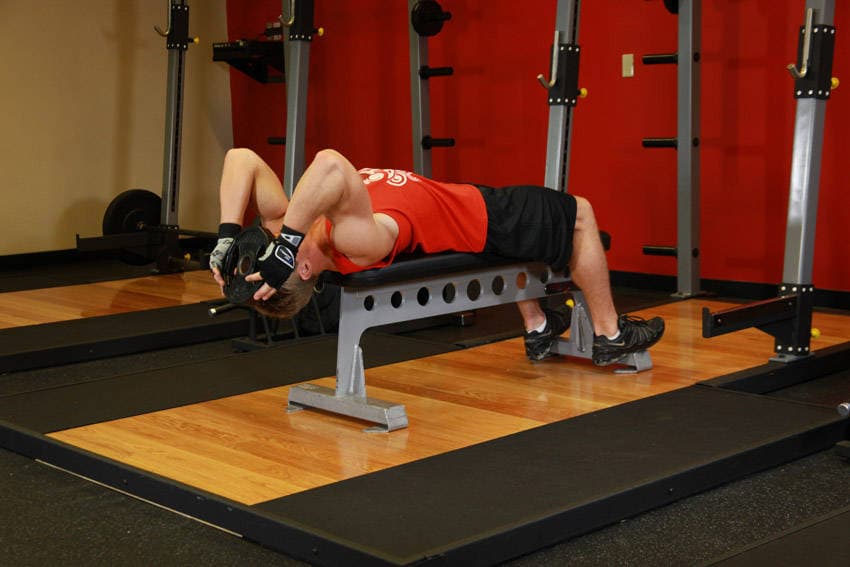
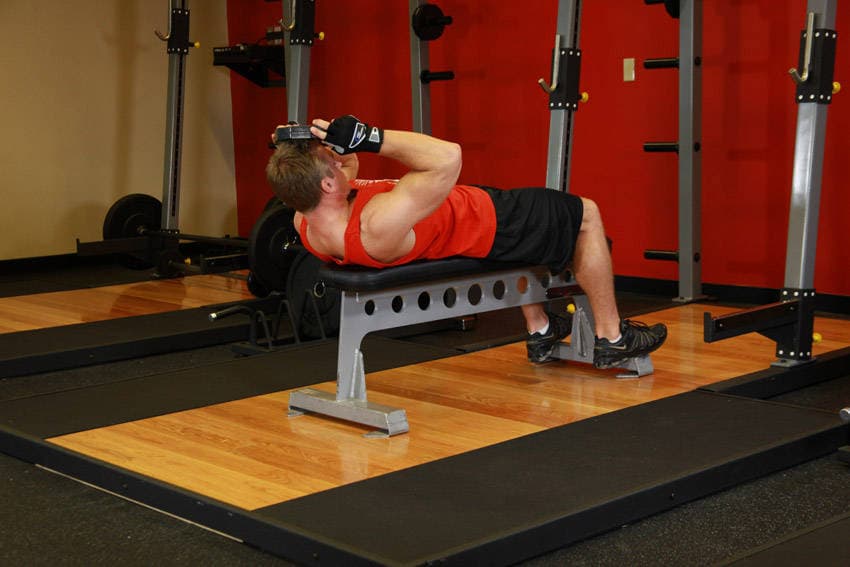
Lying Face Up Plate Neck Resistance
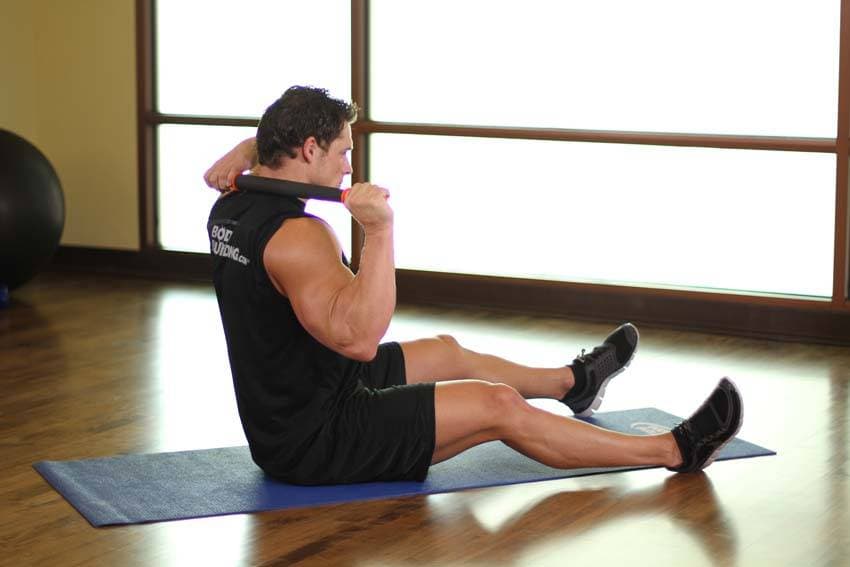
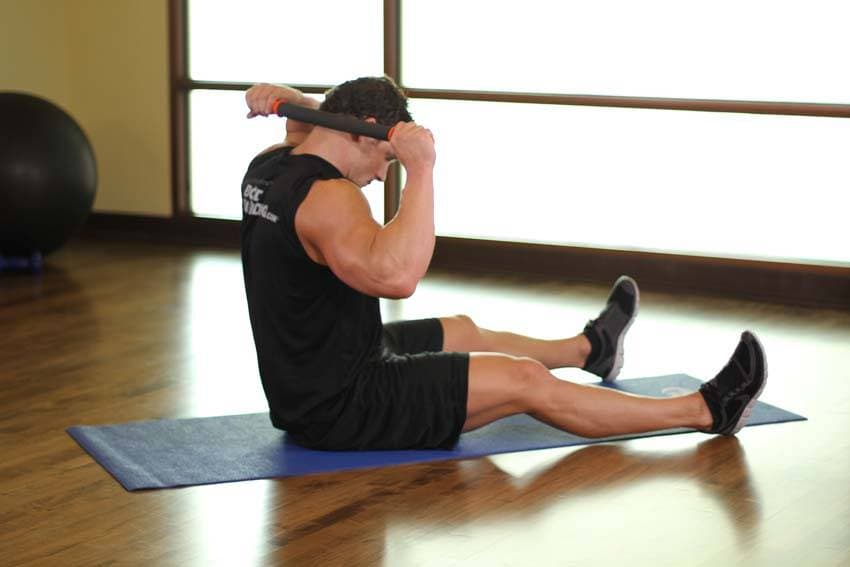
Neck-SMR
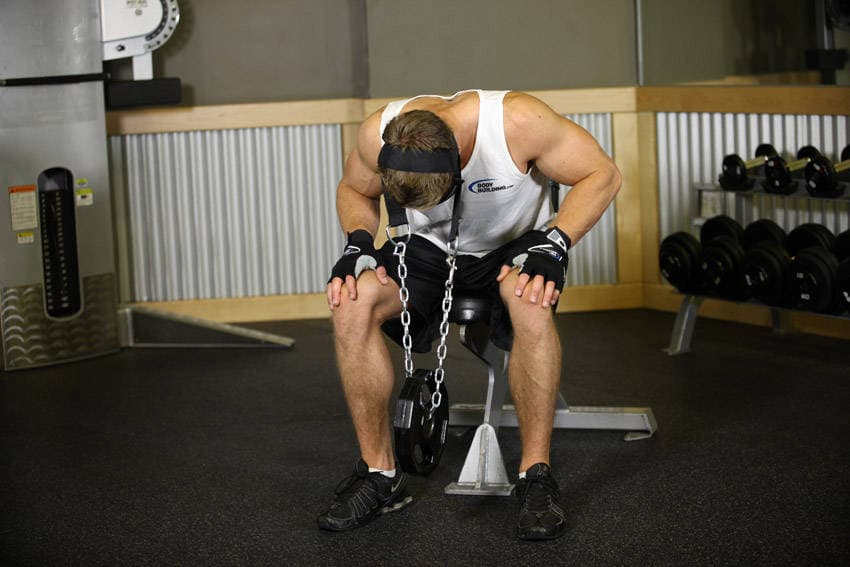
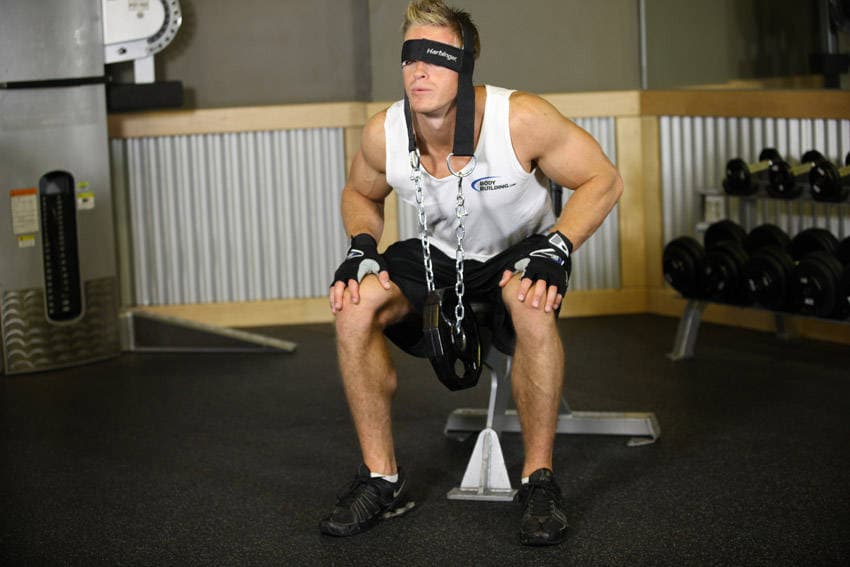
Seated Head Harness Neck Resistance


Side Neck Stretch
Also Works levator palpebrae superioris
1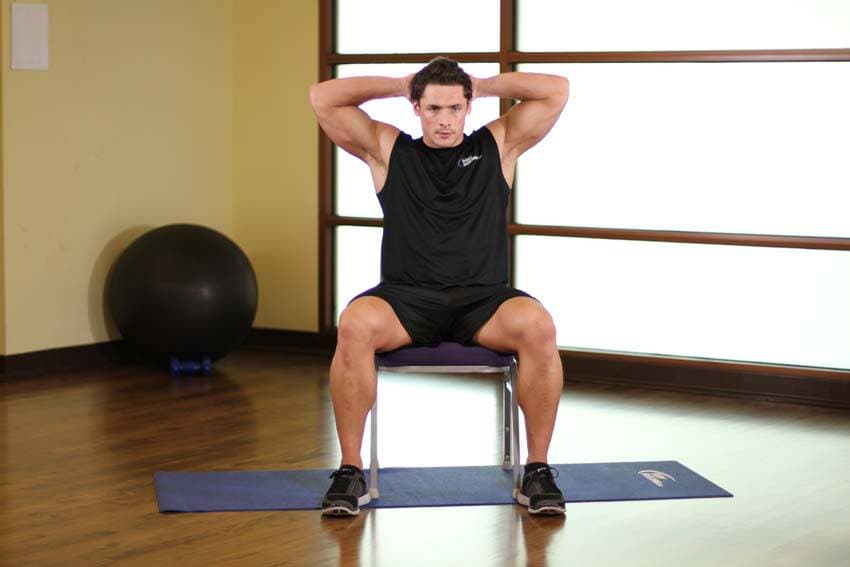
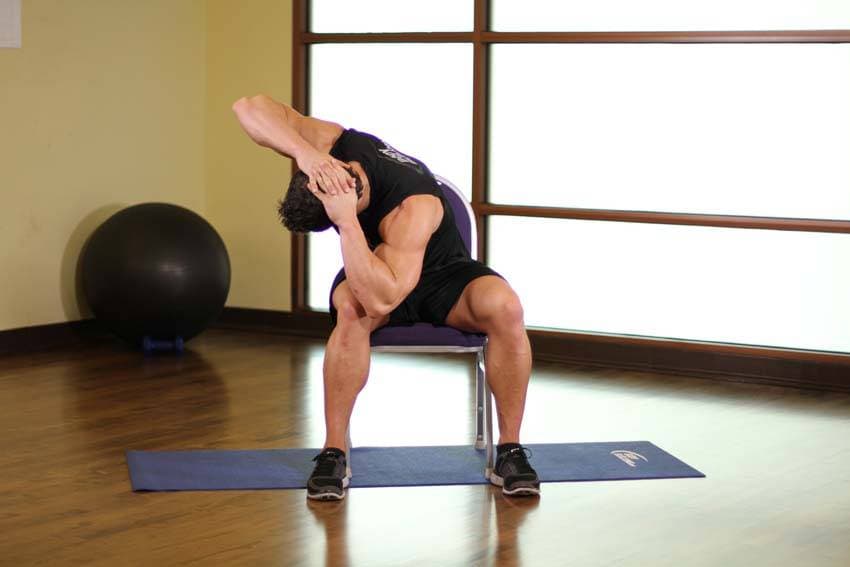
Related Head Muscles
Head Pain Guide
Common causes and relief
Activities & Sports
See which activities use levator palpebrae superioris