Neck
levator scapulae
leh-VAY-tor SKAP-yoo-lee
The levator scapulae runs from the upper neck vertebrae to the top of the shoulder blade, lifting the scapula toward the head. It's key for shrugging motions and stabilizing the shoulder during overhead lifts. Gym-goers target it indirectly through shrugs and neck training to prevent shoulder hikes and imbalances.
Open in 3D ViewerCommon Pain & Injury
Commonly strains from poor posture or heavy lifting, causing neck stiffness and scapular pain radiating to the shoulder. Injury patterns include trigger points from desk work. Seek medical help if pain persists beyond a week or with numbness.
Anatomy & Function
Origin
Transverse processes of C1-C4 vertebrae (upper neck bones)
Insertion
Superior angle of scapula (top inner corner of shoulder blade)
Actions
- Elevates scapula (shrugs shoulders)
- Assists neck extension and lateral flexion
Innervation
Dorsal scapular nerve (C4-C5)
Muscle Relationships
Antagonists
Synergists
Trigger Points
Forms along the medial scapular border; refers pain to the neck, shoulder, and sometimes angle of jaw.
Stretches
Common Conditions
Anatomical Parts
FAQ
What does levator scapulae do?
It lifts the shoulder blade and aids neck movement, crucial for posture.
Levator scapulae pain relief?
Stretch gently, improve posture, and use heat; see a PT for persistent knots.
Levator scapulae stretch?
Tilt head to opposite side while fixing scapula down for best release.
Why is my neck and shoulder hurting?
Tight levator scapulae from stress or lifting often refers pain there.
Exercises for levator scapulae
20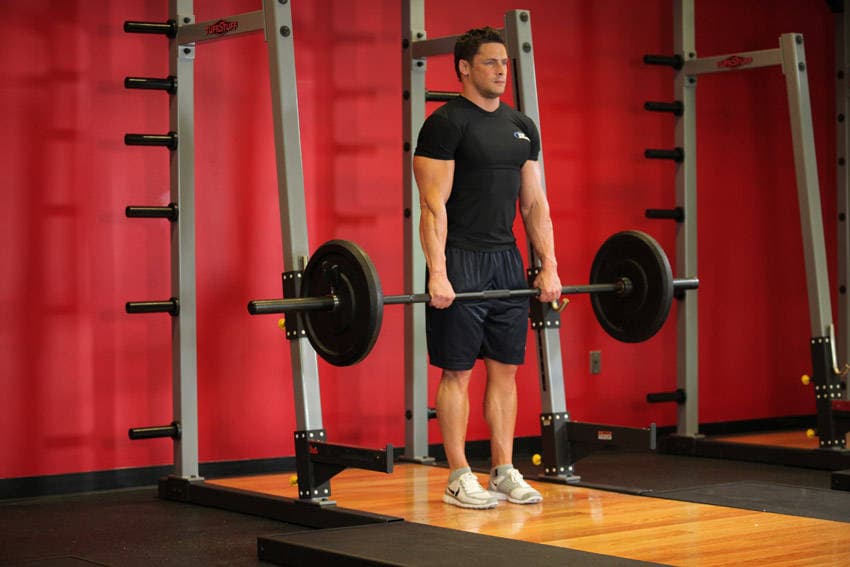
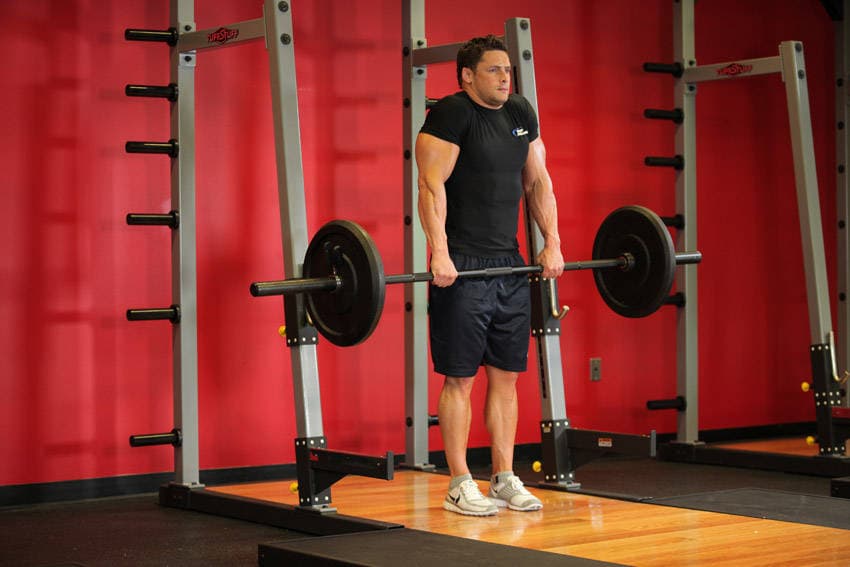
Barbell Shrug
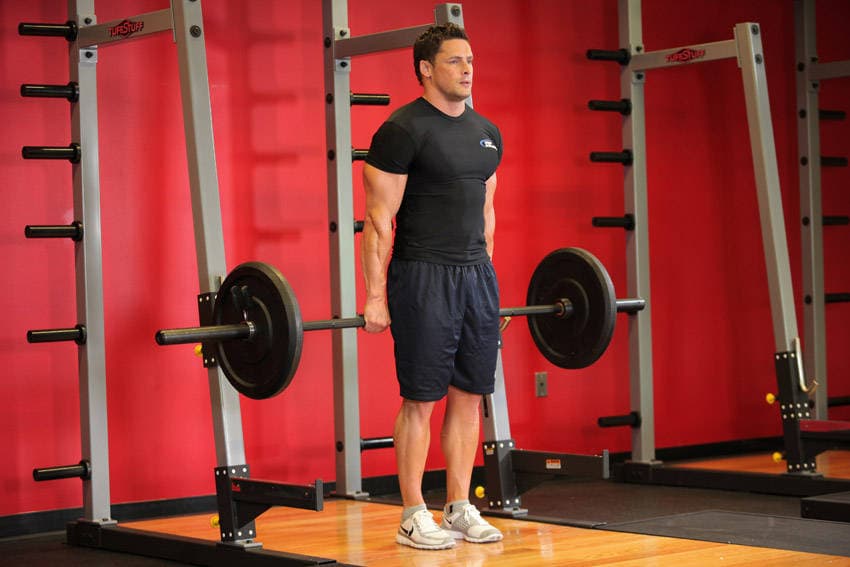
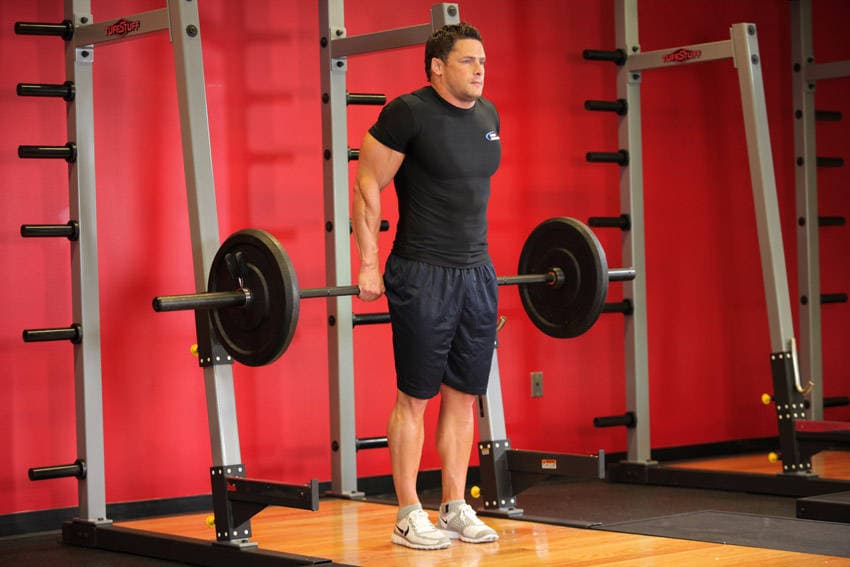
Barbell Shrug Behind The Back
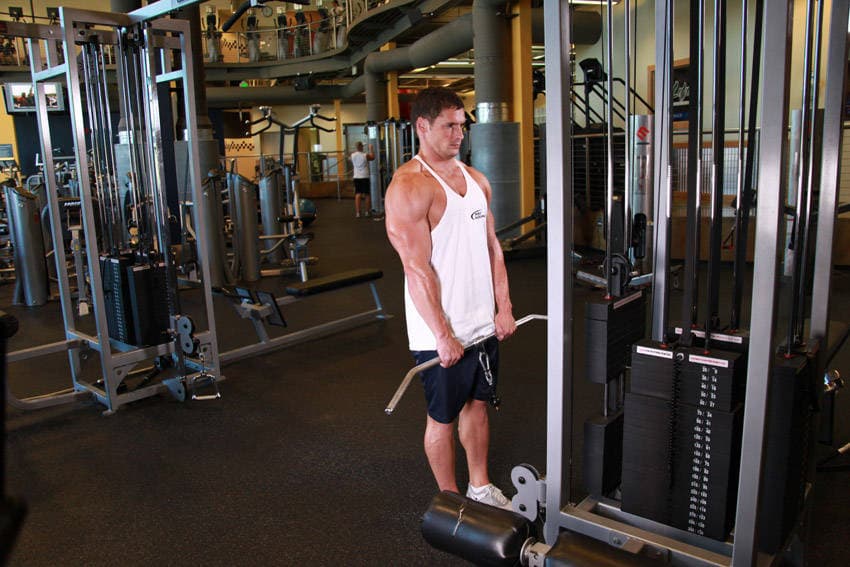
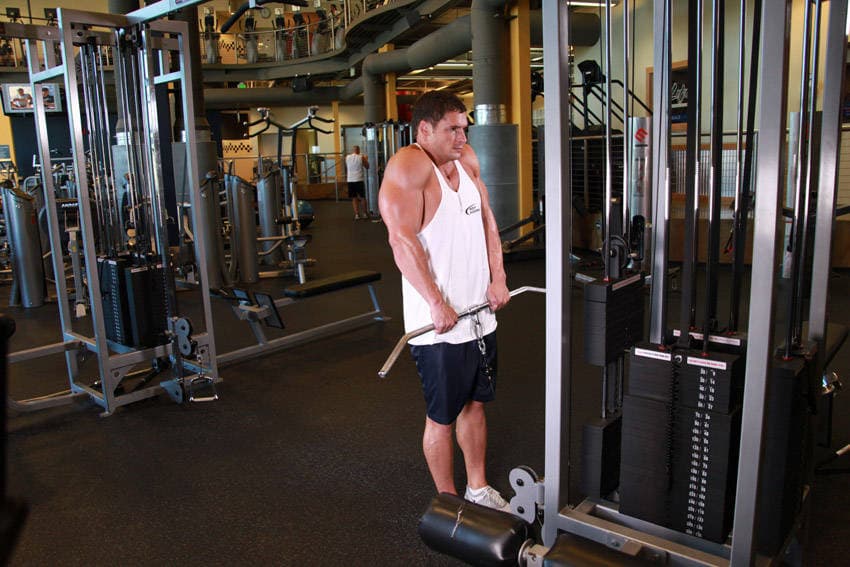
Cable Shrugs
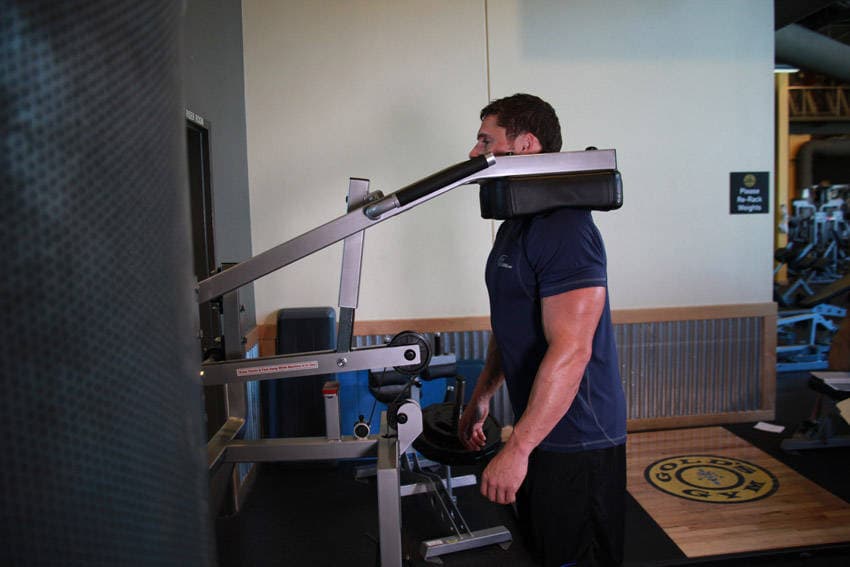
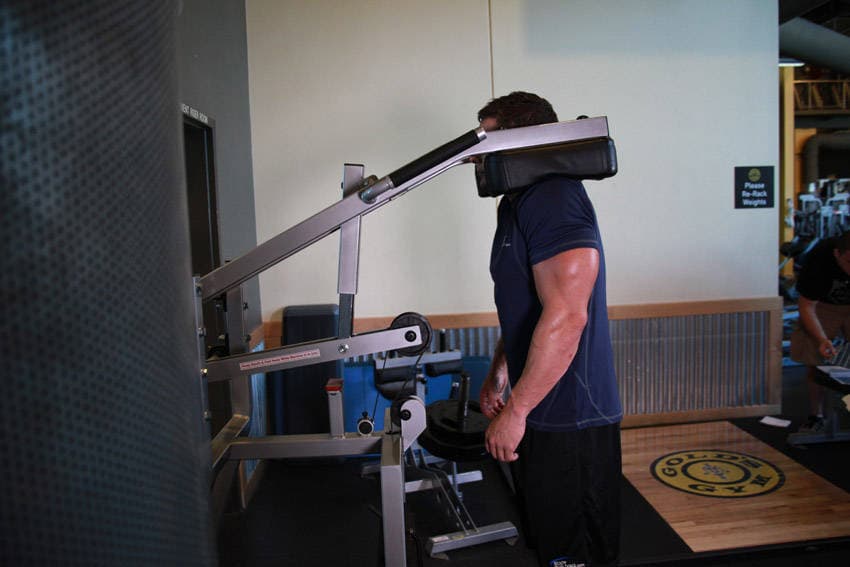
Calf-Machine Shoulder Shrug
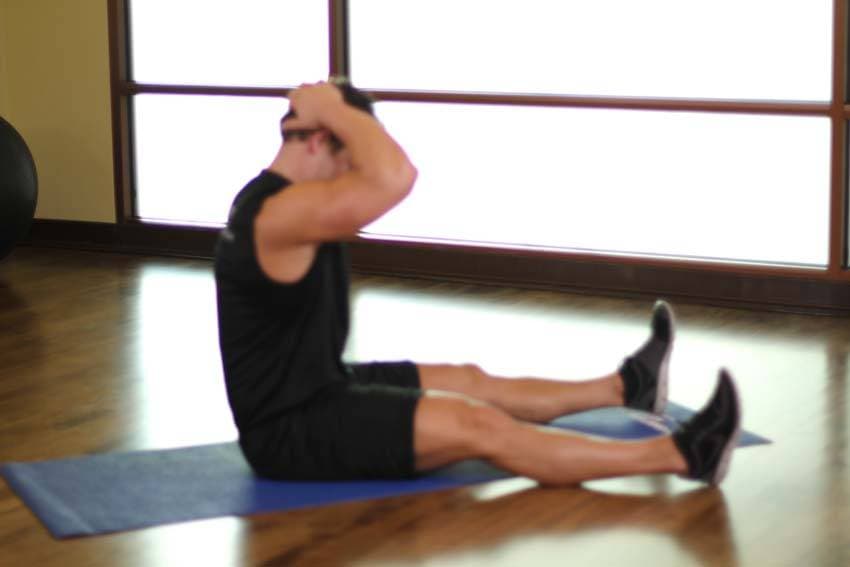
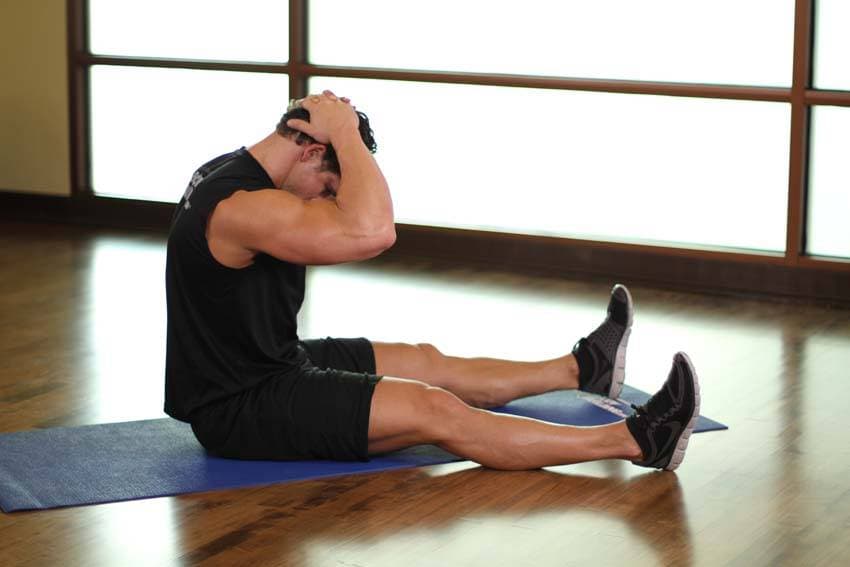
Chin To Chest Stretch
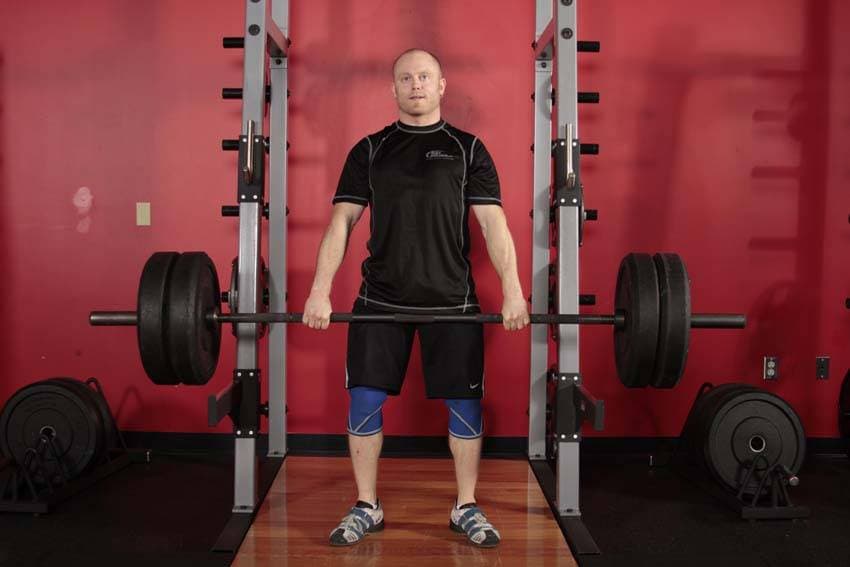
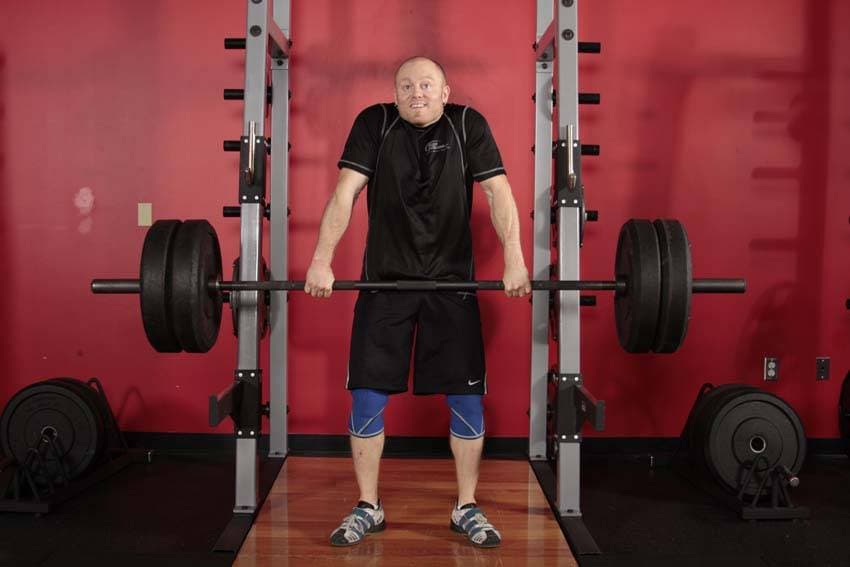
Clean Shrug
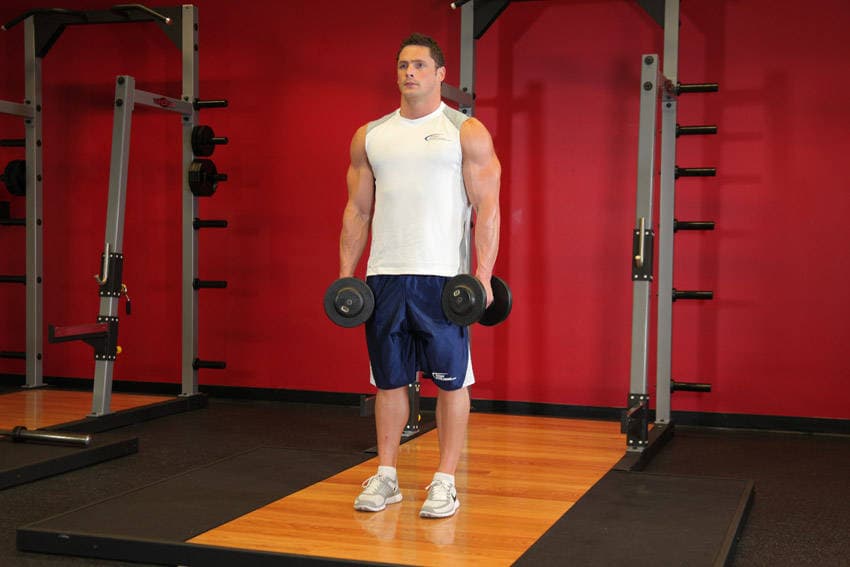
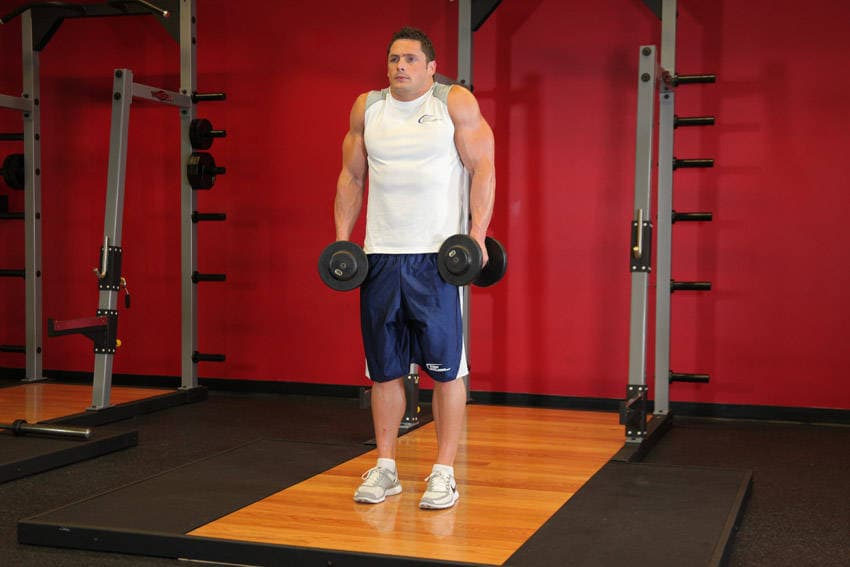
Dumbbell Shrug


Isometric Neck Exercise - Front And Back
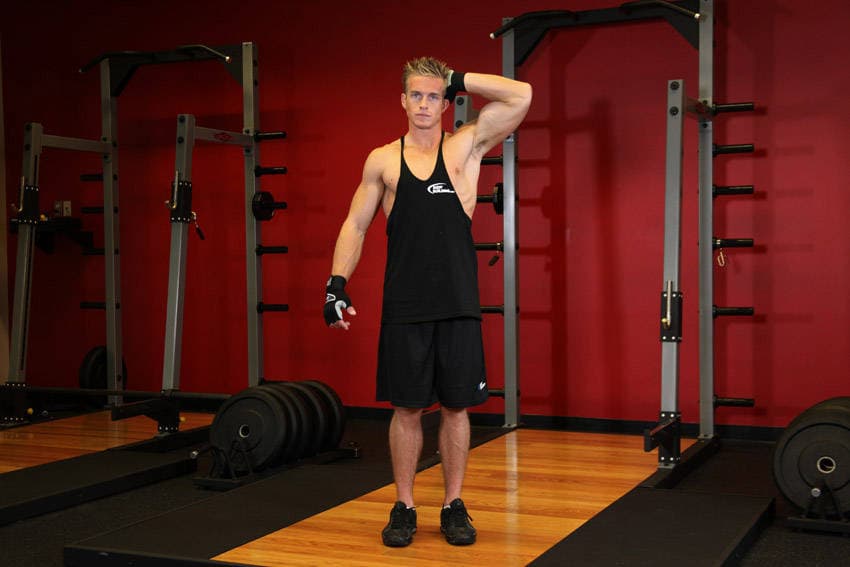
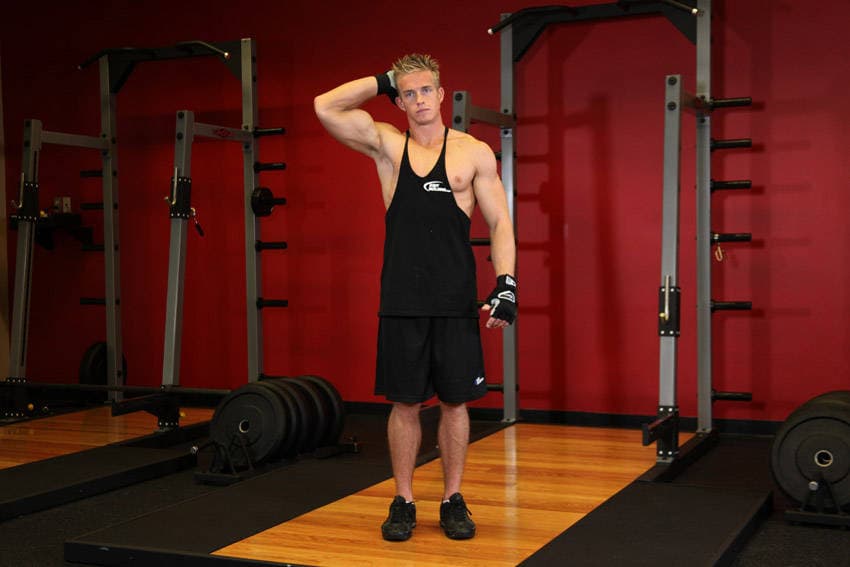
Isometric Neck Exercise - Sides
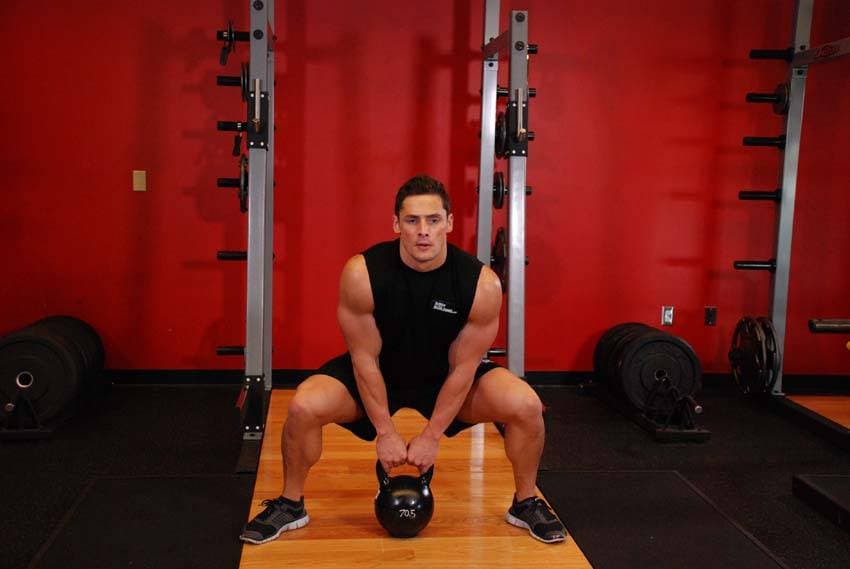
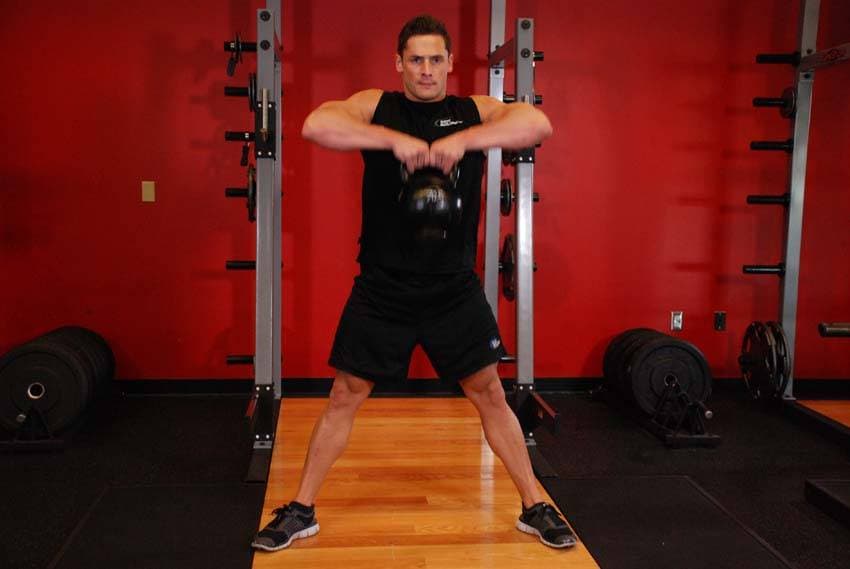
Kettlebell Sumo High Pull
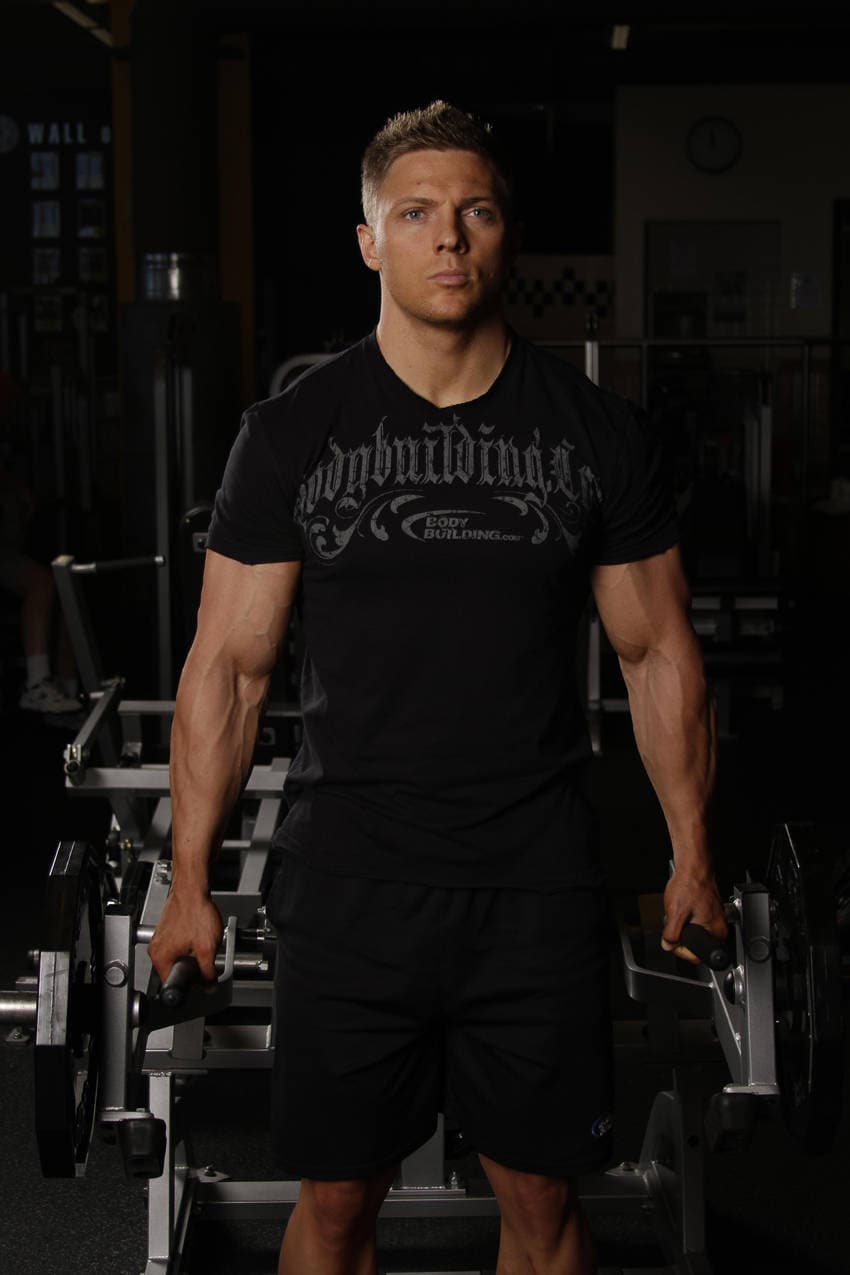
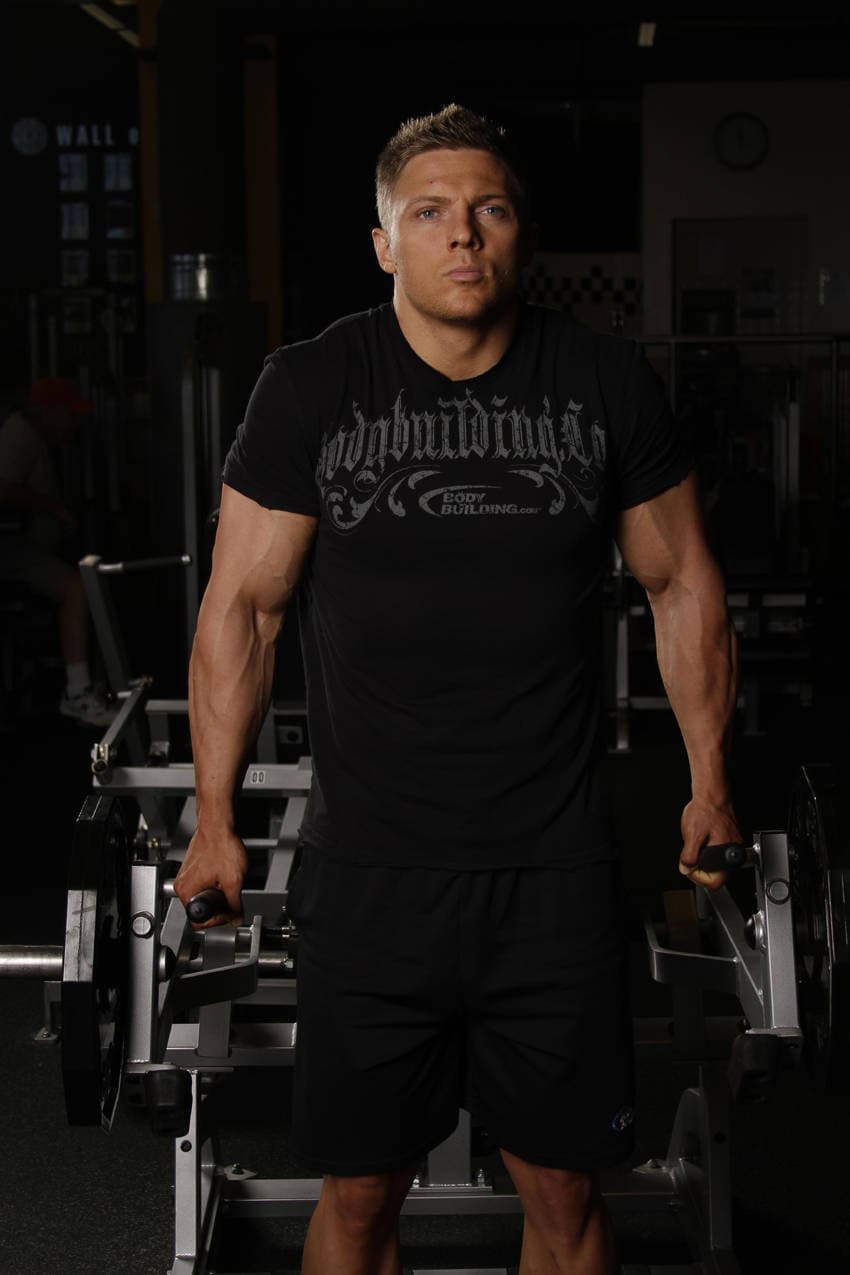
Leverage Shrug
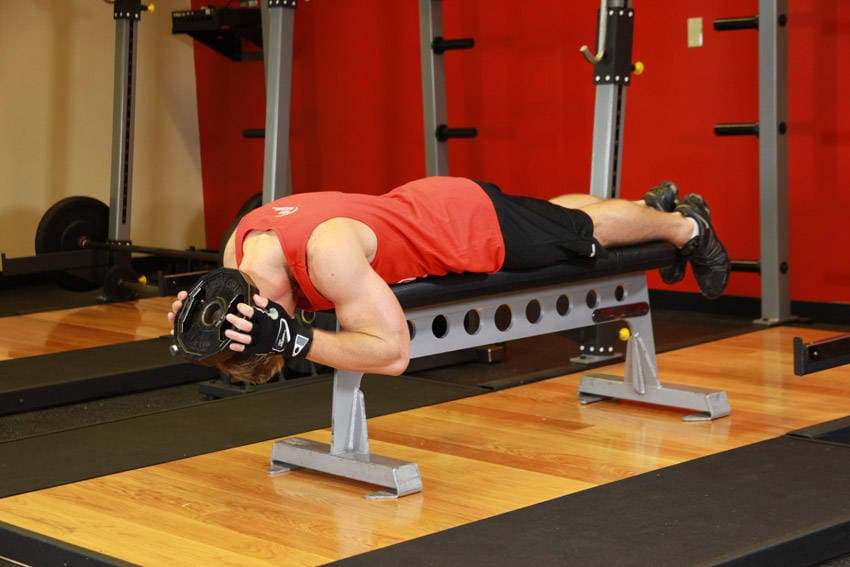
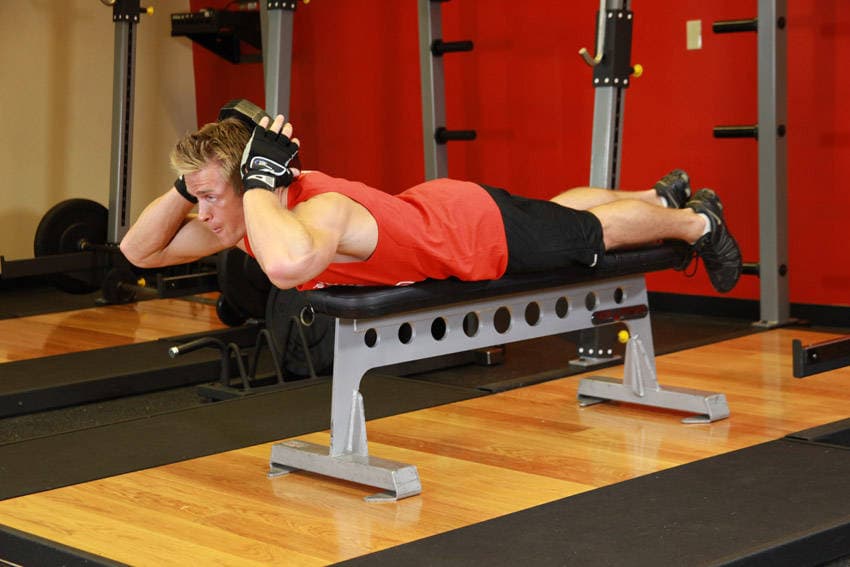
Lying Face Down Plate Neck Resistance
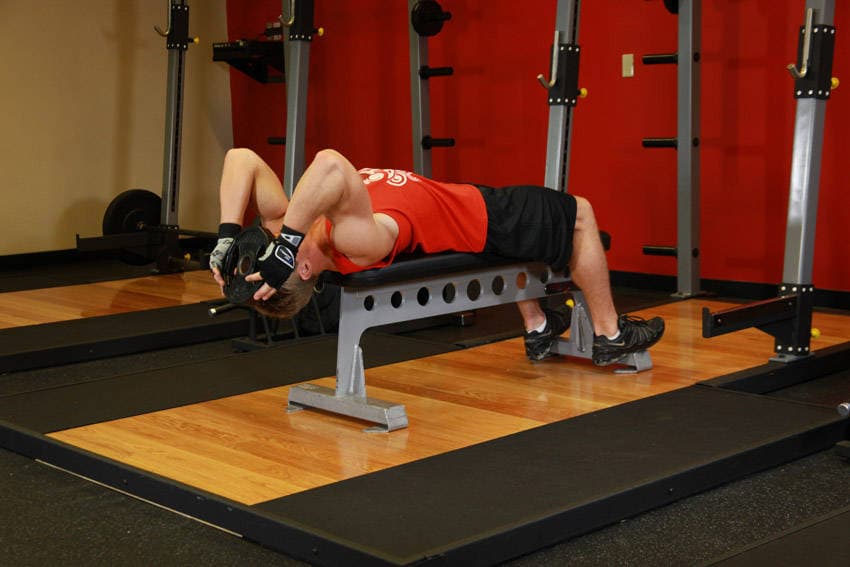
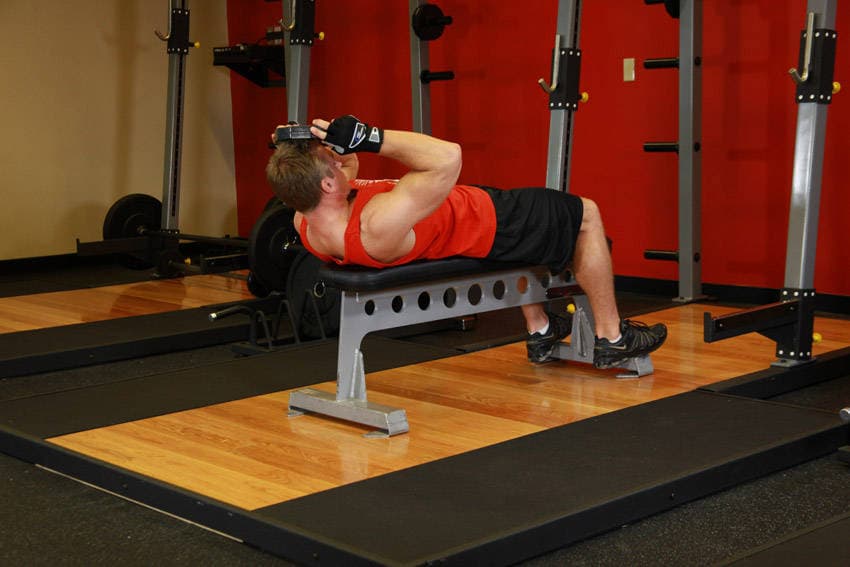
Lying Face Up Plate Neck Resistance
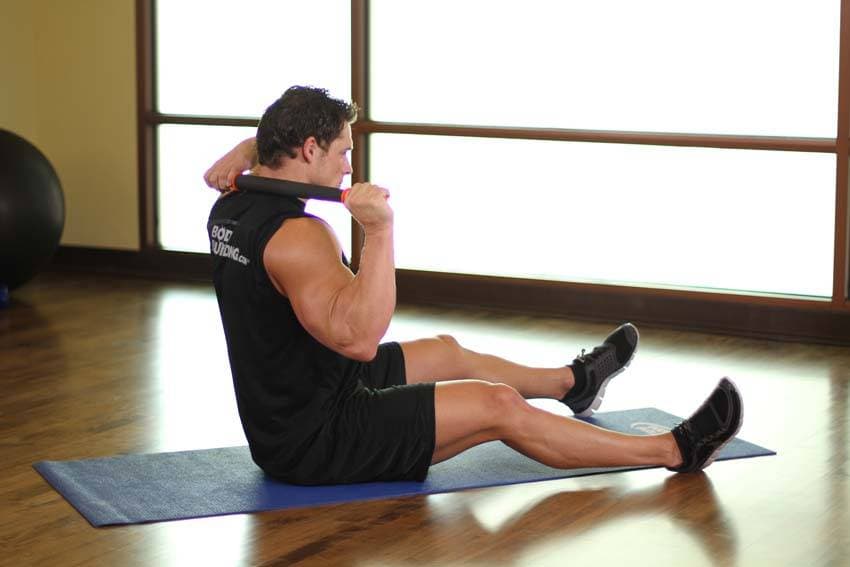
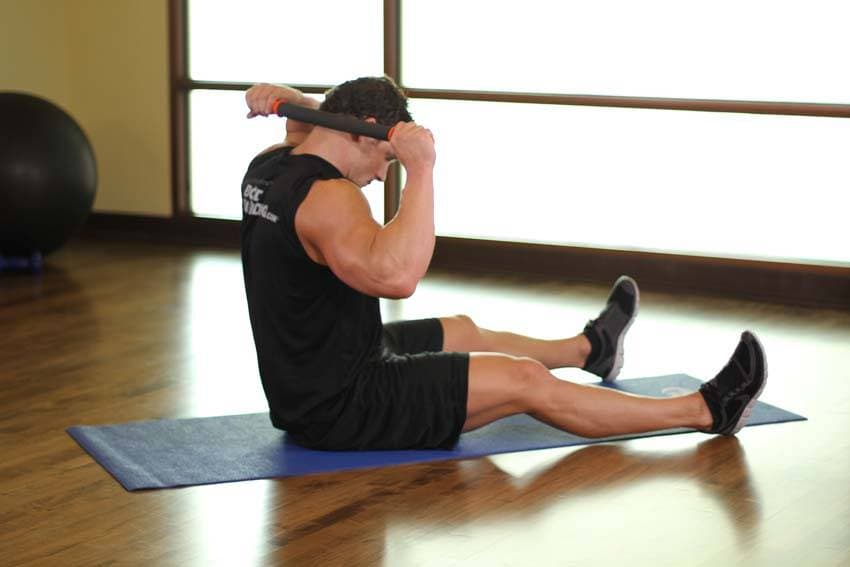
Neck-SMR
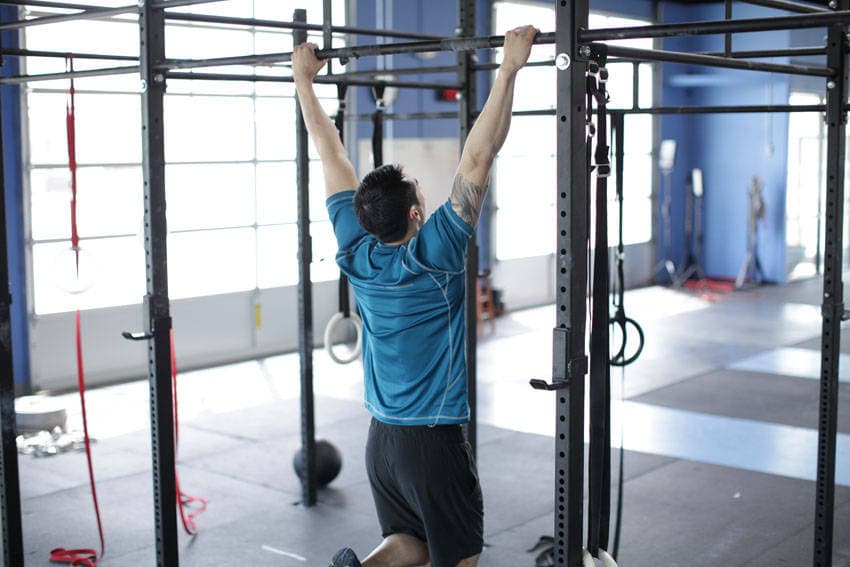
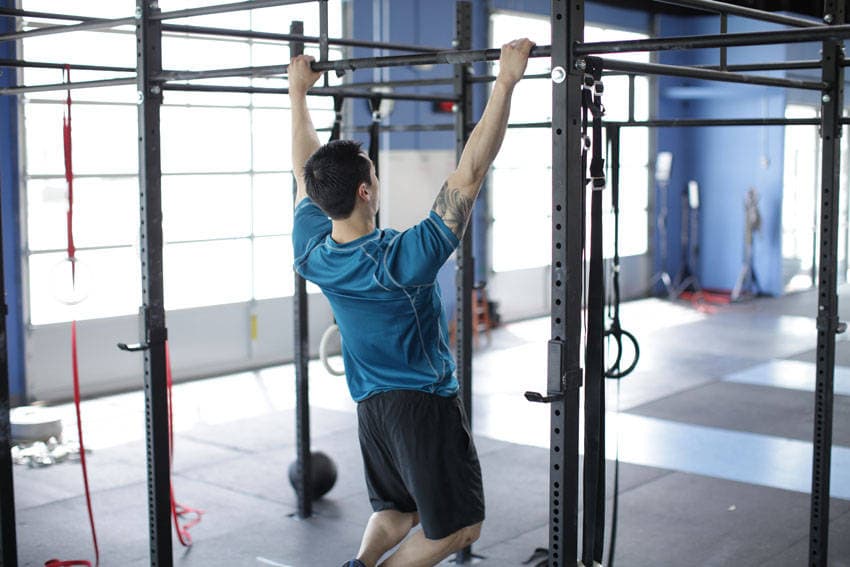
Scapular Pull-Up
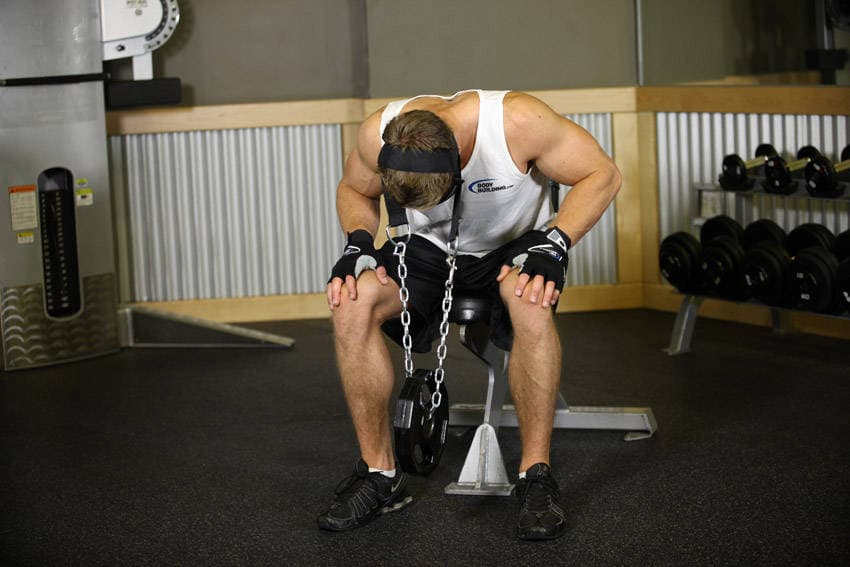
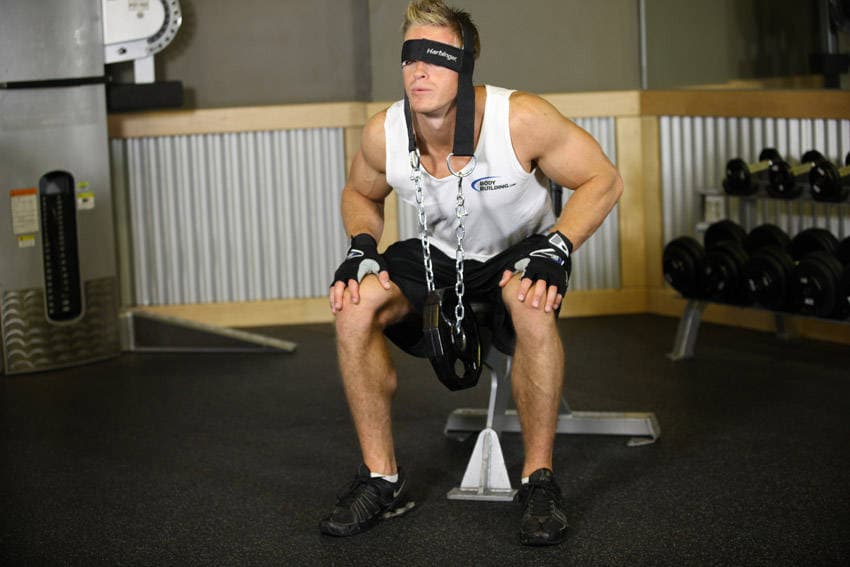
Seated Head Harness Neck Resistance
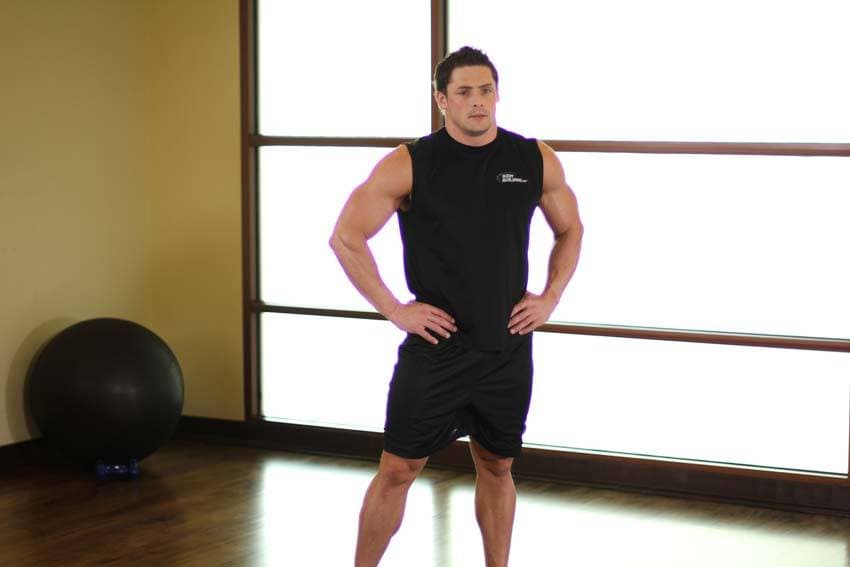
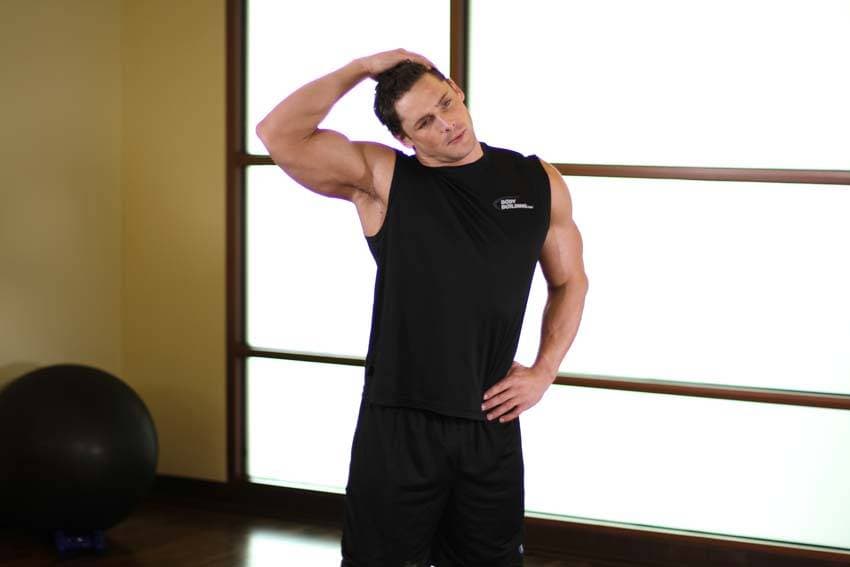
Side Neck Stretch
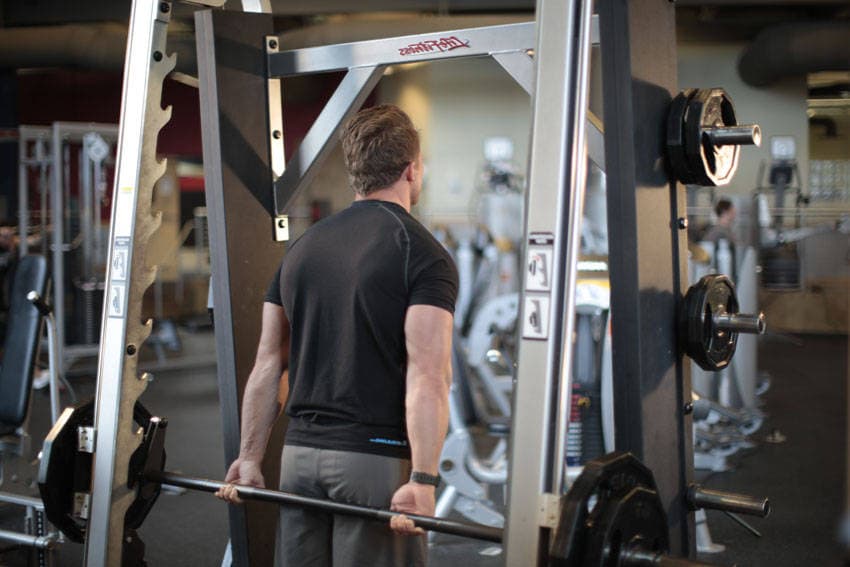
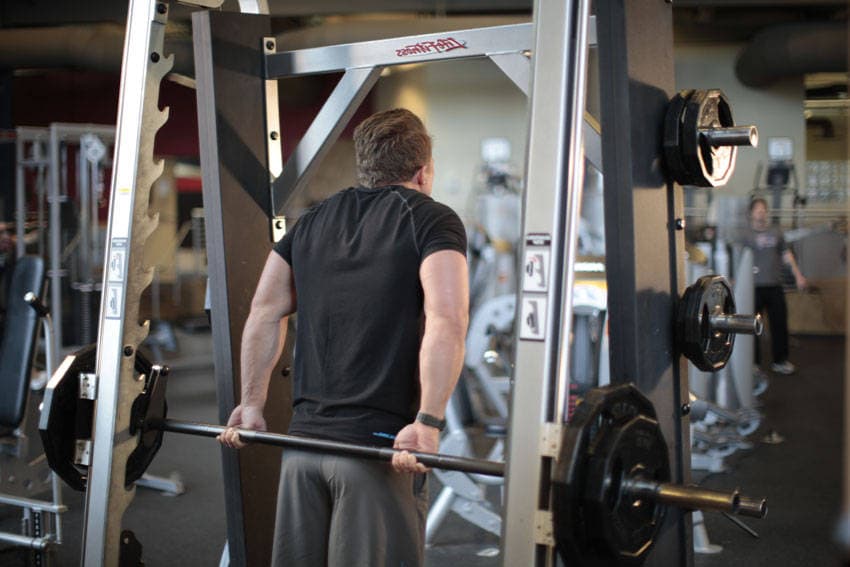
Smith Machine Behind the Back Shrug
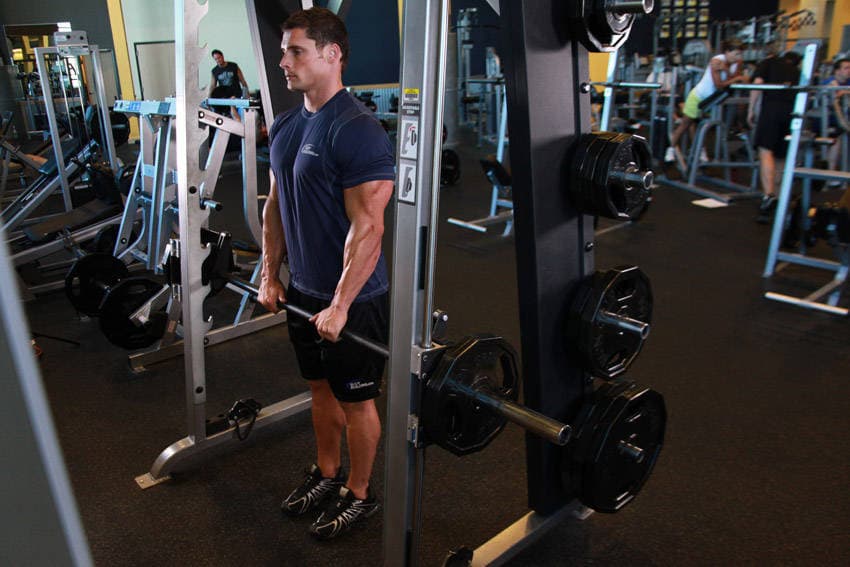
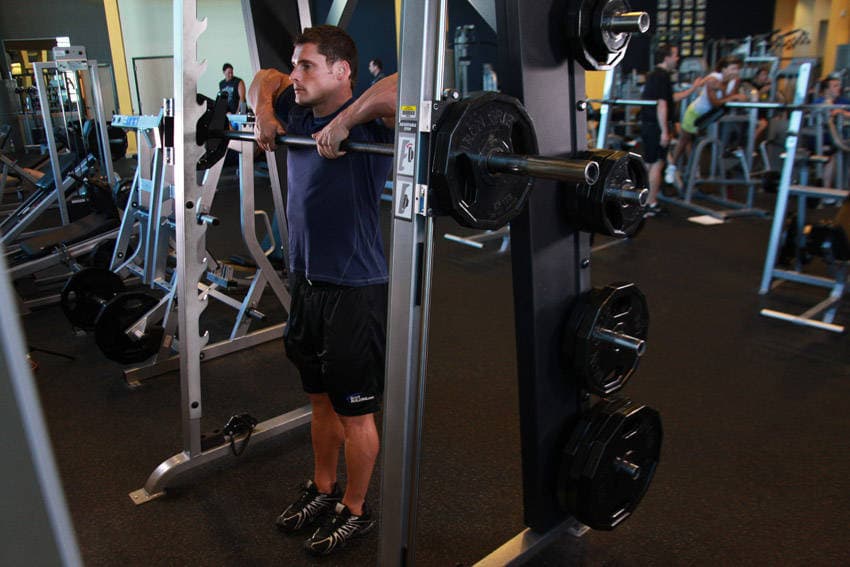
Smith Machine Upright Row
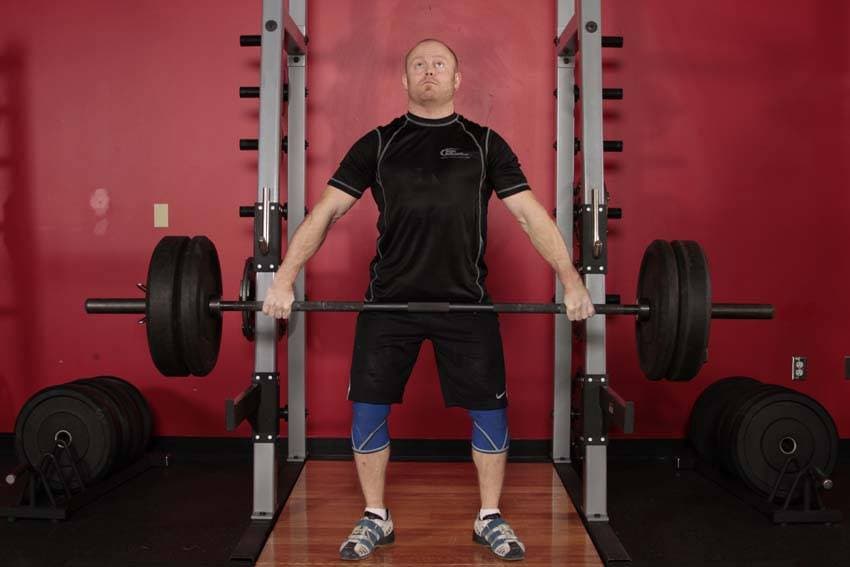
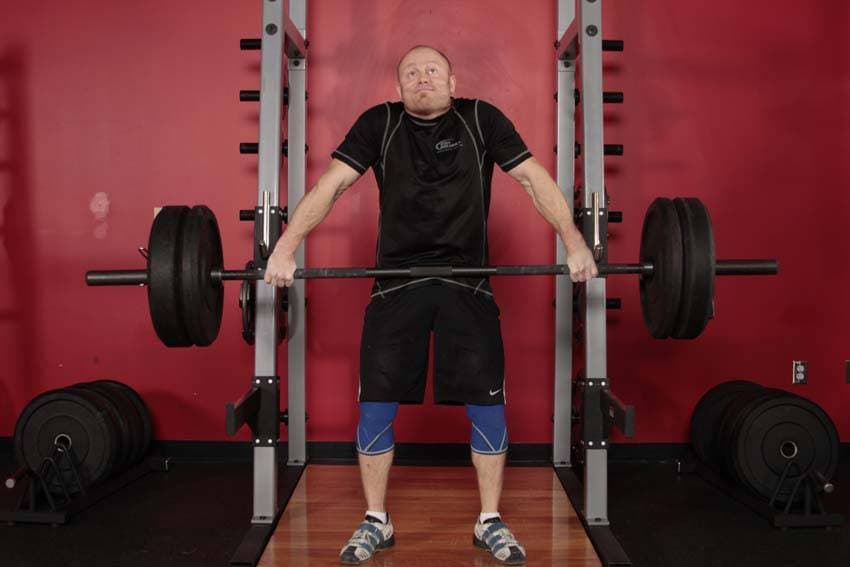
Snatch Shrug
Also Works levator scapulae
10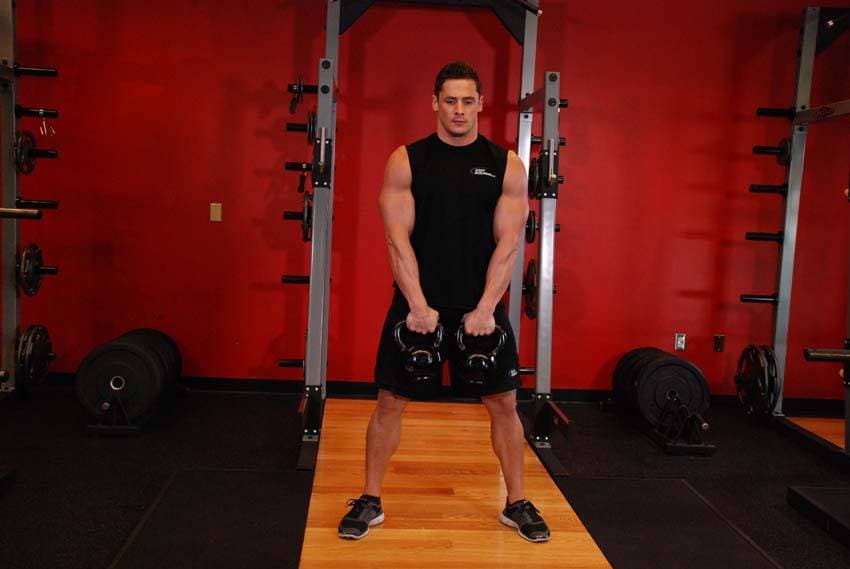
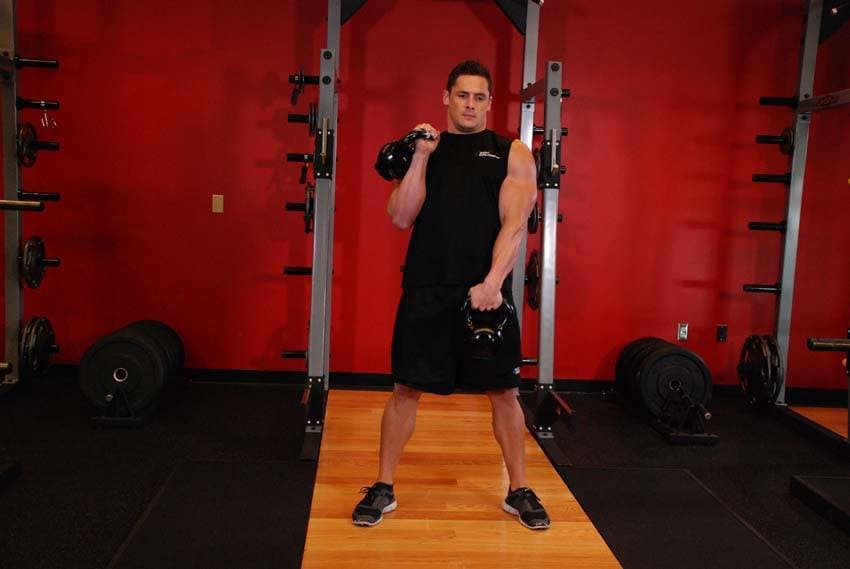
Alternating Hang Clean
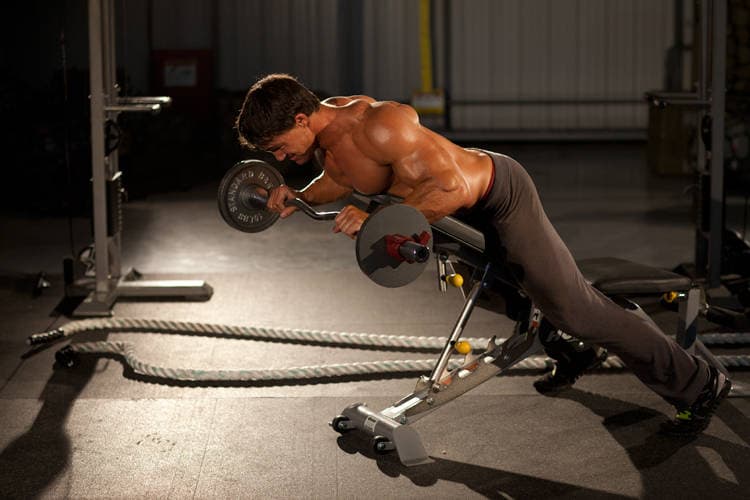
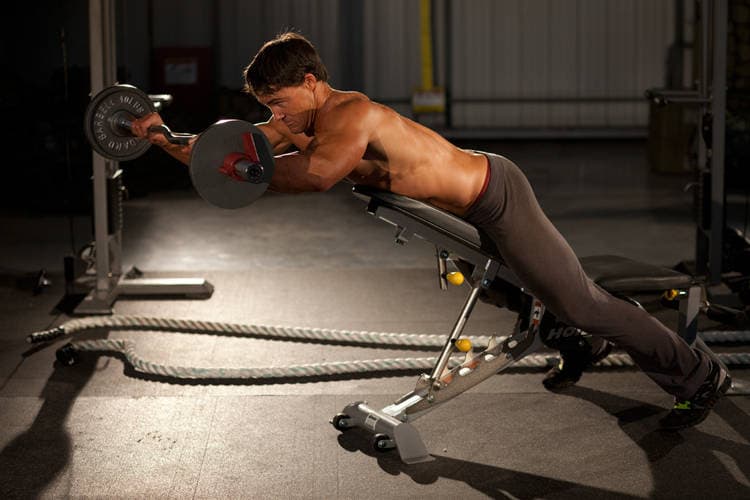
Anti-Gravity Press
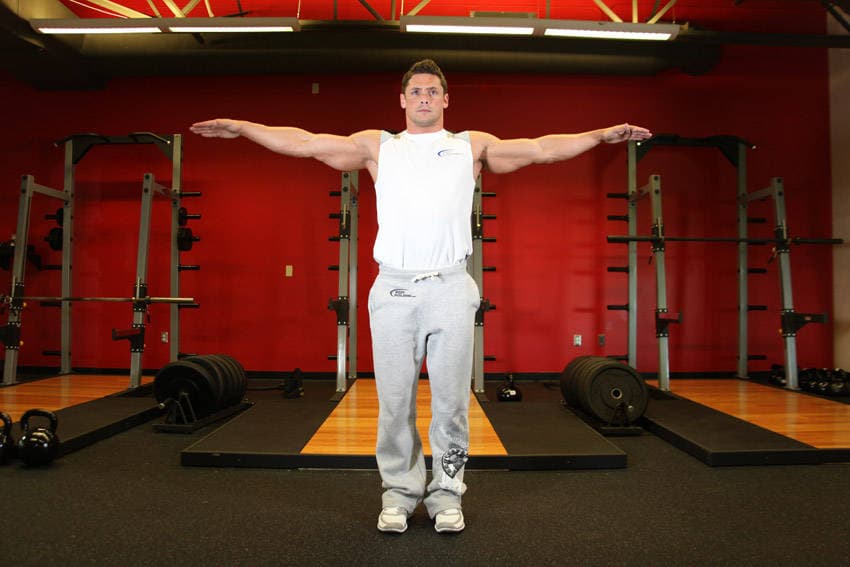
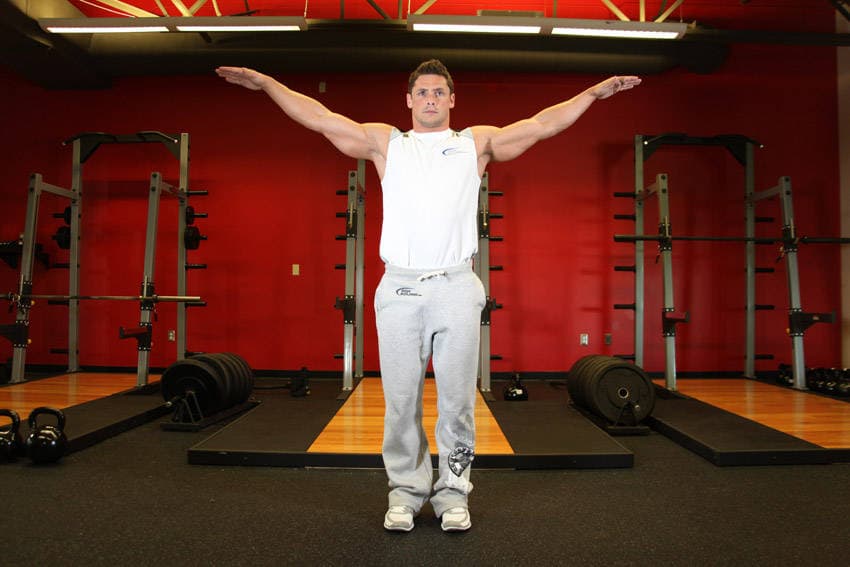
Arm Circles
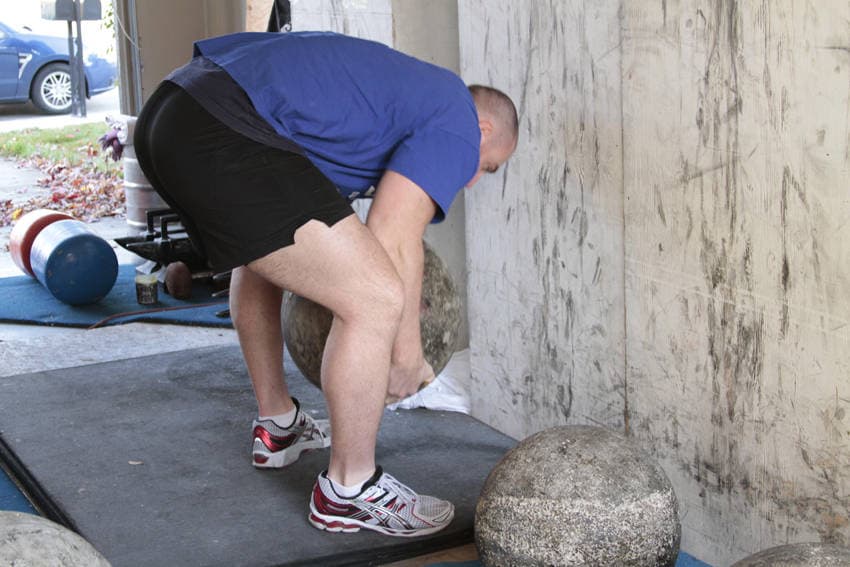
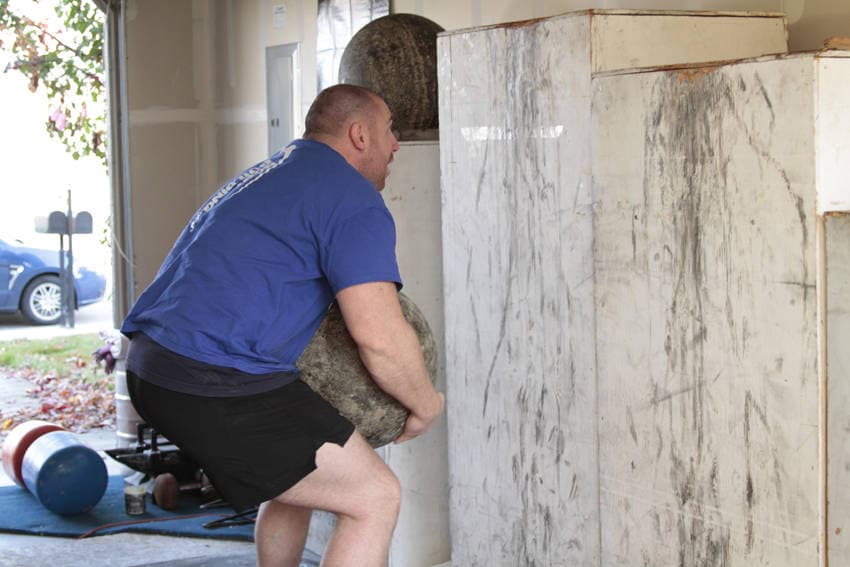
Atlas Stones
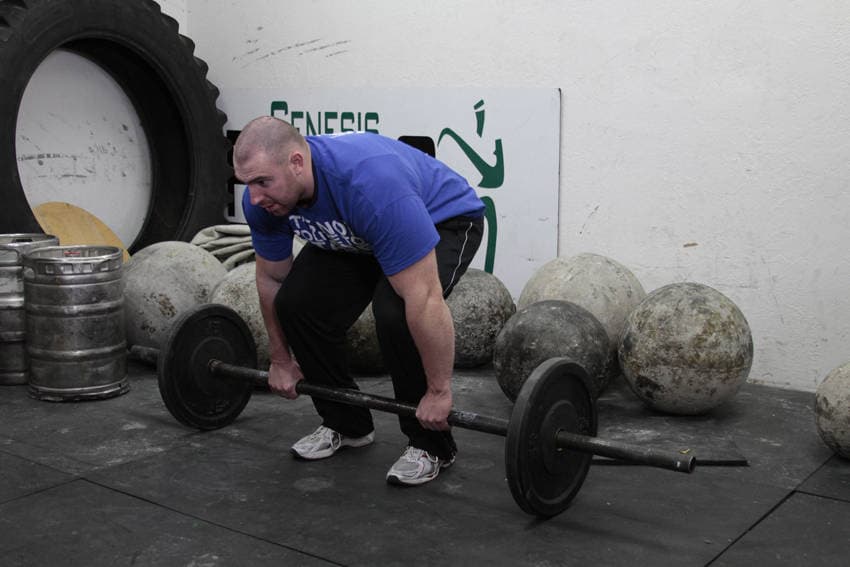
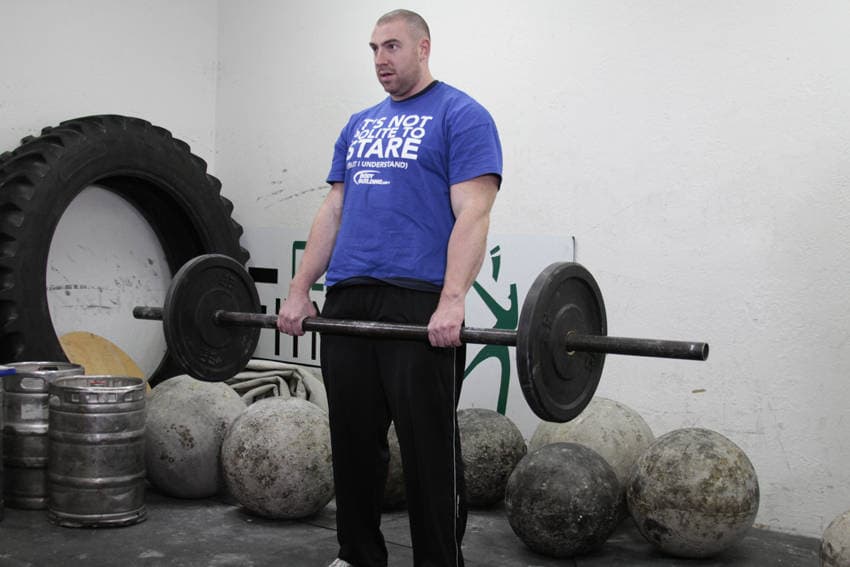
Axle Deadlift
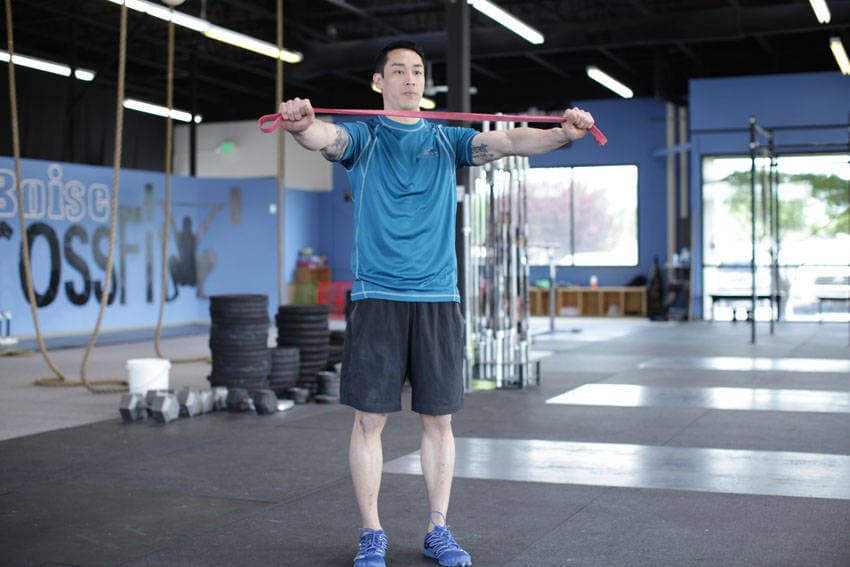
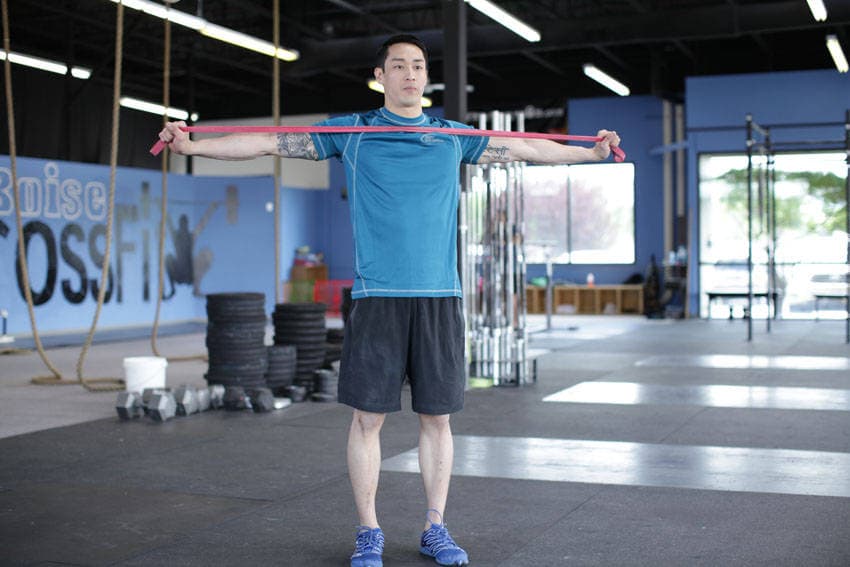
Band Pull Apart
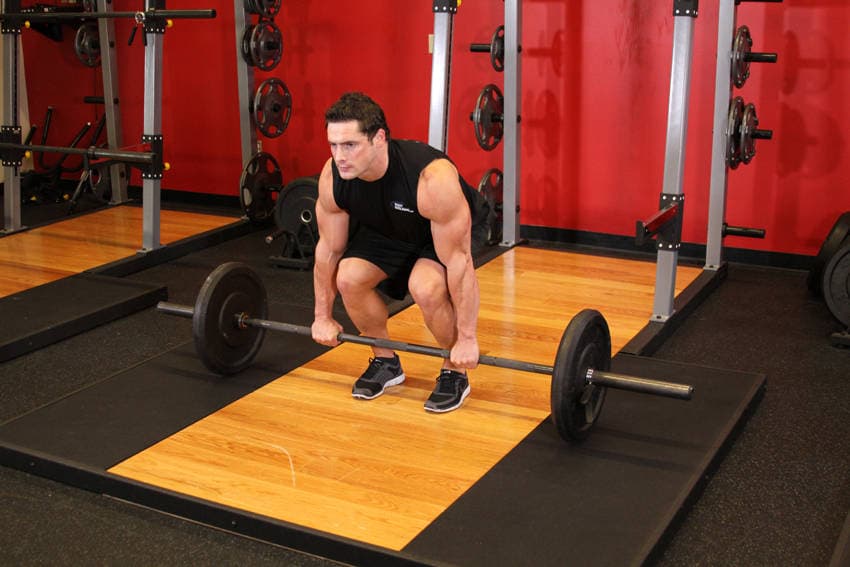
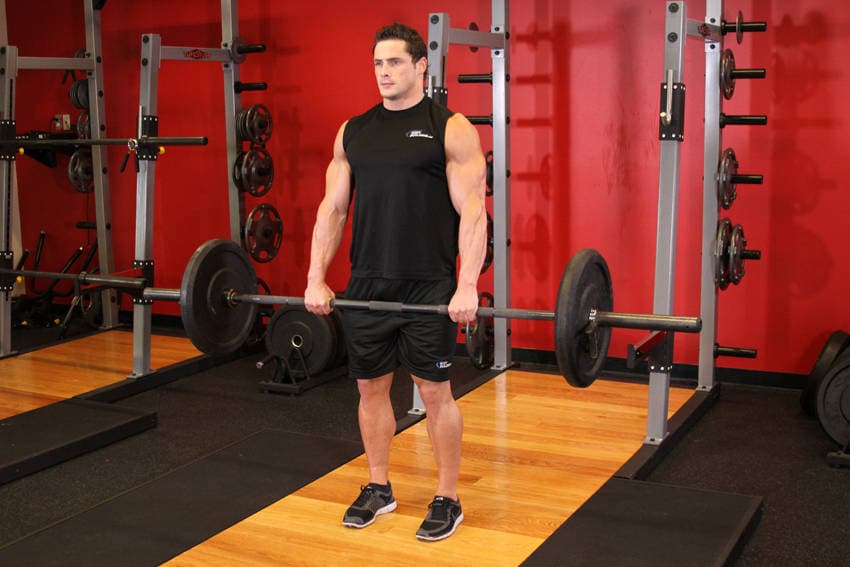
Barbell Deadlift
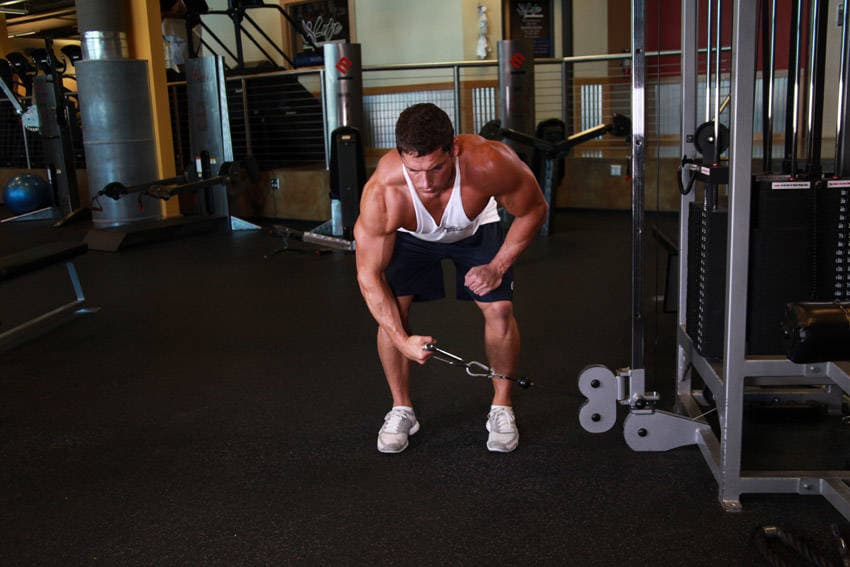
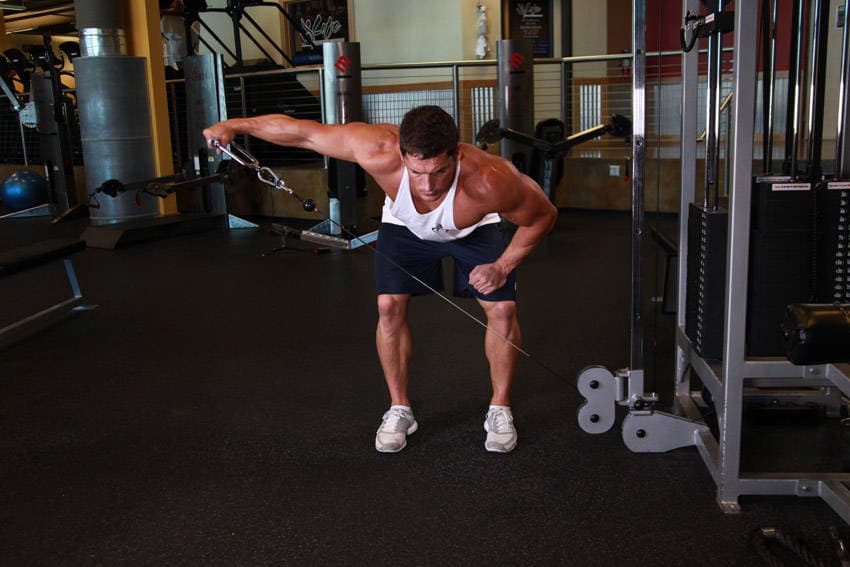
Bent Over Low-Pulley Side Lateral

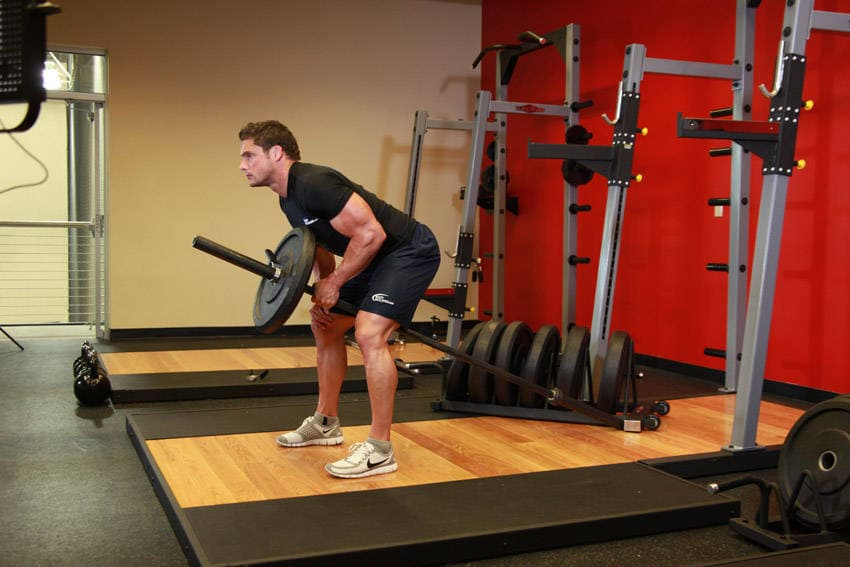
Bent Over One-Arm Long Bar Row
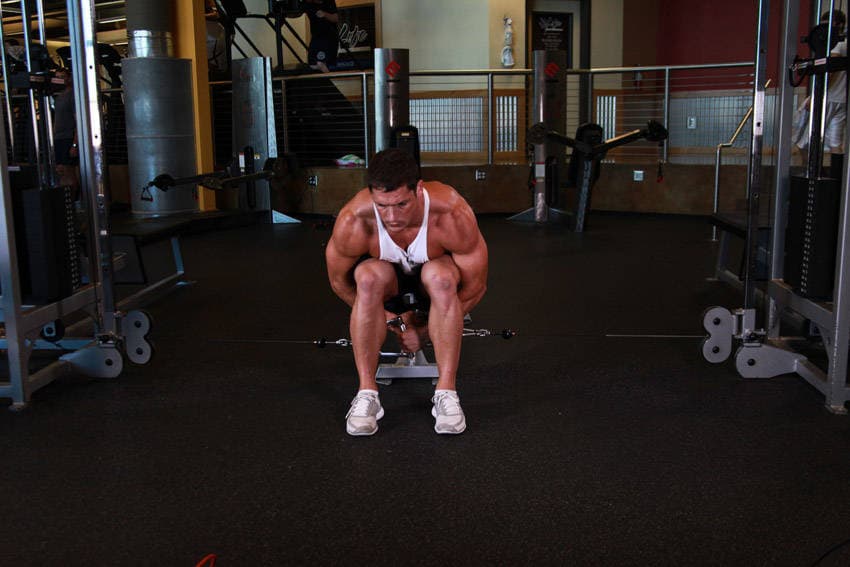
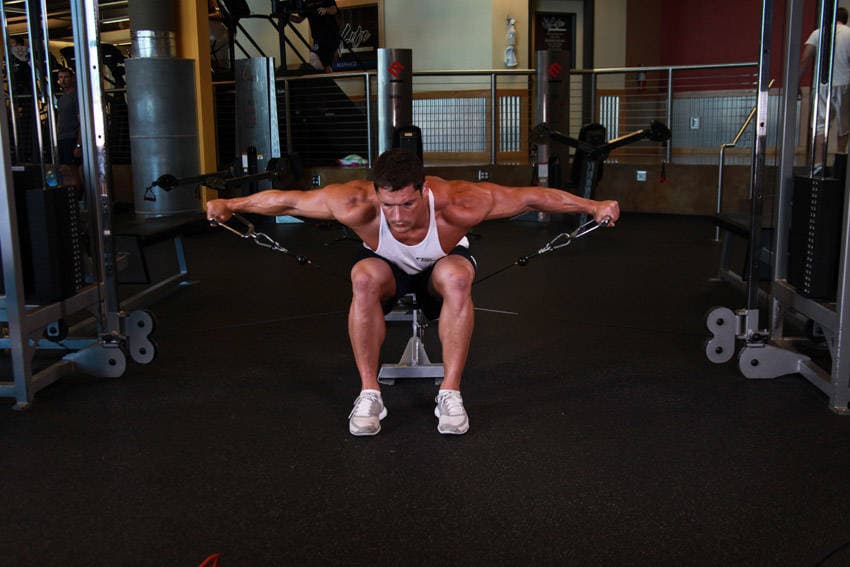
Cable Seated Lateral Raise
Related Neck Muscles
Neck Pain Guide
Common causes and relief
Activities & Sports
See which activities use levator scapulae