Thigh
rectus femoris
REK-tus FEM-or-is
The rectus femoris is the central quad muscle crossing both hip and knee, visible as the teardrop above your knee. It flexes the hip and extends the knee, powering sprints, jumps, and squats. Balanced development prevents knee pain in athletes.
Open in 3D ViewerCommon Pain & Injury
Pain feels like sharp anterior thigh ache during kicking or stairs, often from strains. Overuse leads to tendinopathy. See a doctor for swelling, bruising, or inability to bear weight.
Anatomy & Function
Origin
Anterior inferior iliac spine (front of hip bone) and acetabulum rim
Insertion
Patella (kneecap) via patellar tendon to tibial tuberosity (shin bone top)
Actions
- Hip flexion (lifting knee)
- Knee extension (straightening leg)
- Stabilizes patella
Innervation
Femoral nerve (L2-L4)
Muscle Relationships
Antagonists
Synergists
Trigger Points
Mid-thigh; refers pain down to knee and shin.
Stretches
Common Conditions
Anatomical Parts
FAQ
What does rectus femoris do?
Flexes hip and extends knee; key for running, jumping, and squatting.
Rectus femoris pain causes?
Strains from sudden kicks or tight hip flexors; stretch regularly to prevent.
How to stretch rectus femoris?
Deep lunges or Thomas stretch target it best since it crosses two joints.
Rectus femoris tear symptoms?
Sudden thigh pain, swelling, and weakness-ice and rest initially.
Exercises for rectus femoris
20
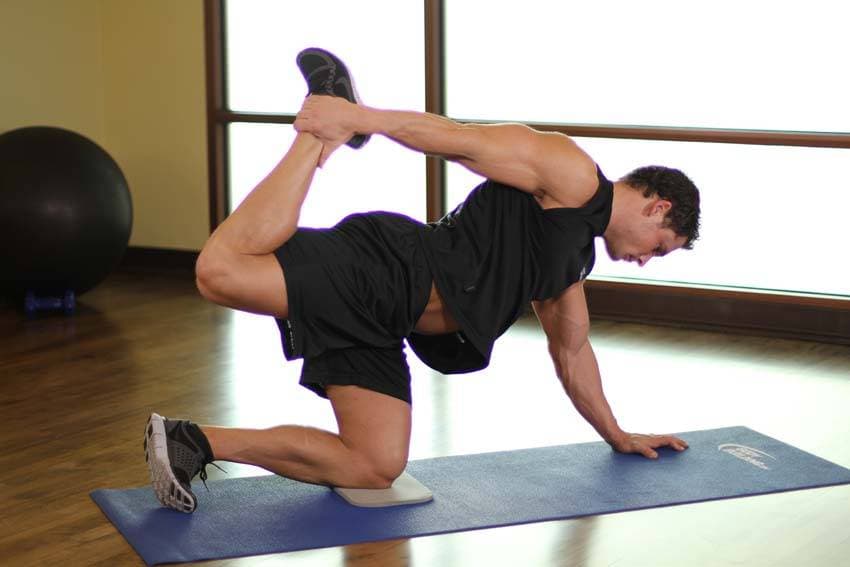
All Fours Quad Stretch
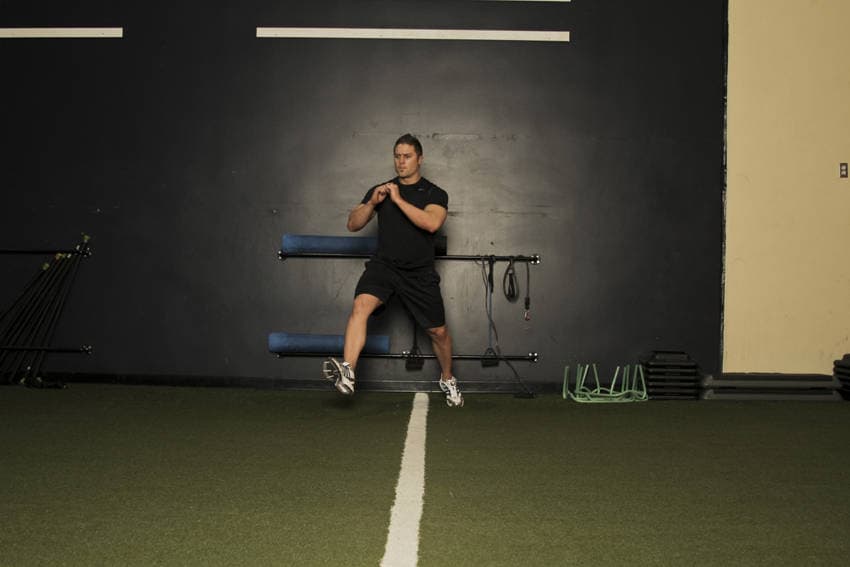

Alternate Leg Diagonal Bound


Backward Drag
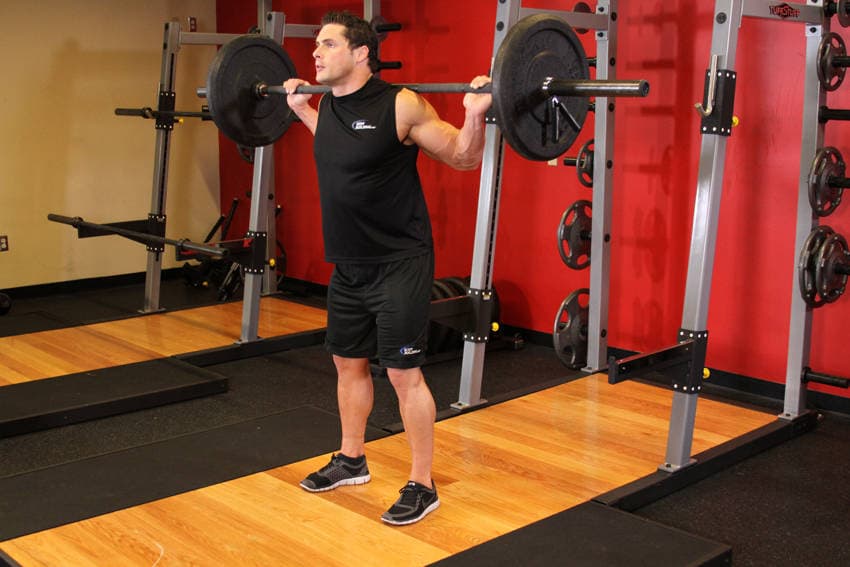
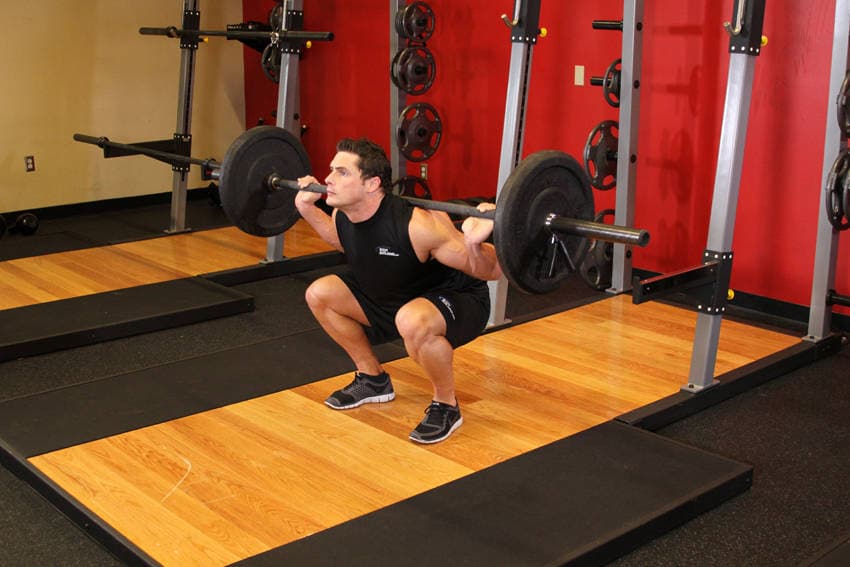
Barbell Full Squat

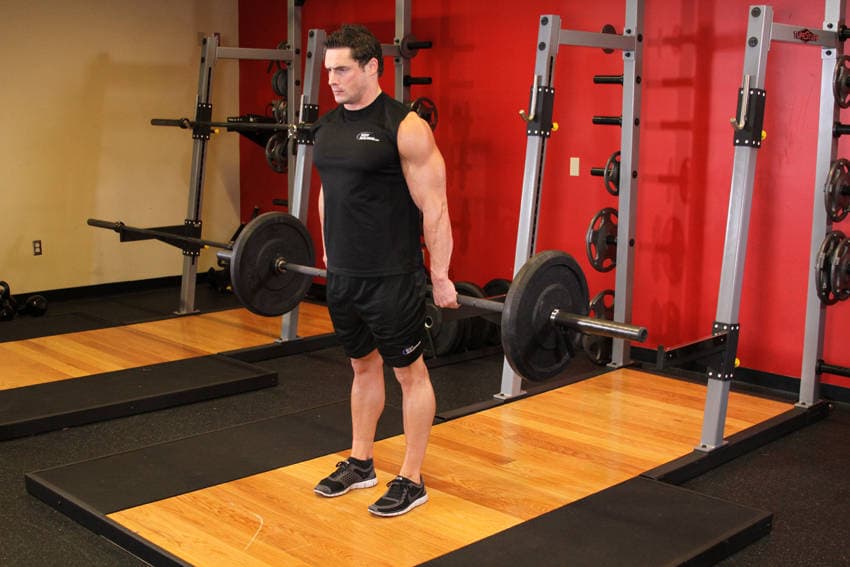
Barbell Hack Squat
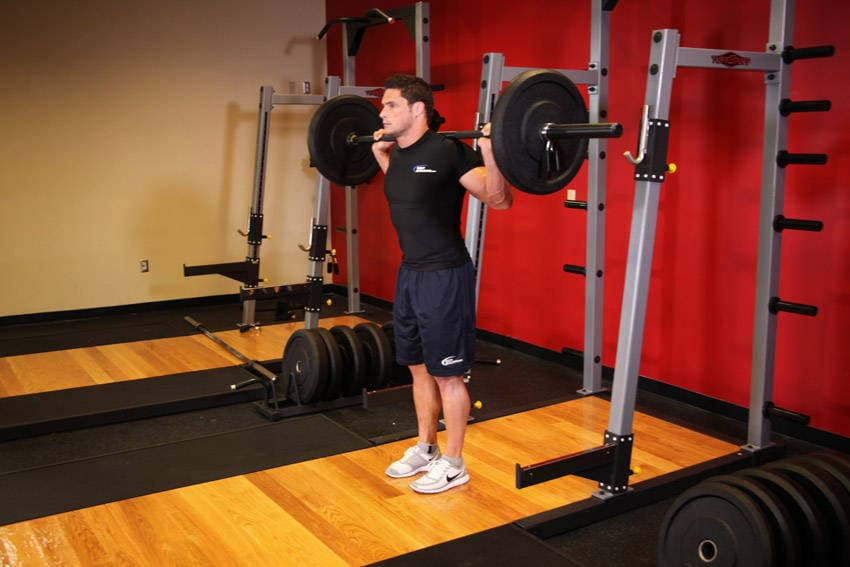
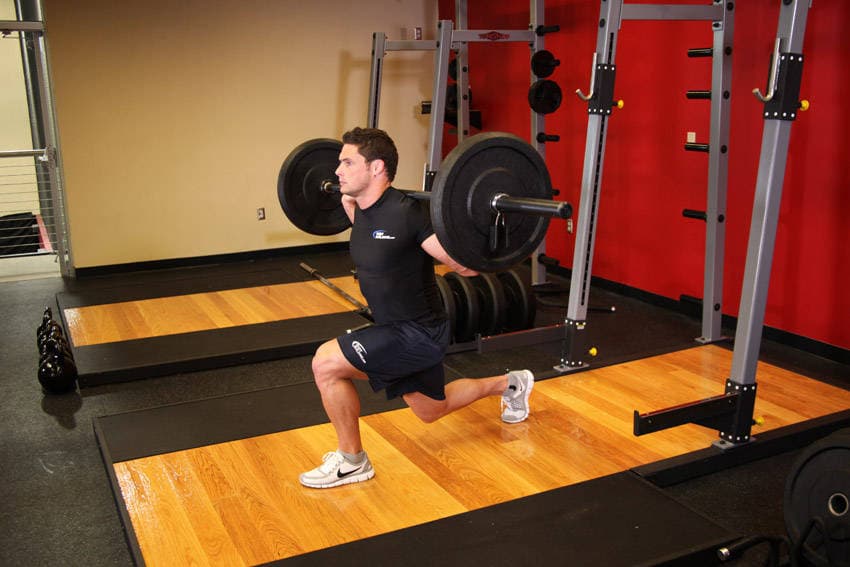
Barbell Lunge
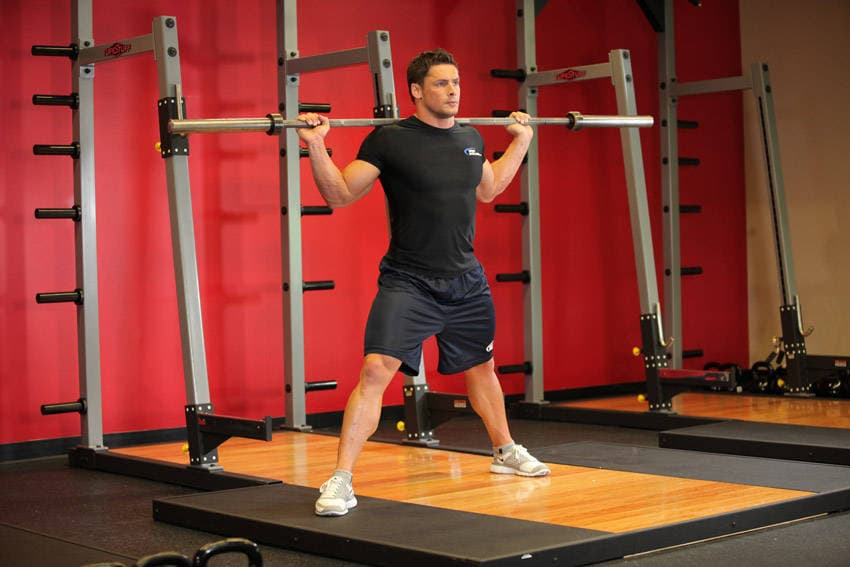
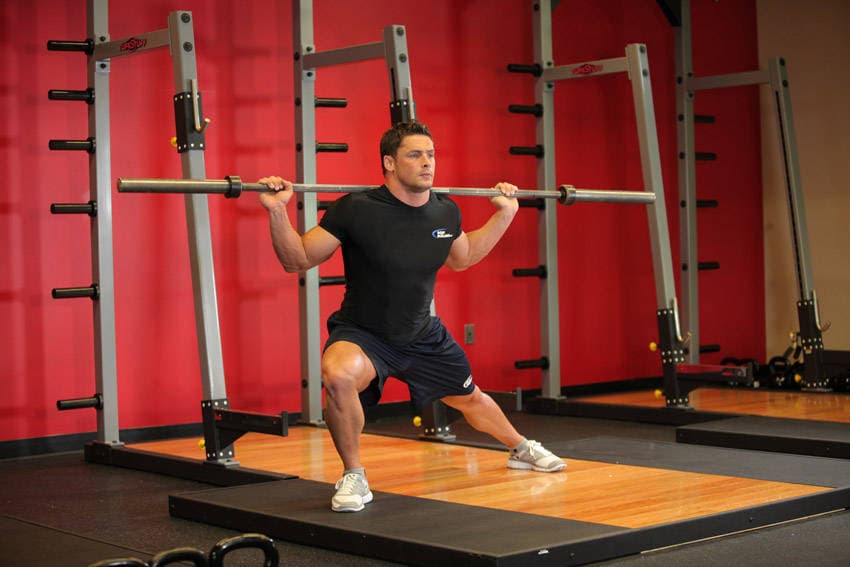
Barbell Side Split Squat
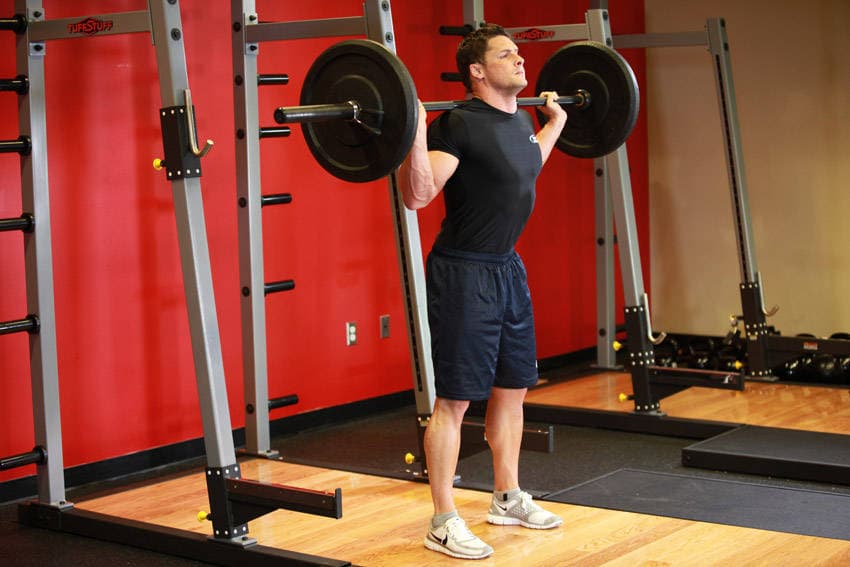
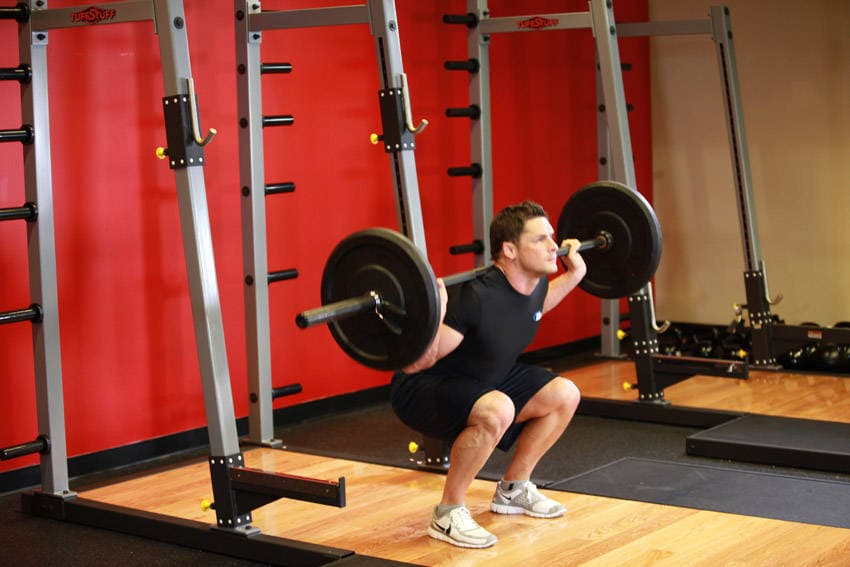
Barbell Squat
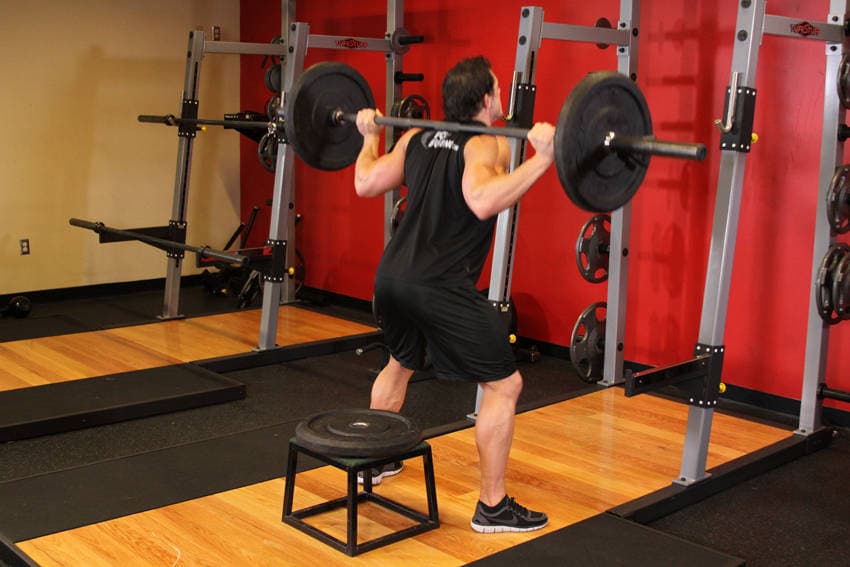
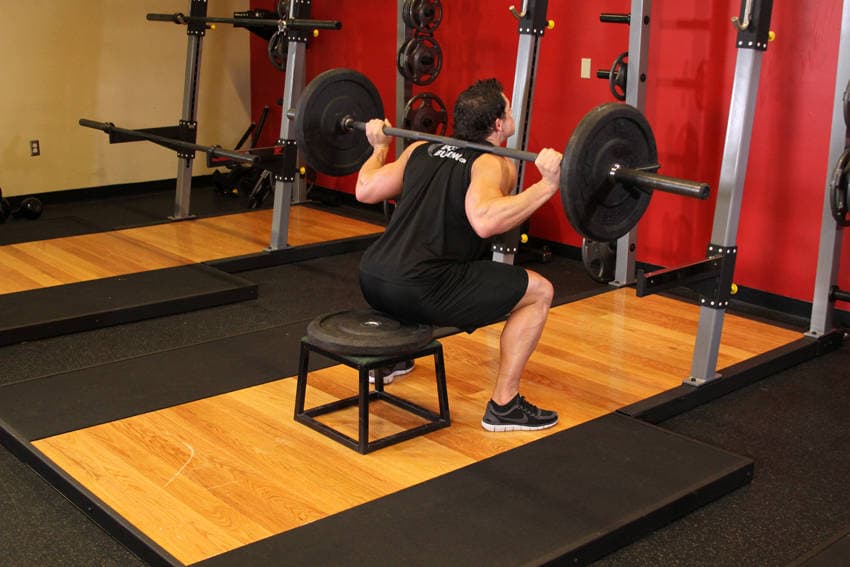
Barbell Squat To A Bench
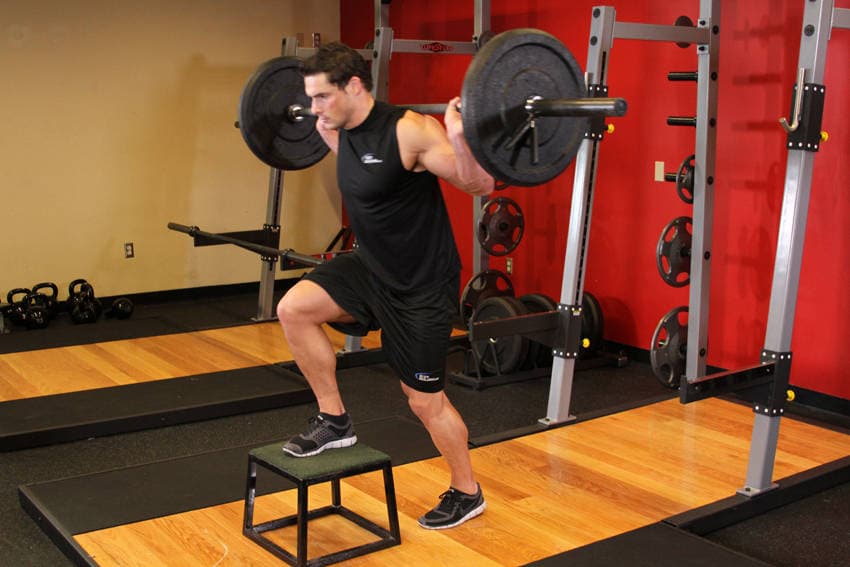
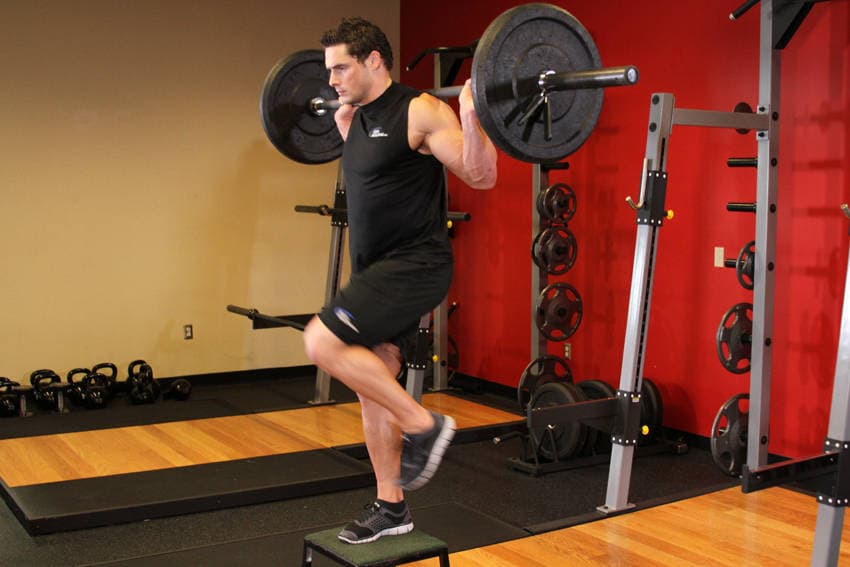
Barbell Step Ups
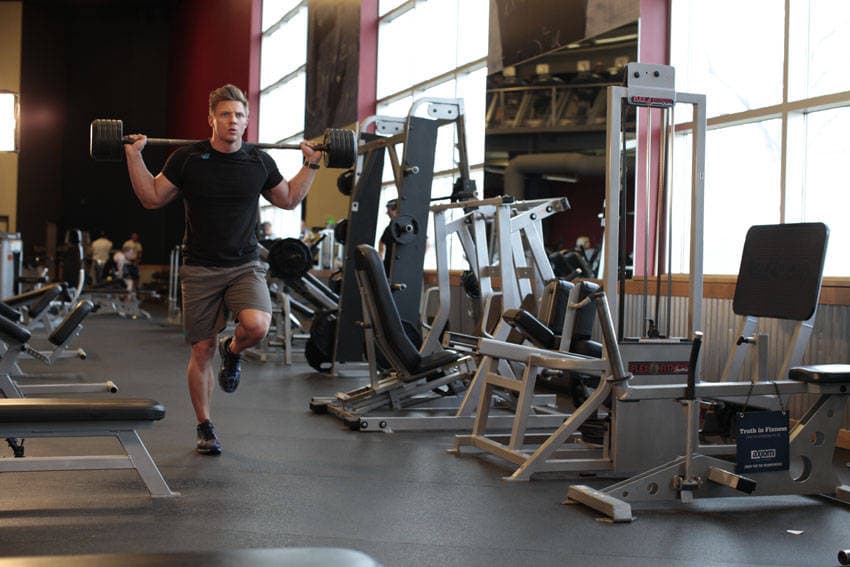
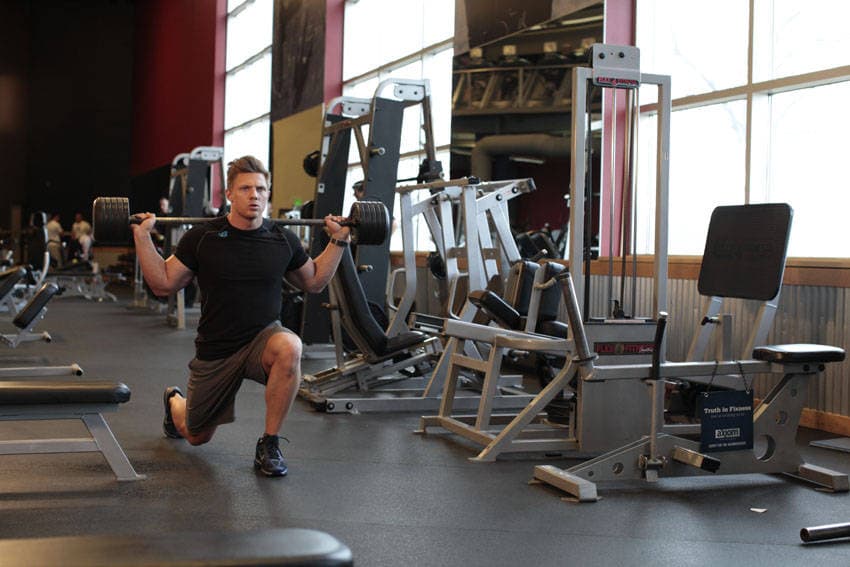
Barbell Walking Lunge
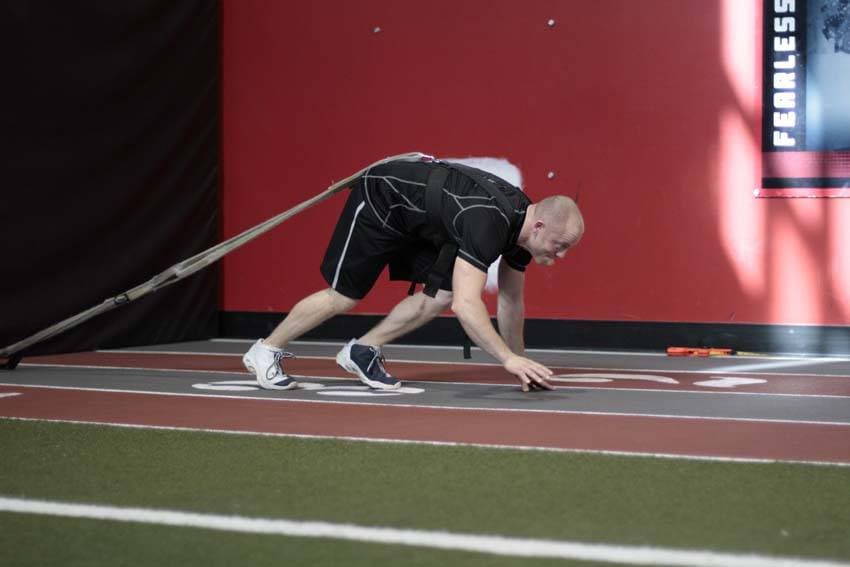
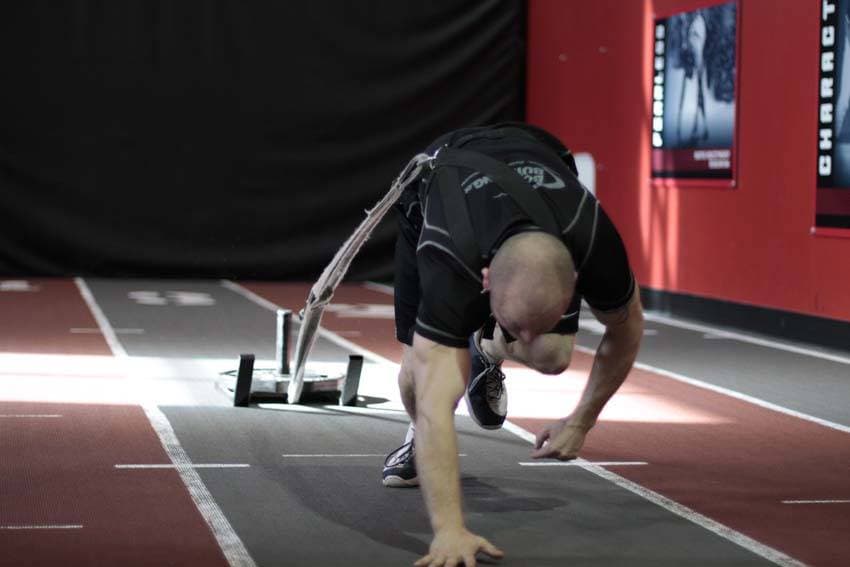
Bear Crawl Sled Drags


Bench Jump


Bench Sprint

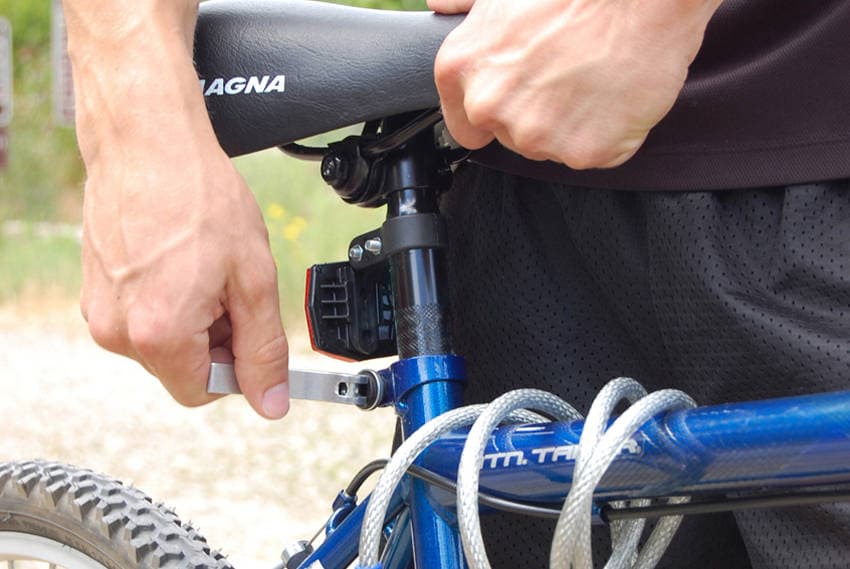
Bicycling
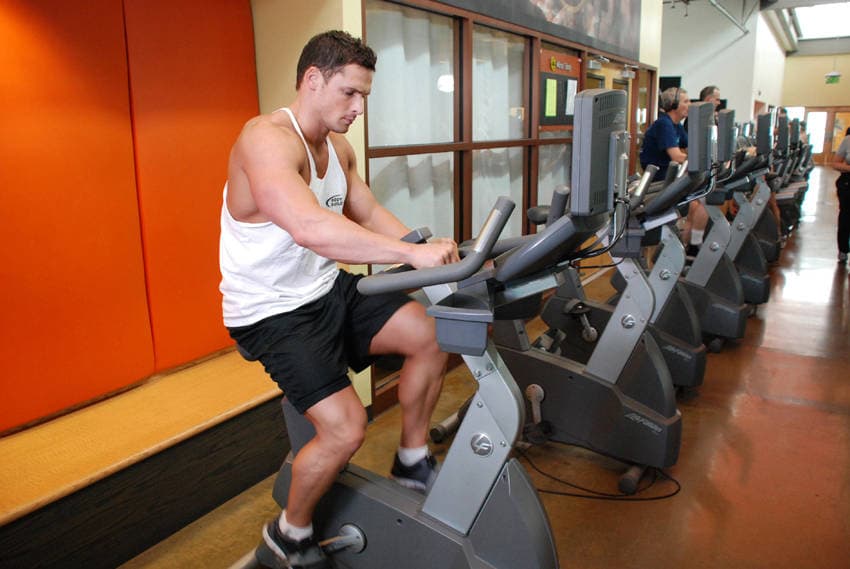

Bicycling, Stationary


Bodyweight Squat
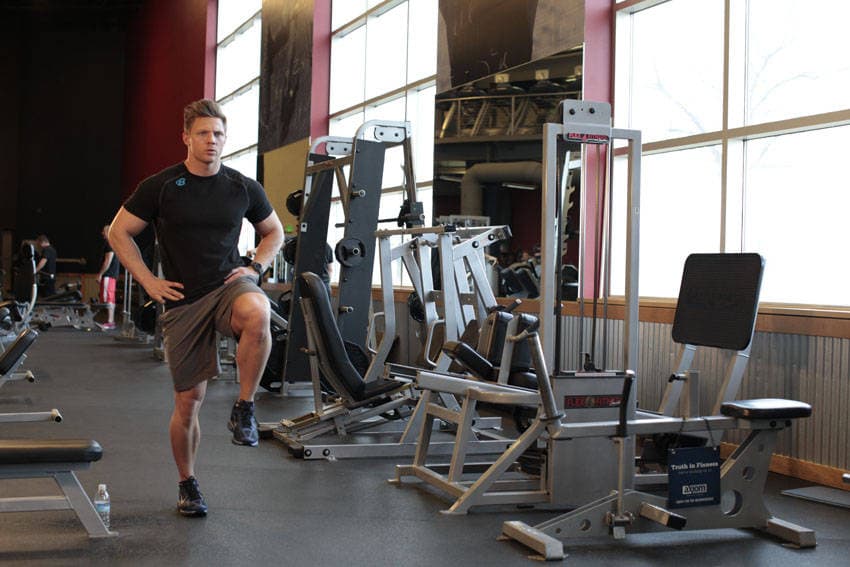
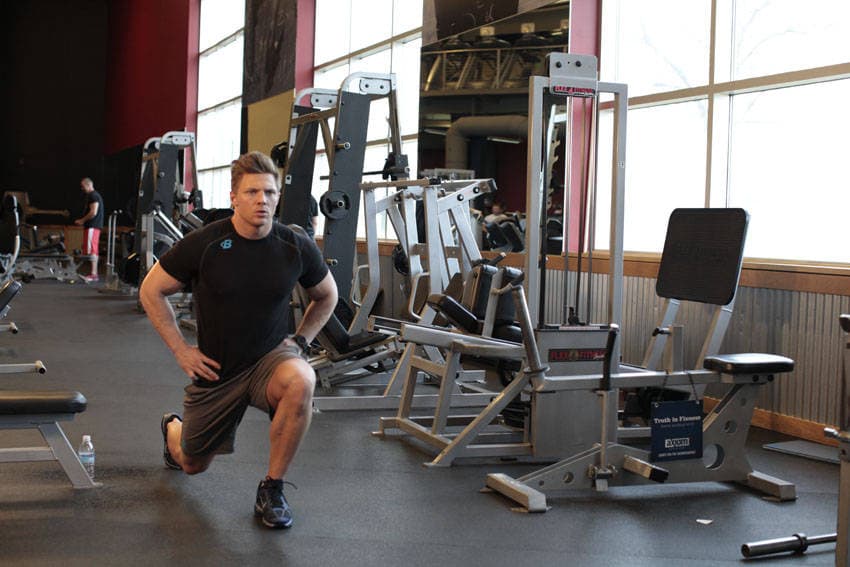
Bodyweight Walking Lunge
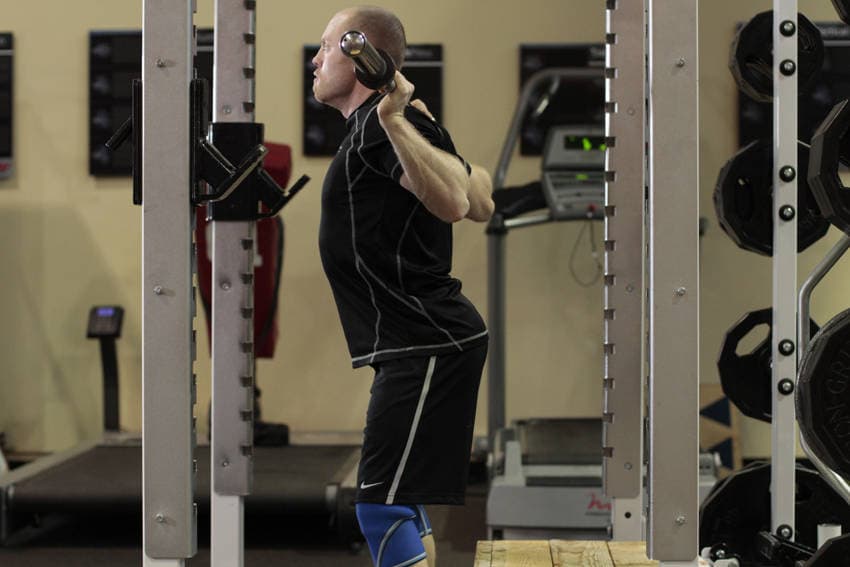
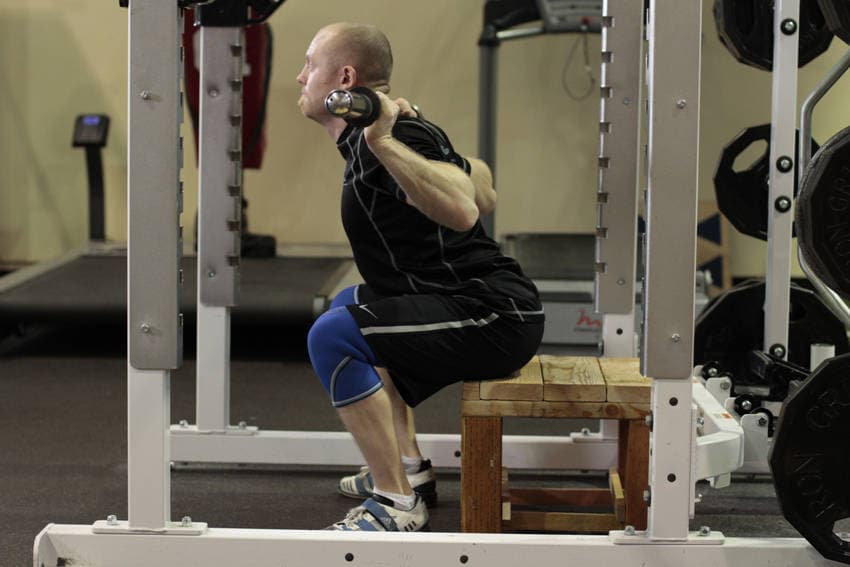
Box Squat
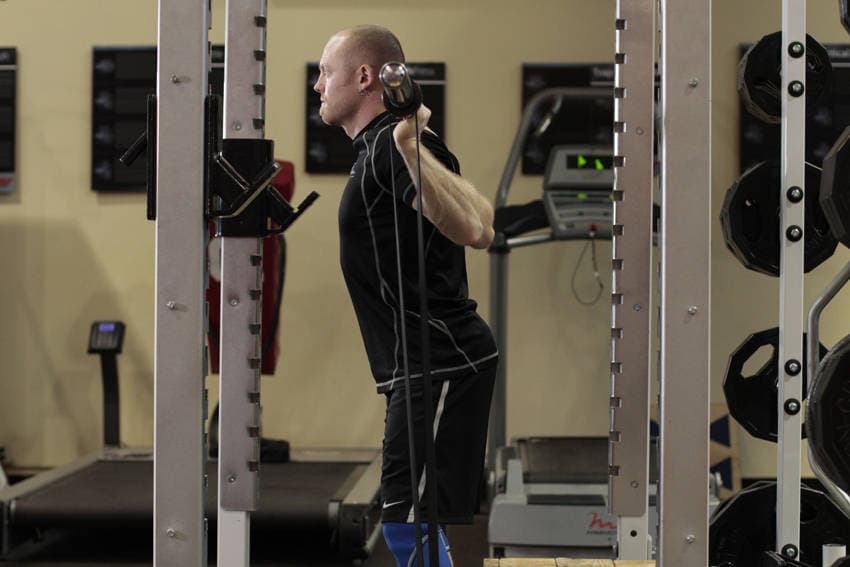
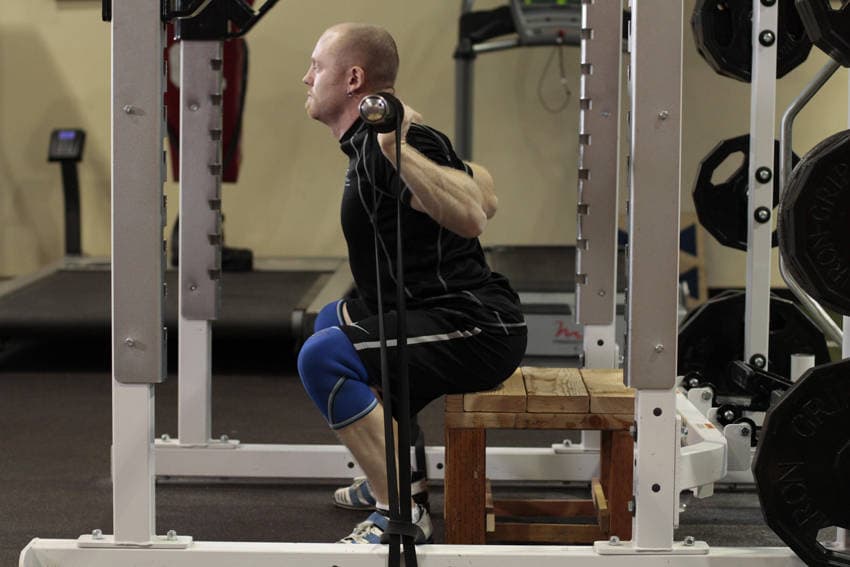
Box Squat with Bands
Also Works rectus femoris
10







Related Thigh Muscles
Thigh Pain Guide
Common causes and relief
Activities & Sports
See which activities use rectus femoris