Thigh
biceps femoris
BY-seps FEM-or-iss
The biceps femoris is the lateral hamstring on the back of the thigh, with long and short heads forming a thick band from hip to knee. It flexes the knee, extends the hip, and rotates the leg outward, vital for running, jumping, and deadlifts. Key for posterior chain power and injury prevention.
Open in 3D ViewerCommon Pain & Injury
Hamstring pain feels like a pull or tear in the back thigh, worse with sprinting or bending knee. Chronic ache from strains. See doctor for swelling, bruising, or inability to walk.
Anatomy & Function
Origin
Long head: ischial tuberosity (sit bone); Short head: linea aspera of femur (thigh bone shaft)
Insertion
Head of fibula (outer knee bone)
Actions
- Knee flexion (bending knee)
- Hip extension (straightening hip)
- Leg external rotation
Innervation
Tibial nerve (long head, L5-S2); Common fibular nerve (short head)
Muscle Relationships
Antagonists
Synergists
Trigger Points
Mid-posterior thigh; refer to back of knee or calf.
Stretches
Common Conditions
Anatomical Parts
FAQ
What does biceps femoris do?
Flexes knee, extends hip, and rotates tibia outward for sprinting and squats.
Biceps femoris pain running?
Common strain from sudden acceleration; grade 1-3 severity.
How to stretch biceps femoris?
Straight-leg forward bends target it best.
Biceps femoris tear?
Popping sensation, bruising, knee flexion weakness.
Exercises for biceps femoris
20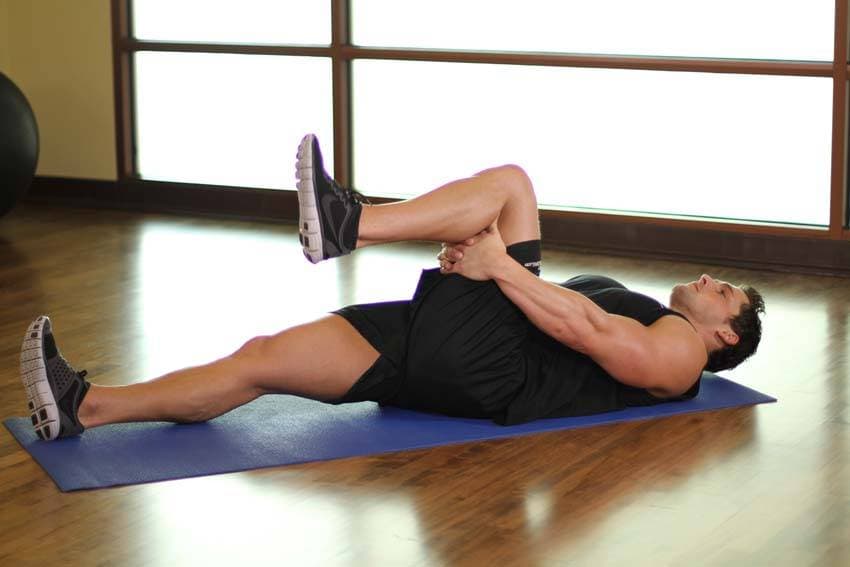
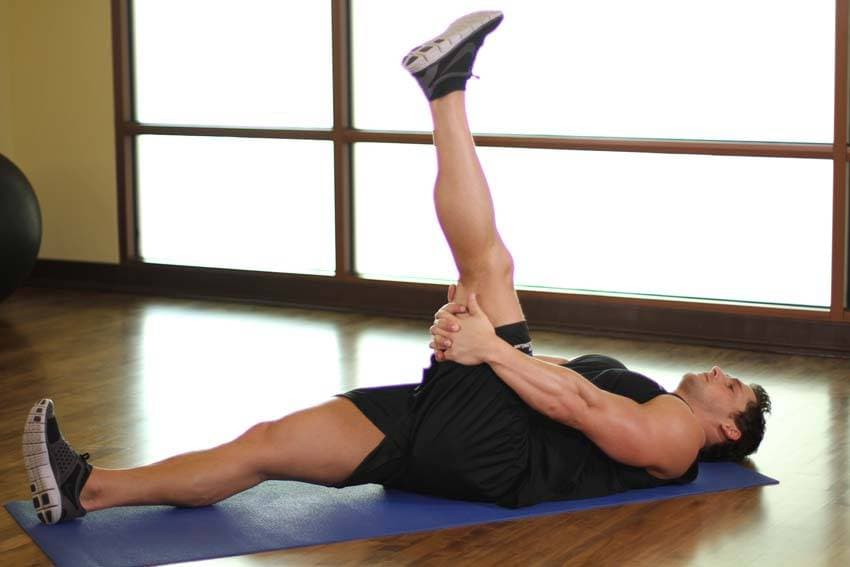
90/90 Hamstring
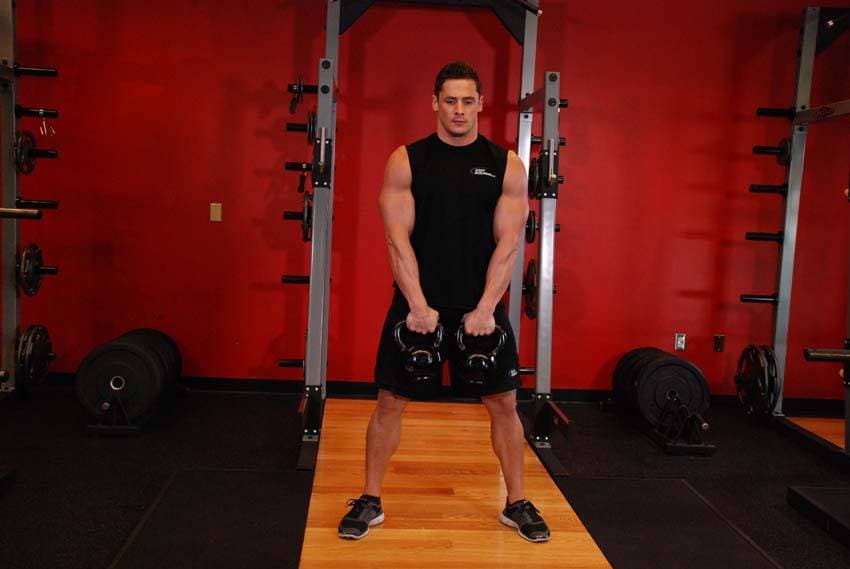
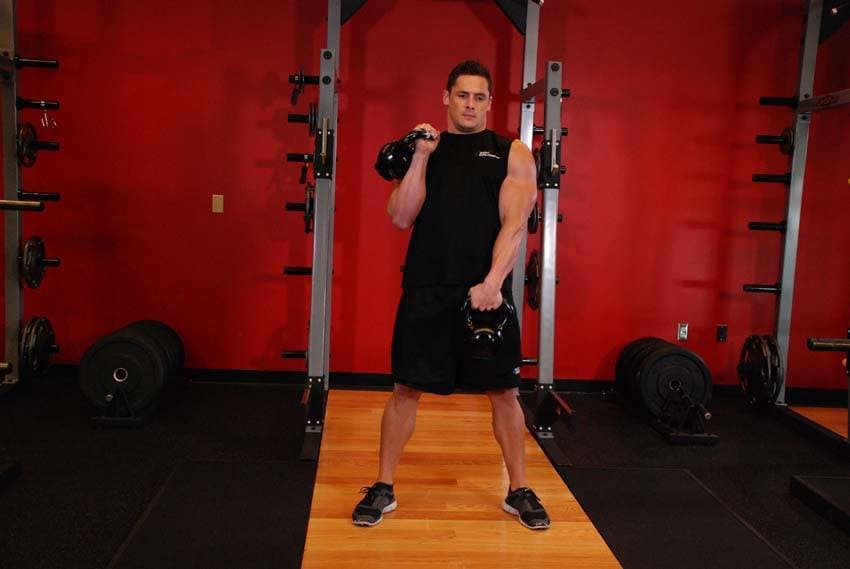
Alternating Hang Clean
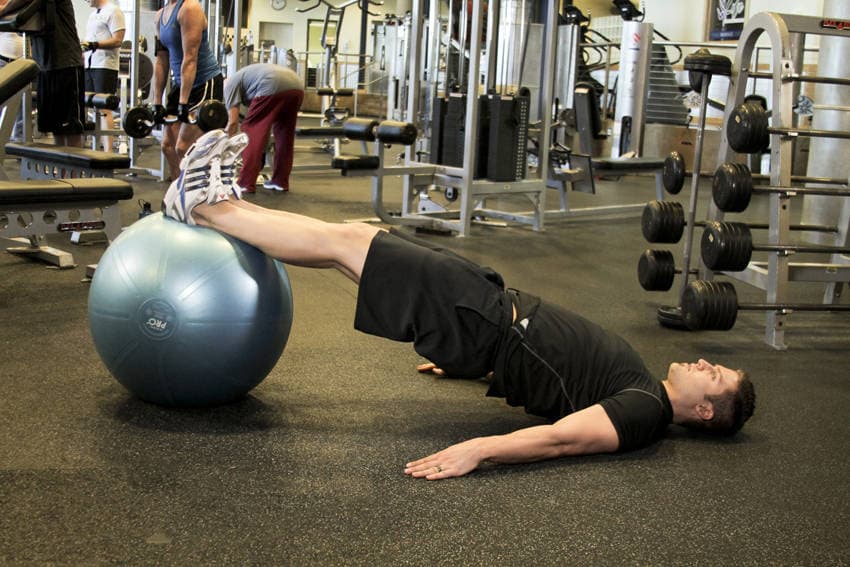
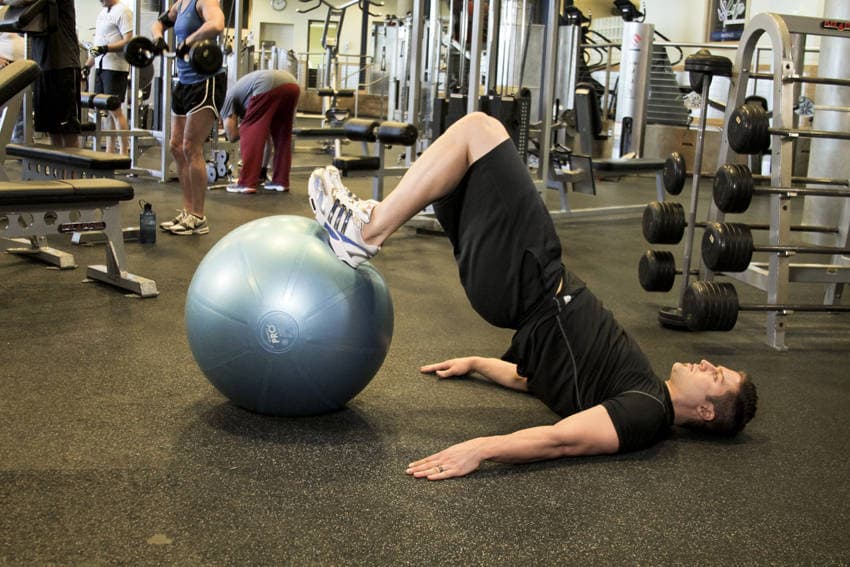
Ball Leg Curl
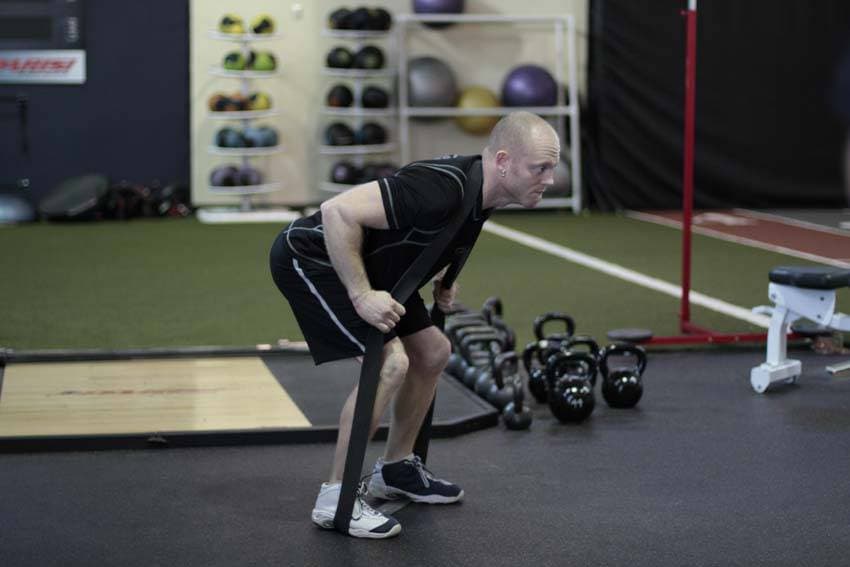
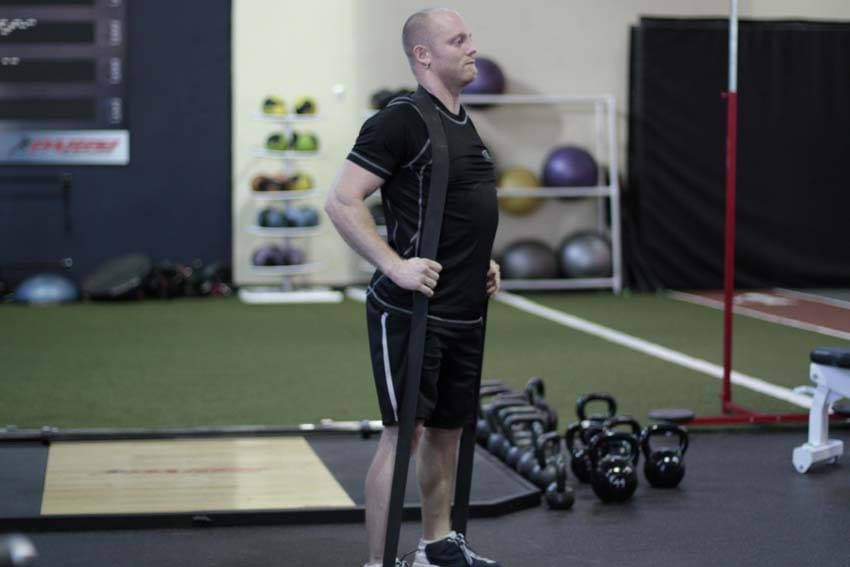
Band Good Morning
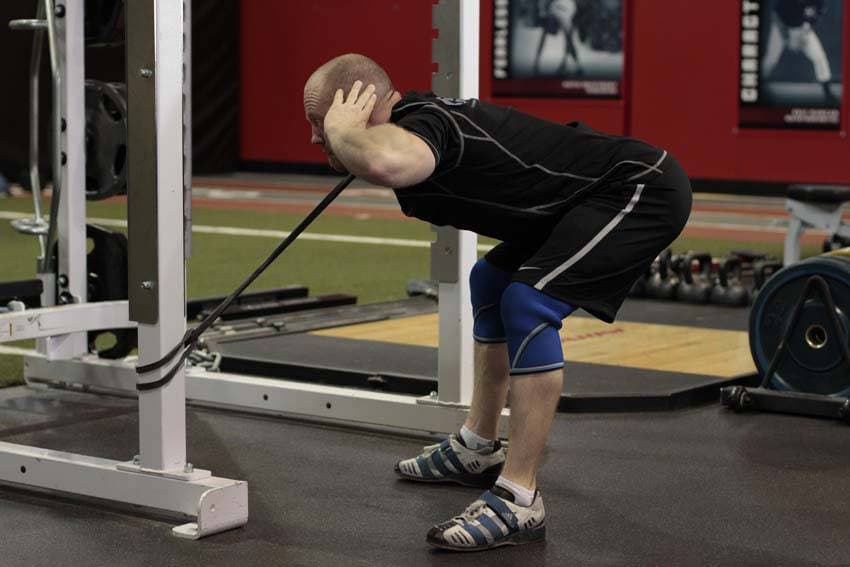
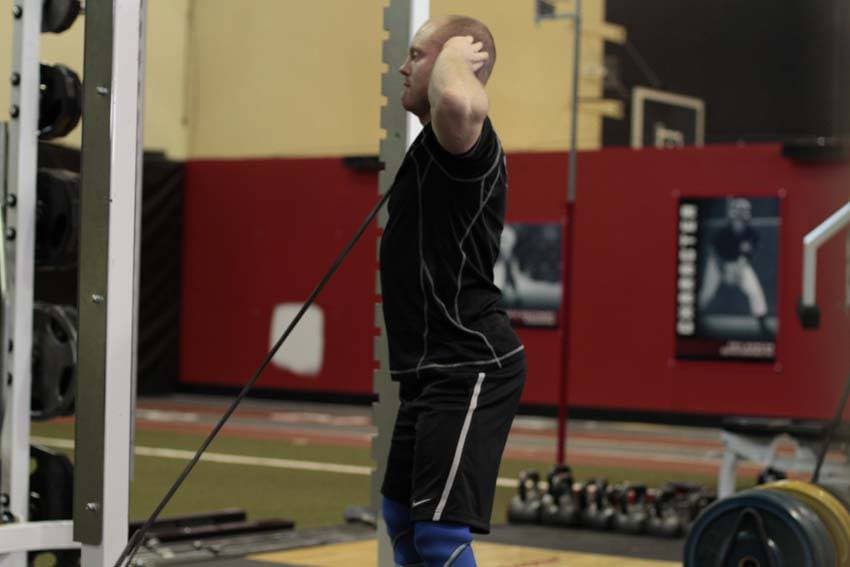
Band Good Morning (Pull Through)
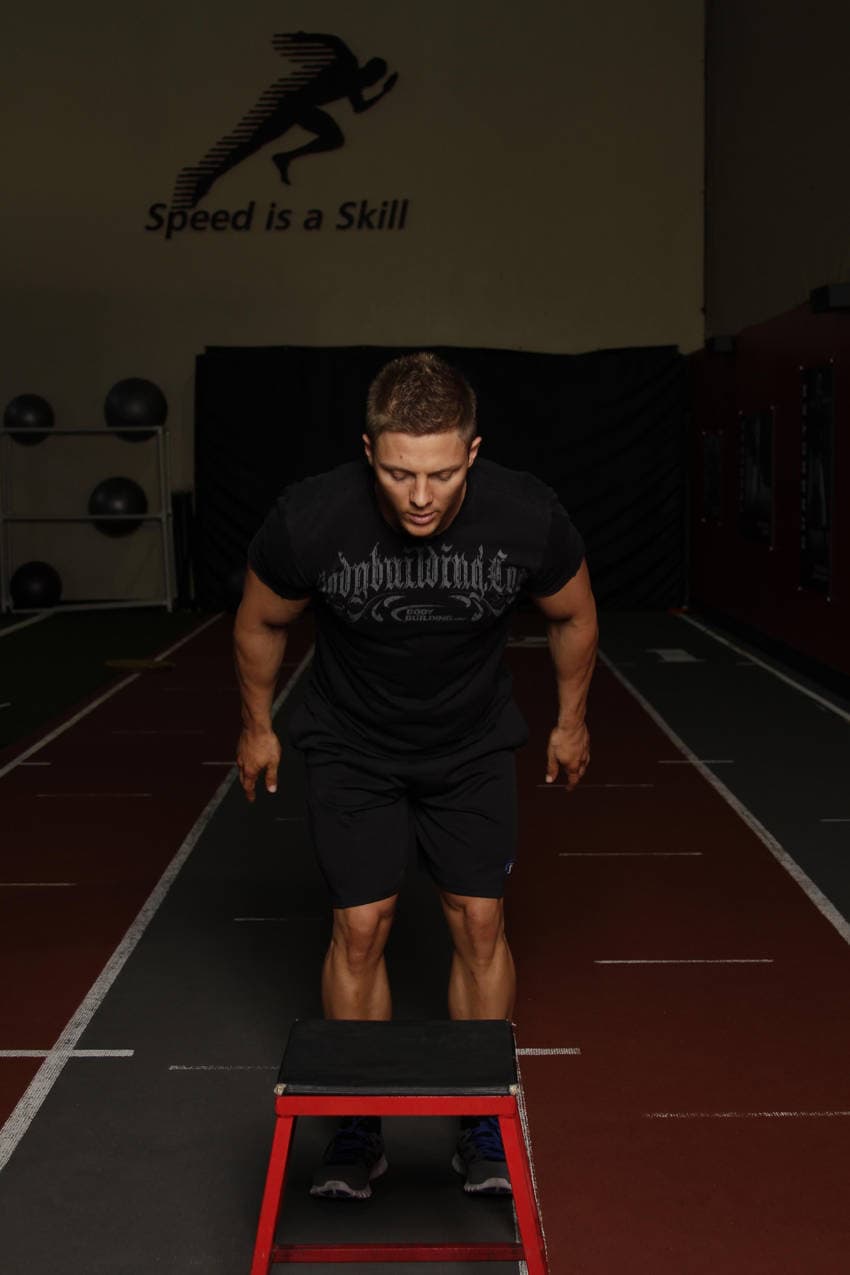
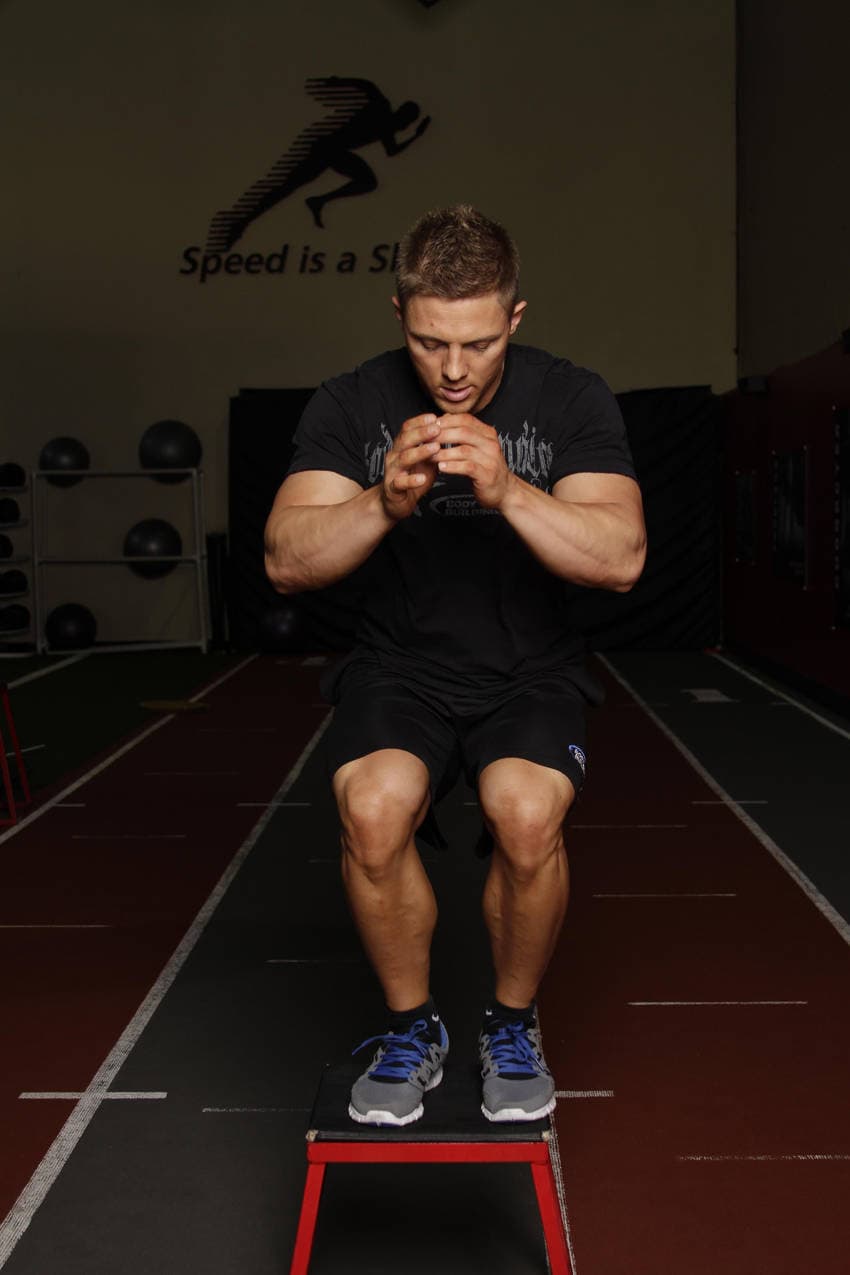
Box Jump (Multiple Response)
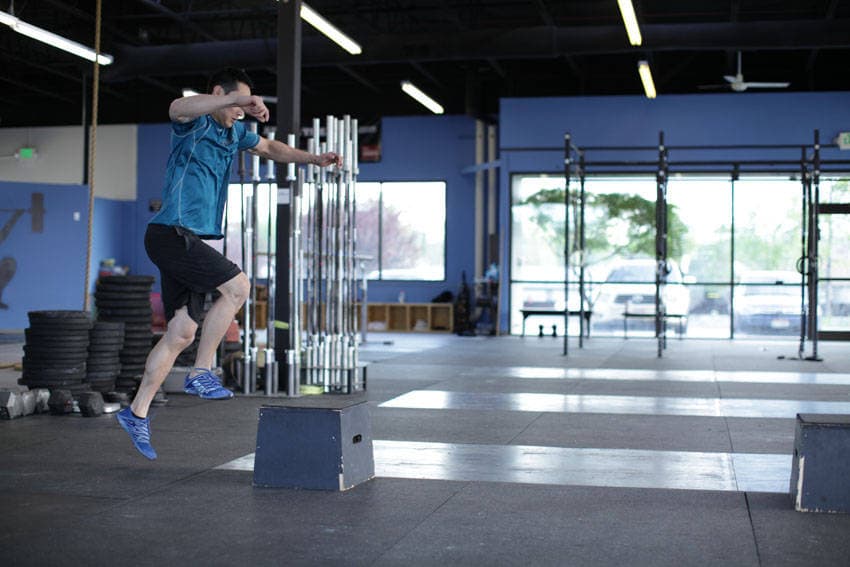
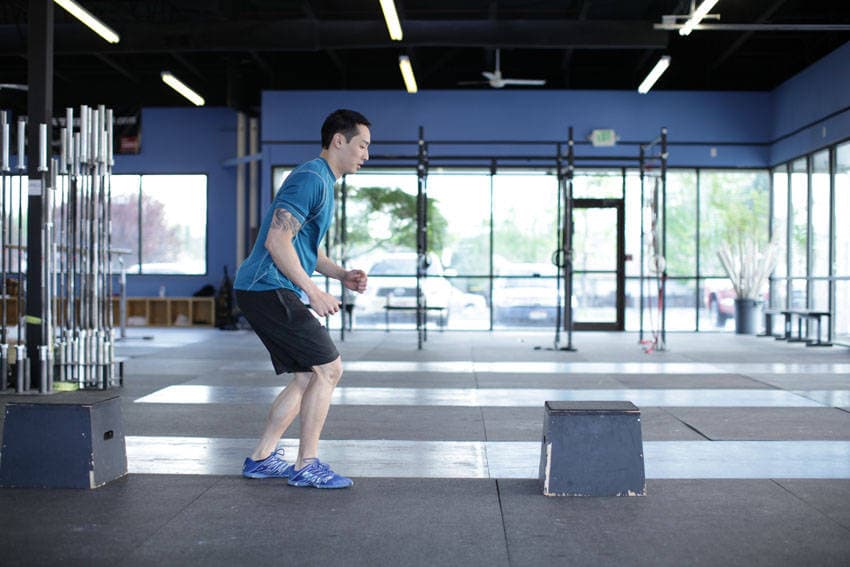
Box Skip
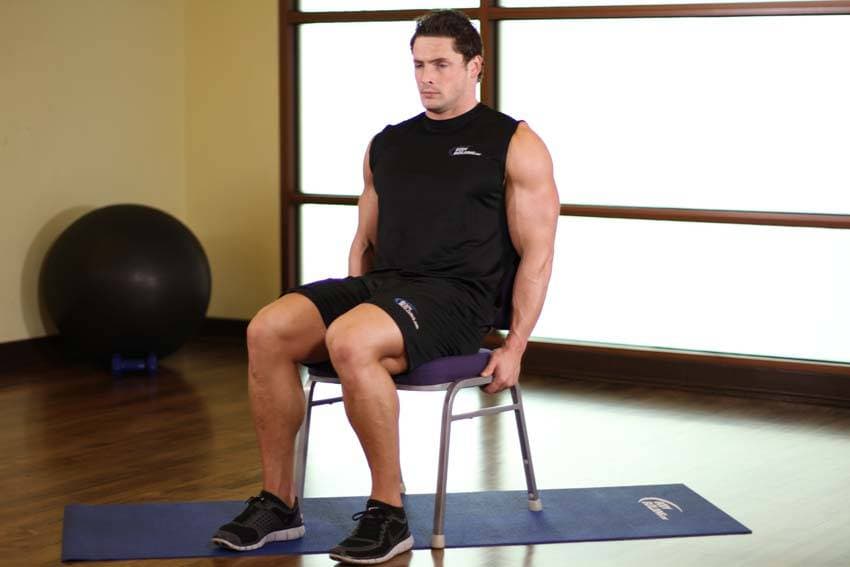
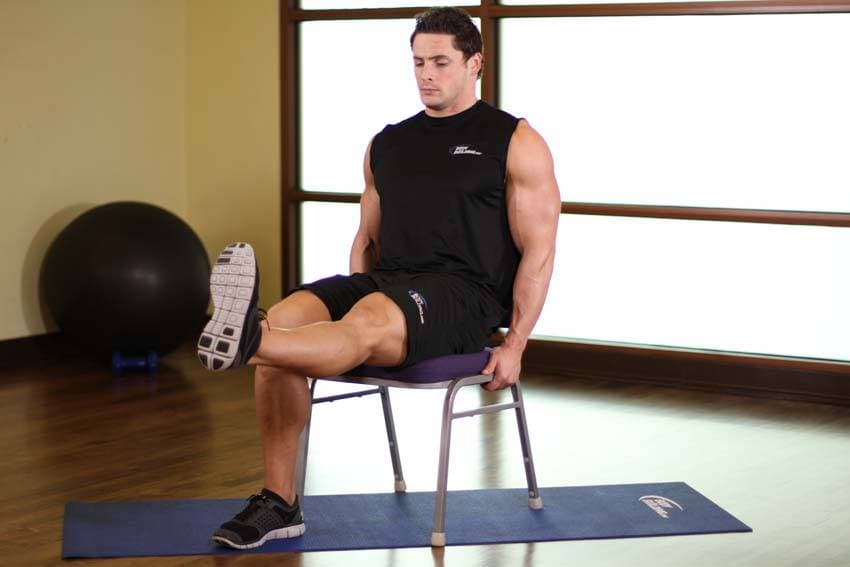
Chair Leg Extended Stretch
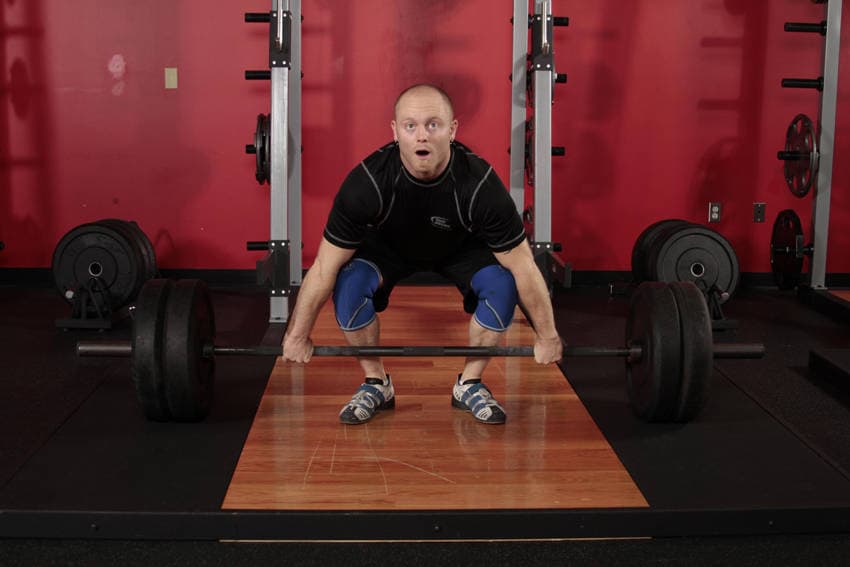
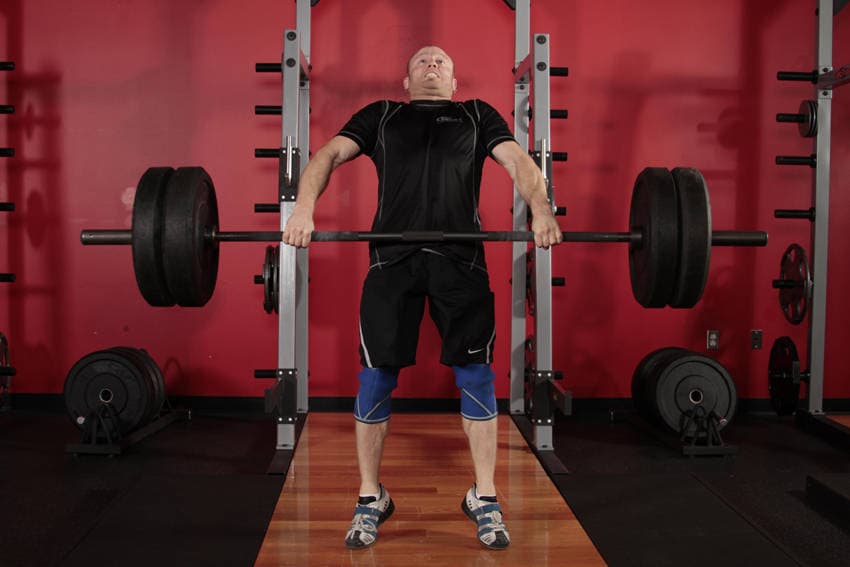
Clean
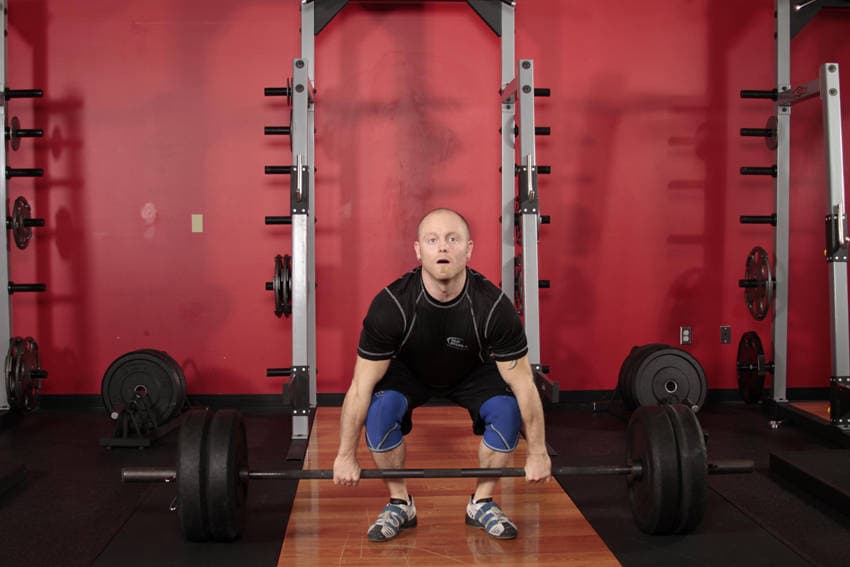
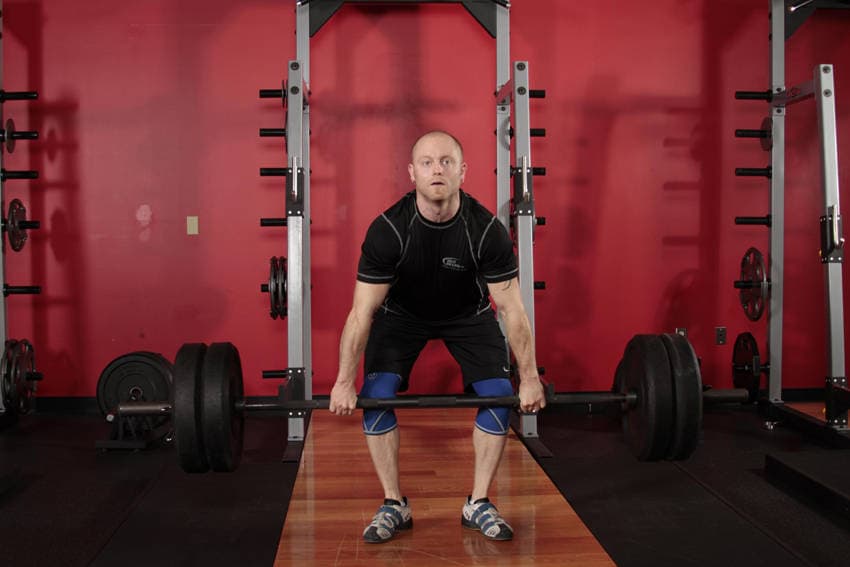
Clean Deadlift
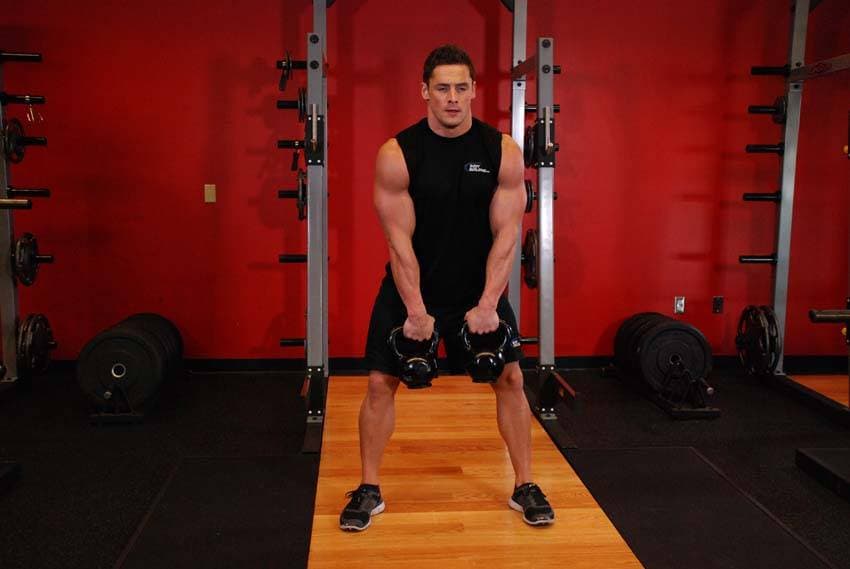
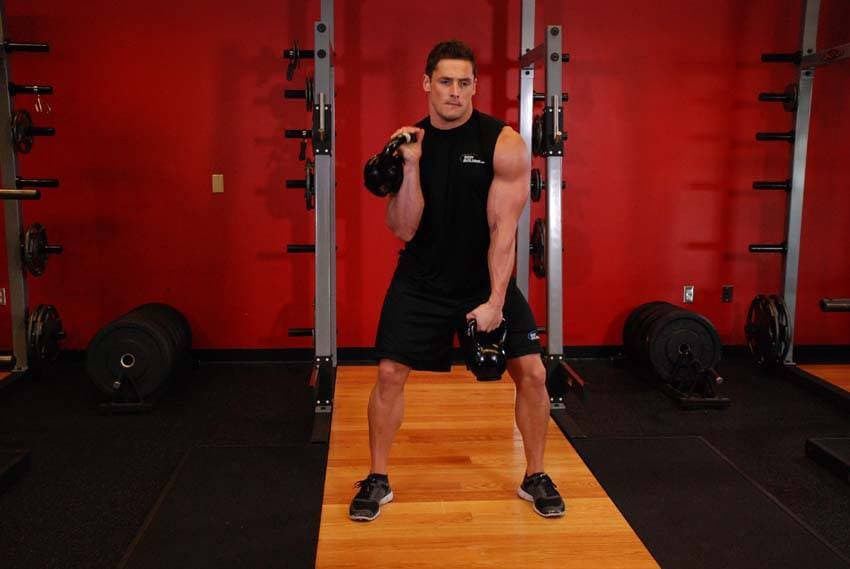
Double Kettlebell Alternating Hang Clean
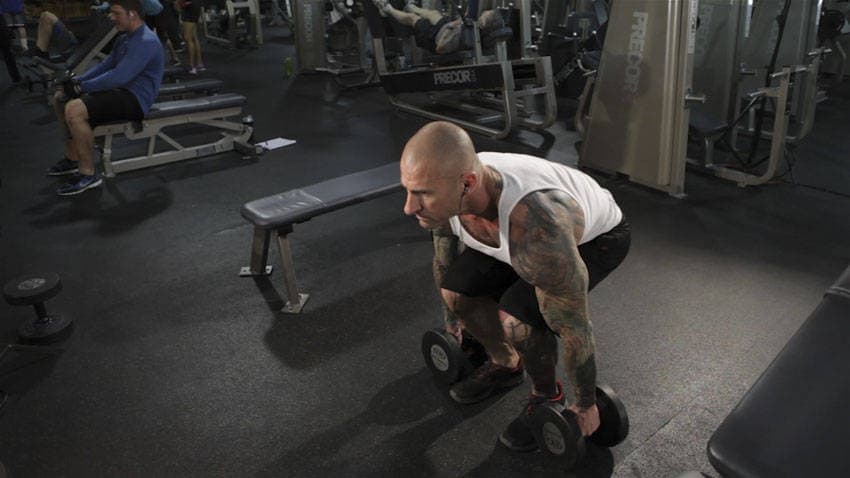
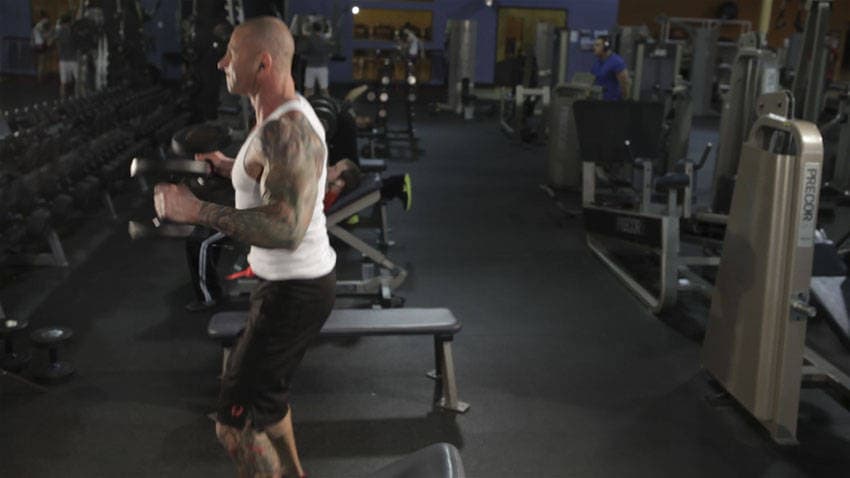
Dumbbell Clean
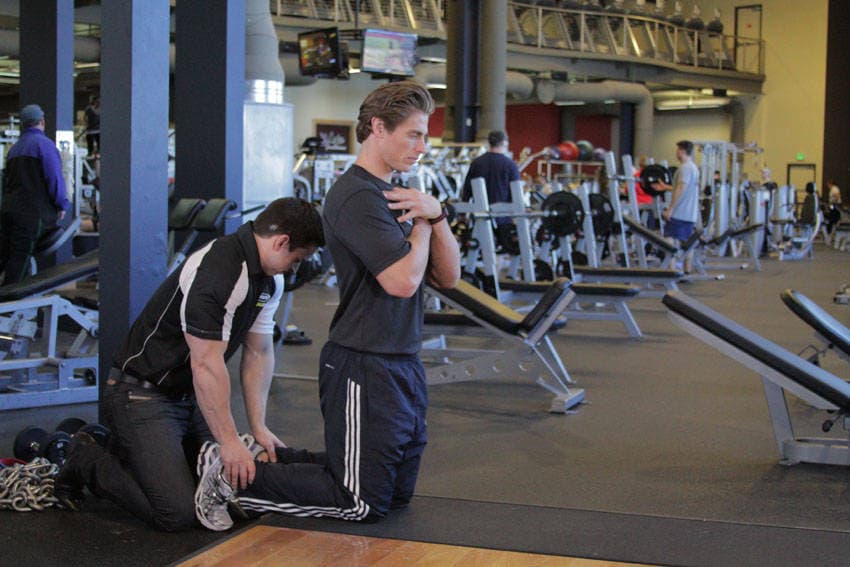
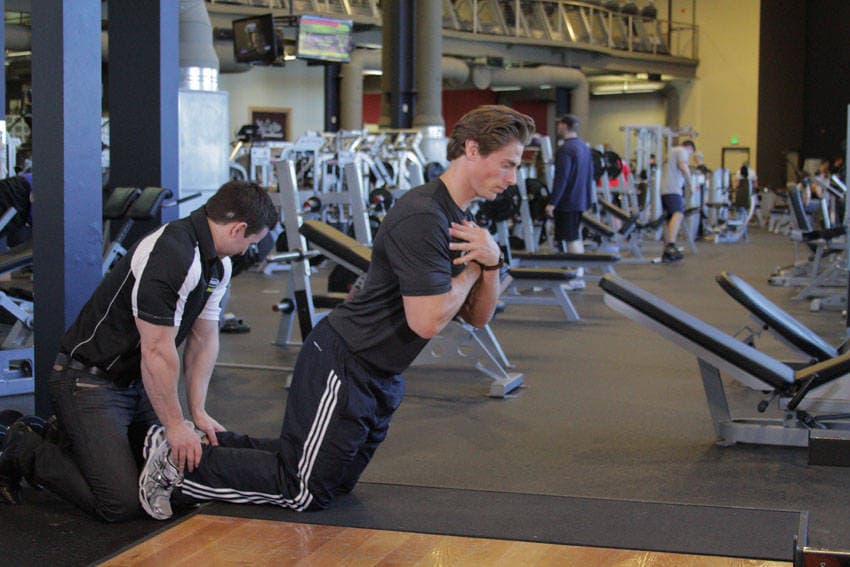
Floor Glute-Ham Raise
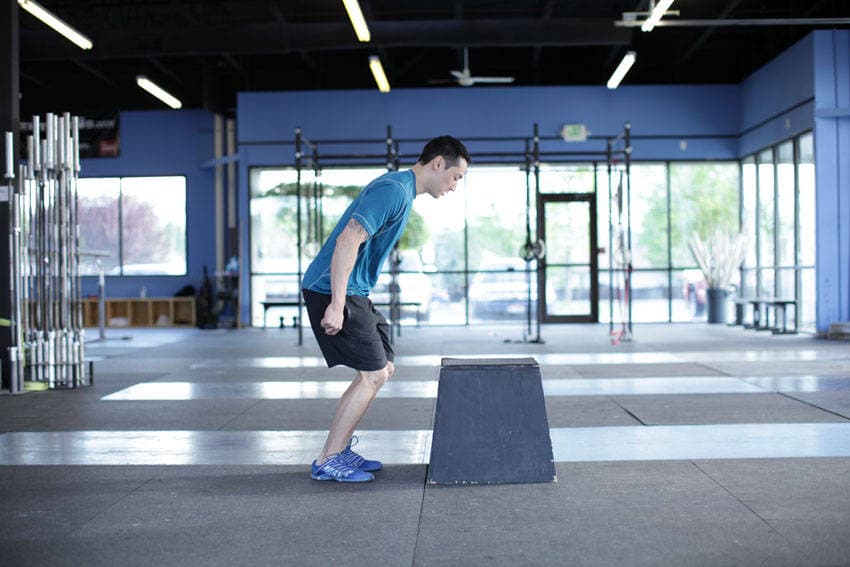
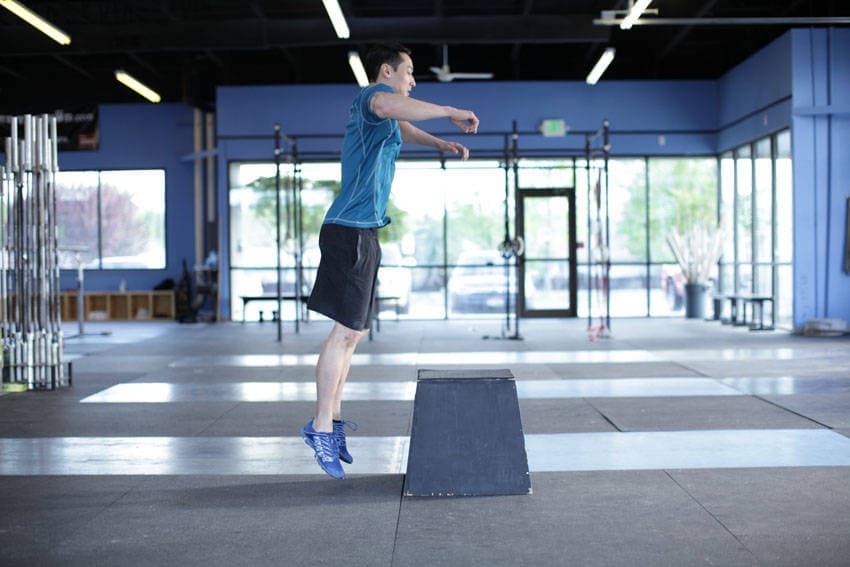
Front Box Jump
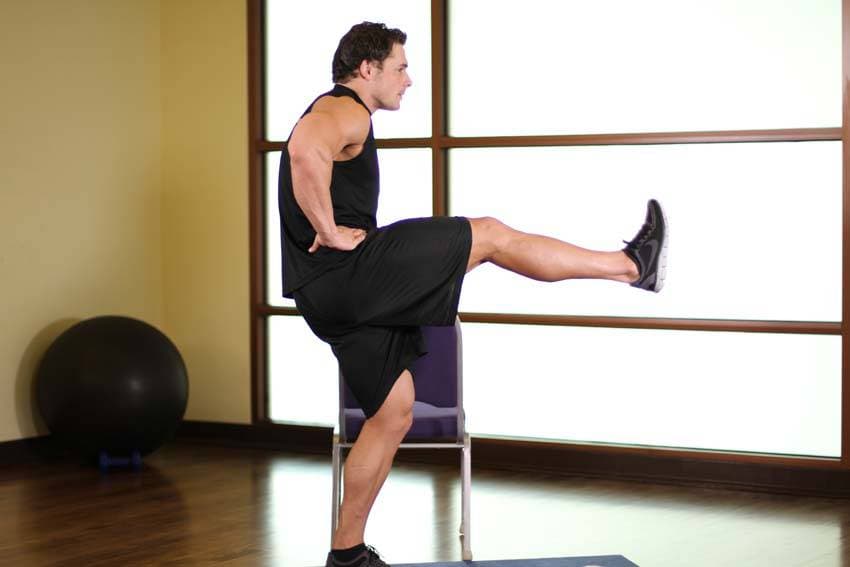
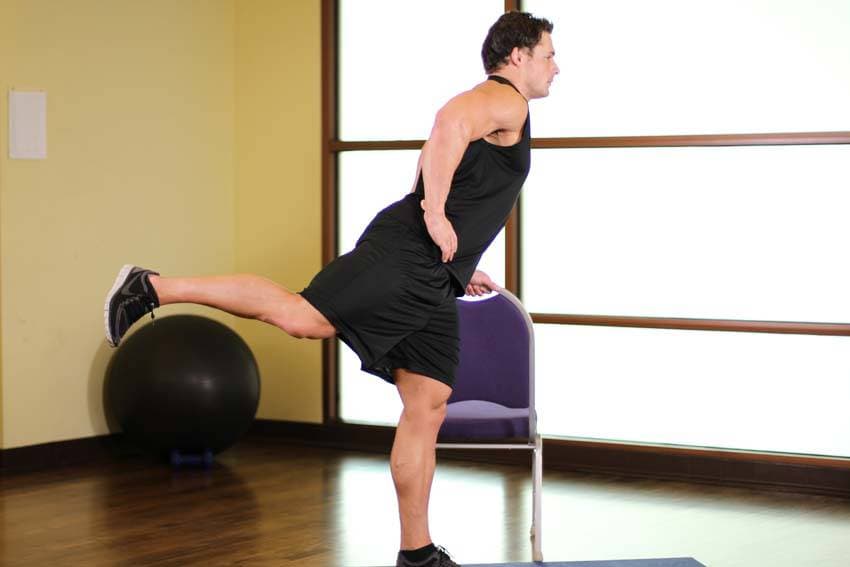
Front Leg Raises
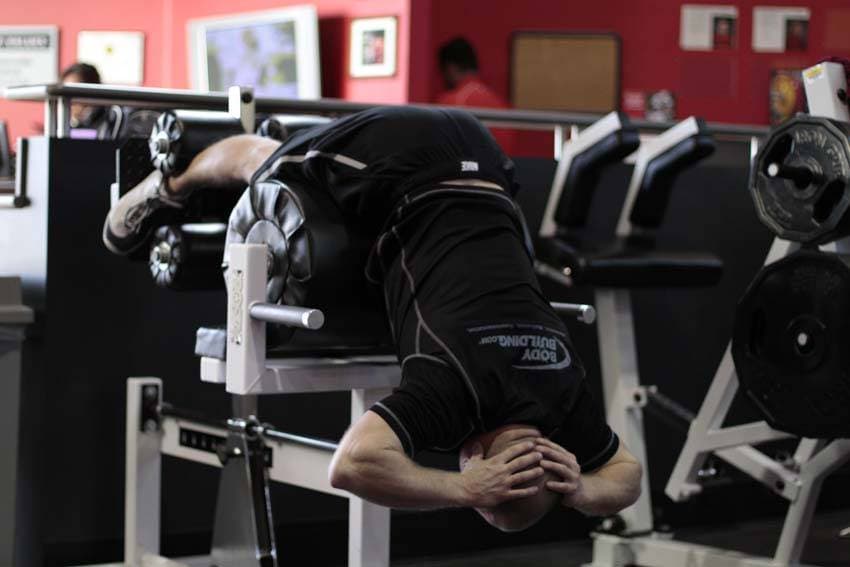
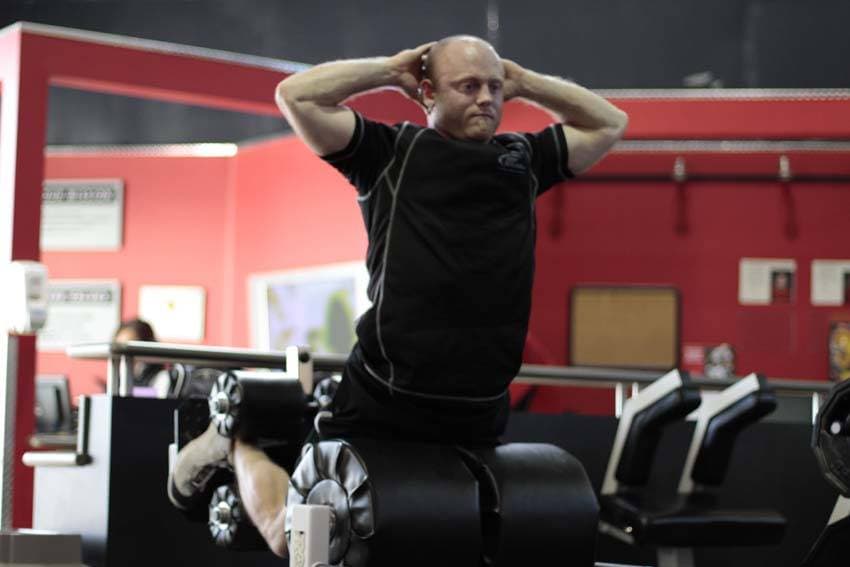
Glute Ham Raise
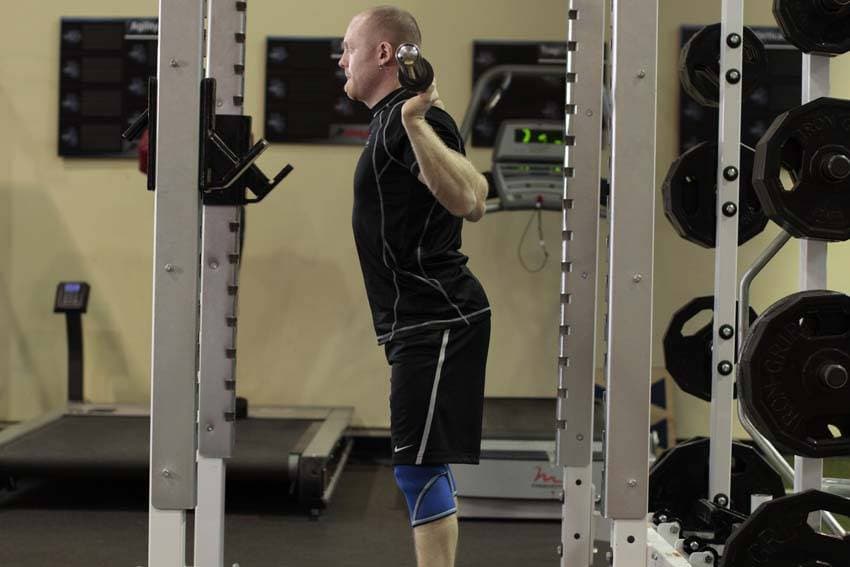
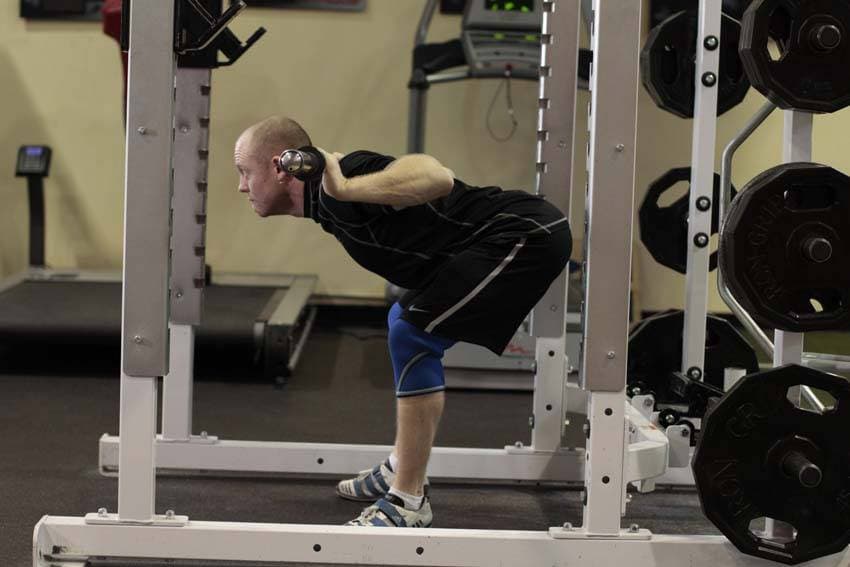
Good Morning
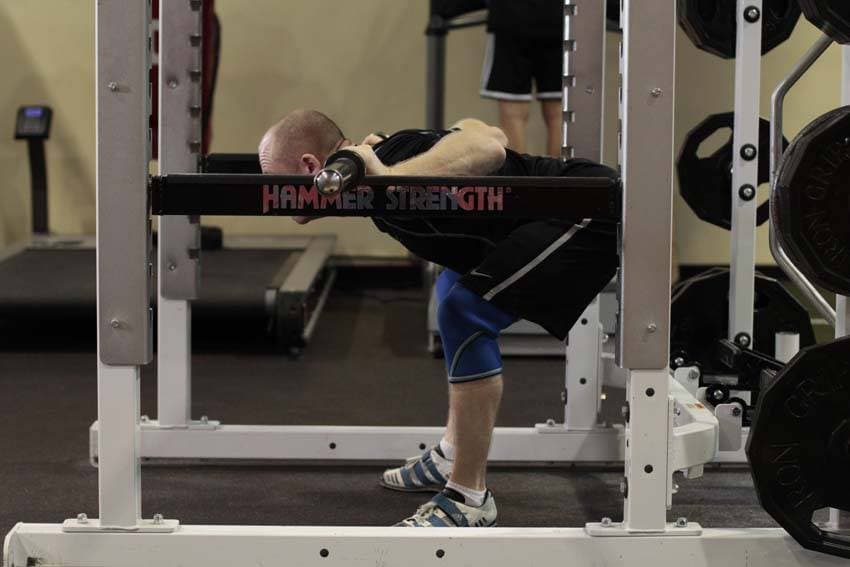
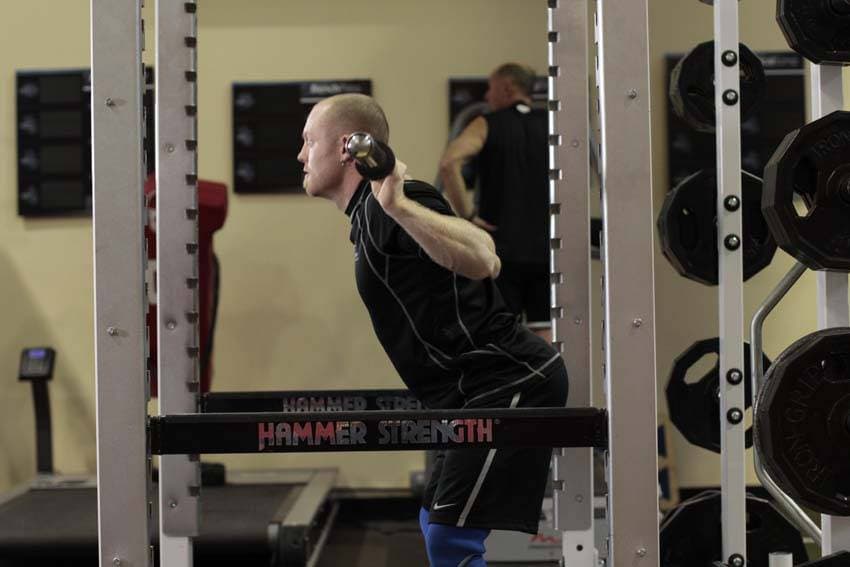
Good Morning off Pins
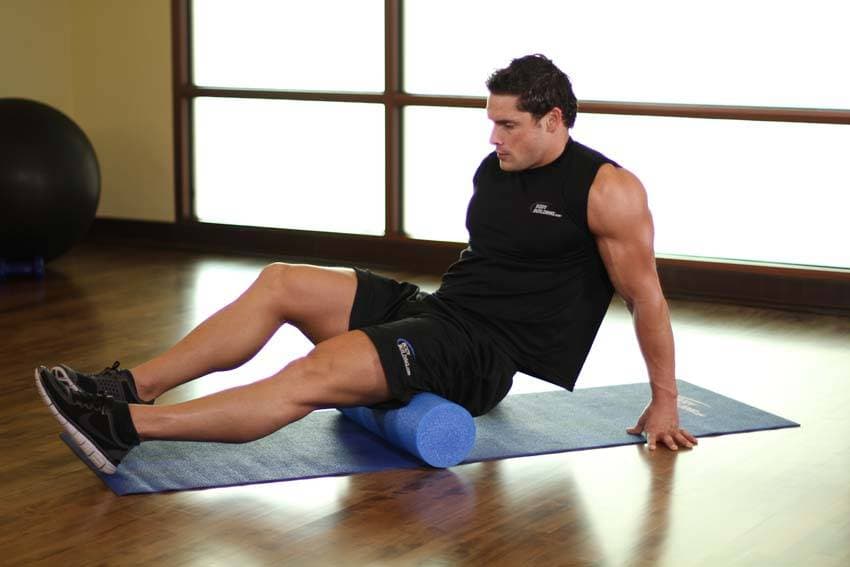
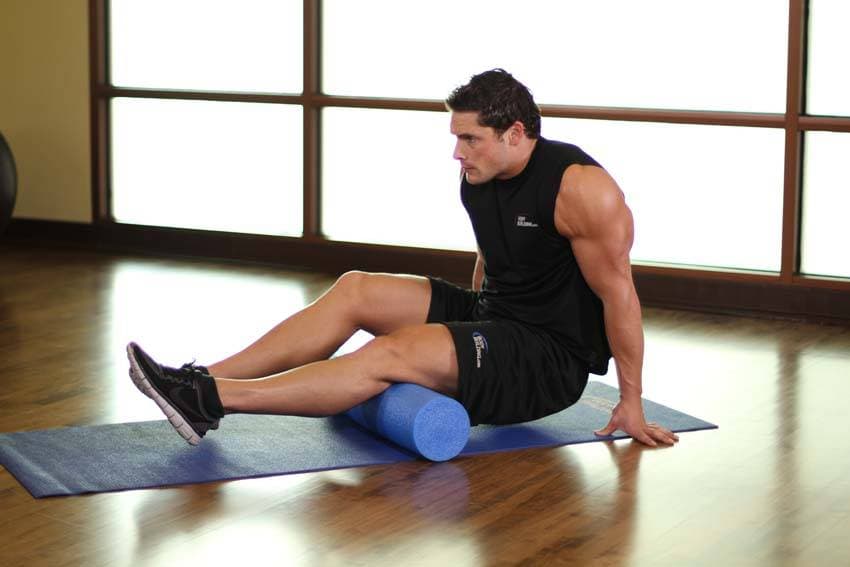
Hamstring-SMR
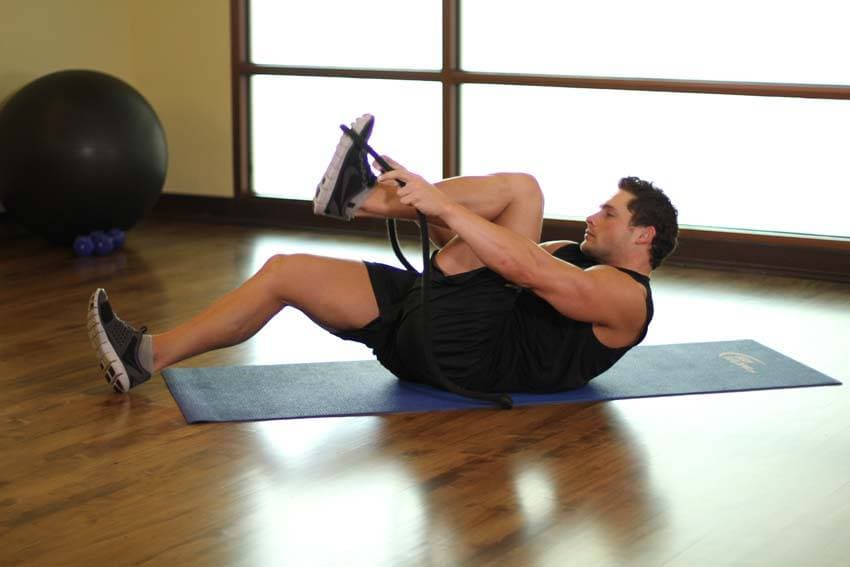
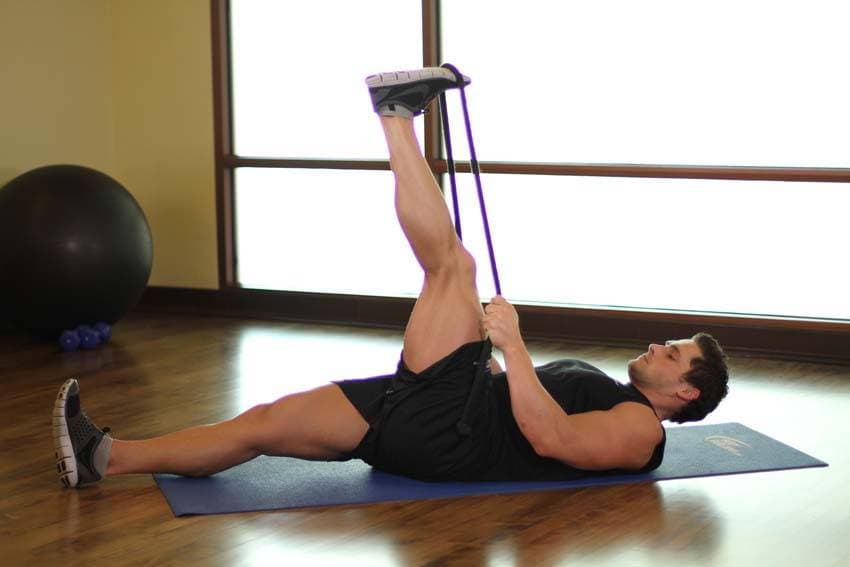
Hamstring Stretch
Also Works biceps femoris
10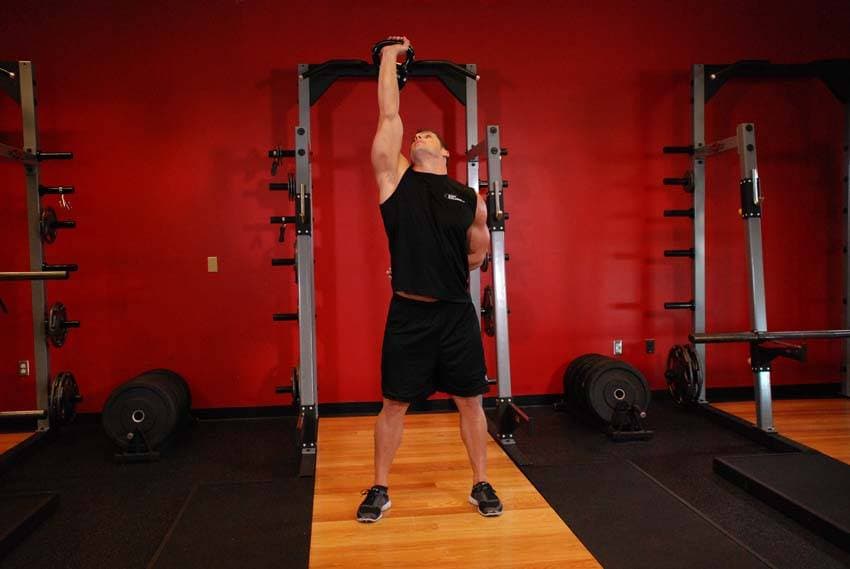
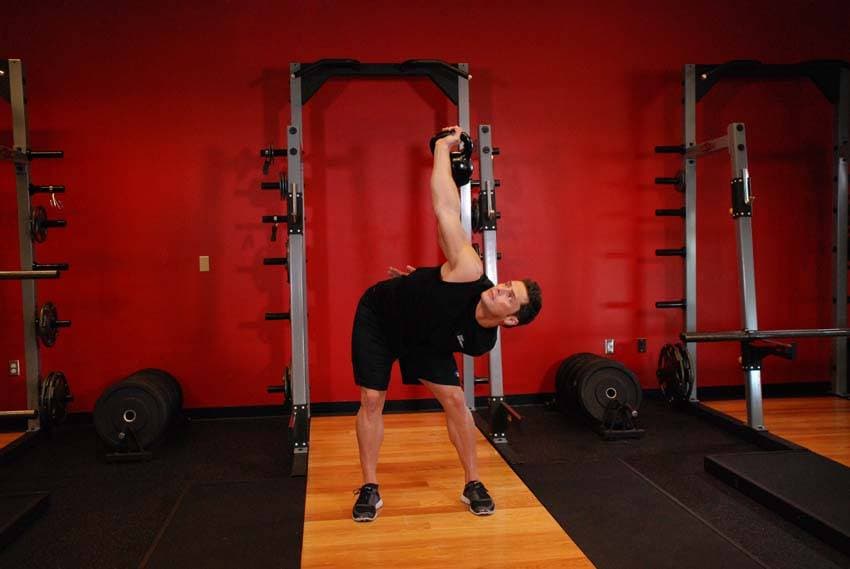
Advanced Kettlebell Windmill
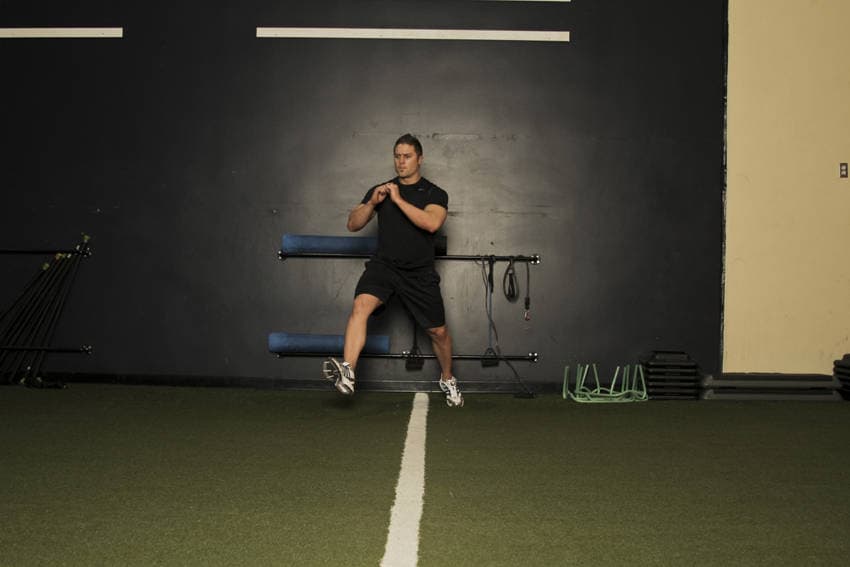
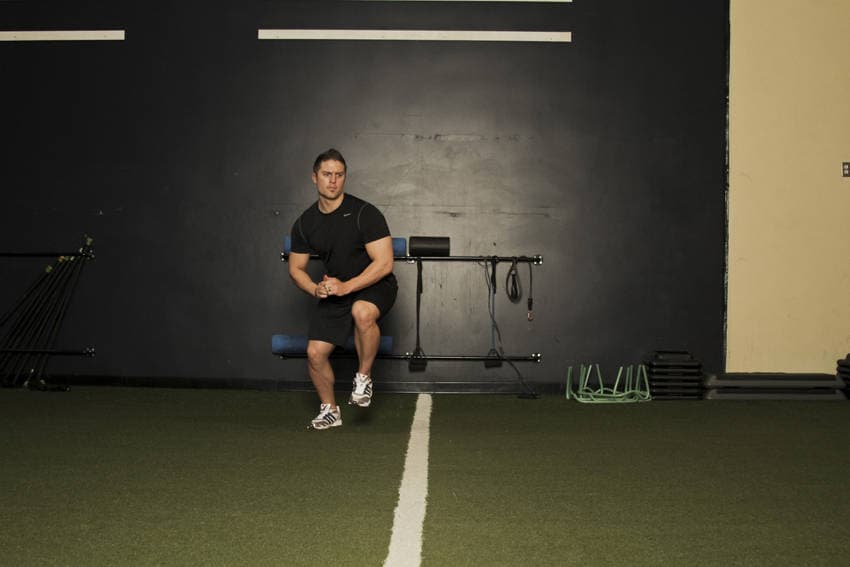
Alternate Leg Diagonal Bound
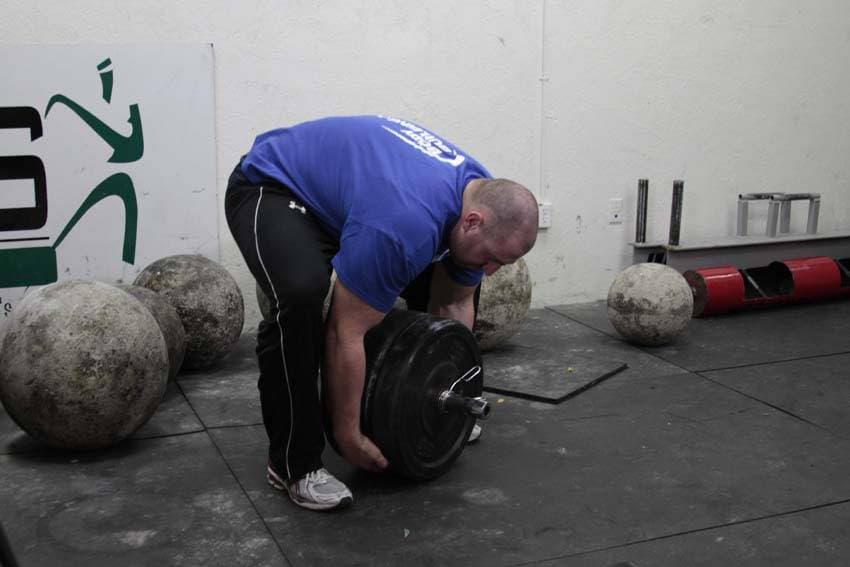
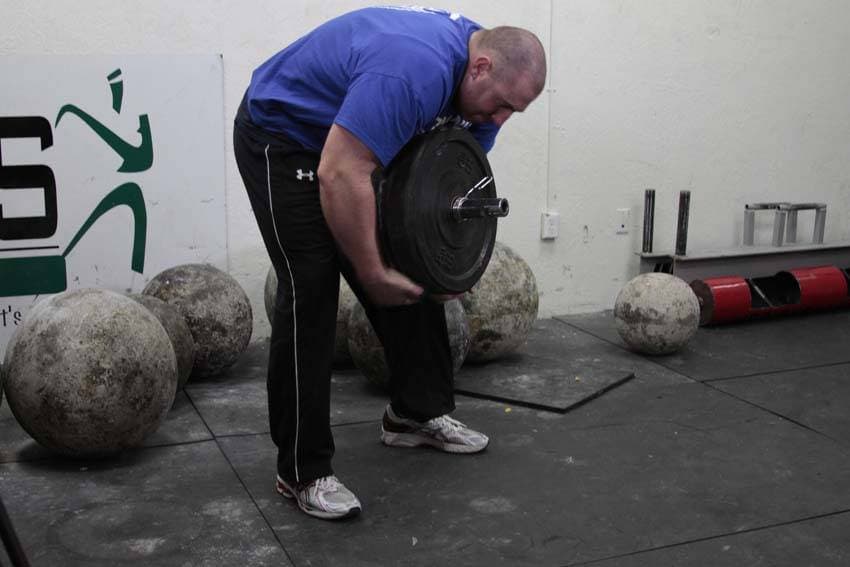
Atlas Stone Trainer
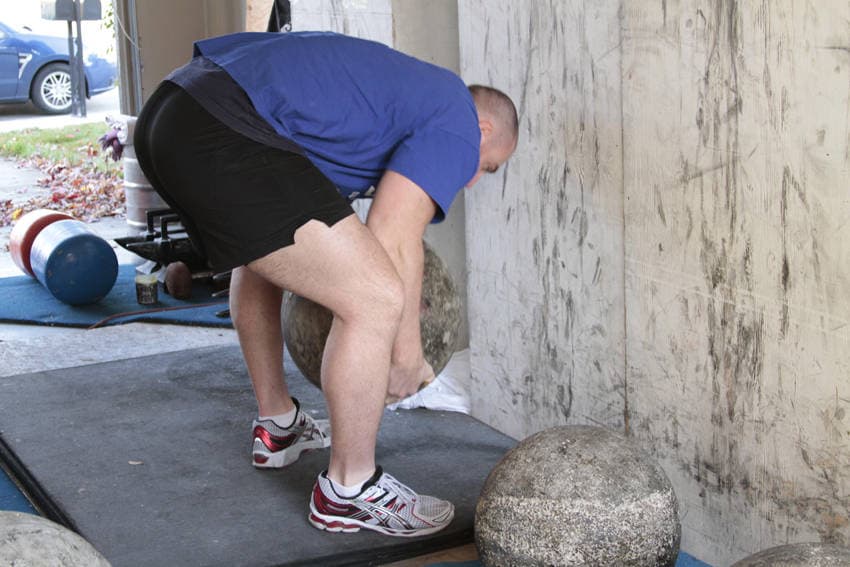
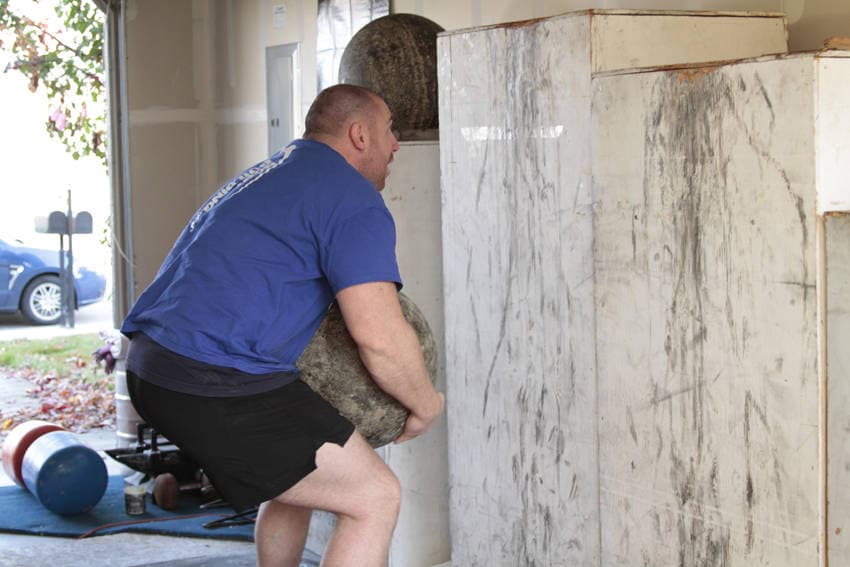
Atlas Stones
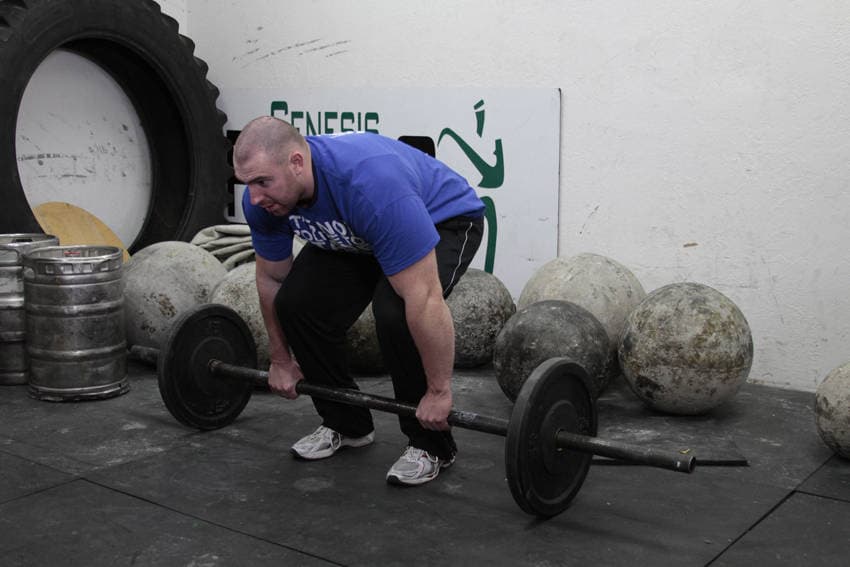
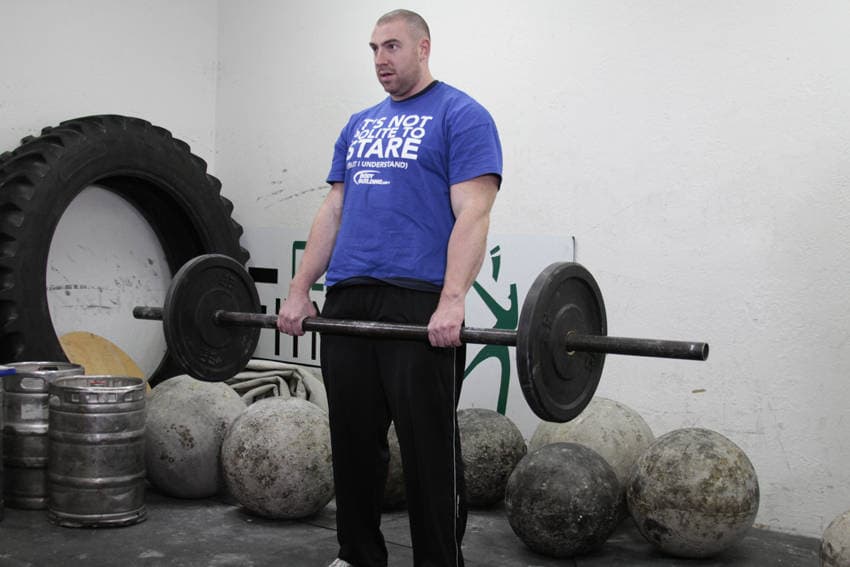
Axle Deadlift
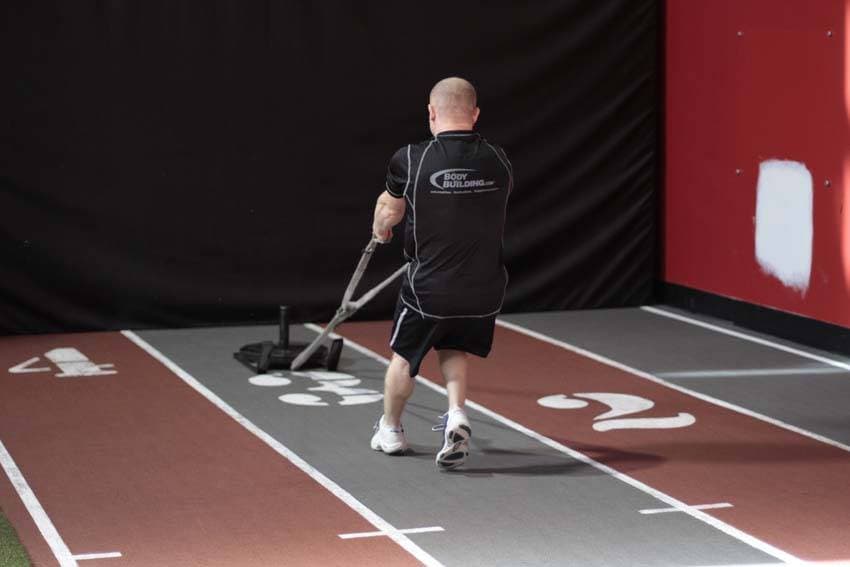
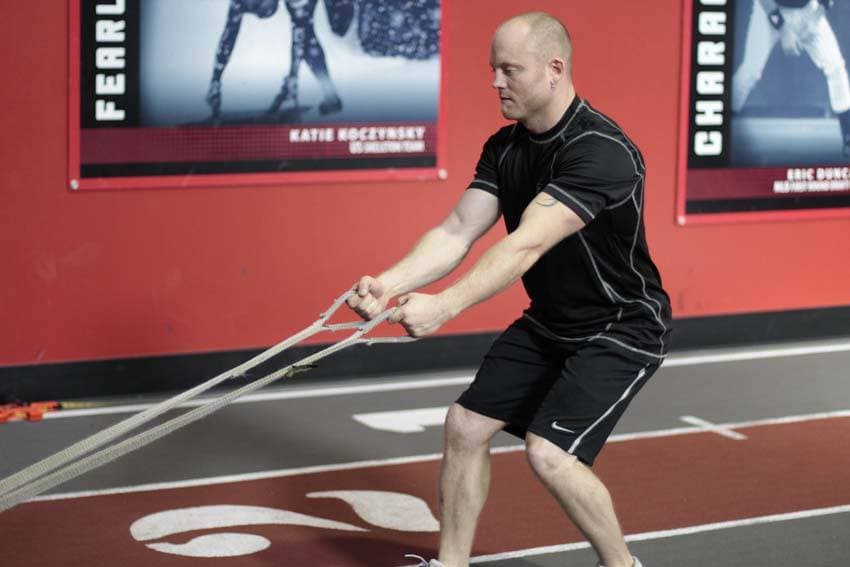
Backward Drag
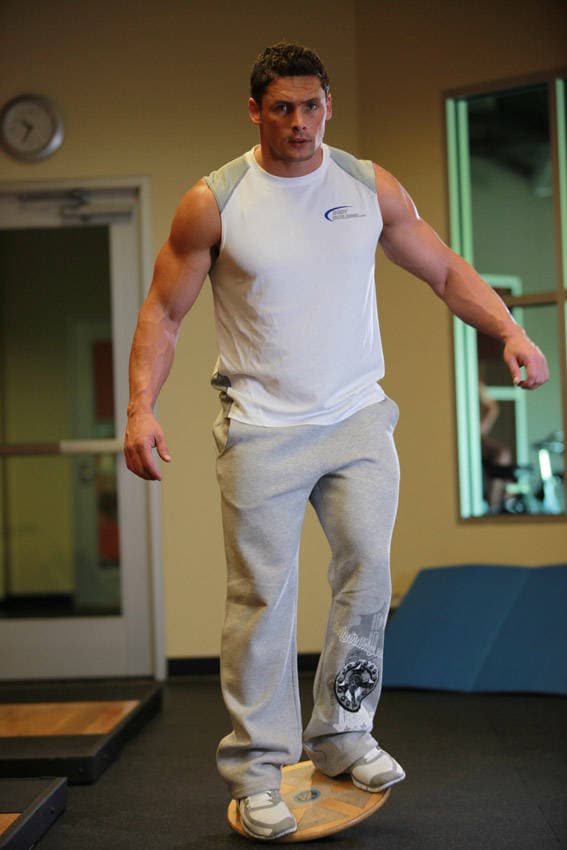
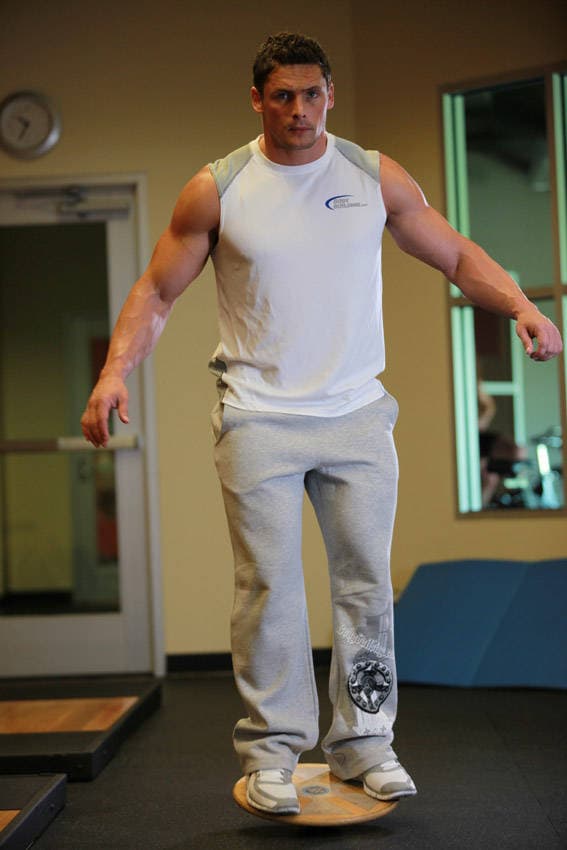
Balance Board
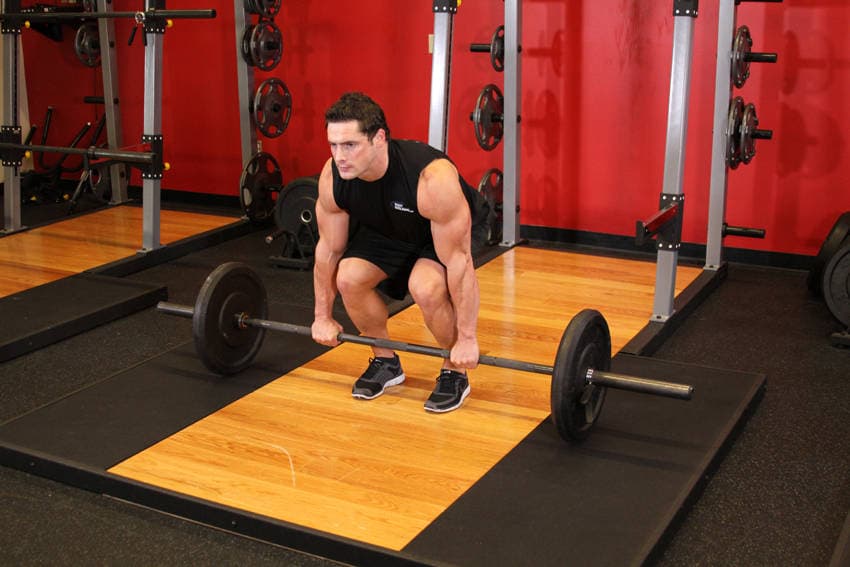
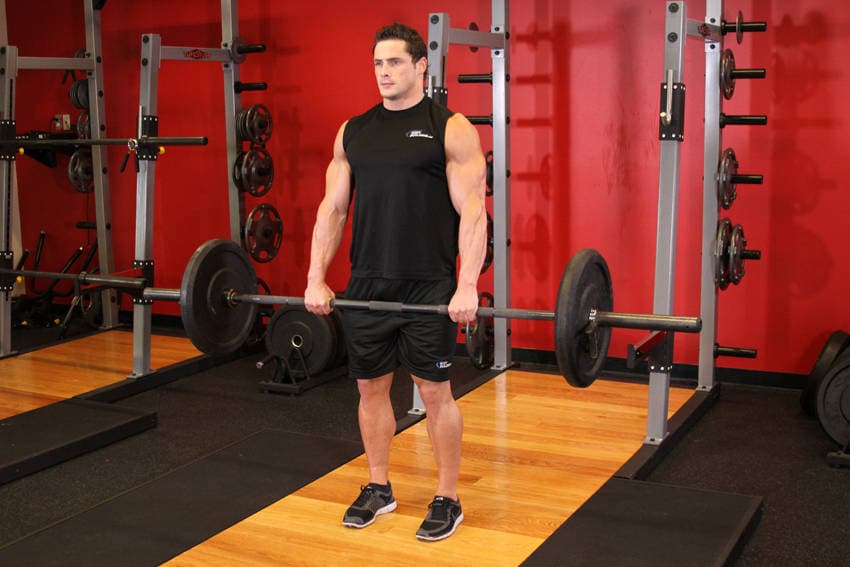
Barbell Deadlift
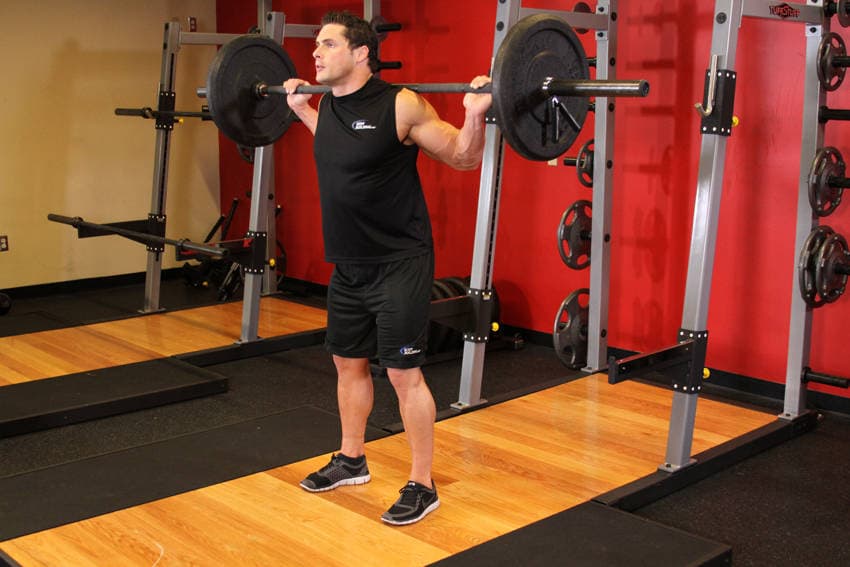
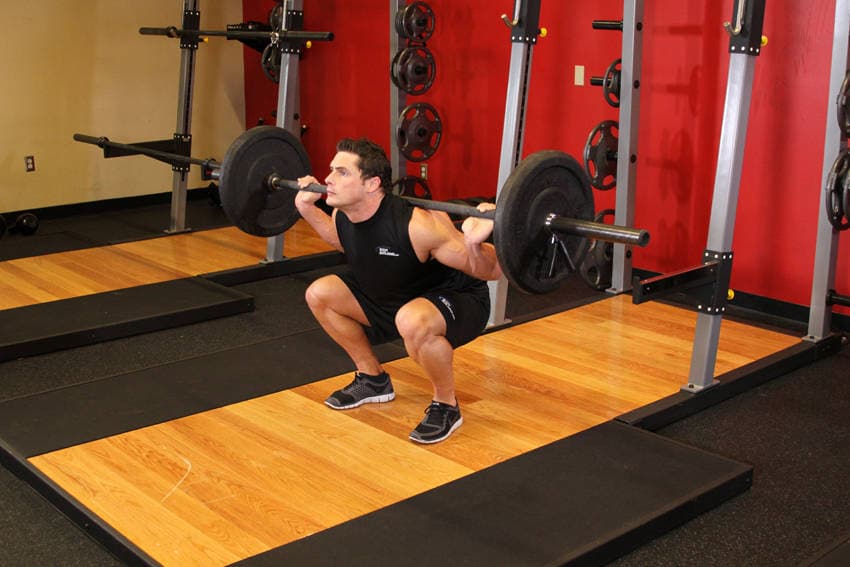
Barbell Full Squat
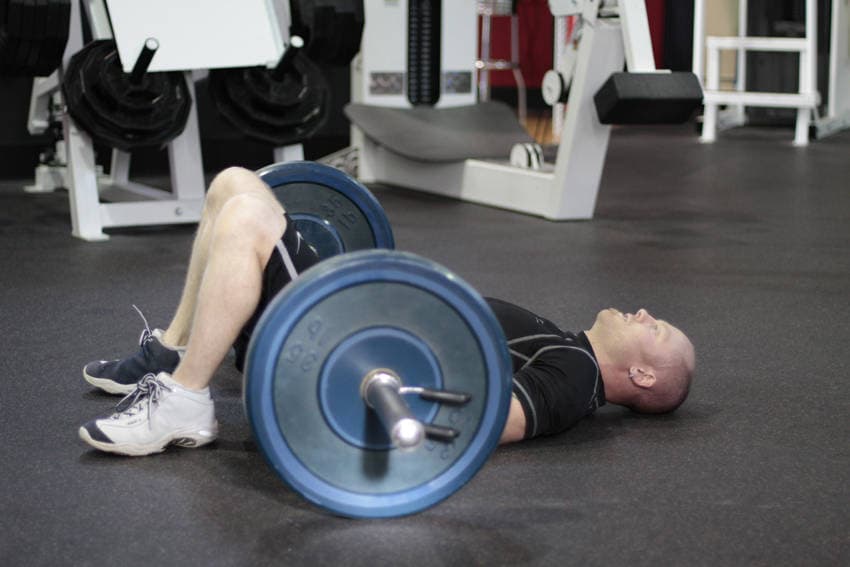
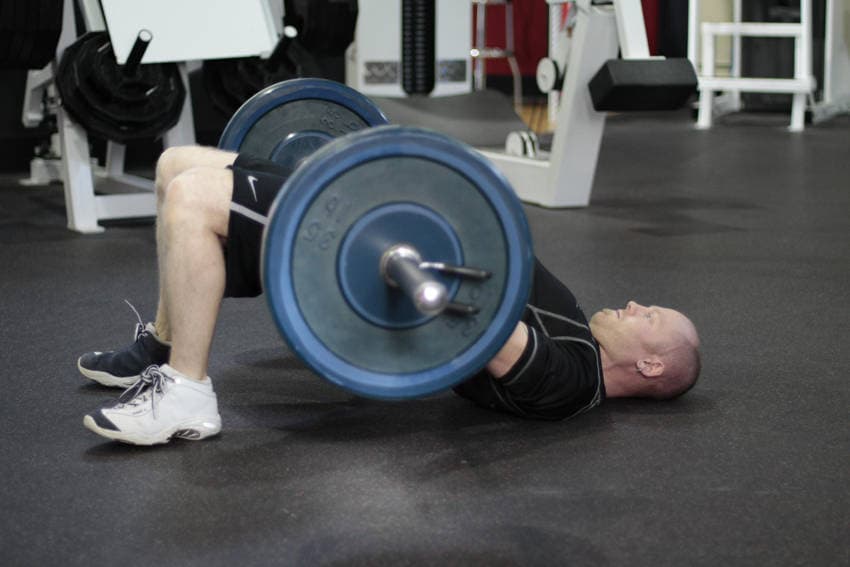
Barbell Glute Bridge
Related Thigh Muscles
Thigh Pain Guide
Common causes and relief
Activities & Sports
See which activities use biceps femoris