Forearm
Inner Elbow
Pain on the inner elbow is commonly called golfer's elbow or medial epicondylitis. It affects the wrist flexor muscles and pronators that attach to the medial epicondyle, and is aggravated by gripping, twisting, and flexing the wrist.
Medical Disclaimer
This information is for educational purposes only and does not constitute medical advice. Consult a qualified healthcare provider for proper diagnosis and treatment of any pain or medical condition.
Common Causes
Golfer's elbow (medial epicondylitis) from repetitive gripping
Wrist flexor strain from throwing or racket sports
Ulnar nerve irritation at the cubital tunnel
Overuse from heavy lifting with a flexed wrist
Repetitive pronation movements
Muscles in This Area
6Forearm
flexor carpi radialis
Flexor carpi radialis is a forearm muscle that flexes and abducts the wrist toward the thumb side. Vital for hammering motions, pull-ups, and racket swings. Fitness staple for wrist strength in gymnastics and weights.
Forearm
palmaris longus
The palmaris longus is a slender forearm muscle running from elbow to palm, aiding wrist flexion and tensing the palmar aponeurosis for grip. Absent in 14% of people, it's key for climbers and grip athletes. It contributes to forearm endurance in pulling exercises.
Forearm
flexor digitorum superficialis
This superficial forearm muscle flexes the middle joints of fingers 2-5, key for precise hand control in sports like tennis or guitar playing. It sits in the anterior forearm, aiding in everything from typing to throwing. Balanced strength prevents imbalances with extensors.
Forearm
Humeral head of left pronator teres
The humeral head of the left pronator teres originates from your left inner elbow and crosses to the mid-forearm, rotating the forearm palm-down. It's key for turning motions in daily tasks and sports like golf or throwing. Building it prevents forearm fatigue and rotation imbalances.
Forearm
Humeral head of right pronator teres
This right-side humeral head of pronator teres links inner right elbow to mid-forearm, powering palm-down rotation for throwing, swinging, or tool use. Essential for right-dominant athletes to balance forearm rotators and avoid overuse.
Forearm
flexor digitorum profundus
Located in the deep anterior forearm, the flexor digitorum profundus flexes the distal joints of fingers 2-5, enabling a strong grip. It's vital for power activities like rock climbing, weightlifting, or crushing a grip trainer. Weakness here leads to dropped fingers and poor hand function.
Stretches That May Help
Recommended Exercises
12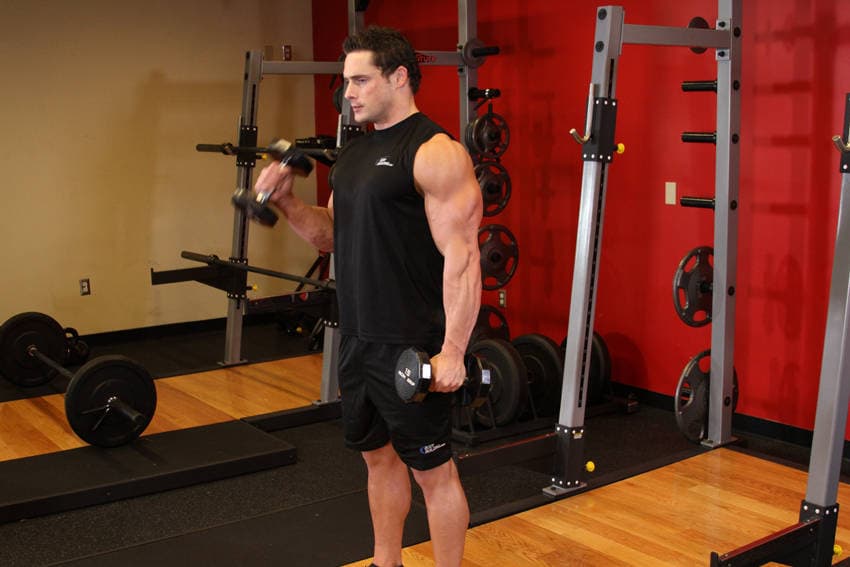
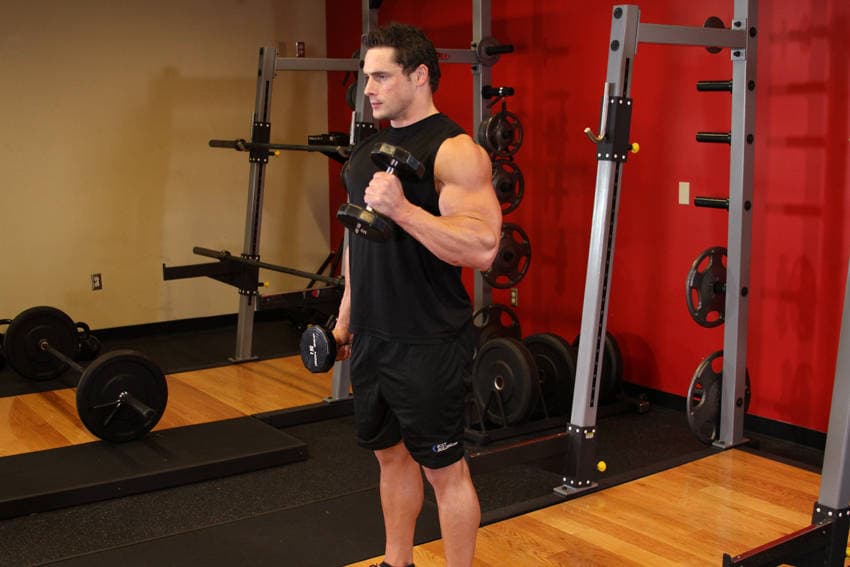
Alternate Hammer Curl
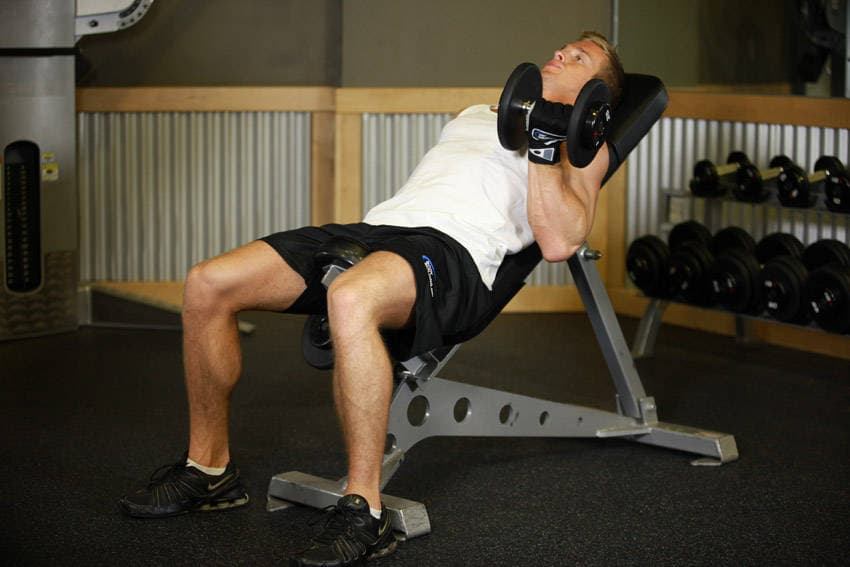
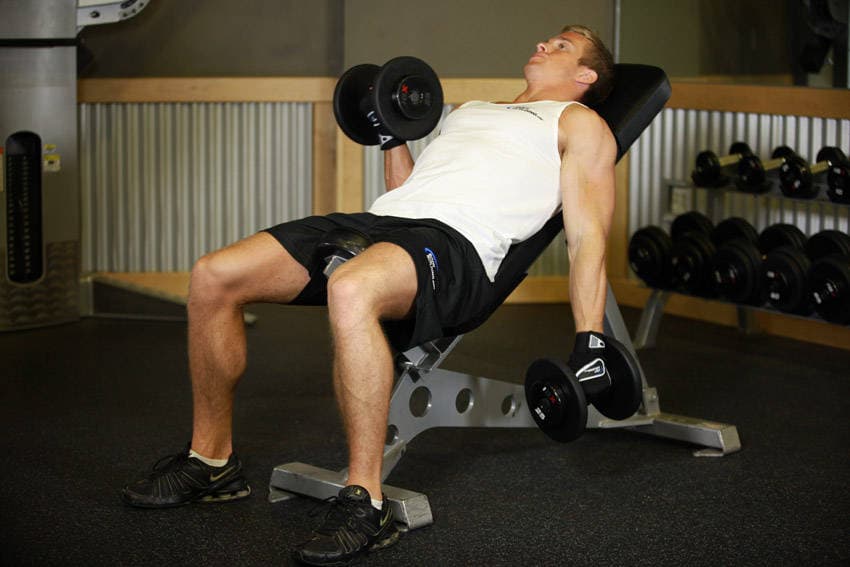
Alternate Incline Dumbbell Curl
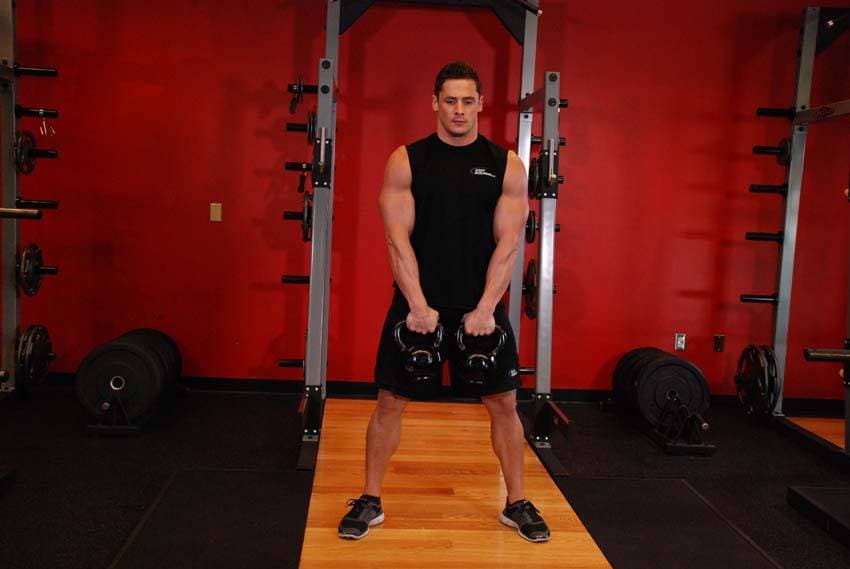
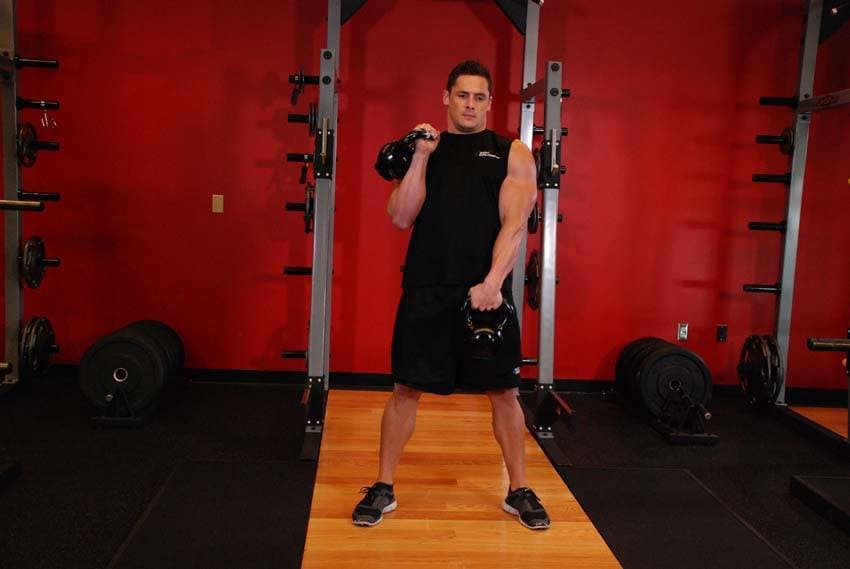
Alternating Hang Clean
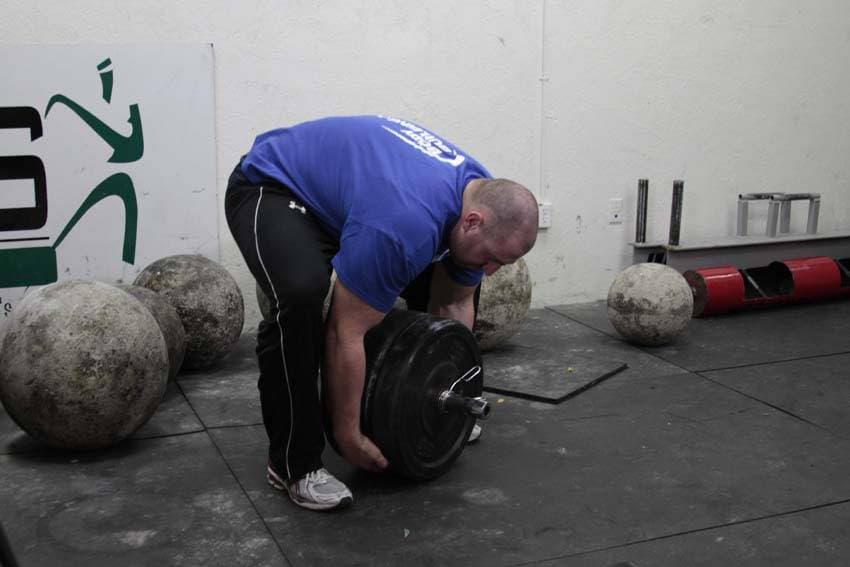
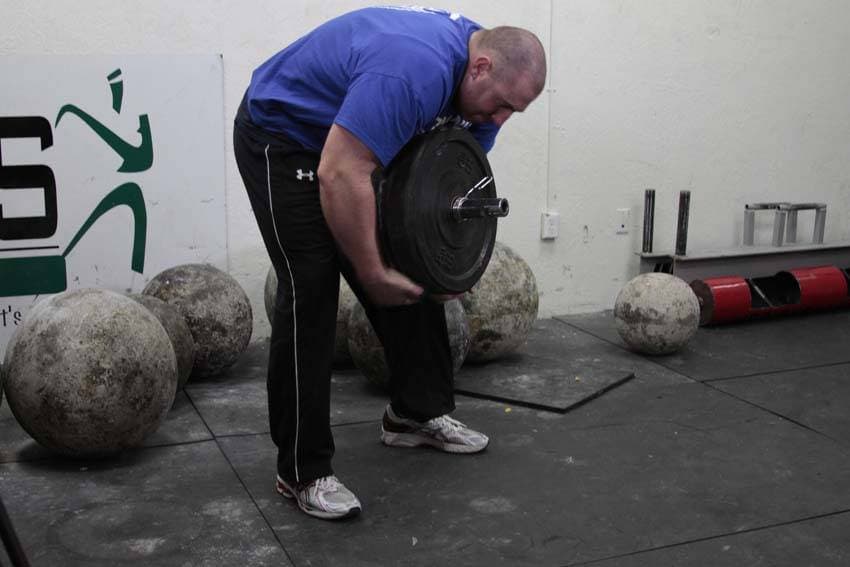
Atlas Stone Trainer
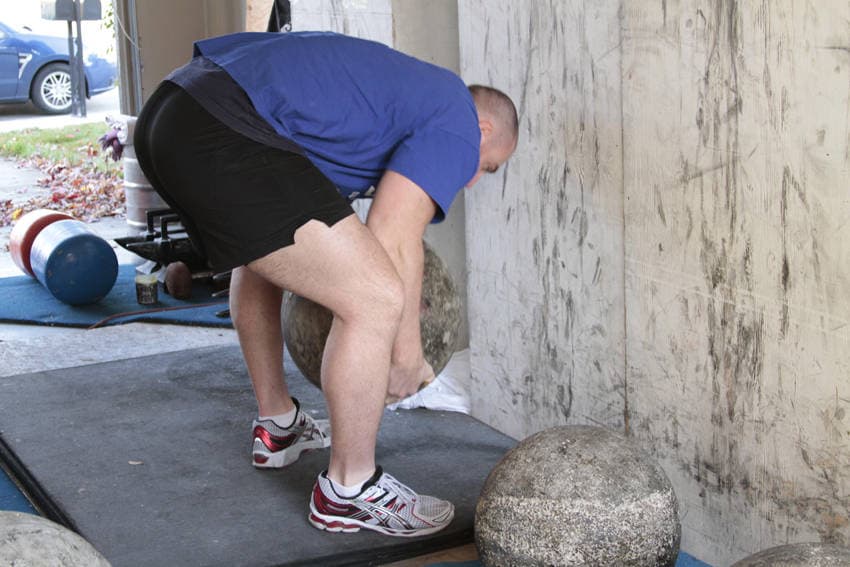
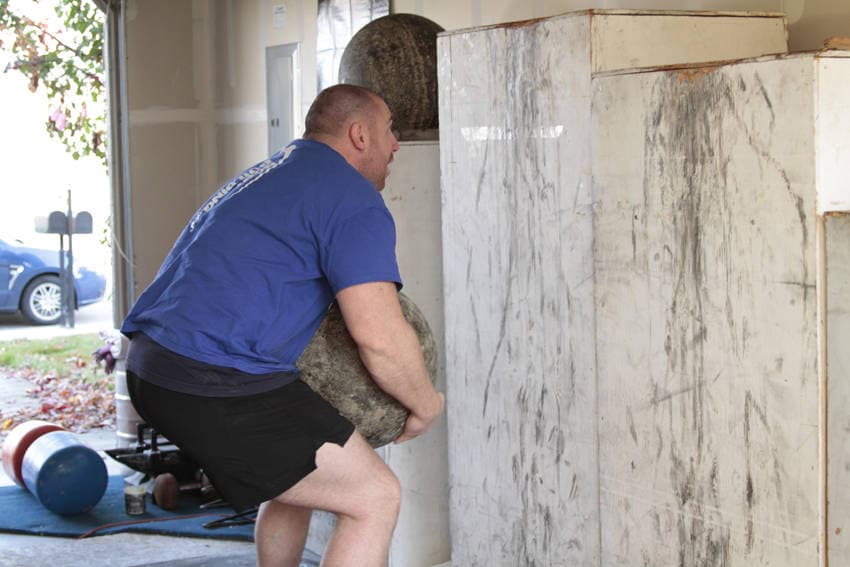
Atlas Stones
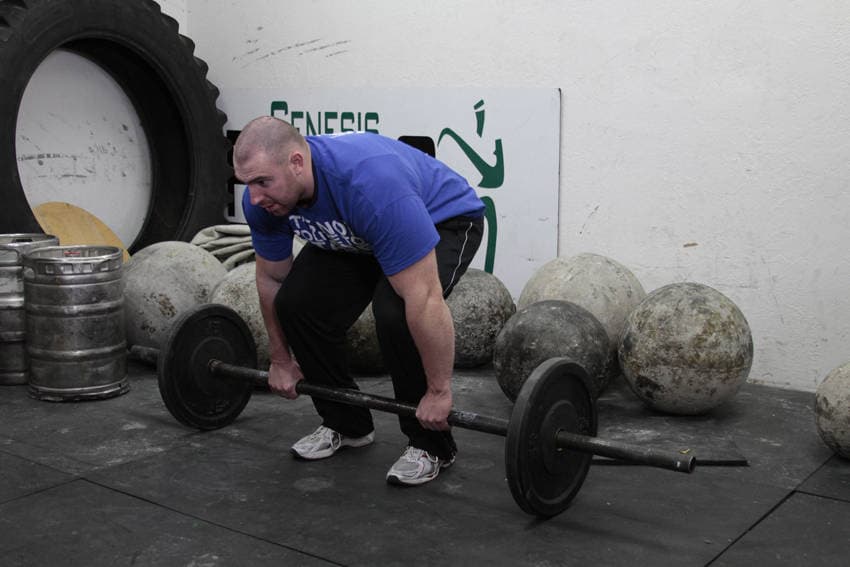
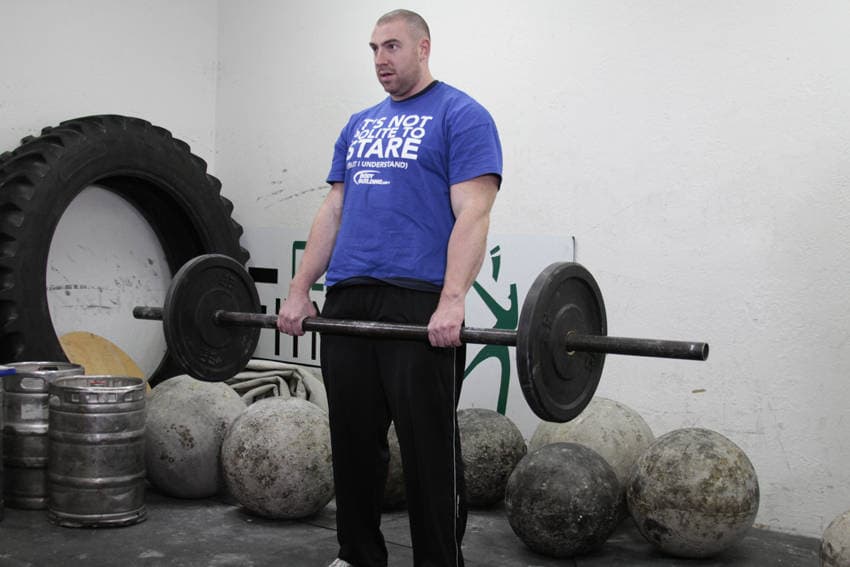
Axle Deadlift

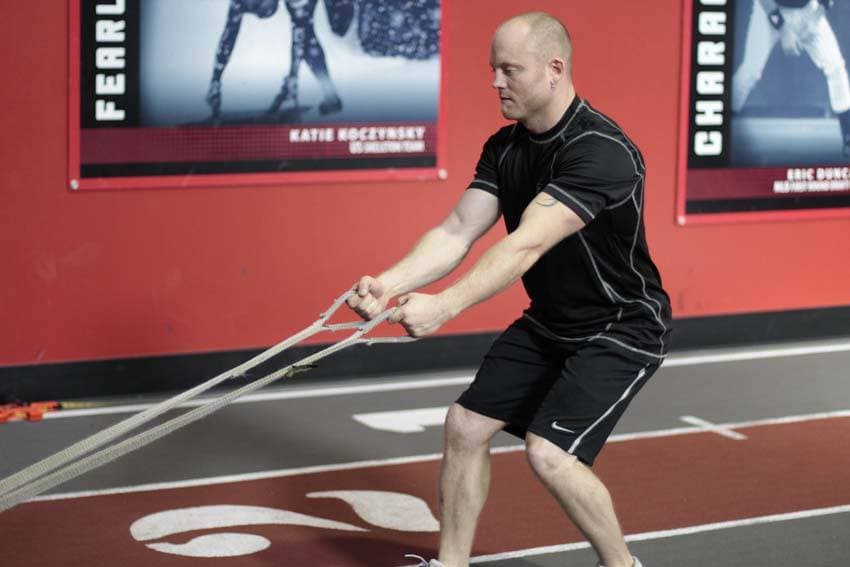
Backward Drag
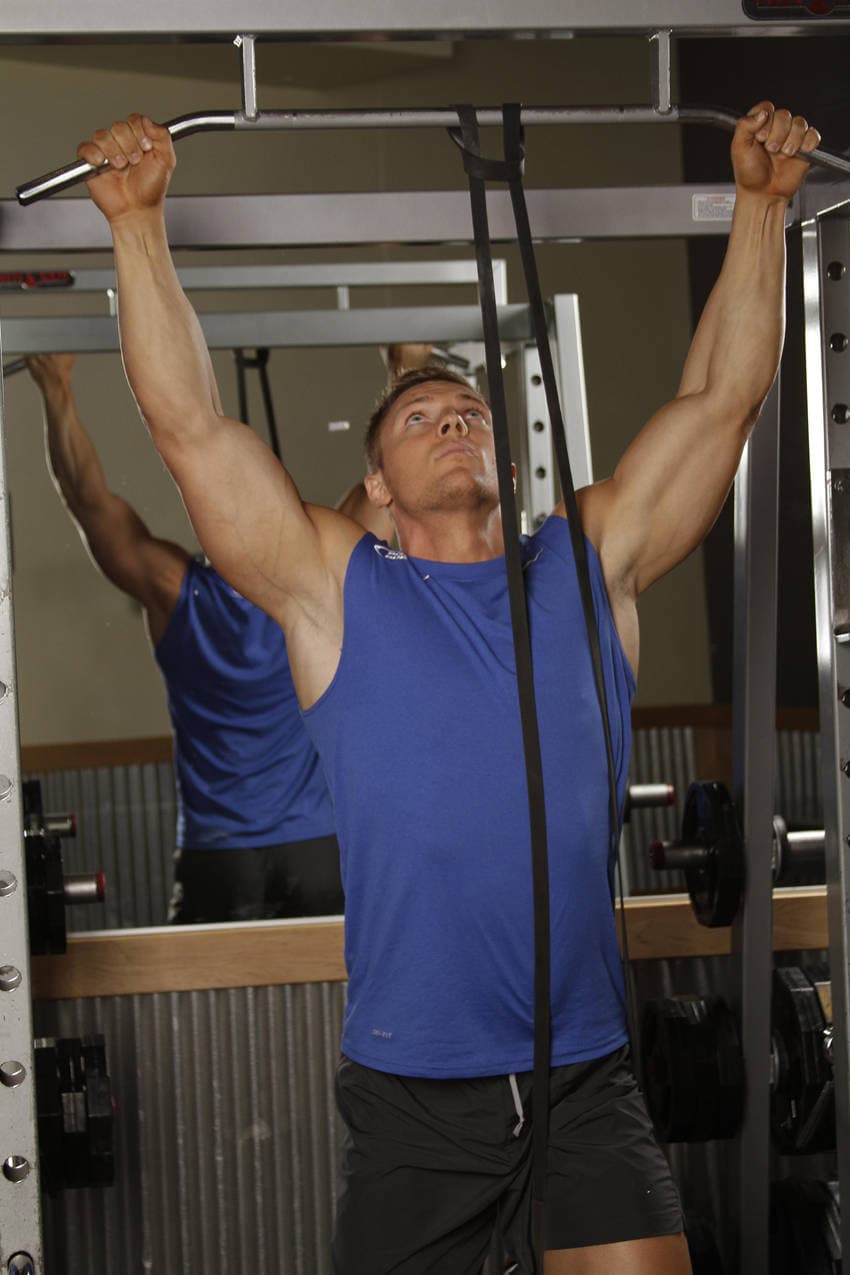
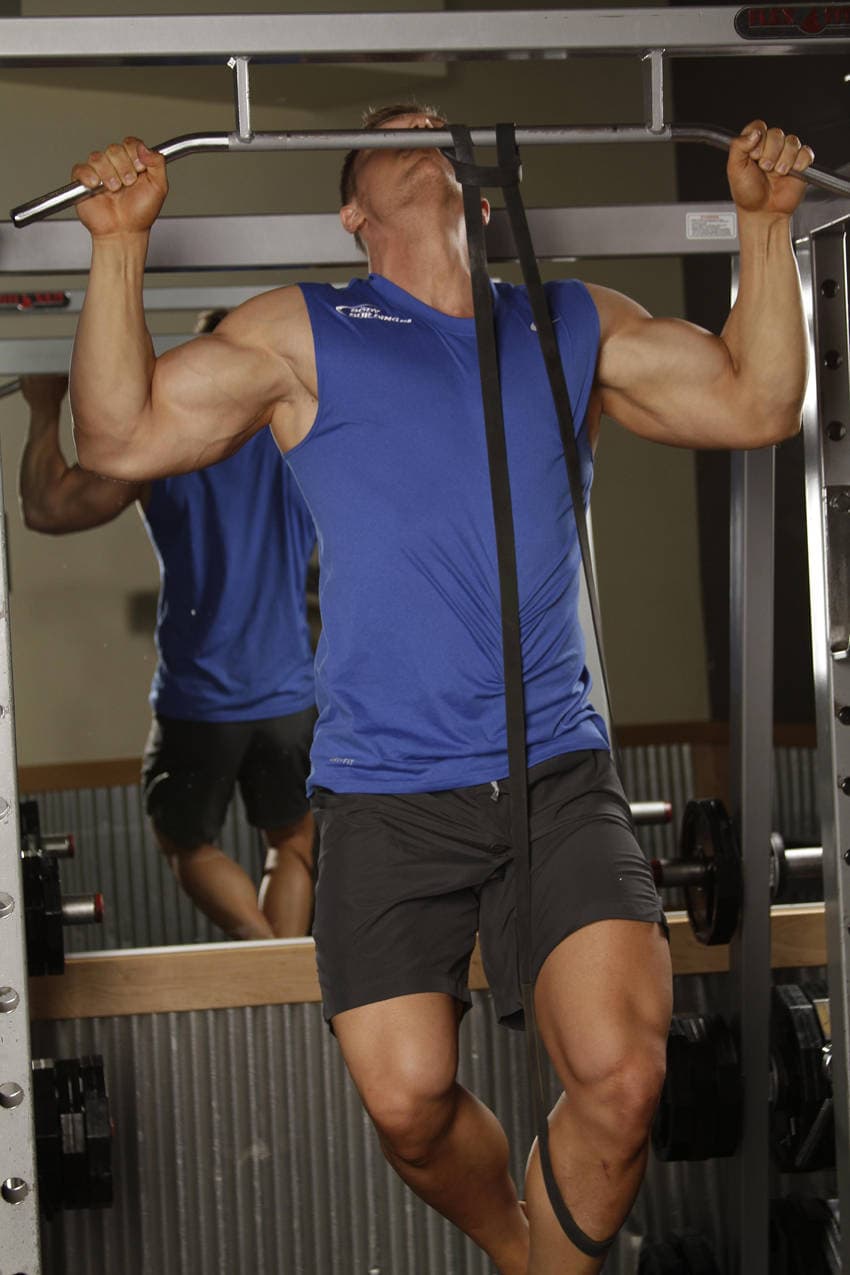
Band Assisted Pull-Up
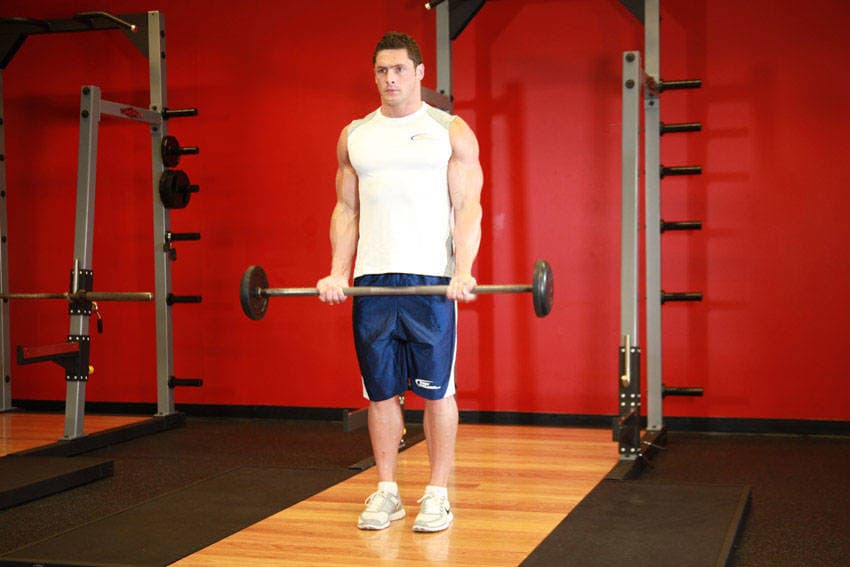
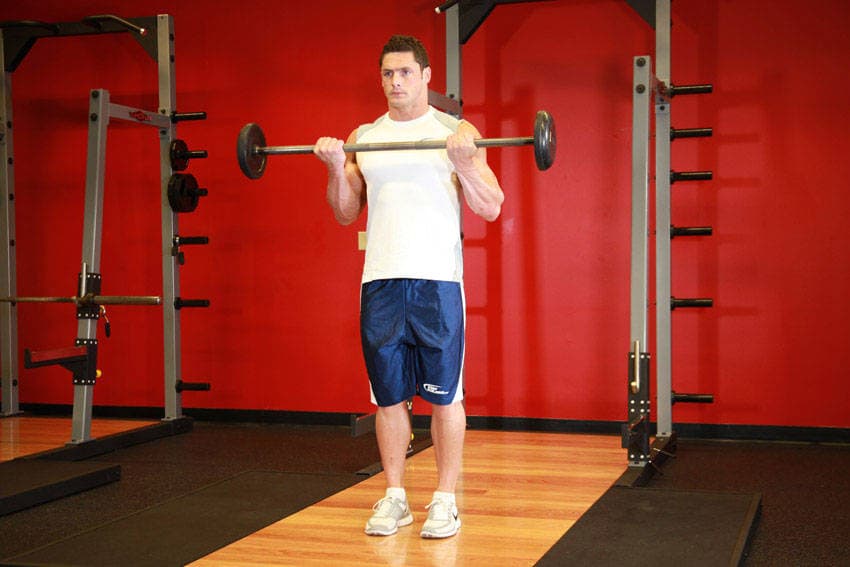
Barbell Curl
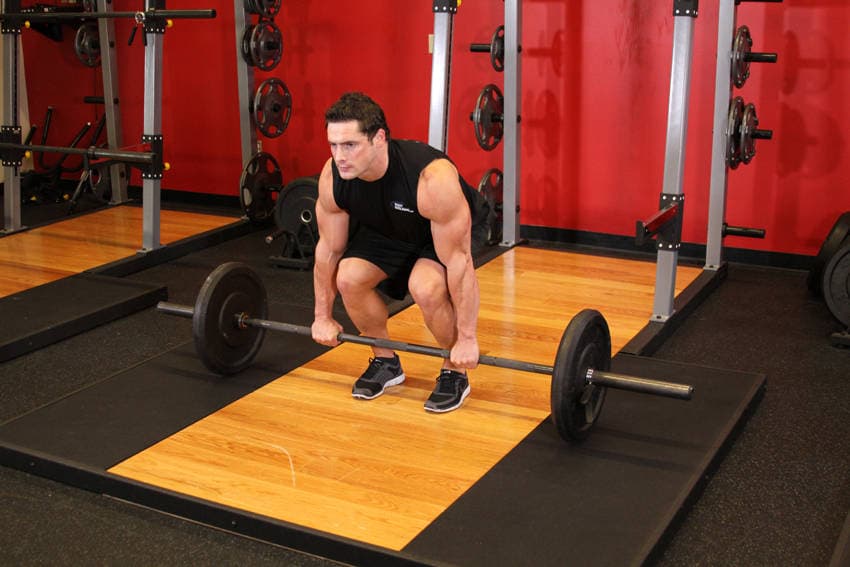
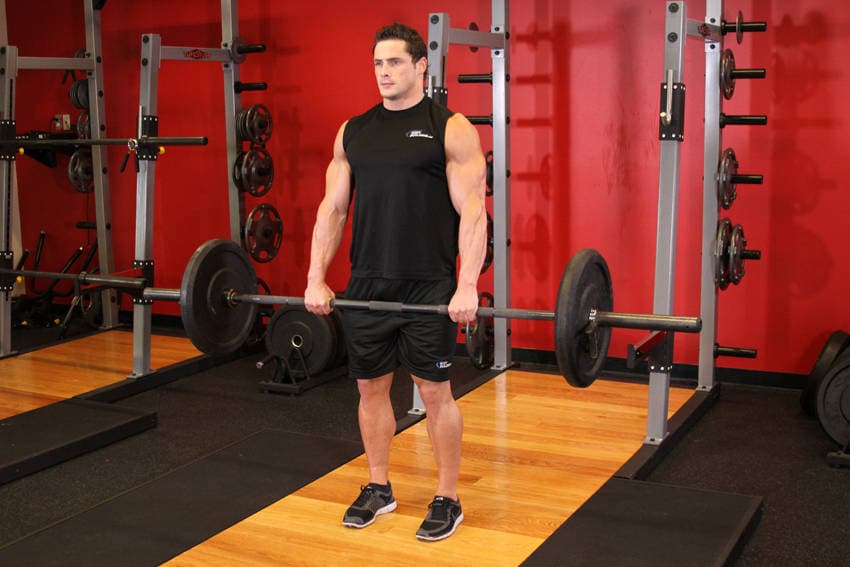
Barbell Deadlift
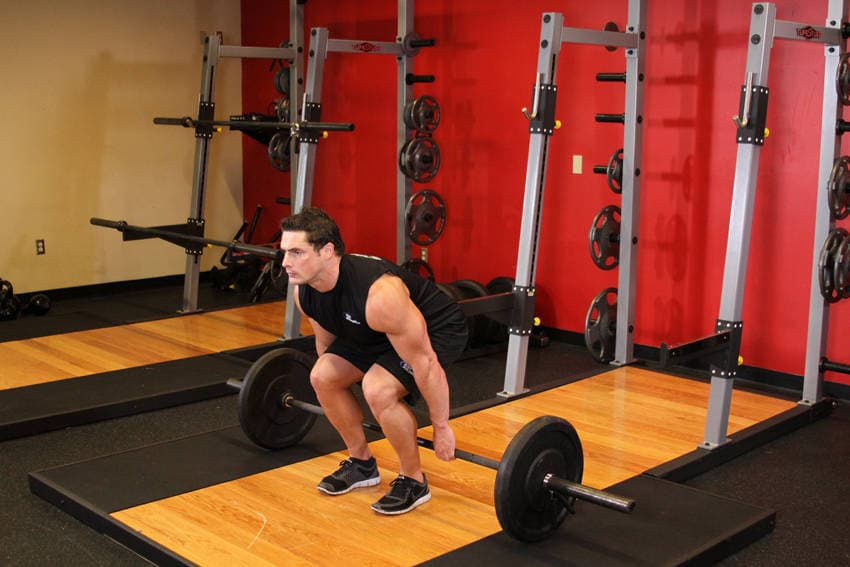
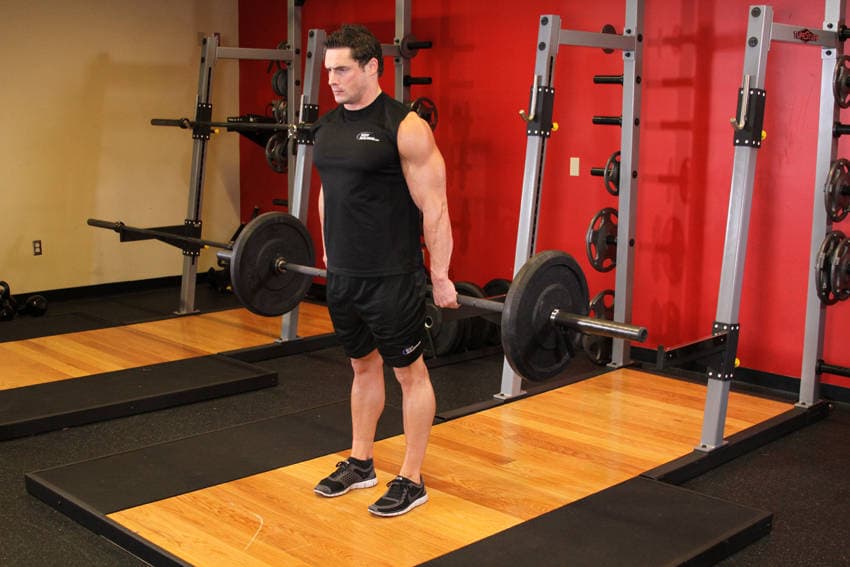
Barbell Hack Squat
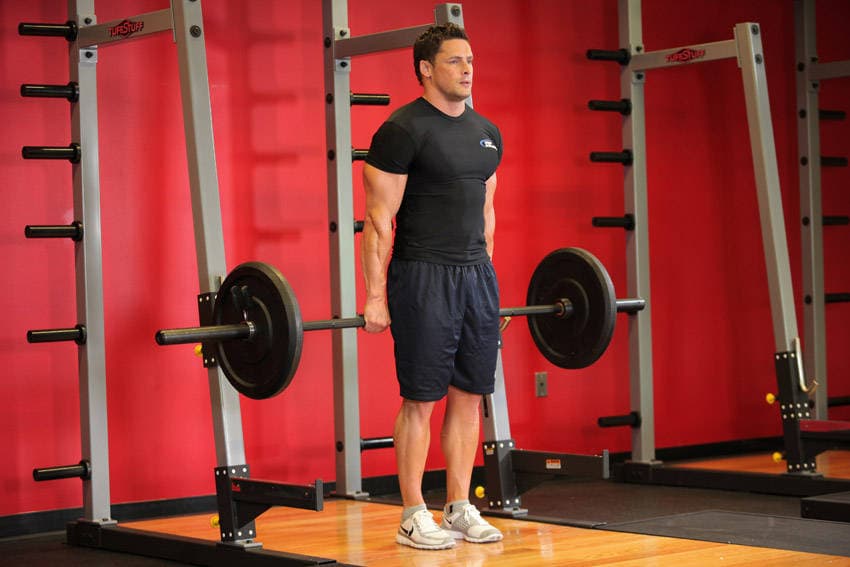
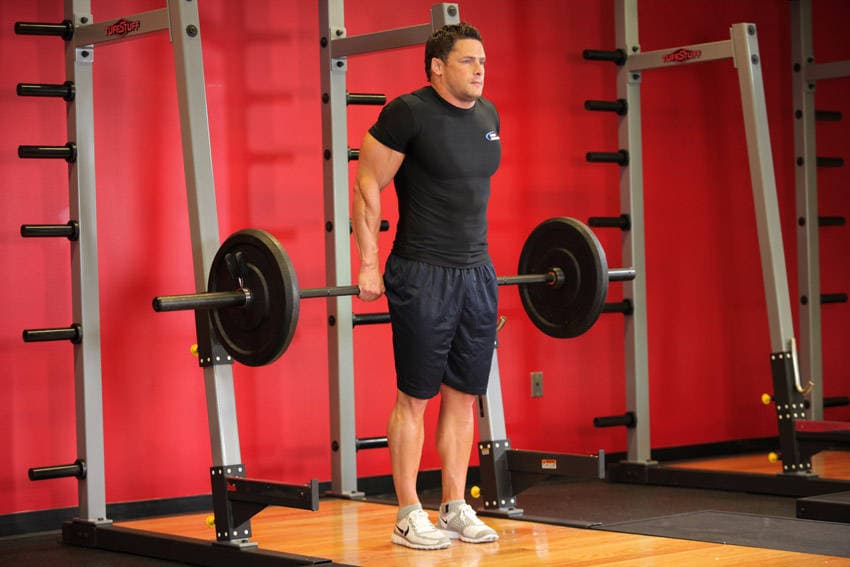
Barbell Shrug Behind The Back
When to See a Doctor
Seek medical attention if you experience tingling or numbness in the ring and little fingers, persistent weakness in the hand, or if elbow pain does not improve after several weeks of rest.
Self-Care Tips
Ice the inner elbow for 15-20 minutes after activities
Perform eccentric wrist flexion exercises with light resistance
Stretch the wrist flexors by extending the wrist with the arm out straight
Avoid gripping activities that worsen the pain
Related Forearm Pain
Forearm Muscles
Explore all forearm muscles in 3D
Activities & Sports
Find which activities involve this area