Forearm
Top of Forearm
Pain on the top (dorsal) side of the forearm involves the wrist and finger extensors. These muscles are heavily used in gripping, typing, and any activity requiring wrist stabilization, making them susceptible to overuse and trigger points.
Medical Disclaimer
This information is for educational purposes only and does not constitute medical advice. Consult a qualified healthcare provider for proper diagnosis and treatment of any pain or medical condition.
Common Causes
Extensor muscle strain from repetitive typing or mouse use
De Quervain's tenosynovitis affecting the thumb extensors
Trigger points in the forearm extensors
Intersection syndrome from repetitive wrist motion
Overuse from gripping tools or rackets
Muscles in This Area
8Forearm
extensor digitorum
The extensor digitorum is the central posterior forearm muscle, extending fingers 2-5 at knuckles and wrist. Fan-like tendons create dorsal hand ridges for grip extension.
Forearm
extensor carpi radialis brevis
The ECRB is a forearm extensor on the radial side, extending and abducting the wrist. Mid-forearm location builds wrist stability for racquets and grips.
Forearm
extensor carpi radialis longus
The ECRL is the longer radial wrist extensor, more proximal in forearm for powerful extension and abduction. Stabilizes in heavy pulls.
Forearm
extensor carpi ulnaris
The ECU is the ulnar (pinky) wrist extensor in posterior forearm, balancing extension with deviation. Key for stability in sports.
Forearm
extensor pollicis longus
Running deep in the forearm, the extensor pollicis longus straightens the thumb's end joint and adducts it. It's crucial for power grips in deadlifts and pinch strength. Athletes train it for thumb endurance in prolonged holds.
Forearm
extensor pollicis brevis
The extensor pollicis brevis sits in the forearm and extends the thumb at its base (metacarpophalangeal joint). It powers thumb opposition and pinch grips vital for weightlifting and climbing. For fitness, it's key in maintaining thumb stability during heavy pulls.
Forearm
abductor pollicis longus
This forearm muscle runs to the thumb base, abducting and extending it for radial deviation. Vital for wrist stability in lifts like deadlifts. Forearm specialists train it for grip resilience.
Forearm
supinator
The supinator wraps around the upper forearm, supinating (turning palm up) the radius over the ulna. Essential for twisting motions in sports and daily lifts. Key for forearm endurance in grip-heavy training.
Stretches That May Help
Recommended Exercises
12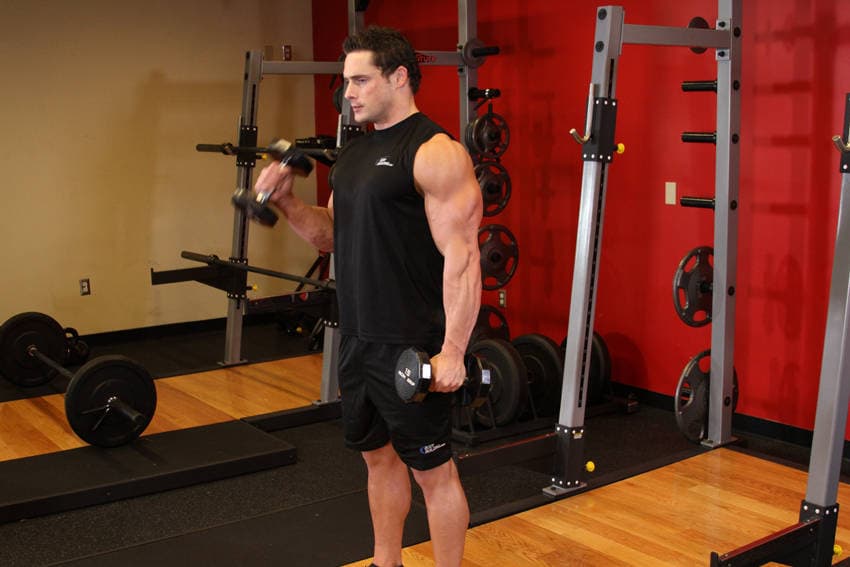
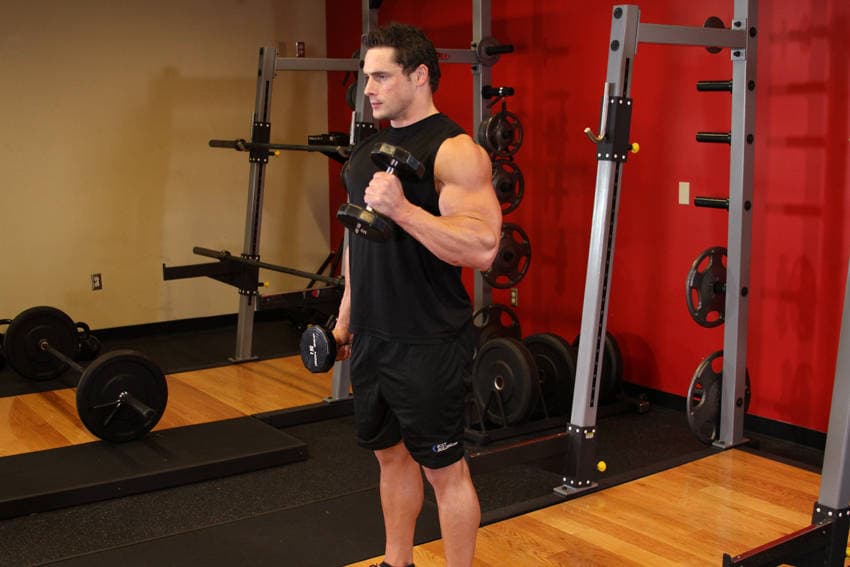
Alternate Hammer Curl
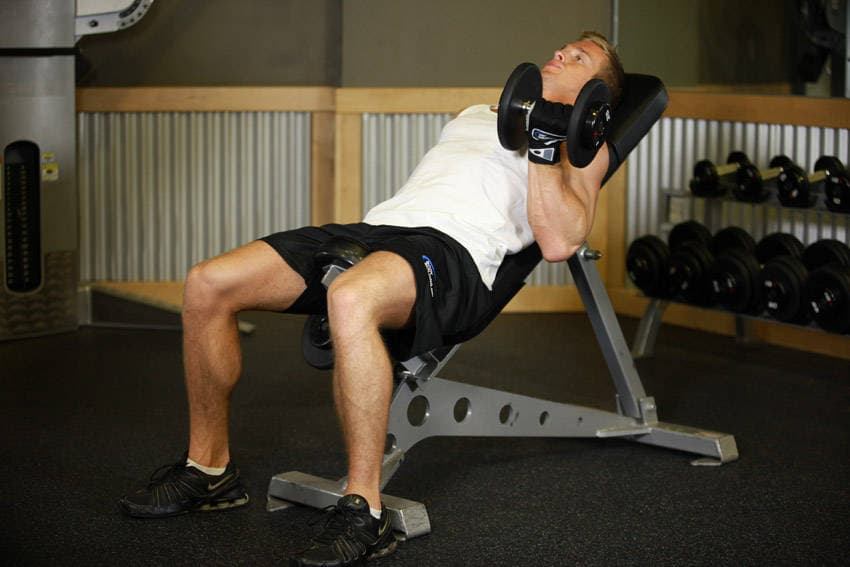
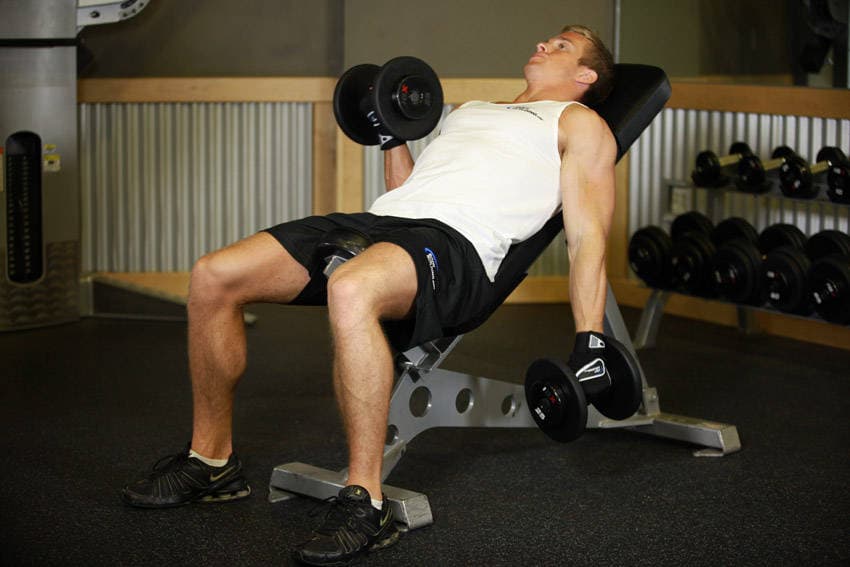
Alternate Incline Dumbbell Curl
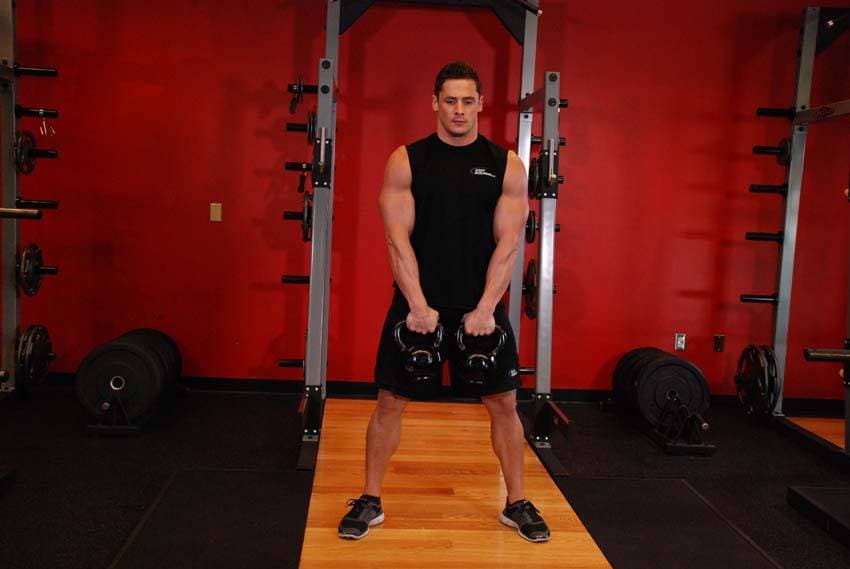
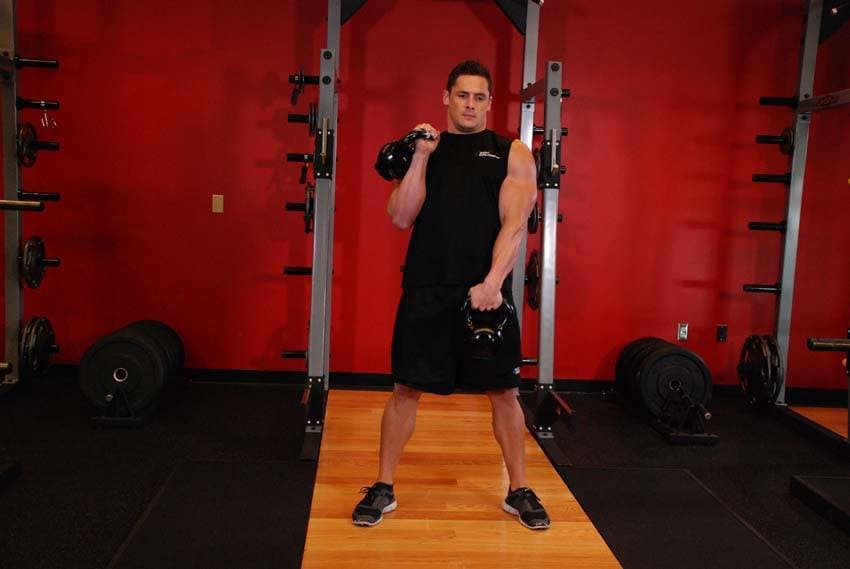
Alternating Hang Clean
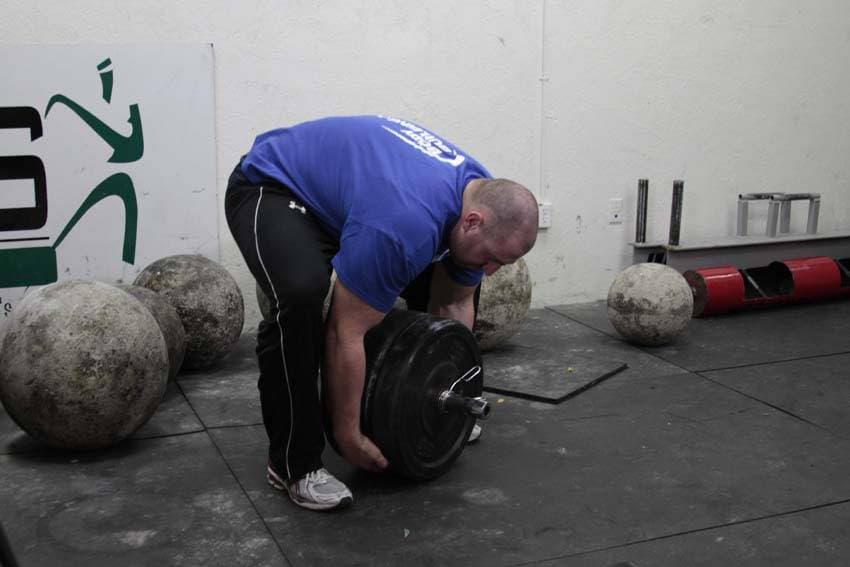
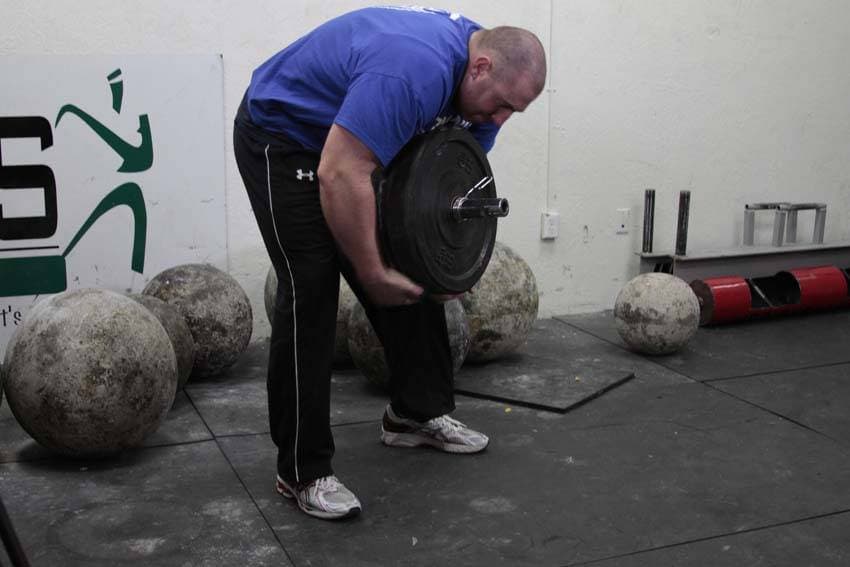
Atlas Stone Trainer
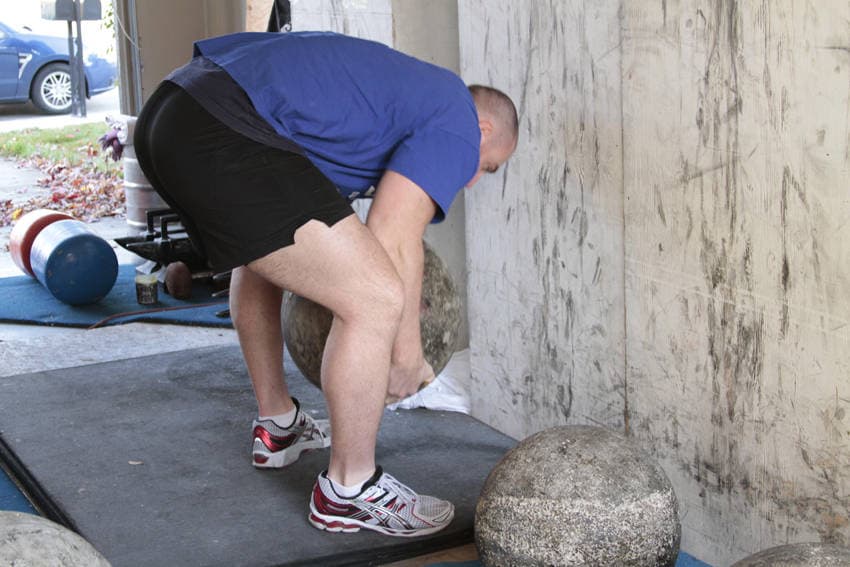
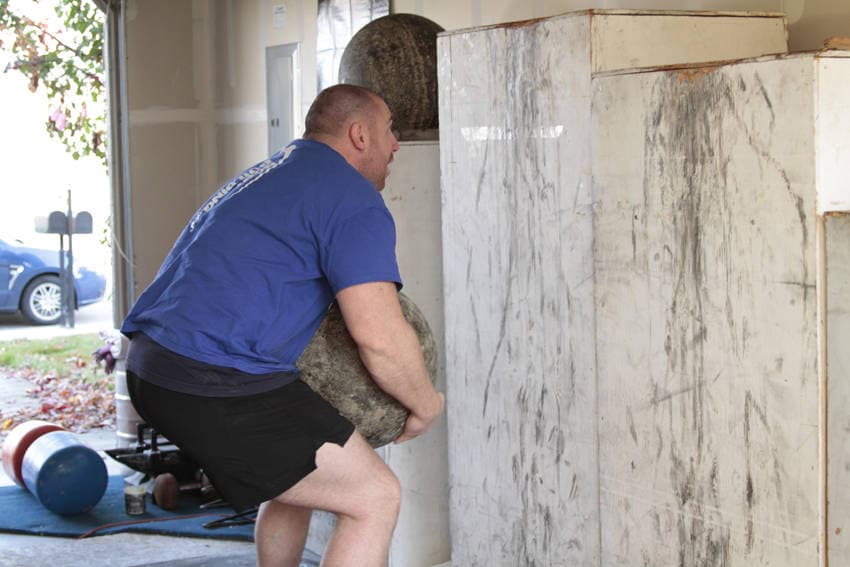
Atlas Stones
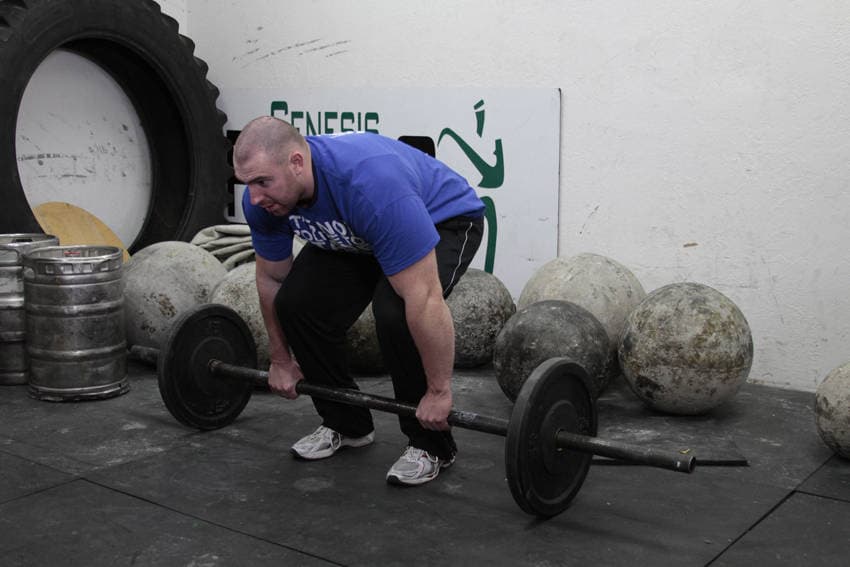
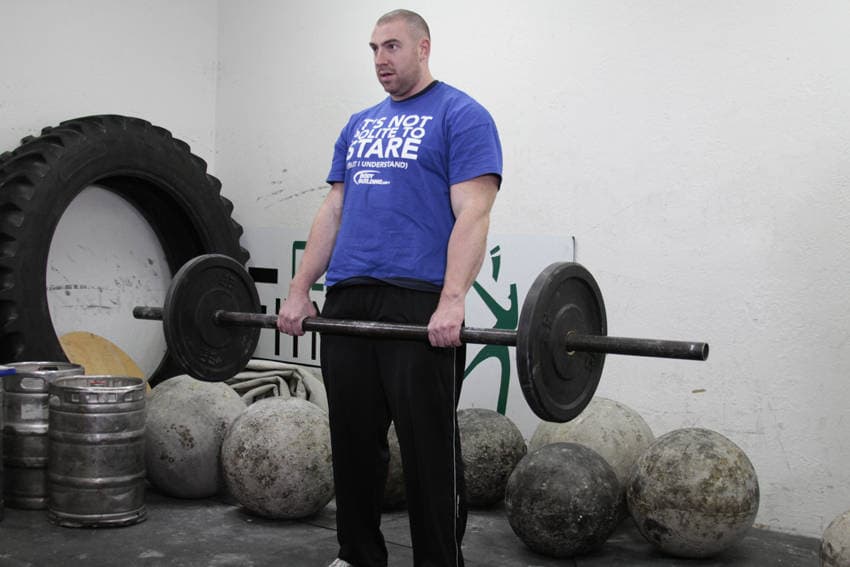
Axle Deadlift

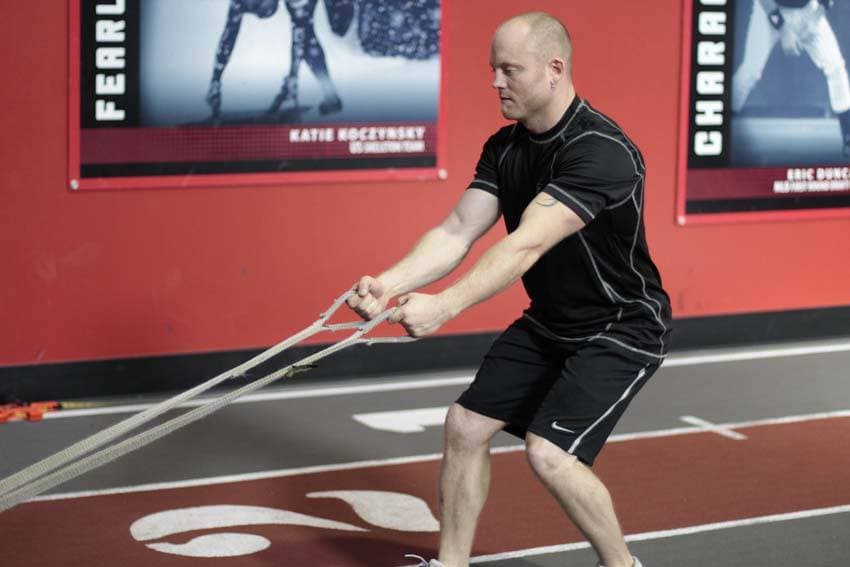
Backward Drag
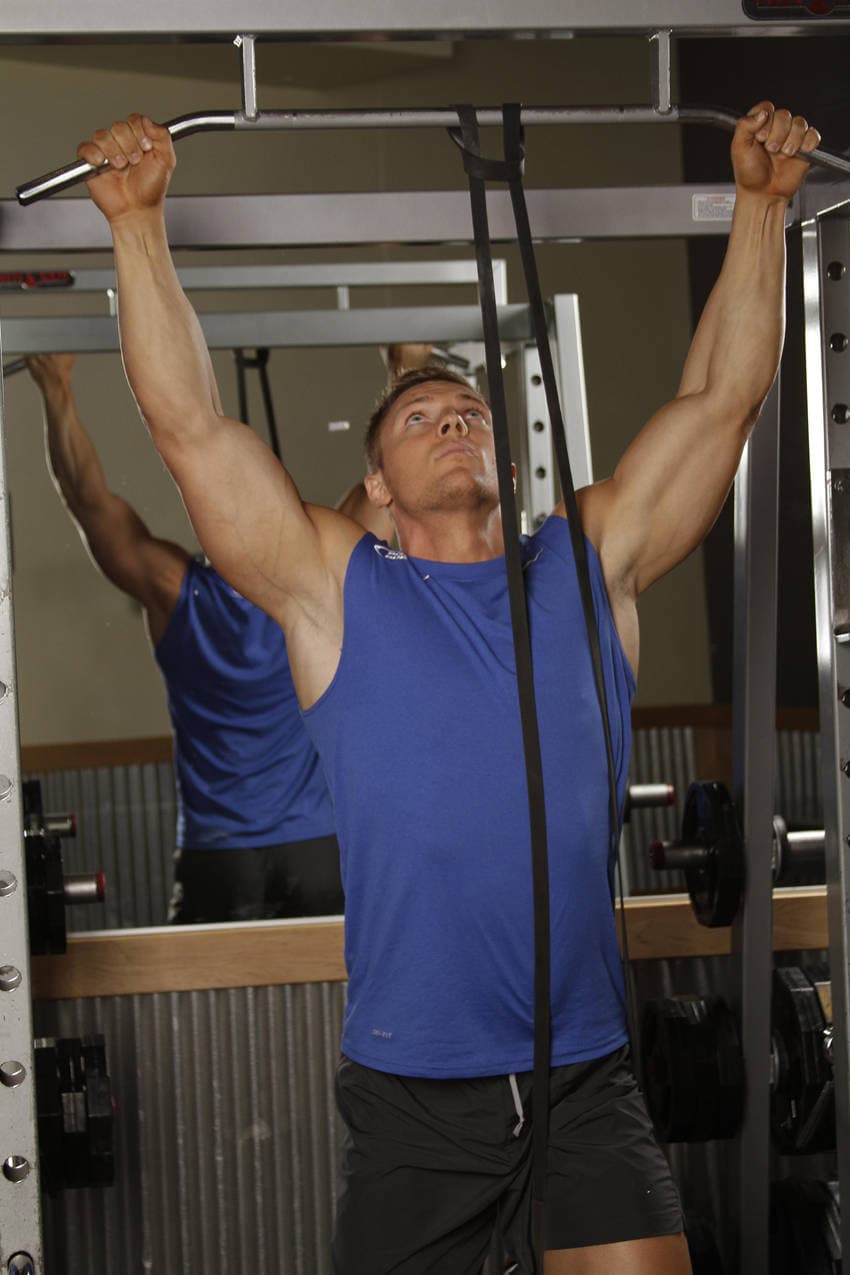
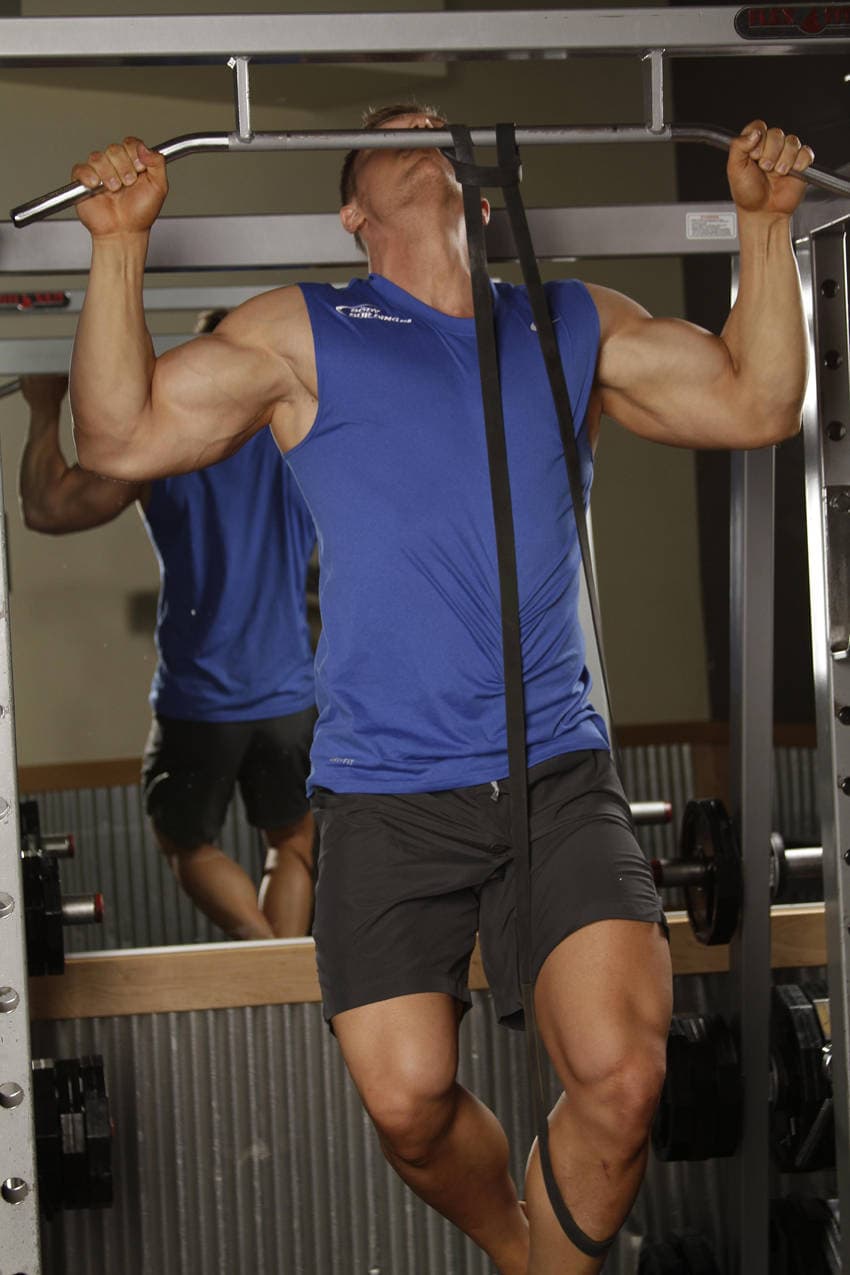
Band Assisted Pull-Up
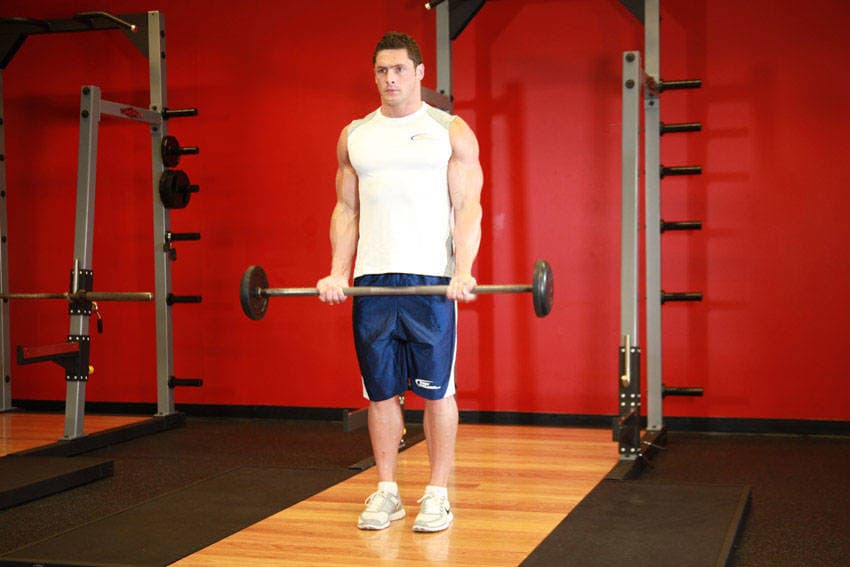
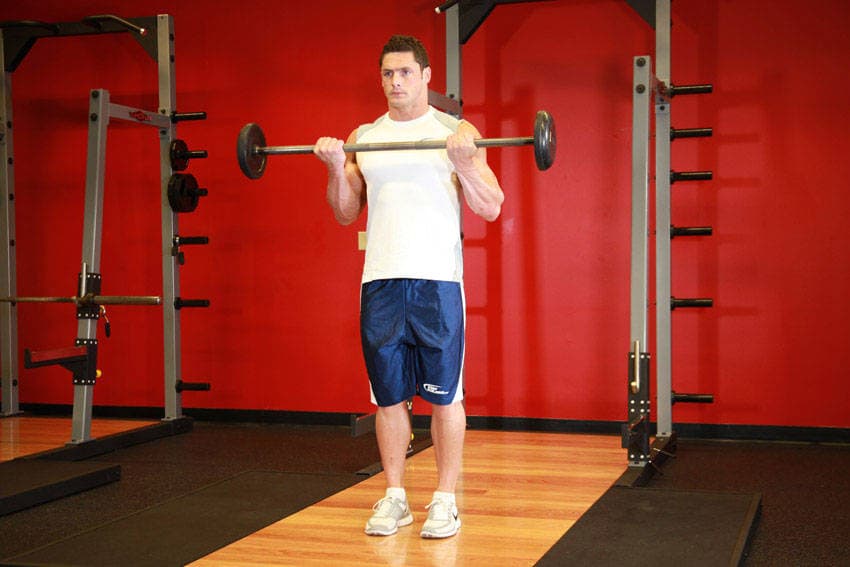
Barbell Curl
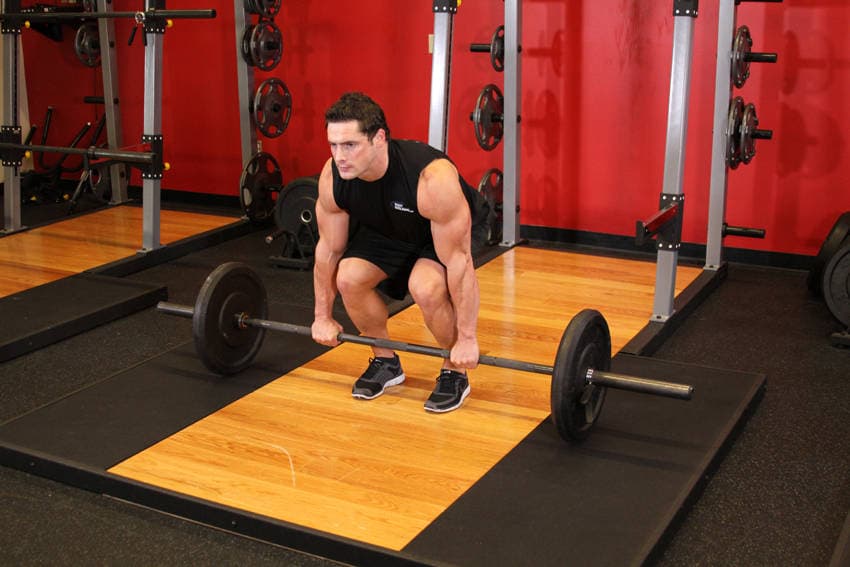
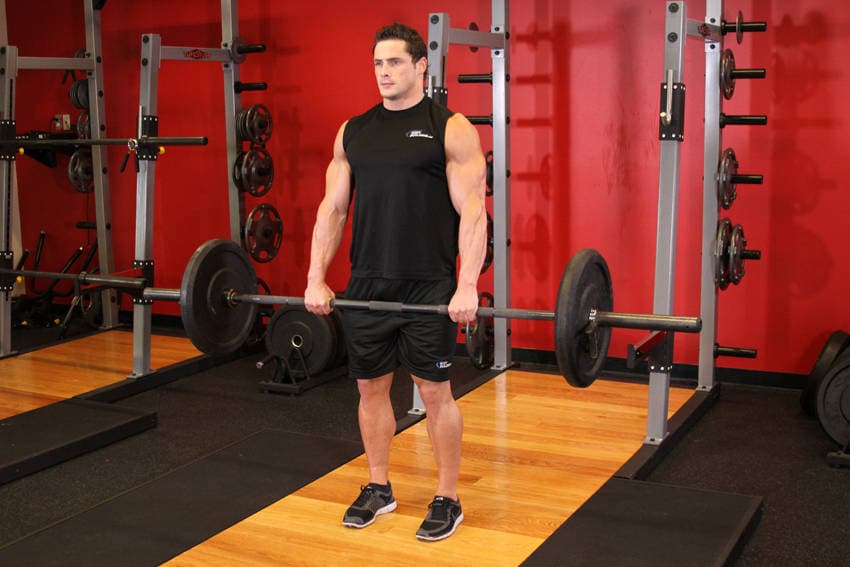
Barbell Deadlift
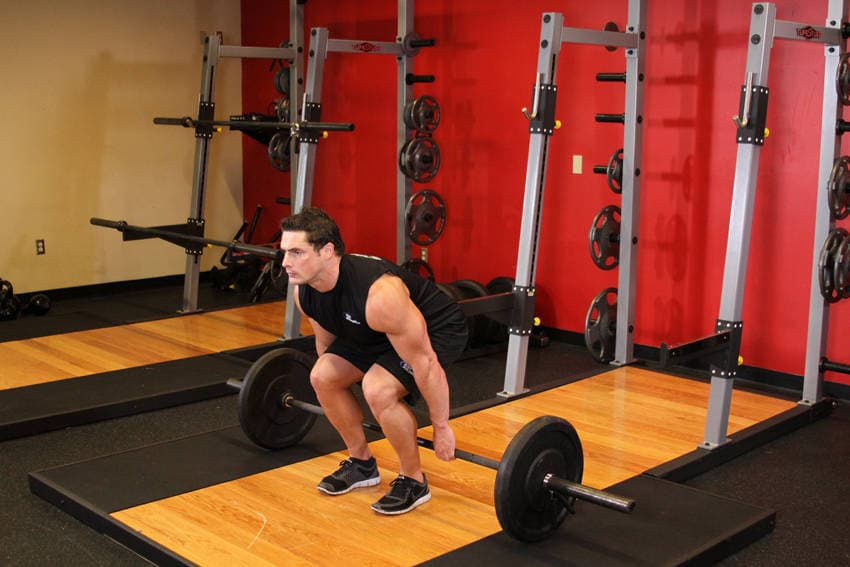
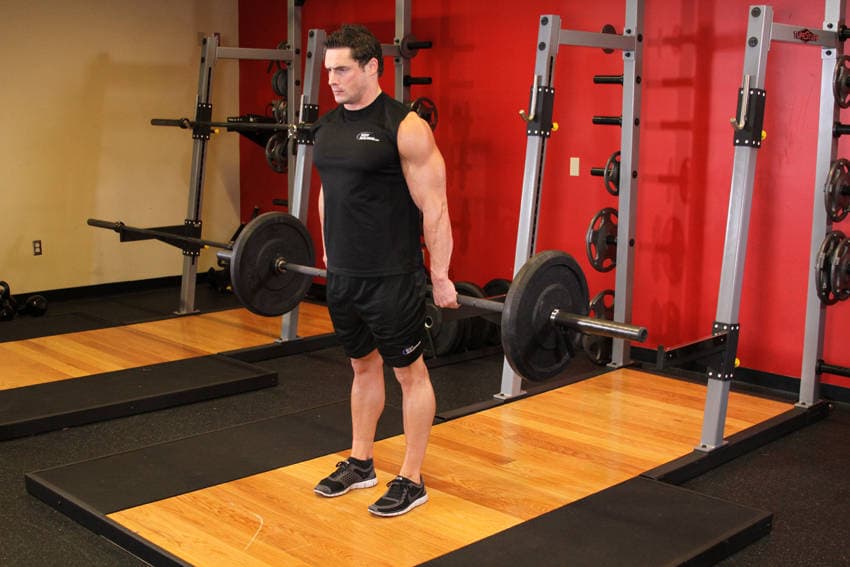
Barbell Hack Squat
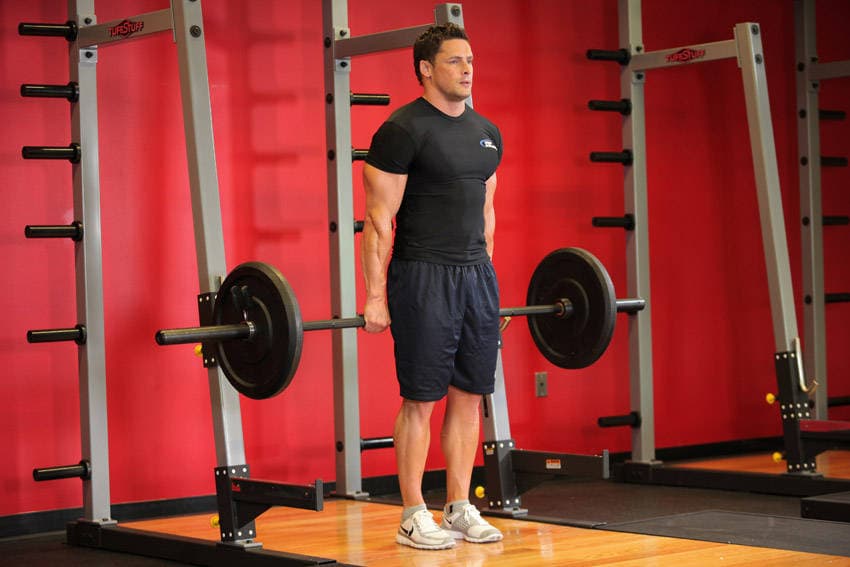
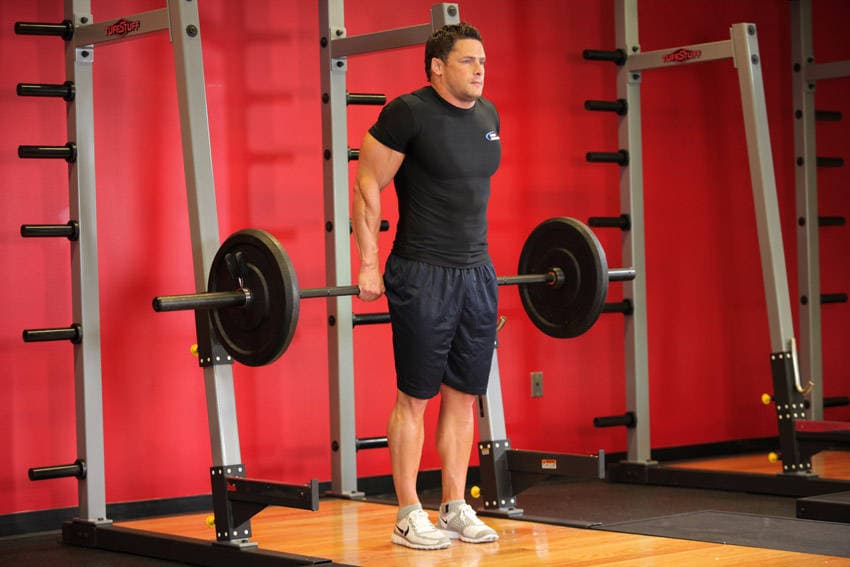
Barbell Shrug Behind The Back
When to See a Doctor
Seek medical attention if you notice swelling along the forearm, crepitus (crackling) with wrist movement, persistent numbness in the hand, or severe pain that limits daily activities.
Self-Care Tips
Massage the forearm extensors with your opposite thumb
Stretch the extensors by flexing the wrist with the arm extended
Use ergonomic keyboard and mouse setups
Ice the forearm after repetitive activities
Related Forearm Pain
Forearm Muscles
Explore all forearm muscles in 3D
Activities & Sports
Find which activities involve this area