Head
Jaw & TMJ
Jaw and TMJ pain involves the masseter, temporalis, and pterygoid muscles around the temporomandibular joint. TMJ disorders affect millions of people and are often driven by teeth clenching, grinding (bruxism), stress, and poor jaw posture.
Medical Disclaimer
This information is for educational purposes only and does not constitute medical advice. Consult a qualified healthcare provider for proper diagnosis and treatment of any pain or medical condition.
Common Causes
TMJ disorder from jaw misalignment or disc displacement
Bruxism (teeth grinding) especially during sleep
Masseter and pterygoid muscle spasm from stress
Jaw clenching during exercise or concentration
Arthritis of the temporomandibular joint
Muscles in This Area
5Neck
digastric
The digastric has anterior and posterior bellies under the jaw, opening the mouth by depressing mandible. Runs from mandible to mastoid via sling, key for chewing and yawning.
Neck
mylohyoid
The mylohyoid forms the floor of the mouth, elevating the hyoid and floor during swallowing and speech. It supports tongue movement for chewing tough foods in bulking diets. Key for jaw stability in powerlifters.
Neck
sternocleidomastoid
Prominent neck muscle turns/tilts head, flexes neck, aids breathing. Visible in fitness for posture/aesthetics.
Neck
platysma
The platysma is a thin sheet-like muscle under the chin and neck skin, depressing the jaw and lower lip for expressions. Helps in neck stability during shrugs. Fitness note: resists 'neck bands' with age.
Neck
splenius capitis
Broad muscle upper neck/shoulder blade extends/rotates head. Key for neck strength in presses.
Stretches That May Help
Recommended Exercises
9
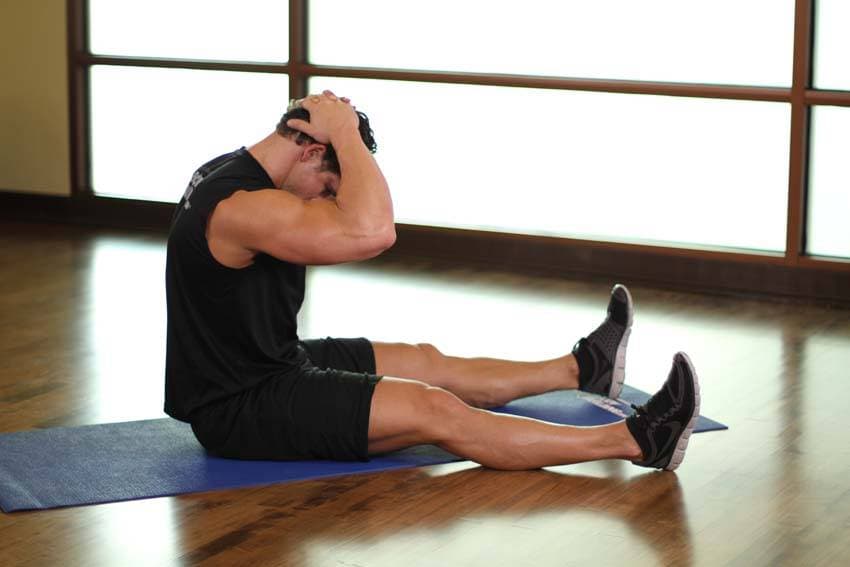
Chin To Chest Stretch


Isometric Neck Exercise - Front And Back


Isometric Neck Exercise - Sides
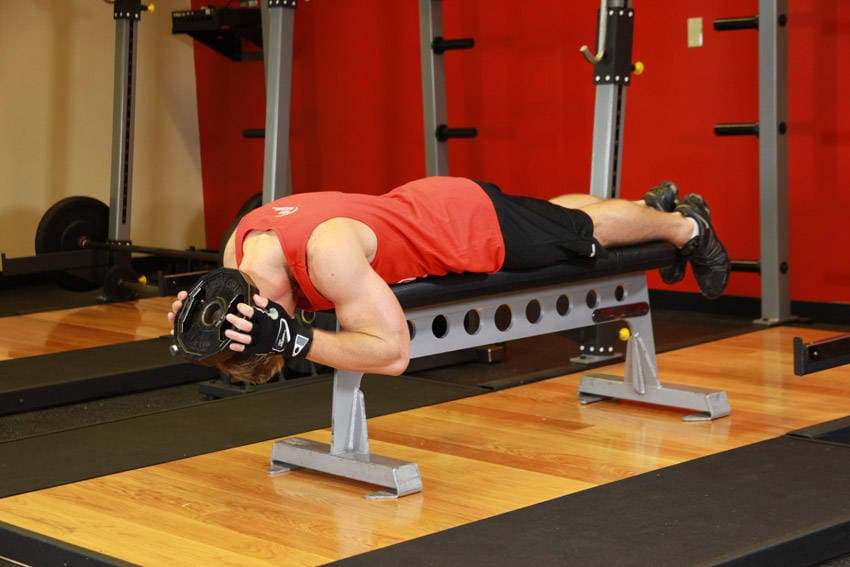
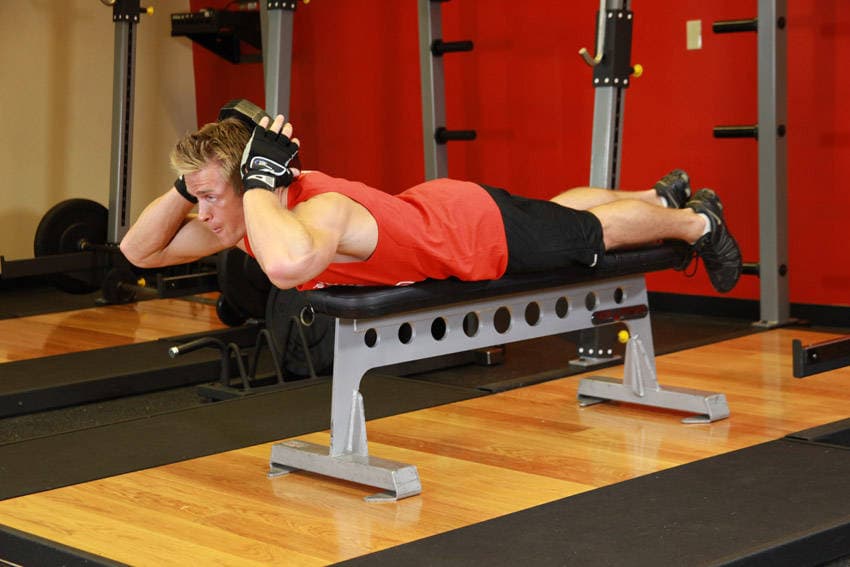
Lying Face Down Plate Neck Resistance
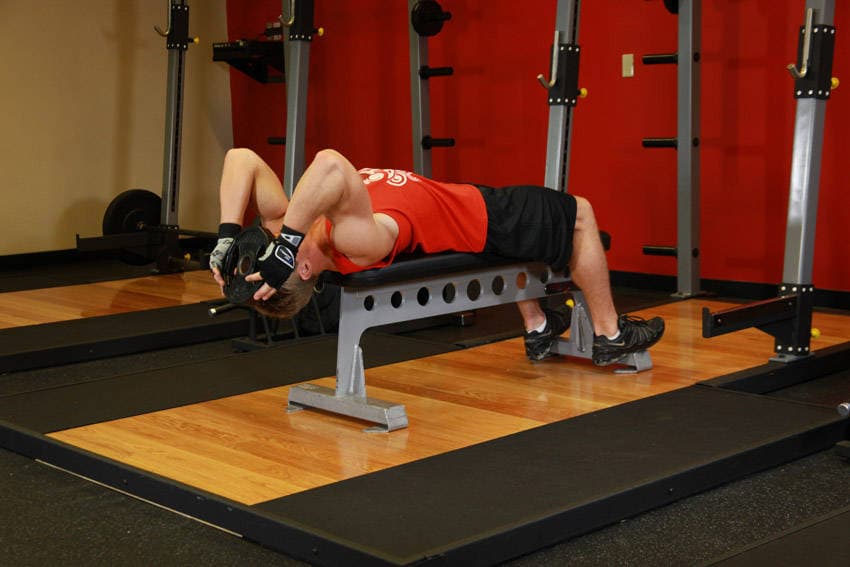
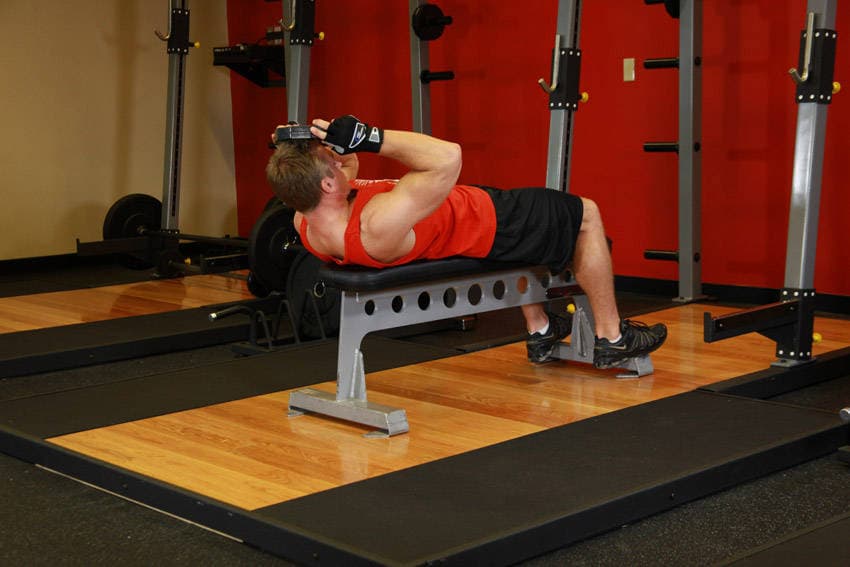
Lying Face Up Plate Neck Resistance
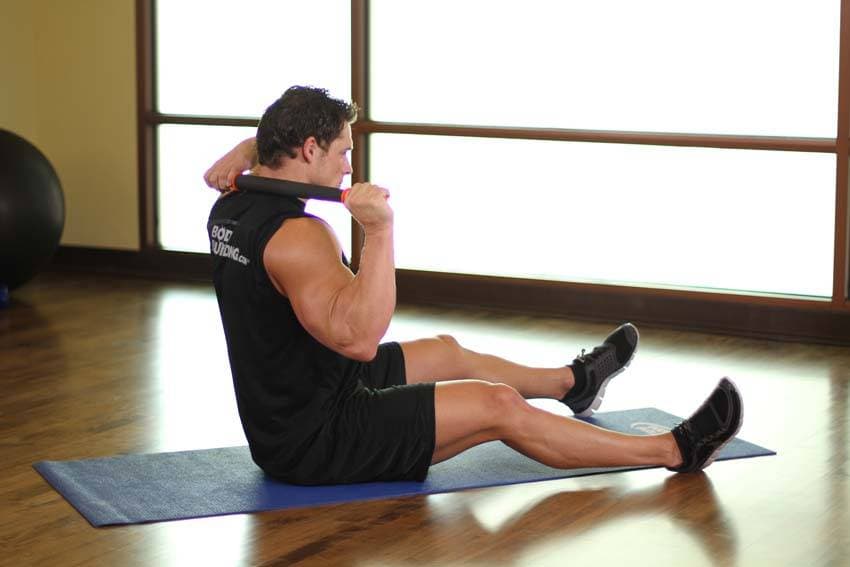
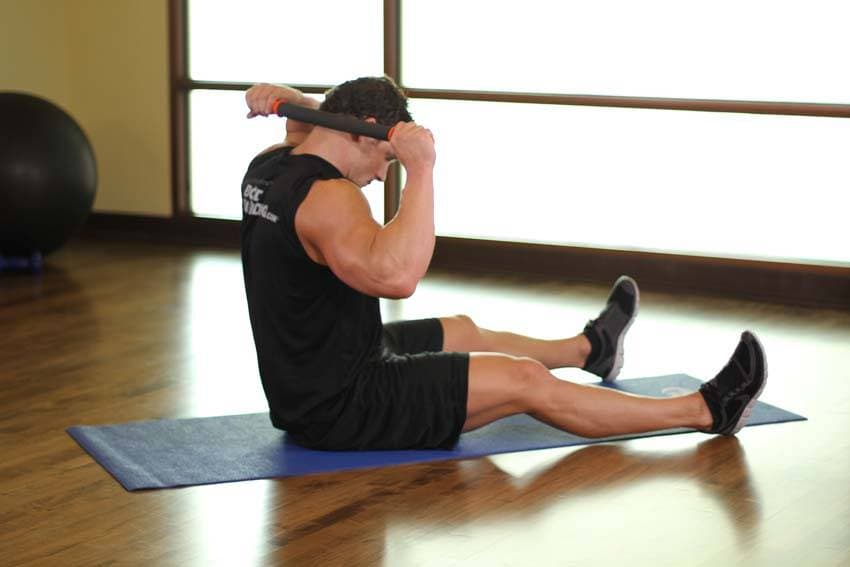
Neck-SMR
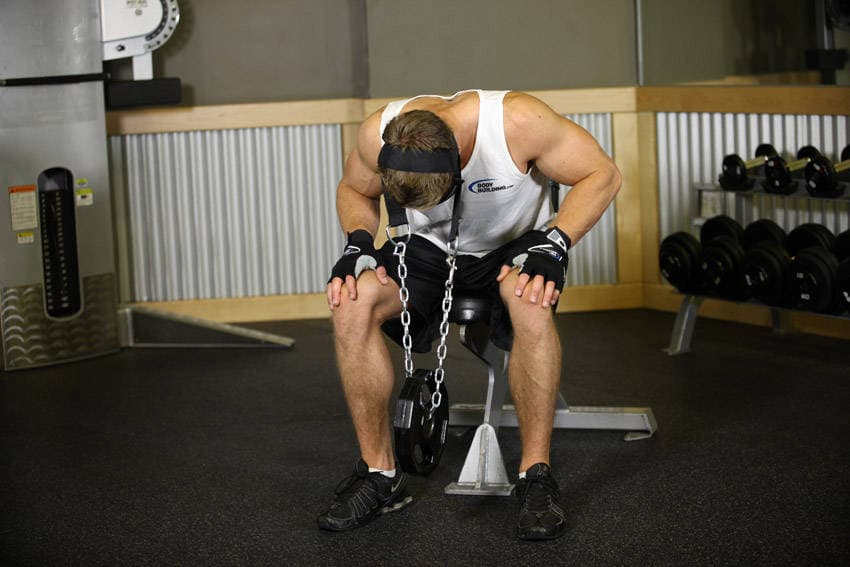

Seated Head Harness Neck Resistance
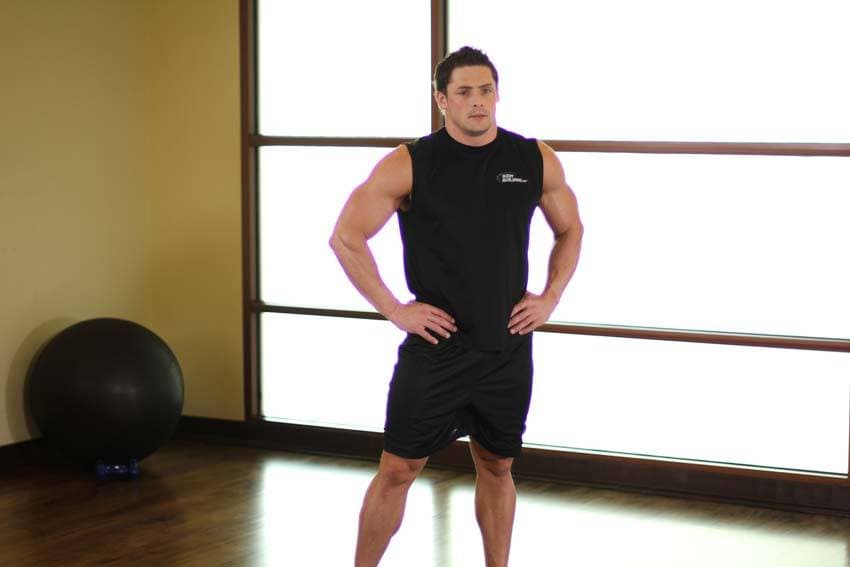
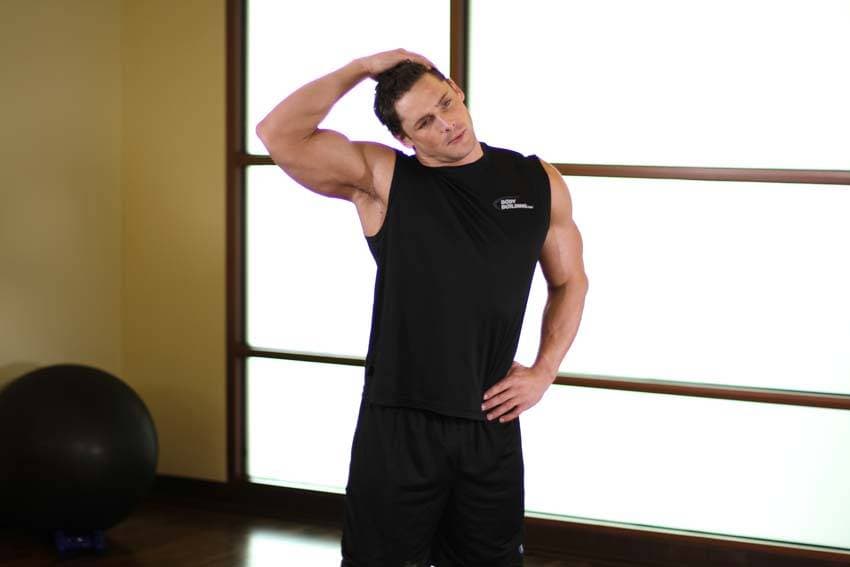
Side Neck Stretch
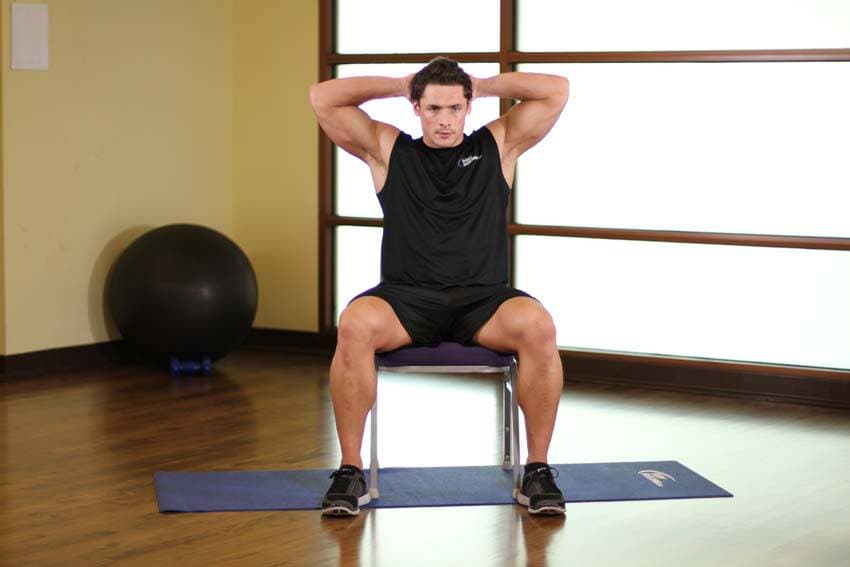
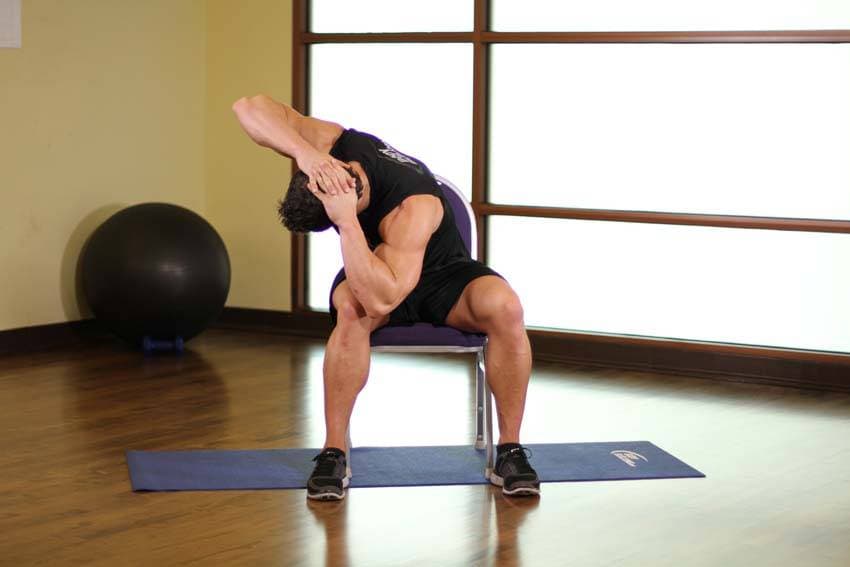
Spinal Stretch
When to See a Doctor
Seek medical attention if the jaw locks open or closed, you have difficulty eating or talking, there is significant swelling around the jaw, or if jaw pain is accompanied by ear pain and hearing changes.
Self-Care Tips
Practice keeping the jaw relaxed with the tongue on the roof of the mouth
Apply moist heat to the jaw muscles for 15-20 minutes
Eat soft foods during flare-ups to reduce jaw loading
Gently stretch the jaw with controlled opening exercises
Related Head Pain
Head Muscles
Explore all head muscles in 3D
Activities & Sports
Find which activities involve this area