Head
Temple
Temple pain involves the temporalis muscle, a powerful jaw-closing muscle, and can also relate to the superficial temporal artery. Tension headaches, TMJ dysfunction, and stress-related clenching are among the most common causes of temple pain.
Medical Disclaimer
This information is for educational purposes only and does not constitute medical advice. Consult a qualified healthcare provider for proper diagnosis and treatment of any pain or medical condition.
Common Causes
Tension headache from stress or muscle tightness
TMJ dysfunction causing referred pain to the temple
Temporalis muscle trigger points from jaw clenching
Cervicogenic headache referred from the neck
Migraine with temporal focus
Muscles in This Area
5Neck
splenius capitis
Broad muscle upper neck/shoulder blade extends/rotates head. Key for neck strength in presses.
Neck
semispinalis capitis
This thick muscle spans upper thoracic and lower cervical to occiput, extending and rotating the head. Buffers heavy axial loads in powerlifters and stabilizes during shrugs. Key for countering forward head in tech users.
Neck
sternocleidomastoid
Prominent neck muscle turns/tilts head, flexes neck, aids breathing. Visible in fitness for posture/aesthetics.
Neck
rectus capitis posterior major
The rectus capitis posterior major is a small deep neck muscle at the base of your skull, running from the upper cervical spine to the occiput. It extends and rotates the head, helping maintain upright posture during daily activities and workouts. Strong suboccipitals like this one prevent forward head posture common in desk workers and lifters.
Neck
obliquus capitis superior
Upper suboccipital extending and bending the head laterally while stabilizing occiput. Works with rotators for precise head control in aiming sports. Prevents atlanto-occipital instability.
Stretches That May Help
Recommended Exercises
9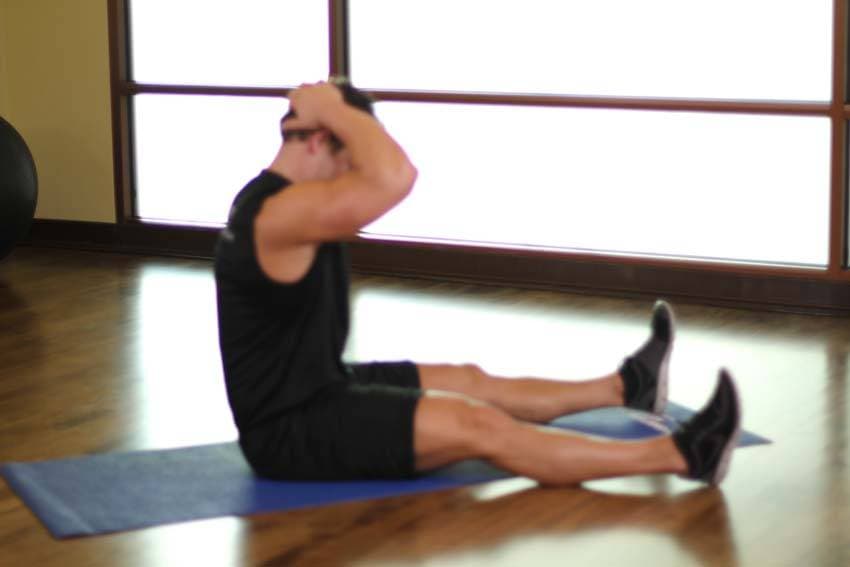
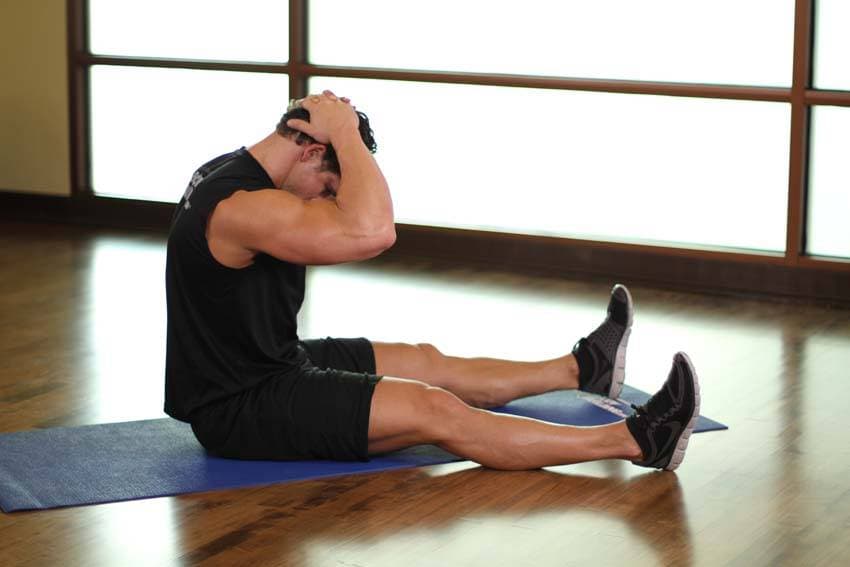
Chin To Chest Stretch


Isometric Neck Exercise - Front And Back
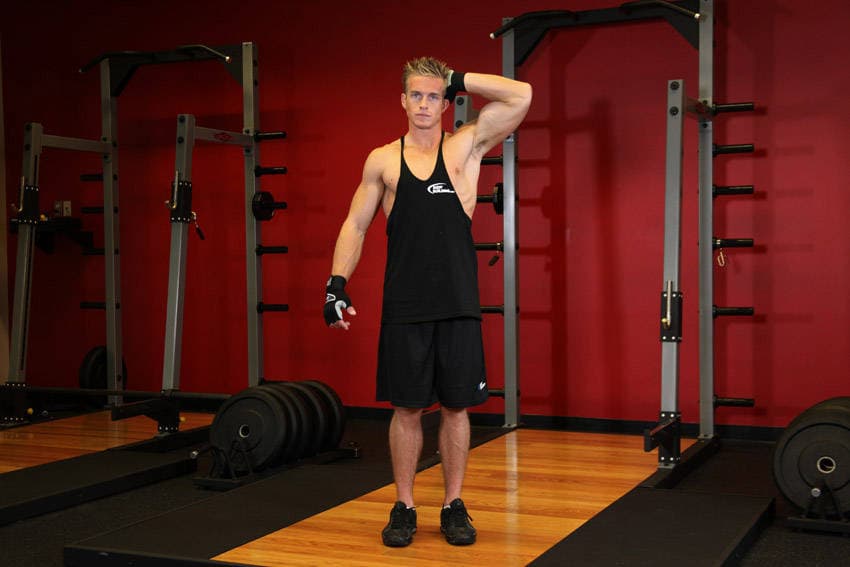
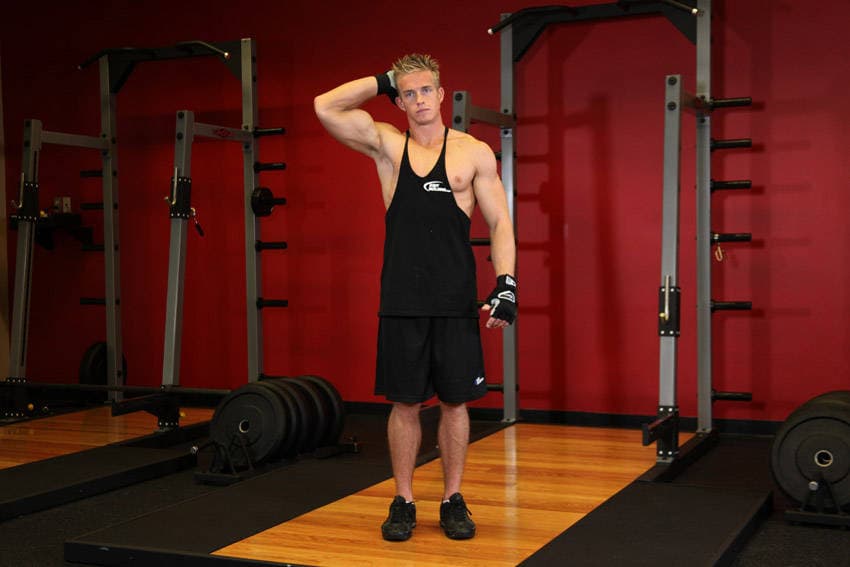
Isometric Neck Exercise - Sides
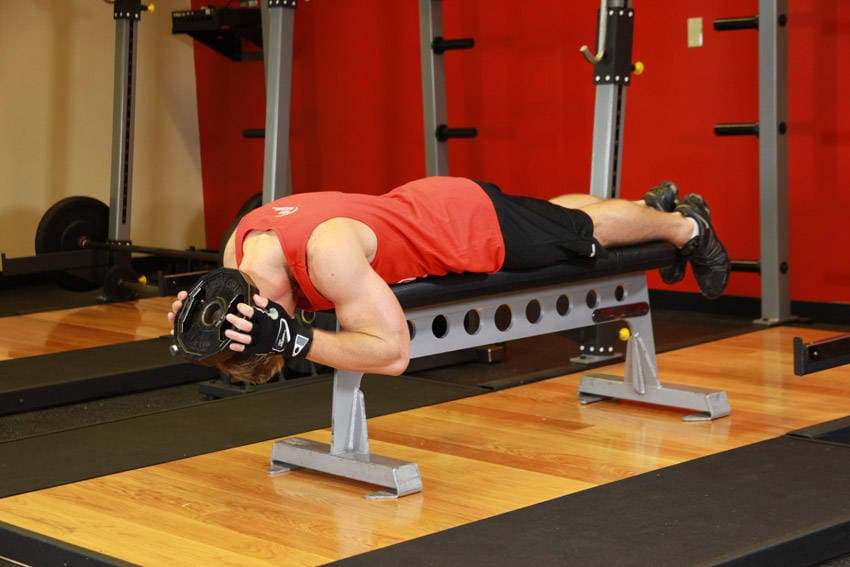
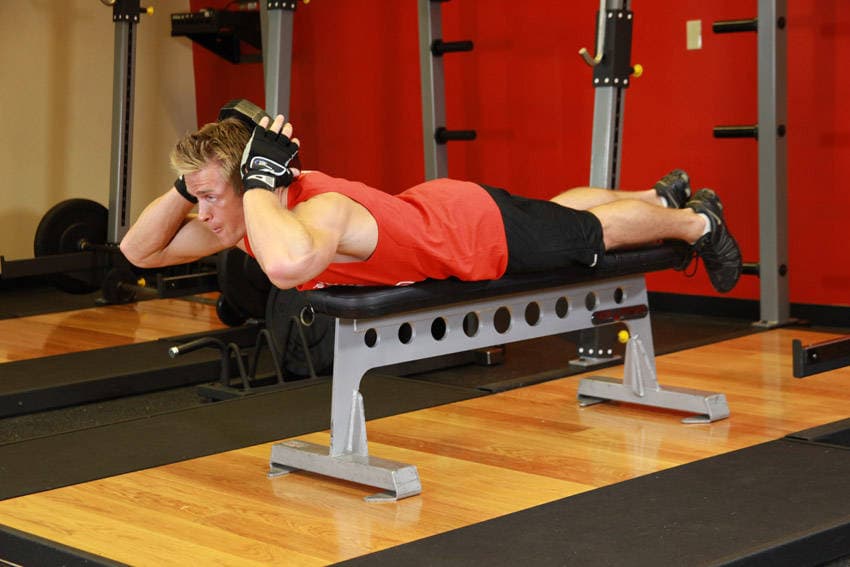
Lying Face Down Plate Neck Resistance
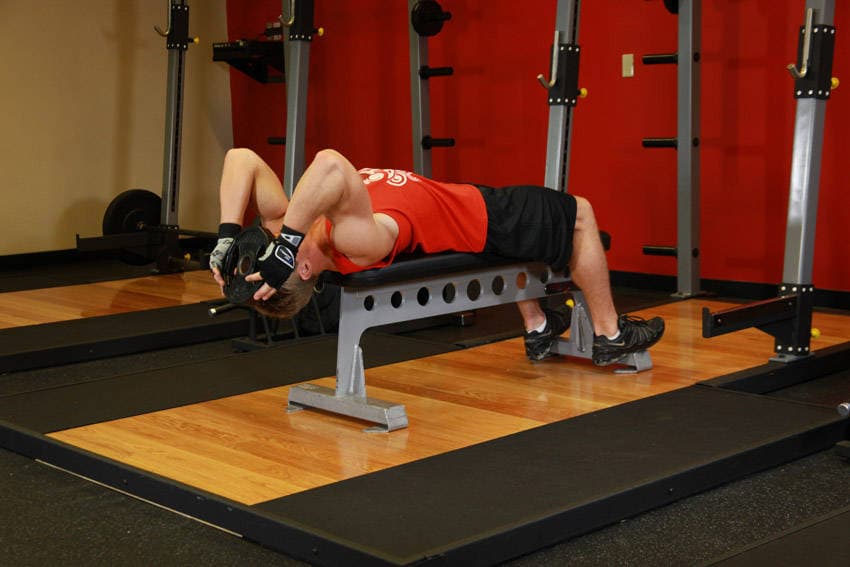
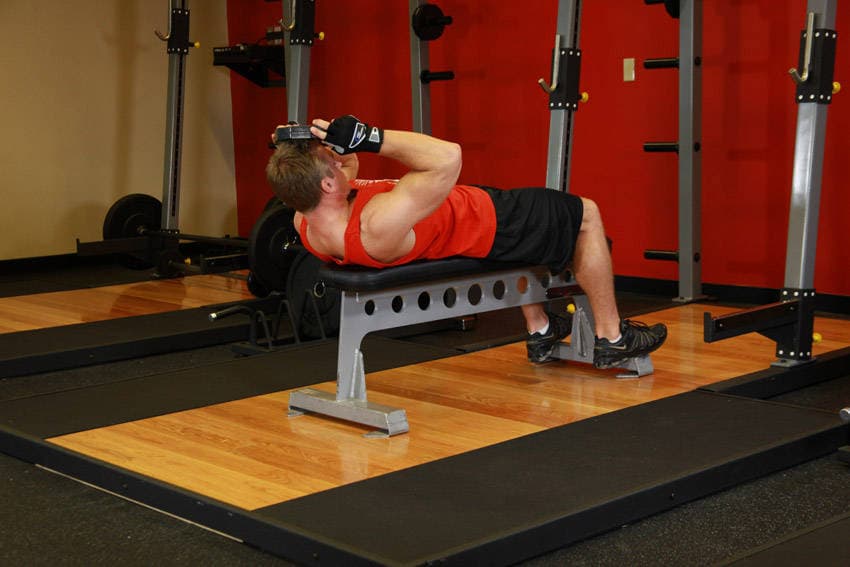
Lying Face Up Plate Neck Resistance
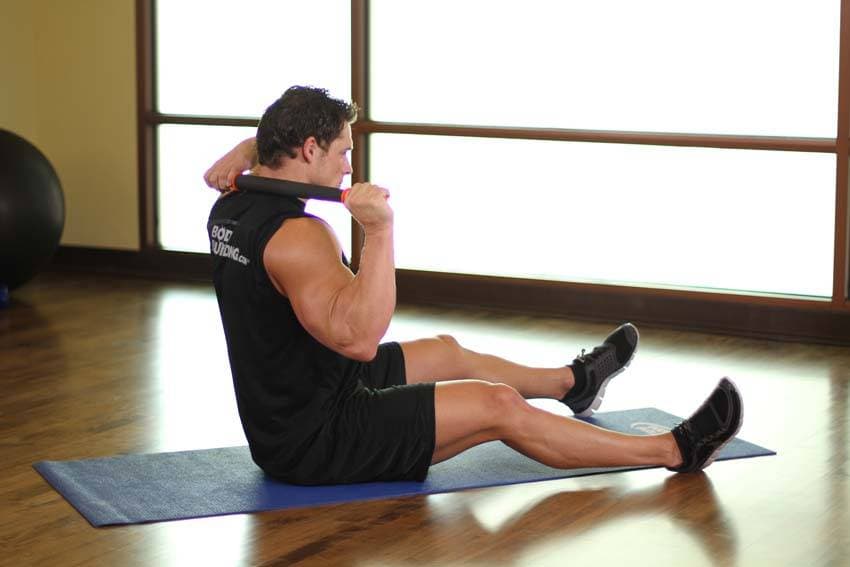
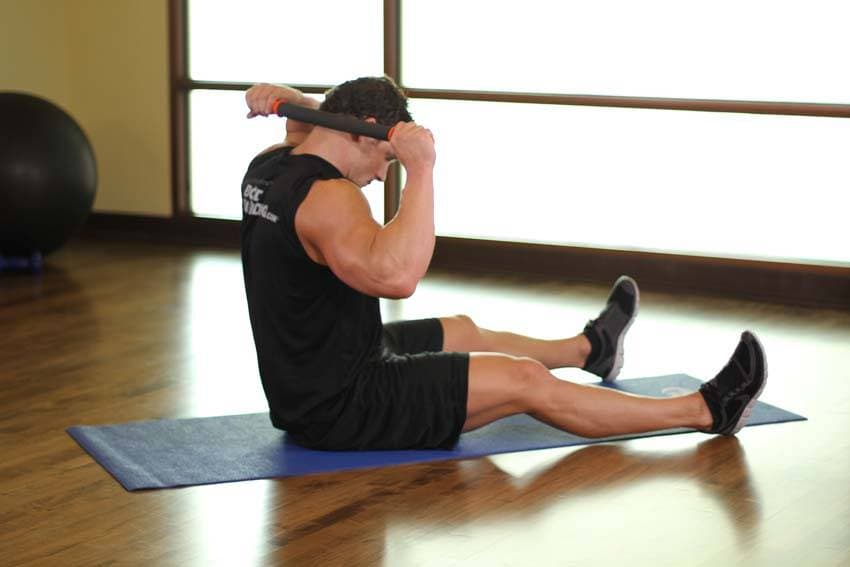
Neck-SMR
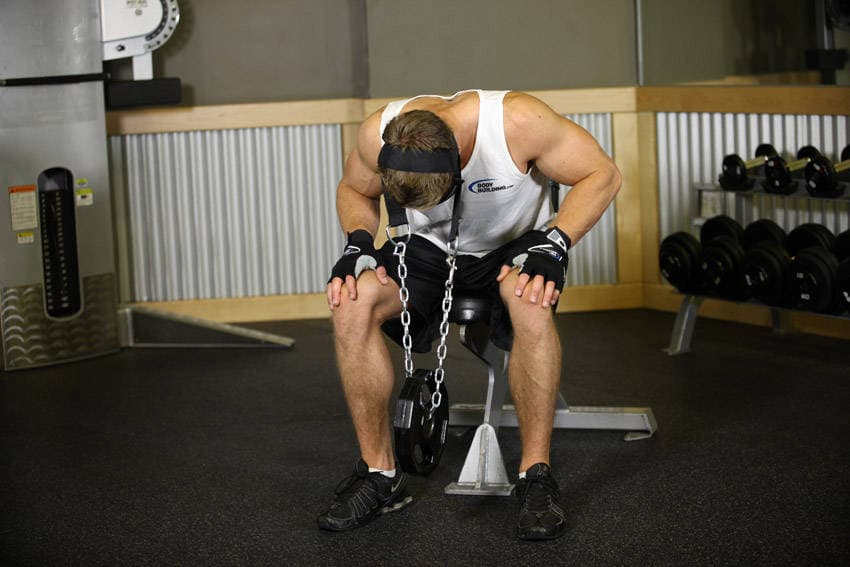
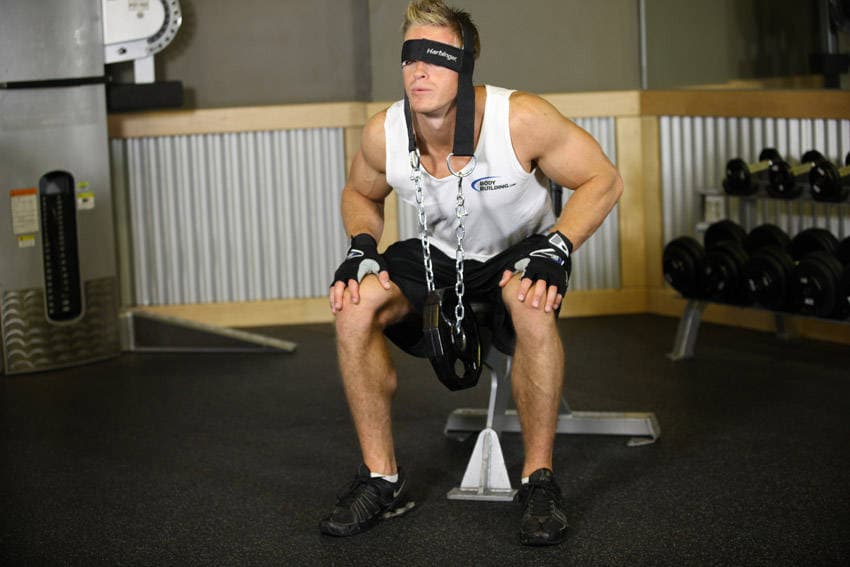
Seated Head Harness Neck Resistance
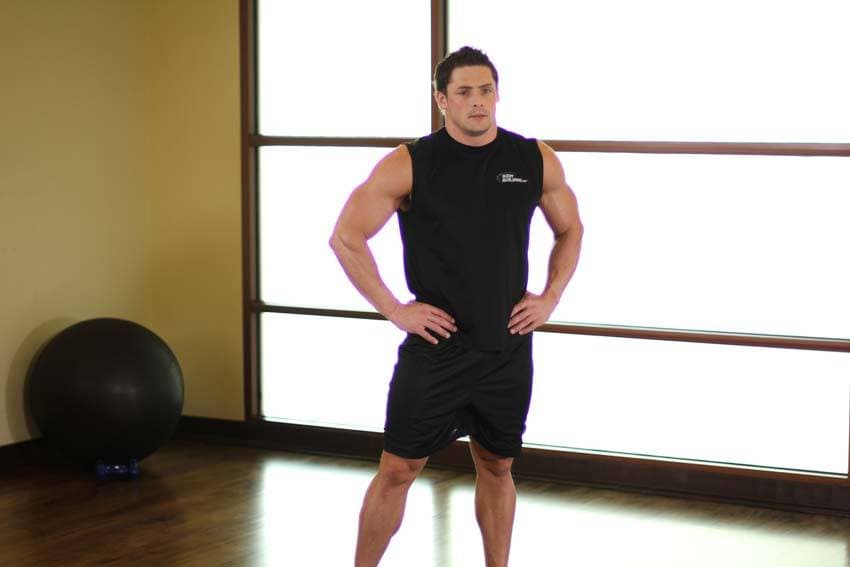
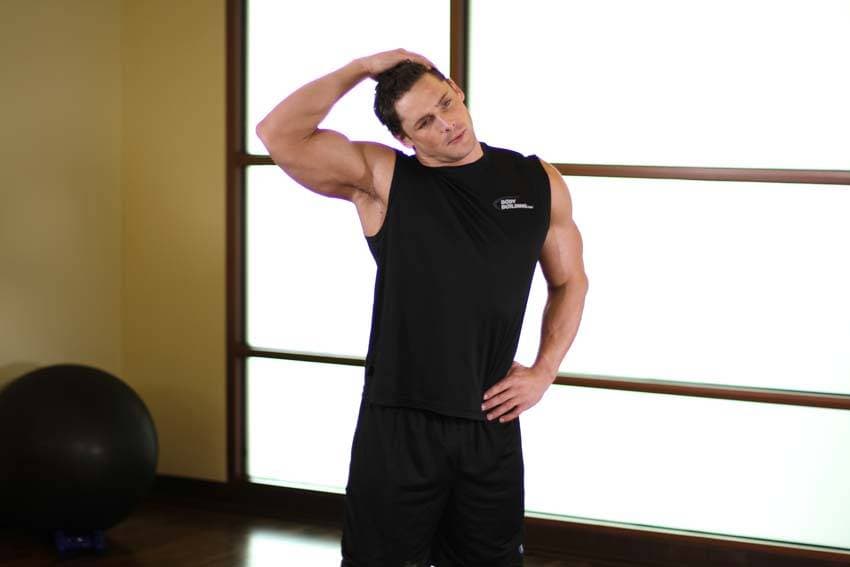
Side Neck Stretch
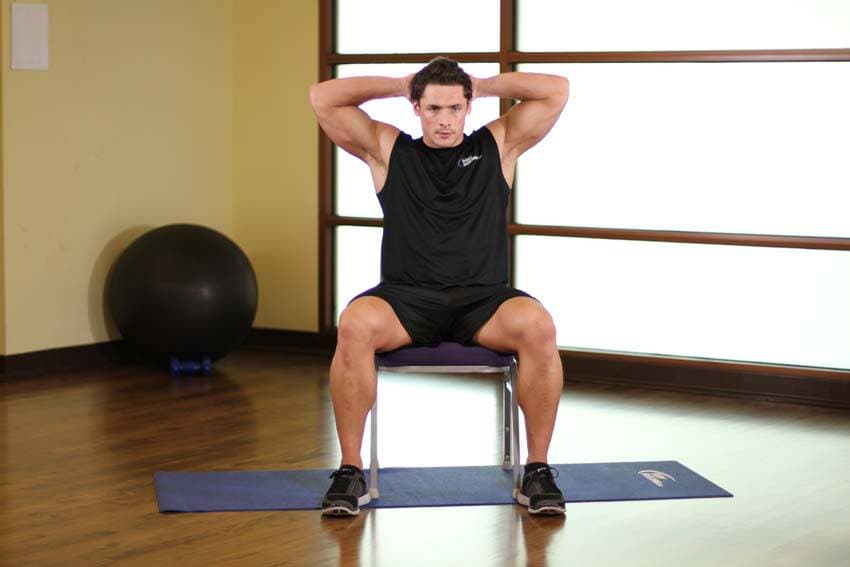
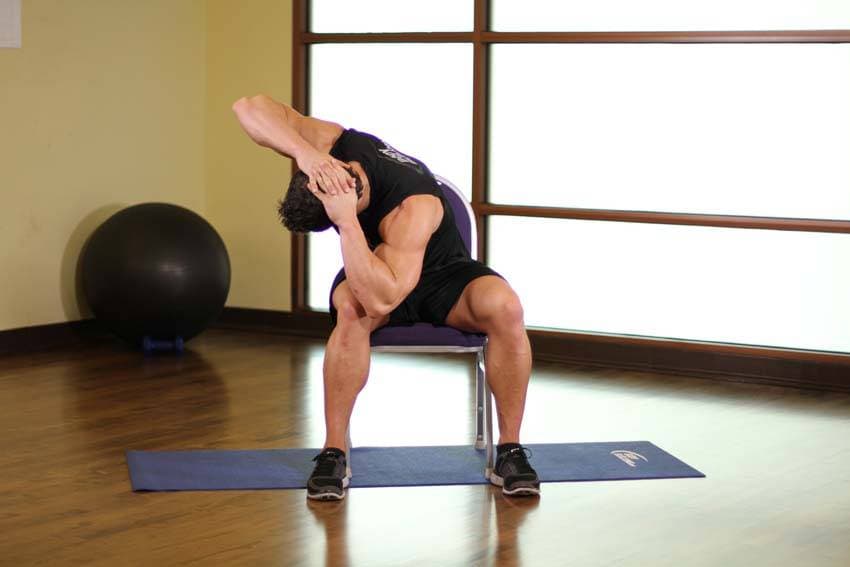
Spinal Stretch
When to See a Doctor
Seek medical attention if temple pain is sudden and severe (thunderclap headache), accompanied by visual changes, jaw claudication (pain when chewing), or tenderness of the temporal artery, especially in those over 50 (possible giant cell arteritis).
Self-Care Tips
Gently massage the temporalis muscle in circular motions
Apply a warm compress to the temple area
Practice jaw relaxation - lips together, teeth apart
Address neck tension with chin tucks and neck stretches
Related Head Pain
Head Muscles
Explore all head muscles in 3D
Activities & Sports
Find which activities involve this area