Foot
Bottom of Foot
Pain on the bottom of the foot involves the plantar fascia, the intrinsic foot muscles, and the flexor tendons. Plantar fasciitis is the most common cause, producing heel and arch pain that is typically worst with the first steps in the morning.
Medical Disclaimer
This information is for educational purposes only and does not constitute medical advice. Consult a qualified healthcare provider for proper diagnosis and treatment of any pain or medical condition.
Common Causes
Plantar fasciitis causing heel and arch pain
Metatarsalgia (pain under the ball of the foot)
Morton's neuroma between the third and fourth toes
Flat feet or fallen arches overloading the plantar muscles
Fat pad atrophy under the heel
Muscles in This Area
7Foot
flexor digitorum brevis
Flexor digitorum brevis in the foot sole flexes the four lateral toes at their base for propulsion and balance. Critical for arch support and barefoot stability in fitness.
Foot
flexor hallucis brevis
The flexor hallucis brevis is a short muscle in the sole of the foot that flexes the big toe's proximal joint. It stabilizes the arch during walking and running, crucial for propulsion and balance in barefoot training or sprinting. Weakness contributes to flat feet and poor push-off power.
Foot
abductor hallucis
This medial foot muscle abducts and flexes the big toe, supporting the arch and propulsion in walking or sprinting. Key for preventing flat feet and plantar fasciitis. Runners target it for injury prevention and efficiency.
Foot
Abductor digiti minimi of left foot
This small muscle on the outer edge of the left foot spreads the little toe away from the others, aiding balance and push-off in gait. It's vital for foot arch stability during running or lateral movements. Runners and athletes appreciate its role in preventing foot pronation issues.
Foot
Abductor digiti minimi of right foot
This muscle runs along the outer arch of the right foot, abducting the little toe to support lateral stability and toe-off in walking. Essential for preventing supination injuries in trail running. It matters for overall foot mechanics in dynamic sports.
Foot
flexor accessorius
Flexor accessorius (quadratus plantae) is a flat muscle in the sole of the foot that assists flexing the lateral toes. It aligns toe flexors for even toe curl in gripping surfaces. Useful for climbers and martial artists needing foot grip.
Foot
adductor hallucis
Inner foot muscle adducts the big toe, stabilizing the transverse arch during toe-off. Prevents hallux valgus and aids propulsion. Important for barefoot training enthusiasts.
Stretches That May Help
Recommended Exercises
12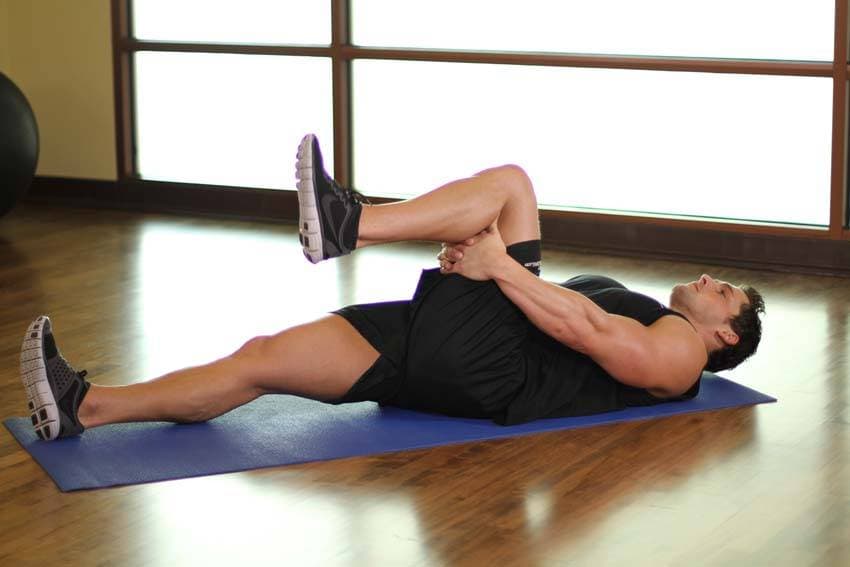
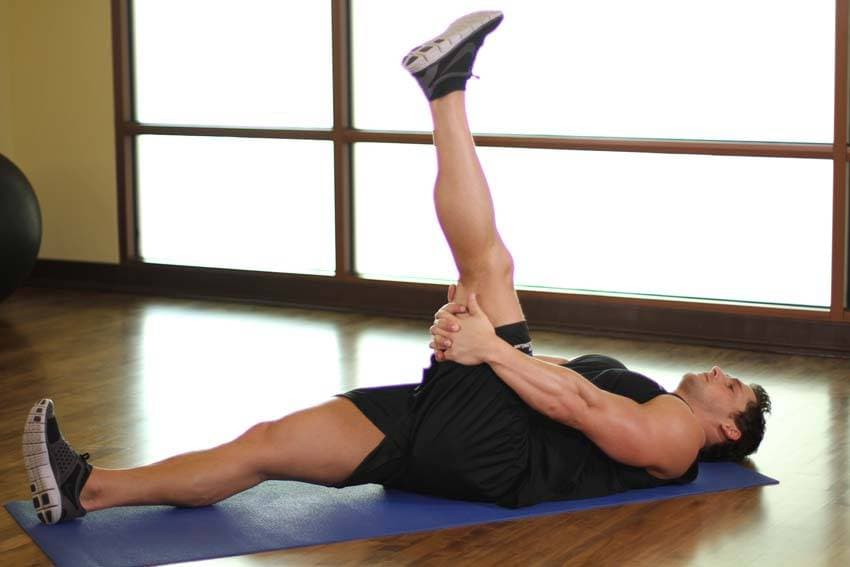
90/90 Hamstring
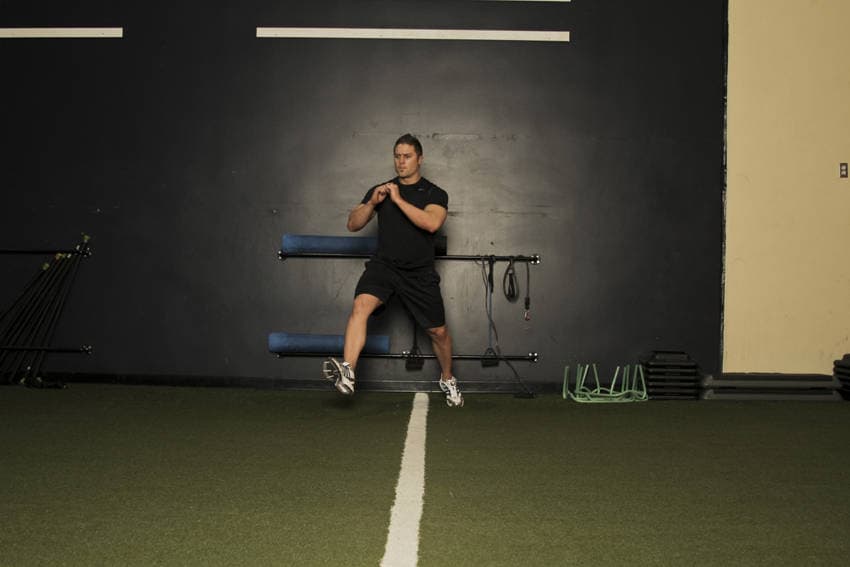
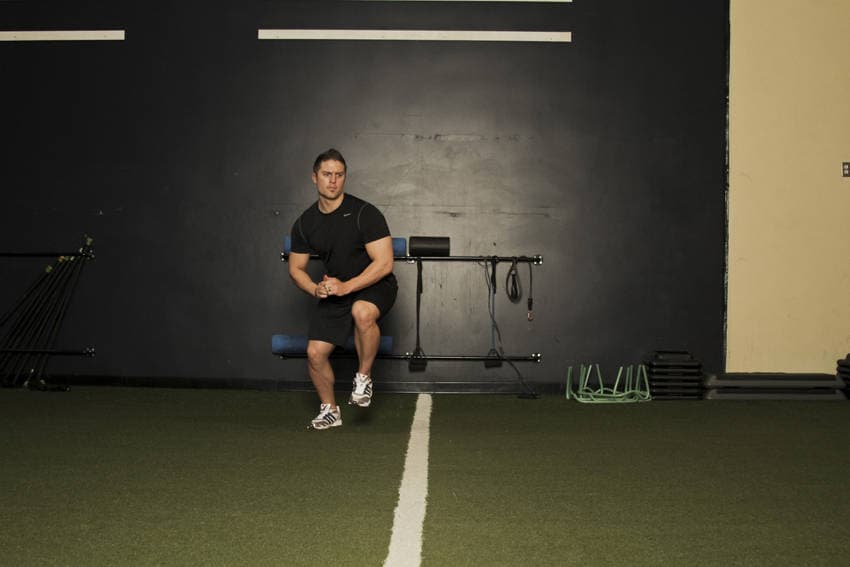
Alternate Leg Diagonal Bound
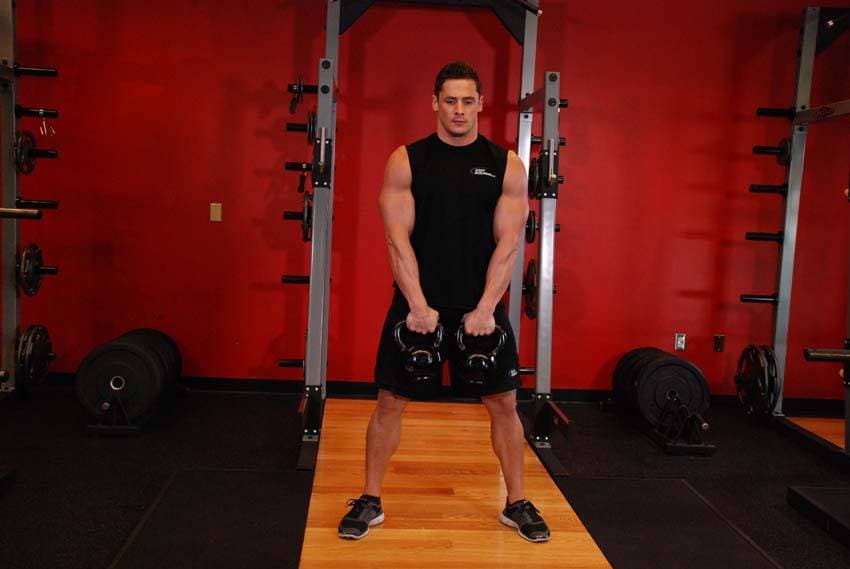
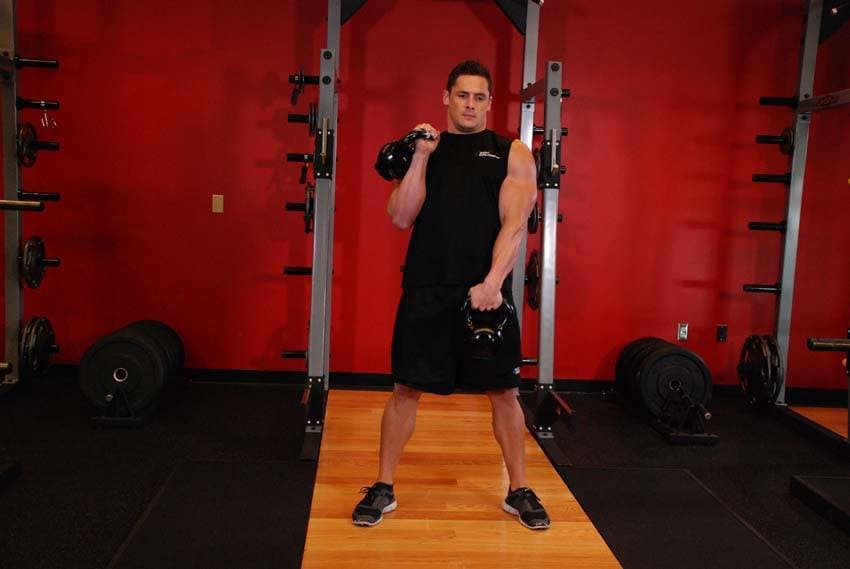
Alternating Hang Clean
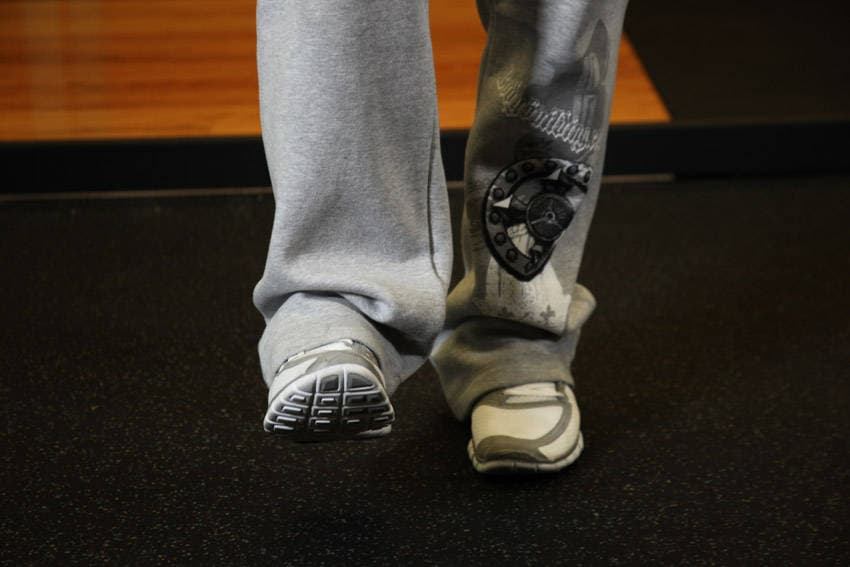
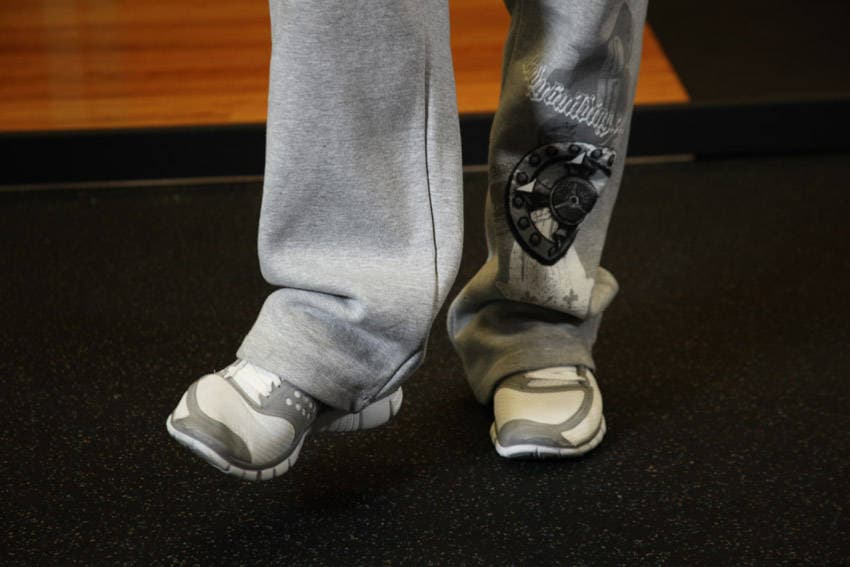
Ankle Circles
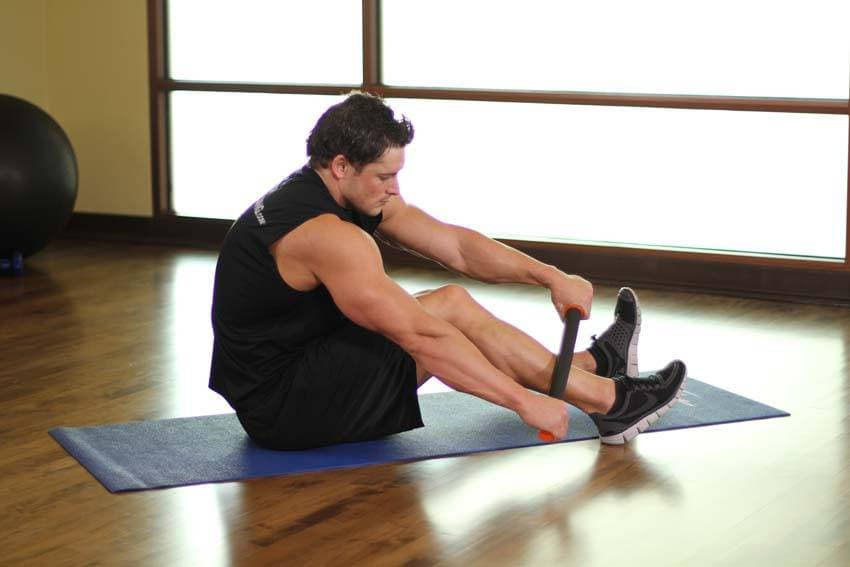

Anterior Tibialis-SMR
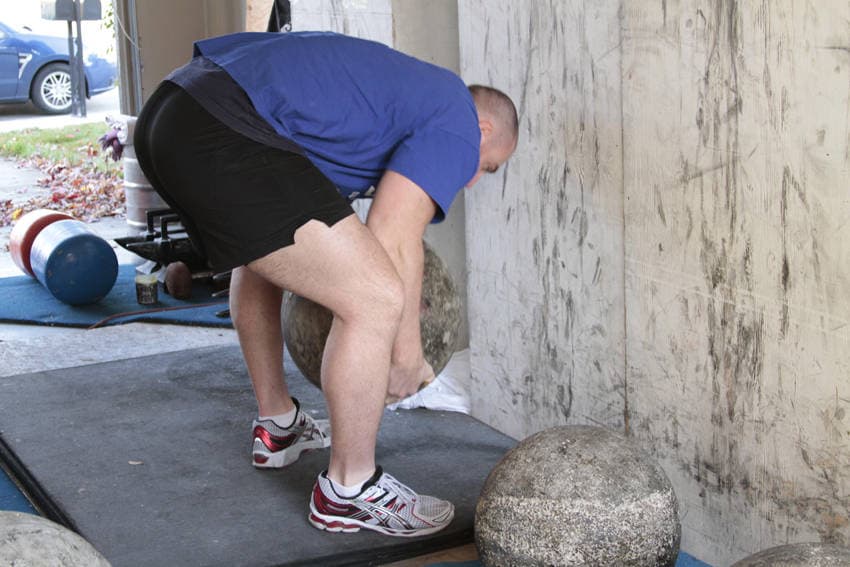
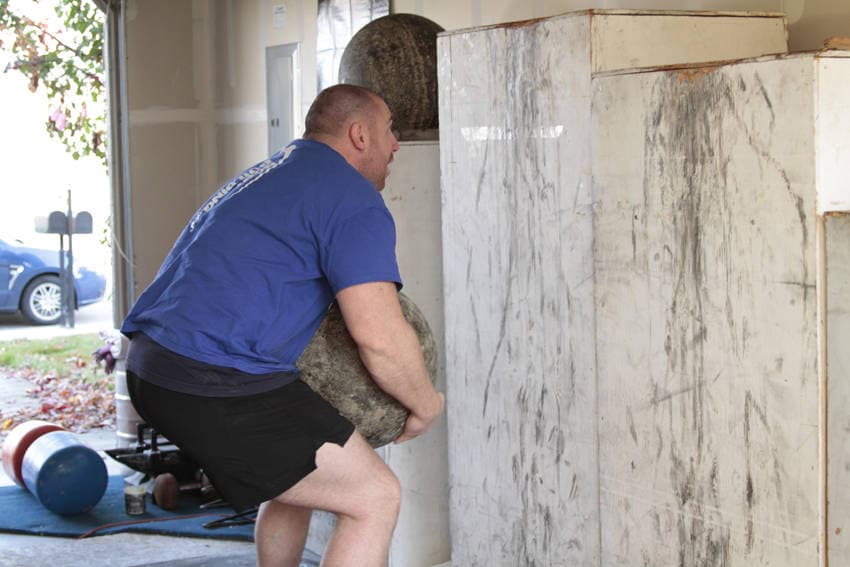
Atlas Stones
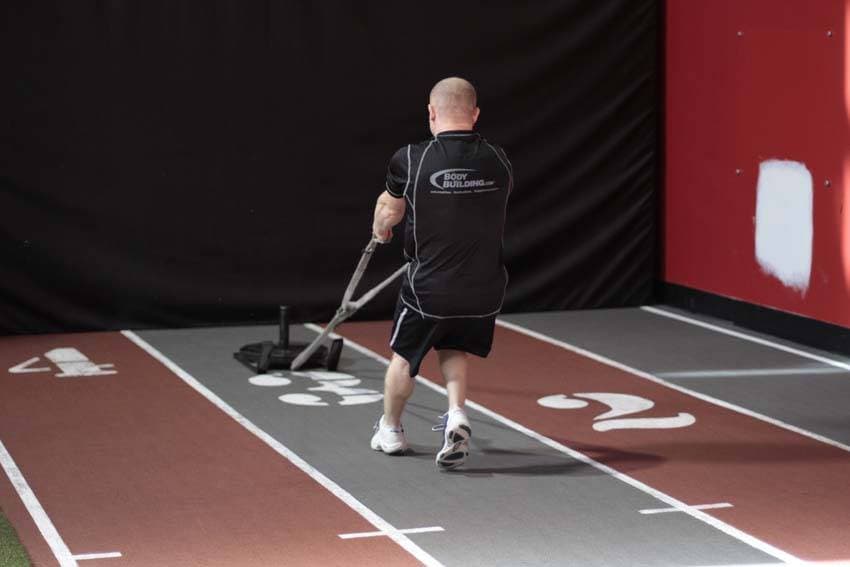
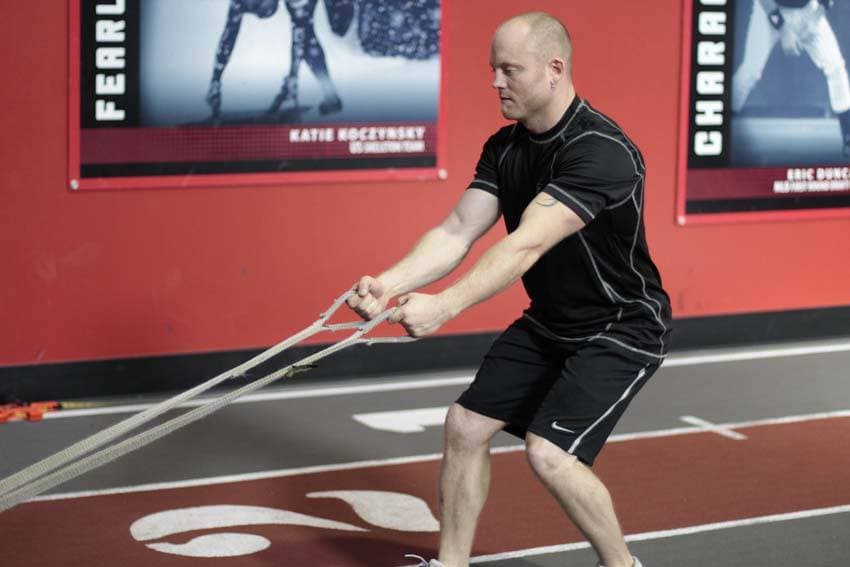
Backward Drag
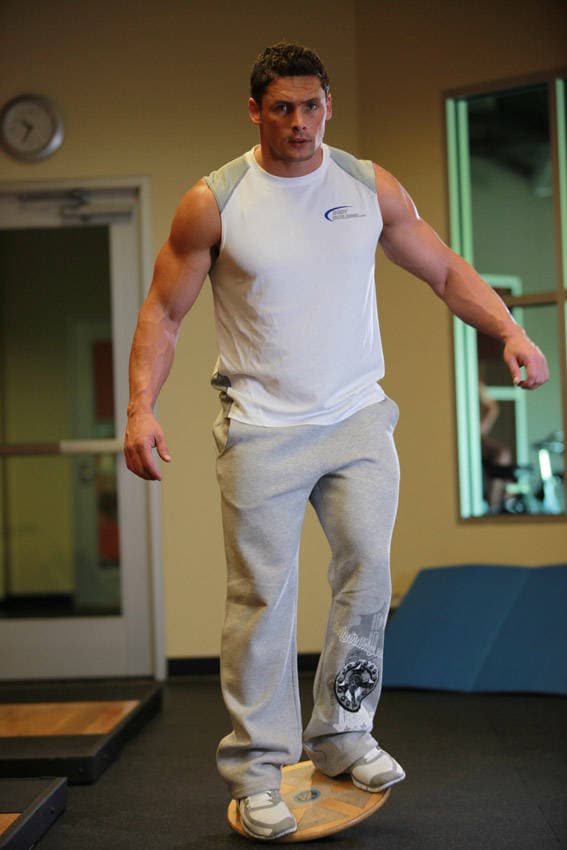
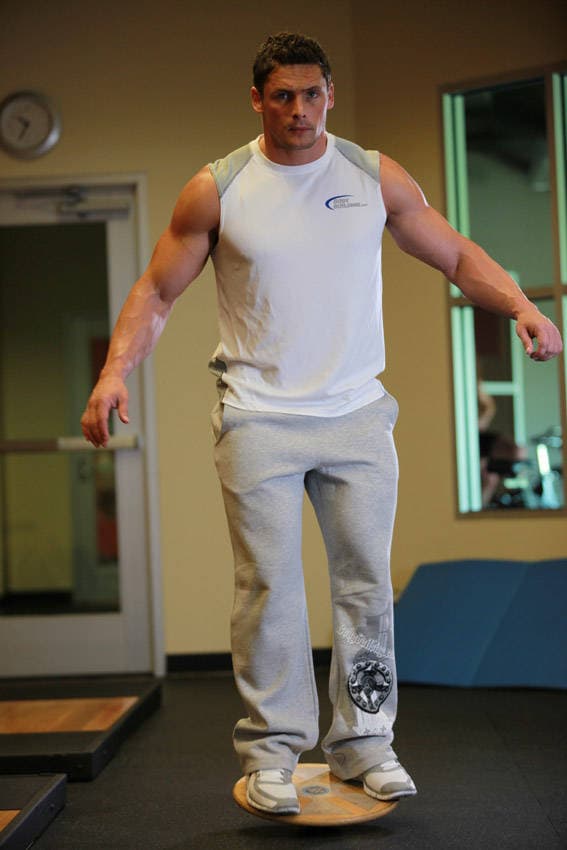
Balance Board
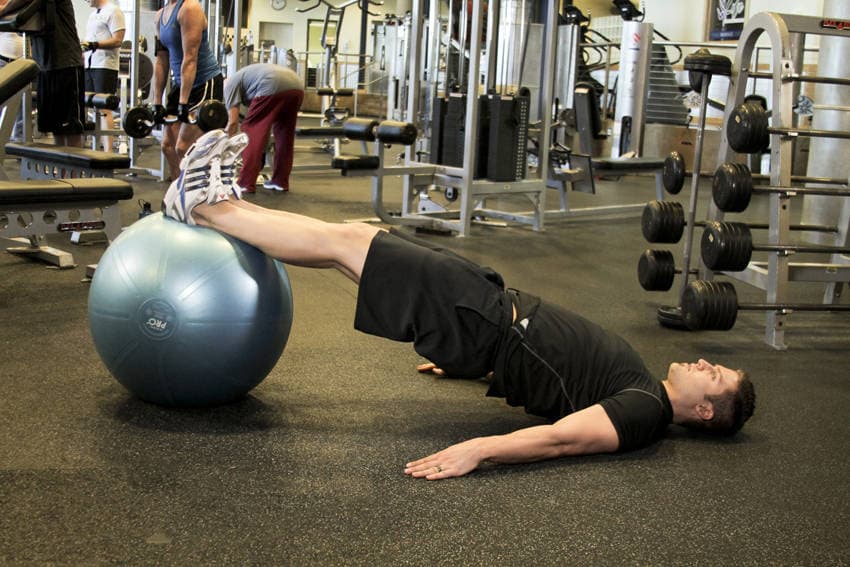
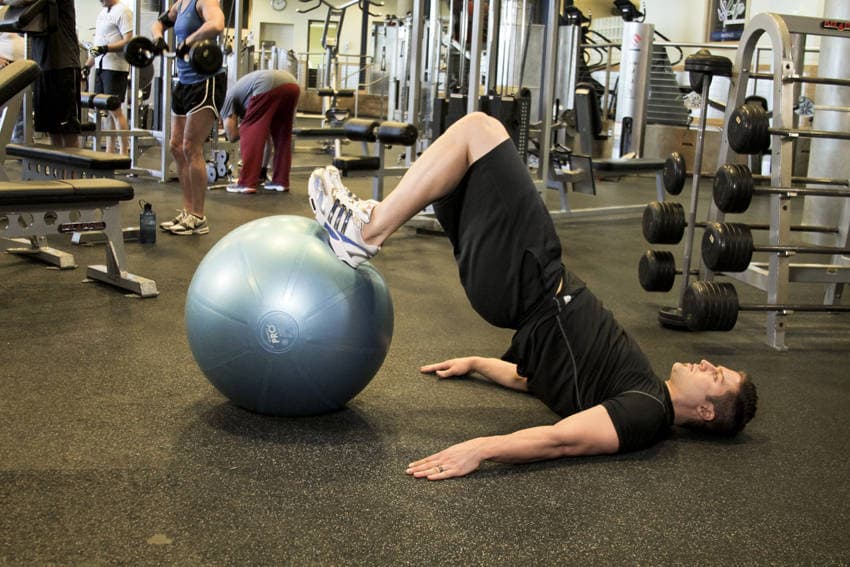
Ball Leg Curl
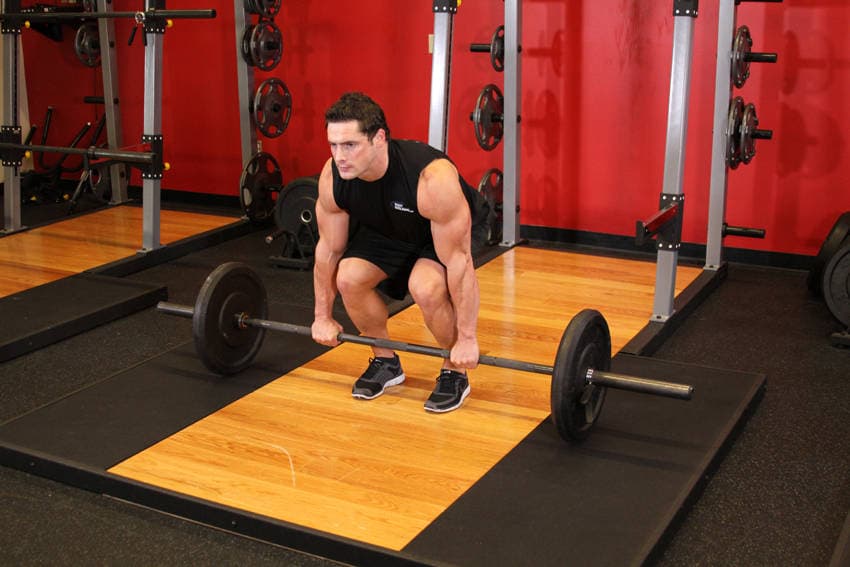
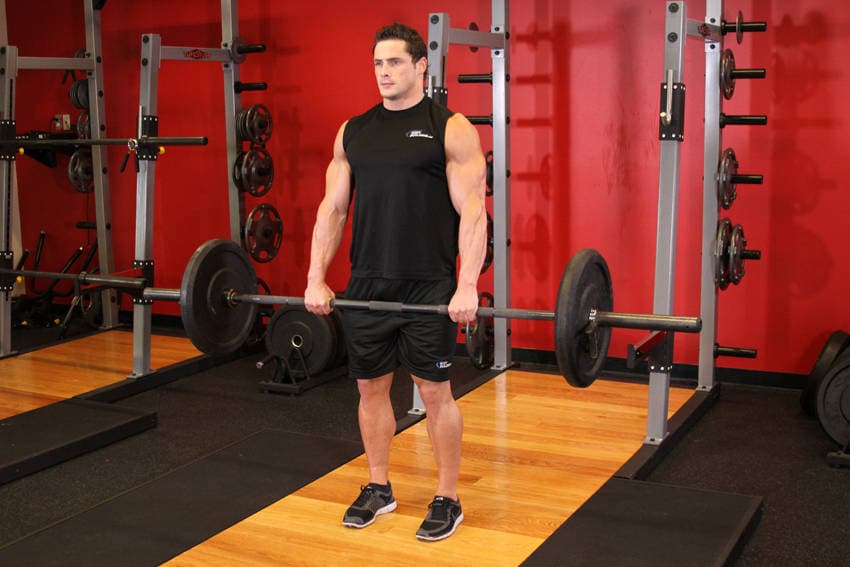
Barbell Deadlift
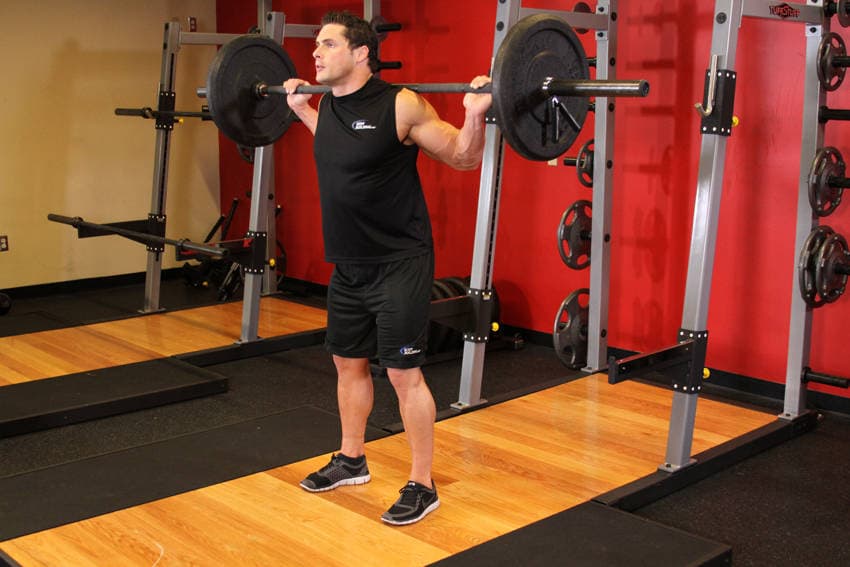
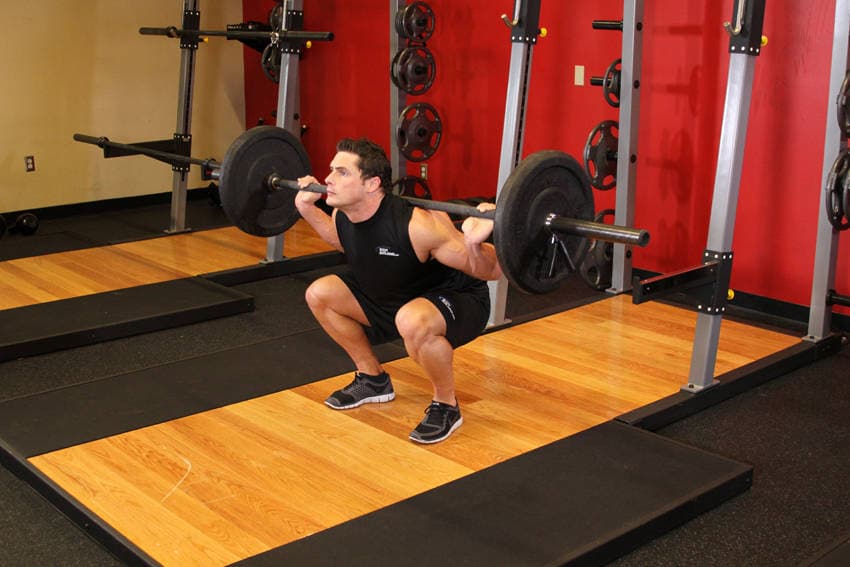
Barbell Full Squat
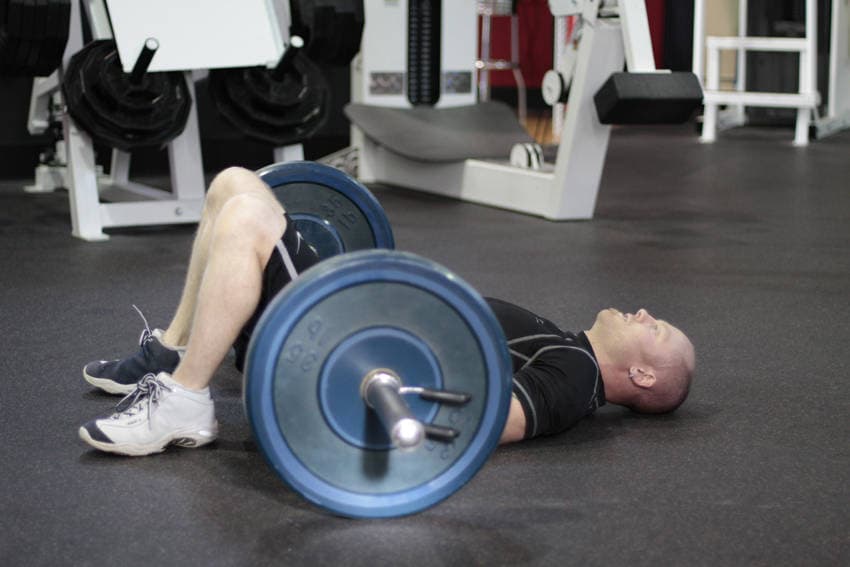
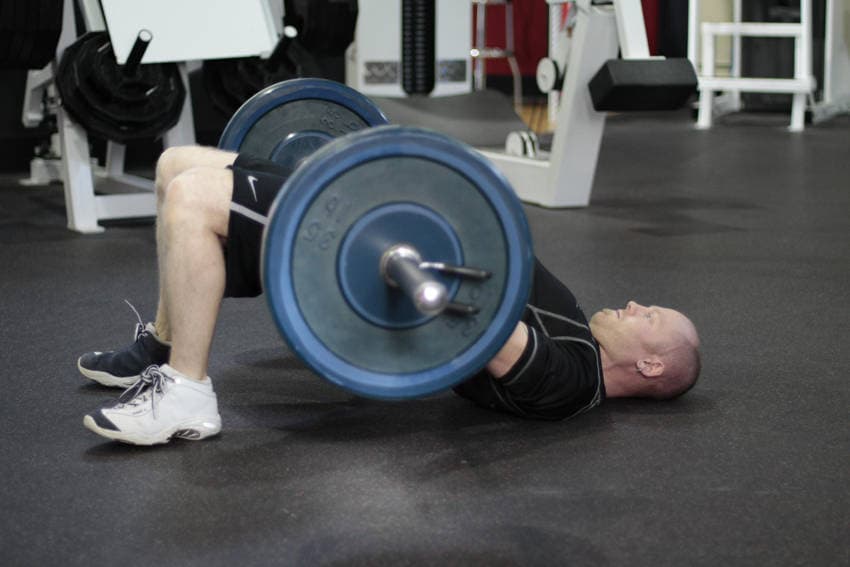
Barbell Glute Bridge
When to See a Doctor
Seek medical attention if foot pain is severe when standing, you notice numbness or tingling in the toes, there is visible swelling or bruising, or if plantar pain has not improved after six weeks of home care.
Self-Care Tips
Roll the bottom of the foot on a frozen water bottle for massage and icing
Stretch the plantar fascia and calves before getting out of bed
Wear supportive shoes with good arch support
Strengthen the intrinsic foot muscles with towel scrunches
Related Foot Pain
Foot Muscles
Explore all foot muscles in 3D
Activities & Sports
Find which activities involve this area