Chest
Center of Chest
Central chest pain can involve the sternal attachments of the pectoralis major, the sternum itself, and the costochondral joints. Costochondritis is a very common and benign cause of central chest pain that can be alarming because it mimics cardiac symptoms.
Medical Disclaimer
This information is for educational purposes only and does not constitute medical advice. Consult a qualified healthcare provider for proper diagnosis and treatment of any pain or medical condition.
Common Causes
Costochondritis (inflammation of rib-sternum joints)
Pectoralis major strain at the sternal attachment
Muscle tension from anxiety or stress
Acid reflux or GERD mimicking chest wall pain
Sternum bruise from direct impact
Muscles in This Area
6Chest
pectoralis major
The massive pectoralis major covers the chest, powering arm adduction, flexion, and rotation for bench presses and push-ups. It's the prime mover for upper body pushing strength in fitness. Building it creates that powerful chest aesthetic.
Chest
Abdominal part of left pectoralis major
The abdominal part of the left pectoralis major is the lower portion of the left chest's primary pushing muscle, attaching from the sternum down to the ribs near the abdomen. It drives shoulder adduction and flexion, crucial for powerful presses like bench variations and dips. Fitness enthusiasts target it for that defined lower chest line in bodybuilding.
Chest
Abdominal part of right pectoralis major
The abdominal part of the right pectoralis major forms the lower section of the right chest's main power muscle, spanning from the sternum to the abdominal ribs. It excels in adduction and flexion for presses and flyes, key for balanced chest development. Gym-goers love it for carving out that teardrop lower chest aesthetic.
Chest
External intercostal muscle
External intercostals are thin muscles between the ribs that elevate them during inhalation, aiding deep breathing for core stability in lifts. They're vital for endurance athletes needing efficient oxygen uptake. Fitness training enhances respiratory muscle power.
Chest
Internal intercostal muscle
Internal intercostals between ribs assist expiration and stabilize chest in lifts.
Chest
transversus thoracis
The transversus thoracis are thin muscle bands on the inner chest wall beneath the sternum. They compress the chest during forced exhalation and stabilize the ribs. Important for deep breathing control in fitness and core stability.
Stretches That May Help
Recommended Exercises
12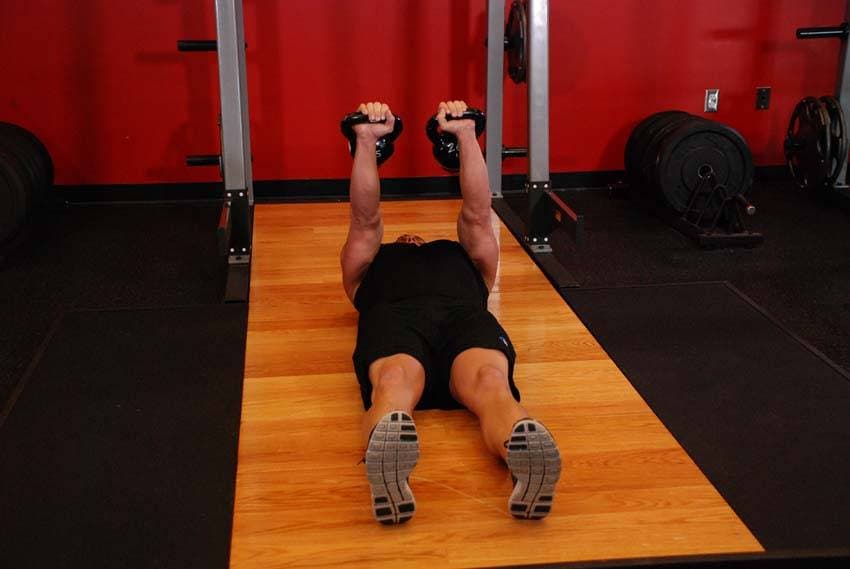
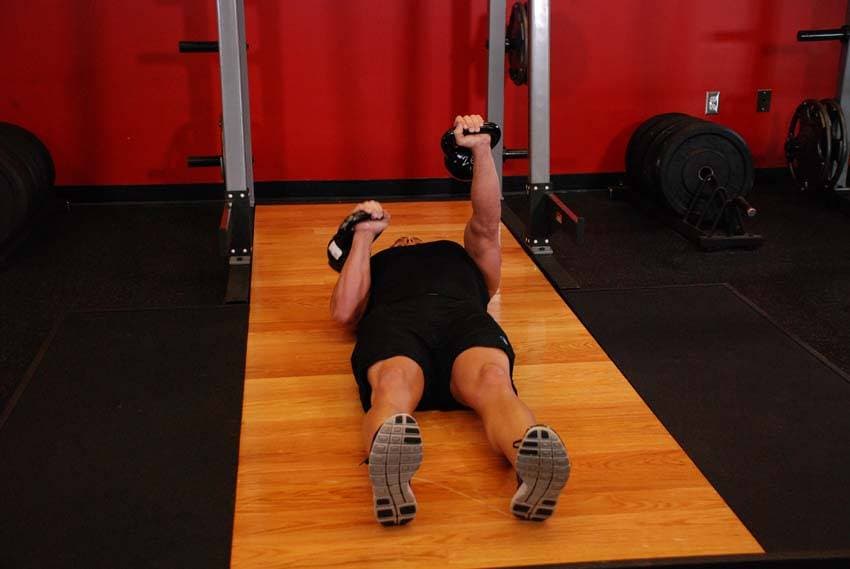
Alternating Floor Press
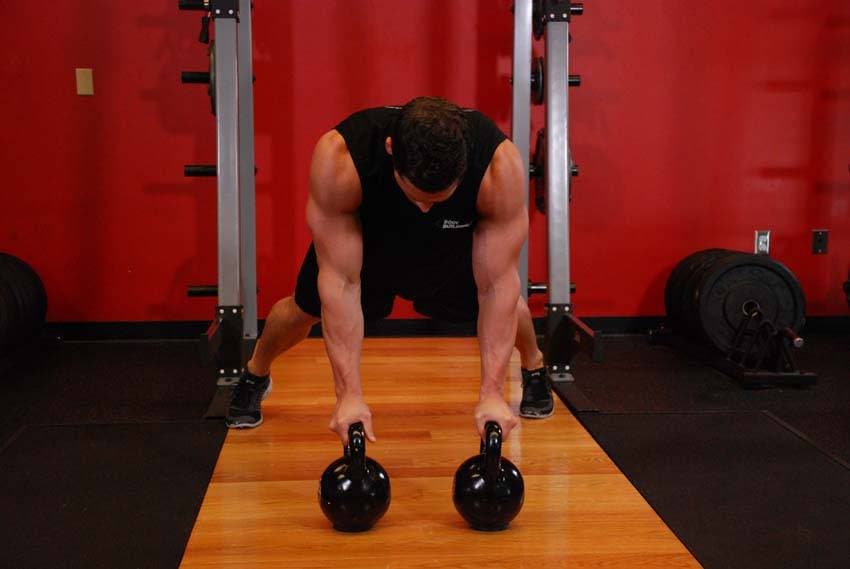
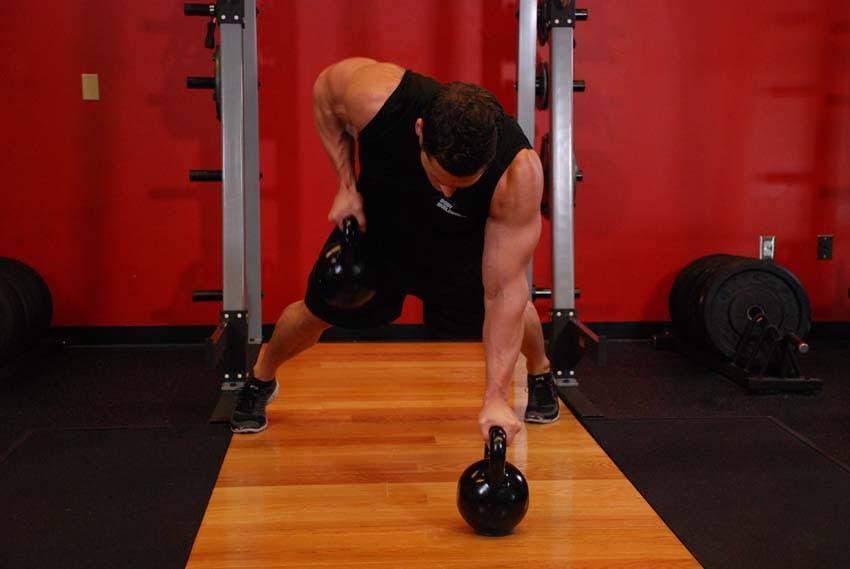
Alternating Renegade Row
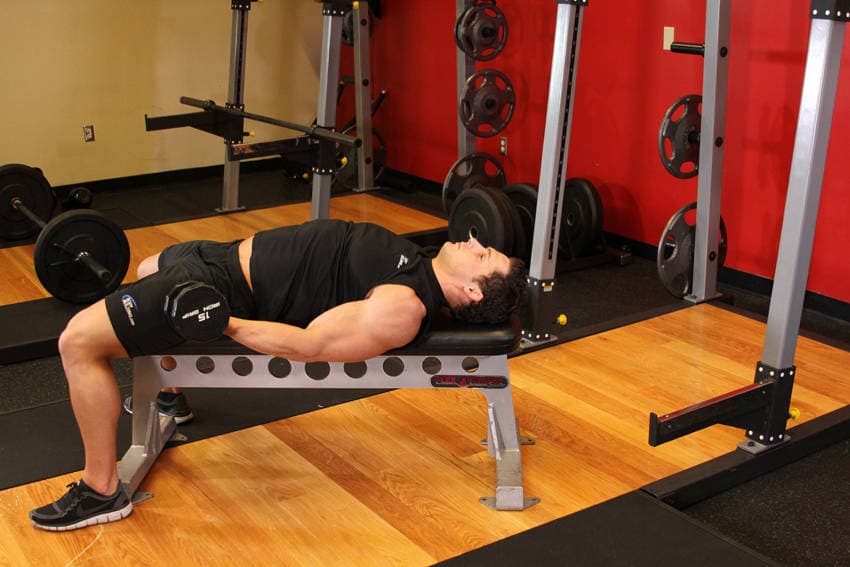
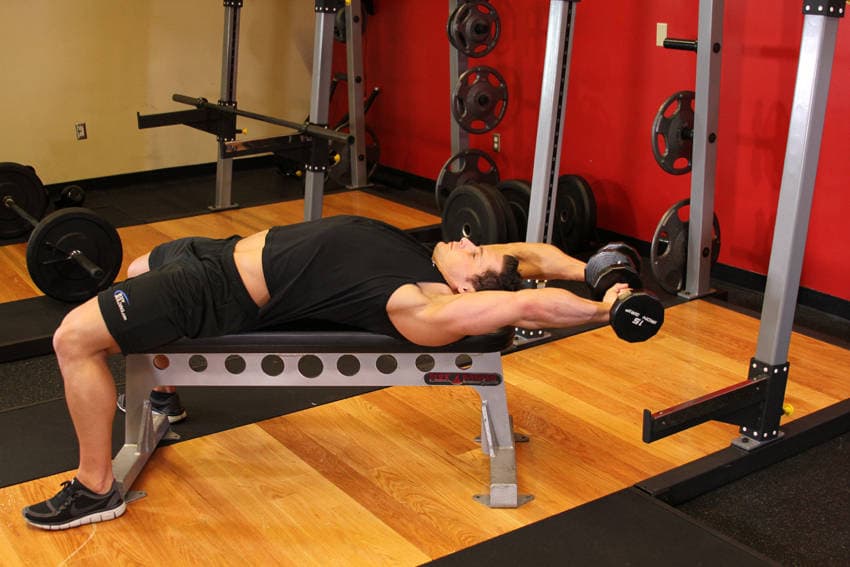
Around The Worlds


Barbell Bench Press - Medium Grip
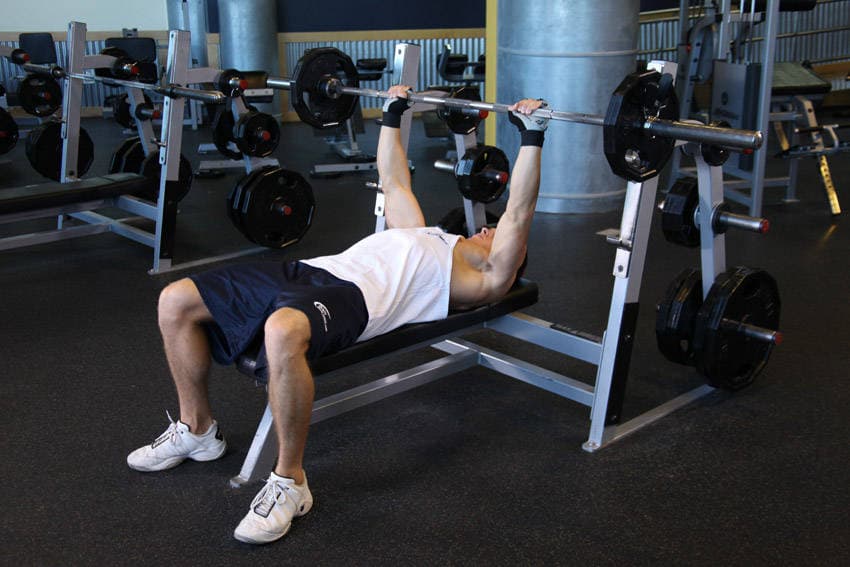
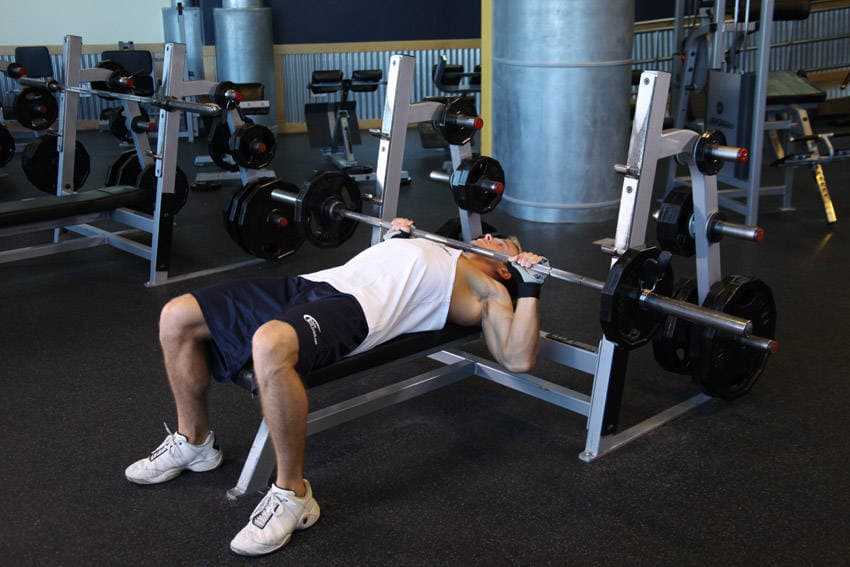
Barbell Guillotine Bench Press
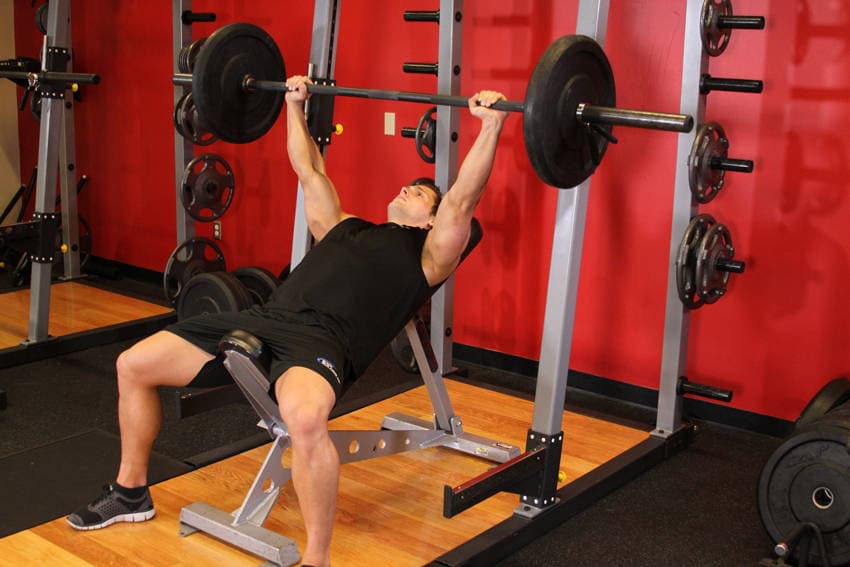

Barbell Incline Bench Press - Medium Grip
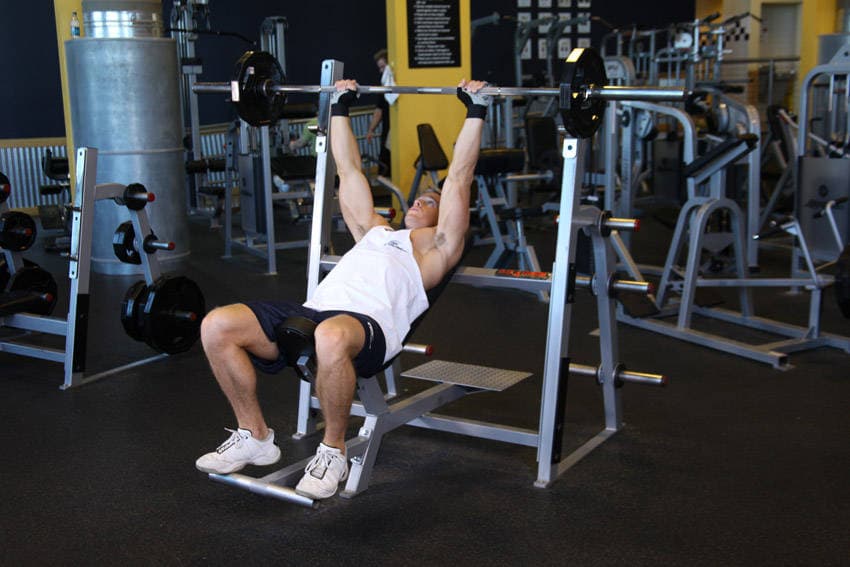
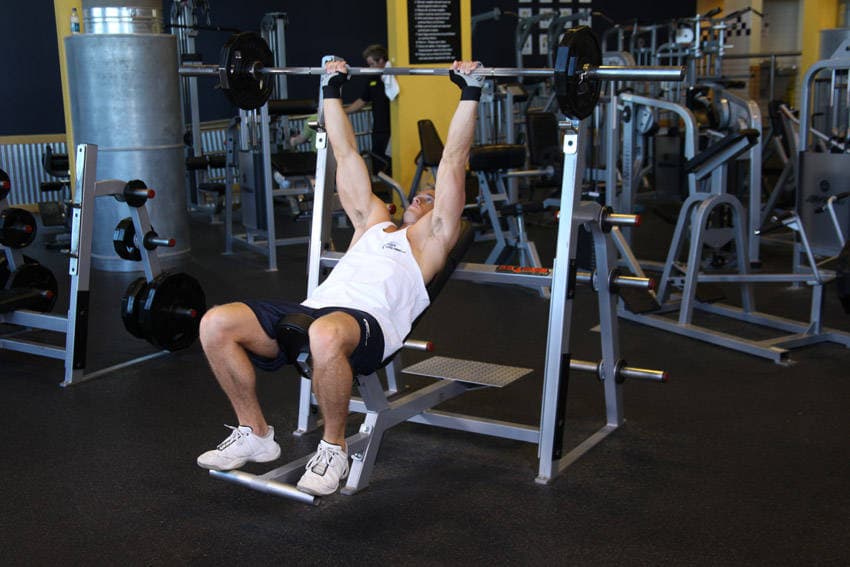
Barbell Incline Shoulder Raise
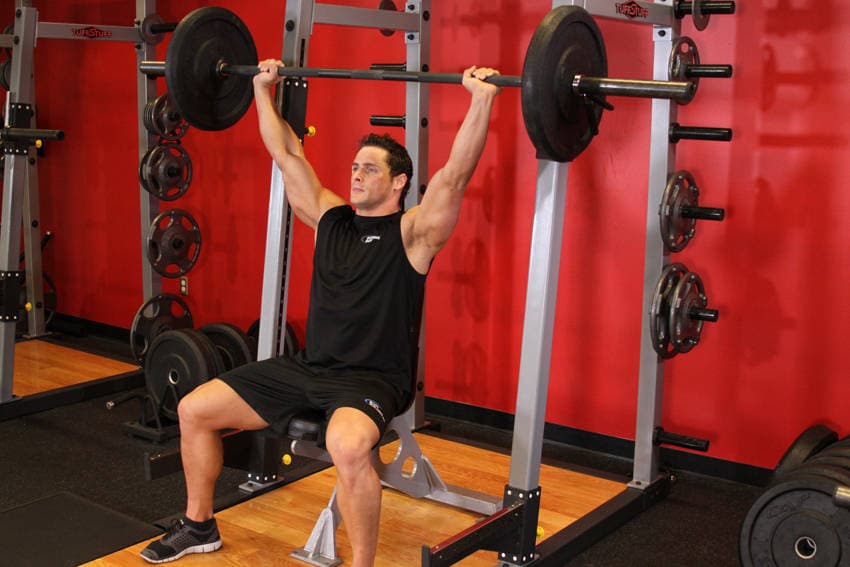
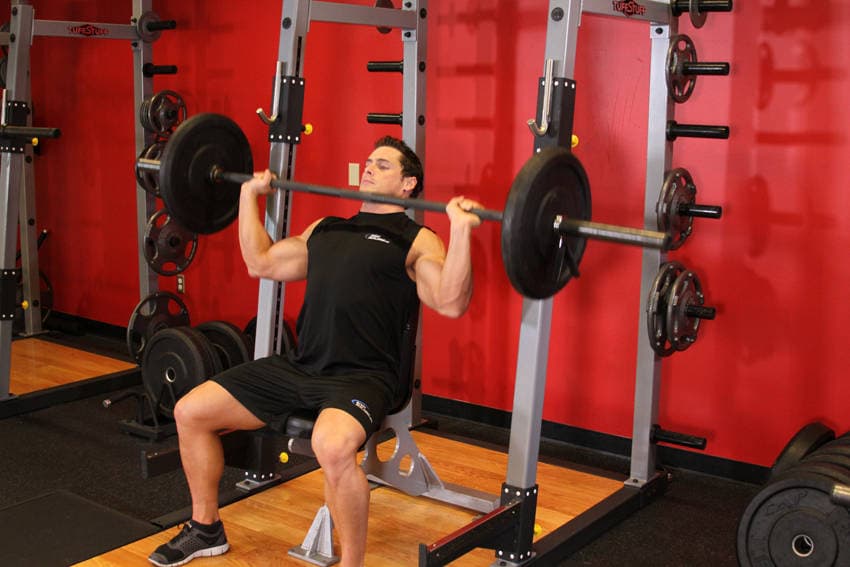
Barbell Shoulder Press


Battling Ropes
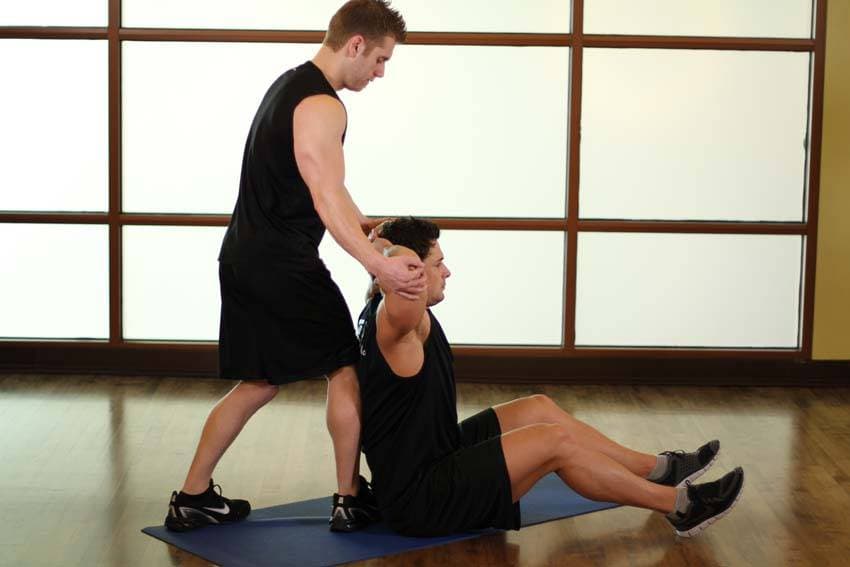
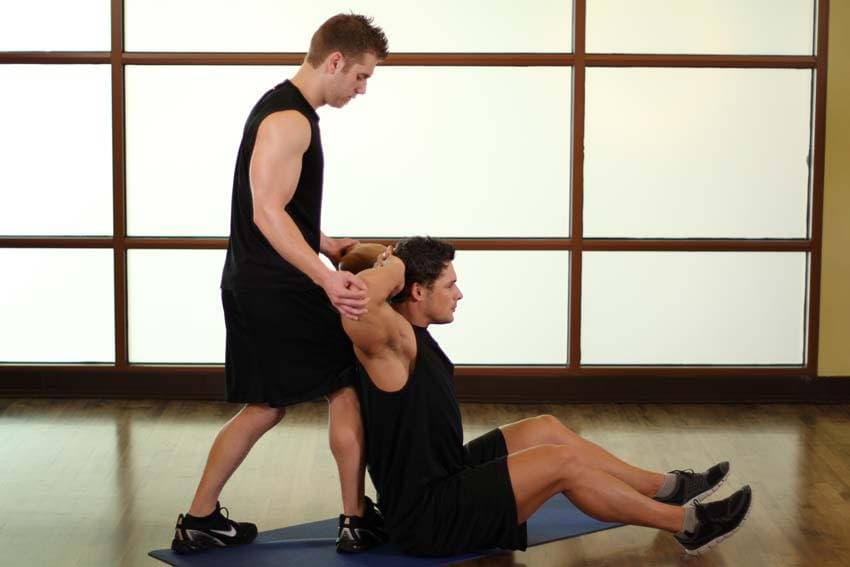
Behind Head Chest Stretch
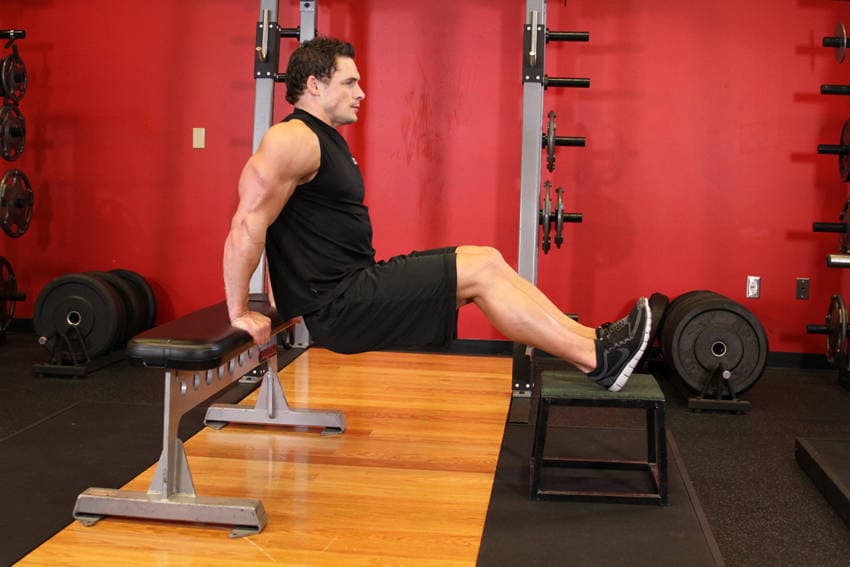
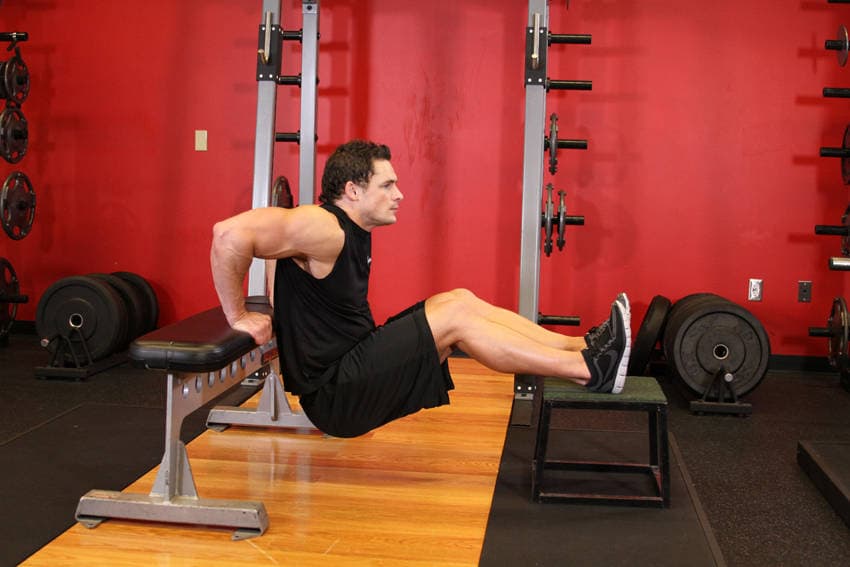
Bench Dips
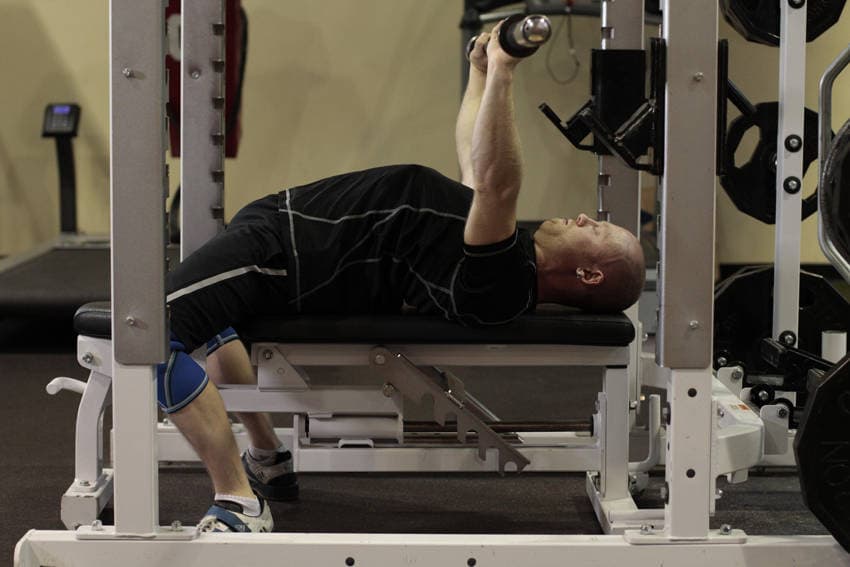
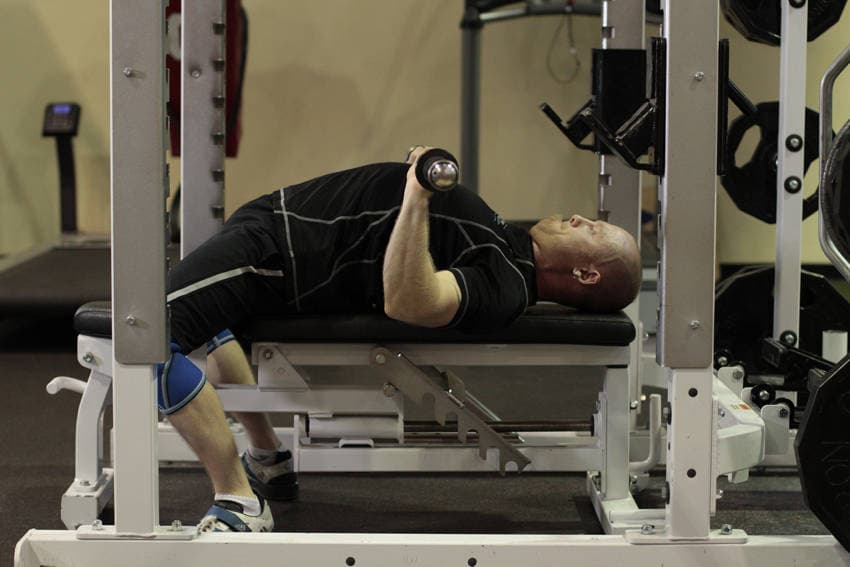
Bench Press - Powerlifting
When to See a Doctor
Seek immediate medical attention if central chest pain is crushing or pressure-like, radiates to the arms or jaw, is accompanied by sweating or shortness of breath, or occurred suddenly during exertion.
Self-Care Tips
Gently stretch the chest with arms behind the back
Apply heat to the central chest to relax tight muscles
Avoid heavy pressing exercises until pain subsides
Practice deep breathing to manage anxiety-related chest tension
Related Chest Pain
Chest Muscles
Explore all chest muscles in 3D
Activities & Sports
Find which activities involve this area