Chest
Left Chest
Left-sided chest pain can involve the left pectoralis major, intercostal muscles, or the costochondral joints. While muscular causes are common, left chest pain warrants careful attention because it can mimic or accompany cardiac conditions.
Medical Disclaimer
This information is for educational purposes only and does not constitute medical advice. Consult a qualified healthcare provider for proper diagnosis and treatment of any pain or medical condition.
Common Causes
Left pectoralis major strain from pressing exercises
Costochondritis causing sharp pain at the rib-sternum junction
Intercostal muscle strain from twisting or coughing
Pectoralis minor tightness from rounded posture
Referred pain from thoracic spine issues
Muscles in This Area
6Chest
pectoralis major
The massive pectoralis major covers the chest, powering arm adduction, flexion, and rotation for bench presses and push-ups. It's the prime mover for upper body pushing strength in fitness. Building it creates that powerful chest aesthetic.
Chest
Abdominal part of left pectoralis major
The abdominal part of the left pectoralis major is the lower portion of the left chest's primary pushing muscle, attaching from the sternum down to the ribs near the abdomen. It drives shoulder adduction and flexion, crucial for powerful presses like bench variations and dips. Fitness enthusiasts target it for that defined lower chest line in bodybuilding.
Chest
pectoralis minor
Under the pec major, the pectoralis minor stabilizes the scapula, aiding shoulder protraction in dips and push-ups. Key for shoulder health in overhead athletes. It prevents winging scapula in fitness training.
Chest
serratus anterior
Serratus anterior wraps from ribs to scapula, protracting and upwardly rotating the shoulder blade for punches and presses. 'Boxer's muscle' prevents winging, crucial for overhead athletes.
Chest
External intercostal muscle
External intercostals are thin muscles between the ribs that elevate them during inhalation, aiding deep breathing for core stability in lifts. They're vital for endurance athletes needing efficient oxygen uptake. Fitness training enhances respiratory muscle power.
Chest
Internal intercostal muscle
Internal intercostals between ribs assist expiration and stabilize chest in lifts.
Stretches That May Help
Recommended Exercises
12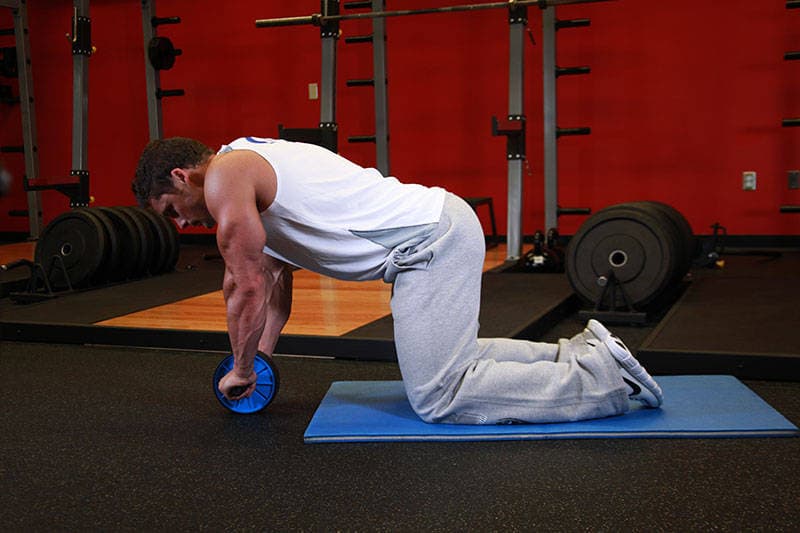
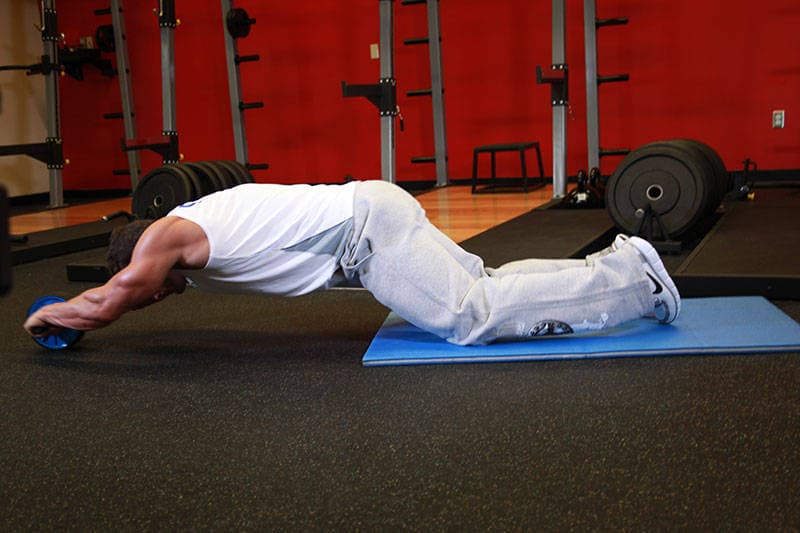
Ab Roller
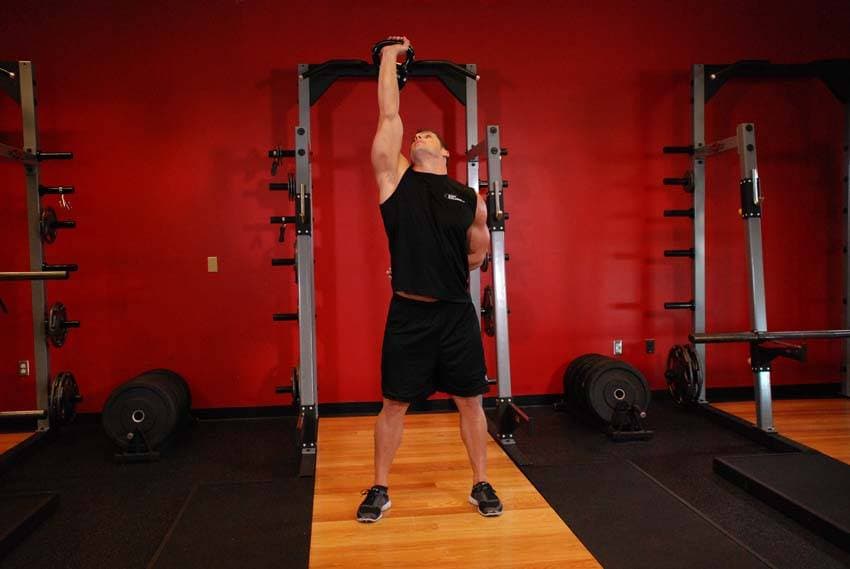
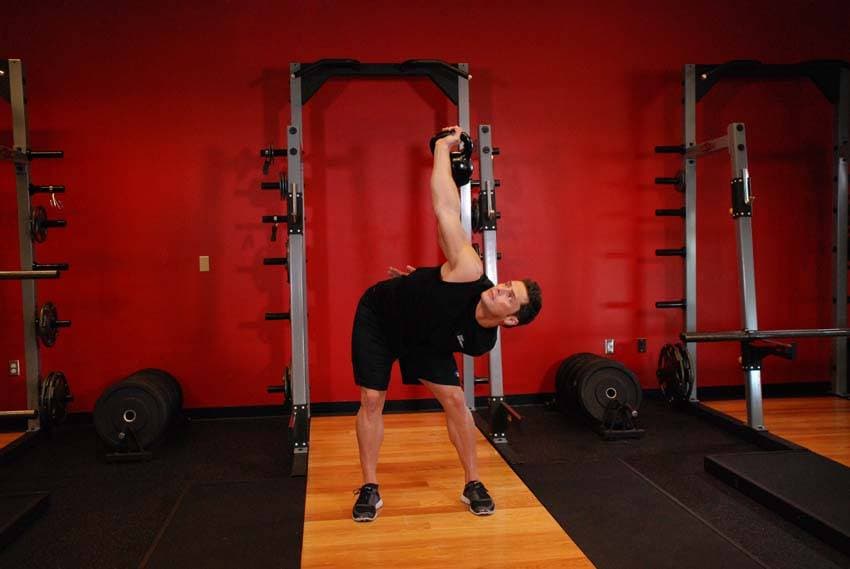
Advanced Kettlebell Windmill
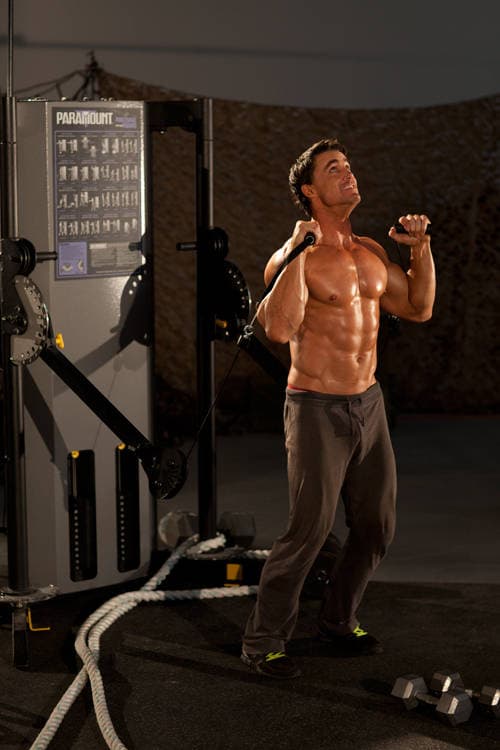
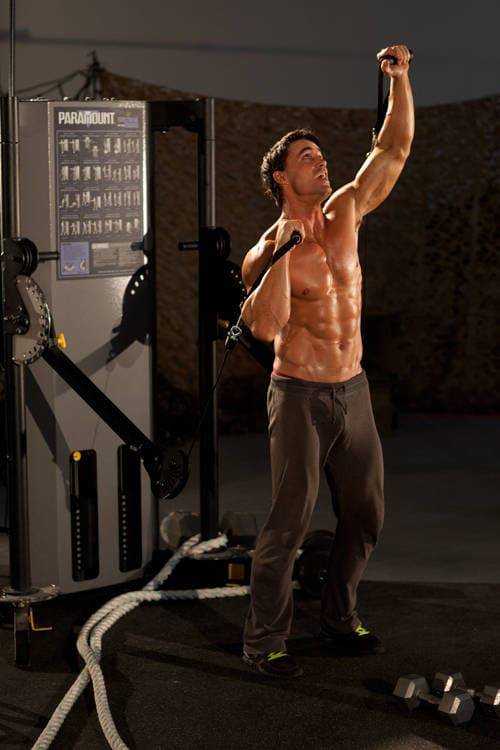
Alternating Cable Shoulder Press
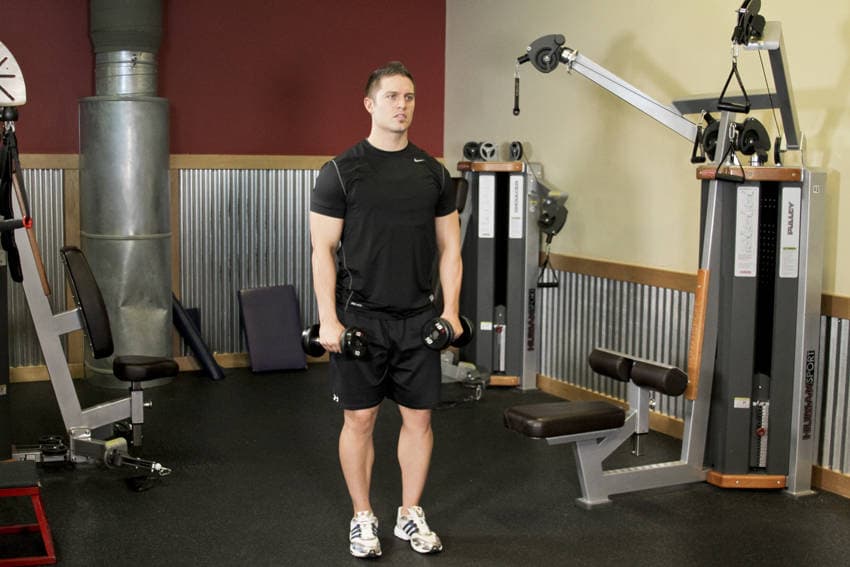
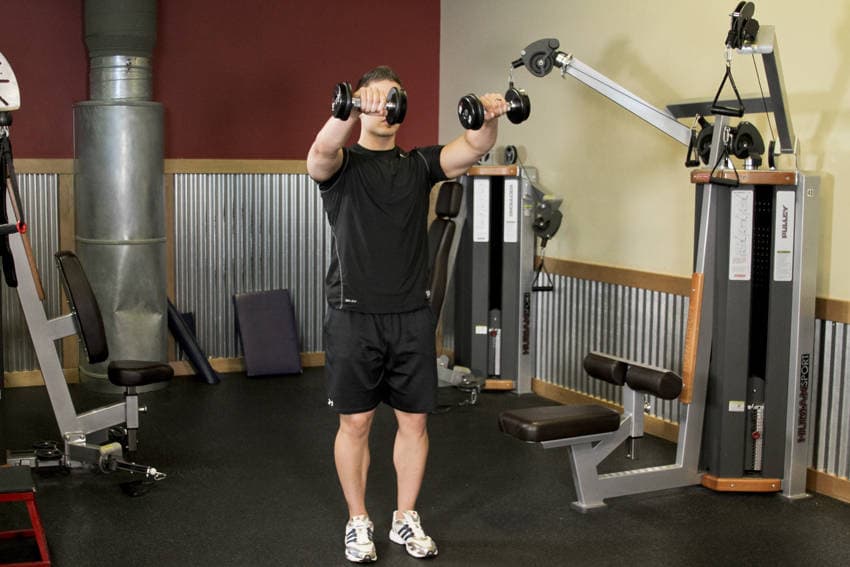
Alternating Deltoid Raise
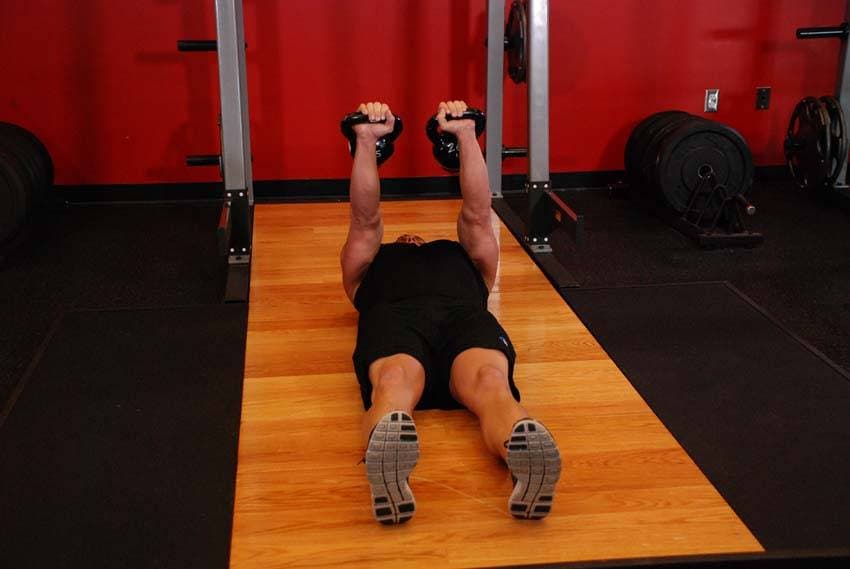
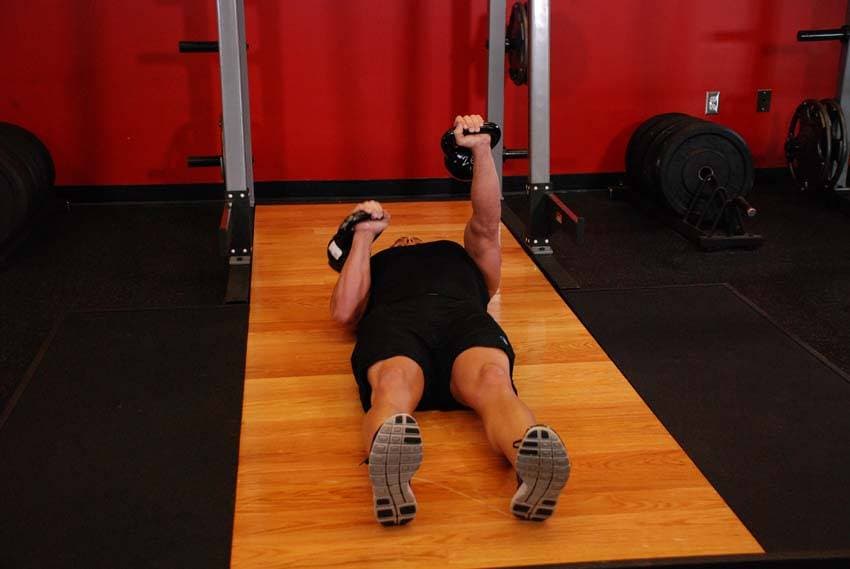
Alternating Floor Press
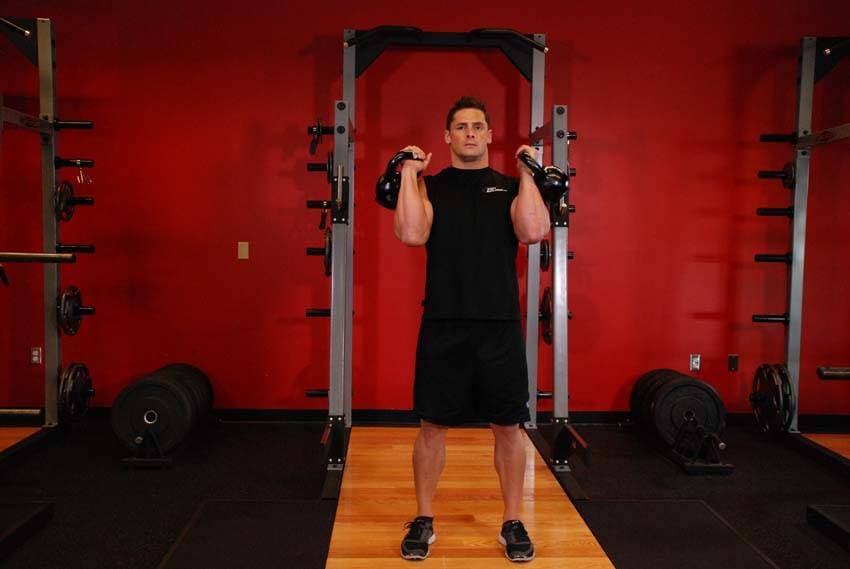
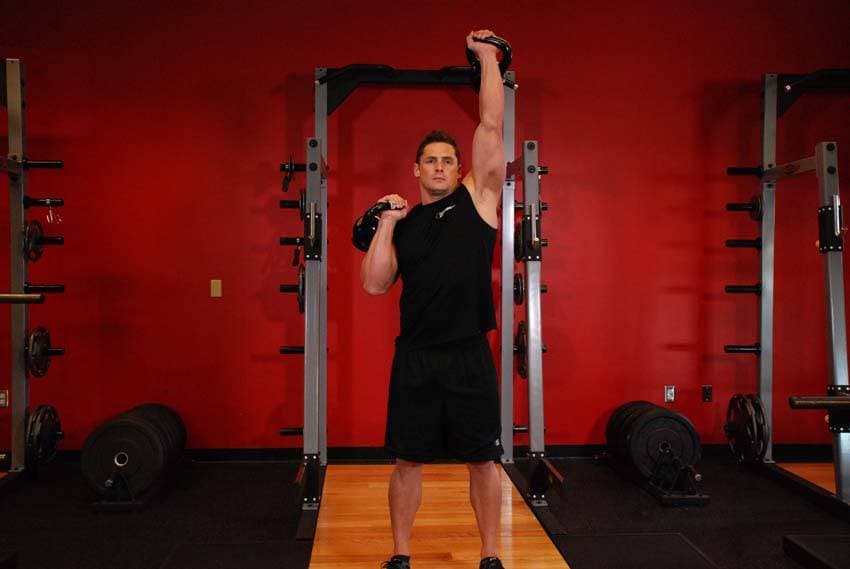
Alternating Kettlebell Press
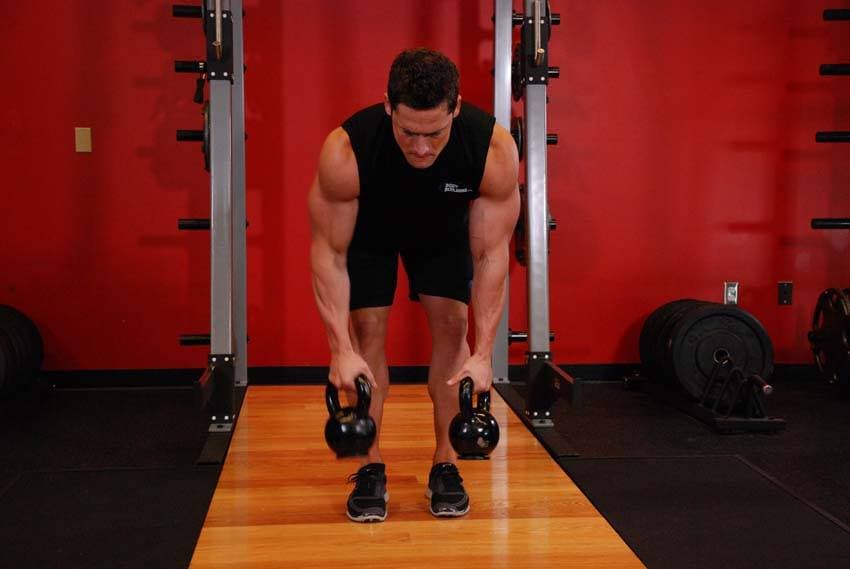
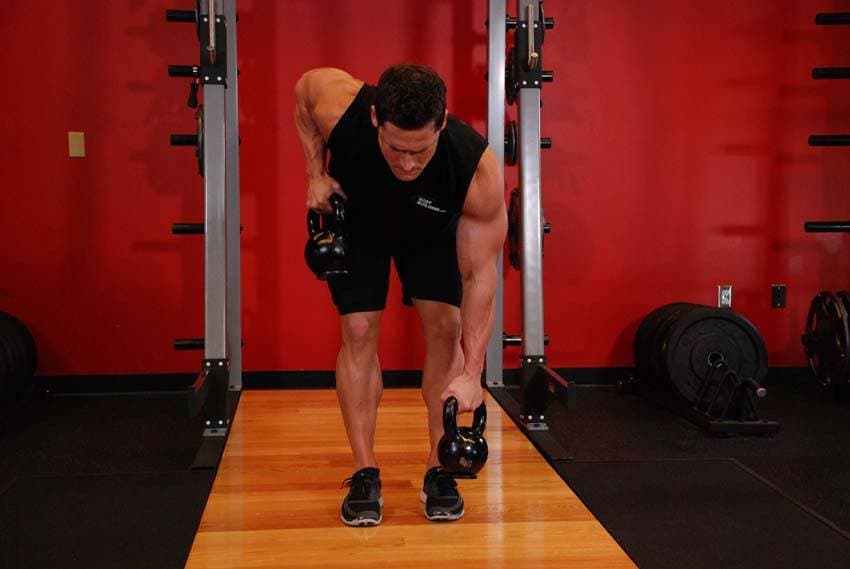
Alternating Kettlebell Row
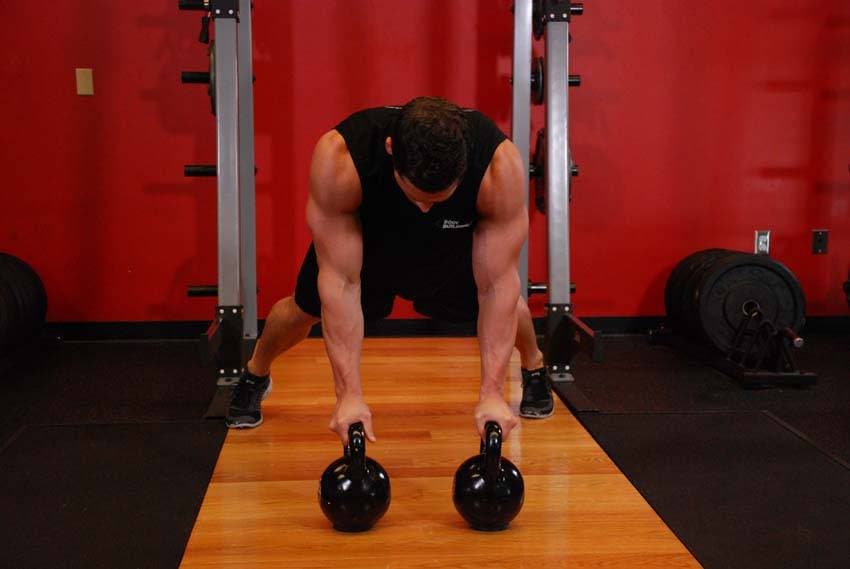
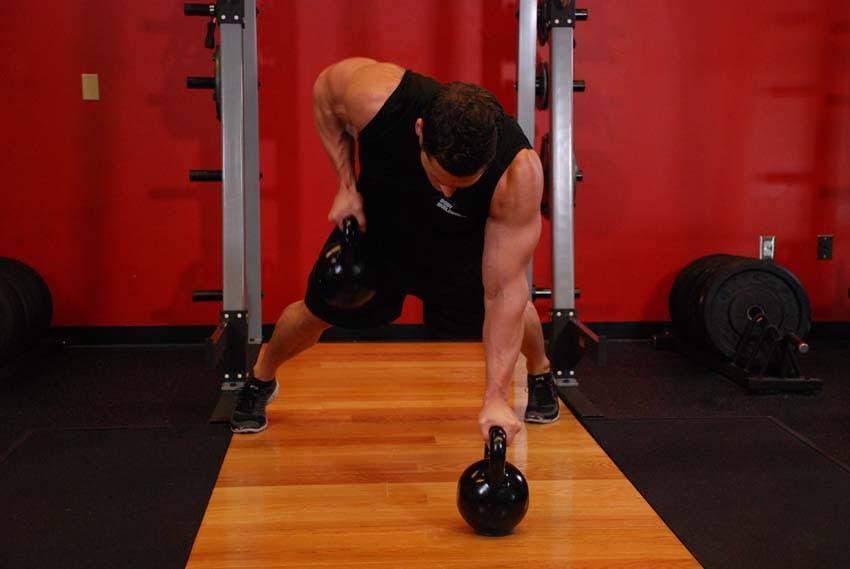
Alternating Renegade Row
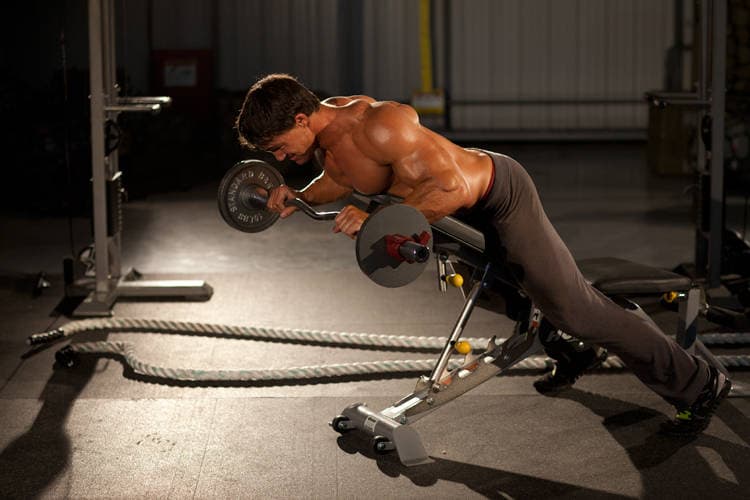
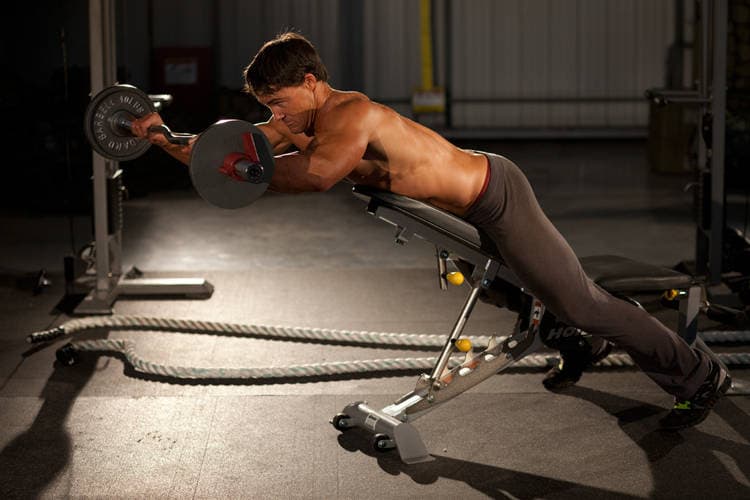
Anti-Gravity Press
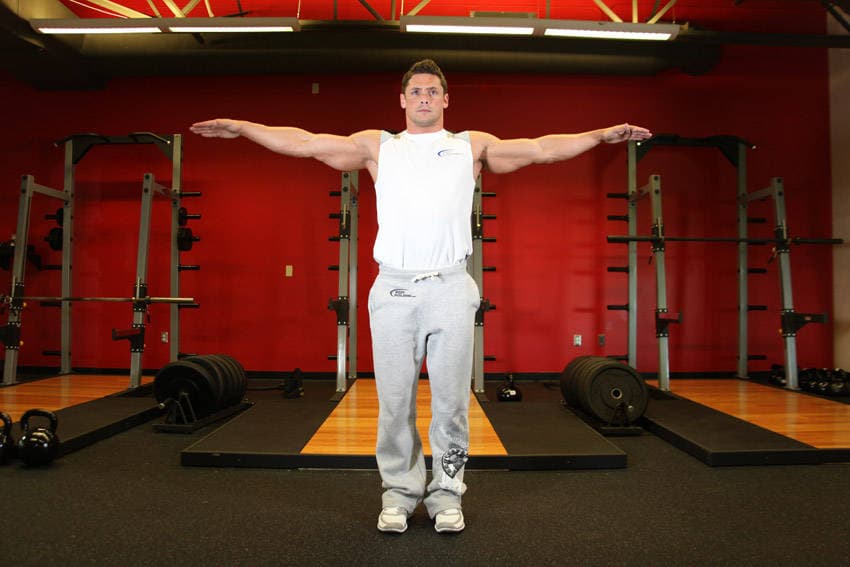
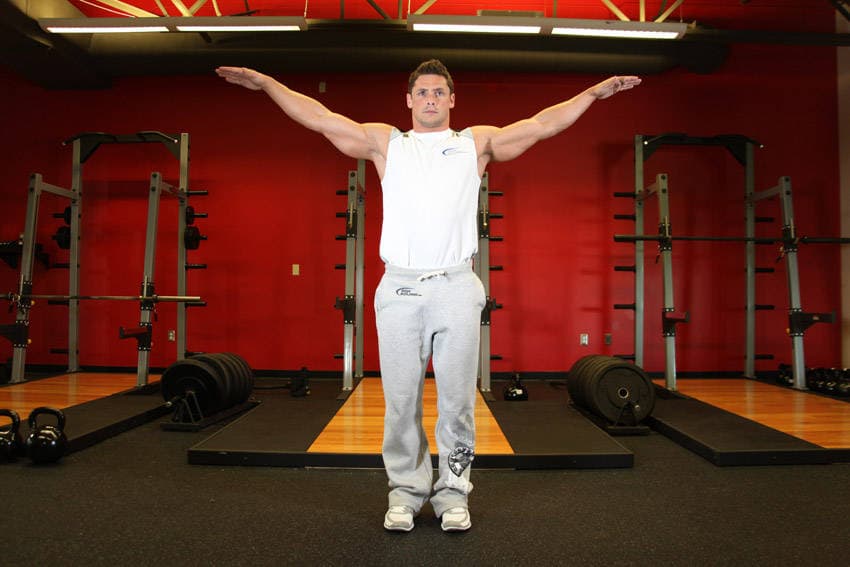
Arm Circles
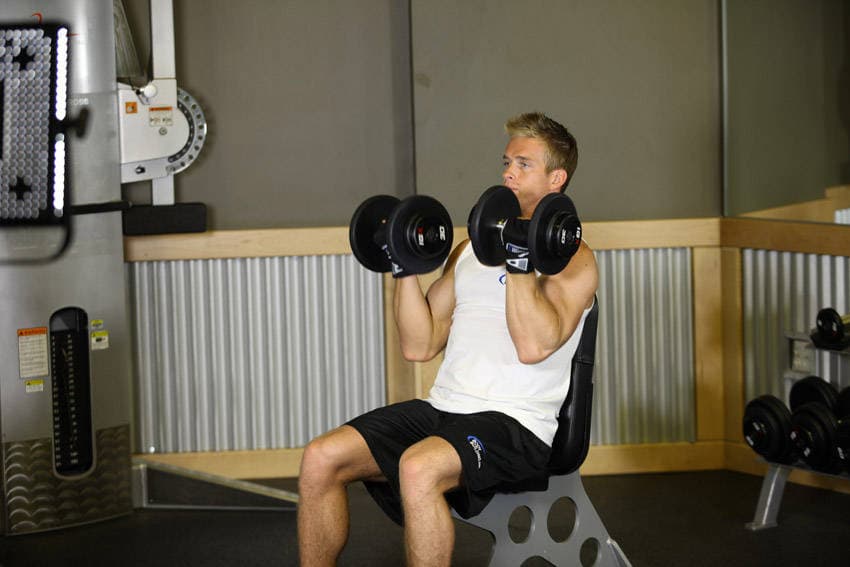
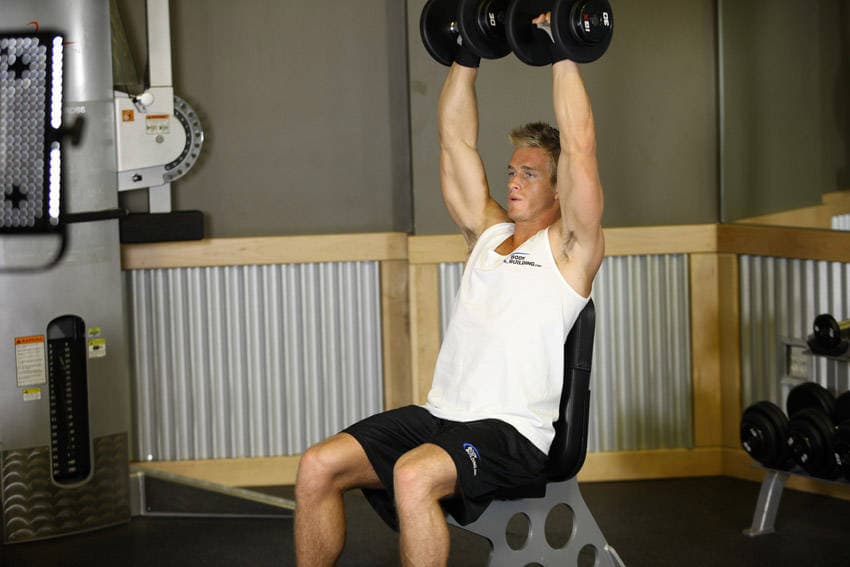
Arnold Dumbbell Press
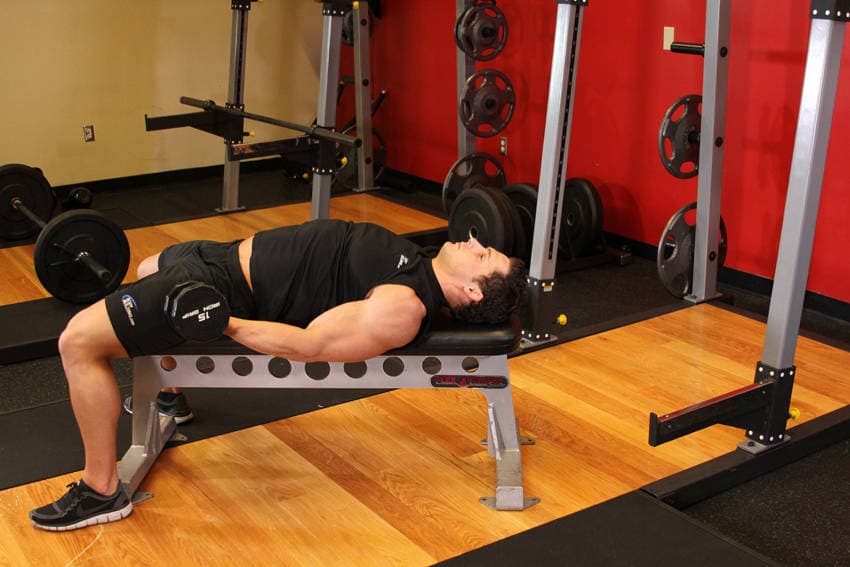
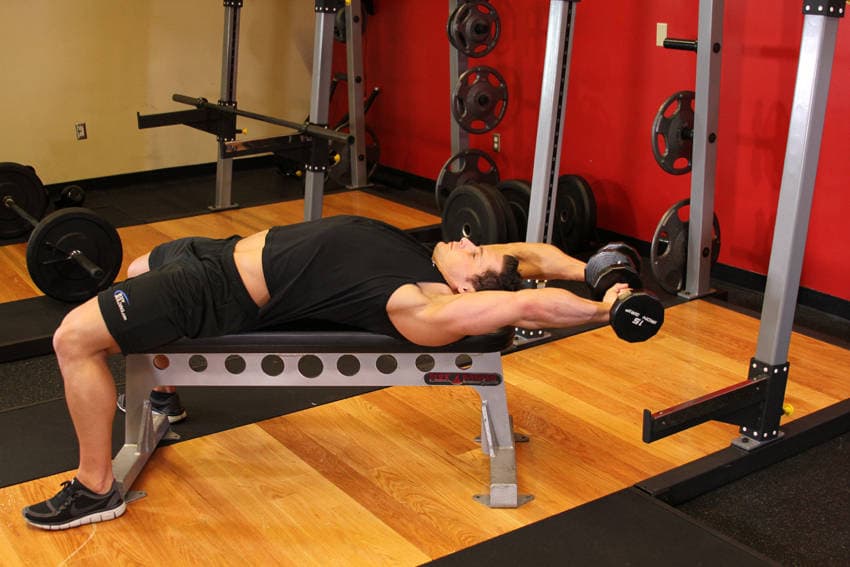
Around The Worlds
When to See a Doctor
Seek immediate medical attention if left chest pain is accompanied by shortness of breath, jaw or arm pain, sweating, nausea, or pressure sensation, as these may indicate a cardiac emergency.
Self-Care Tips
Perform doorway chest stretches to open the pectoral muscles
Massage the pectoralis major along the sternum for trigger points
Maintain good posture to prevent pec tightness
Rest from heavy pressing exercises until pain resolves
Related Chest Pain
Chest Muscles
Explore all chest muscles in 3D
Activities & Sports
Find which activities involve this area