Chest
serratus anterior
seh-RAH-tus an-TEER-ee-or
Serratus anterior wraps from ribs to scapula, protracting and upwardly rotating the shoulder blade for punches and presses. 'Boxer's muscle' prevents winging, crucial for overhead athletes.
Open in 3D ViewerCommon Pain & Injury
Pain lateral ribs to armpit, weakness on push. See doc for winged scapula.
Anatomy & Function
Origin
Ribs 1-8/9 lateral
Insertion
Medial border scapula
Actions
- Scapular protraction
- Upward rotation
- Stabilization
Innervation
Long thoracic nerve (C5-7)
Muscle Relationships
Antagonists
RhomboidsTrapezius
Synergists
Pectoralis minorTrapezius lower
Trigger Points
Refers to side neck, shoulder, arm.
Stretches
1Wall protraction stretch
2Scapular punch reverse
3Doorway serratus
Common Conditions
Serratus anterior strainLong thoracic neuropathyScapular winging
Anatomical Parts
Left serratus anteriorRight serratus anterior
FAQ
Serratus anterior pain?
Side chest ache; wall slides fix.
What does serratus anterior do?
Protracts scapula for punching.
Exercises for serratus anterior
20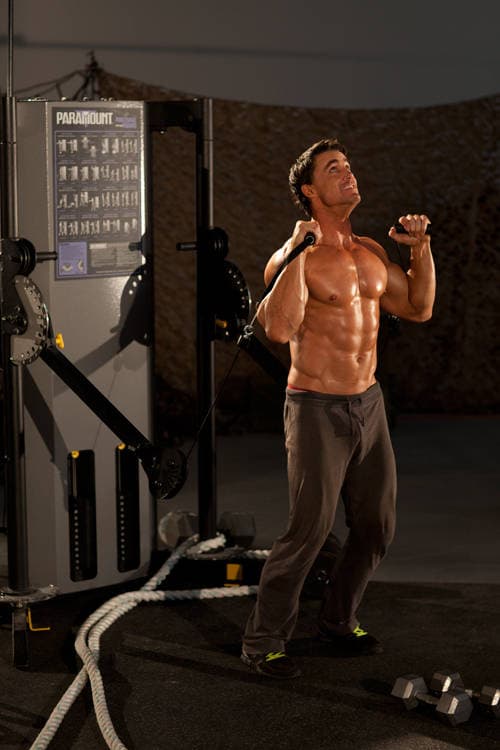
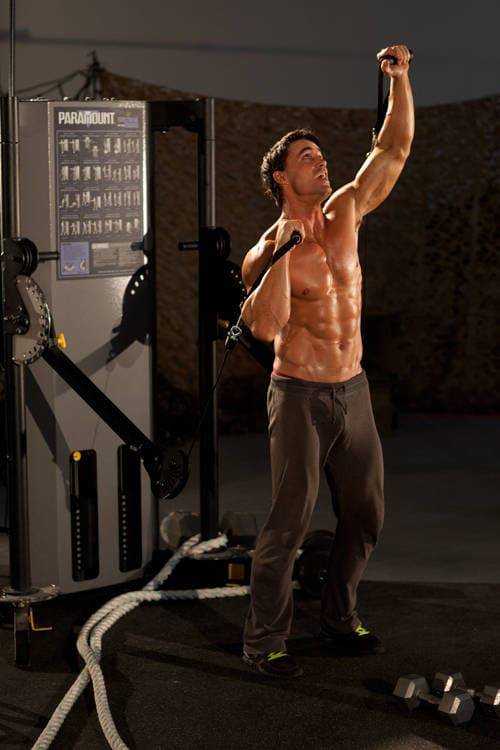
Alternating Cable Shoulder Press
beginner·cable
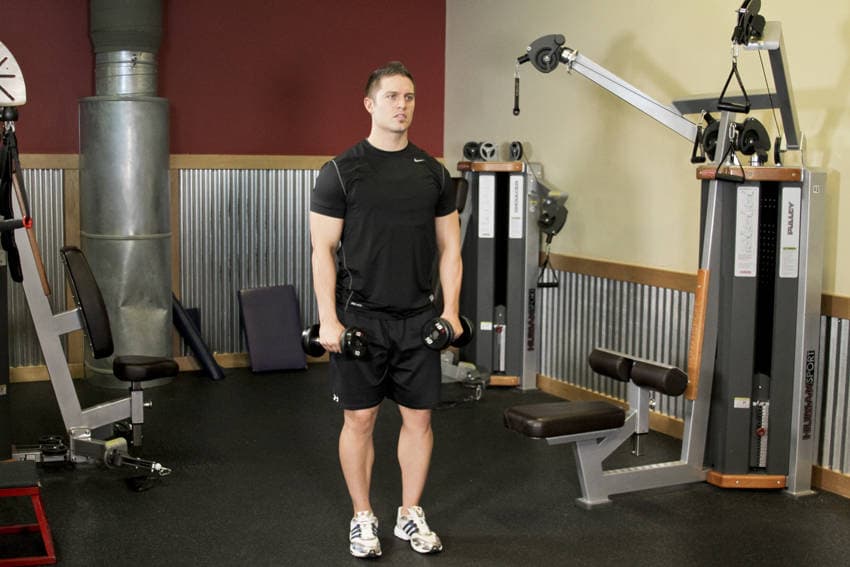
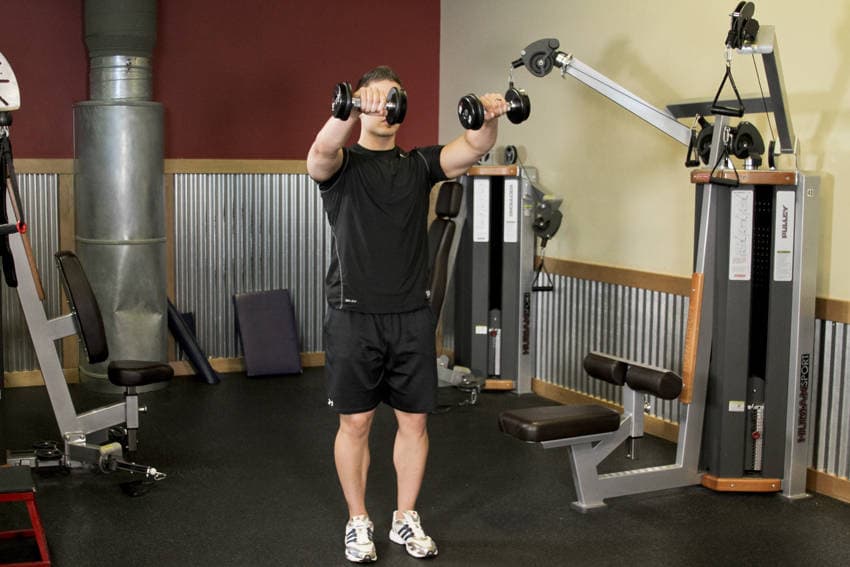
Alternating Deltoid Raise
beginner·dumbbell
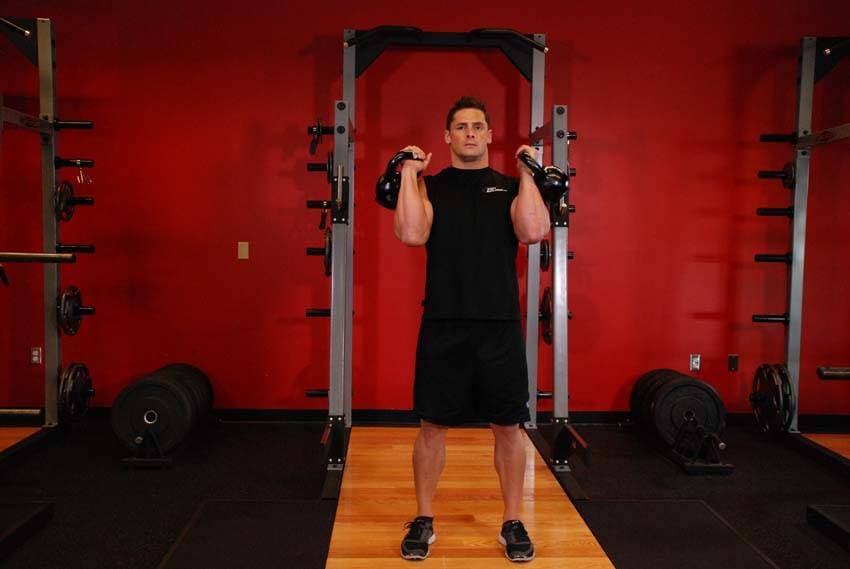
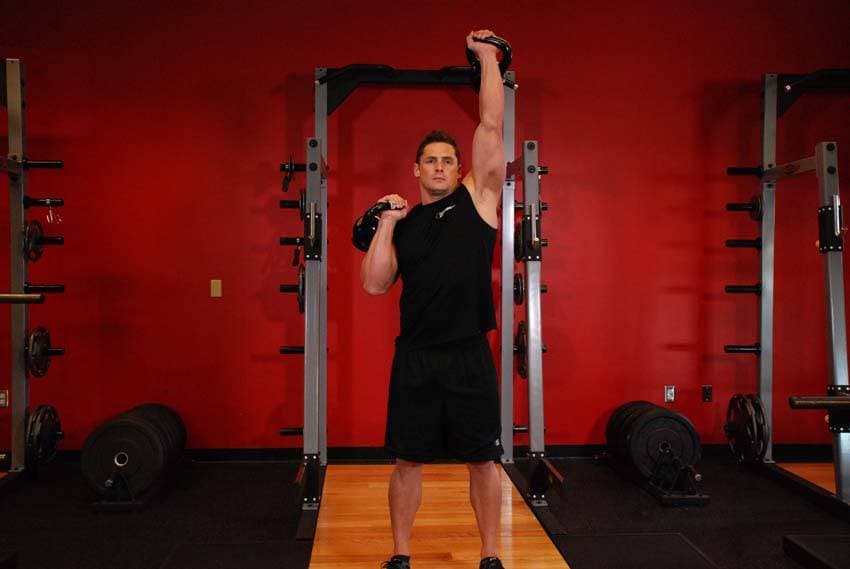
Alternating Kettlebell Press
intermediate·kettlebells
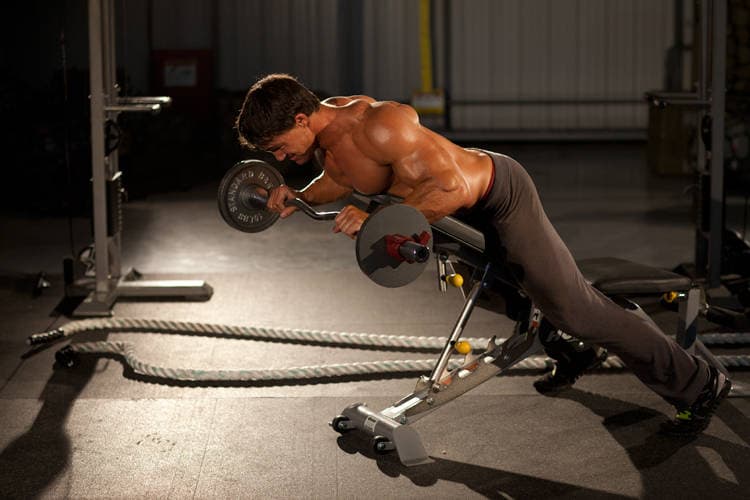
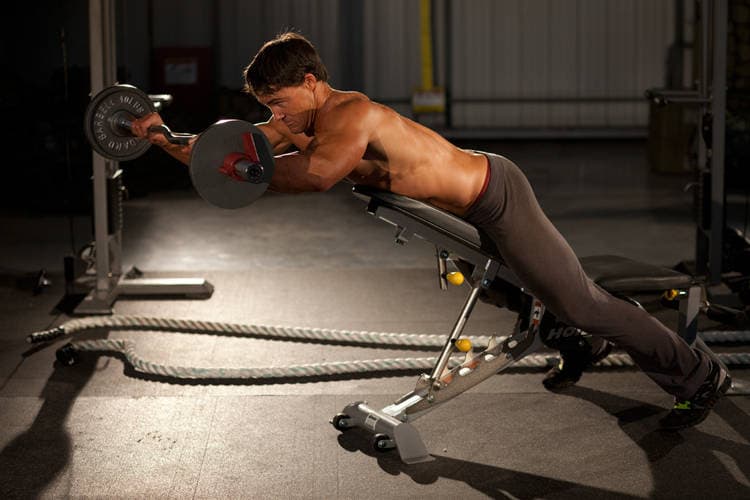
Anti-Gravity Press
beginner·barbell
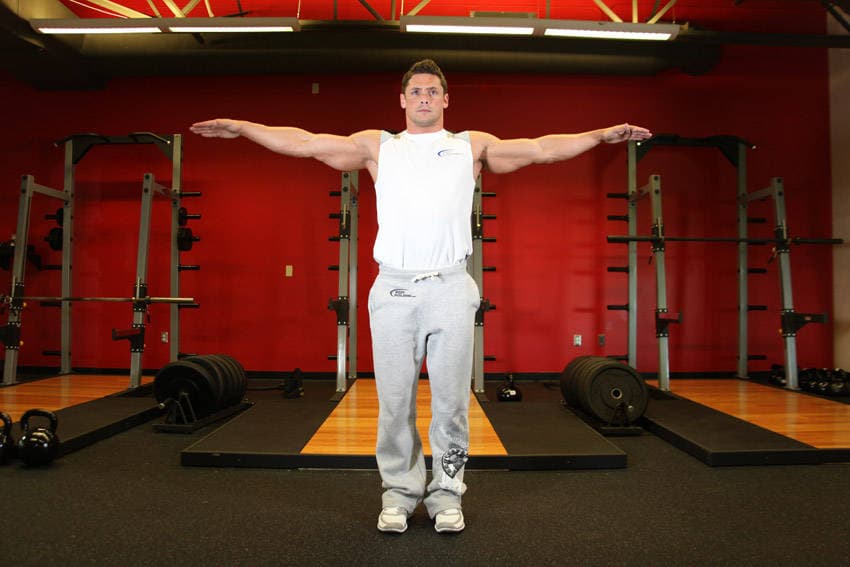
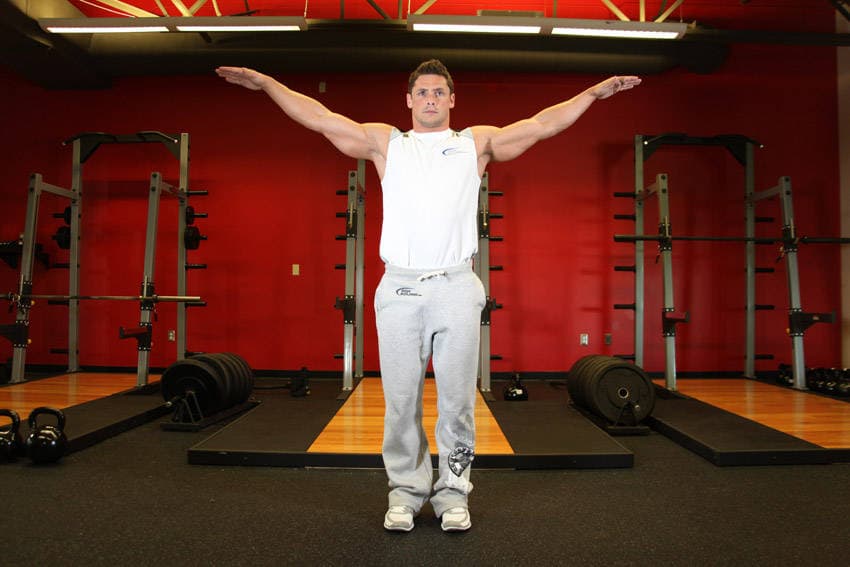
Arm Circles
beginner
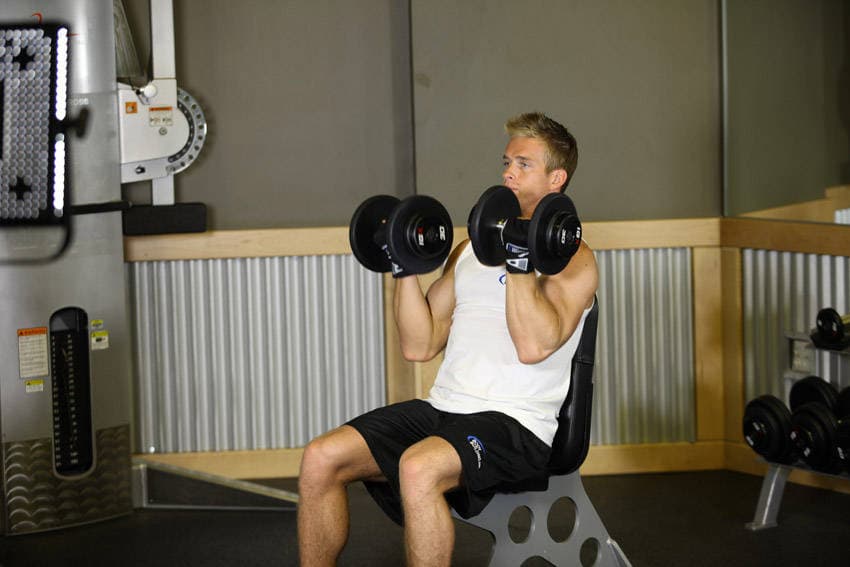
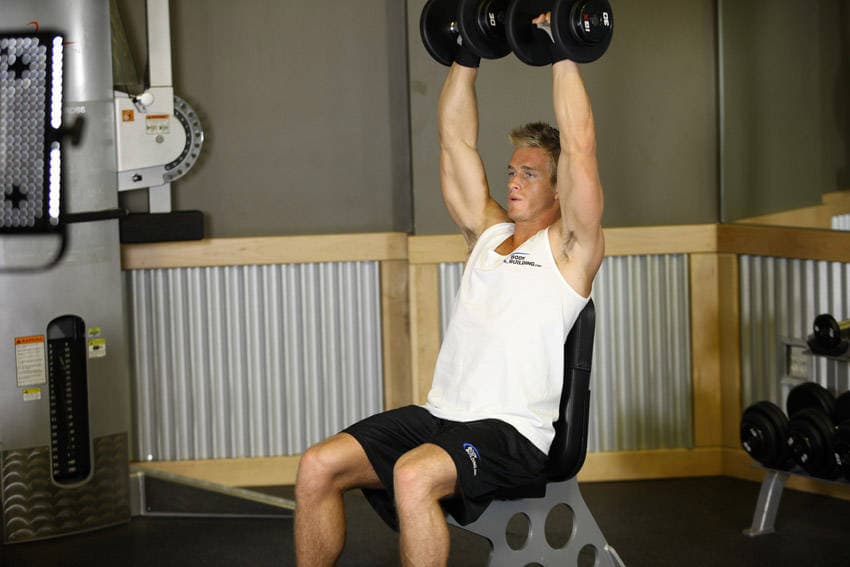
Arnold Dumbbell Press
intermediate·dumbbell
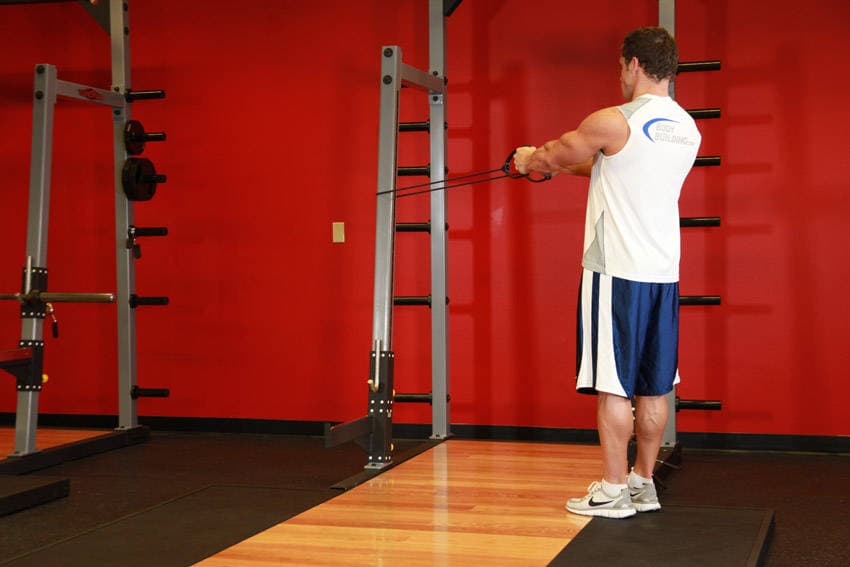
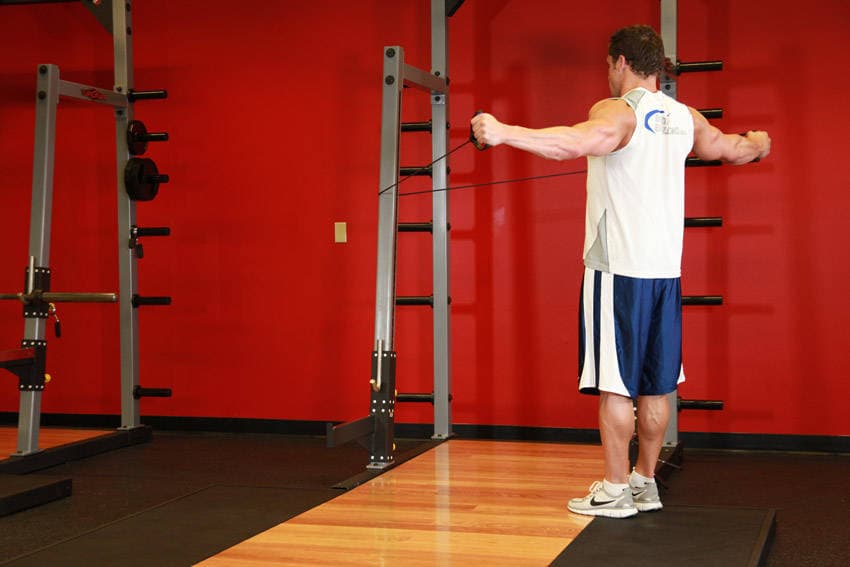
Back Flyes - With Bands
beginner·bands
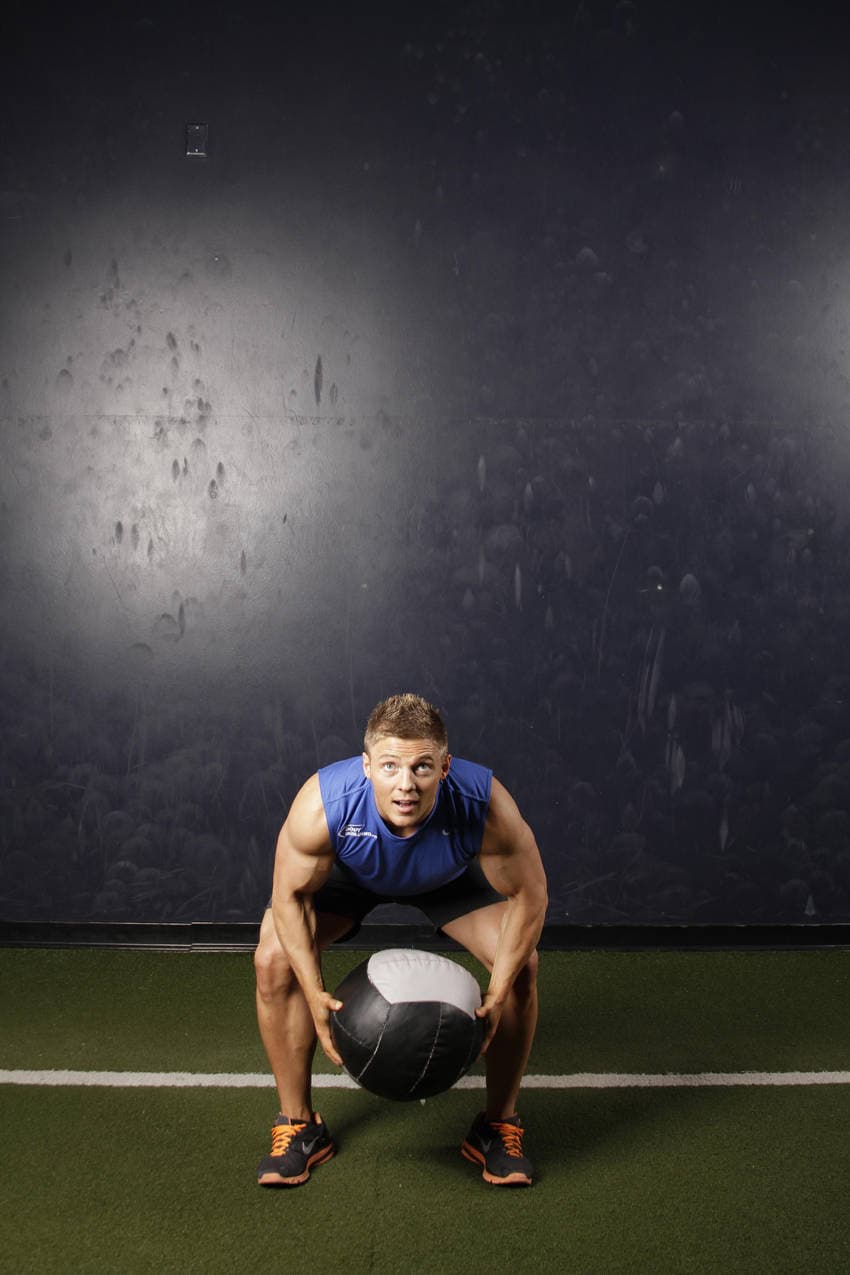
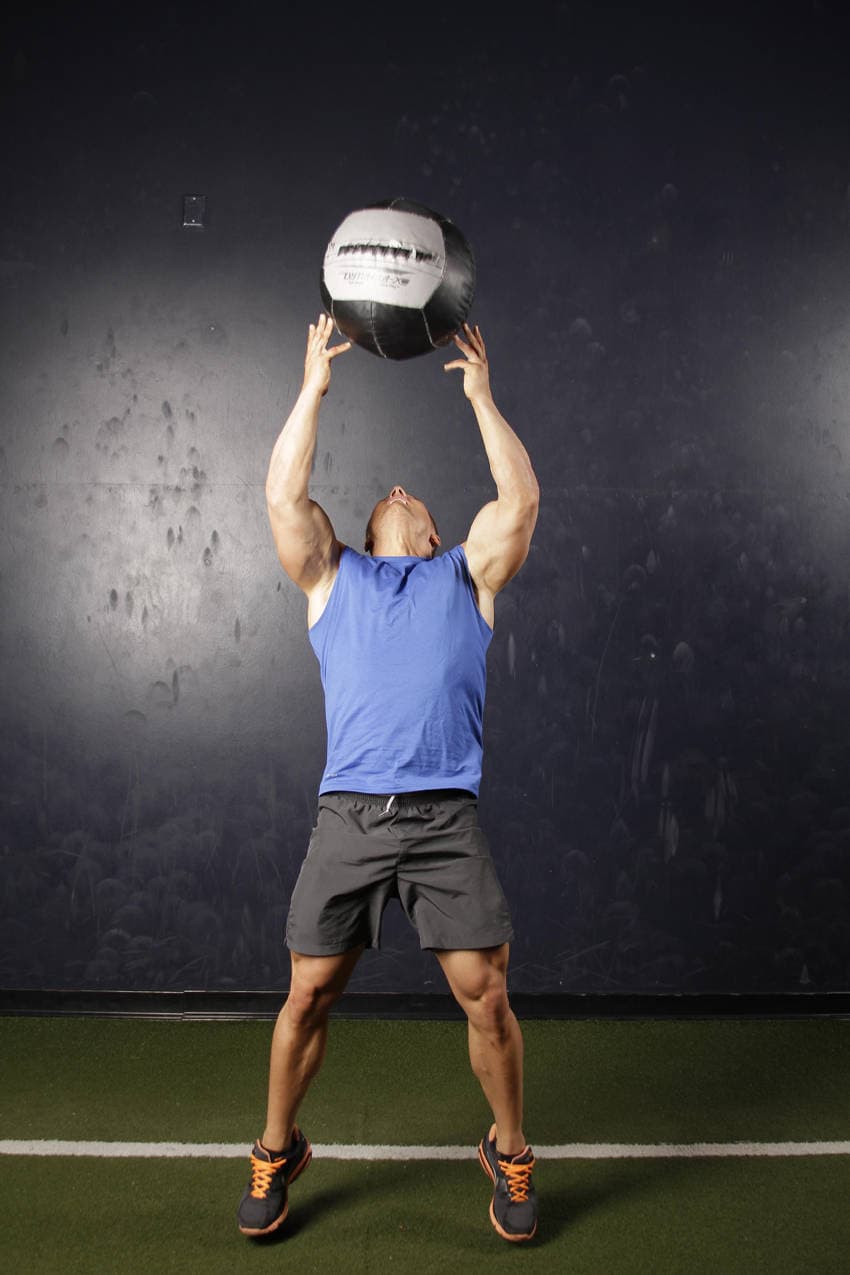
Backward Medicine Ball Throw
beginner·medicine ball
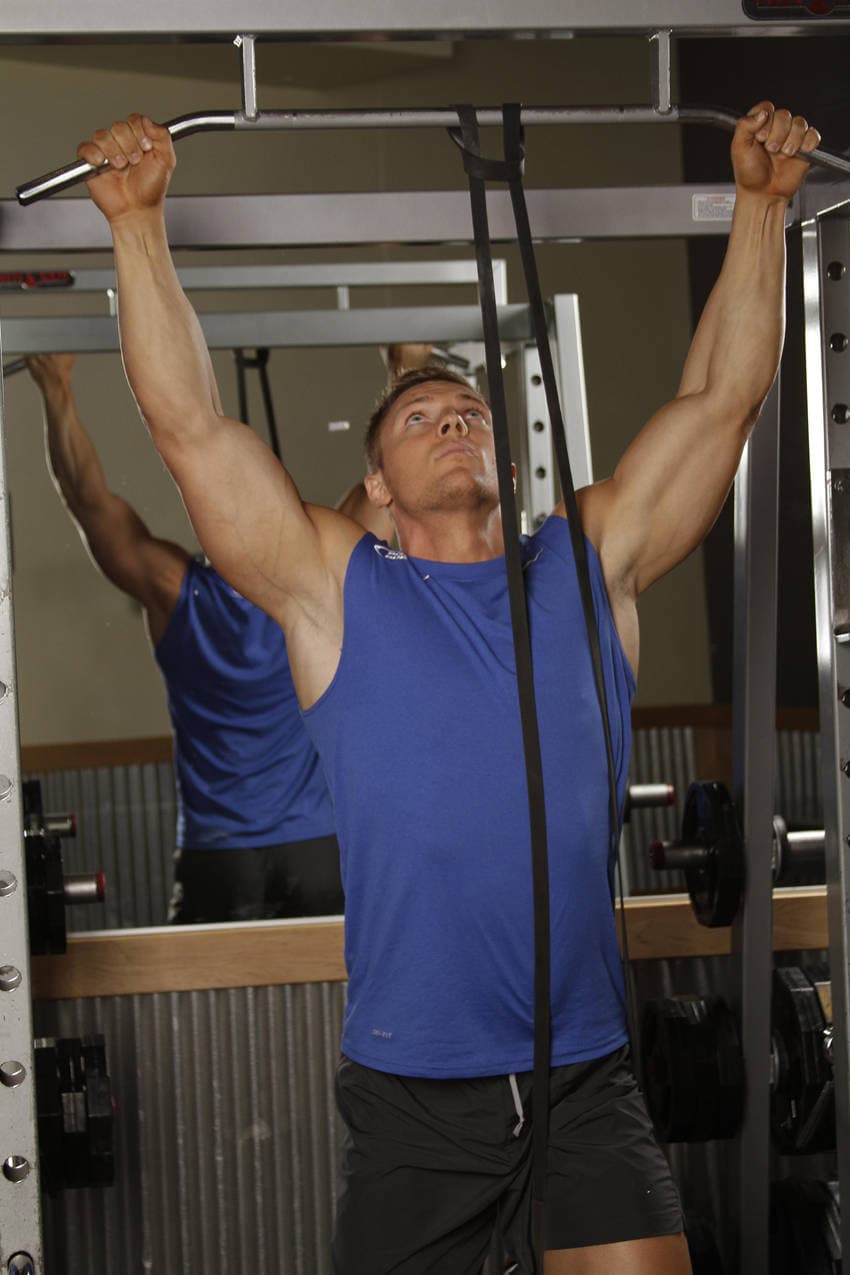
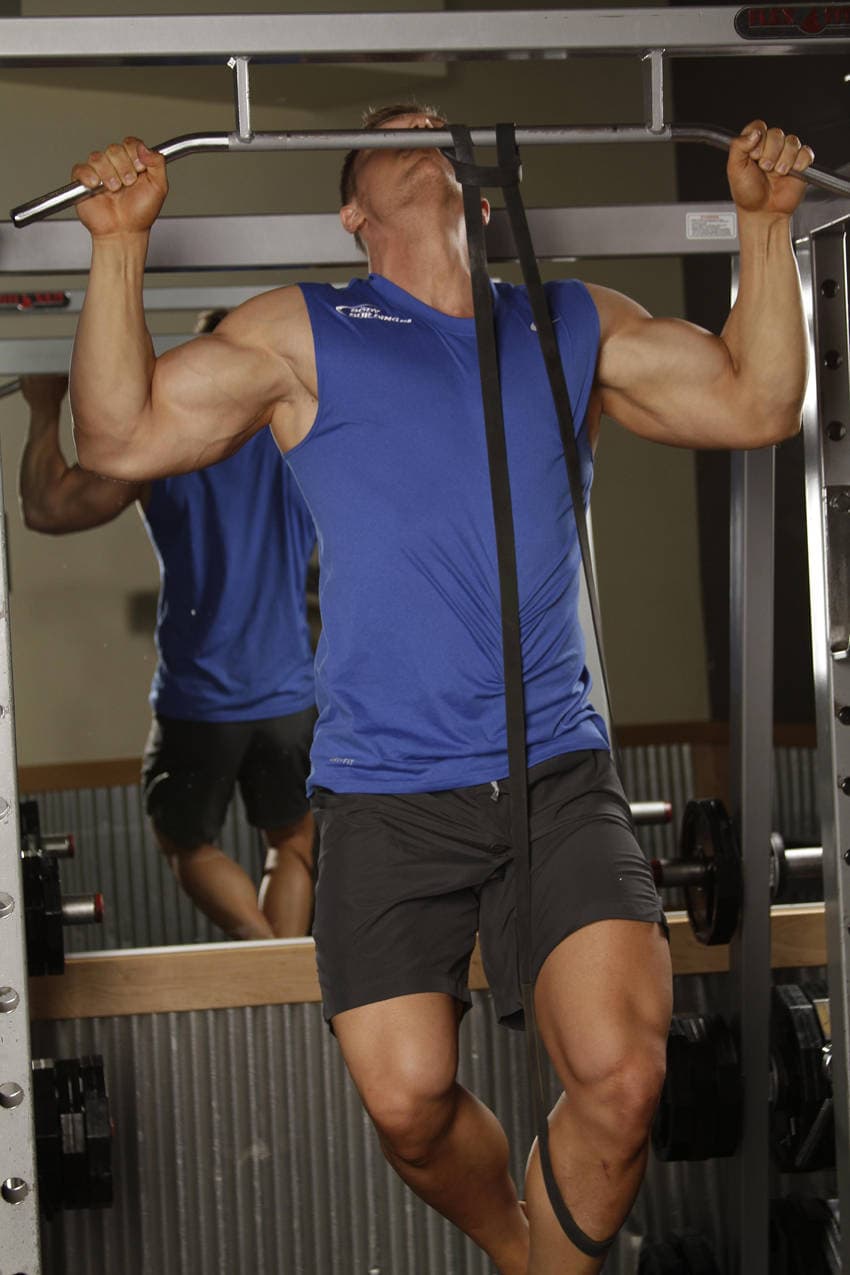
Band Assisted Pull-Up
beginner·other
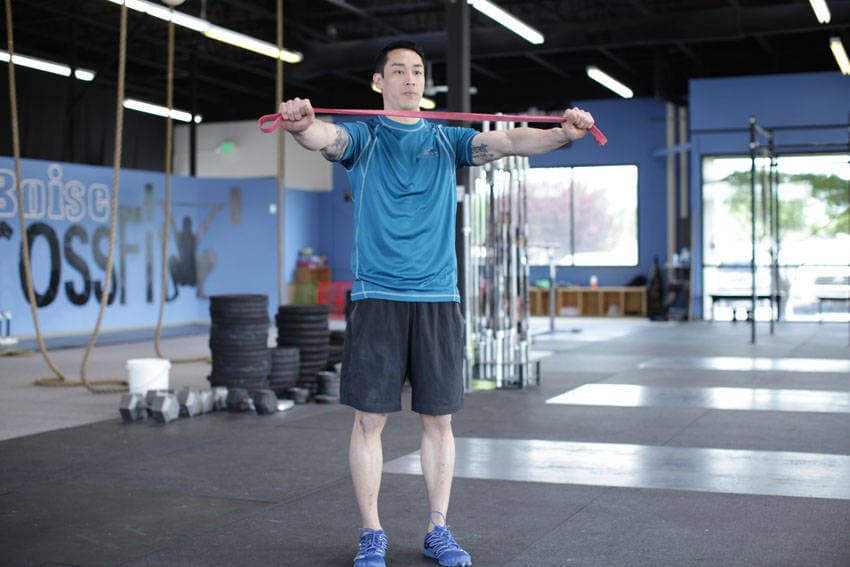
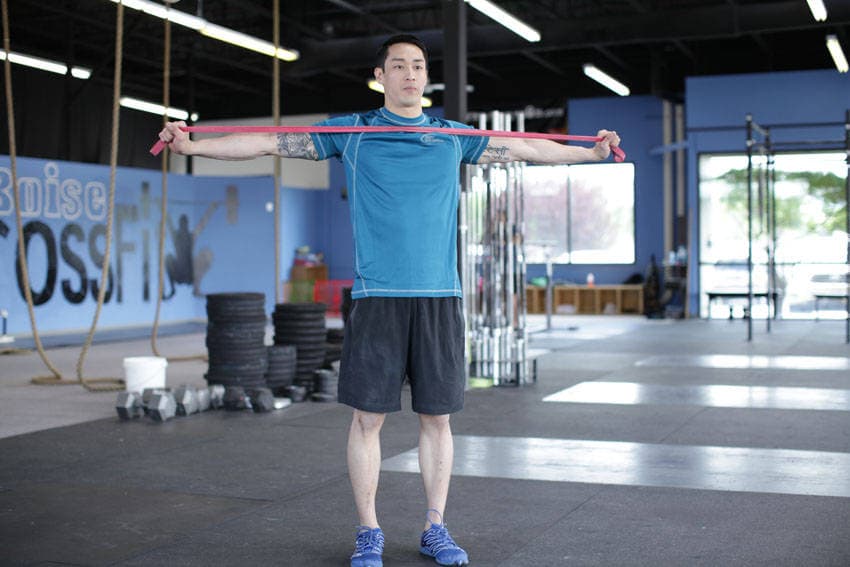
Band Pull Apart
beginner·bands
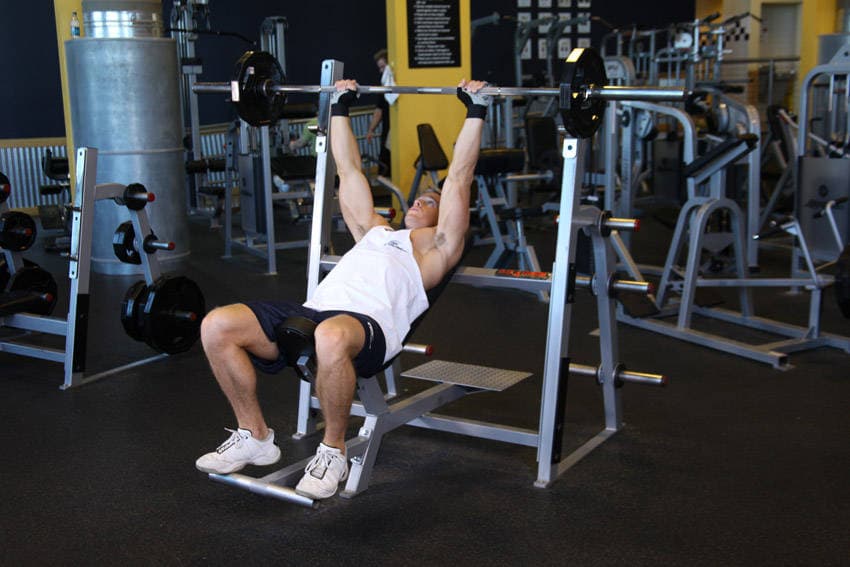
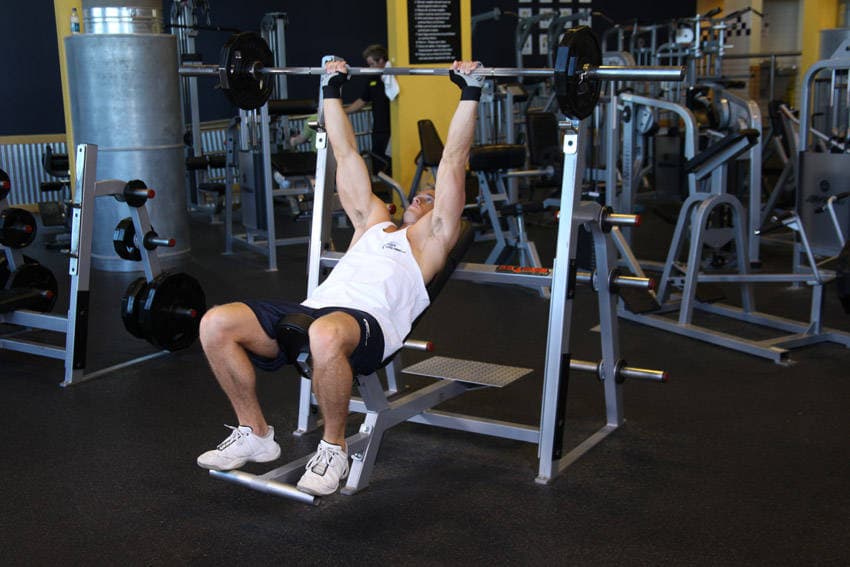
Barbell Incline Shoulder Raise
beginner·barbell
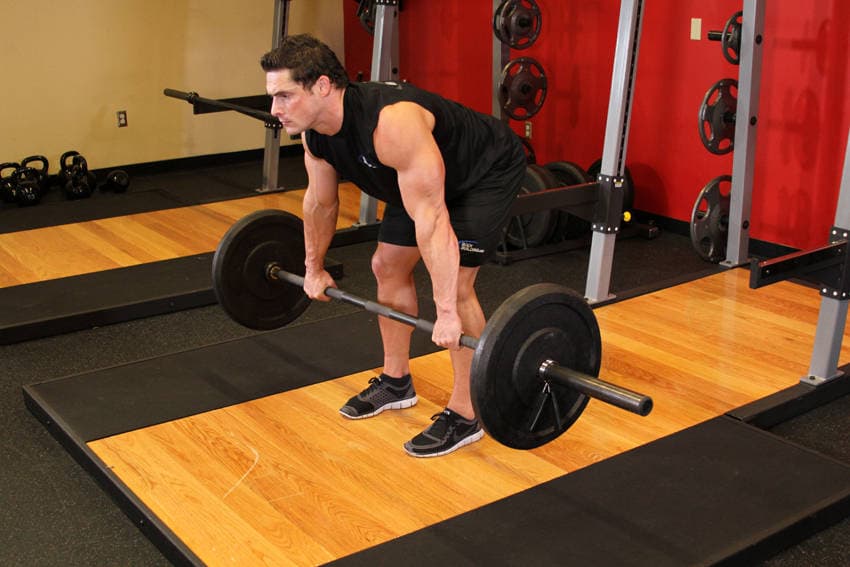
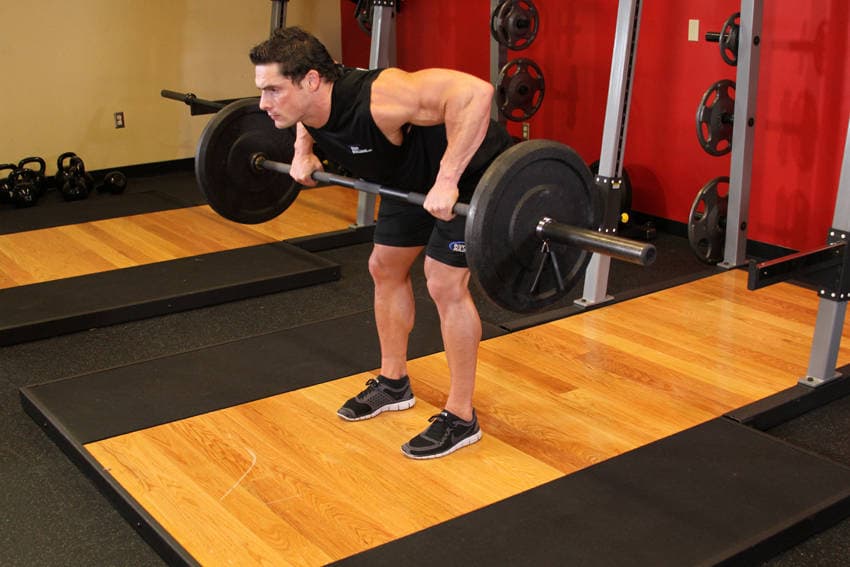
Barbell Rear Delt Row
beginner·barbell
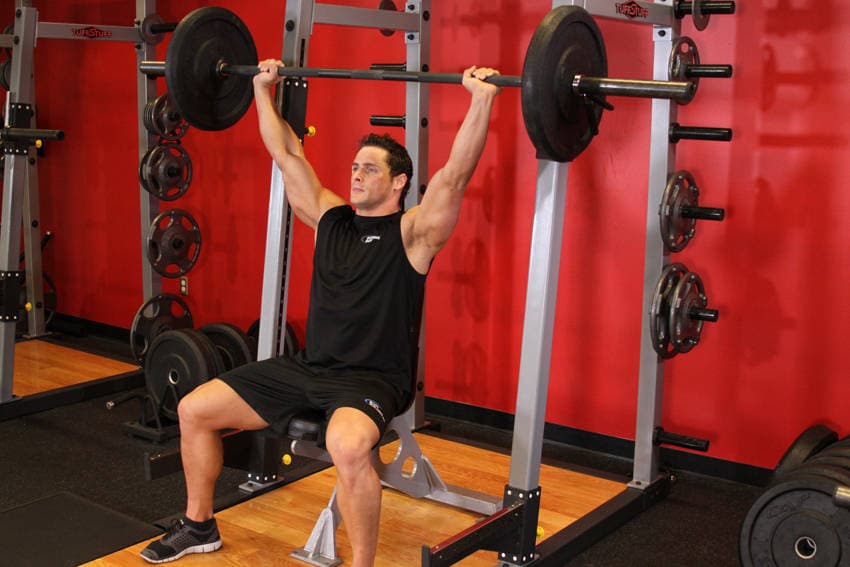
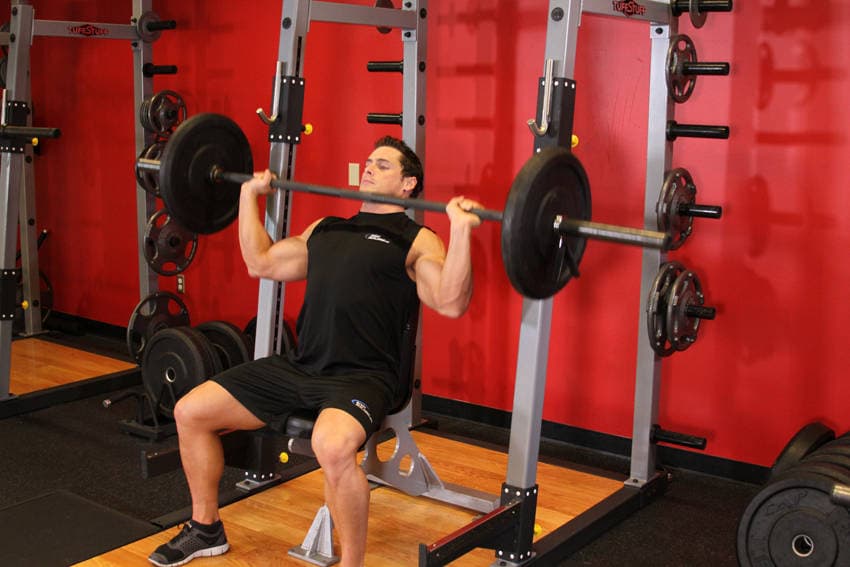
Barbell Shoulder Press
intermediate·barbell
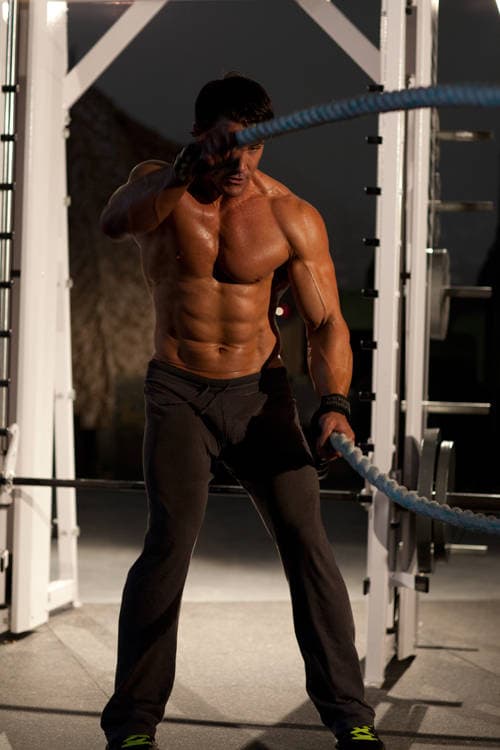

Battling Ropes
beginner·other
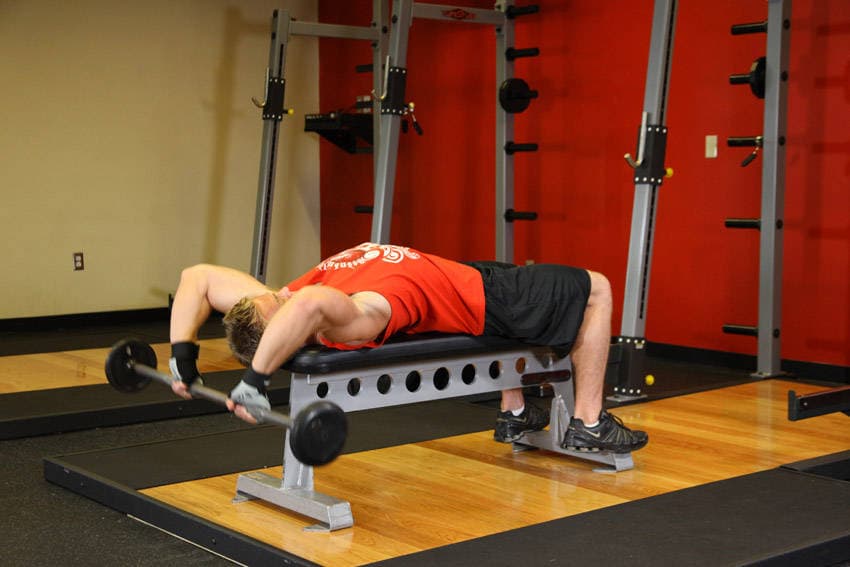
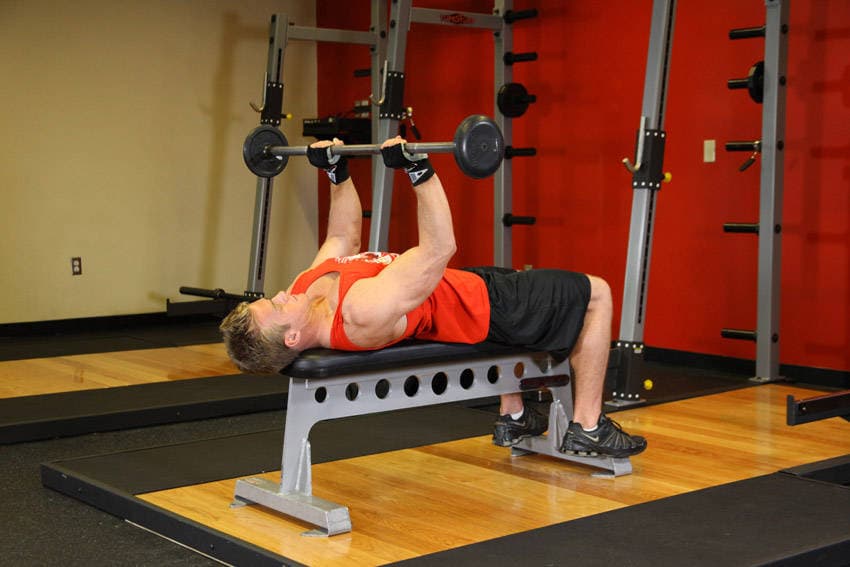
Bent-Arm Barbell Pullover
intermediate·barbell
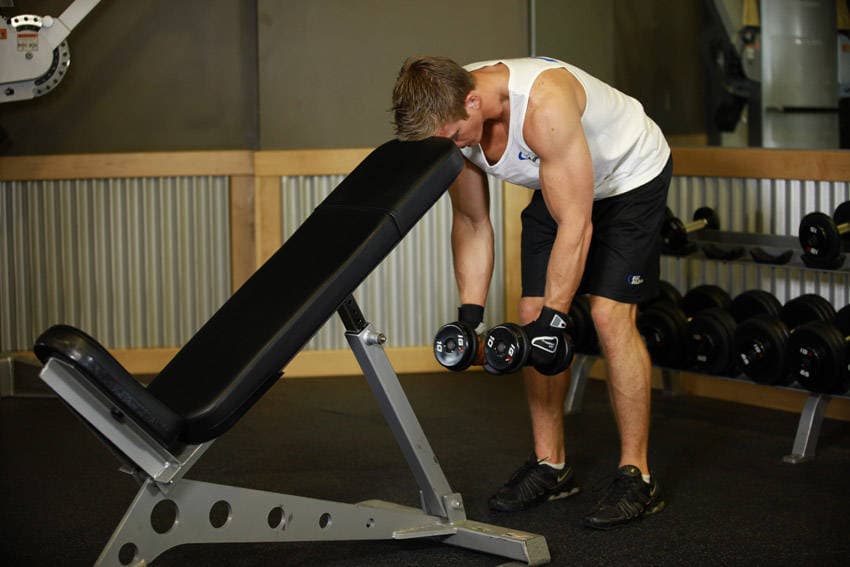

Bent Over Dumbbell Rear Delt Raise With Head On Bench
beginner·dumbbell
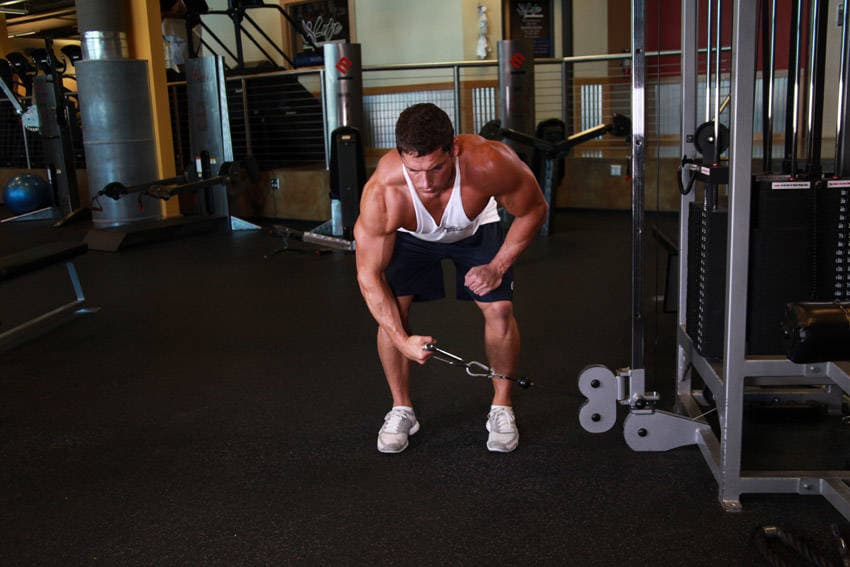
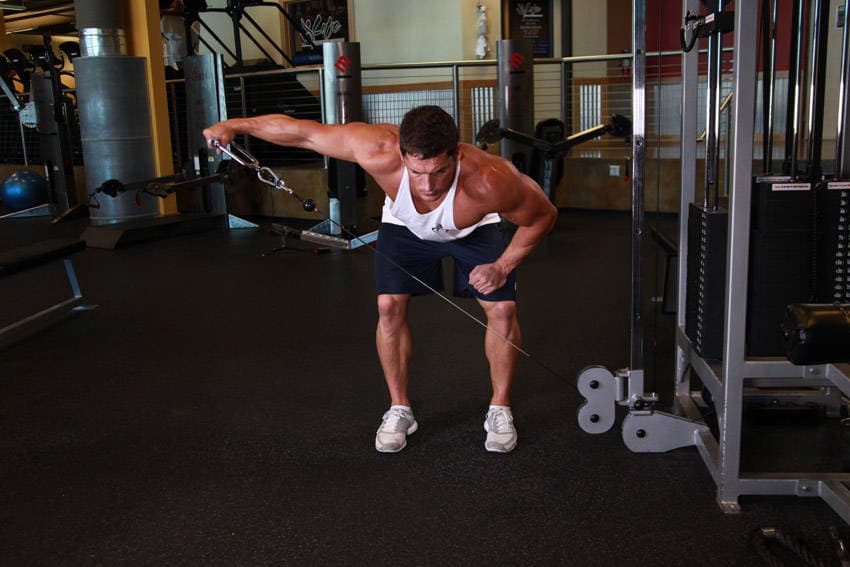
Bent Over Low-Pulley Side Lateral
beginner·cable
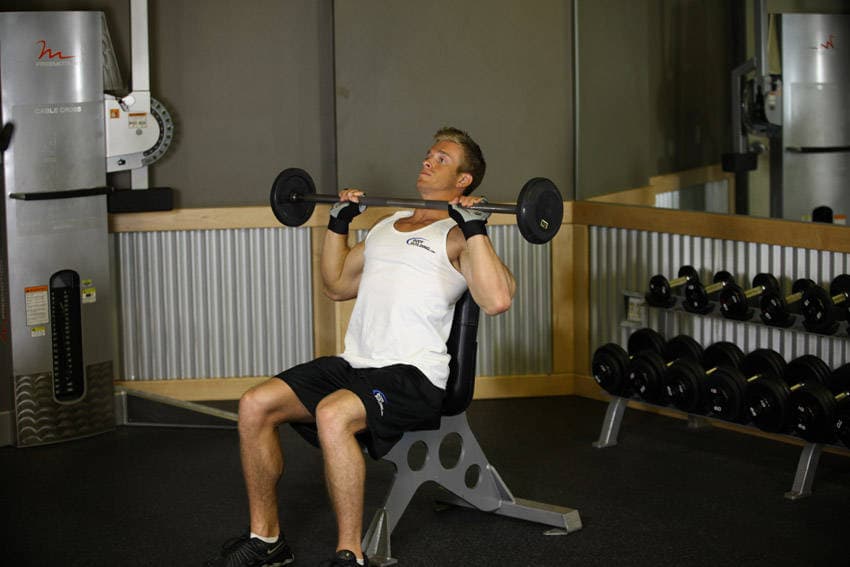
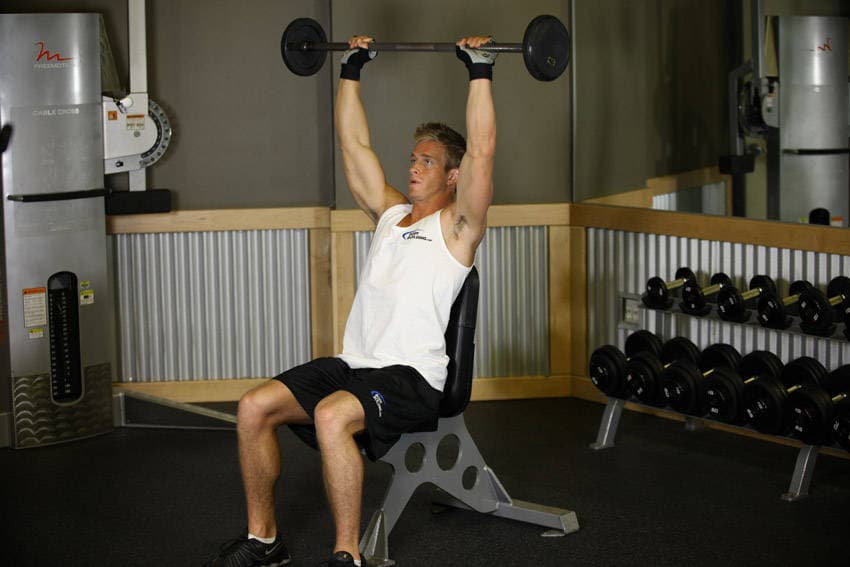
Bradford/Rocky Presses
beginner·barbell
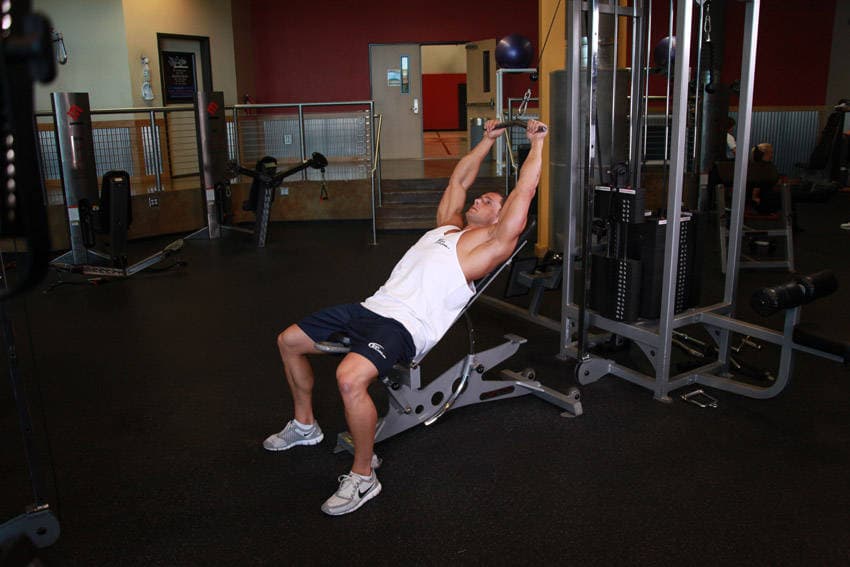
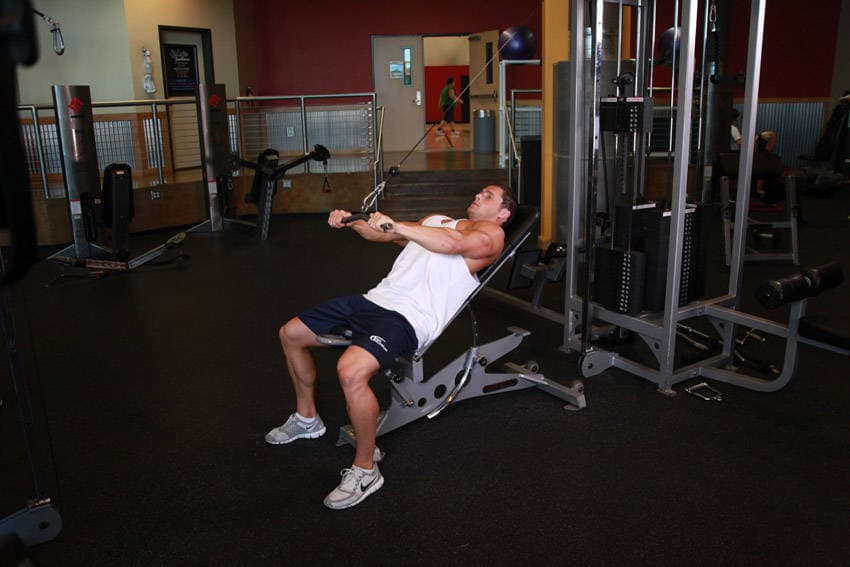
Cable Incline Pushdown
beginner·cable
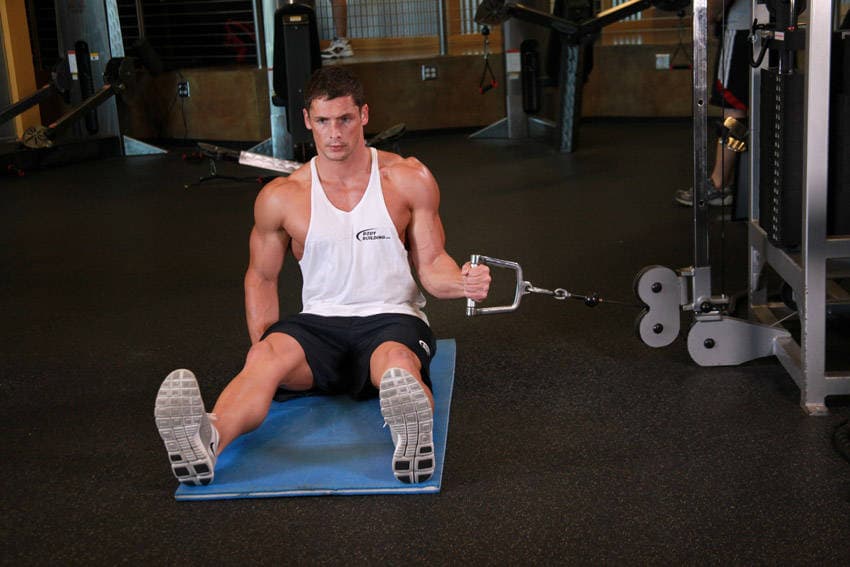
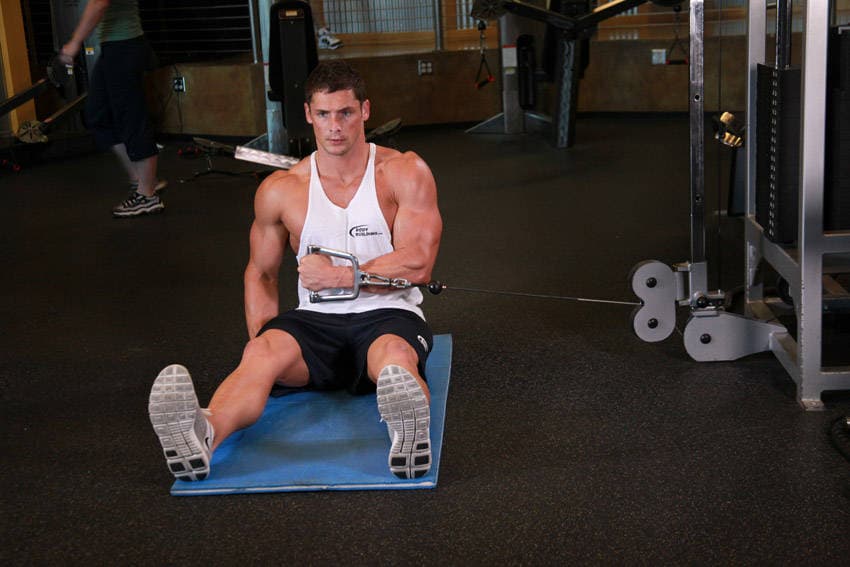
Cable Internal Rotation
beginner·cable
Also Works serratus anterior
10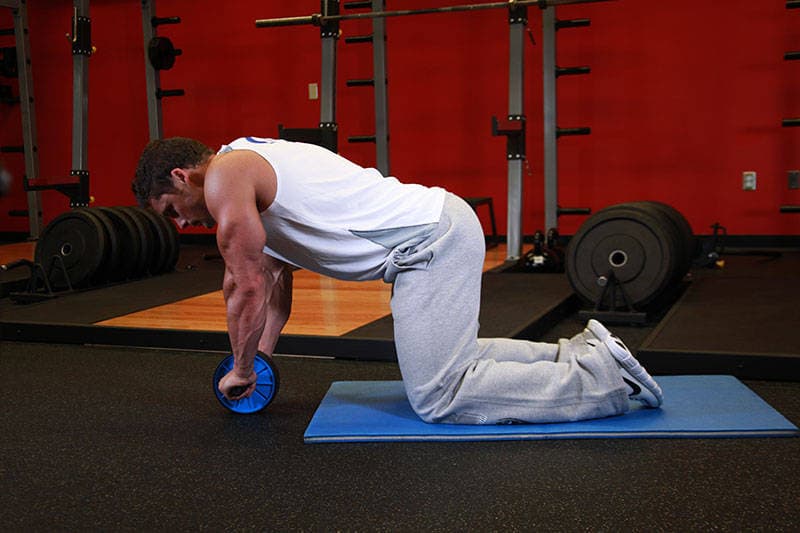
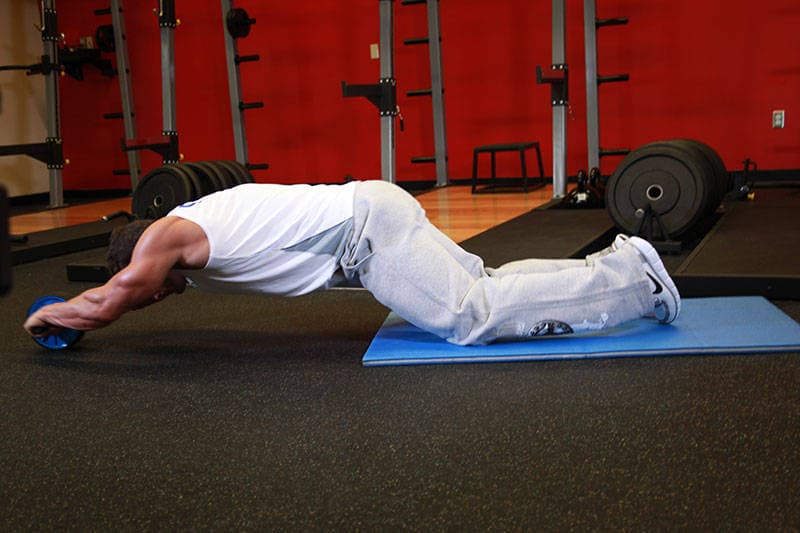
Ab Roller
intermediate·other
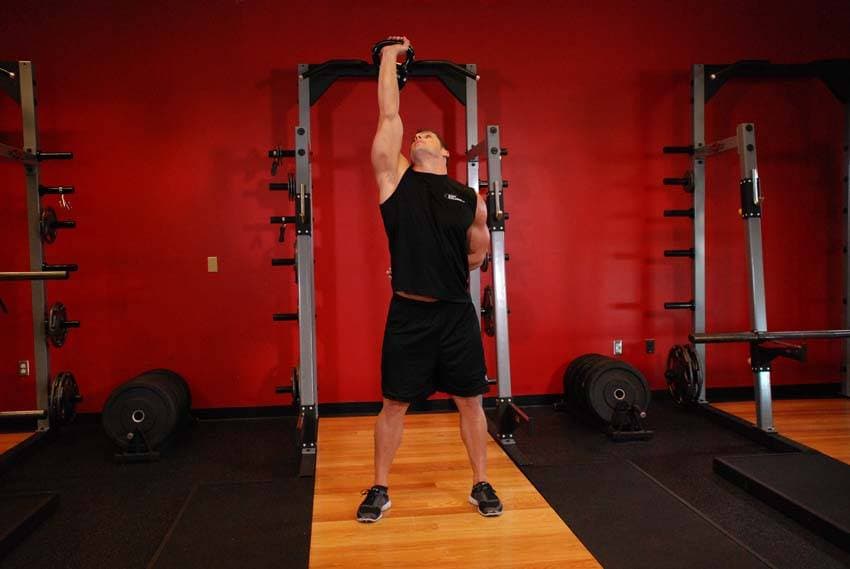
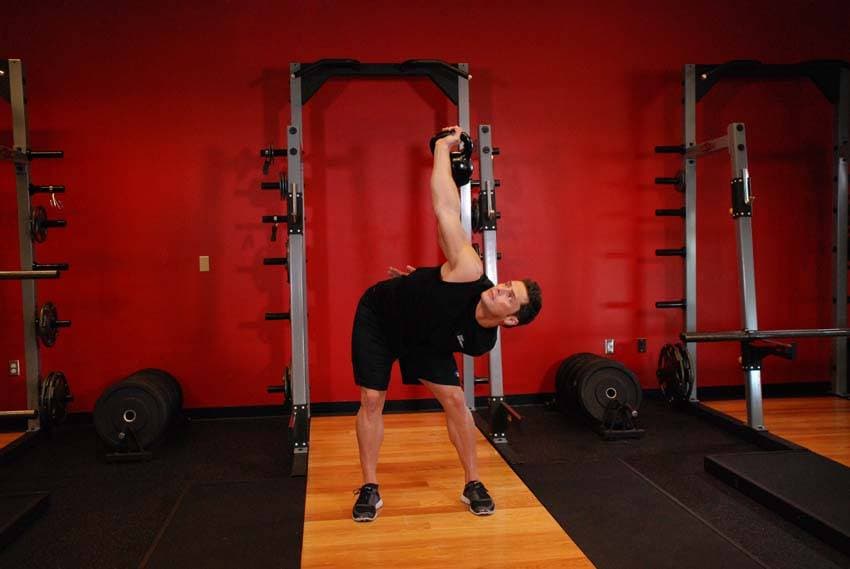
Advanced Kettlebell Windmill
intermediate·kettlebells
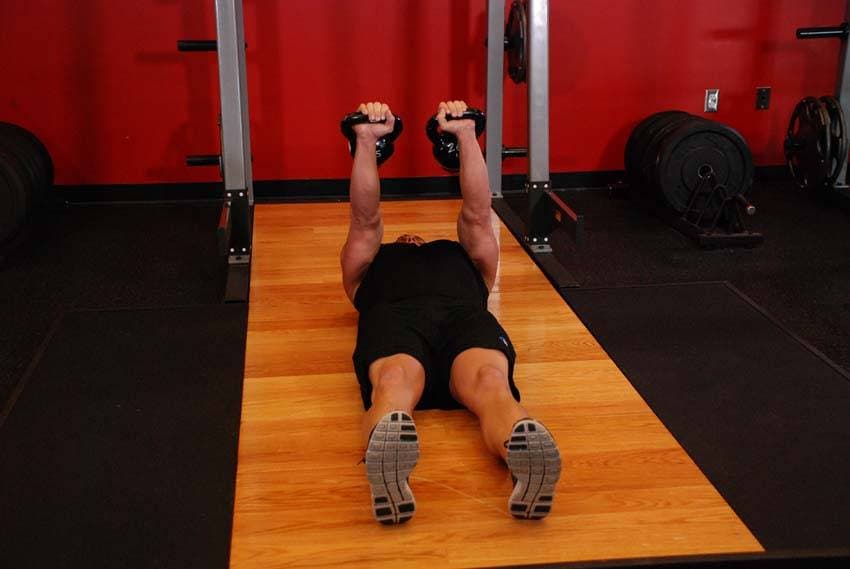
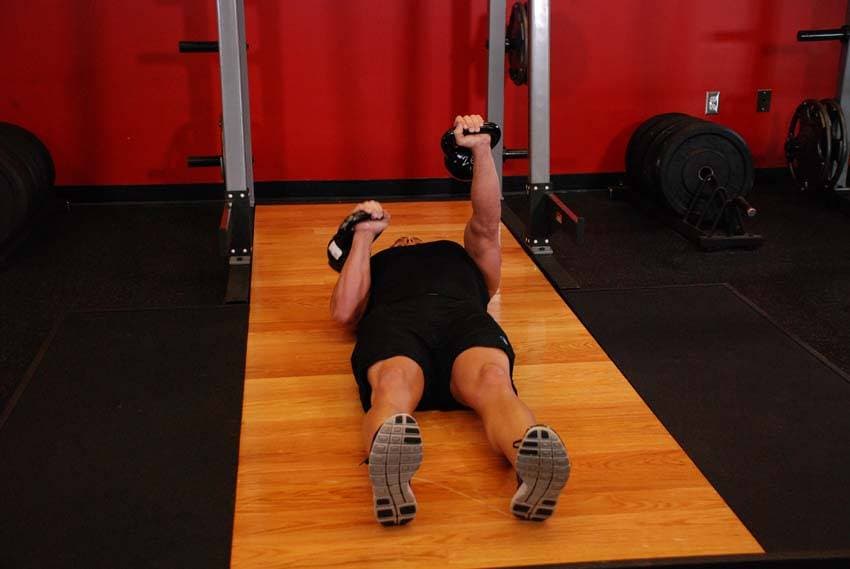
Alternating Floor Press
beginner·kettlebells
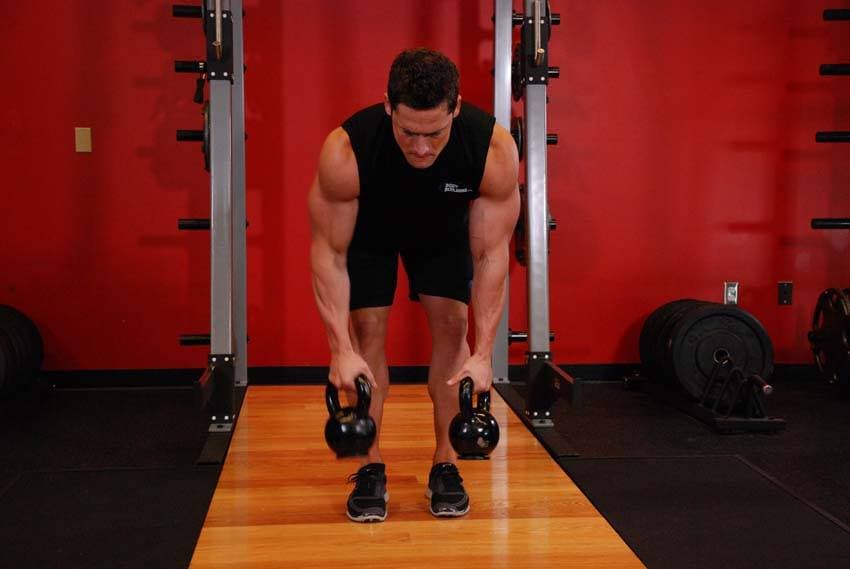
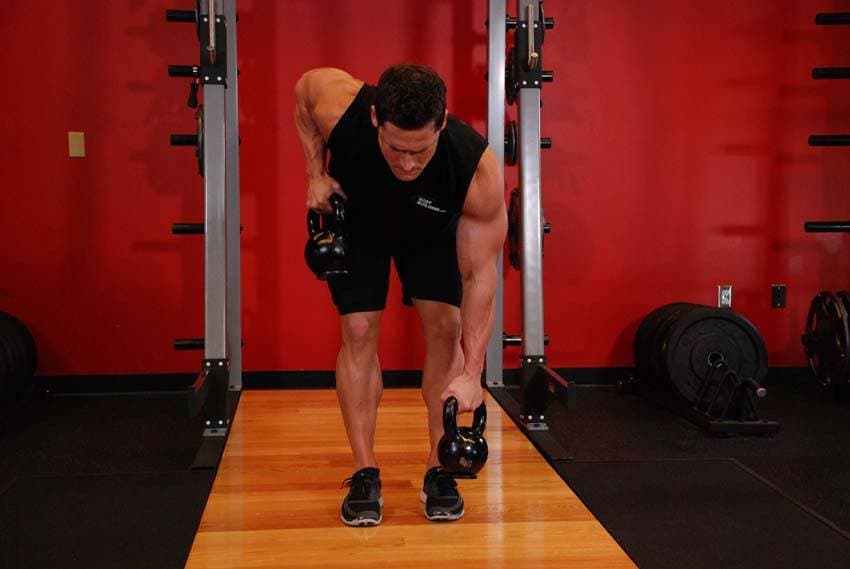
Alternating Kettlebell Row
intermediate·kettlebells
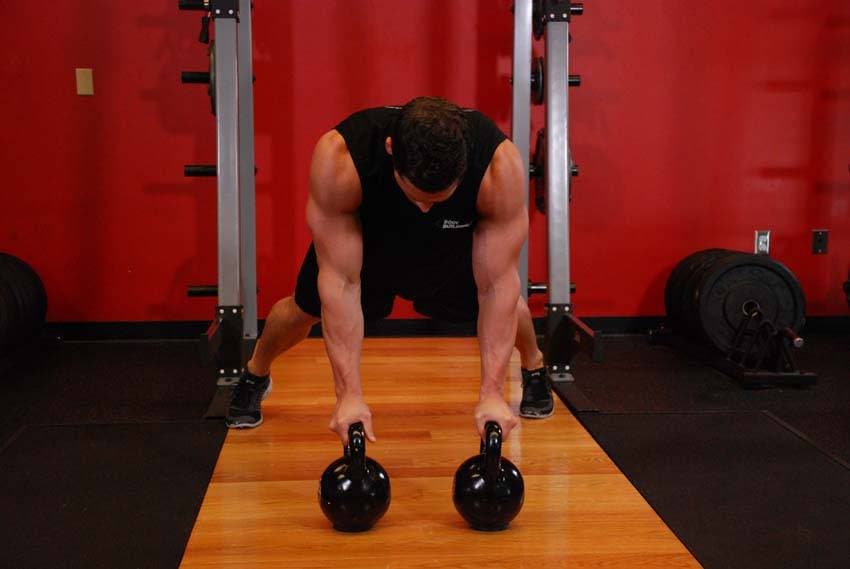
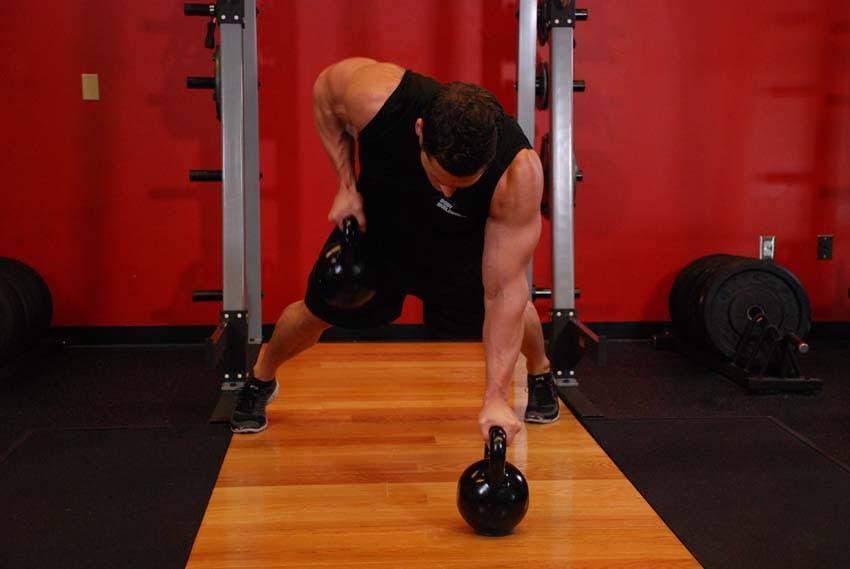
Alternating Renegade Row
expert·kettlebells
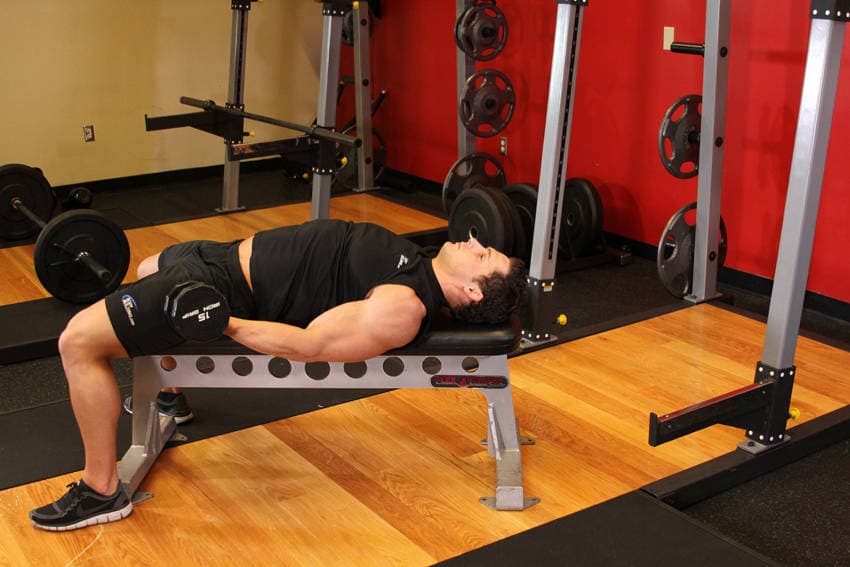
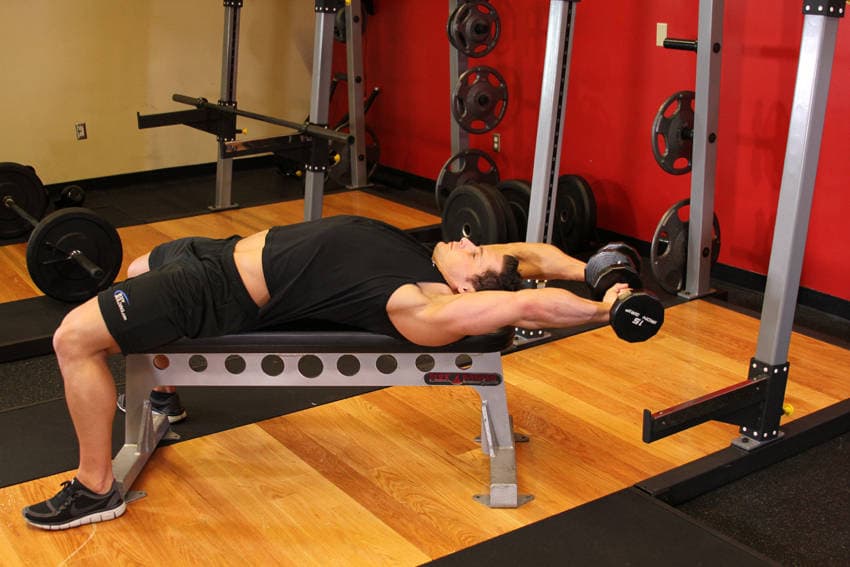
Around The Worlds
intermediate·dumbbell
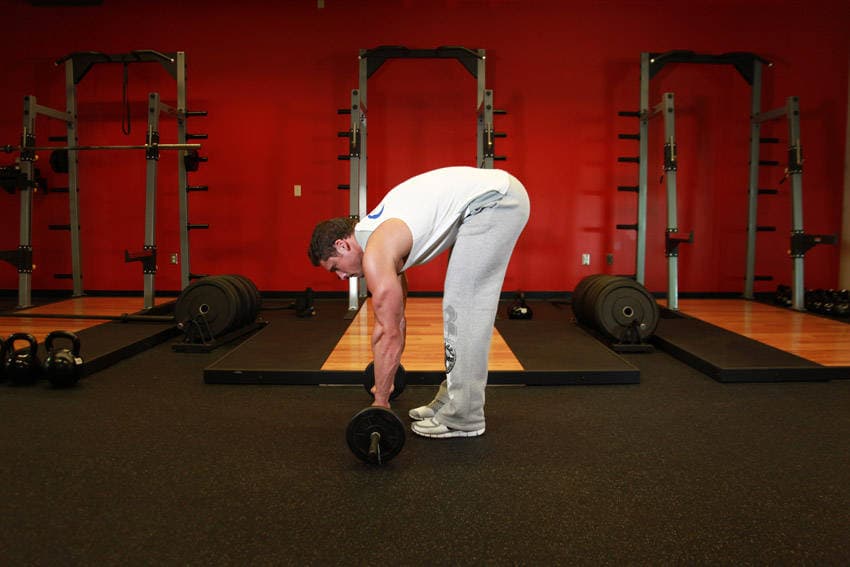
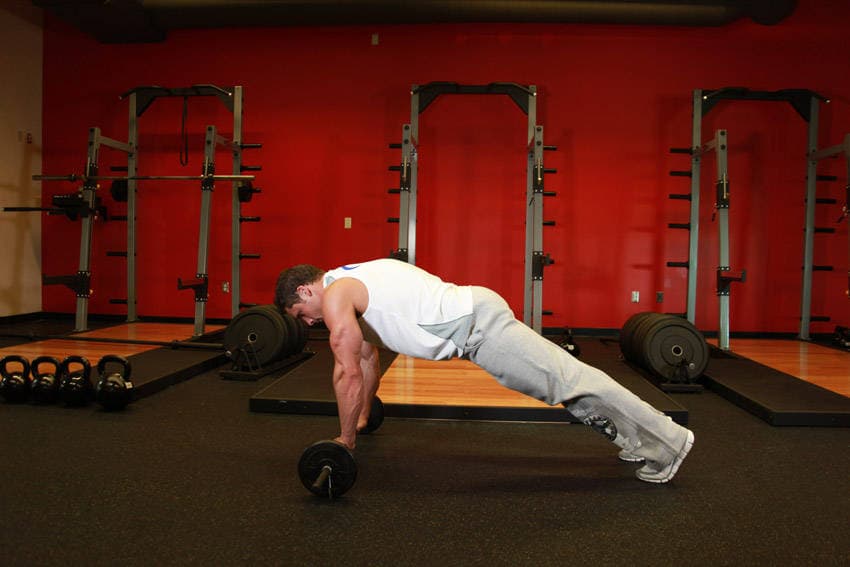
Barbell Ab Rollout
intermediate·barbell

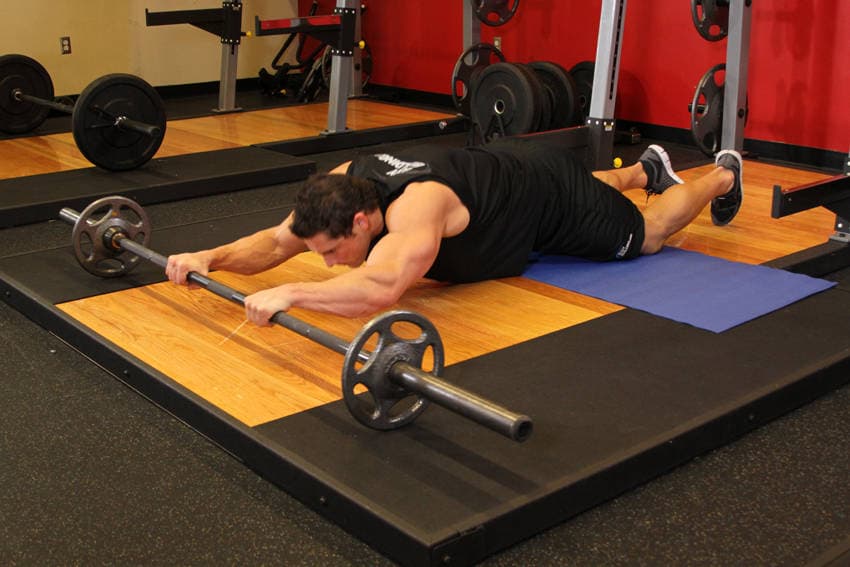
Barbell Ab Rollout - On Knees
expert·barbell


Barbell Bench Press - Medium Grip
beginner·barbell
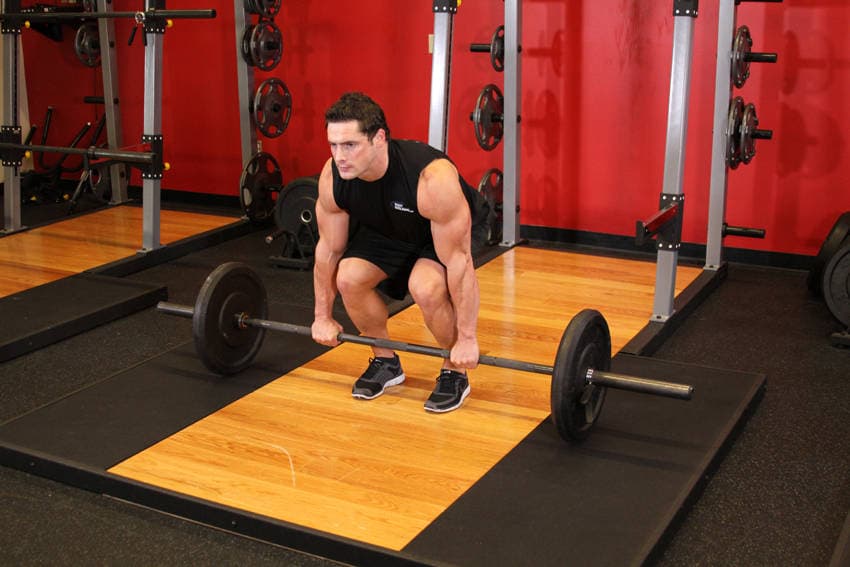
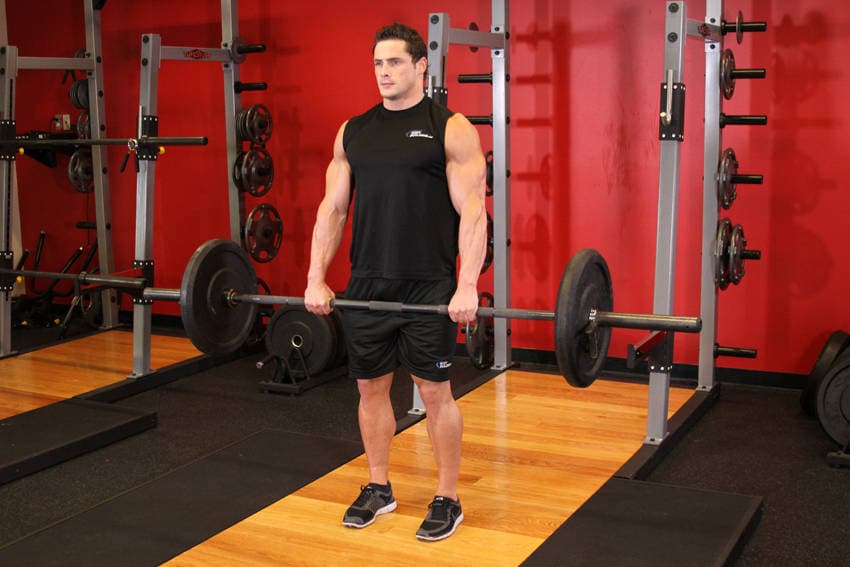
Barbell Deadlift
intermediate·barbell
Related Chest Muscles
Abdominal part of left pectoralis major
The abdominal part of the left pectoralis major is the lower portion of the left chest's primary pushing muscle, attaching from the sternum down to the ribs near the abdomen. It drives shoulder adduction and flexion, crucial for powerful presses like bench variations and dips. Fitness enthusiasts target it for that defined lower chest line in bodybuilding.
Abdominal part of right pectoralis major
The abdominal part of the right pectoralis major forms the lower section of the right chest's main power muscle, spanning from the sternum to the abdominal ribs. It excels in adduction and flexion for presses and flyes, key for balanced chest development. Gym-goers love it for carving out that teardrop lower chest aesthetic.
Anterior papillary muscle of right ventricle
This cardiac muscle inside the right ventricle anchors mitral valve leaflets for proper heart pumping. Not skeletal, but endurance training optimizes heart efficiency. Matters for cardio performance indirectly.
Anterolateral head of lateral papillary muscle of left ventricle
Specialized head of left heart papillary muscle securing mitral valve for left ventricle ejection. Critical for oxygenated blood flow. Athletes benefit from cardiac hypertrophy here.
External intercostal muscle
External intercostals are thin muscles between the ribs that elevate them during inhalation, aiding deep breathing for core stability in lifts. They're vital for endurance athletes needing efficient oxygen uptake. Fitness training enhances respiratory muscle power.
Innermost intercostal muscle
Innermost intercostals are deep rib muscles aiding forced expiration like coughing. Support breathing in high-intensity training.
Internal intercostal muscle
Internal intercostals between ribs assist expiration and stabilize chest in lifts.
Lateral papillary muscle of left ventricle
Papillary muscle in heart's left ventricle anchors mitral valve to prevent backflow. Endurance training strengthens indirectly.
Chest Pain Guide
Common causes and relief
Activities & Sports
See which activities use serratus anterior