Chest
Anterior papillary muscle of right ventricle
an-TEER-ee-or pa-PIL-ah-ree MUS-cul RIGHT VEN-trih-cul
This cardiac muscle inside the right ventricle anchors mitral valve leaflets for proper heart pumping. Not skeletal, but endurance training optimizes heart efficiency. Matters for cardio performance indirectly.
Open in 3D ViewerCommon Pain & Injury
Rarely causes pain directly; dysfunction leads to valve regurgitation symptoms like fatigue. Serious-see cardiologist ASAP.
Anatomy & Function
Origin
Moderator band and ventricular septum (heart wall structures).
Insertion
Tricuspid valve leaflets (right heart valve flaps).
Actions
- Prevents tricuspid valve prolapse during systole (closes valve on contraction)
Innervation
Sympathetic and parasympathetic cardiac nerves.
Muscle Relationships
Antagonists
Synergists
Trigger Points
Not applicable to skeletal muscle; no trigger points.
Stretches
Common Conditions
Anatomical Parts
FAQ
Papillary muscle right ventricle?
Anchors tricuspid valve for heart valve function.
Anterior papillary muscle rupture?
Emergency post-MI; causes severe regurgitation.
Right heart papillary pain?
Not direct; symptoms from valve failure.
Fitness impact papillary muscles?
Cardio health supports overall function.
Exercises for Anterior papillary muscle of right ventricle
20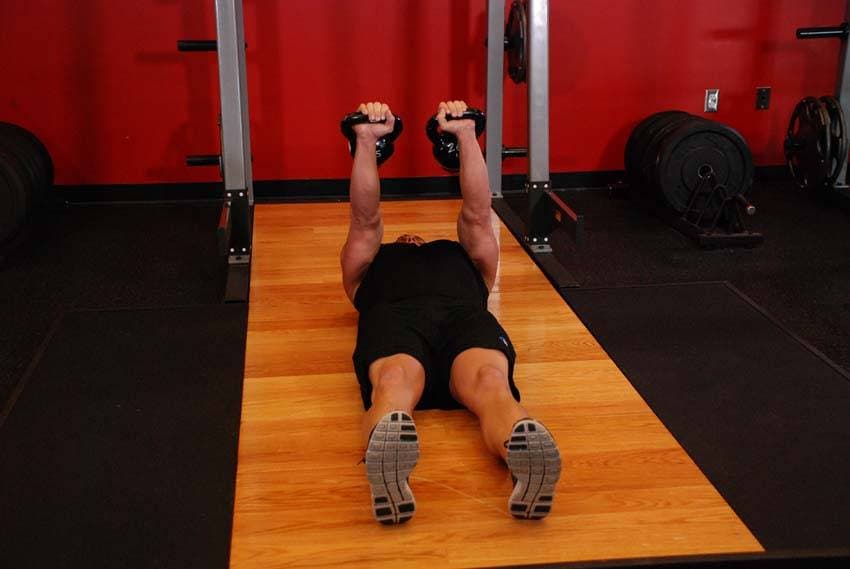
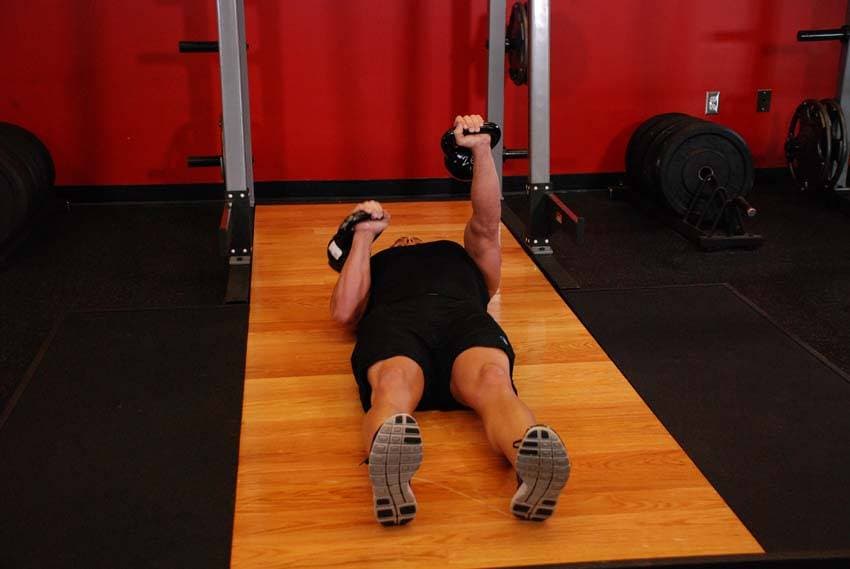
Alternating Floor Press
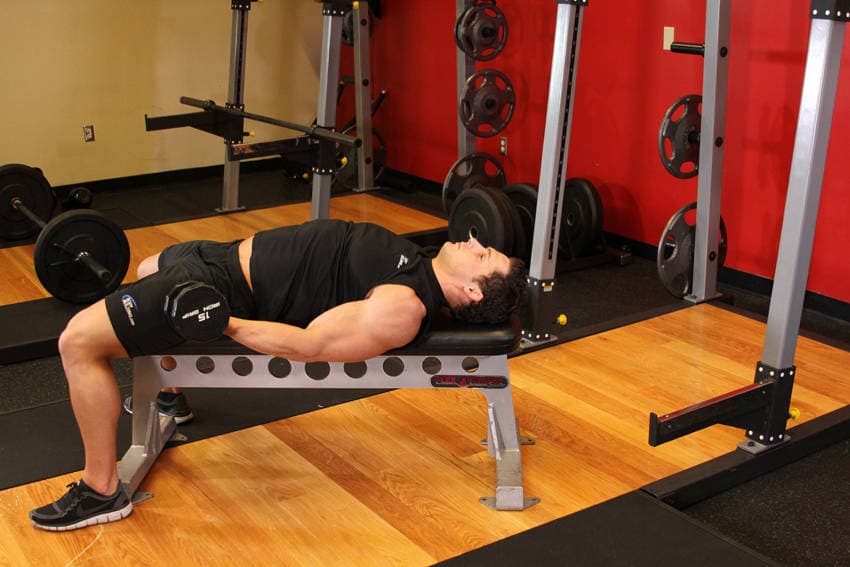
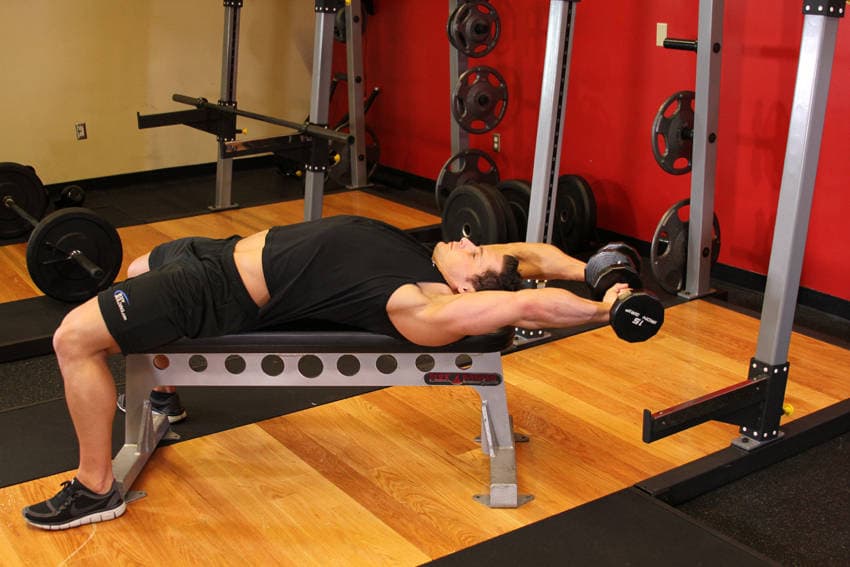
Around The Worlds


Barbell Bench Press - Medium Grip
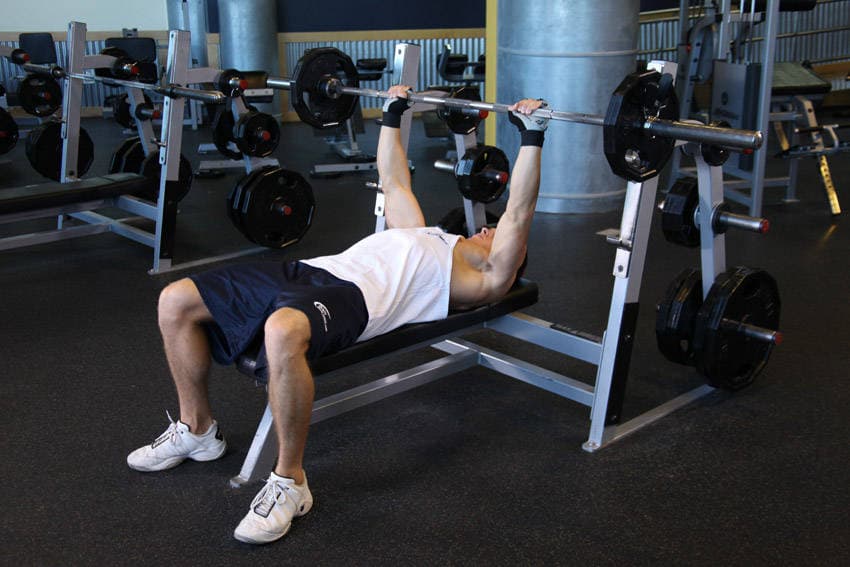
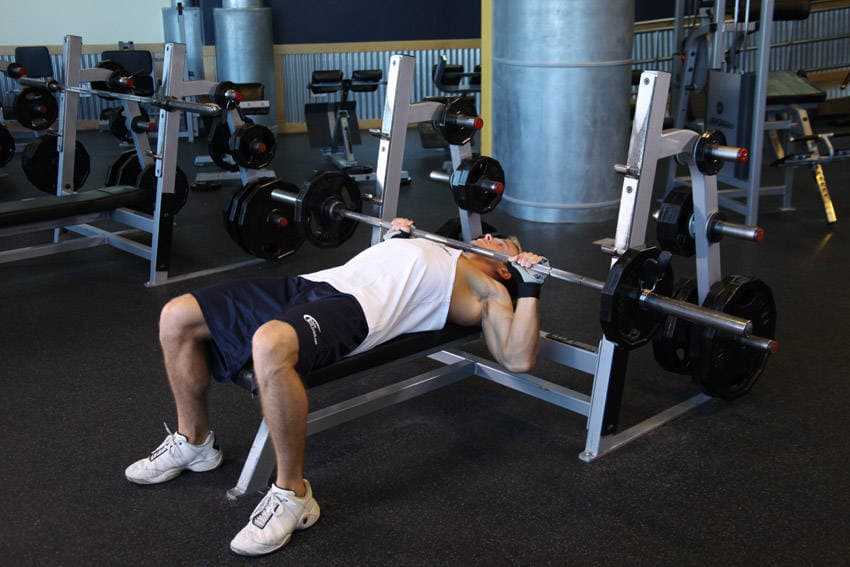
Barbell Guillotine Bench Press
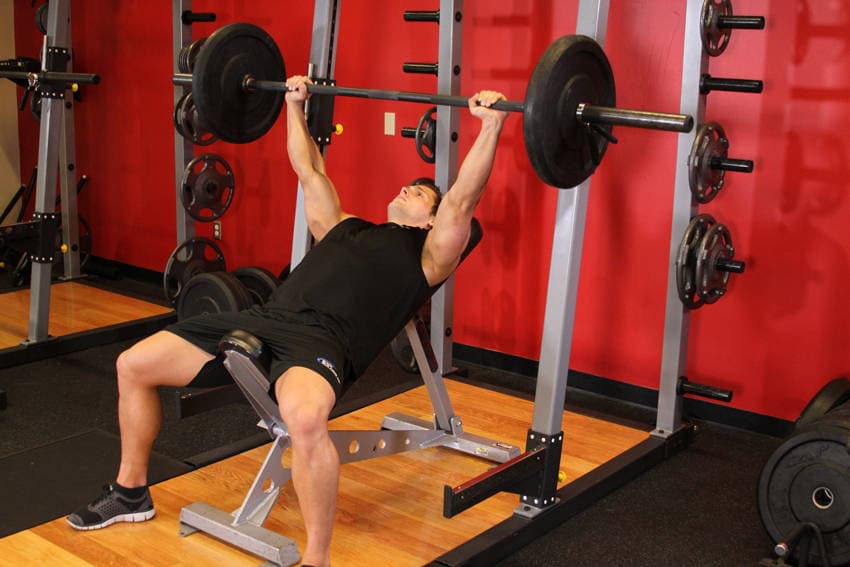

Barbell Incline Bench Press - Medium Grip
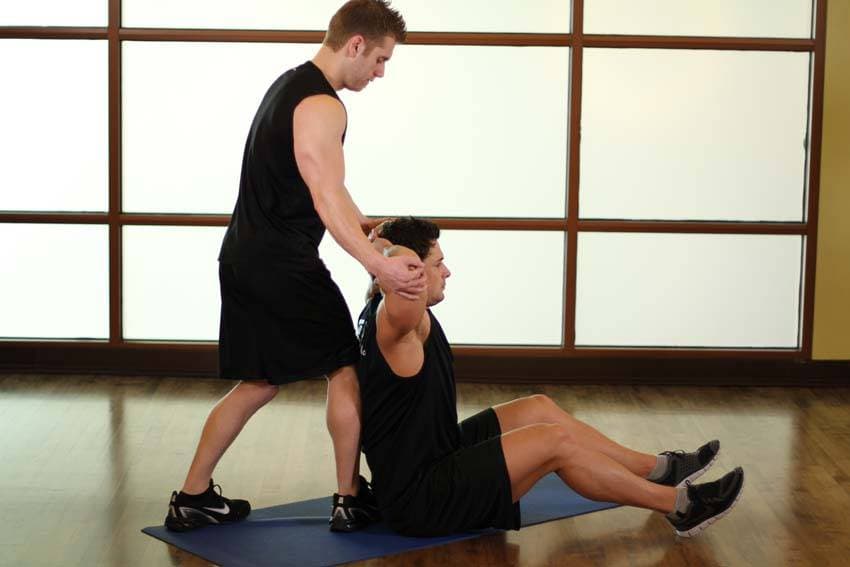
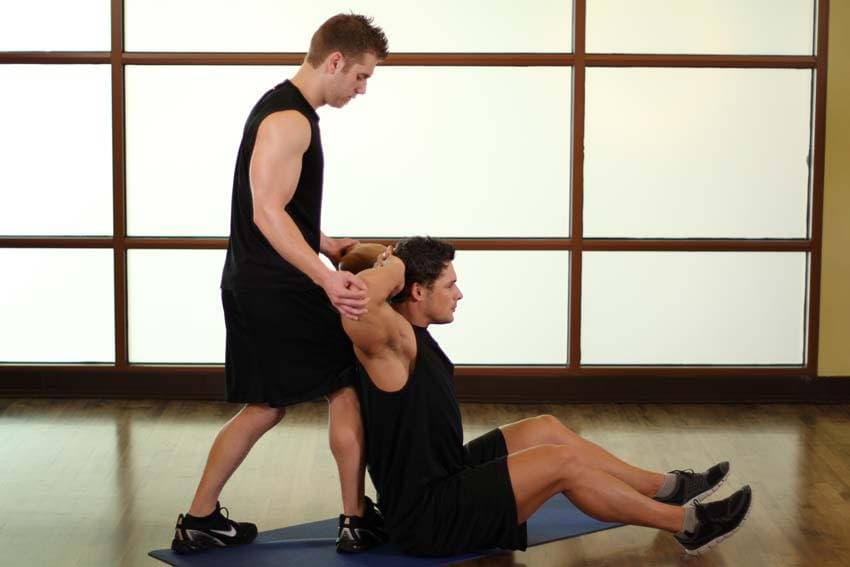
Behind Head Chest Stretch
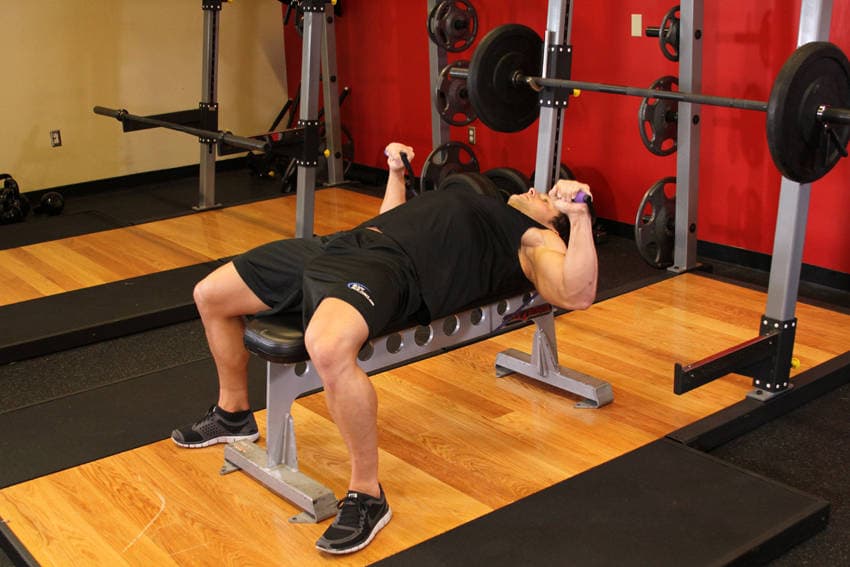
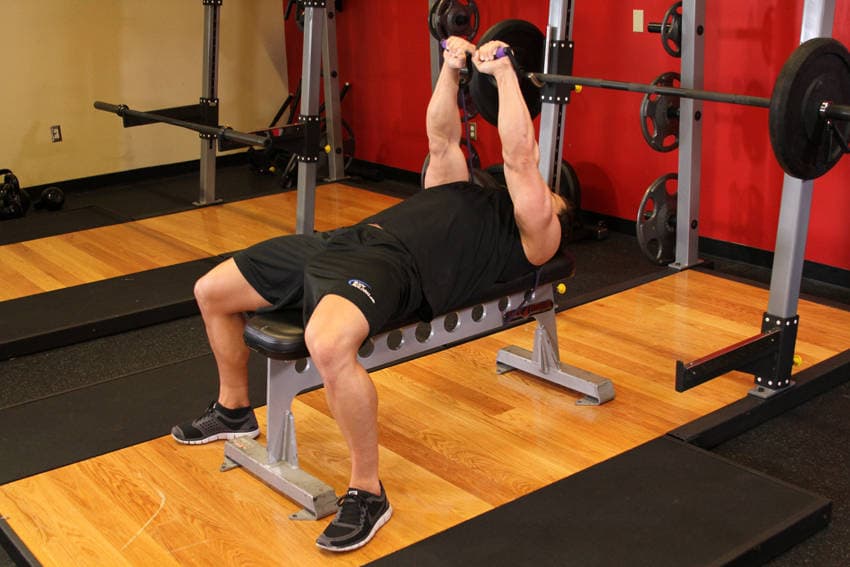
Bench Press - With Bands
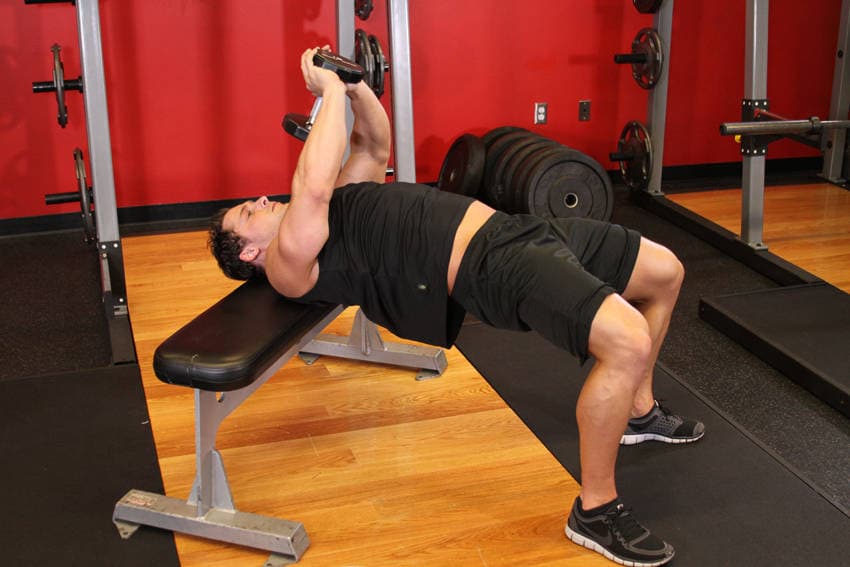
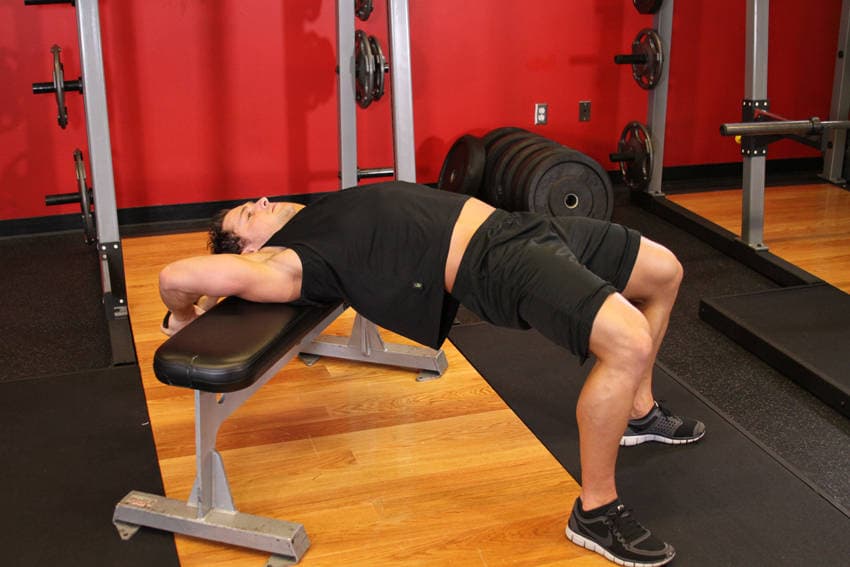
Bent-Arm Dumbbell Pullover
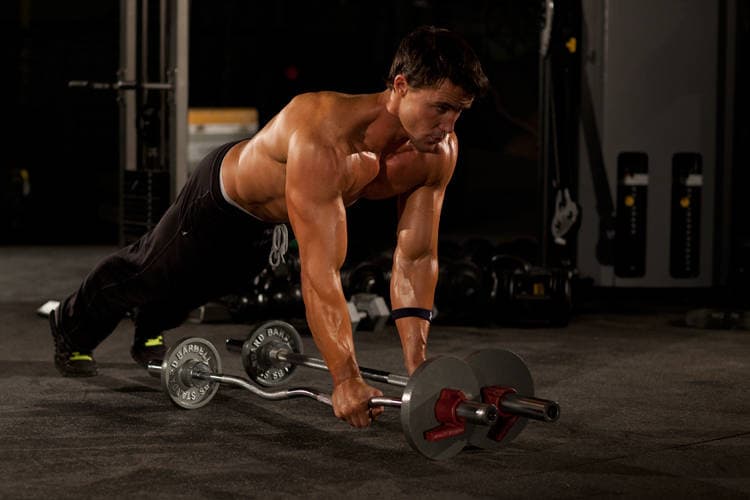
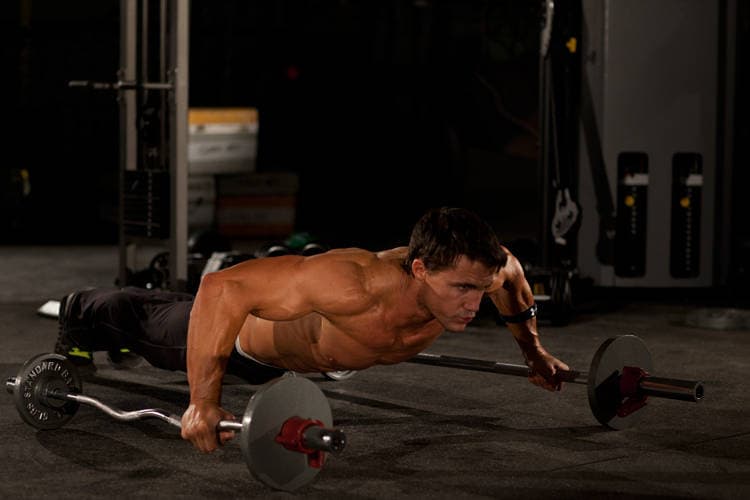
Bodyweight Flyes
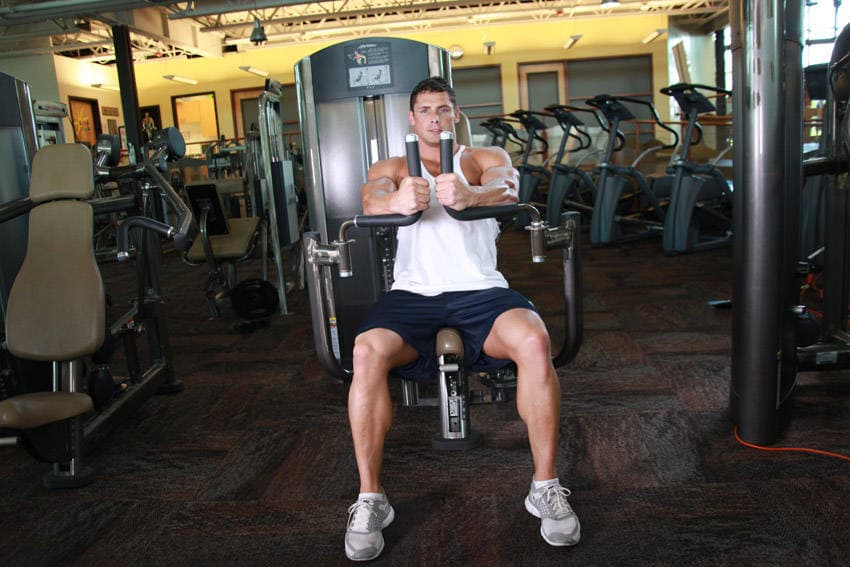
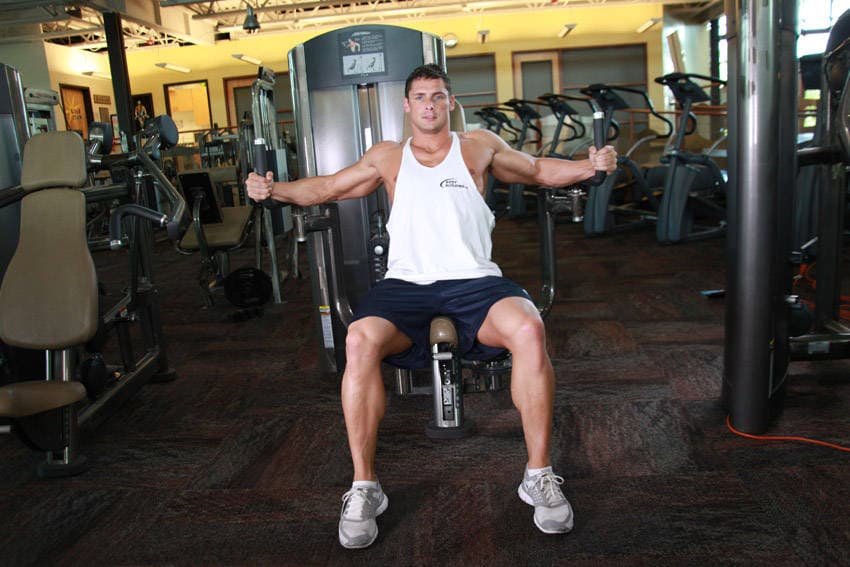
Butterfly
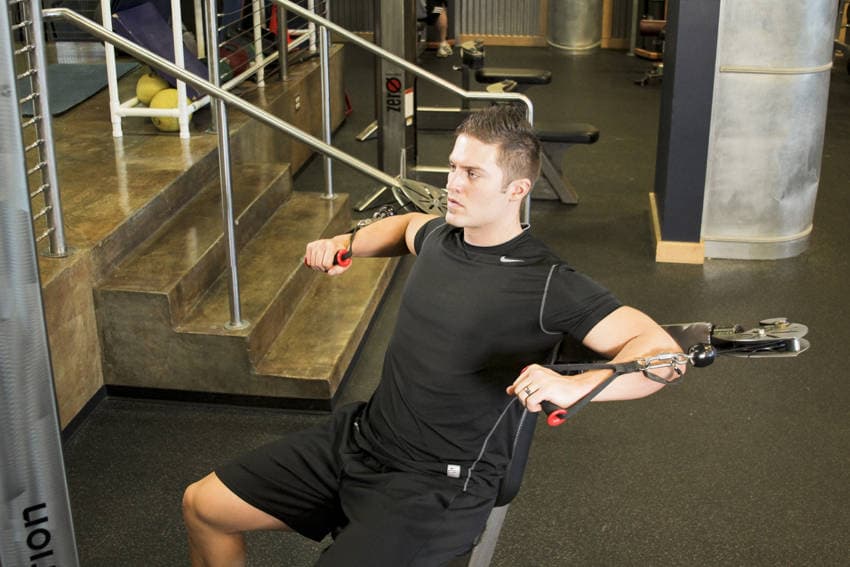
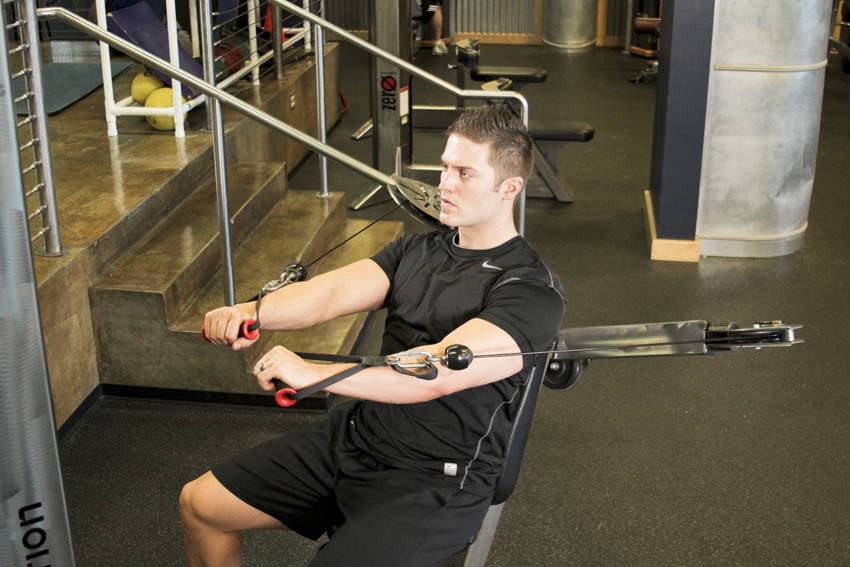
Cable Chest Press
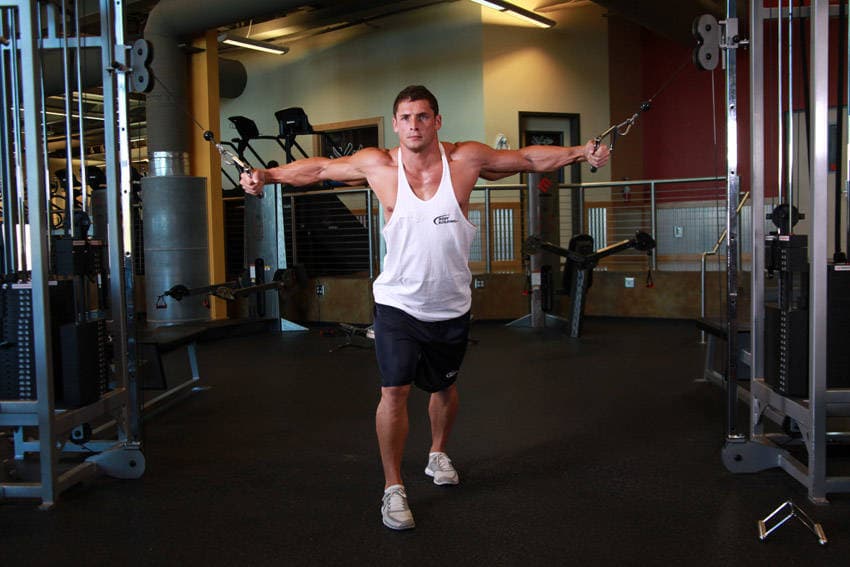
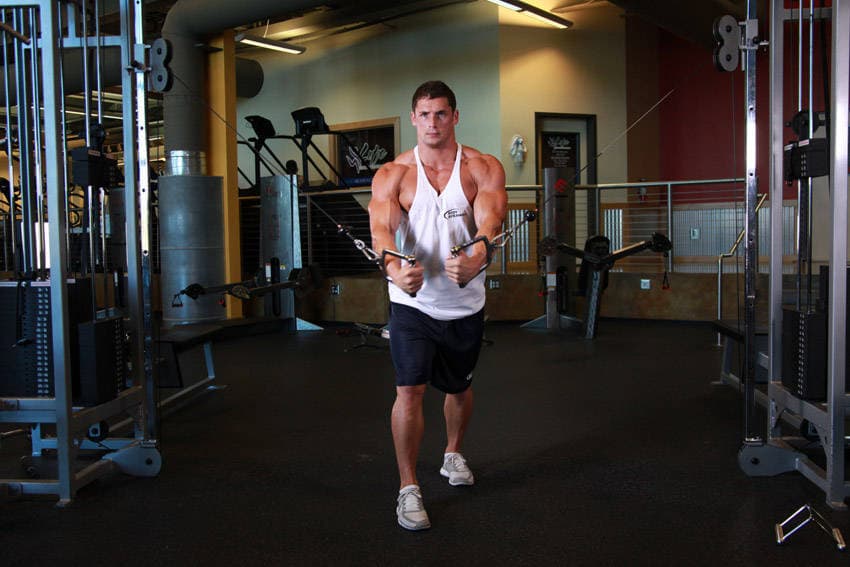
Cable Crossover
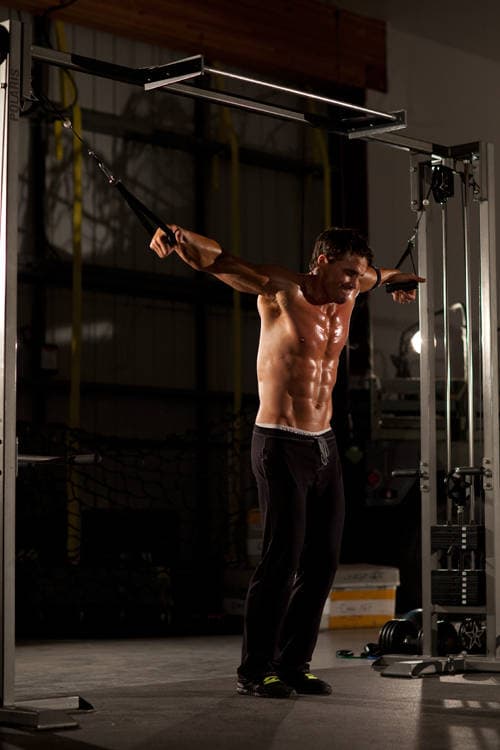
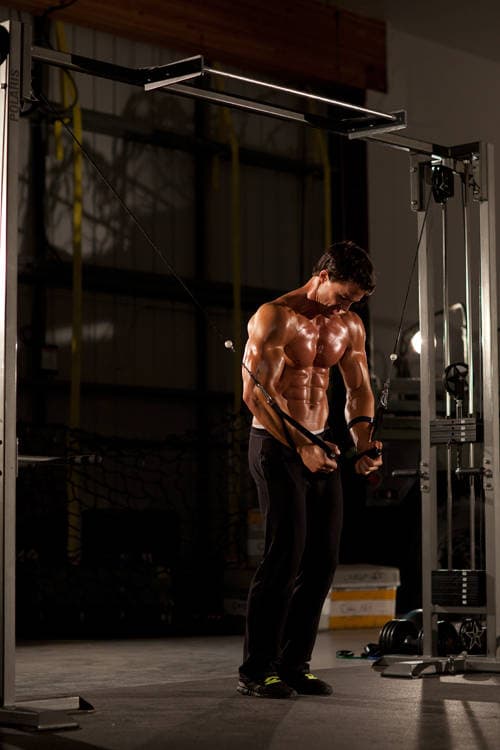
Cable Iron Cross
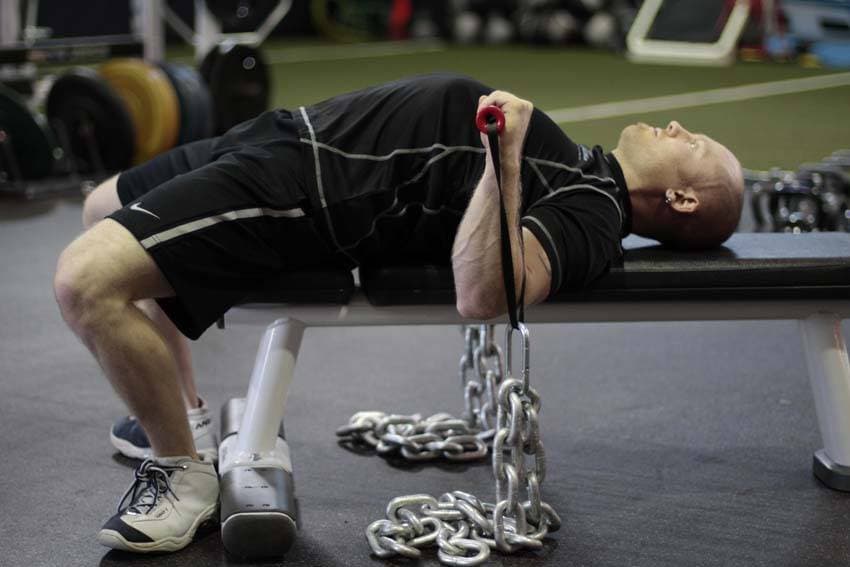
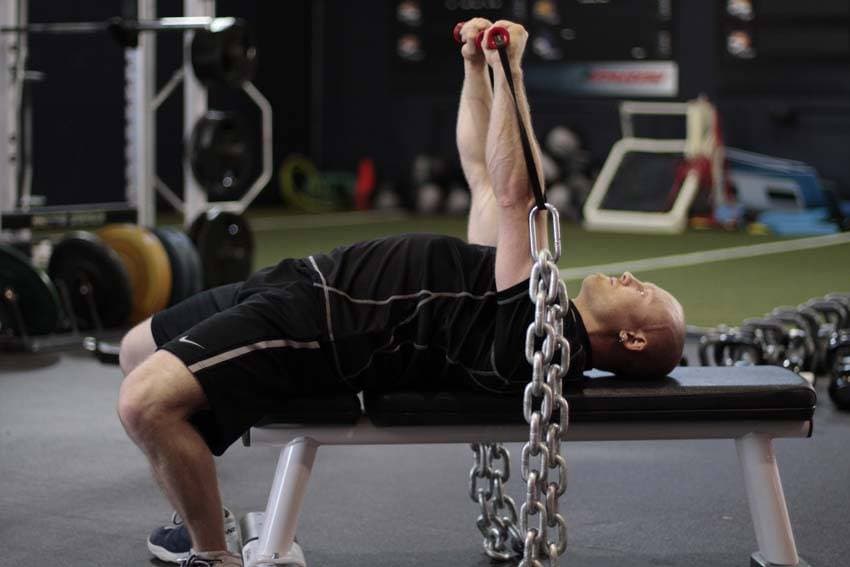
Chain Press
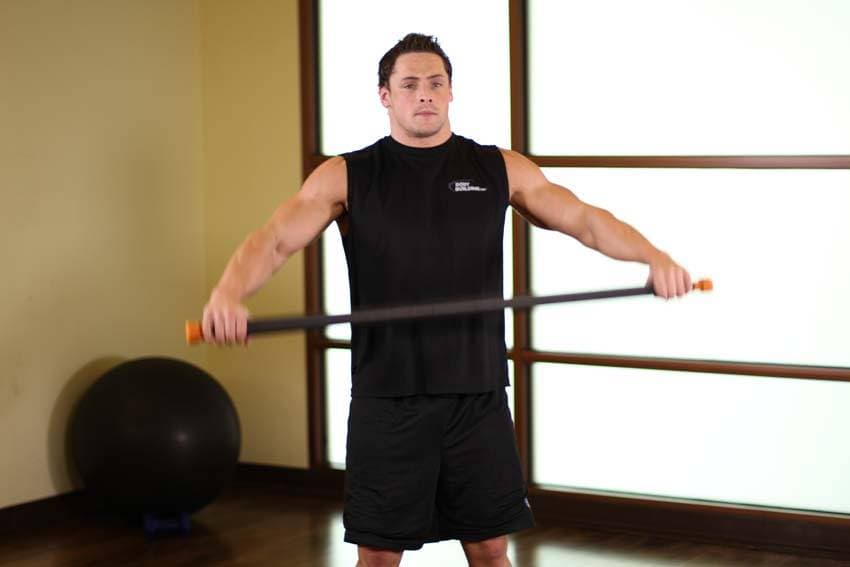
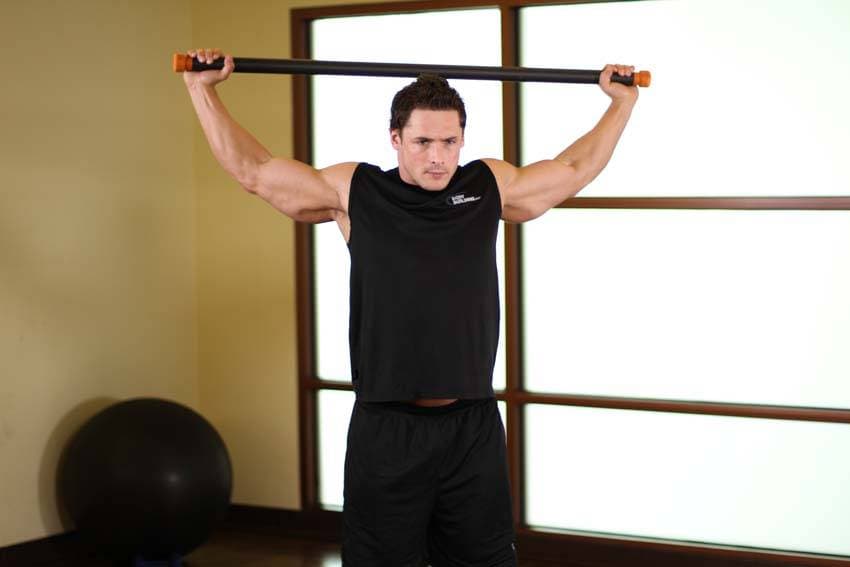
Chest And Front Of Shoulder Stretch
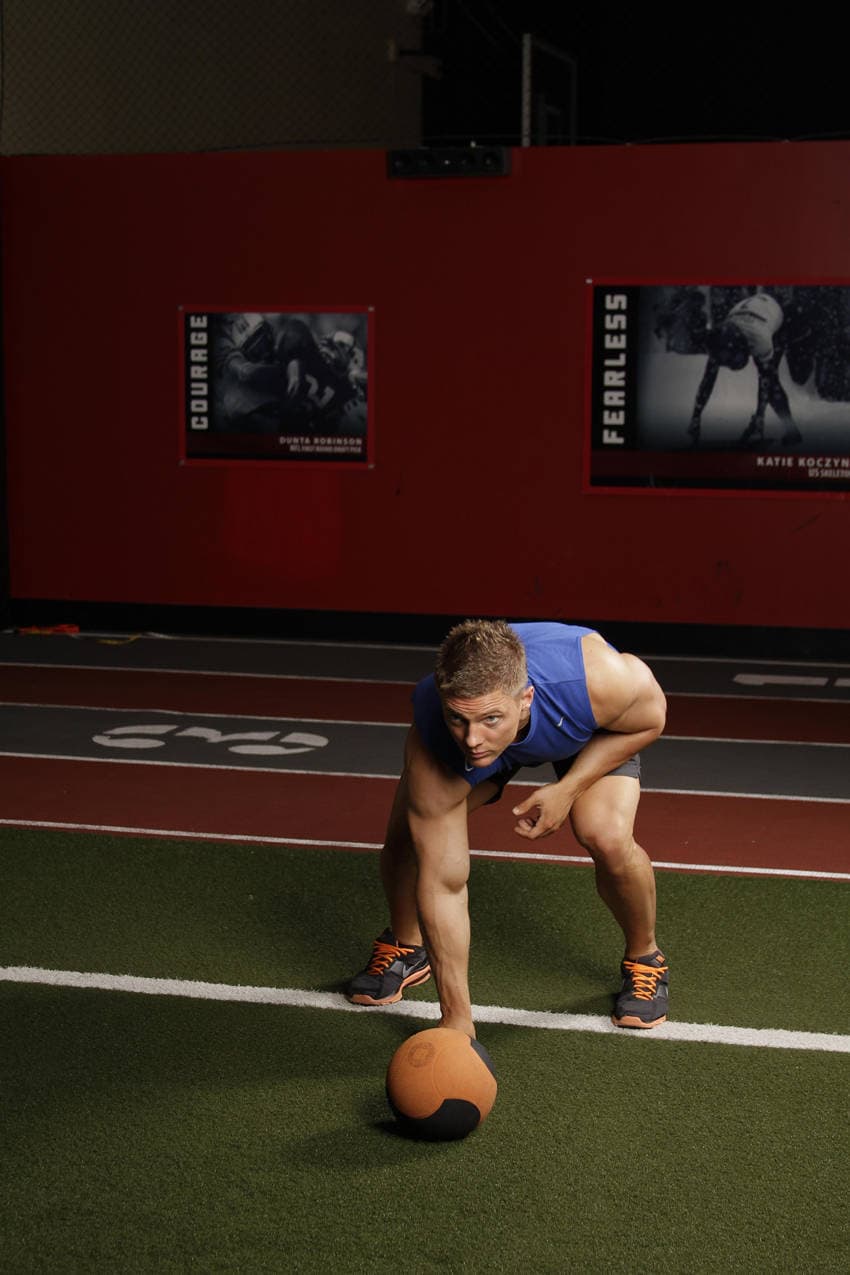
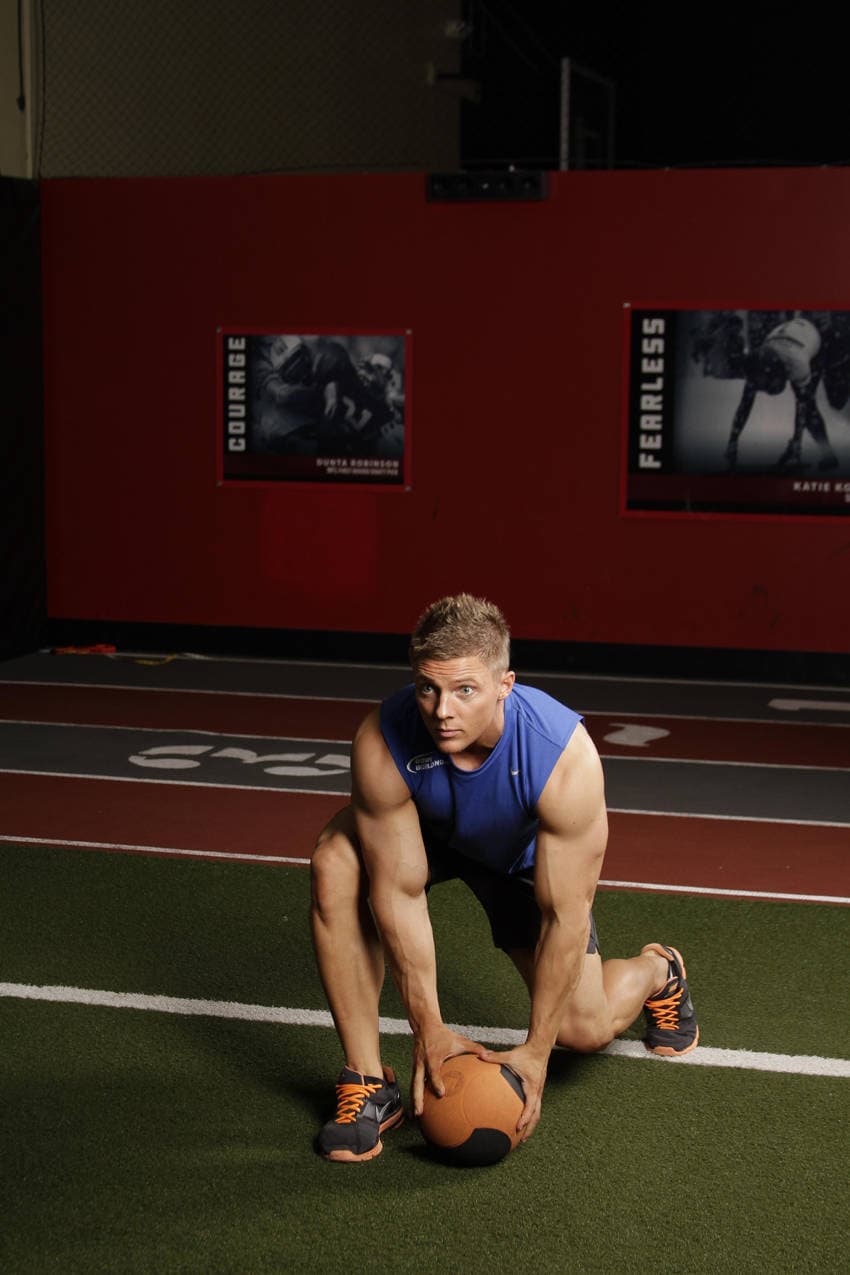
Chest Push from 3 point stance
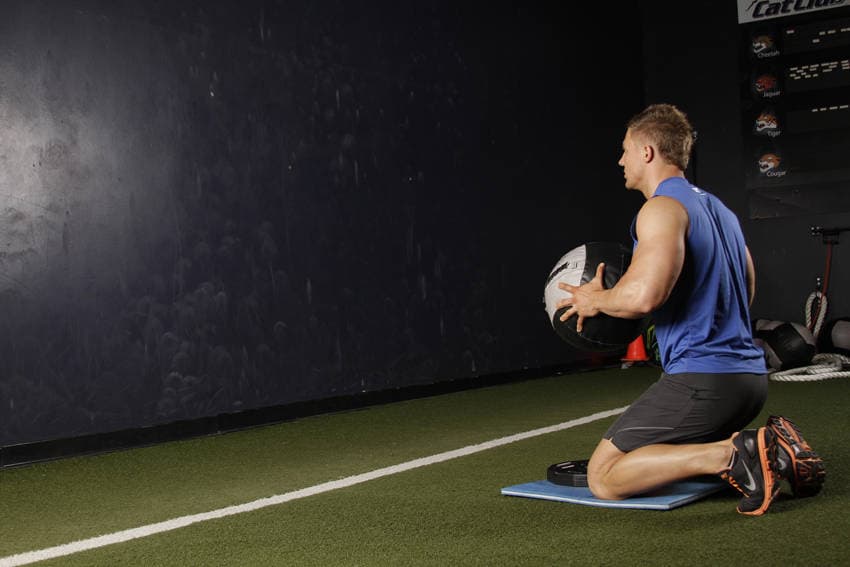
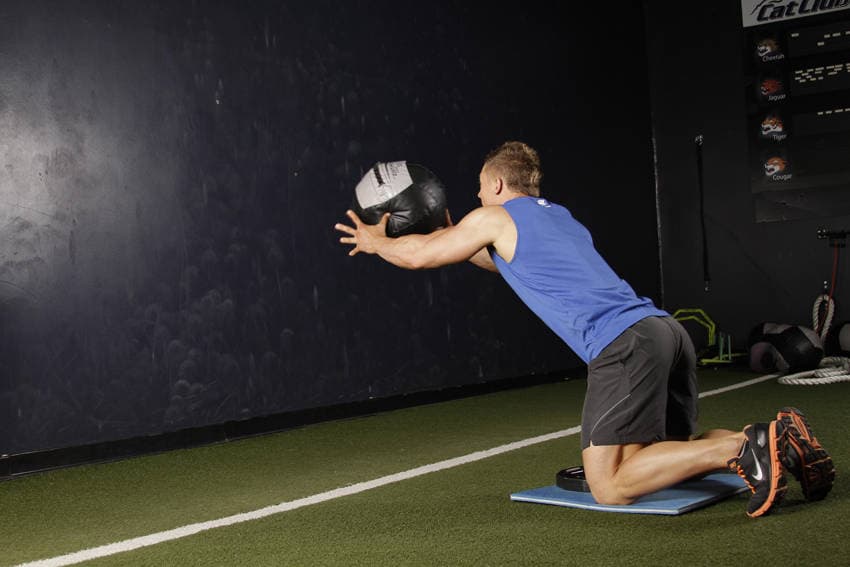
Chest Push (multiple response)
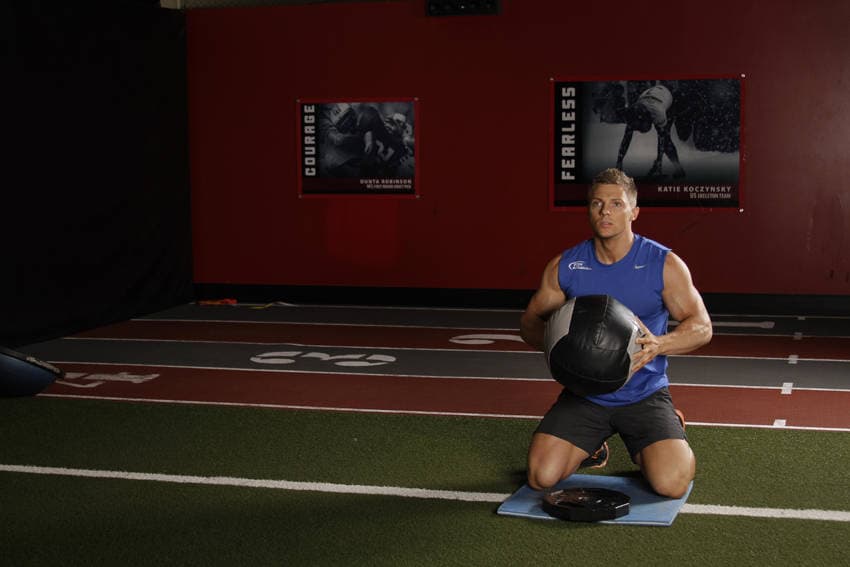
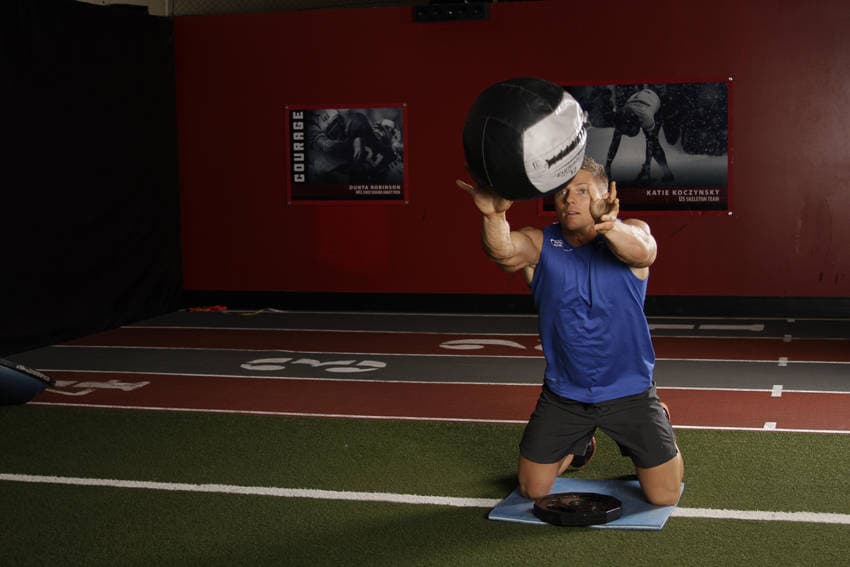
Chest Push (single response)
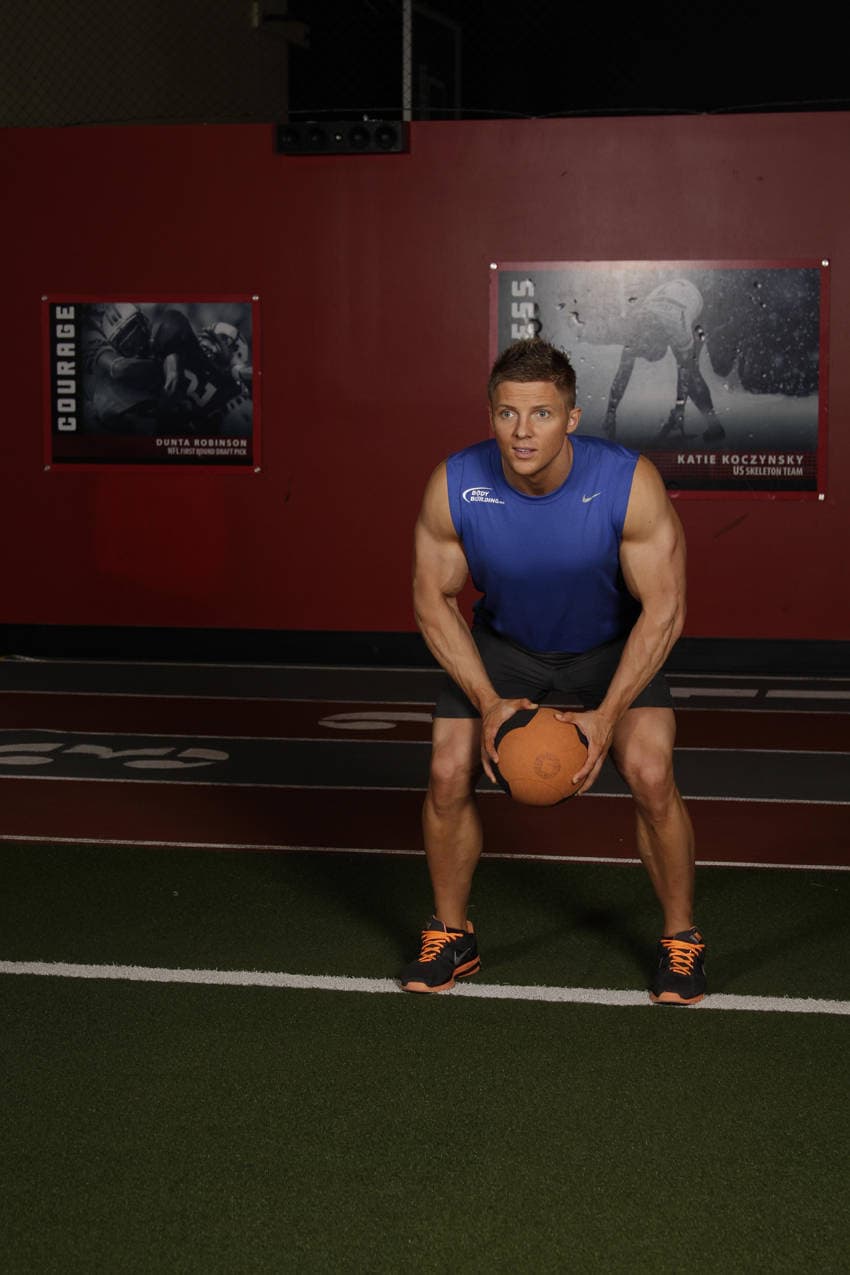
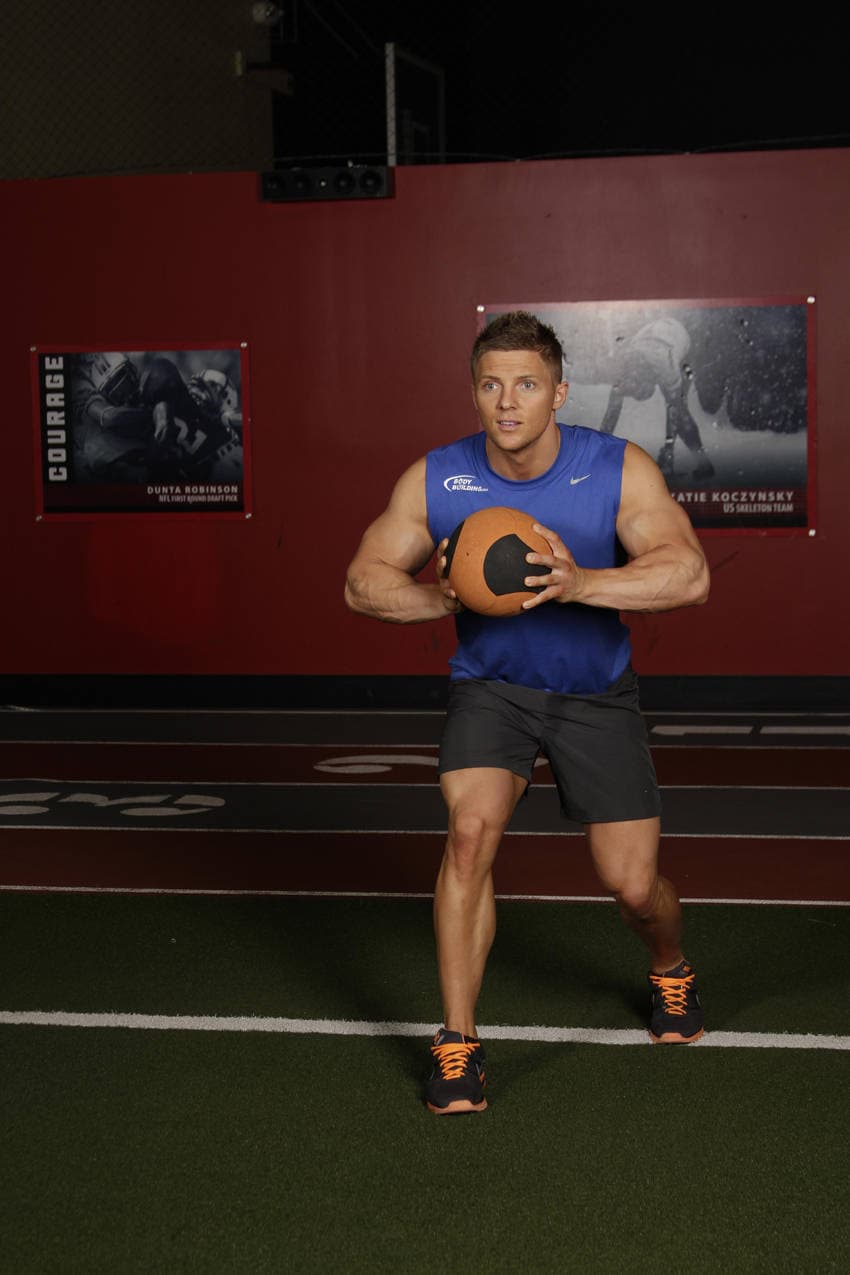
Chest Push with Run Release
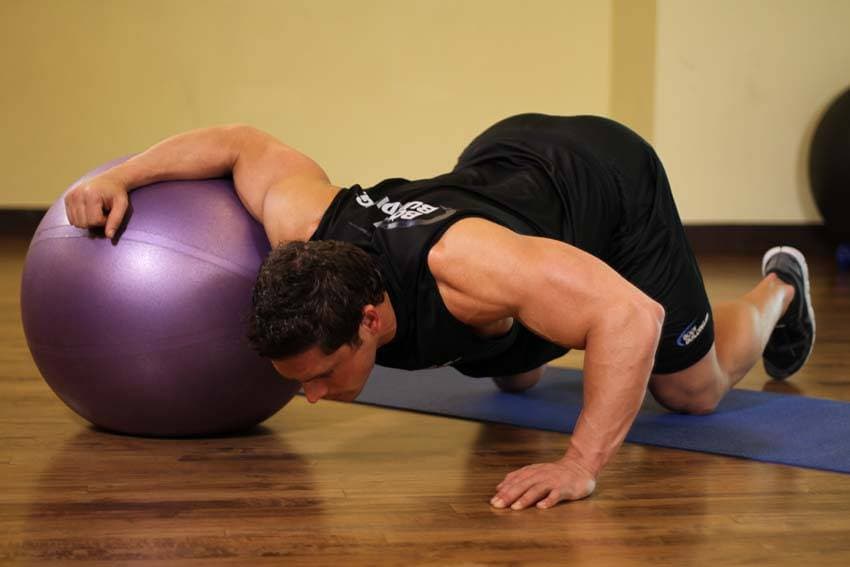
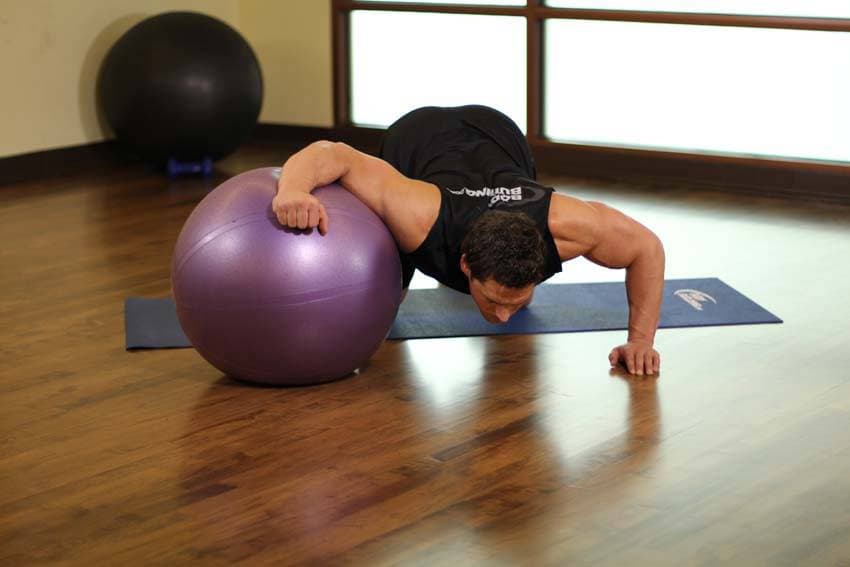
Chest Stretch on Stability Ball
Also Works Anterior papillary muscle of right ventricle
10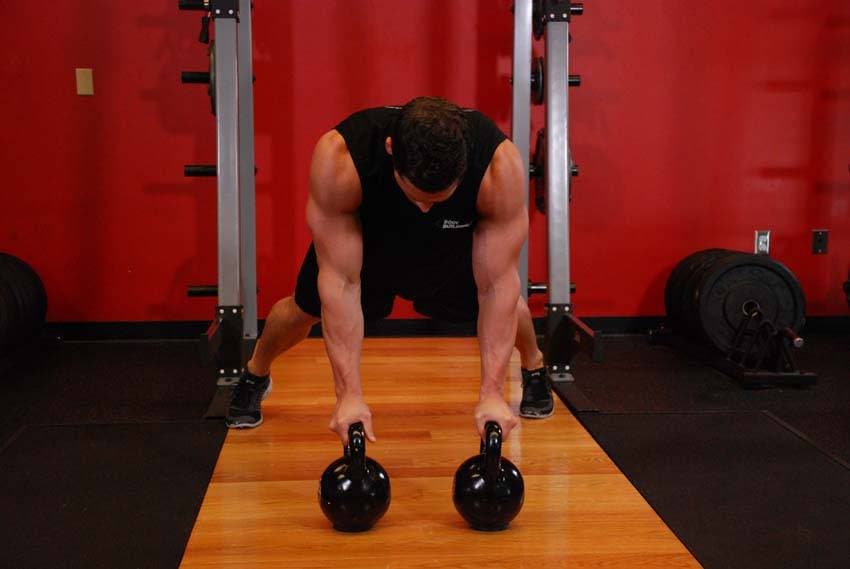
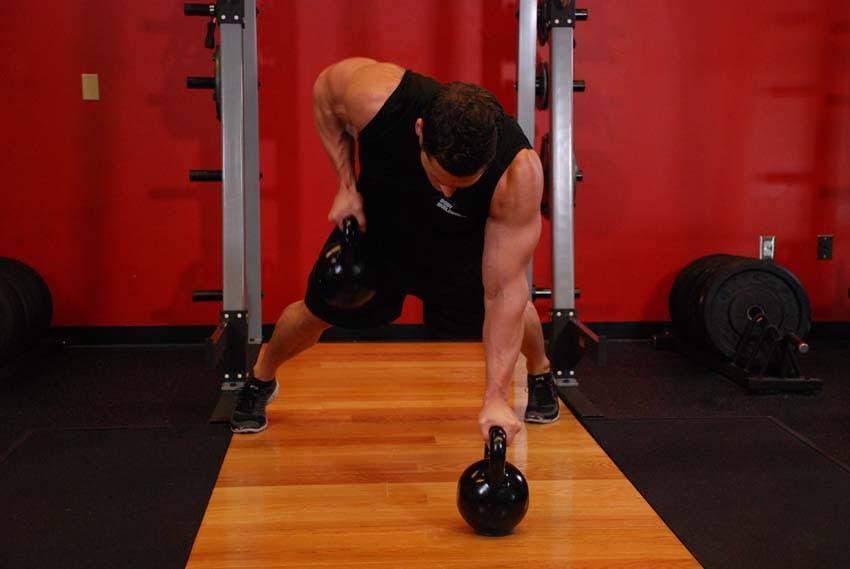
Alternating Renegade Row
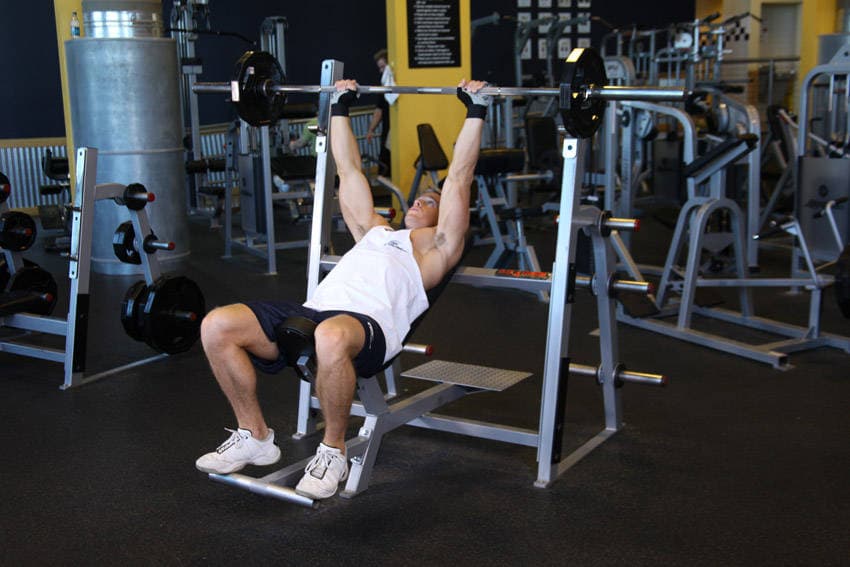
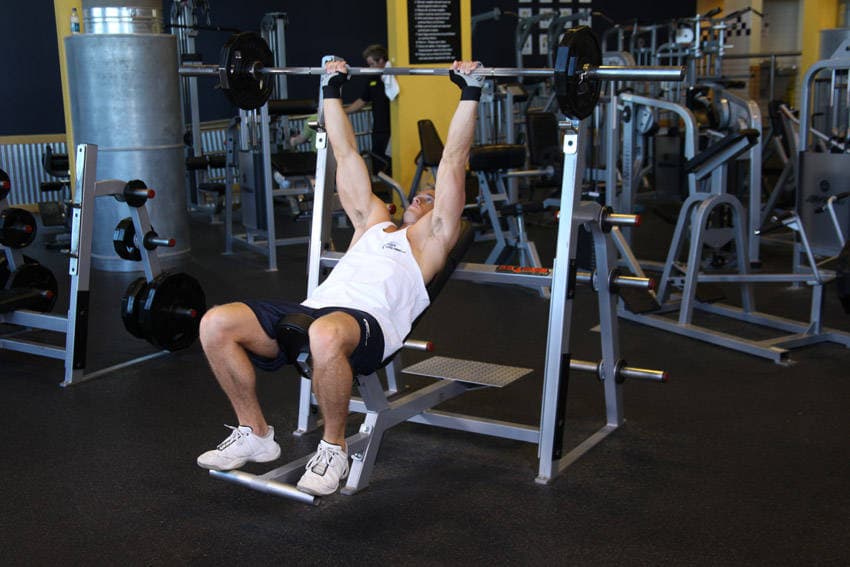
Barbell Incline Shoulder Raise
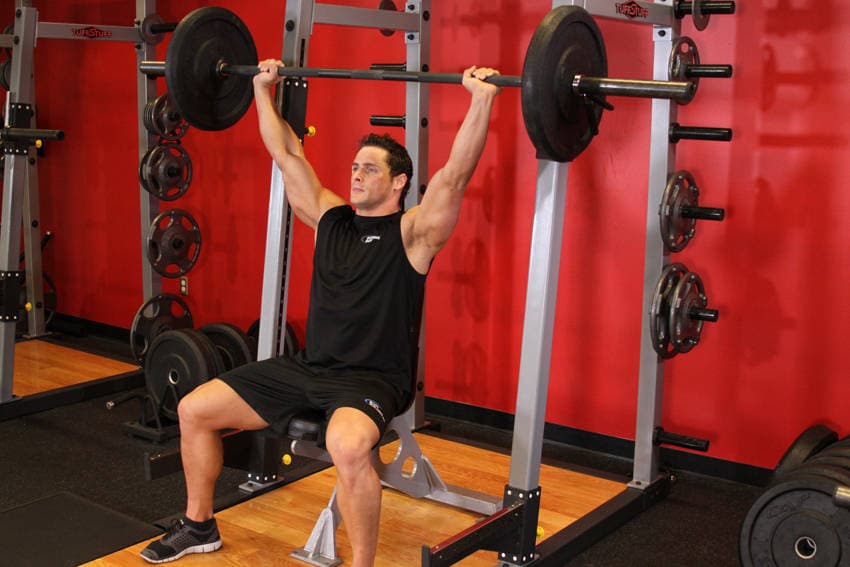
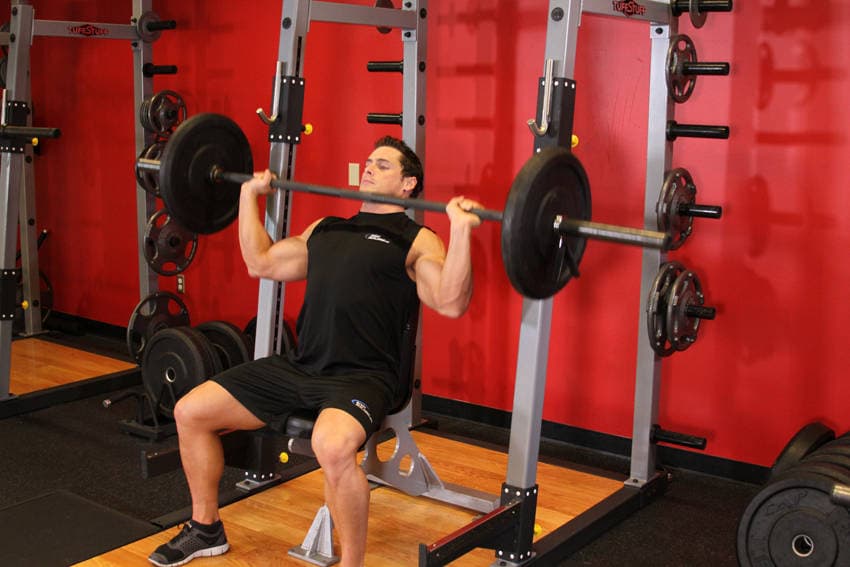
Barbell Shoulder Press
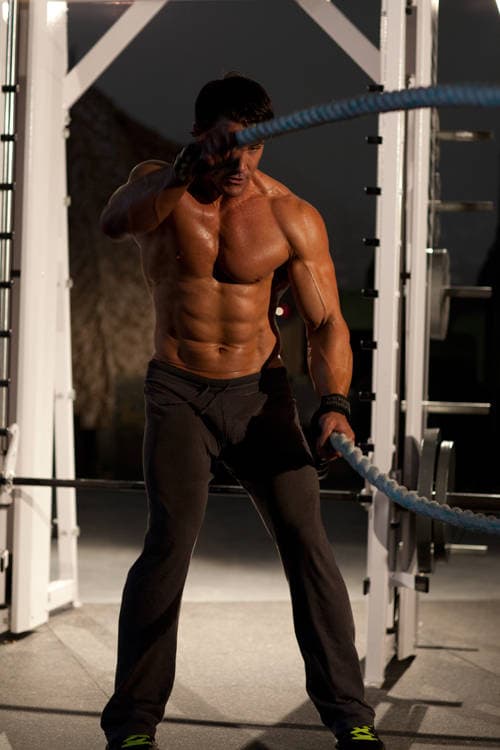

Battling Ropes
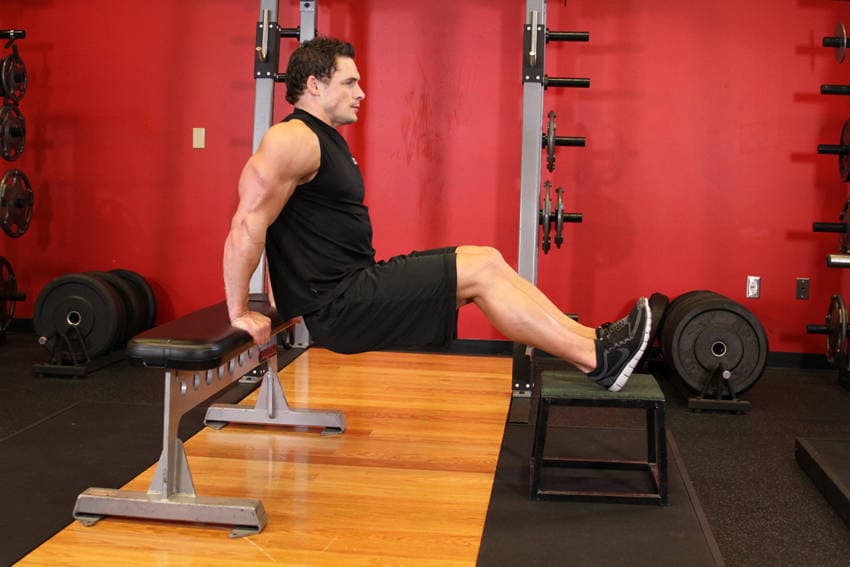
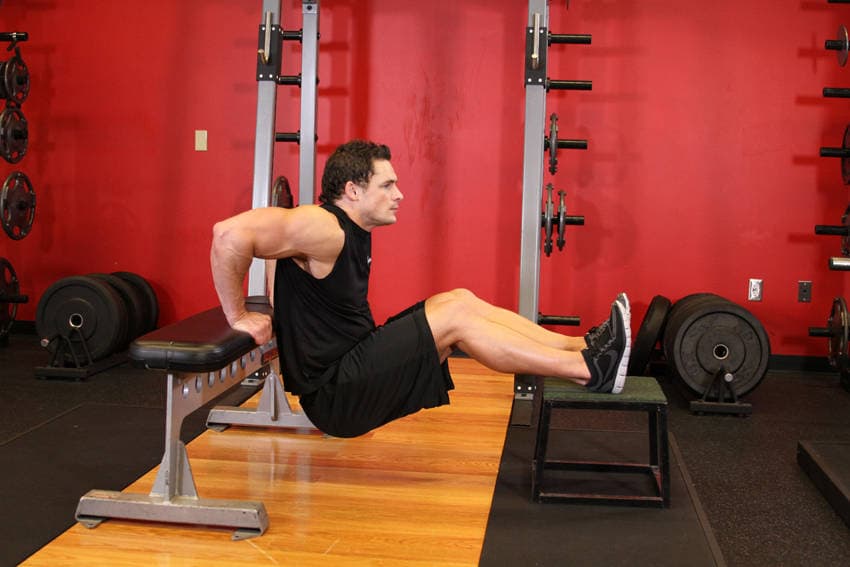
Bench Dips
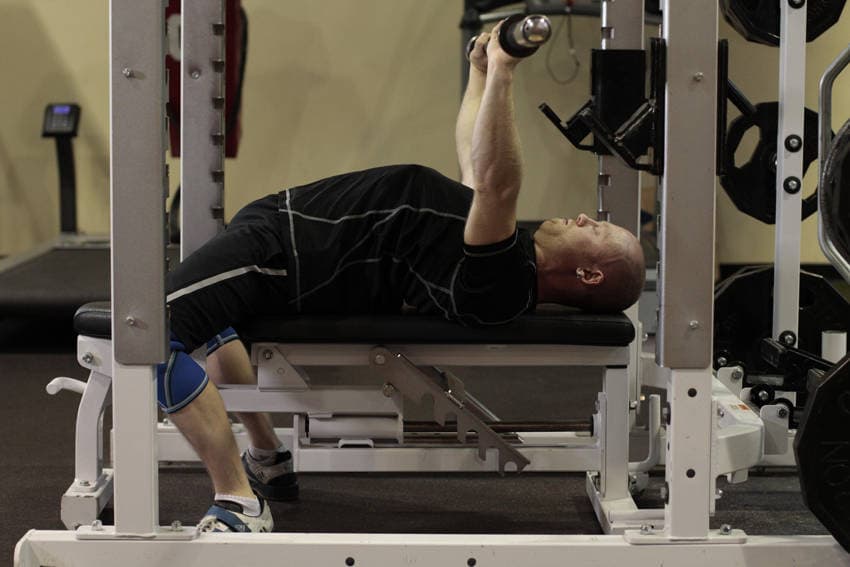
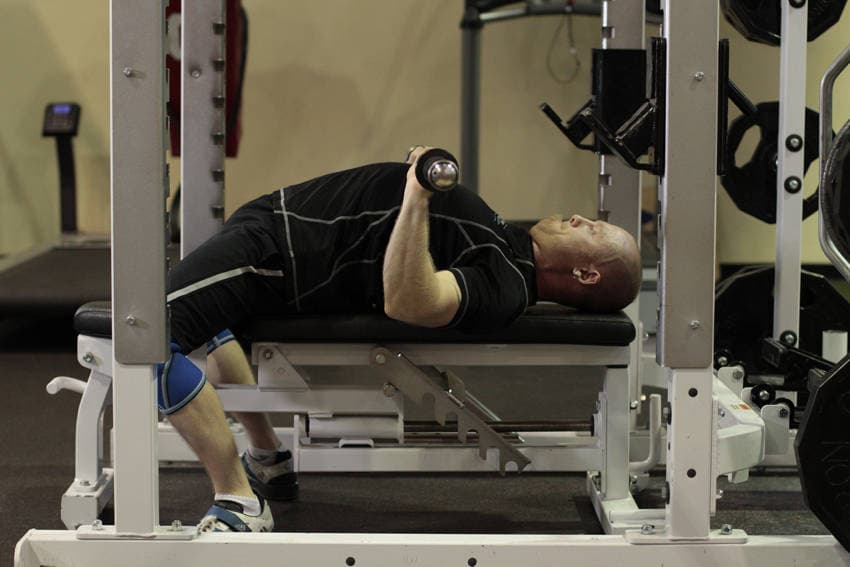
Bench Press - Powerlifting
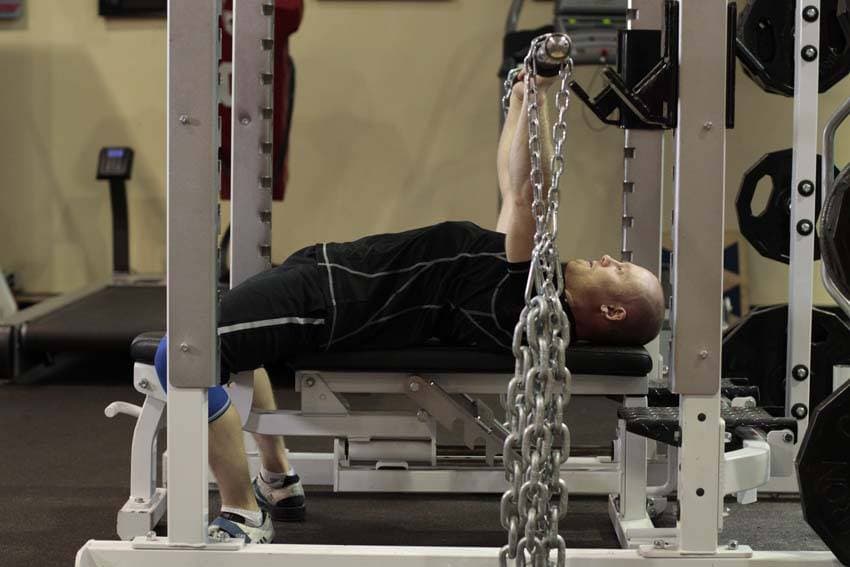
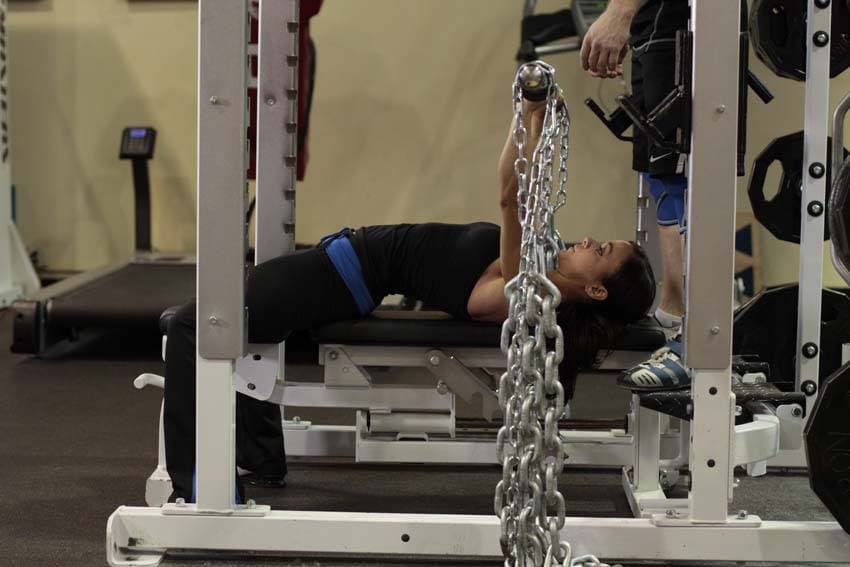
Bench Press with Chains
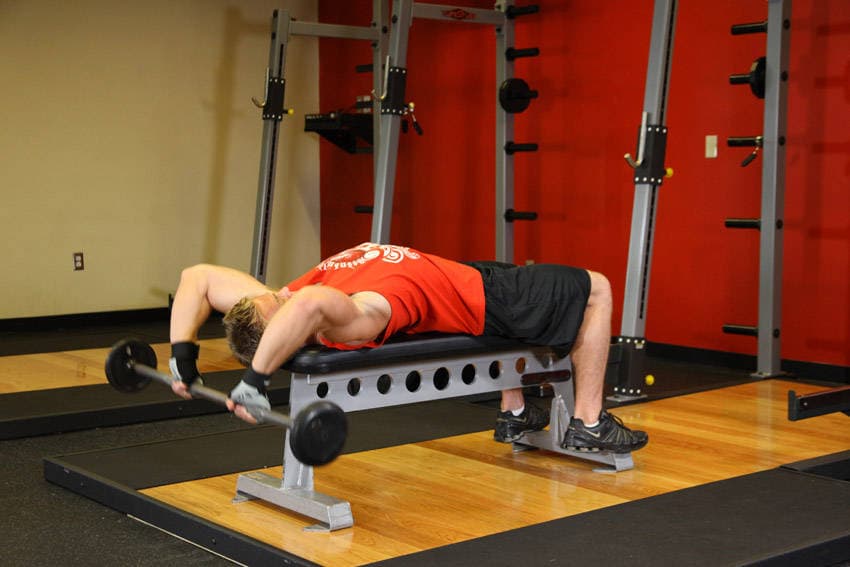
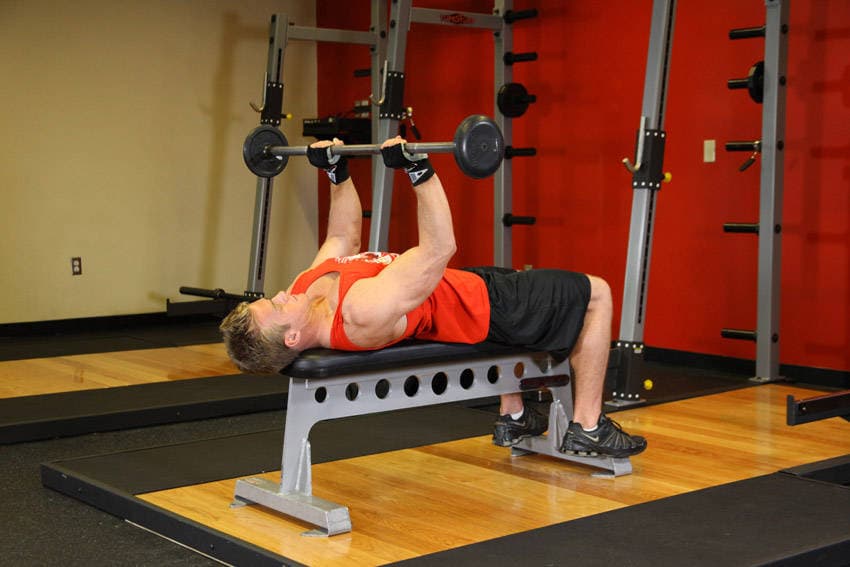
Bent-Arm Barbell Pullover
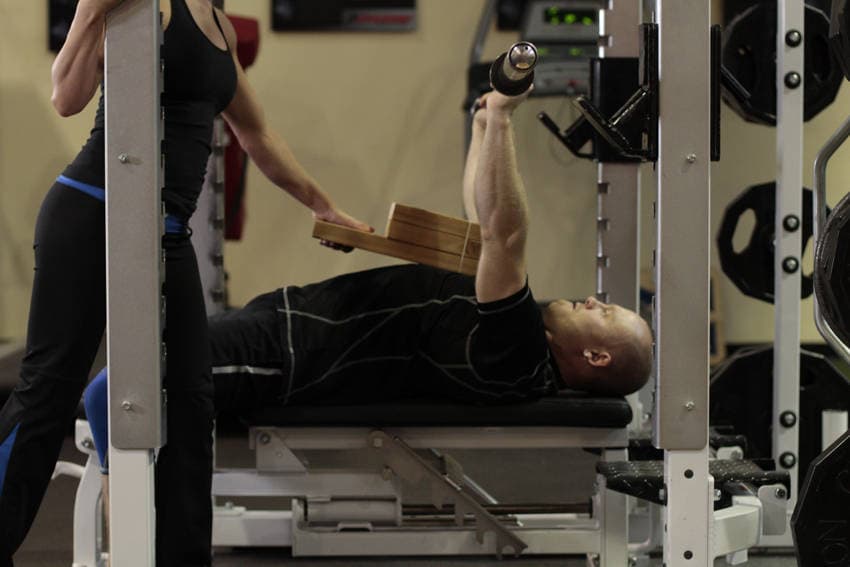
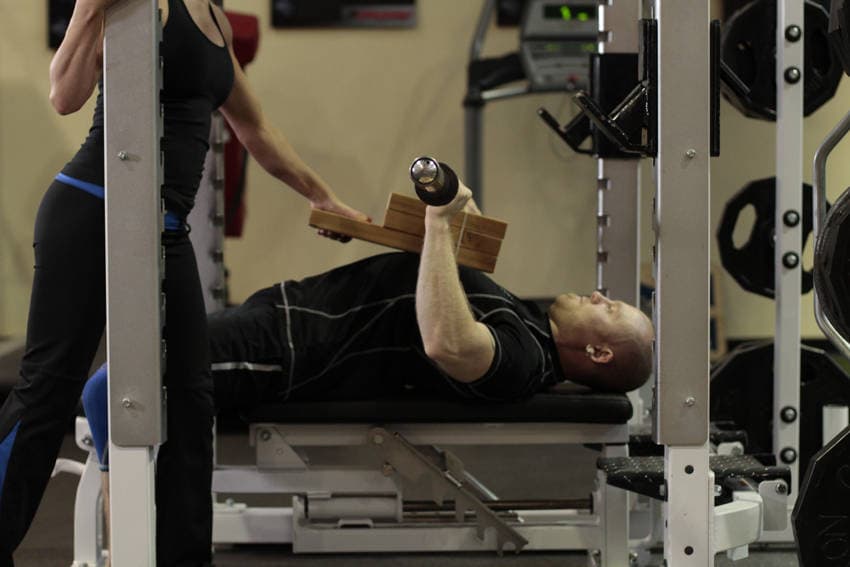
Board Press
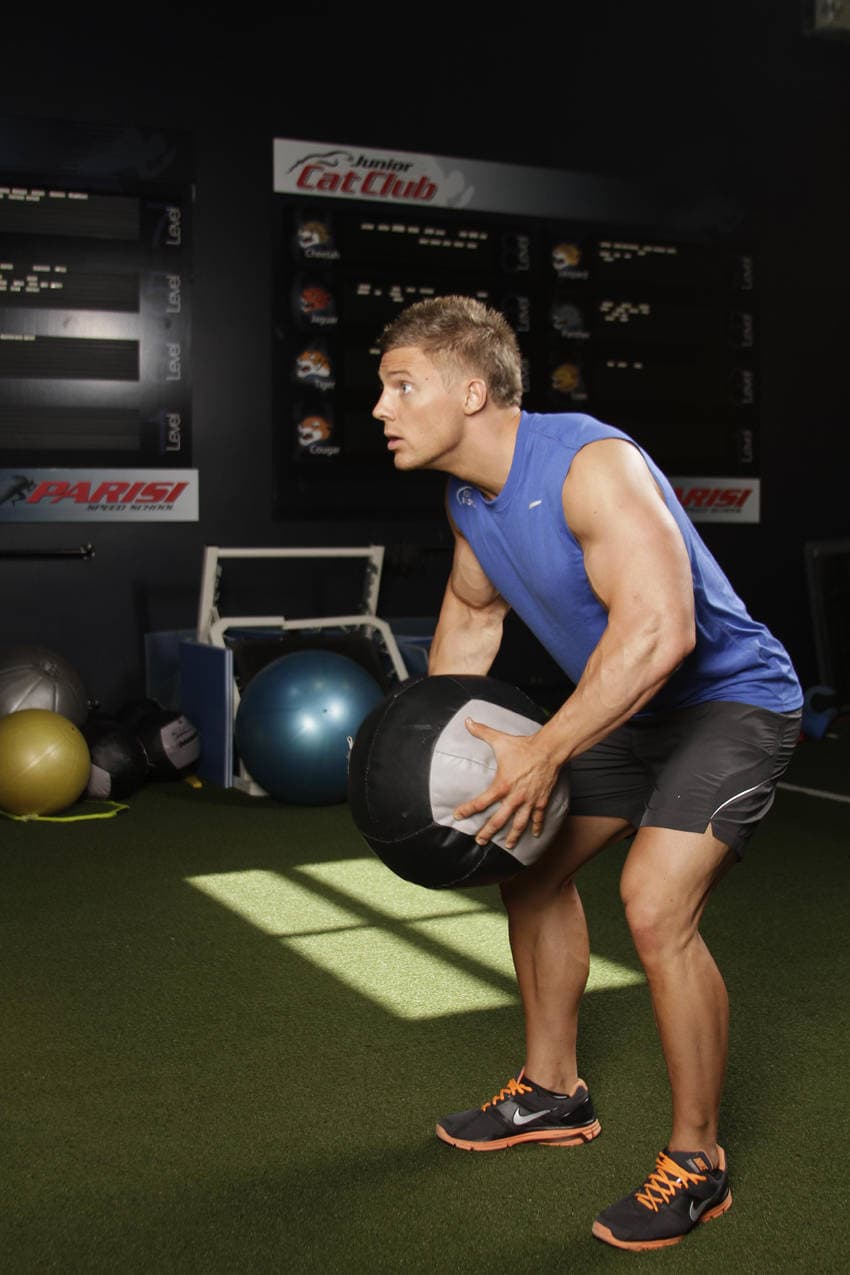
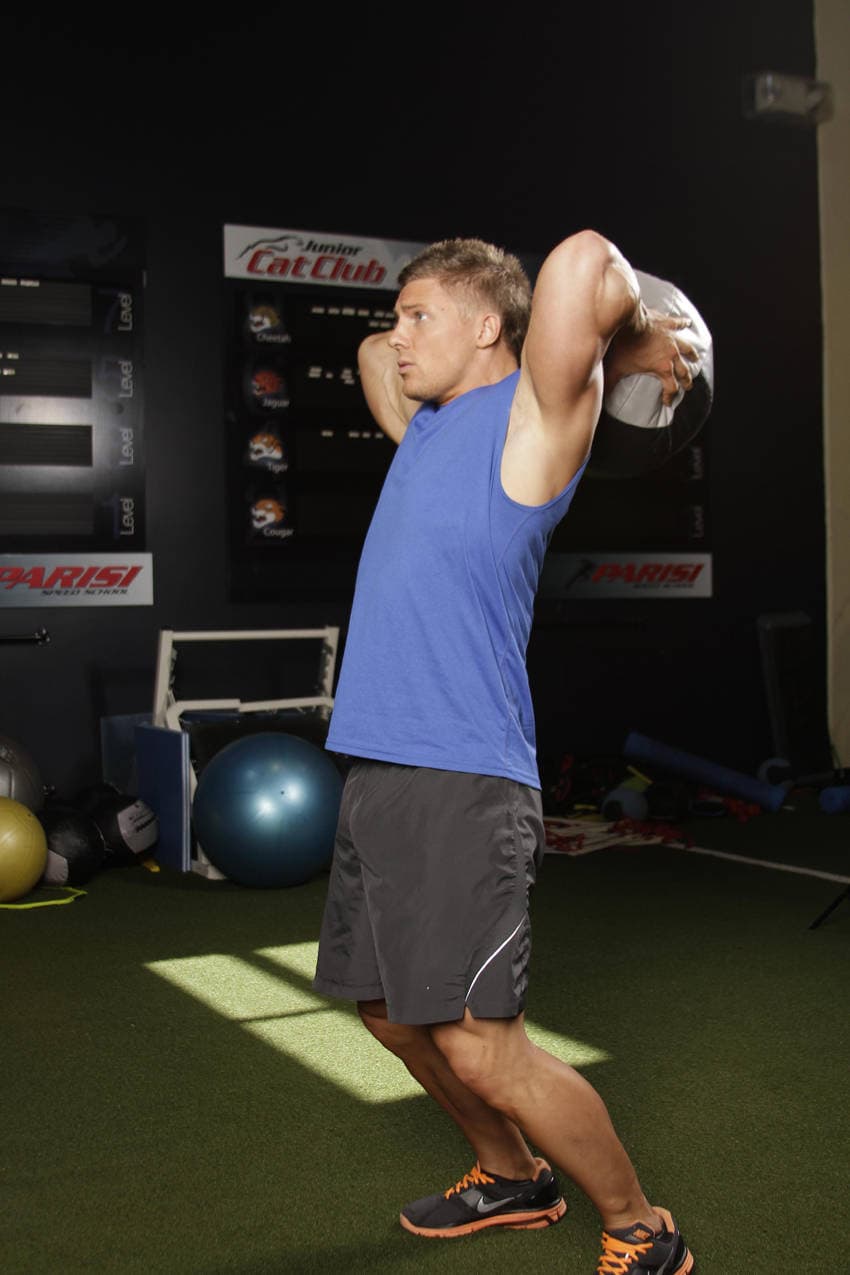
Catch and Overhead Throw
Related Chest Muscles
Chest Pain Guide
Common causes and relief
Activities & Sports
See which activities use Anterior papillary muscle of right ventricle