Chest
Rib Cage
Rib cage pain involves the intercostal muscles, the serratus anterior, and the costochondral joints. It can result from muscle strain, rib fracture, or inflammation of the cartilage connecting the ribs to the sternum, and is often worsened by deep breathing, coughing, or twisting.
Medical Disclaimer
This information is for educational purposes only and does not constitute medical advice. Consult a qualified healthcare provider for proper diagnosis and treatment of any pain or medical condition.
Common Causes
Intercostal muscle strain from coughing, twisting, or heavy breathing
Costochondritis at the rib-sternum junction
Rib contusion or fracture from direct impact
Serratus anterior strain from overhead activities
Slipping rib syndrome
Muscles in This Area
5Chest
External intercostal muscle
External intercostals are thin muscles between the ribs that elevate them during inhalation, aiding deep breathing for core stability in lifts. They're vital for endurance athletes needing efficient oxygen uptake. Fitness training enhances respiratory muscle power.
Chest
Internal intercostal muscle
Internal intercostals between ribs assist expiration and stabilize chest in lifts.
Chest
Innermost intercostal muscle
Innermost intercostals are deep rib muscles aiding forced expiration like coughing. Support breathing in high-intensity training.
Chest
serratus anterior
Serratus anterior wraps from ribs to scapula, protracting and upwardly rotating the shoulder blade for punches and presses. 'Boxer's muscle' prevents winging, crucial for overhead athletes.
Abdomen
external oblique
External obliques form the outer 'V' of your abs on each side, rotating and side-bending the torso while compressing the abdomen. They're powerhouse muscles for rotational power in sports like golf, boxing, and throws. Train them for a defined waist and core stability.
Stretches That May Help
Recommended Exercises
12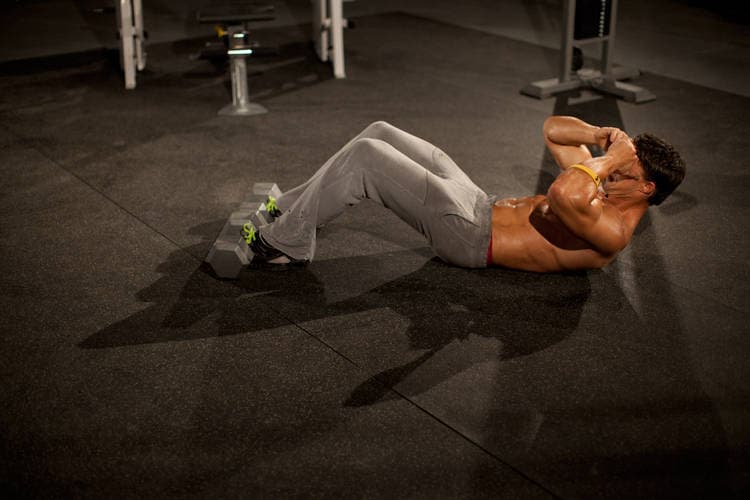
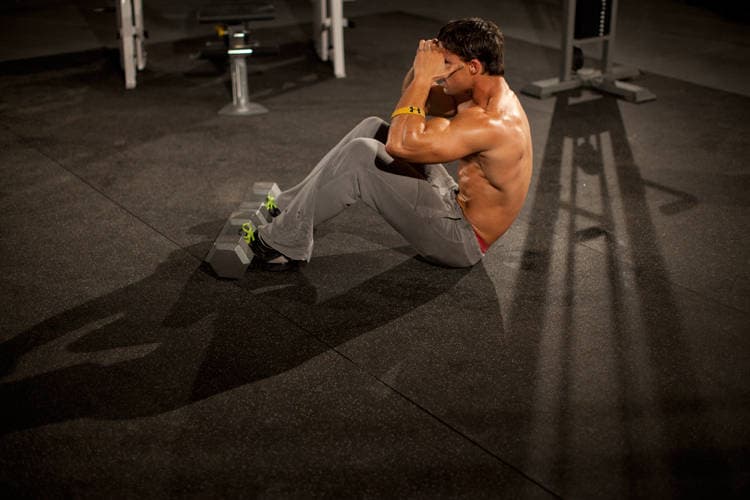
3/4 Sit-Up
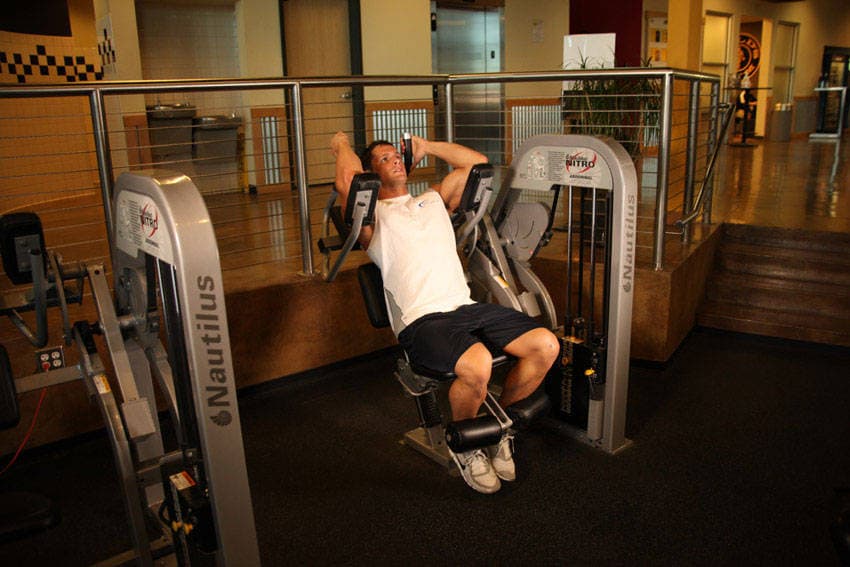
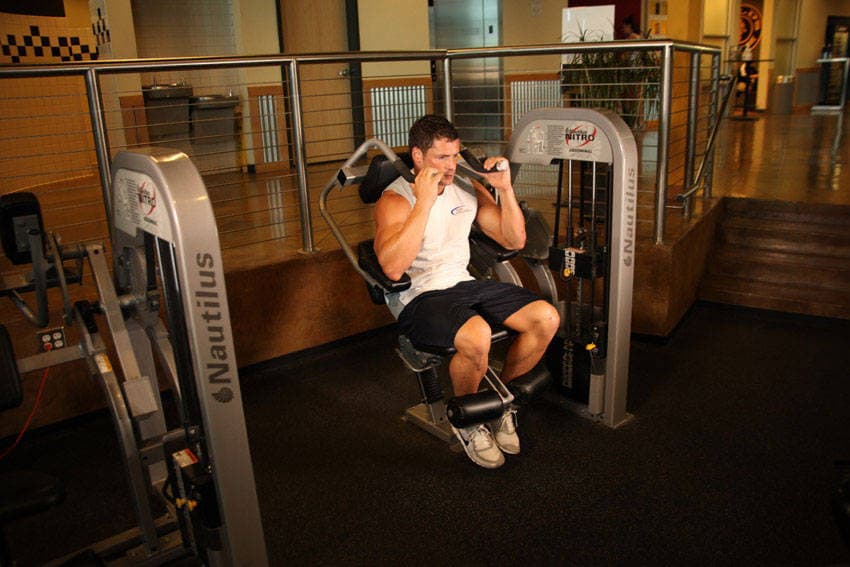
Ab Crunch Machine
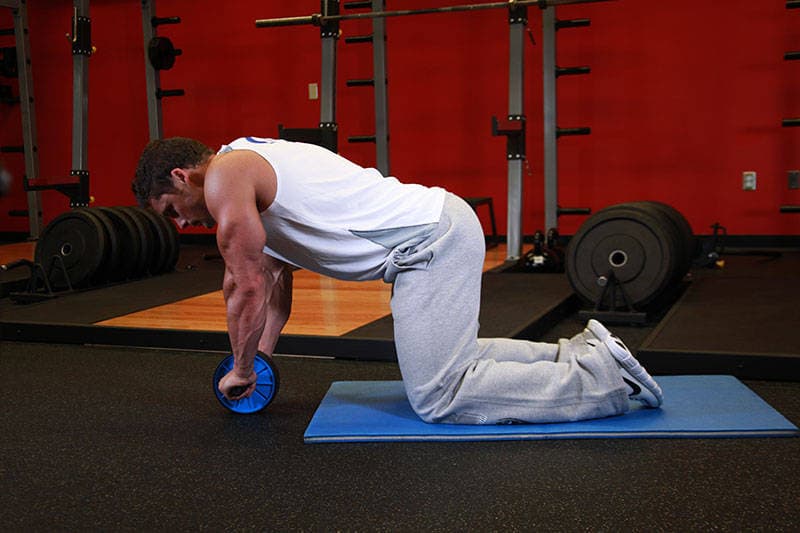
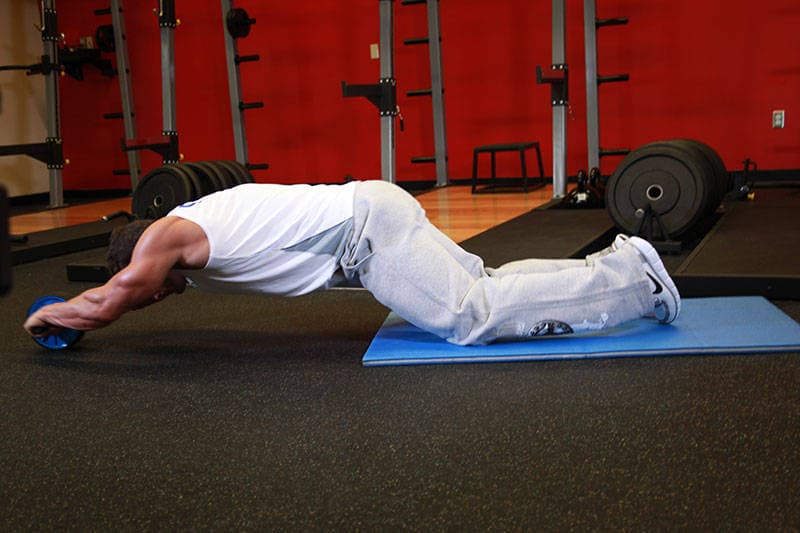
Ab Roller
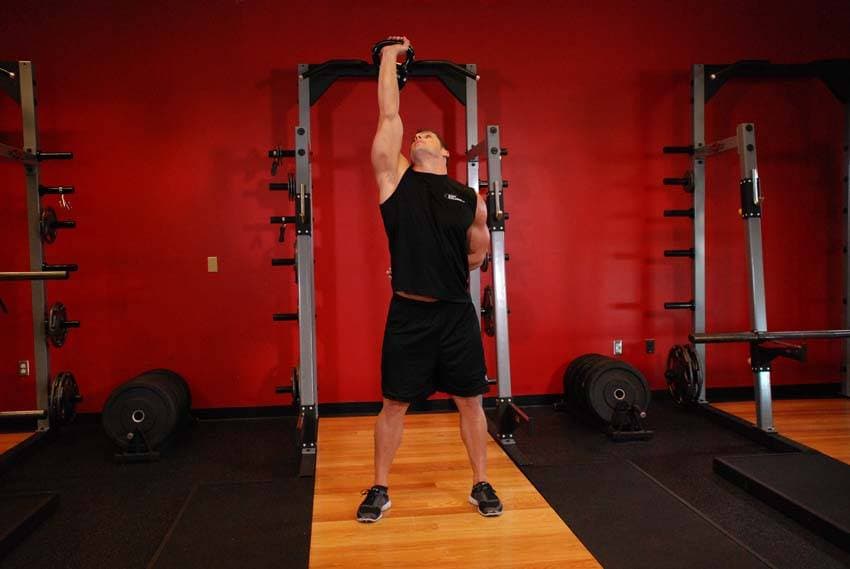
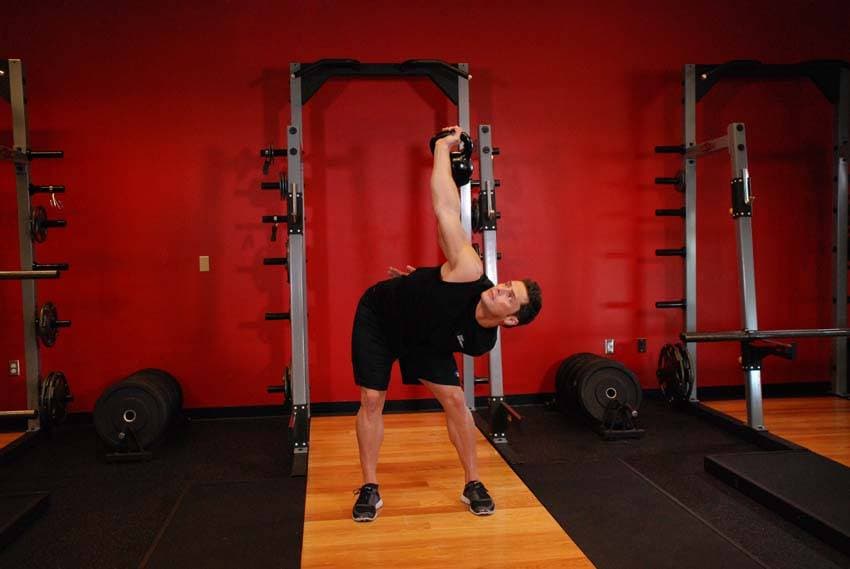
Advanced Kettlebell Windmill
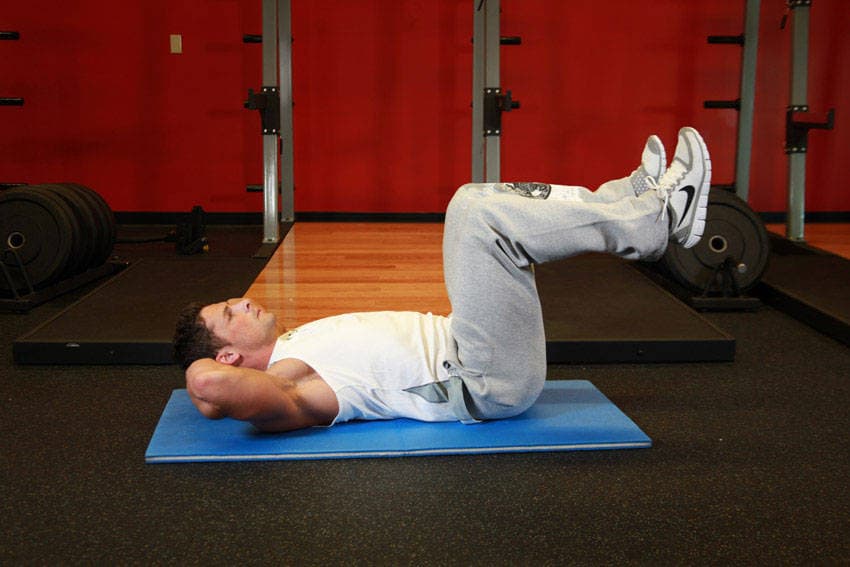
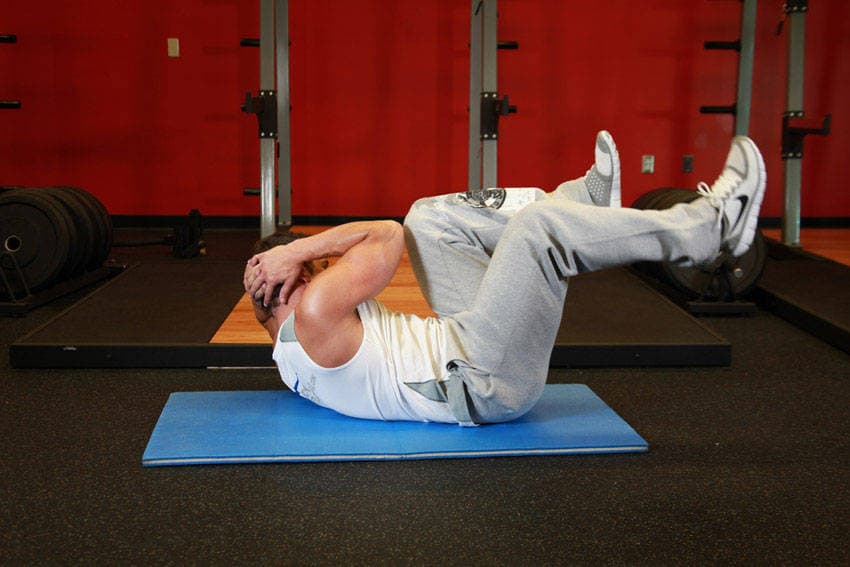
Air Bike
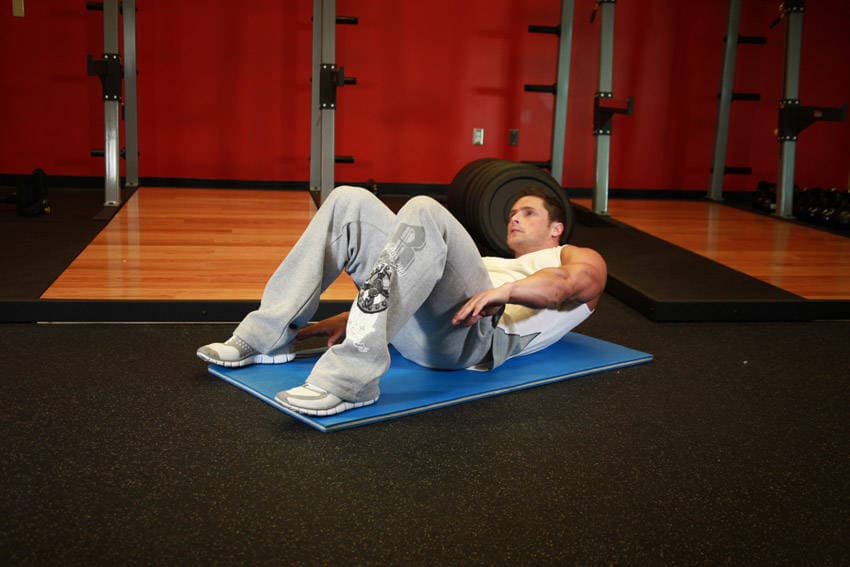
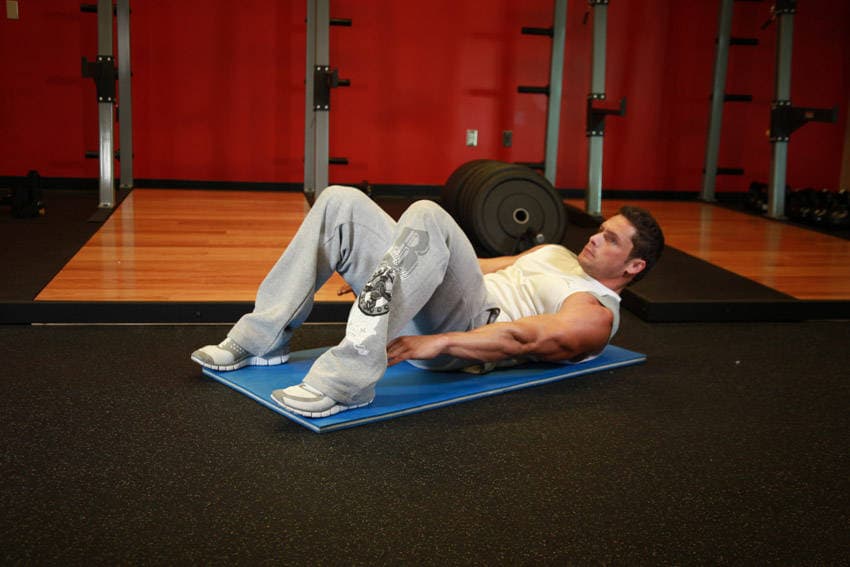
Alternate Heel Touchers
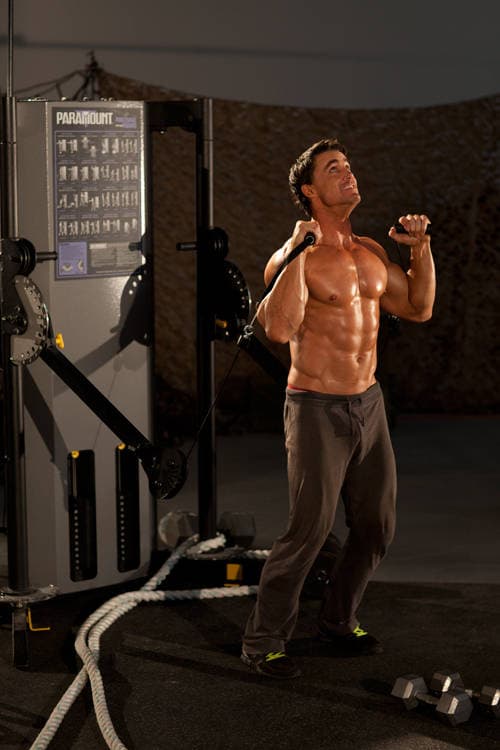
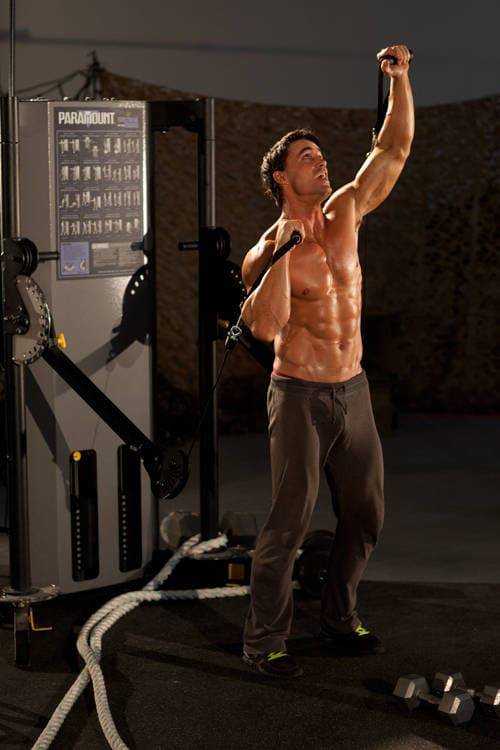
Alternating Cable Shoulder Press
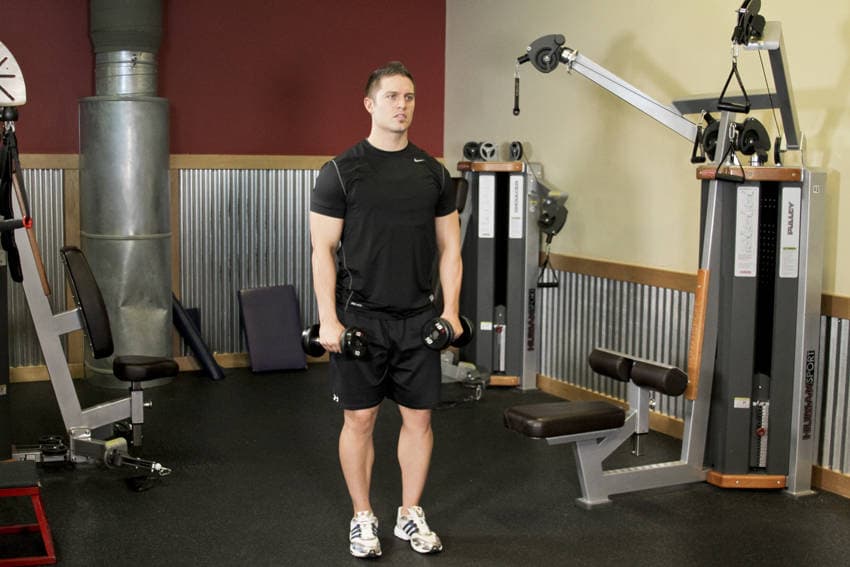
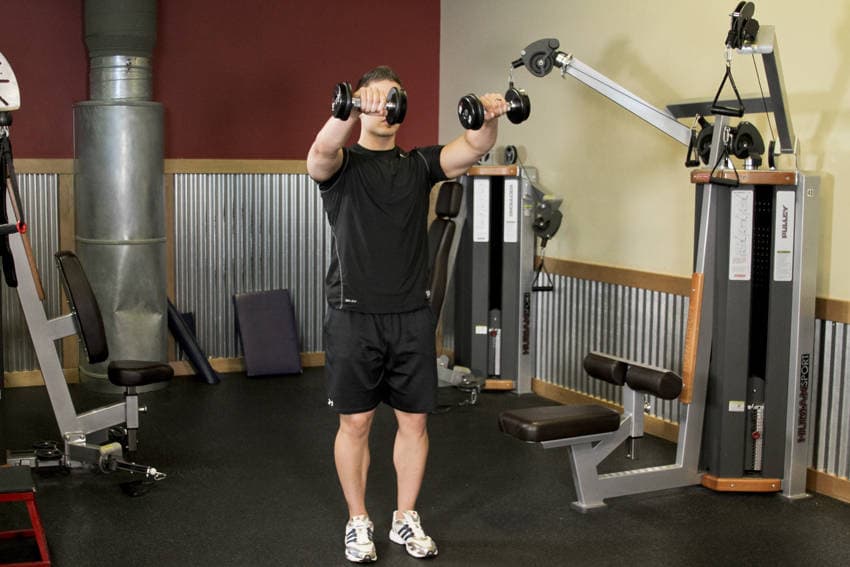
Alternating Deltoid Raise
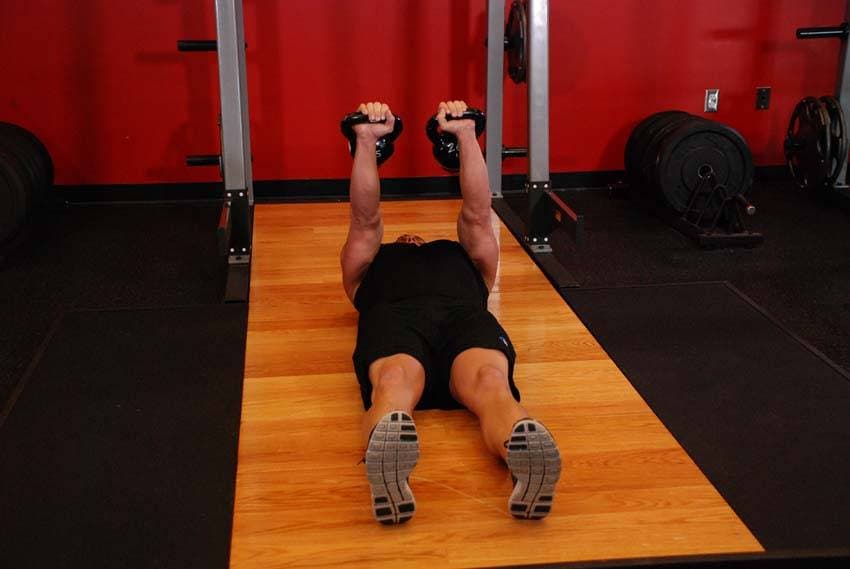
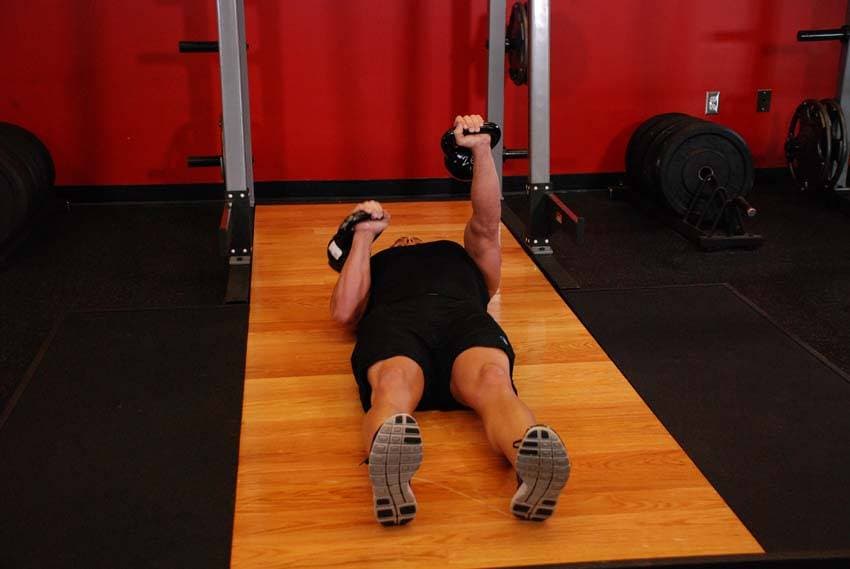
Alternating Floor Press
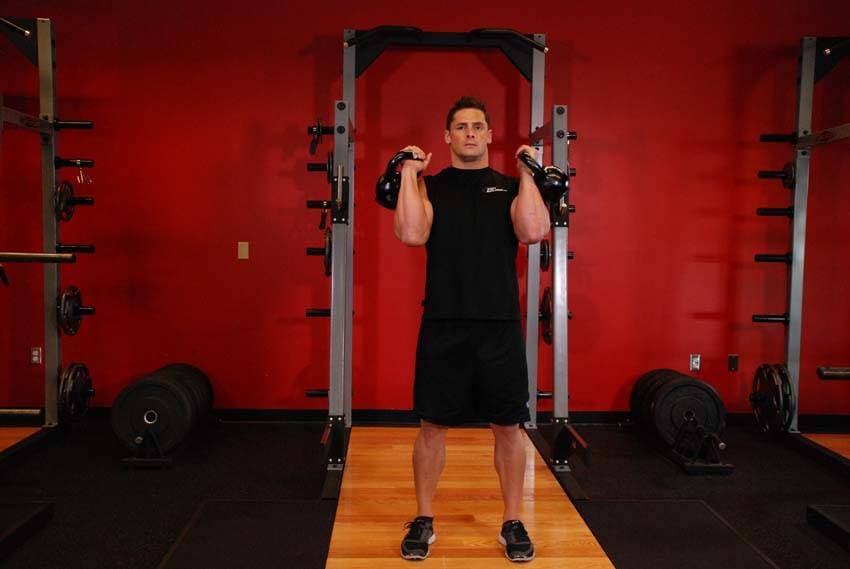
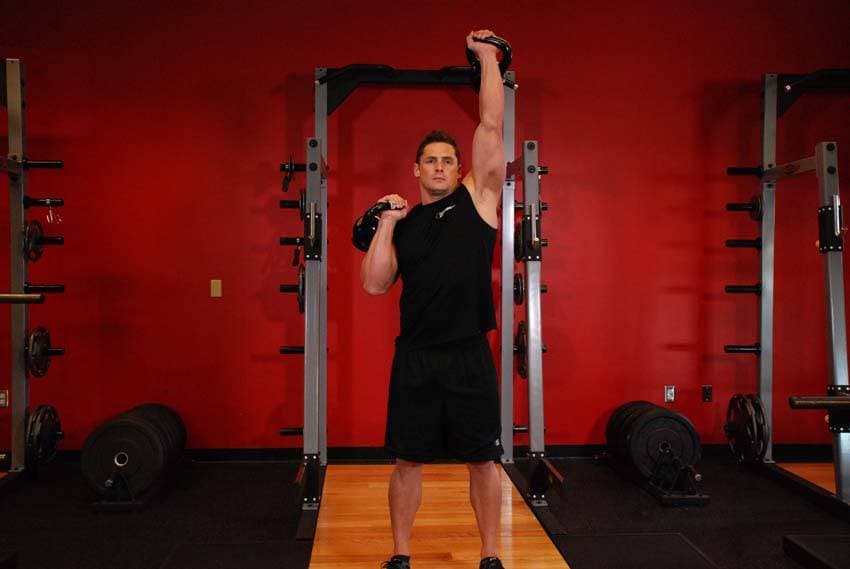
Alternating Kettlebell Press
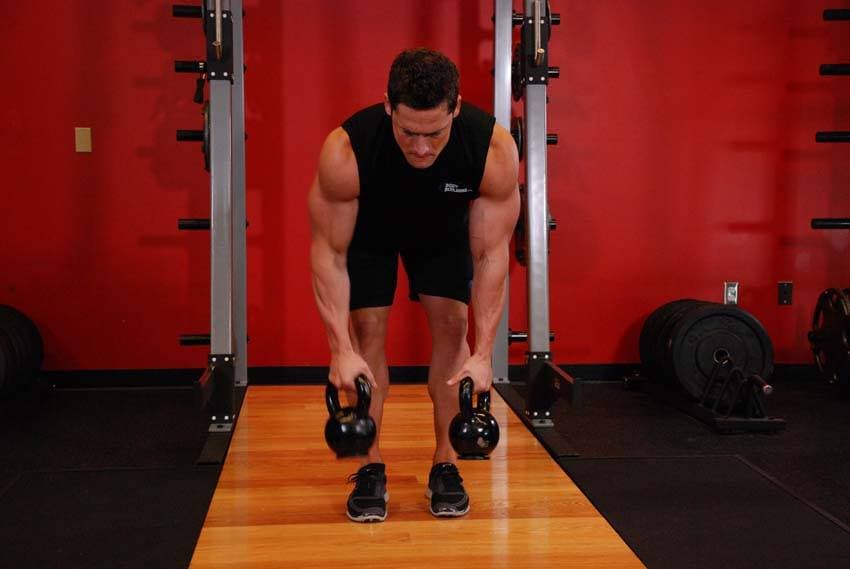
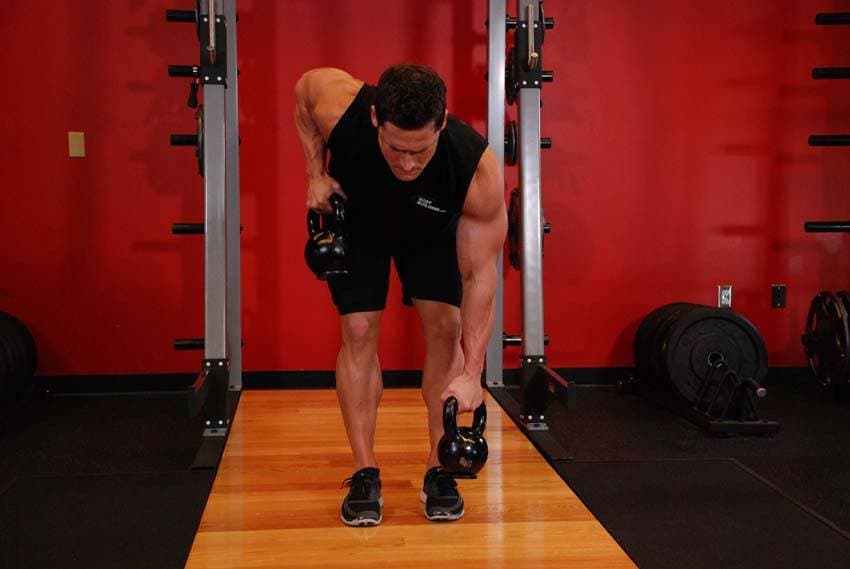
Alternating Kettlebell Row
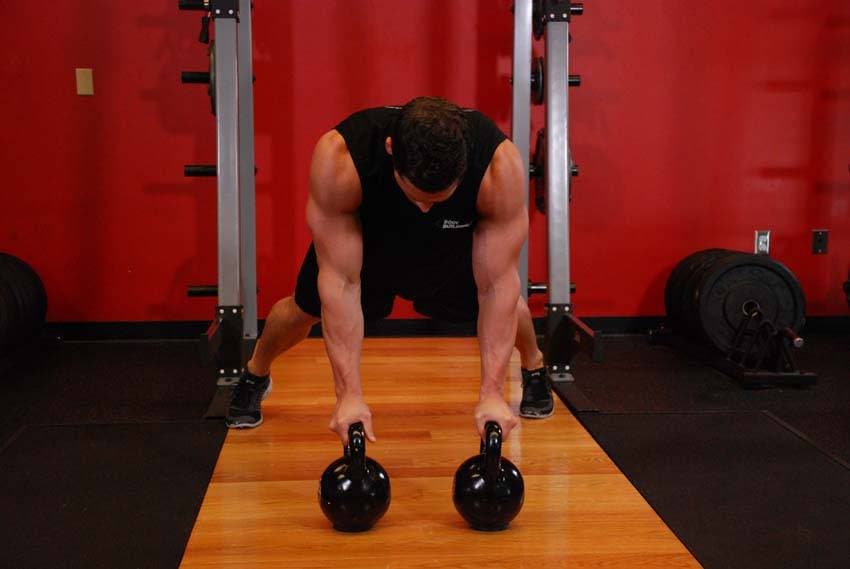
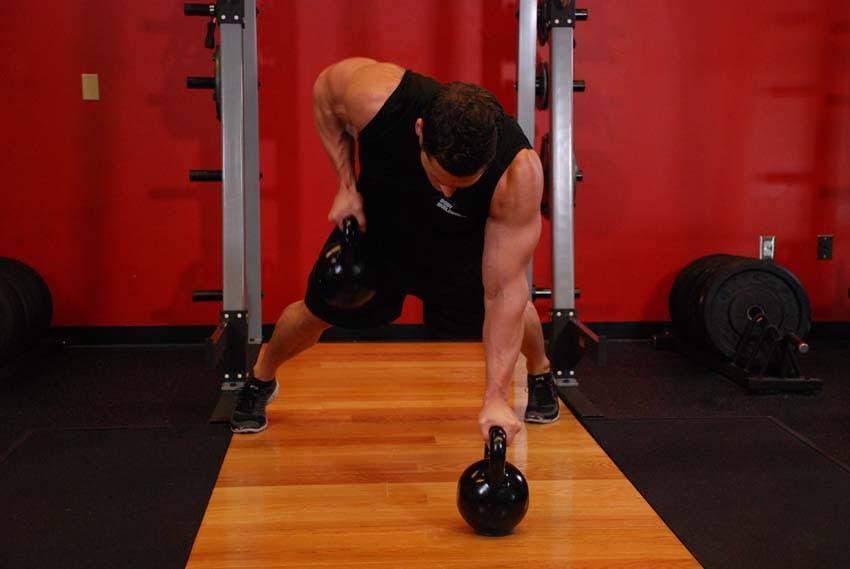
Alternating Renegade Row
When to See a Doctor
Seek medical attention if rib pain follows a fall or impact, is accompanied by difficulty breathing, worsens significantly with deep breaths, or is associated with fever and localized swelling.
Self-Care Tips
Apply ice to the painful area for the first 48 hours, then switch to heat
Practice gentle deep breathing to prevent pneumonia from shallow breathing
Avoid twisting and heavy lifting until pain subsides
Sleep in a reclined position if lying flat increases pain
Related Chest Pain
Chest Muscles
Explore all chest muscles in 3D
Activities & Sports
Find which activities involve this area