Lower Back
Lower Back Left Side
Left-sided lower back pain may involve the left erector spinae, quadratus lumborum, or psoas muscle. Unilateral lower back pain can result from muscle strain, sacroiliac joint dysfunction, or nerve irritation on that side.
Medical Disclaimer
This information is for educational purposes only and does not constitute medical advice. Consult a qualified healthcare provider for proper diagnosis and treatment of any pain or medical condition.
Common Causes
Unilateral muscle strain from twisting or bending
Left sacroiliac joint dysfunction
Quadratus lumborum trigger points
Left-sided disc herniation irritating a nerve root
Psoas tightness from prolonged sitting
Muscles in This Area
6Lower Back
iliocostalis lumborum
Iliocostalis lumborum is the lumbar erector spinae muscle along the back, from iliac crest to lower ribs, maintaining upright posture and spinal extension. Critical for deadlifts, squats, and anti-rotation core work.
Lower Back
lumbar rotator
Lumbar rotators (multifidus and rotatores lumborum) are deep spinal muscles that rotate and stabilize individual lumbar vertebrae. They prevent twisting injuries during rotational lifts like Russian twists. Essential for core stability in CrossFit and golf swings.
Abdomen
psoas major
The psoas major is a deep hip flexor from spine to thigh, lifting knees in running/squats. Core to posture and power; tightness causes low back pain.
Hip
gluteus medius
Side hip muscle for abduction and stabilization during single-leg stance in running, squats. Prevents Trendelenburg gait.
Hip
piriformis
The piriformis is a deep hip rotator in the glutes, externally rotating the hip for balance in squats and deadlifts. Tightness often causes sciatica-like pain. Essential for hip mobility in athletes.
Abdomen
external oblique
External obliques form the outer 'V' of your abs on each side, rotating and side-bending the torso while compressing the abdomen. They're powerhouse muscles for rotational power in sports like golf, boxing, and throws. Train them for a defined waist and core stability.
Stretches That May Help
Recommended Exercises
12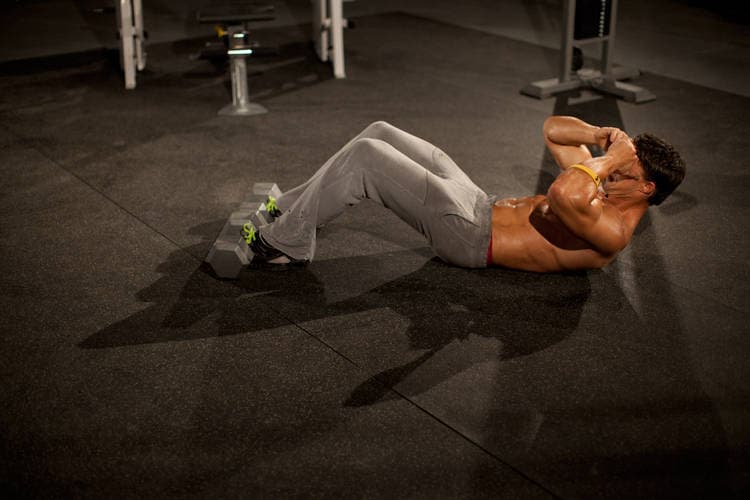
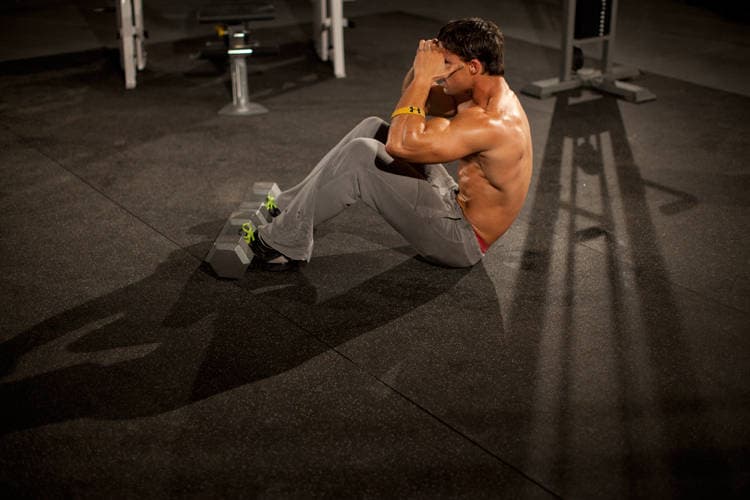
3/4 Sit-Up
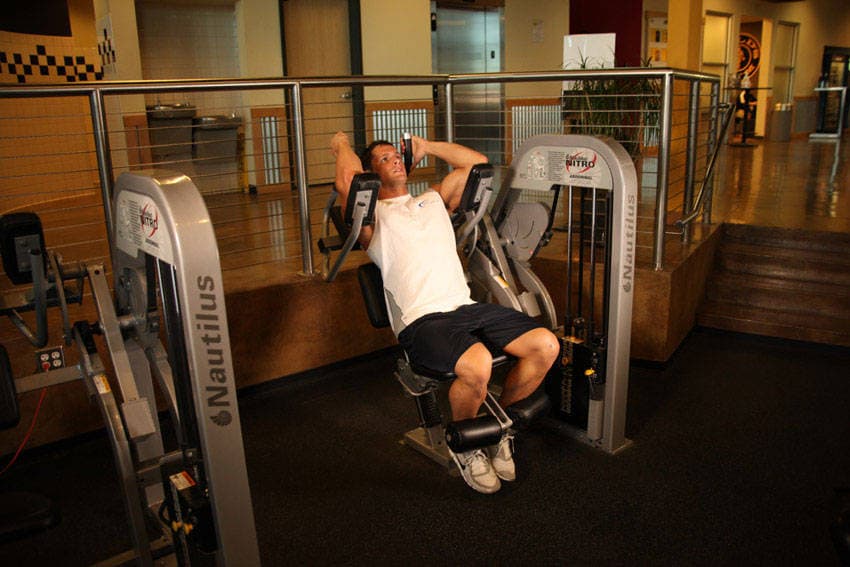
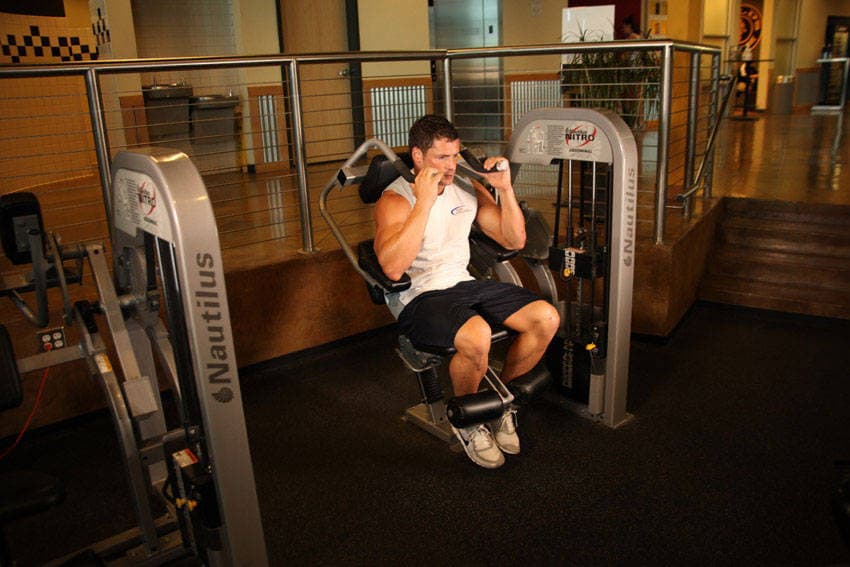
Ab Crunch Machine
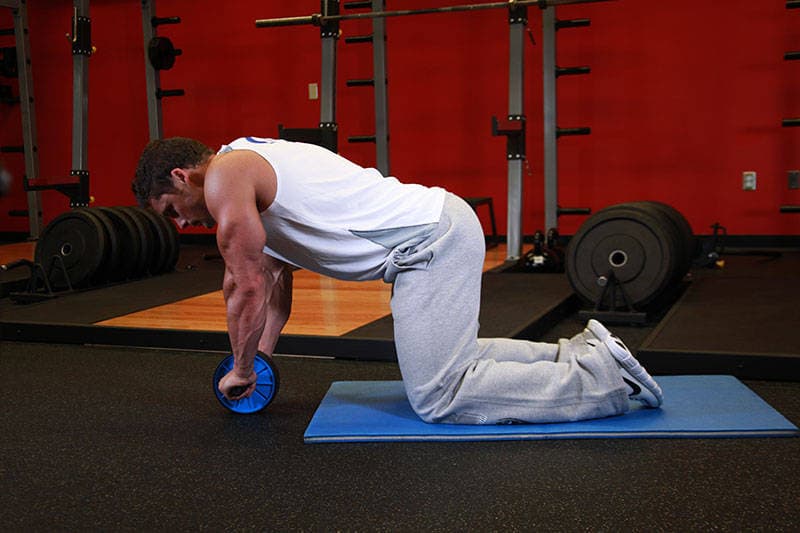
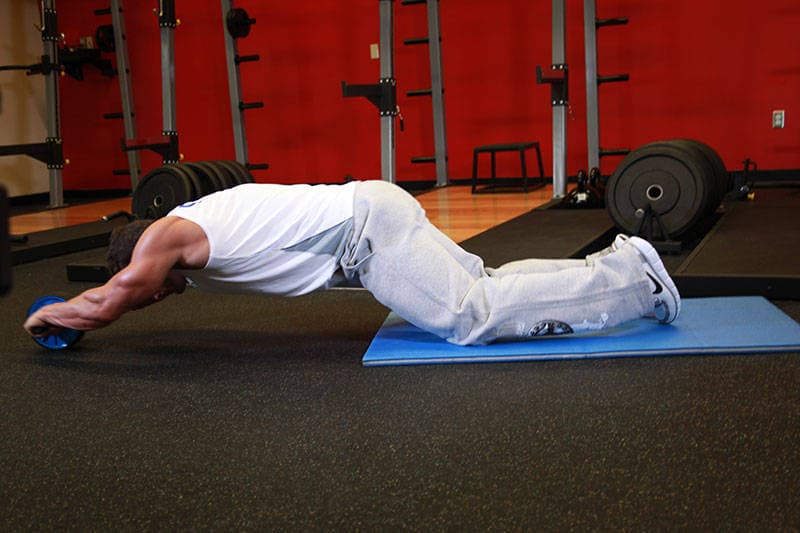
Ab Roller
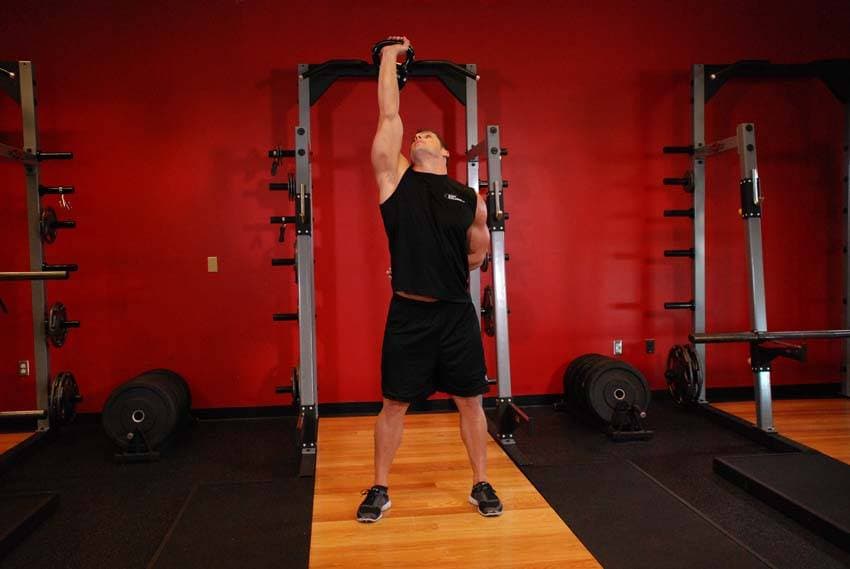
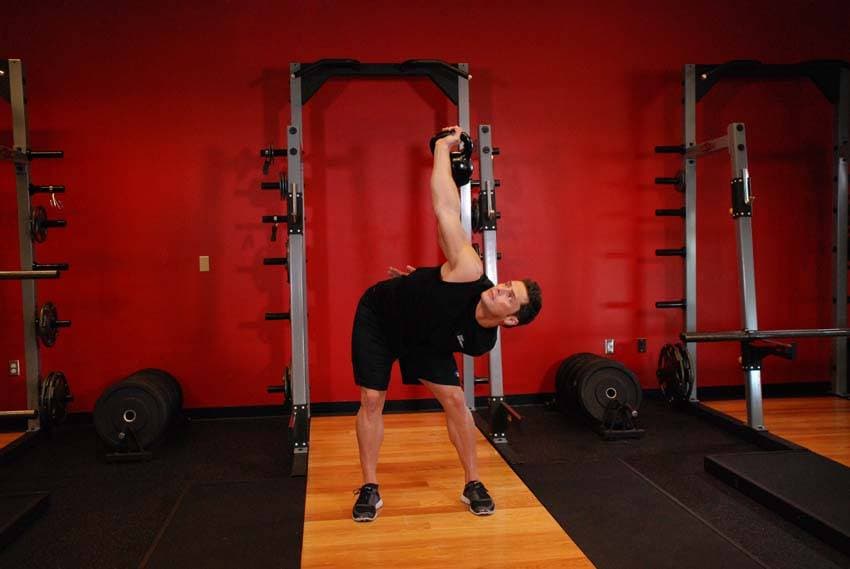
Advanced Kettlebell Windmill
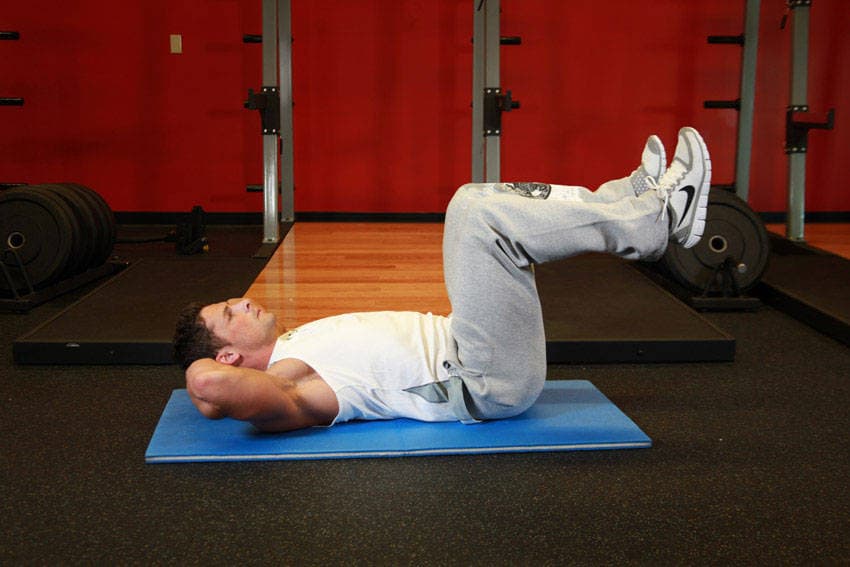
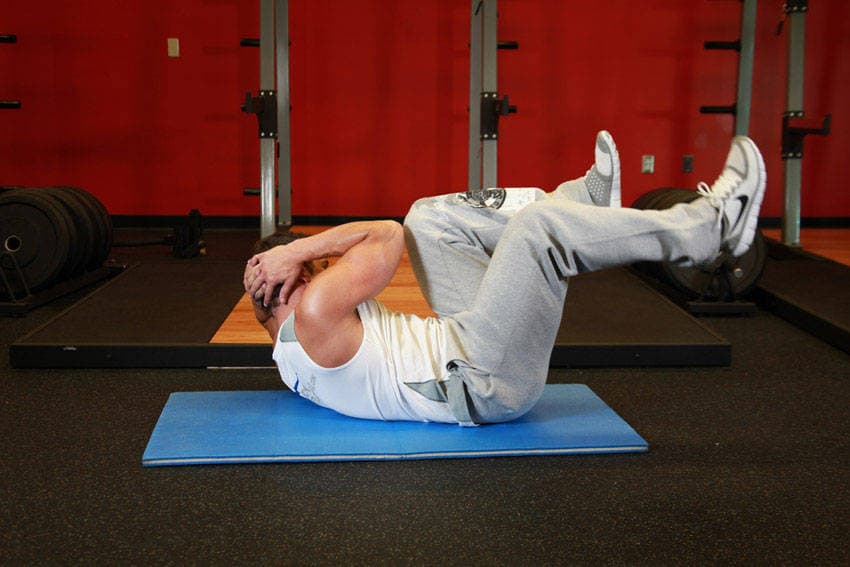
Air Bike
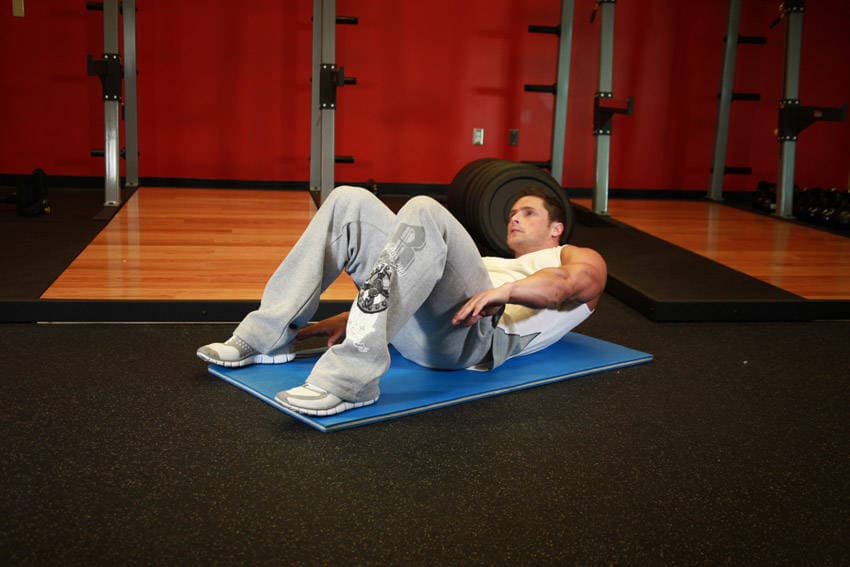
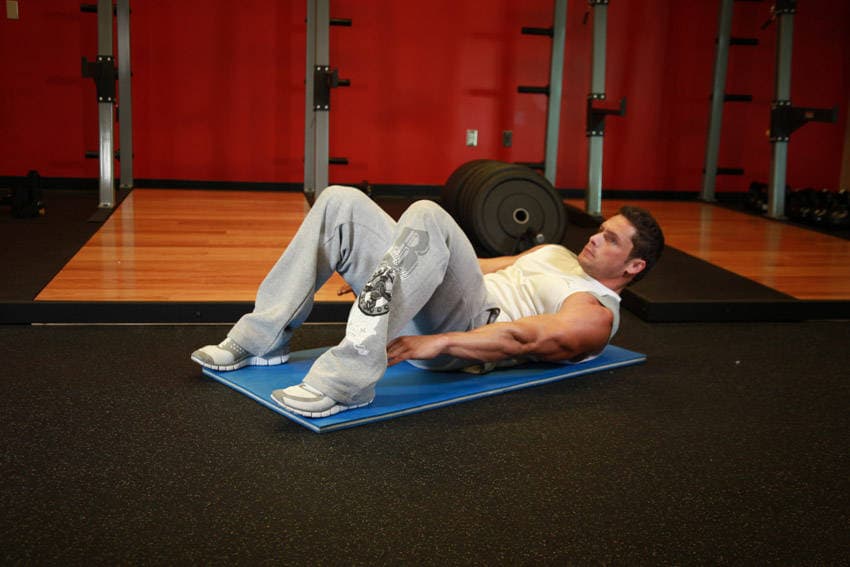
Alternate Heel Touchers
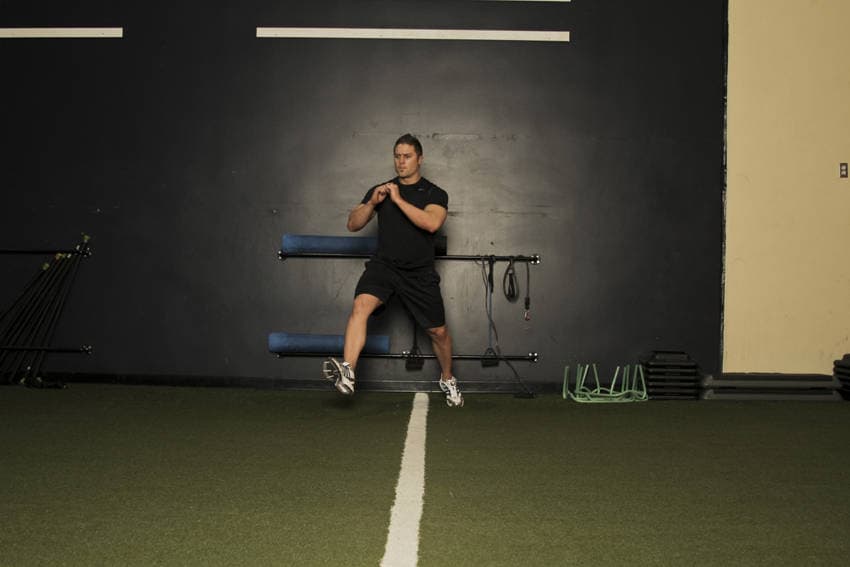
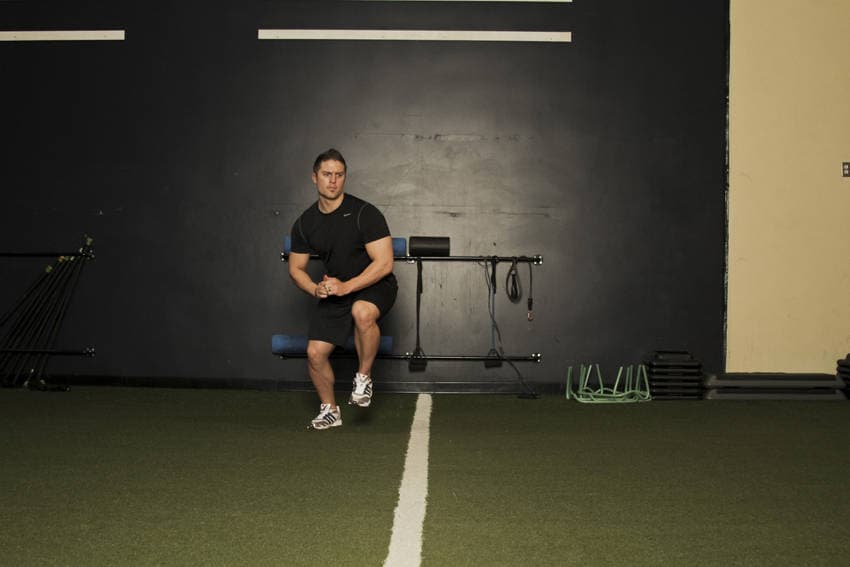
Alternate Leg Diagonal Bound
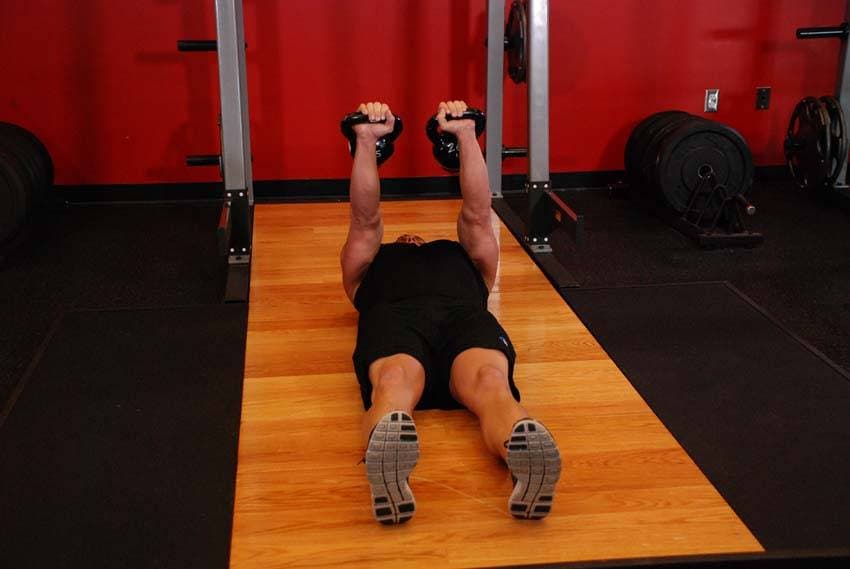
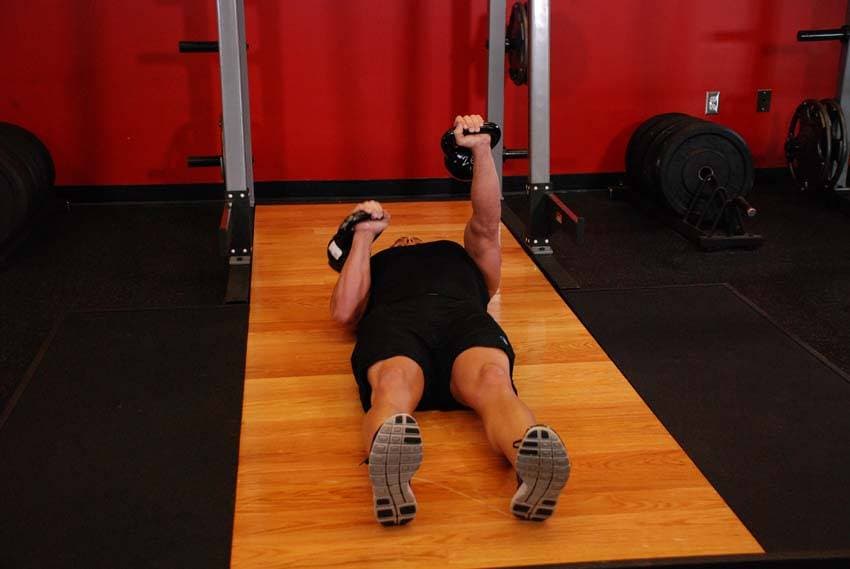
Alternating Floor Press
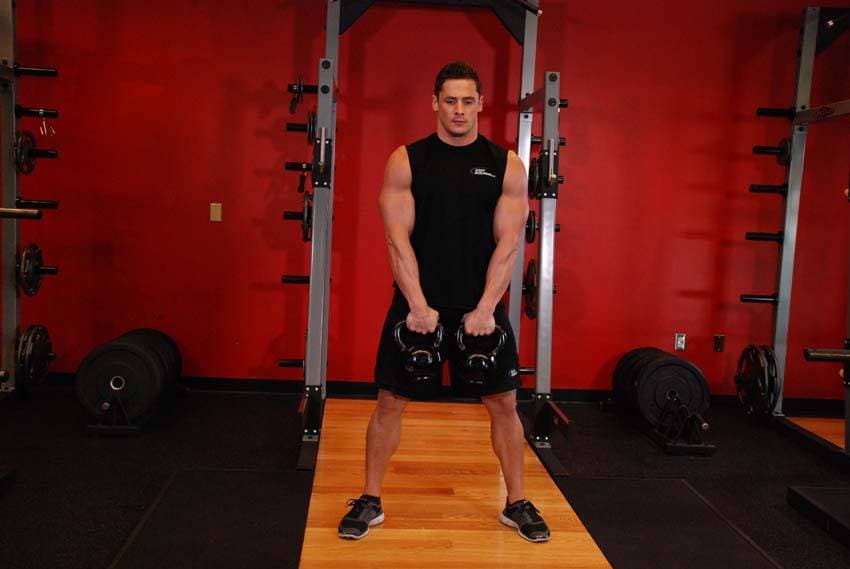
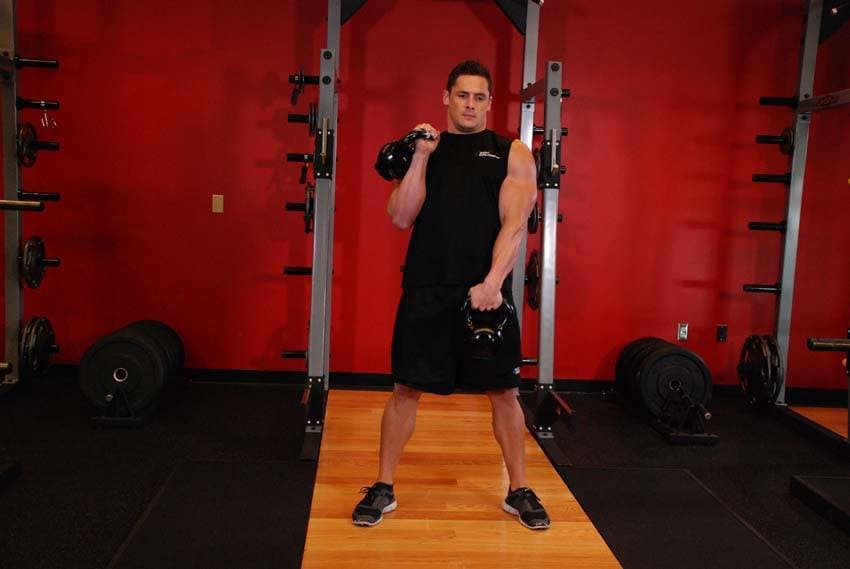
Alternating Hang Clean
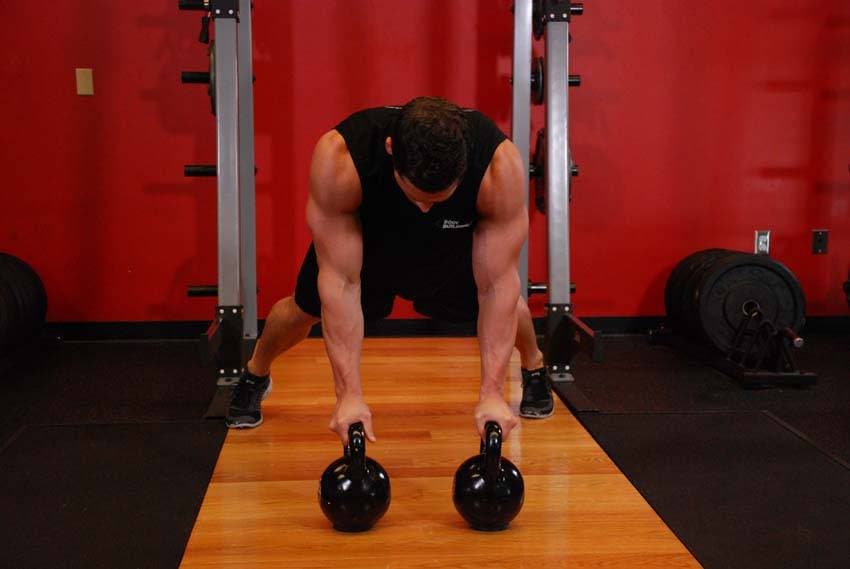
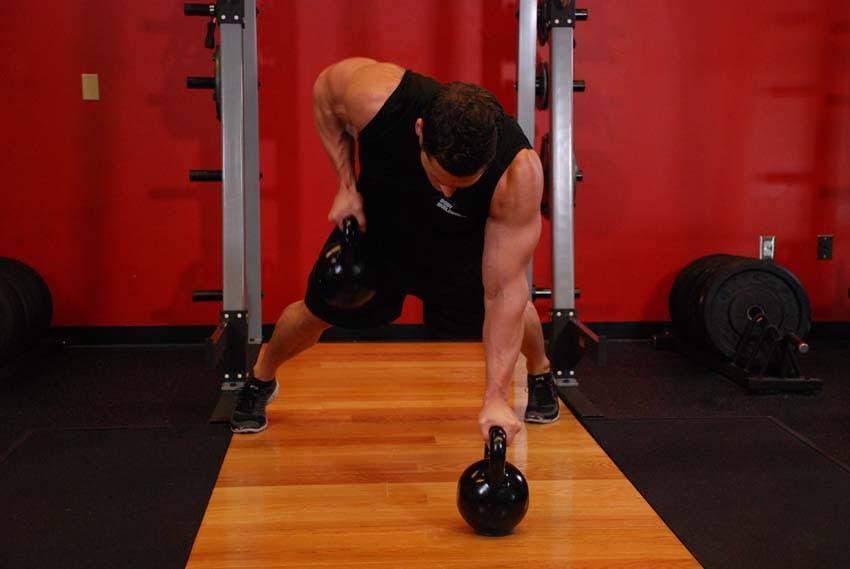
Alternating Renegade Row
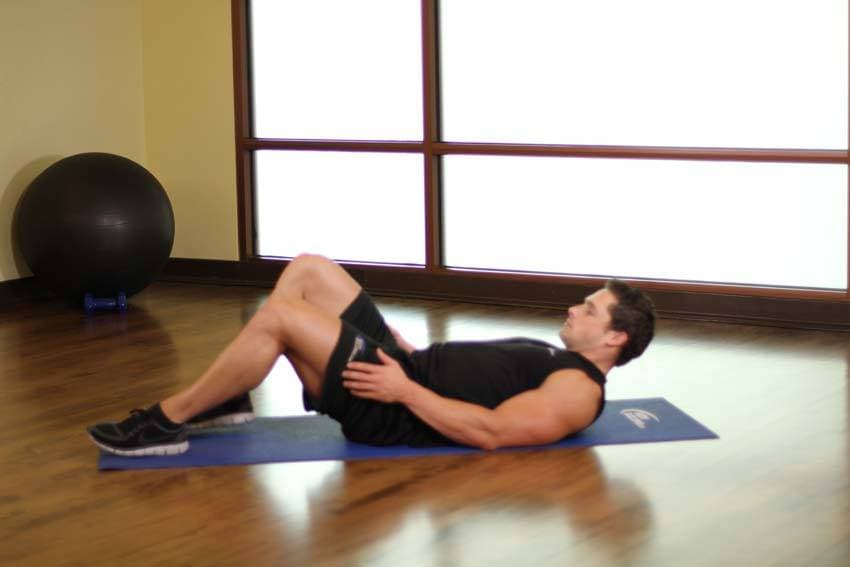
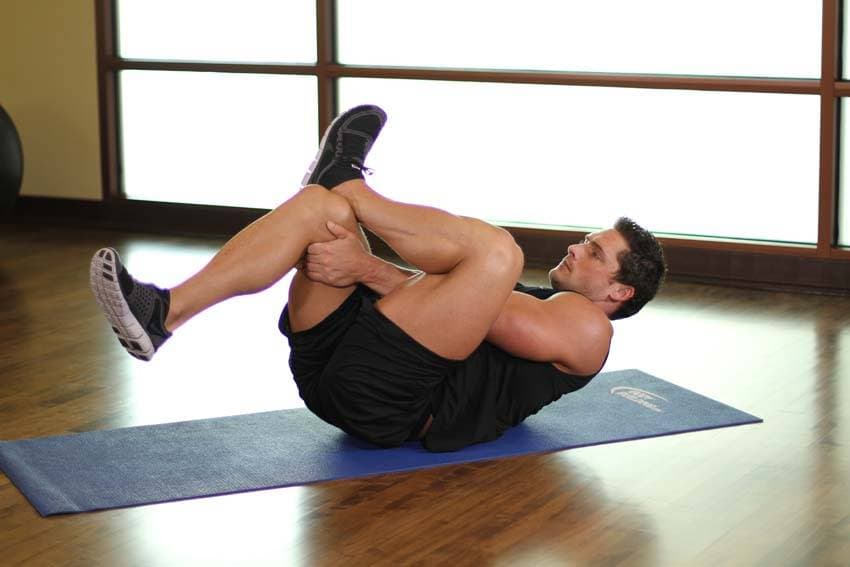
Ankle On The Knee
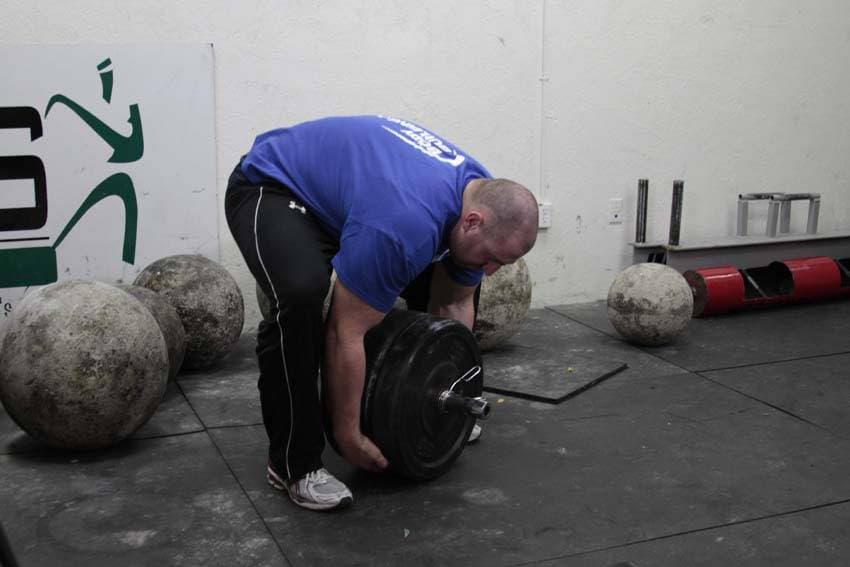
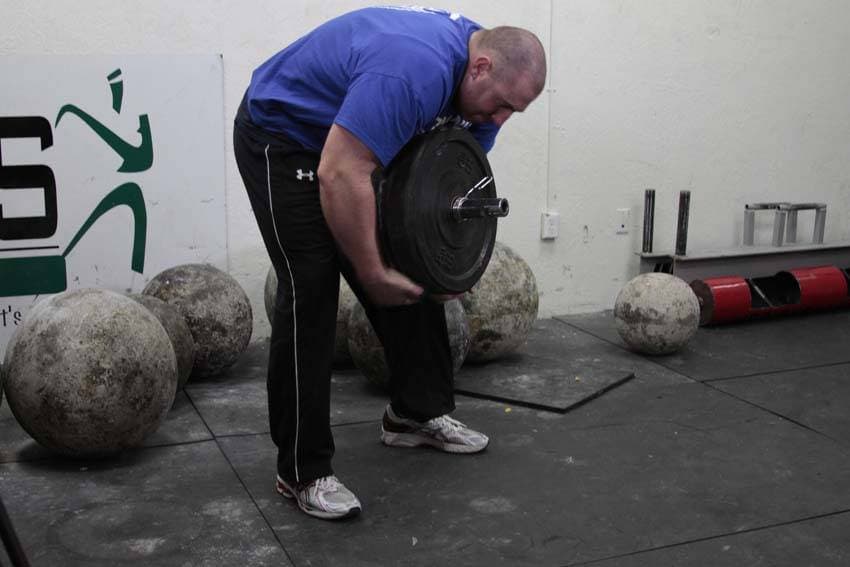
Atlas Stone Trainer
When to See a Doctor
Seek medical attention if pain radiates down the left leg, you experience numbness in the groin or leg, or if the pain is accompanied by urinary changes or fever.
Self-Care Tips
Gently stretch the left hip flexors and piriformis
Apply heat to the left lower back to relax muscle spasms
Perform side-lying rotational stretches for the lumbar spine
Strengthen the gluteus medius to improve pelvic stability
Related Lower Back Pain
Lower Back Muscles
Explore all lower back muscles in 3D
Activities & Sports
Find which activities involve this area