Lower Back
Sacroiliac Joint Area
Pain in the sacroiliac (SI) joint area involves the ligaments and muscles around the junction of the sacrum and ilium. SI joint dysfunction is a common but often overlooked cause of low back and buttock pain, particularly in pregnant women and those with pelvic asymmetry.
Medical Disclaimer
This information is for educational purposes only and does not constitute medical advice. Consult a qualified healthcare provider for proper diagnosis and treatment of any pain or medical condition.
Common Causes
Sacroiliac joint dysfunction from pelvic asymmetry
SI joint inflammation (sacroiliitis)
Ligament laxity during pregnancy
Muscle imbalance around the pelvis
Repetitive unilateral loading from running or stair climbing
Muscles in This Area
5Hip
gluteus maximus
Largest hip muscle, gluteus maximus extends and externally rotates thigh for powerful hip thrust in squats, deadlifts, running. King of posterior chain.
Hip
gluteus medius
Side hip muscle for abduction and stabilization during single-leg stance in running, squats. Prevents Trendelenburg gait.
Hip
piriformis
The piriformis is a deep hip rotator in the glutes, externally rotating the hip for balance in squats and deadlifts. Tightness often causes sciatica-like pain. Essential for hip mobility in athletes.
Lower Back
iliocostalis lumborum
Iliocostalis lumborum is the lumbar erector spinae muscle along the back, from iliac crest to lower ribs, maintaining upright posture and spinal extension. Critical for deadlifts, squats, and anti-rotation core work.
Abdomen
psoas major
The psoas major is a deep hip flexor from spine to thigh, lifting knees in running/squats. Core to posture and power; tightness causes low back pain.
Stretches That May Help
Recommended Exercises
12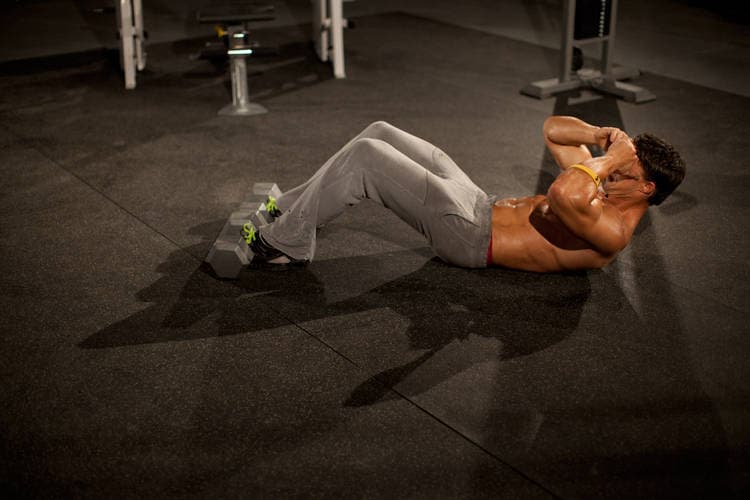
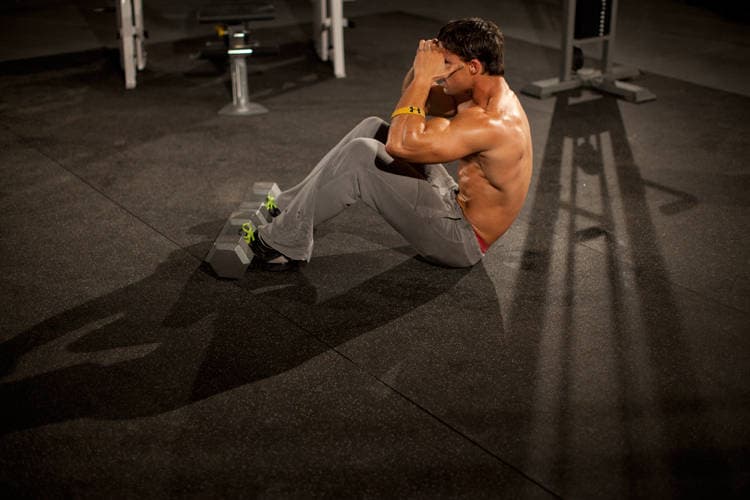
3/4 Sit-Up
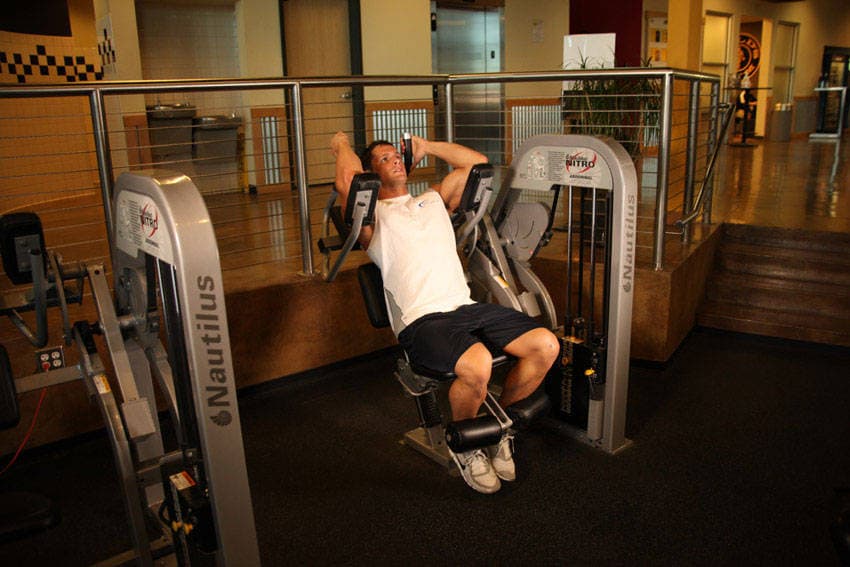
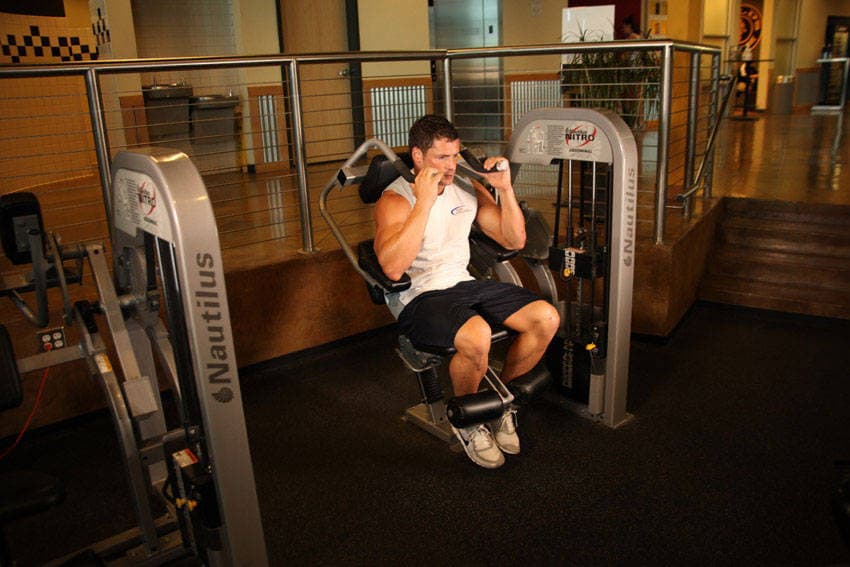
Ab Crunch Machine
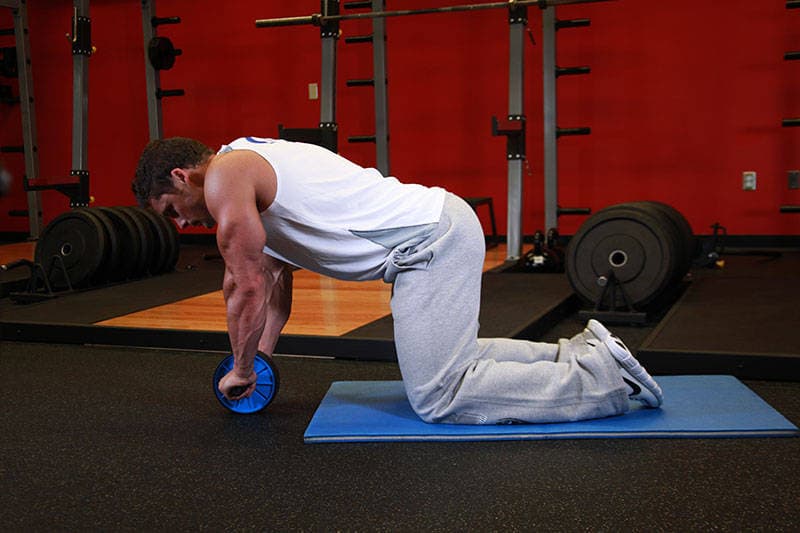
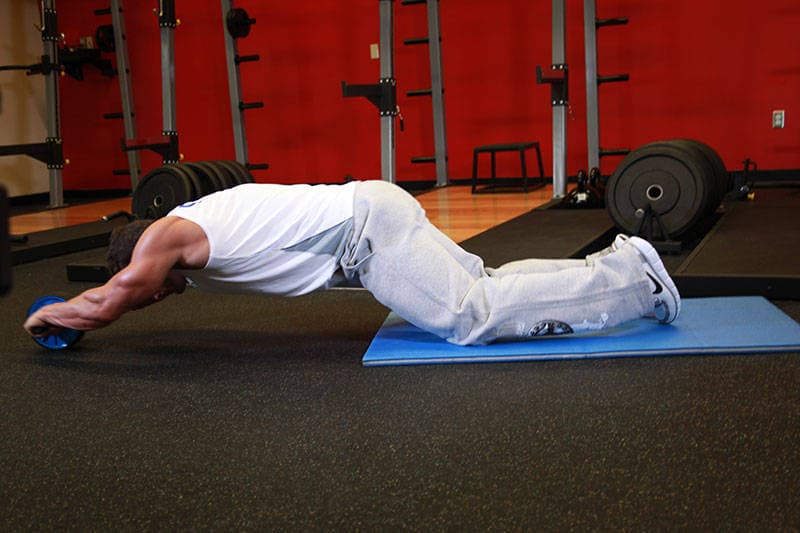
Ab Roller
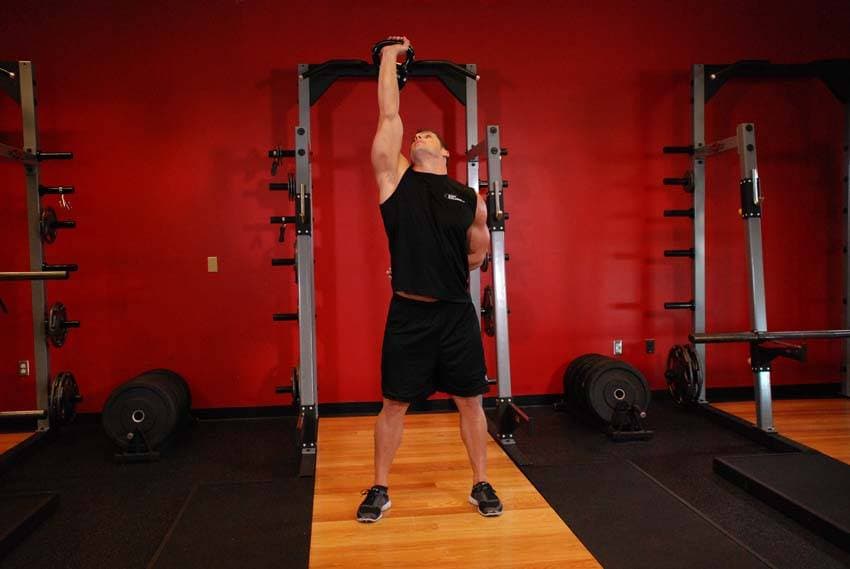
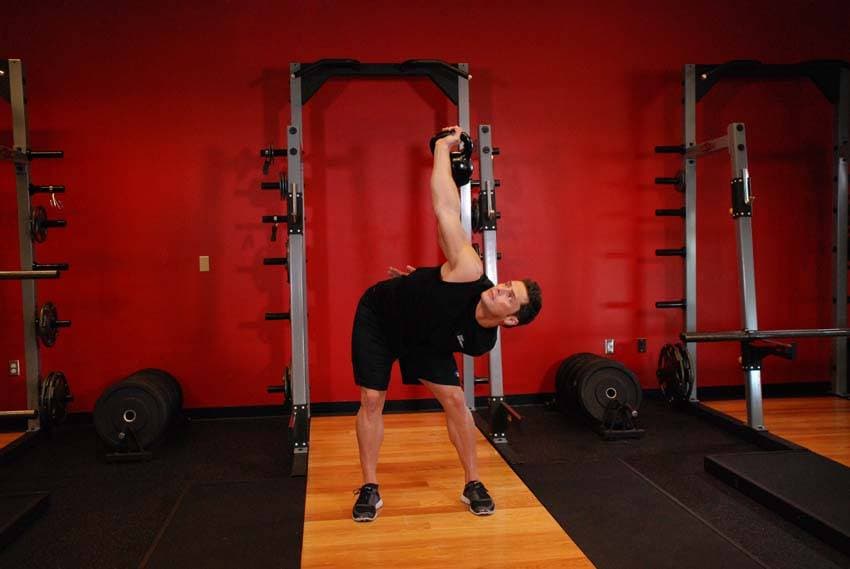
Advanced Kettlebell Windmill
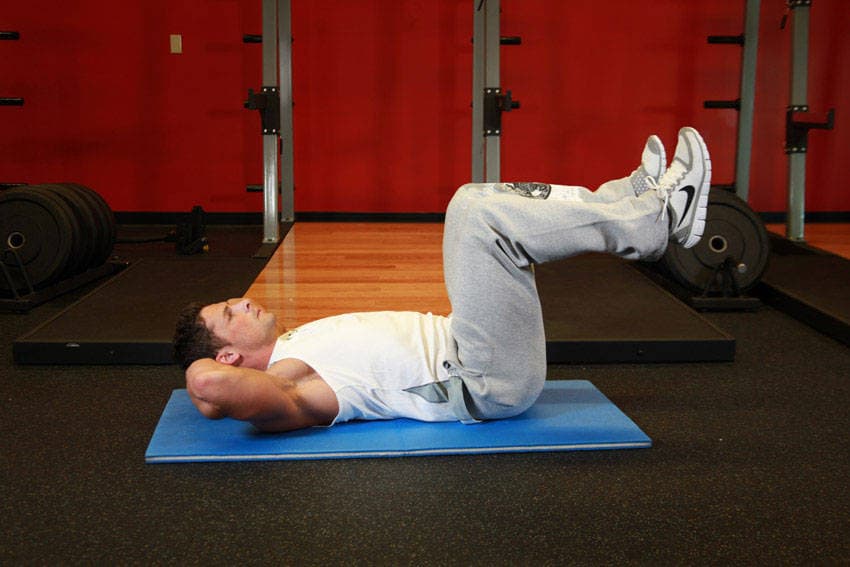
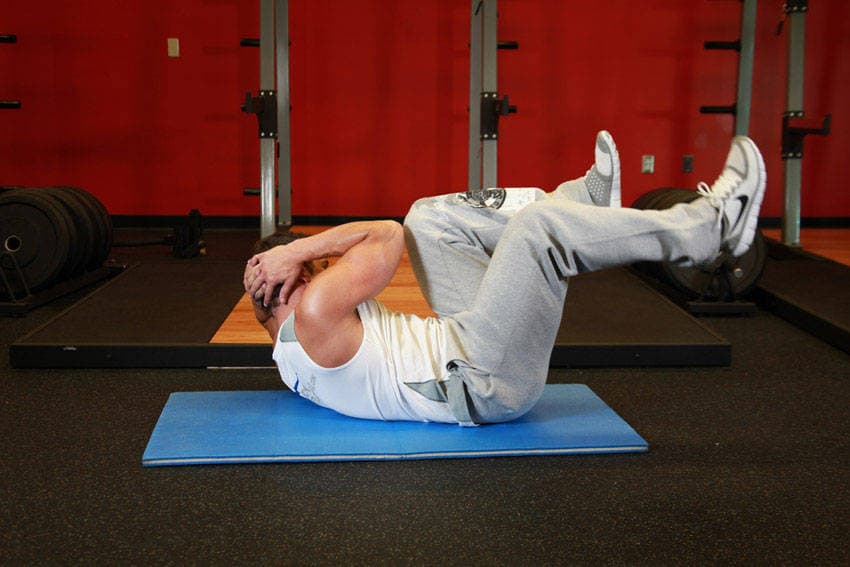
Air Bike
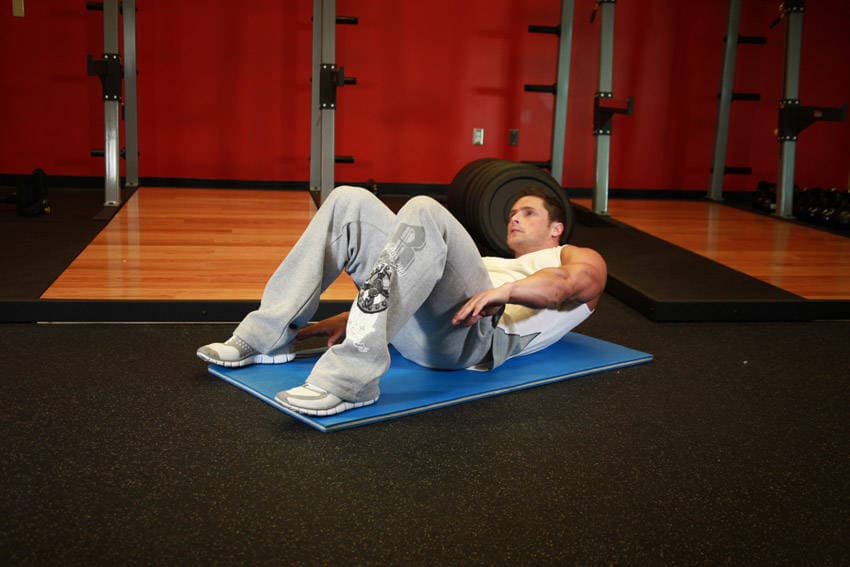
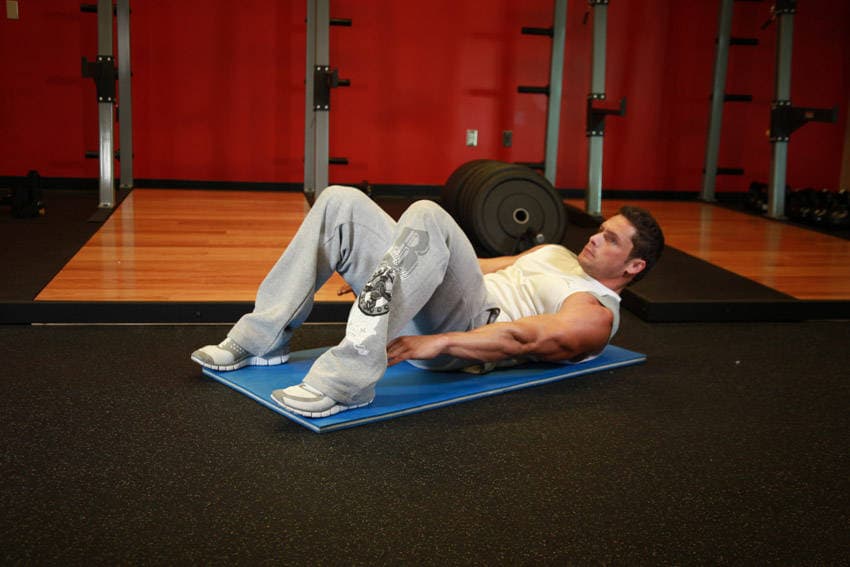
Alternate Heel Touchers
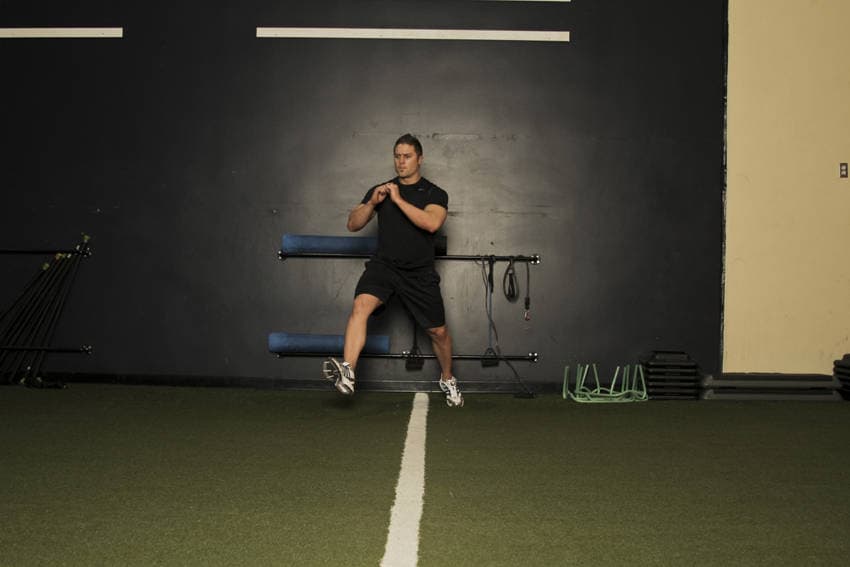
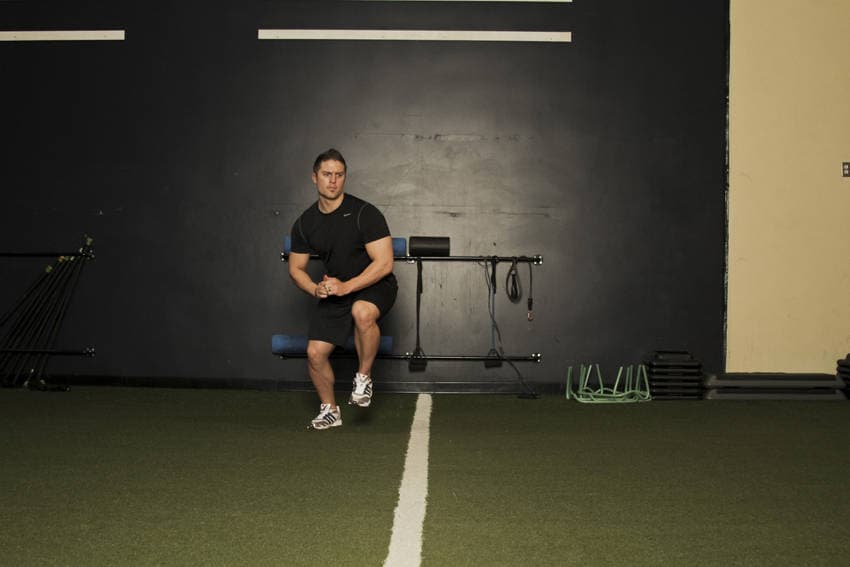
Alternate Leg Diagonal Bound
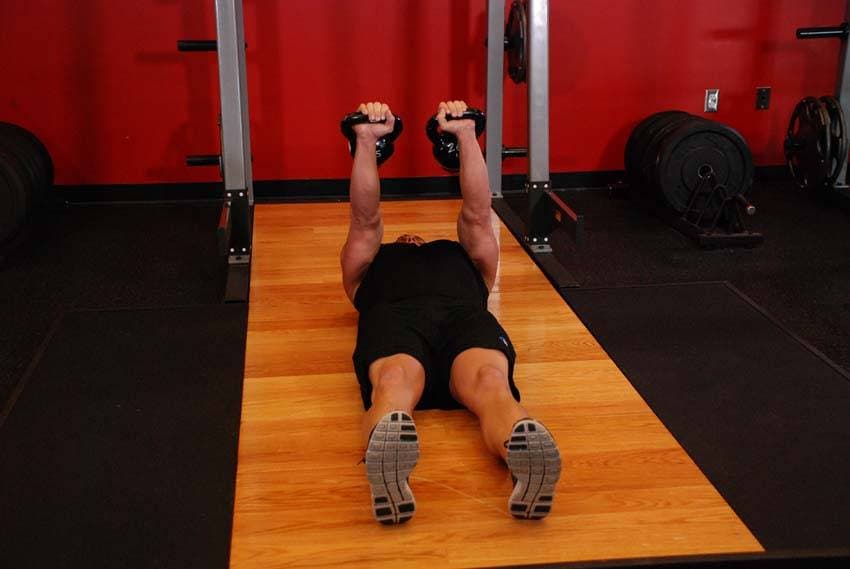
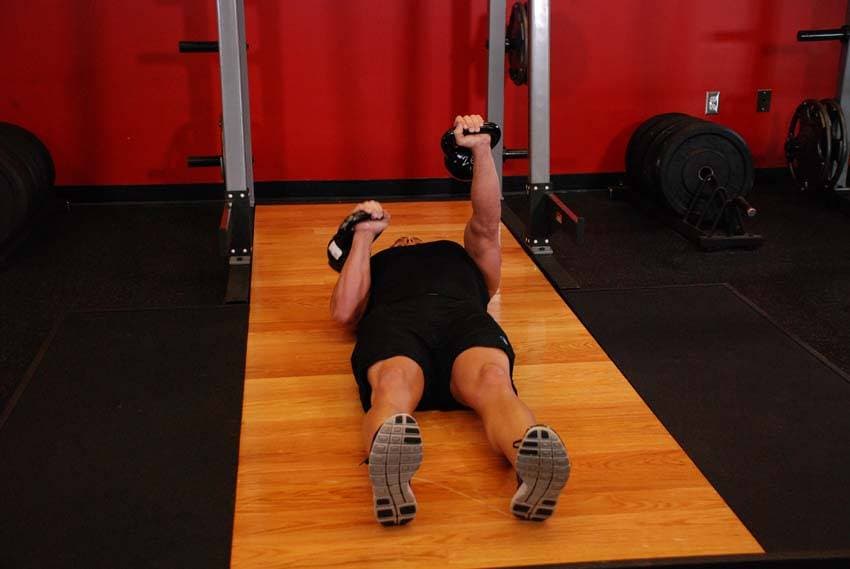
Alternating Floor Press
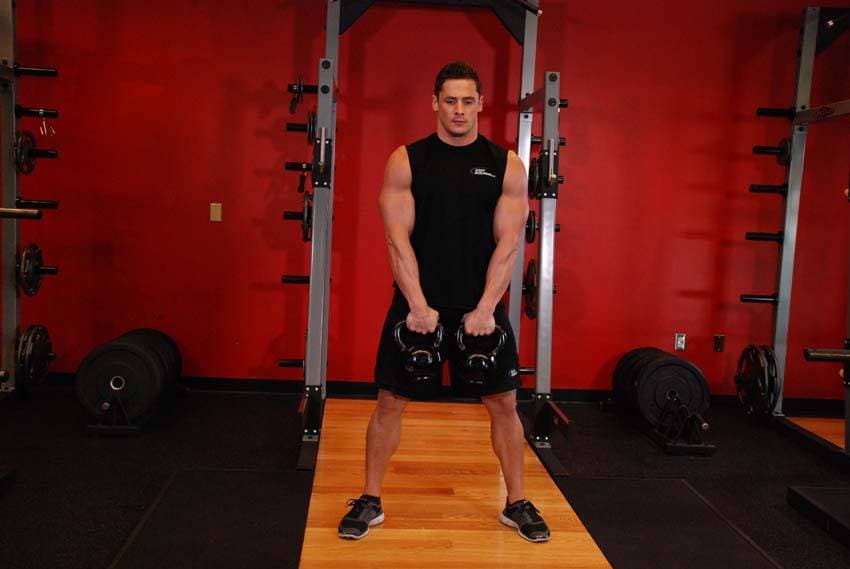
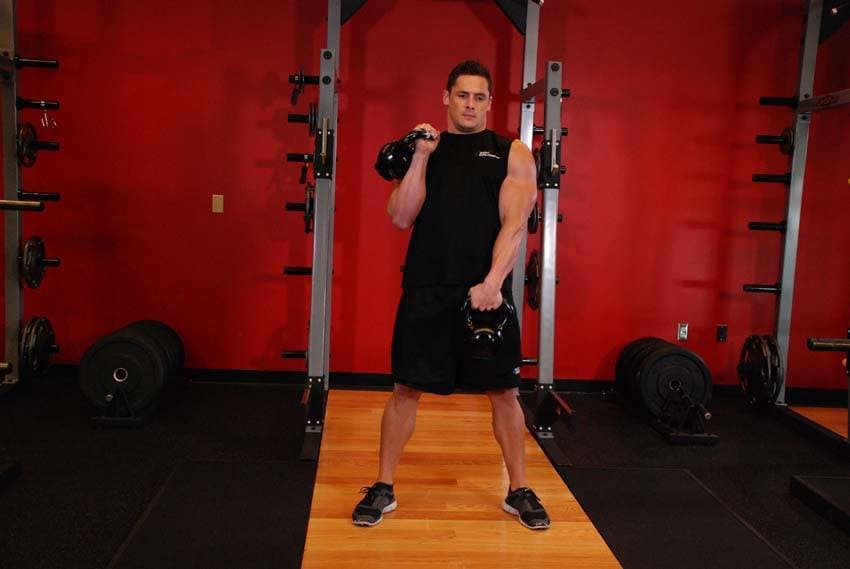
Alternating Hang Clean
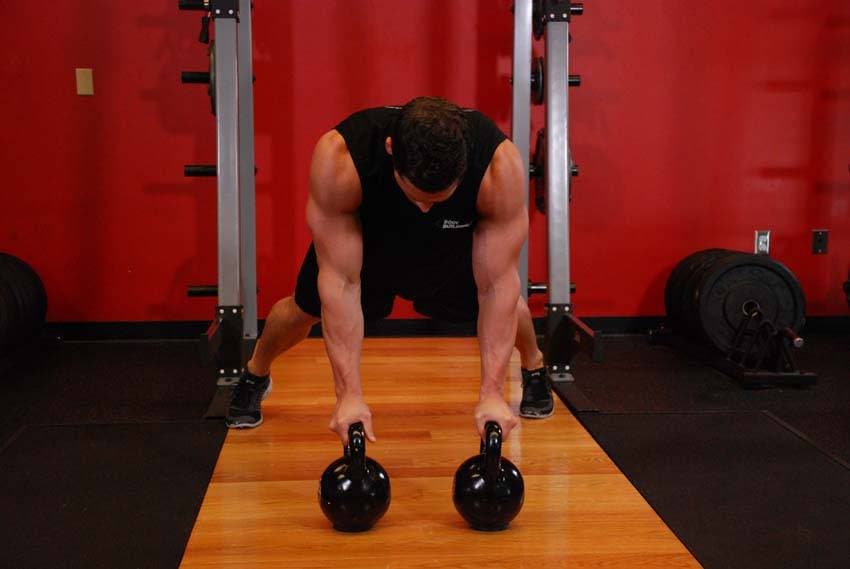
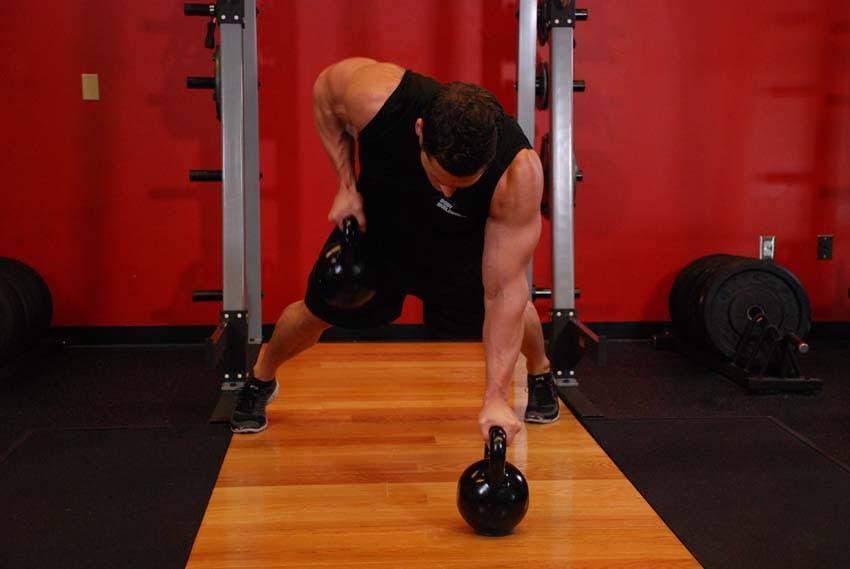
Alternating Renegade Row
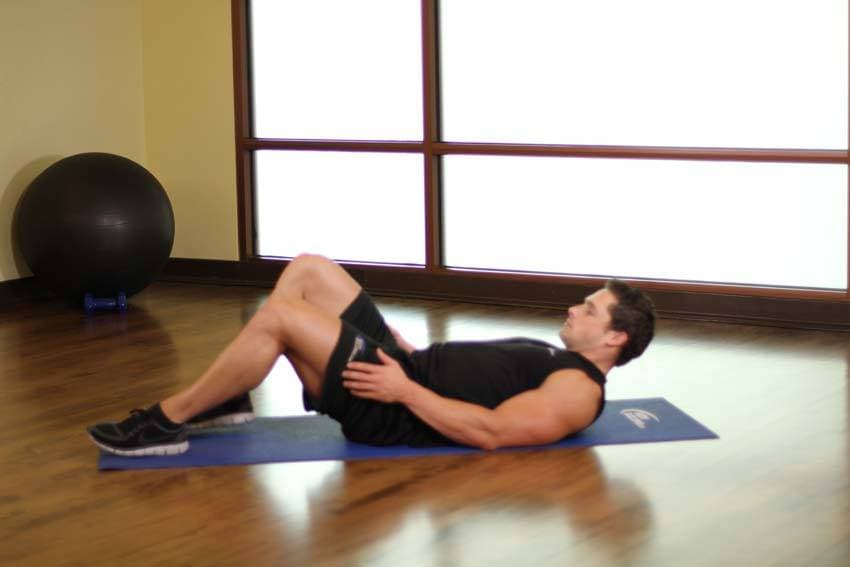
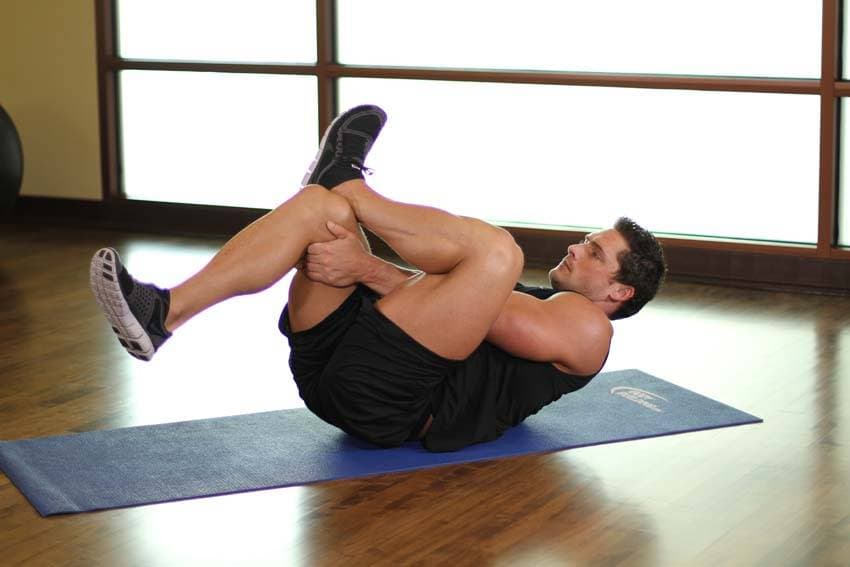
Ankle On The Knee
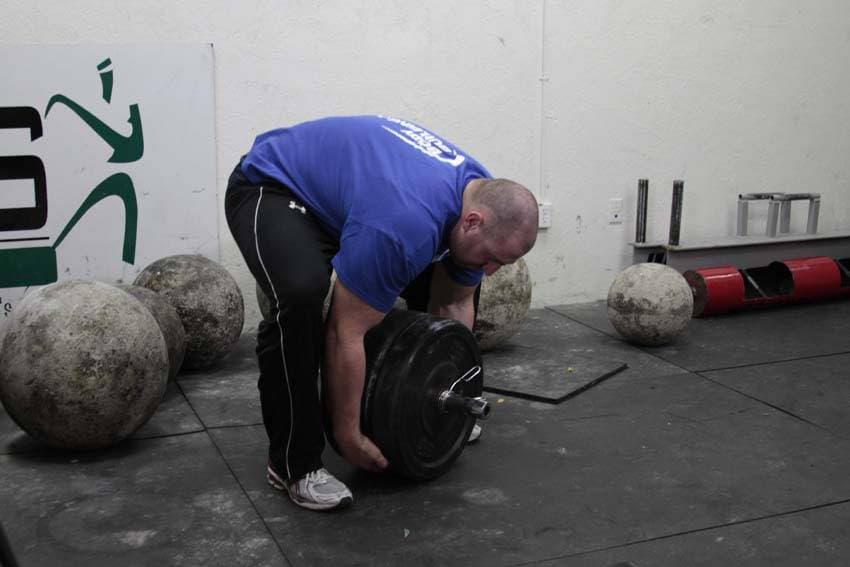
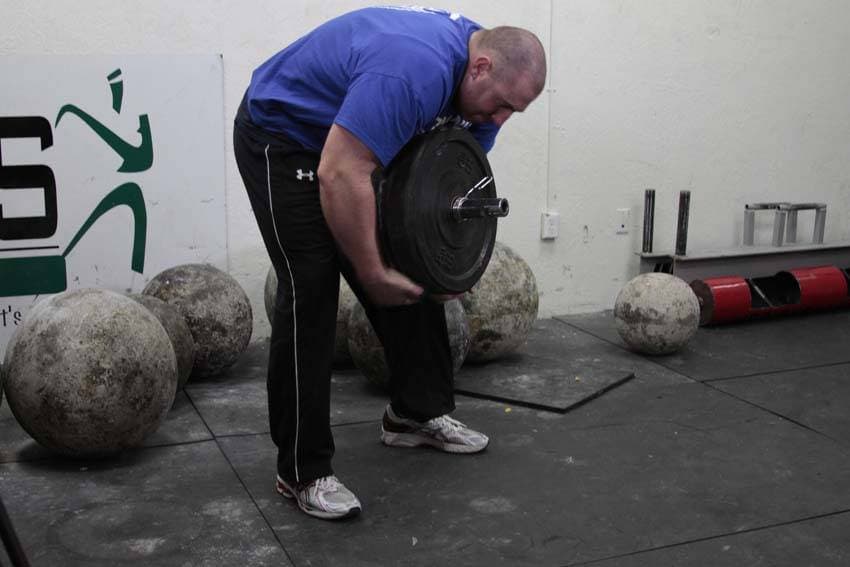
Atlas Stone Trainer
When to See a Doctor
Seek medical attention if SI joint pain is severe and persistent, radiates down the leg, is accompanied by morning stiffness lasting more than 30 minutes, or if you have alternating buttock pain (possible ankylosing spondylitis).
Self-Care Tips
Perform gentle pelvic stabilization exercises like bridges
Avoid asymmetric postures like crossing legs or standing on one leg
Use an SI belt for support during activities
Stretch the piriformis and hip flexors to reduce SI joint strain
Related Lower Back Pain
Lower Back Muscles
Explore all lower back muscles in 3D
Activities & Sports
Find which activities involve this area