Upper Back
Mid Back
Mid back pain affects the thoracic spine region between the shoulder blades and the lower back. It involves the thoracic erector spinae, latissimus dorsi, and intercostal muscles, and is commonly caused by prolonged sitting or thoracic rigidity.
Medical Disclaimer
This information is for educational purposes only and does not constitute medical advice. Consult a qualified healthcare provider for proper diagnosis and treatment of any pain or medical condition.
Common Causes
Thoracic spine stiffness from sedentary lifestyle
Muscle strain from heavy lifting with poor form
Intercostal muscle strain from twisting or coughing
Trigger points in thoracic erector spinae
Postural kyphosis from hunching
Muscles in This Area
8Upper Back
longissimus thoracis
The longest erector spinae muscle, running parallel to the spine from sacrum to mid-back, it extends the spine and maintains upright posture. Essential for deadlifts, squats, and spinal stability in powerlifting. Weakness leads to back rounding under load.
Upper Back
iliocostalis thoracis
Iliocostalis thoracis, mid erector spinae, runs parallel to spine from low-mid back to upper ribs, aiding thoracic extension and breathing. Supports rows, pulls, and posture in upper body training.
Upper Back
spinalis thoracis
Thoracic portion of spinalis, thickens medially for extension.
Upper Back
semispinalis thoracis
Semispinalis thoracis is a deep erector spinae muscle from thoracic spine, extending the vertebral column. Maintains thoracic posture during deadlifts and rows. Prevents slouching in prolonged sitting.
Upper Back
Thoracic rotator
Thoracic rotators likely refer to deep rotatores muscles spanning thoracic vertebrae, rotating the spine. Stabilize mid-back for posture in lifts like overheads.
Upper Back
serratus posterior superior
Upper back deep muscle from cervical/thoracic spine to upper ribs, elevates ribs for inhalation. Supports breathing during core work.
Chest
External intercostal muscle
External intercostals are thin muscles between the ribs that elevate them during inhalation, aiding deep breathing for core stability in lifts. They're vital for endurance athletes needing efficient oxygen uptake. Fitness training enhances respiratory muscle power.
Chest
Internal intercostal muscle
Internal intercostals between ribs assist expiration and stabilize chest in lifts.
Stretches That May Help
Recommended Exercises
12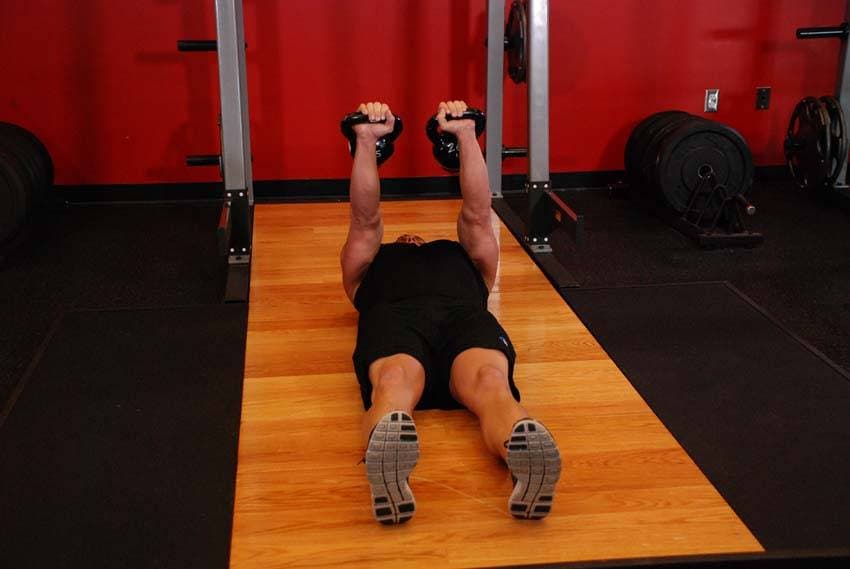
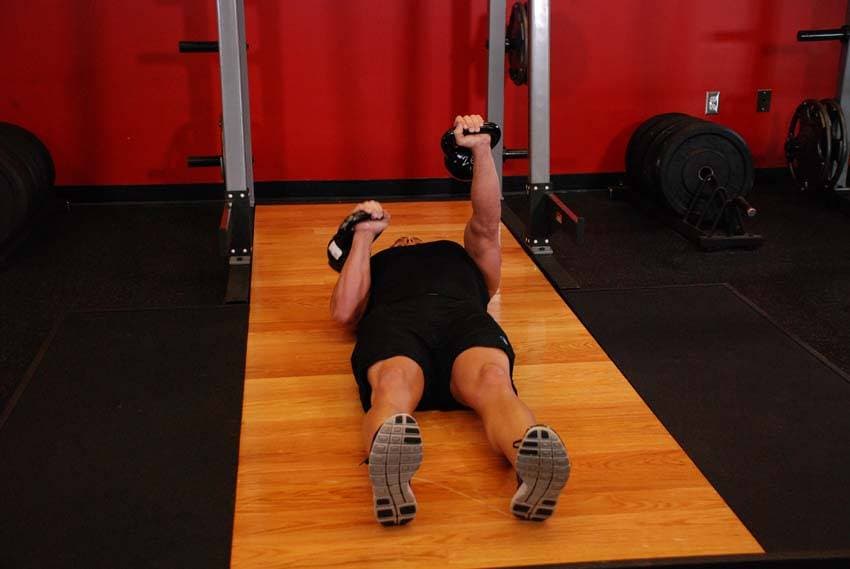
Alternating Floor Press
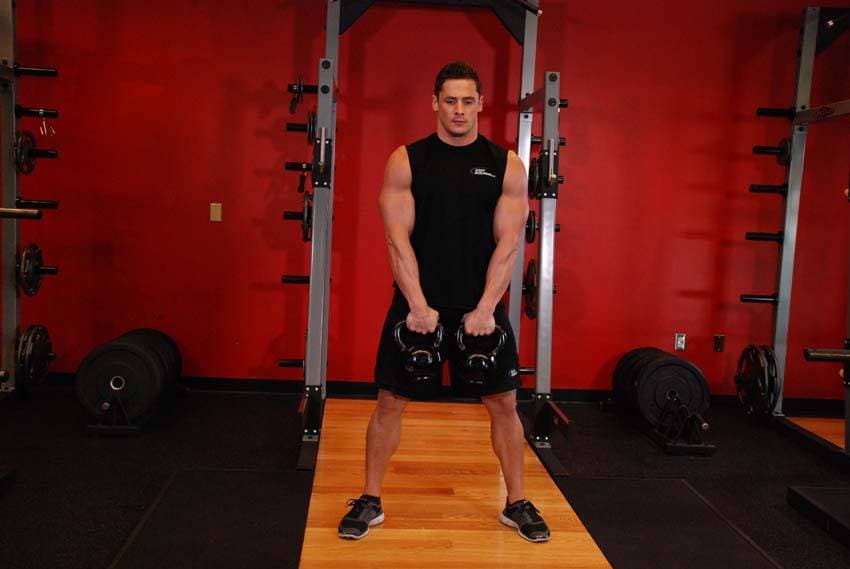
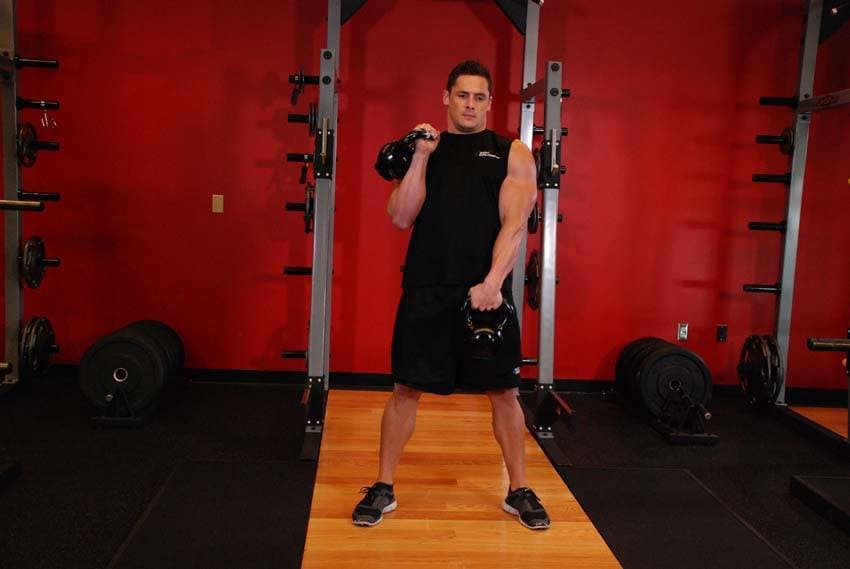
Alternating Hang Clean
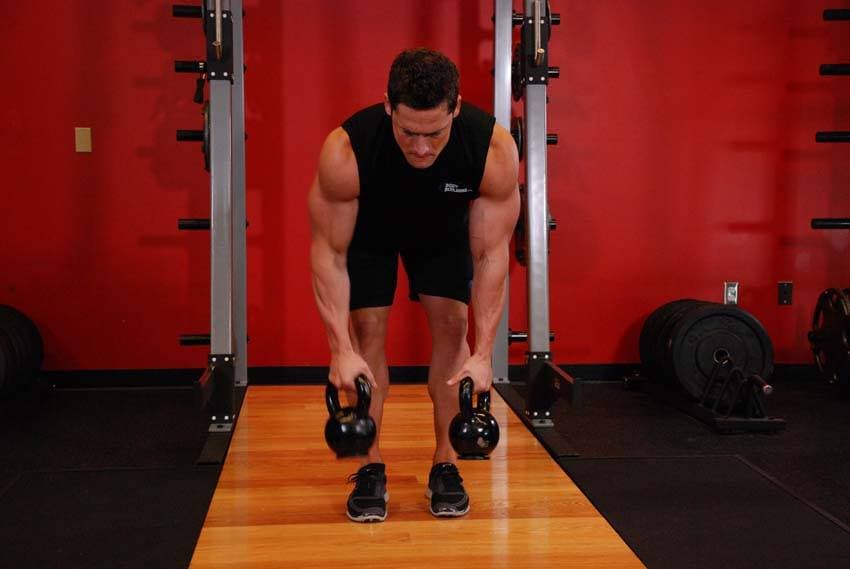
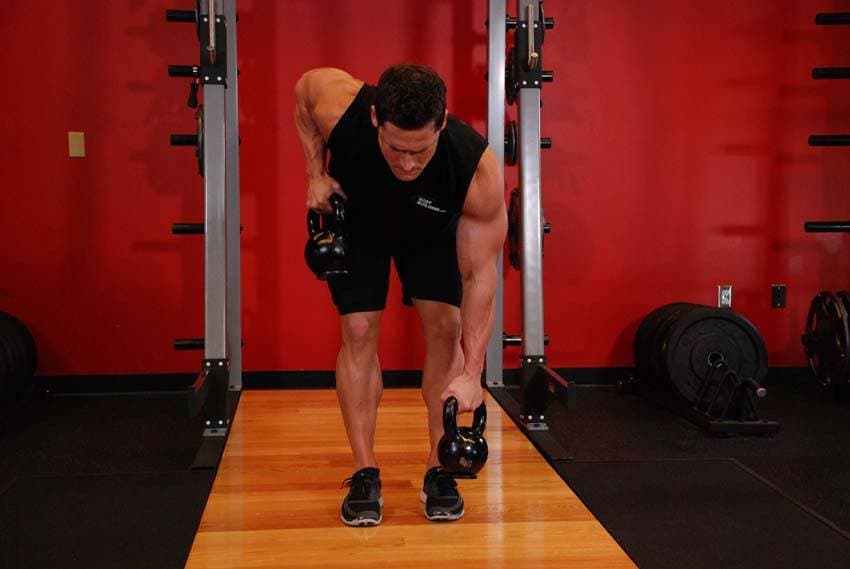
Alternating Kettlebell Row
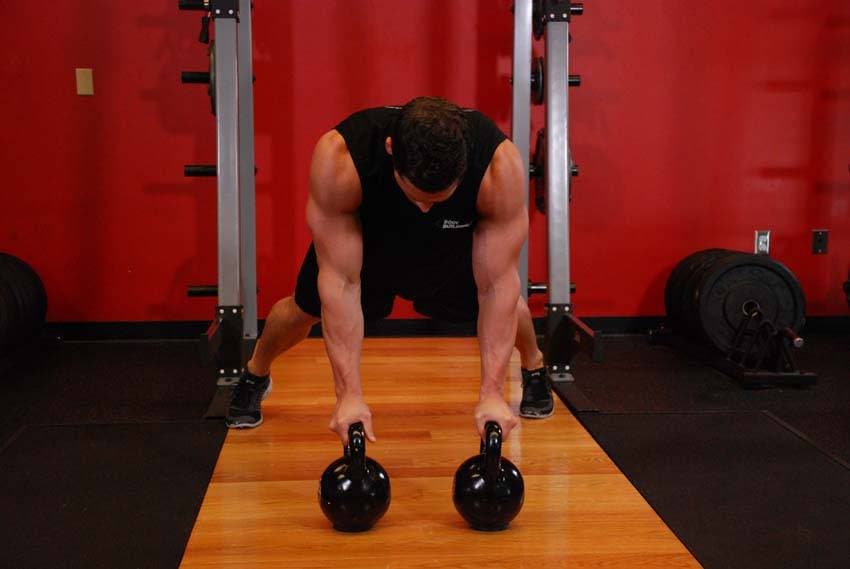
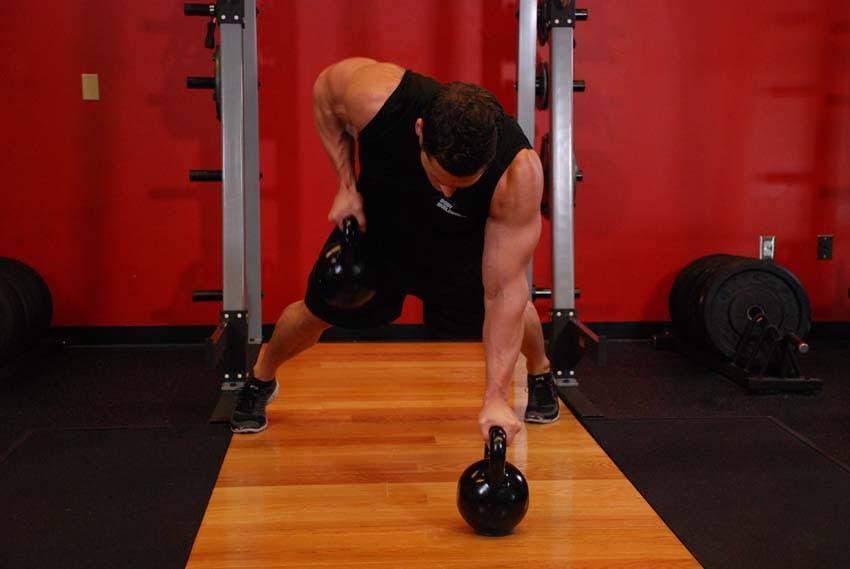
Alternating Renegade Row
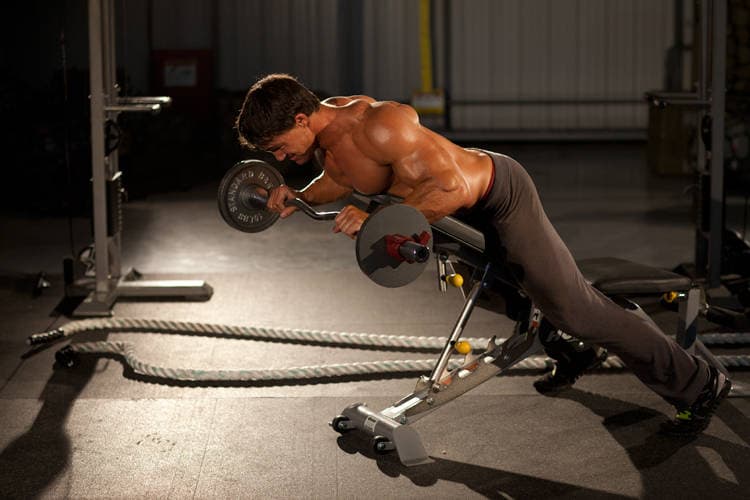
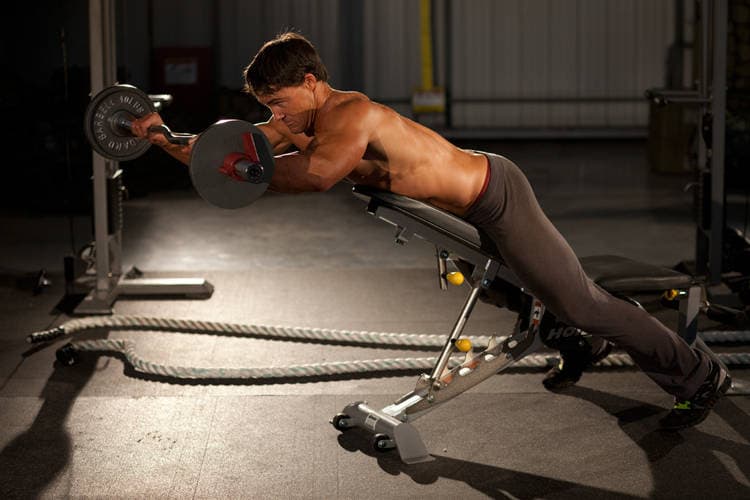
Anti-Gravity Press
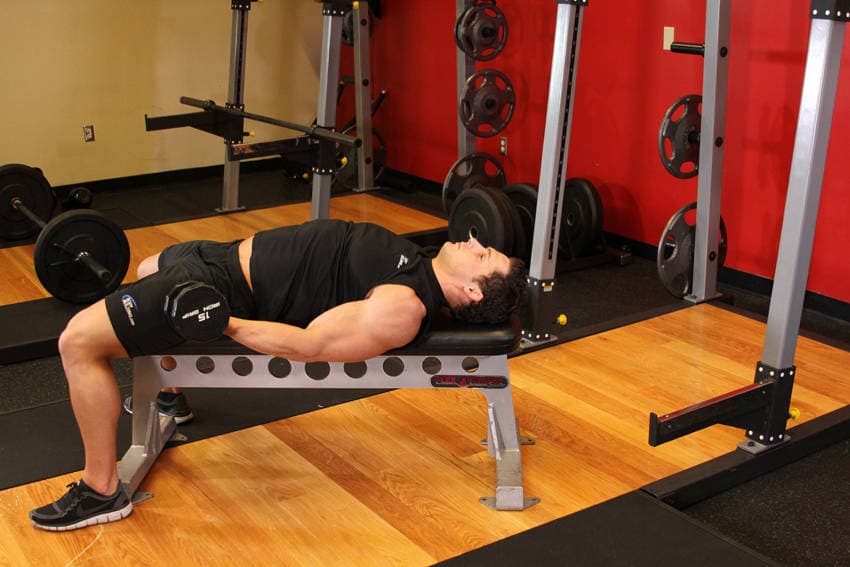
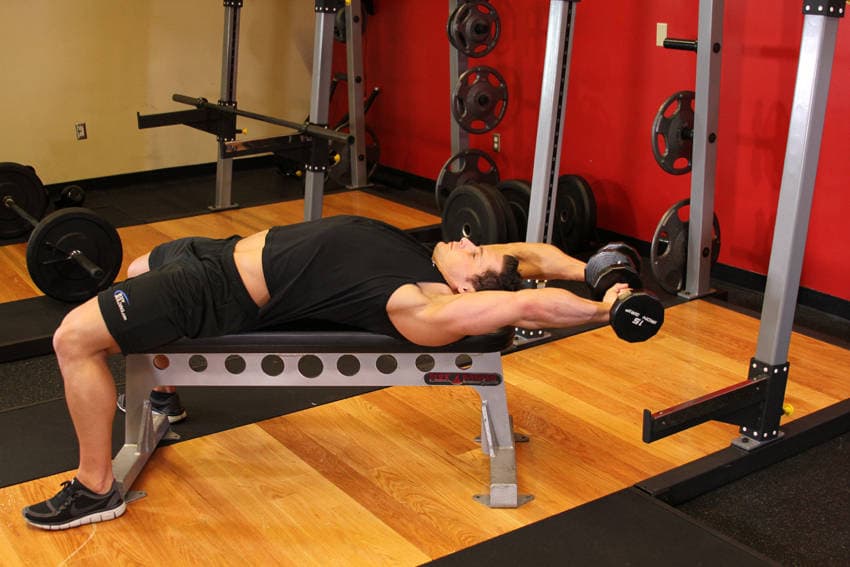
Around The Worlds
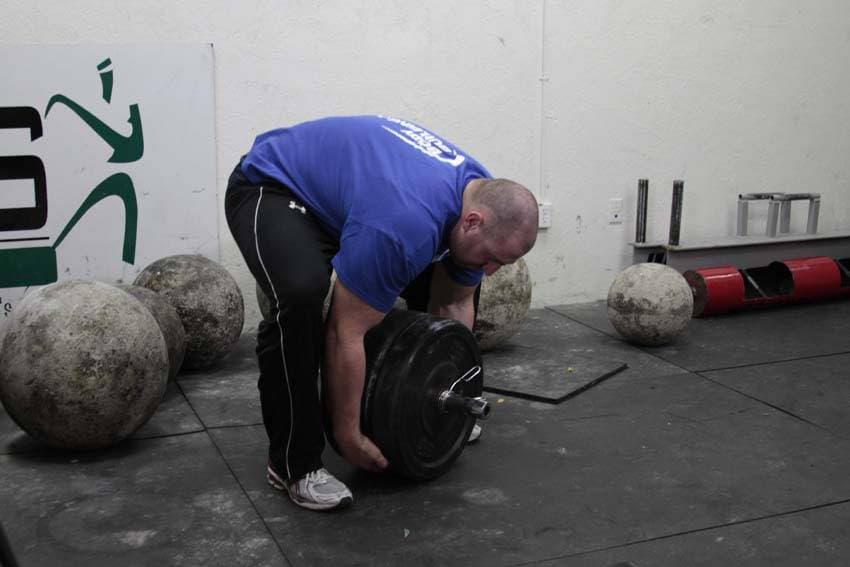
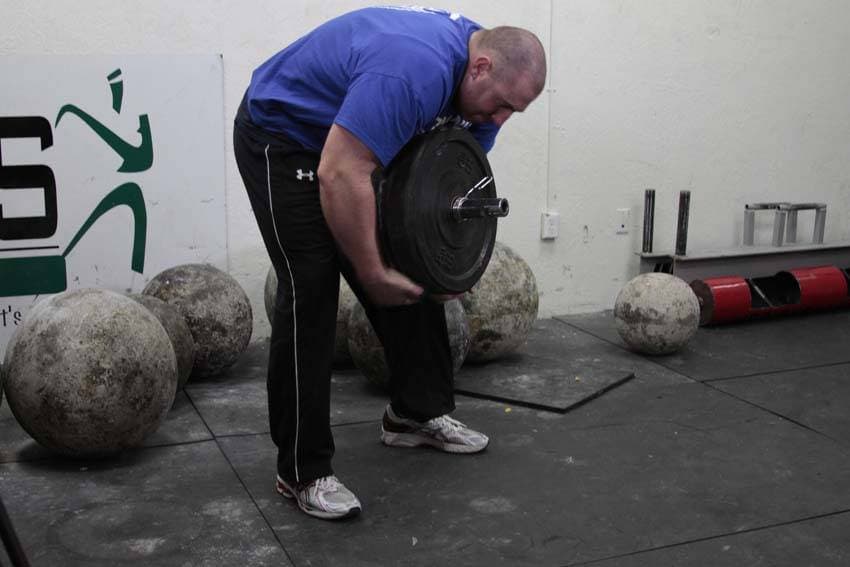
Atlas Stone Trainer
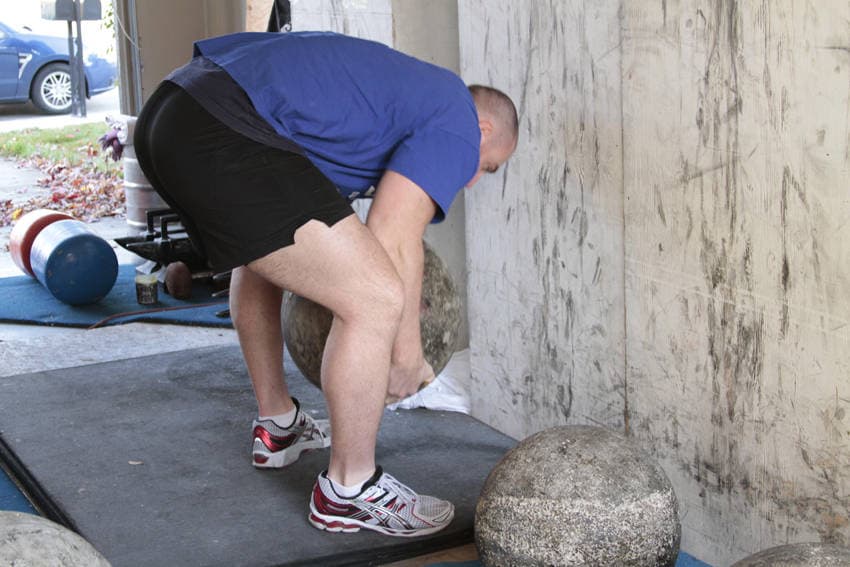
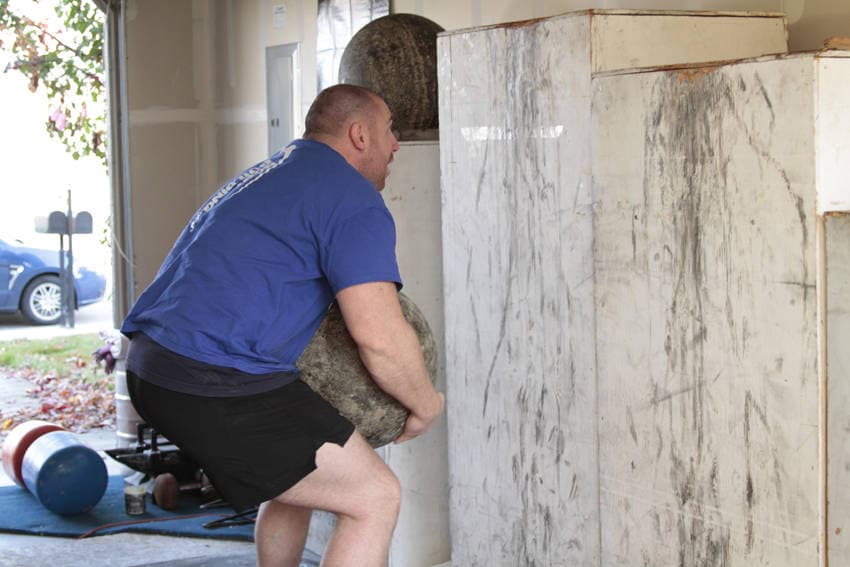
Atlas Stones
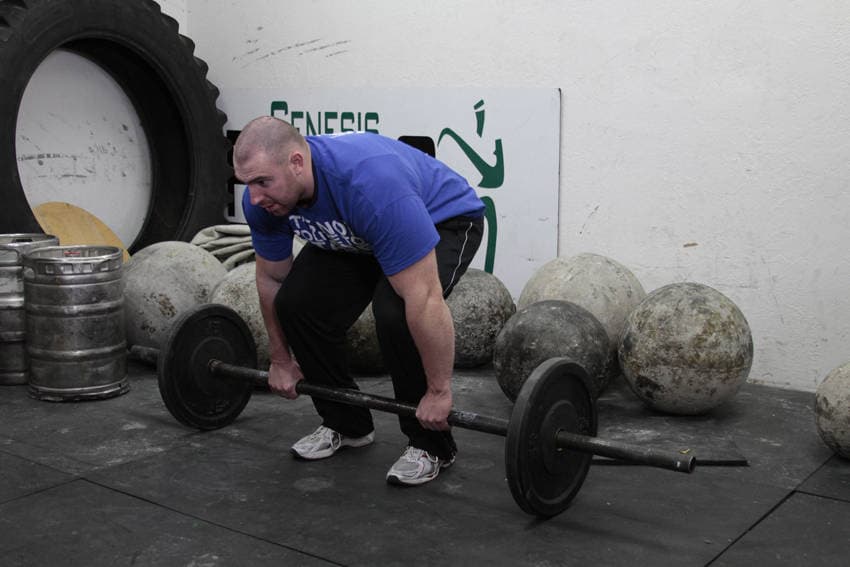
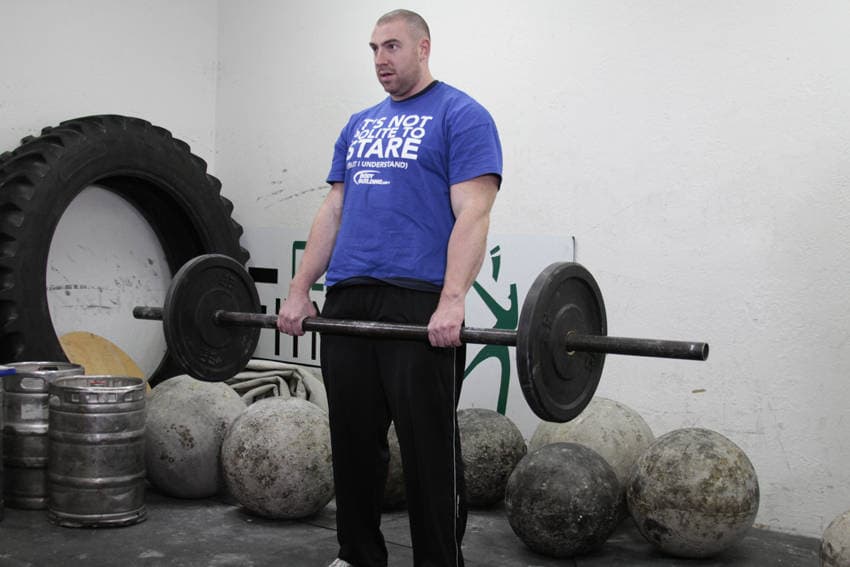
Axle Deadlift
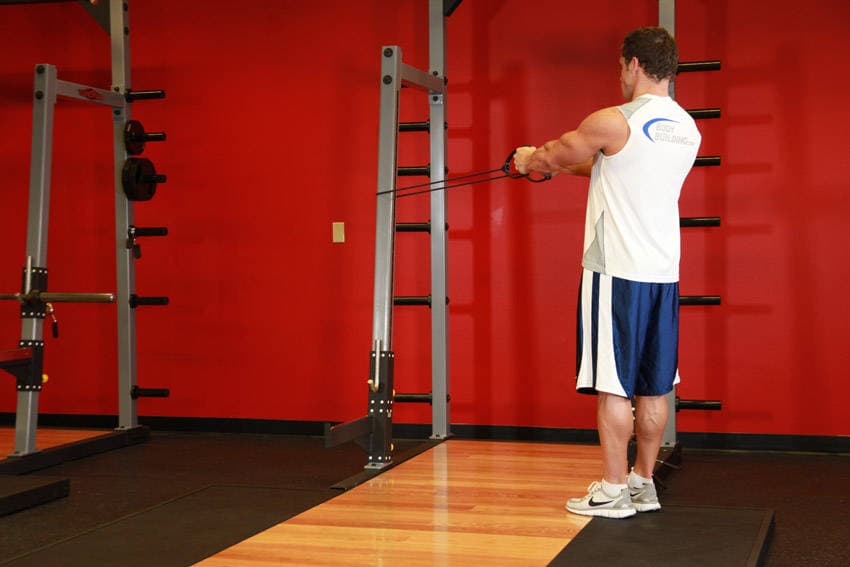
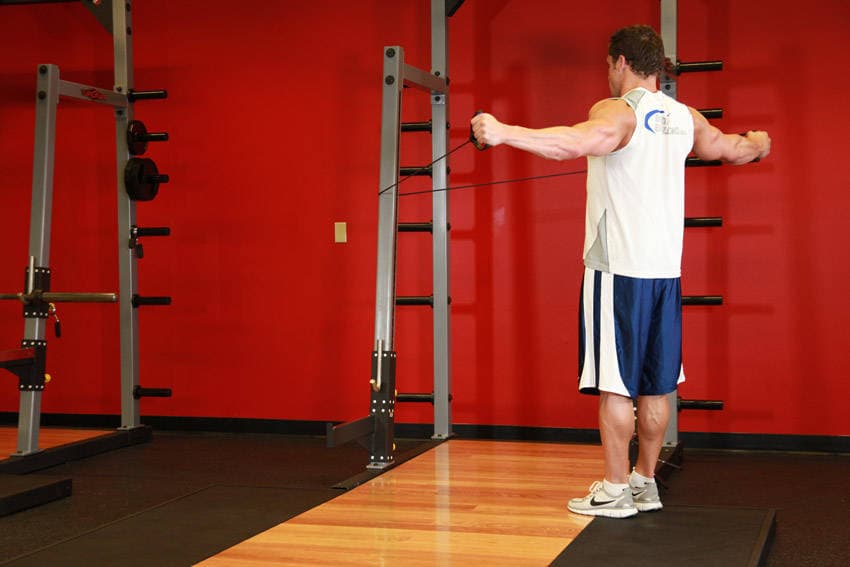
Back Flyes - With Bands
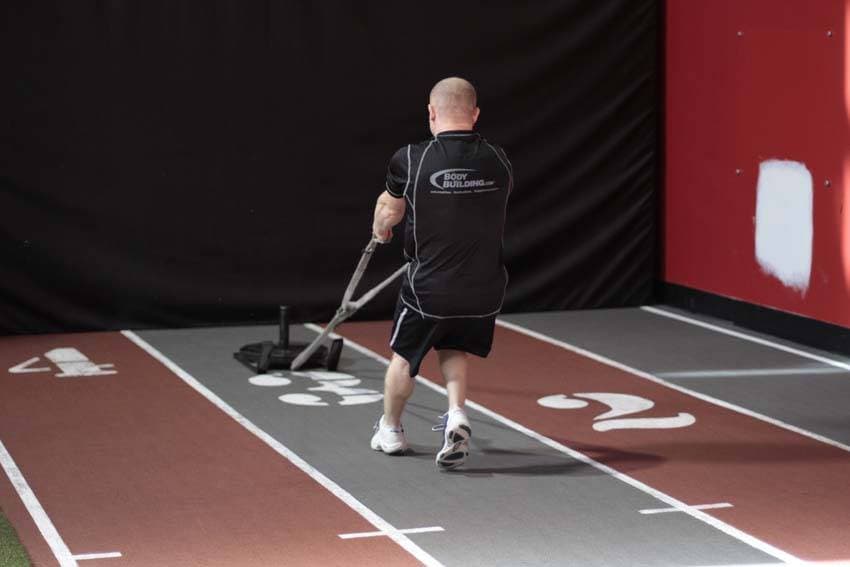
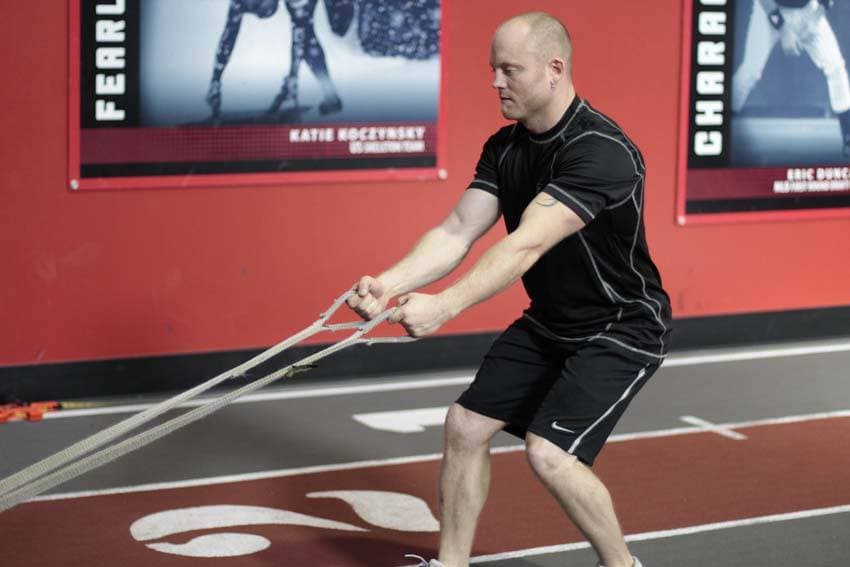
Backward Drag
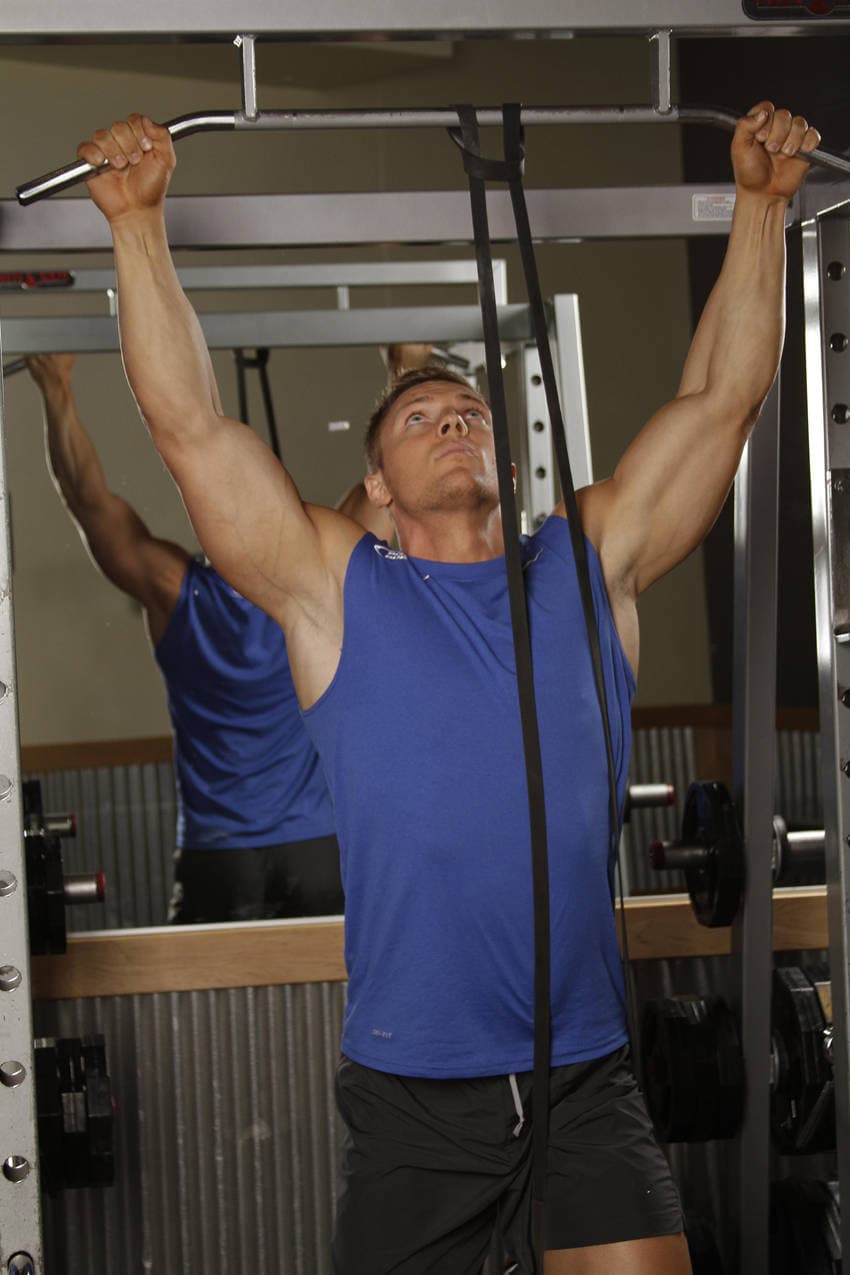
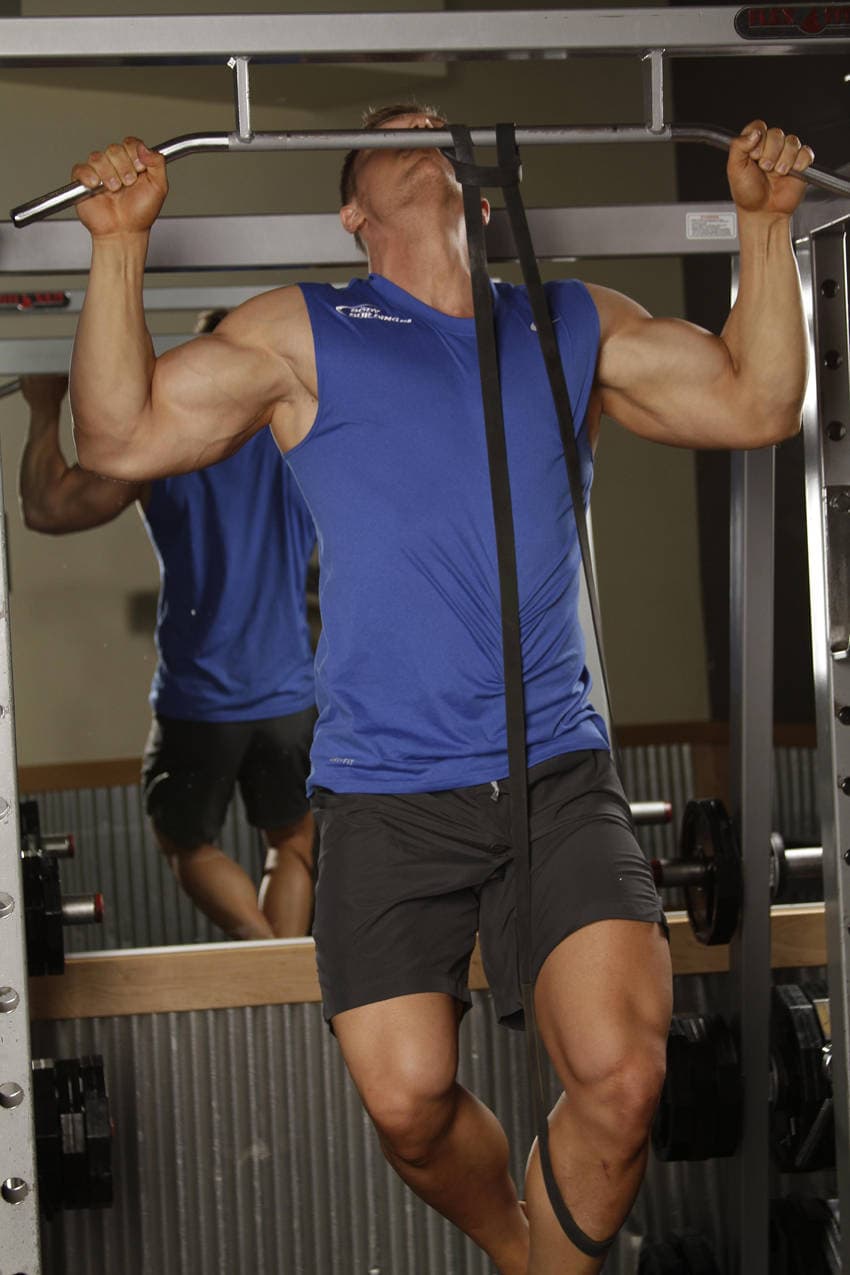
Band Assisted Pull-Up
When to See a Doctor
Seek medical attention if mid back pain is accompanied by numbness or weakness in the legs, loss of bladder or bowel control, or severe pain after a fall or impact.
Self-Care Tips
Perform cat-cow stretches to mobilize the thoracic spine
Use a foam roller for thoracic extension
Strengthen the back extensors with prone back extensions
Take standing breaks every 30-45 minutes when seated
Related Upper Back Pain
Upper Back Muscles
Explore all upper back muscles in 3D
Activities & Sports
Find which activities involve this area