Upper Back
Upper Back Right Side
Right-sided upper back pain commonly involves the right trapezius, rhomboid, or thoracic erector spinae muscles. Mouse use, carrying bags on one side, and asymmetric movement patterns often contribute to right-sided tension and strain.
Medical Disclaimer
This information is for educational purposes only and does not constitute medical advice. Consult a qualified healthcare provider for proper diagnosis and treatment of any pain or medical condition.
Common Causes
Mouse arm from prolonged computer use
Trigger points in the right rhomboid or trapezius
Thoracic spine stiffness on the right side
Carrying heavy bags on the right shoulder
Muscle imbalance from dominant-side overuse
Muscles in This Area
7Neck
Ascending part of right trapezius
The ascending part of the right trapezius is the uppermost portion of the trapezius muscle on the right side, running from the base of the skull and upper cervical spine up toward the clavicle and shoulder. It elevates the scapula (shoulder blade) and assists in neck extension and rotation, crucial for shrugging movements and maintaining upright posture during lifts. Strong ascending traps prevent neck strain in overhead presses and rows.
Upper Back
Descending part of right trapezius
The descending part of the right trapezius fibers slope from occiput to right scapula, depressing and upwardly rotating the scapula. Essential for balanced shoulder mechanics in bilateral lifts.
Upper Back
rhomboid major
The rhomboid major is a diamond-shaped muscle between your shoulder blades, retracting the scapula for better posture. It stabilizes during rows, pull-ups, and presses, countering slouched shoulders in gym-goers. Weak rhomboids lead to rounded posture and shoulder issues.
Upper Back
rhomboid minor
The rhomboid minor, above the major, connects upper thoracic spine to the shoulder blade's inner border. It retracts and stabilizes the scapula during upper body pulls. Essential for posture correction in lifters with desk jobs.
Upper Back
iliocostalis thoracis
Iliocostalis thoracis, mid erector spinae, runs parallel to spine from low-mid back to upper ribs, aiding thoracic extension and breathing. Supports rows, pulls, and posture in upper body training.
Upper Back
longissimus thoracis
The longest erector spinae muscle, running parallel to the spine from sacrum to mid-back, it extends the spine and maintains upright posture. Essential for deadlifts, squats, and spinal stability in powerlifting. Weakness leads to back rounding under load.
Upper Back
Set of right levatores costarum breves
Right short rib elevators.
Stretches That May Help
Recommended Exercises
12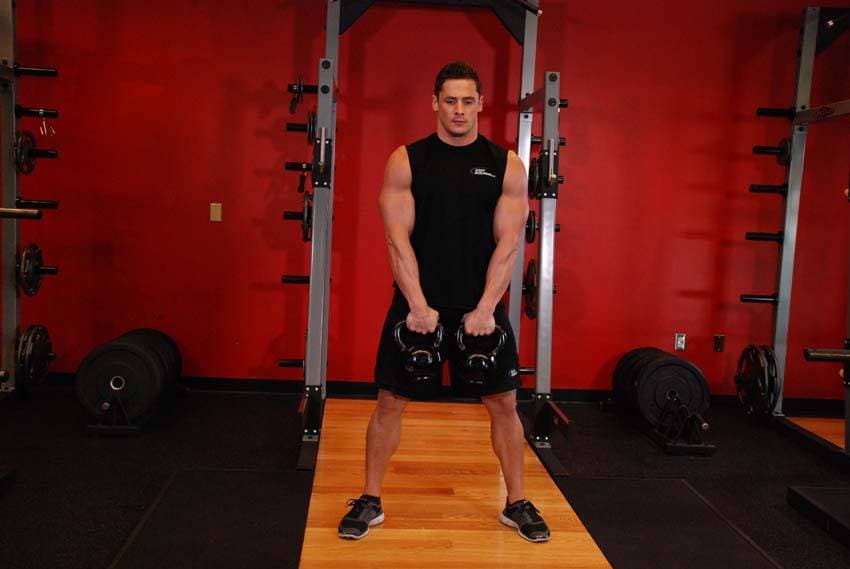
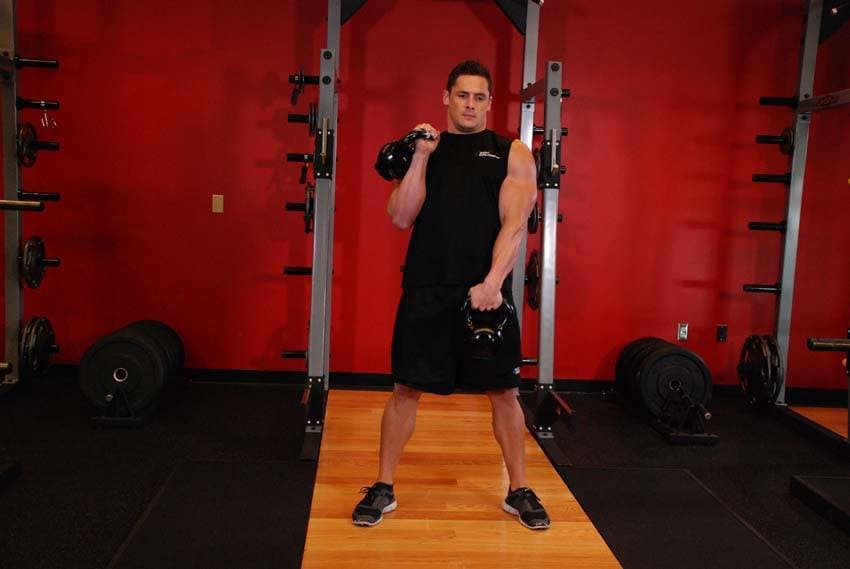
Alternating Hang Clean
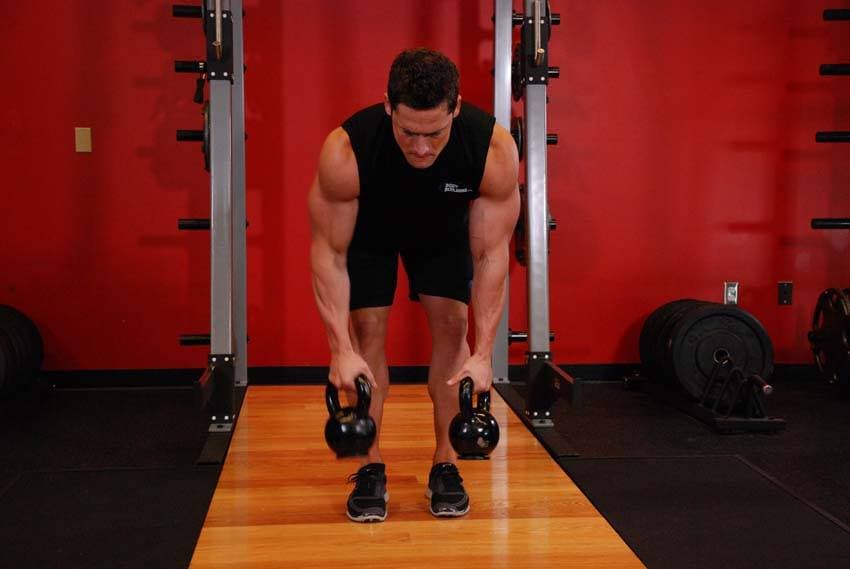
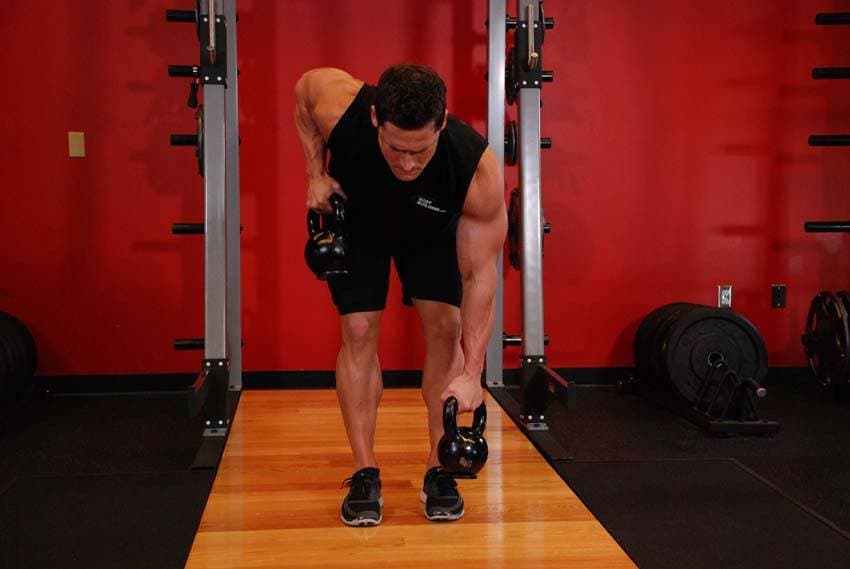
Alternating Kettlebell Row
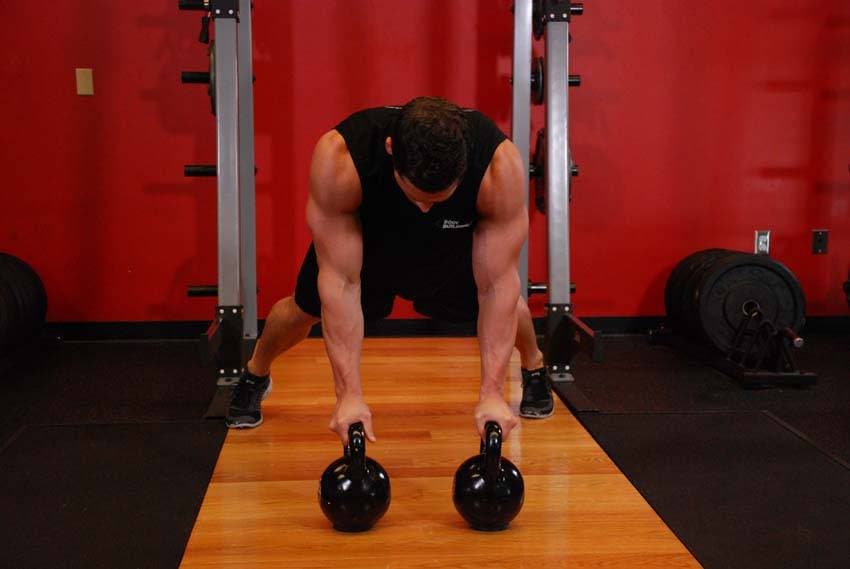
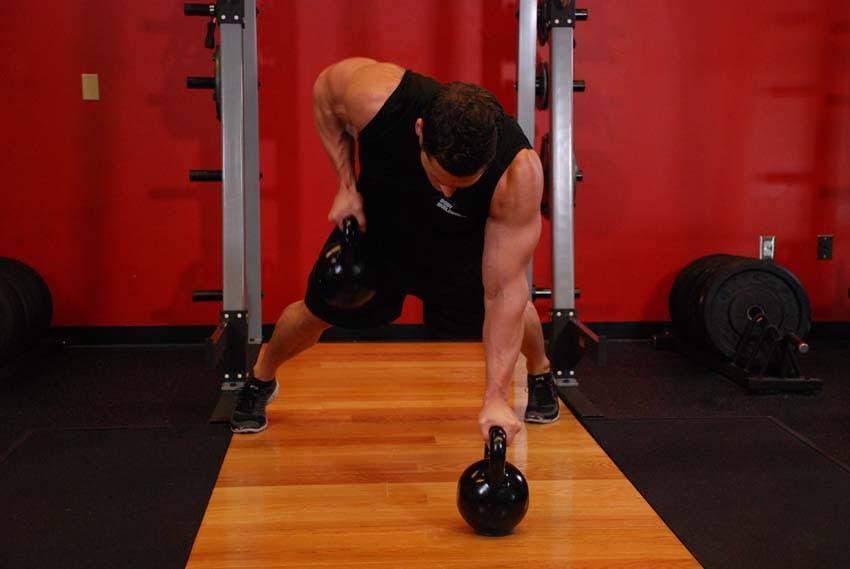
Alternating Renegade Row
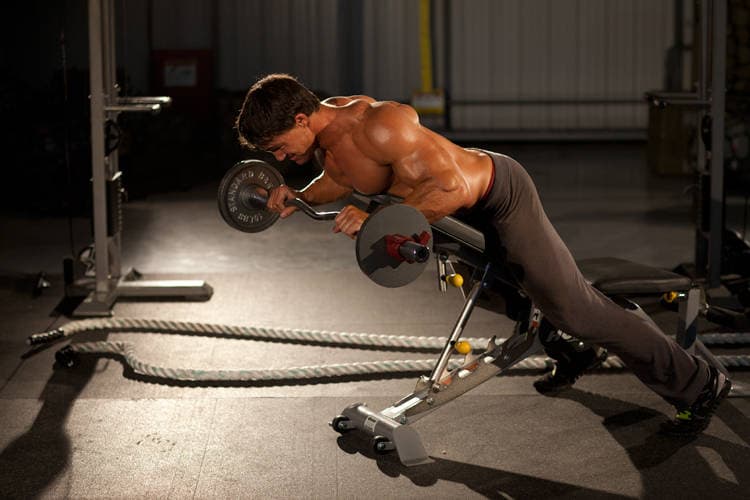
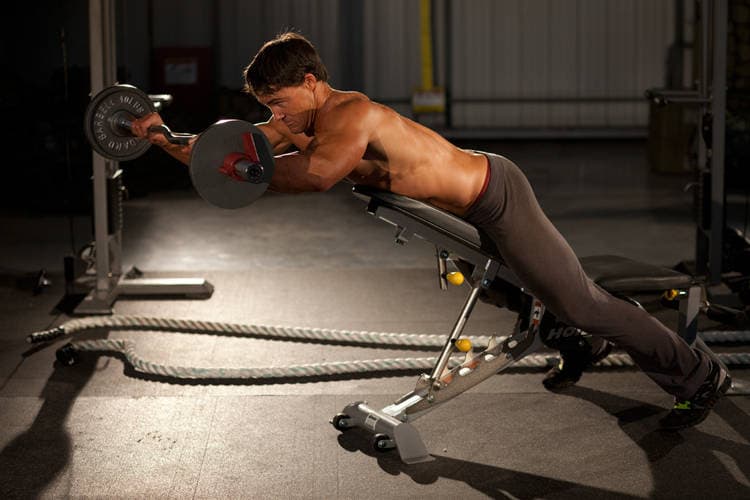
Anti-Gravity Press
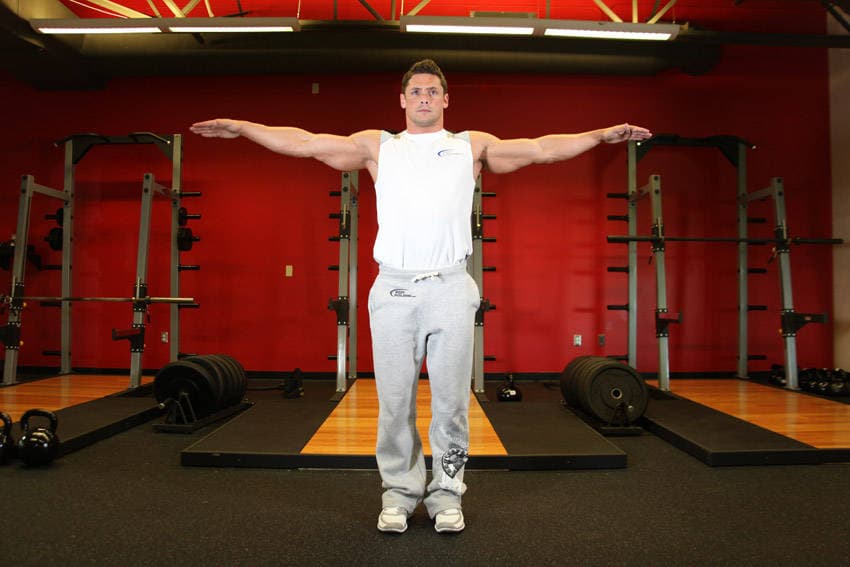
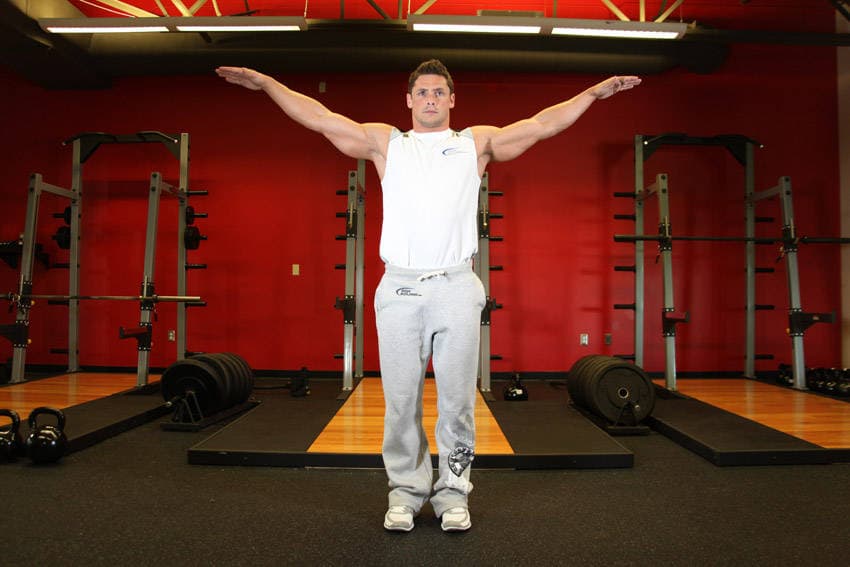
Arm Circles
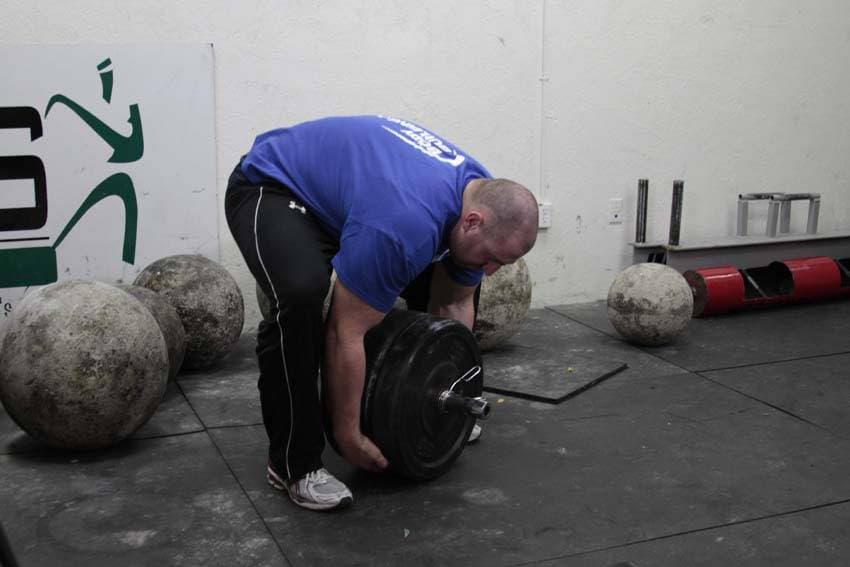
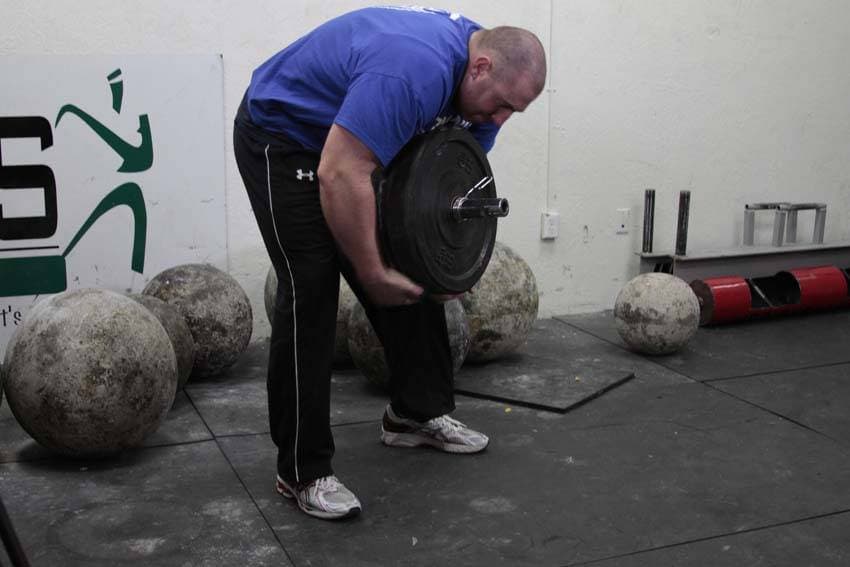
Atlas Stone Trainer
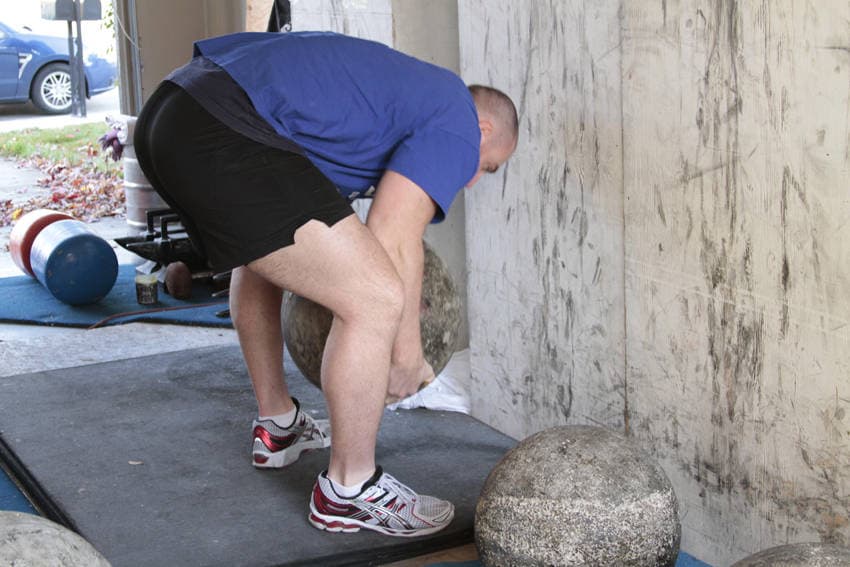
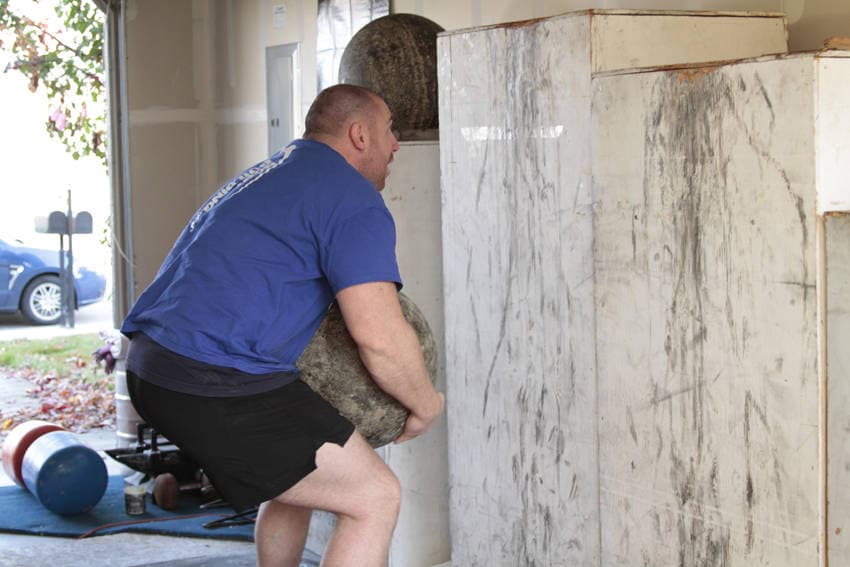
Atlas Stones
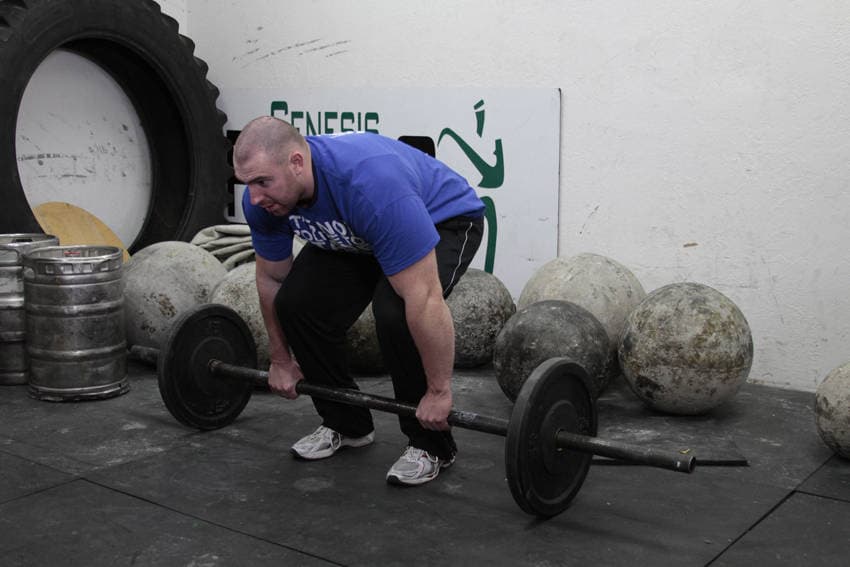
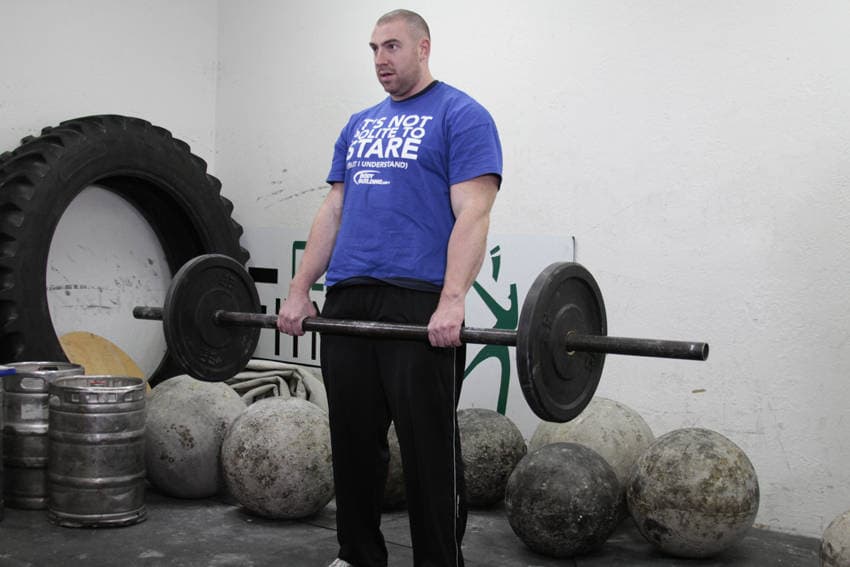
Axle Deadlift
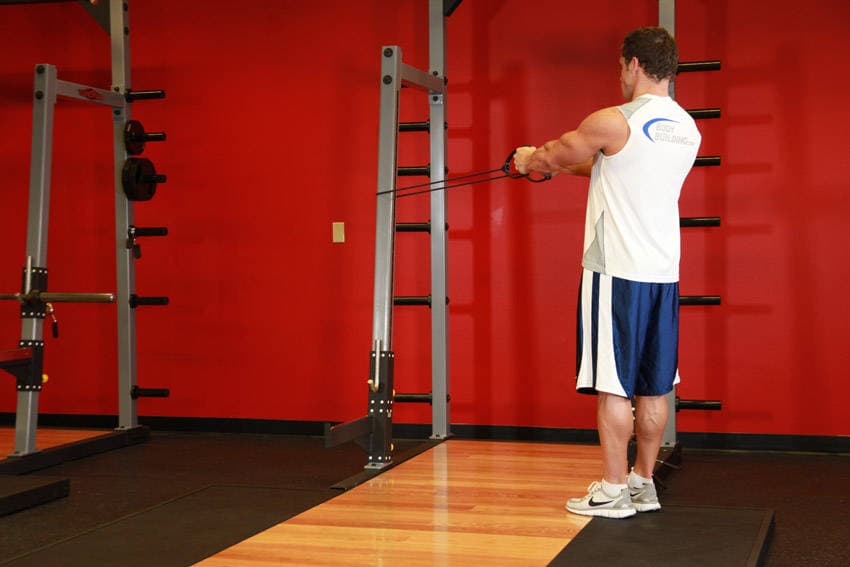
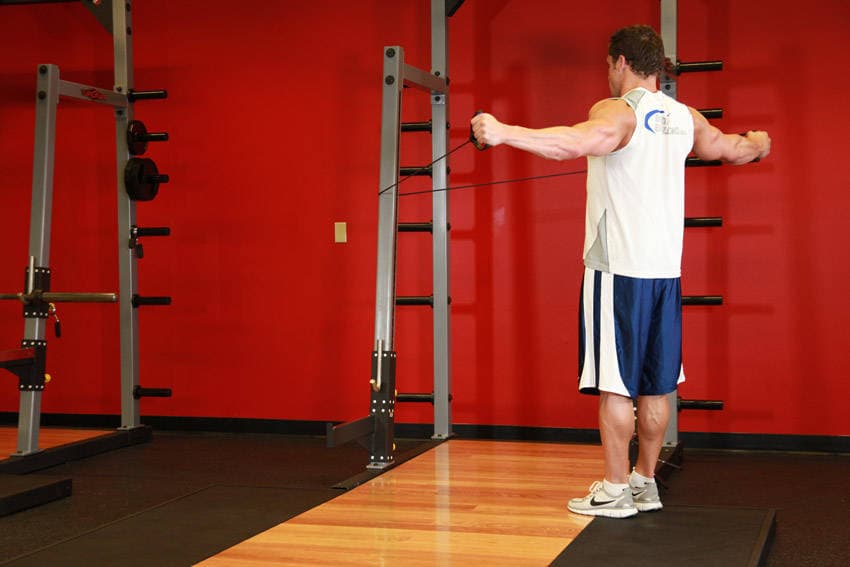
Back Flyes - With Bands
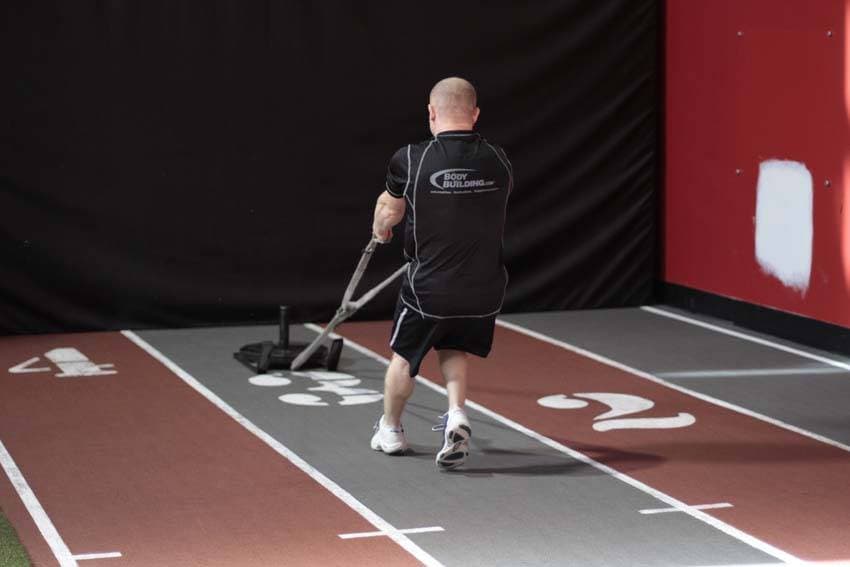
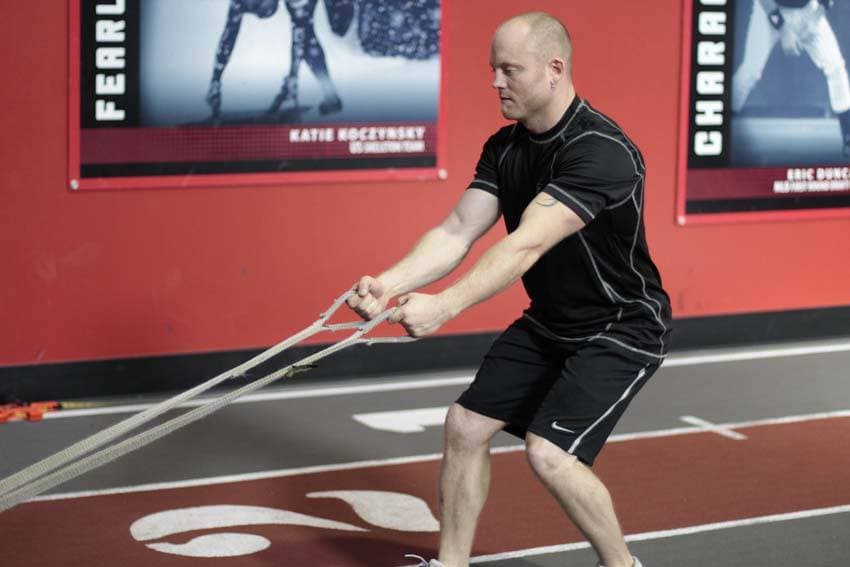
Backward Drag
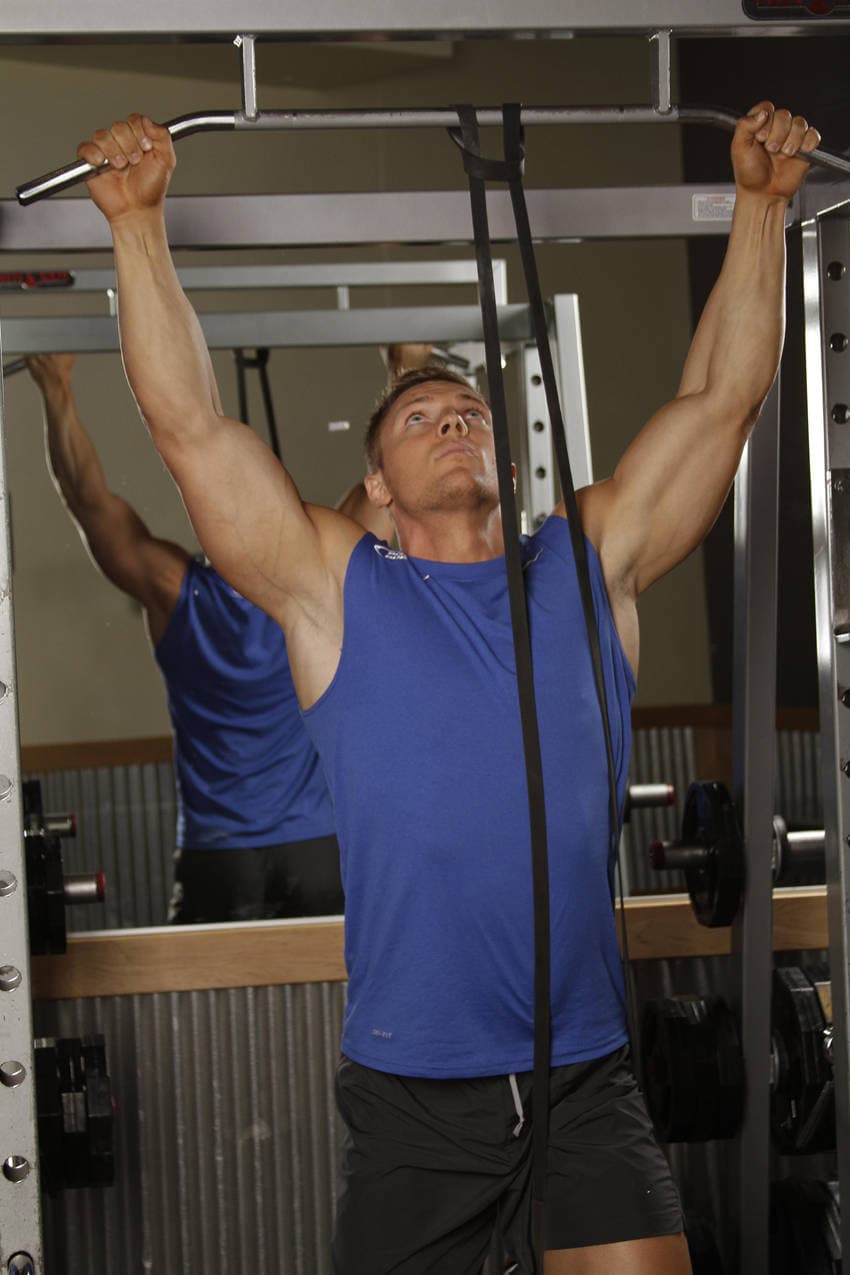
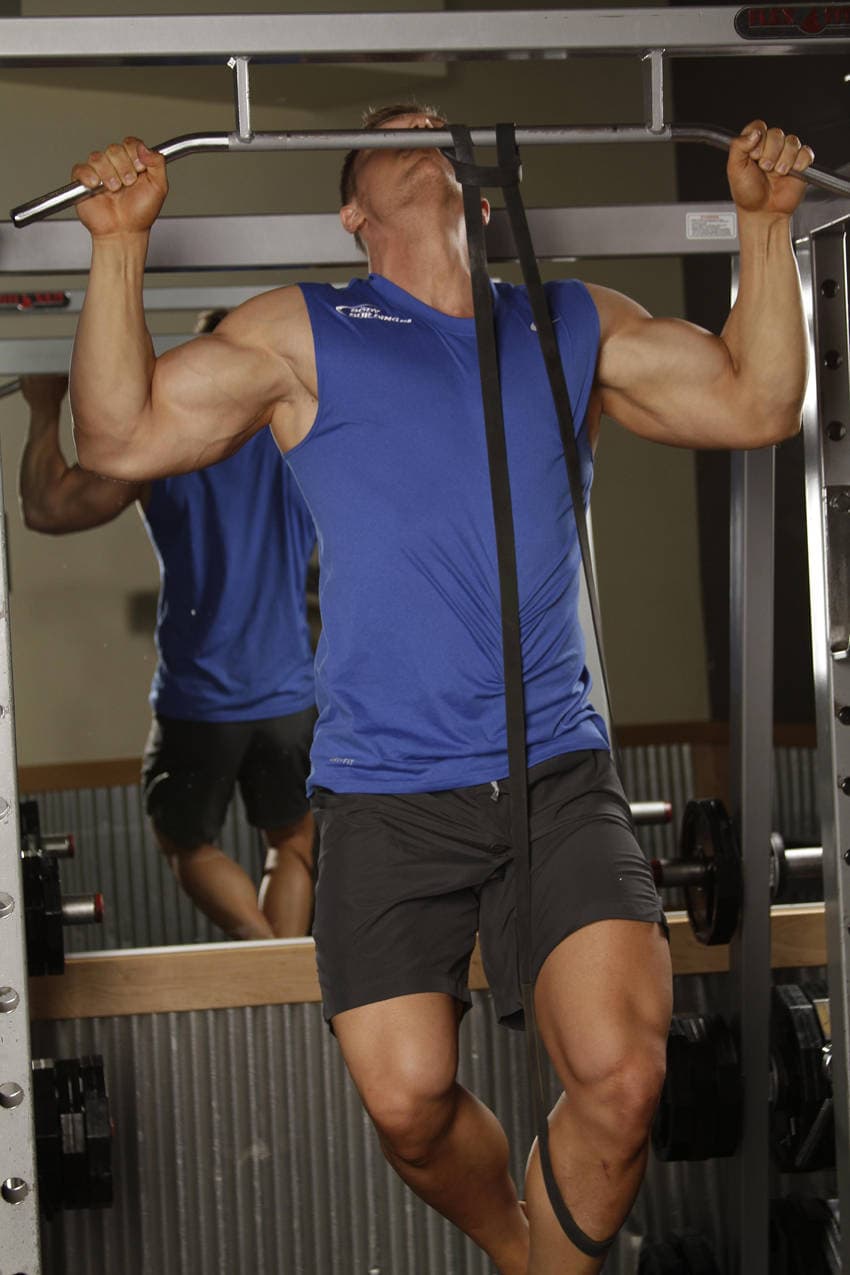
Band Assisted Pull-Up
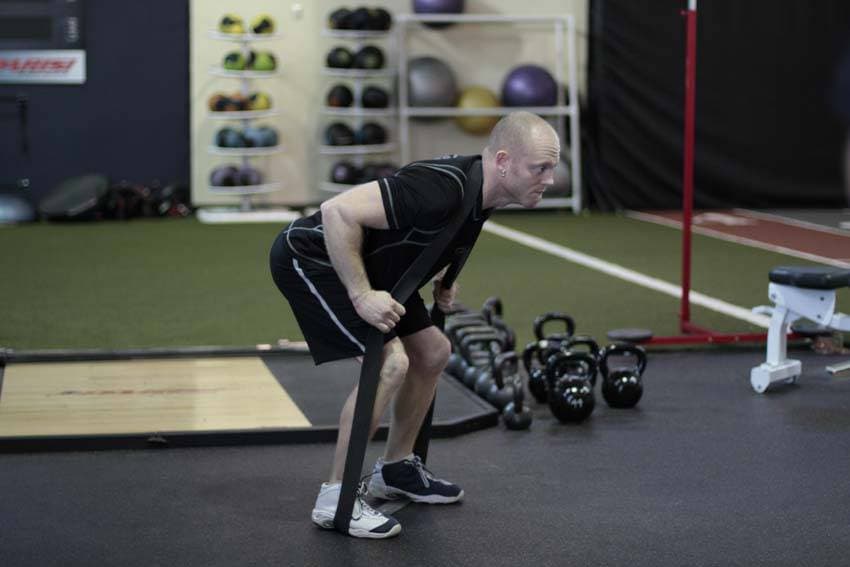
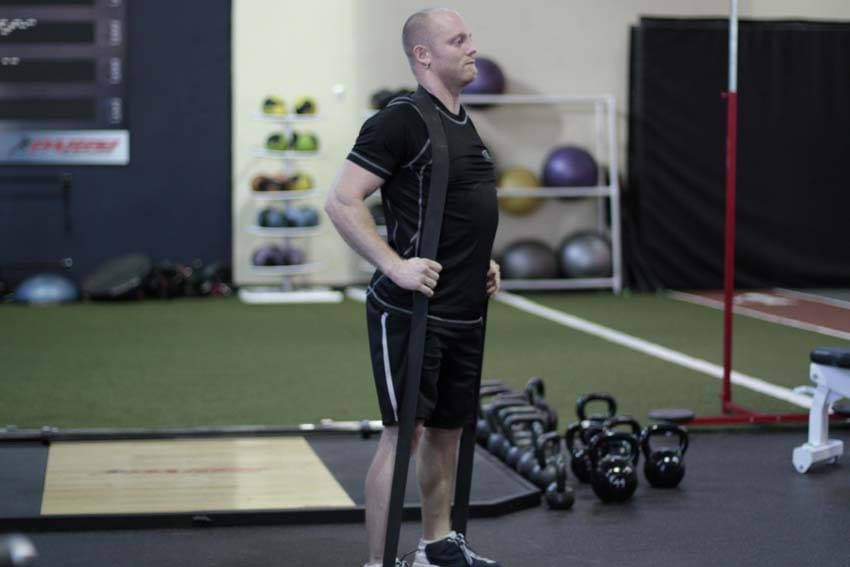
Band Good Morning
When to See a Doctor
Seek medical attention if the pain is severe and sudden, accompanied by difficulty breathing, or if it does not improve with two weeks of self-care.
Self-Care Tips
Switch your mouse hand periodically or use an ergonomic setup
Stretch the right upper trapezius and rhomboids daily
Apply heat to chronic tension areas to improve blood flow
Strengthen the scapular stabilizers with band pull-aparts
Related Upper Back Pain
Upper Back Muscles
Explore all upper back muscles in 3D
Activities & Sports
Find which activities involve this area