Neck
Side of Neck
Pain along the side of the neck involves the scalene muscles, the sternocleidomastoid, and the levator scapulae. These muscles are commonly affected by postural stress, sleeping position, and can refer pain to the head, shoulder, and arm.
Medical Disclaimer
This information is for educational purposes only and does not constitute medical advice. Consult a qualified healthcare provider for proper diagnosis and treatment of any pain or medical condition.
Common Causes
Scalene muscle tension from breathing dysfunction or stress
Sternocleidomastoid trigger points from forward head posture
Levator scapulae strain from carrying bags or phone cradling
Cervical radiculopathy irritating nerves along the neck
Torticollis causing acute one-sided neck spasm
Muscles in This Area
7Neck
scalenus anterior
The anterior scalene anchors from neck vertebrae to first rib, aiding neck flexion and arm elevation. It lifts the first rib during deep breaths, important for overhead athletes. Tension contributes to thoracic outlet issues.
Neck
scalenus medius
The middle scalene runs from cervical transverse processes to first rib, assisting neck lateral flexion and rib elevation. Crucial for breathing during intense workouts and shoulder stability. Often tight in cyclists and throwers.
Neck
scalenus posterior
The posterior scalene attaches lower cervical vertebrae to second rib, flexing neck and aiding inhalation. Supports posture in endurance sports by stabilizing ribs. Less commonly injured but tightens with chronic coughs.
Neck
sternocleidomastoid
Prominent neck muscle turns/tilts head, flexes neck, aids breathing. Visible in fitness for posture/aesthetics.
Neck
levator scapulae
The levator scapulae runs from the upper neck vertebrae to the top of the shoulder blade, lifting the scapula toward the head. It's key for shrugging motions and stabilizing the shoulder during overhead lifts. Gym-goers target it indirectly through shrugs and neck training to prevent shoulder hikes and imbalances.
Neck
splenius cervicis
Lower splenius extends/rotates cervical spine.
Neck
longissimus cervicis
This erector spinae muscle spans the neck vertebrae, extending and stabilizing the cervical spine. It keeps the head aligned during upright posture and dynamic movements like cleans. Vital for neck resilience in contact sports and heavy training.
Stretches That May Help
Recommended Exercises
12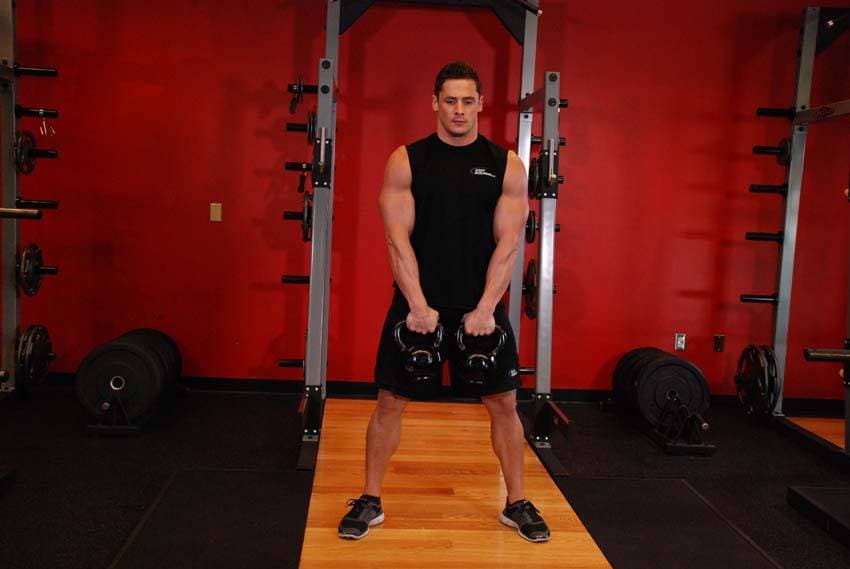
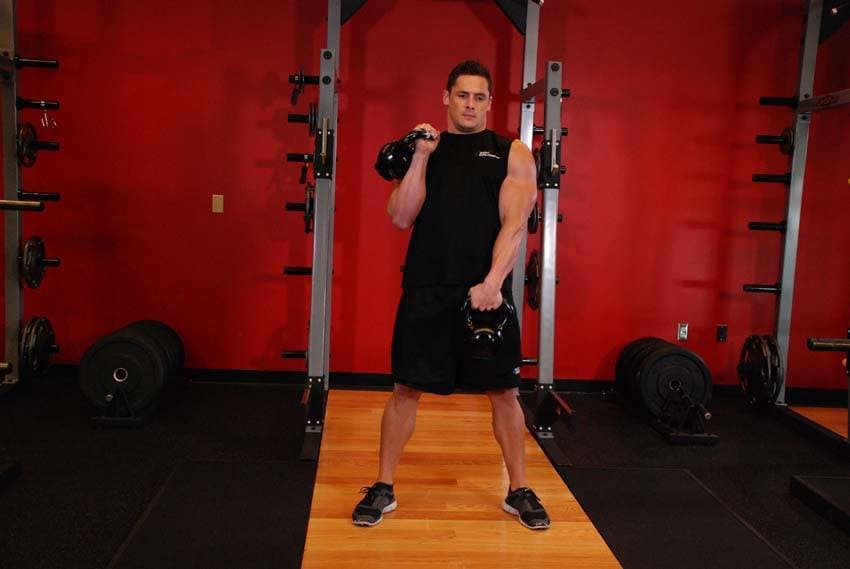
Alternating Hang Clean
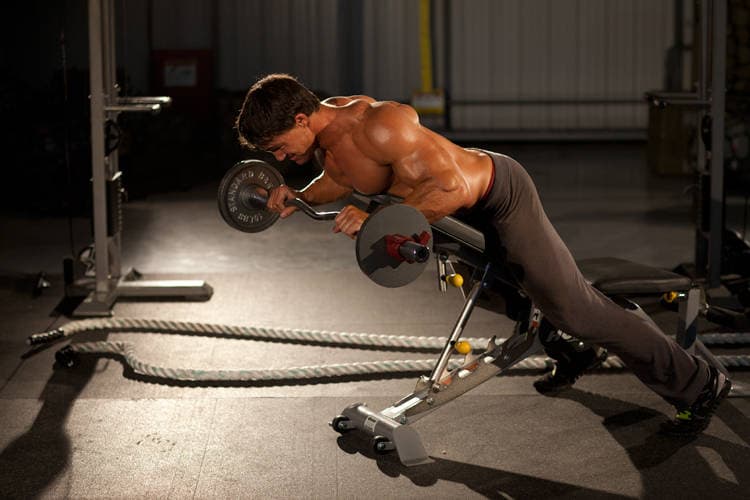
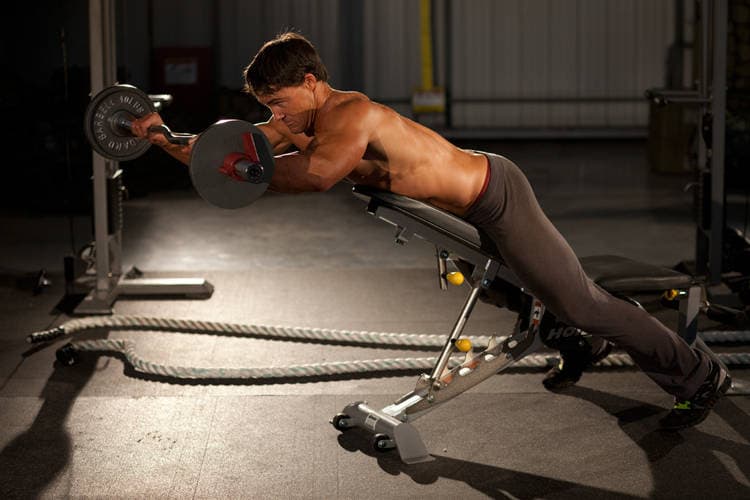
Anti-Gravity Press
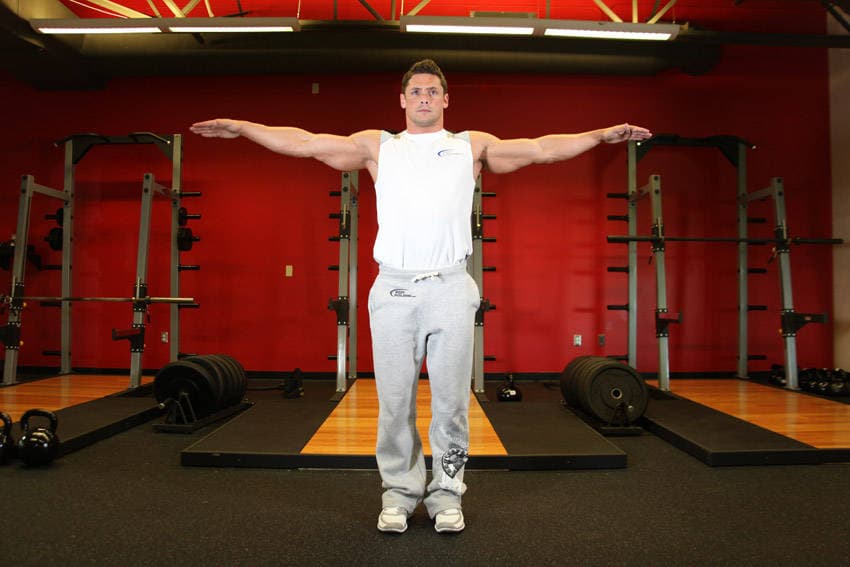
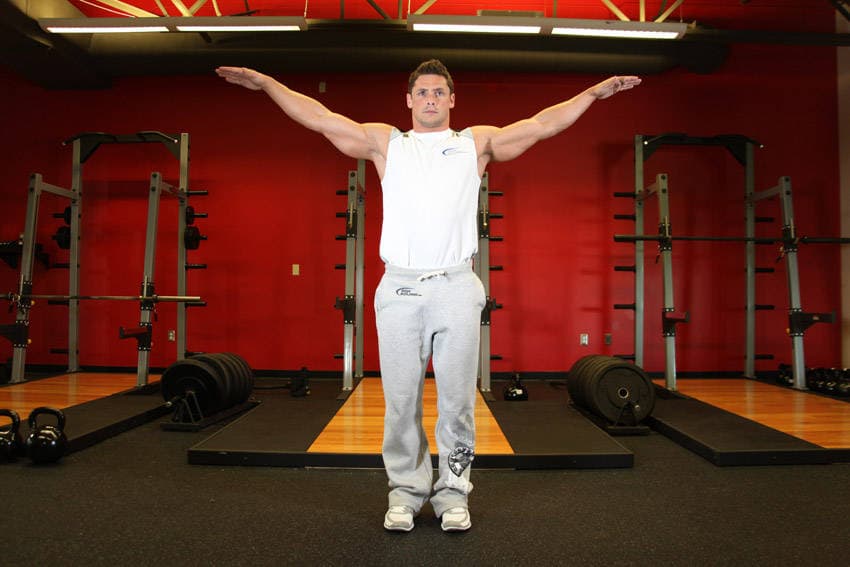
Arm Circles
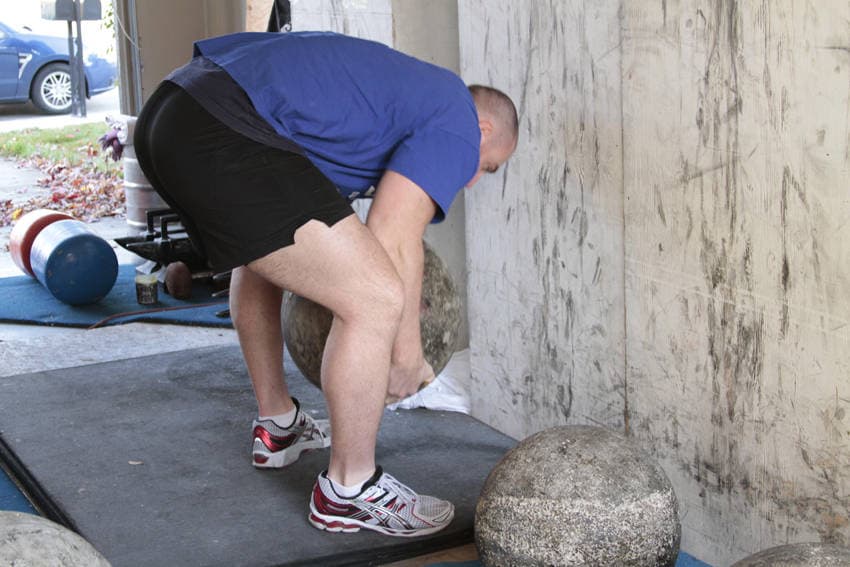
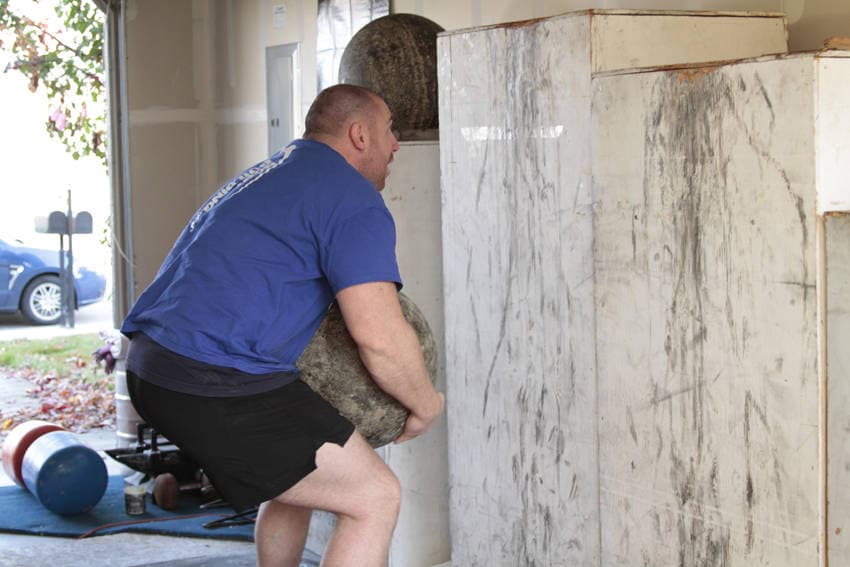
Atlas Stones
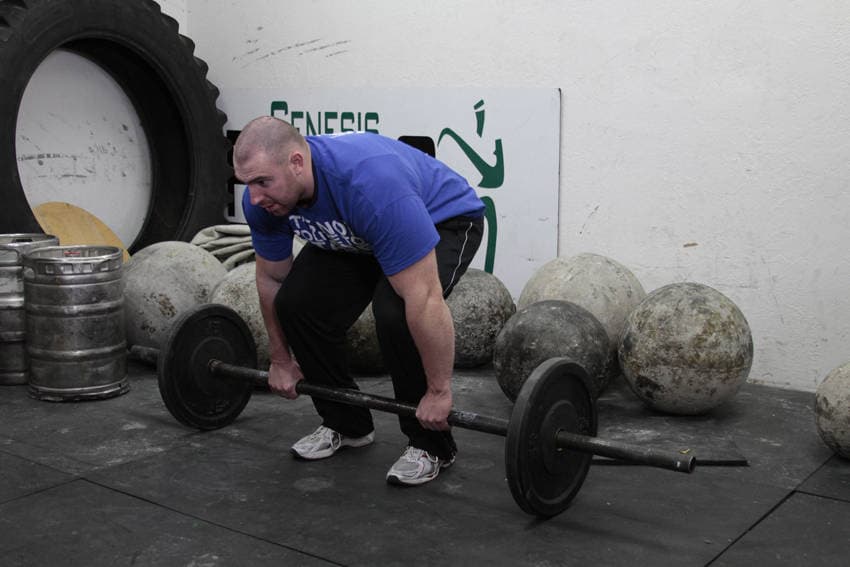
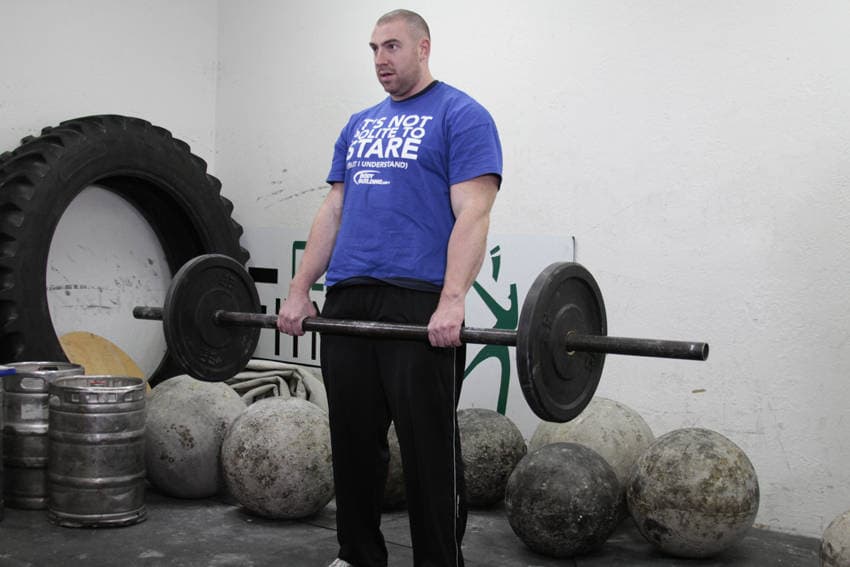
Axle Deadlift
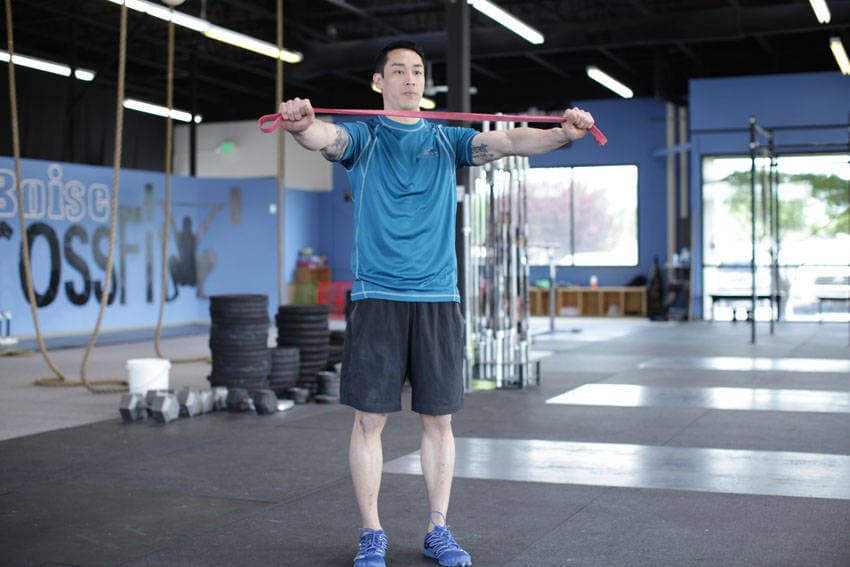
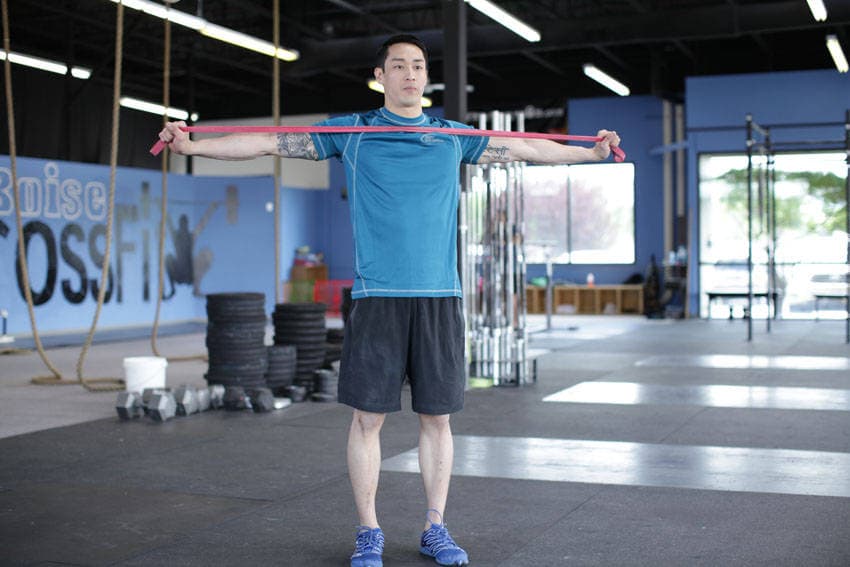
Band Pull Apart
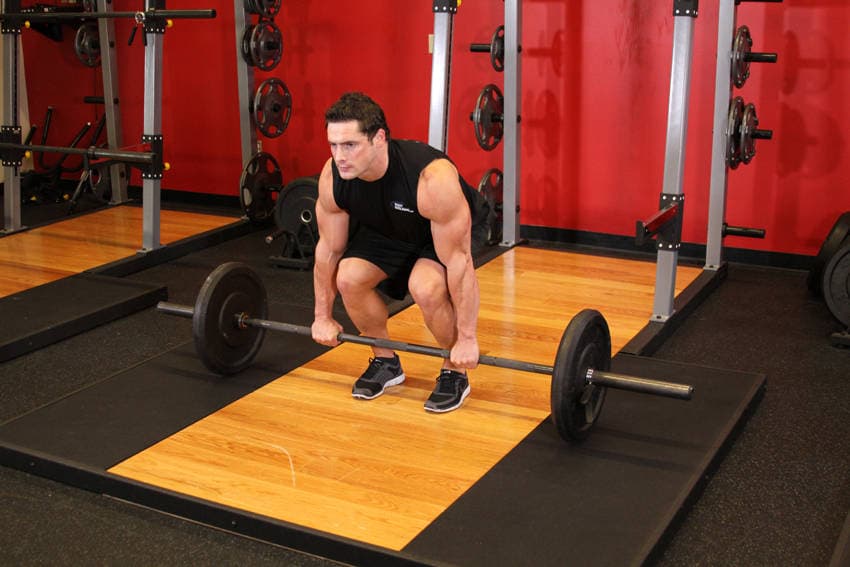
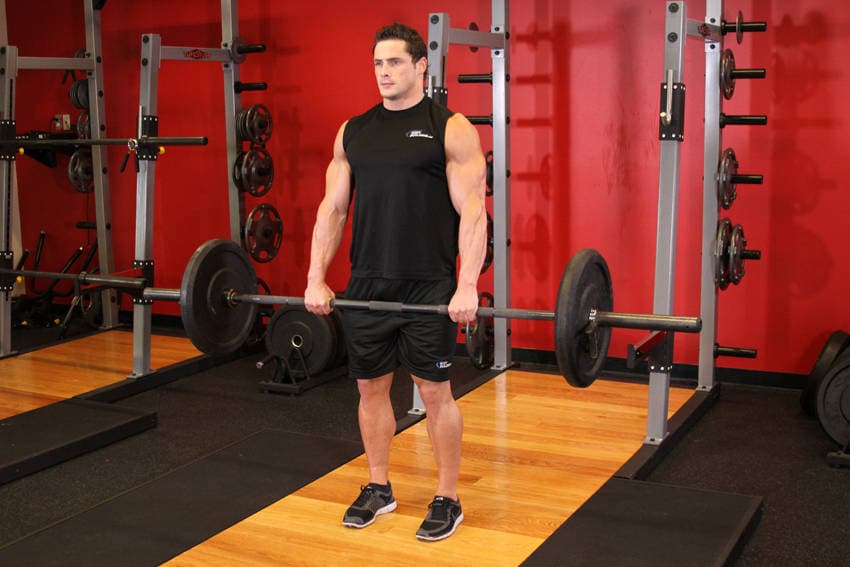
Barbell Deadlift
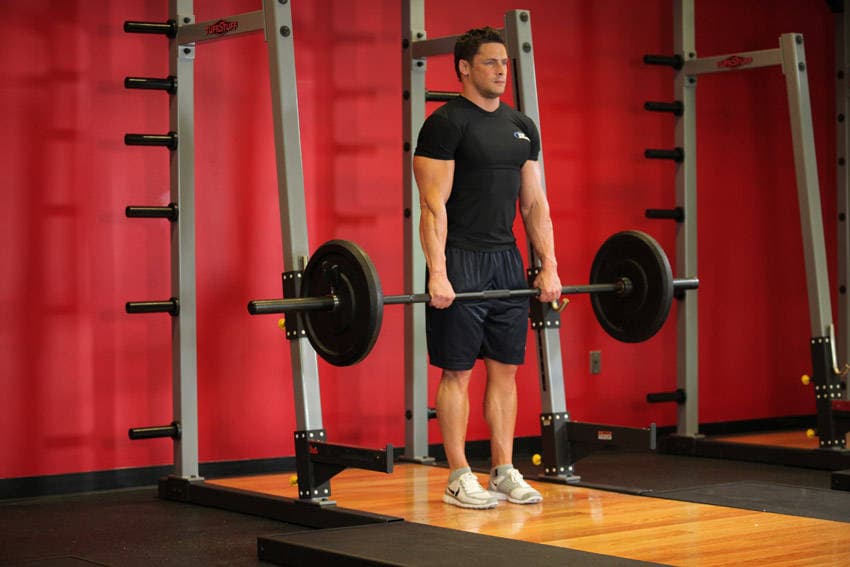
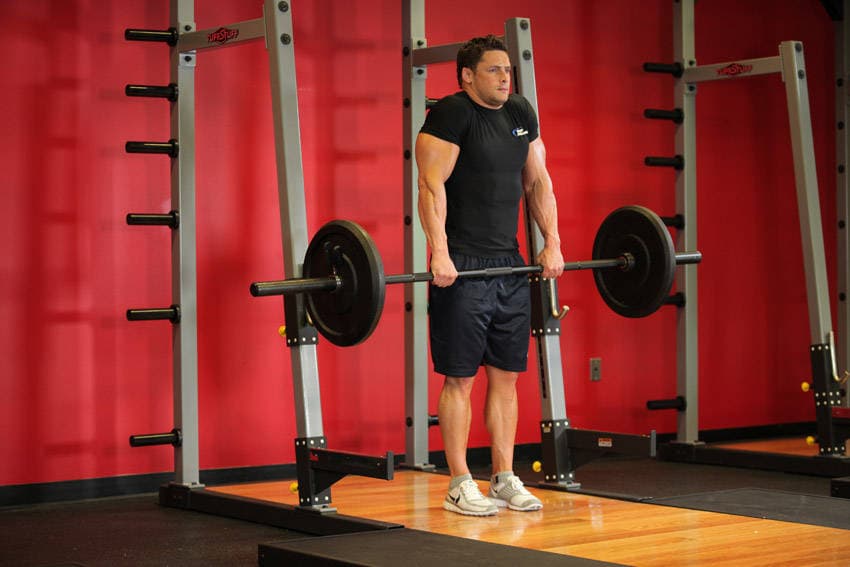
Barbell Shrug
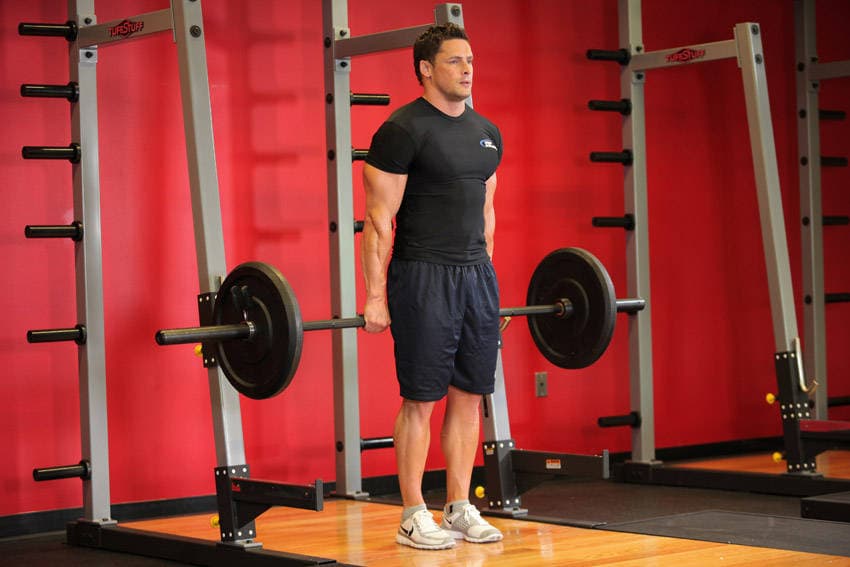
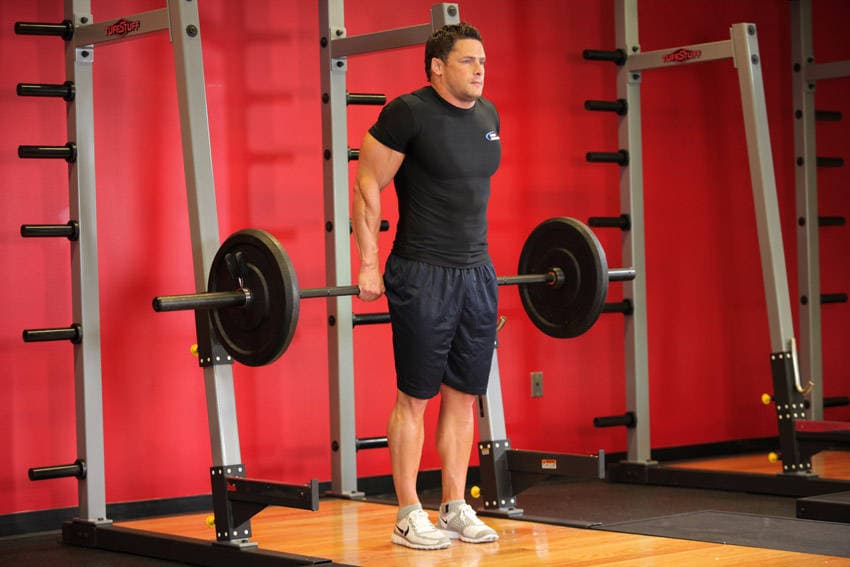
Barbell Shrug Behind The Back
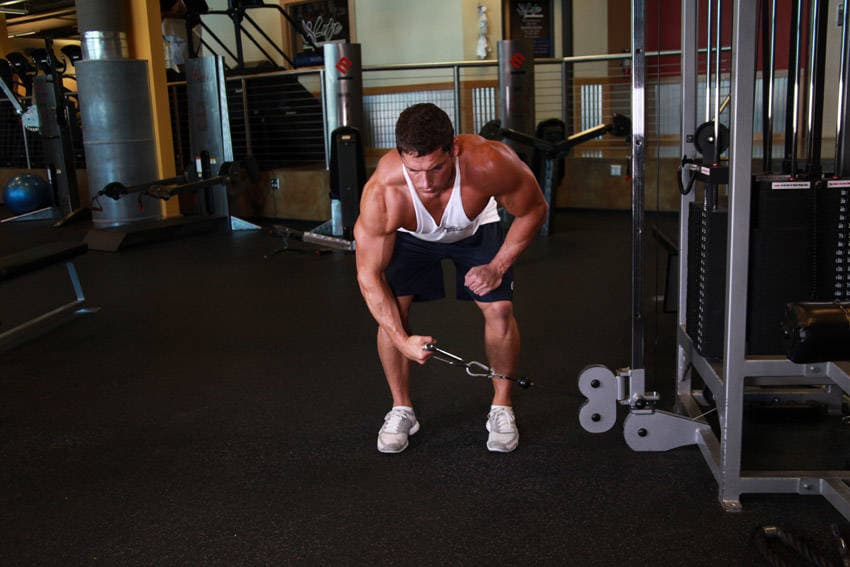
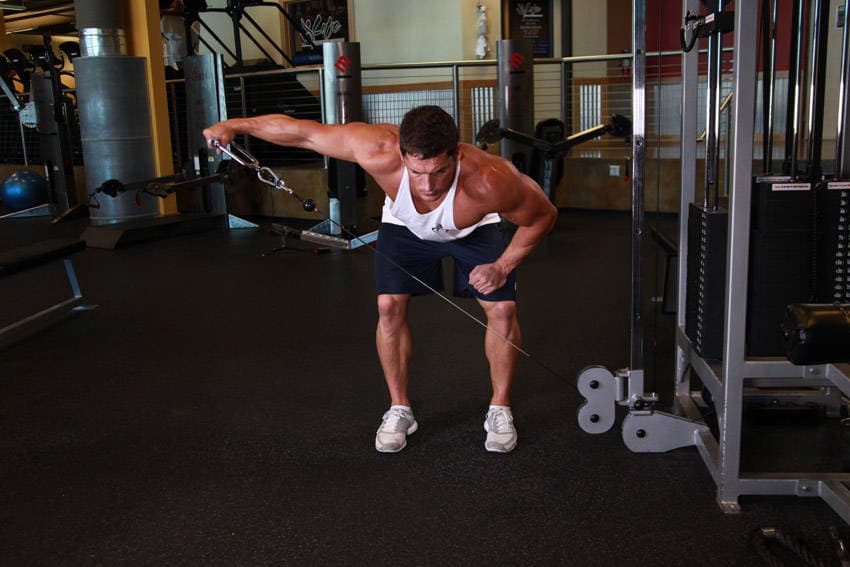
Bent Over Low-Pulley Side Lateral

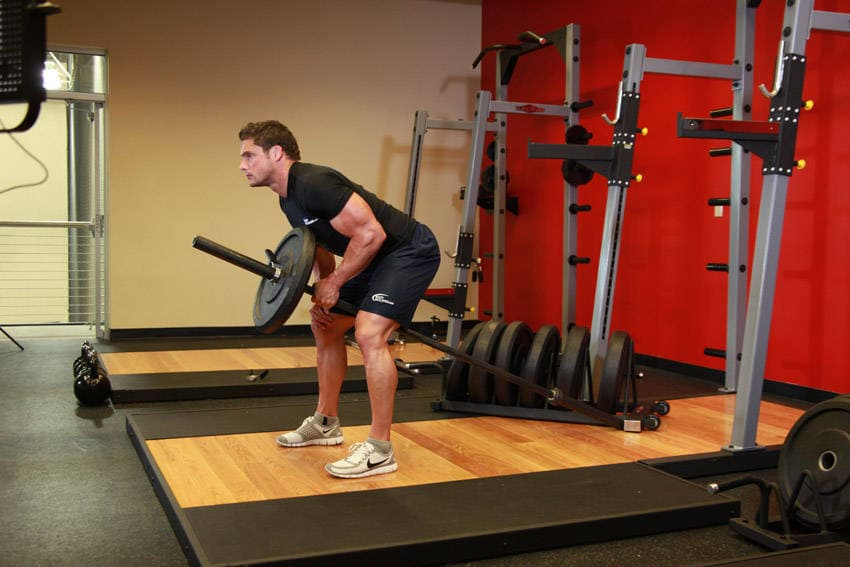
Bent Over One-Arm Long Bar Row
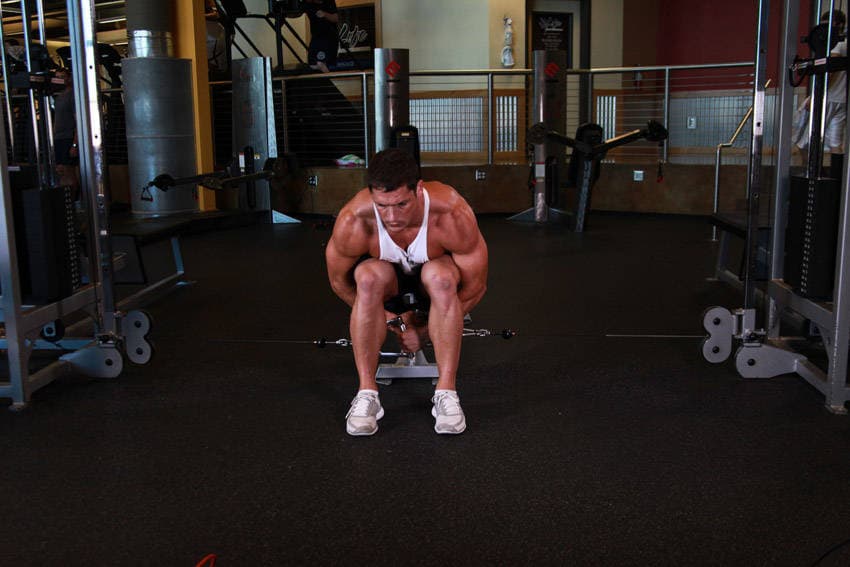
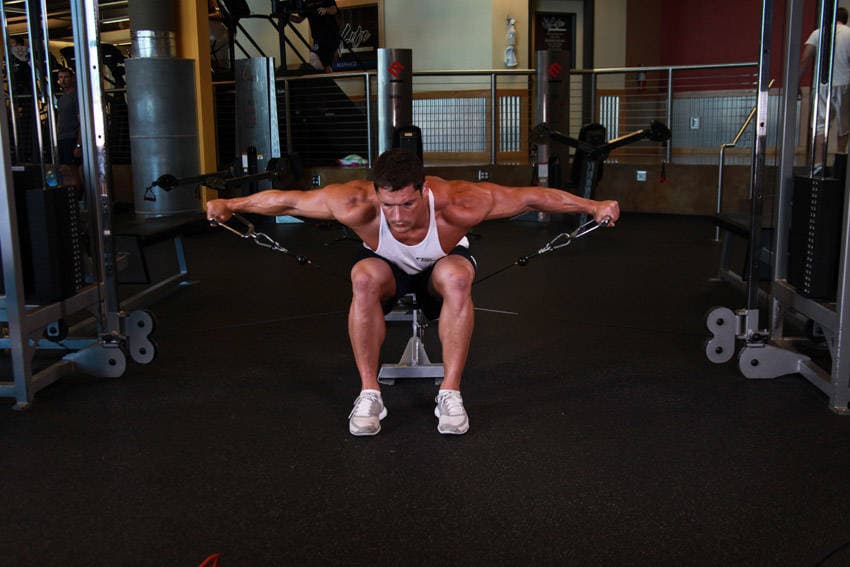
Cable Seated Lateral Raise
When to See a Doctor
Seek medical attention if neck pain radiates down the arm with numbness, you have progressive weakness in the arm or hand, the neck is severely limited in rotation, or if pain follows a traumatic event.
Self-Care Tips
Stretch the scalenes and SCM with gentle lateral neck flexion
Avoid carrying heavy bags on one shoulder
Sleep with a supportive pillow that keeps the neck aligned
Practice deep diaphragmatic breathing to reduce scalene overuse
Related Neck Pain
Neck Muscles
Explore all neck muscles in 3D
Activities & Sports
Find which activities involve this area