Neck
Back of Neck
Pain at the back of the neck involves the suboccipital muscles, semispinalis, splenius, and upper trapezius. It is extremely common with desk work, forward head posture, and stress, and can radiate upward to cause tension headaches.
Medical Disclaimer
This information is for educational purposes only and does not constitute medical advice. Consult a qualified healthcare provider for proper diagnosis and treatment of any pain or medical condition.
Common Causes
Forward head posture from prolonged screen use
Suboccipital muscle tension causing tension headaches
Cervical spondylosis or degenerative changes
Upper trapezius and levator scapulae overload
Stress-related muscle guarding
Muscles in This Area
9Neck
semispinalis capitis
This thick muscle spans upper thoracic and lower cervical to occiput, extending and rotating the head. Buffers heavy axial loads in powerlifters and stabilizes during shrugs. Key for countering forward head in tech users.
Neck
semispinalis cervicis
The semispinalis cervicis runs from upper thoracic to cervical transverse processes, extending the neck. Supports head during upright posture and overhead presses. Vital for cervical stability in contact sports.
Neck
splenius capitis
Broad muscle upper neck/shoulder blade extends/rotates head. Key for neck strength in presses.
Neck
splenius cervicis
Lower splenius extends/rotates cervical spine.
Neck
rectus capitis posterior major
The rectus capitis posterior major is a small deep neck muscle at the base of your skull, running from the upper cervical spine to the occiput. It extends and rotates the head, helping maintain upright posture during daily activities and workouts. Strong suboccipitals like this one prevent forward head posture common in desk workers and lifters.
Neck
rectus capitis posterior minor
This tiny deep neck muscle sits just below the occiput, connecting the atlas to the skull. It assists in head extension and rotation, crucial for stabilizing your head during heavy lifts or prolonged sitting. Weakness contributes to chronic neck stiffness in fitness enthusiasts.
Neck
obliquus capitis superior
Upper suboccipital extending and bending the head laterally while stabilizing occiput. Works with rotators for precise head control in aiming sports. Prevents atlanto-occipital instability.
Neck
obliquus capitis inferior
Deep suboccipital muscle rotating the atlas on axis for head turns. Stabilizes craniocervical junction during neck twists in sports. Critical for proprioception and dizziness prevention in rotational training.
Upper Back
trapezius
The trapezius is your large, diamond-shaped upper back muscle from neck to mid-back and shoulders. It elevates, retracts, and depresses the scapulae for shrugging, pulling, and posture. Essential for overhead lifts, neck stability, and preventing rounded shoulders.
Stretches That May Help
Recommended Exercises
12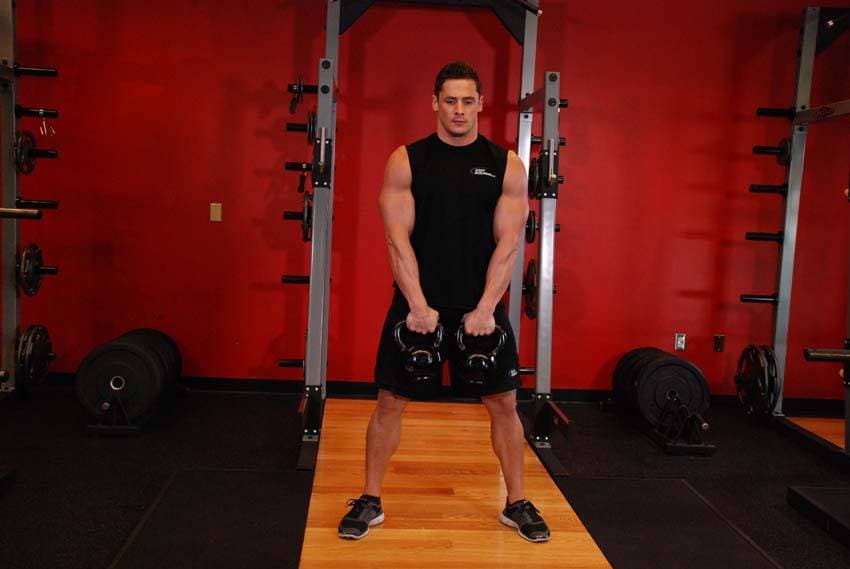
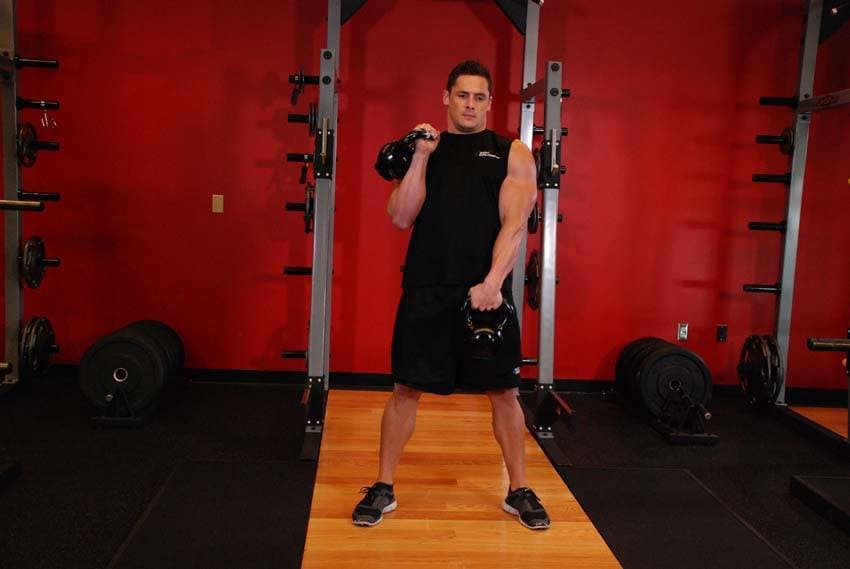
Alternating Hang Clean
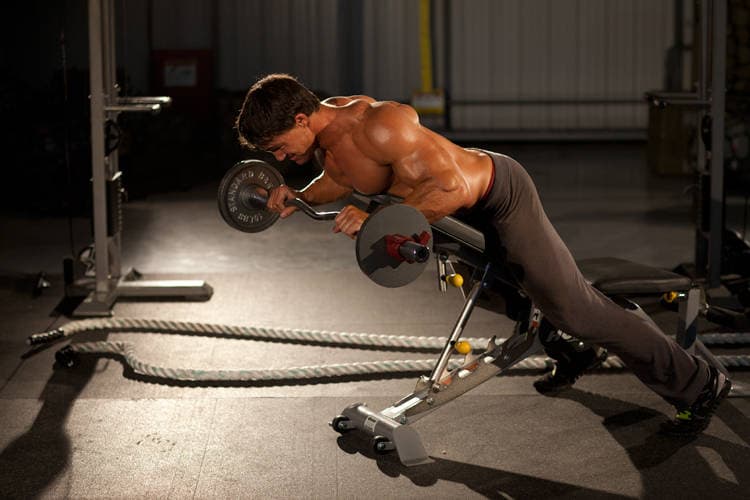
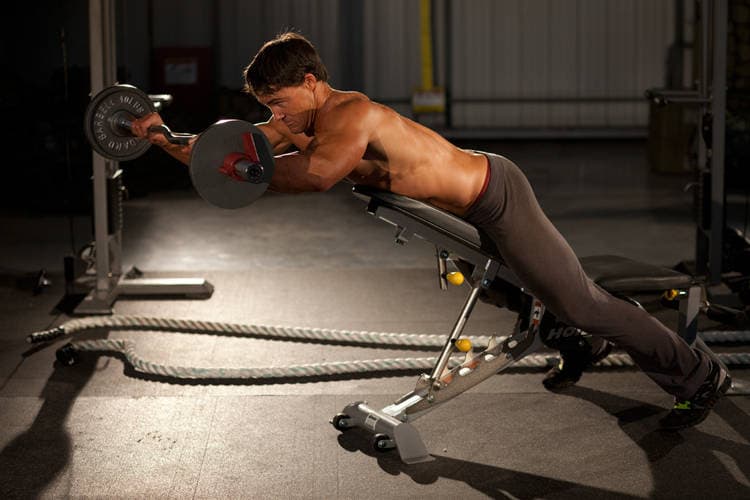
Anti-Gravity Press
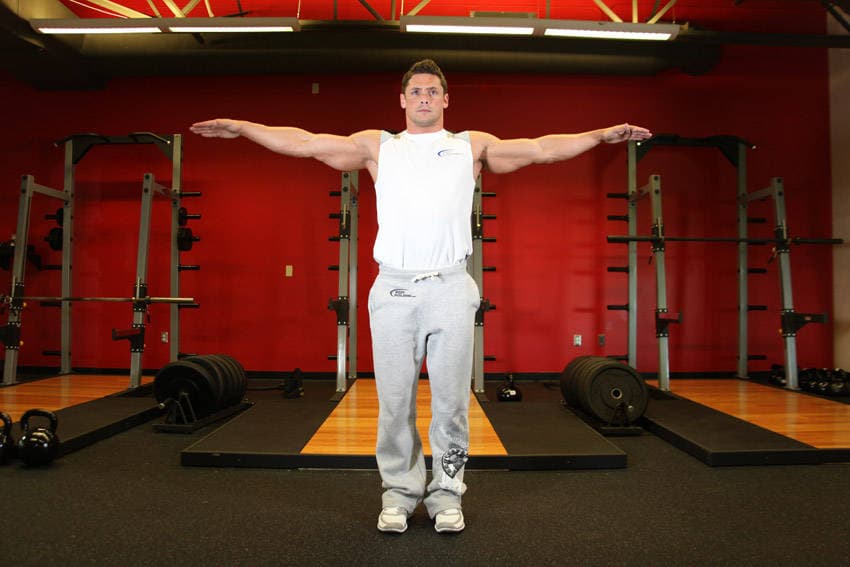
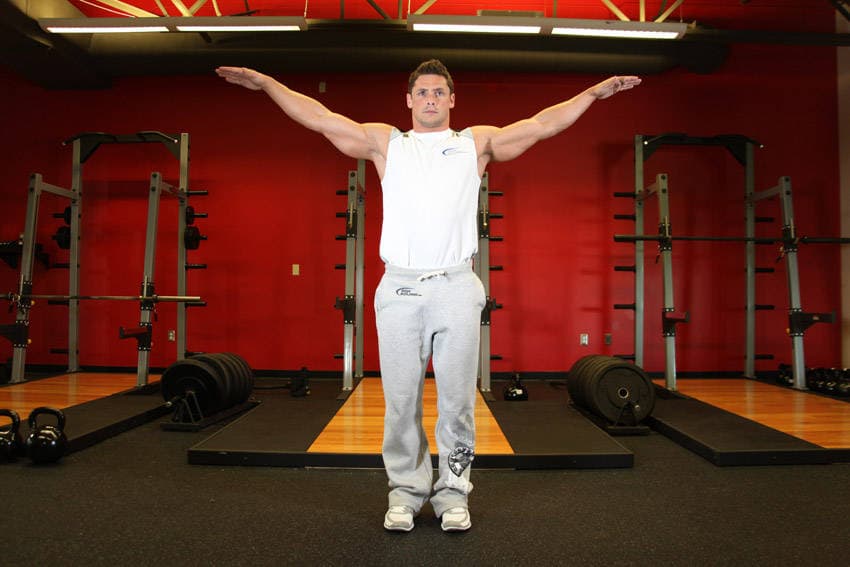
Arm Circles
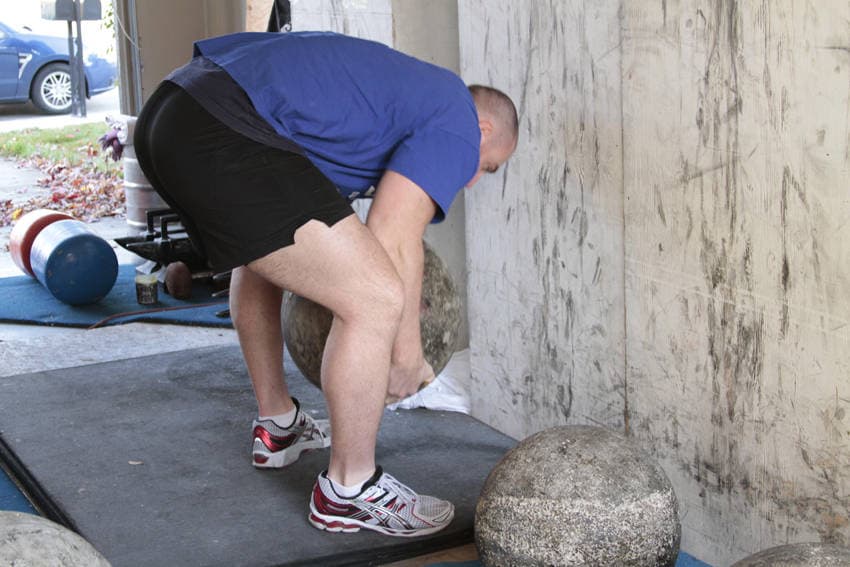
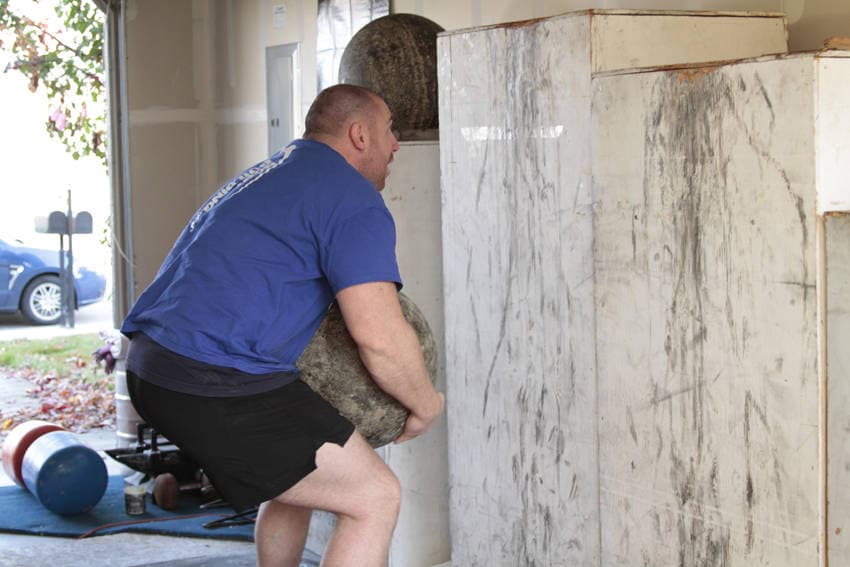
Atlas Stones
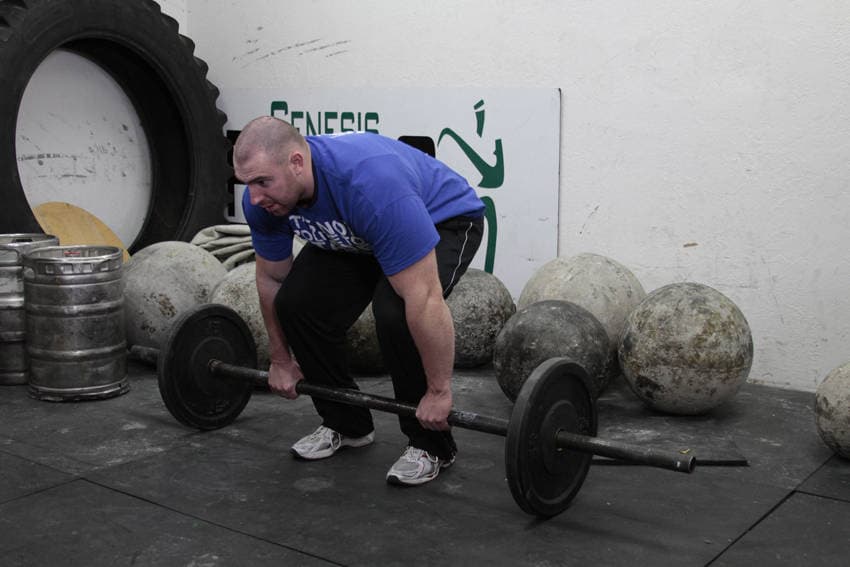
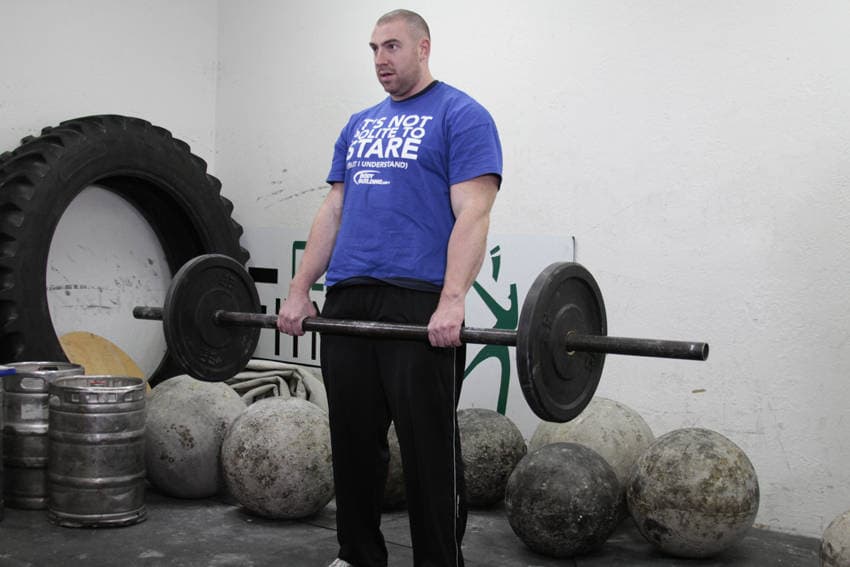
Axle Deadlift
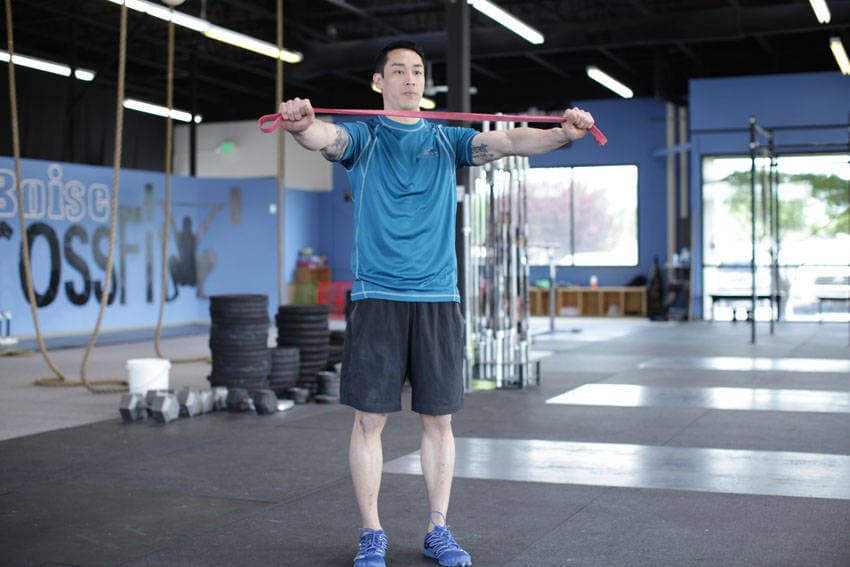
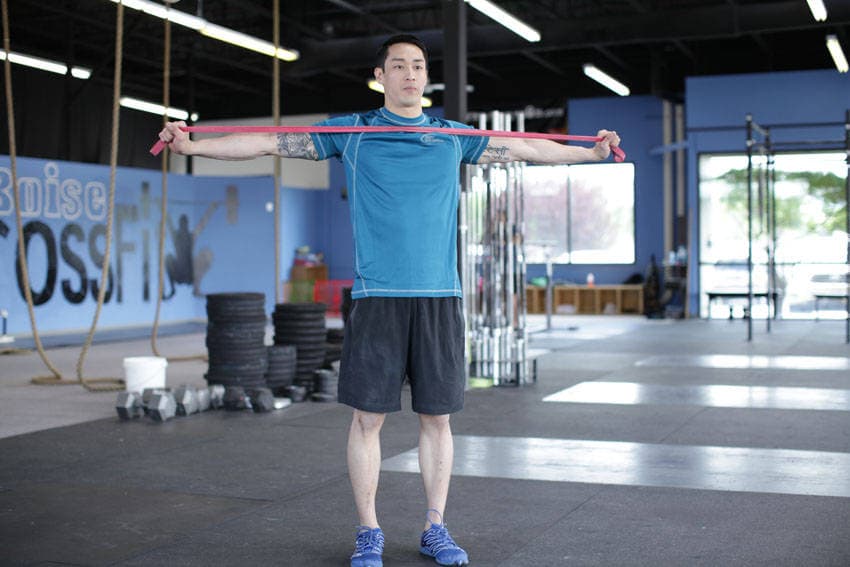
Band Pull Apart
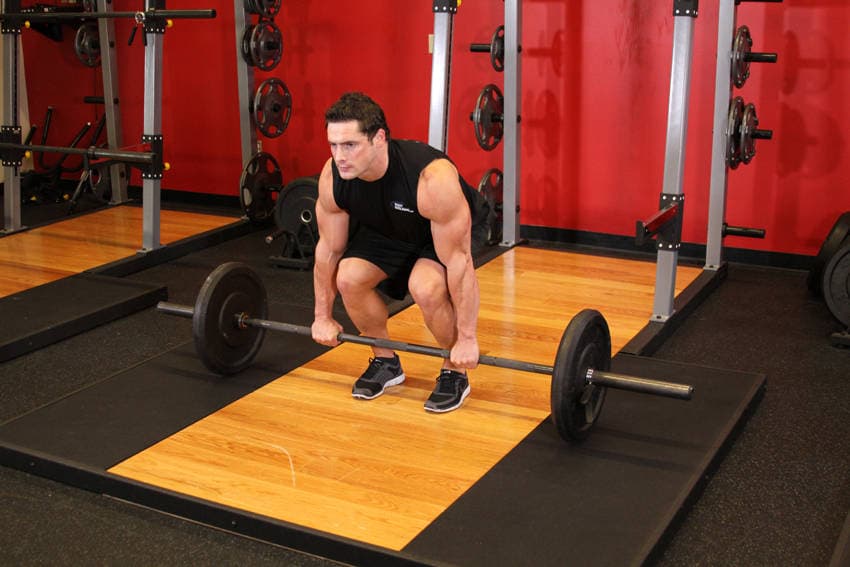
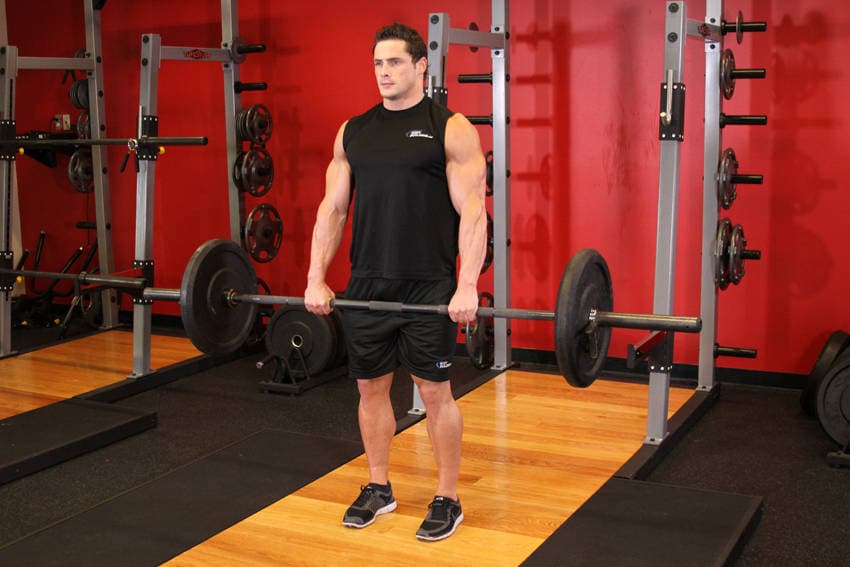
Barbell Deadlift
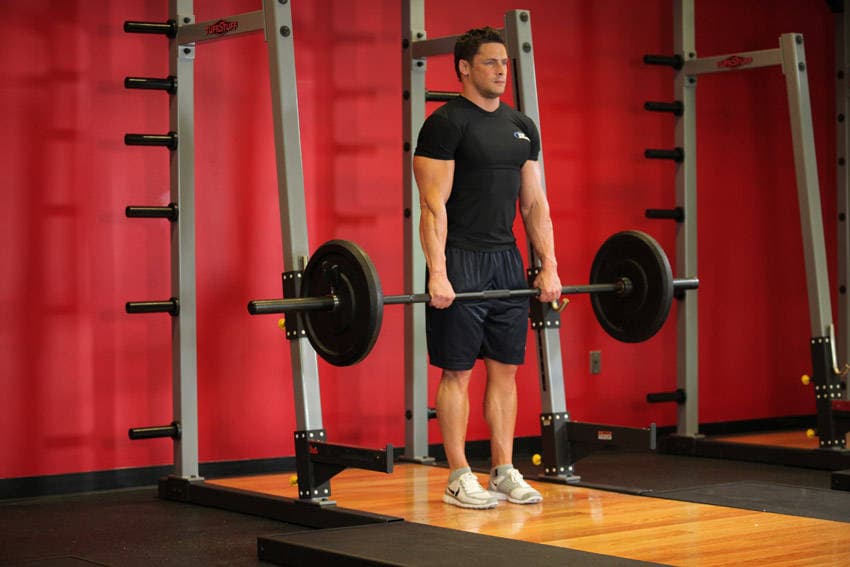
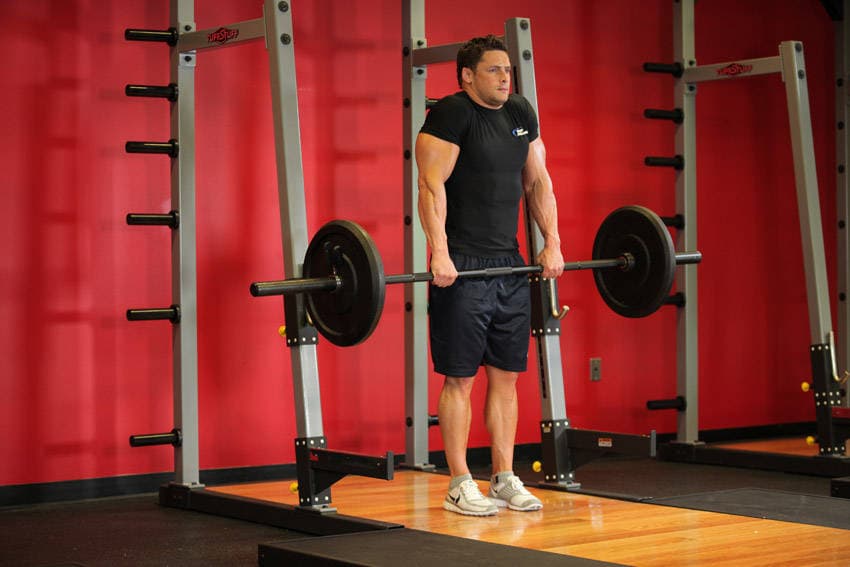
Barbell Shrug
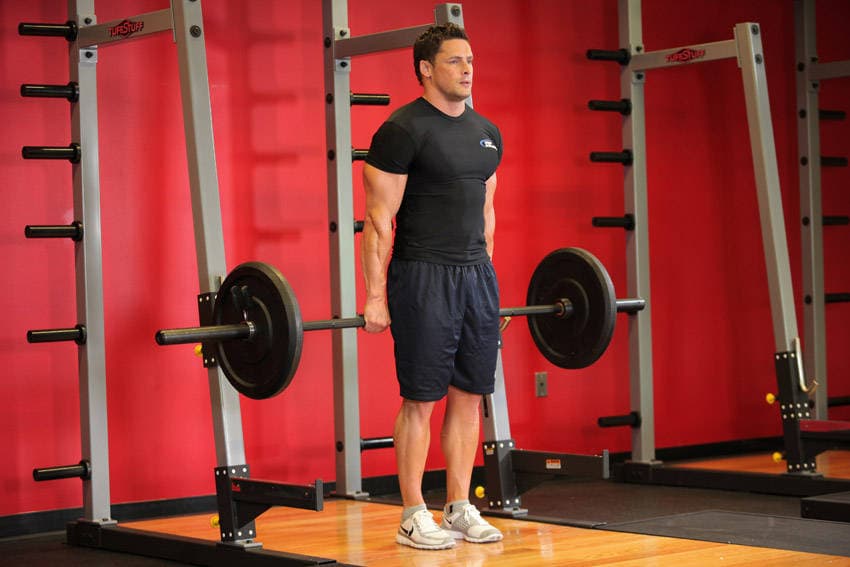
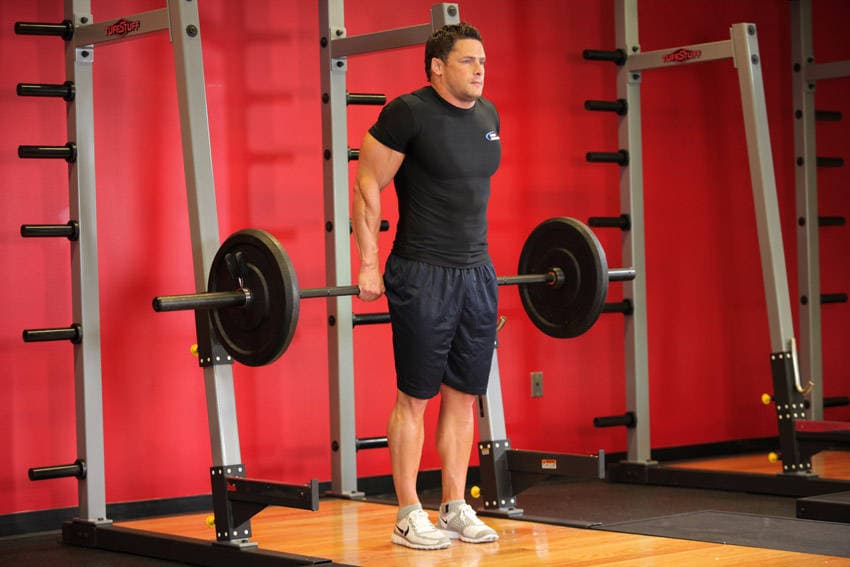
Barbell Shrug Behind The Back
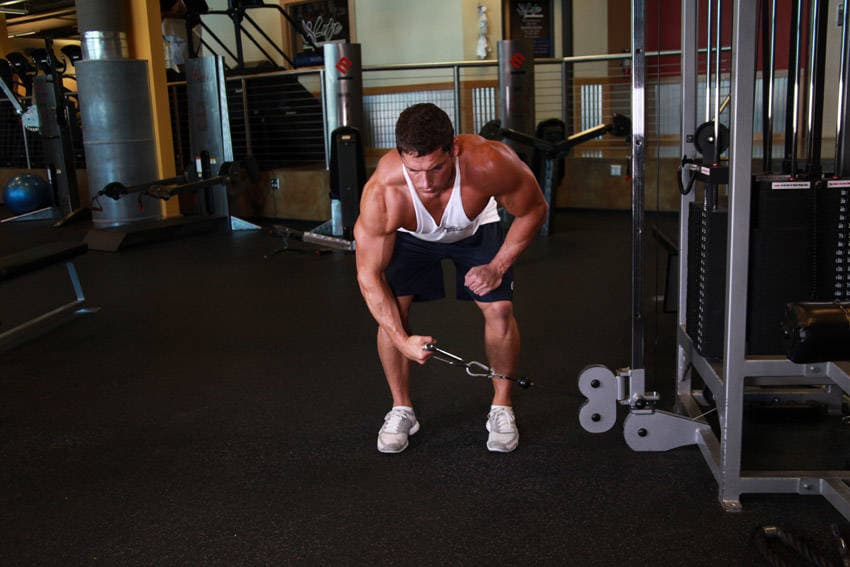
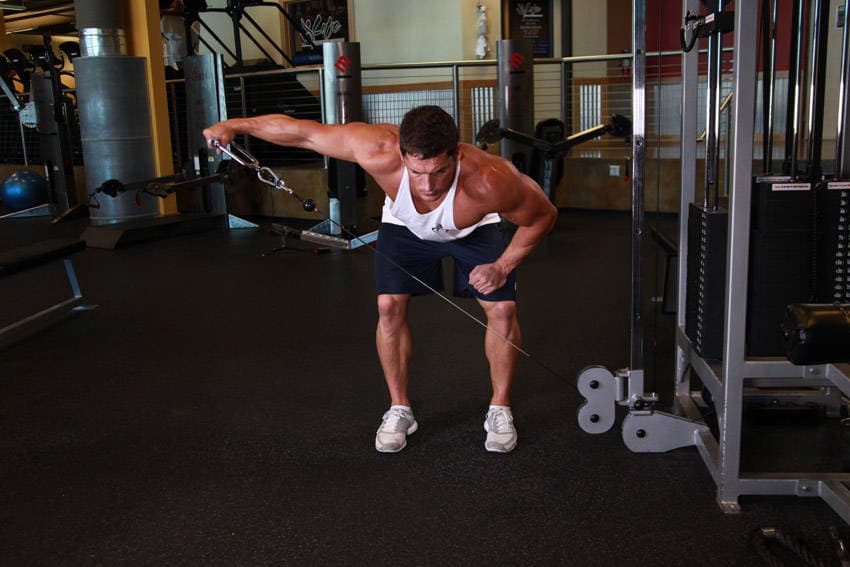
Bent Over Low-Pulley Side Lateral

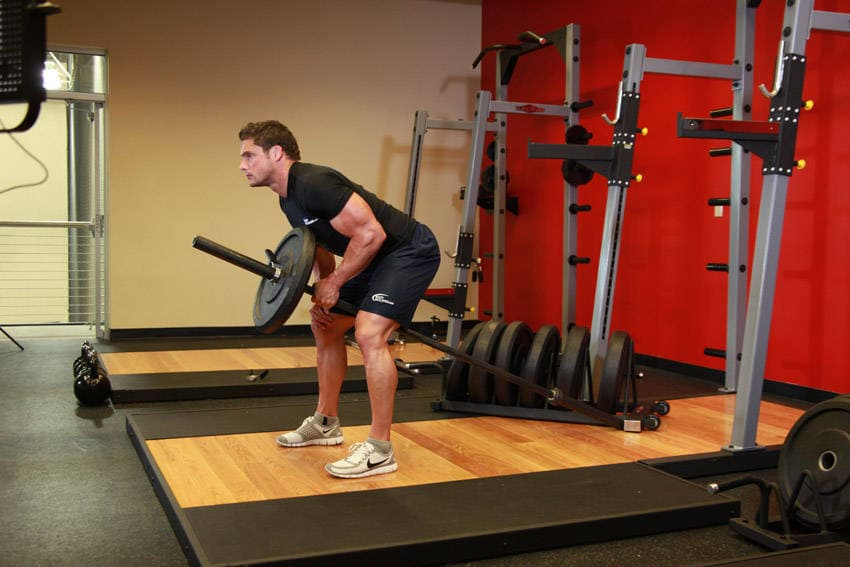
Bent Over One-Arm Long Bar Row
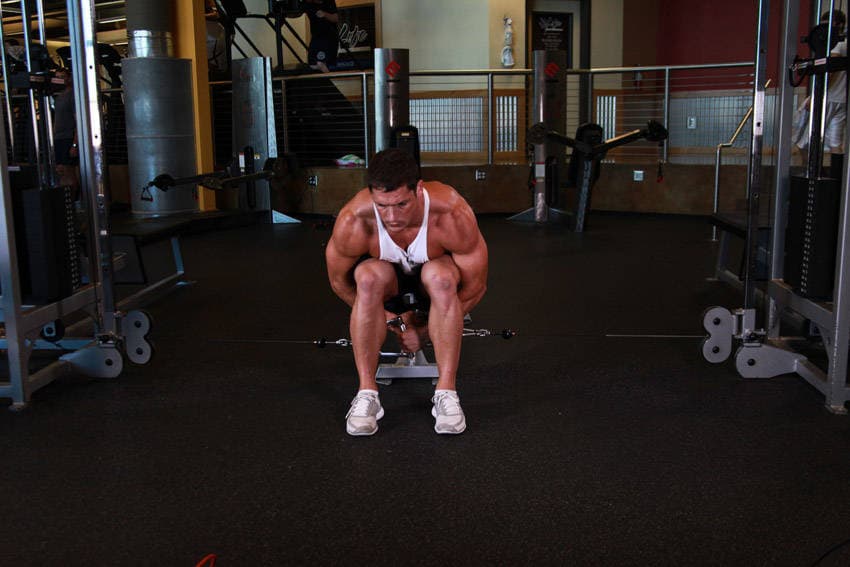
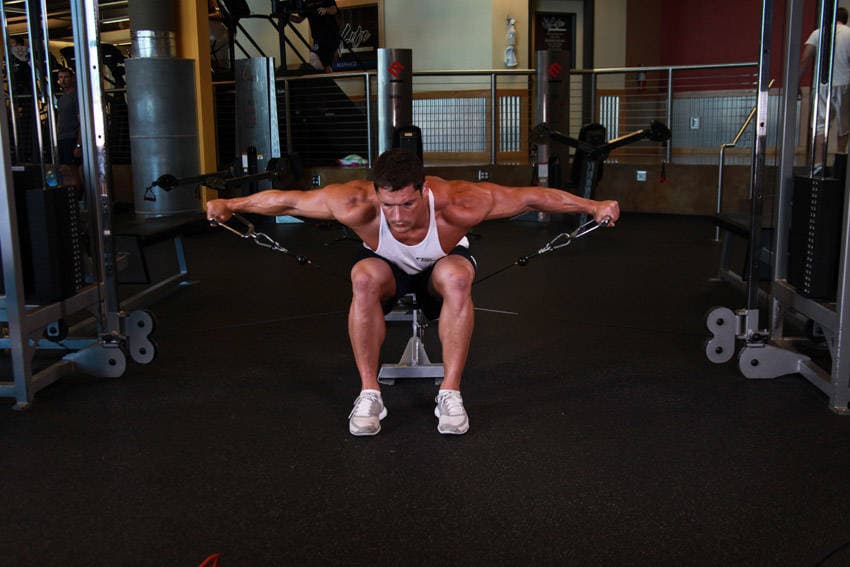
Cable Seated Lateral Raise
When to See a Doctor
Seek medical attention if you experience severe headaches with neck stiffness, fever, visual disturbances, difficulty with balance, or pain following a head or neck injury.
Self-Care Tips
Perform chin tucks to counteract forward head posture
Gently stretch the suboccipital muscles with a chin tuck and nod
Use a lacrosse ball at the base of the skull to release tension
Maintain monitor at eye level to reduce neck strain
Related Neck Pain
Neck Muscles
Explore all neck muscles in 3D
Activities & Sports
Find which activities involve this area