Pelvis
iliococcygeus
il-ee-oh-kok-SIJ-ee-us
The iliococcygeus forms the back part of the pelvic floor, spanning from pelvis to tailbone, supporting organs and pelvic stability. Important for core integrity in heavy lifts and preventing incontinence. Weakness shows in squats or postpartum.
Open in 3D ViewerCommon Pain & Injury
Pelvic floor dysfunction causes deep buttock or rectal pressure, urgency. Prolapse risk. See pelvic PT or doc for bowel/bladder changes.
Anatomy & Function
Origin
Tendinous arch of levator ani and ischial spine (pelvic side wall)
Insertion
Anococcygeal ligament and coccyx (tailbone ligaments)
Actions
- Elevates pelvic floor
- Supports pelvic viscera
- Aids defecation
Innervation
Pudendal nerve (S3-S4) and direct sacral branches
Muscle Relationships
Antagonists
Synergists
Trigger Points
Sparse documentation; local pelvic pain, possible referral to sacrum.
Stretches
Common Conditions
Anatomical Parts
FAQ
What is iliococcygeus muscle?
Pelvic floor muscle supporting bladder/bowel, key for core stability.
Iliococcygeus pain symptoms?
Deep pelvic ache, worse sitting or straining.
Strengthen iliococcygeus?
Kegels and bridges target pelvic floor endurance.
Exercises for iliococcygeus
20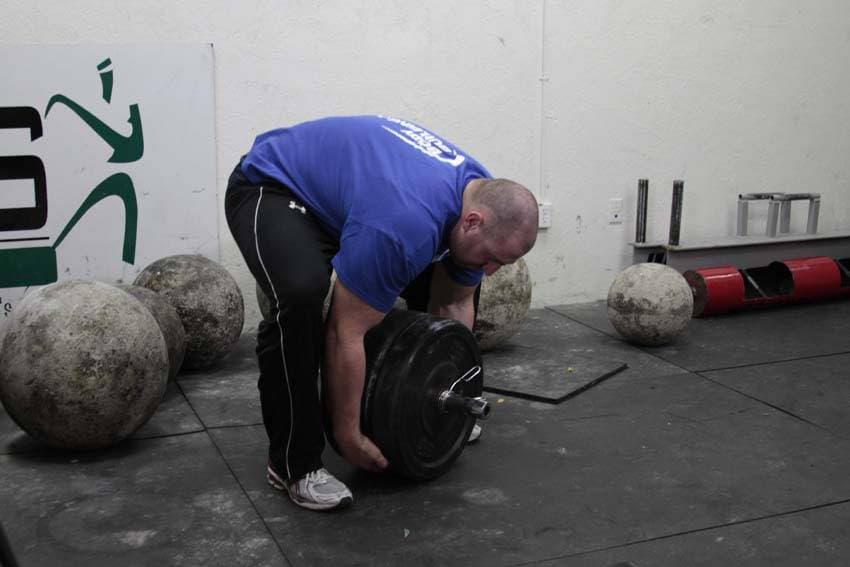
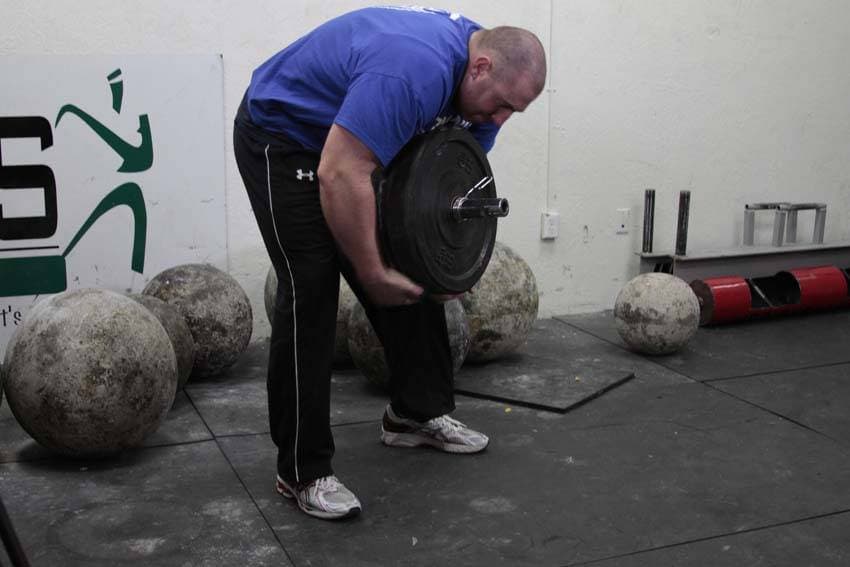
Atlas Stone Trainer
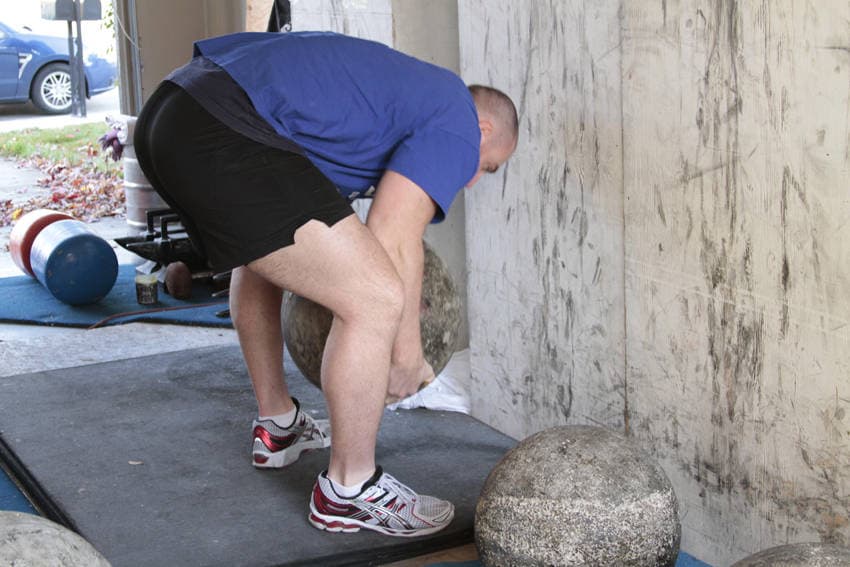
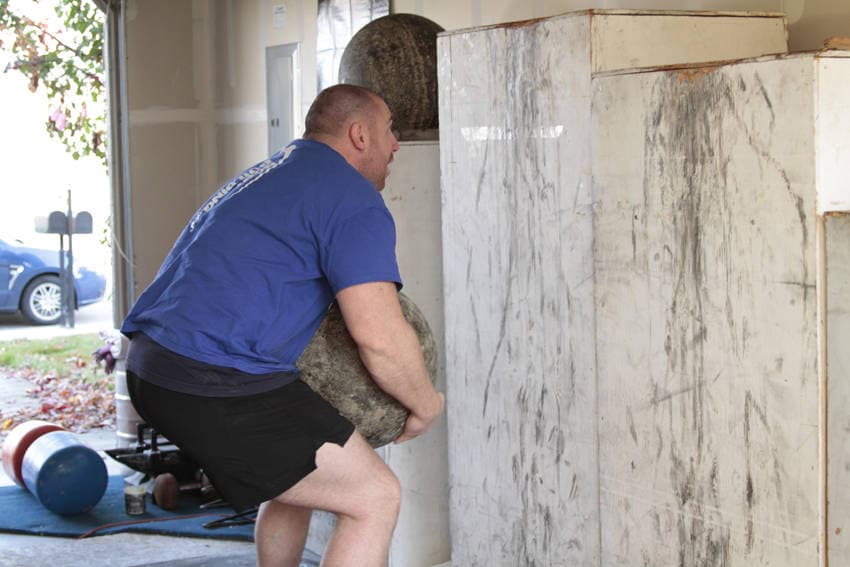
Atlas Stones
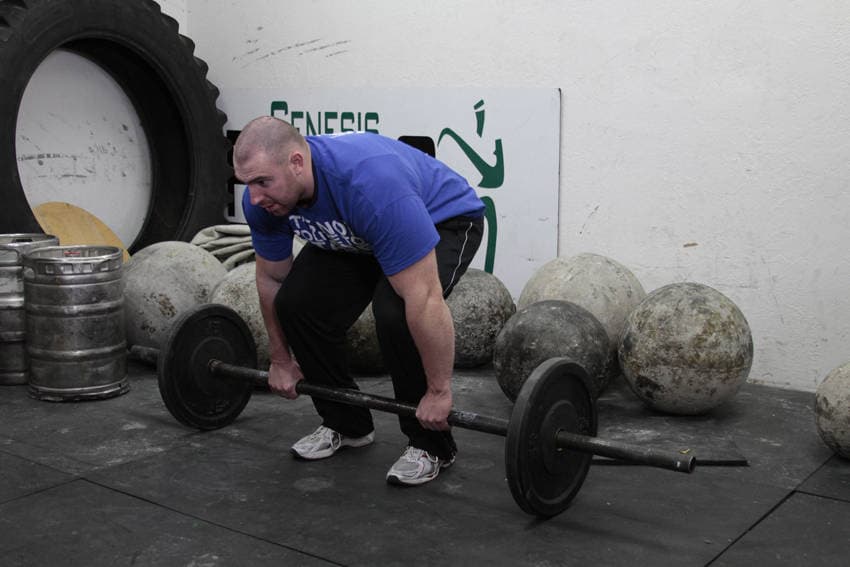
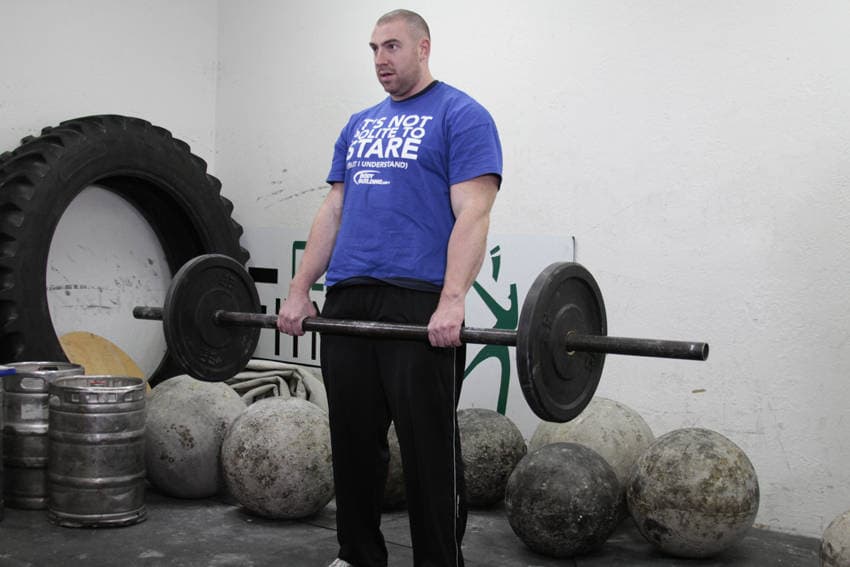
Axle Deadlift
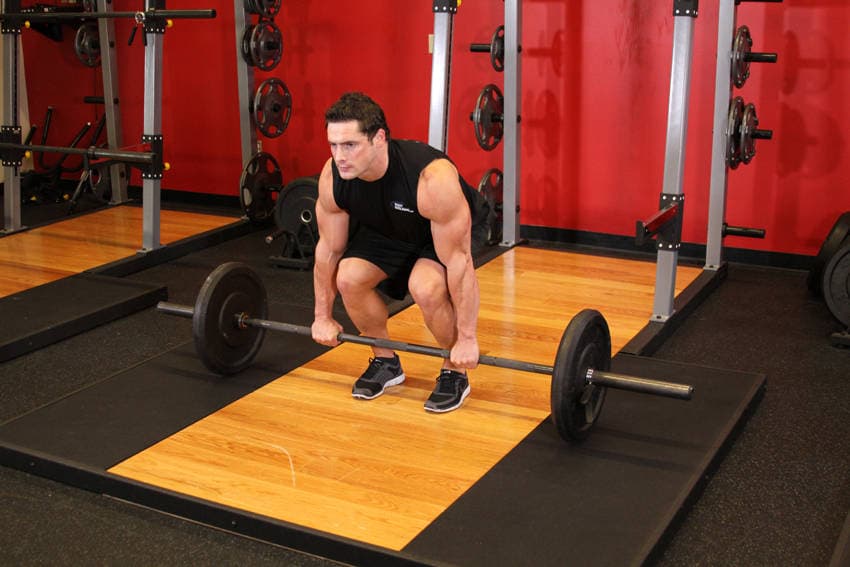
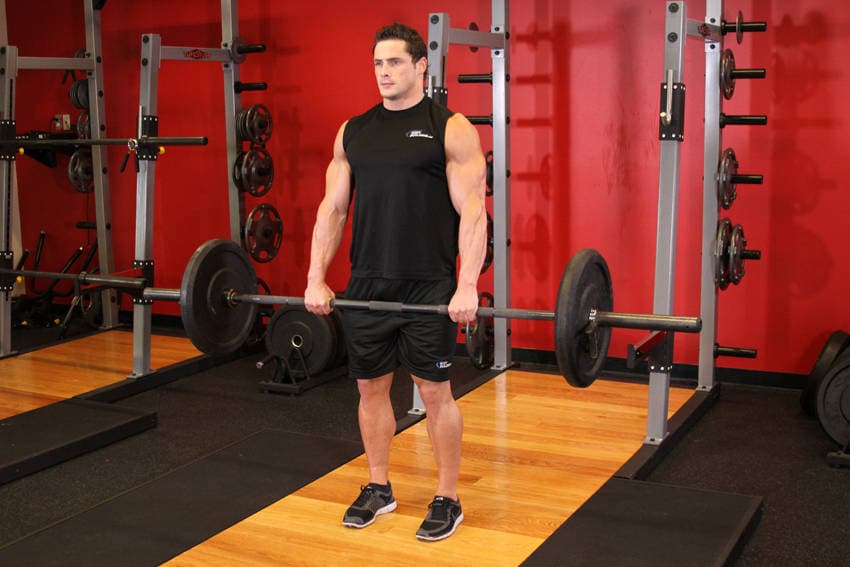
Barbell Deadlift
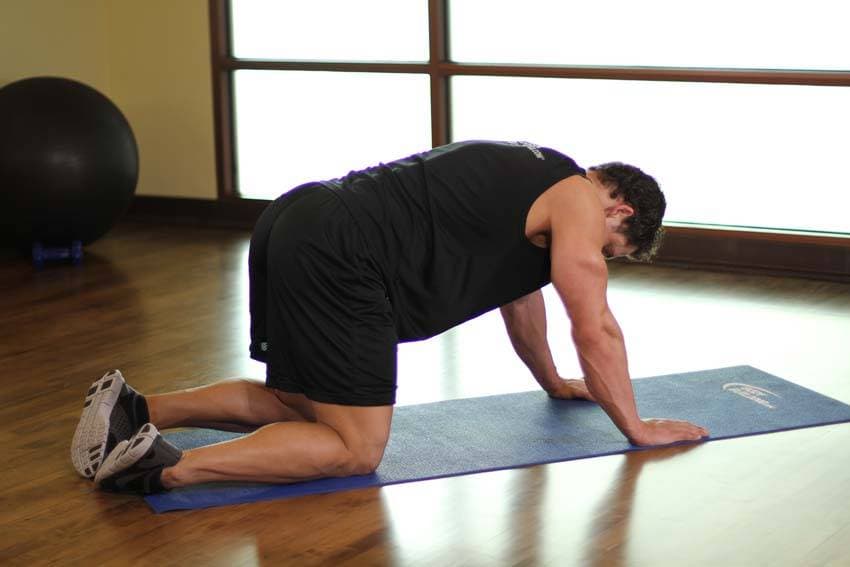
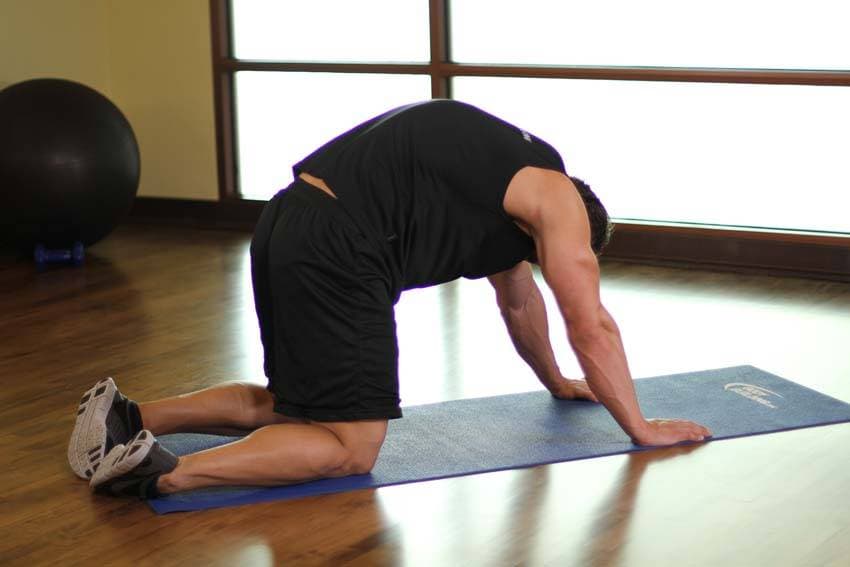
Cat Stretch
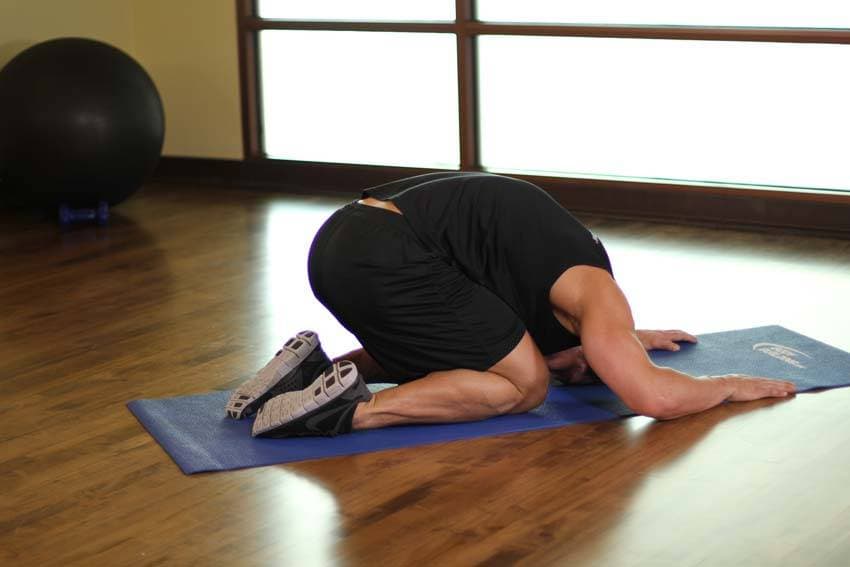
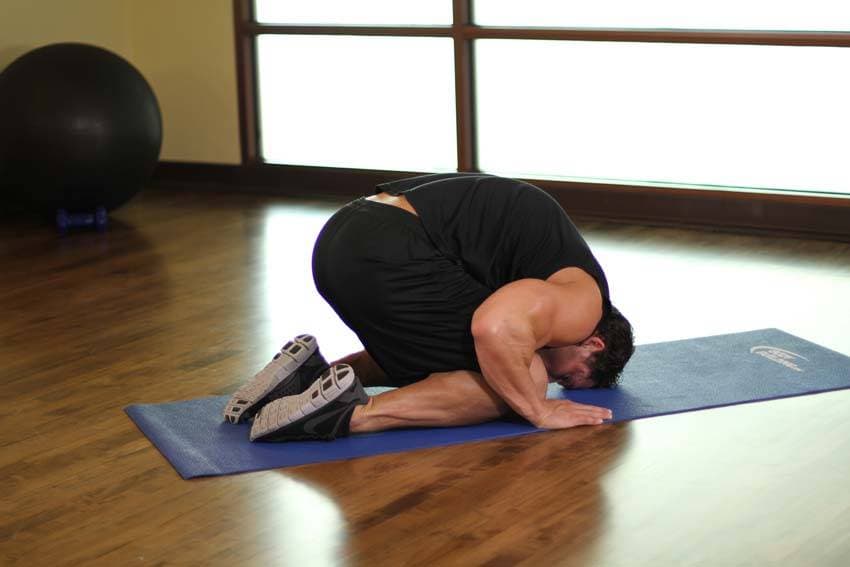
Child's Pose
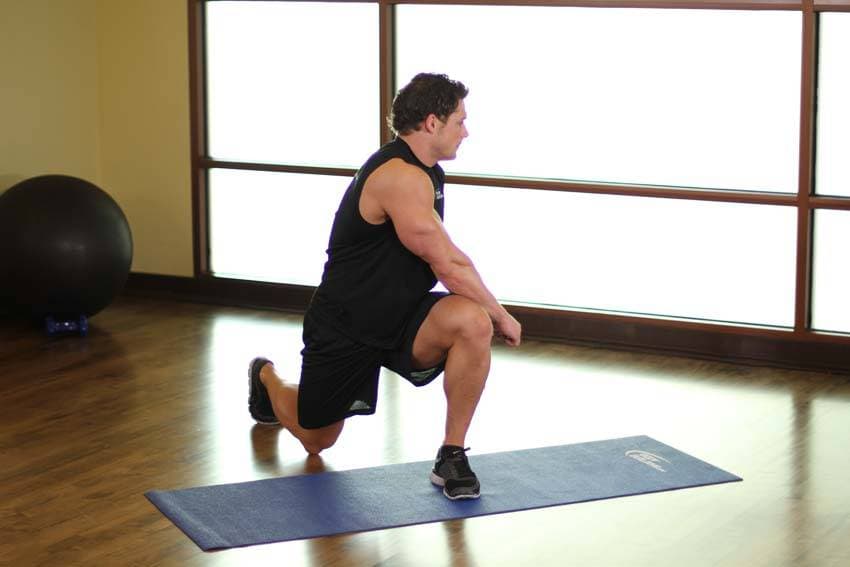
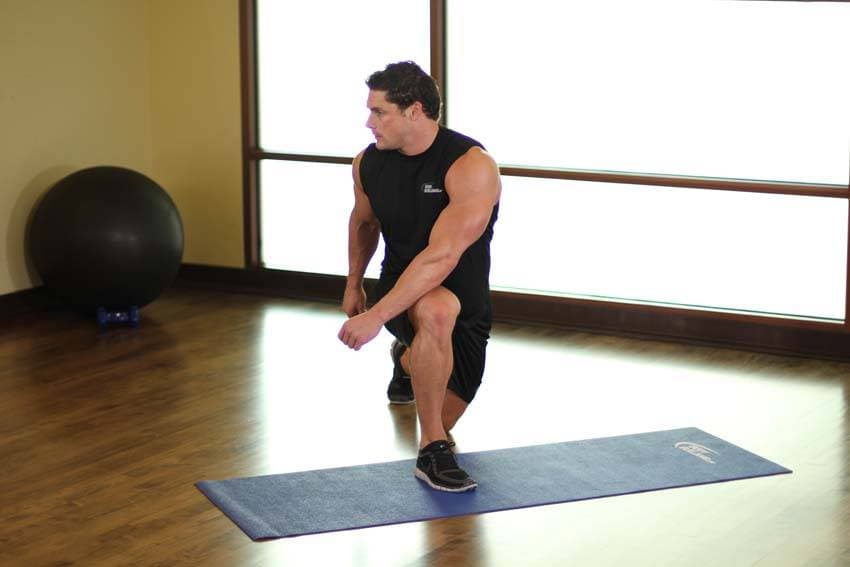
Crossover Reverse Lunge
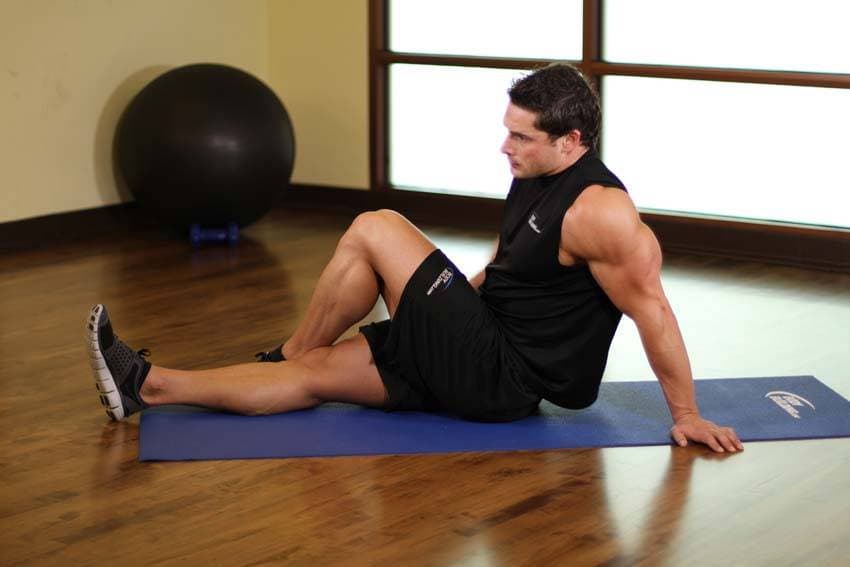
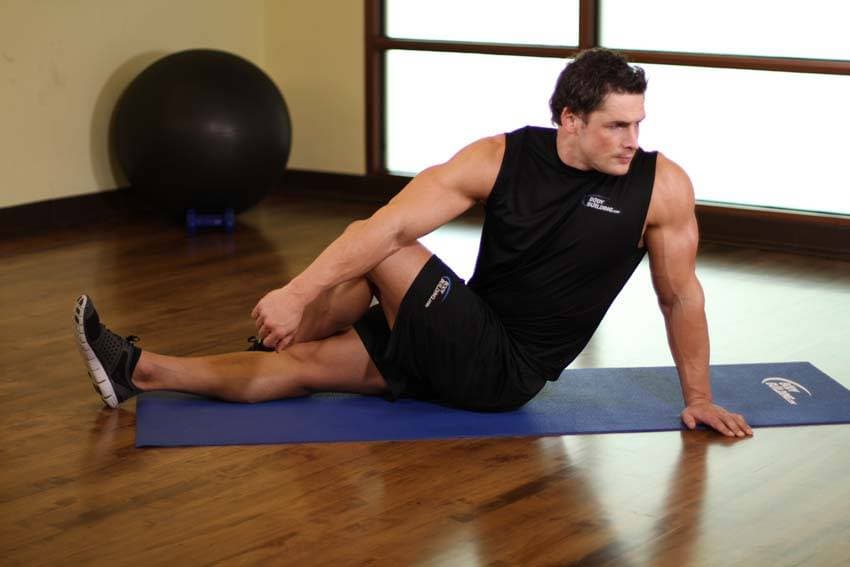
Dancer's Stretch
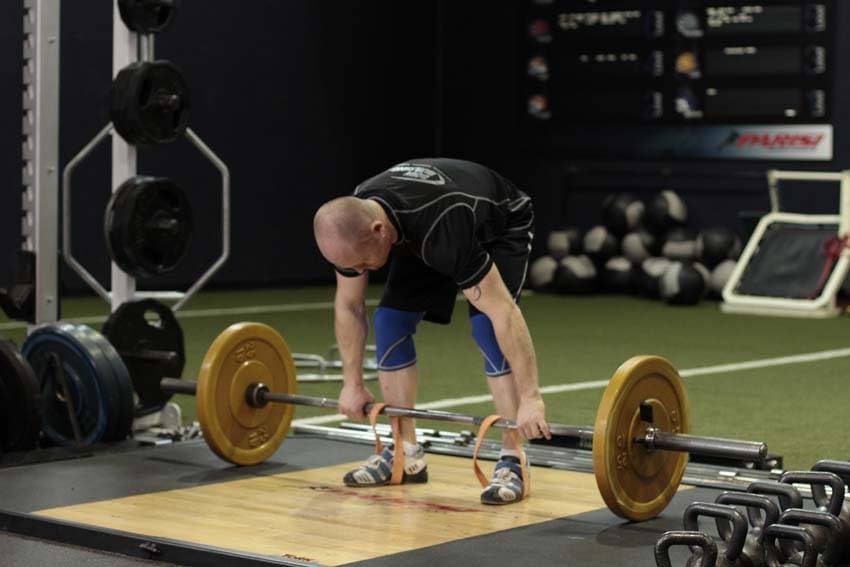
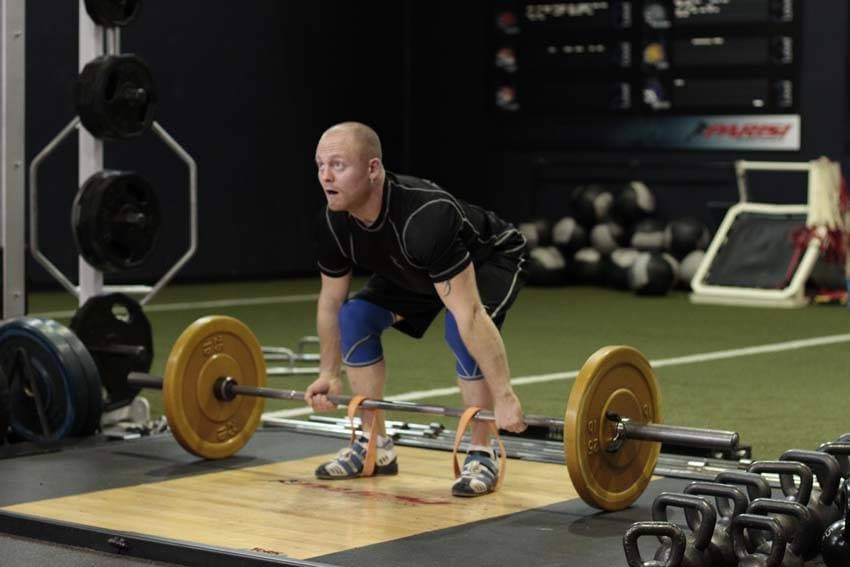
Deadlift with Bands
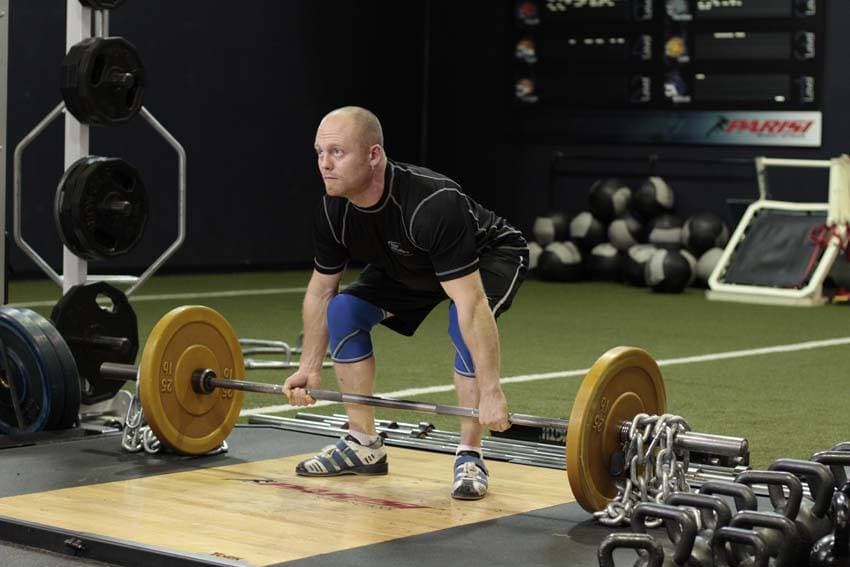
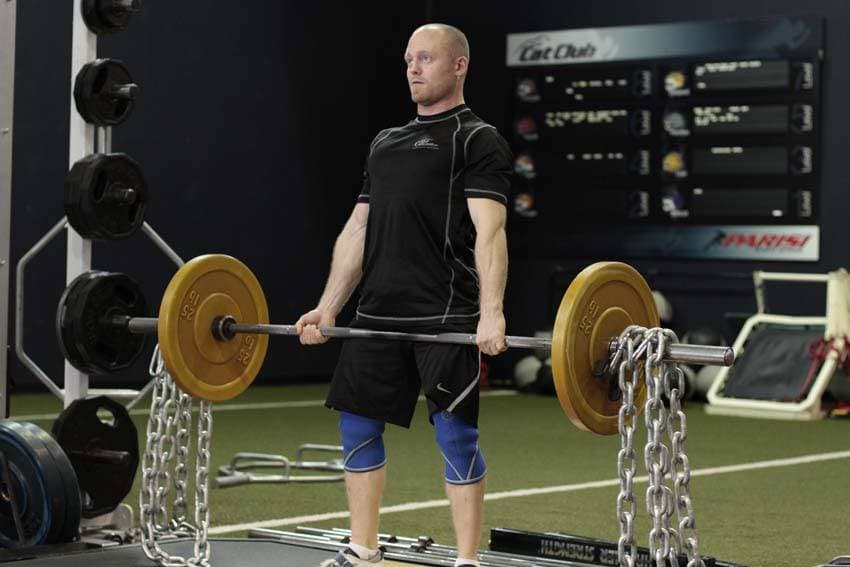
Deadlift with Chains
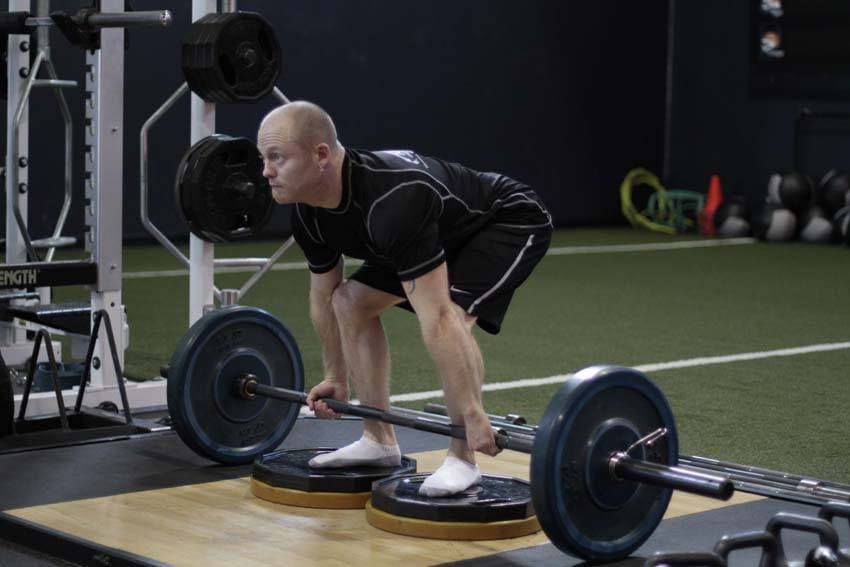
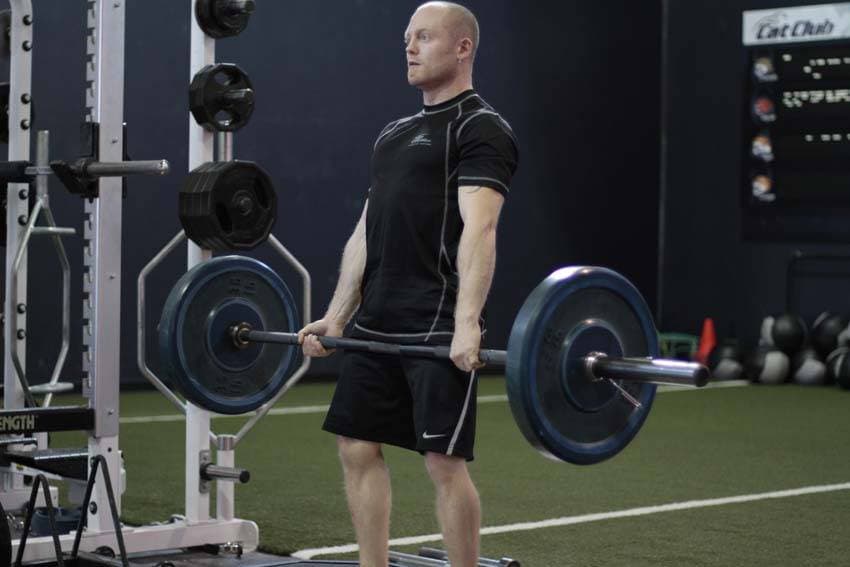
Deficit Deadlift
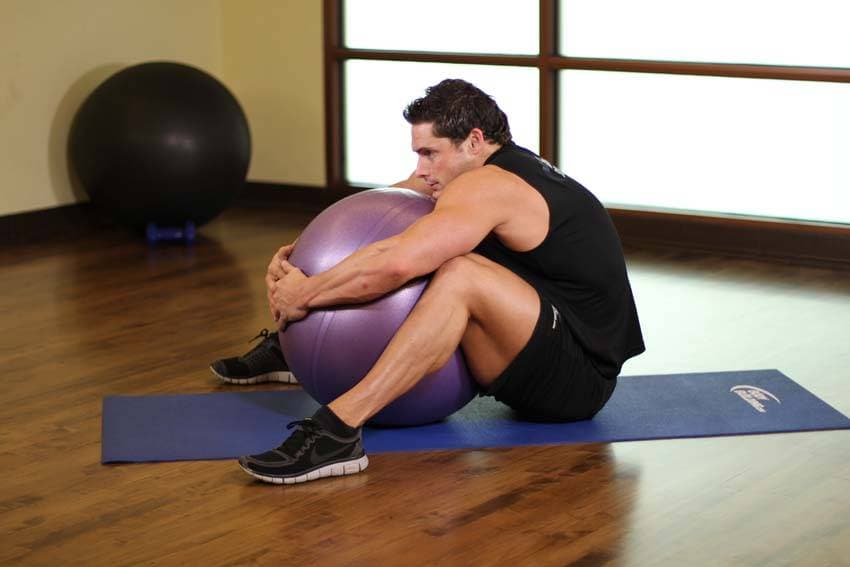
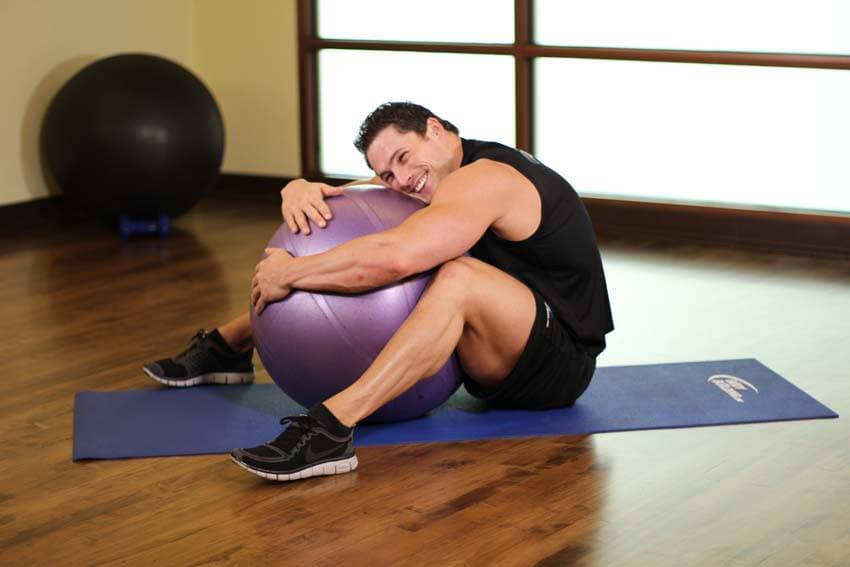
Hug A Ball
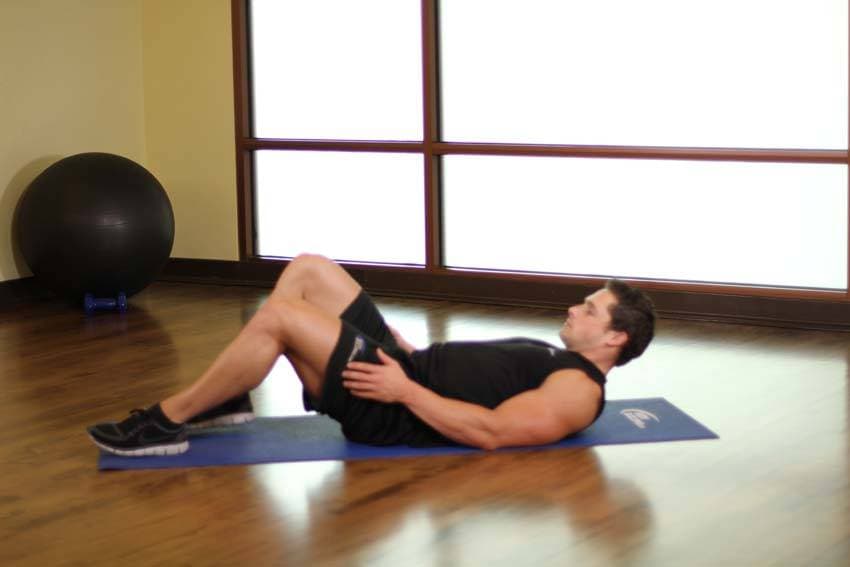
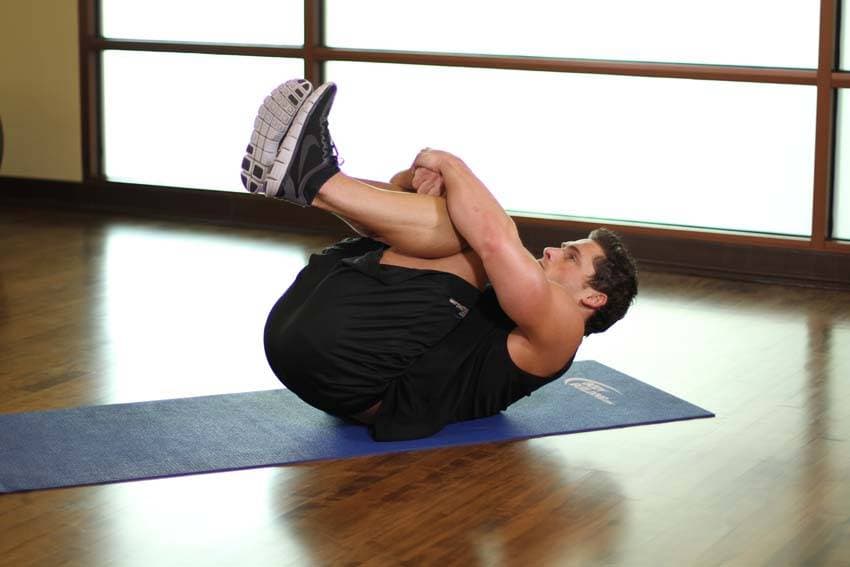
Hug Knees To Chest
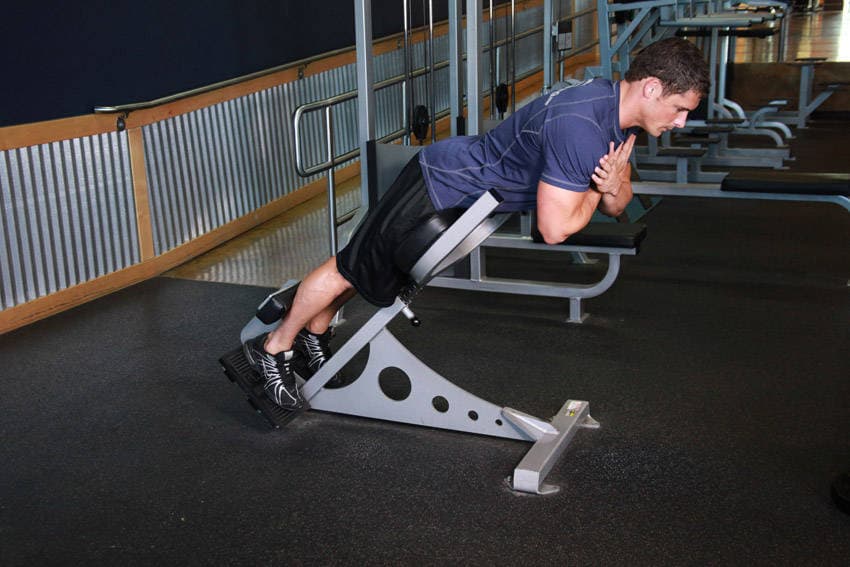
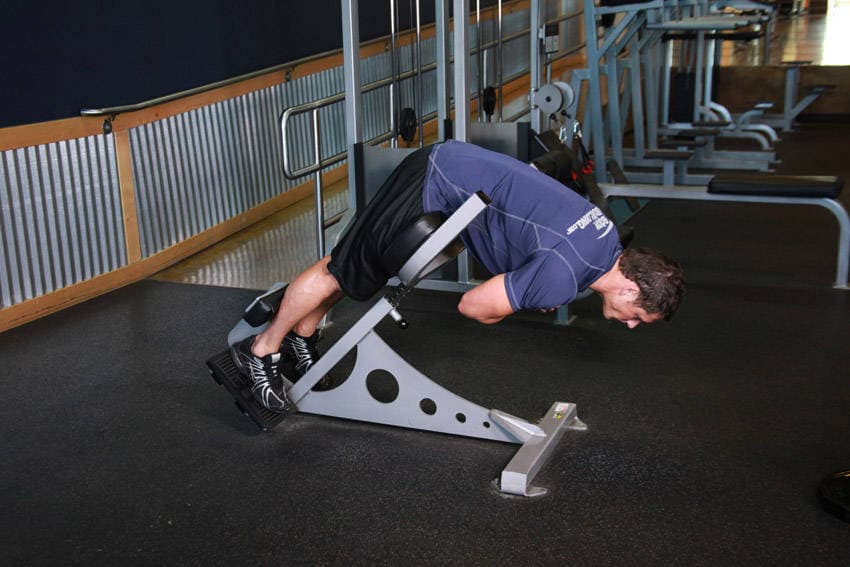
Hyperextensions (Back Extensions)
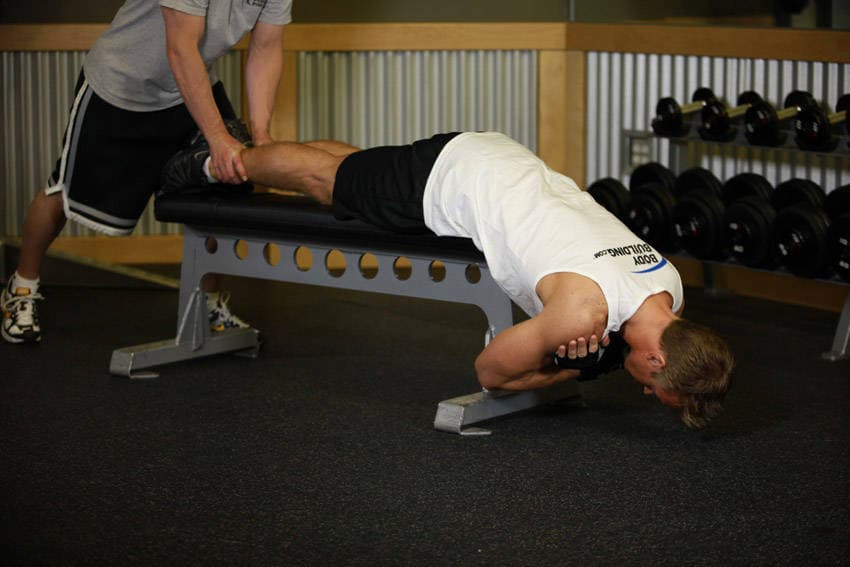
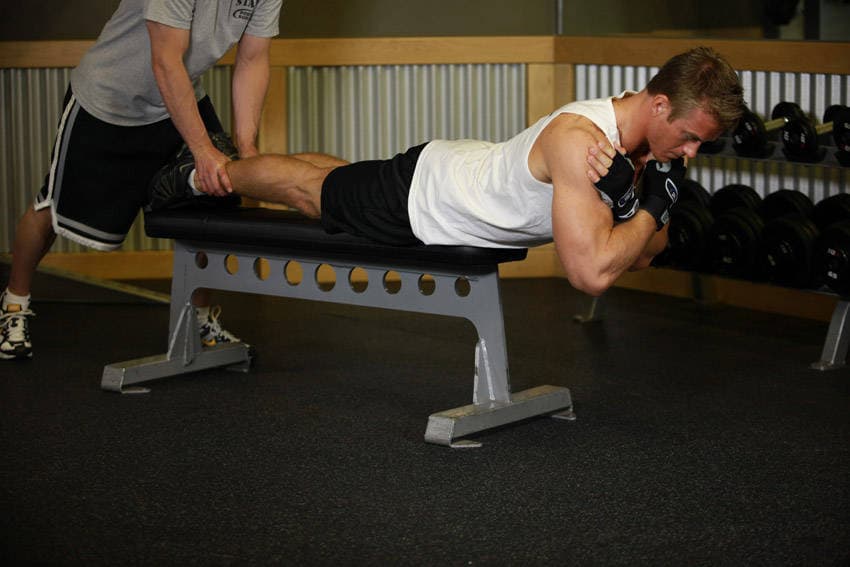
Hyperextensions With No Hyperextension Bench
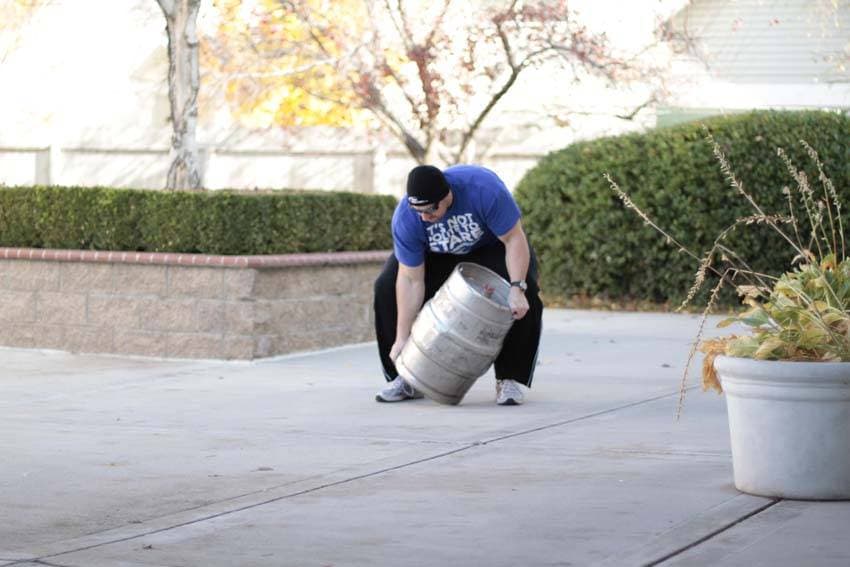
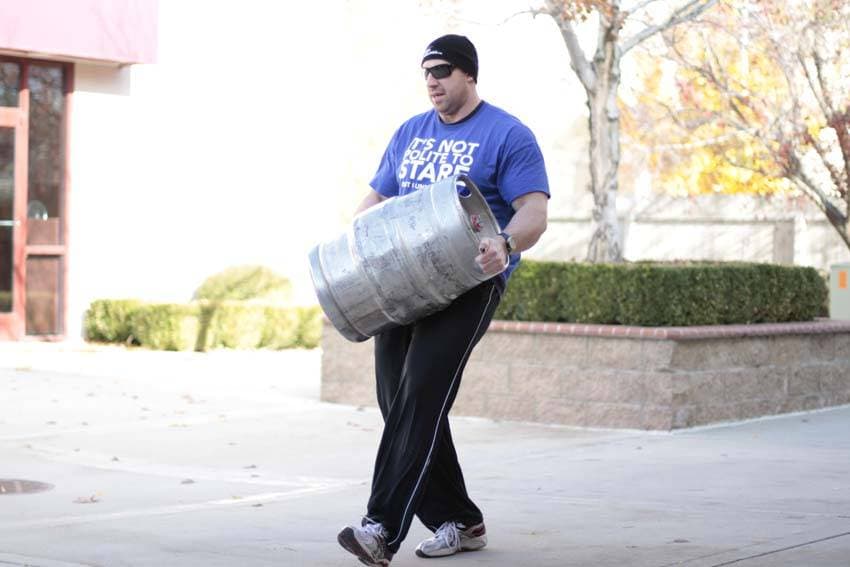
Keg Load
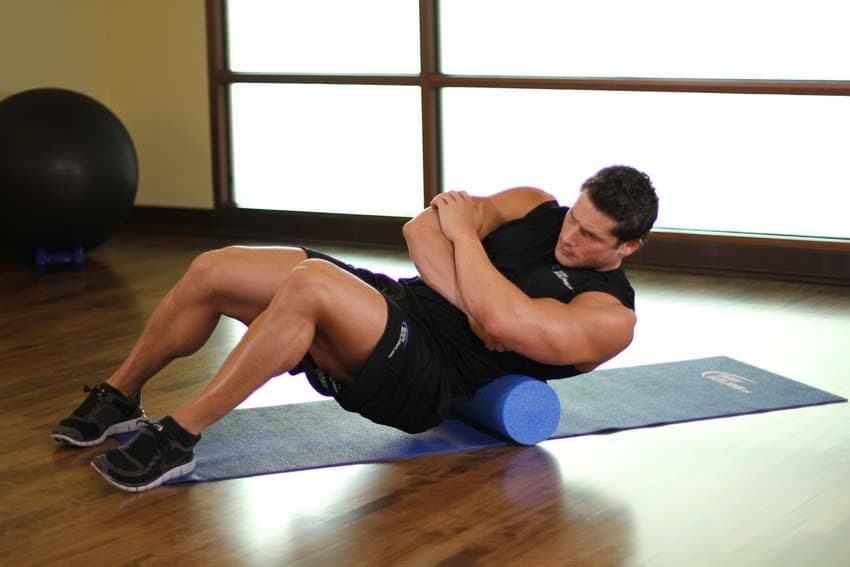
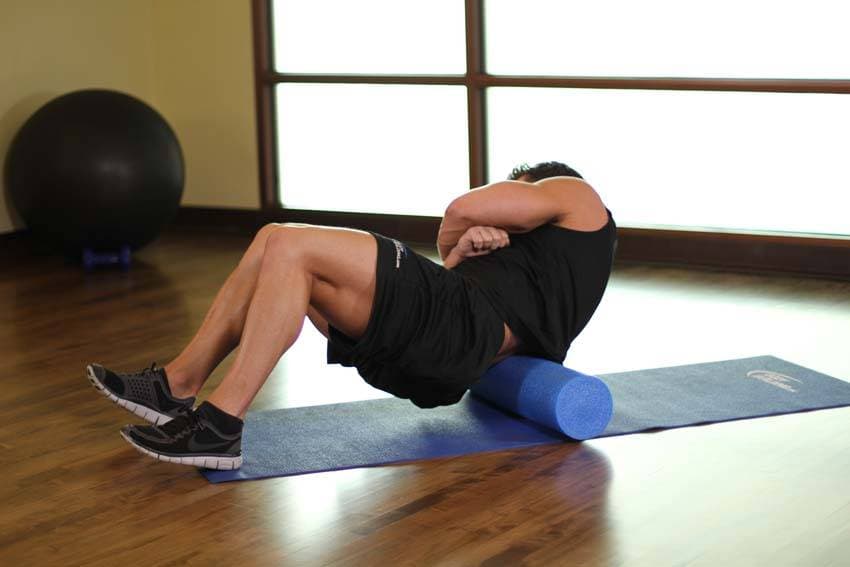
Lower Back-SMR
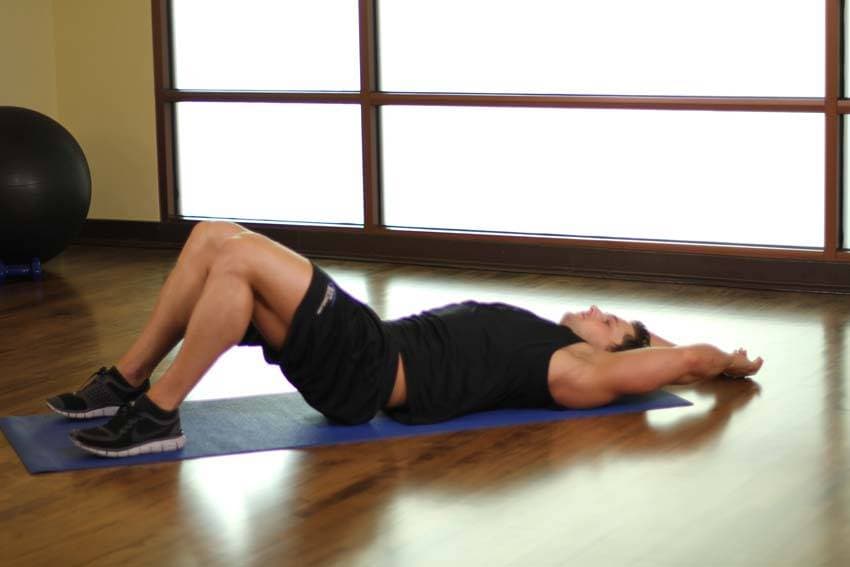
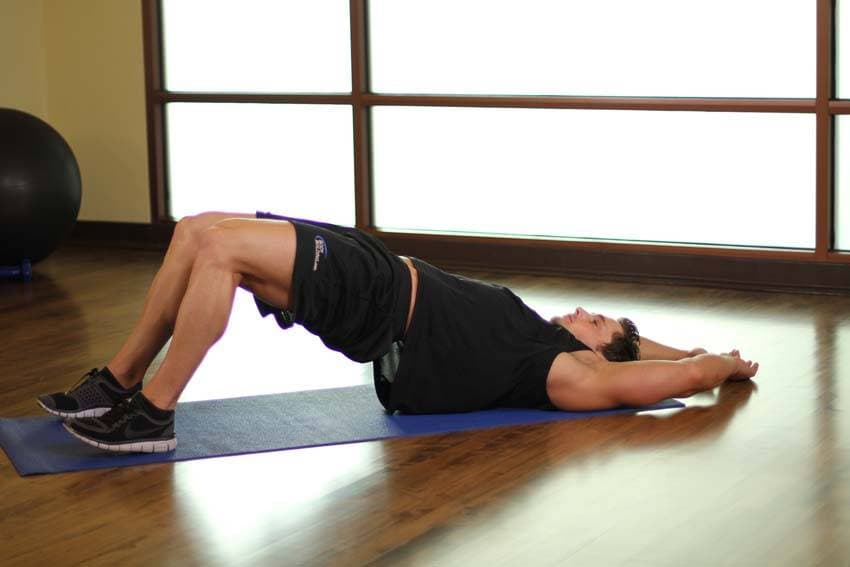
Pelvic Tilt Into Bridge
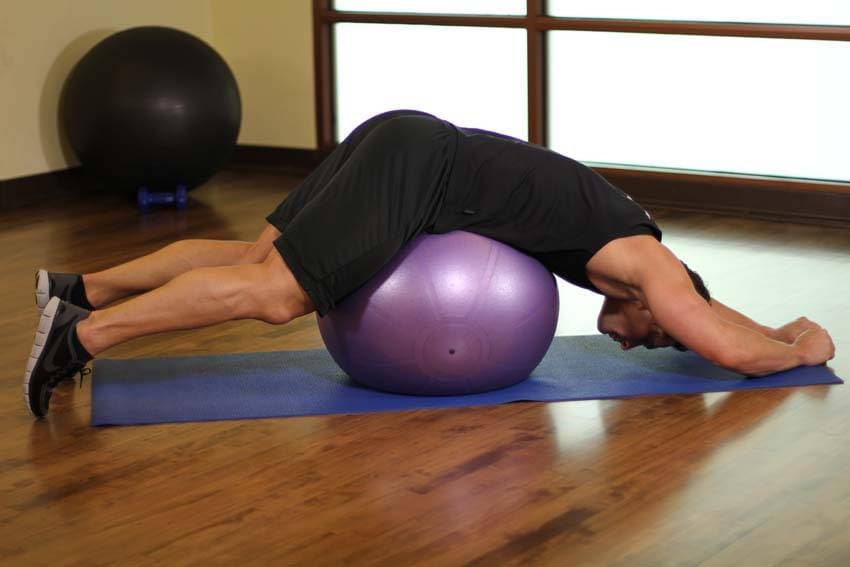
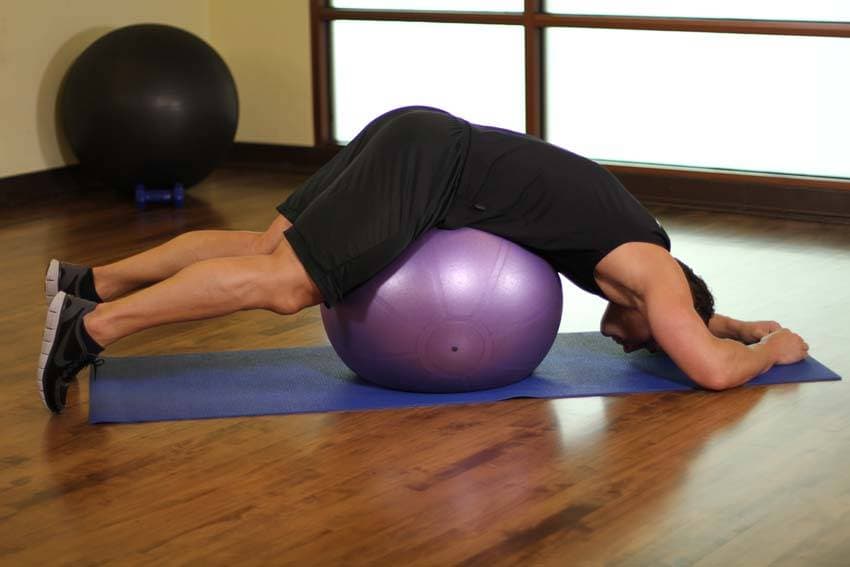
Pyramid
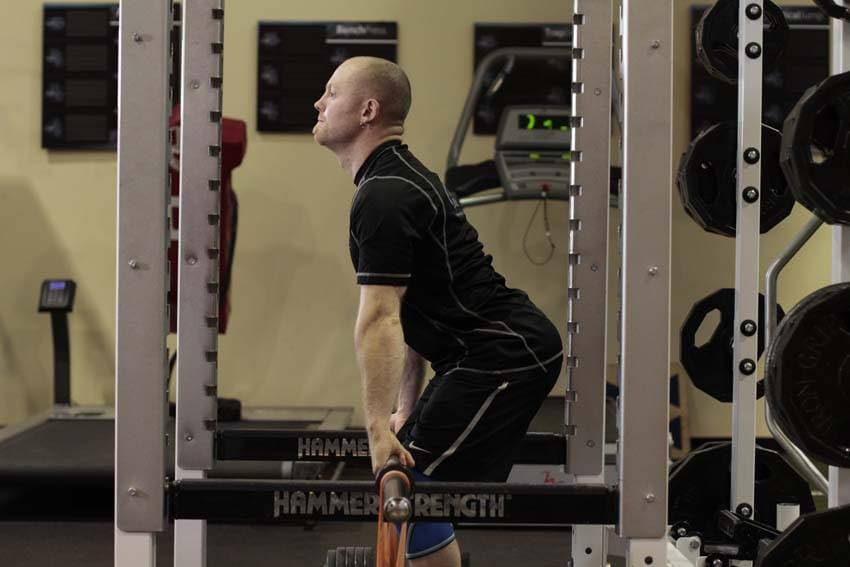
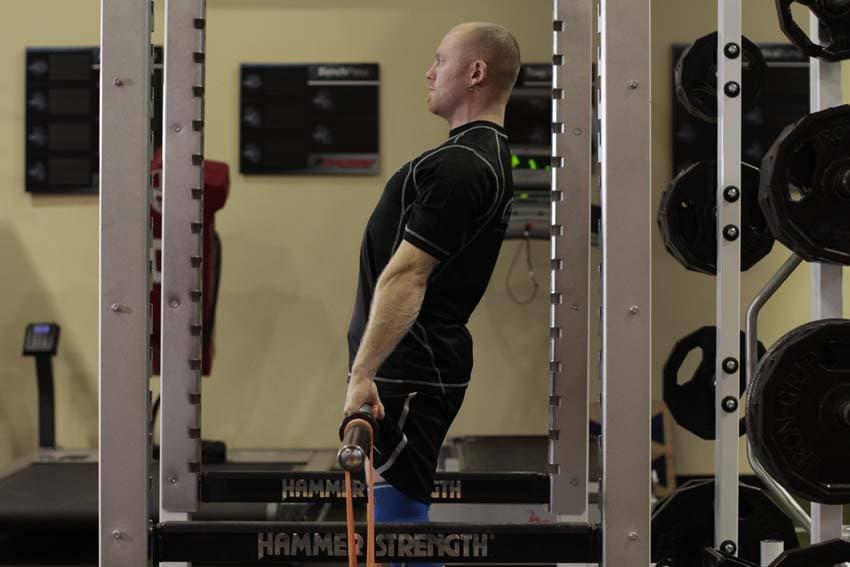
Rack Pull with Bands
Also Works iliococcygeus
10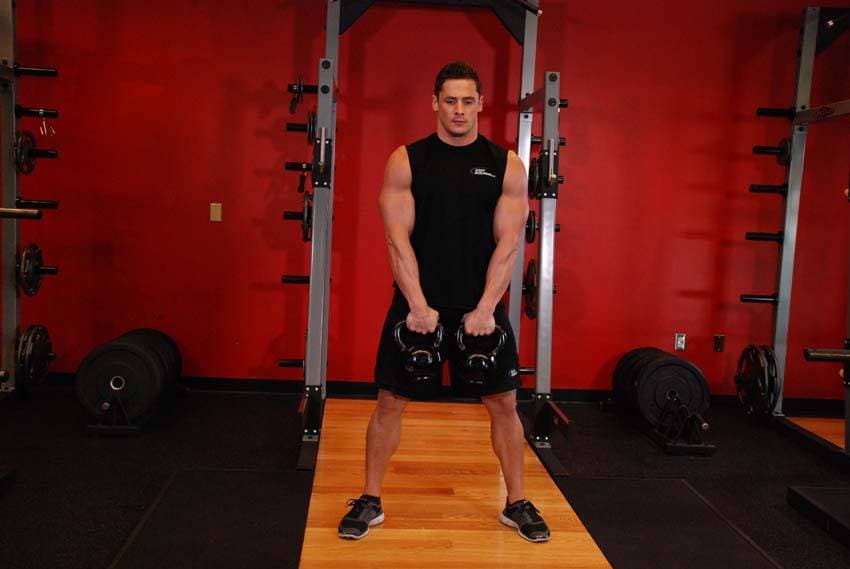
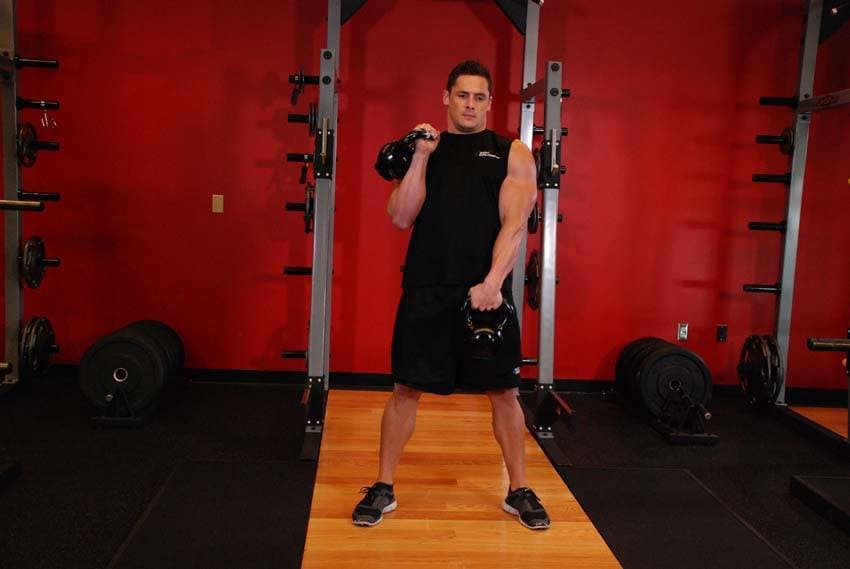
Alternating Hang Clean
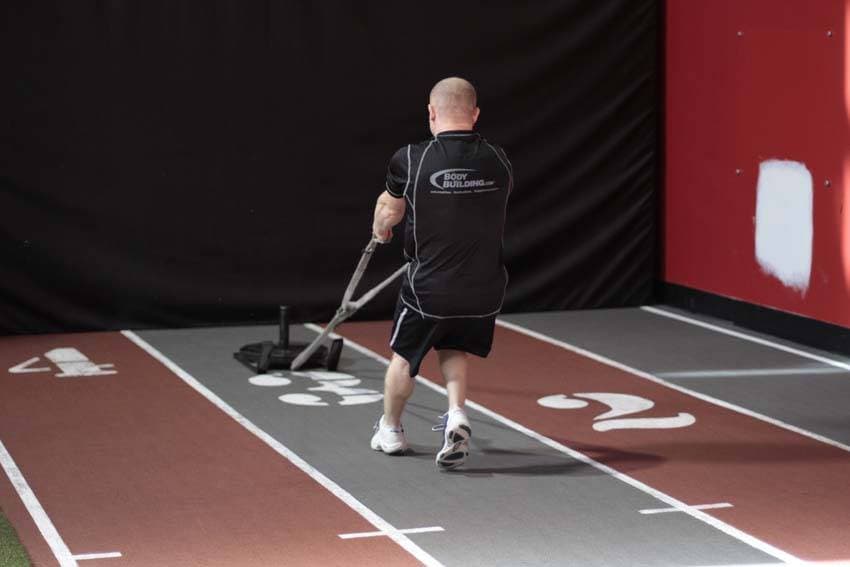
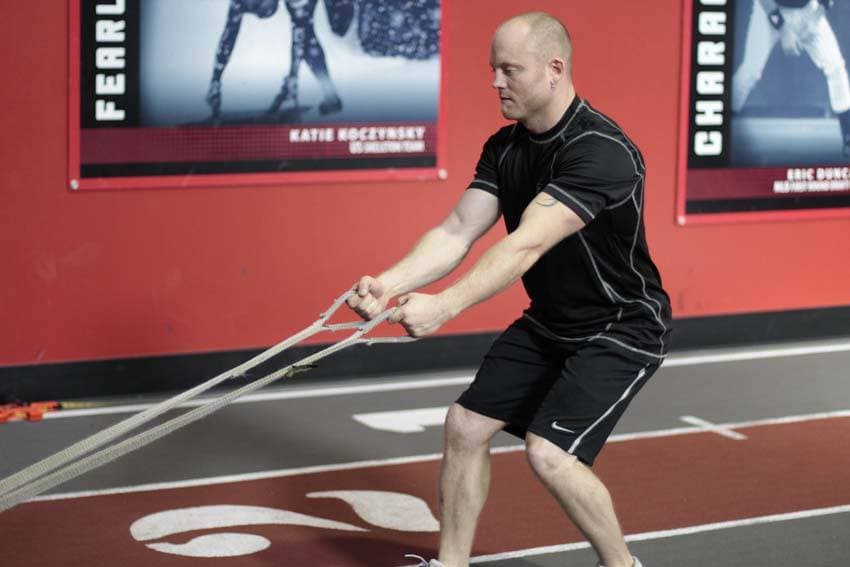
Backward Drag
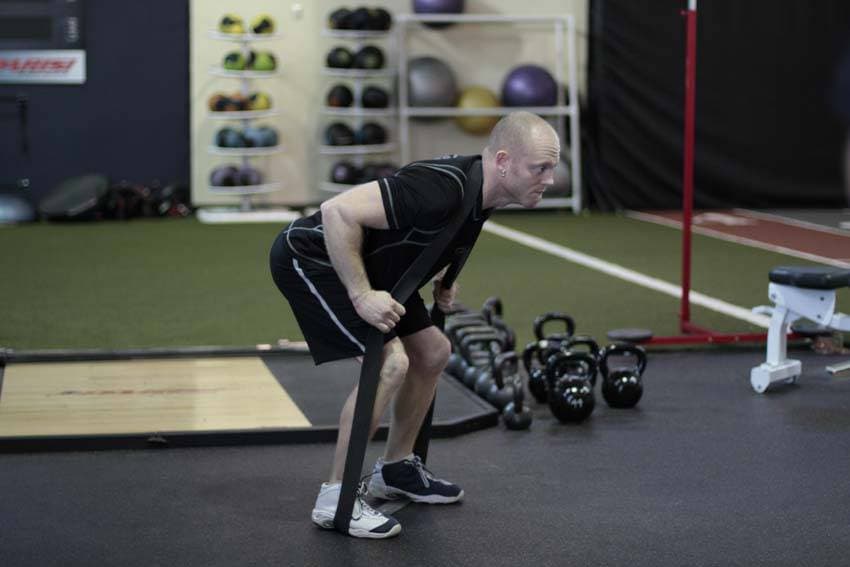
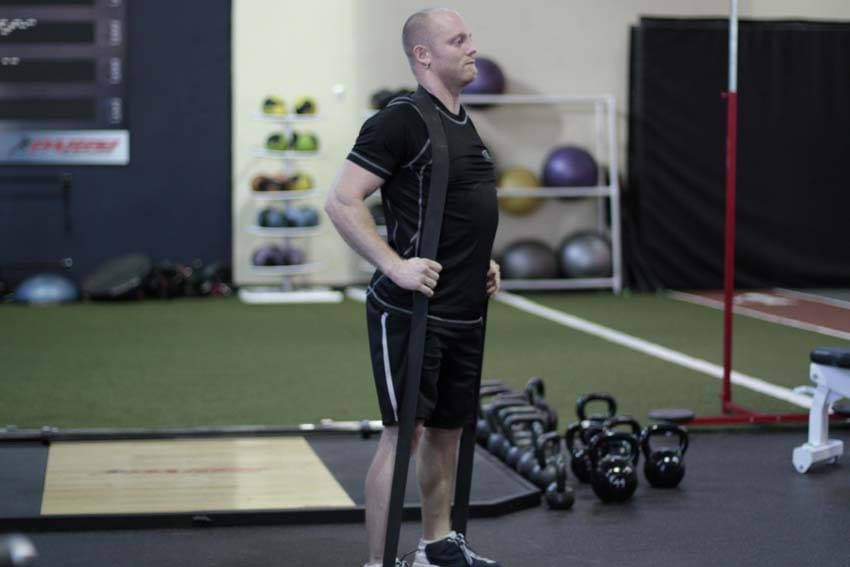
Band Good Morning
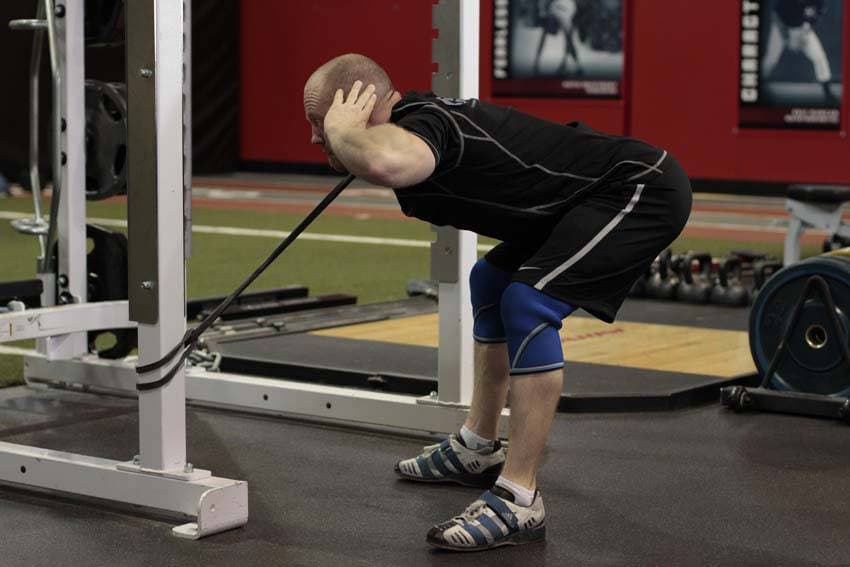
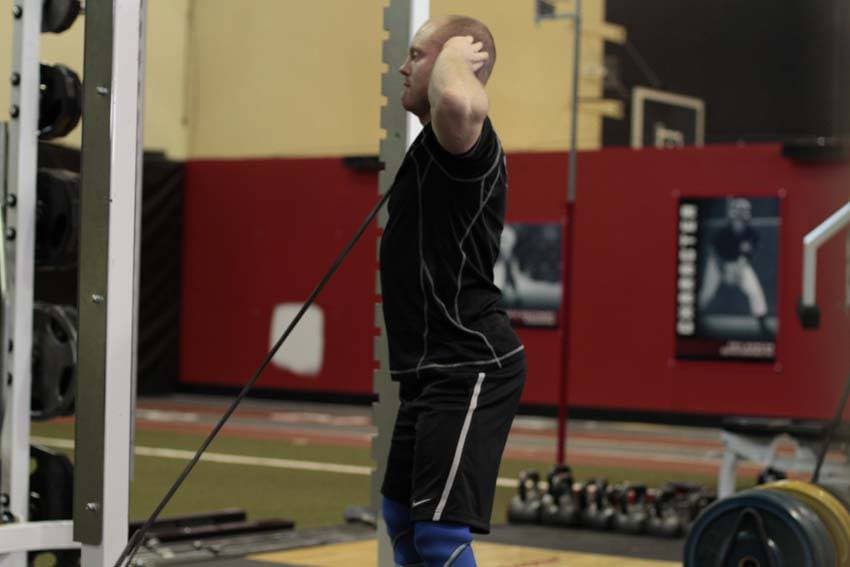
Band Good Morning (Pull Through)
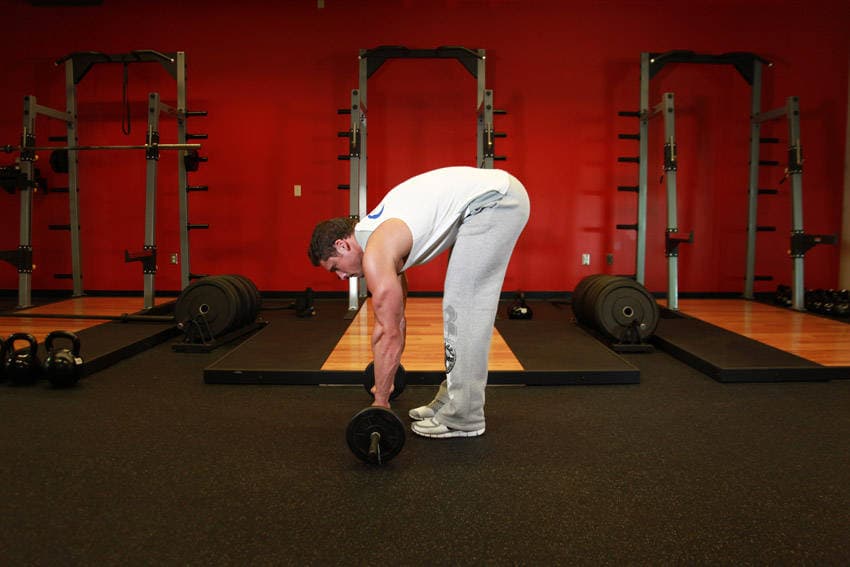
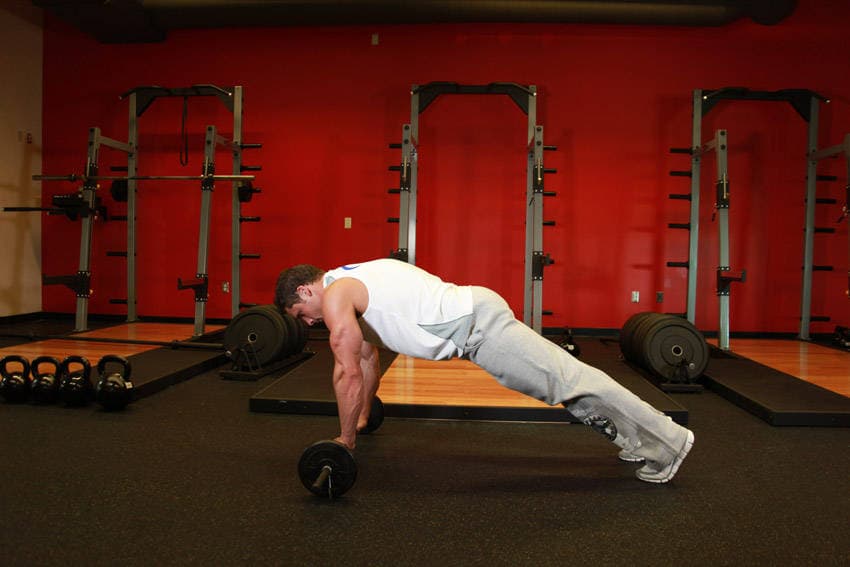
Barbell Ab Rollout

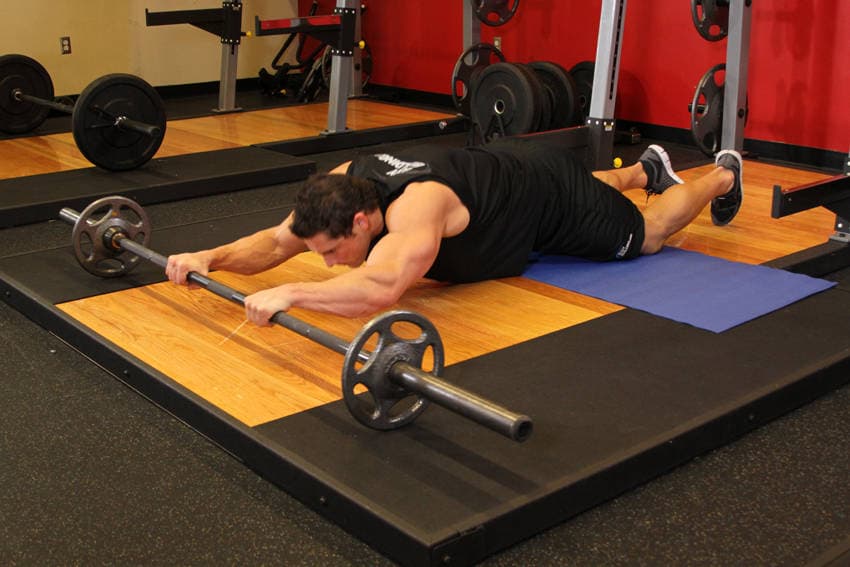
Barbell Ab Rollout - On Knees
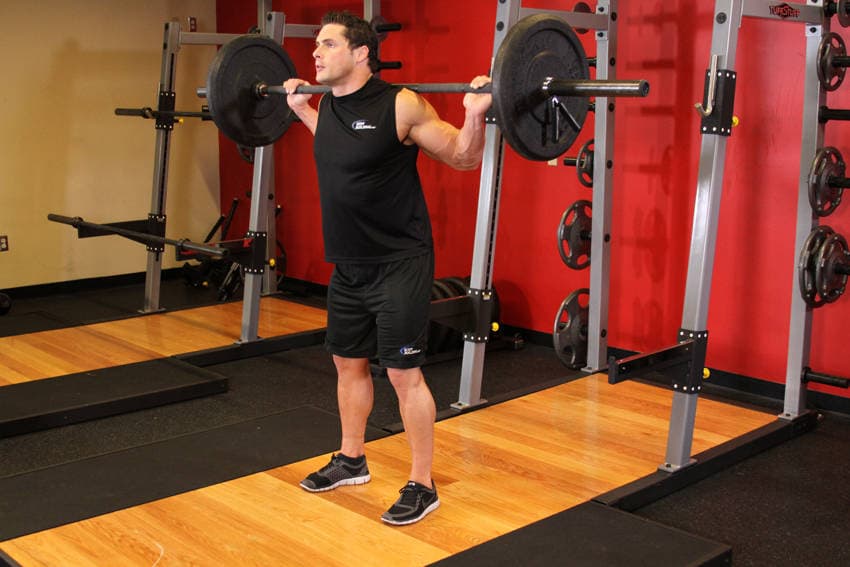
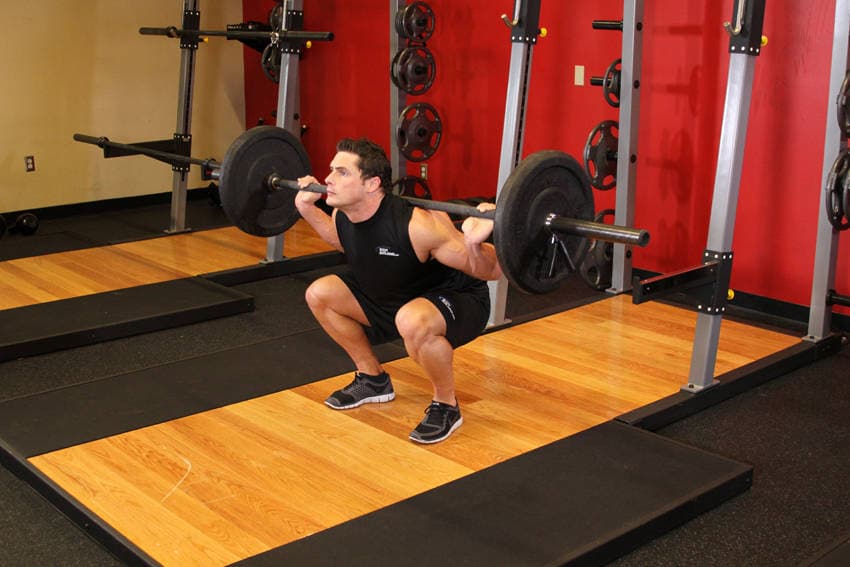
Barbell Full Squat
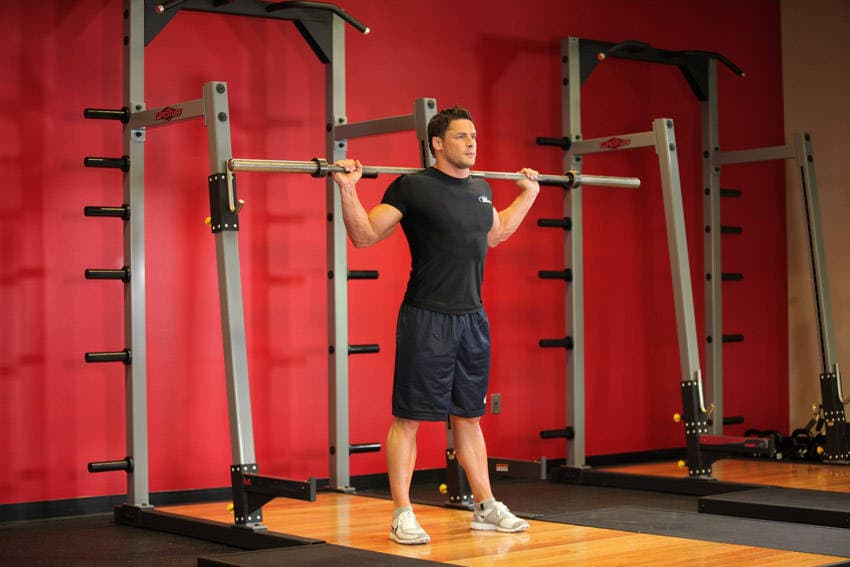
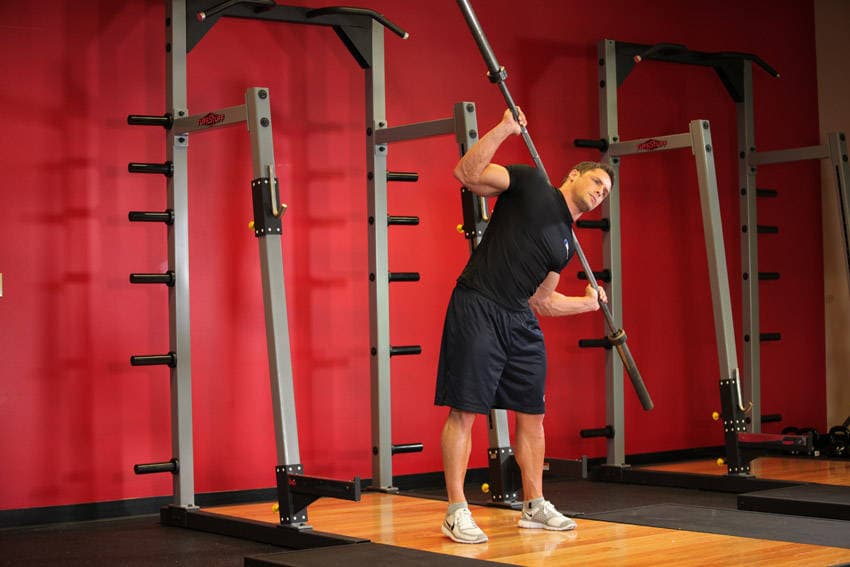
Barbell Side Bend
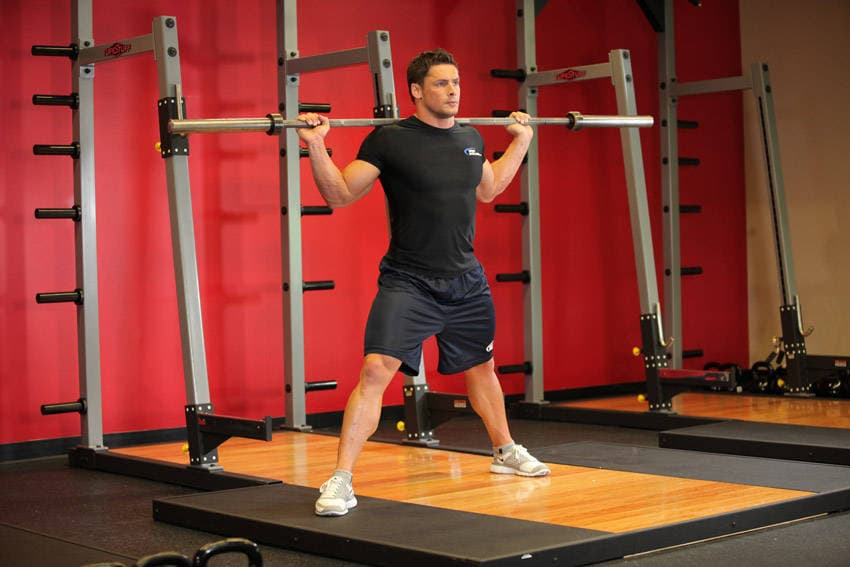
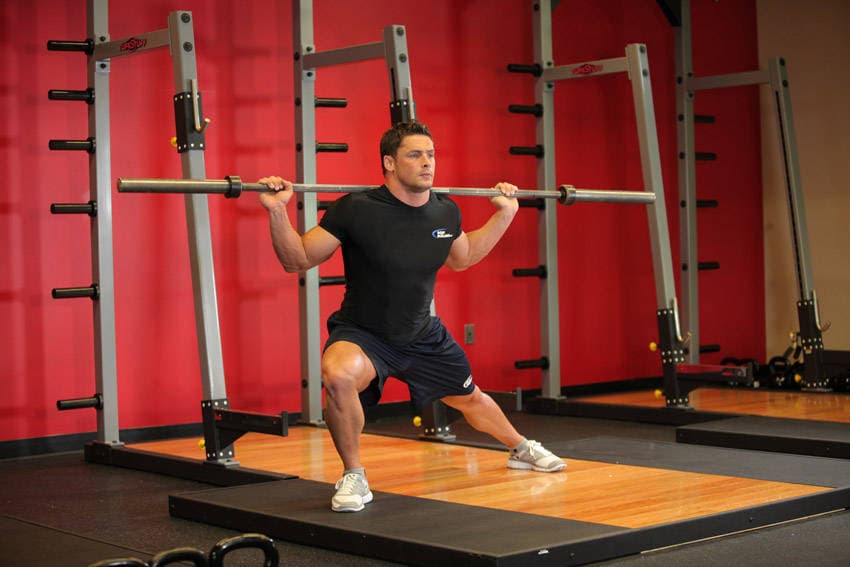
Barbell Side Split Squat
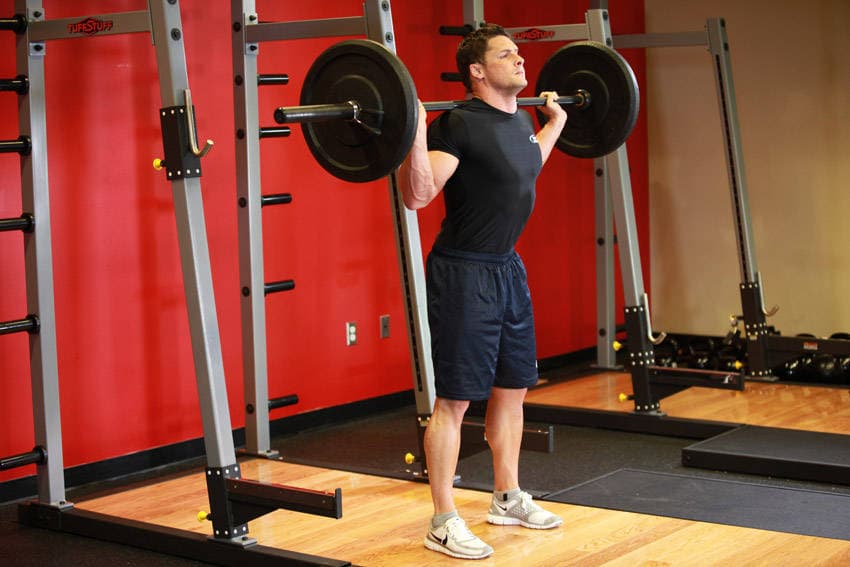
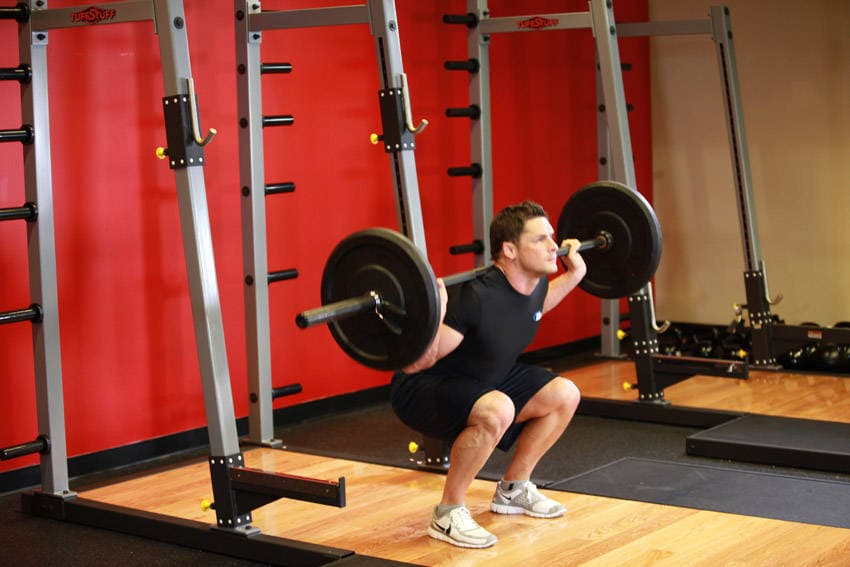
Barbell Squat
Related Pelvis Muscles
Pelvis Pain Guide
Common causes and relief
Activities & Sports
See which activities use iliococcygeus