Pelvis
Pelvic Floor
Pelvic floor pain involves the levator ani, coccygeus, and other muscles forming the pelvic diaphragm. Pelvic floor dysfunction can cause pain in the pelvis, lower abdomen, and perineum, and may affect bladder, bowel, and sexual function.
Medical Disclaimer
This information is for educational purposes only and does not constitute medical advice. Consult a qualified healthcare provider for proper diagnosis and treatment of any pain or medical condition.
Common Causes
Hypertonic (overactive) pelvic floor muscles from stress
Pelvic floor weakness after childbirth or surgery
Chronic pelvic pain syndrome
Pudendal nerve irritation or entrapment
Prostatitis or interstitial cystitis
Muscles in This Area
6Pelvis
pubococcygeus
Part of pelvic floor, the pubococcygeus supports bladder/bowel, aids continence and core stability. Crucial for intra-abdominal pressure in heavy lifts like squats.
Pelvis
iliococcygeus
The iliococcygeus forms the back part of the pelvic floor, spanning from pelvis to tailbone, supporting organs and pelvic stability. Important for core integrity in heavy lifts and preventing incontinence. Weakness shows in squats or postpartum.
Pelvis
coccygeus
The coccygeus is a small pelvic floor muscle supporting the coccyx (tailbone) at the back of the pelvis. It flexes the sacrococcygeal joint and stabilizes during lifts or impacts. Important for pelvic stability and preventing tailbone pain in squats.
Pelvis
External anal sphincter
The external anal sphincter is a skeletal muscle ring around the anus that you can consciously control for bowel movements. It maintains continence during daily activities and is strengthened via Kegels for pelvic floor health. Important for athletes in high-impact sports to prevent incontinence.
Hip
piriformis
The piriformis is a deep hip rotator in the glutes, externally rotating the hip for balance in squats and deadlifts. Tightness often causes sciatica-like pain. Essential for hip mobility in athletes.
Hip
obturator internus
Deep pelvic external rotator turning thigh outward, key for piriformis syndrome differentials. Stabilizes sacroiliac joint in single-leg stance. Targeted in yoga for hip mobility.
Stretches That May Help
Recommended Exercises
12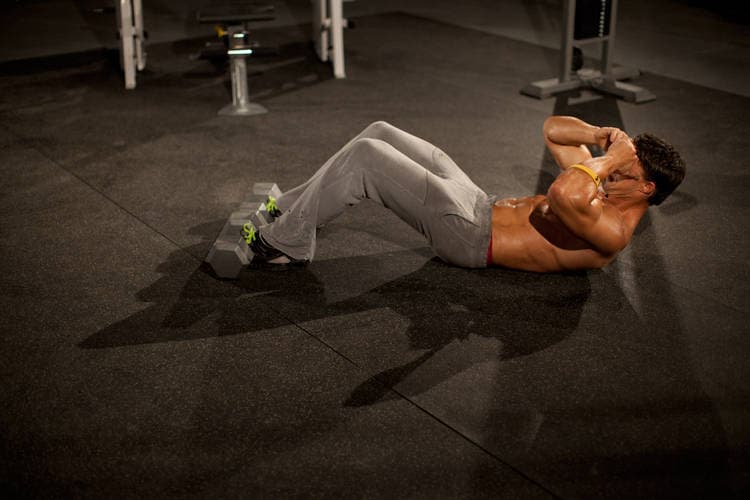
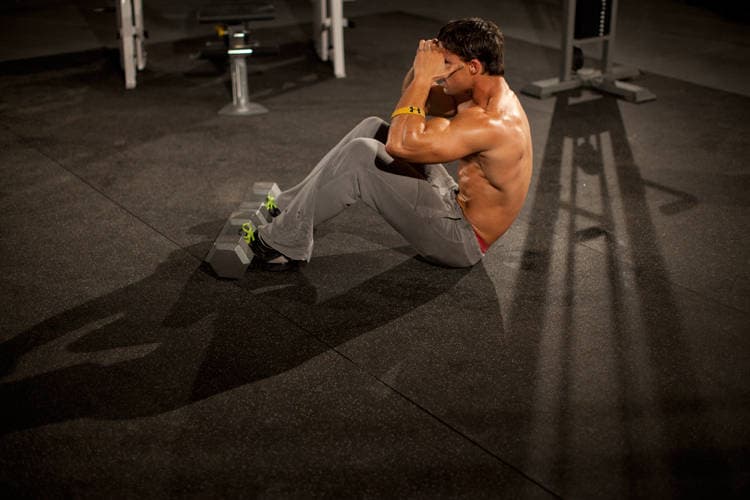
3/4 Sit-Up
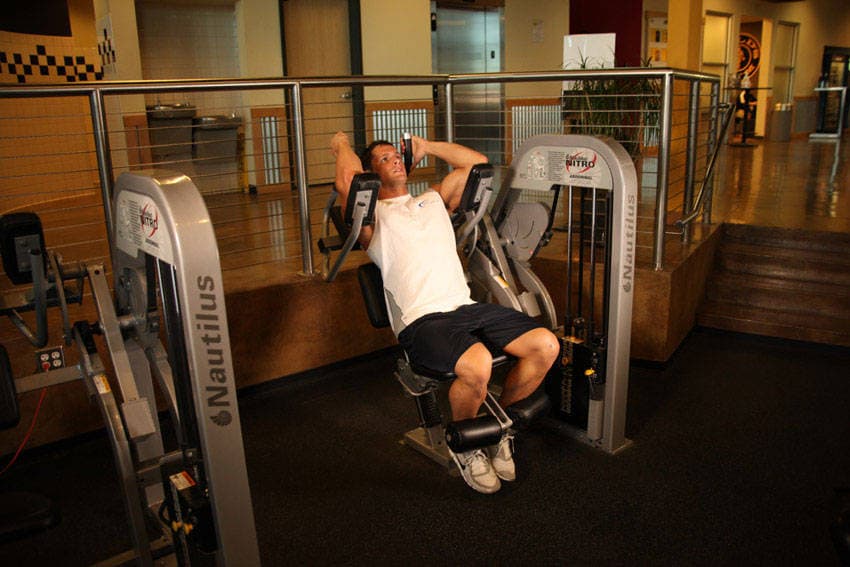
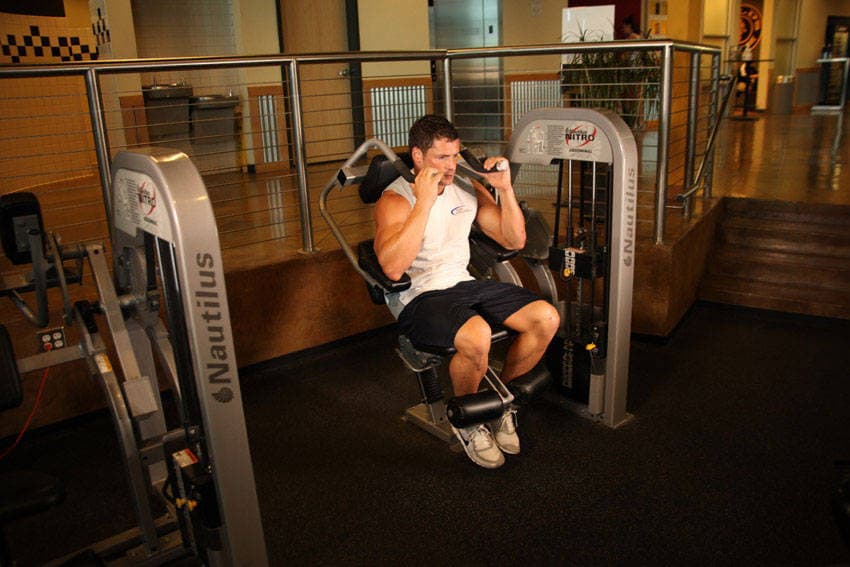
Ab Crunch Machine
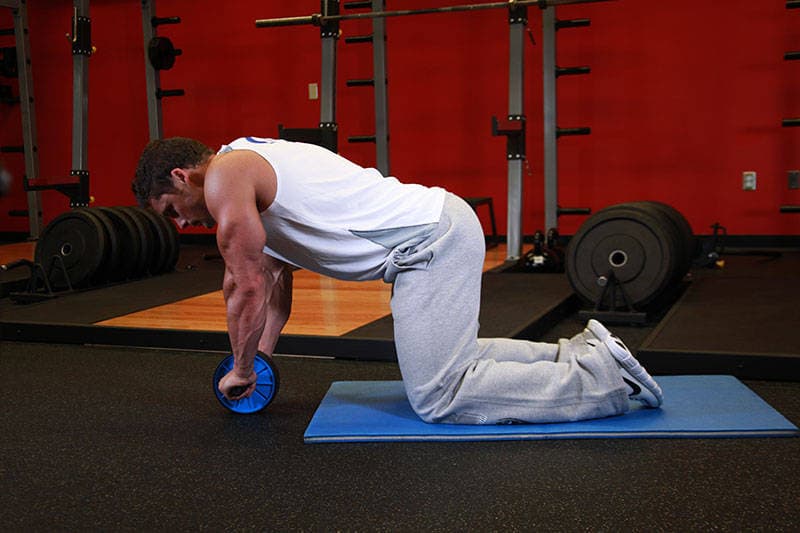
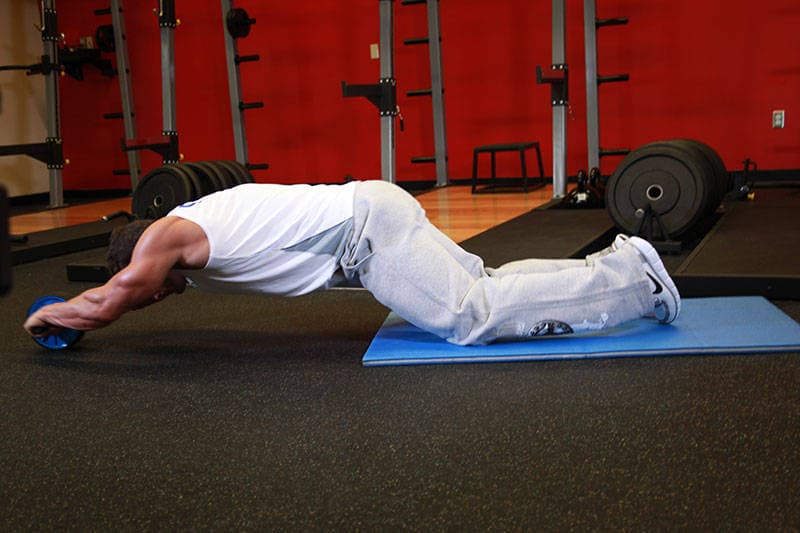
Ab Roller
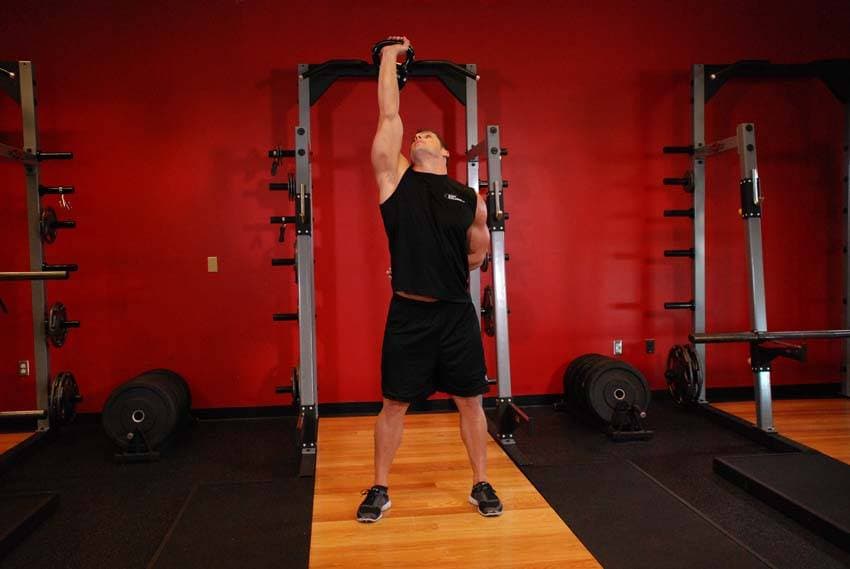
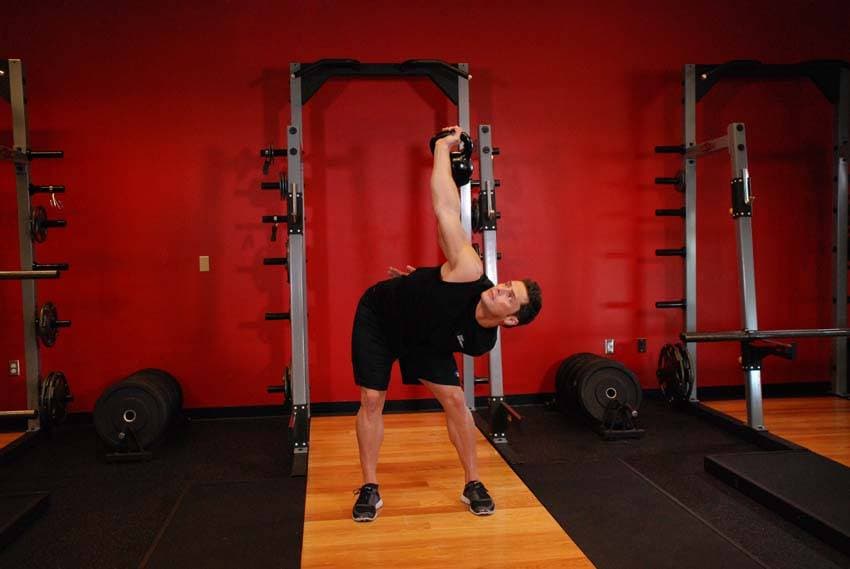
Advanced Kettlebell Windmill
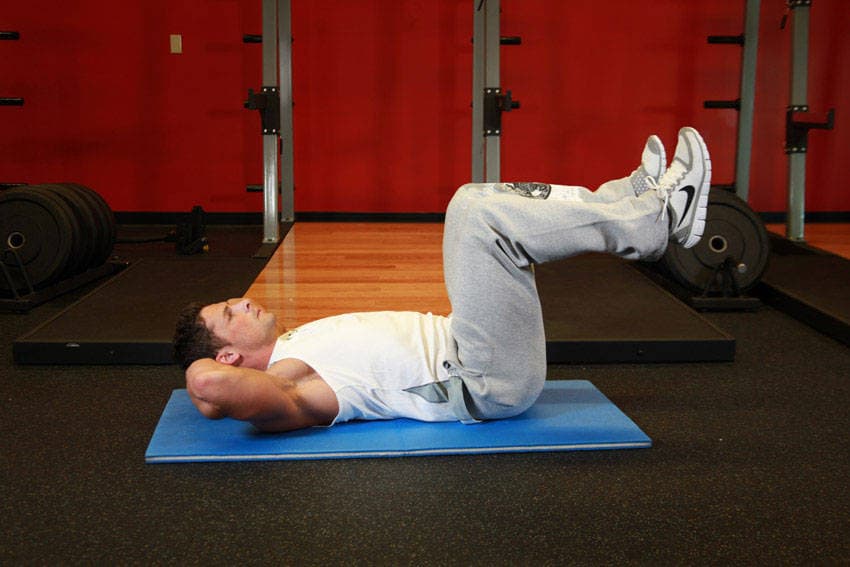
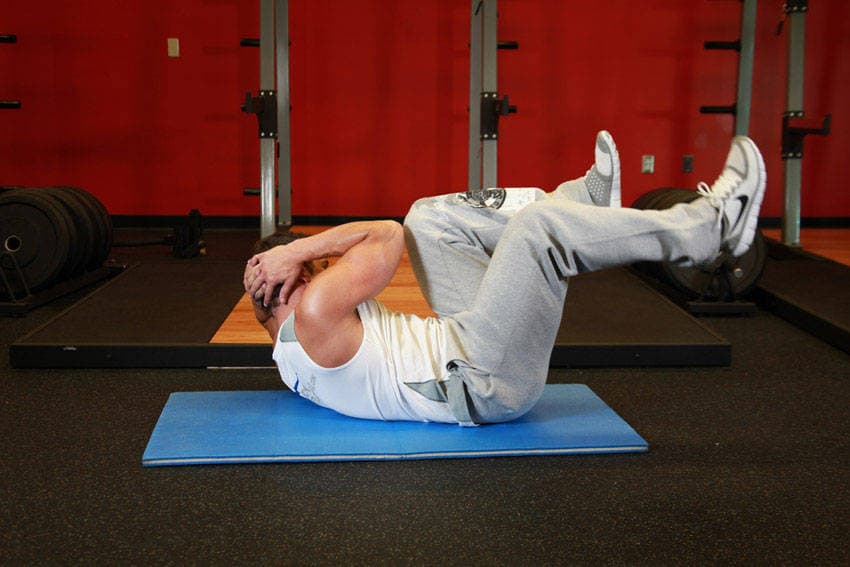
Air Bike
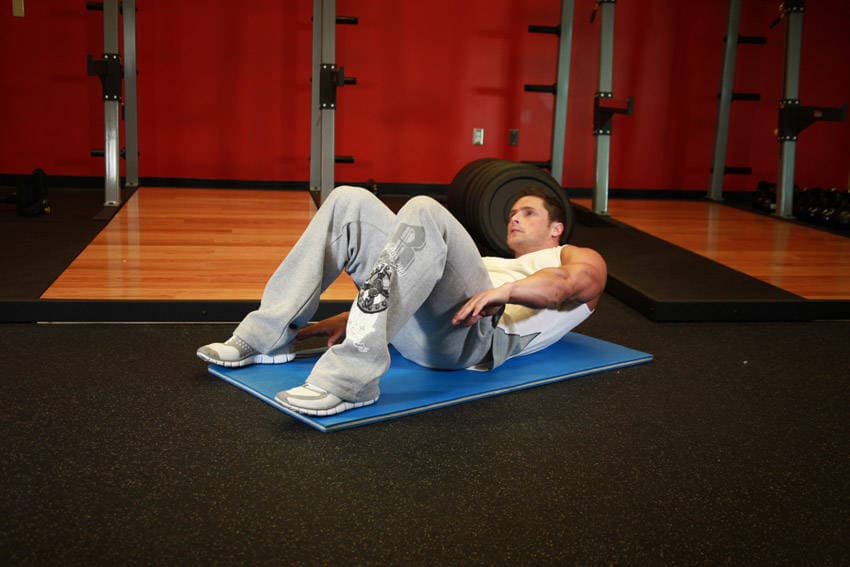
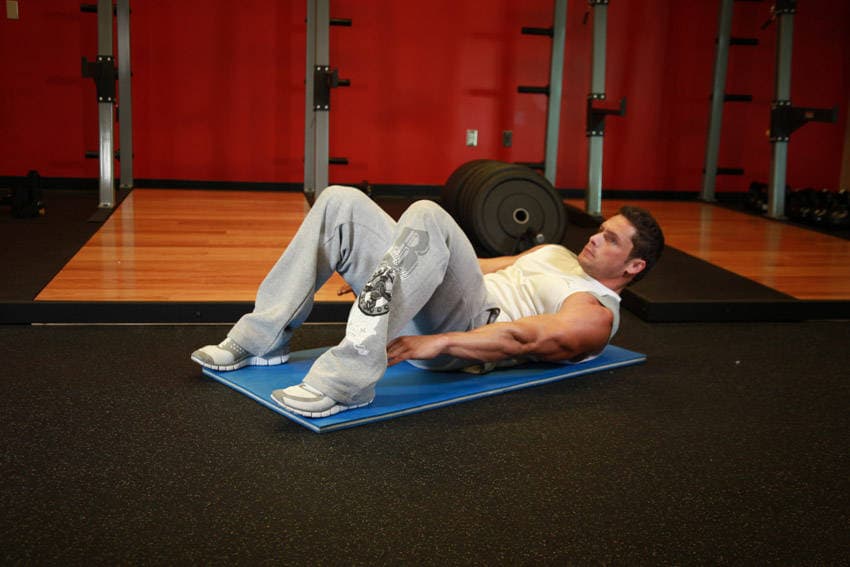
Alternate Heel Touchers
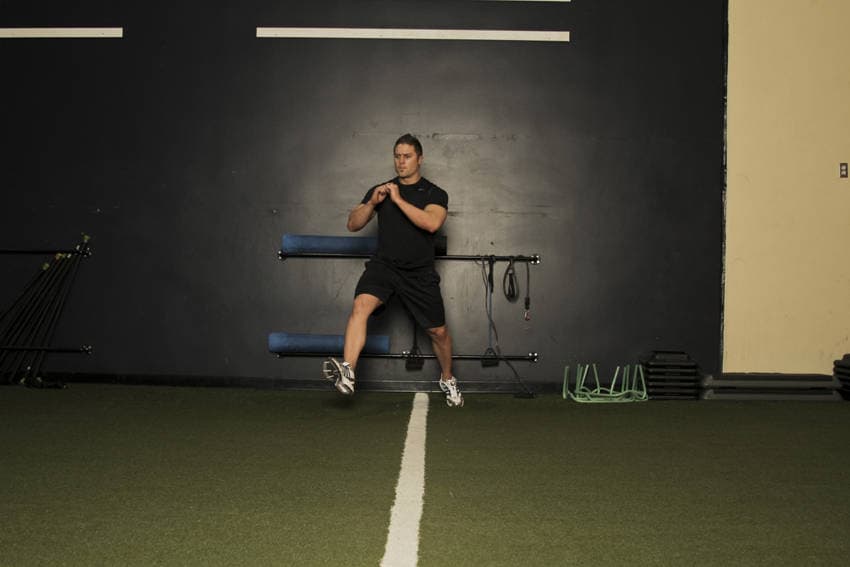
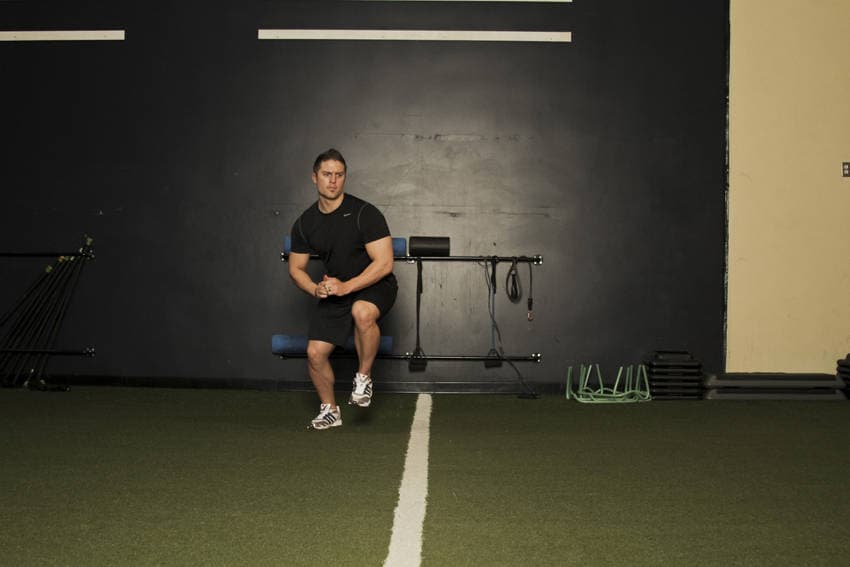
Alternate Leg Diagonal Bound
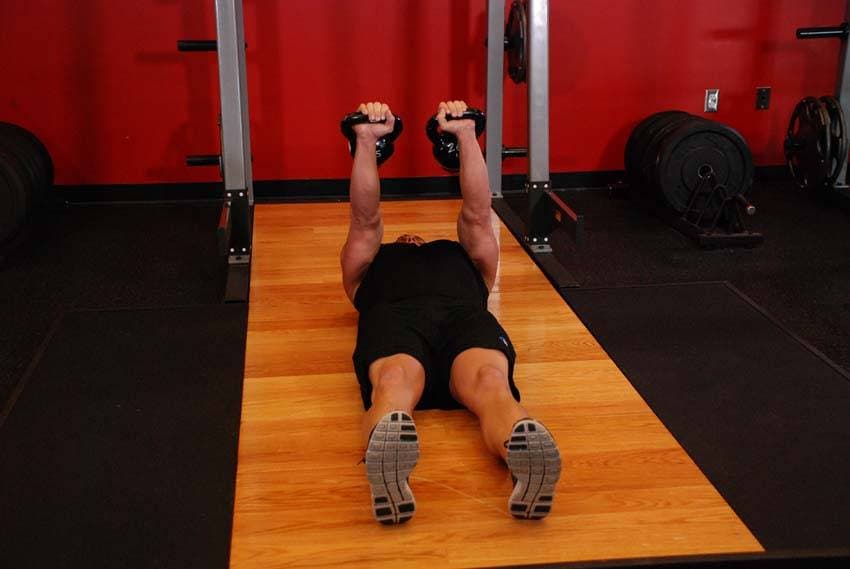
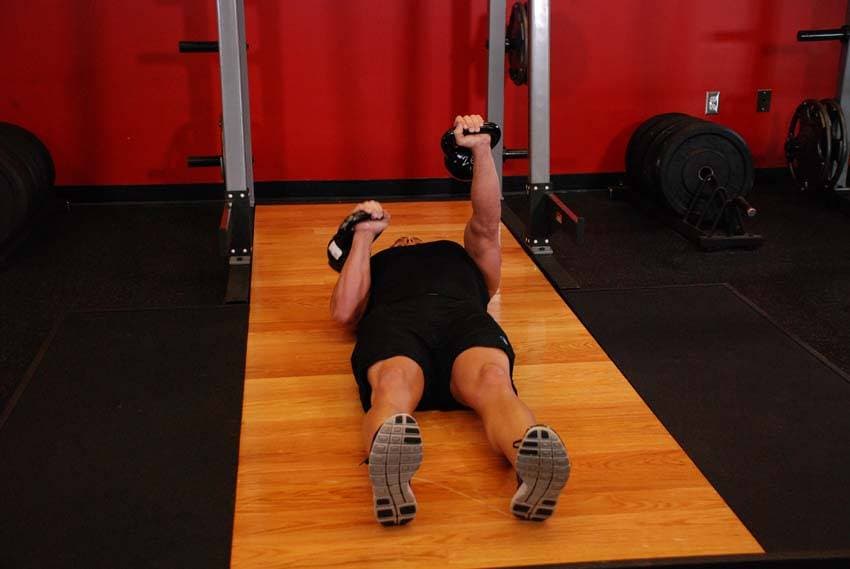
Alternating Floor Press
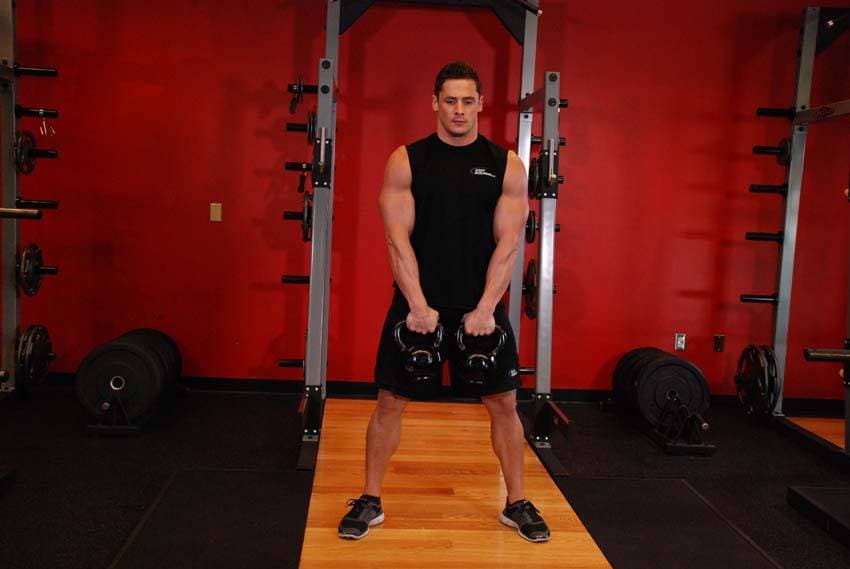
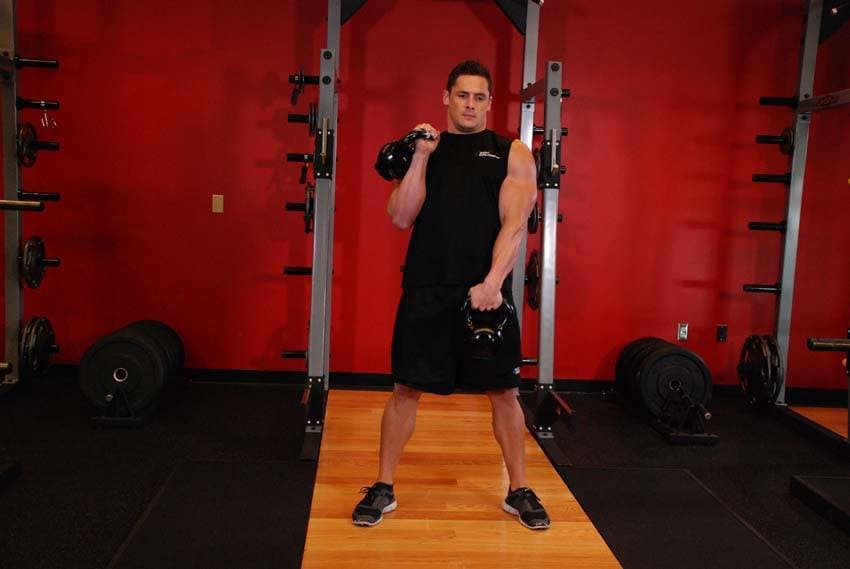
Alternating Hang Clean
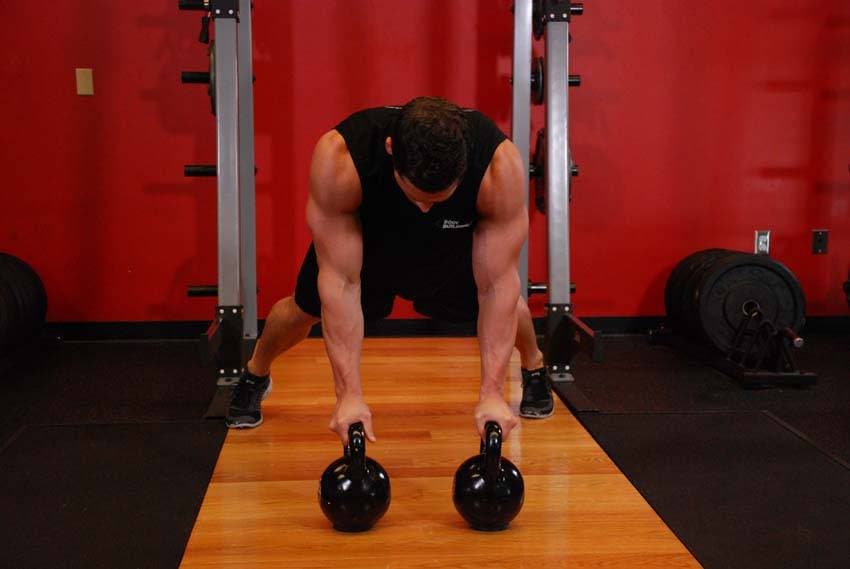
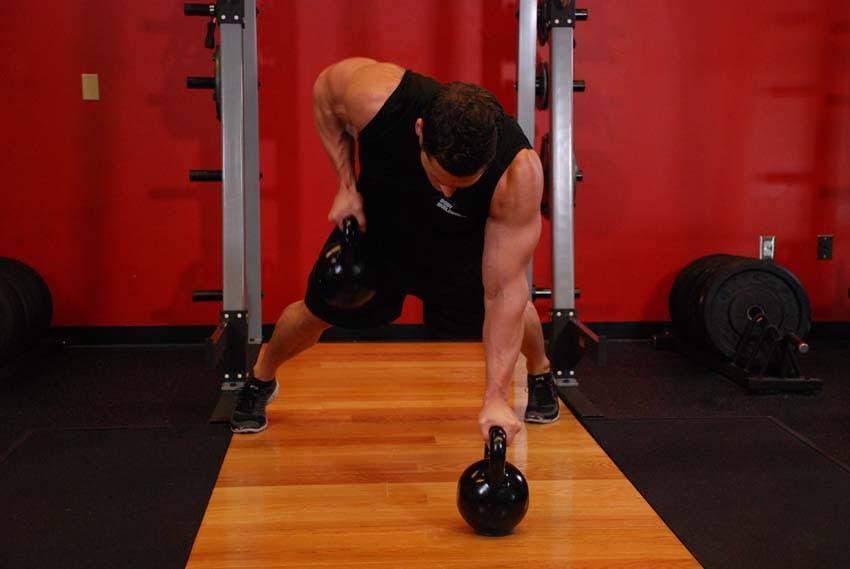
Alternating Renegade Row
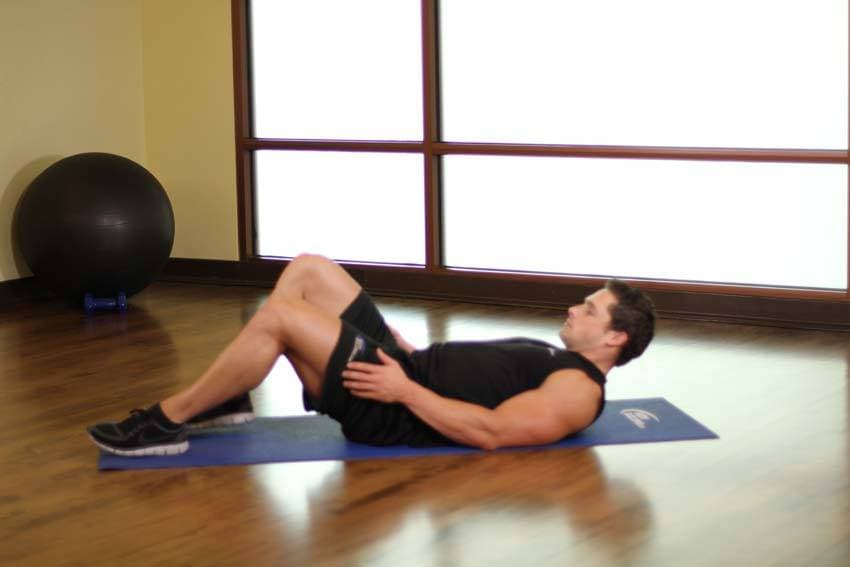
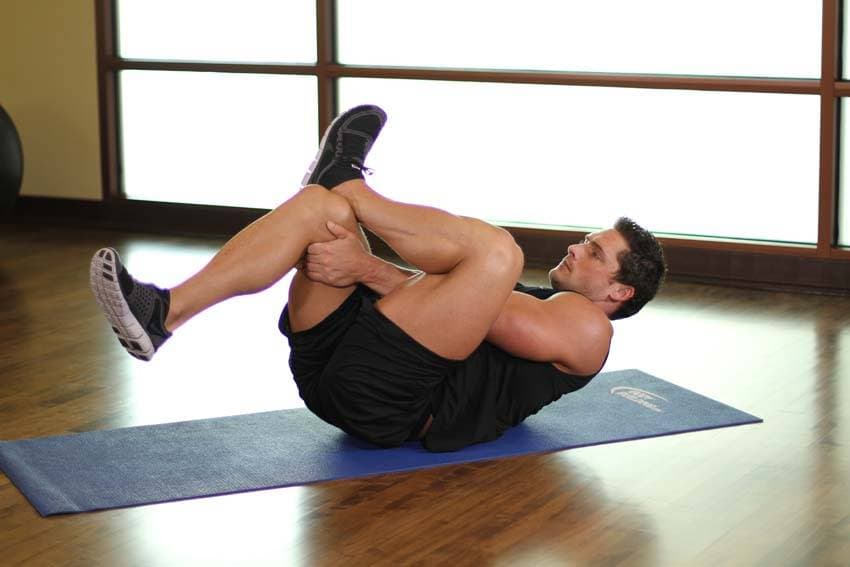
Ankle On The Knee
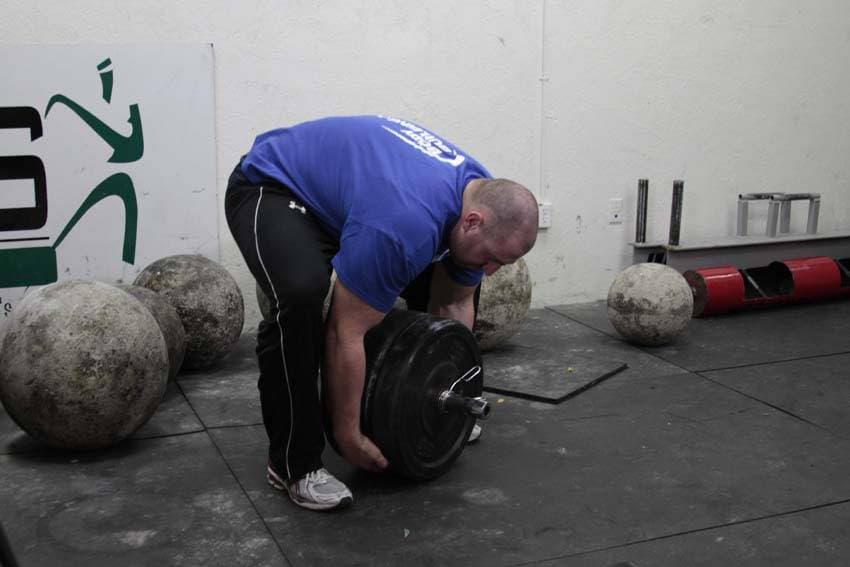
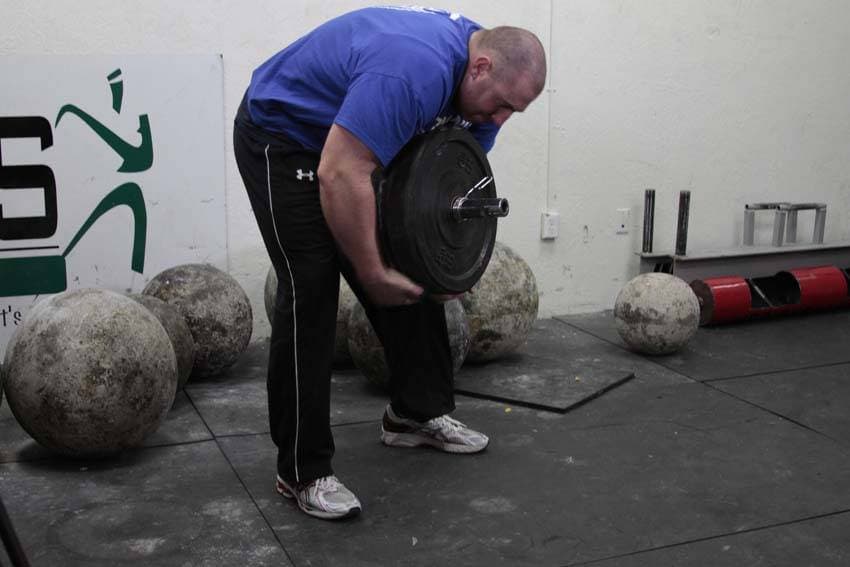
Atlas Stone Trainer
When to See a Doctor
Seek medical attention if you experience urinary incontinence, pain during intercourse, difficulty with bowel movements, pelvic heaviness or pressure, or persistent pelvic pain that affects daily life.
Self-Care Tips
Learn to differentiate between pelvic floor tightness and weakness
Practice diaphragmatic breathing to help relax the pelvic floor
Avoid excessive Kegel exercises if the pelvic floor is already tight
Seek a pelvic floor physiotherapist for targeted assessment
Related Pelvis Pain
Pelvis Muscles
Explore all pelvis muscles in 3D
Activities & Sports
Find which activities involve this area