Pelvis
Tailbone (Coccyx)
Tailbone pain (coccydynia) involves the coccygeus, levator ani muscles, and the coccyx itself. It is commonly caused by prolonged sitting, a fall onto the buttocks, or childbirth, and can be particularly debilitating because sitting is unavoidable for most people.
Medical Disclaimer
This information is for educational purposes only and does not constitute medical advice. Consult a qualified healthcare provider for proper diagnosis and treatment of any pain or medical condition.
Common Causes
Coccydynia from prolonged sitting on hard surfaces
Direct trauma from a fall onto the tailbone
Pelvic floor muscle tension or spasm
Post-childbirth coccyx pain
Coccygeal joint instability
Muscles in This Area
5Pelvis
coccygeus
The coccygeus is a small pelvic floor muscle supporting the coccyx (tailbone) at the back of the pelvis. It flexes the sacrococcygeal joint and stabilizes during lifts or impacts. Important for pelvic stability and preventing tailbone pain in squats.
Pelvis
iliococcygeus
The iliococcygeus forms the back part of the pelvic floor, spanning from pelvis to tailbone, supporting organs and pelvic stability. Important for core integrity in heavy lifts and preventing incontinence. Weakness shows in squats or postpartum.
Pelvis
pubococcygeus
Part of pelvic floor, the pubococcygeus supports bladder/bowel, aids continence and core stability. Crucial for intra-abdominal pressure in heavy lifts like squats.
Hip
gluteus maximus
Largest hip muscle, gluteus maximus extends and externally rotates thigh for powerful hip thrust in squats, deadlifts, running. King of posterior chain.
Hip
piriformis
The piriformis is a deep hip rotator in the glutes, externally rotating the hip for balance in squats and deadlifts. Tightness often causes sciatica-like pain. Essential for hip mobility in athletes.
Stretches That May Help
Recommended Exercises
12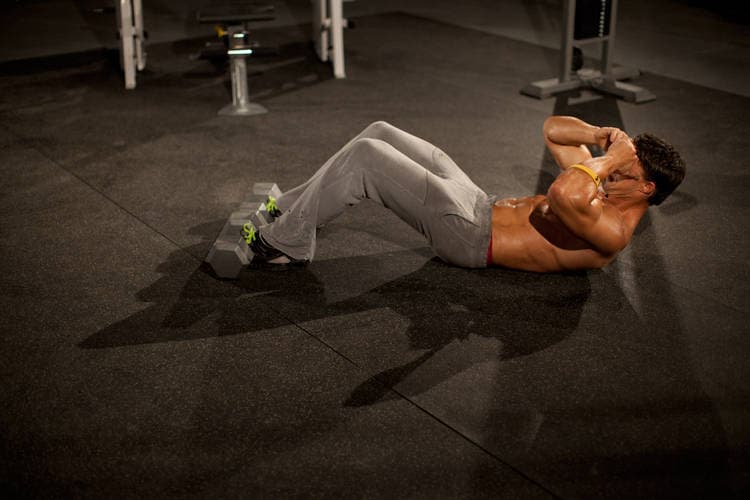
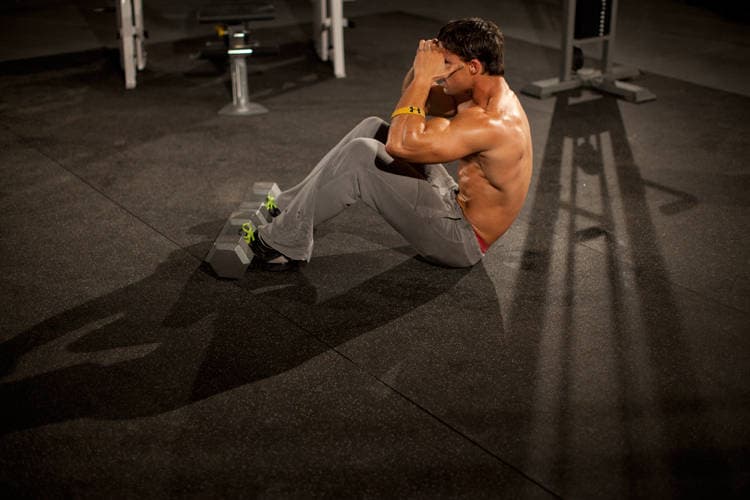
3/4 Sit-Up
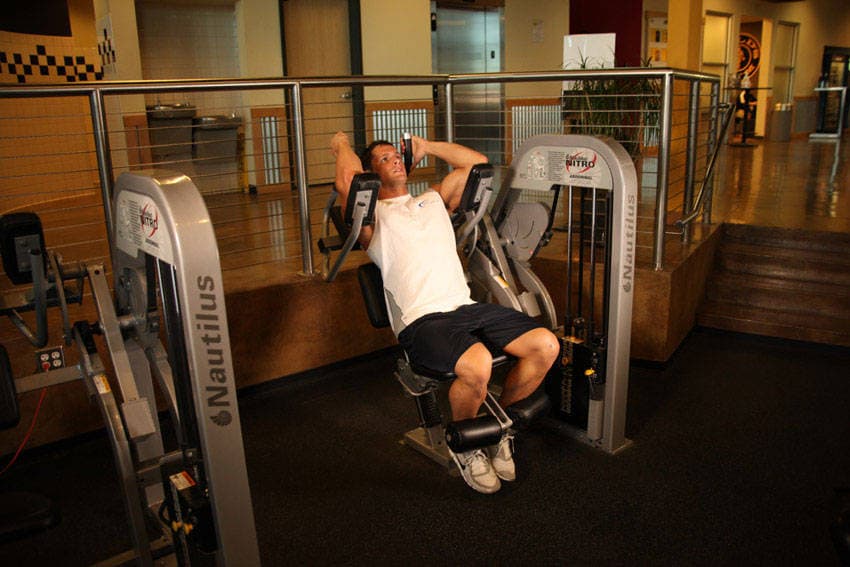
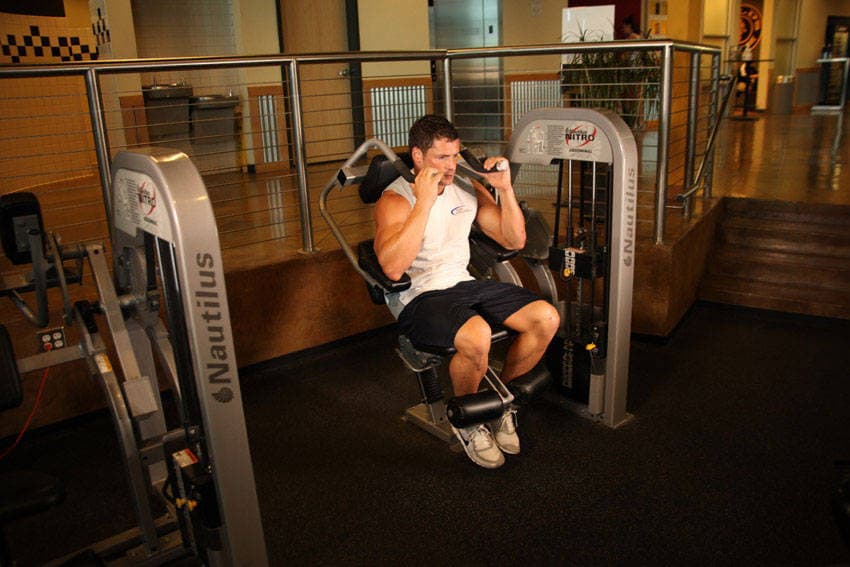
Ab Crunch Machine
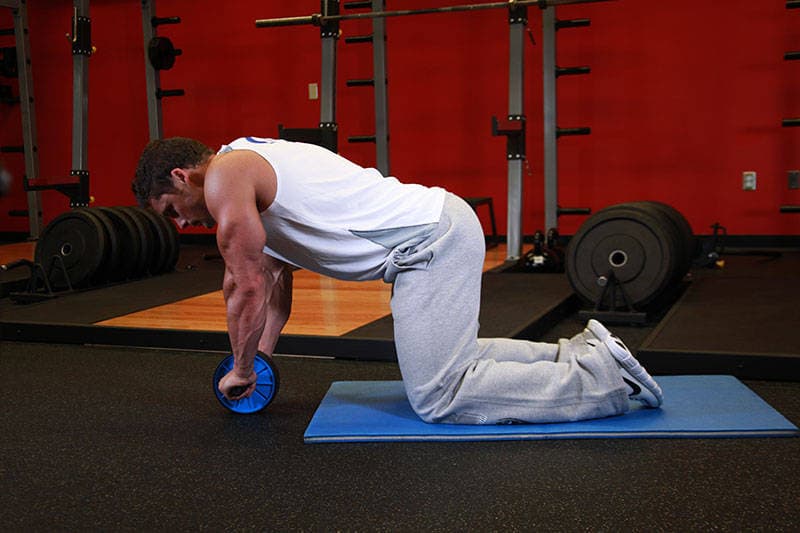
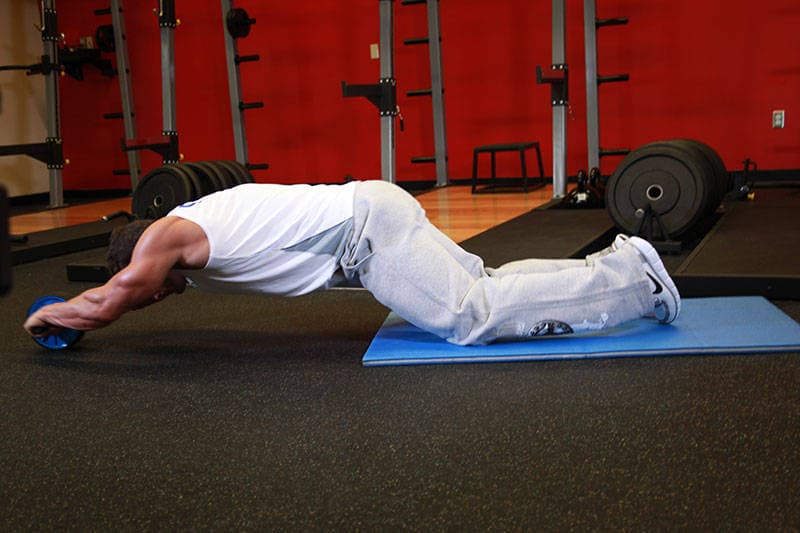
Ab Roller
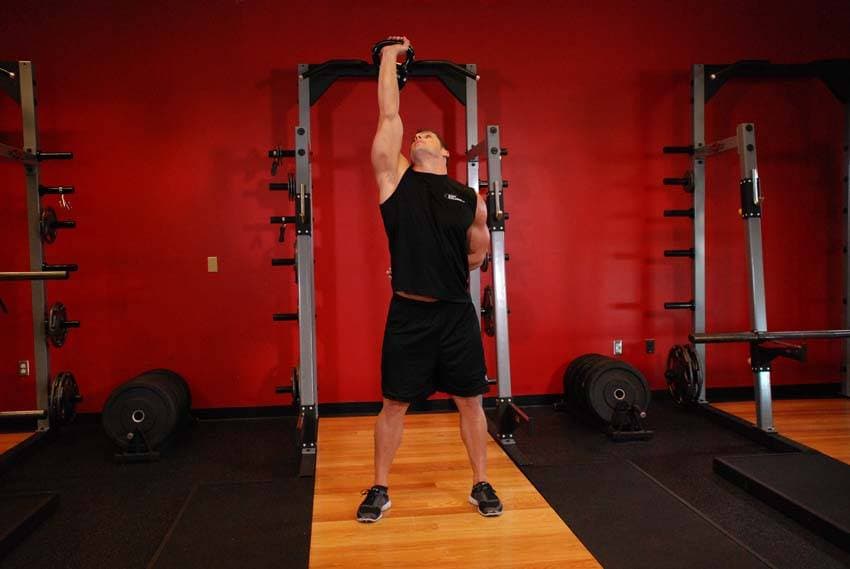
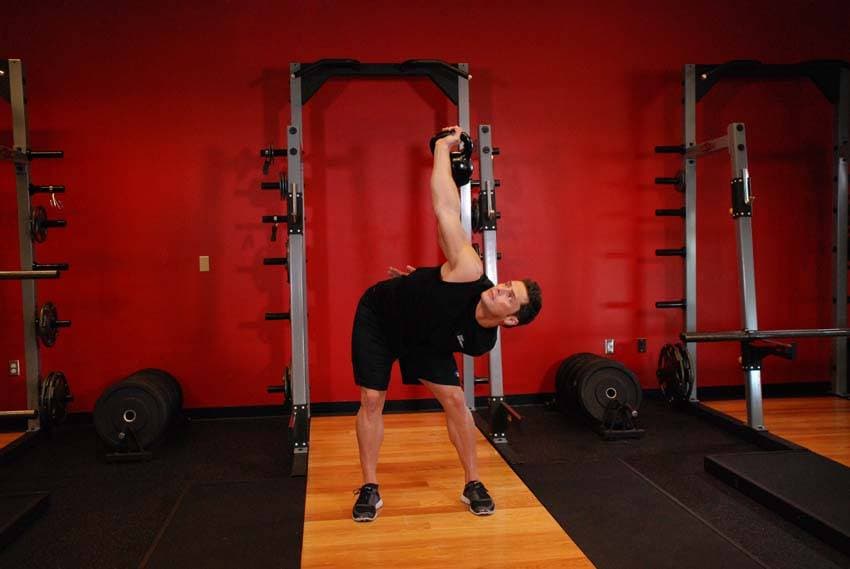
Advanced Kettlebell Windmill
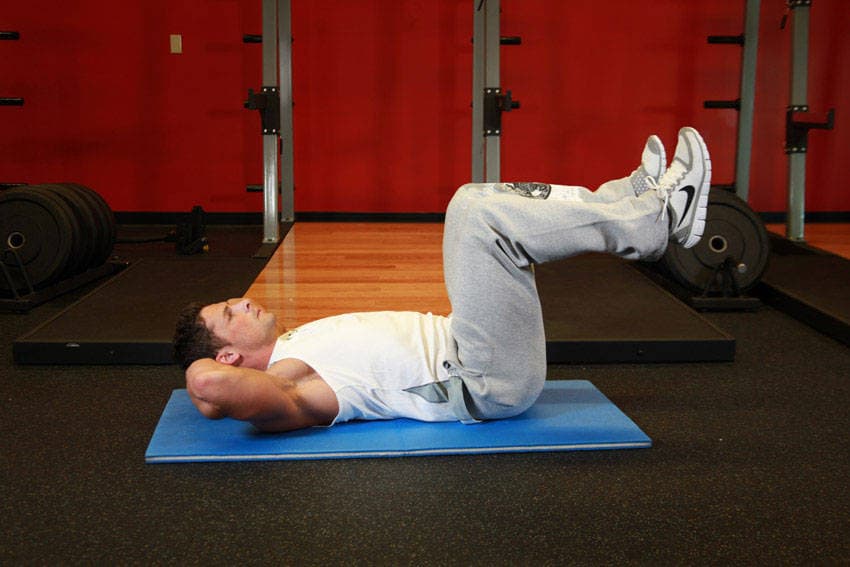
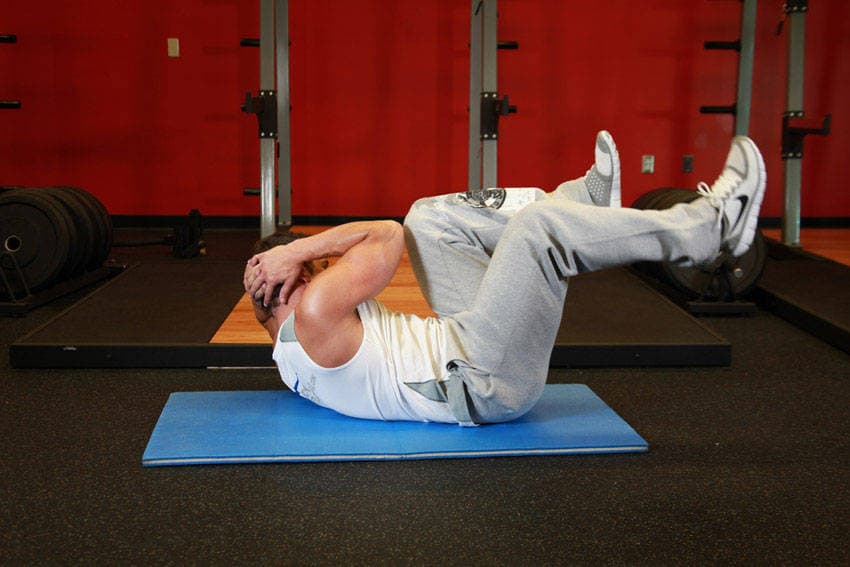
Air Bike
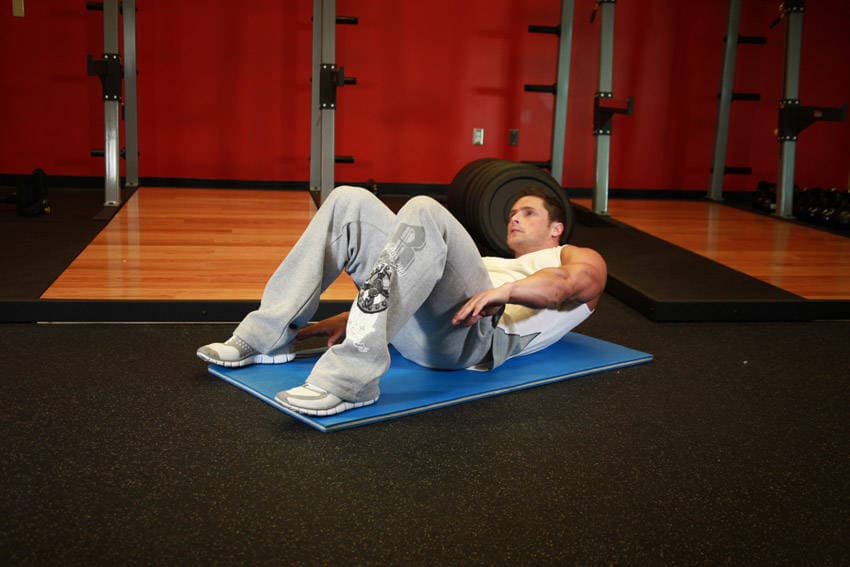
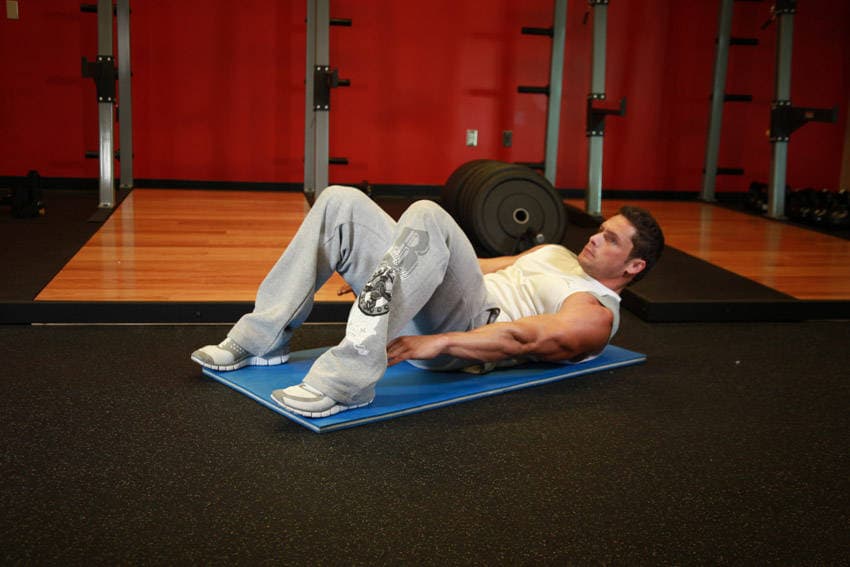
Alternate Heel Touchers
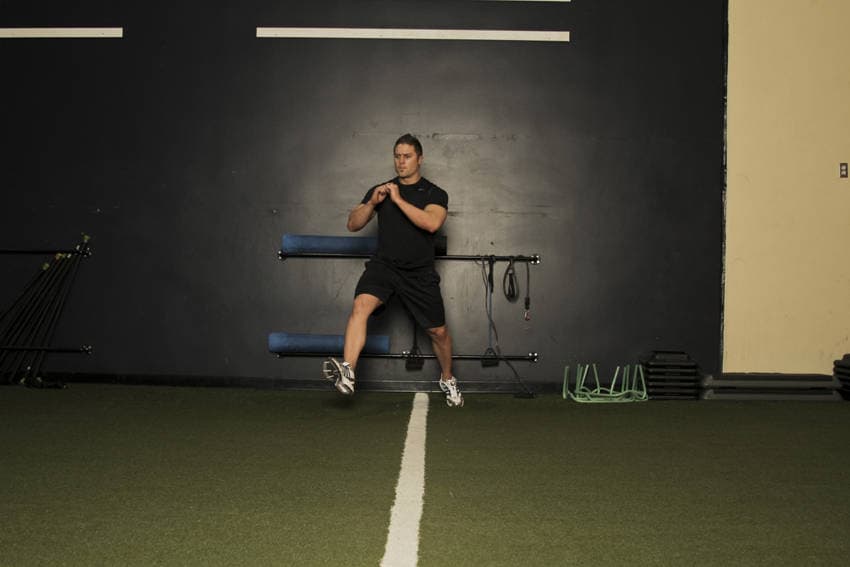
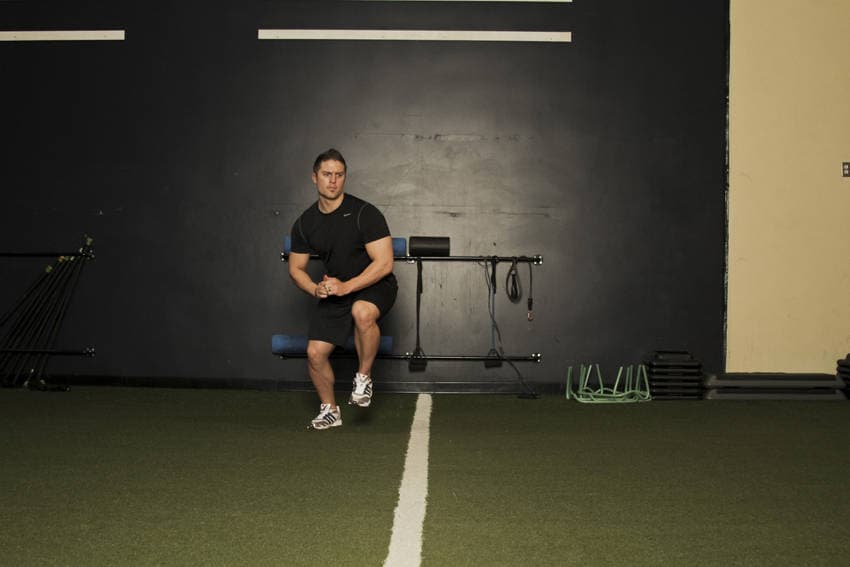
Alternate Leg Diagonal Bound
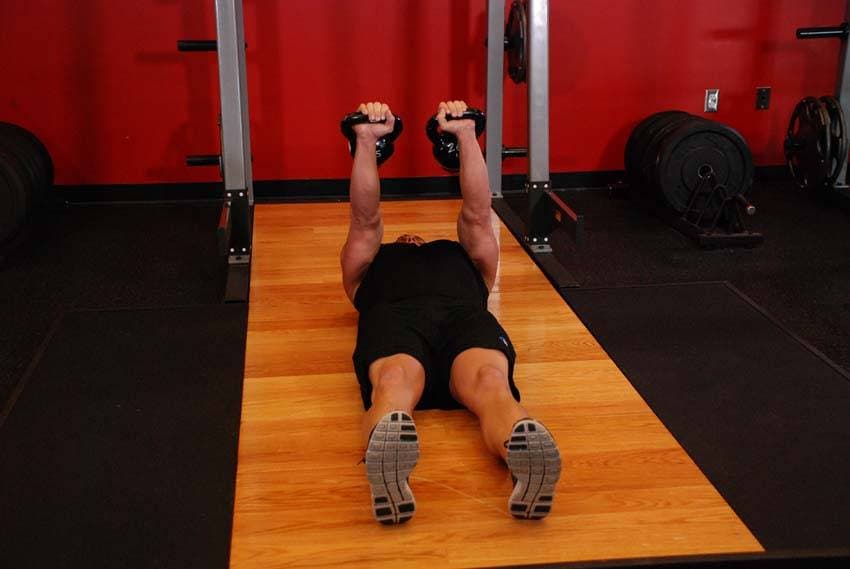
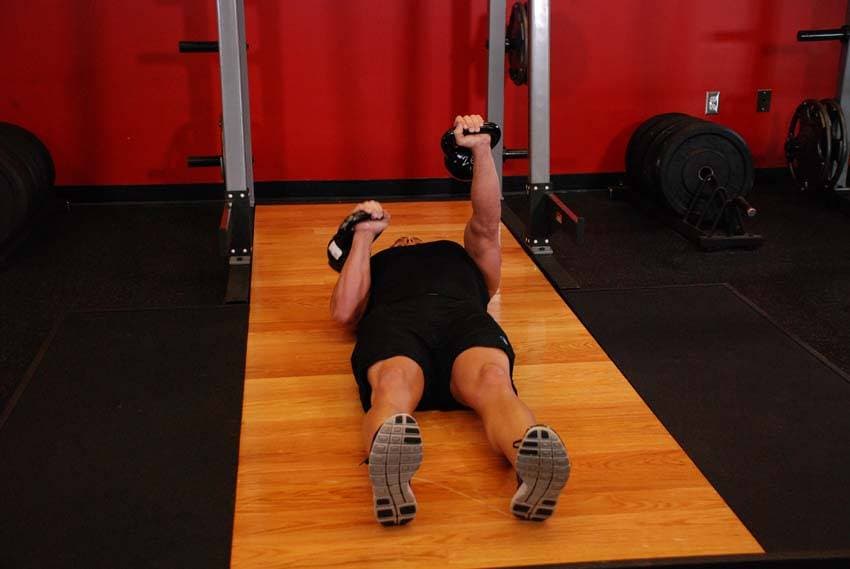
Alternating Floor Press
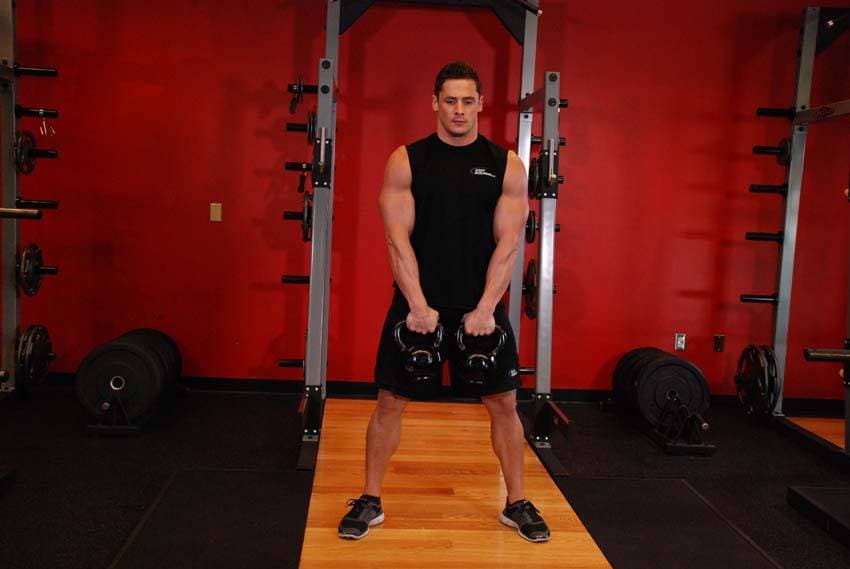
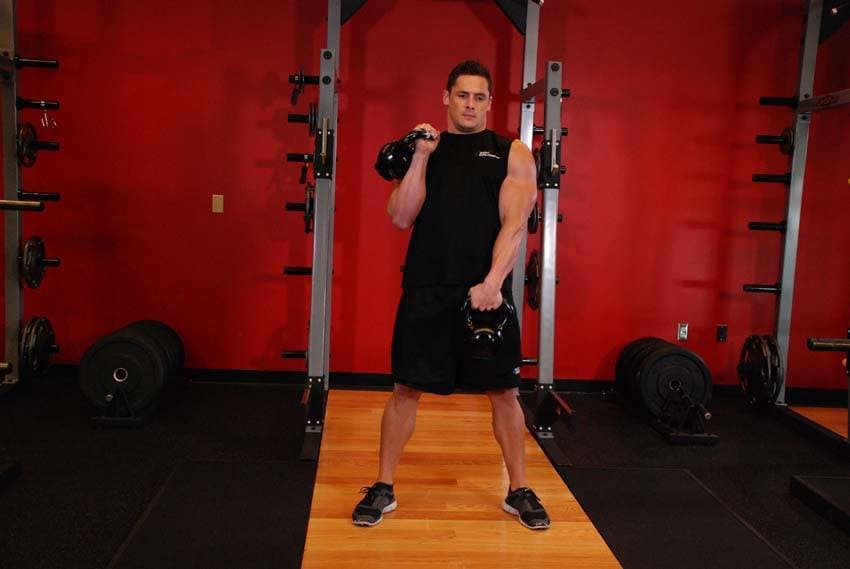
Alternating Hang Clean
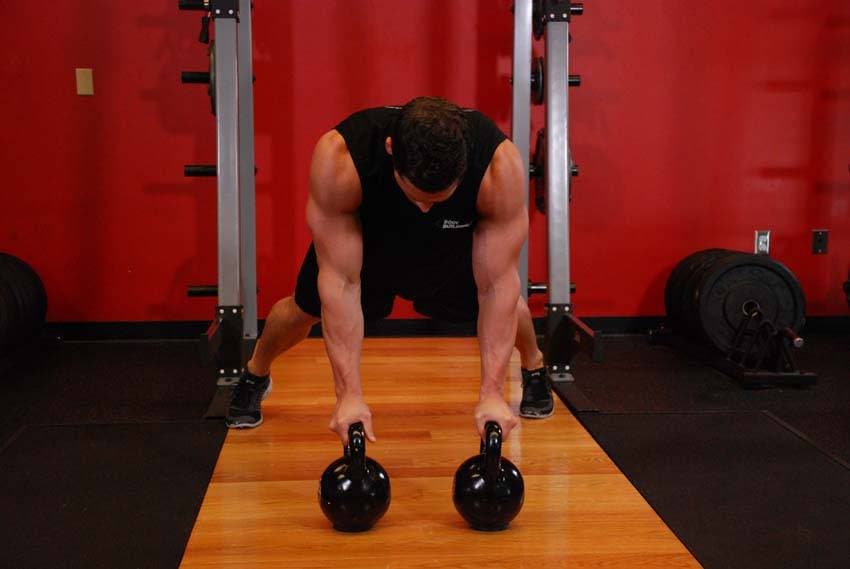
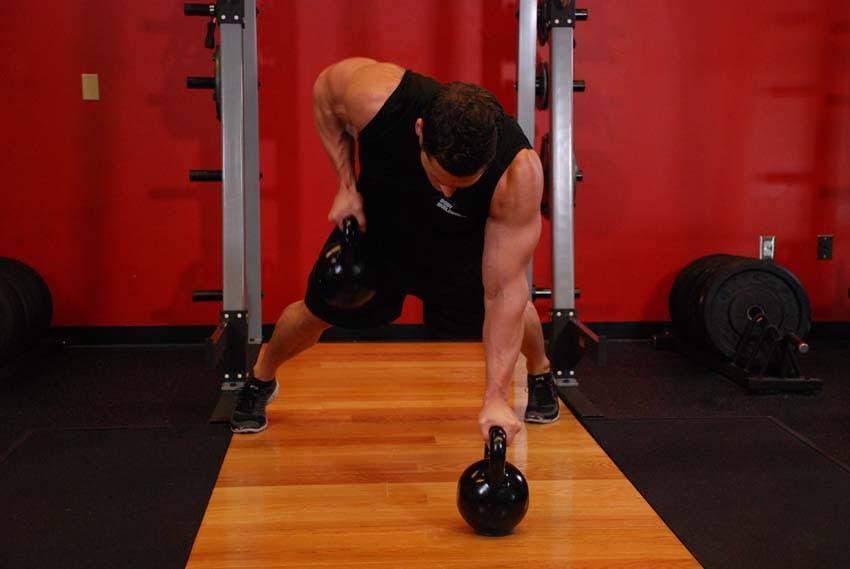
Alternating Renegade Row
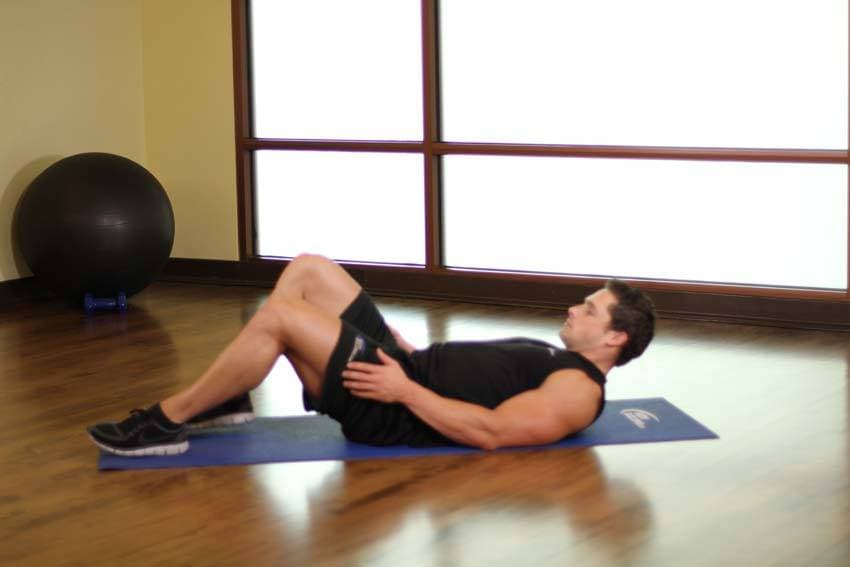
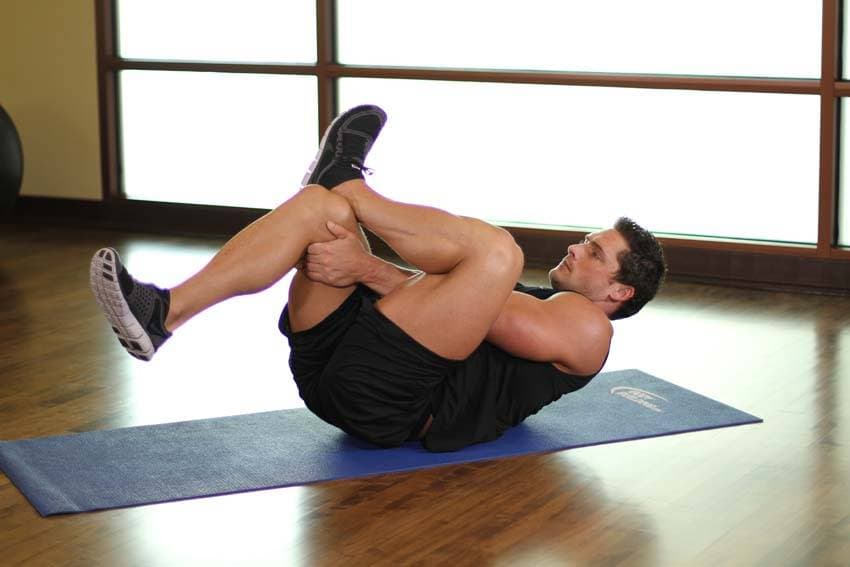
Ankle On The Knee
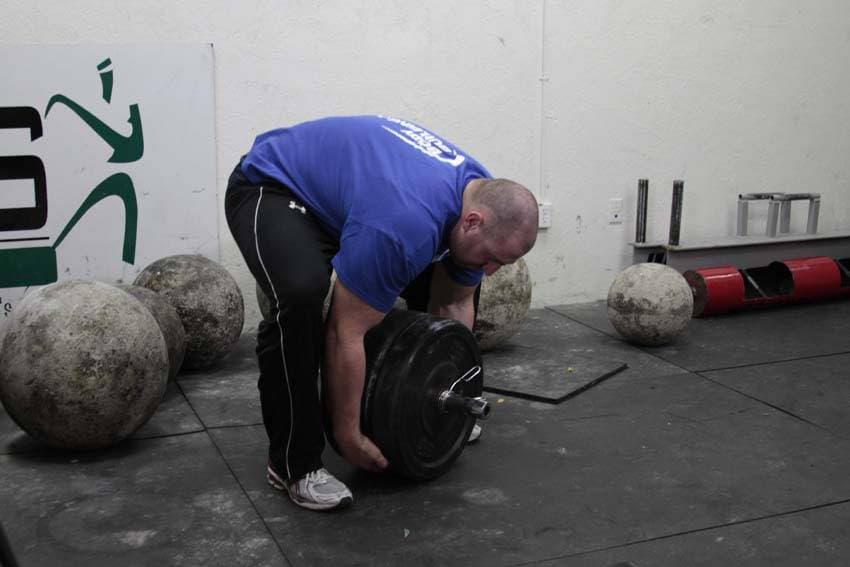
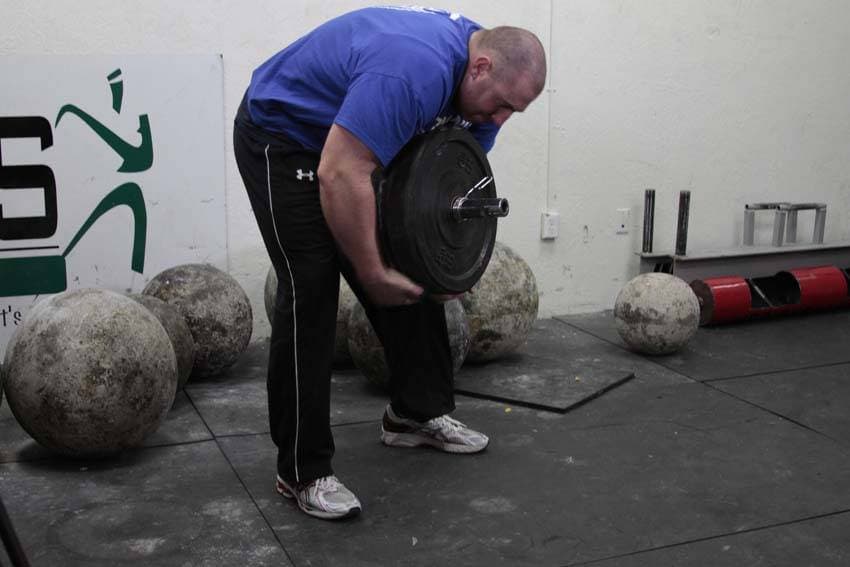
Atlas Stone Trainer
When to See a Doctor
Seek medical attention if tailbone pain is severe and not improving after two weeks, is accompanied by numbness in the genital area, follows a significant fall, or if there is visible swelling or redness.
Self-Care Tips
Use a coccyx cushion (donut pillow) when sitting
Avoid prolonged sitting and take standing breaks
Perform gentle pelvic floor relaxation exercises
Apply ice to the tailbone area for acute pain and heat for chronic pain
Related Pelvis Pain
Pelvis Muscles
Explore all pelvis muscles in 3D
Activities & Sports
Find which activities involve this area