Gym & Training
Dips
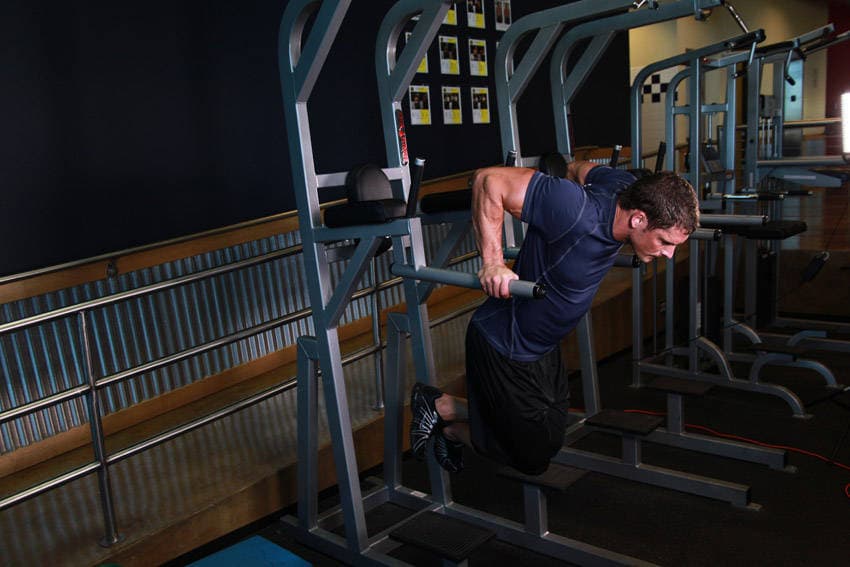
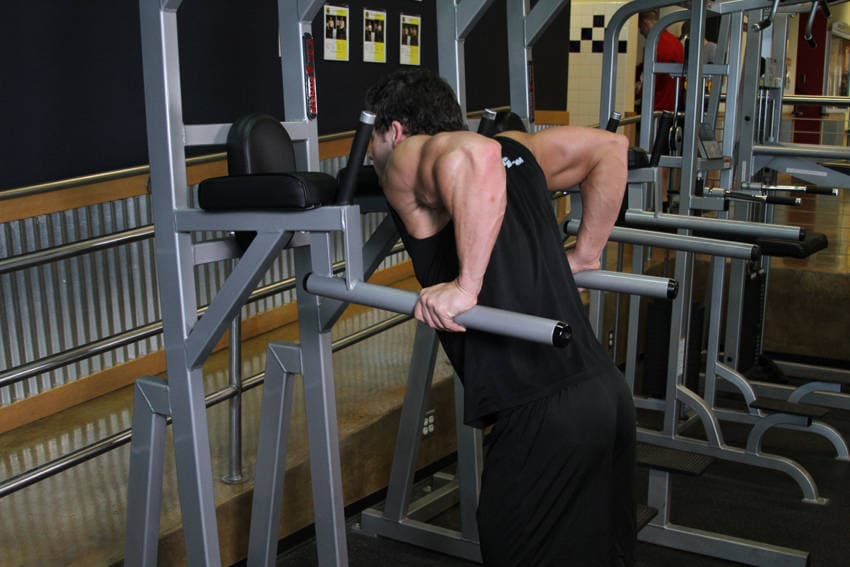
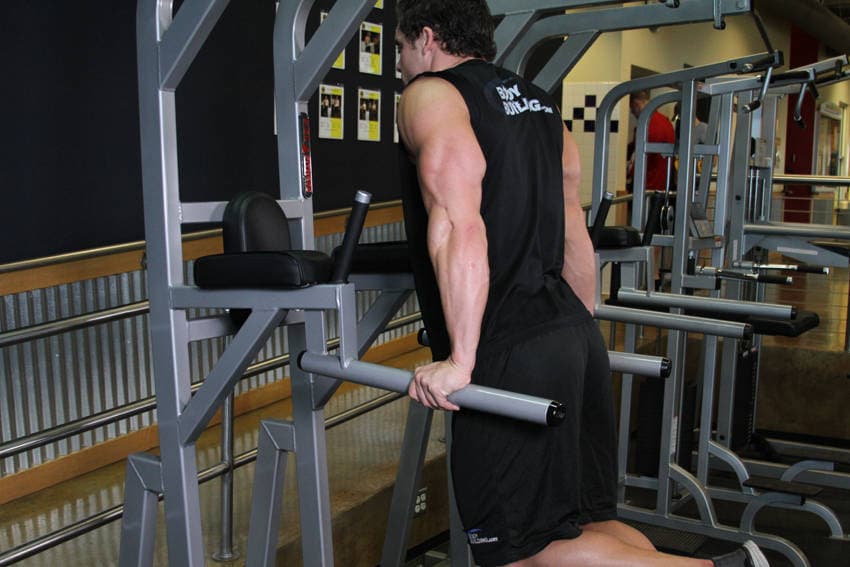
Dips are a compound pushing exercise that targets the chest, shoulders, and triceps by pressing the entire body weight through the arms. Forward lean emphasizes the chest, while an upright torso shifts load to the triceps. The core stabilizes the body, and the shoulders bear significant stress at the bottom position.
Primary Muscles
Supporting Muscles
Primary Muscles
21Chest
Abdominal part of left pectoralis major
The abdominal part of the left pectoralis major is the lower portion of the left chest's primary pushing muscle, attaching from the sternum down to the ribs near the abdomen. It drives shoulder adduction and flexion, crucial for powerful presses like bench variations and dips. Fitness enthusiasts target it for that defined lower chest line in bodybuilding.
Chest
Abdominal part of right pectoralis major
The abdominal part of the right pectoralis major forms the lower section of the right chest's main power muscle, spanning from the sternum to the abdominal ribs. It excels in adduction and flexion for presses and flyes, key for balanced chest development. Gym-goers love it for carving out that teardrop lower chest aesthetic.
Chest
Anterior papillary muscle of right ventricle
This cardiac muscle inside the right ventricle anchors mitral valve leaflets for proper heart pumping. Not skeletal, but endurance training optimizes heart efficiency. Matters for cardio performance indirectly.
Chest
Anterolateral head of lateral papillary muscle of left ventricle
Specialized head of left heart papillary muscle securing mitral valve for left ventricle ejection. Critical for oxygenated blood flow. Athletes benefit from cardiac hypertrophy here.
Chest
External intercostal muscle
External intercostals are thin muscles between the ribs that elevate them during inhalation, aiding deep breathing for core stability in lifts. They're vital for endurance athletes needing efficient oxygen uptake. Fitness training enhances respiratory muscle power.
Chest
Innermost intercostal muscle
Innermost intercostals are deep rib muscles aiding forced expiration like coughing. Support breathing in high-intensity training.
Chest
Internal intercostal muscle
Internal intercostals between ribs assist expiration and stabilize chest in lifts.
Chest
Lateral papillary muscle of left ventricle
Papillary muscle in heart's left ventricle anchors mitral valve to prevent backflow. Endurance training strengthens indirectly.
Chest
pectoralis major
The massive pectoralis major covers the chest, powering arm adduction, flexion, and rotation for bench presses and push-ups. It's the prime mover for upper body pushing strength in fitness. Building it creates that powerful chest aesthetic.
Chest
pectoralis minor
Under the pec major, the pectoralis minor stabilizes the scapula, aiding shoulder protraction in dips and push-ups. Key for shoulder health in overhead athletes. It prevents winging scapula in fitness training.
Chest
transversus thoracis
The transversus thoracis are thin muscle bands on the inner chest wall beneath the sternum. They compress the chest during forced exhalation and stabilize the ribs. Important for deep breathing control in fitness and core stability.
Forearm
anconeus
Tiny elbow extensor at back upper forearm, stabilizes during pressing and gripping. Aids triceps in extensions. Powerlifters note its elbow lockout role.
Upper Arm
triceps brachii
The triceps brachii is the horseshoe-shaped muscle on the back of your upper arm with three heads. It extends the elbow for pushing movements like bench presses and dips. Crucial for arm strength, lockouts in lifts, and overall upper body power.
Upper Arm
coracobrachialis
The coracobrachialis is a small shoulder flexor deep in the upper arm, bridging coracoid to humerus. It flexes and adducts the arm, stabilizing shoulder in presses. Adds inner arm density for balanced delts.
Shoulder
deltoid
The deltoid is the rounded shoulder cap muscle with anterior, middle, and posterior fibers covering the shoulder joint. It abducts, flexes, and extends the arm for raises and presses. Builds the V-taper and protects the rotator cuff.
Shoulder
infraspinatus muscle
Infraspinatus caps the back of the shoulder blade, externally rotating the arm for throwing and serving. Key rotator cuff muscle for shoulder stability in presses and pulls.
Chest
serratus anterior
Serratus anterior wraps from ribs to scapula, protracting and upwardly rotating the shoulder blade for punches and presses. 'Boxer's muscle' prevents winging, crucial for overhead athletes.
Shoulder
subscapularis
The subscapularis is the anterior rotator cuff muscle filling the scapula's subscapular fossa. It internally rotates the arm and stabilizes the shoulder joint. Crucial for fitness in presses, pulls, and preventing dislocations.
Shoulder
supraspinatus
The supraspinatus tops the rotator cuff on scapula's fossa, initiating shoulder abduction. Vital for overhead presses and impingement prevention in weight training.
Shoulder
teres major
The teres major is a thick muscle from lower scapula to humerus, adducting and internally rotating the arm. 'Lat's little helper' for pulling exercises like rows and pull-ups.
Shoulder
teres minor
The teres minor is a narrow rotator cuff muscle on scapula's lateral border, externally rotating and stabilizing the shoulder. Key for throwing and pressing without winging.
Supporting Muscles
7Abdomen
Diaphragm
The diaphragm is the dome-shaped breathing muscle separating chest from abdomen, contracting to inhale. Central tendon anchors it, essential for core bracing in lifts and endurance.
Pelvis
External anal sphincter
The external anal sphincter is a skeletal muscle ring around the anus that you can consciously control for bowel movements. It maintains continence during daily activities and is strengthened via Kegels for pelvic floor health. Important for athletes in high-impact sports to prevent incontinence.
Abdomen
external oblique
External obliques form the outer 'V' of your abs on each side, rotating and side-bending the torso while compressing the abdomen. They're powerhouse muscles for rotational power in sports like golf, boxing, and throws. Train them for a defined waist and core stability.
Hip
iliacus
The iliacus is the fan-shaped hip flexor filling your pelvis bowl, partnering with psoas to lift the thigh. Crucial for running, kicking, and rising from sits. Tight iliacus contributes to anterior pelvic tilt and lower back strain in fitness enthusiasts.
Abdomen
psoas major
The psoas major is a deep hip flexor from spine to thigh, lifting knees in running/squats. Core to posture and power; tightness causes low back pain.
Pelvis
pubococcygeus
Part of pelvic floor, the pubococcygeus supports bladder/bowel, aids continence and core stability. Crucial for intra-abdominal pressure in heavy lifts like squats.
Chest
serratus anterior
Serratus anterior wraps from ribs to scapula, protracting and upwardly rotating the shoulder blade for punches and presses. 'Boxer's muscle' prevents winging, crucial for overhead athletes.
Recommended Exercises
12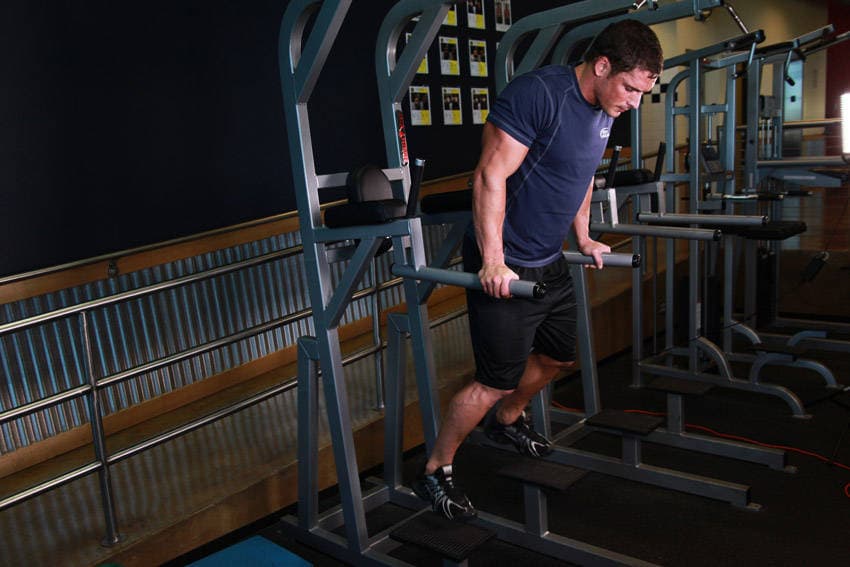
Dips - Chest Version
Dips - Triceps Version
Bench Dips
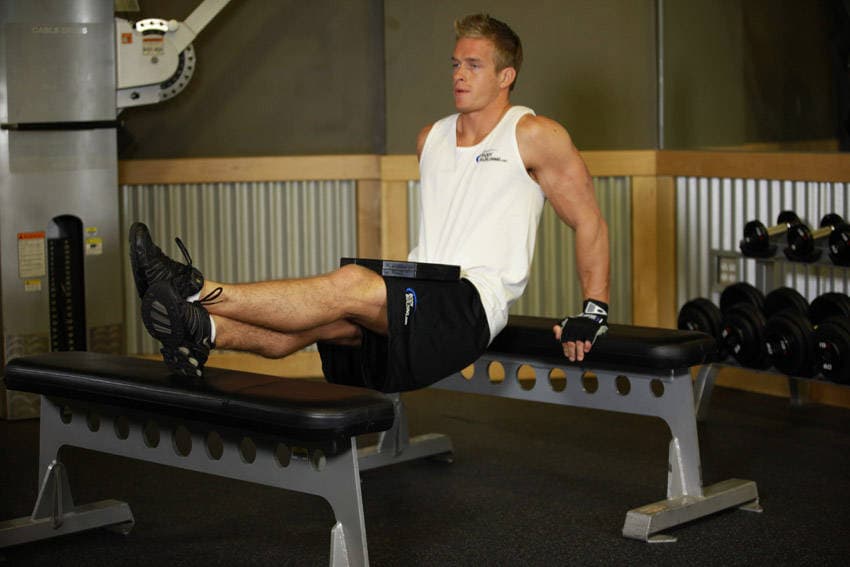
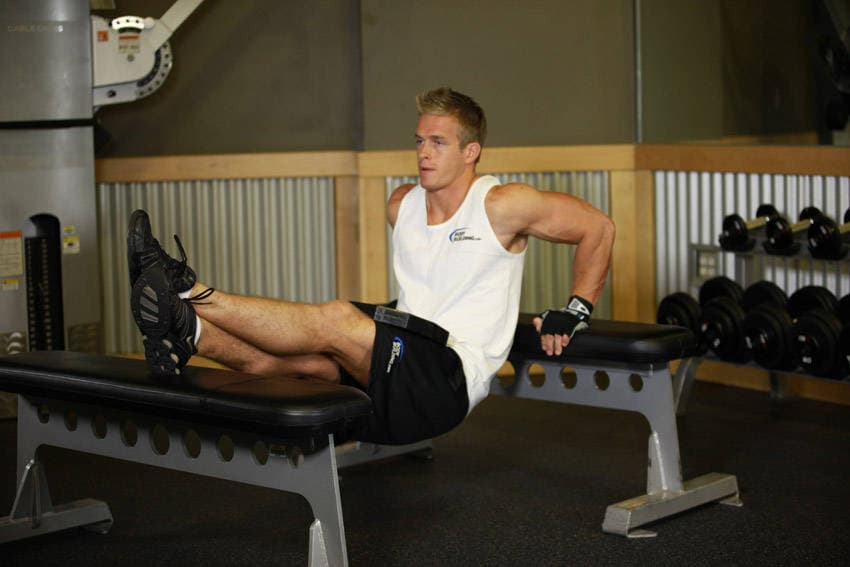
Weighted Bench Dip
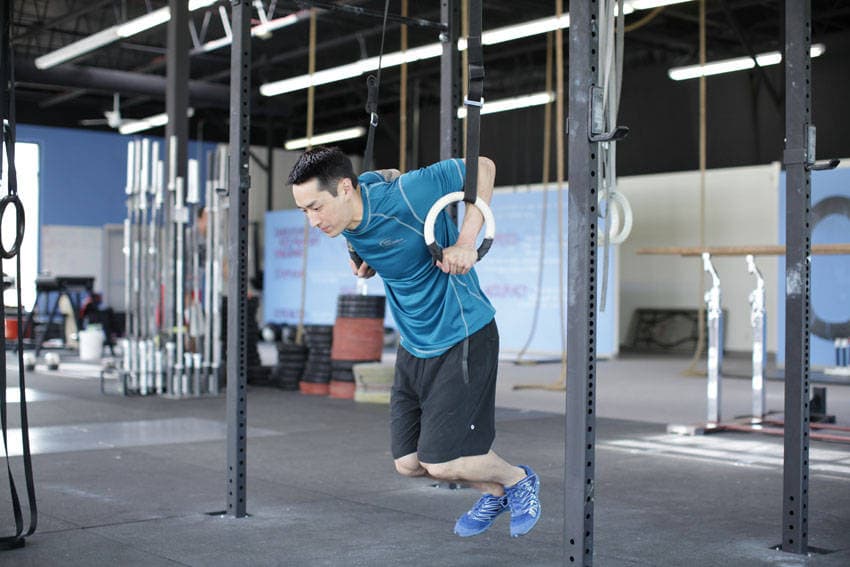
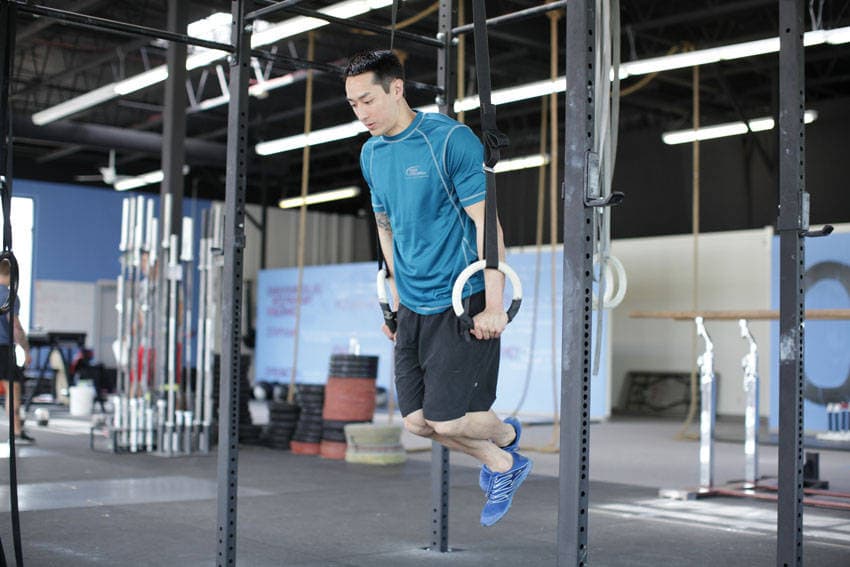
Ring Dips
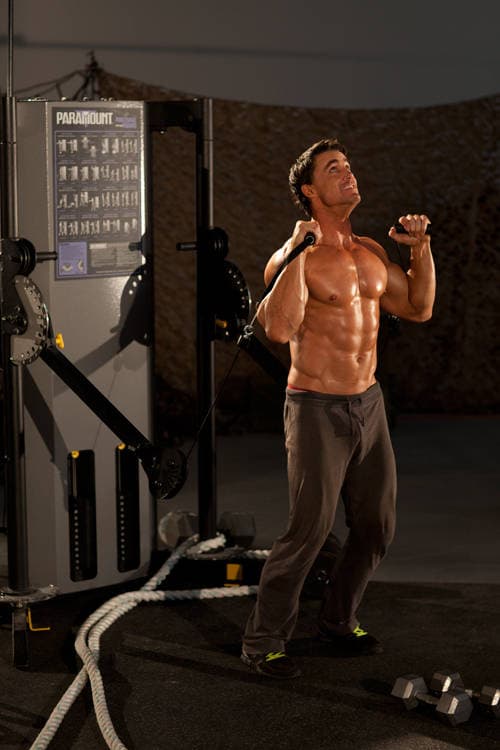
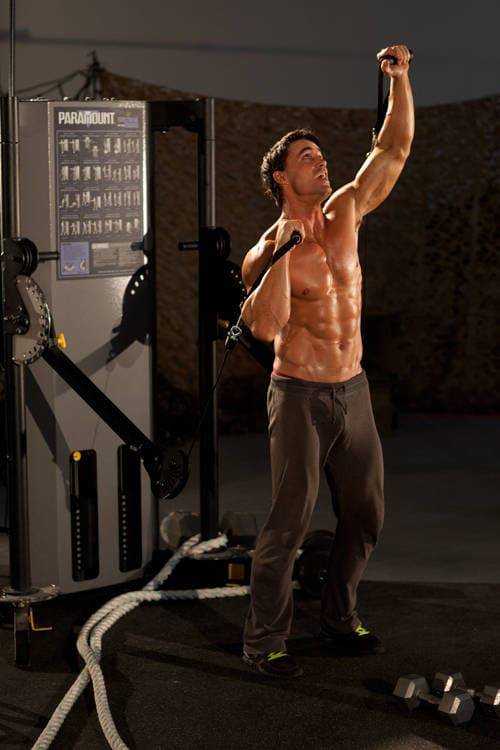
Alternating Cable Shoulder Press
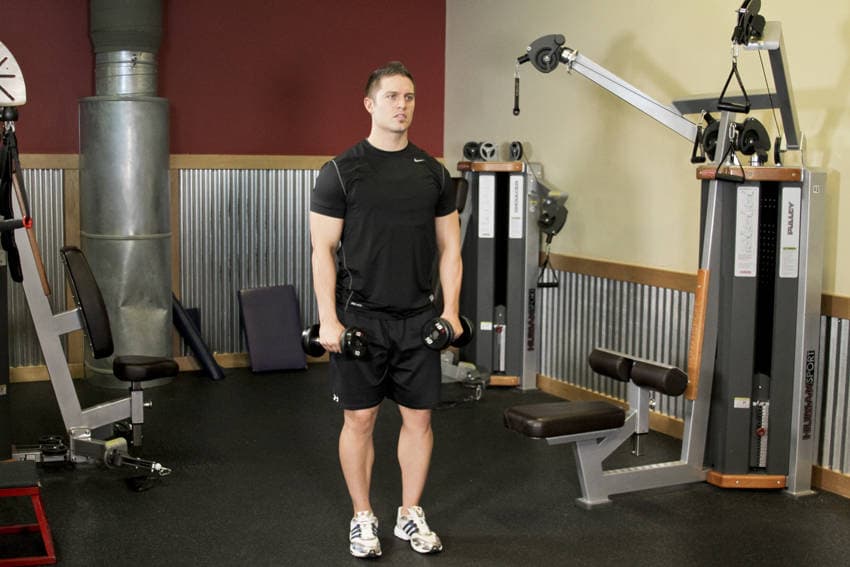
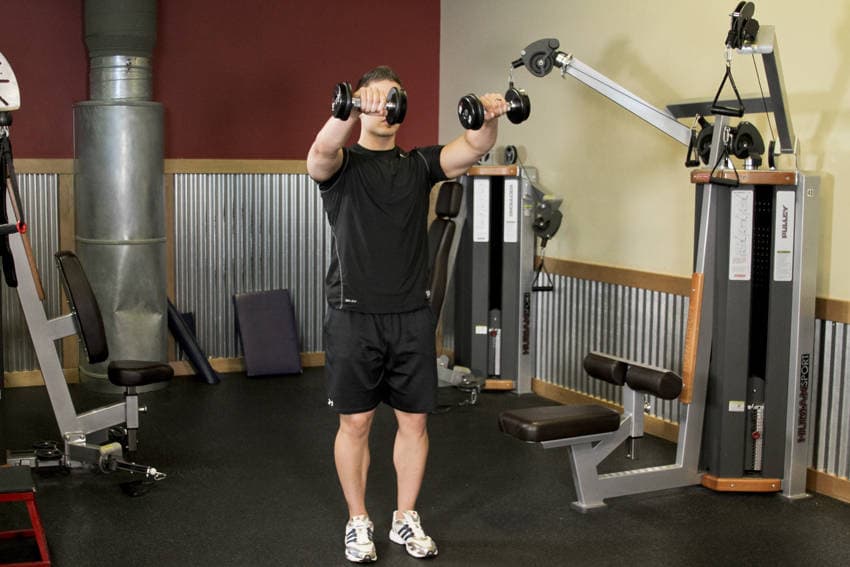
Alternating Deltoid Raise
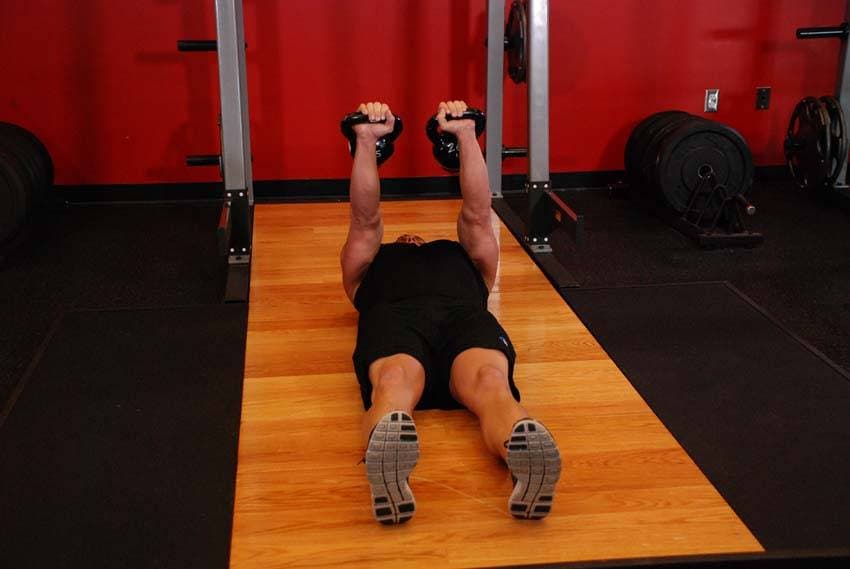
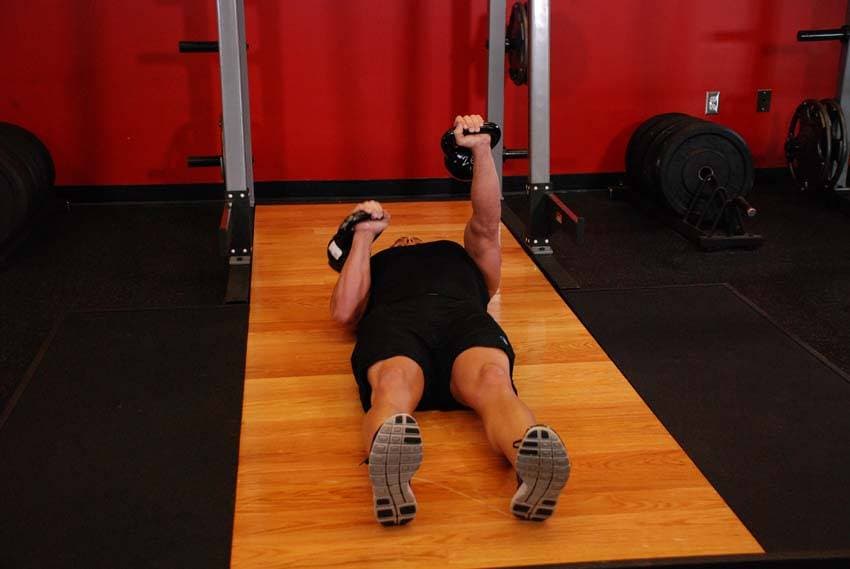
Alternating Floor Press
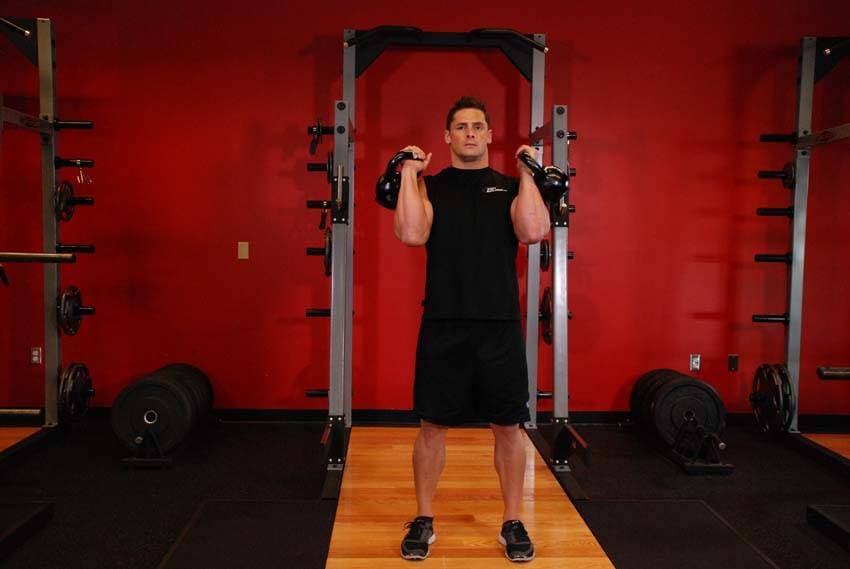
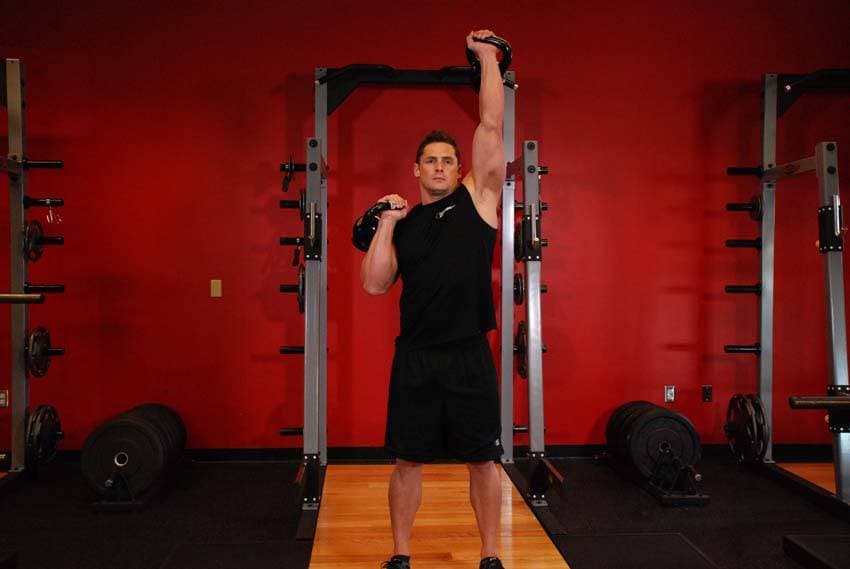
Alternating Kettlebell Press
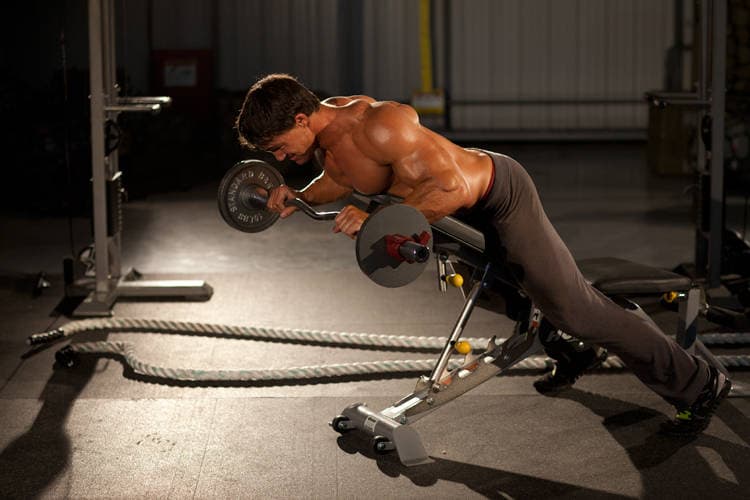
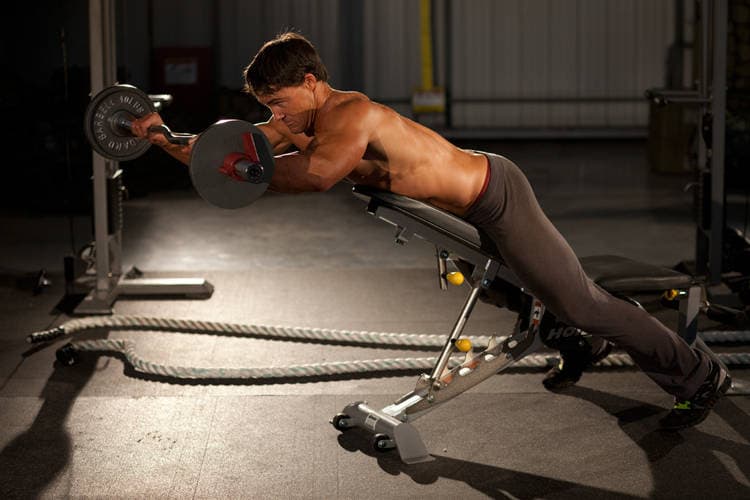
Anti-Gravity Press
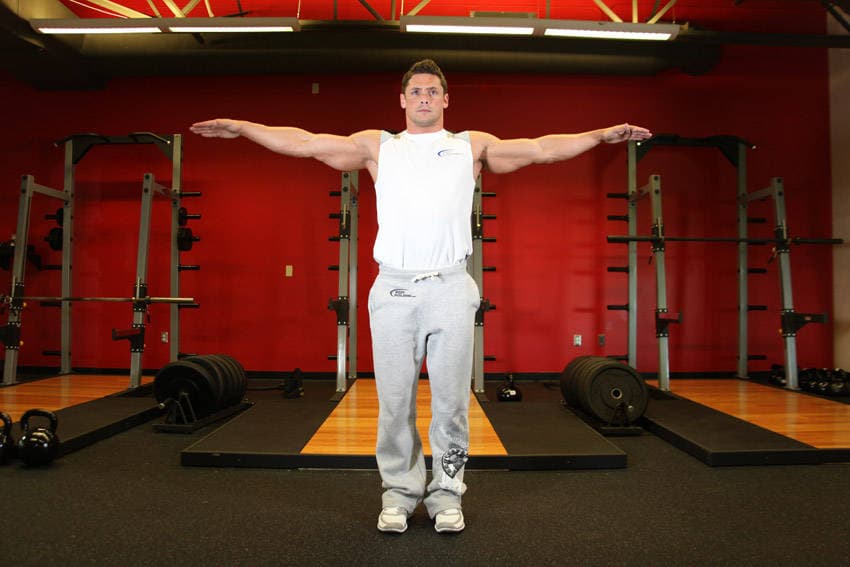
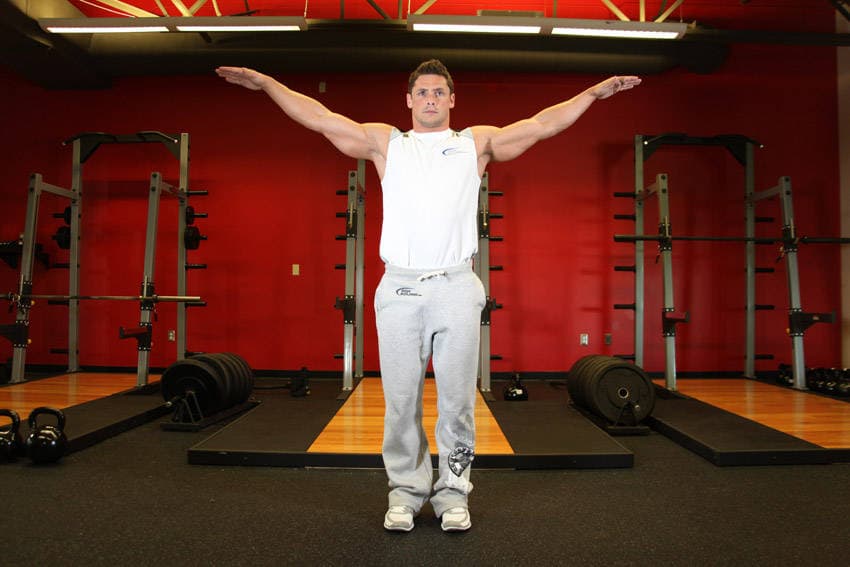
Arm Circles