Lower Leg
Outer Ankle
Pain on the outer (lateral) ankle commonly involves the fibularis (peroneal) muscles, lateral ankle ligaments, and the sinus tarsi. Lateral ankle sprains are the most common musculoskeletal injury overall, and recurrent instability can lead to chronic outer ankle pain.
Medical Disclaimer
This information is for educational purposes only and does not constitute medical advice. Consult a qualified healthcare provider for proper diagnosis and treatment of any pain or medical condition.
Common Causes
Lateral ankle sprain (inversion injury)
Peroneal tendinitis or tendon subluxation
Chronic ankle instability from repeated sprains
Sinus tarsi syndrome
Lateral ankle impingement
Muscles in This Area
4Lower Leg
fibularis longus
The fibularis longus runs along the outer lower leg, crossing under the foot to evert and stabilize the arch. It powers push-off in sprinting and side-to-side movements. Crucial for runners to avoid ankle sprains and maintain foot alignment.
Lower Leg
fibularis brevis
The fibularis brevis, aka peroneus brevis, lies low on the outer lower leg and everts the foot while plantarflexing it. It's essential for lateral stability in running, surfing, or agility drills. Fitness athletes strengthen it to prevent ankle rolls.
Lower Leg
fibularis tertius
The fibularis tertius is a small muscle on the front-outer lower leg that assists in dorsiflexion and eversion. It's active in quick foot lifts during running or hiking. Often absent, but when present, aids ankle agility in sports.
Lower Leg
extensor digitorum longus
The extensor digitorum longus runs lateral shin from knee to foot, extending toes 2-5 and dorsiflexing ankle. Builds shin definition for runners.
Stretches That May Help
Recommended Exercises
12

90/90 Hamstring
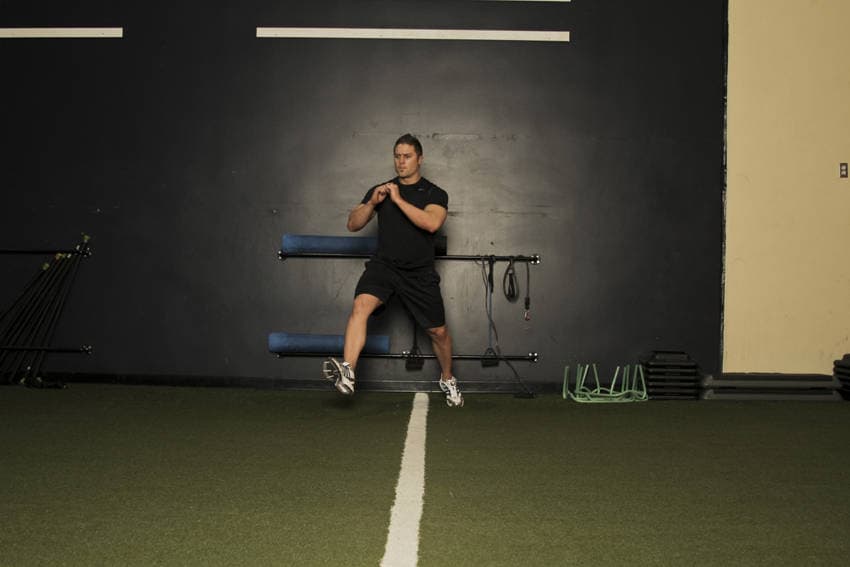

Alternate Leg Diagonal Bound
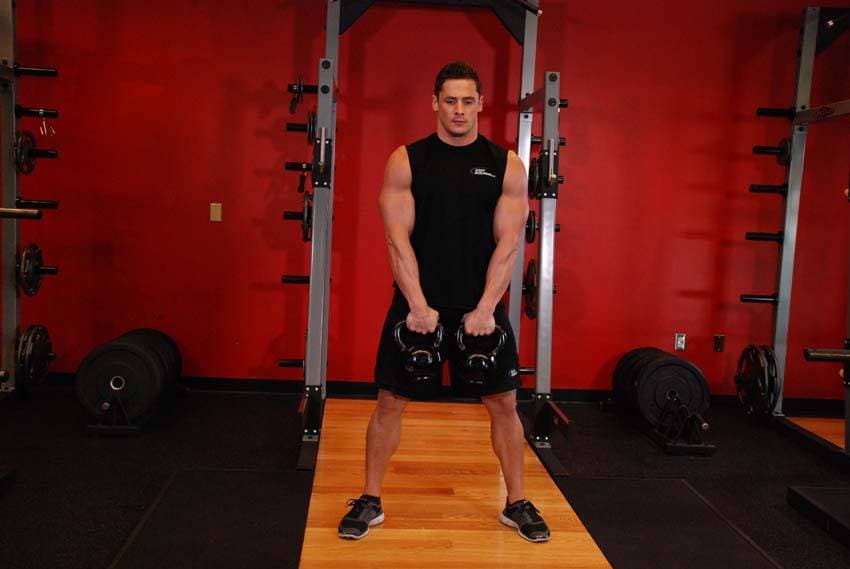

Alternating Hang Clean
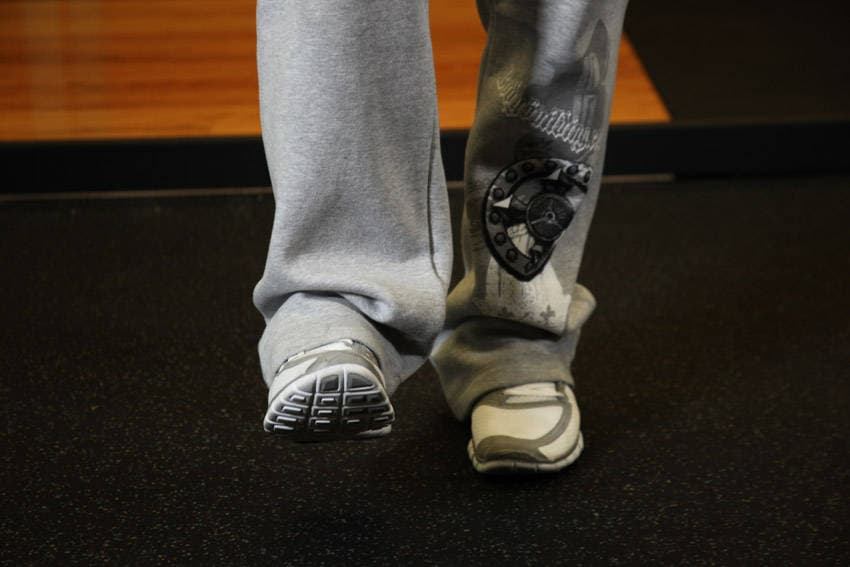
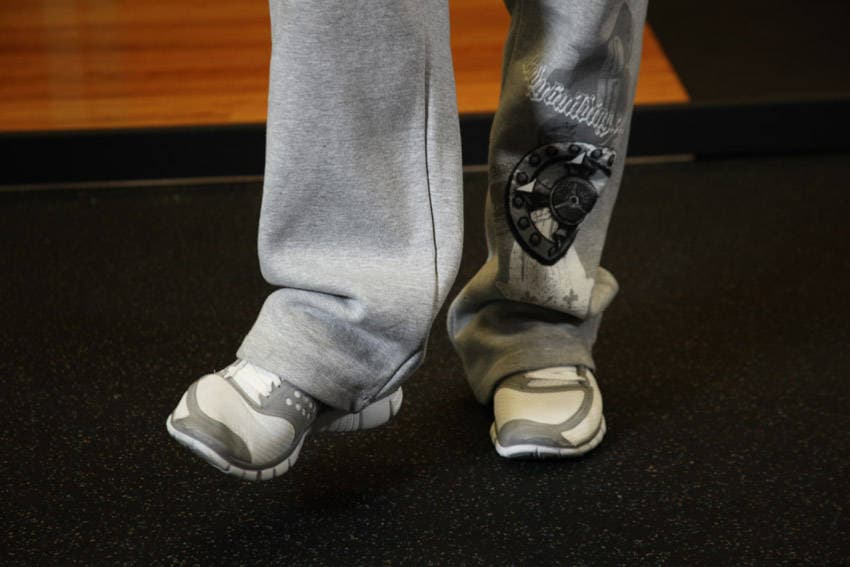
Ankle Circles
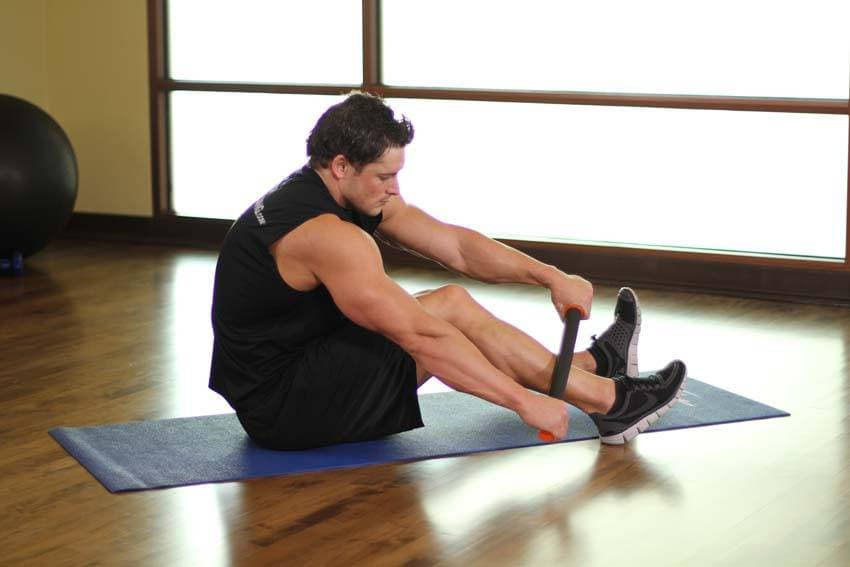

Anterior Tibialis-SMR
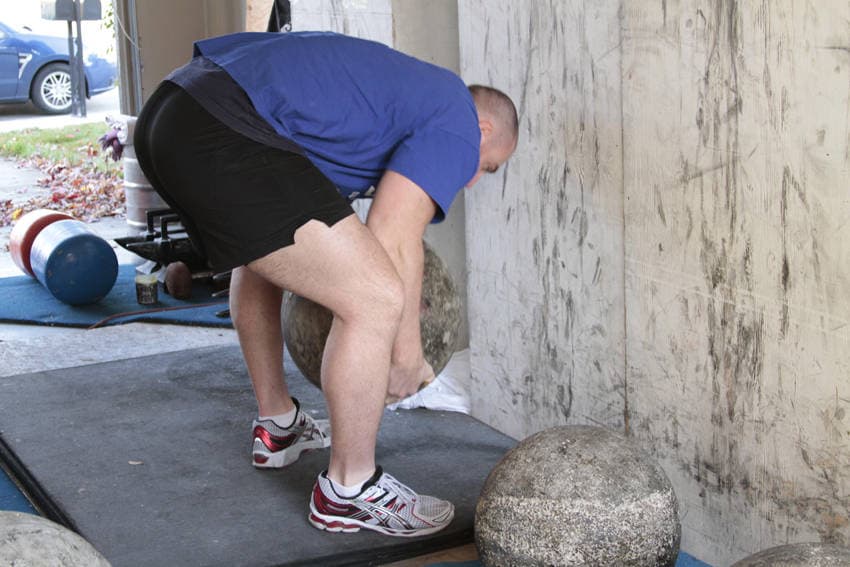
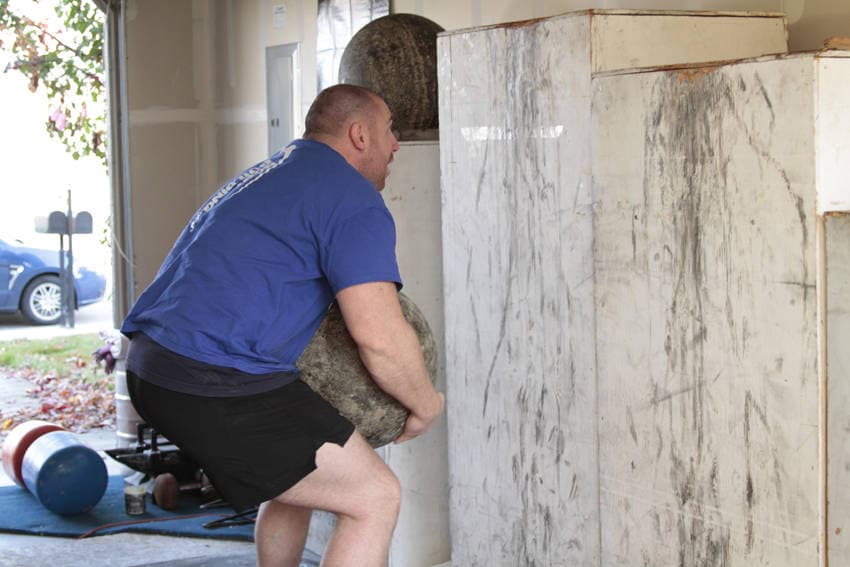
Atlas Stones
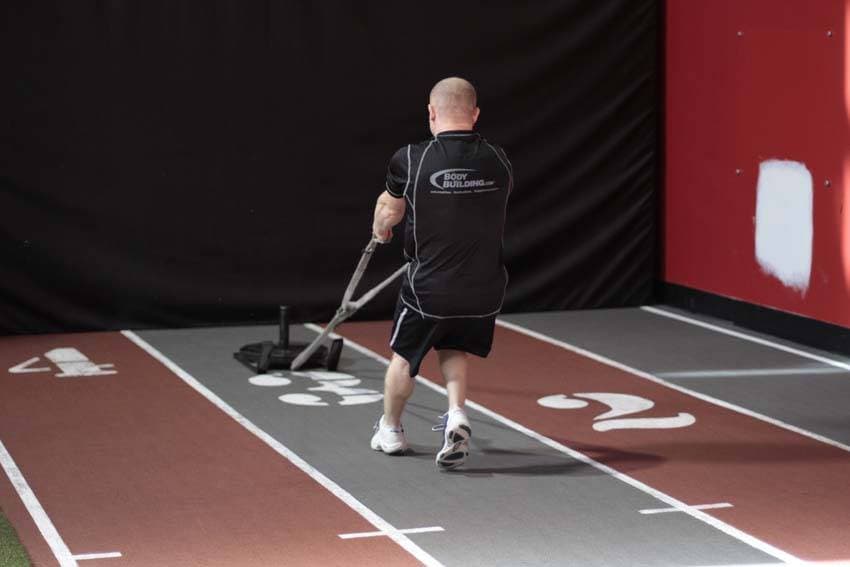
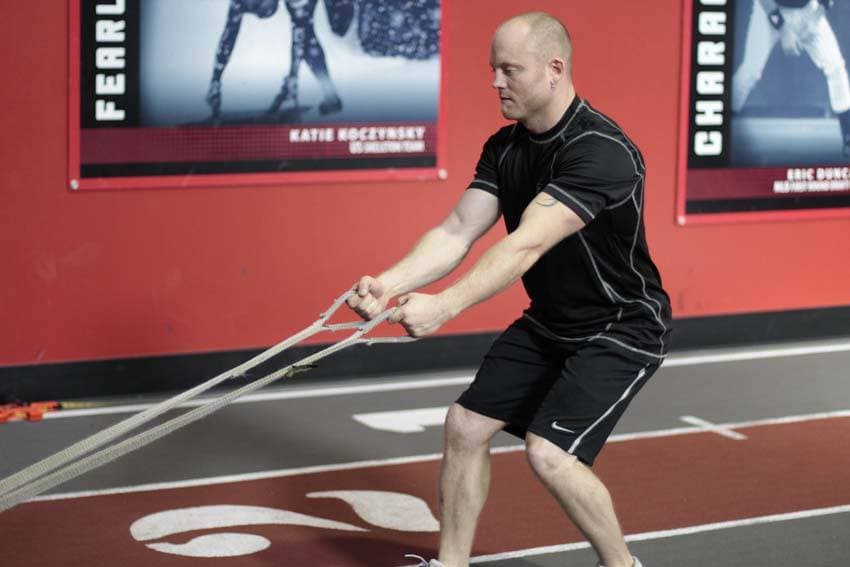
Backward Drag


Balance Board
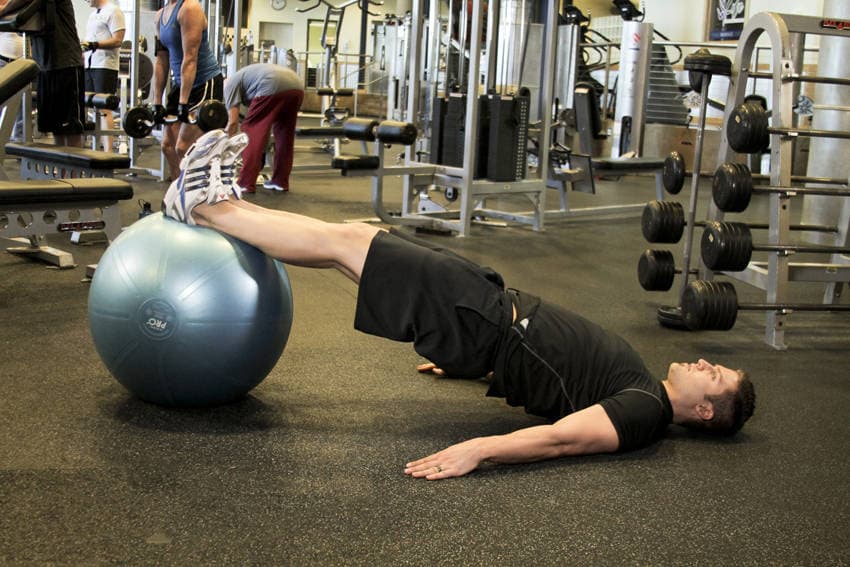
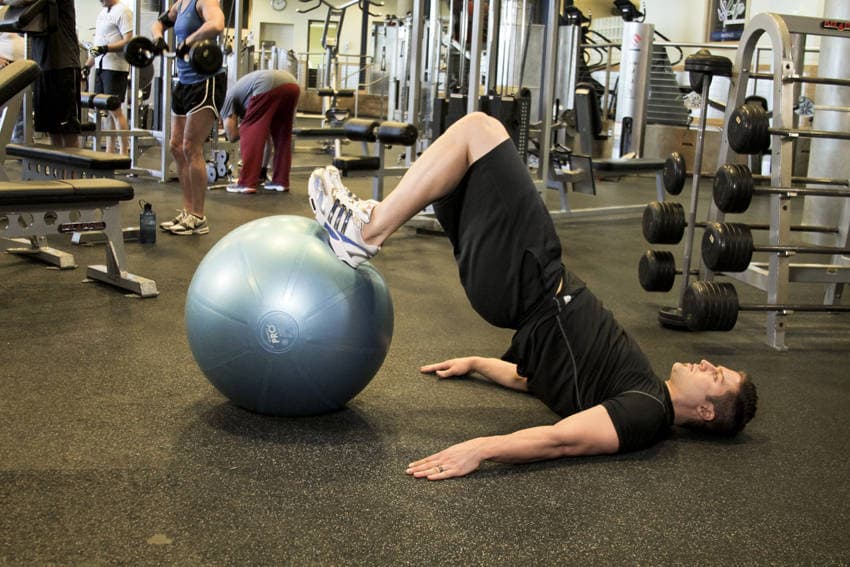
Ball Leg Curl

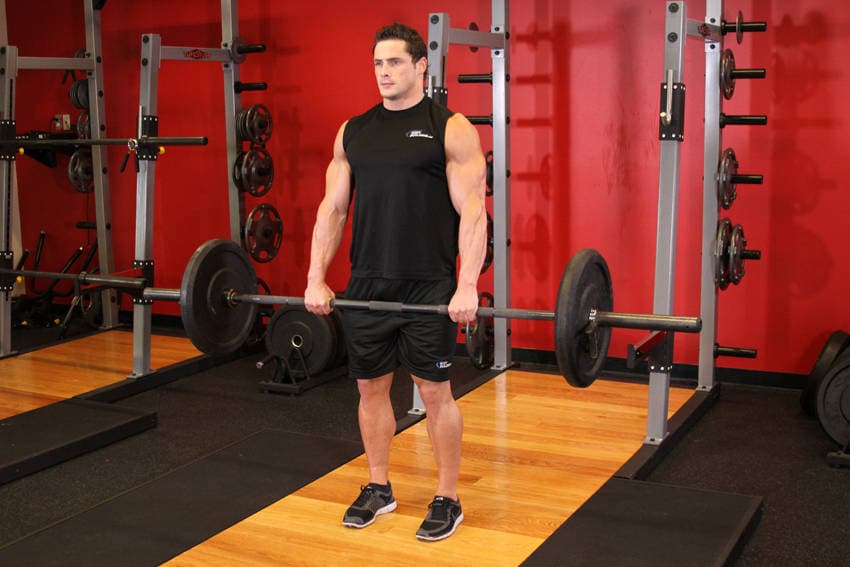
Barbell Deadlift
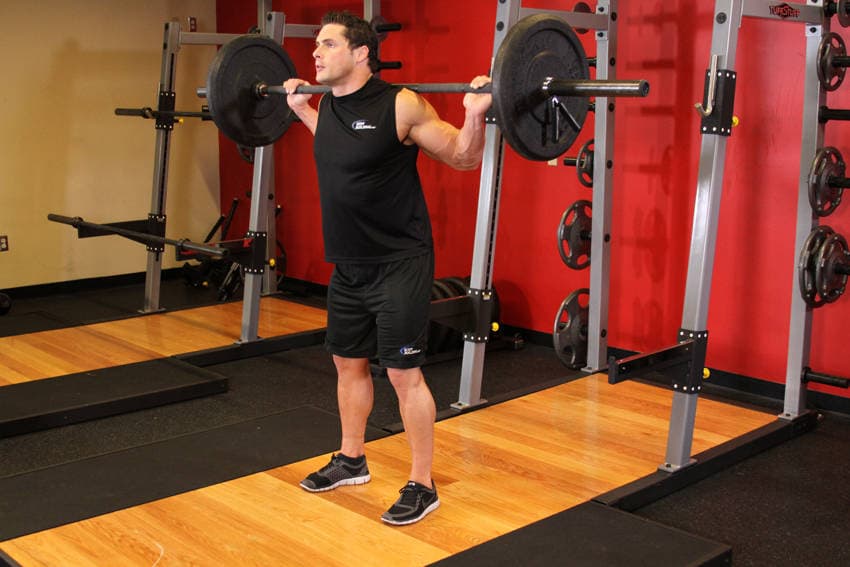
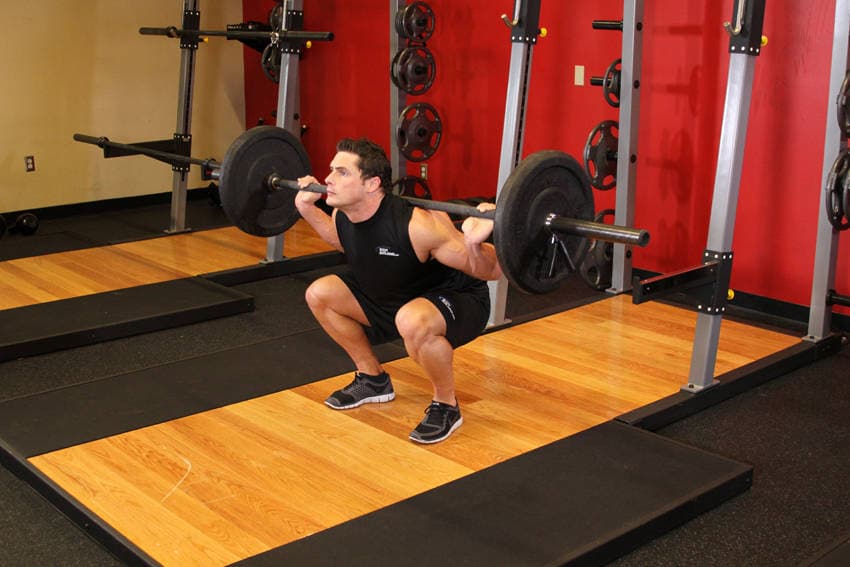
Barbell Full Squat
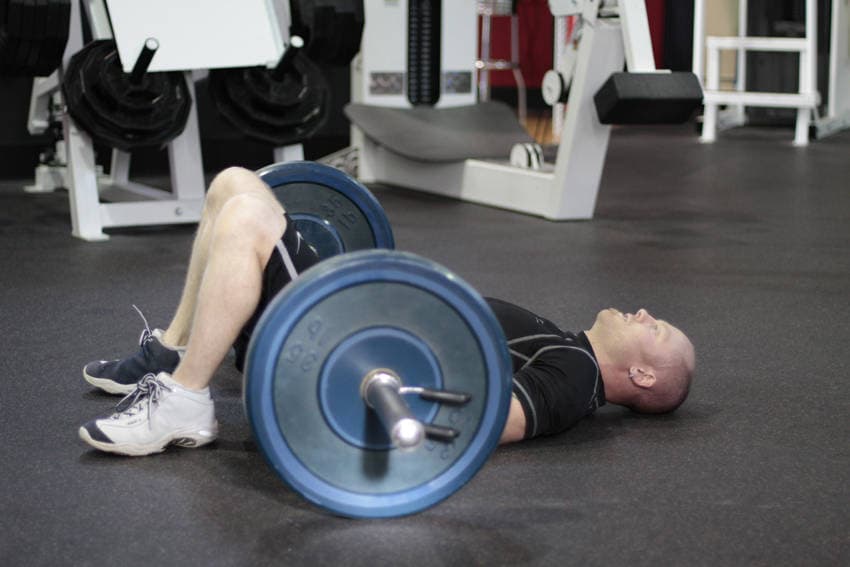
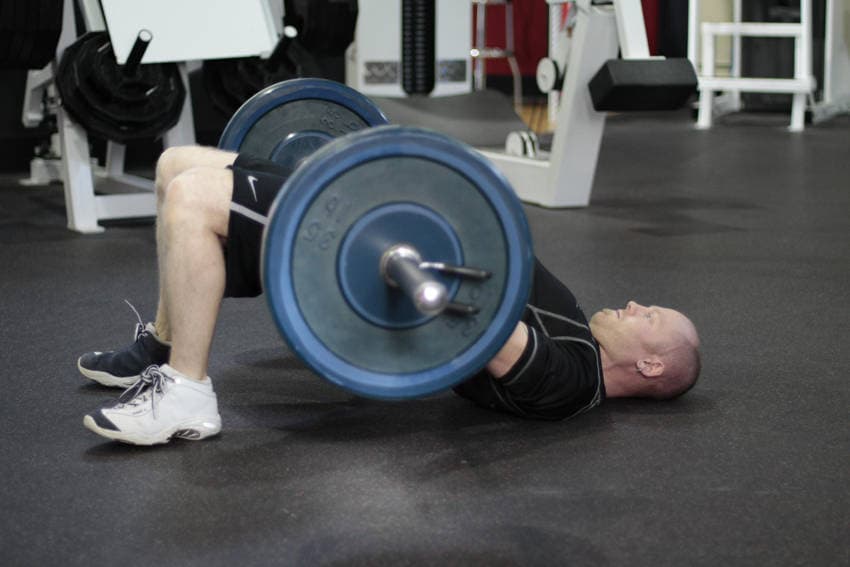
Barbell Glute Bridge
When to See a Doctor
Seek medical attention if the ankle is significantly swollen and bruised, you cannot bear weight, the ankle feels unstable or gives way, or if pain persists beyond a few weeks after a sprain.
Self-Care Tips
Follow RICE protocol immediately after an ankle sprain
Strengthen the peroneal muscles with resistance band eversion exercises
Practice single-leg balance exercises to improve ankle stability
Wear supportive shoes and consider ankle bracing for sports
Related Lower Leg Pain
Lower Leg Muscles
Explore all lower leg muscles in 3D
Activities & Sports
Find which activities involve this area