Lower Leg
Shin
Shin pain involves the tibialis anterior, tibialis posterior, and the periosteum of the tibia. Shin splints (medial tibial stress syndrome) are extremely common in runners and military recruits, typically caused by rapid increases in training load.
Medical Disclaimer
This information is for educational purposes only and does not constitute medical advice. Consult a qualified healthcare provider for proper diagnosis and treatment of any pain or medical condition.
Common Causes
Shin splints (medial tibial stress syndrome) from overuse
Tibialis anterior strain from excessive walking or hill running
Compartment syndrome from increased pressure in the shin compartment
Tibial stress fracture from repetitive impact
Periostitis from running on hard surfaces
Muscles in This Area
6Lower Leg
tibialis anterior
The tibialis anterior is a long, thin muscle running down the front of your shin from knee to ankle. It lifts your foot upward (dorsiflexion) and turns it inward (inversion), crucial for walking, running, and preventing your toes from dragging. Strong tibialis anterior prevents shin splints and improves ankle stability for better athletic performance.
Lower Leg
tibialis posterior
Hidden deep in the calf behind the tibia, the tibialis posterior supports your arch and stabilizes the ankle. It inverts the foot and assists plantarflexion, vital for push-off in running and preventing flat feet. Weakness leads to overpronation and foot pain during activity.
Lower Leg
extensor digitorum longus
The extensor digitorum longus runs lateral shin from knee to foot, extending toes 2-5 and dorsiflexing ankle. Builds shin definition for runners.
Lower Leg
extensor hallucis longus
The extensor hallucis longus runs down the front of the lower leg and extends the big toe while also assisting in dorsiflexion of the ankle. It's crucial for clearing the foot during the swing phase of gait in runners and athletes. Strong EHL prevents foot drop and enhances explosive movements like jumping.
Lower Leg
fibularis longus
The fibularis longus runs along the outer lower leg, crossing under the foot to evert and stabilize the arch. It powers push-off in sprinting and side-to-side movements. Crucial for runners to avoid ankle sprains and maintain foot alignment.
Lower Leg
soleus
Broad flat muscle deep to gastrocnemius in calf, plantarflexes ankle for standing/walking. Powers propulsion in running/squats; endurance king.
Stretches That May Help
Recommended Exercises
12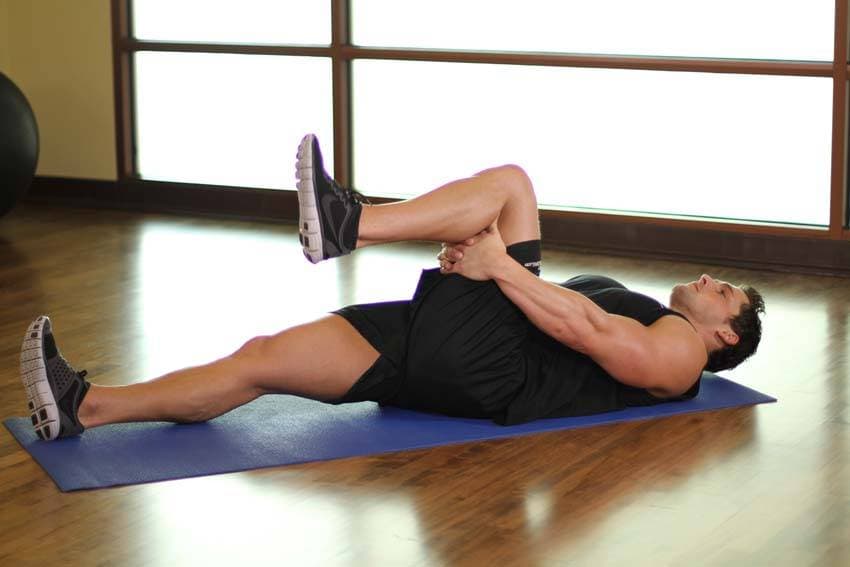
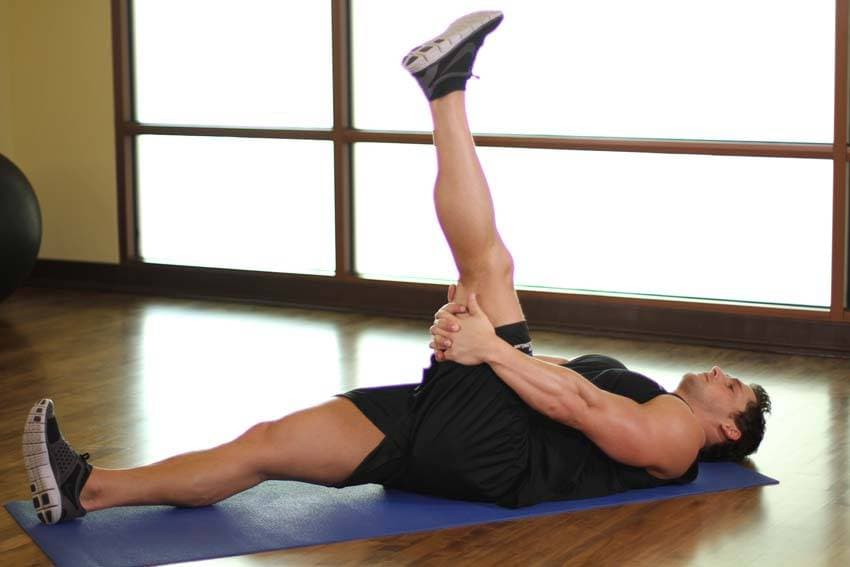
90/90 Hamstring
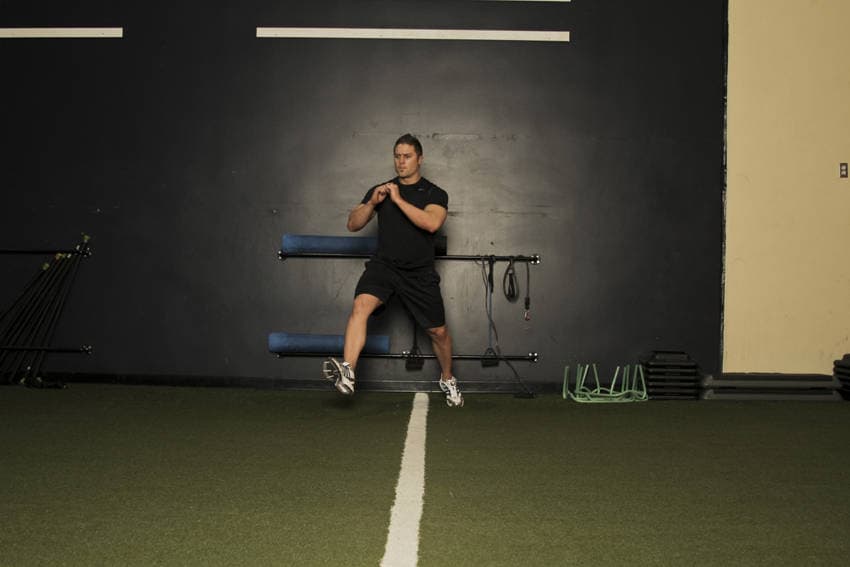
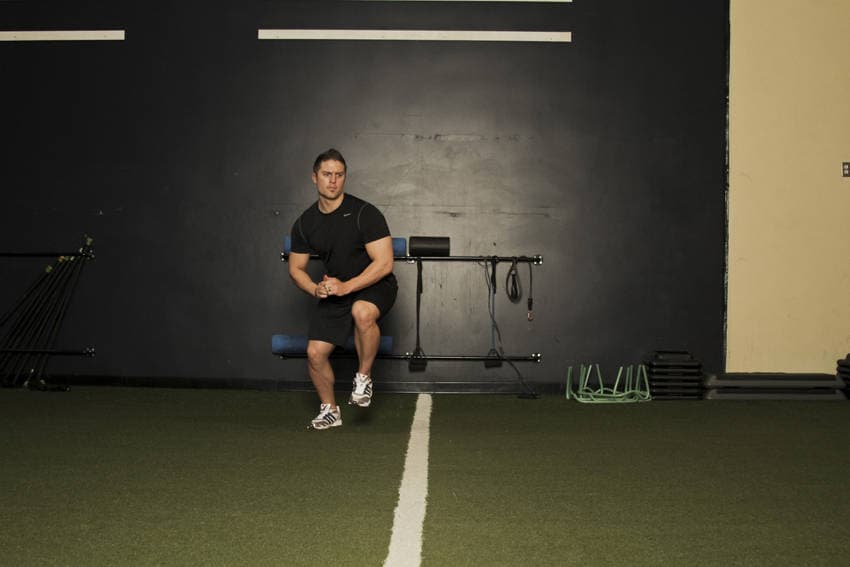
Alternate Leg Diagonal Bound
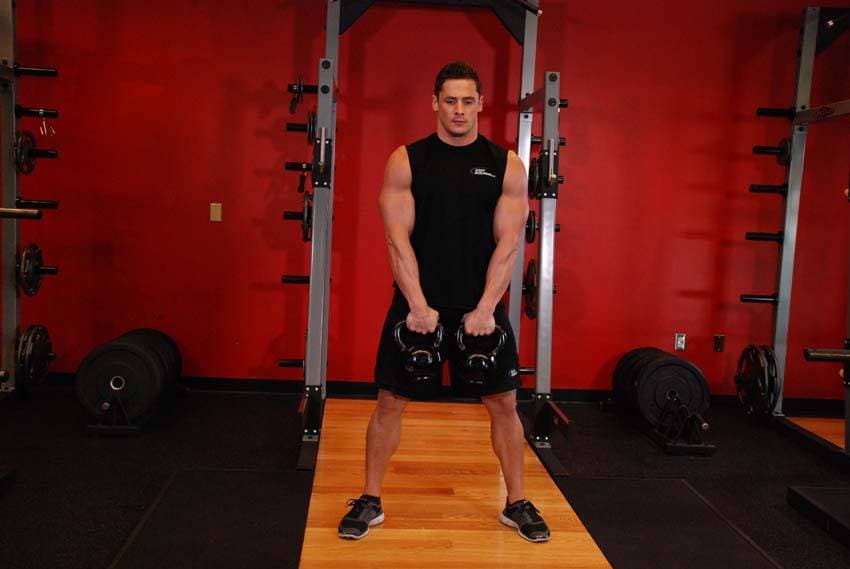
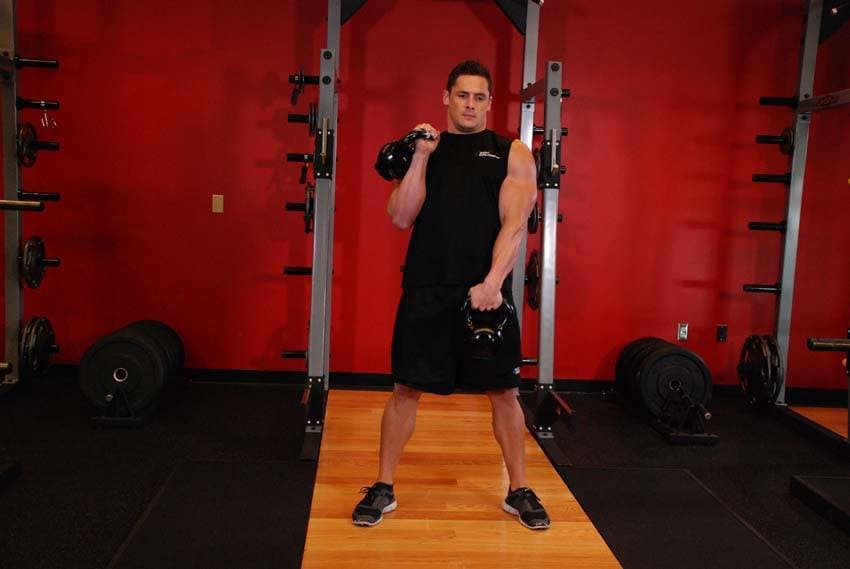
Alternating Hang Clean
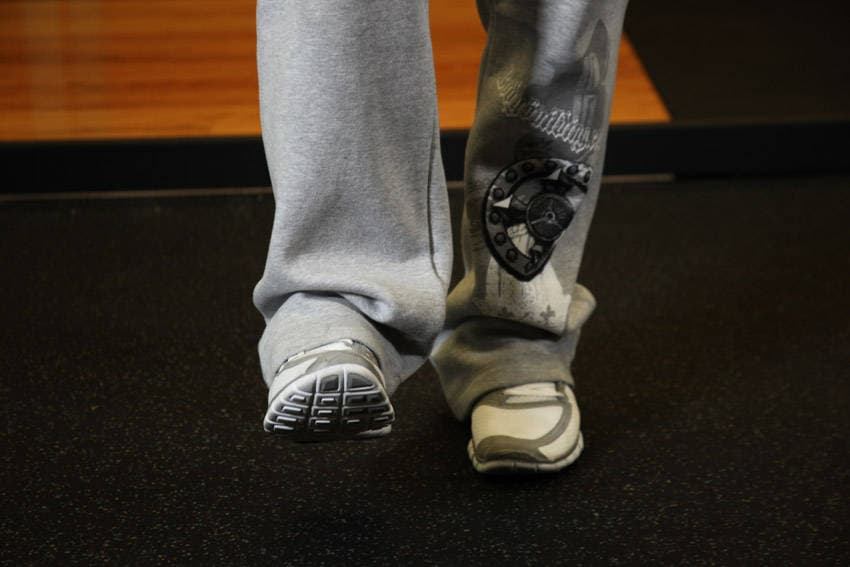
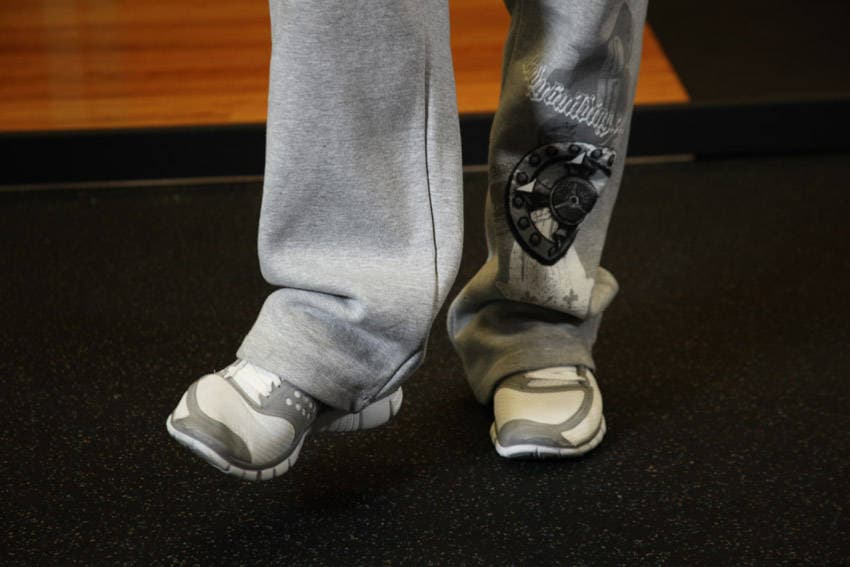
Ankle Circles
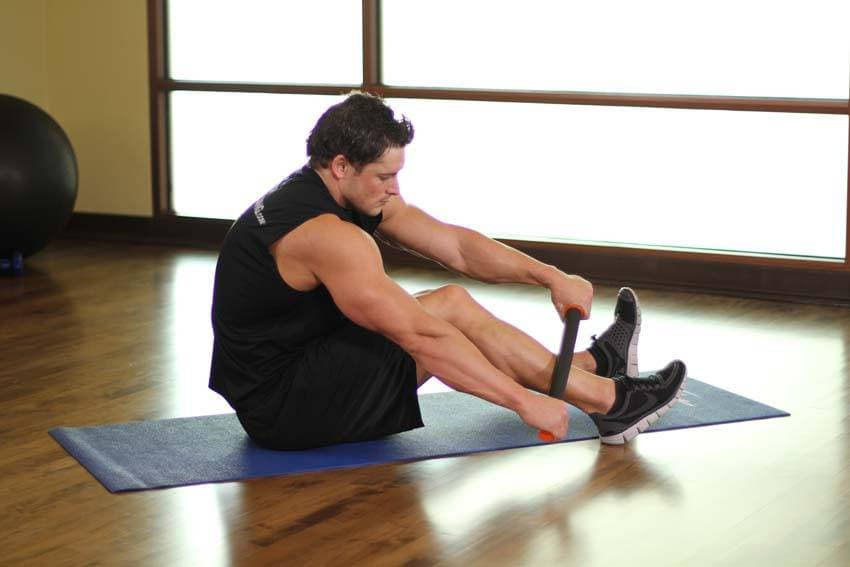

Anterior Tibialis-SMR
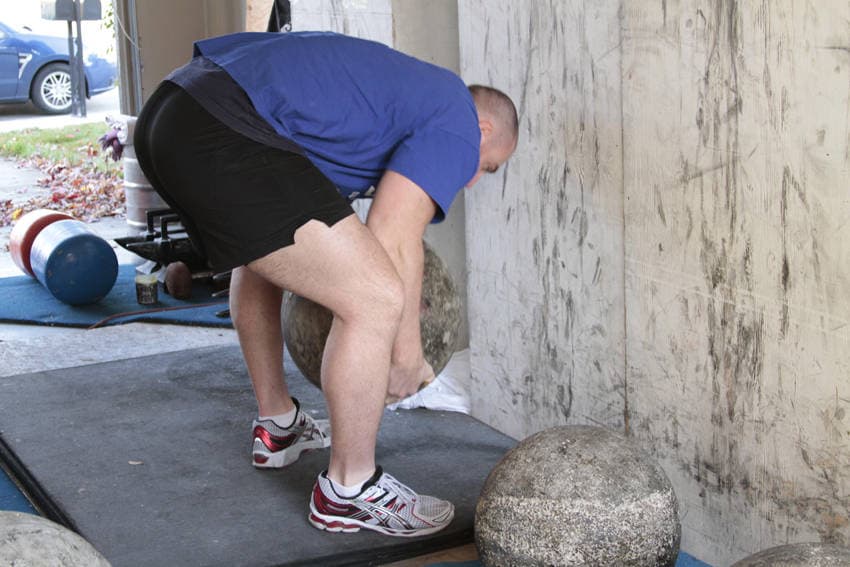
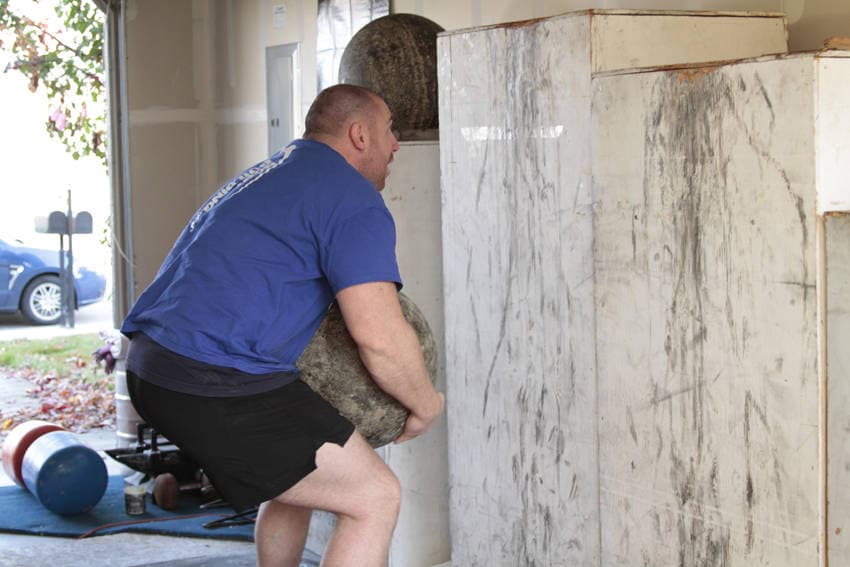
Atlas Stones
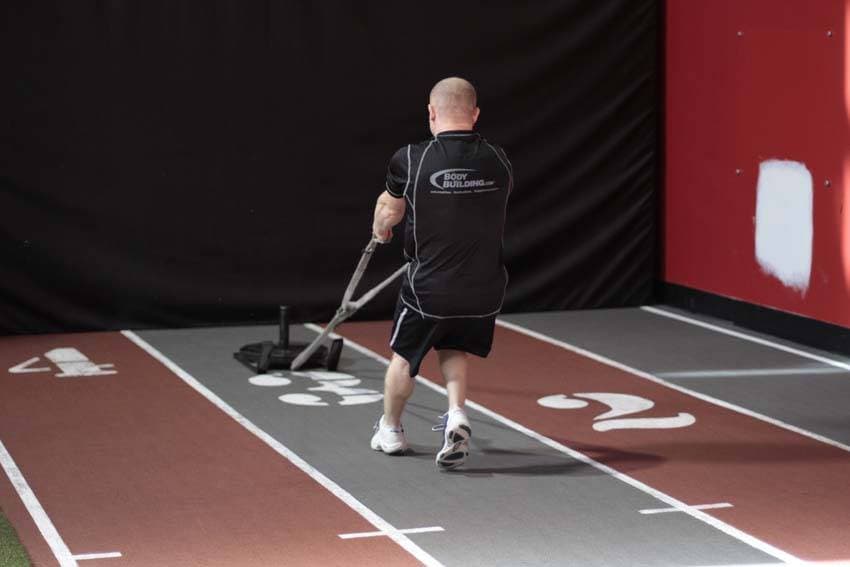
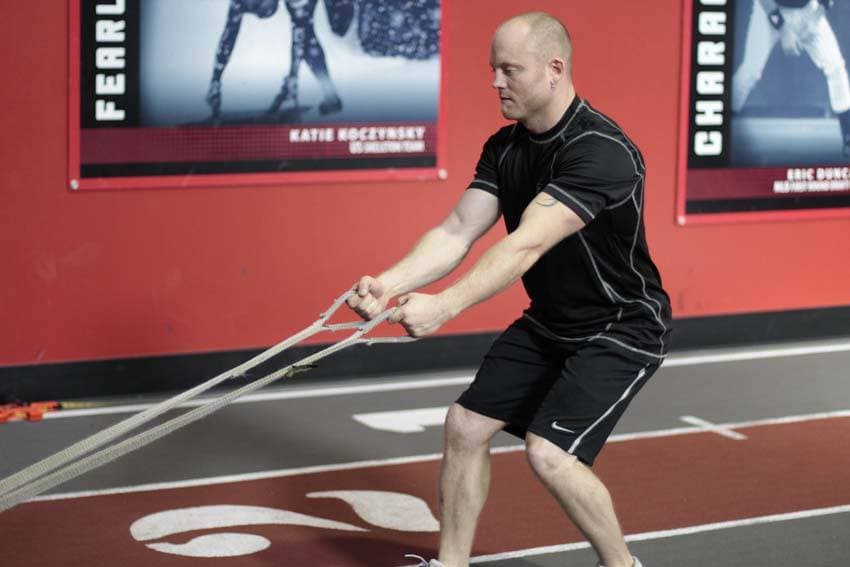
Backward Drag
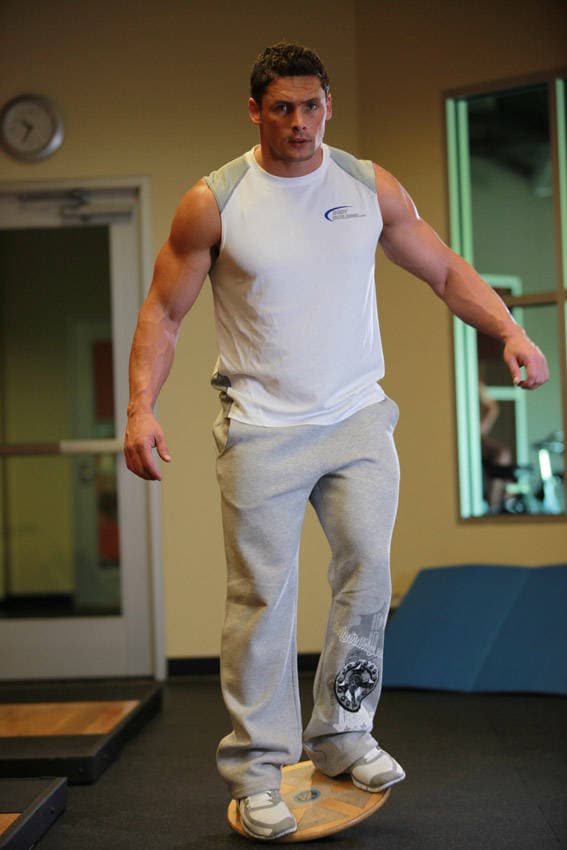
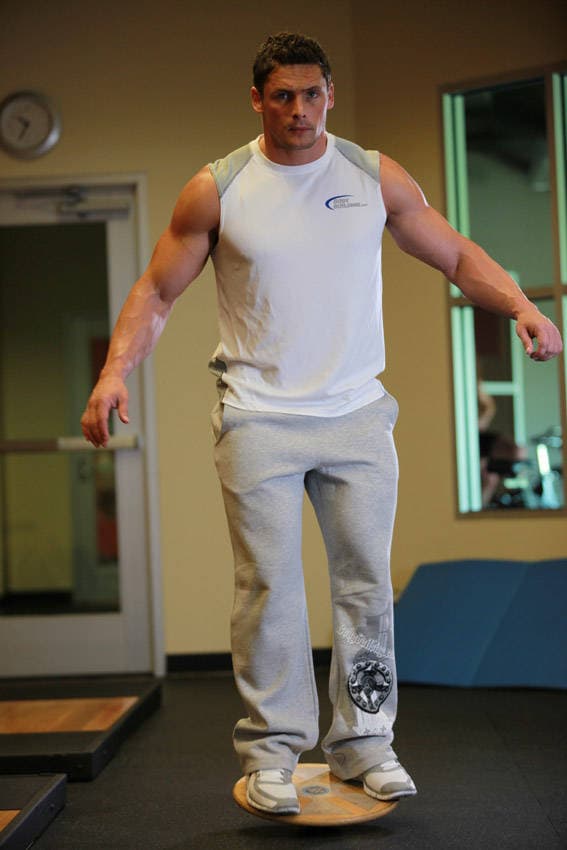
Balance Board
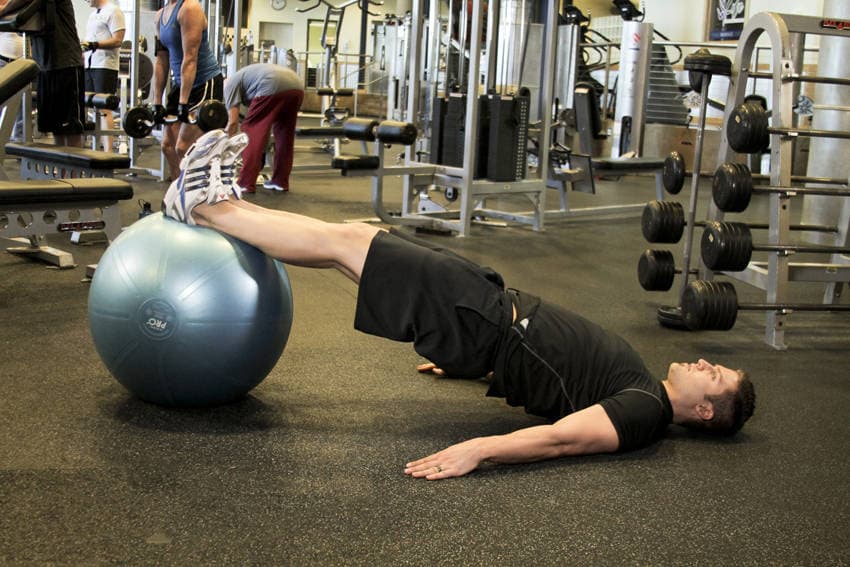
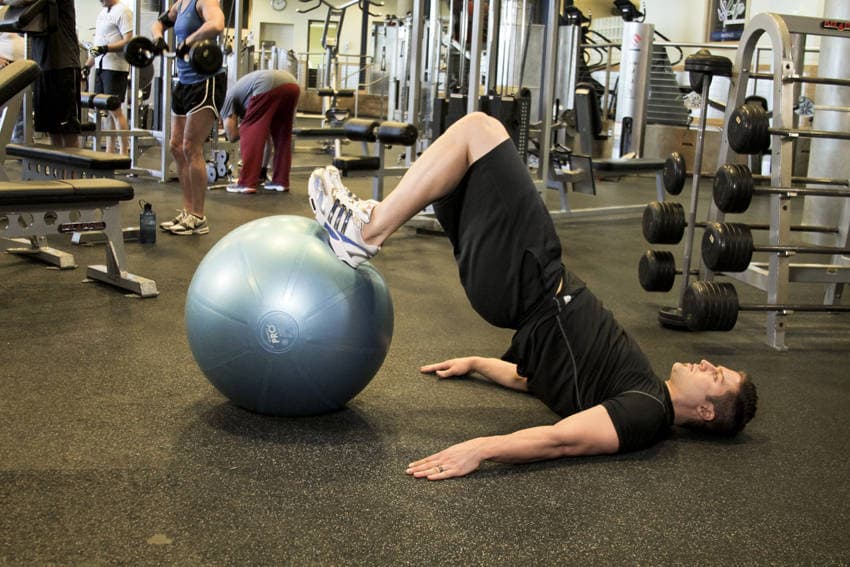
Ball Leg Curl
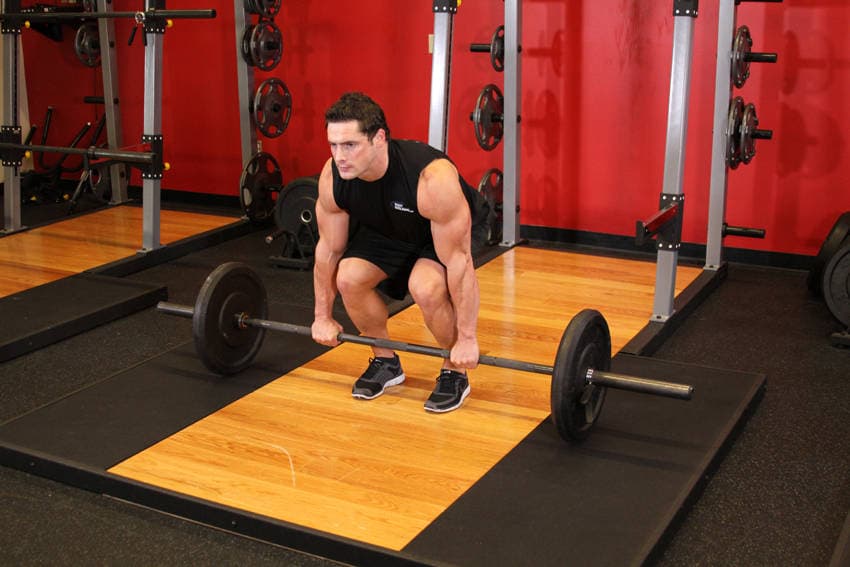
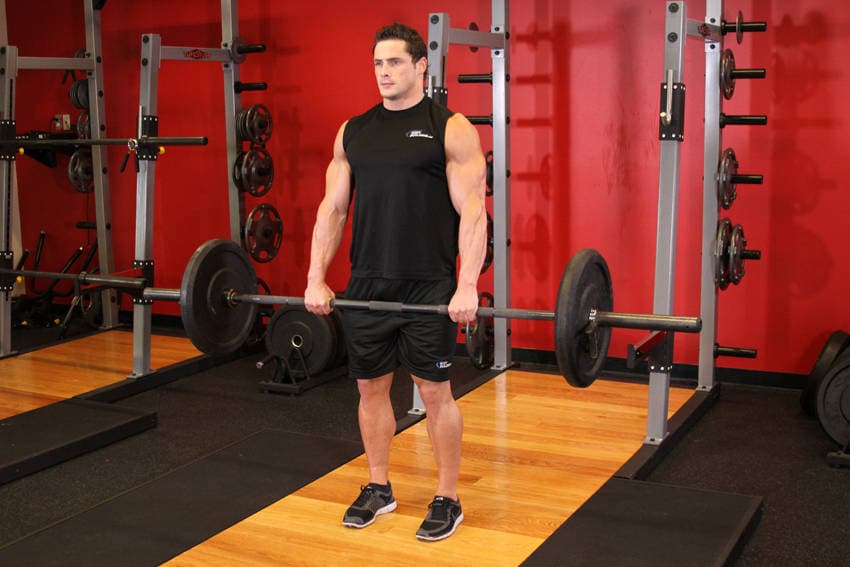
Barbell Deadlift
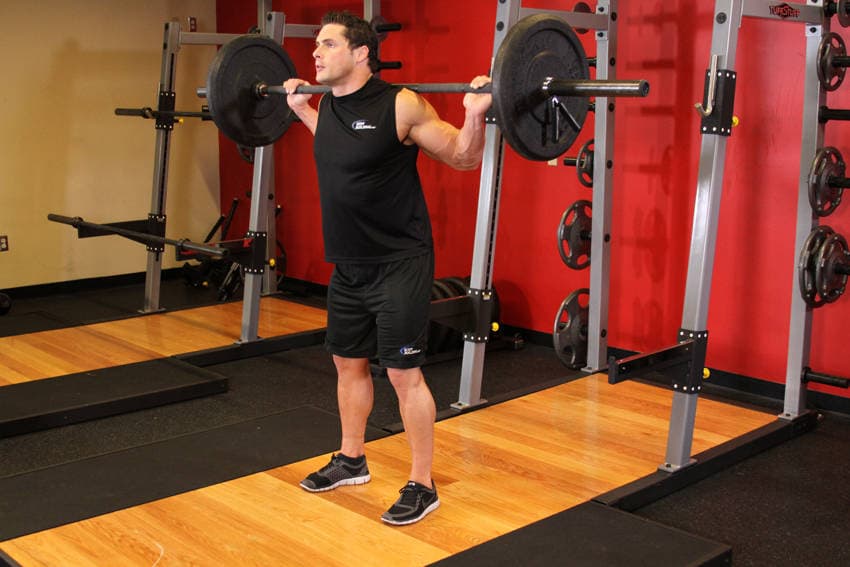
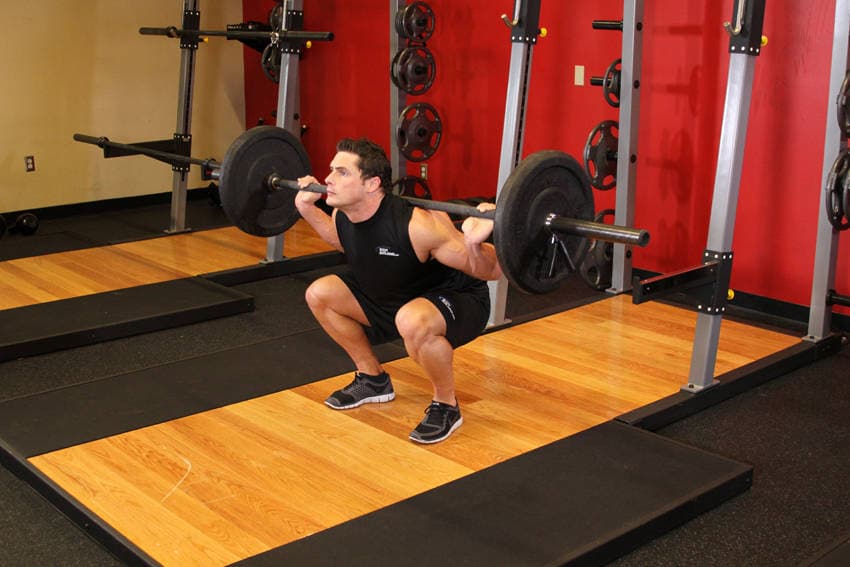
Barbell Full Squat
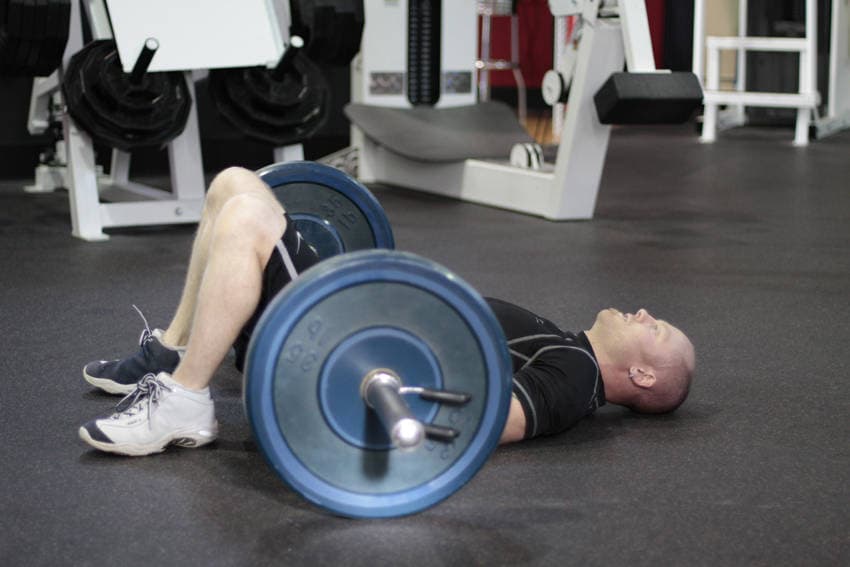
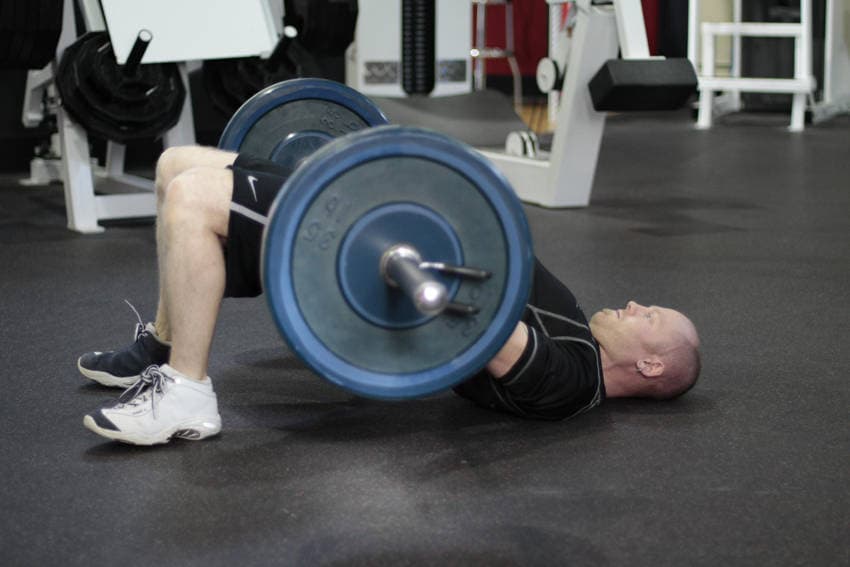
Barbell Glute Bridge
When to See a Doctor
Seek medical attention if shin pain worsens despite rest, is localized to a specific spot on the bone, is accompanied by numbness or tingling in the foot, or causes swelling that feels tight and firm.
Self-Care Tips
Reduce running volume and avoid hard surfaces
Stretch the calf and shin muscles before and after activity
Strengthen the tibialis anterior with toe raises and heel walks
Ensure proper footwear with adequate support
Related Lower Leg Pain
Lower Leg Muscles
Explore all lower leg muscles in 3D
Activities & Sports
Find which activities involve this area