Lower Leg
Calf
Calf pain involves the gastrocnemius and soleus muscles, the primary plantarflexors of the ankle. Calf strains are common in running and jumping sports, and the calf muscles are also susceptible to cramping, especially during dehydration or fatigue.
Medical Disclaimer
This information is for educational purposes only and does not constitute medical advice. Consult a qualified healthcare provider for proper diagnosis and treatment of any pain or medical condition.
Common Causes
Gastrocnemius strain (tennis leg) from sudden push-off
Soleus strain from endurance activities
Achilles tendinopathy radiating to the calf
Calf cramps from dehydration or electrolyte imbalance
Deep vein thrombosis presenting as calf pain and swelling
Muscles in This Area
6Lower Leg
gastrocnemius
The gastrocnemius forms the visible calf bulge, crossing knee and ankle for explosive plantarflexion. Key for sprinting, jumping, and calf raises. Two heads make it powerful for athletic propulsion.
Lower Leg
soleus
Broad flat muscle deep to gastrocnemius in calf, plantarflexes ankle for standing/walking. Powers propulsion in running/squats; endurance king.
Lower Leg
plantaris
The plantaris is a thin, vestigial calf muscle aiding knee flexion and plantarflexion, like a minor gas pedal muscle. Often ruptured without issue due to redundancy. Useful for explosive calf power in jumping.
Lower Leg
flexor hallucis longus
Running deep in the calf's posterior compartment, the flexor hallucis longus flexes the big toe and plantarflexes the ankle. It's essential for powerful push-off in sprinting, ballet, and hill running. Athletes rely on it for toe grip on uneven terrain.
Lower Leg
flexor digitorum longus
The flexor digitorum longus is a powerful muscle in the deep posterior compartment of the lower leg, running from the tibia down to the toes. It flexes the four smaller toes and assists in plantarflexion at the ankle, helping with push-off during walking, running, and jumping. Strong flexors like this are crucial for balance, propulsion, and preventing foot drop in athletes.
Lower Leg
tibialis posterior
Hidden deep in the calf behind the tibia, the tibialis posterior supports your arch and stabilizes the ankle. It inverts the foot and assists plantarflexion, vital for push-off in running and preventing flat feet. Weakness leads to overpronation and foot pain during activity.
Stretches That May Help
Recommended Exercises
12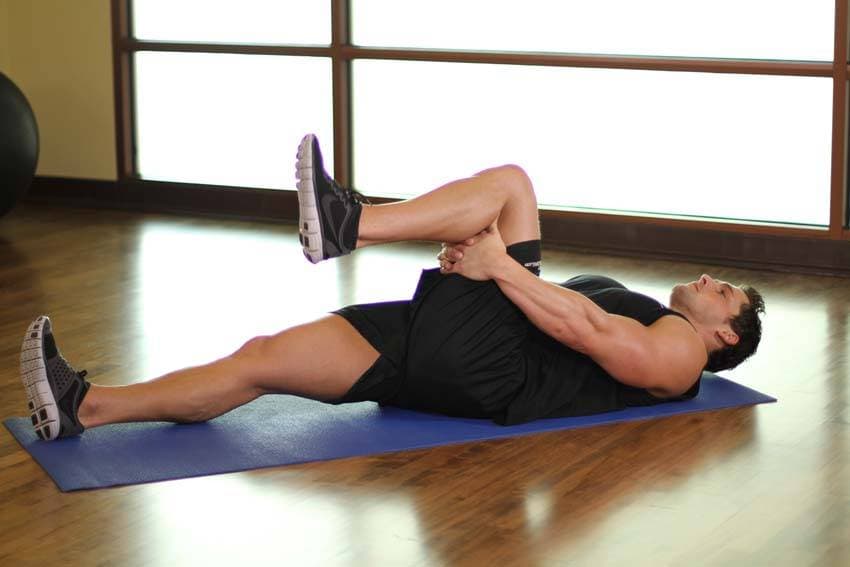
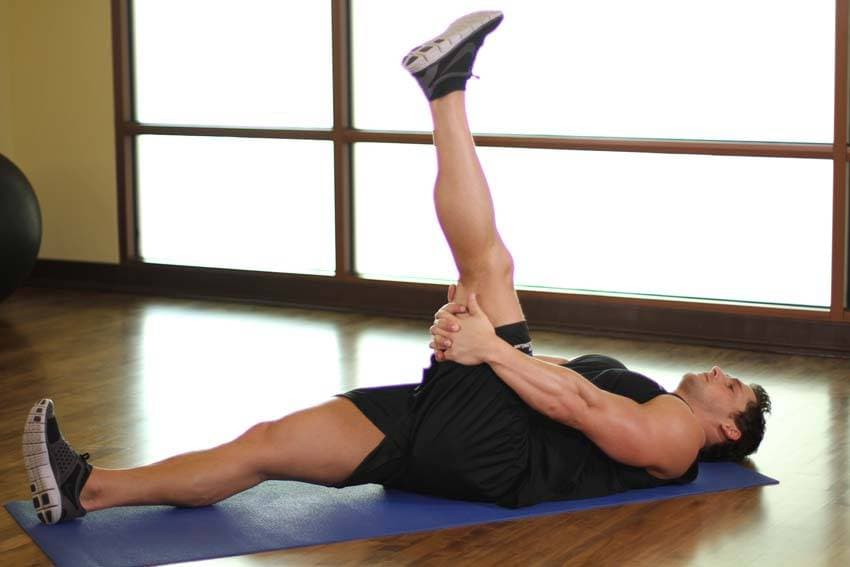
90/90 Hamstring
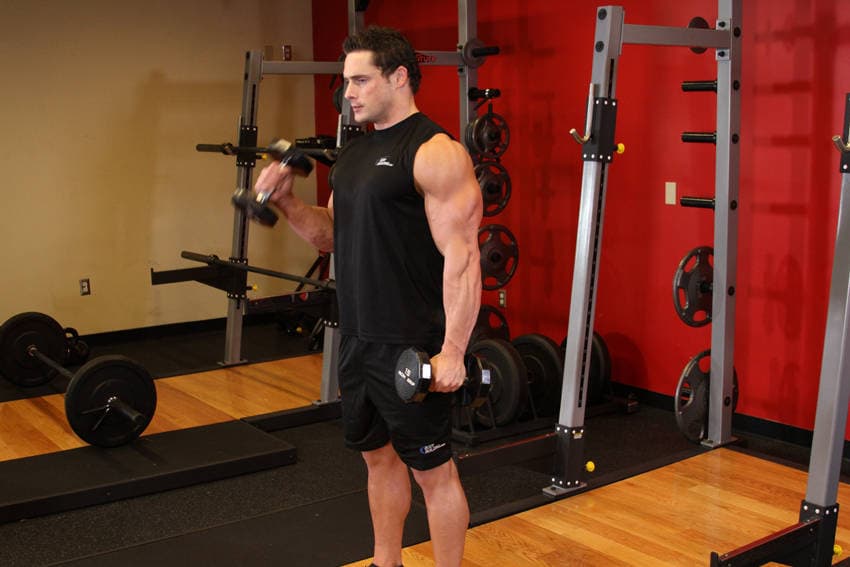
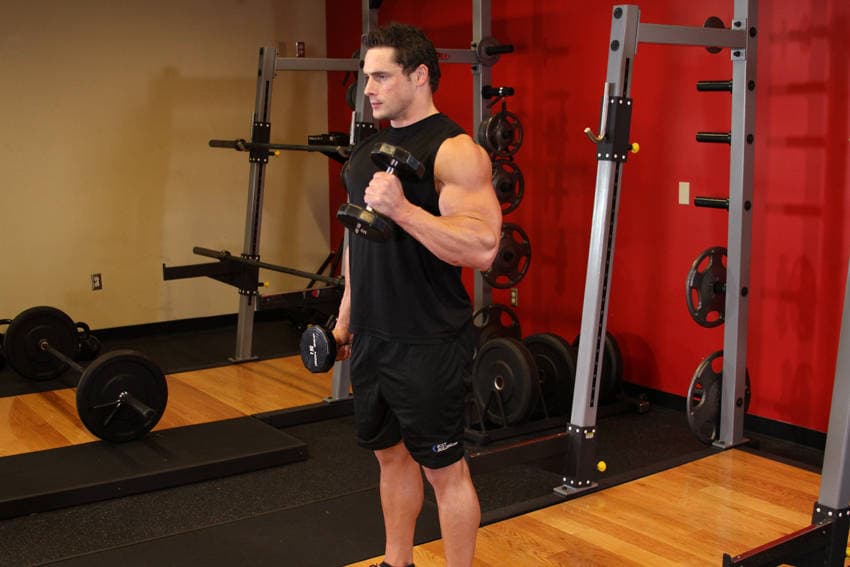
Alternate Hammer Curl
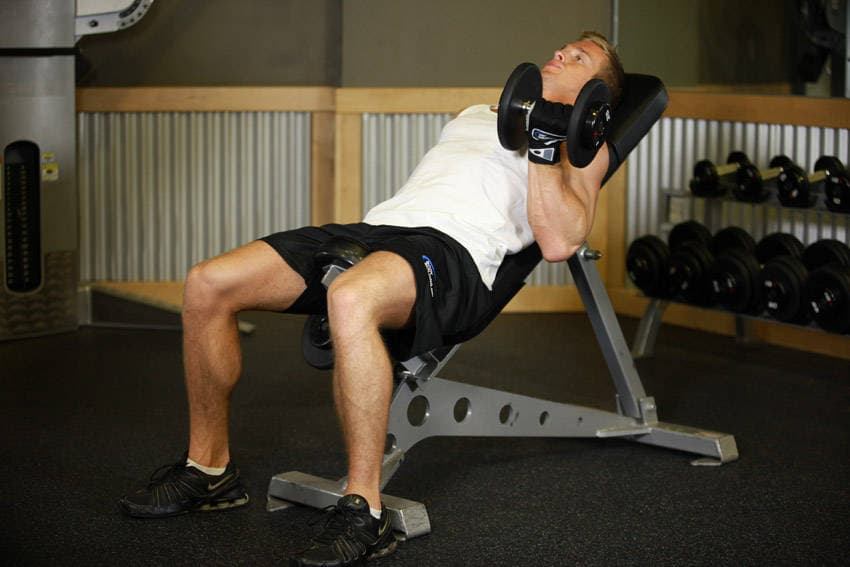
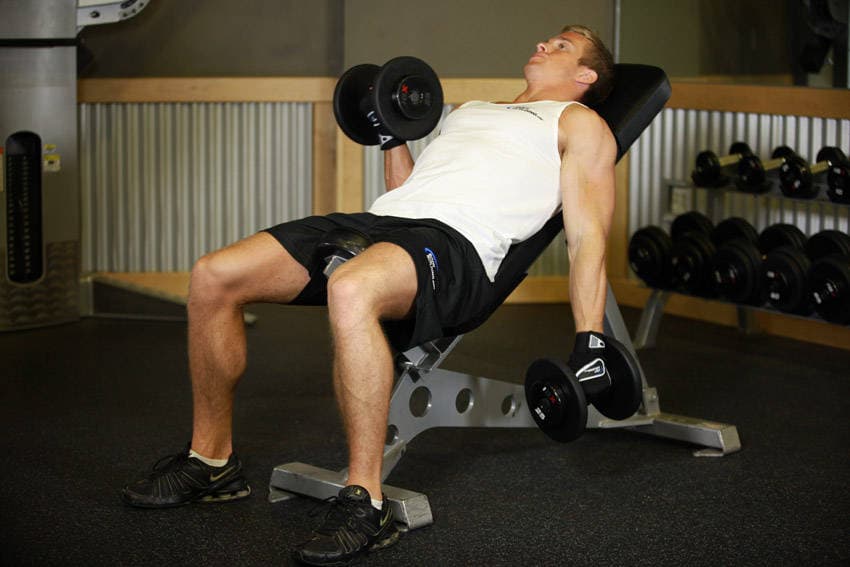
Alternate Incline Dumbbell Curl
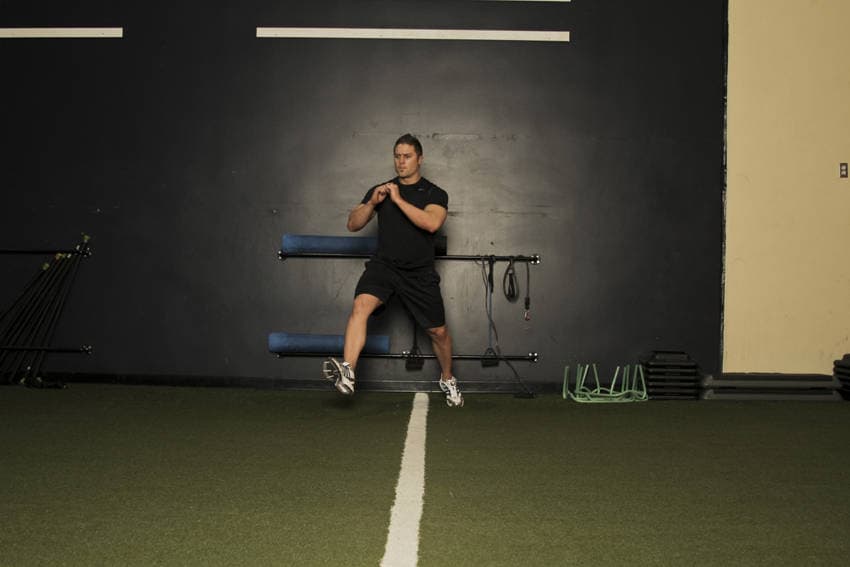
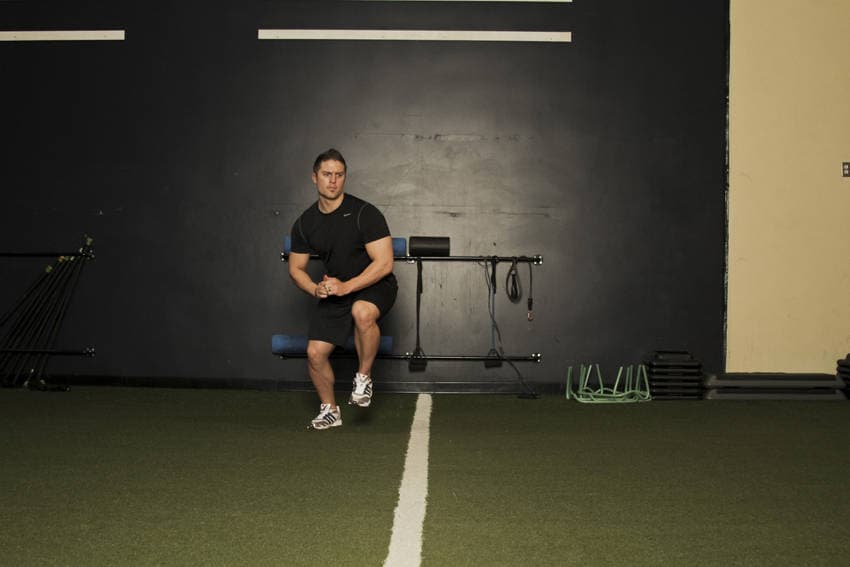
Alternate Leg Diagonal Bound
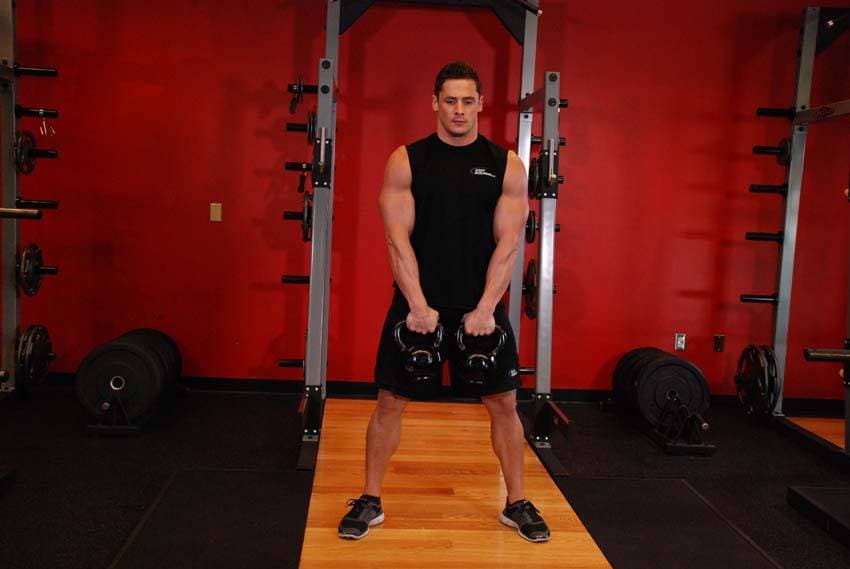
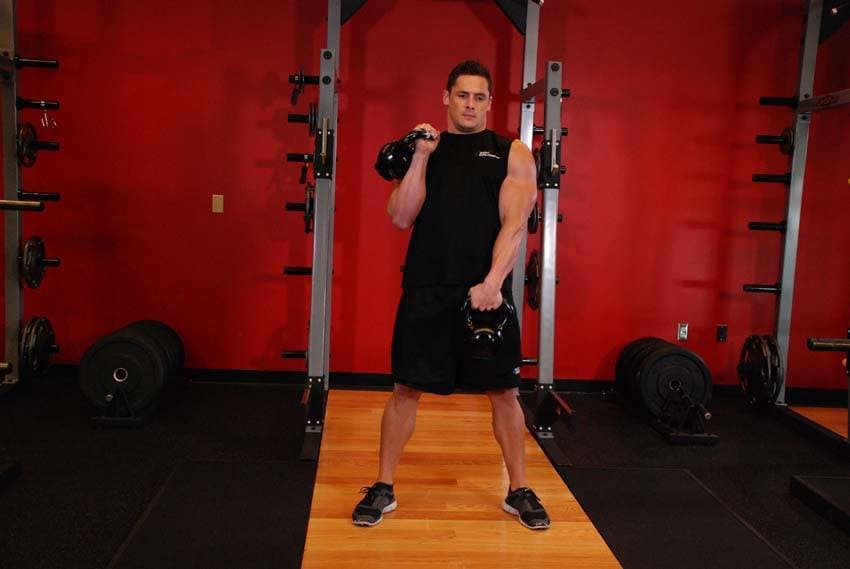
Alternating Hang Clean
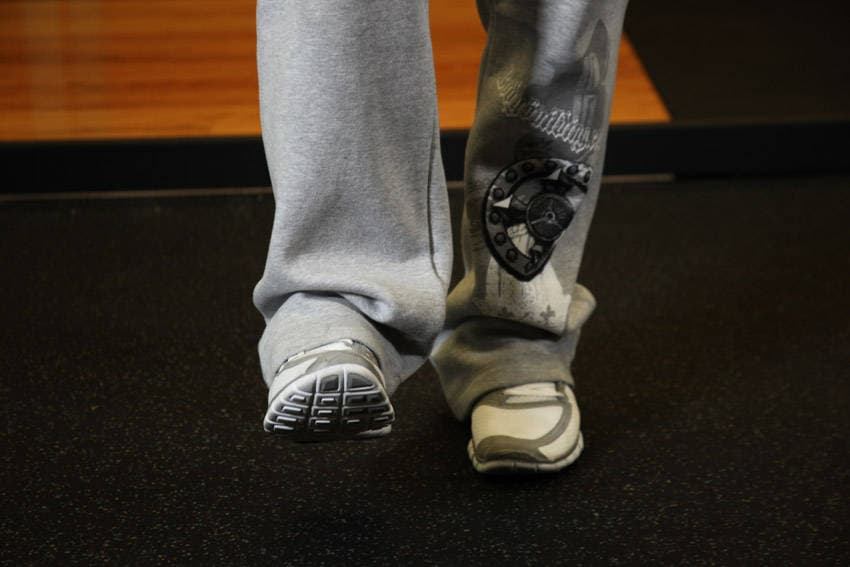
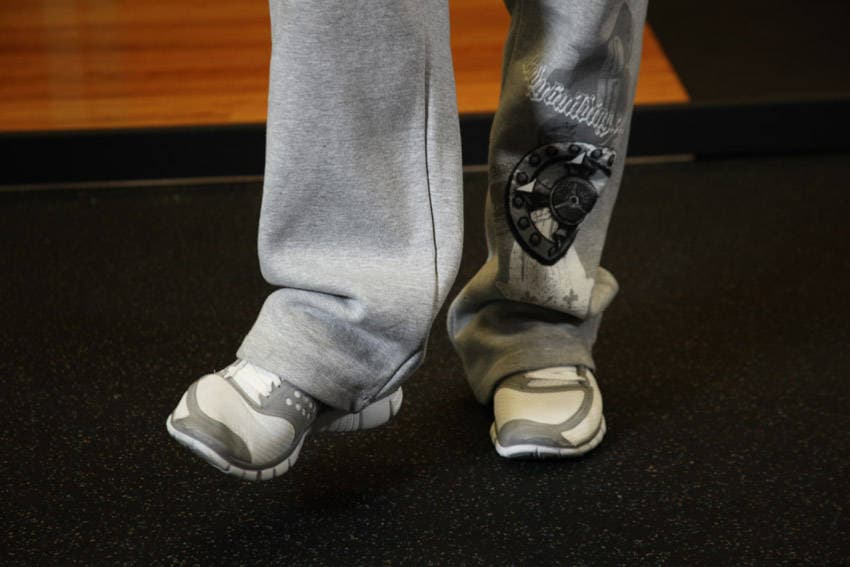
Ankle Circles
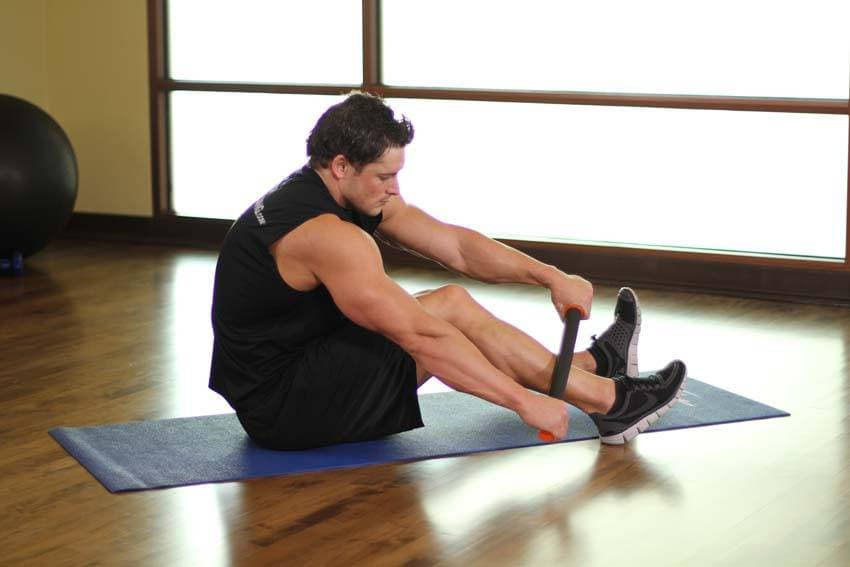

Anterior Tibialis-SMR
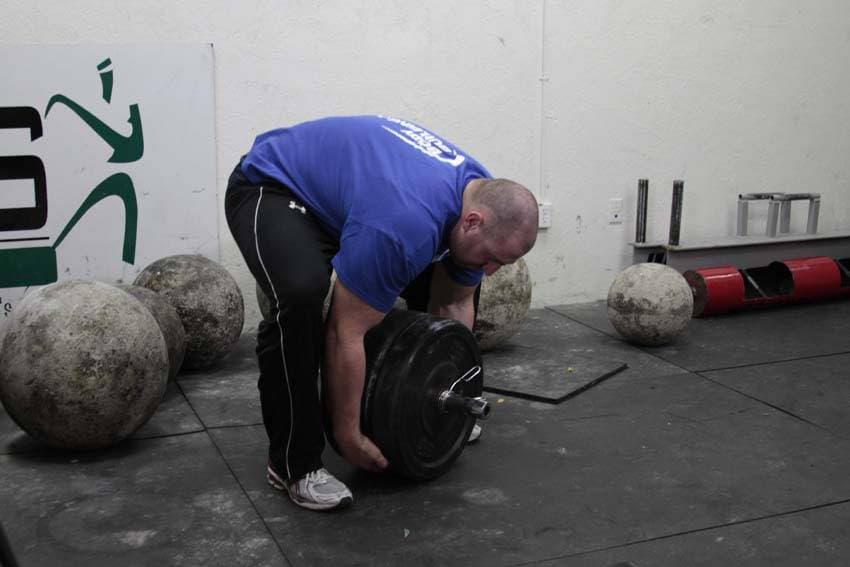
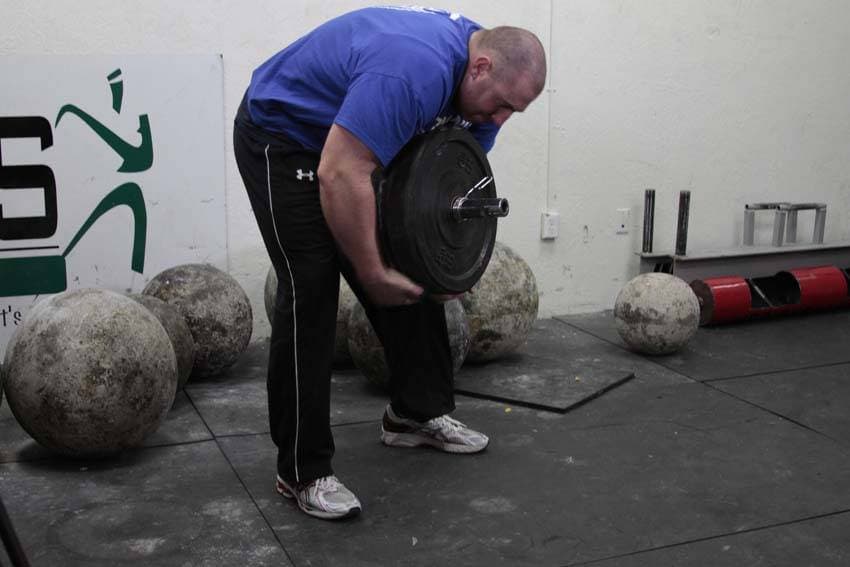
Atlas Stone Trainer
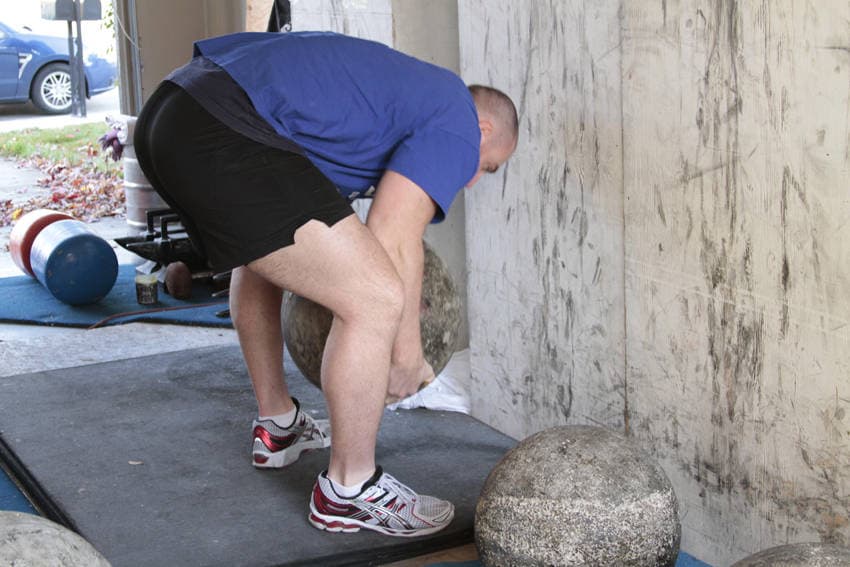
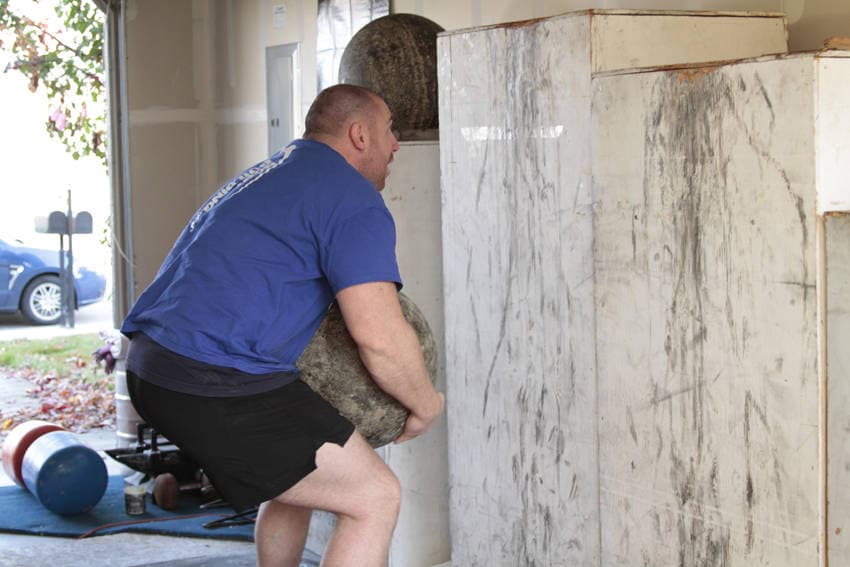
Atlas Stones
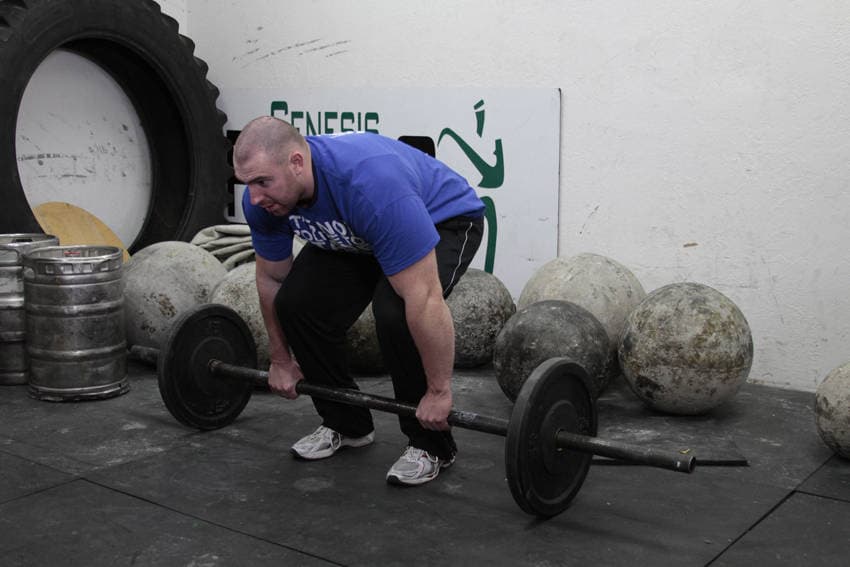
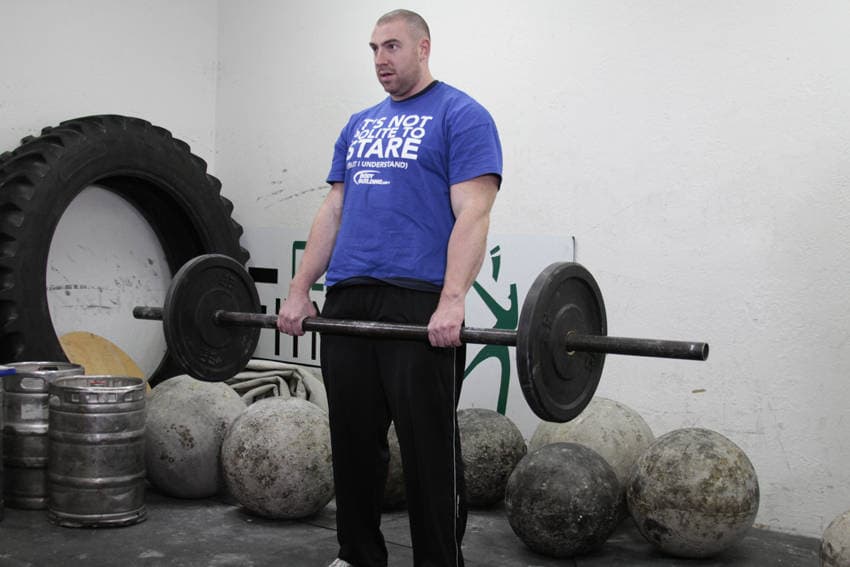
Axle Deadlift
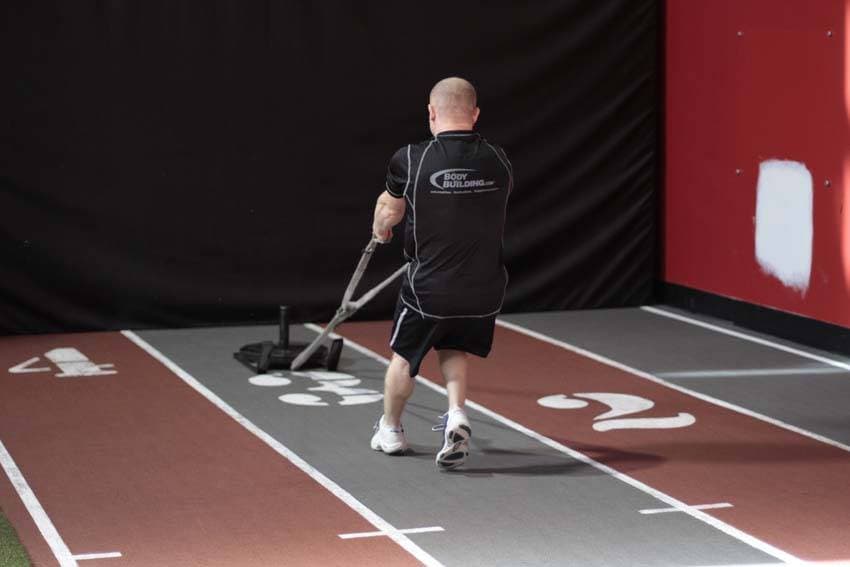
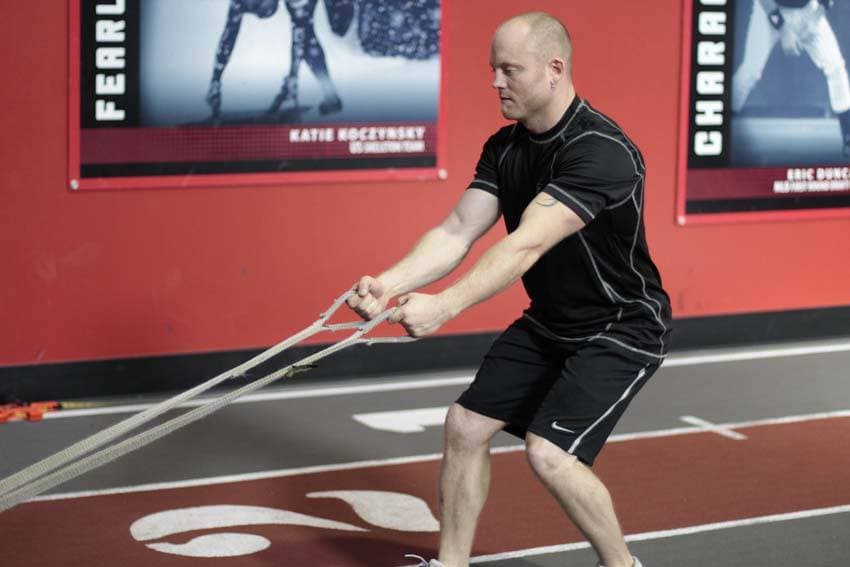
Backward Drag
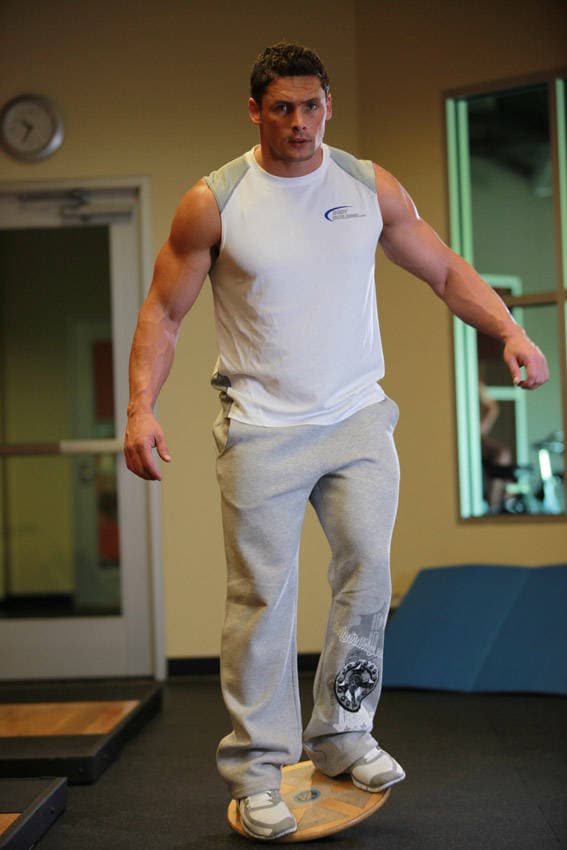
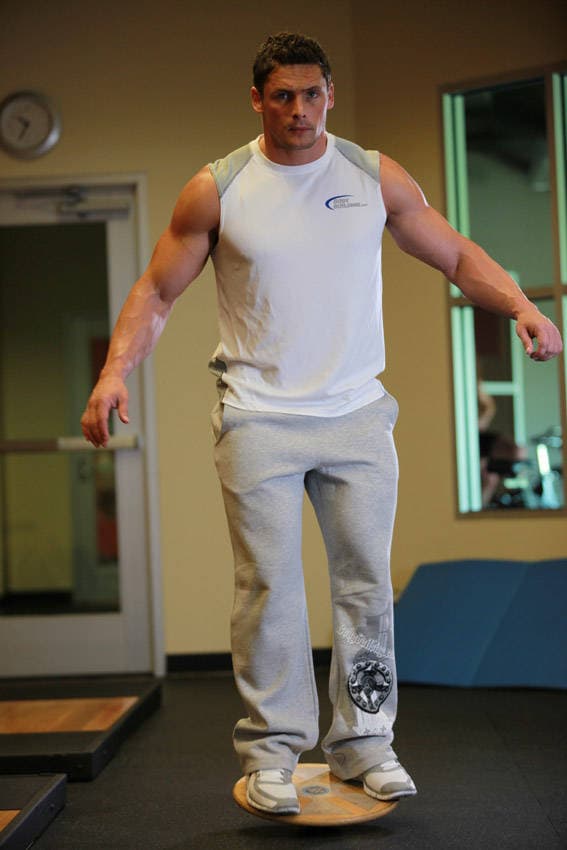
Balance Board
When to See a Doctor
Seek immediate medical attention if you have sudden calf swelling with warmth and redness, severe pain with a popping sensation, inability to walk on tiptoe, or calf pain with shortness of breath.
Self-Care Tips
Stretch the calves regularly with wall stretches for both gastrocnemius and soleus
Use a foam roller on the calves to release tension
Stay hydrated and maintain electrolyte balance
Gradually increase activity intensity to avoid sudden strains
Related Lower Leg Pain
Lower Leg Muscles
Explore all lower leg muscles in 3D
Activities & Sports
Find which activities involve this area