Lower Leg
flexor digitorum longus
FLEK-sor dij-ih-TOE-rum LON-gus
The flexor digitorum longus is a powerful muscle in the deep posterior compartment of the lower leg, running from the tibia down to the toes. It flexes the four smaller toes and assists in plantarflexion at the ankle, helping with push-off during walking, running, and jumping. Strong flexors like this are crucial for balance, propulsion, and preventing foot drop in athletes.
Open in 3D ViewerCommon Pain & Injury
Pain from flexor digitorum longus often feels like a deep ache in the calf or inner ankle, worsening with toe pointing or pushing off. Common issues include tendinopathy from overuse in runners or dancers, leading to swelling or pain along the tendon path. See a doctor if pain persists with rest, swelling increases, or you have numbness suggesting nerve involvement.
Anatomy & Function
Origin
Posterior surface of tibia (back of shin bone) below soleal line
Insertion
Distal phalanges of toes 2-5 via quadratus plantae and flexor digitorum longus tendon (tips of smaller toes)
Actions
- Toe flexion (curling smaller toes)
- Plantarflexion (pointing foot downward)
- Foot inversion (turning sole inward)
Innervation
Tibial nerve
Muscle Relationships
Antagonists
Synergists
Trigger Points
Trigger points form in the calf belly and refer pain to the bottom of the foot, toes 2-5, and sometimes the heel or ankle.
Stretches
Common Conditions
Anatomical Parts
FAQ
What does flexor digitorum longus do?
It flexes the smaller toes and helps point the foot downward, essential for push-off in running and jumping.
Flexor digitorum longus pain when walking
Pain often stems from tendinopathy due to overuse; rest, ice, and strengthening calf muscles usually help.
Flexor digitorum longus stretch
Try a seated calf stretch while keeping toes extended backward.
Where is flexor digitorum longus located?
Deep in the calf, from the back of the tibia to the smaller toes.
Exercises for flexor digitorum longus
20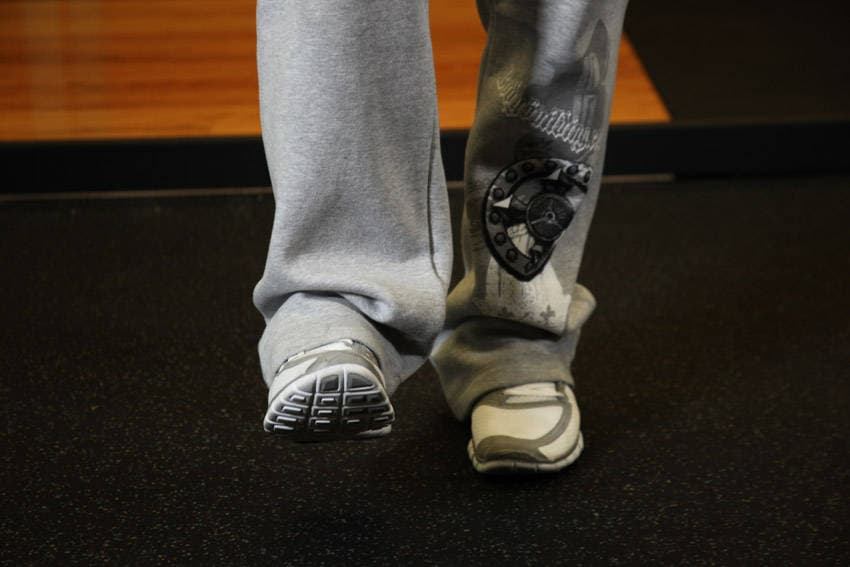
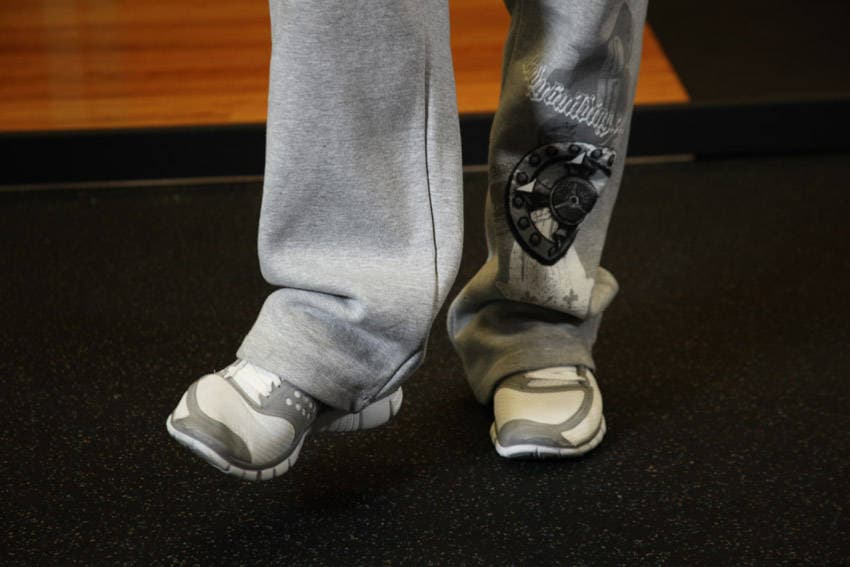
Ankle Circles
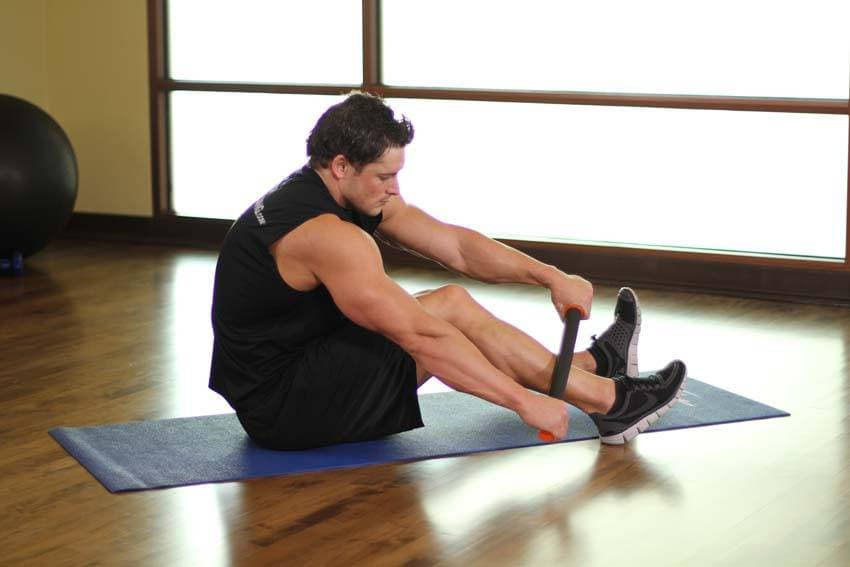

Anterior Tibialis-SMR
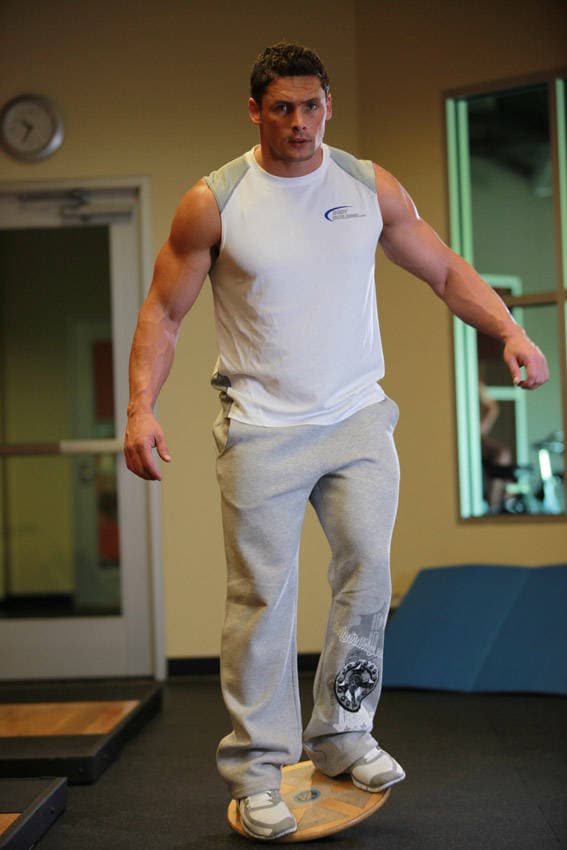
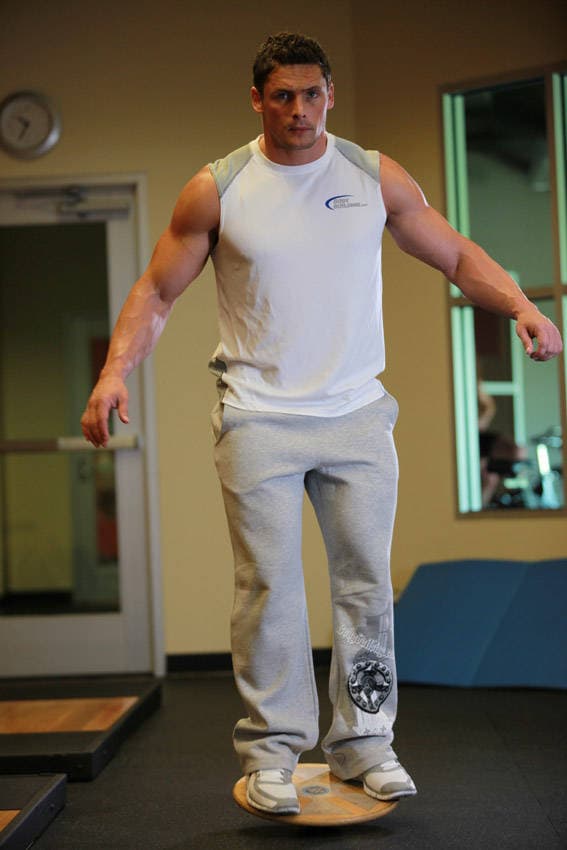
Balance Board
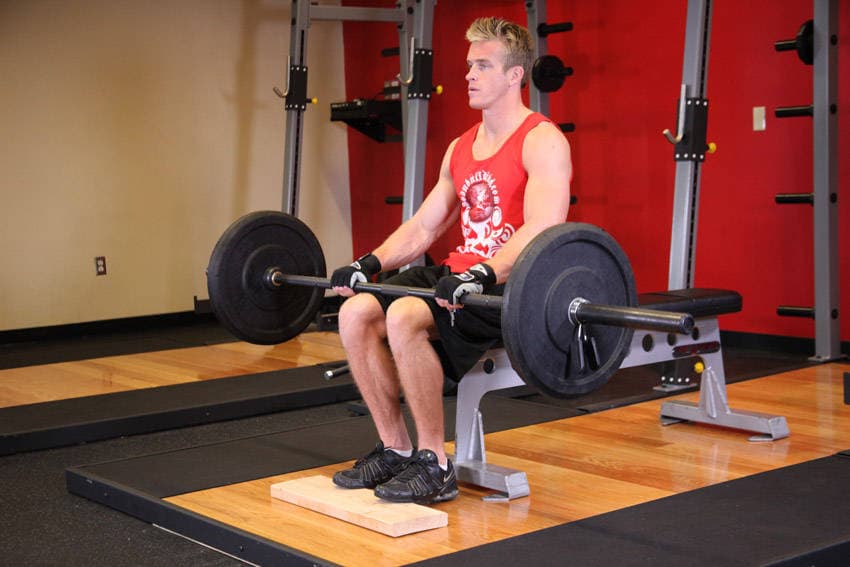
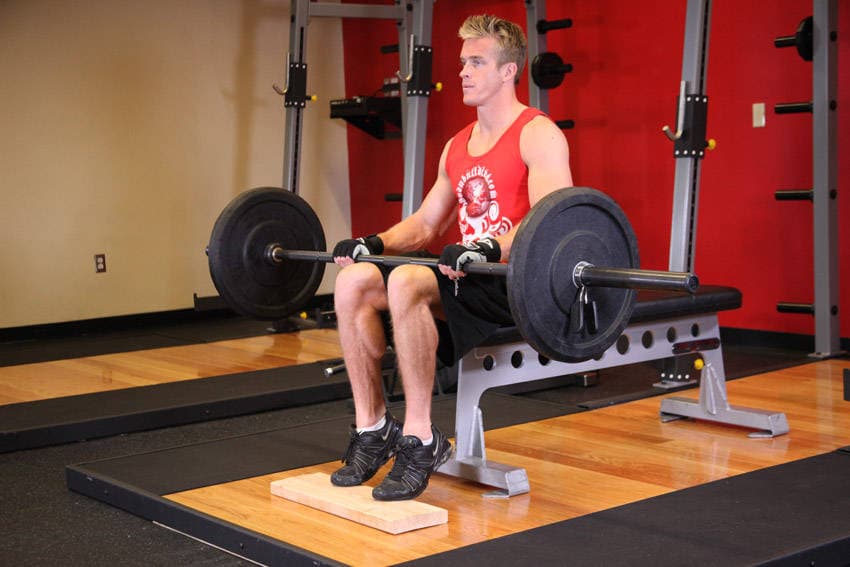
Barbell Seated Calf Raise
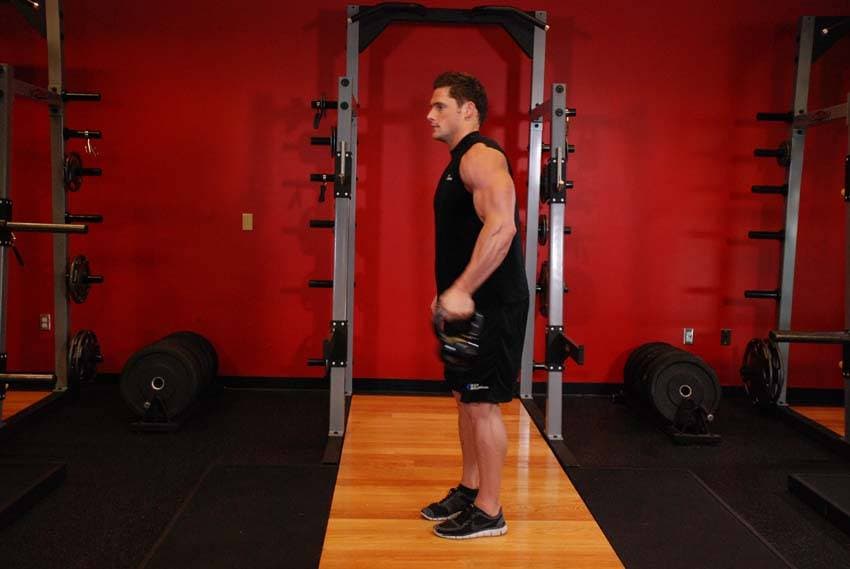
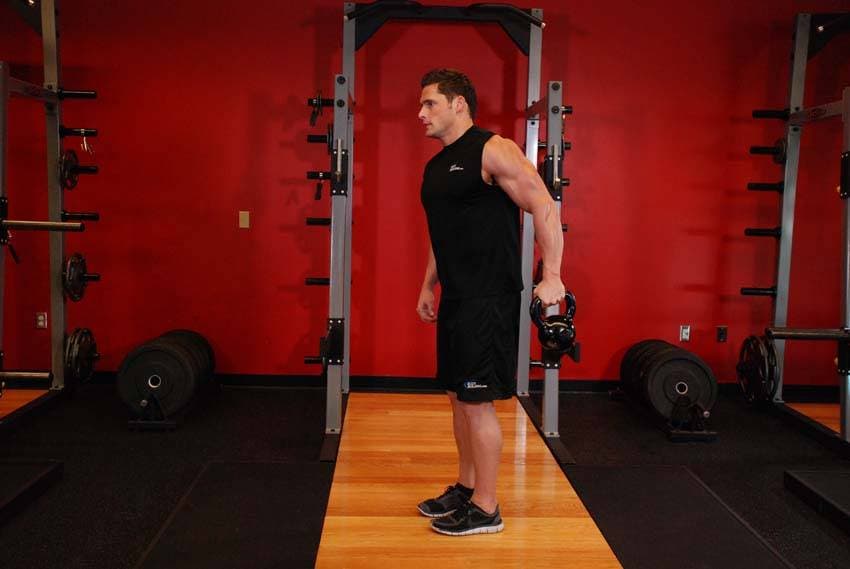
Bottoms-Up Clean From The Hang Position
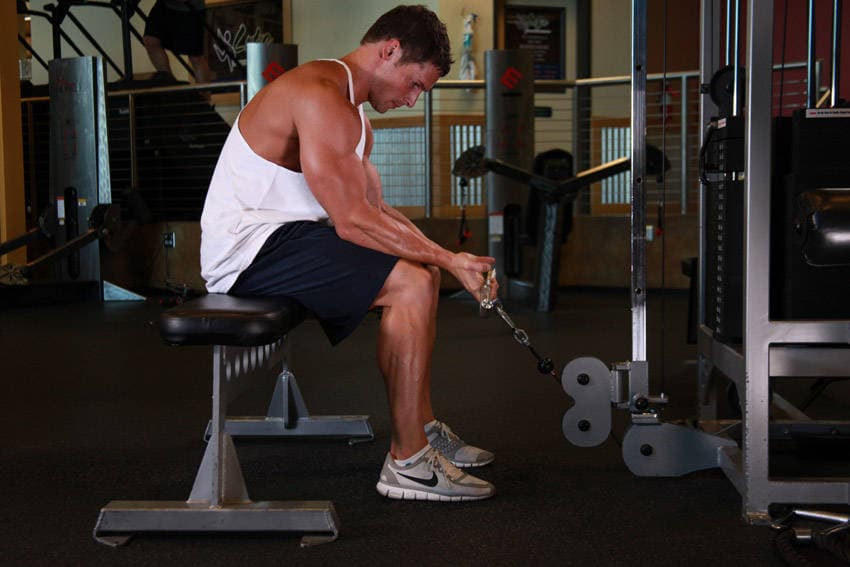
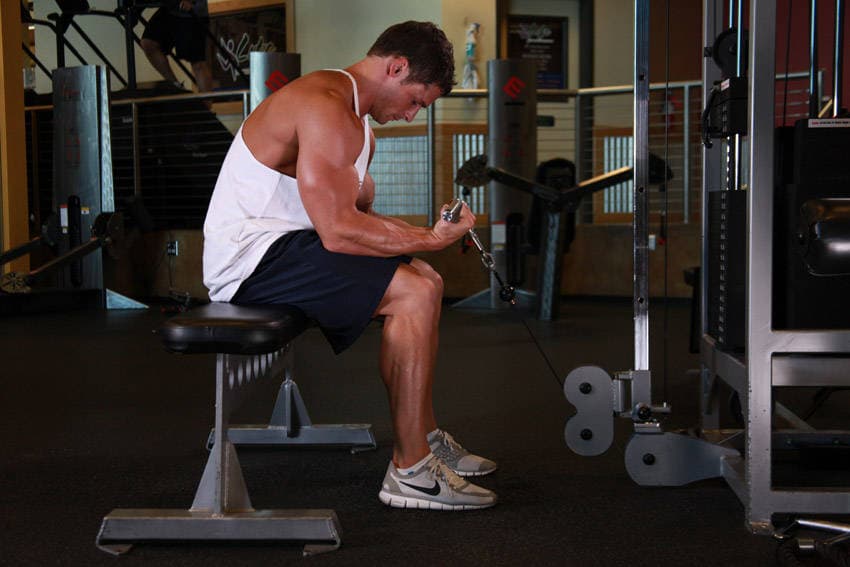
Cable Wrist Curl
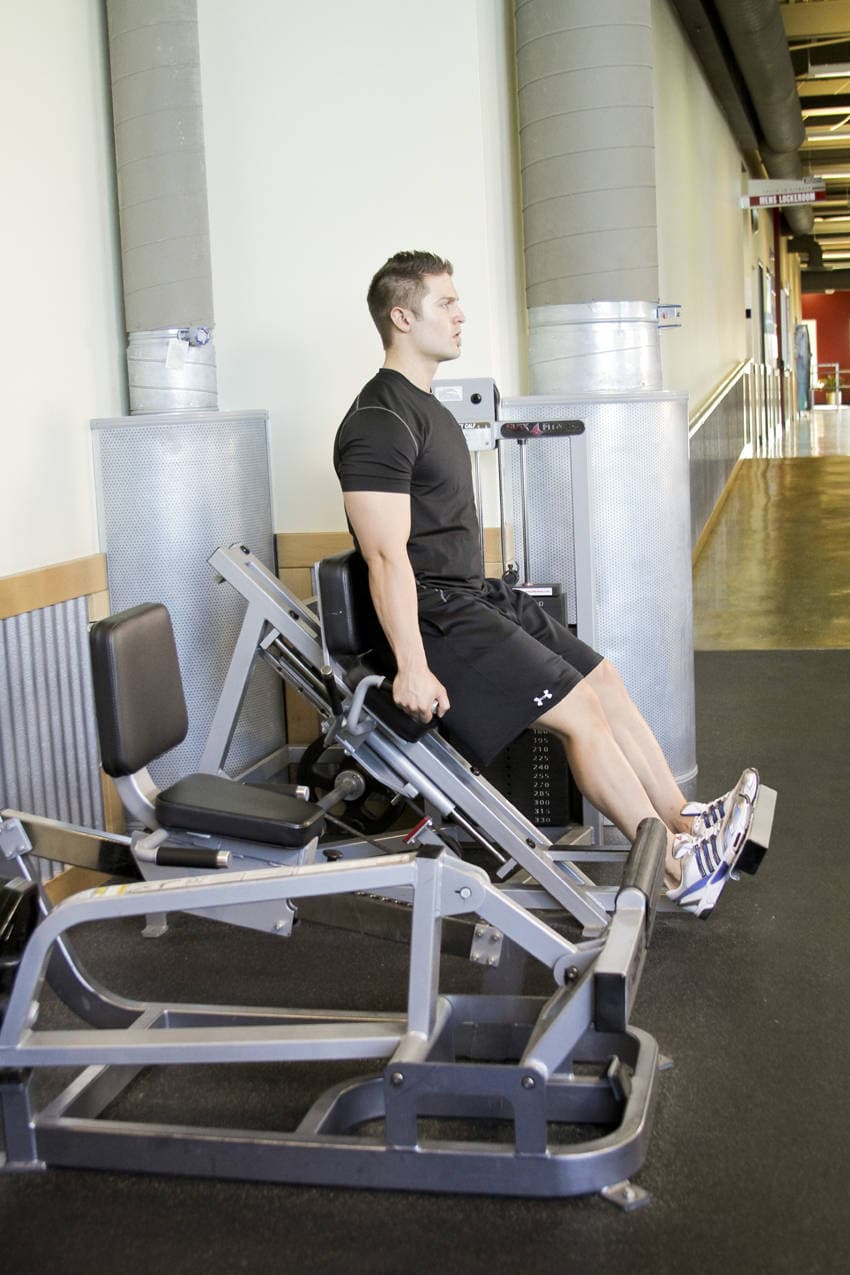
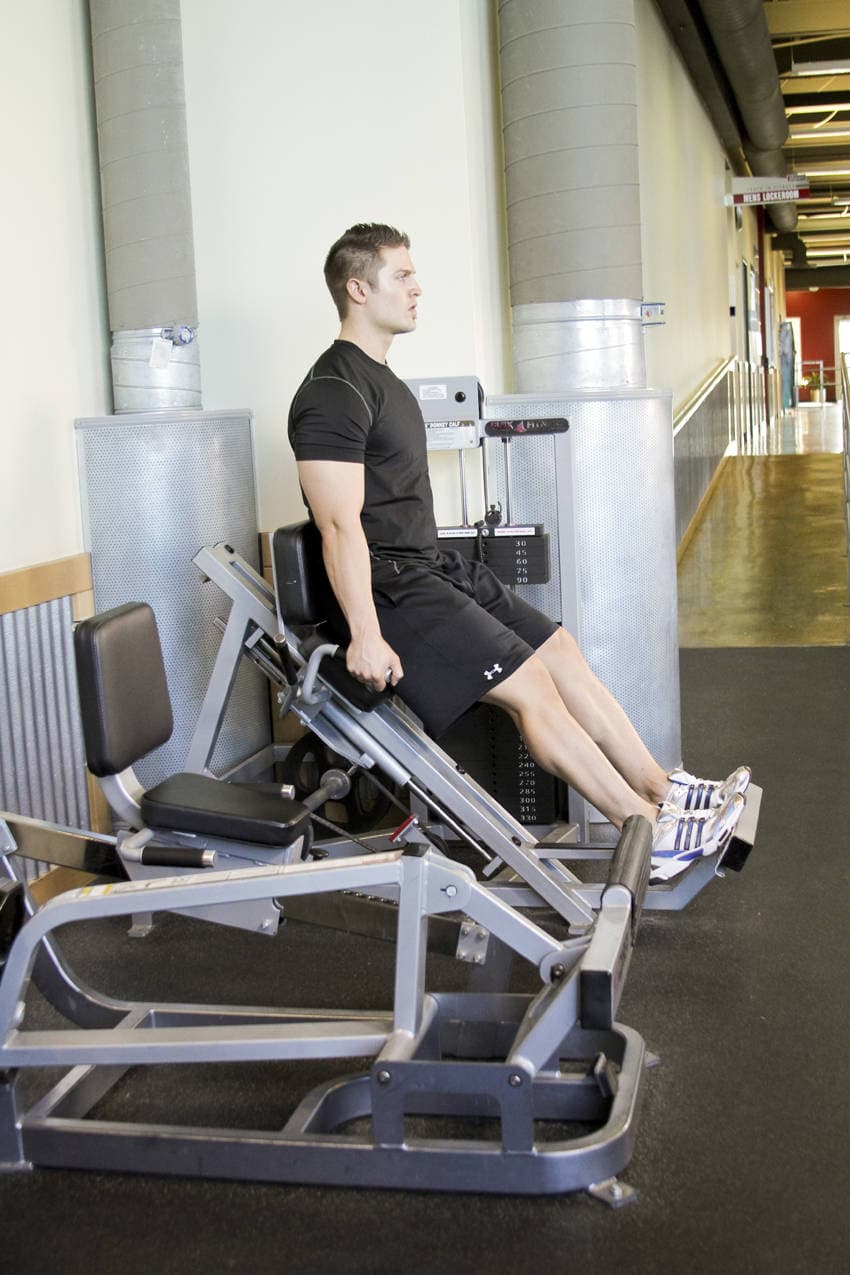
Calf Press
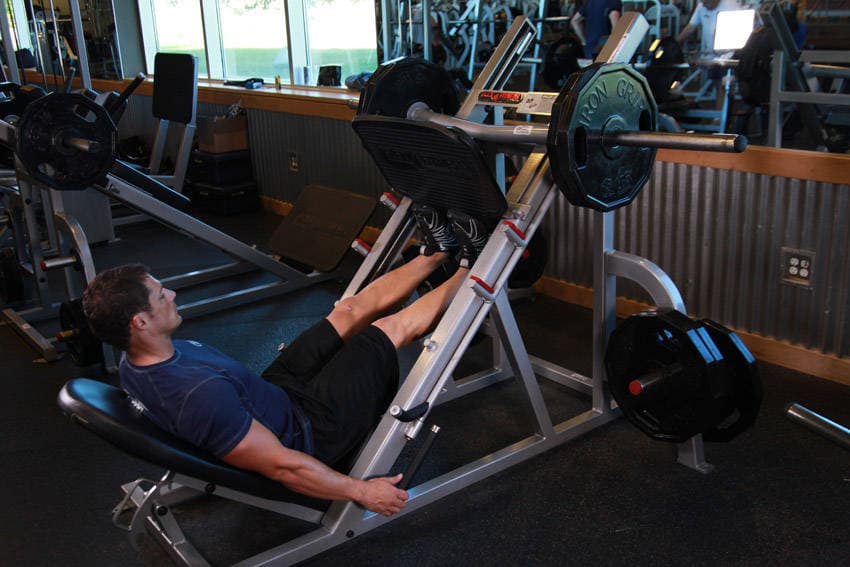
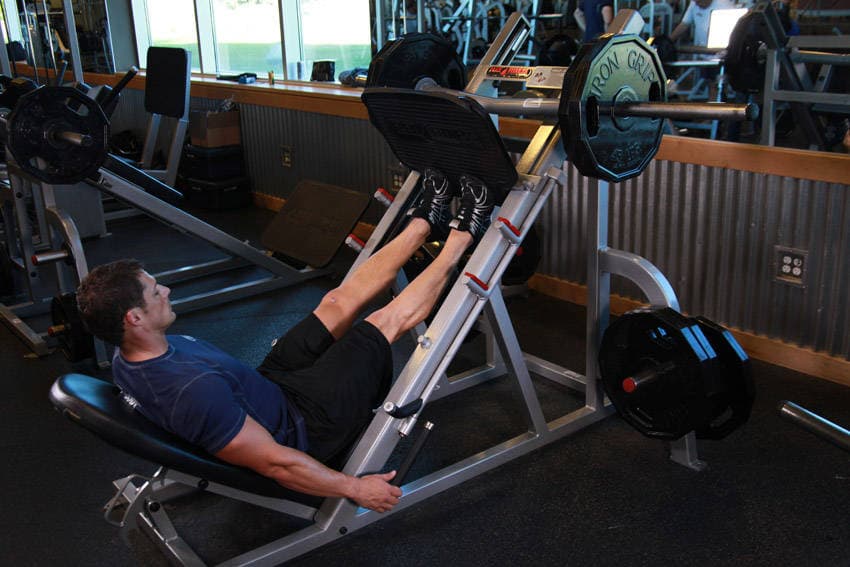
Calf Press On The Leg Press Machine
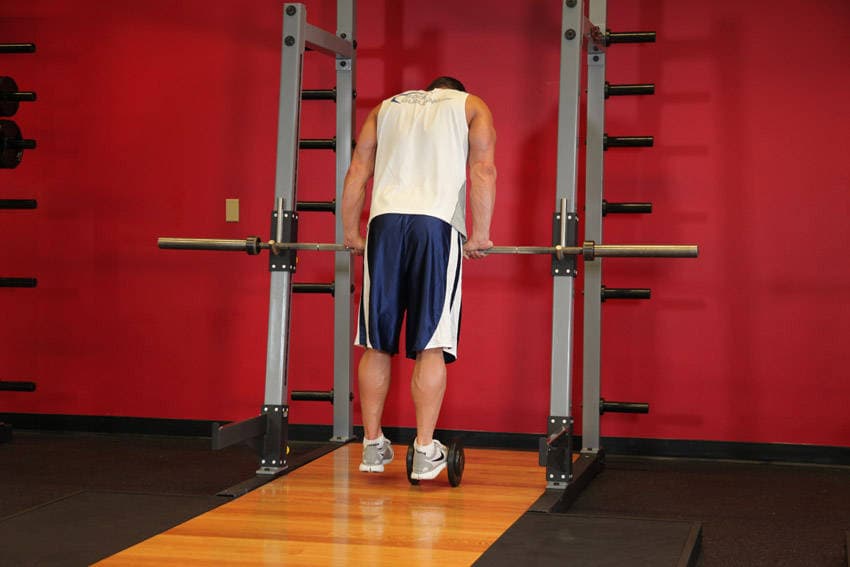
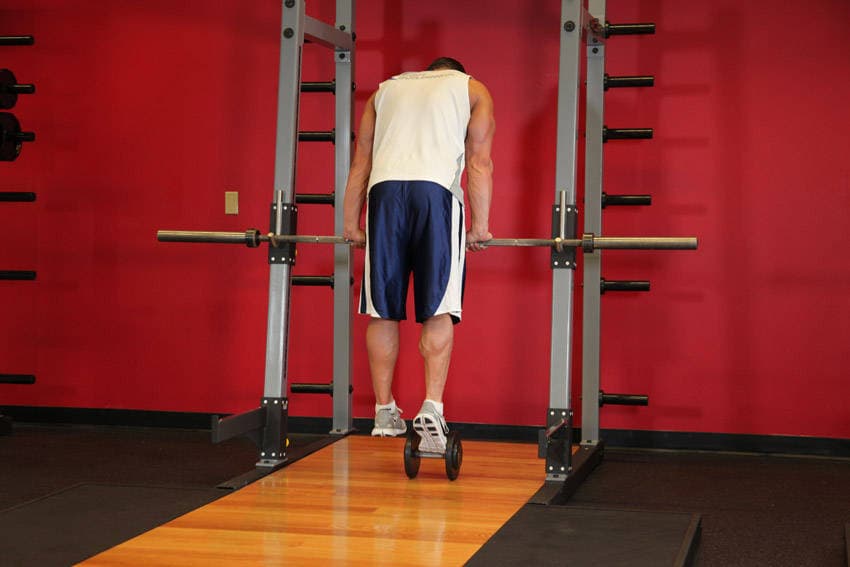
Calf Raise On A Dumbbell
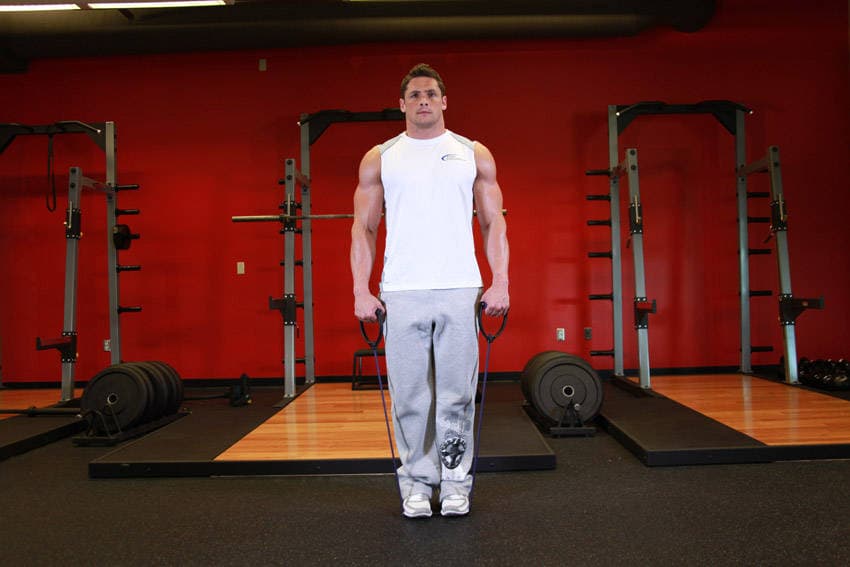
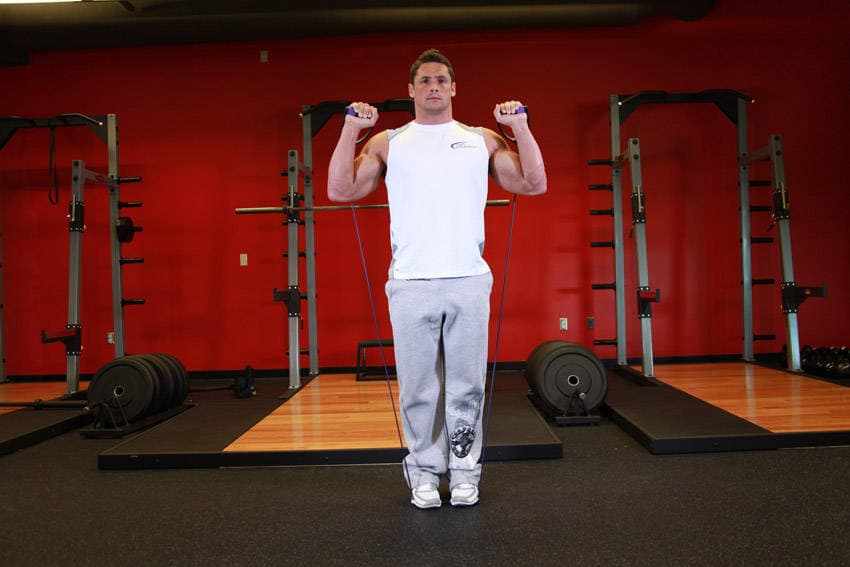
Calf Raises - With Bands
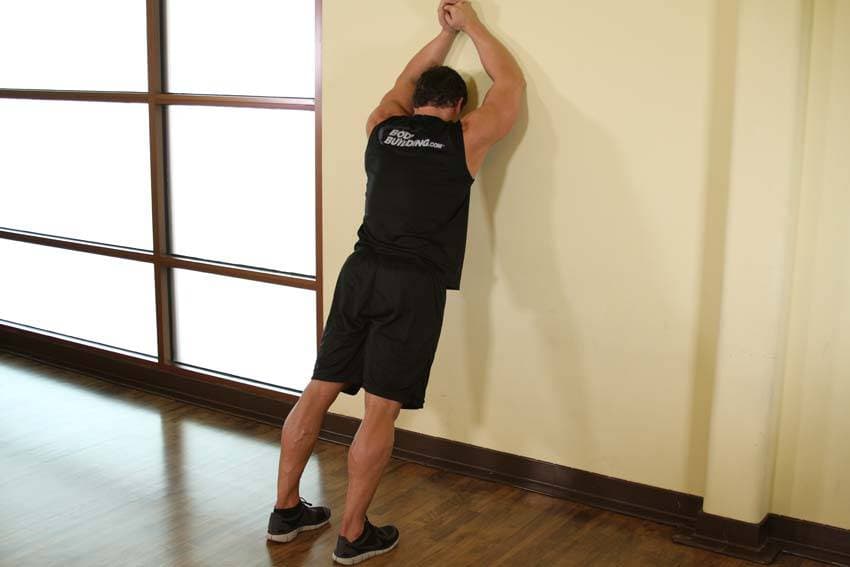
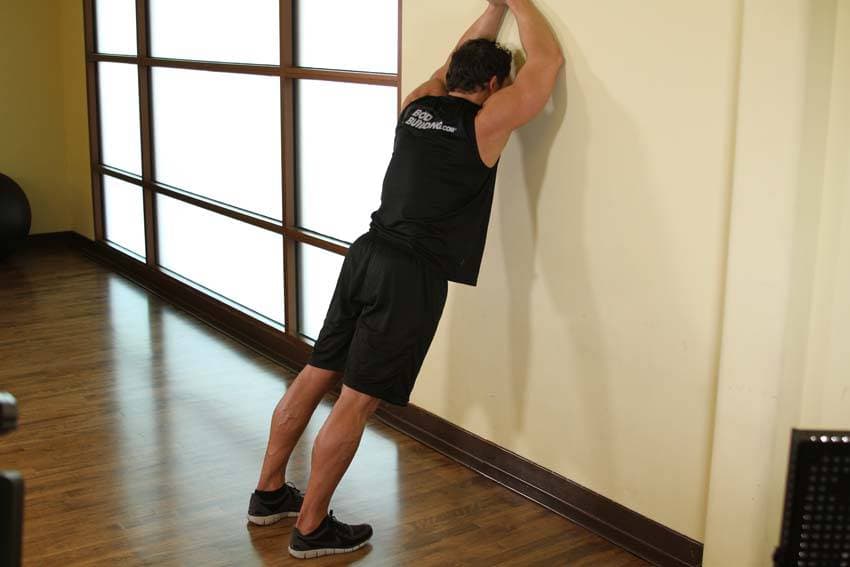
Calf Stretch Elbows Against Wall
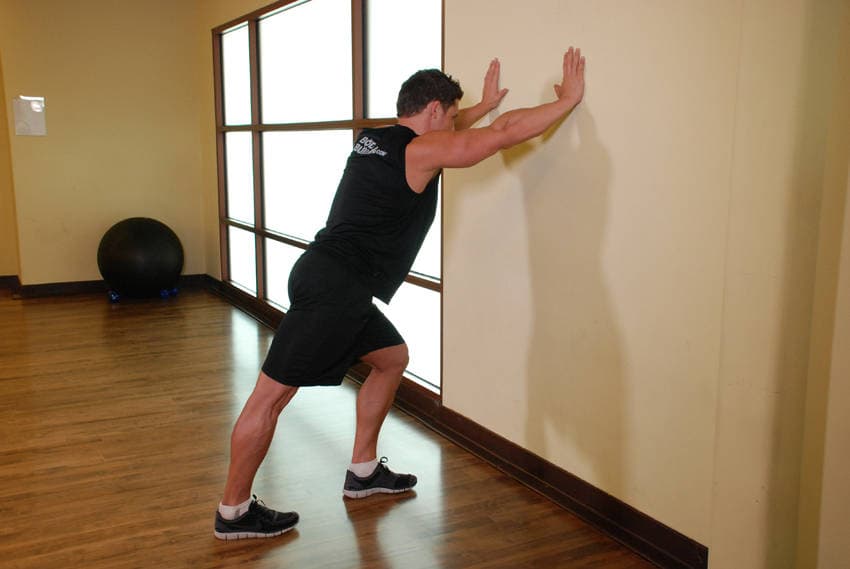
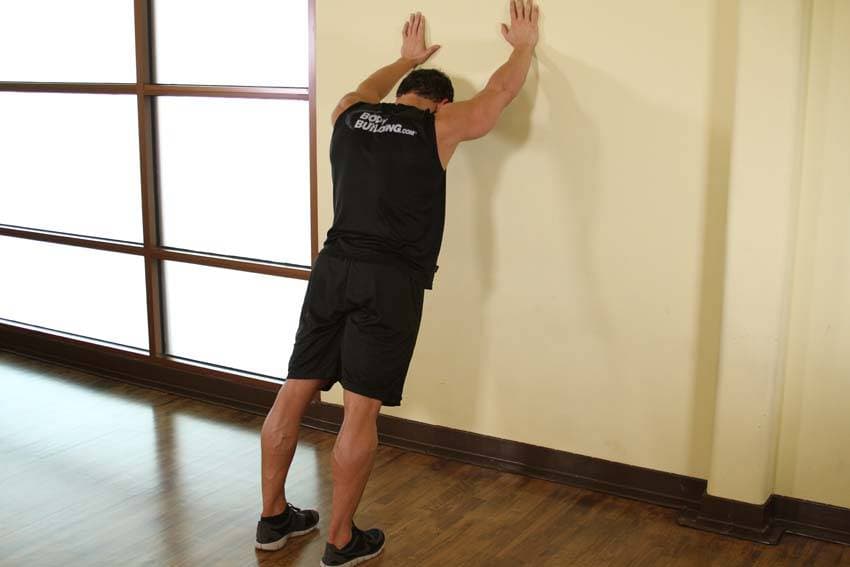
Calf Stretch Hands Against Wall
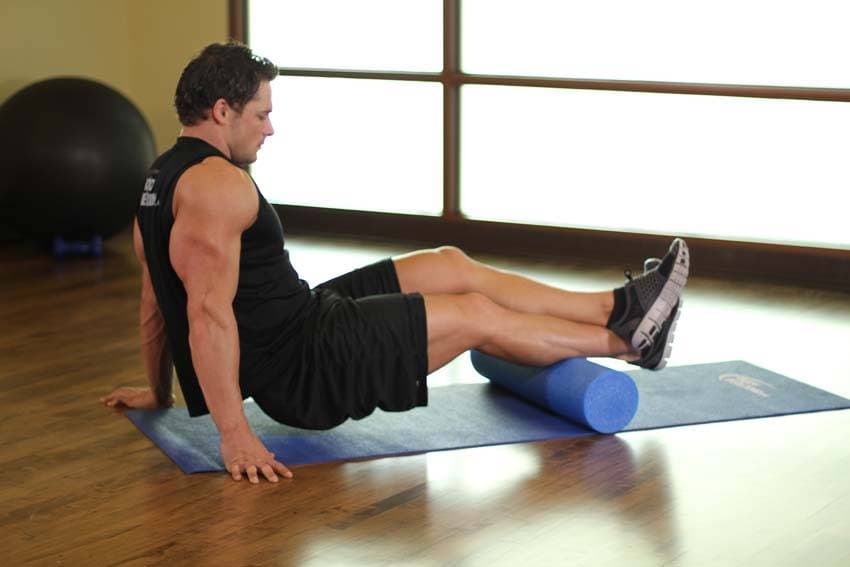
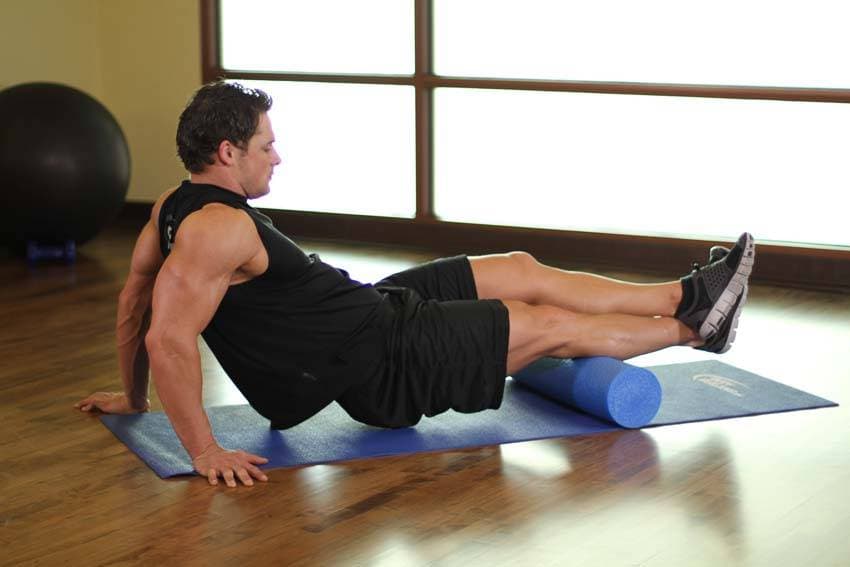
Calves-SMR
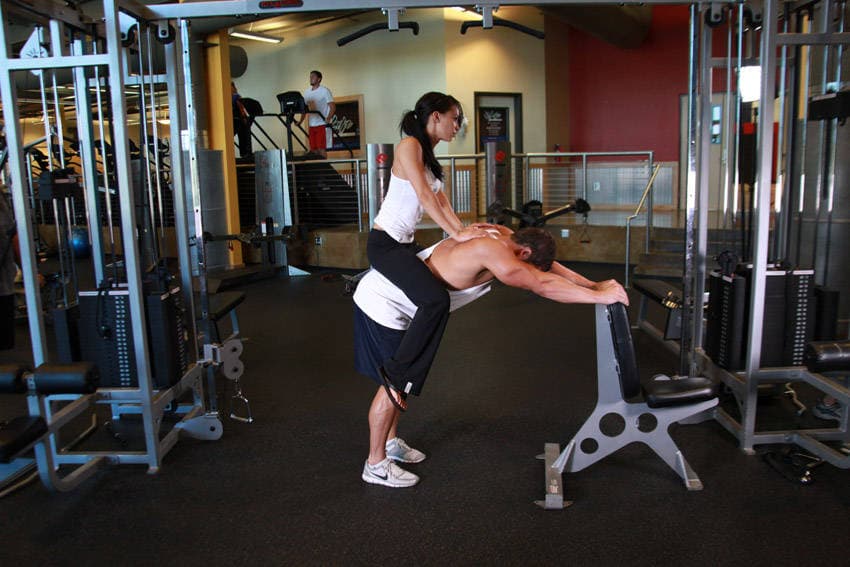
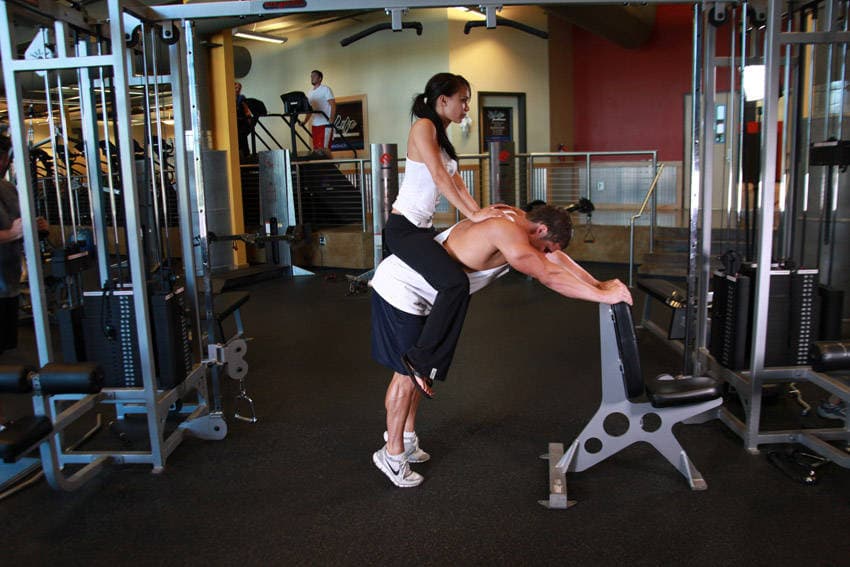
Donkey Calf Raises
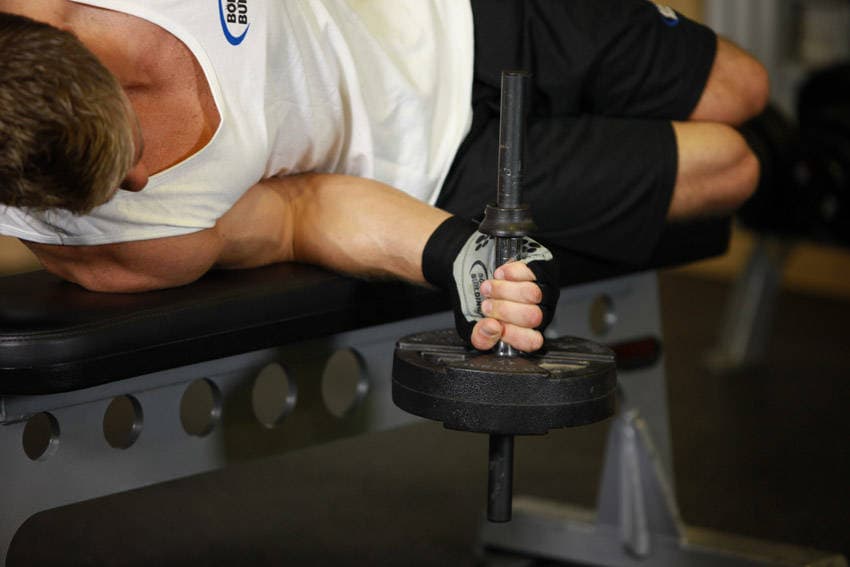
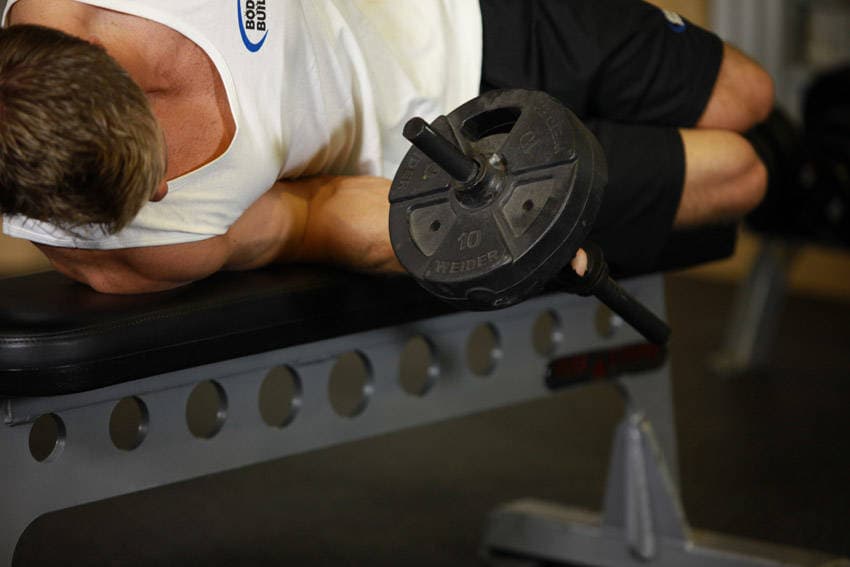
Dumbbell Lying Pronation
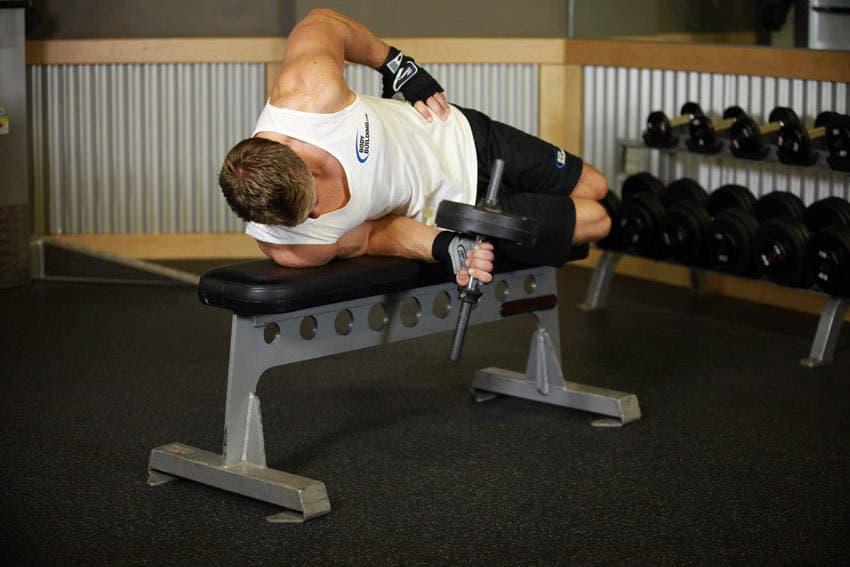
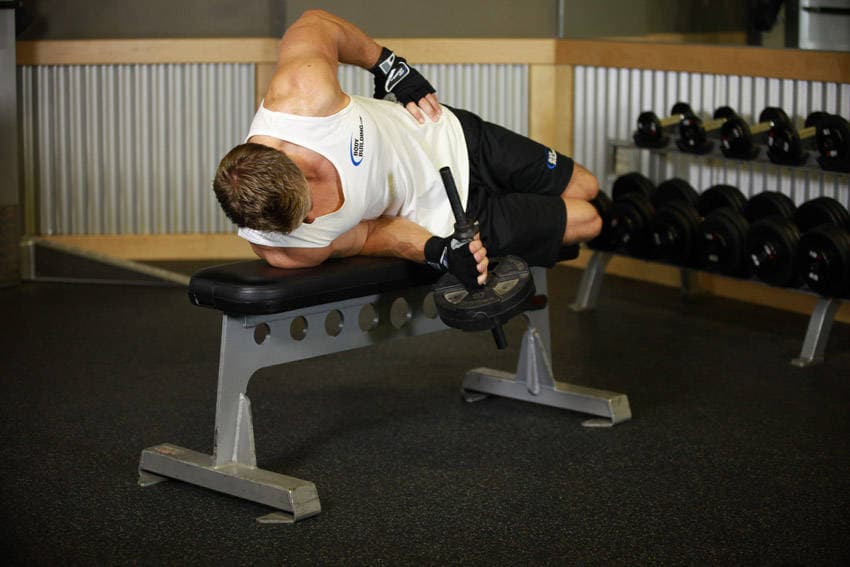
Dumbbell Lying Supination
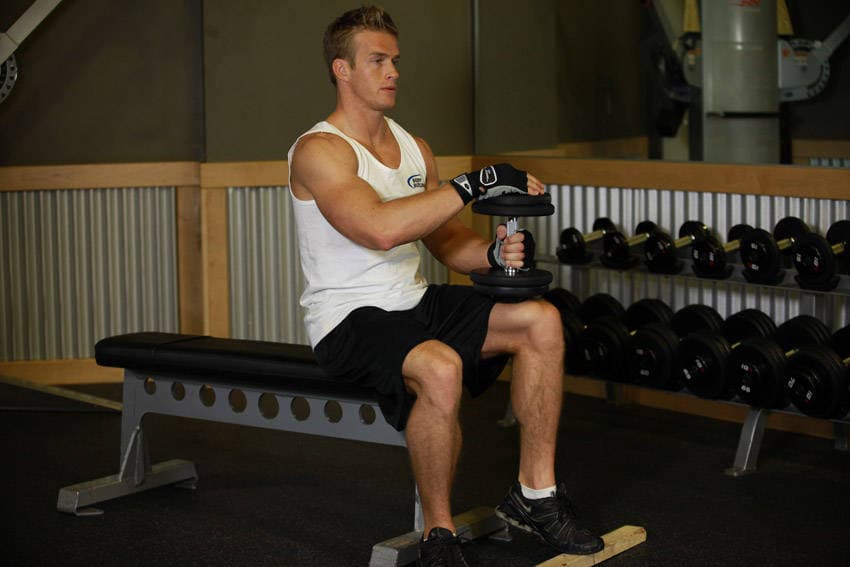
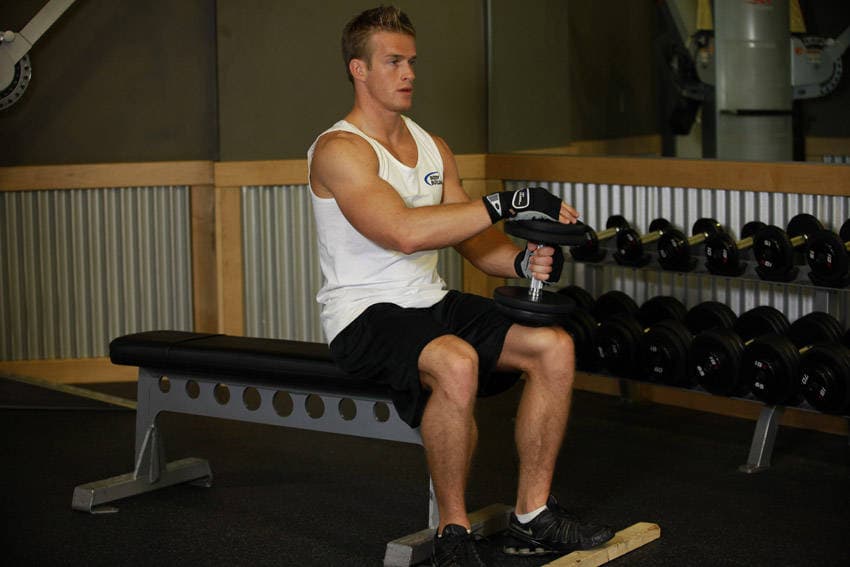
Dumbbell Seated One-Leg Calf Raise
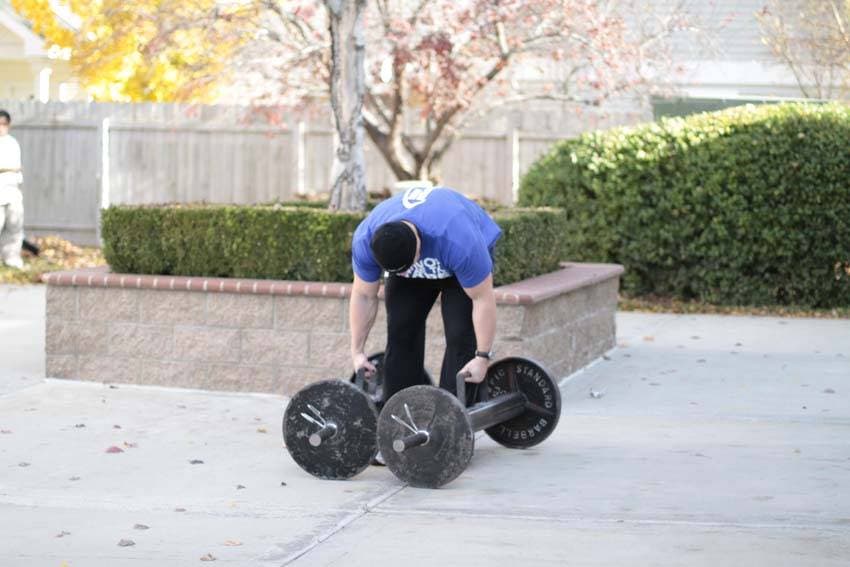
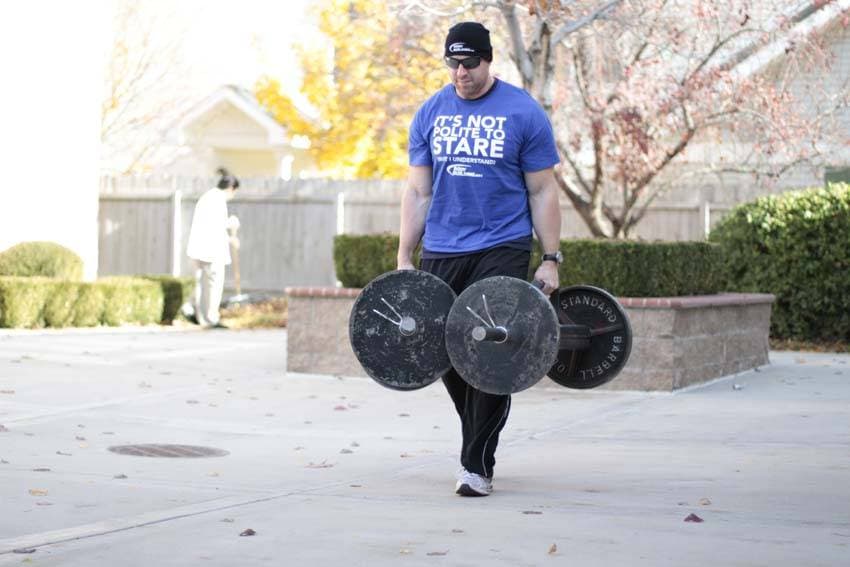
Farmer's Walk
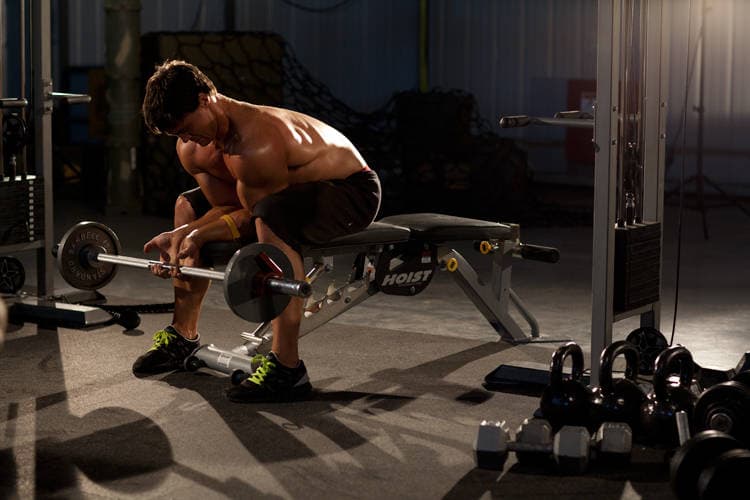
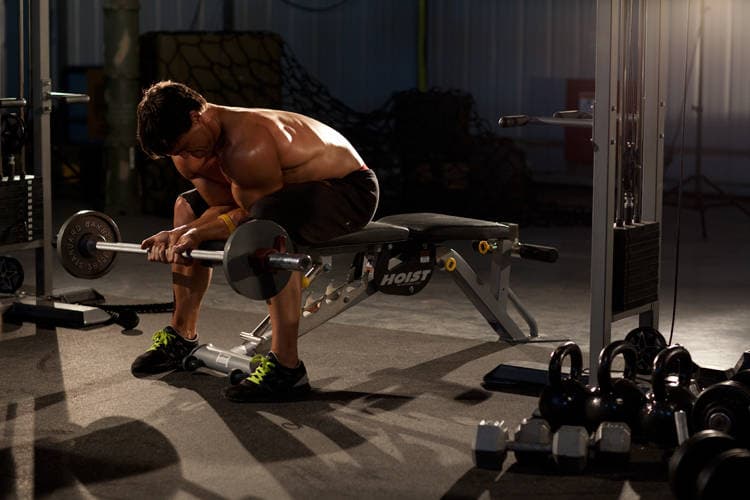
Finger Curls
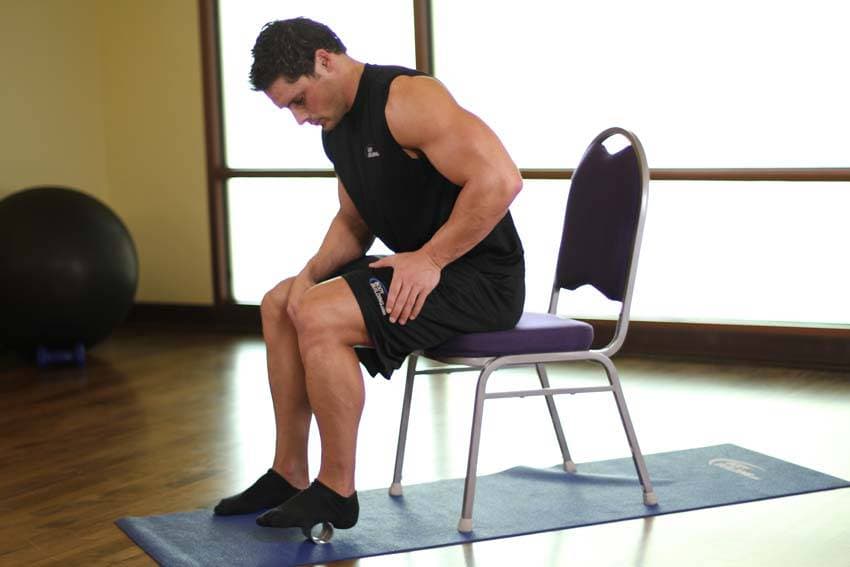
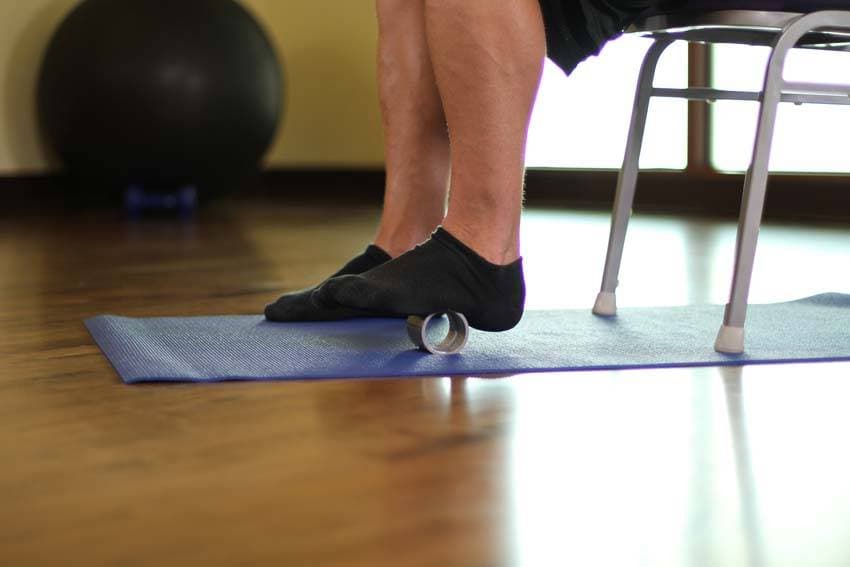
Foot-SMR
Also Works flexor digitorum longus
10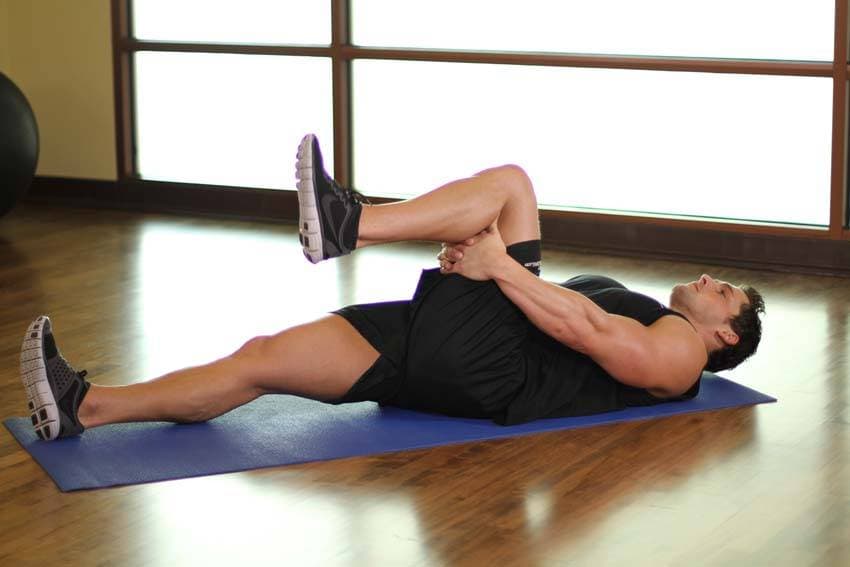
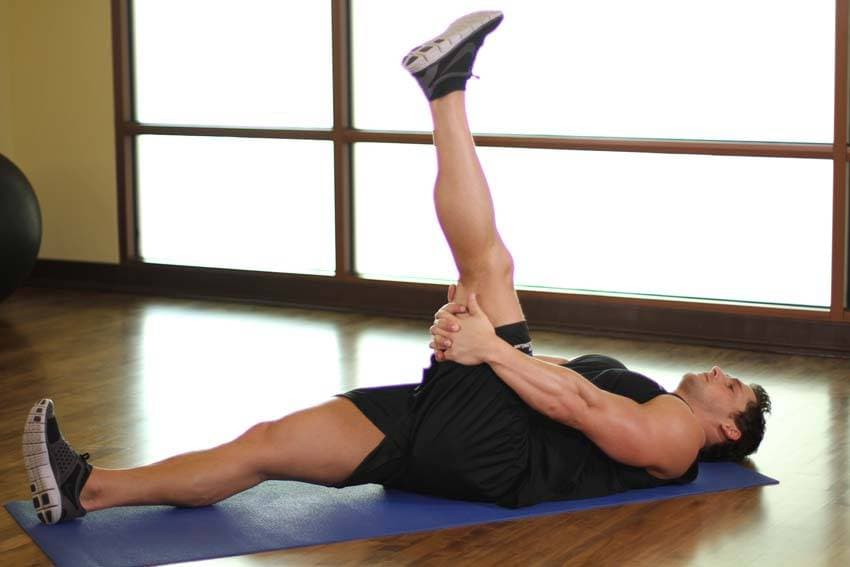
90/90 Hamstring
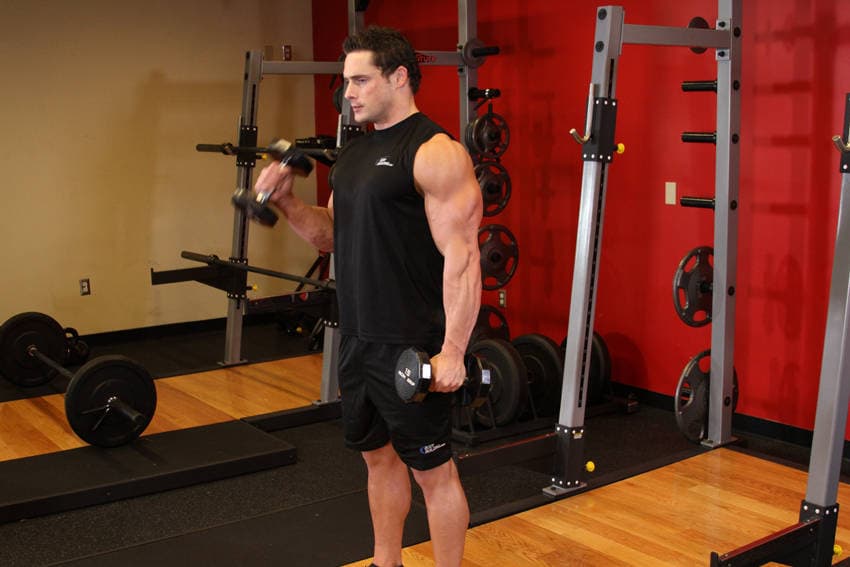
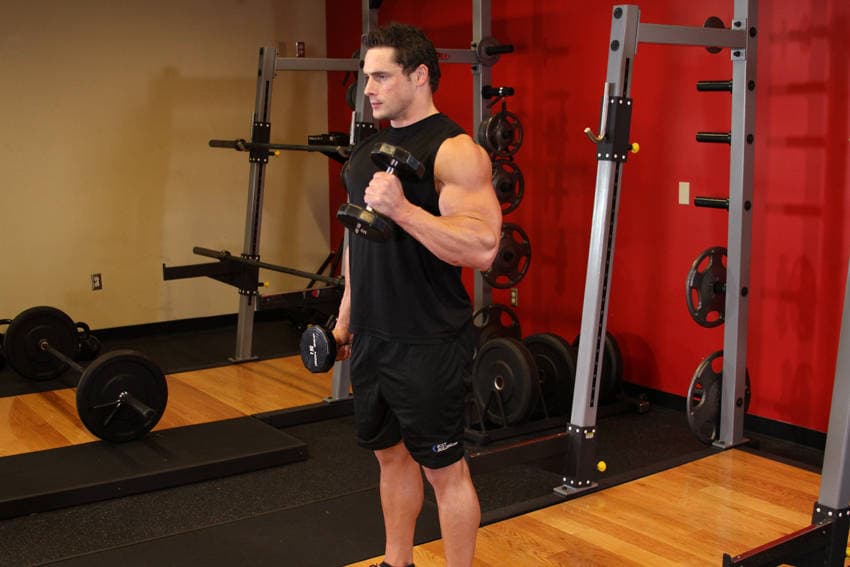
Alternate Hammer Curl
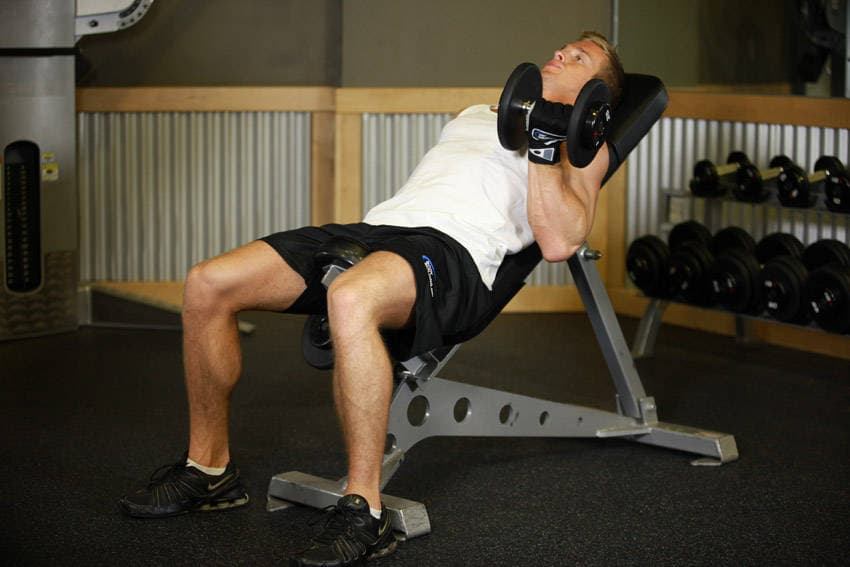
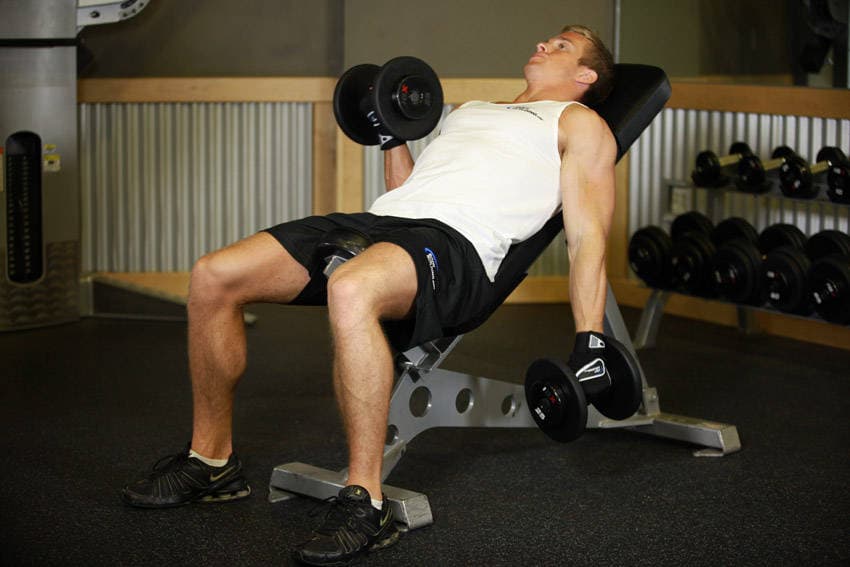
Alternate Incline Dumbbell Curl
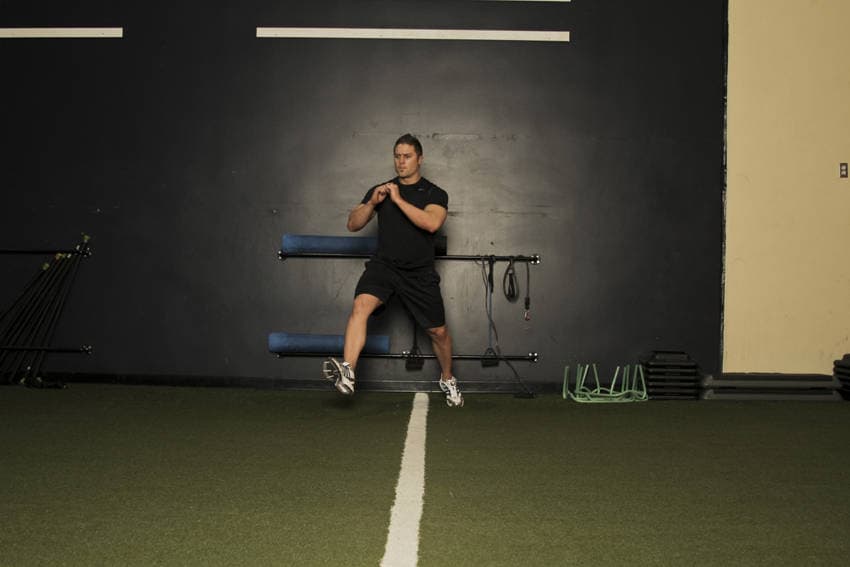
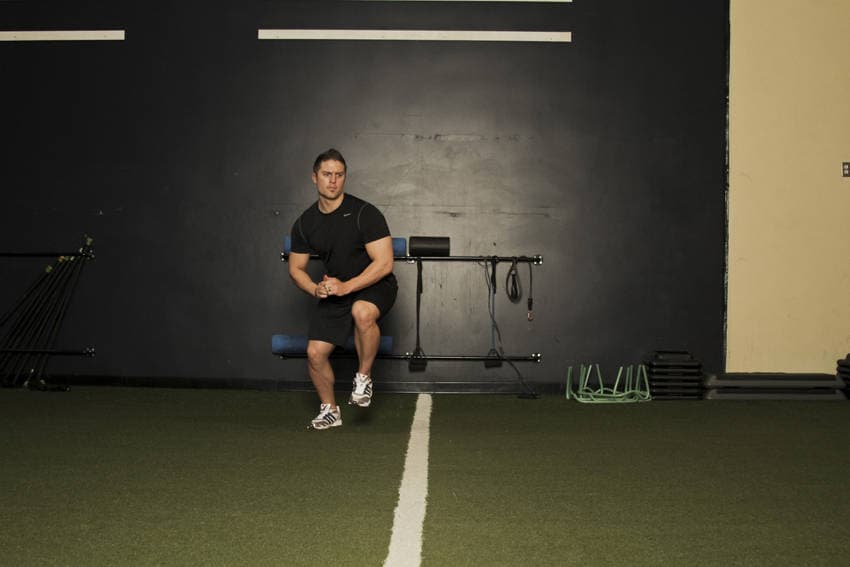
Alternate Leg Diagonal Bound
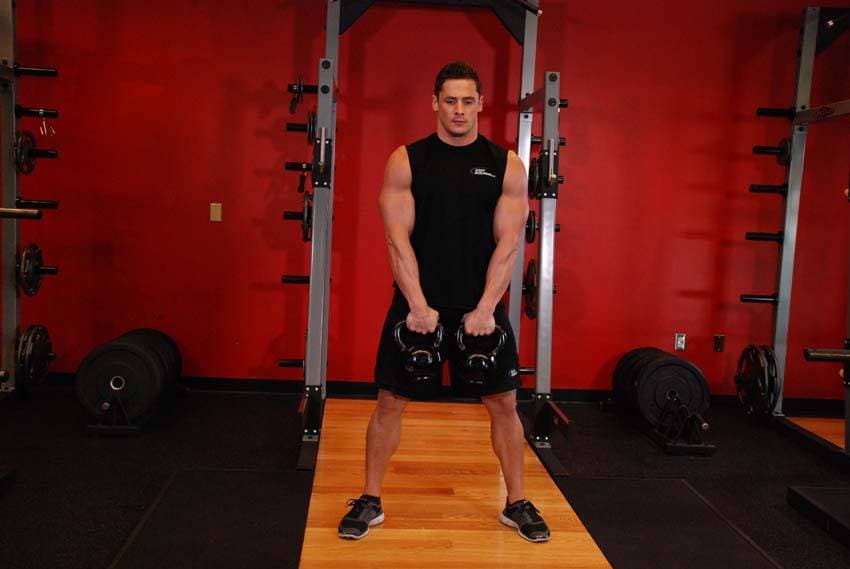
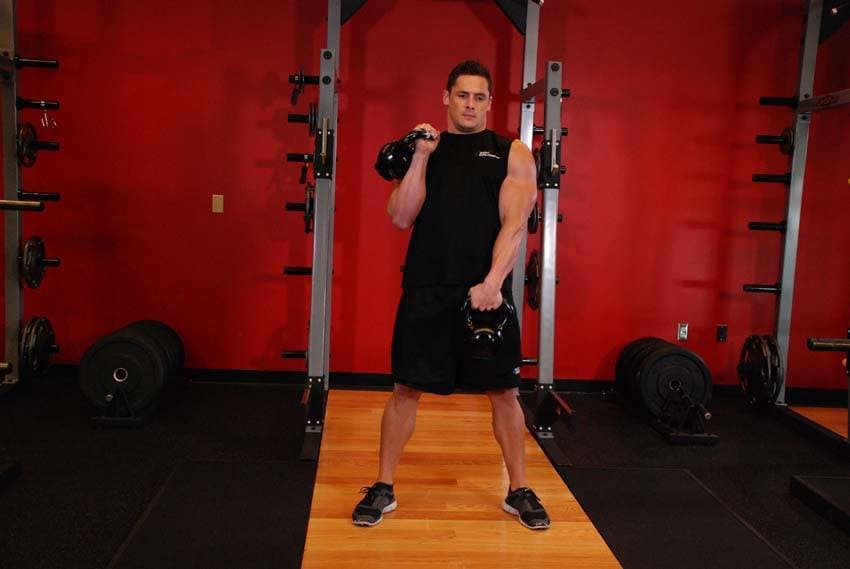
Alternating Hang Clean
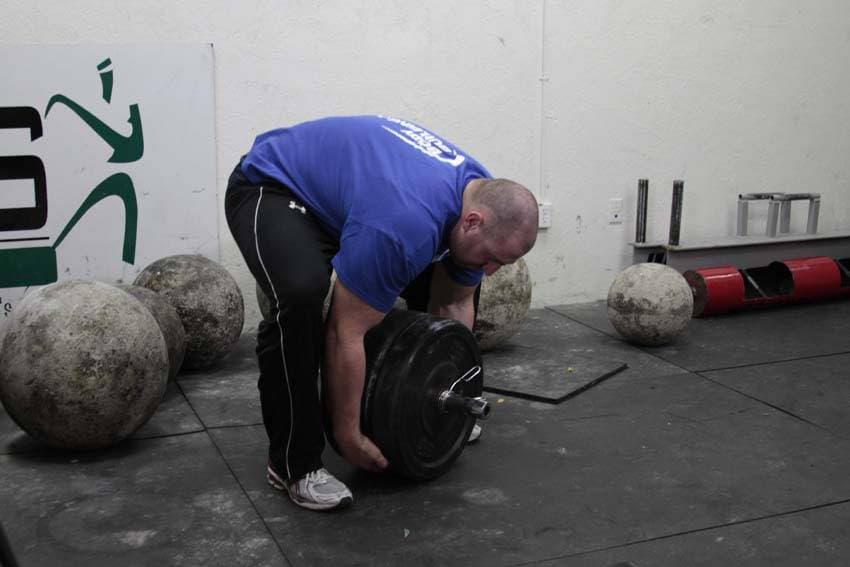
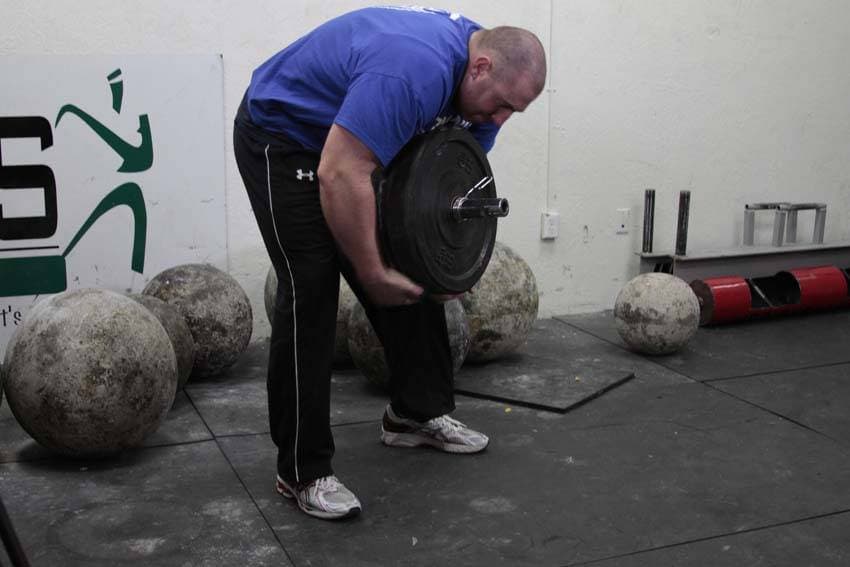
Atlas Stone Trainer
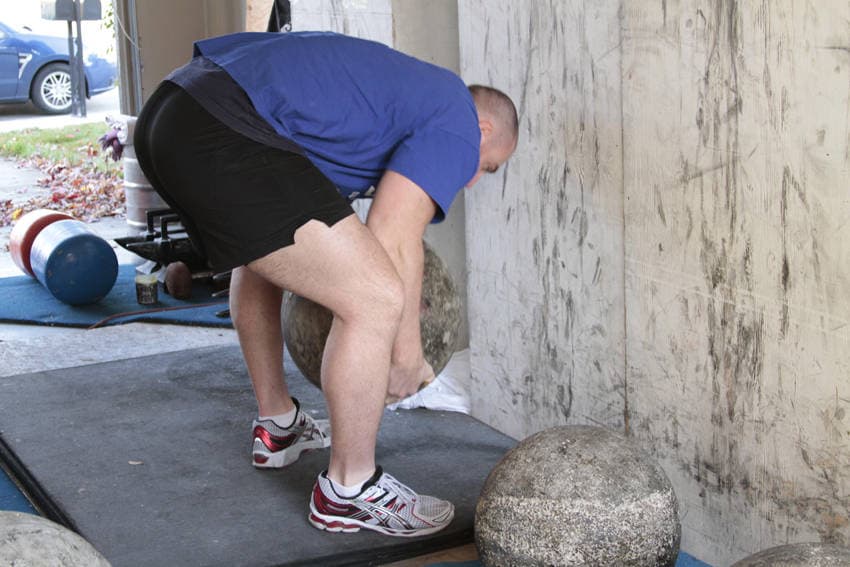
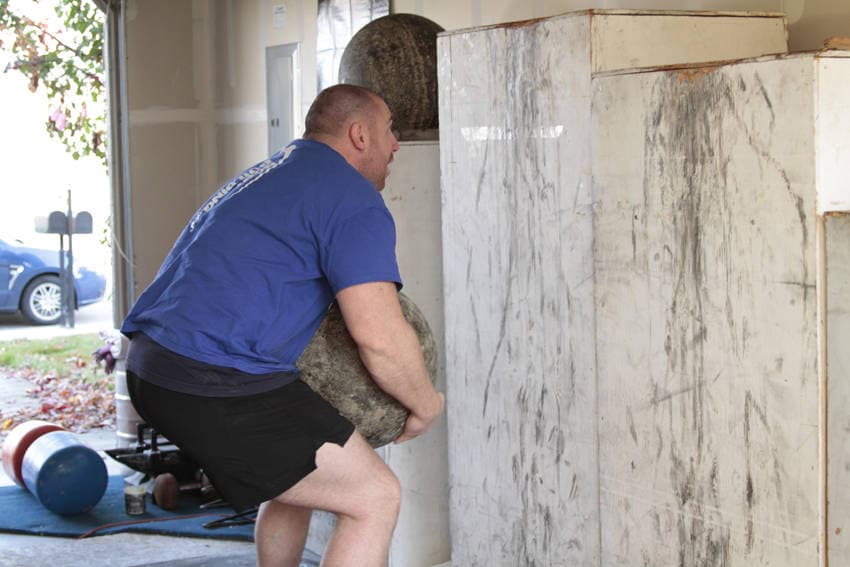
Atlas Stones
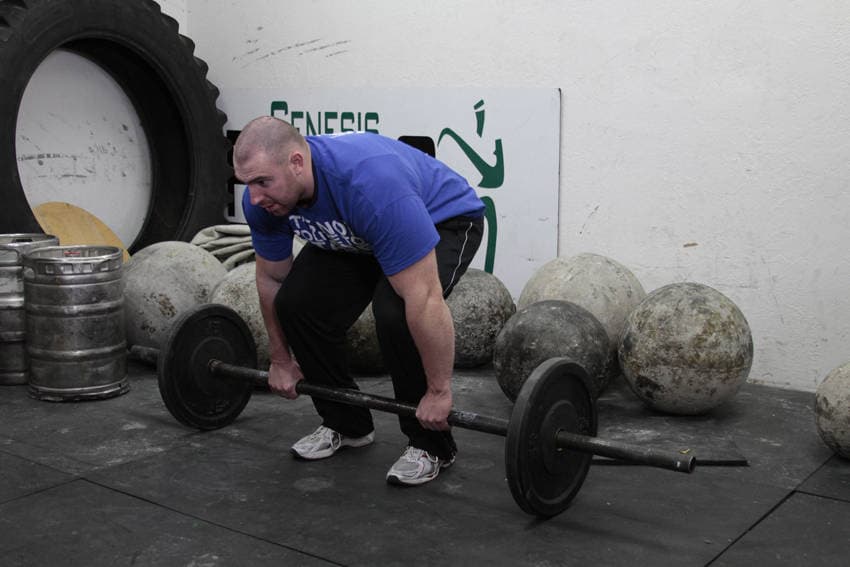
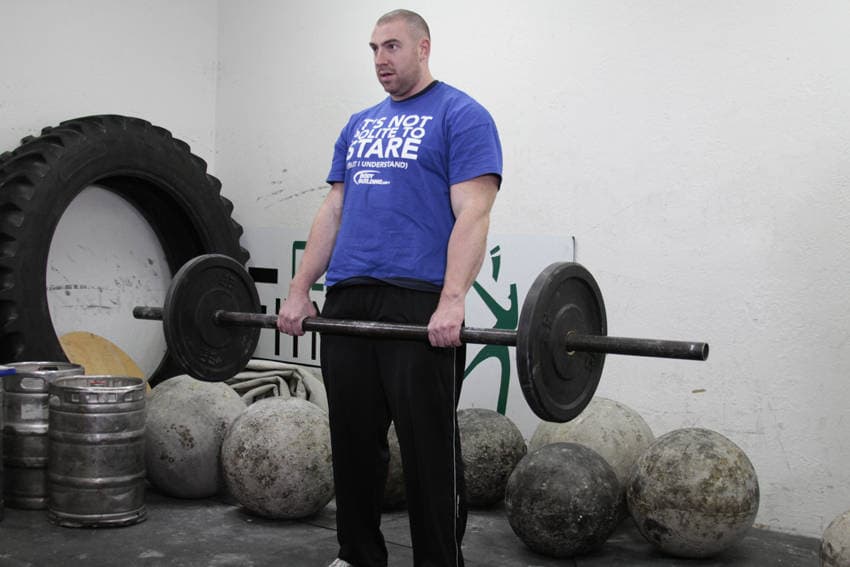
Axle Deadlift
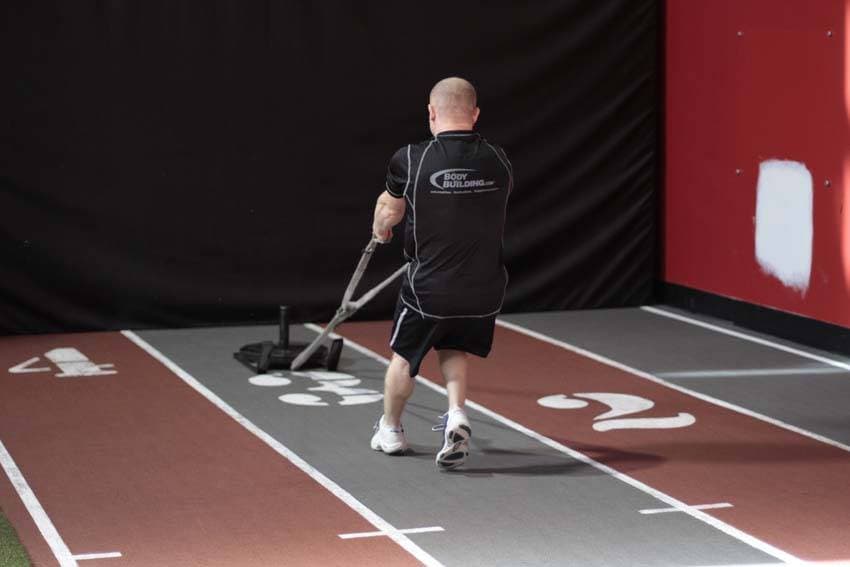
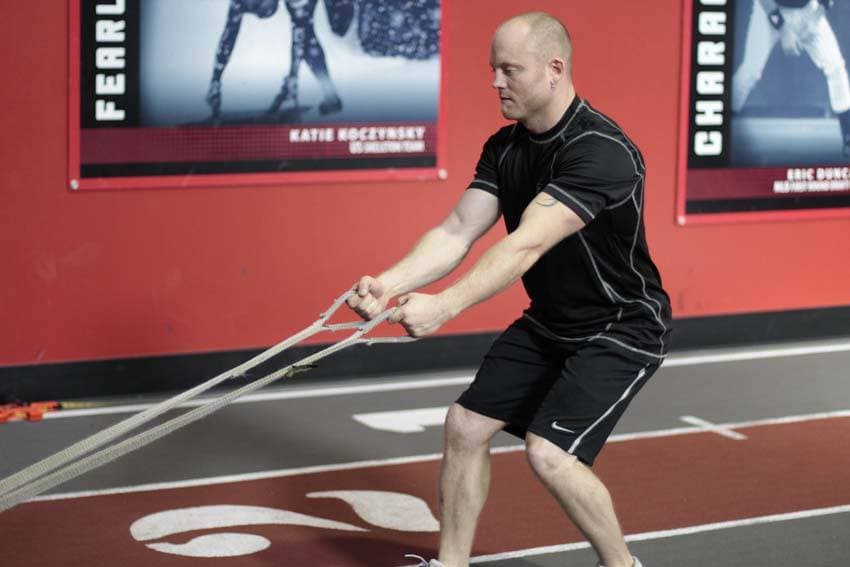
Backward Drag
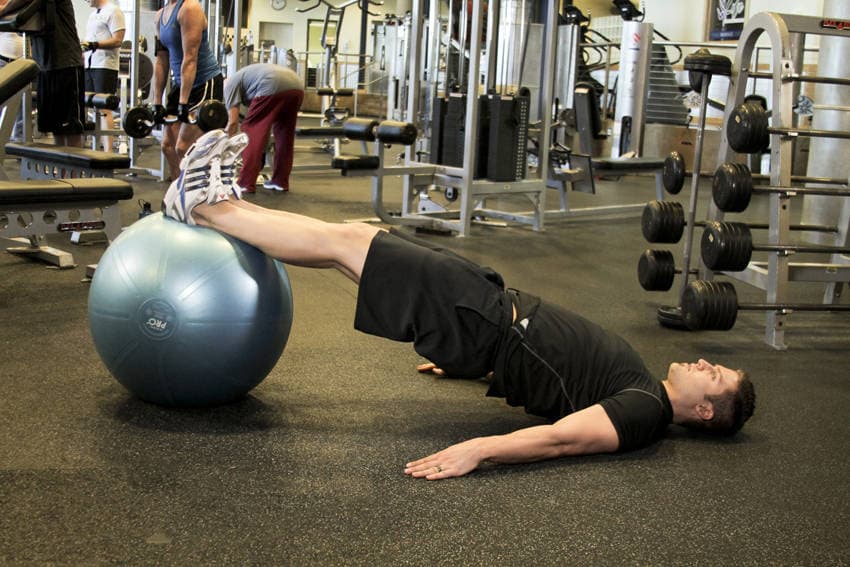
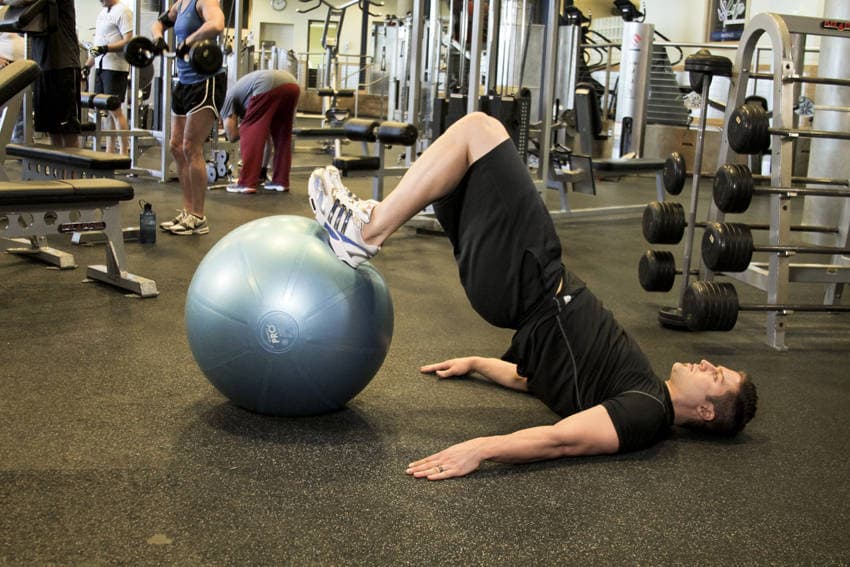
Ball Leg Curl
Related Lower Leg Muscles
Lower Leg Pain Guide
Common causes and relief
Activities & Sports
See which activities use flexor digitorum longus