Lower Leg
gastrocnemius
gas-trok-NEE-mee-us
The gastrocnemius forms the visible calf bulge, crossing knee and ankle for explosive plantarflexion. Key for sprinting, jumping, and calf raises. Two heads make it powerful for athletic propulsion.
Open in 3D ViewerCommon Pain & Injury
Calf tightness or sharp tear pain during push-off. Strains common in sports. Doctor for swelling, bruising, or pop sensation.
Anatomy & Function
Origin
Lateral and medial heads from posterior femoral condyles (back of thigh bone ends)
Insertion
Calcaneus via Achilles tendon (heel bone)
Actions
- Plantarflexion (pointing toes)
- Knee flexion (bending knee)
Innervation
Tibial nerve
Muscle Relationships
Antagonists
Synergists
Trigger Points
Medial head refers to calf/Achilles; lateral to knee/back.
Stretches
Common Conditions
Anatomical Parts
FAQ
What does gastrocnemius do?
Powers calf raise and push-off for running/jumping.
Gastrocnemius pain when walking
Strain or trigger points; stretch and strengthen soleus too.
Gastrocnemius stretch
Straight-knee wall stretch targets it best.
Gastrocnemius vs soleus
Gastro crosses knee for speed; soleus endurance.
Exercises for gastrocnemius
20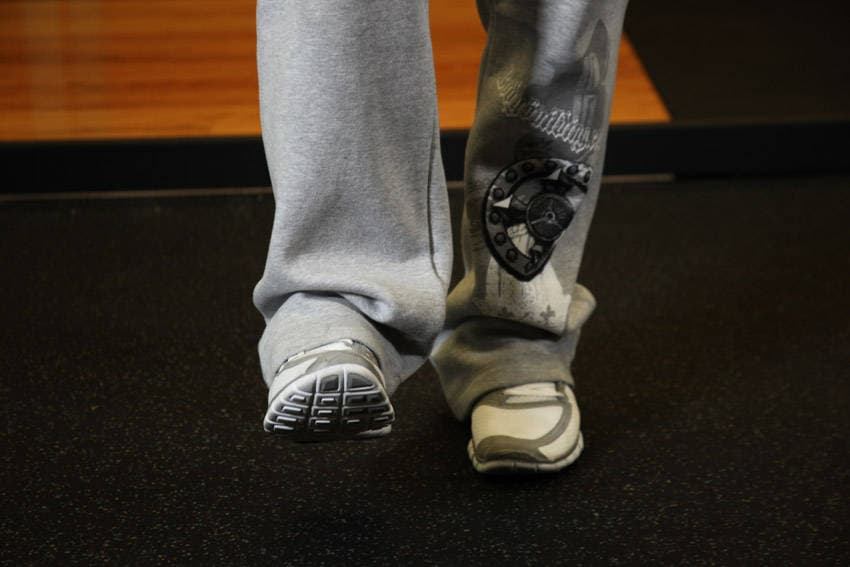
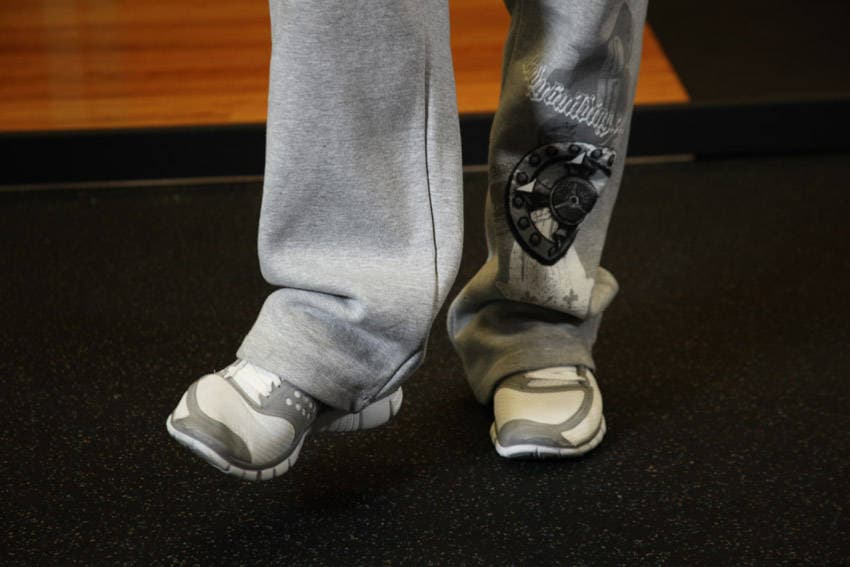
Ankle Circles
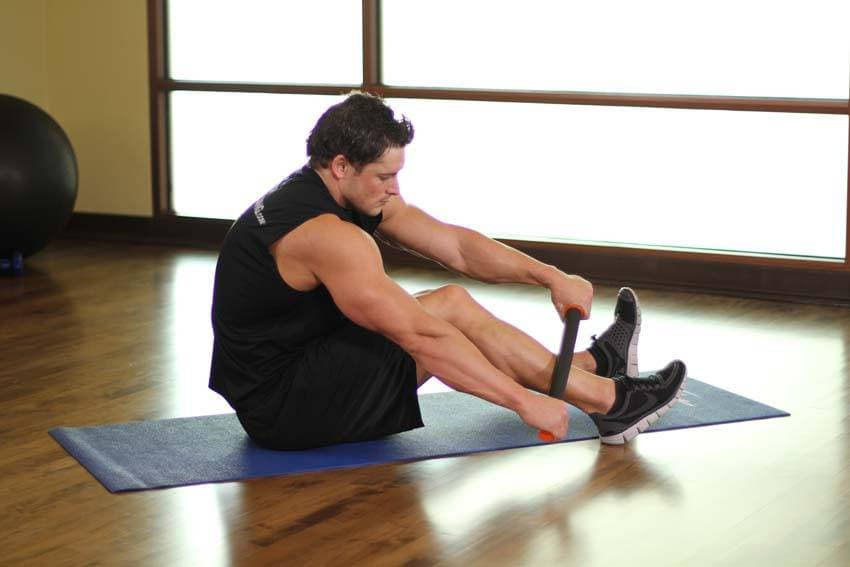

Anterior Tibialis-SMR
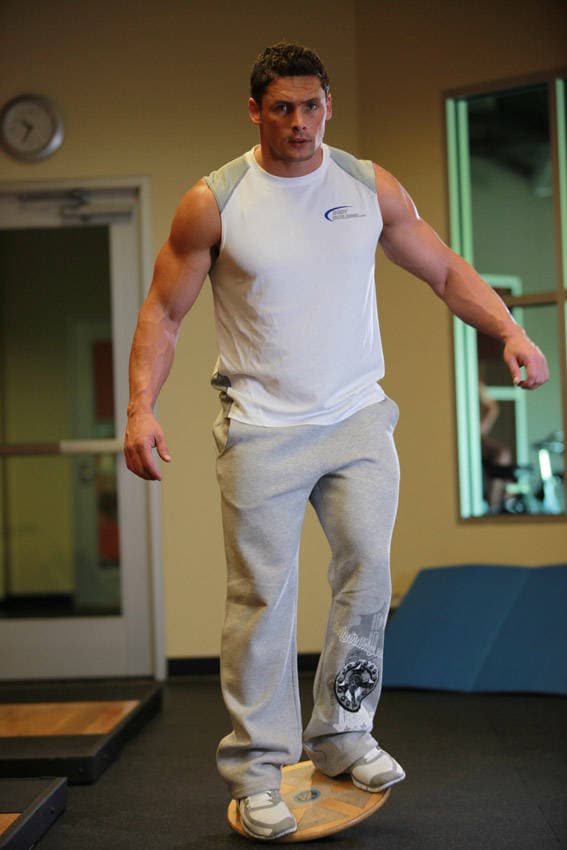
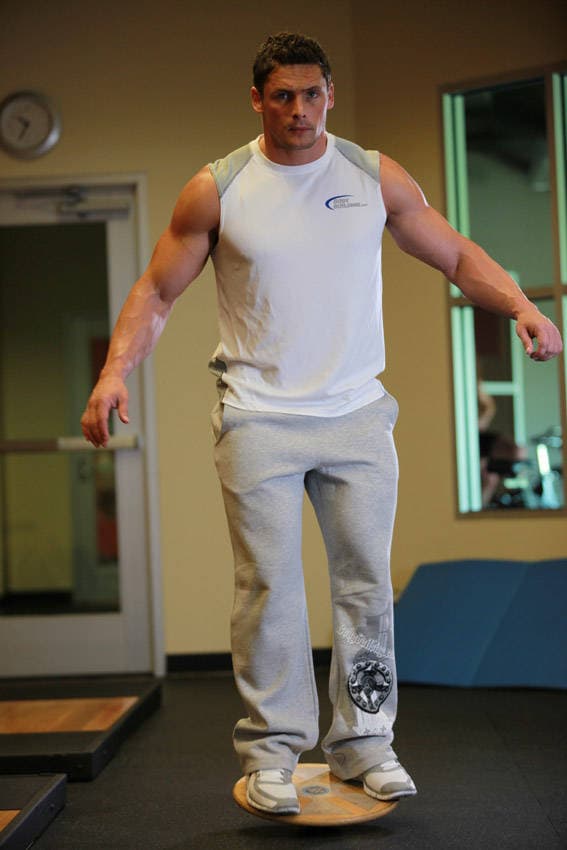
Balance Board
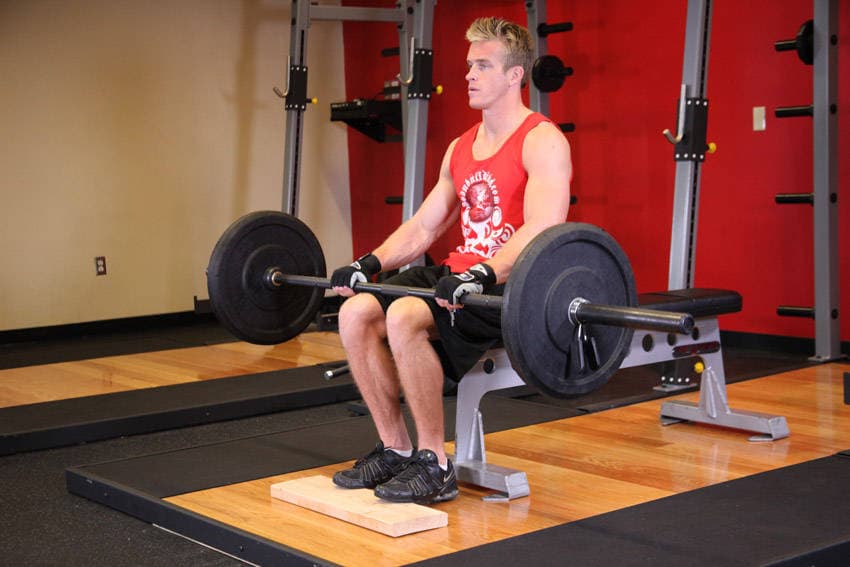
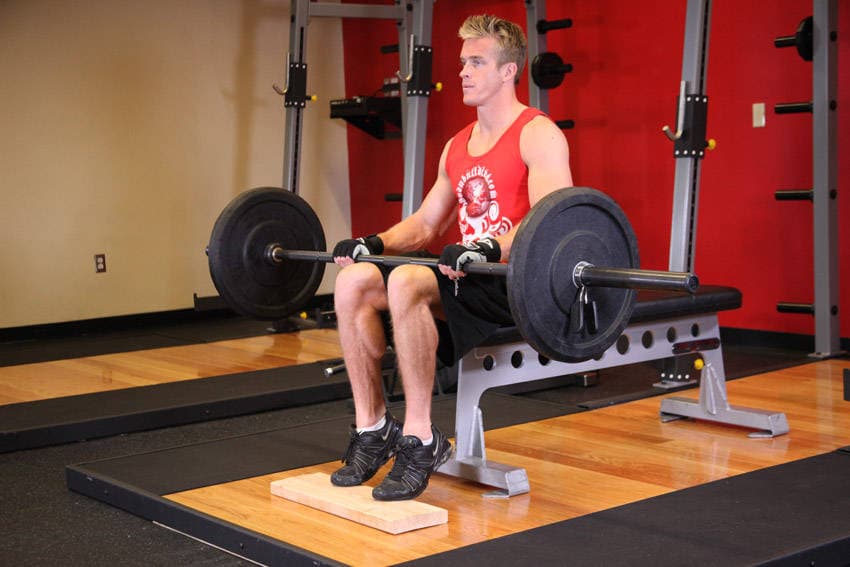
Barbell Seated Calf Raise
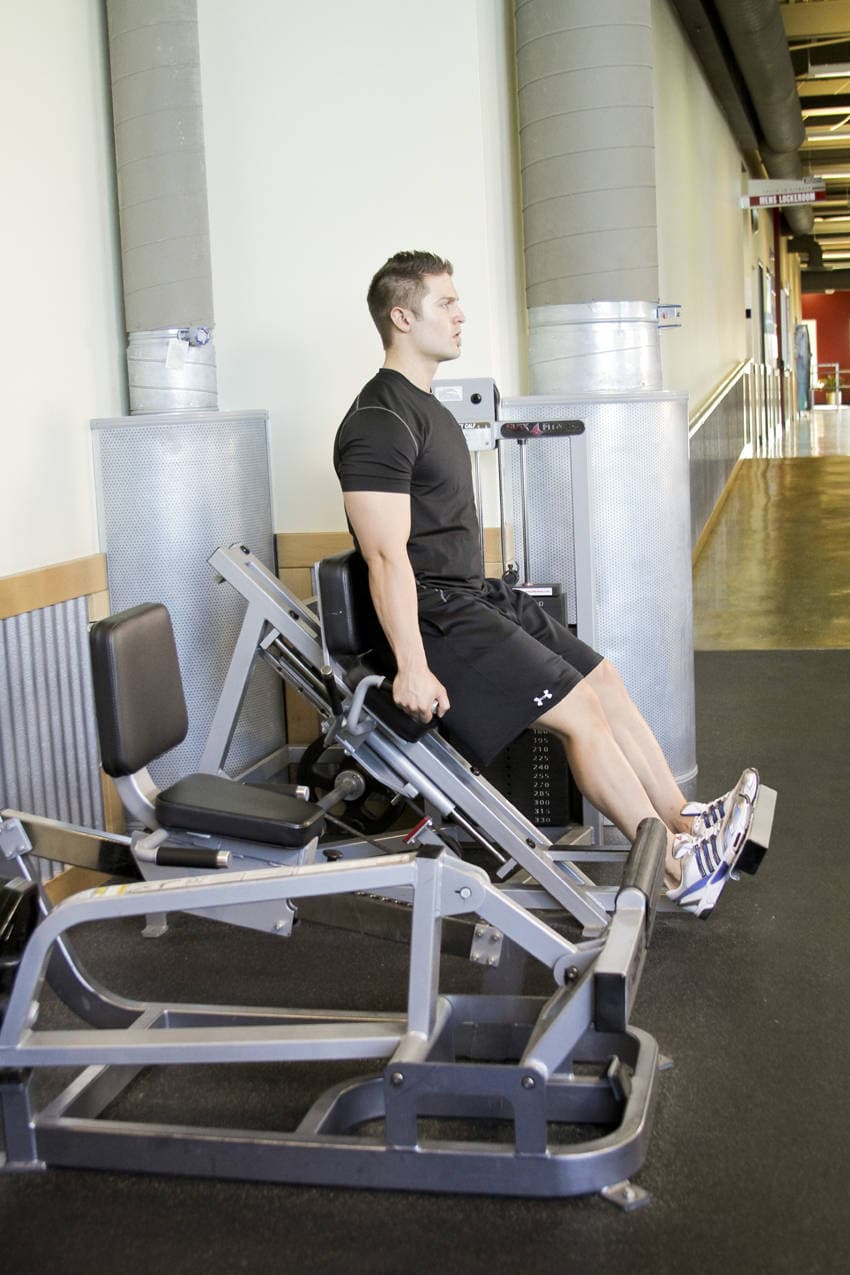
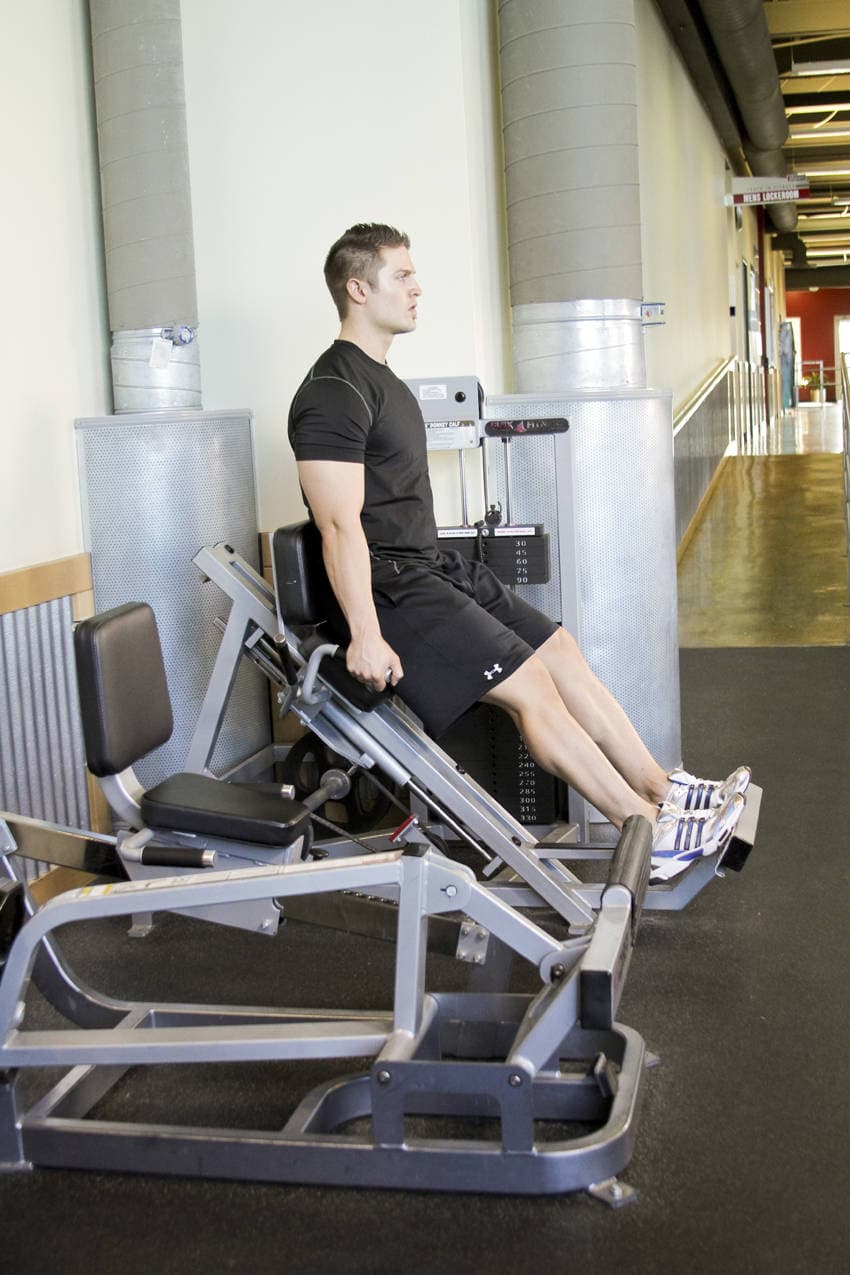
Calf Press
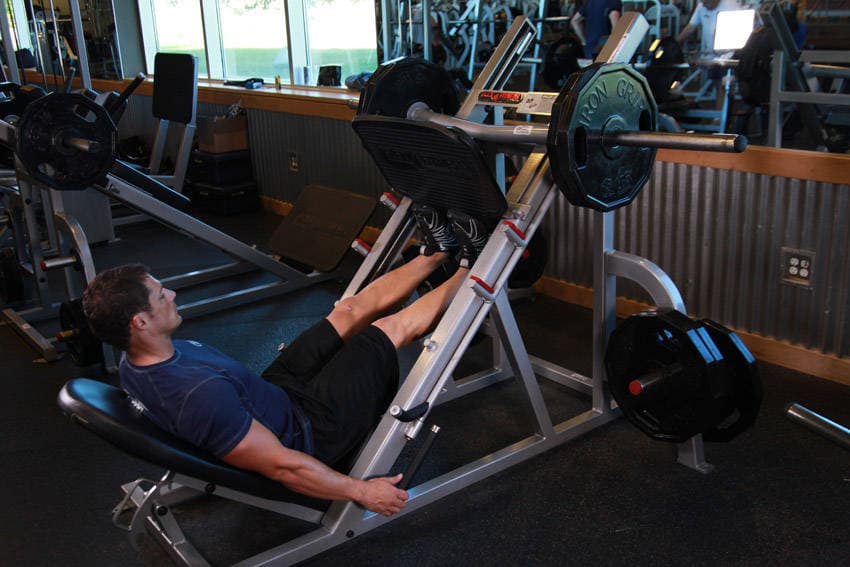
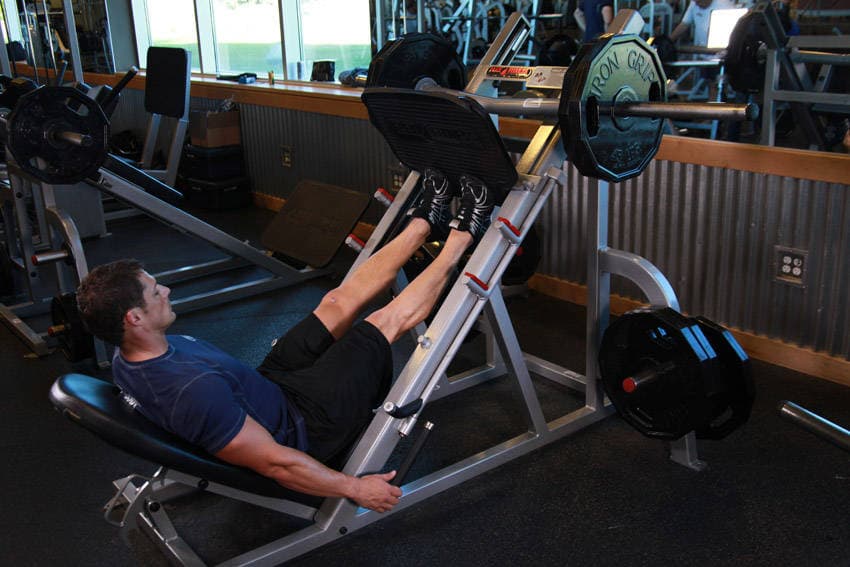
Calf Press On The Leg Press Machine
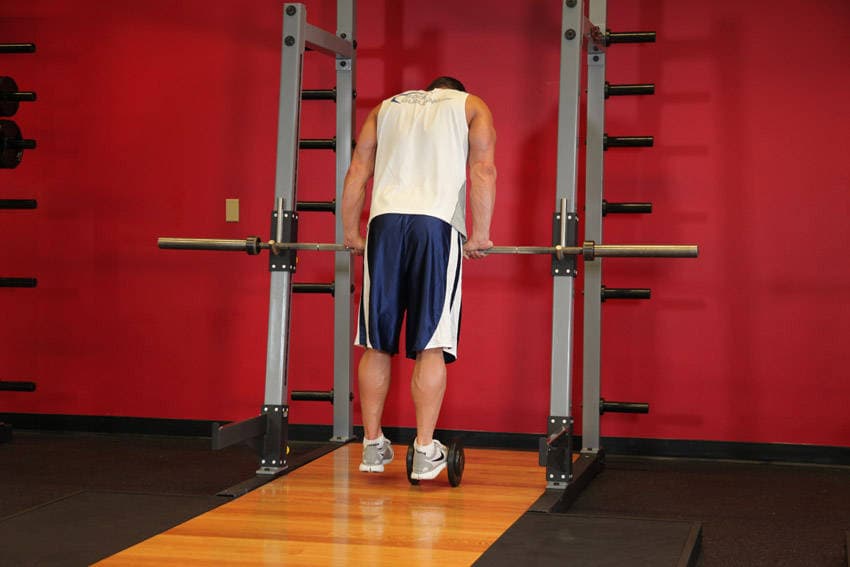
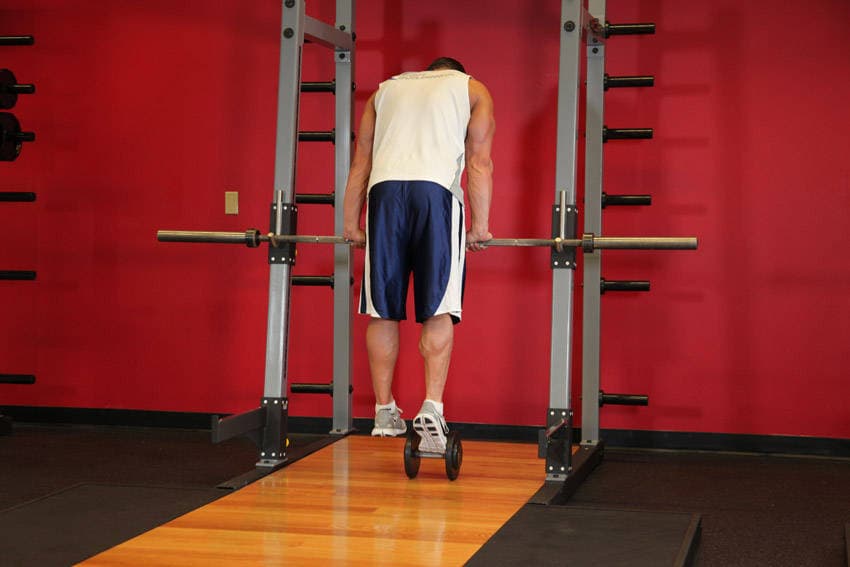
Calf Raise On A Dumbbell
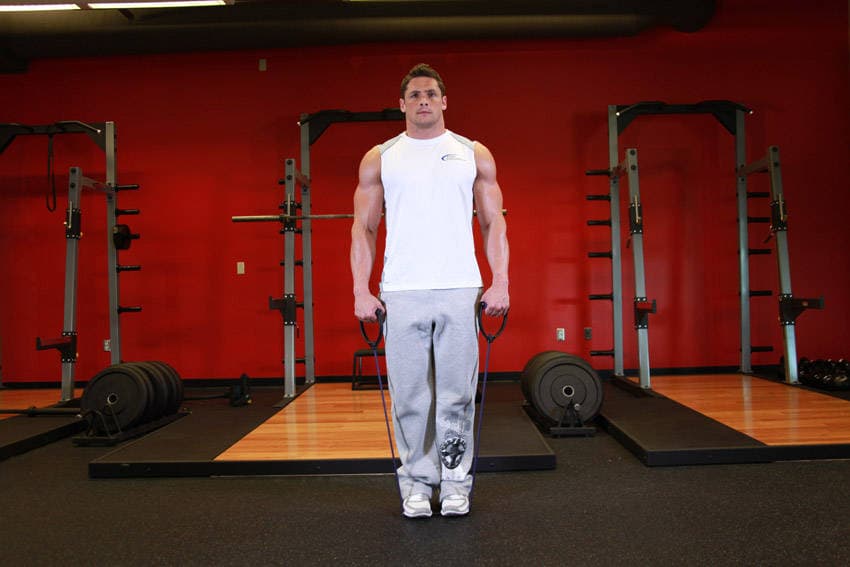
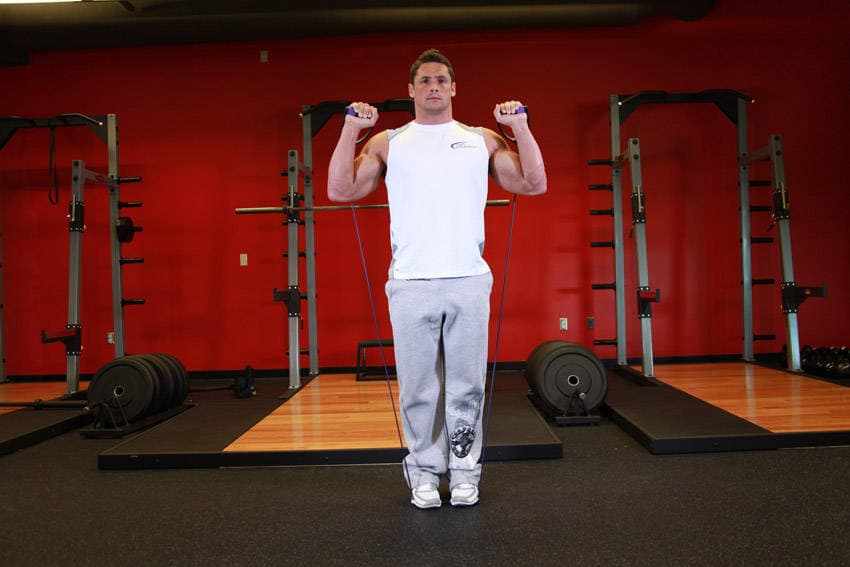
Calf Raises - With Bands
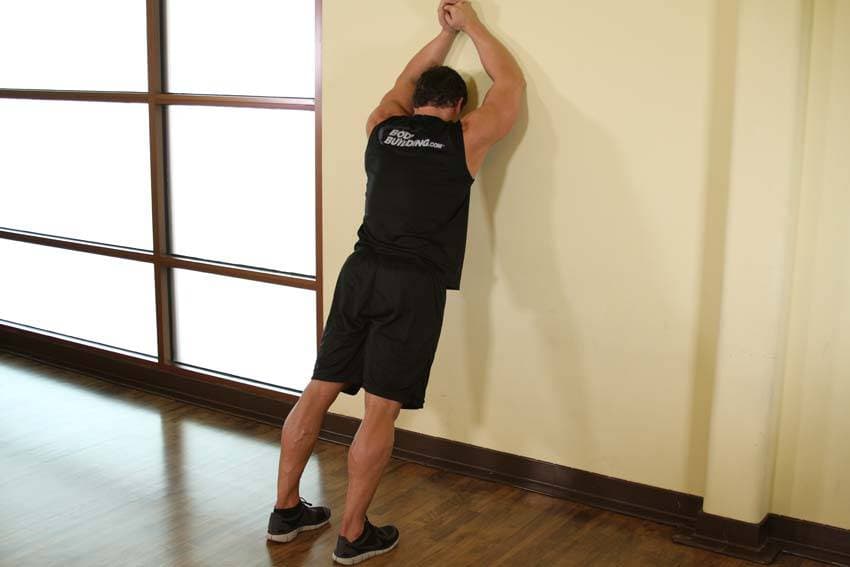
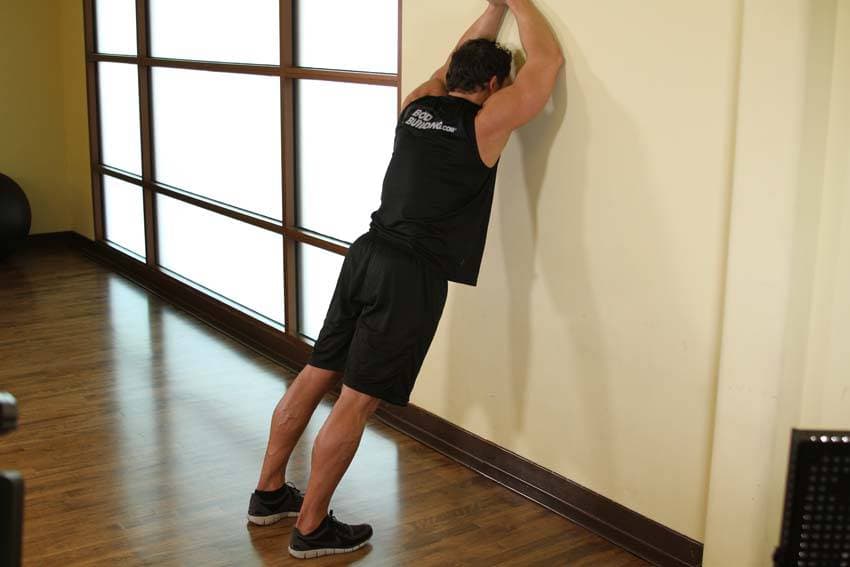
Calf Stretch Elbows Against Wall
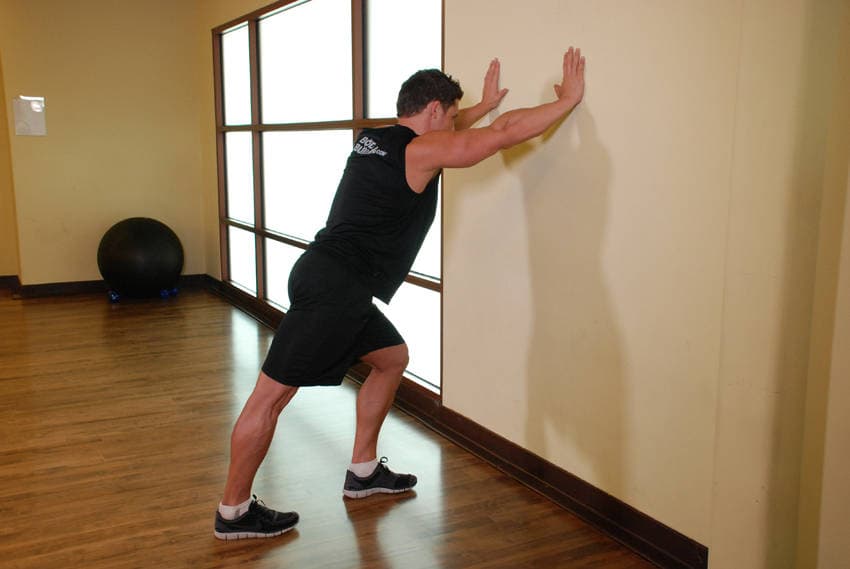
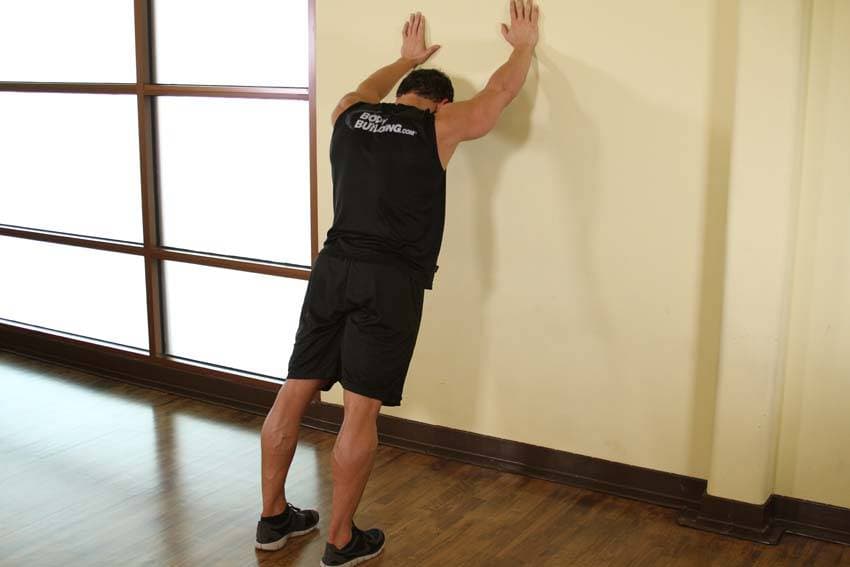
Calf Stretch Hands Against Wall
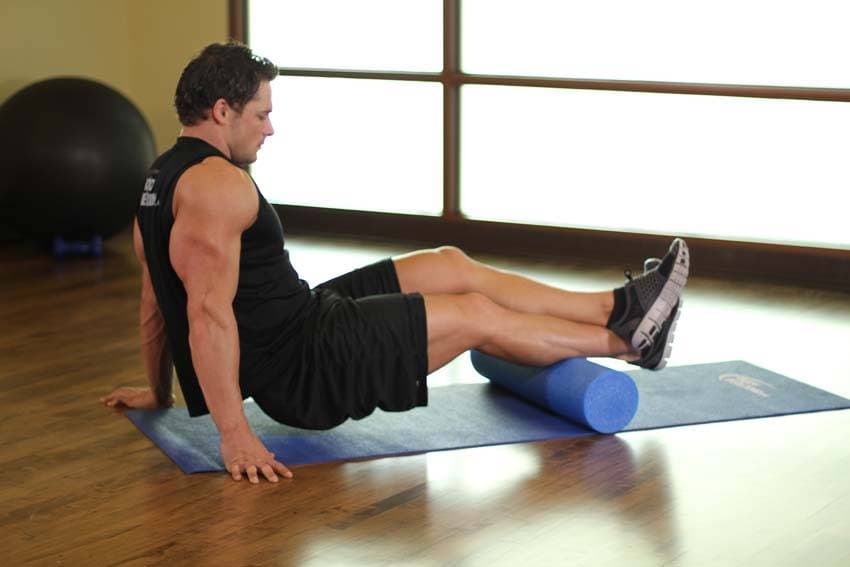
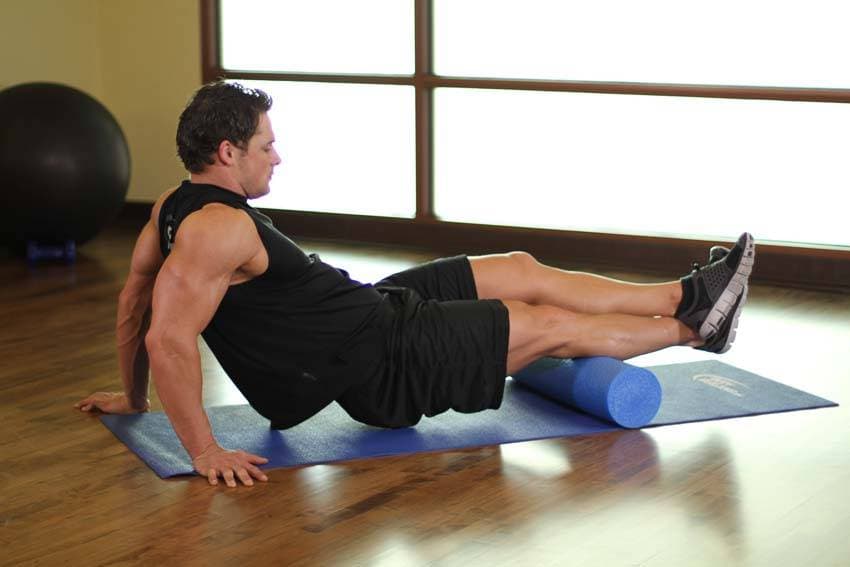
Calves-SMR
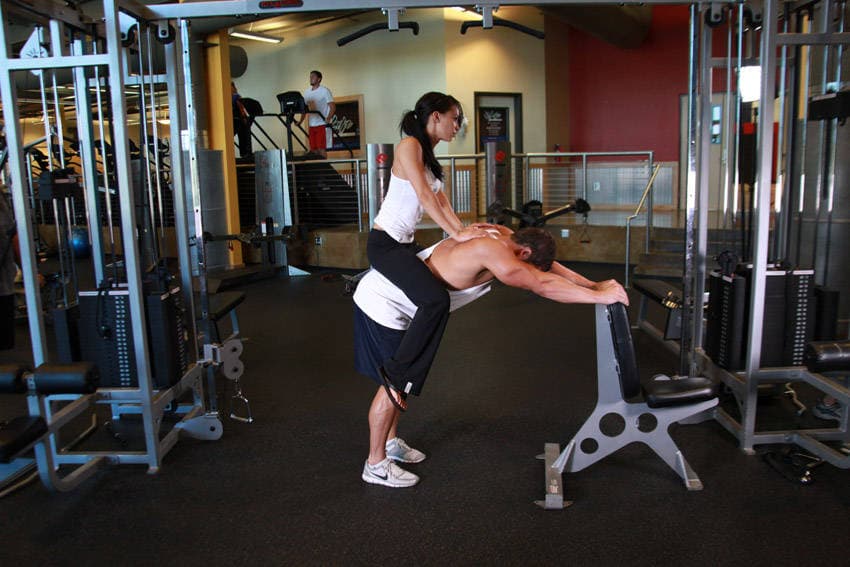
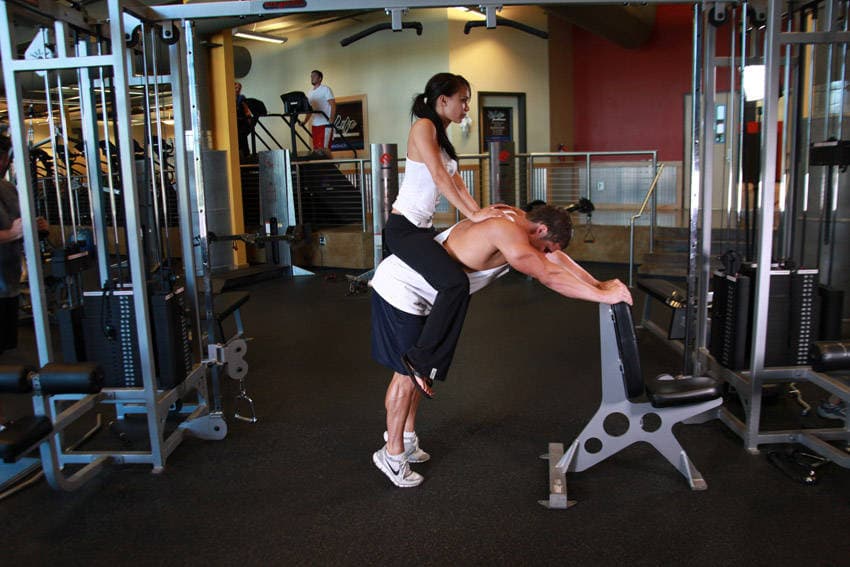
Donkey Calf Raises
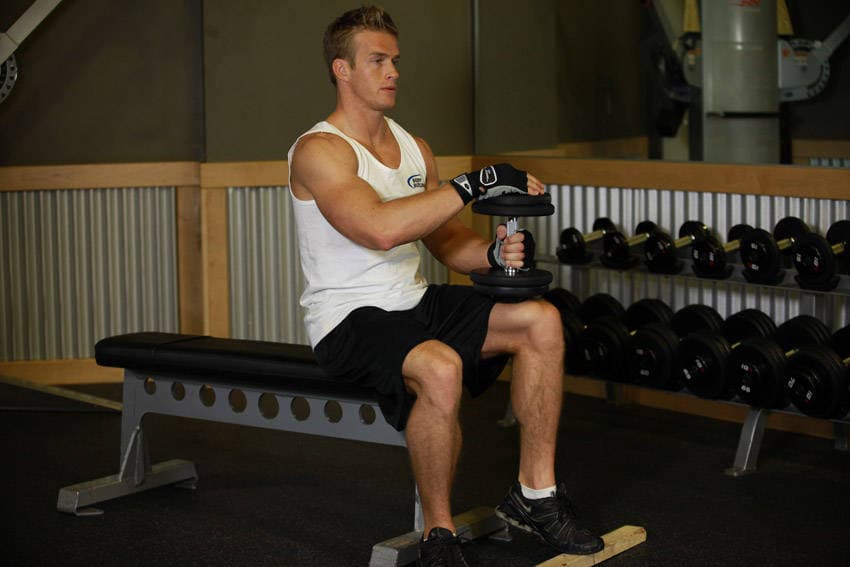
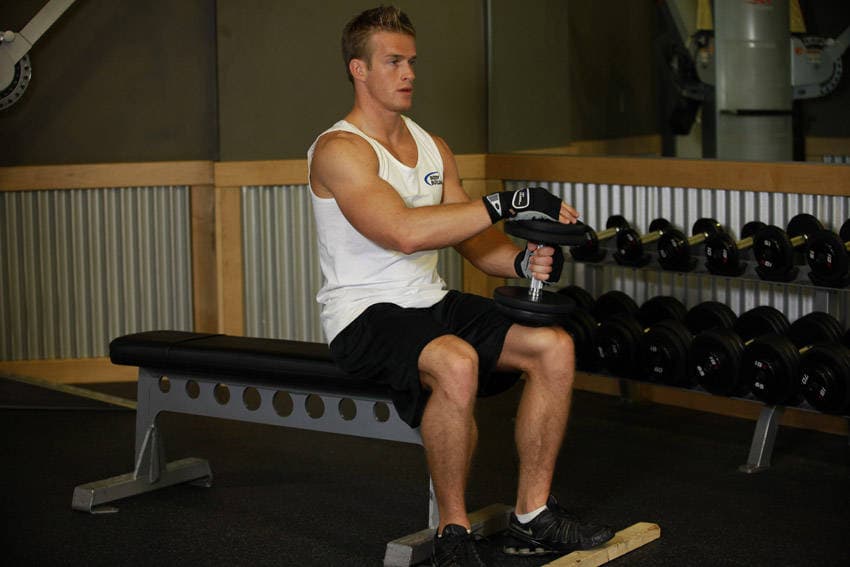
Dumbbell Seated One-Leg Calf Raise
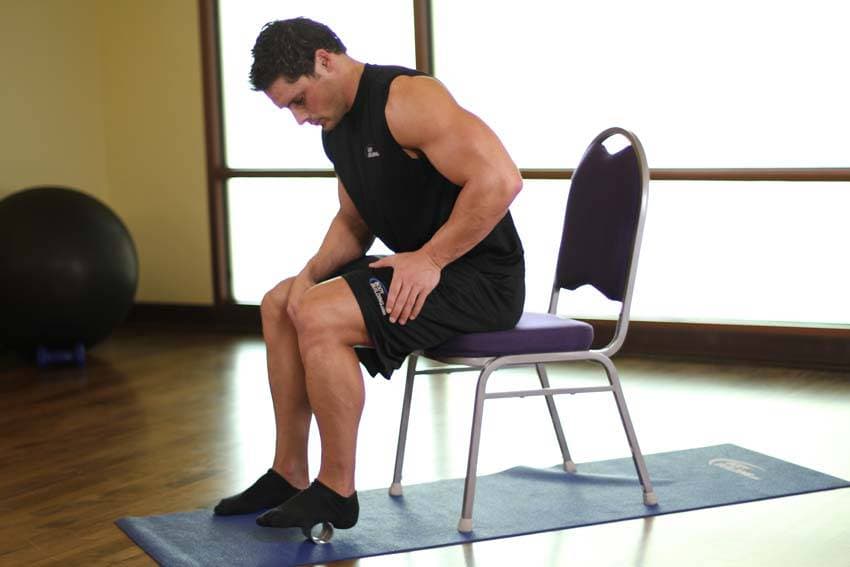
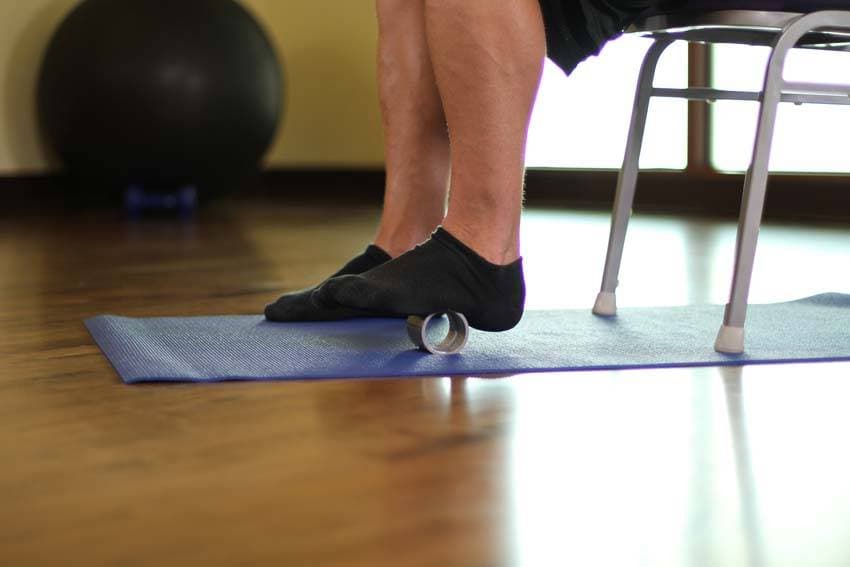
Foot-SMR
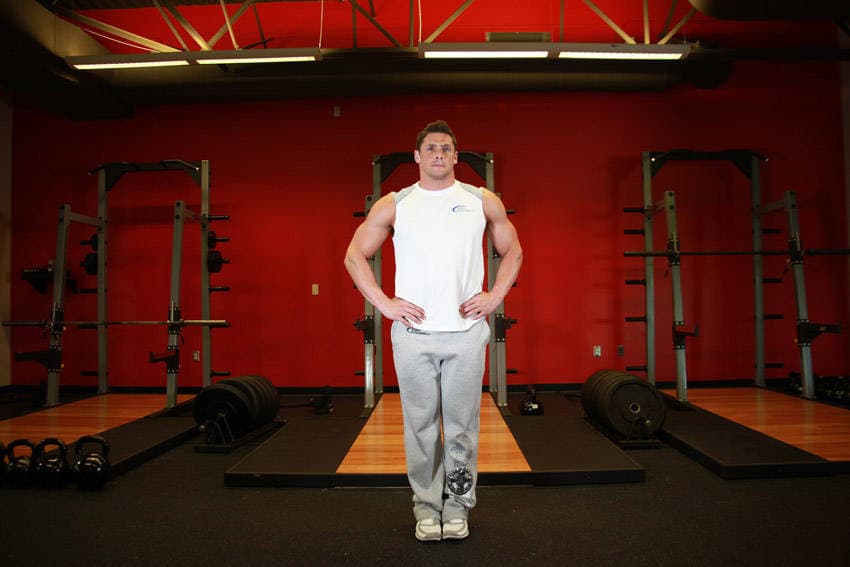
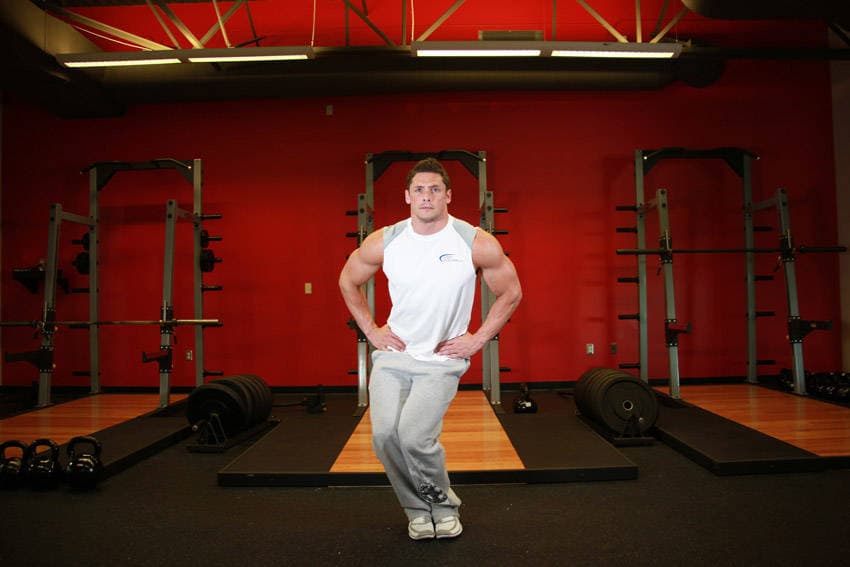
Knee Circles
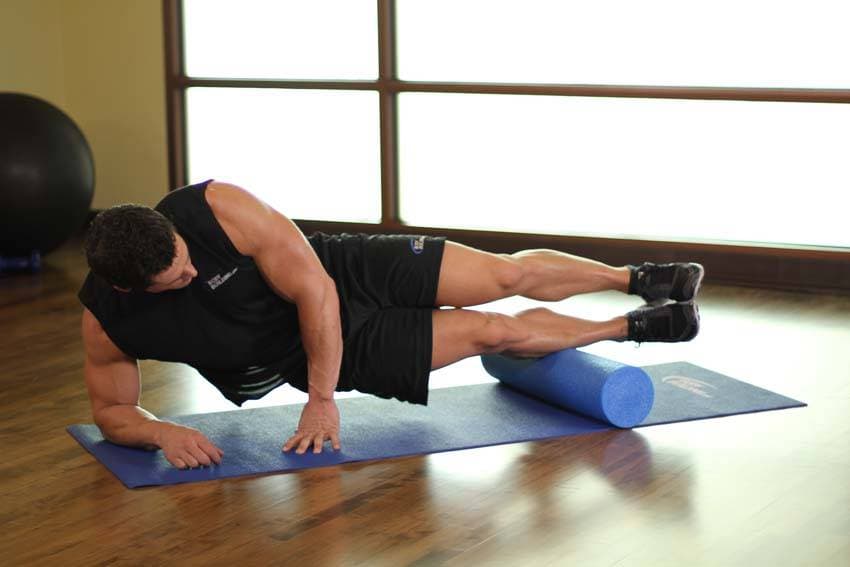
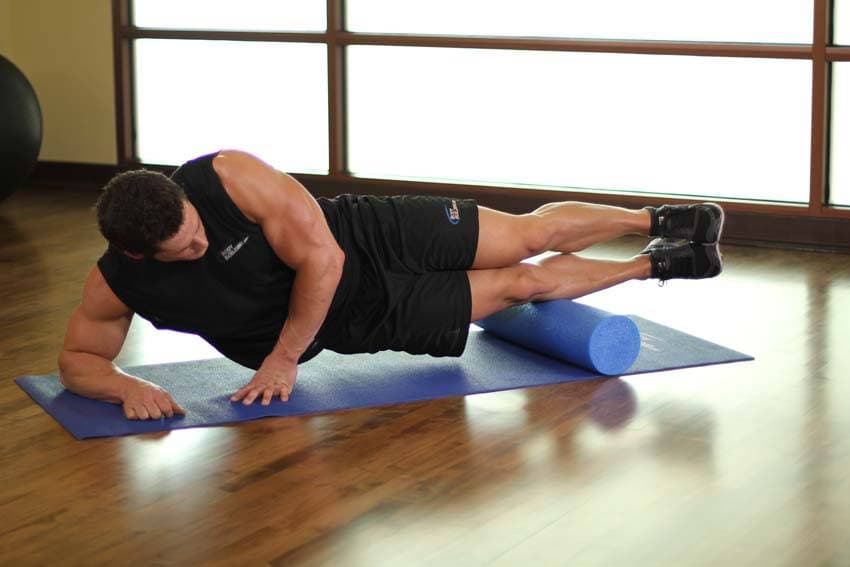
Peroneals-SMR
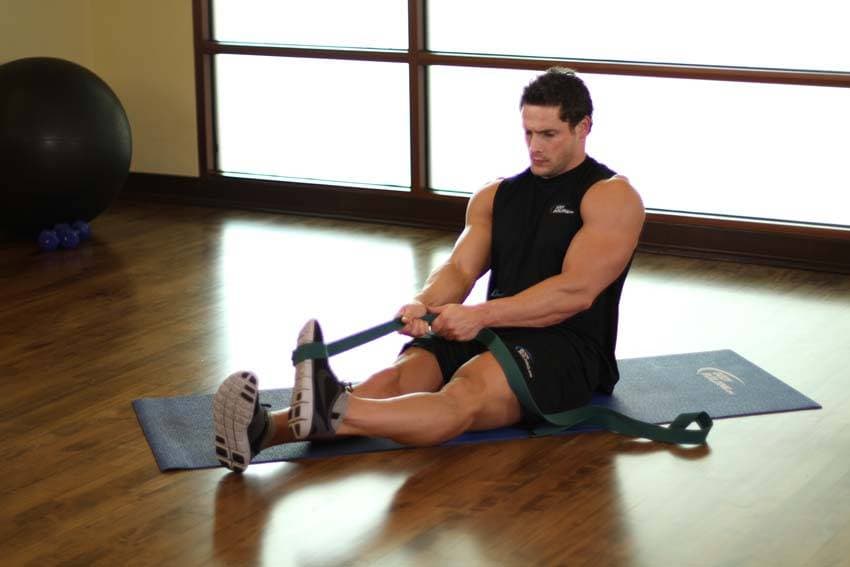
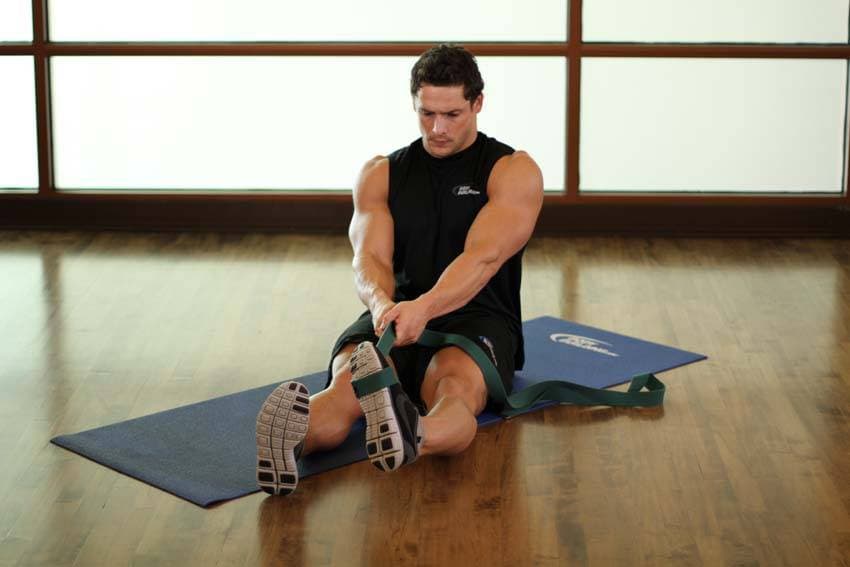
Peroneals Stretch
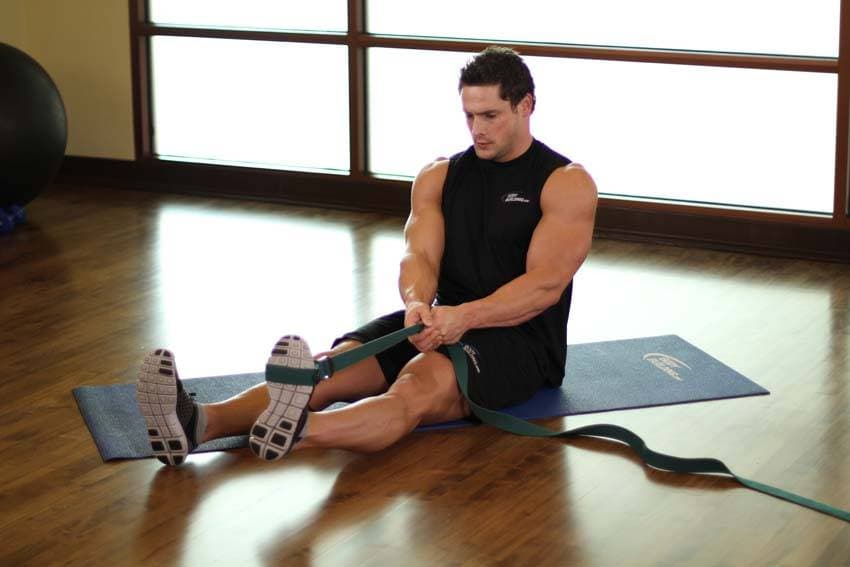
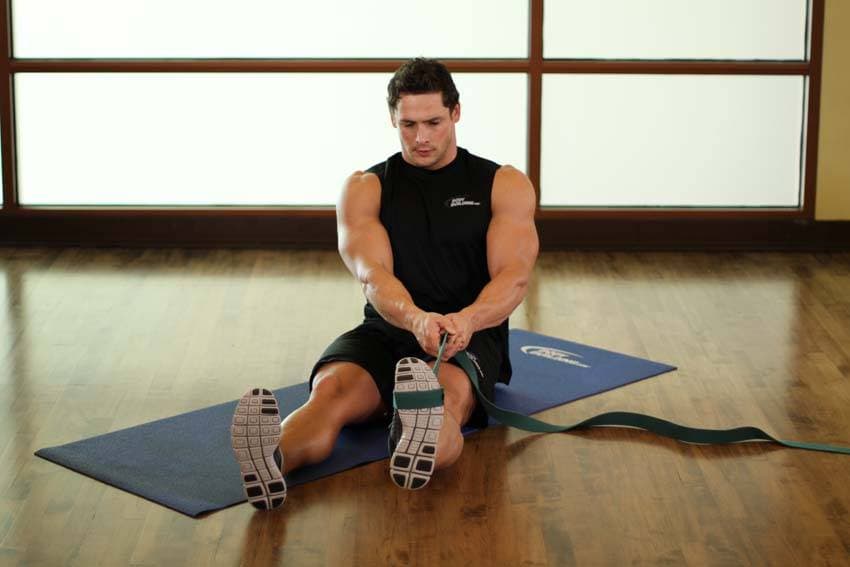
Posterior Tibialis Stretch
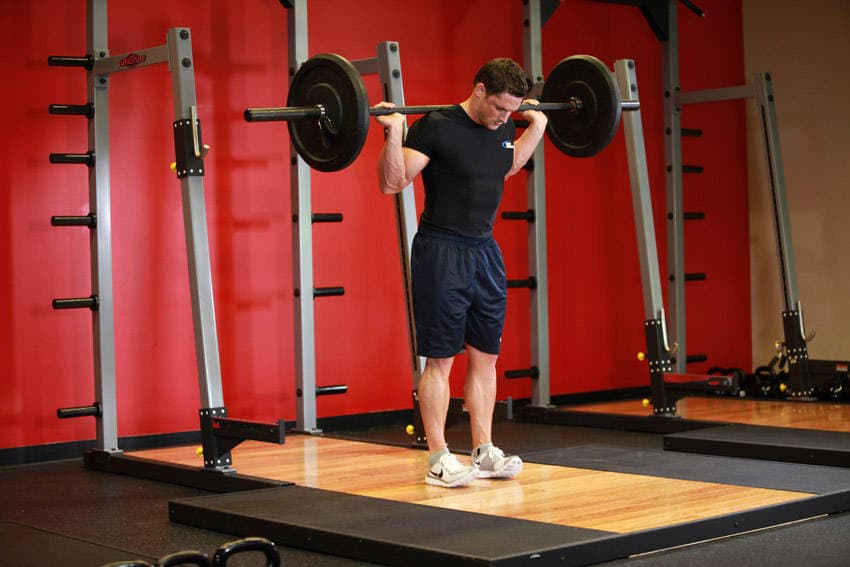
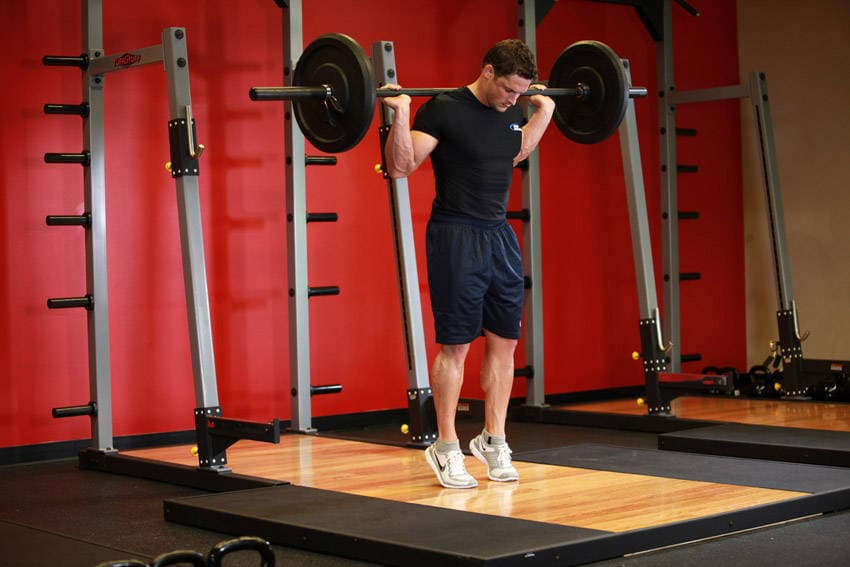
Rocking Standing Calf Raise
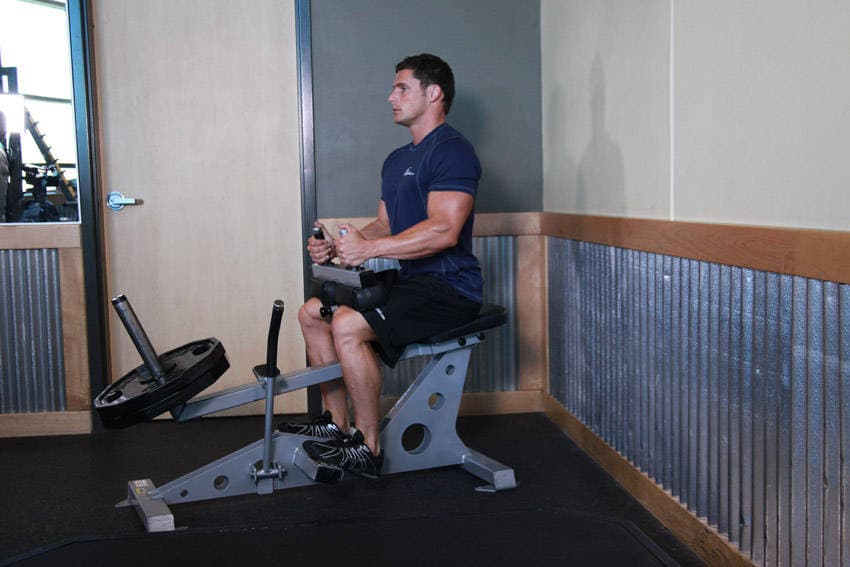
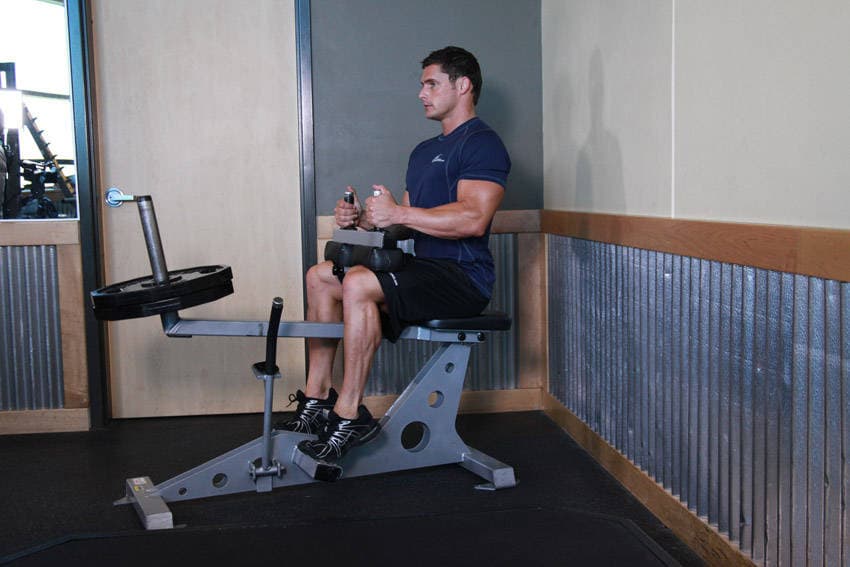
Seated Calf Raise
Also Works gastrocnemius
10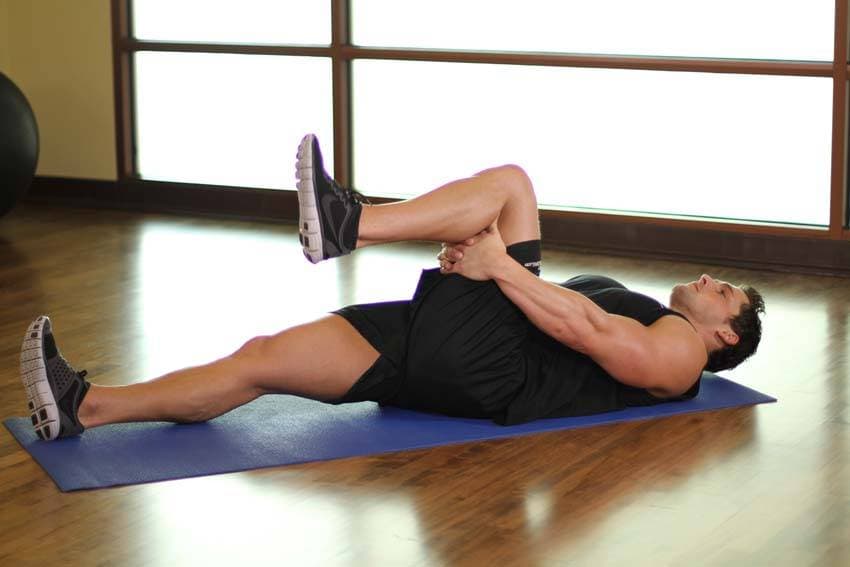
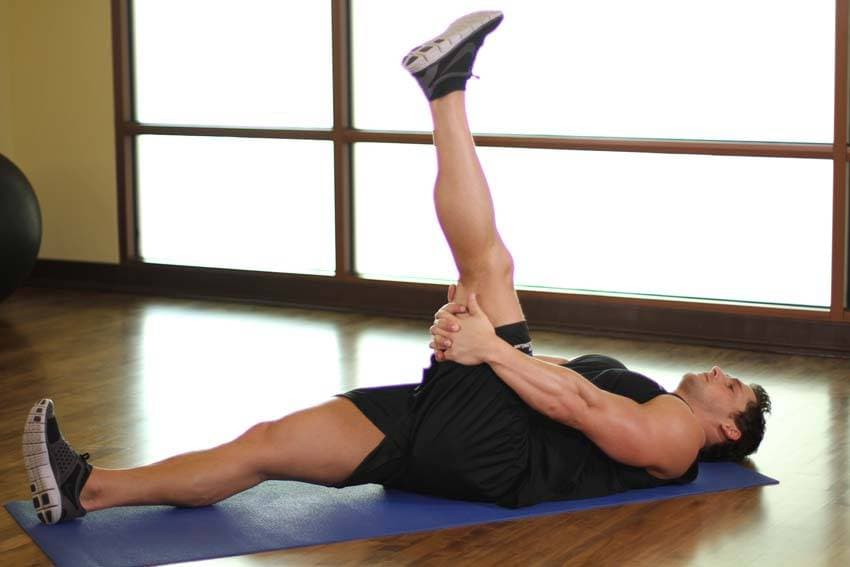
90/90 Hamstring
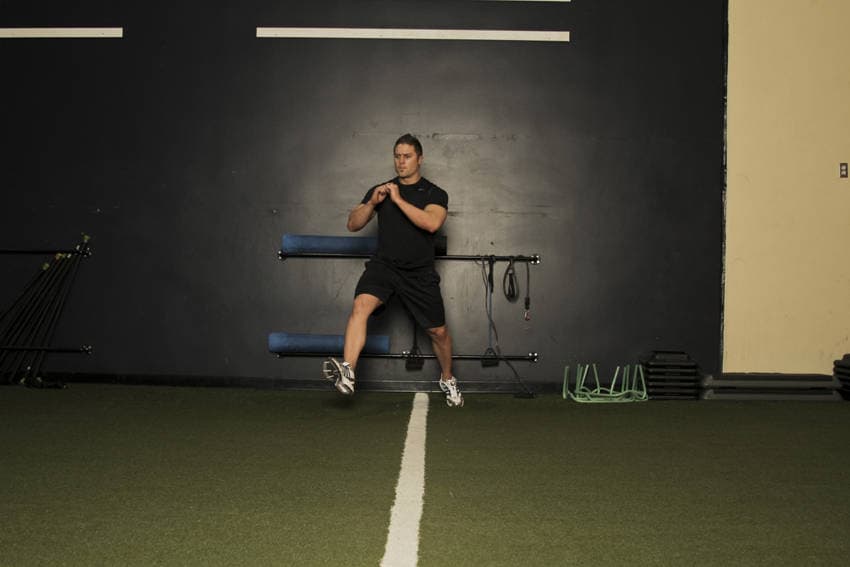
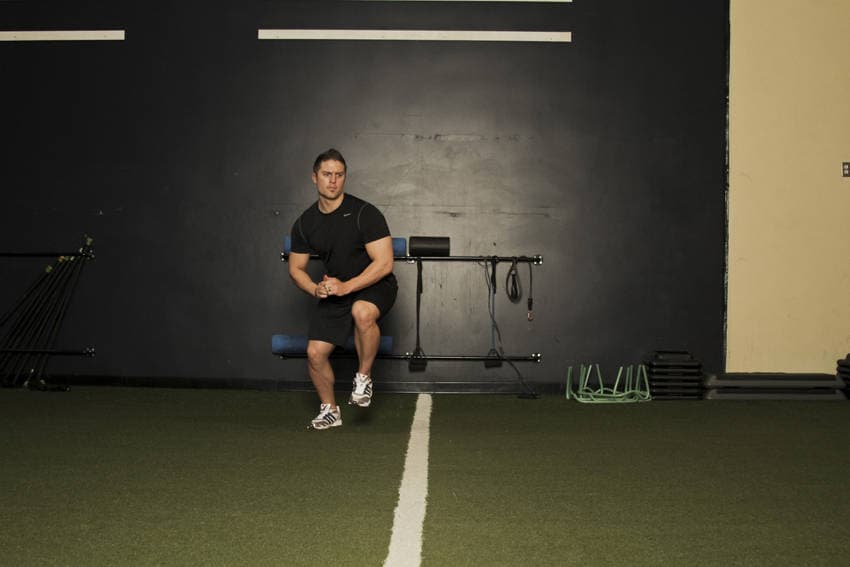
Alternate Leg Diagonal Bound
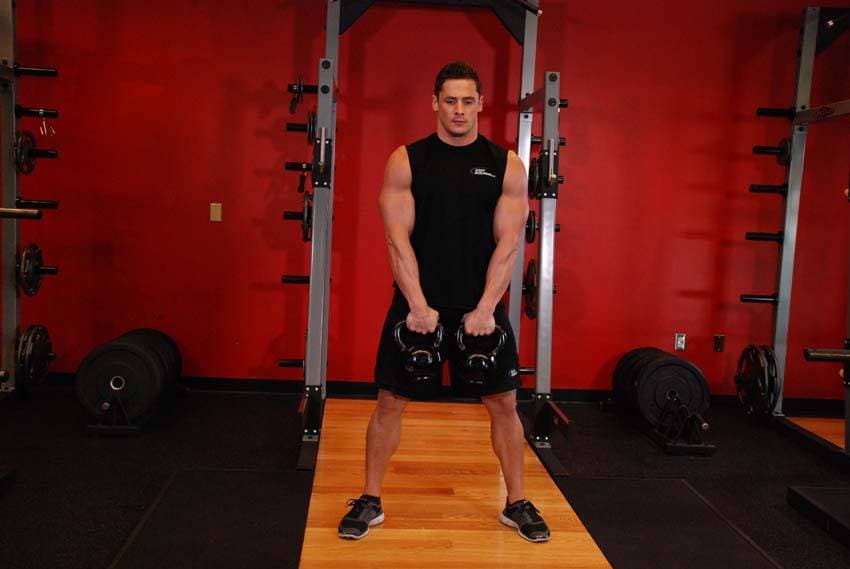
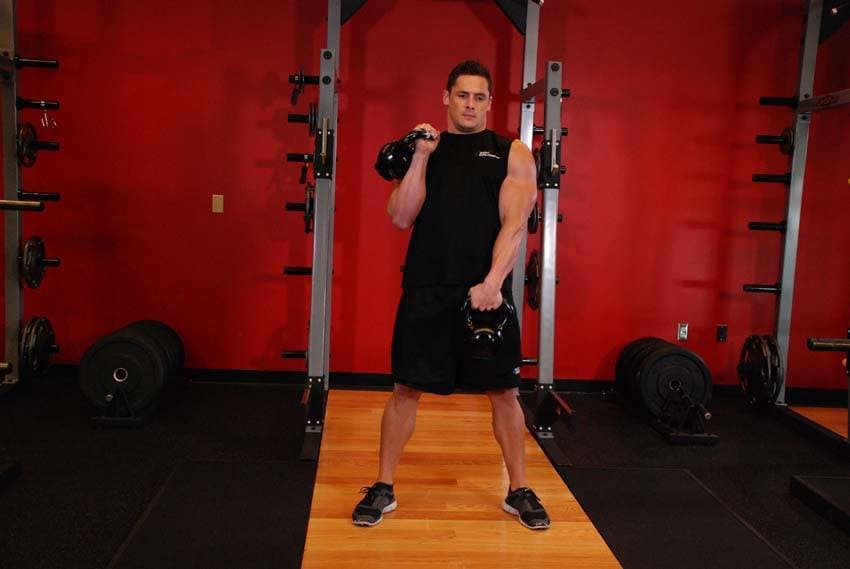
Alternating Hang Clean
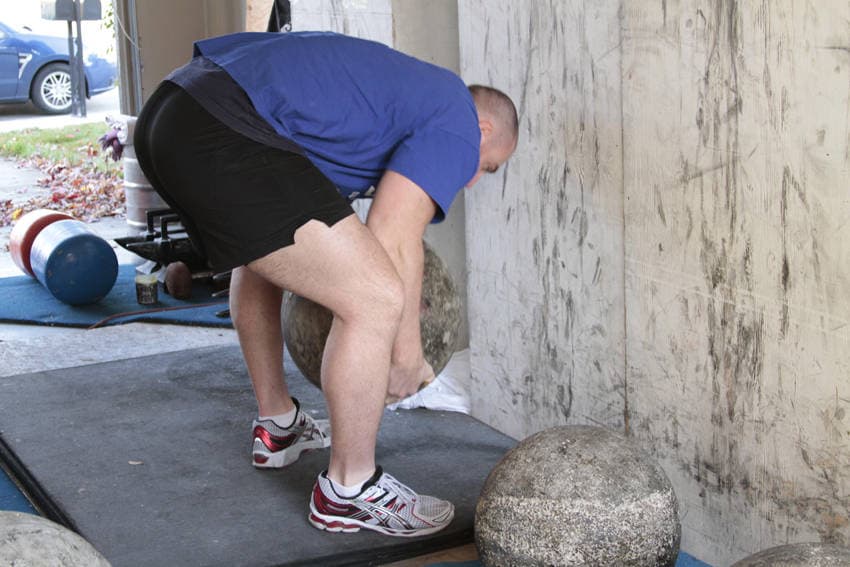
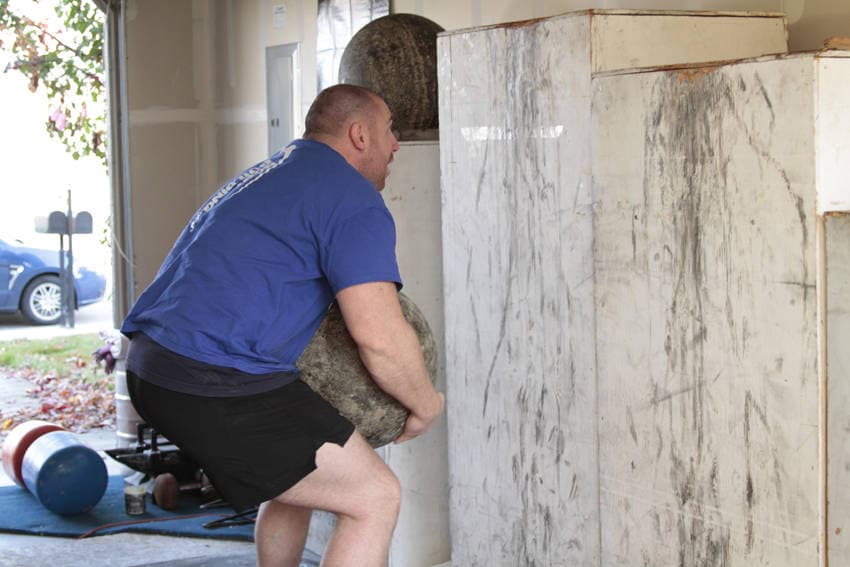
Atlas Stones
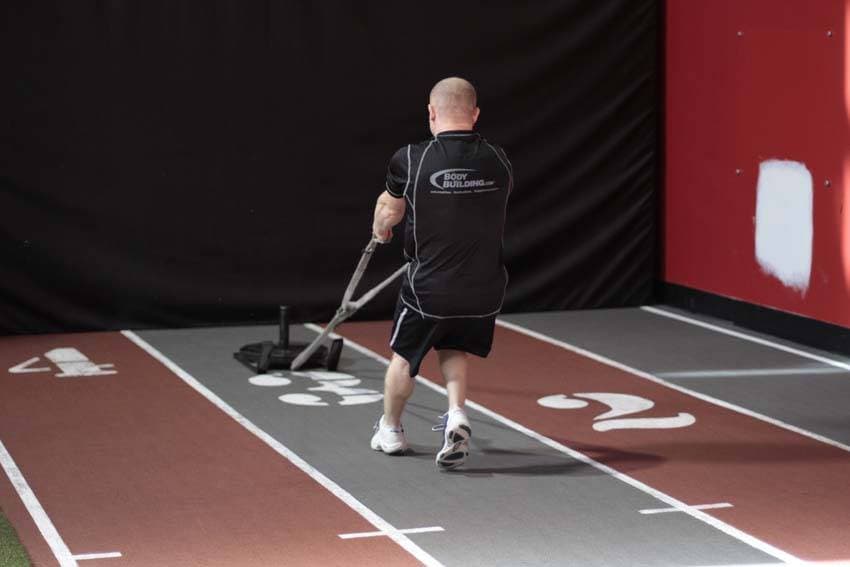
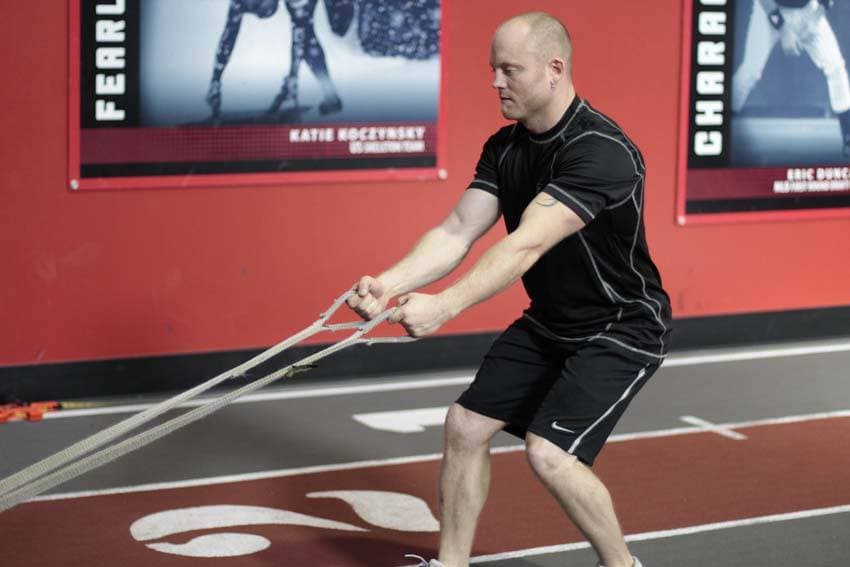
Backward Drag
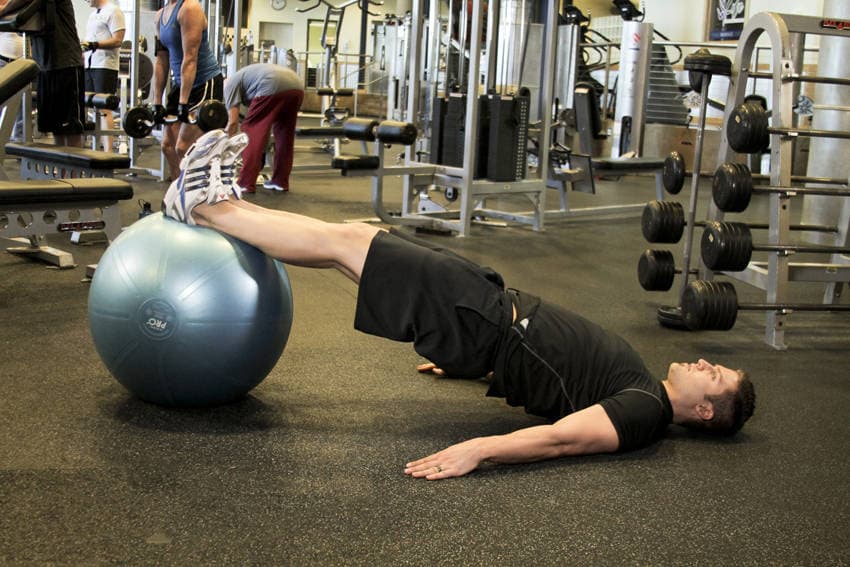
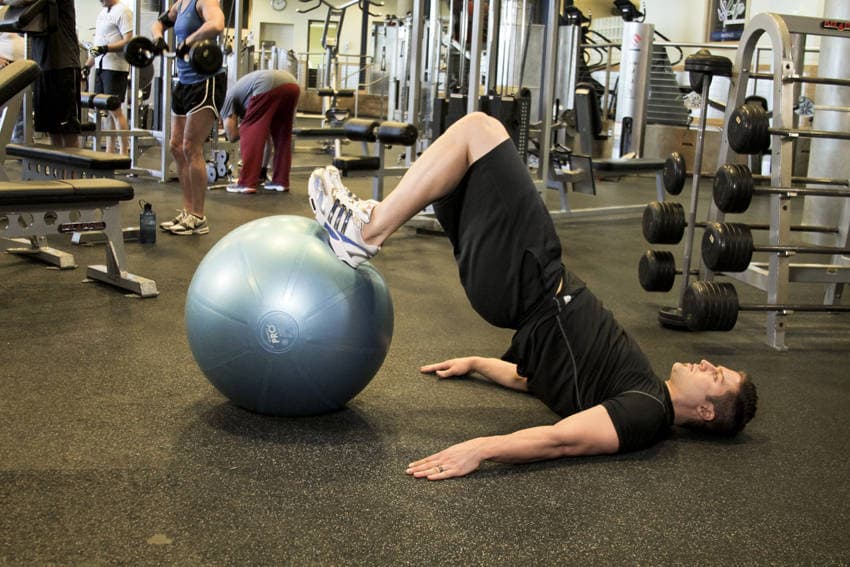
Ball Leg Curl
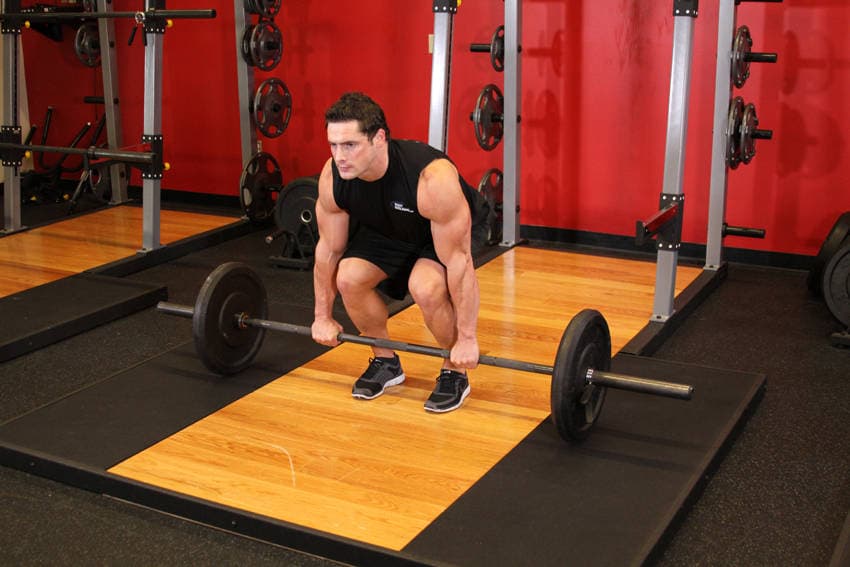
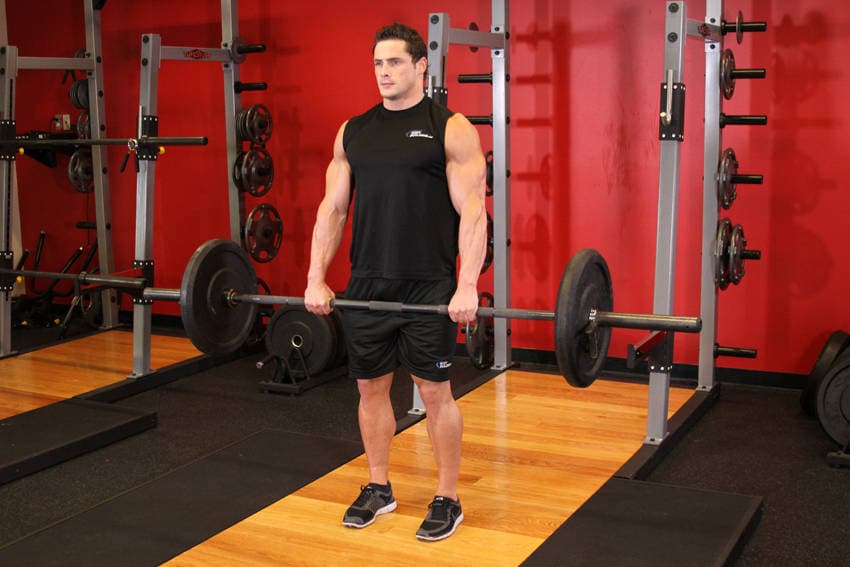
Barbell Deadlift
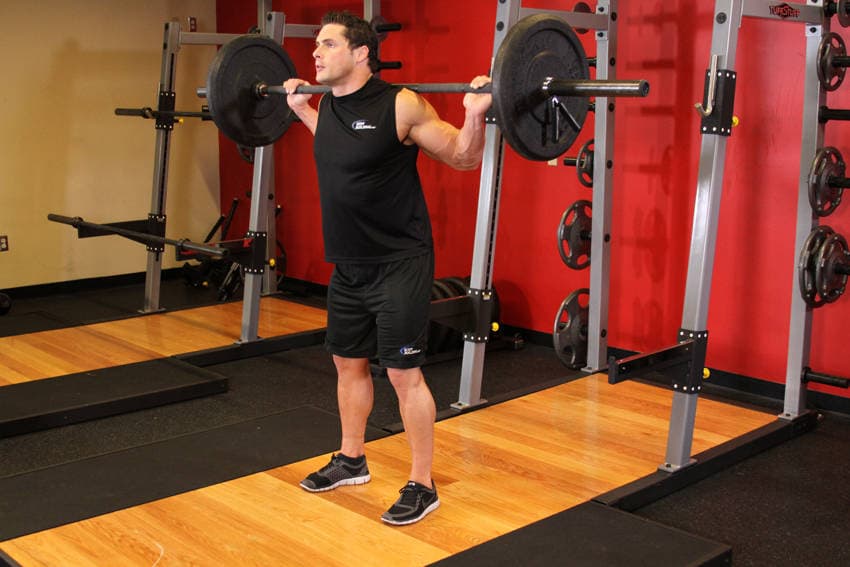
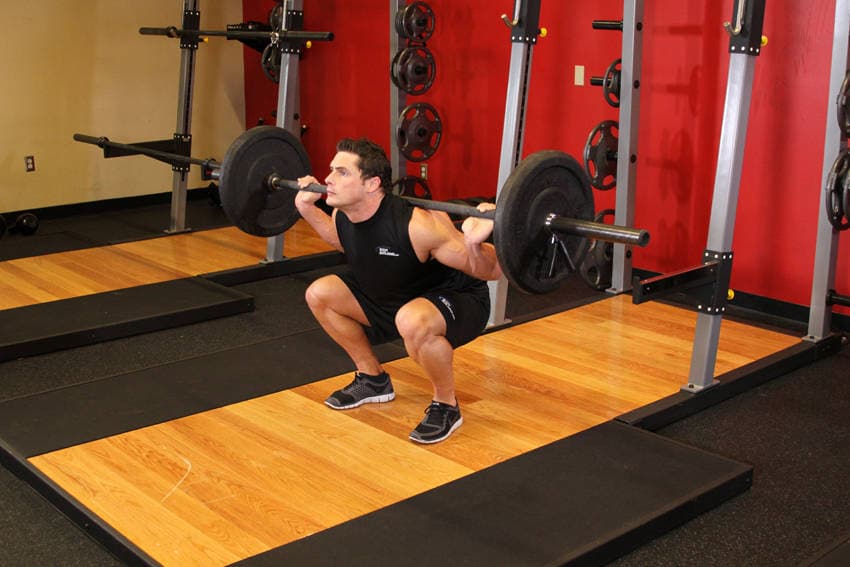
Barbell Full Squat
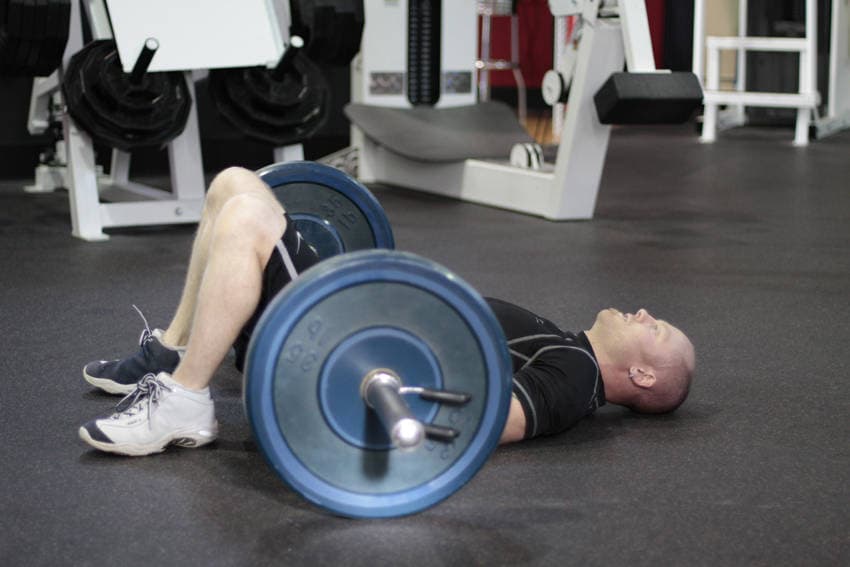
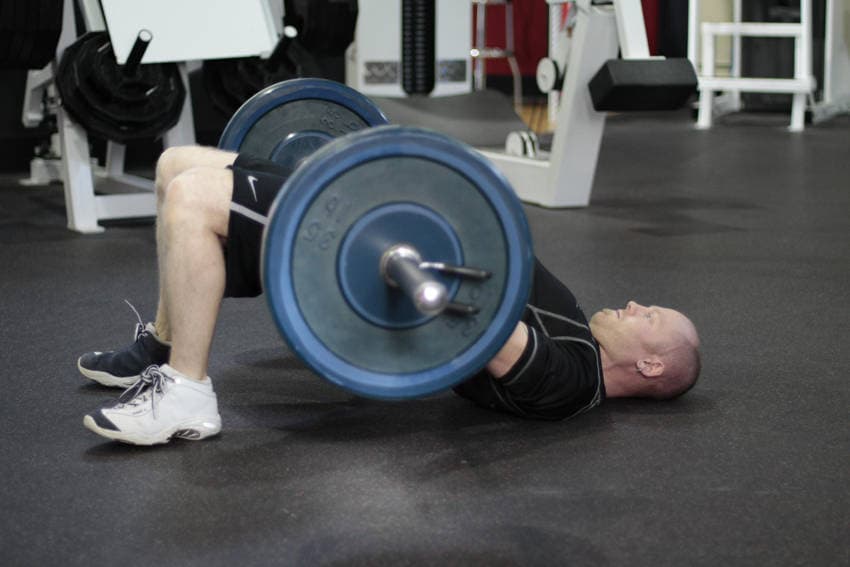
Barbell Glute Bridge
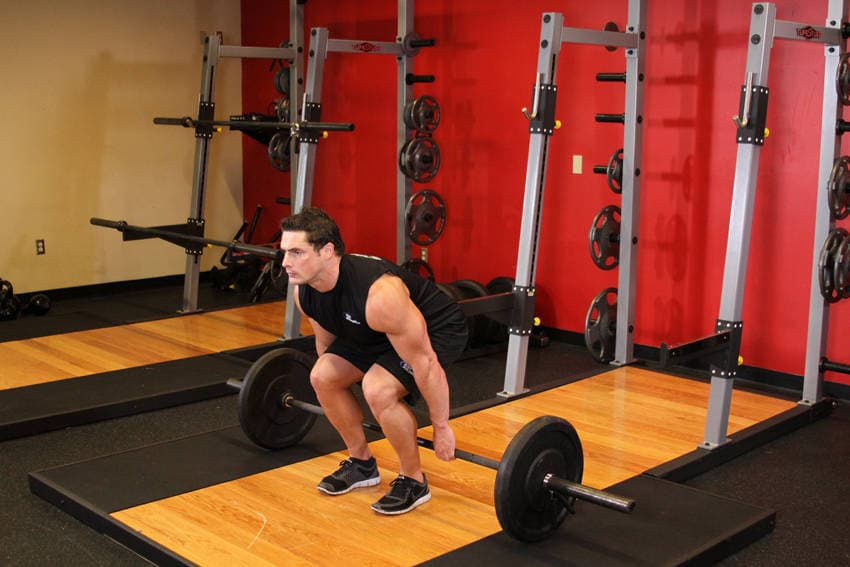
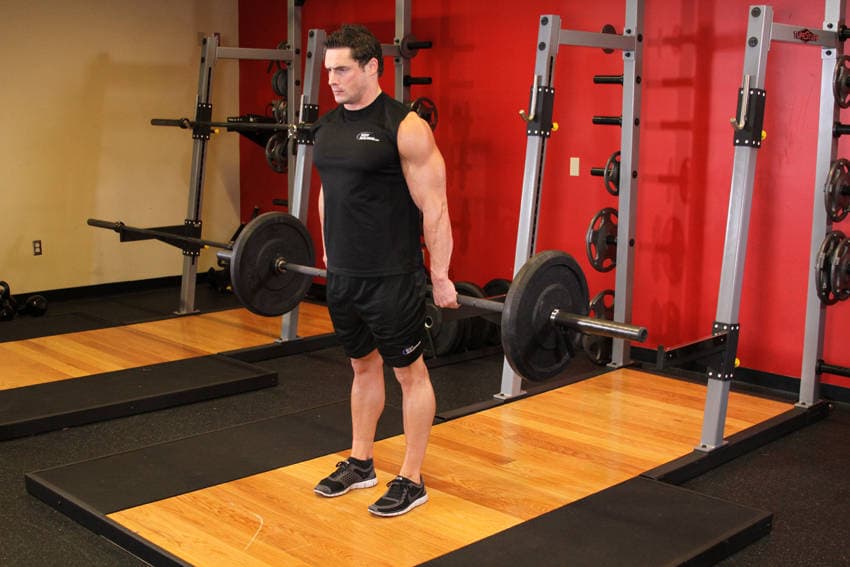
Barbell Hack Squat
Related Lower Leg Muscles
Lower Leg Pain Guide
Common causes and relief
Activities & Sports
See which activities use gastrocnemius