Lower Leg
plantaris
plan-TAIR-is
The plantaris is a thin, vestigial calf muscle aiding knee flexion and plantarflexion, like a minor gas pedal muscle. Often ruptured without issue due to redundancy. Useful for explosive calf power in jumping.
Open in 3D ViewerCommon Pain & Injury
Tear causes calf pain mimicking Achilles; see doc to rule out Achilles rupture.
Anatomy & Function
Origin
Lateral supracondylar line of femur (back upper thigh bone)
Insertion
Achilles tendon and posterior calcaneus (heel bone via tendon)
Actions
- Knee flexion (bending knee)
- Plantarflexion of ankle (pointing foot)
Innervation
Tibial nerve (S1-S2)
Muscle Relationships
Antagonists
Tibialis anterior
Synergists
GastrocnemiusSoleus
Trigger Points
Rare; local calf pain if present.
Stretches
1Downward dog
2Calf wall stretch
3Plantaris-specific toe point
Common Conditions
Plantaris rupturePlantaris tendinopathy
Anatomical Parts
Right plantarisLeft plantaris
FAQ
Plantaris muscle rupture?
Common 'tennis leg'; painful but heals quickly.
What does plantaris do?
Assists ankle plantarflexion and knee flexion.
Plantaris pain?
Sudden tear feels like calf pop; ultrasound confirms.
Is plantaris useless?
Vestigial but aids explosive movements.
Exercises for plantaris
20
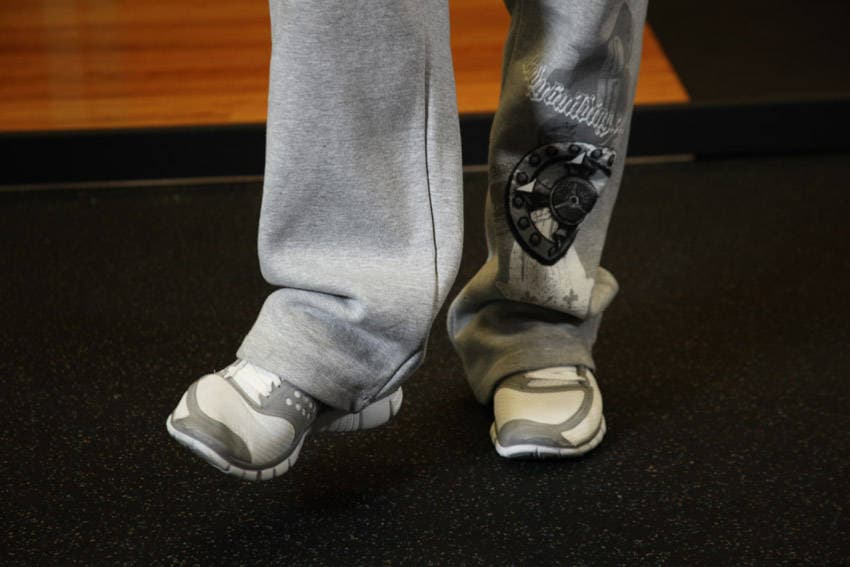
Ankle Circles
beginner
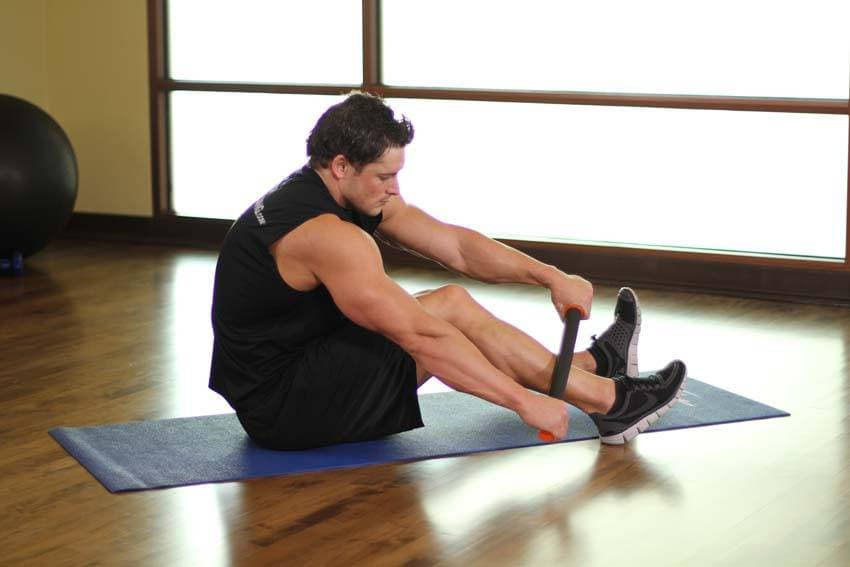

Anterior Tibialis-SMR
intermediate·other
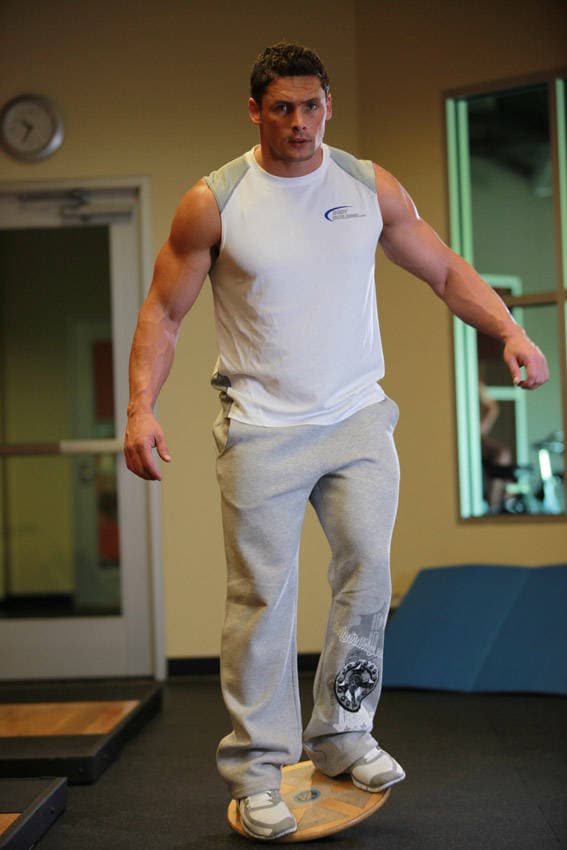
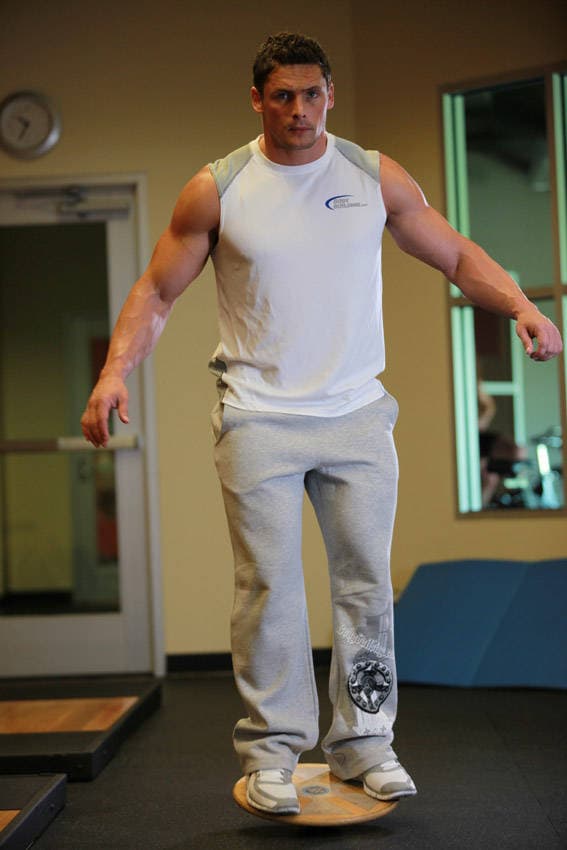
Balance Board
beginner·other
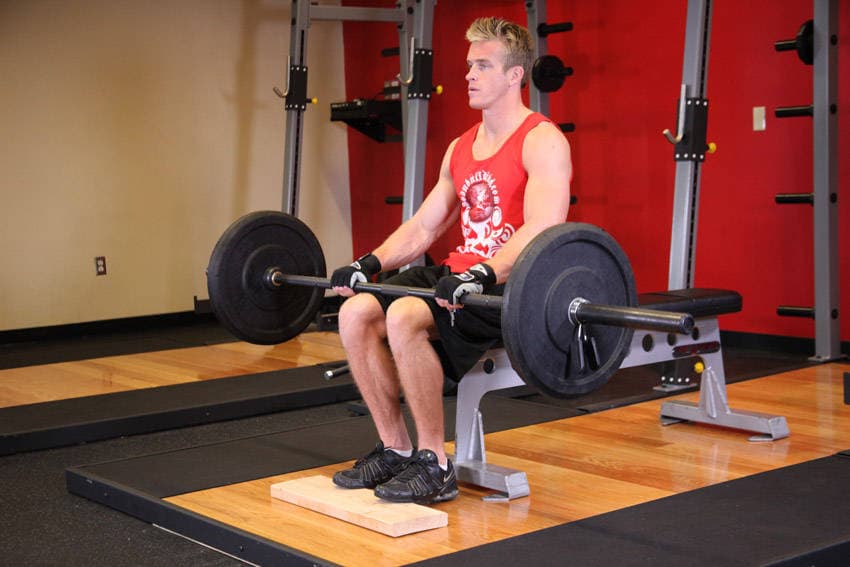
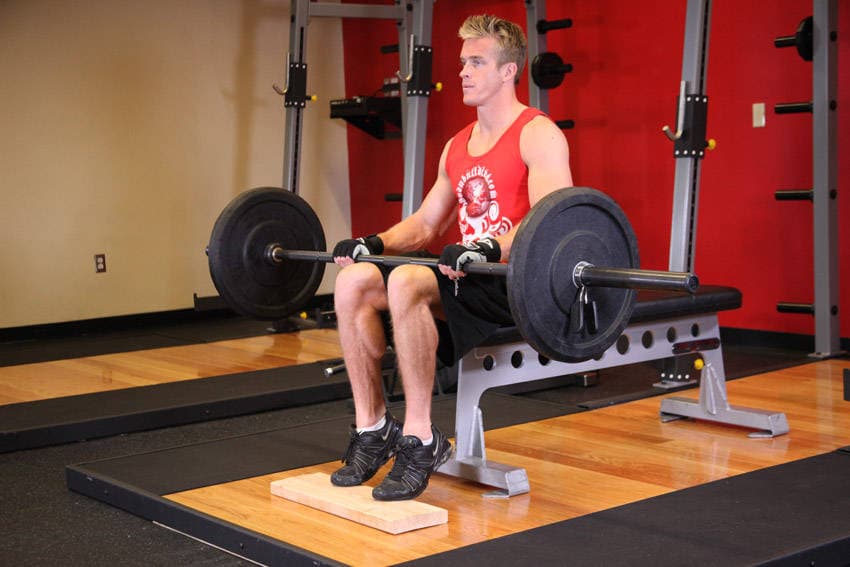
Barbell Seated Calf Raise
beginner·barbell
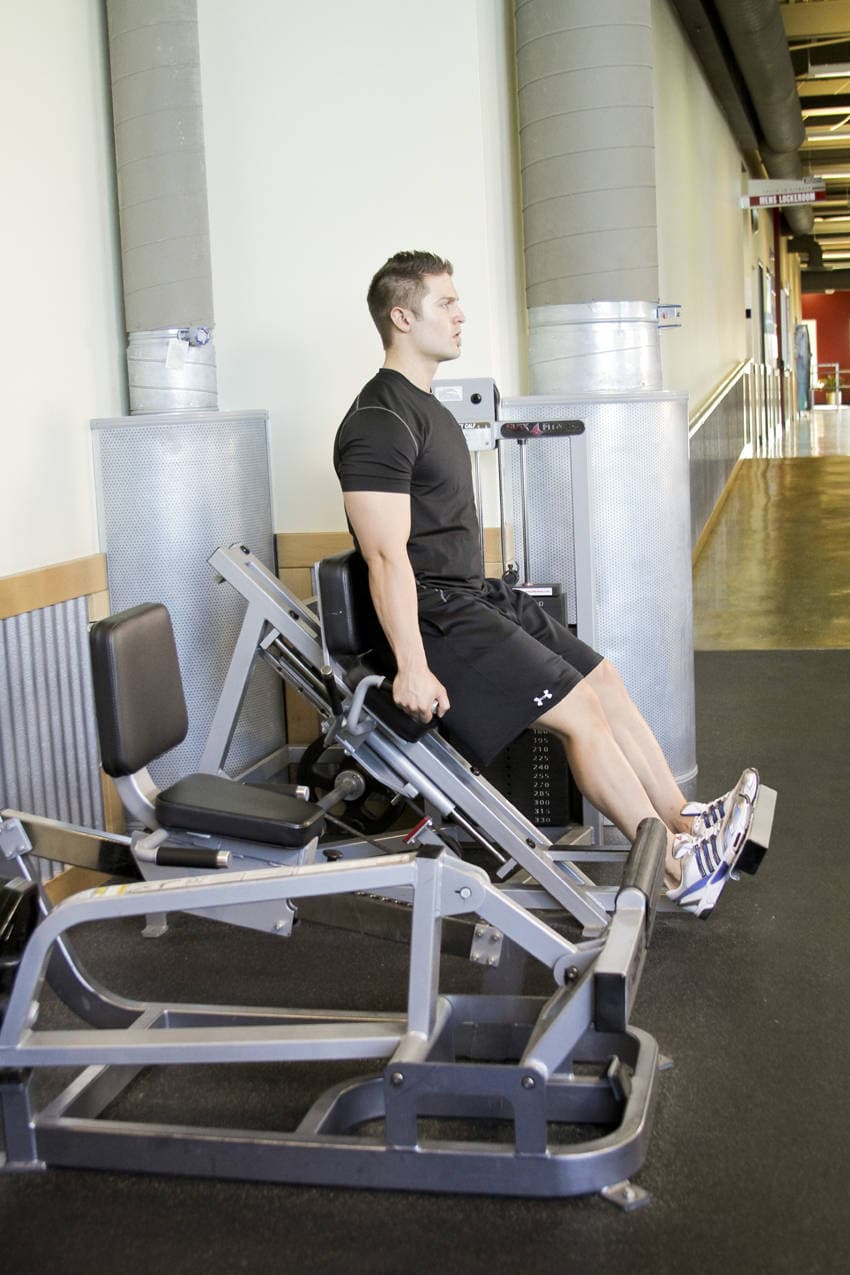
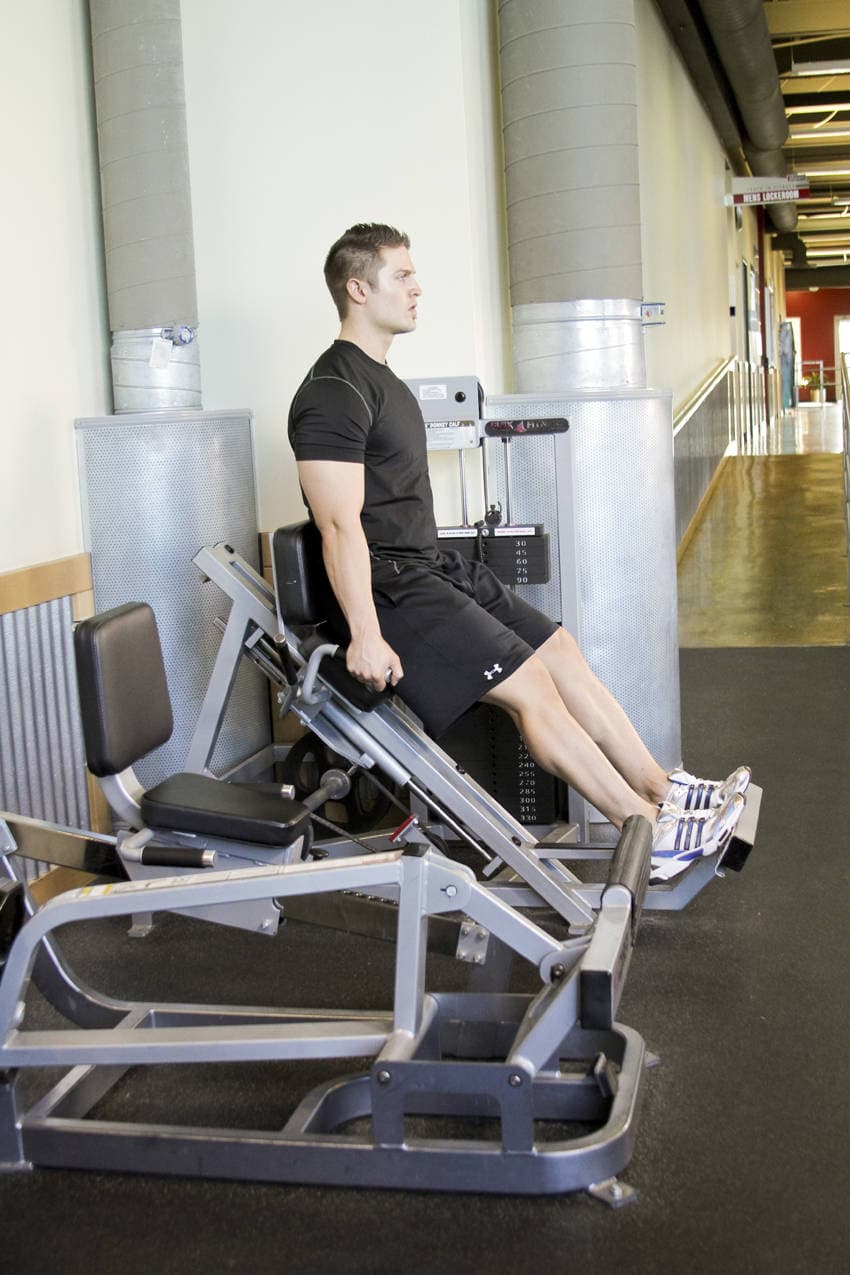
Calf Press
beginner·machine
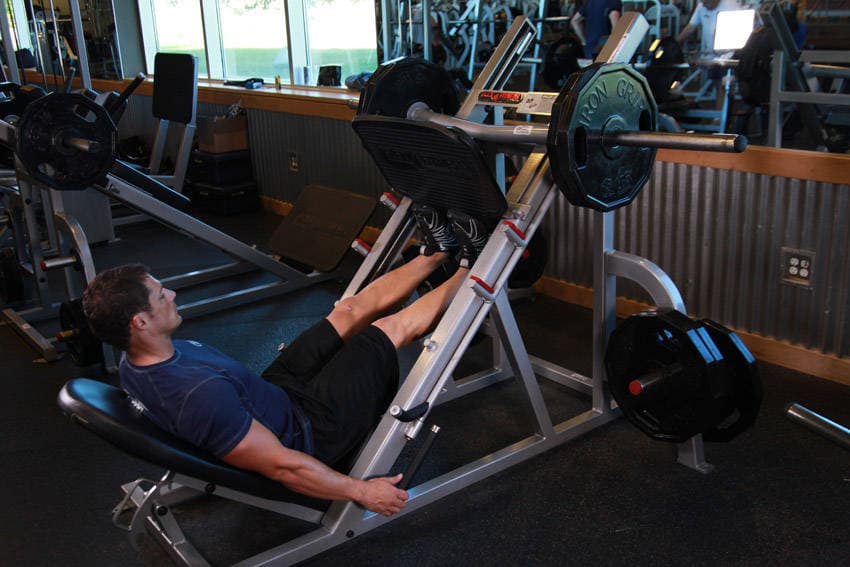
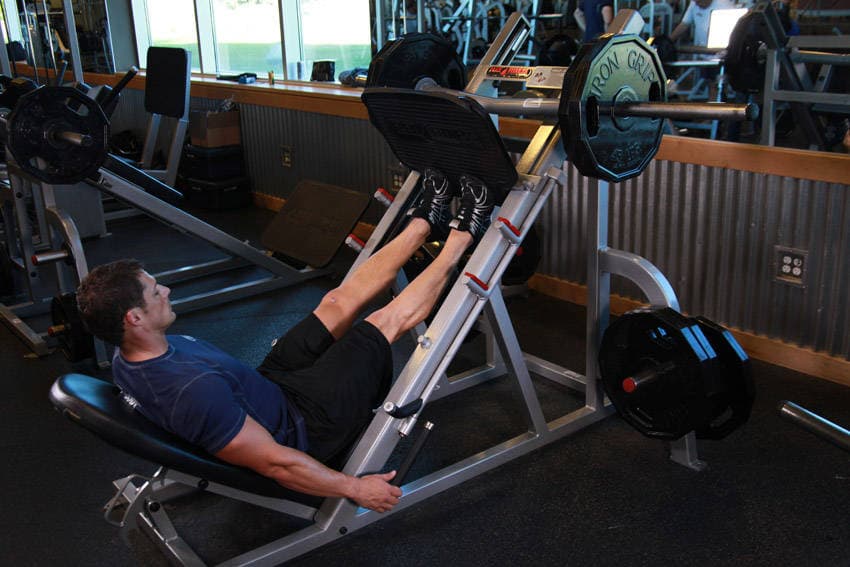
Calf Press On The Leg Press Machine
beginner·machine
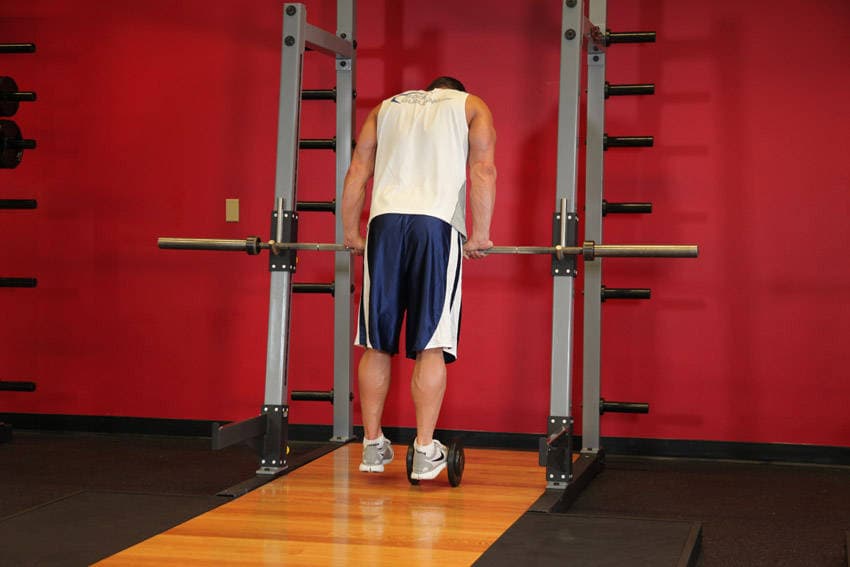
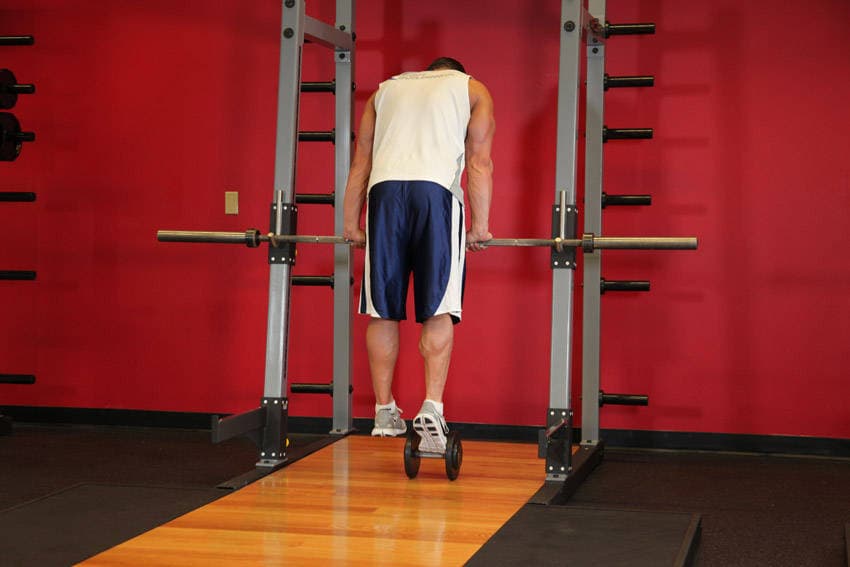
Calf Raise On A Dumbbell
intermediate·dumbbell
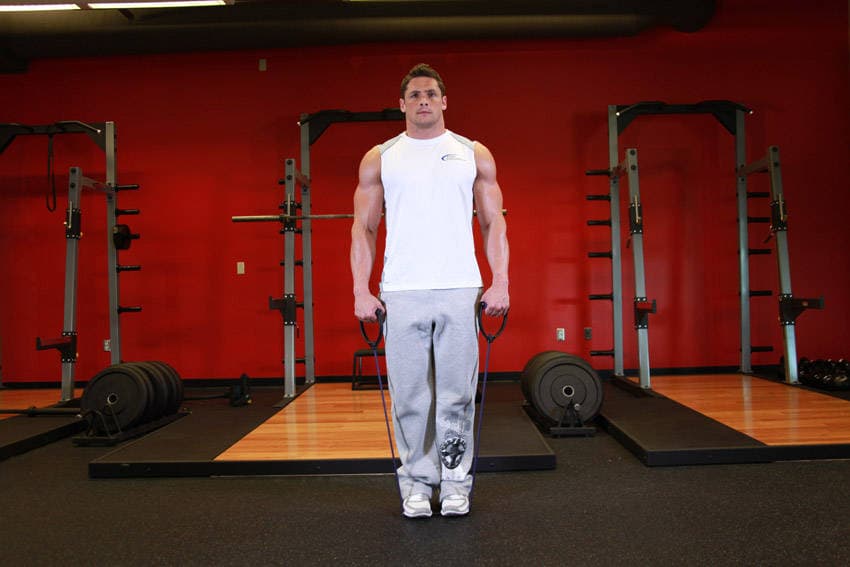
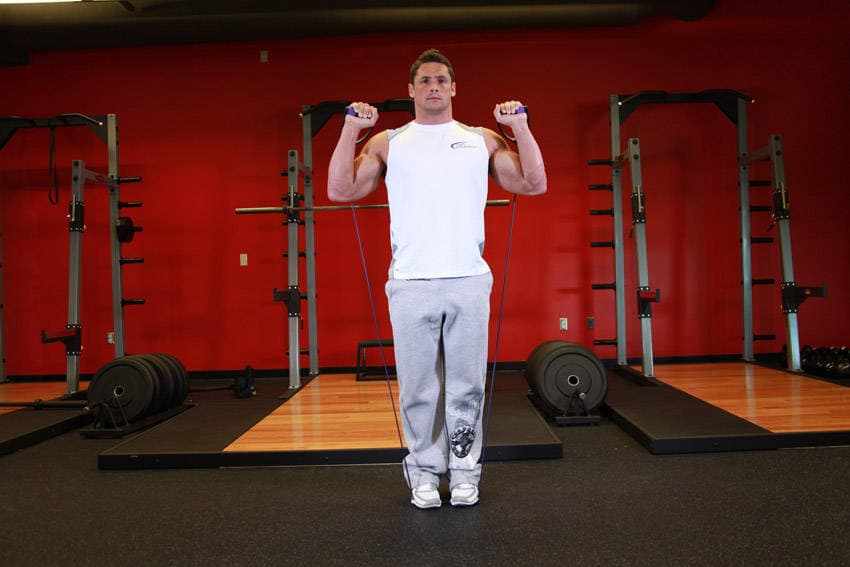
Calf Raises - With Bands
beginner·bands
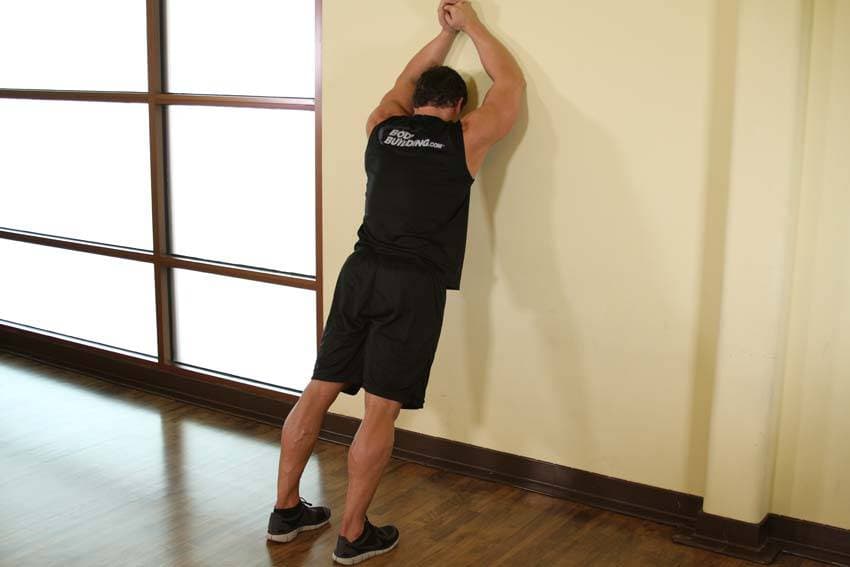
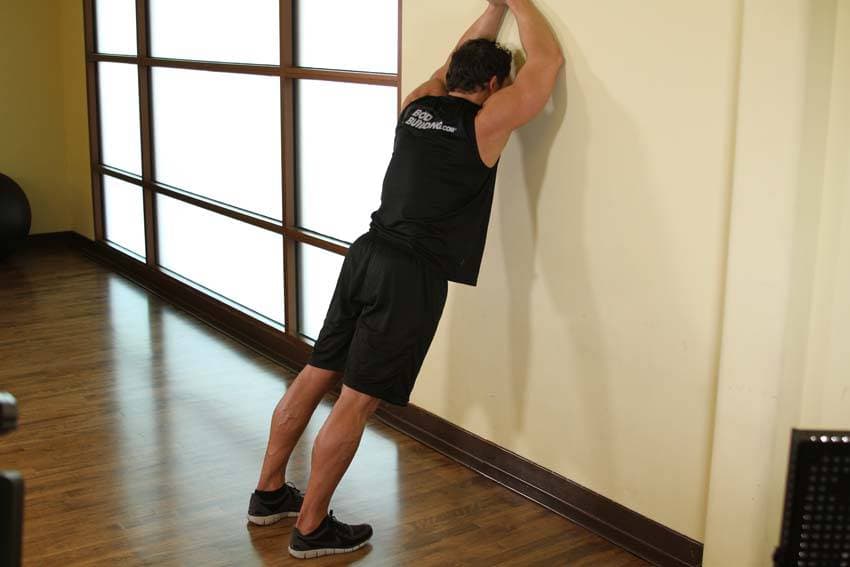
Calf Stretch Elbows Against Wall
beginner
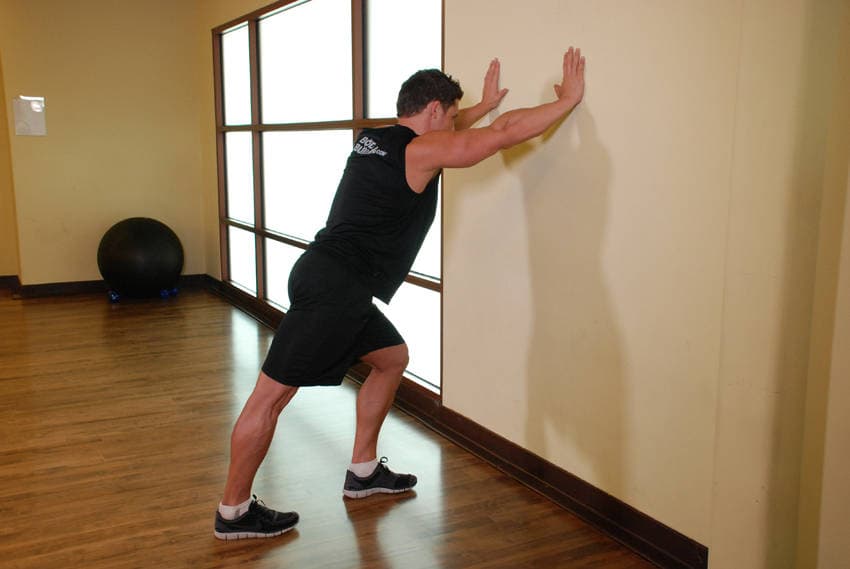
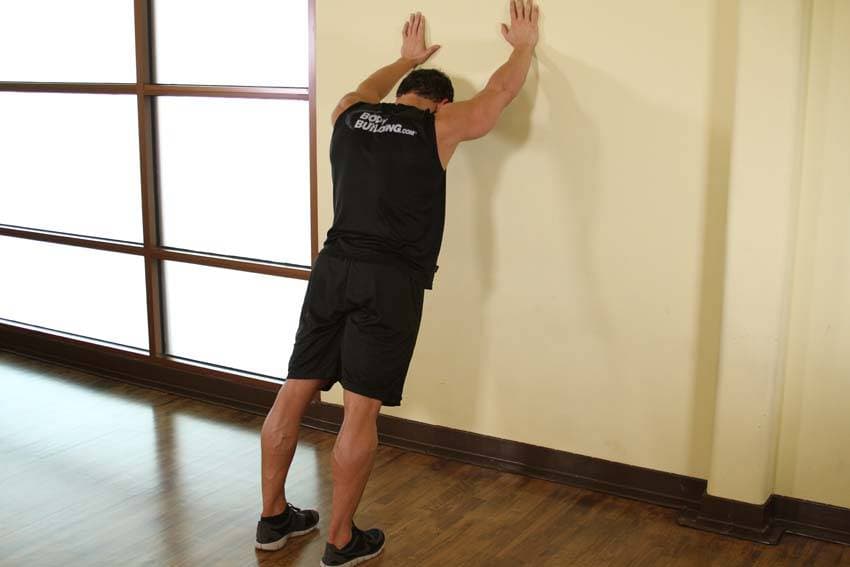
Calf Stretch Hands Against Wall
beginner
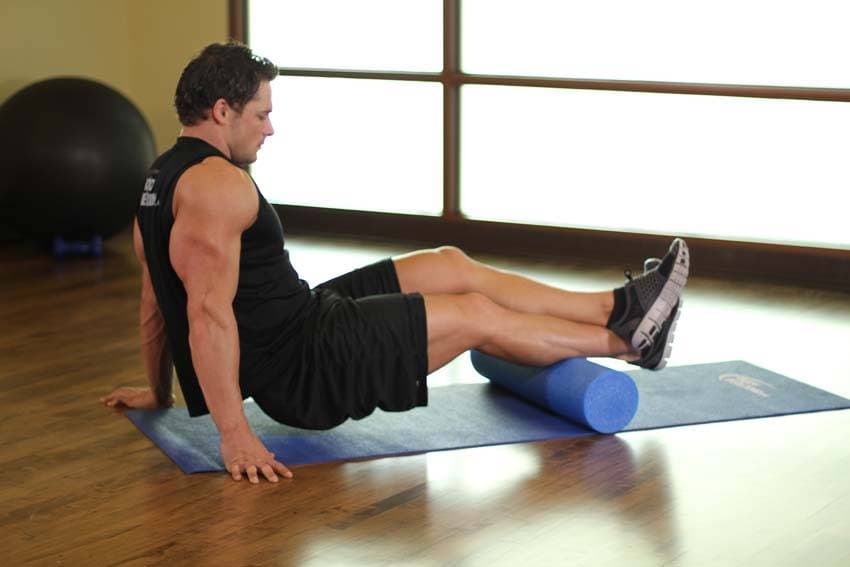
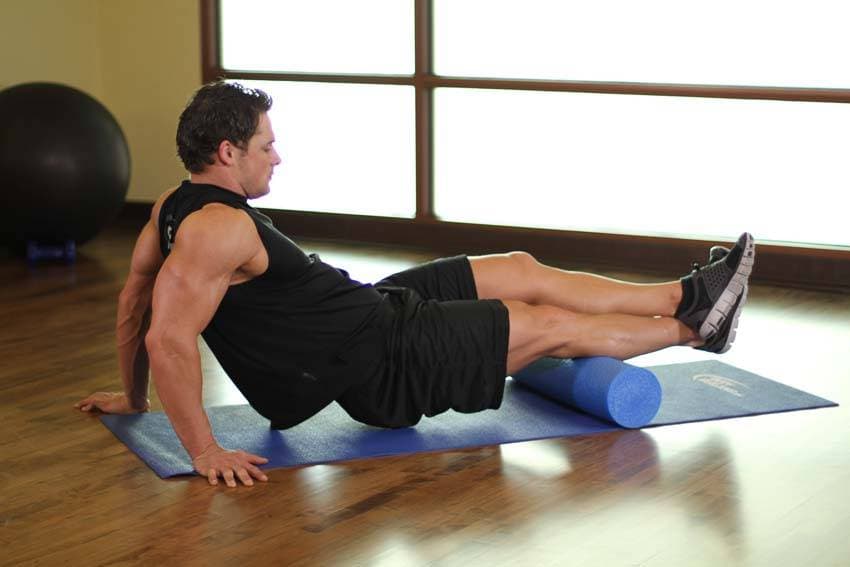
Calves-SMR
intermediate·foam roll
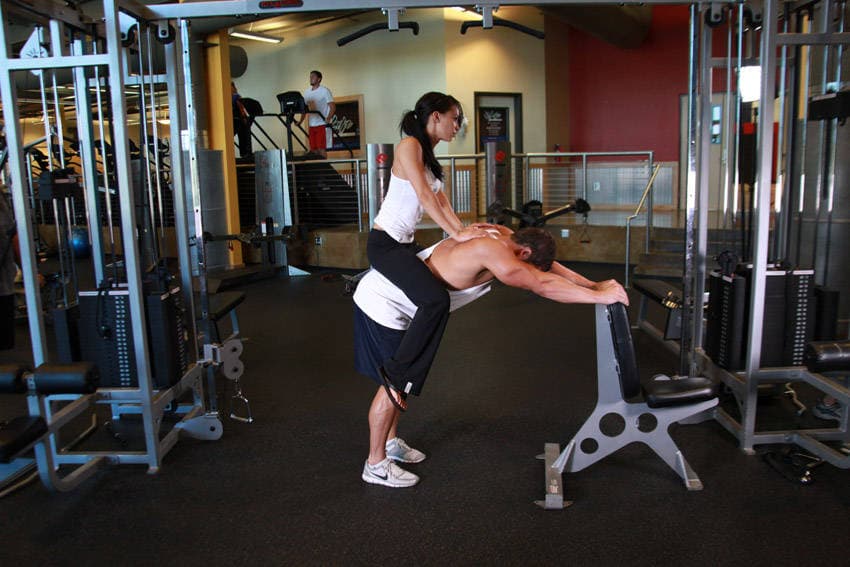
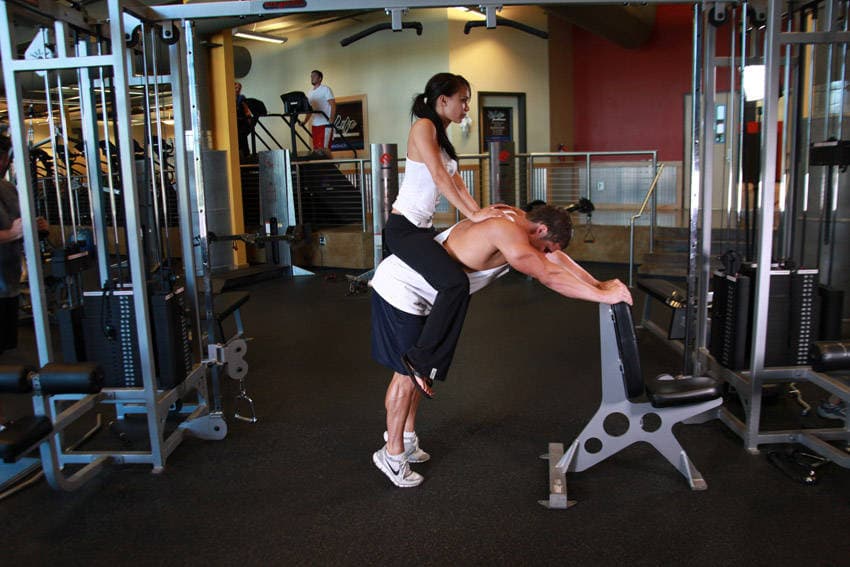
Donkey Calf Raises
intermediate·other
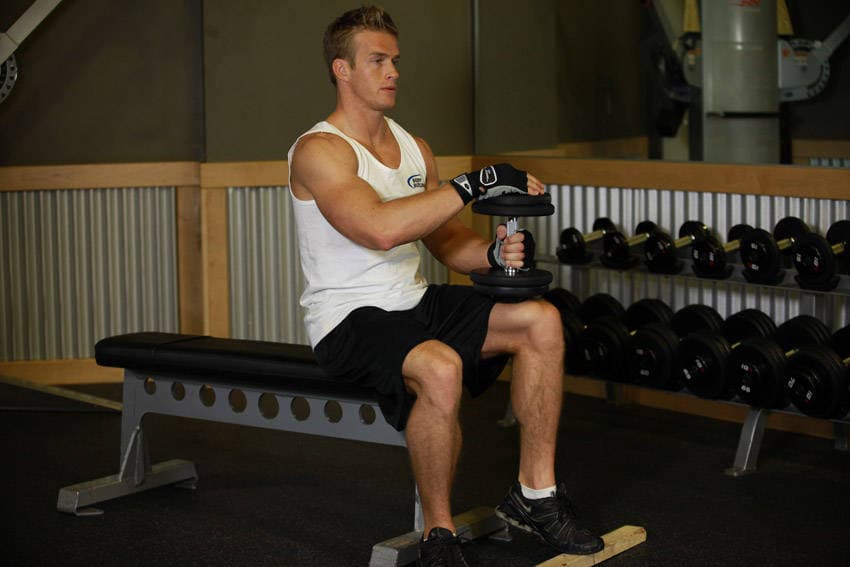
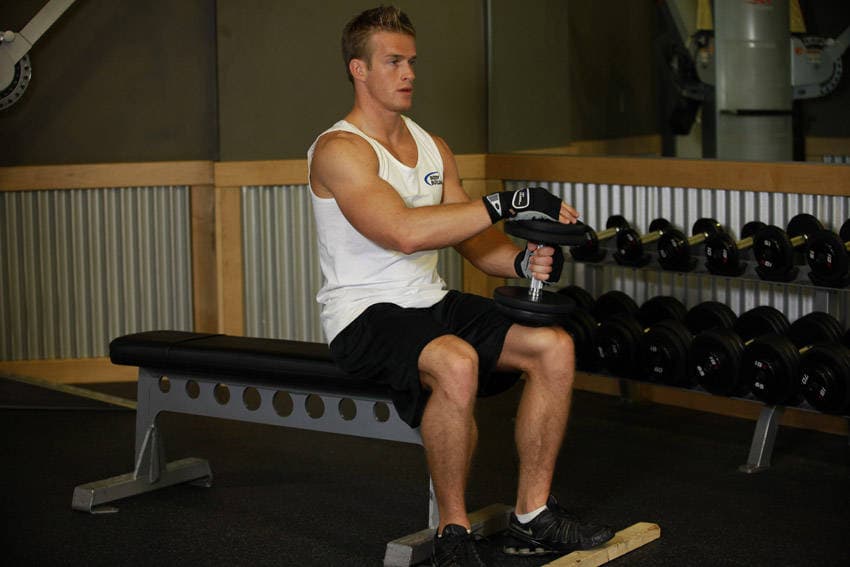
Dumbbell Seated One-Leg Calf Raise
beginner·dumbbell
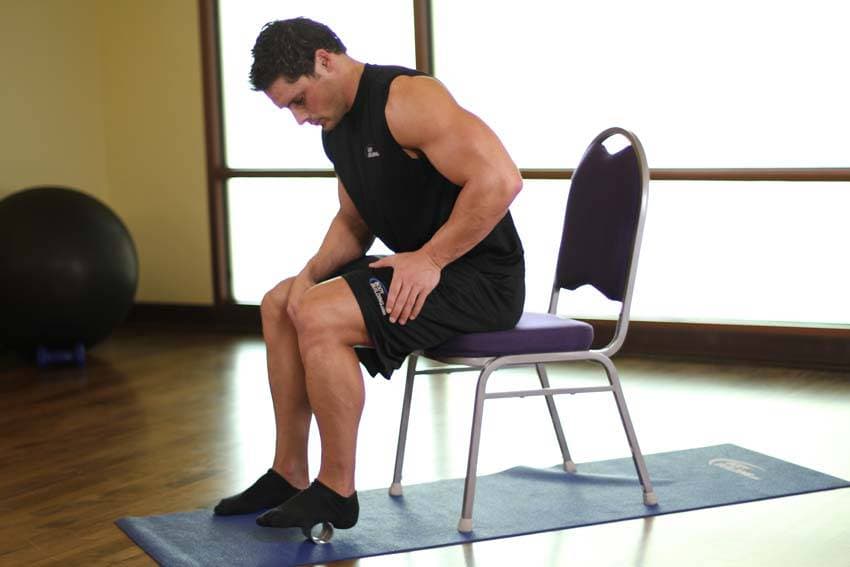
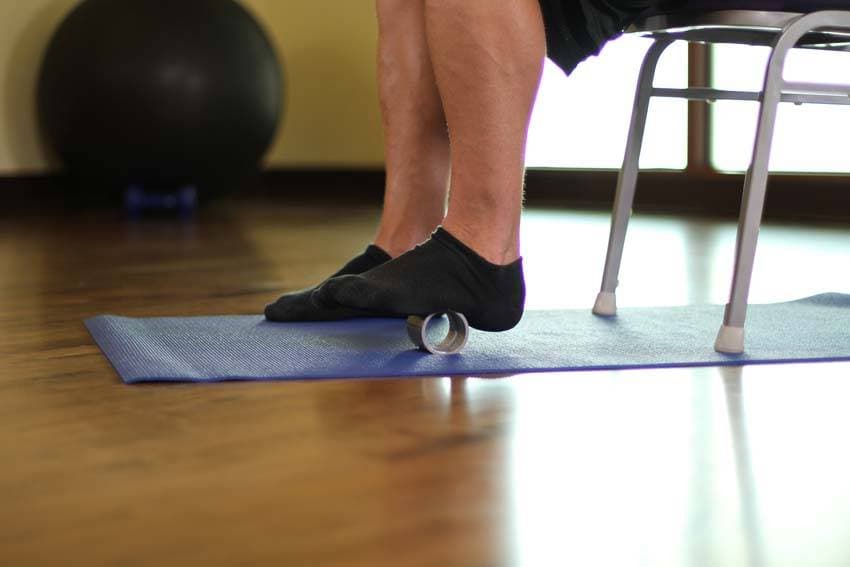
Foot-SMR
intermediate·other
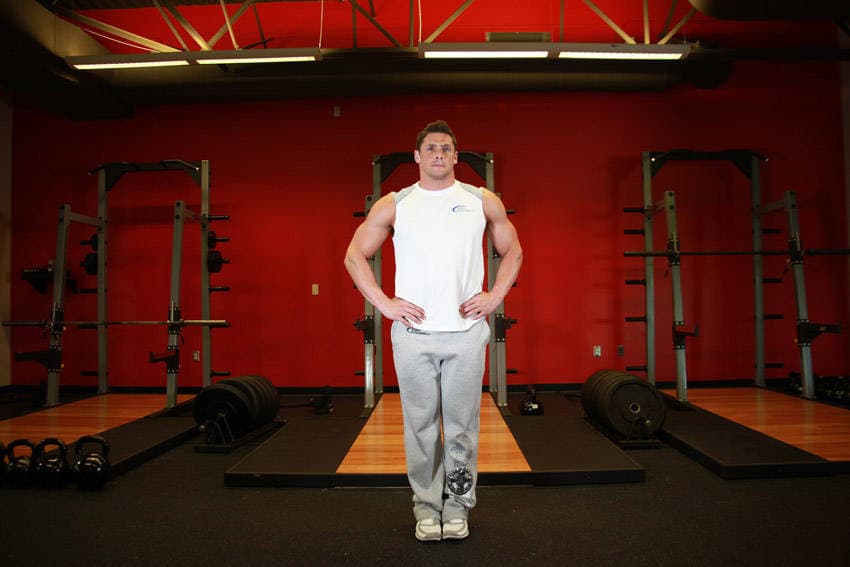
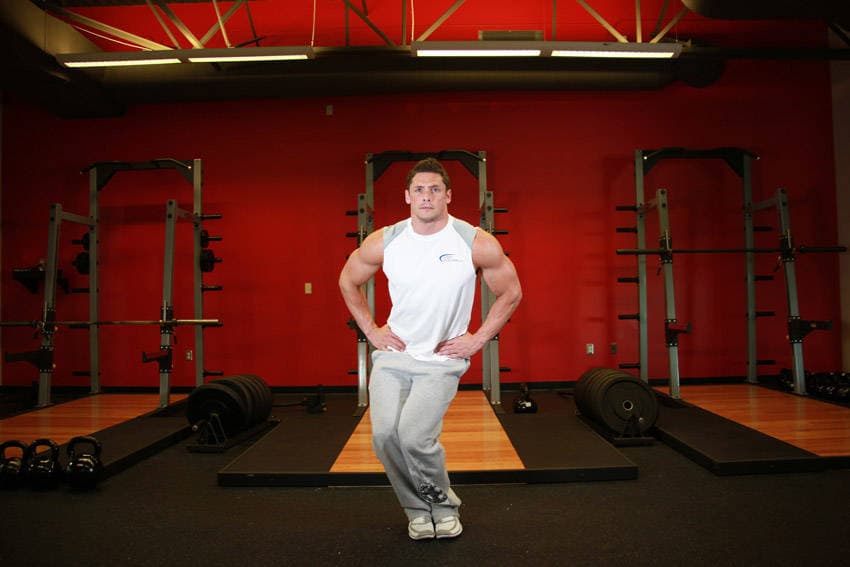
Knee Circles
beginner·Bodyweight
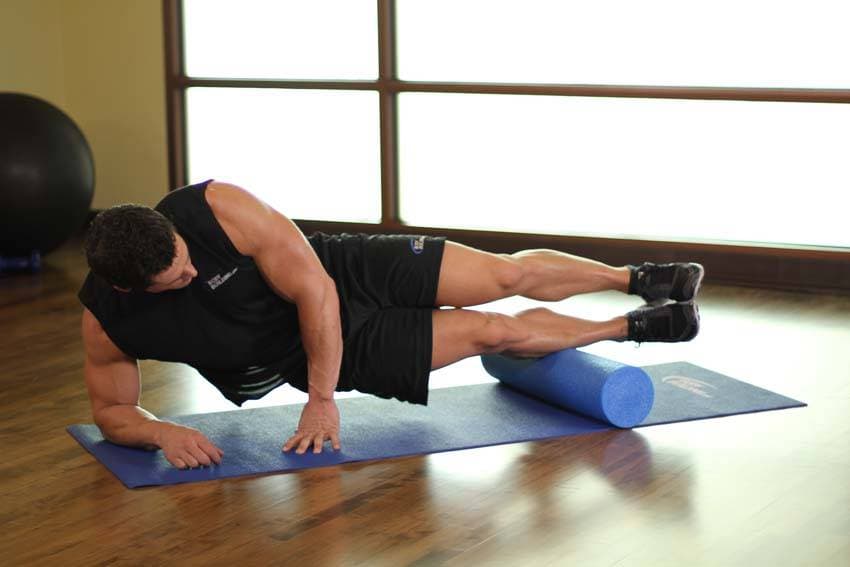
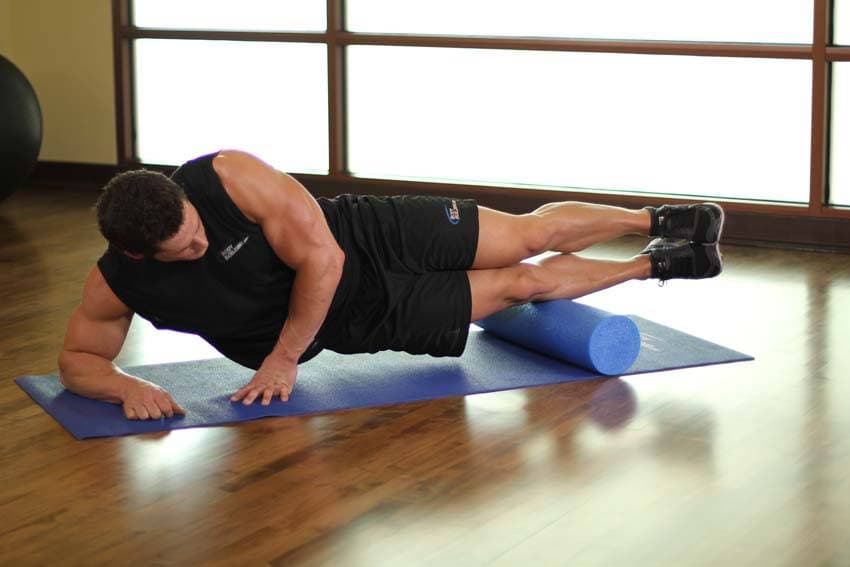
Peroneals-SMR
intermediate·foam roll
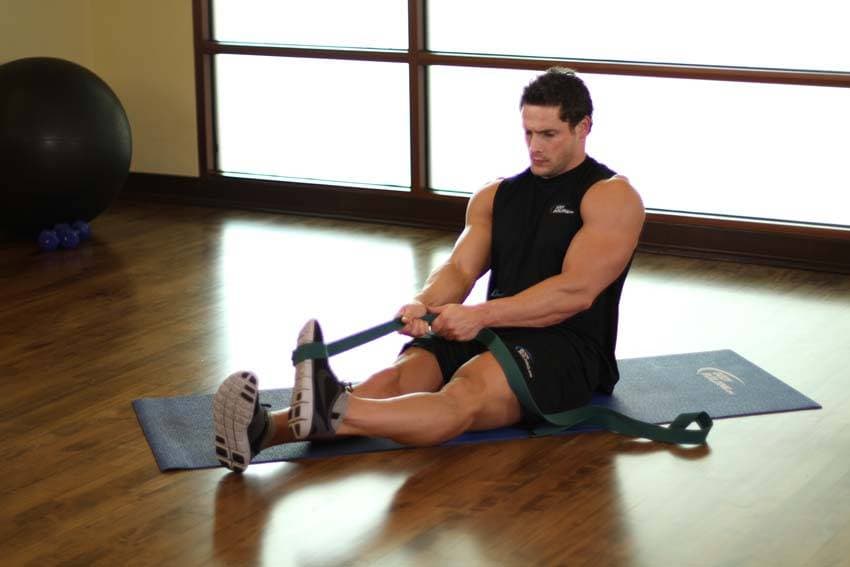
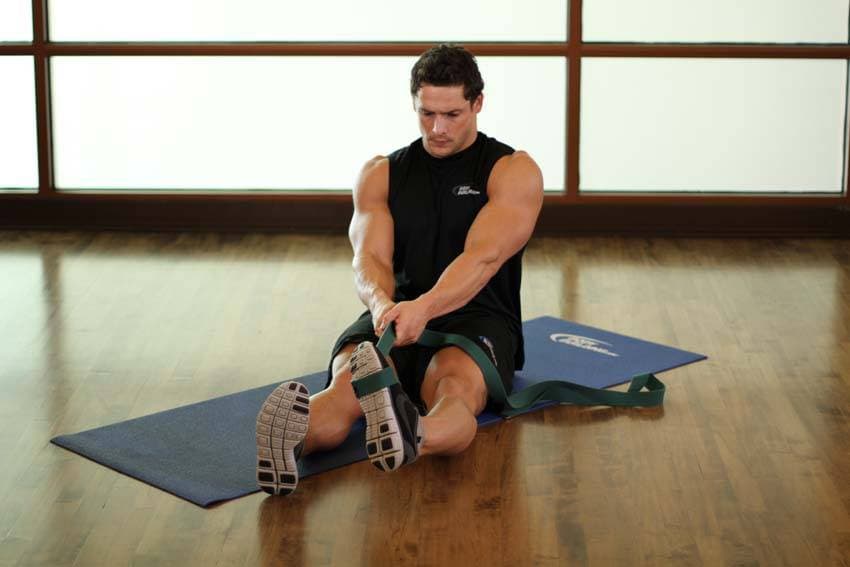
Peroneals Stretch
intermediate·other
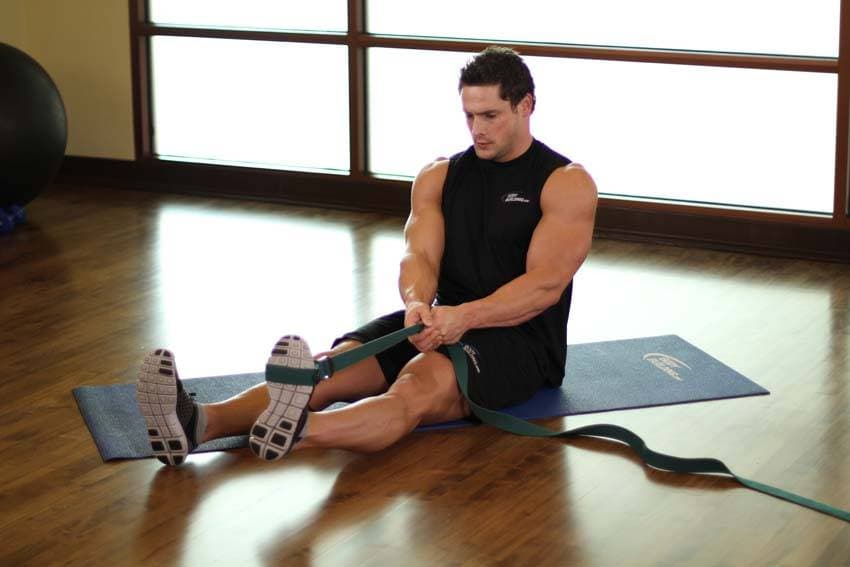
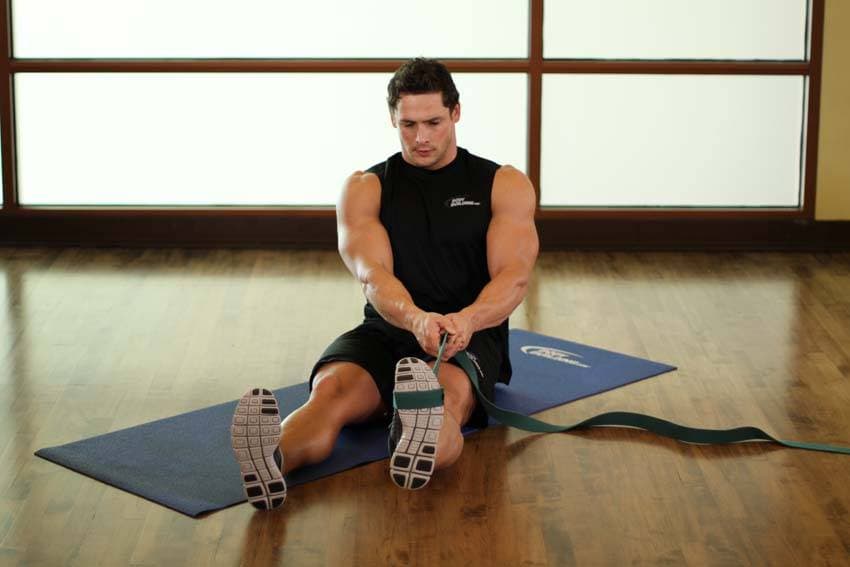
Posterior Tibialis Stretch
intermediate·other
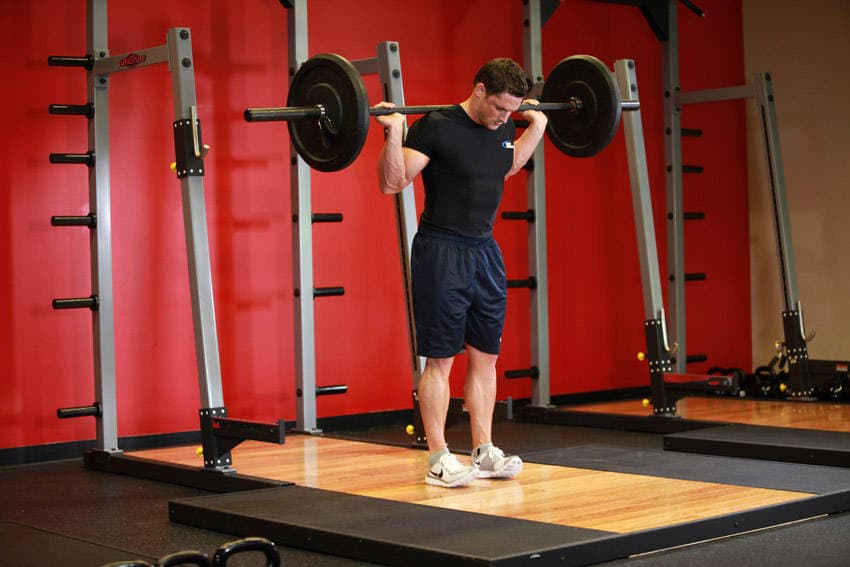
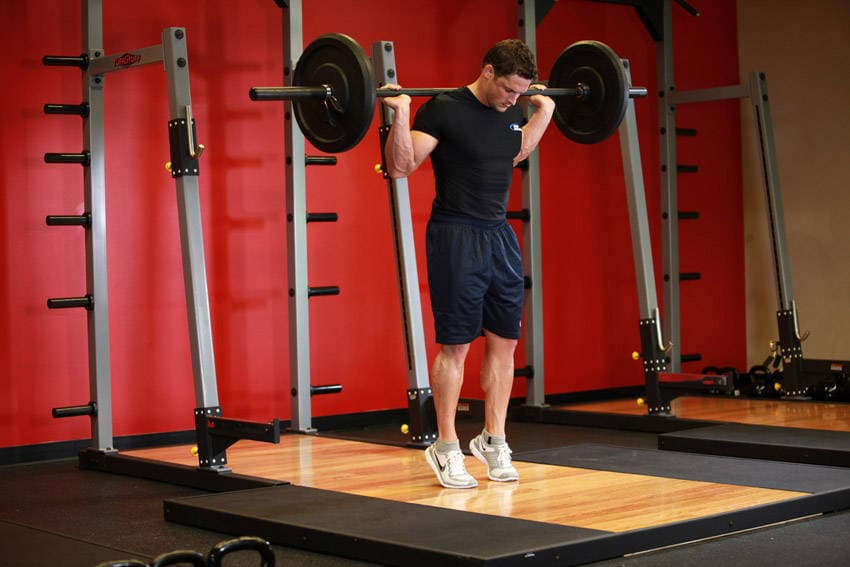
Rocking Standing Calf Raise
beginner·barbell
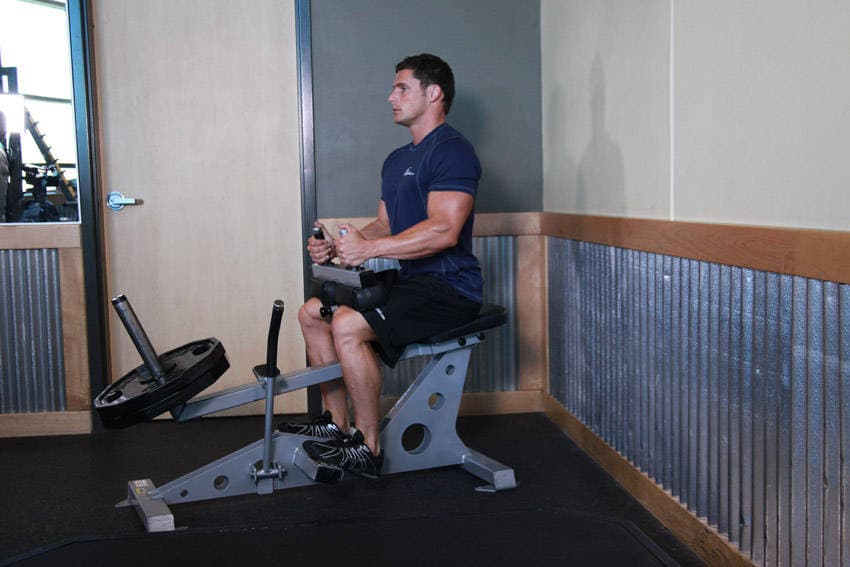
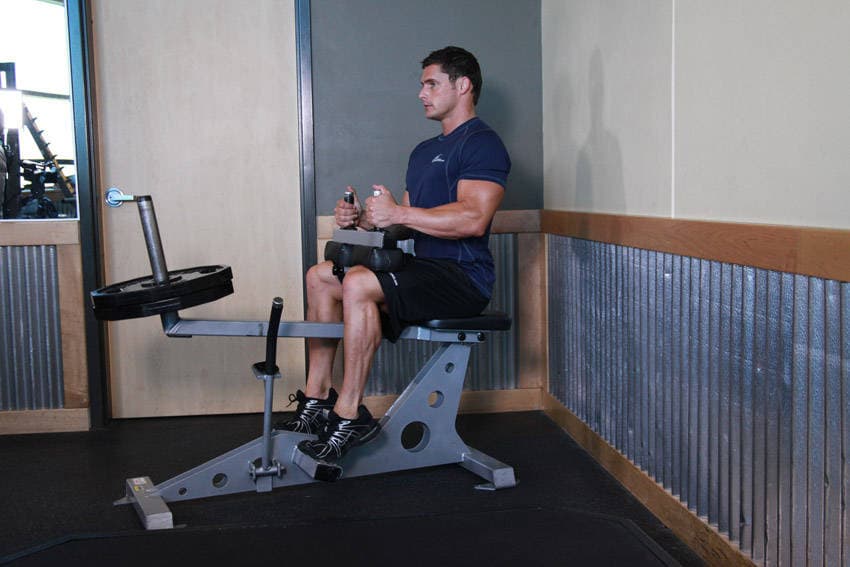
Seated Calf Raise
beginner·machine
Also Works plantaris
10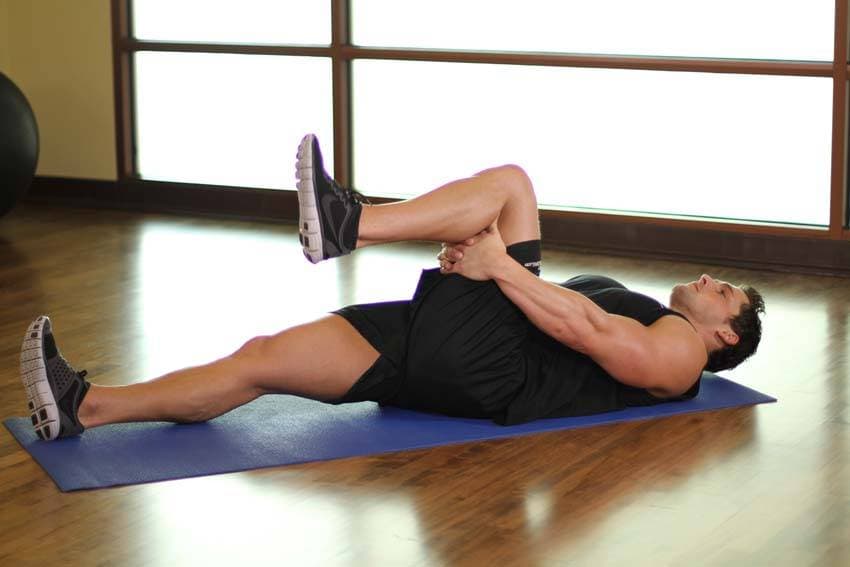
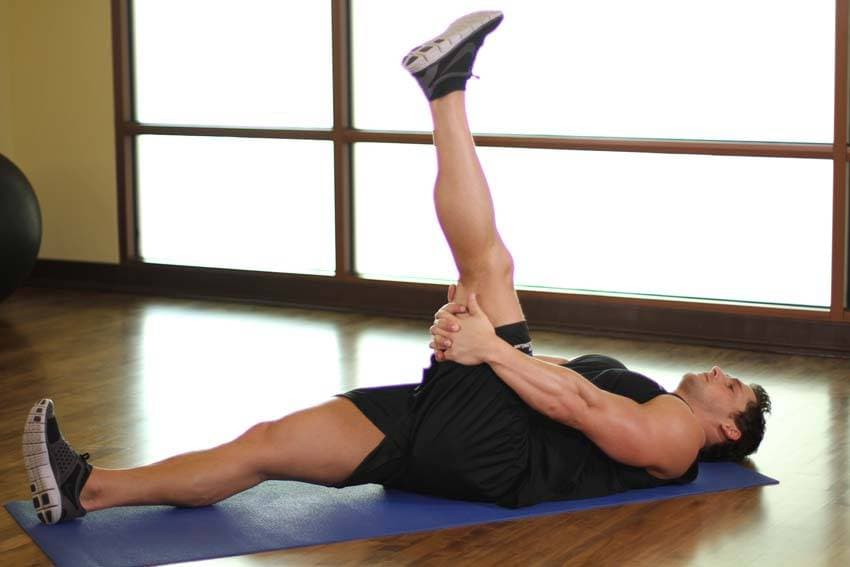
90/90 Hamstring
beginner·Bodyweight
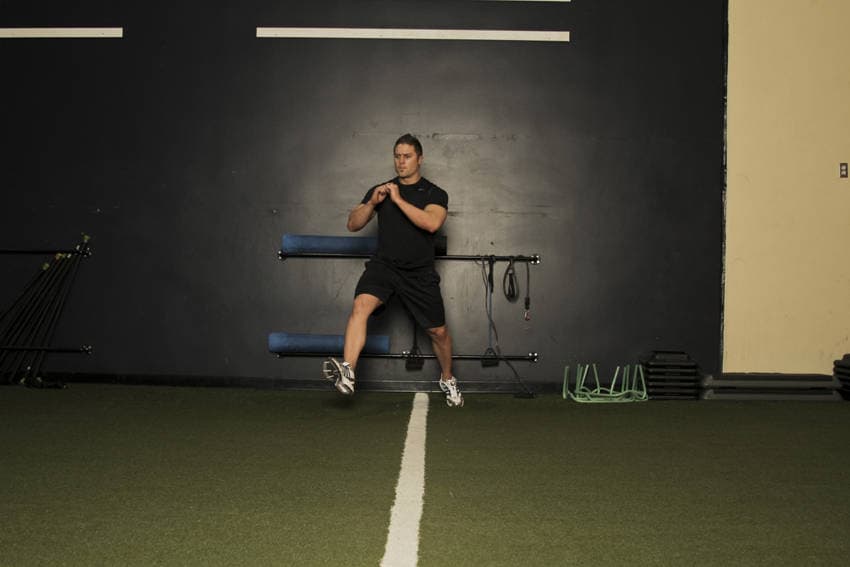
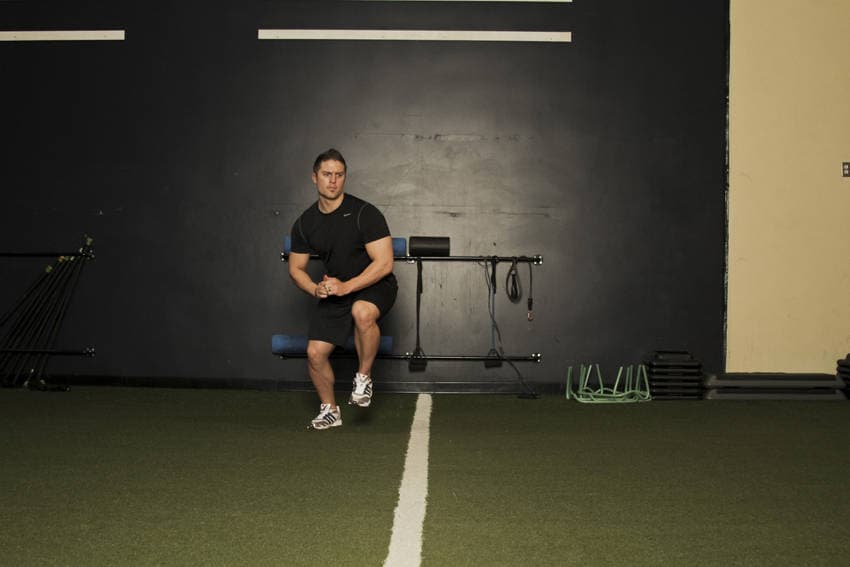
Alternate Leg Diagonal Bound
beginner
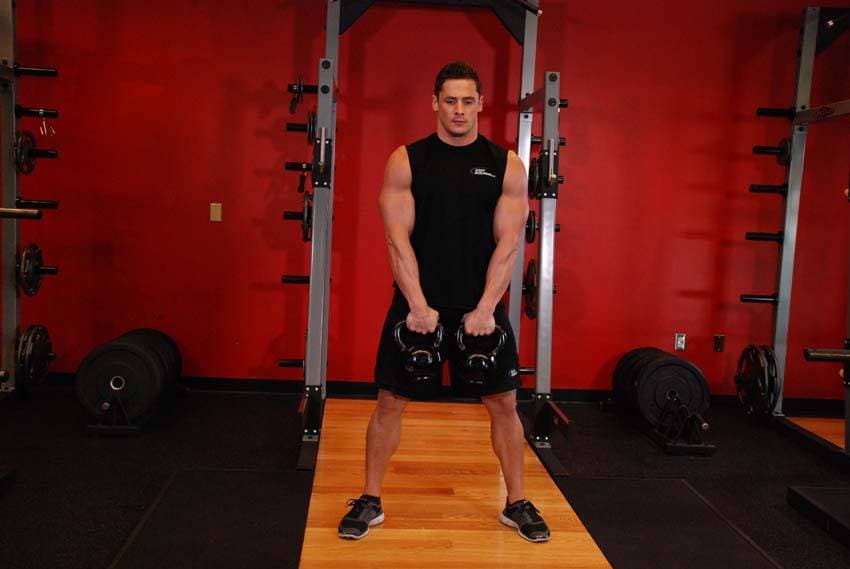
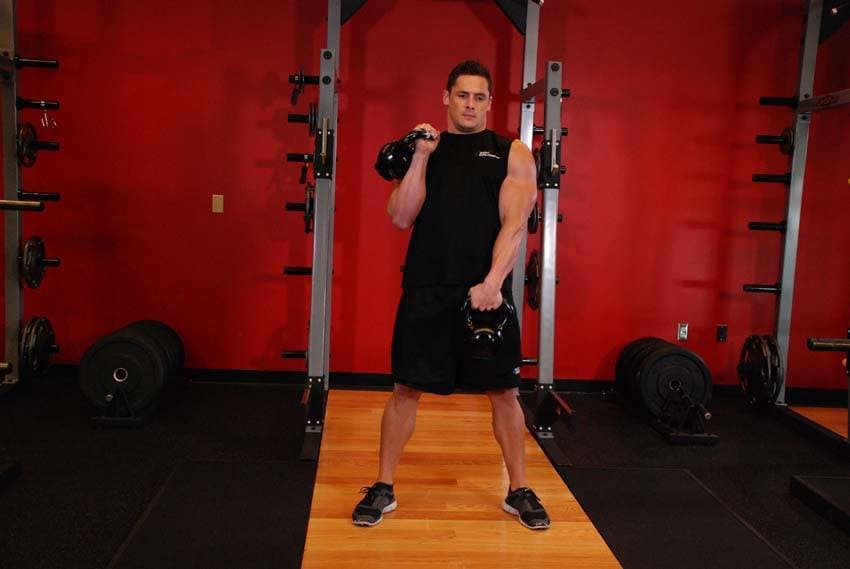
Alternating Hang Clean
intermediate·kettlebells
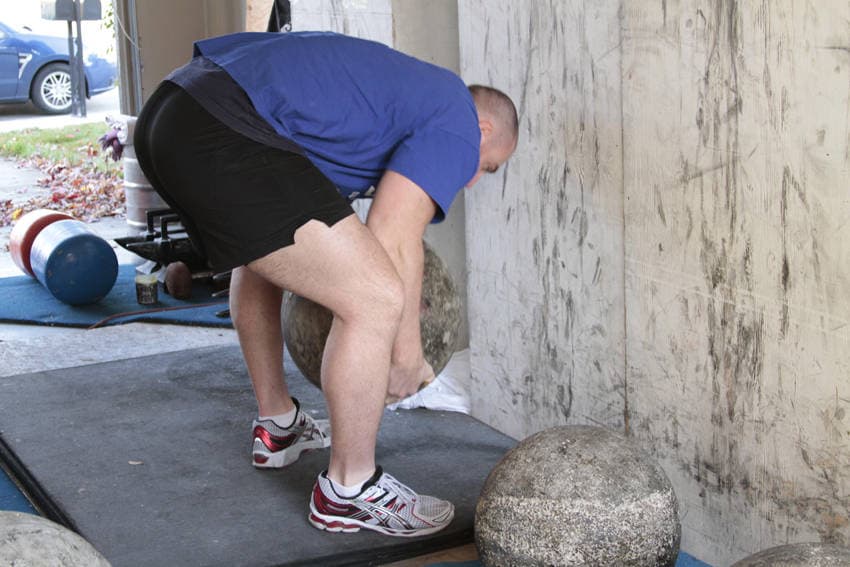
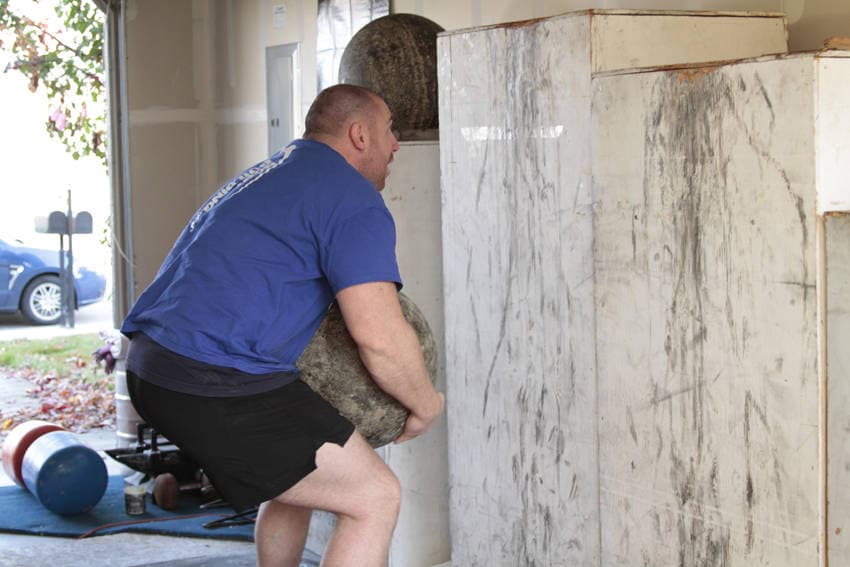
Atlas Stones
expert·other
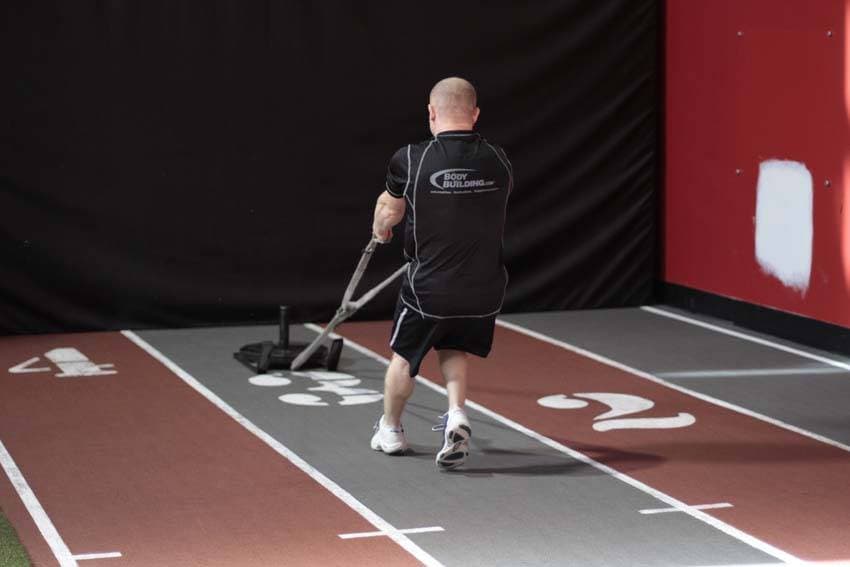
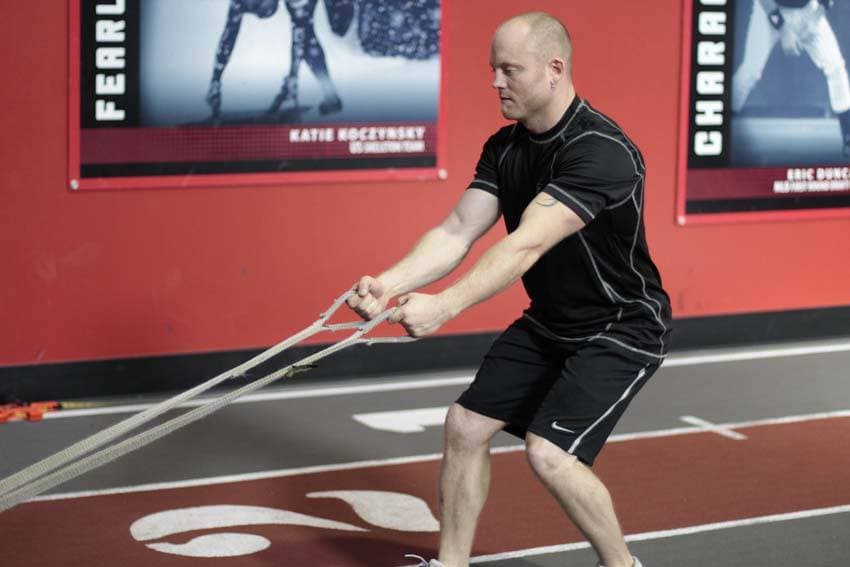
Backward Drag
beginner·other
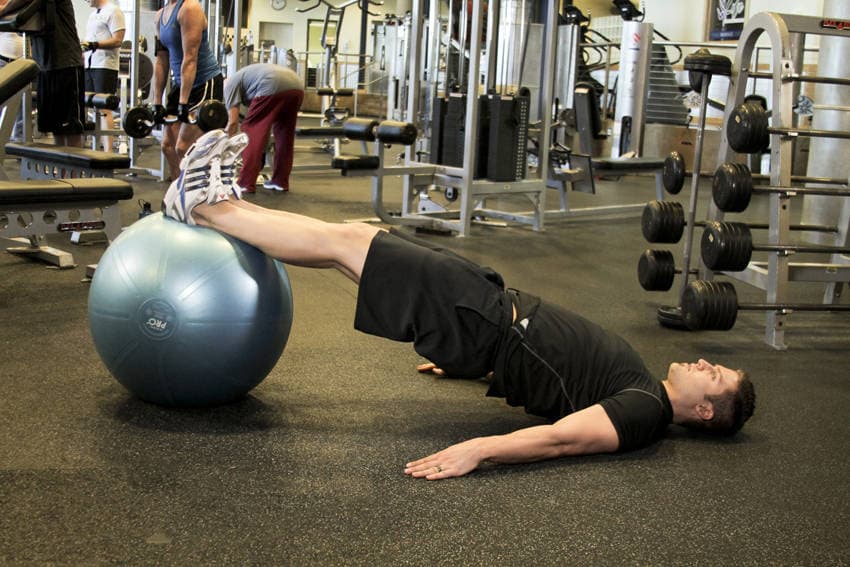
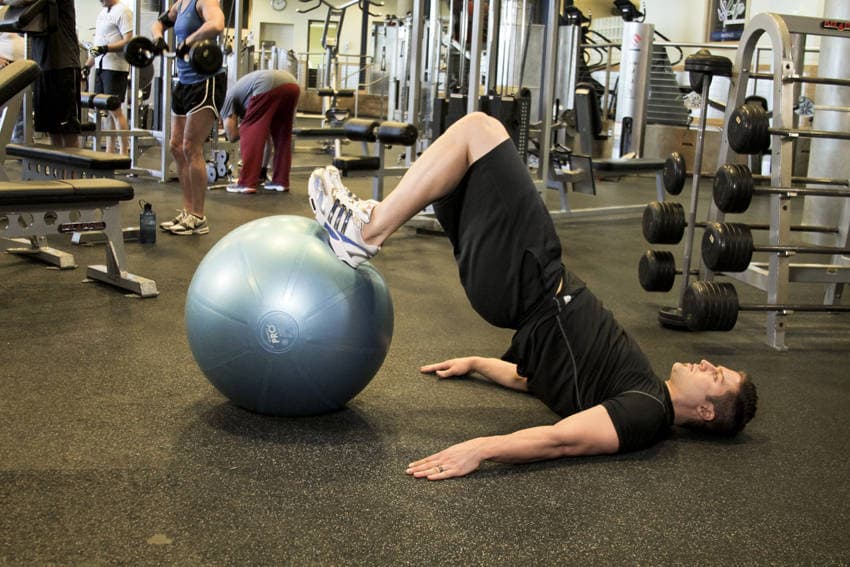
Ball Leg Curl
beginner·exercise ball
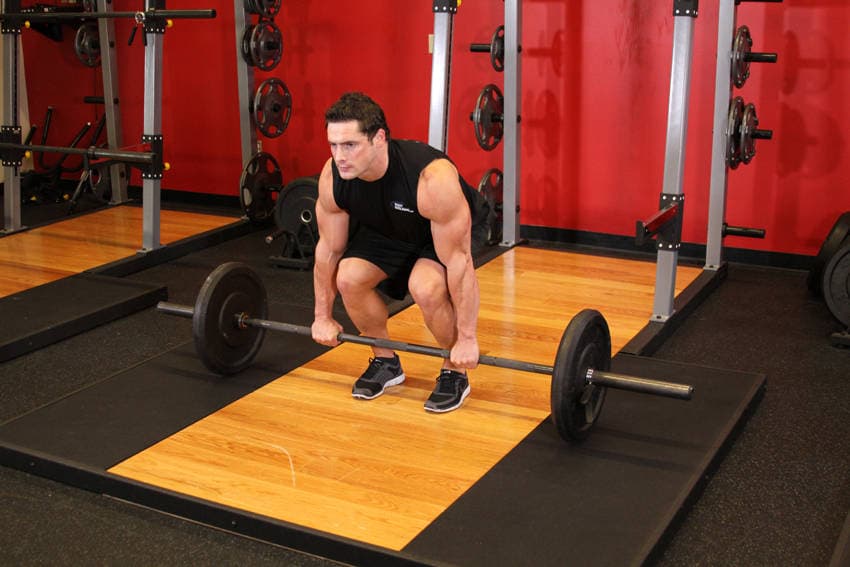
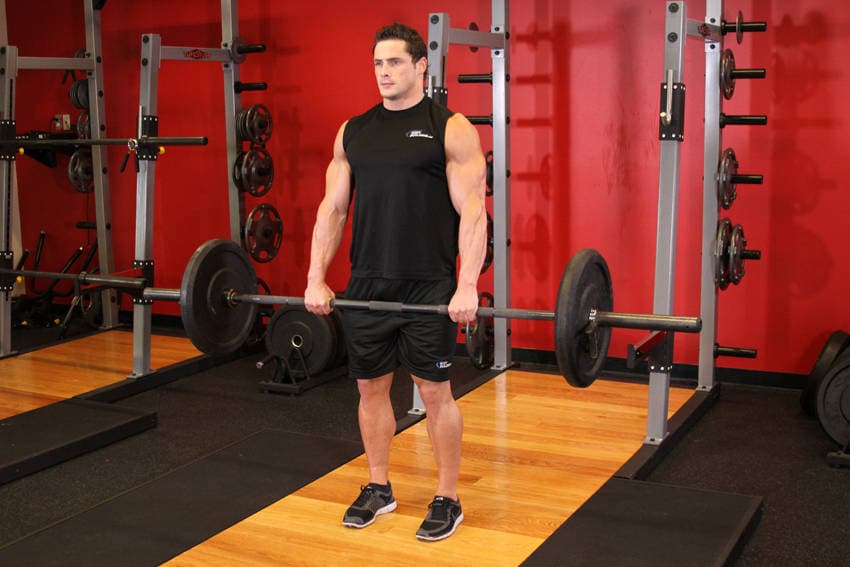
Barbell Deadlift
intermediate·barbell
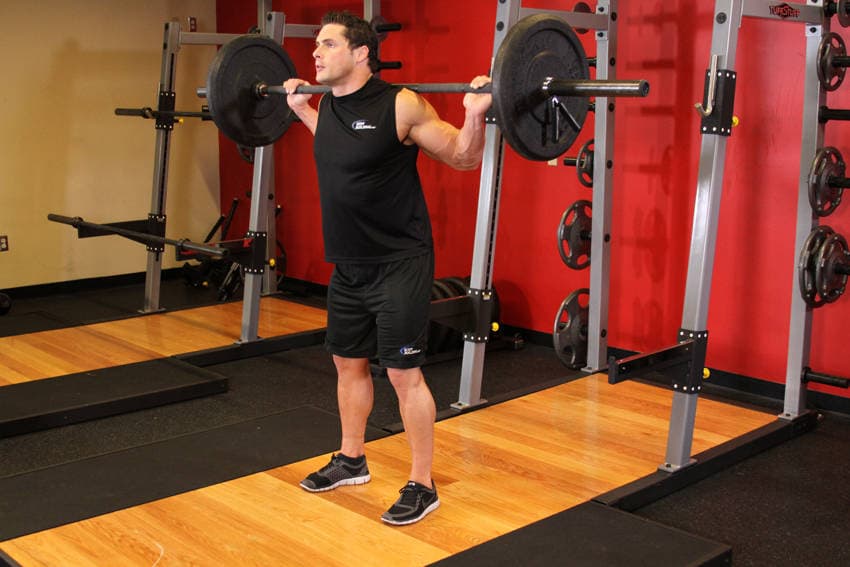
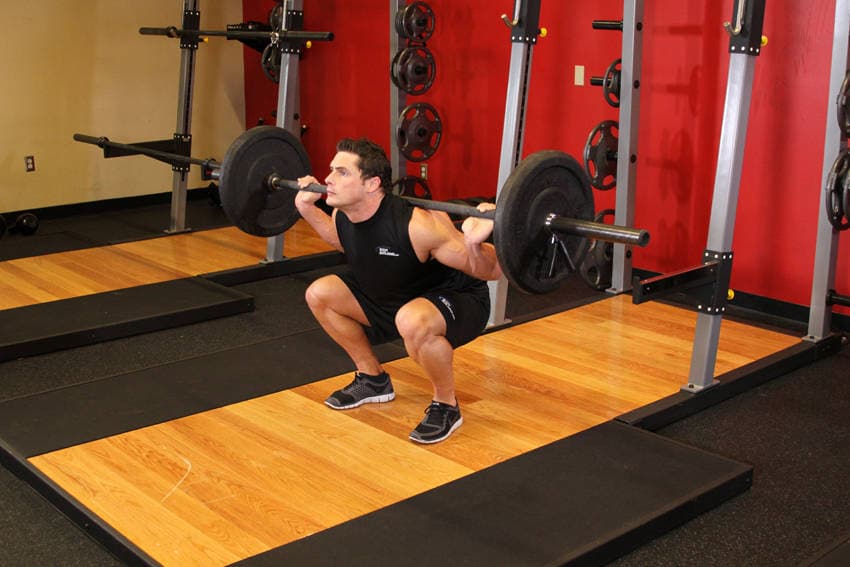
Barbell Full Squat
intermediate·barbell
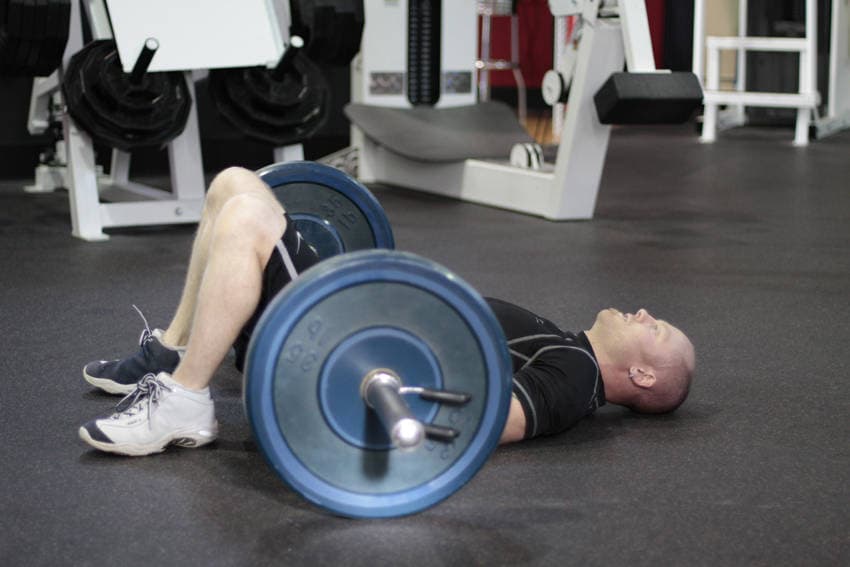
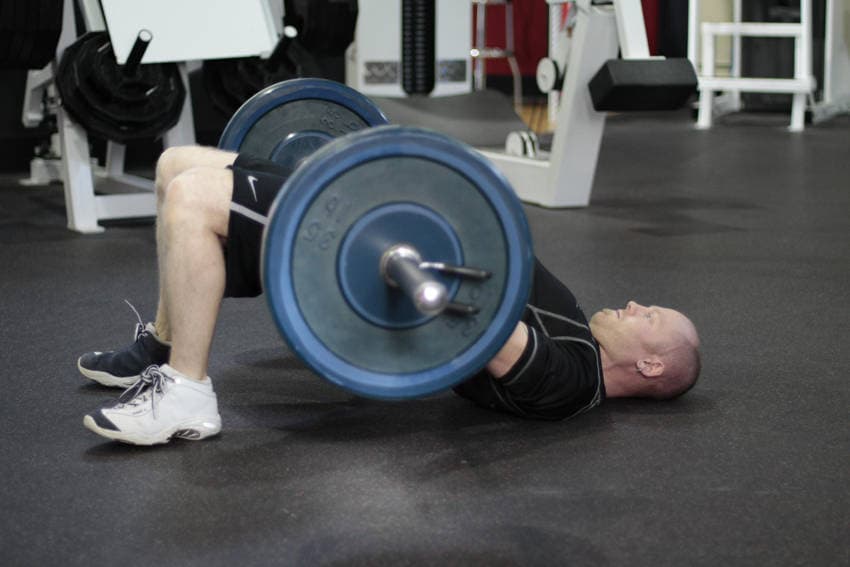
Barbell Glute Bridge
intermediate·barbell
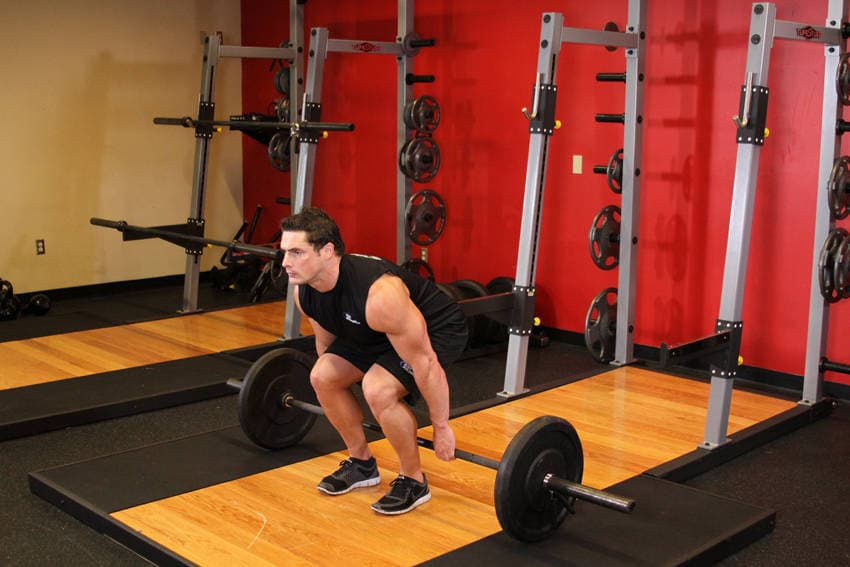
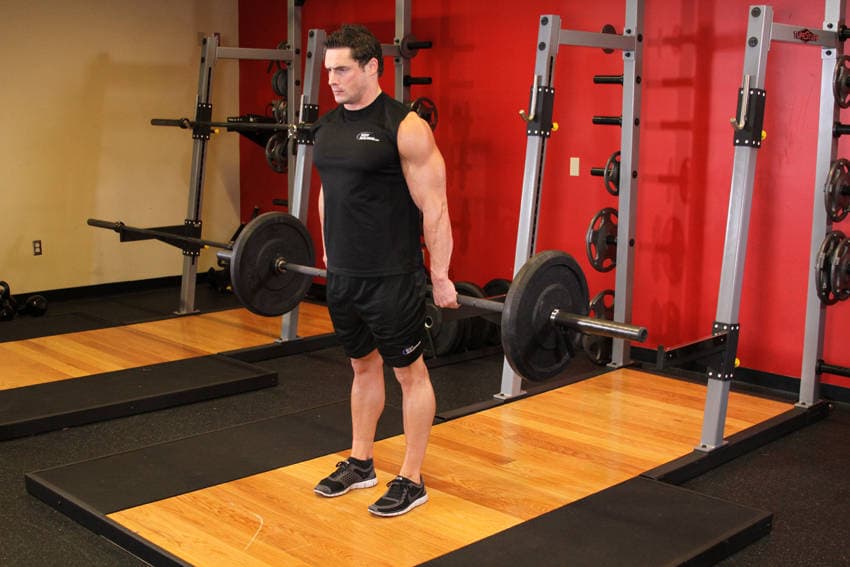
Barbell Hack Squat
intermediate·barbell
Related Lower Leg Muscles
extensor digitorum longus
The extensor digitorum longus runs lateral shin from knee to foot, extending toes 2-5 and dorsiflexing ankle. Builds shin definition for runners.
extensor hallucis longus
The extensor hallucis longus runs down the front of the lower leg and extends the big toe while also assisting in dorsiflexion of the ankle. It's crucial for clearing the foot during the swing phase of gait in runners and athletes. Strong EHL prevents foot drop and enhances explosive movements like jumping.
fibularis brevis
The fibularis brevis, aka peroneus brevis, lies low on the outer lower leg and everts the foot while plantarflexing it. It's essential for lateral stability in running, surfing, or agility drills. Fitness athletes strengthen it to prevent ankle rolls.
fibularis longus
The fibularis longus runs along the outer lower leg, crossing under the foot to evert and stabilize the arch. It powers push-off in sprinting and side-to-side movements. Crucial for runners to avoid ankle sprains and maintain foot alignment.
fibularis tertius
The fibularis tertius is a small muscle on the front-outer lower leg that assists in dorsiflexion and eversion. It's active in quick foot lifts during running or hiking. Often absent, but when present, aids ankle agility in sports.
flexor digitorum longus
The flexor digitorum longus is a powerful muscle in the deep posterior compartment of the lower leg, running from the tibia down to the toes. It flexes the four smaller toes and assists in plantarflexion at the ankle, helping with push-off during walking, running, and jumping. Strong flexors like this are crucial for balance, propulsion, and preventing foot drop in athletes.
flexor hallucis longus
Running deep in the calf's posterior compartment, the flexor hallucis longus flexes the big toe and plantarflexes the ankle. It's essential for powerful push-off in sprinting, ballet, and hill running. Athletes rely on it for toe grip on uneven terrain.
gastrocnemius
The gastrocnemius forms the visible calf bulge, crossing knee and ankle for explosive plantarflexion. Key for sprinting, jumping, and calf raises. Two heads make it powerful for athletic propulsion.
Lower Leg Pain Guide
Common causes and relief
Activities & Sports
See which activities use plantaris