Lower Leg
fibularis longus
fih-byoo-LAIR-iss LON-gus
The fibularis longus runs along the outer lower leg, crossing under the foot to evert and stabilize the arch. It powers push-off in sprinting and side-to-side movements. Crucial for runners to avoid ankle sprains and maintain foot alignment.
Open in 3D ViewerCommon Pain & Injury
Aching outer shin or arch pain, worse with uneven surfaces. Tendinopathy or splits in high-mileage athletes. See doc if chronic swelling or weakness.
Anatomy & Function
Origin
Upper lateral fibula (proximal outer lower leg bone) and head.
Insertion
Base of first metatarsal and medial cuneiform (inner foot bones).
Actions
- Eversion of the foot (outward turn)
- Plantarflexion (toe point)
- Foot arch depression
Innervation
Superficial peroneal nerve (L5-S1).
Muscle Relationships
Antagonists
Synergists
Trigger Points
Trigger points along lateral leg refer to lateral ankle, foot, and groin.
Stretches
Common Conditions
Anatomical Parts
FAQ
Fibularis longus pain causes?
Overpronation or ankle sprains lead to outer leg/foot pain.
Peroneus longus stretch?
Invert foot against resistance or use a band for eversion stretch.
What does peroneus longus do?
Everts foot and supports arch for stability.
Exercises for fibularis longus
20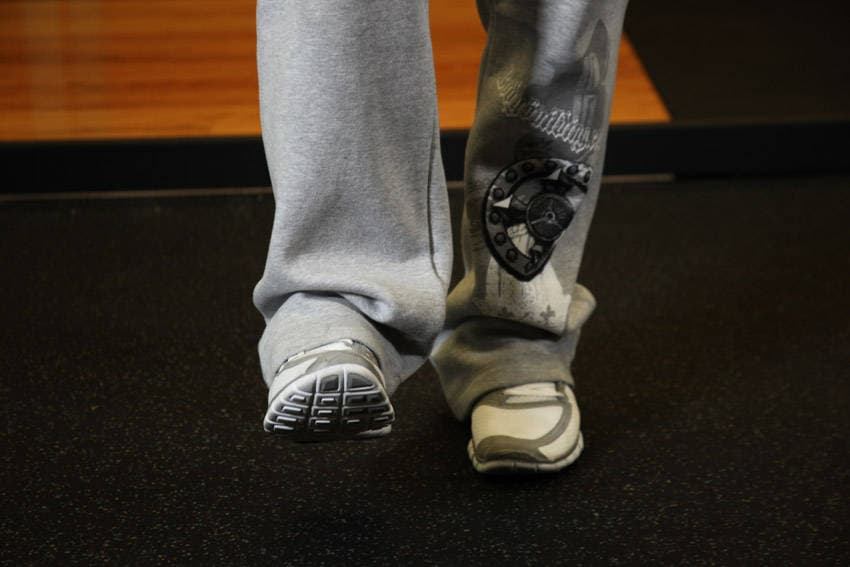
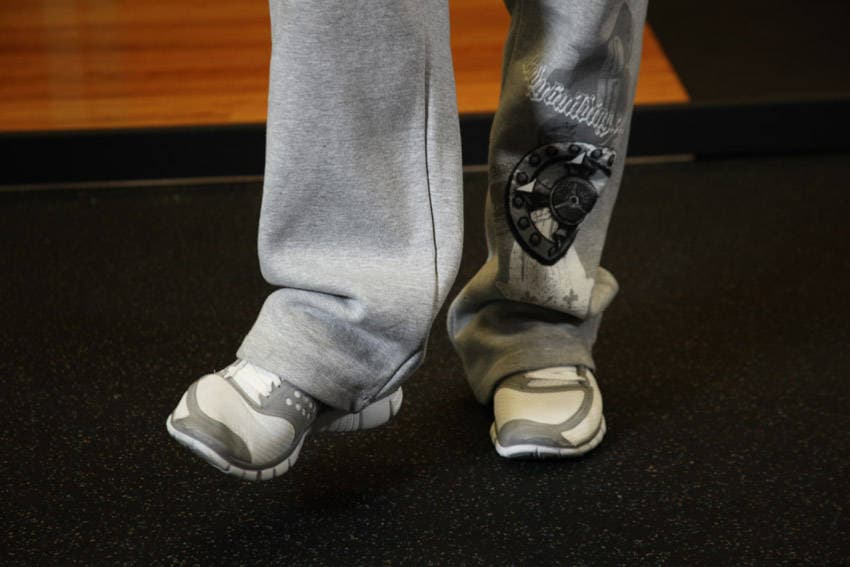
Ankle Circles
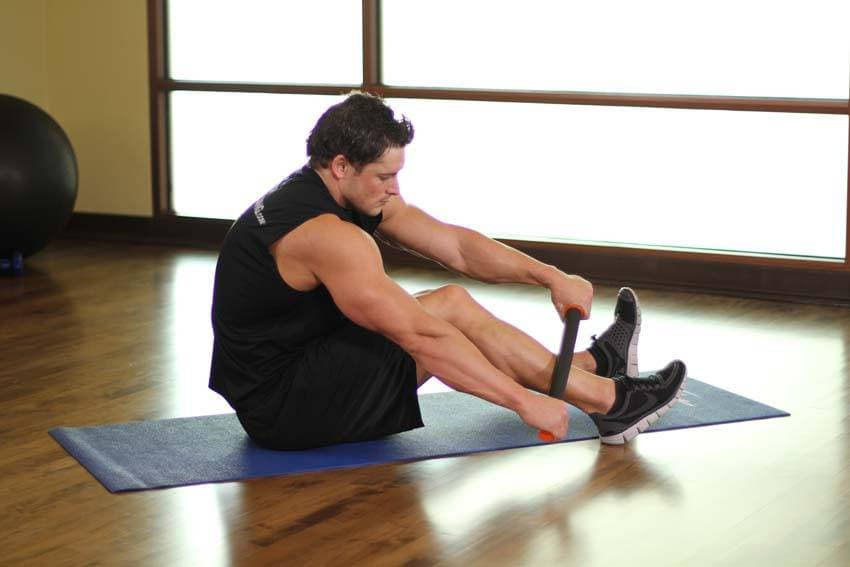

Anterior Tibialis-SMR
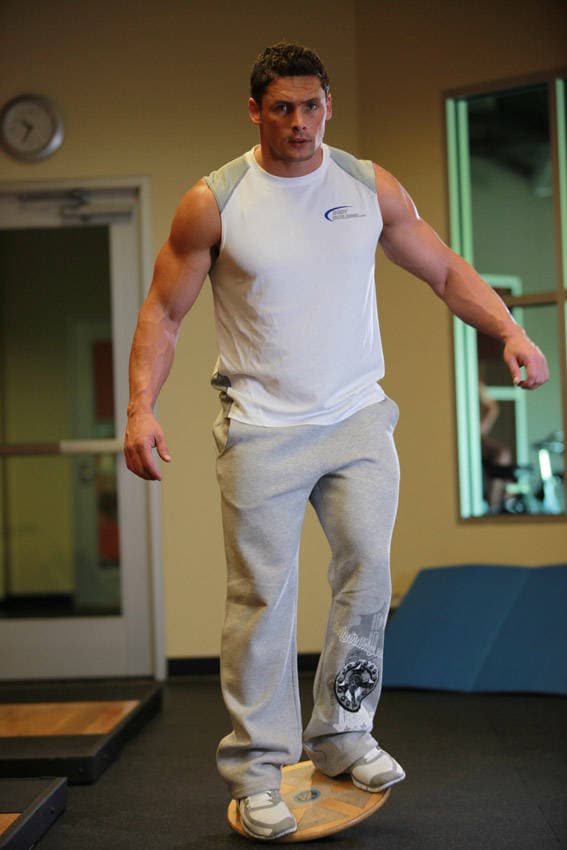
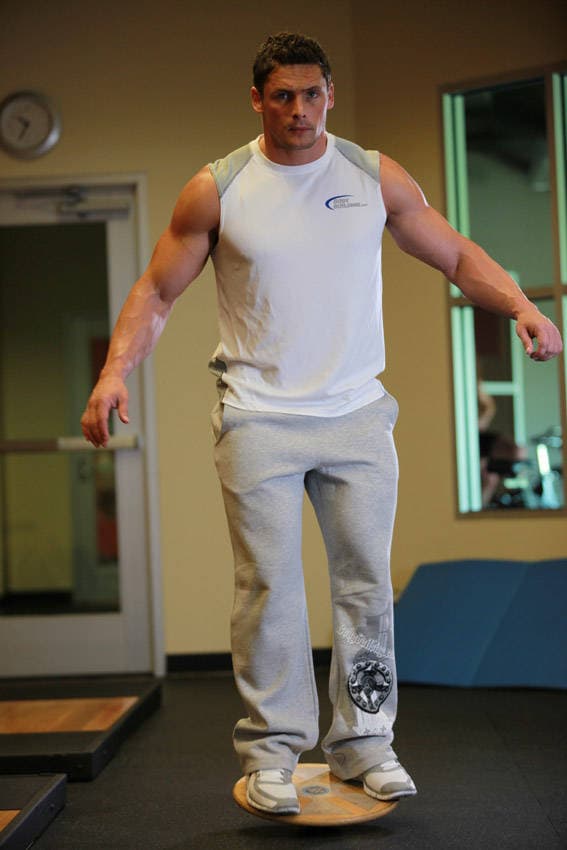
Balance Board
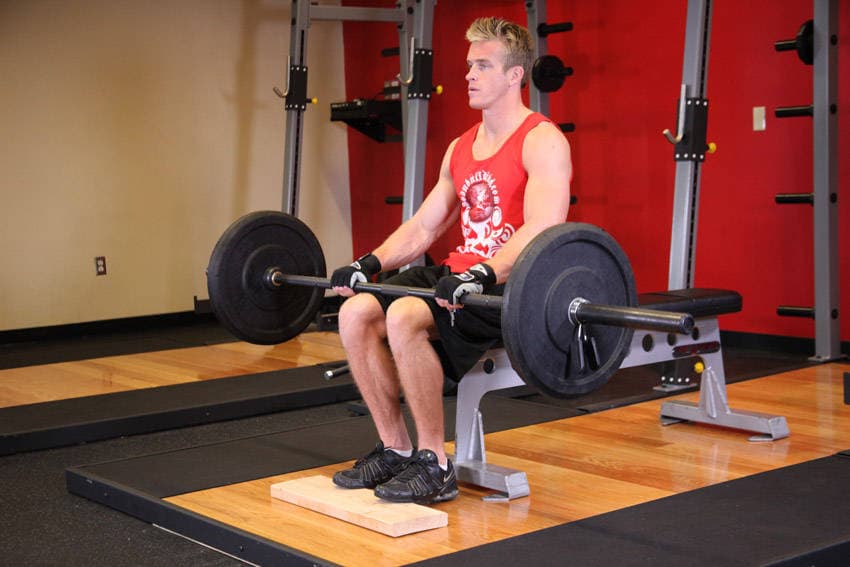
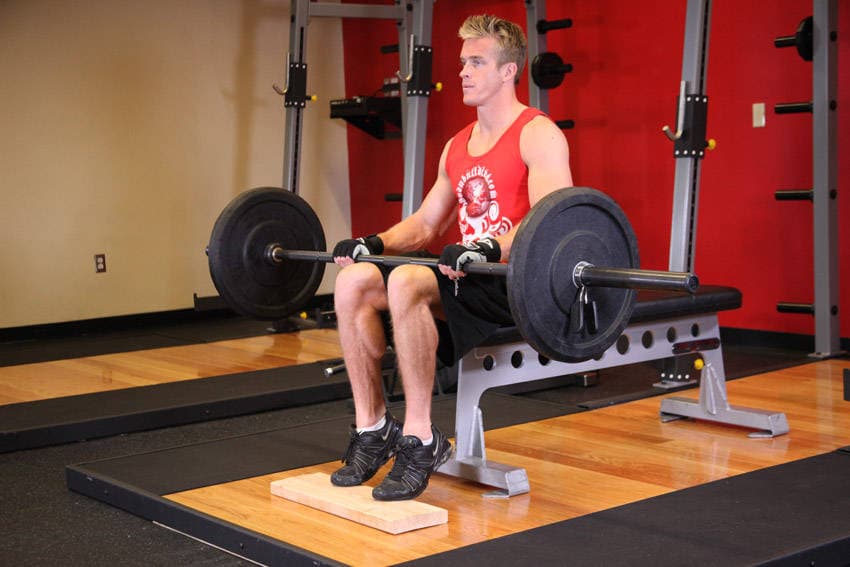
Barbell Seated Calf Raise
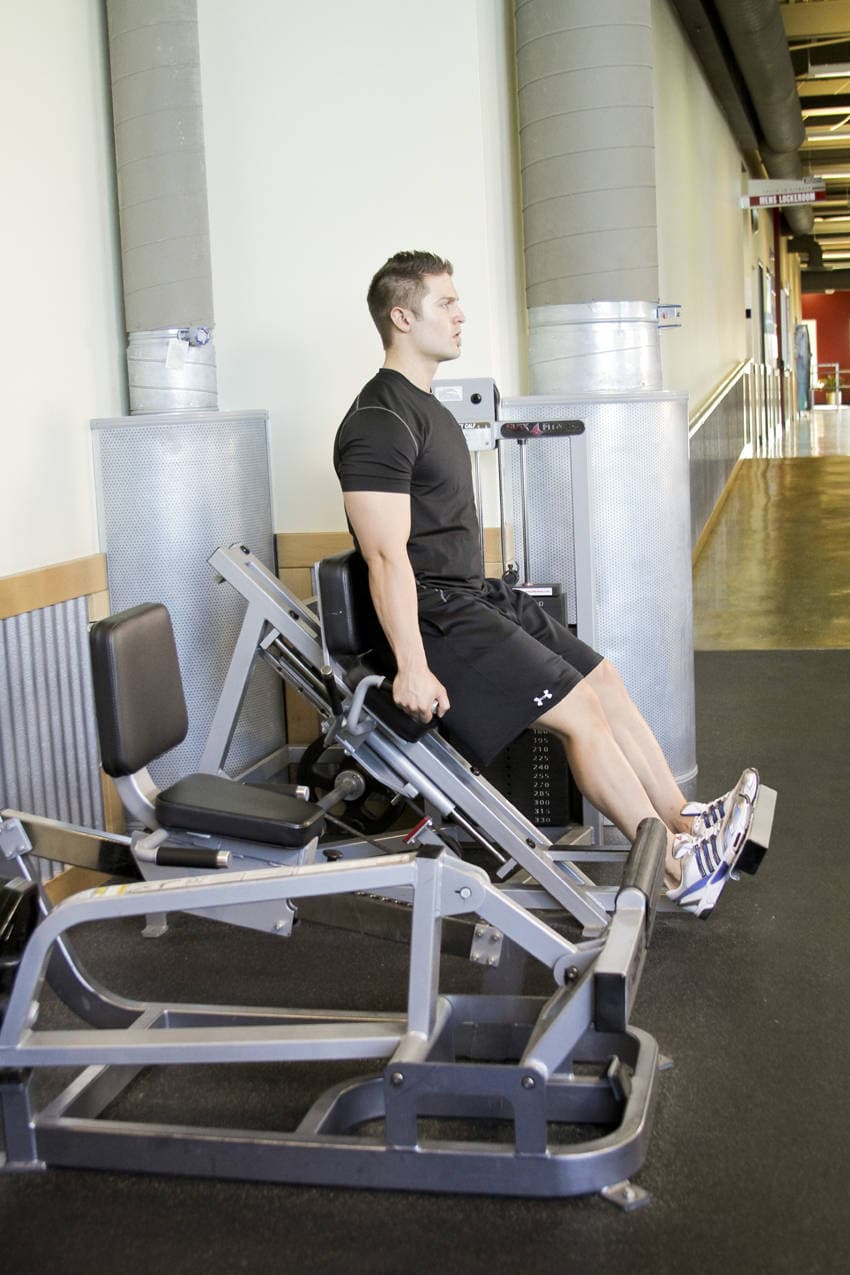
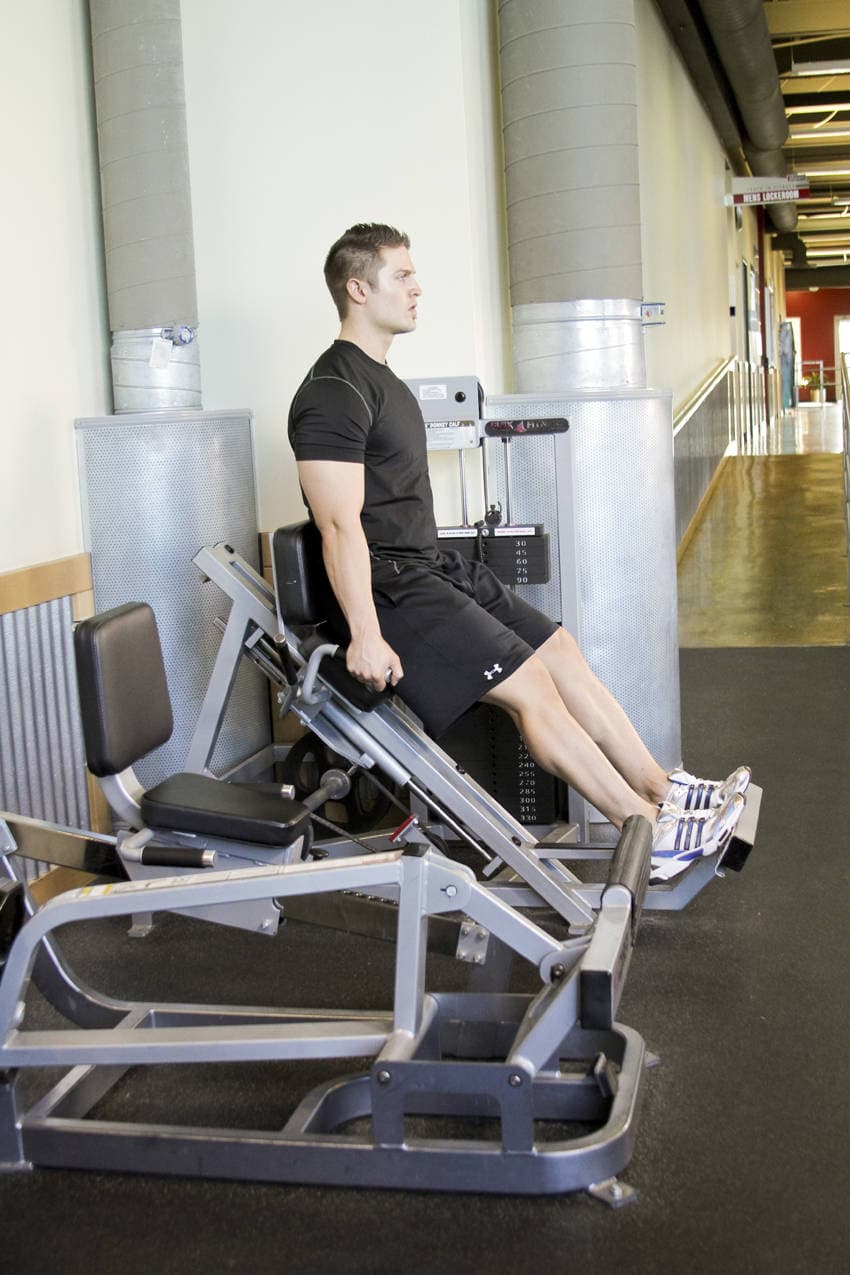
Calf Press
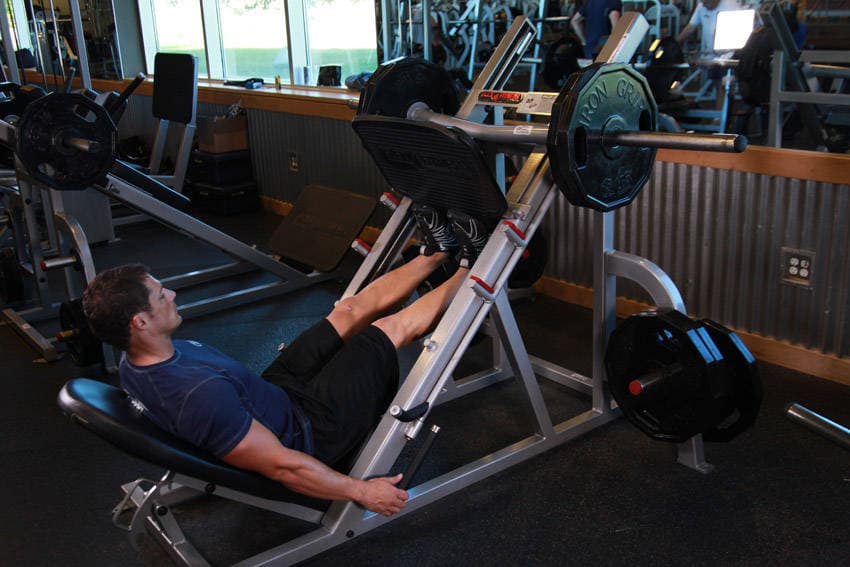
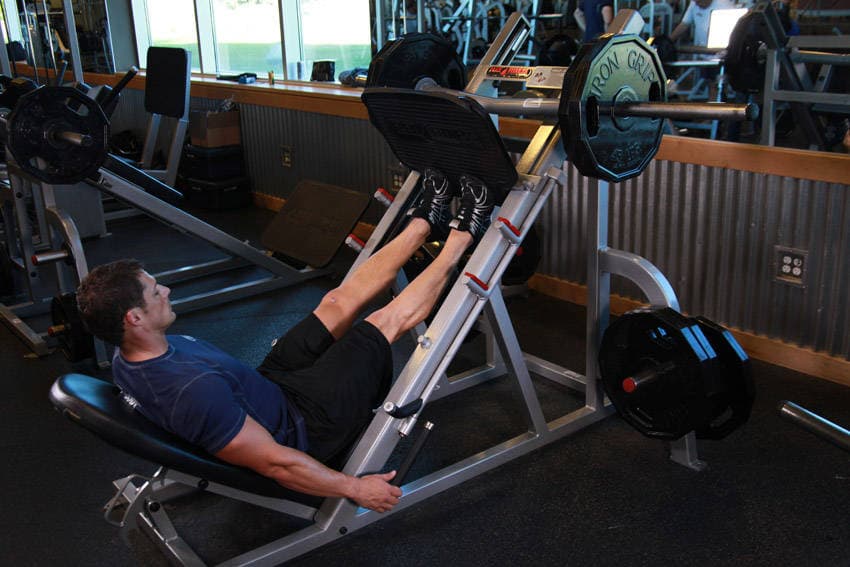
Calf Press On The Leg Press Machine
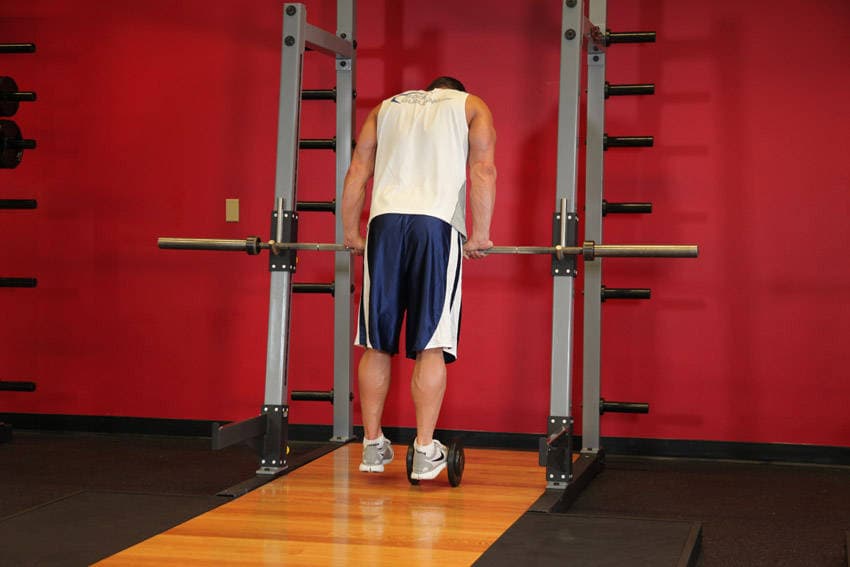
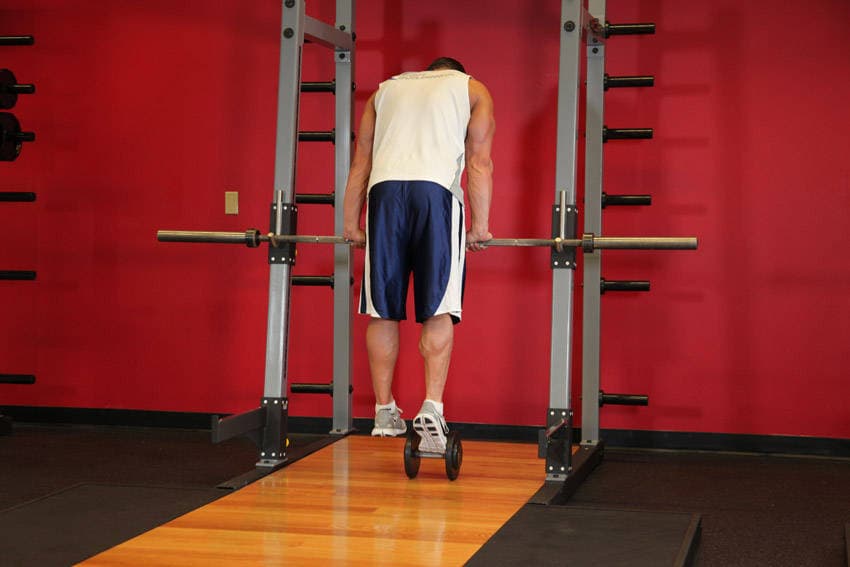
Calf Raise On A Dumbbell
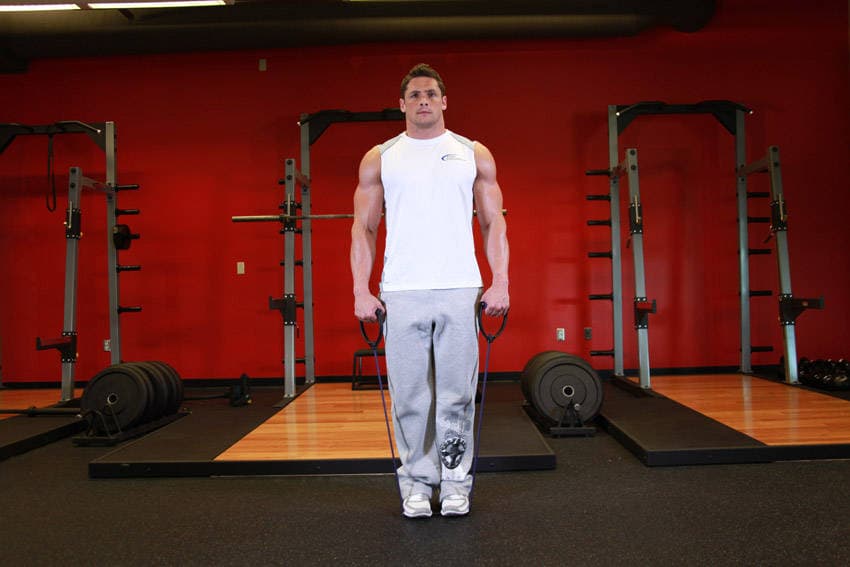
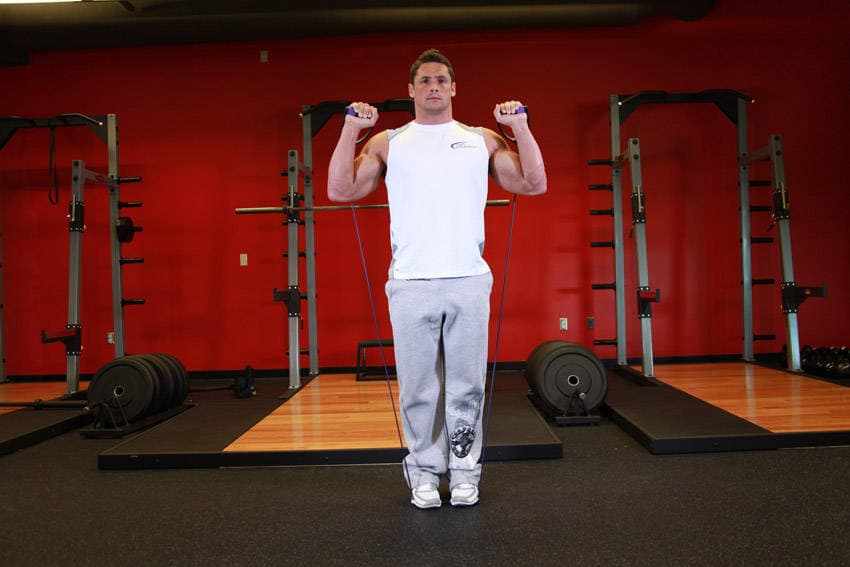
Calf Raises - With Bands
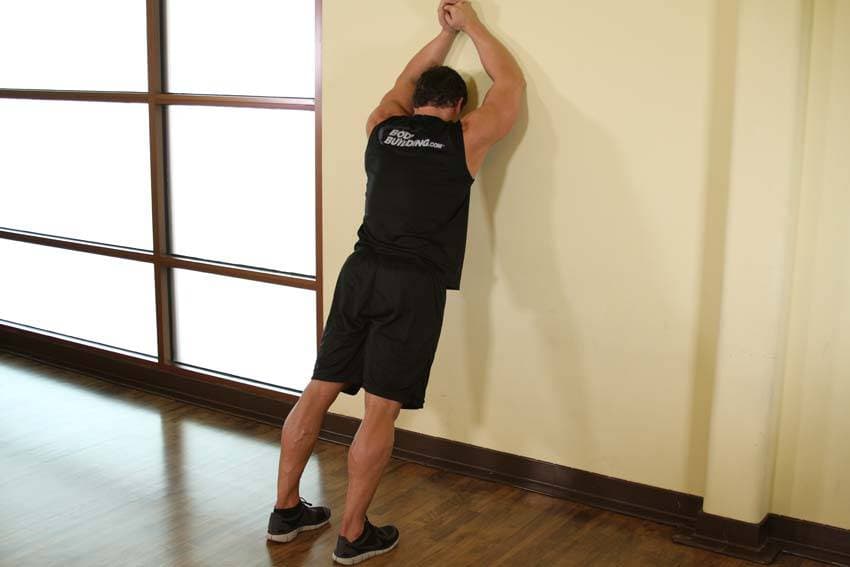
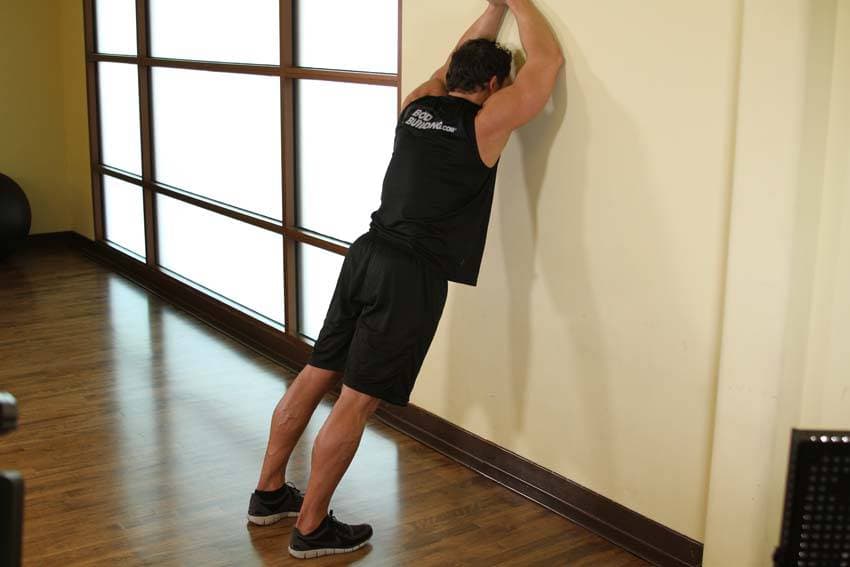
Calf Stretch Elbows Against Wall
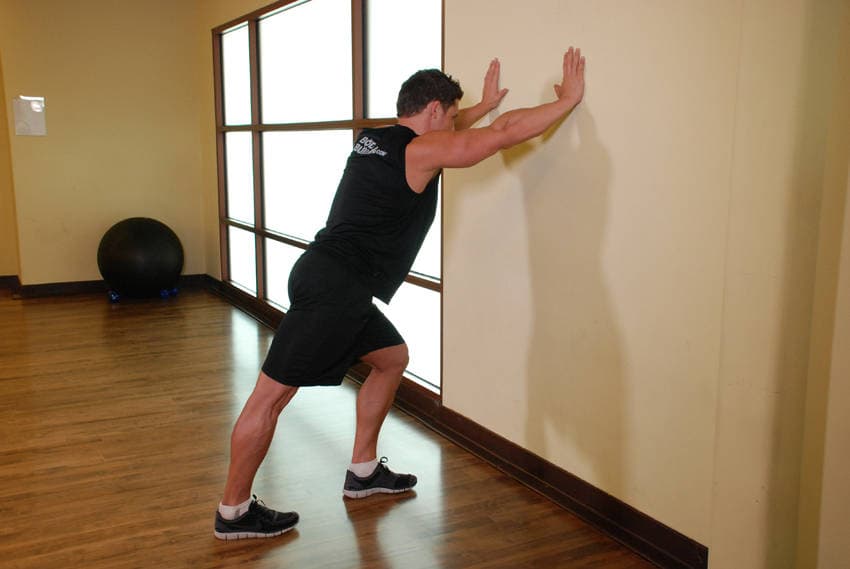
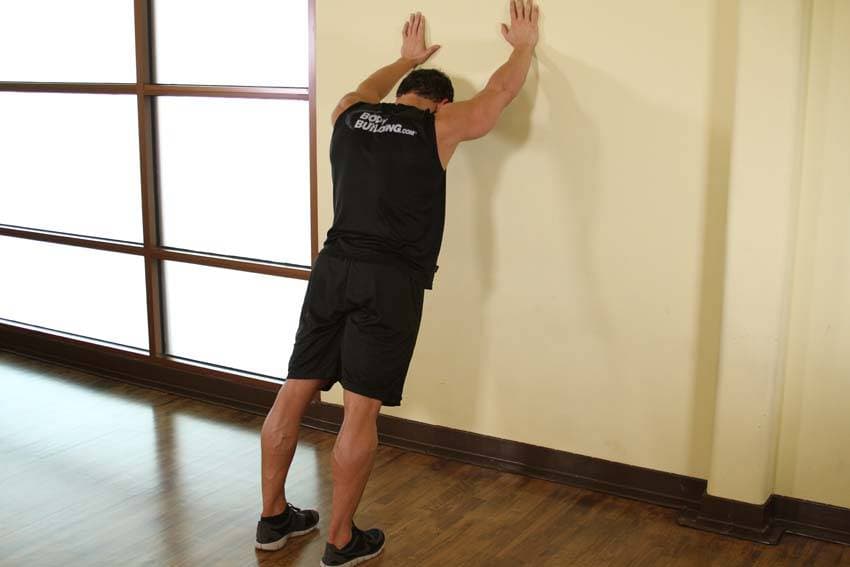
Calf Stretch Hands Against Wall
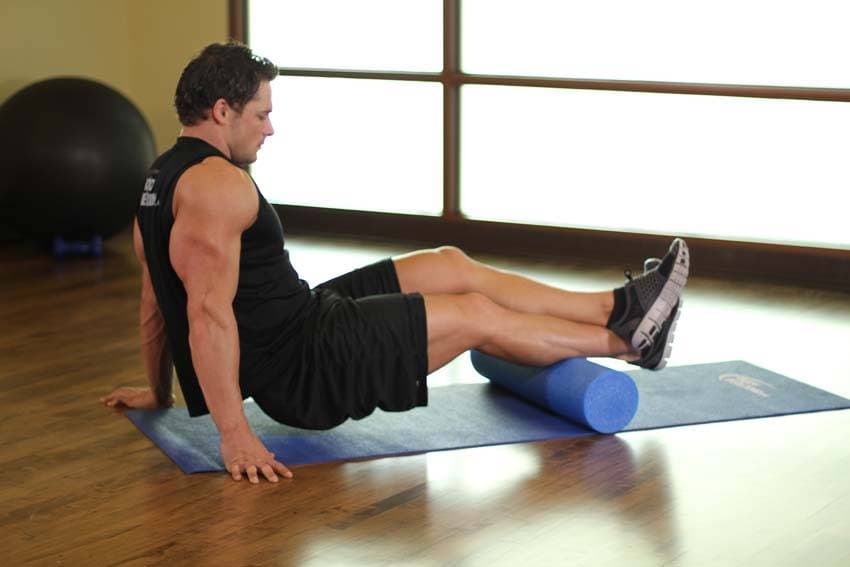
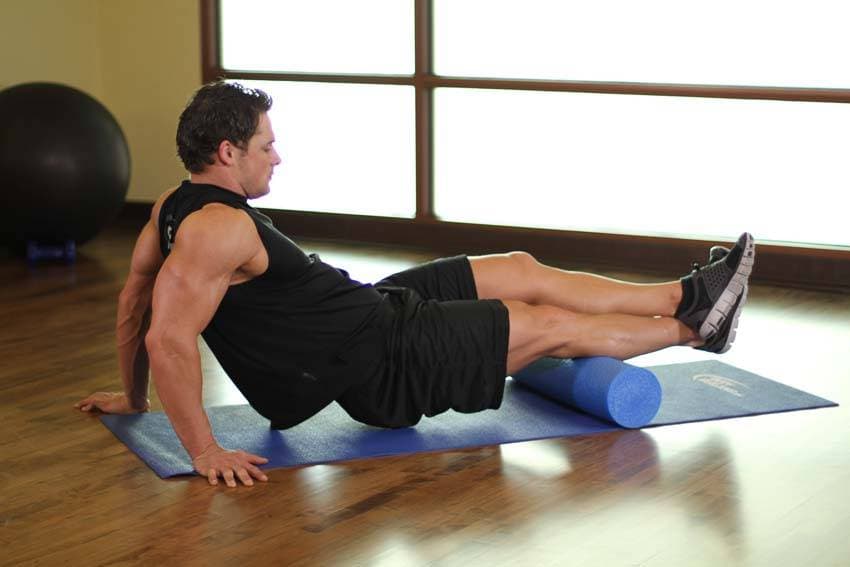
Calves-SMR
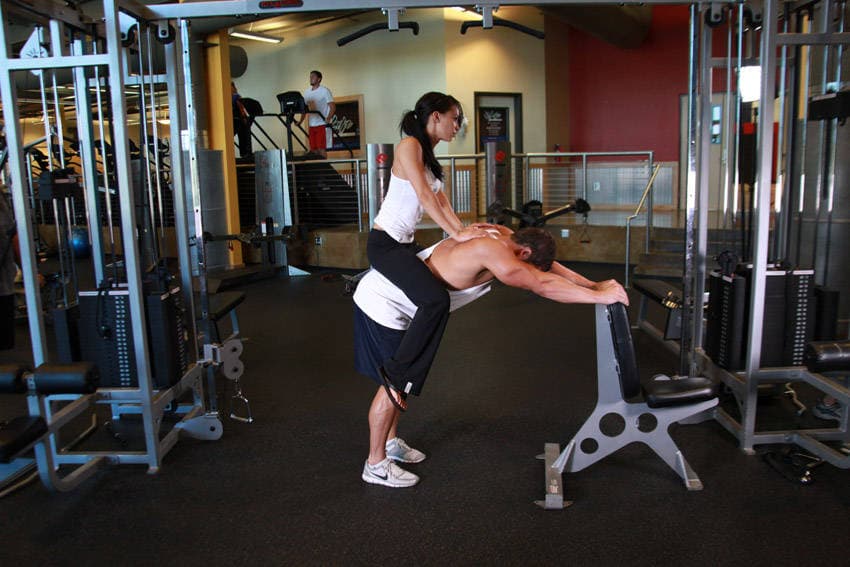
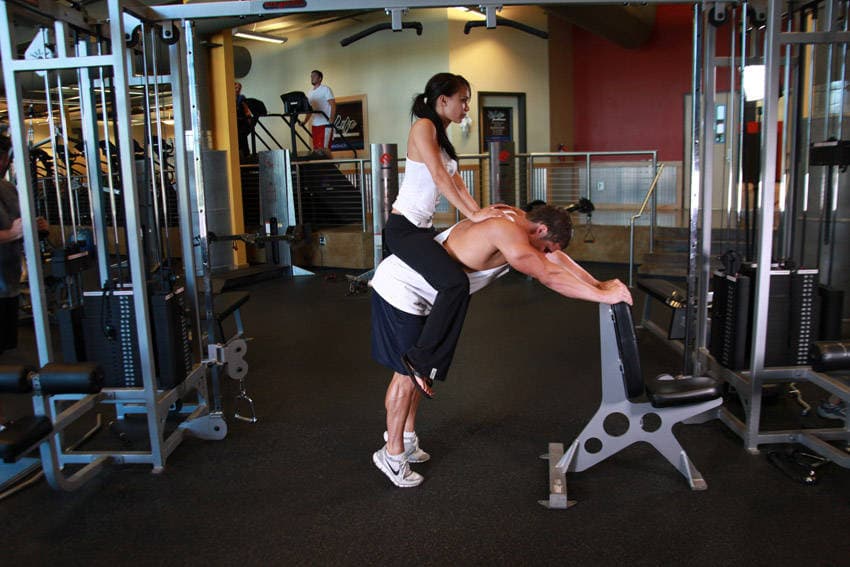
Donkey Calf Raises
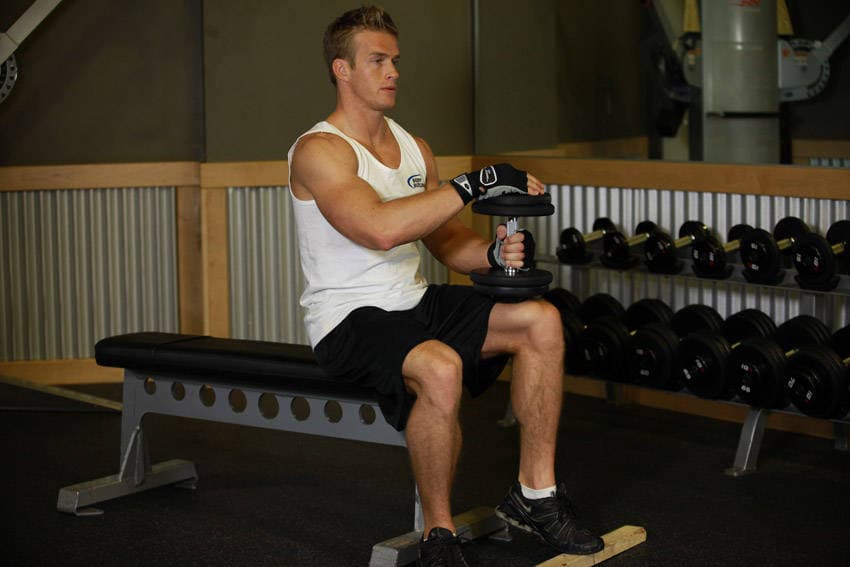
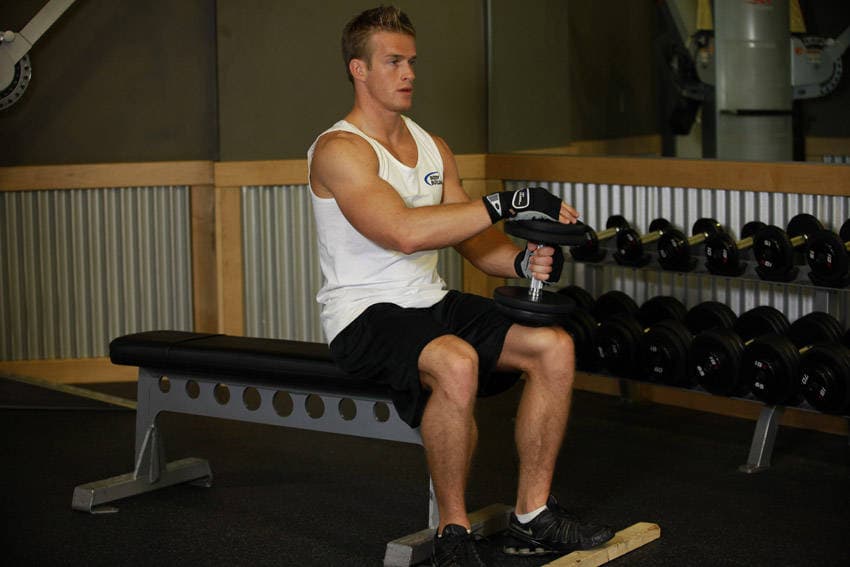
Dumbbell Seated One-Leg Calf Raise
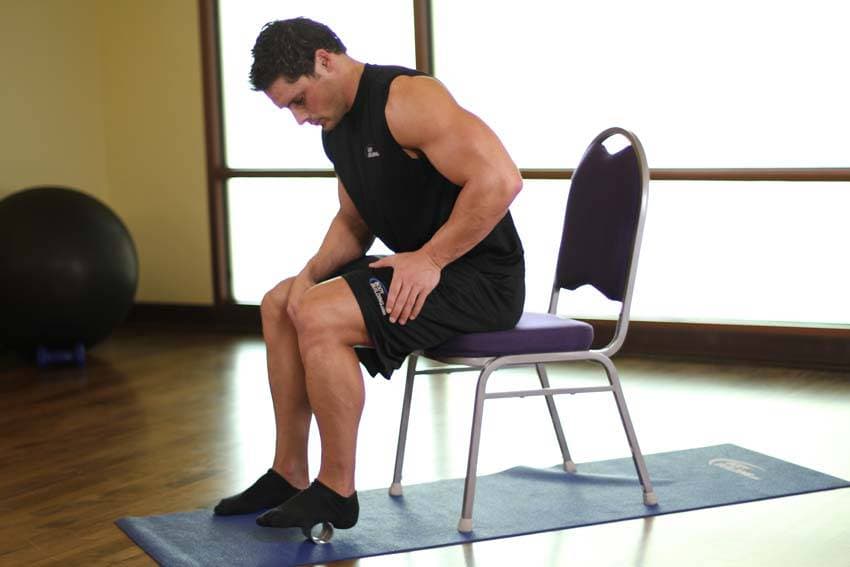
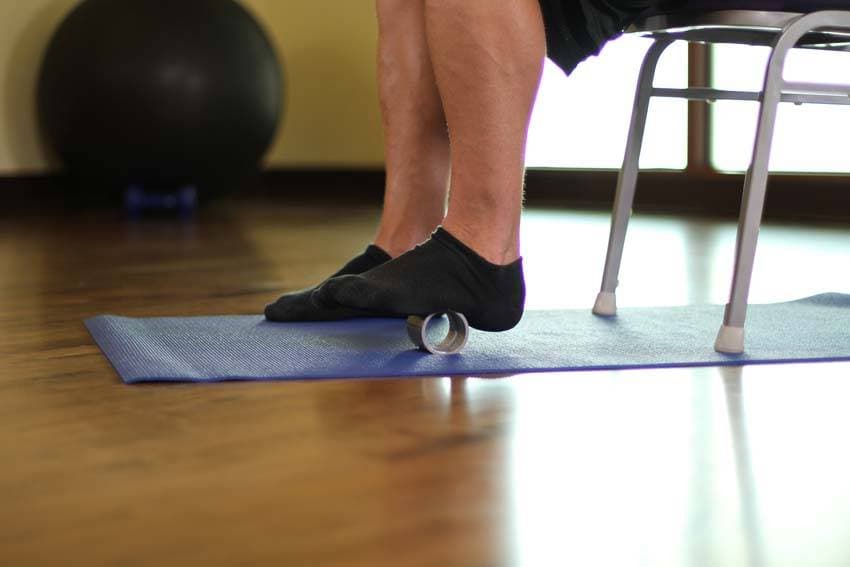
Foot-SMR
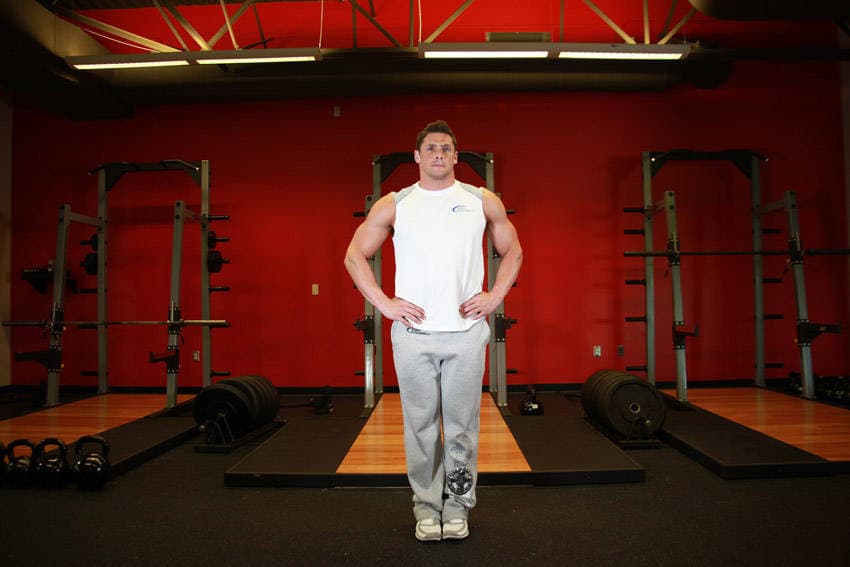
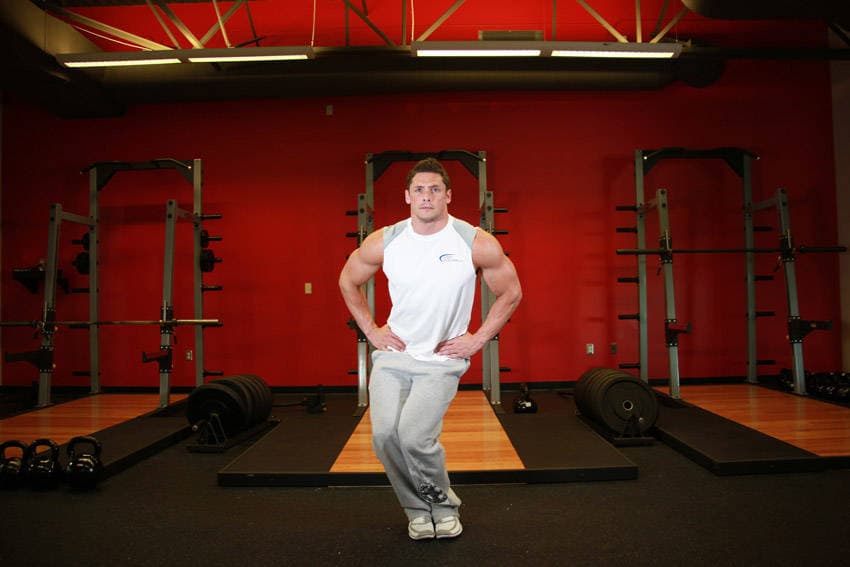
Knee Circles
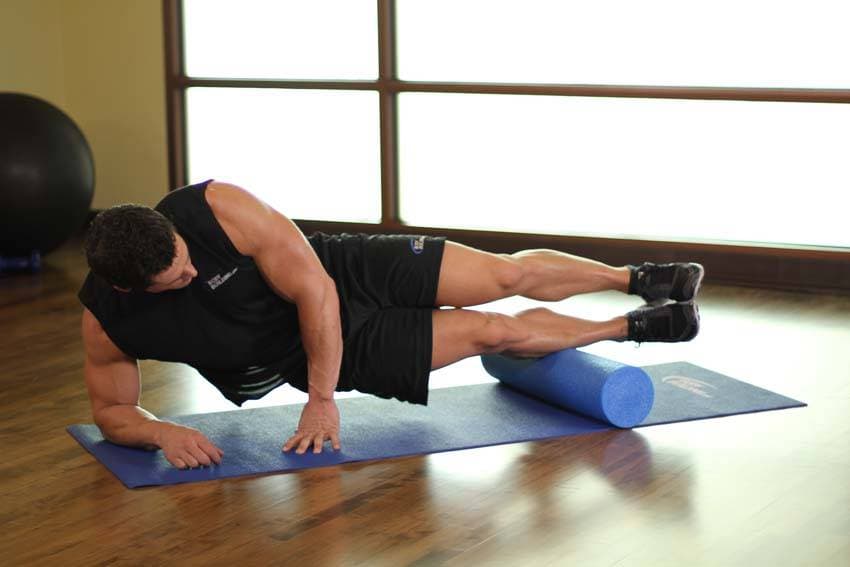
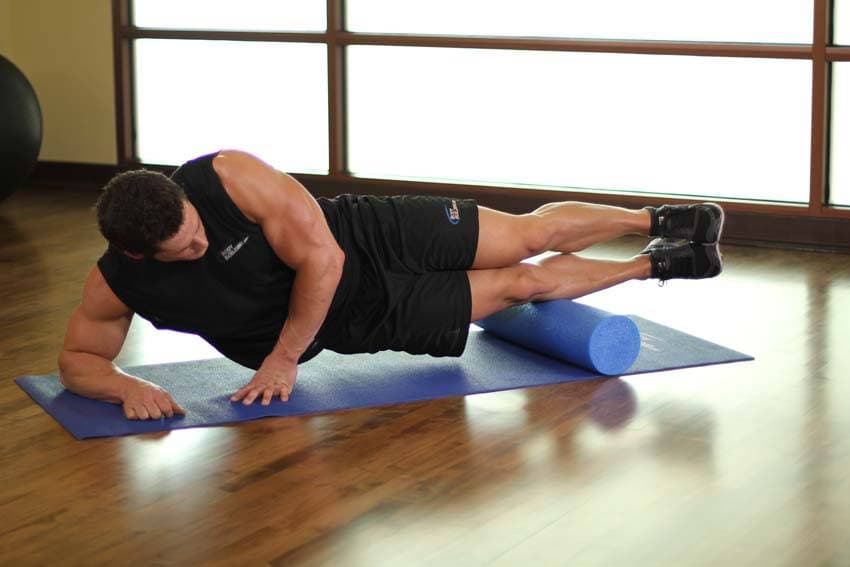
Peroneals-SMR
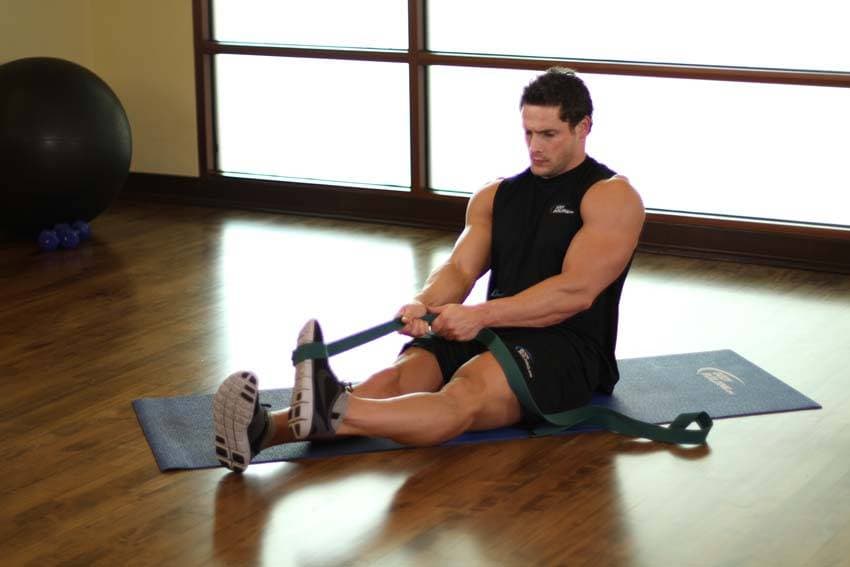
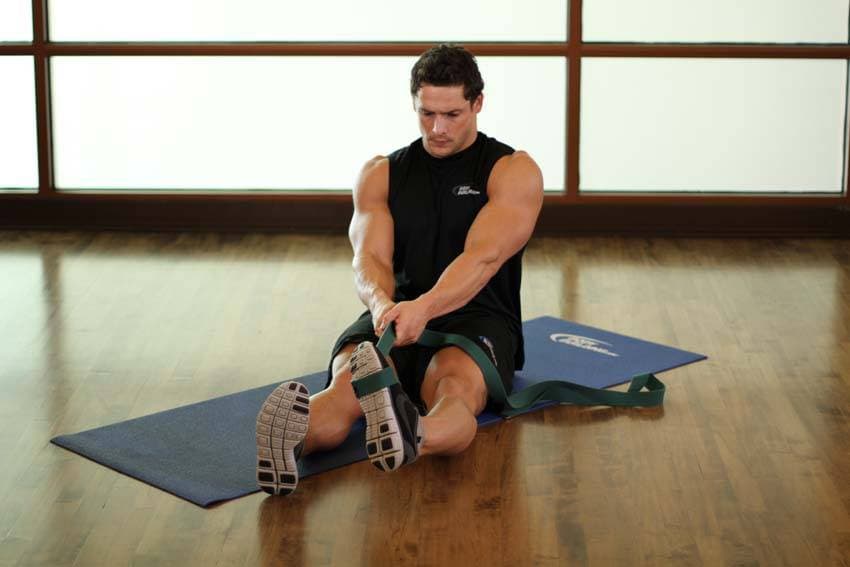
Peroneals Stretch
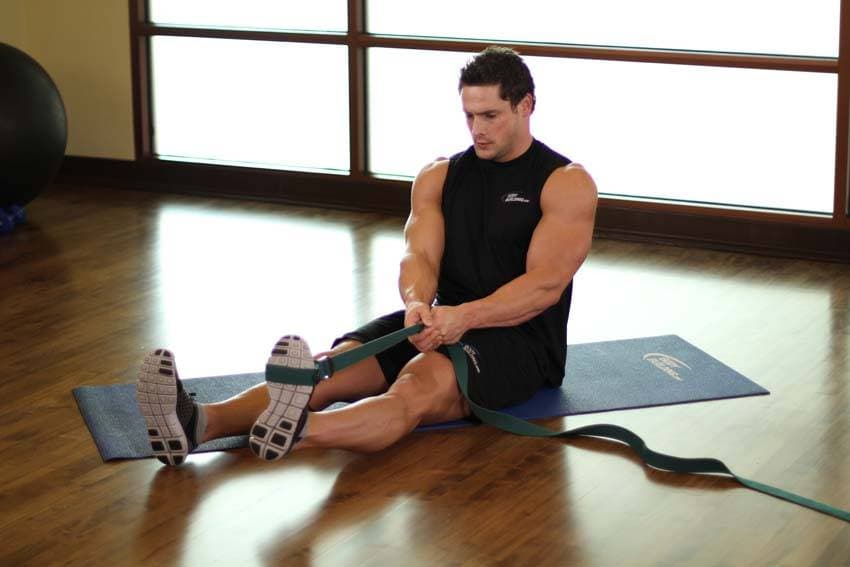
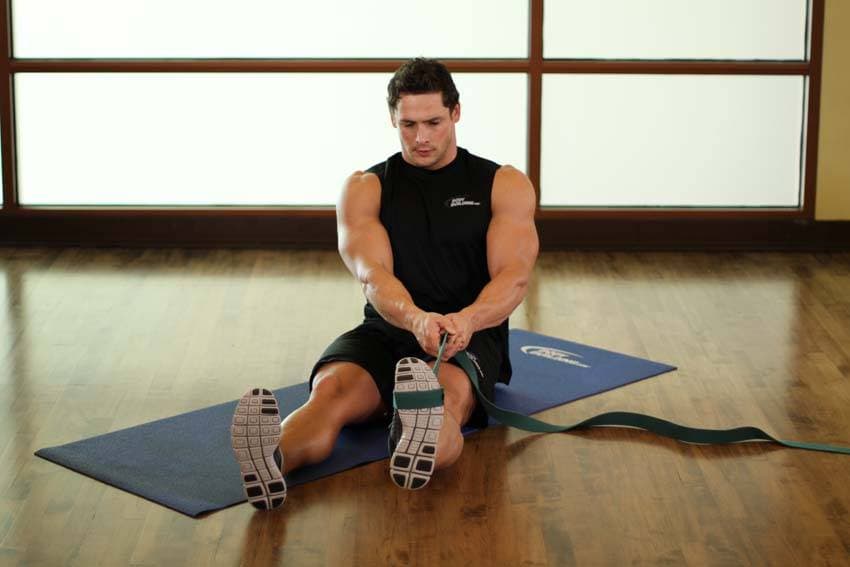
Posterior Tibialis Stretch
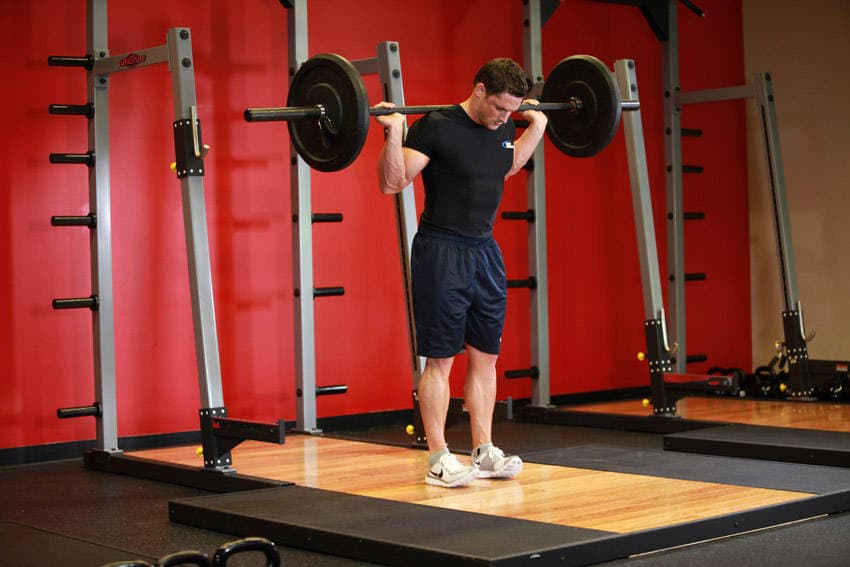
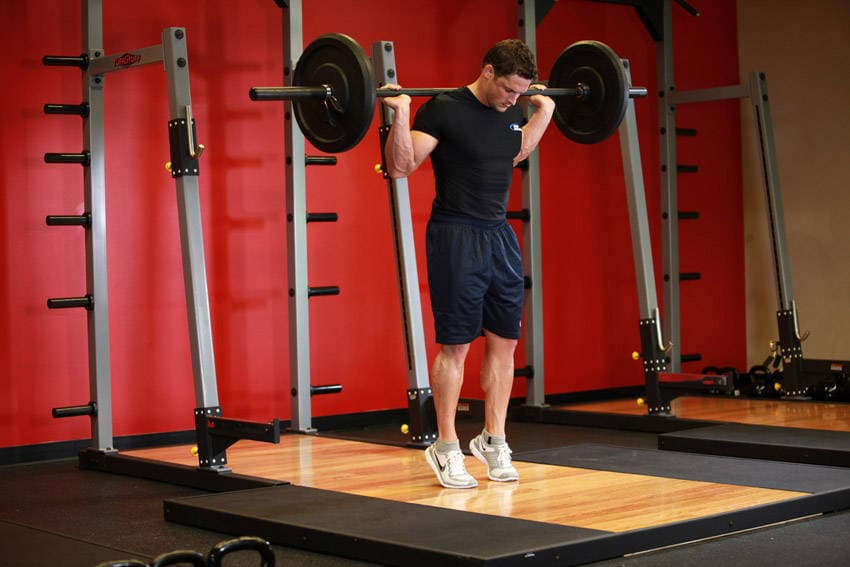
Rocking Standing Calf Raise
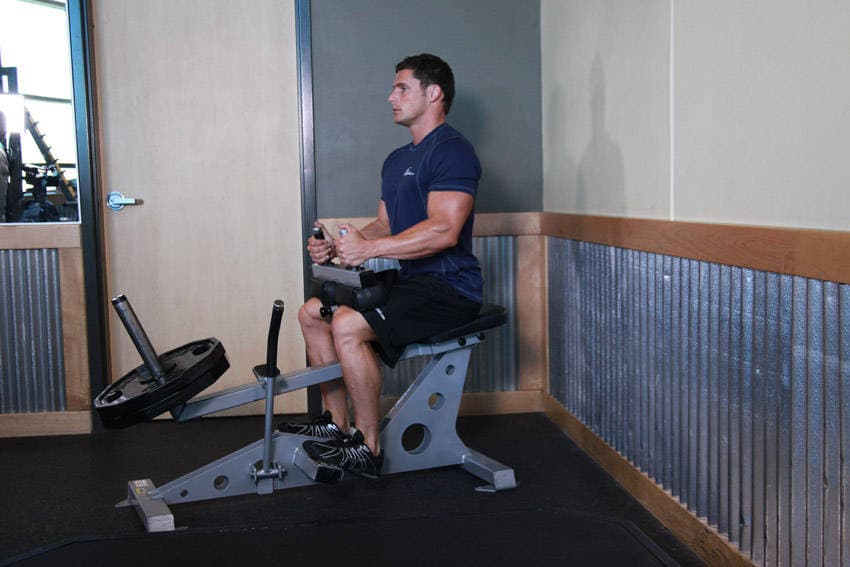
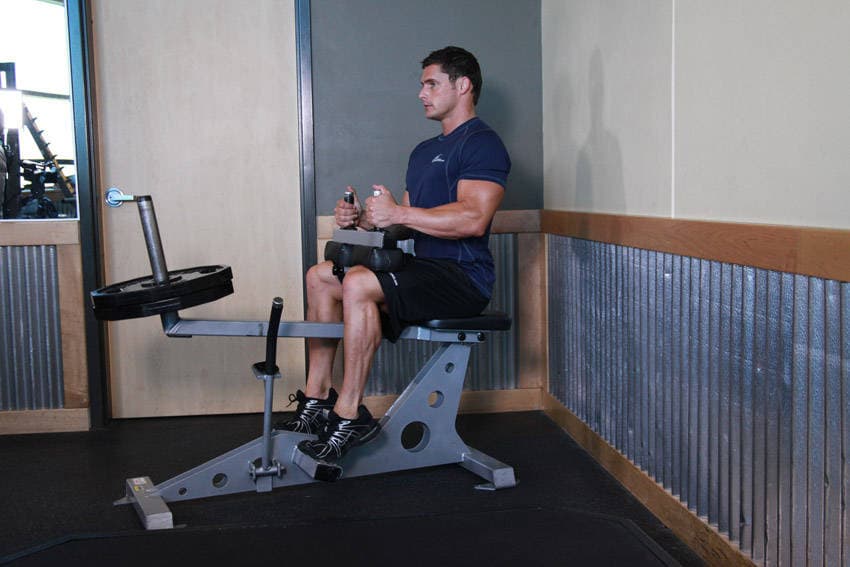
Seated Calf Raise
Also Works fibularis longus
10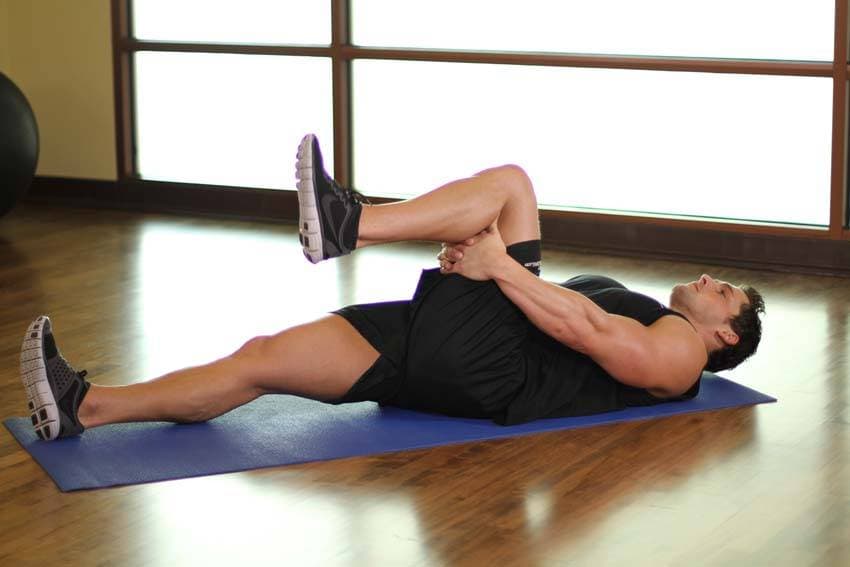
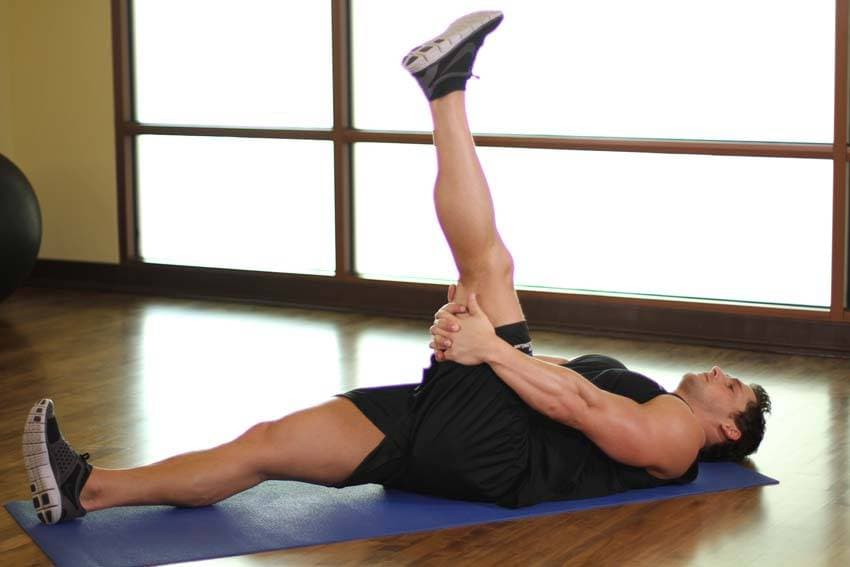
90/90 Hamstring
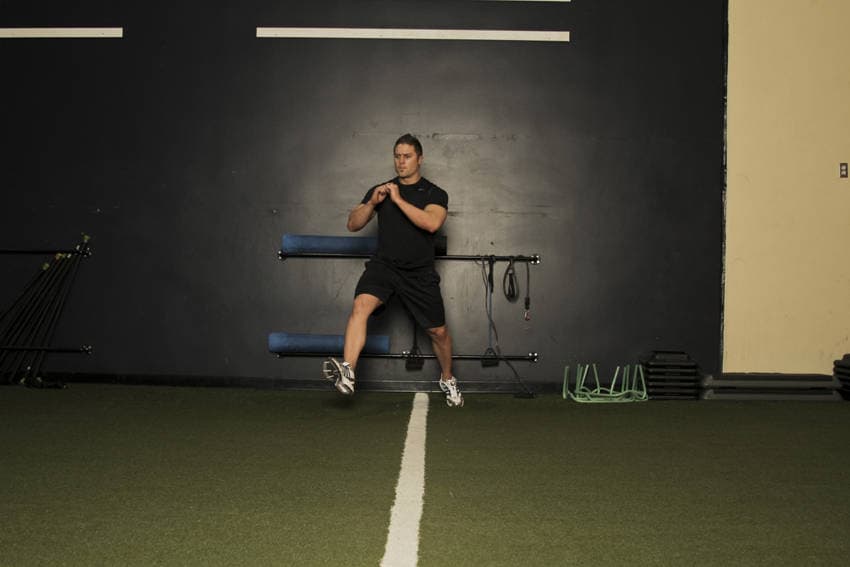
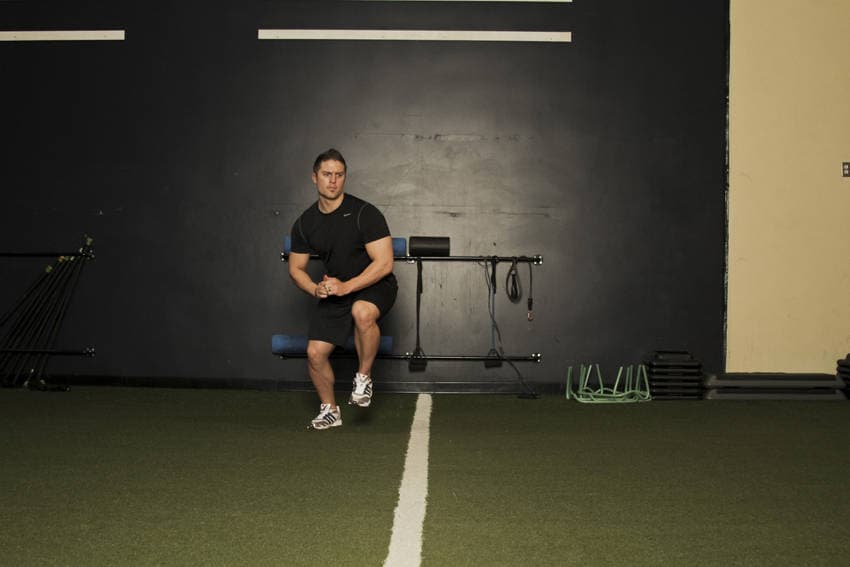
Alternate Leg Diagonal Bound
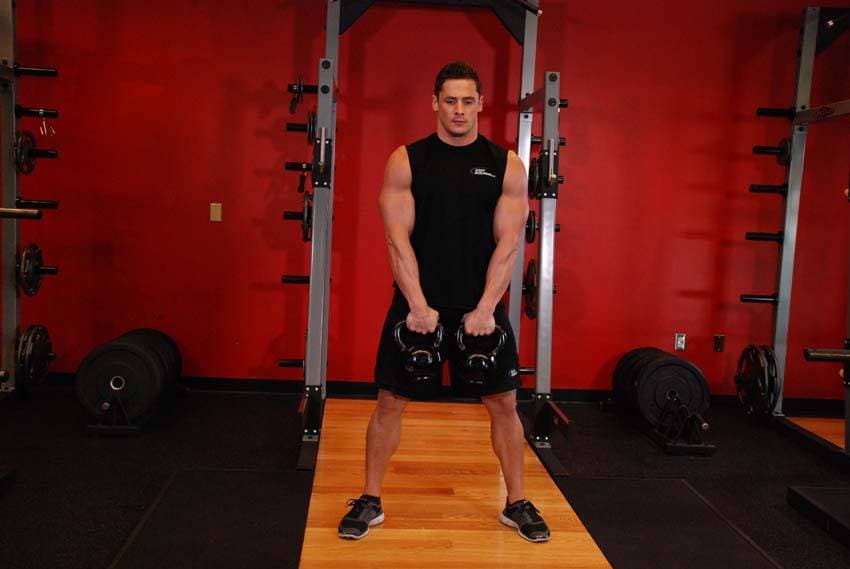
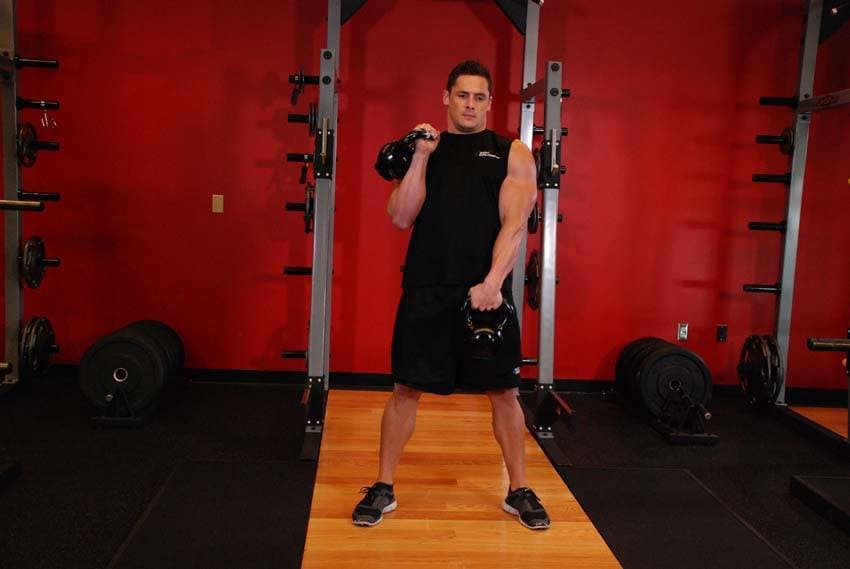
Alternating Hang Clean
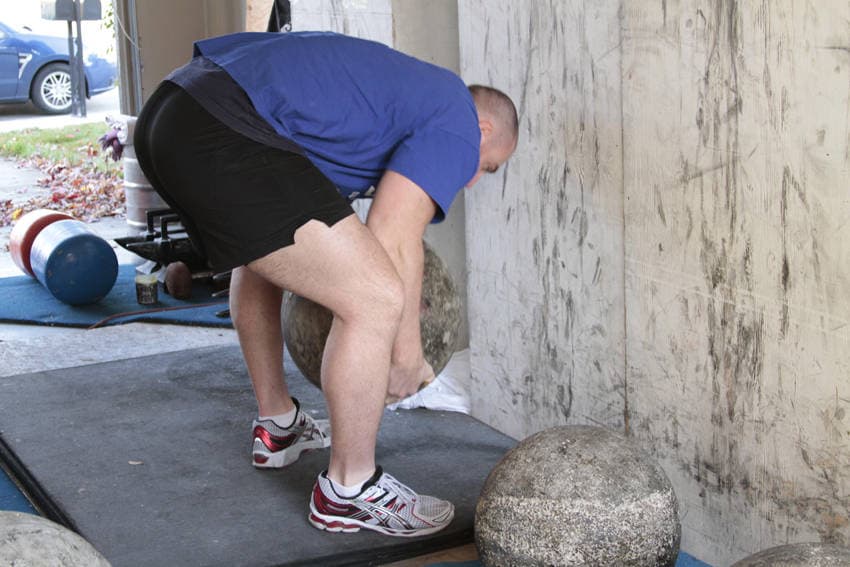
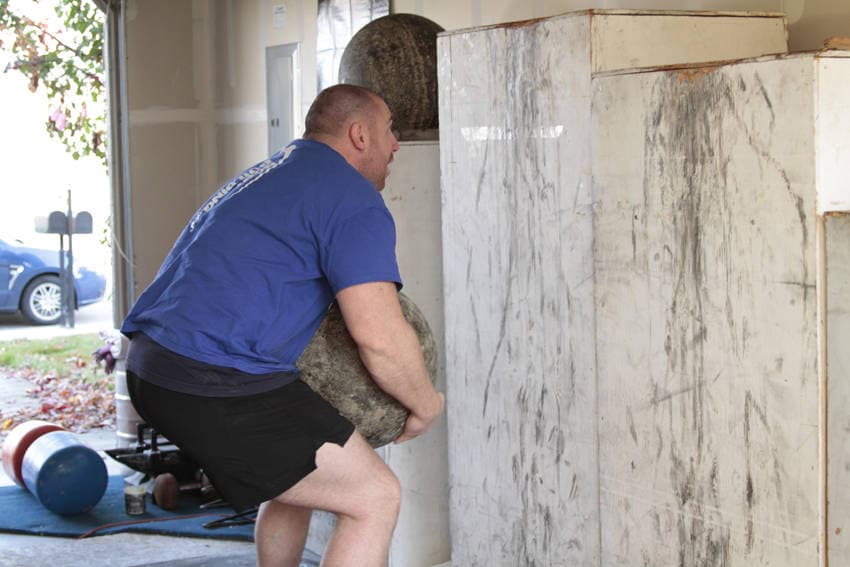
Atlas Stones
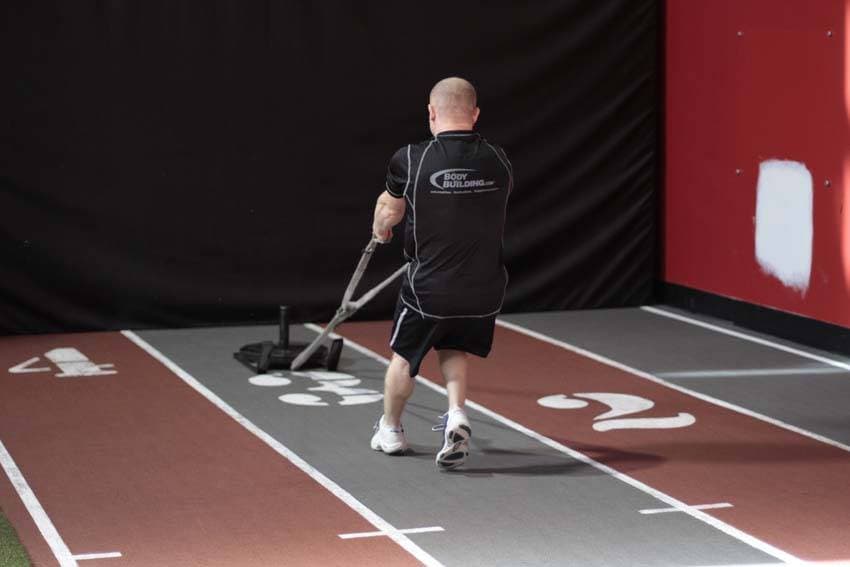
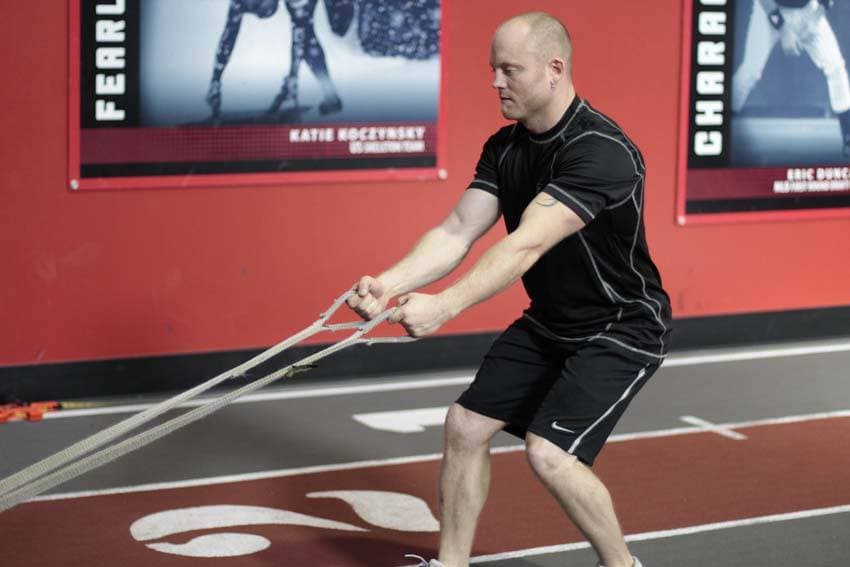
Backward Drag
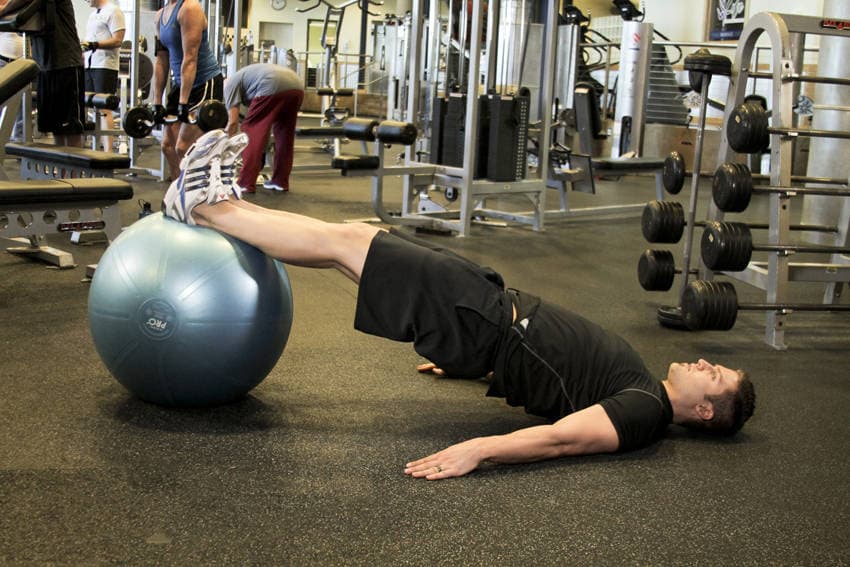
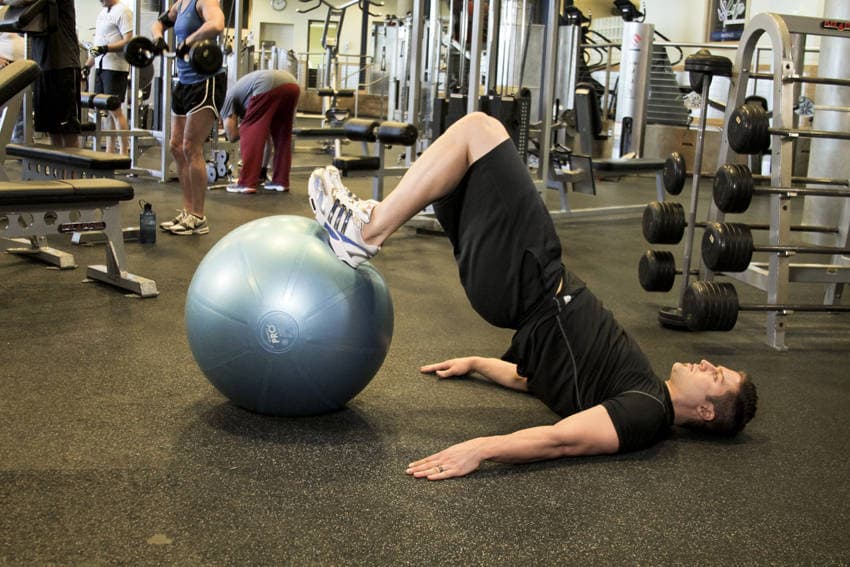
Ball Leg Curl
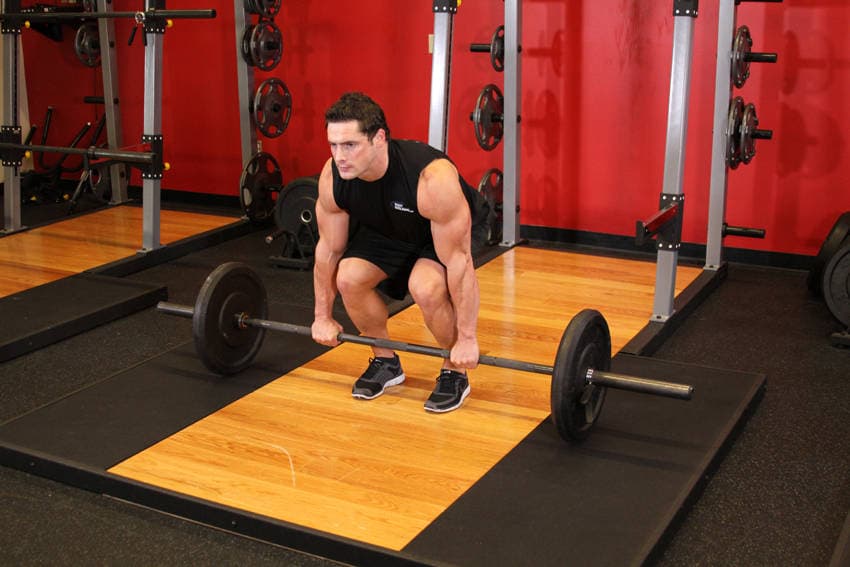
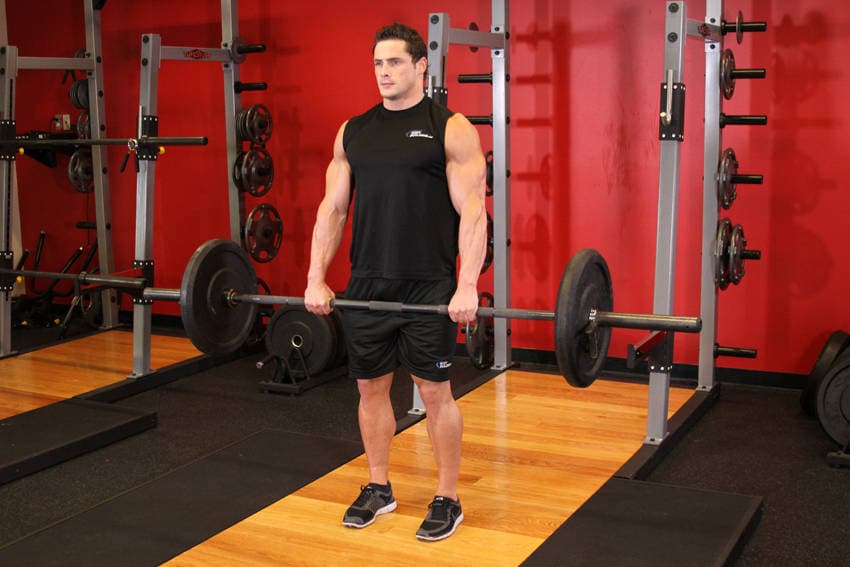
Barbell Deadlift
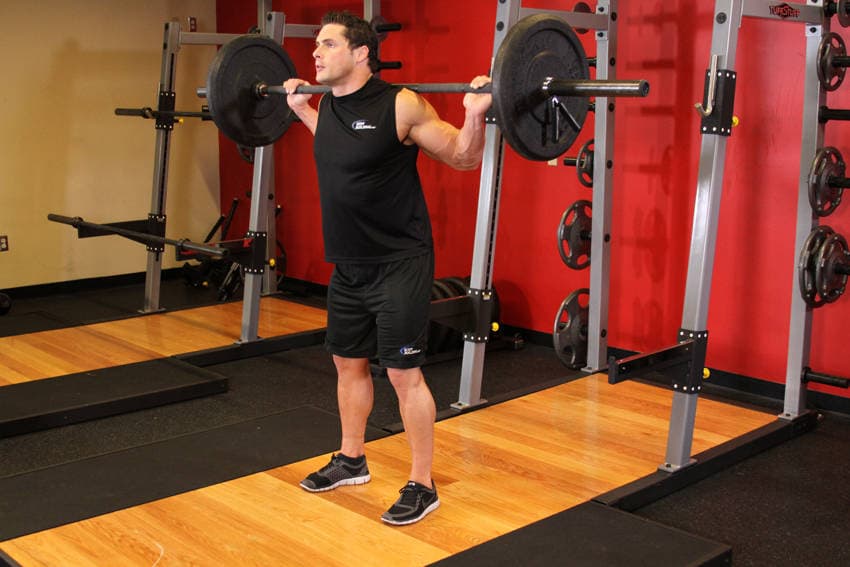
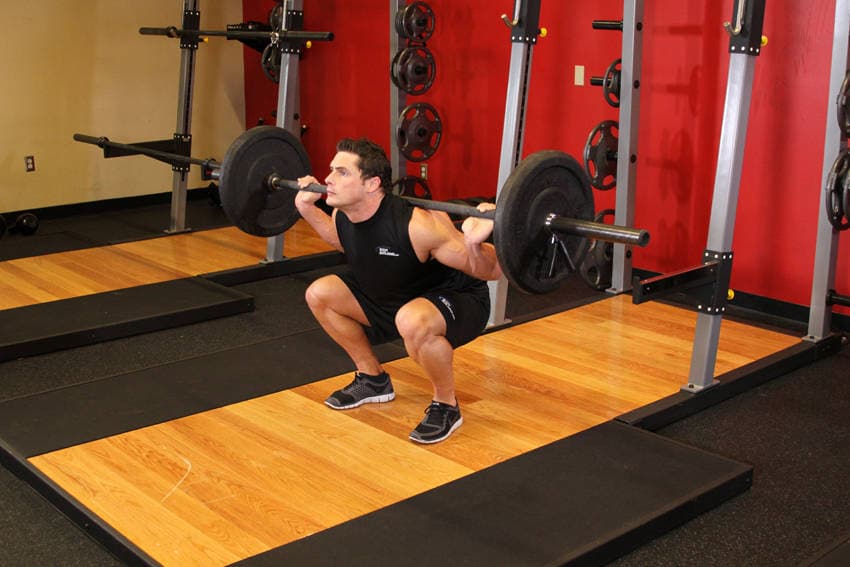
Barbell Full Squat
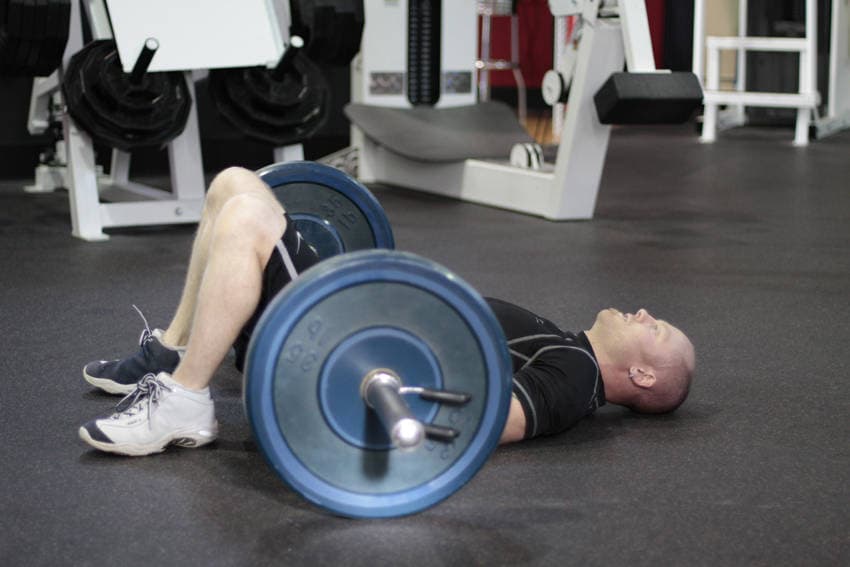
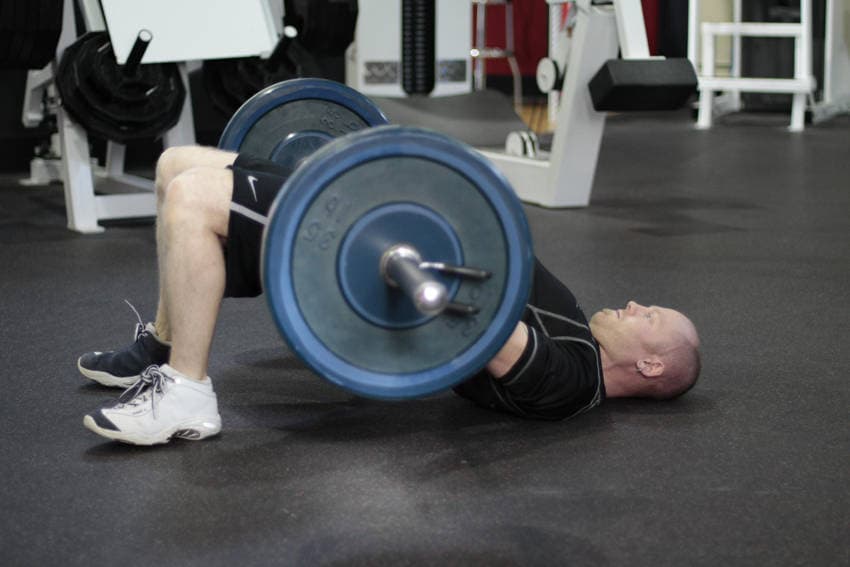
Barbell Glute Bridge
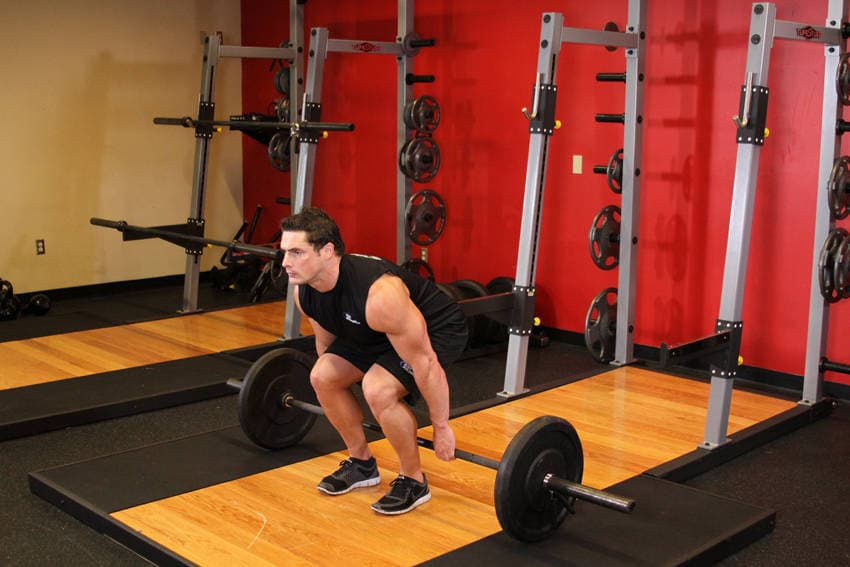
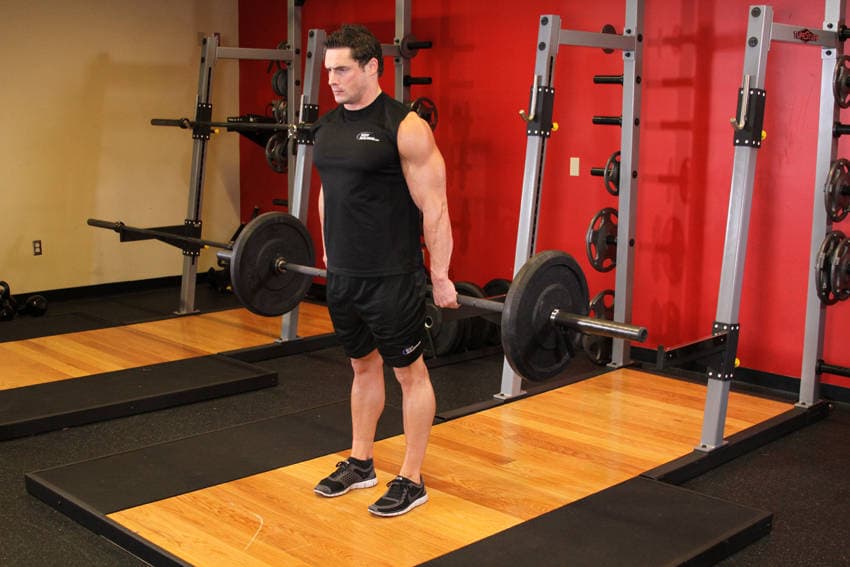
Barbell Hack Squat
Related Lower Leg Muscles
Lower Leg Pain Guide
Common causes and relief
Activities & Sports
See which activities use fibularis longus