Lower Leg
tibialis posterior
tih-bee-AY-lis pos-TEER-ee-or
Hidden deep in the calf behind the tibia, the tibialis posterior supports your arch and stabilizes the ankle. It inverts the foot and assists plantarflexion, vital for push-off in running and preventing flat feet. Weakness leads to overpronation and foot pain during activity.
Open in 3D ViewerCommon Pain & Injury
Pain along the inner ankle or under the foot from tendinopathy, worsening with activity. Posterior tibial tendon dysfunction causes flatfoot collapse. Seek medical help if arch flattens or pain doesn't improve with rest.
Anatomy & Function
Origin
Interosseous membrane, posterior surface of tibia and fibula (back of shin and calf bones).
Insertion
Tuberosity of navicular, cuneiforms, cuboid, and bases of 2nd-4th metatarsals (inner midfoot bones).
Actions
- Foot inversion (turning sole inward)
- Assists ankle plantarflexion (pointing foot down)
Innervation
Tibial nerve (L4-L5)
Muscle Relationships
Antagonists
Synergists
Trigger Points
Trigger points develop in the deep calf near the ankle, referring pain to the medial ankle, heel, and plantar foot arch.
Stretches
Common Conditions
Anatomical Parts
FAQ
What is tibialis posterior?
Deep calf muscle that inverts the foot and supports the arch, key for stability in walking and running.
Tibialis posterior tendonitis symptoms?
Inner ankle pain, swelling, flatfoot; rest and orthotics often help early stages.
How to strengthen tibialis posterior?
Heel raises with toes turned in or resistance band inversions target it effectively.
Tibialis posterior pain causes?
Overuse, poor shoes, or flat feet lead to tendon strain and arch collapse.
Exercises for tibialis posterior
20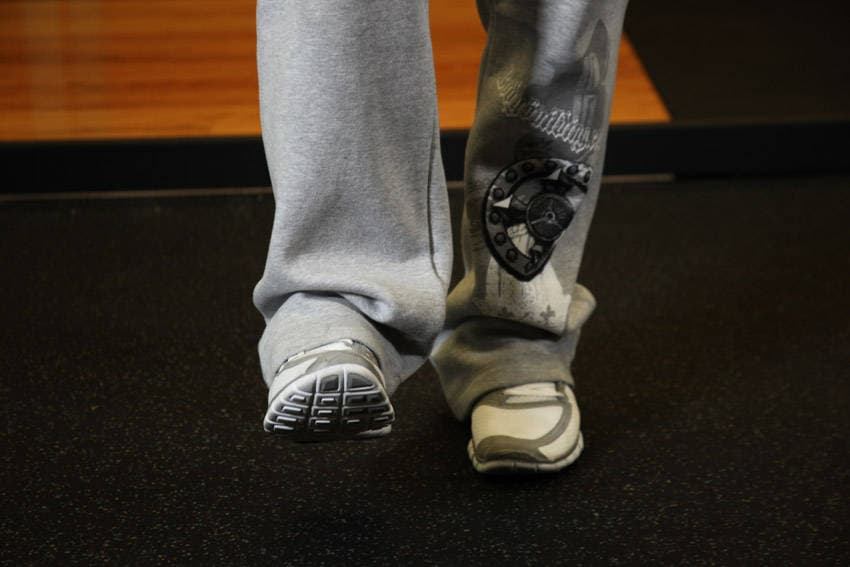
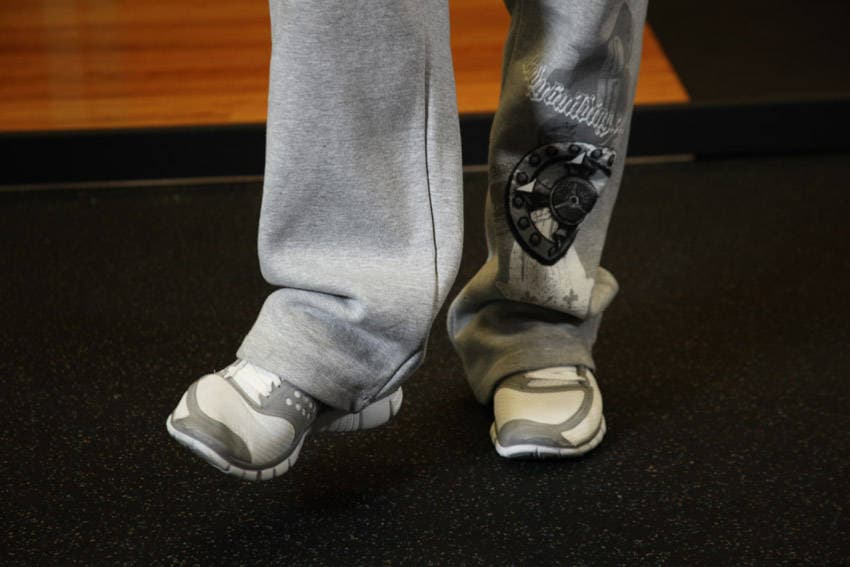
Ankle Circles
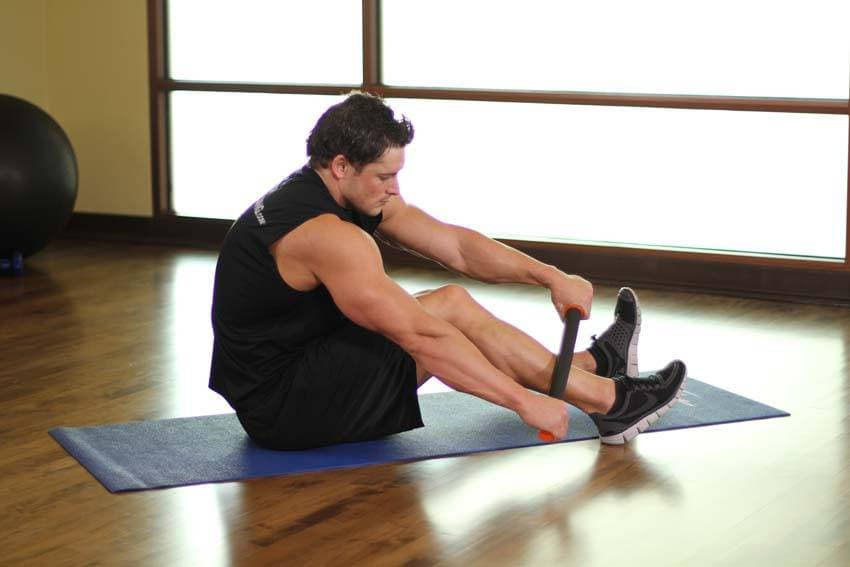

Anterior Tibialis-SMR
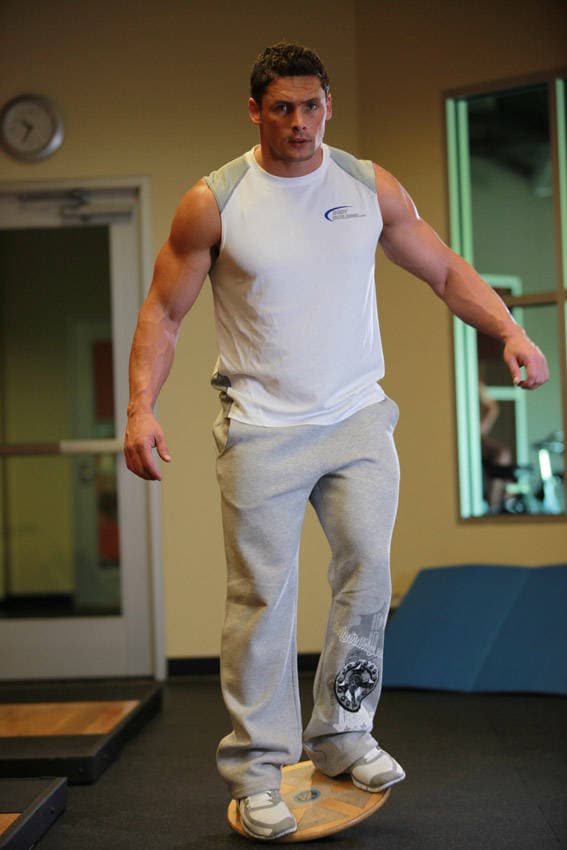
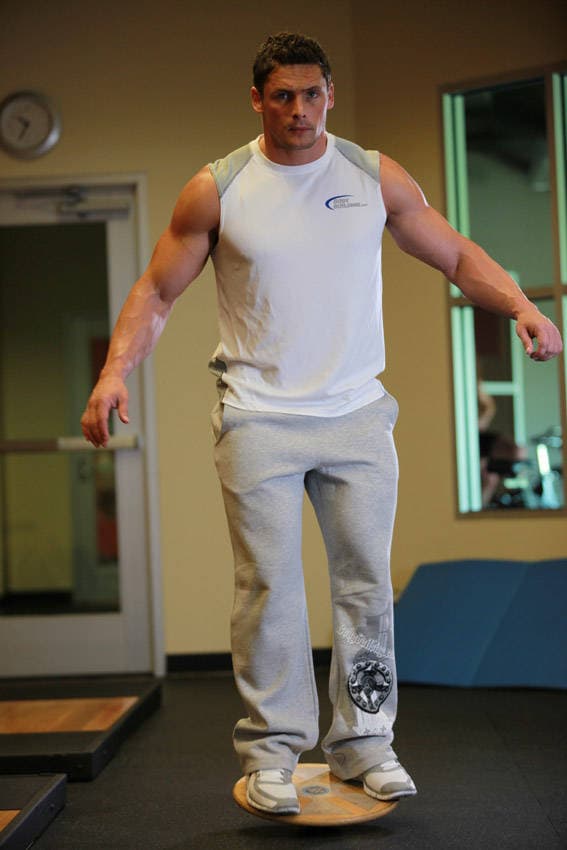
Balance Board
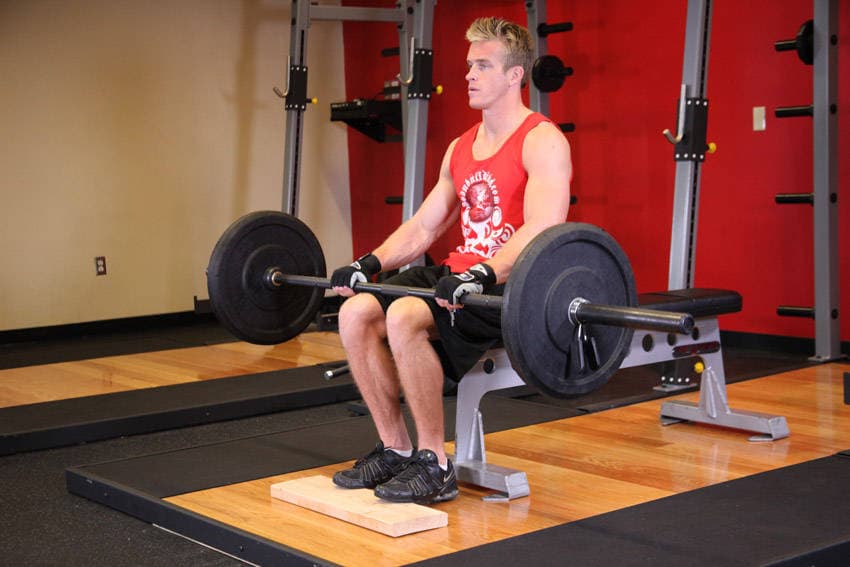
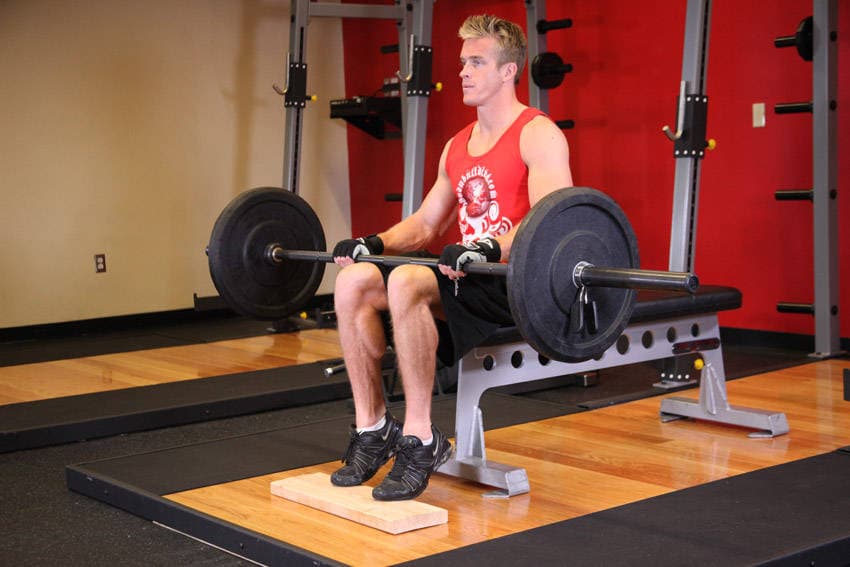
Barbell Seated Calf Raise
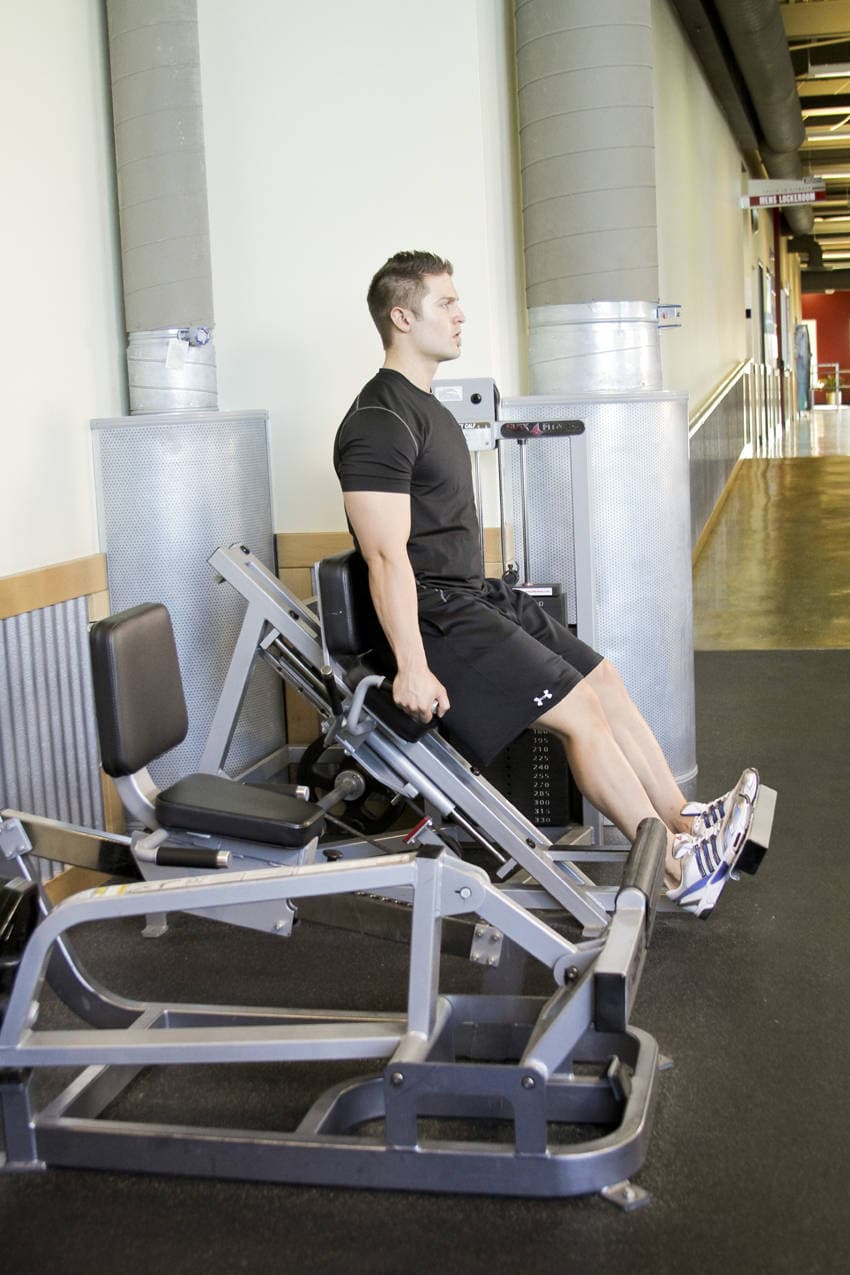
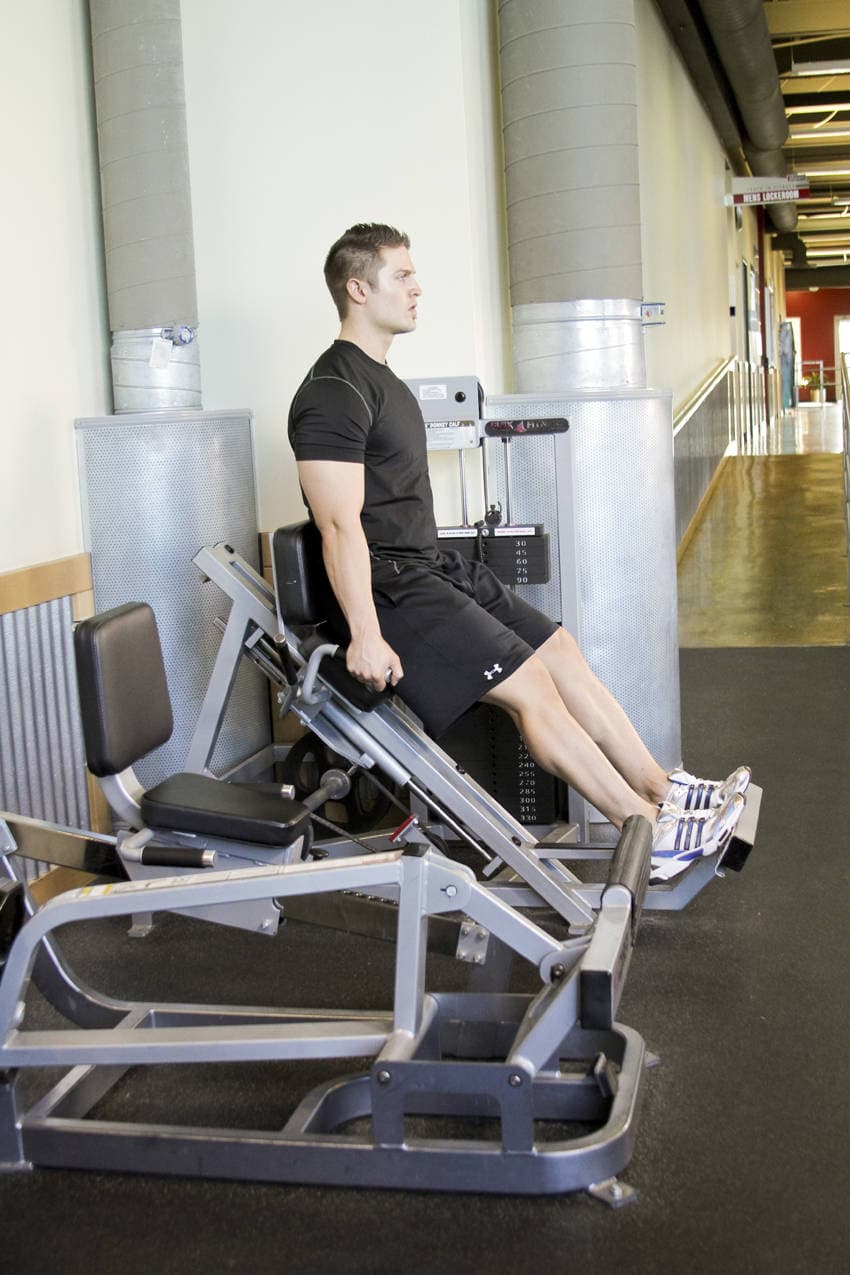
Calf Press
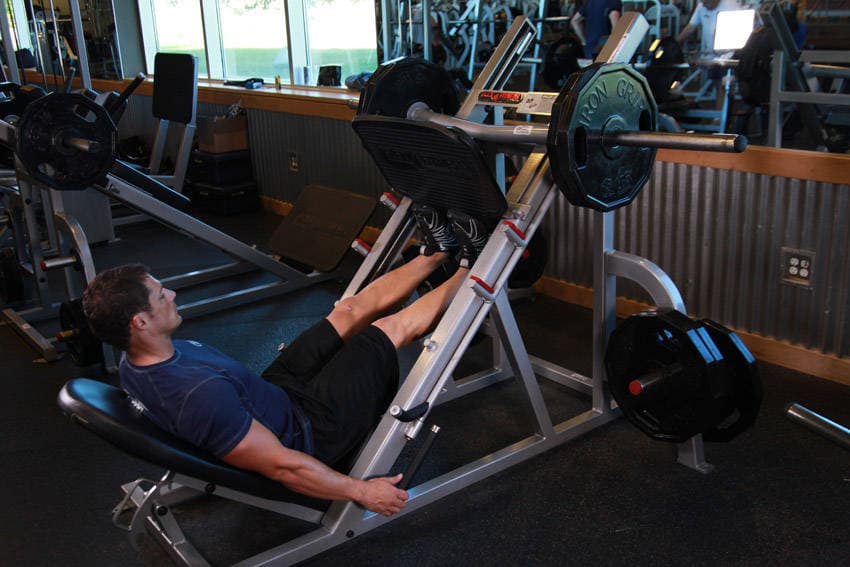
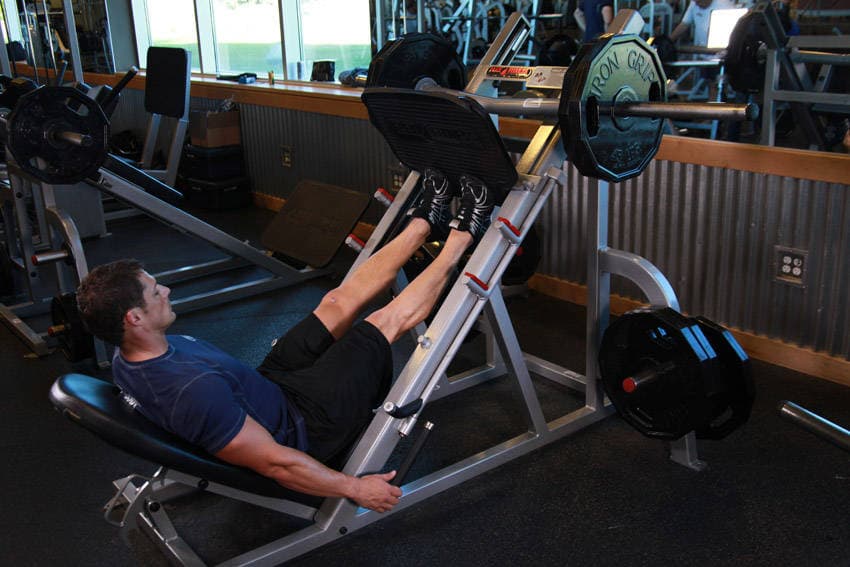
Calf Press On The Leg Press Machine
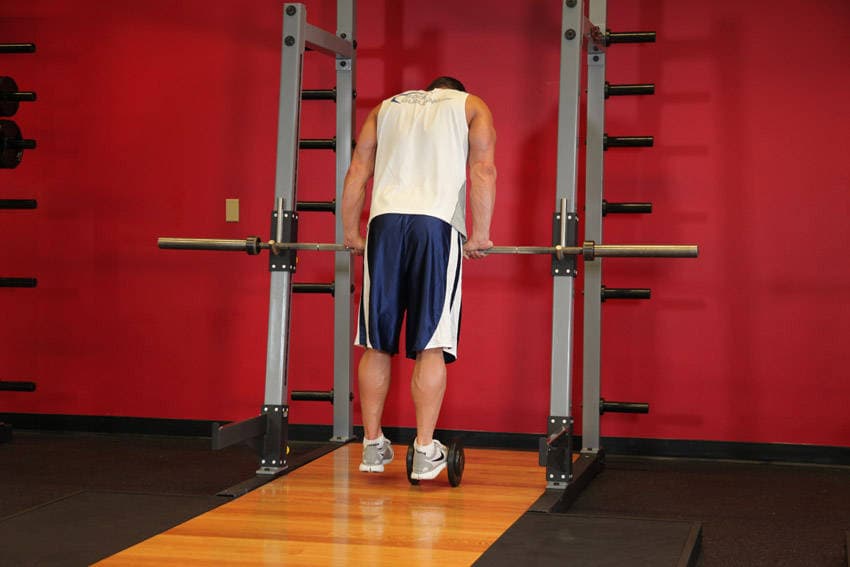
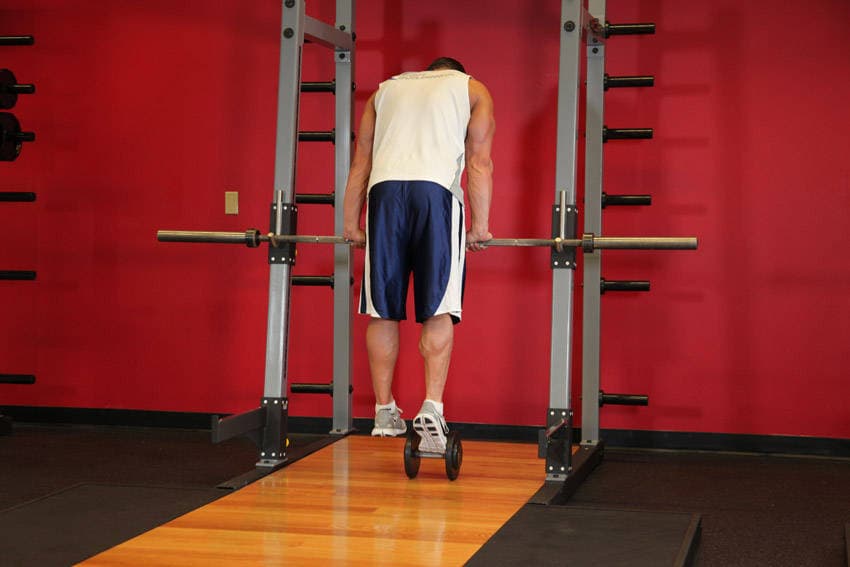
Calf Raise On A Dumbbell
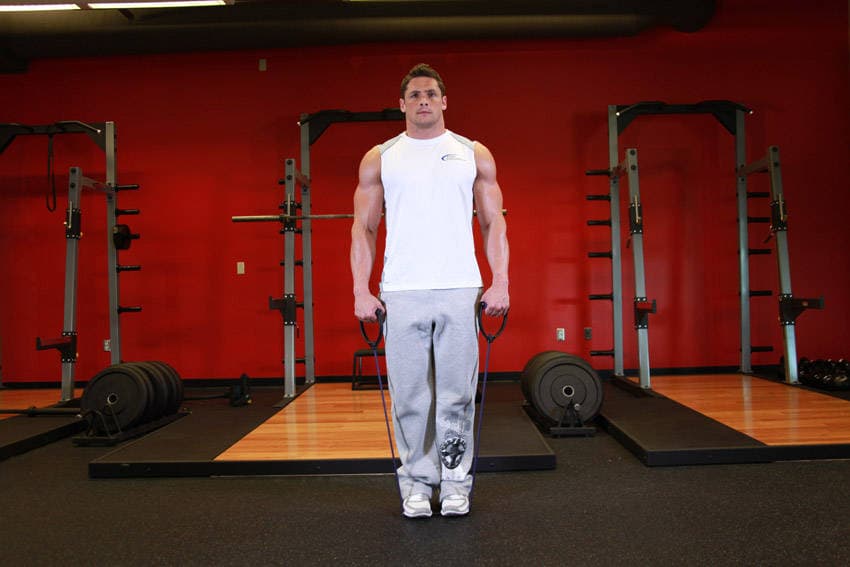
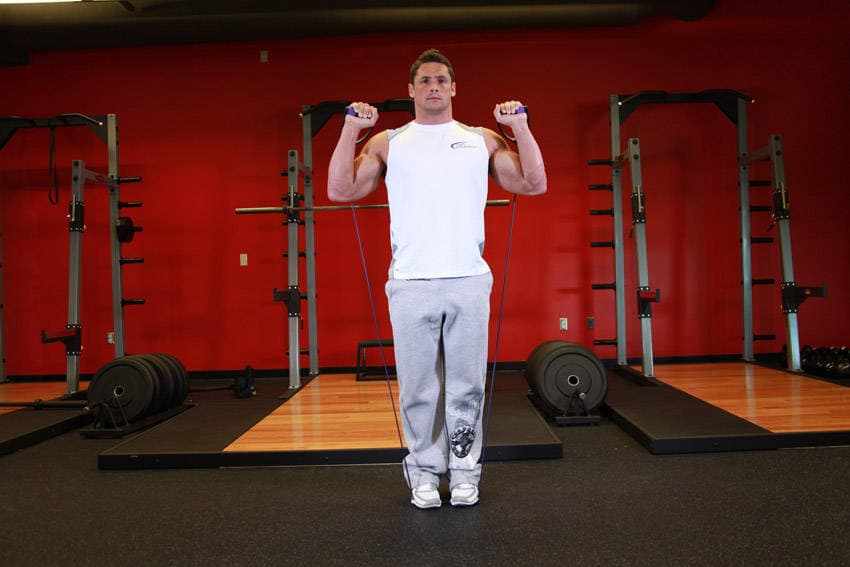
Calf Raises - With Bands
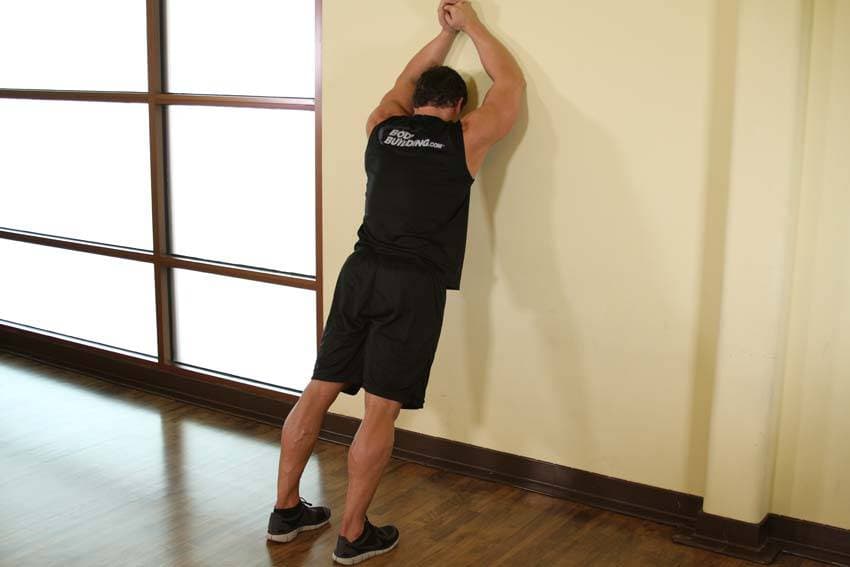
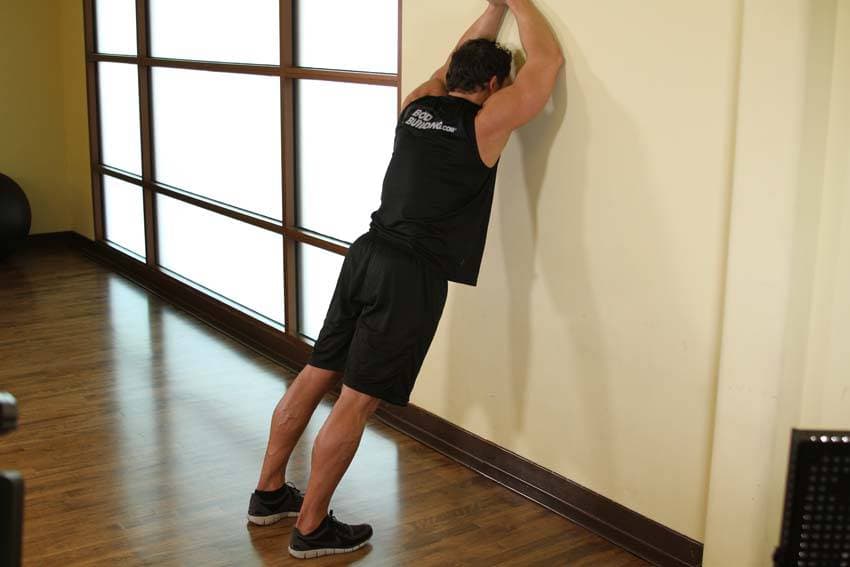
Calf Stretch Elbows Against Wall
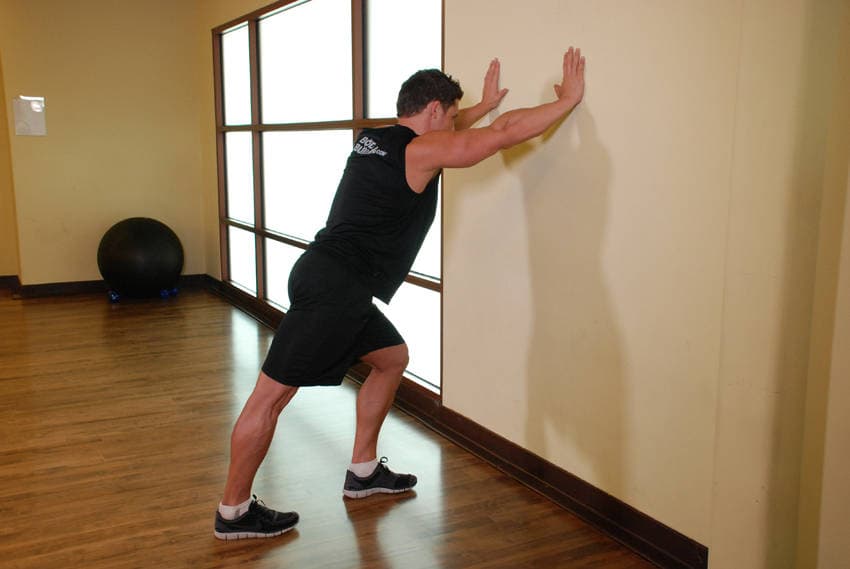
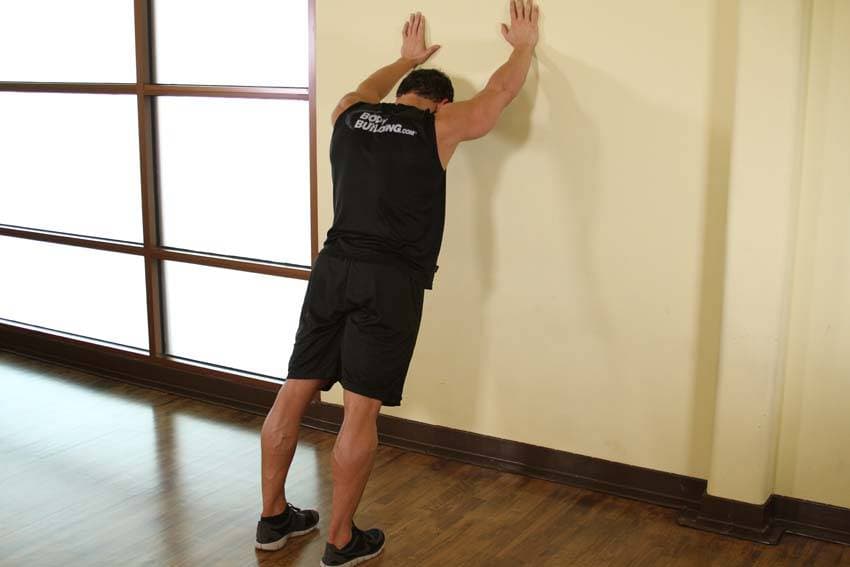
Calf Stretch Hands Against Wall
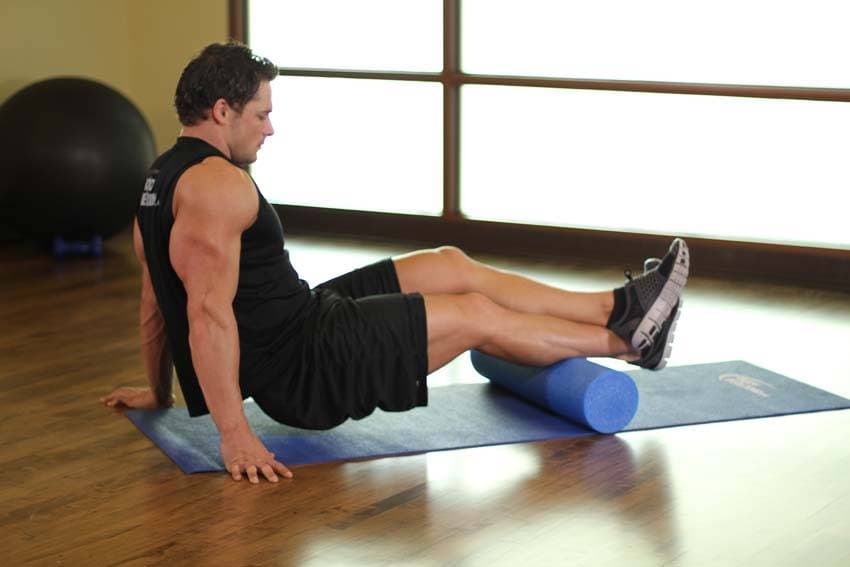
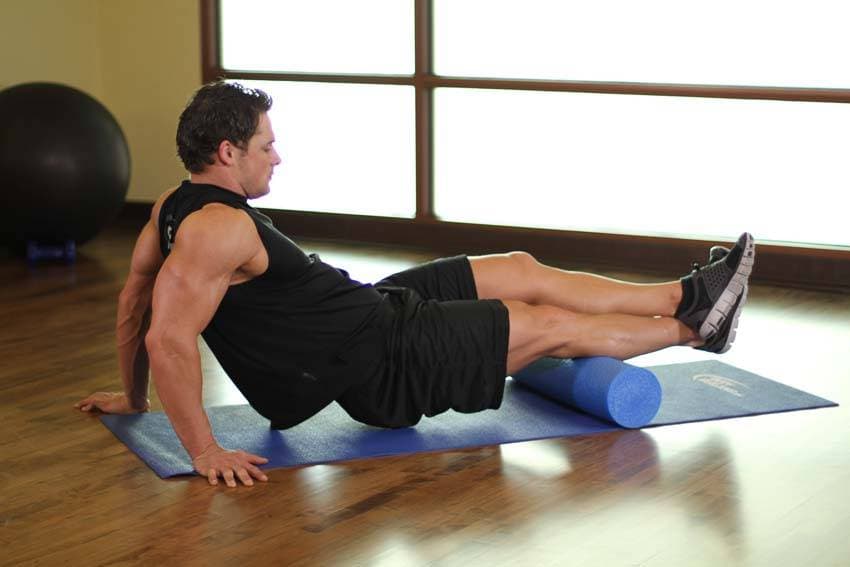
Calves-SMR
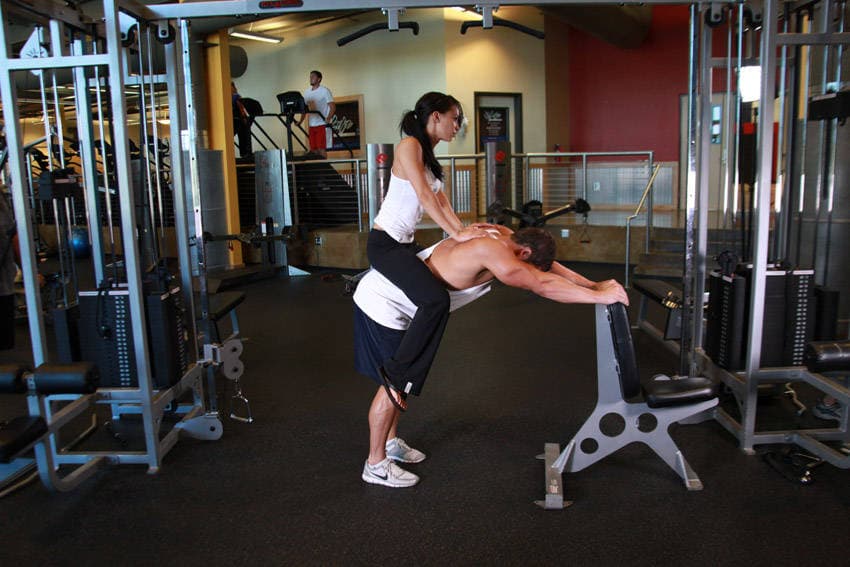
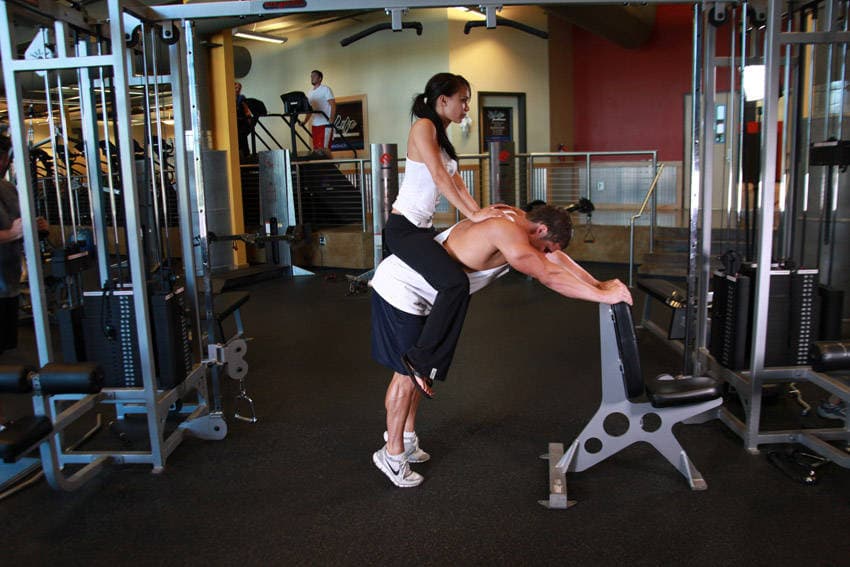
Donkey Calf Raises
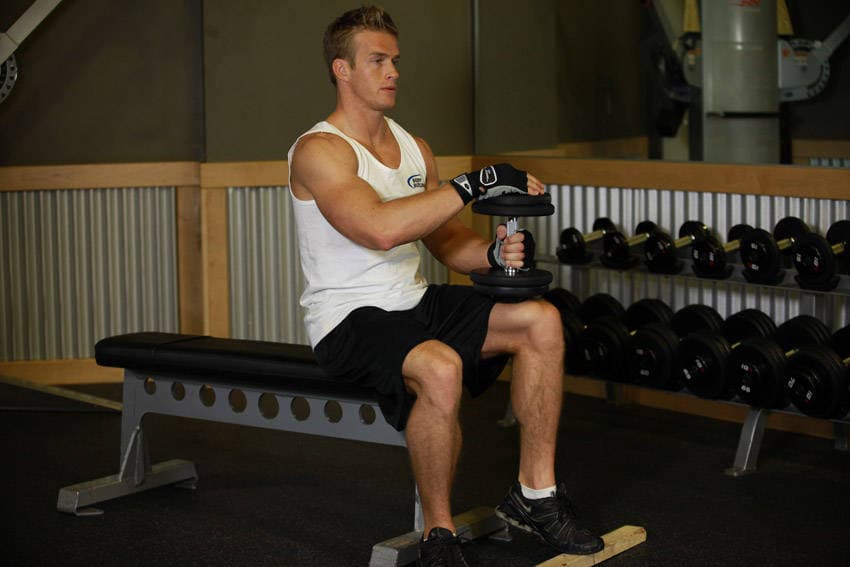
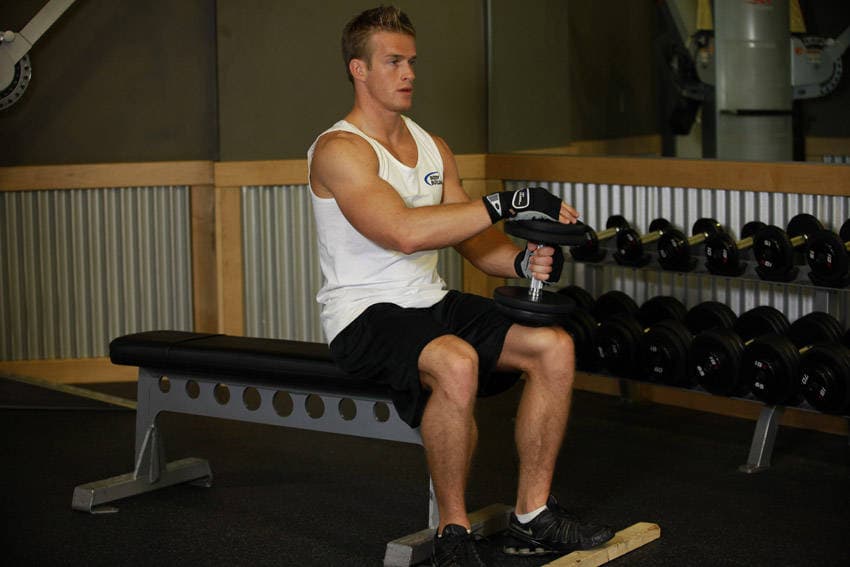
Dumbbell Seated One-Leg Calf Raise
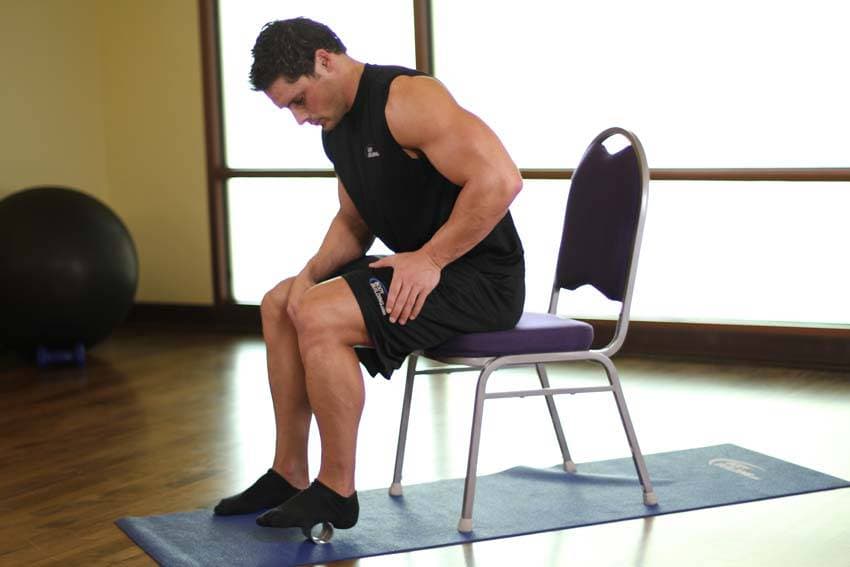
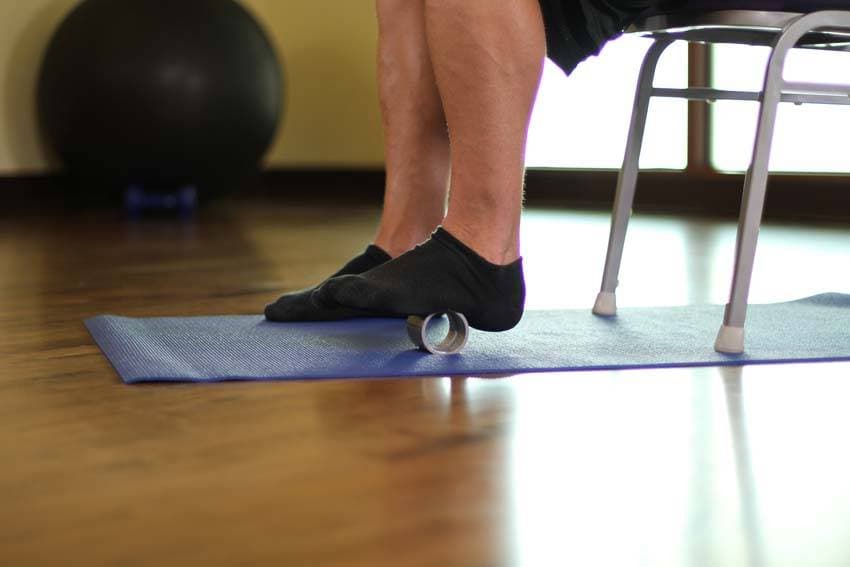
Foot-SMR
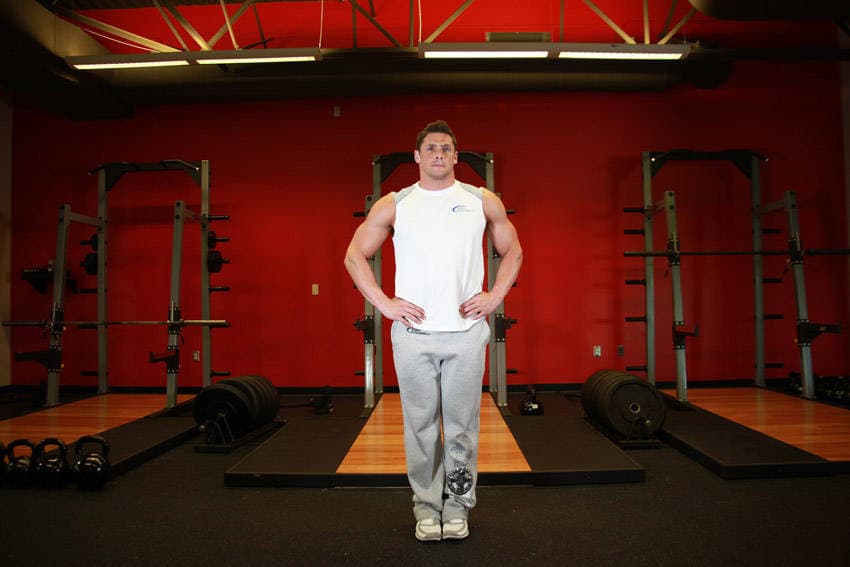
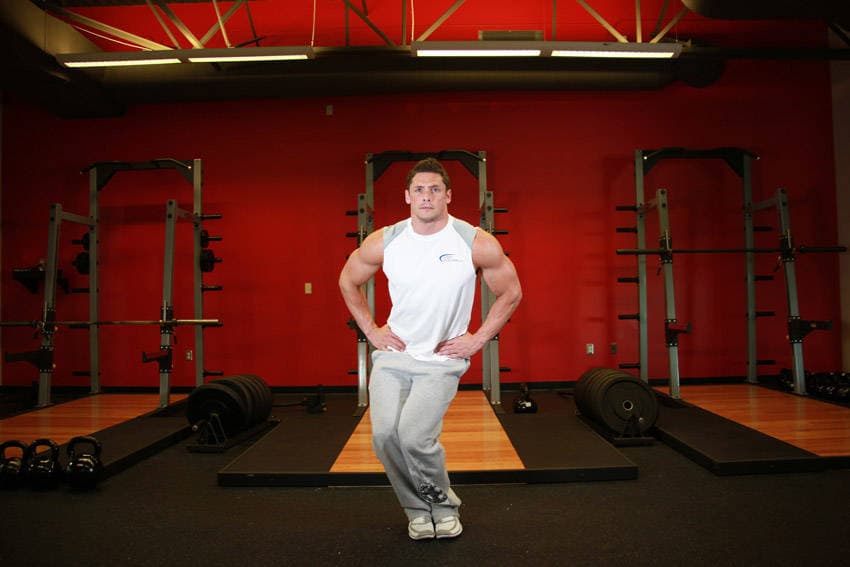
Knee Circles
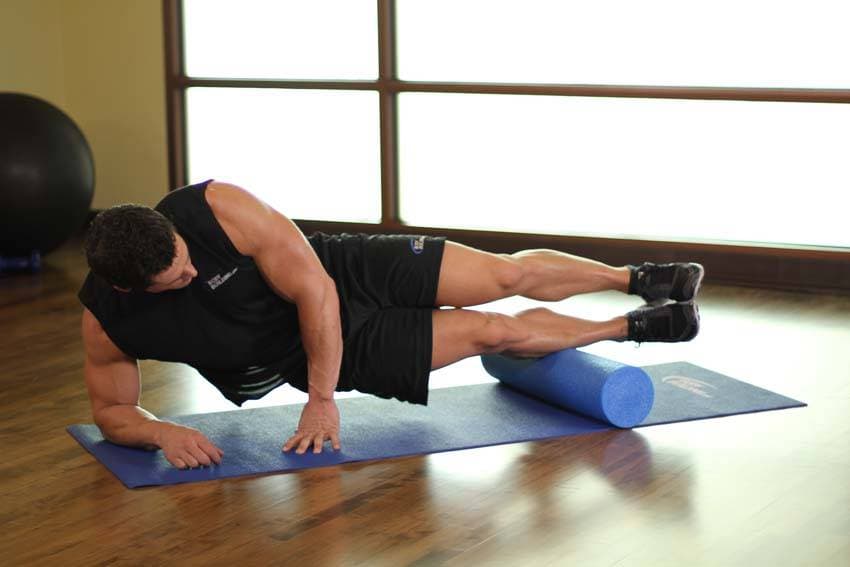
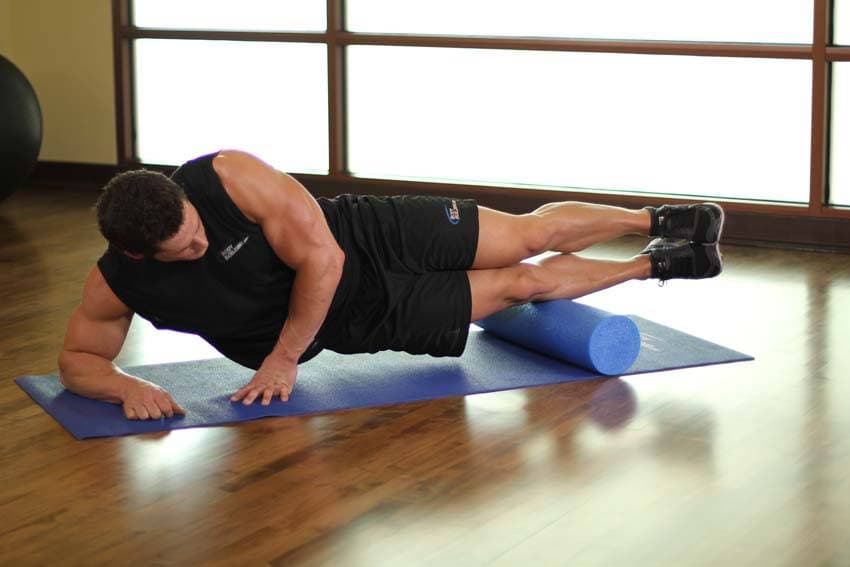
Peroneals-SMR
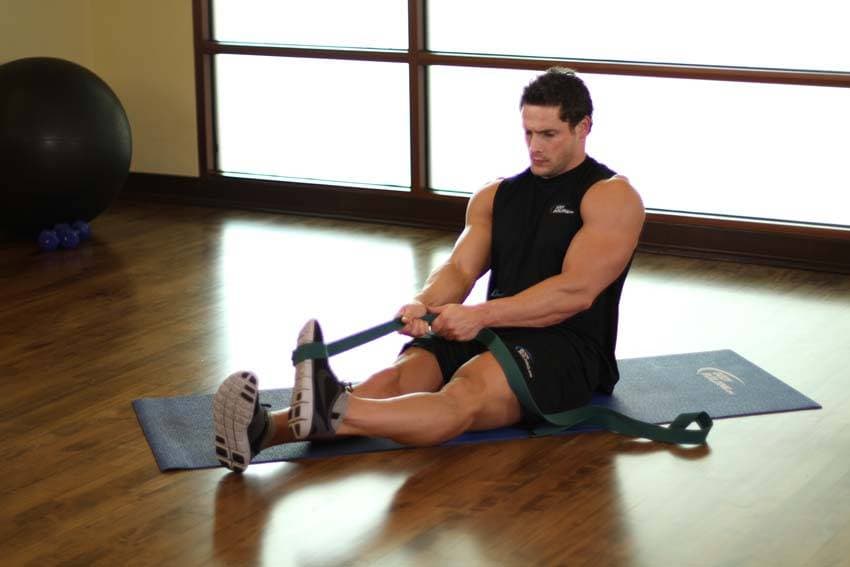
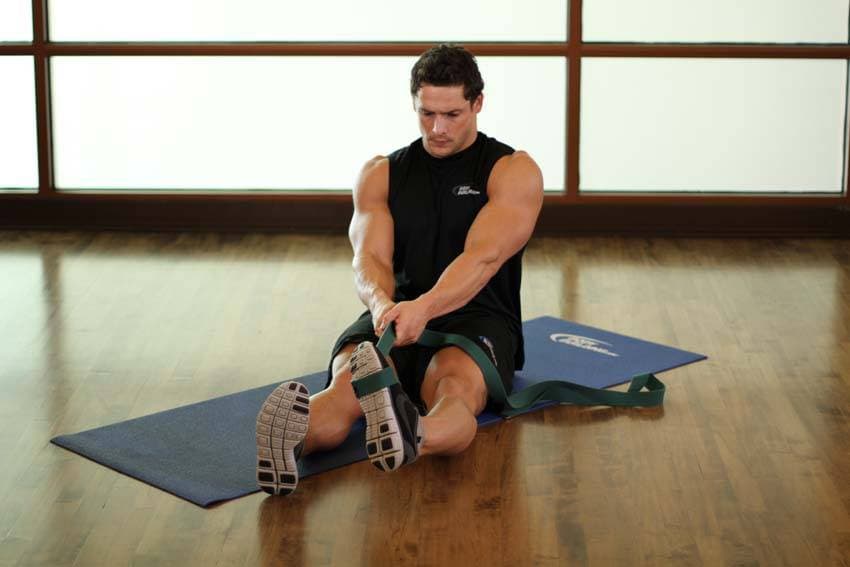
Peroneals Stretch
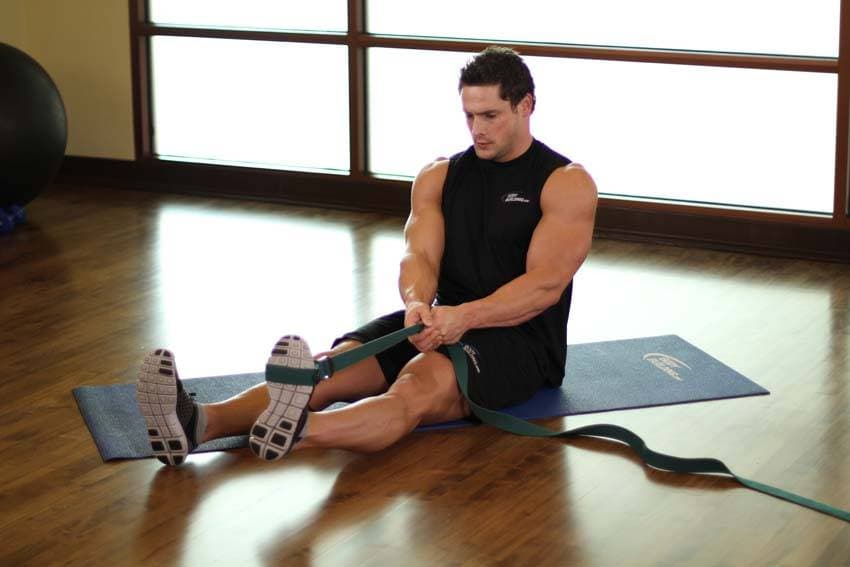
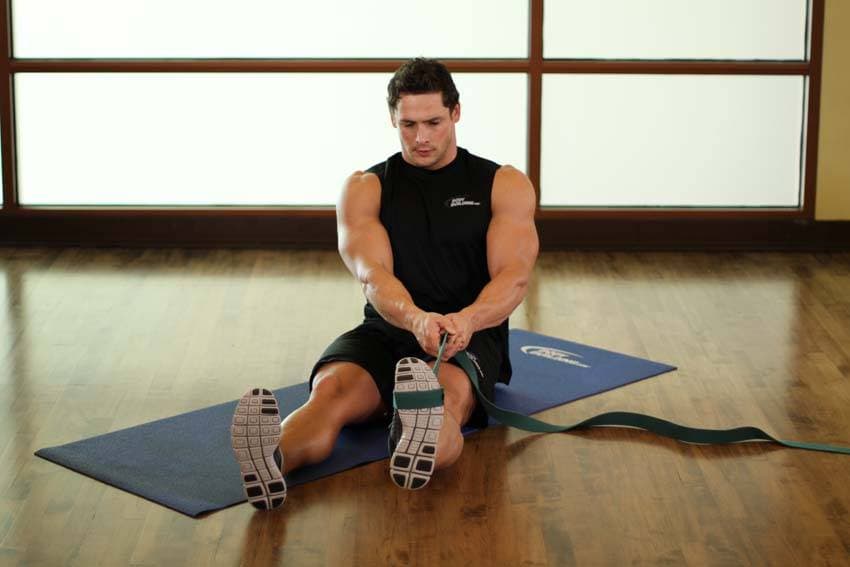
Posterior Tibialis Stretch
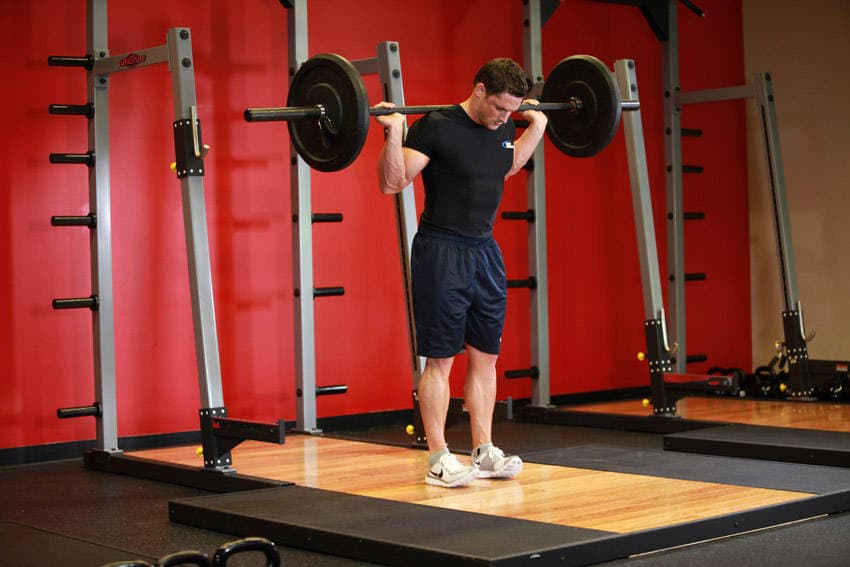
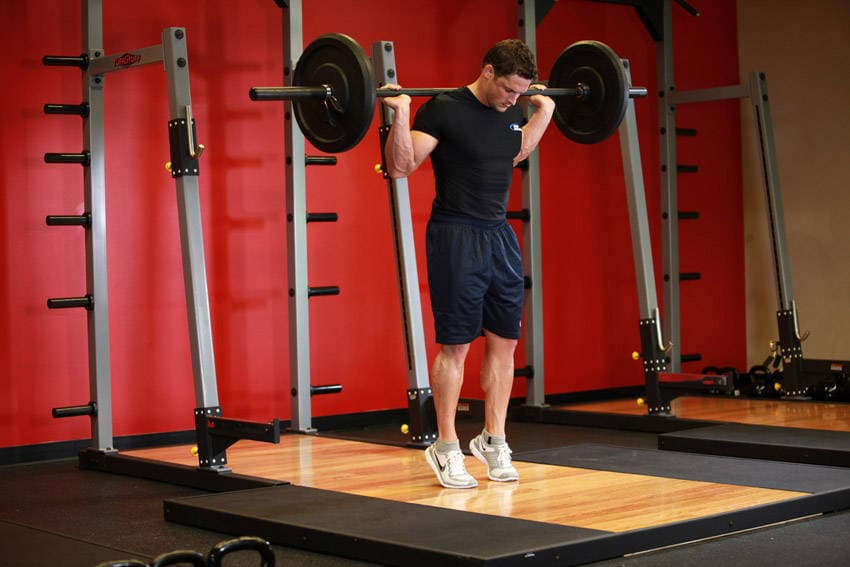
Rocking Standing Calf Raise
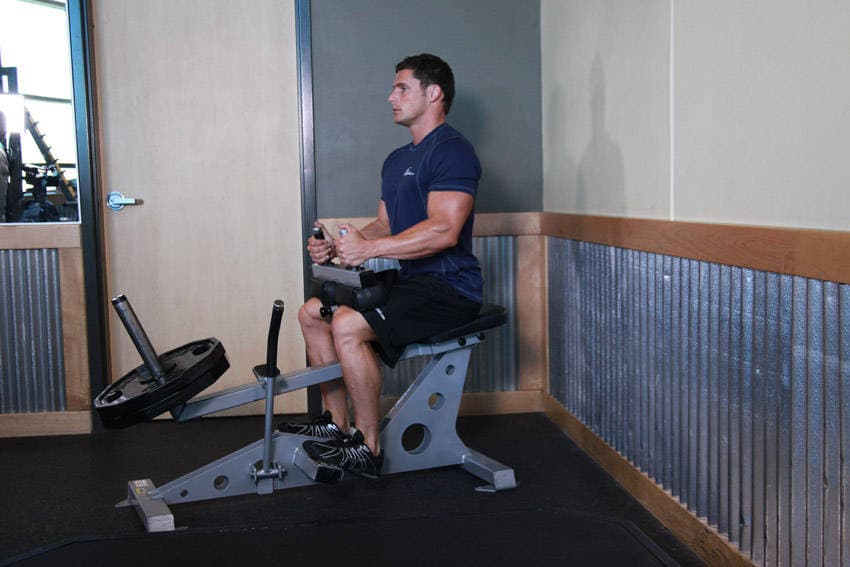
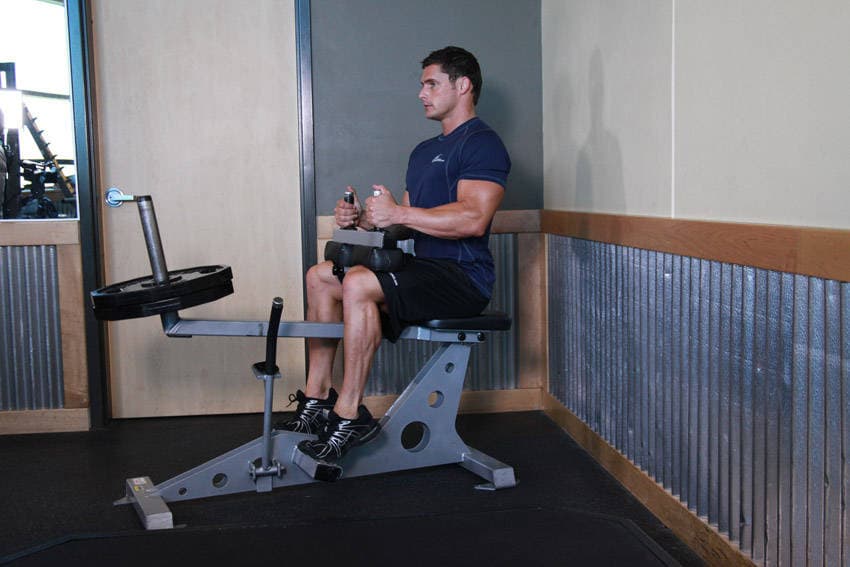
Seated Calf Raise
Also Works tibialis posterior
10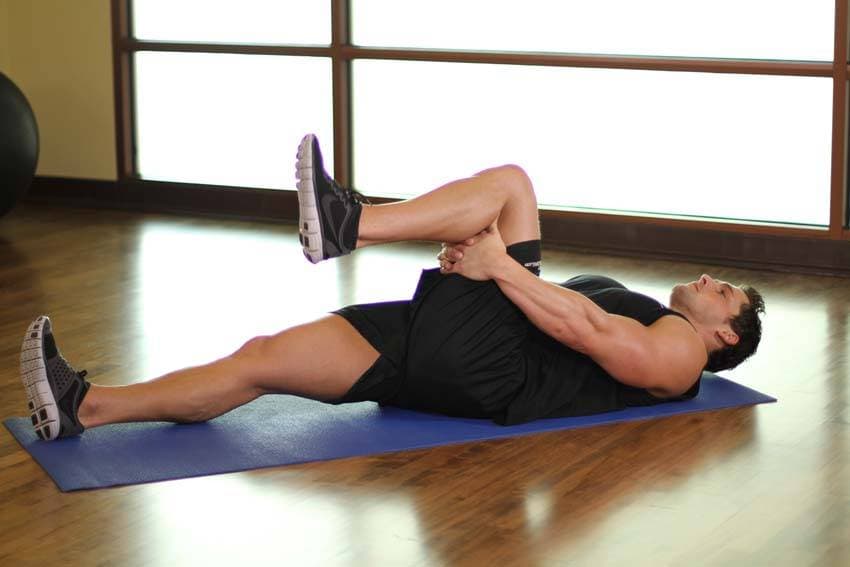
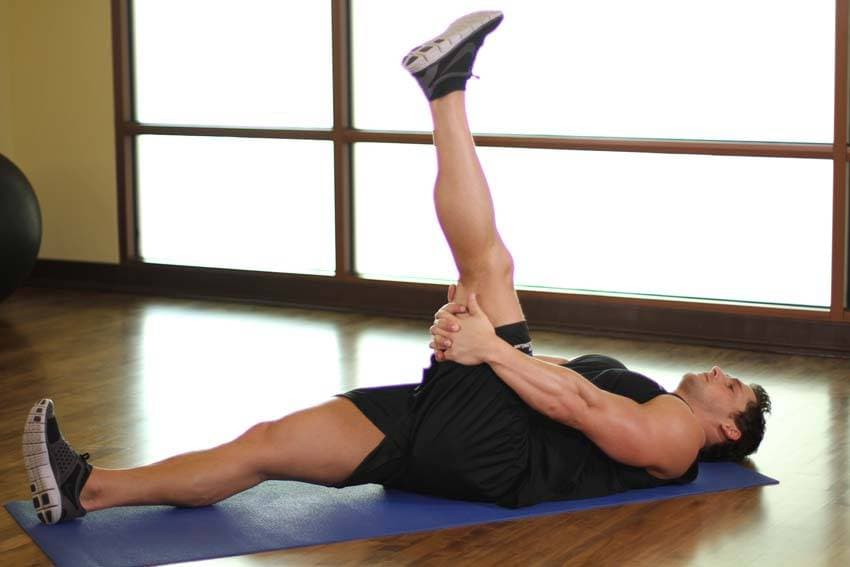
90/90 Hamstring
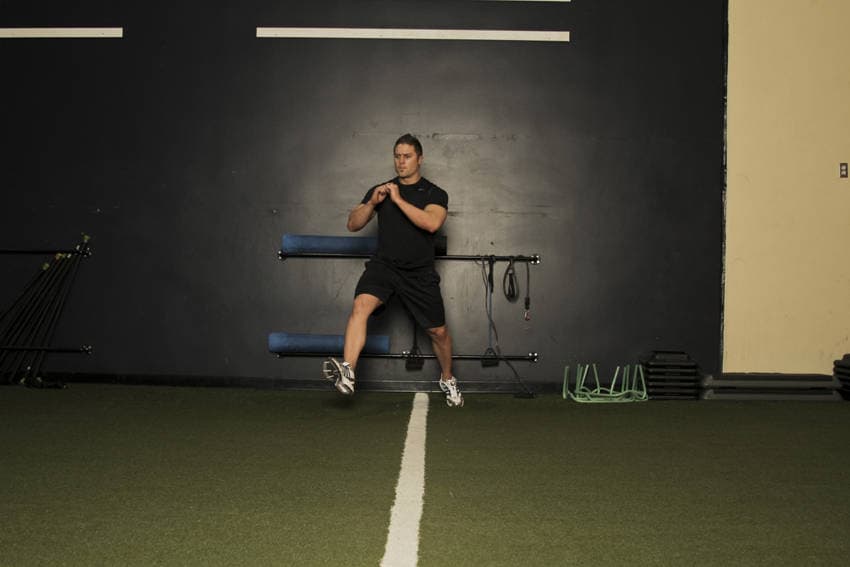
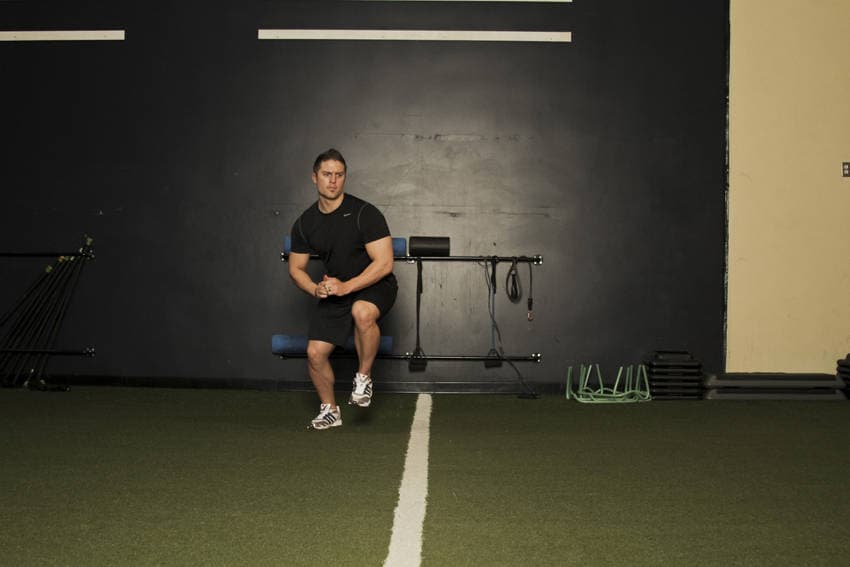
Alternate Leg Diagonal Bound
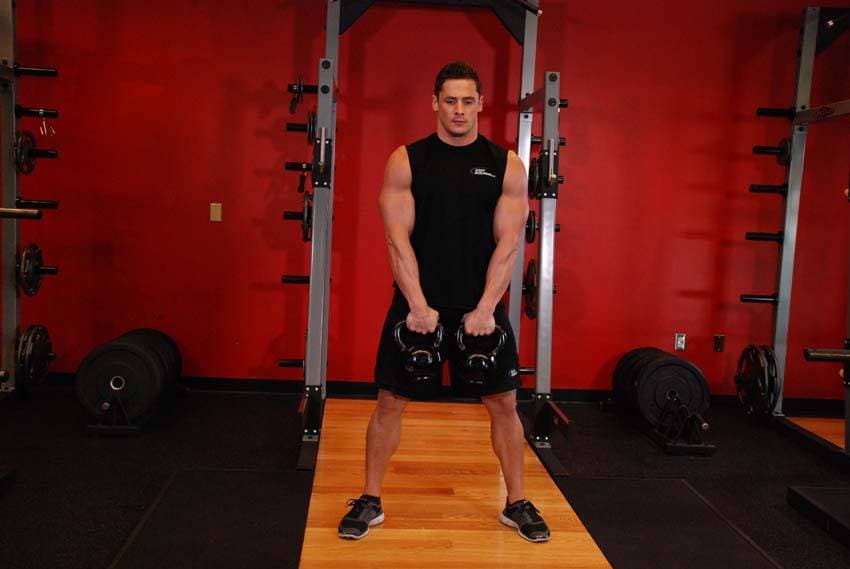
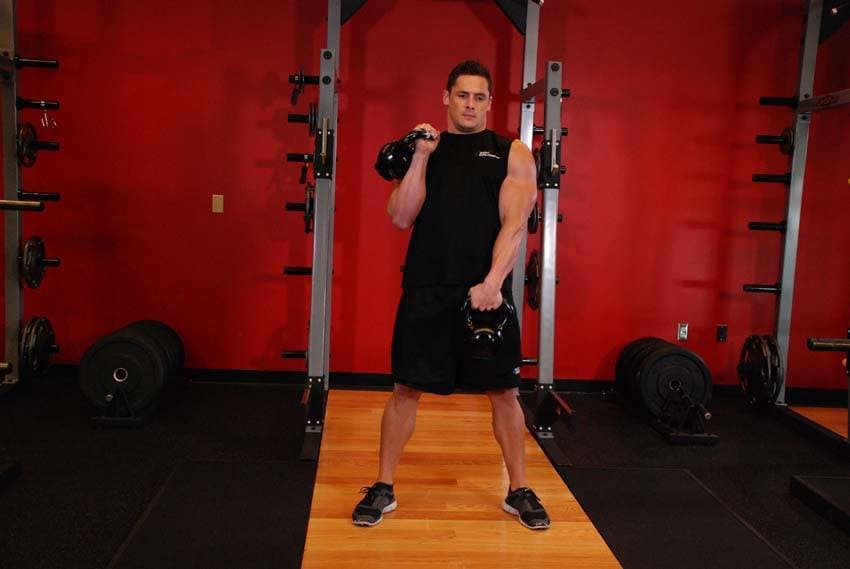
Alternating Hang Clean
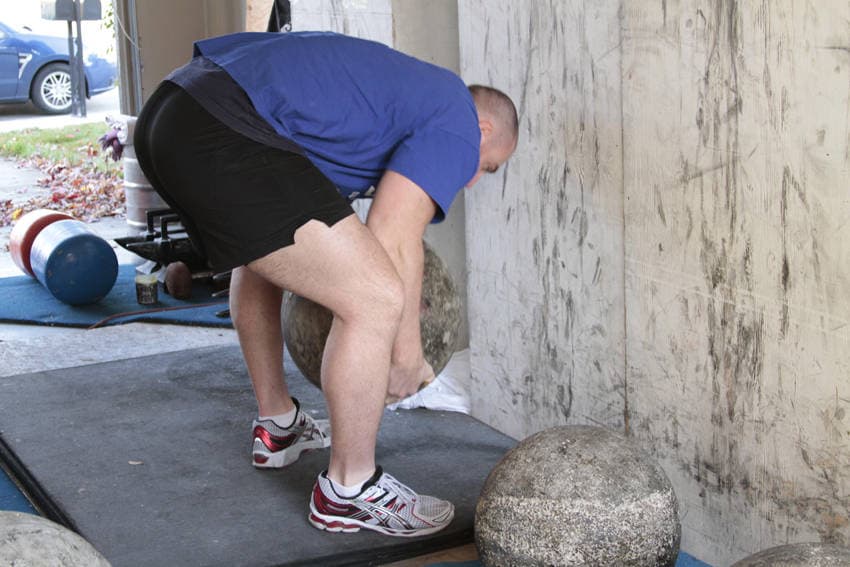
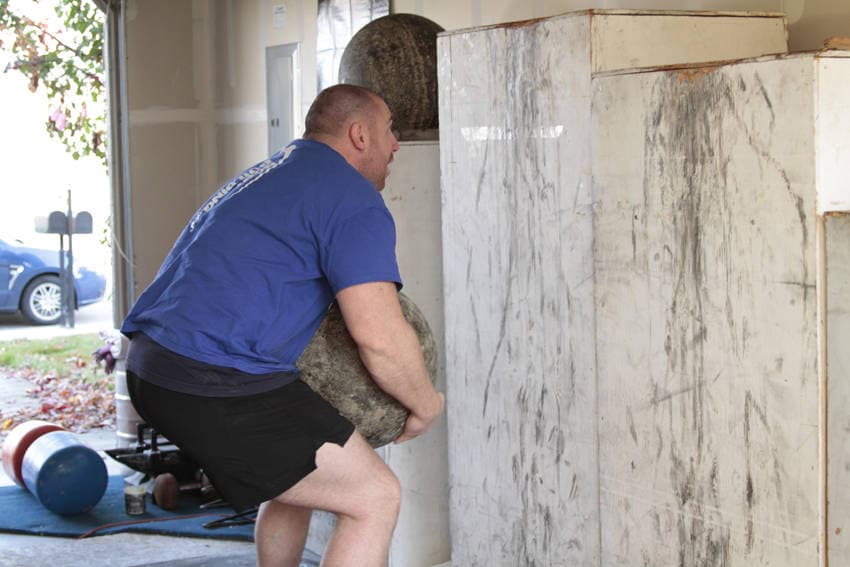
Atlas Stones
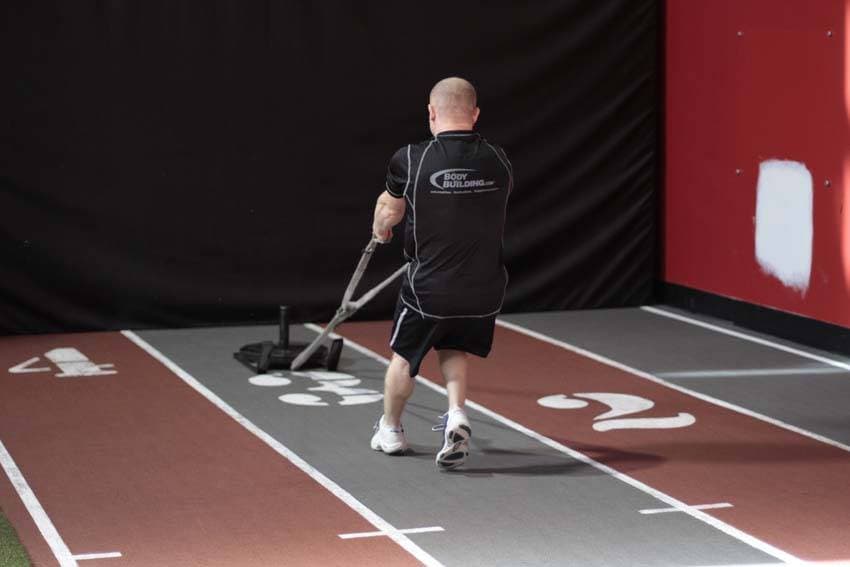
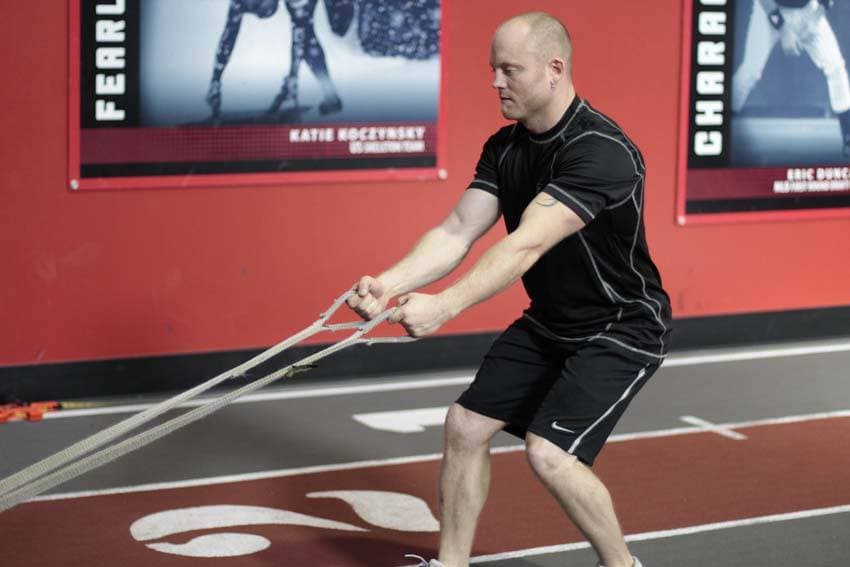
Backward Drag
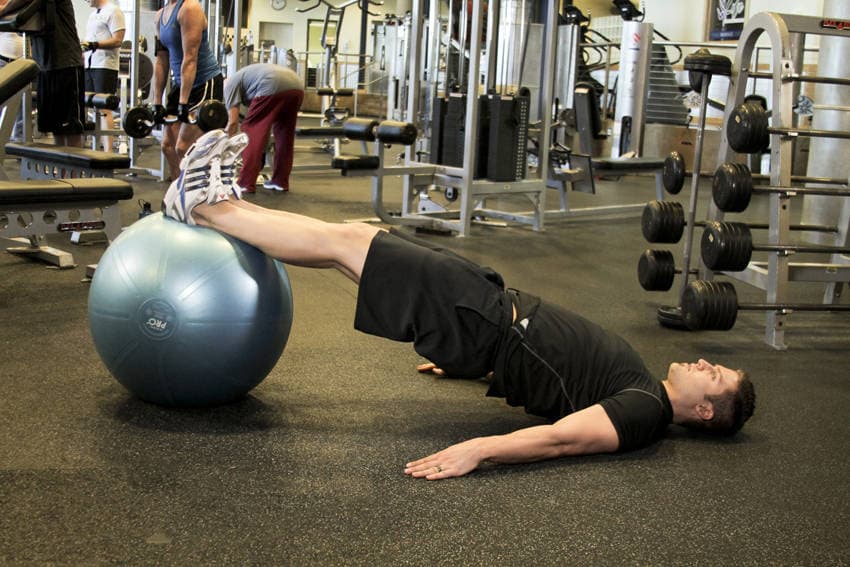
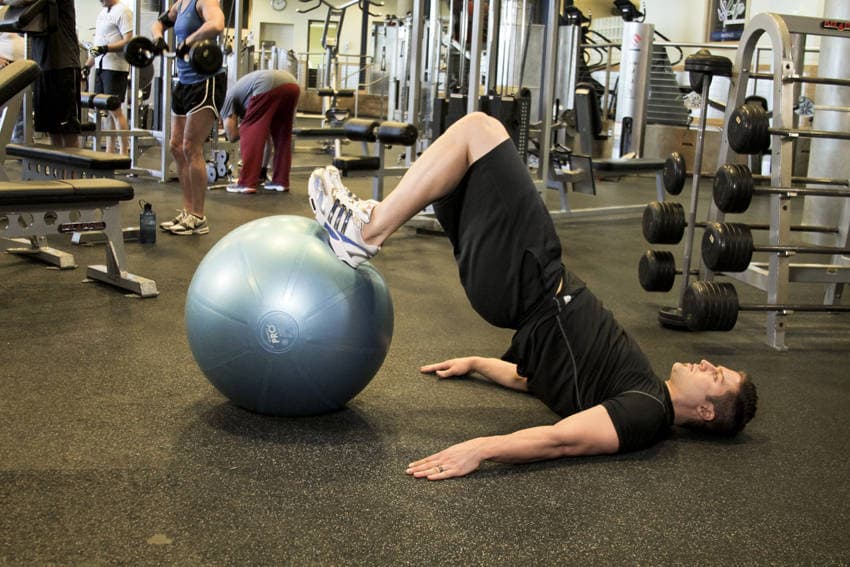
Ball Leg Curl
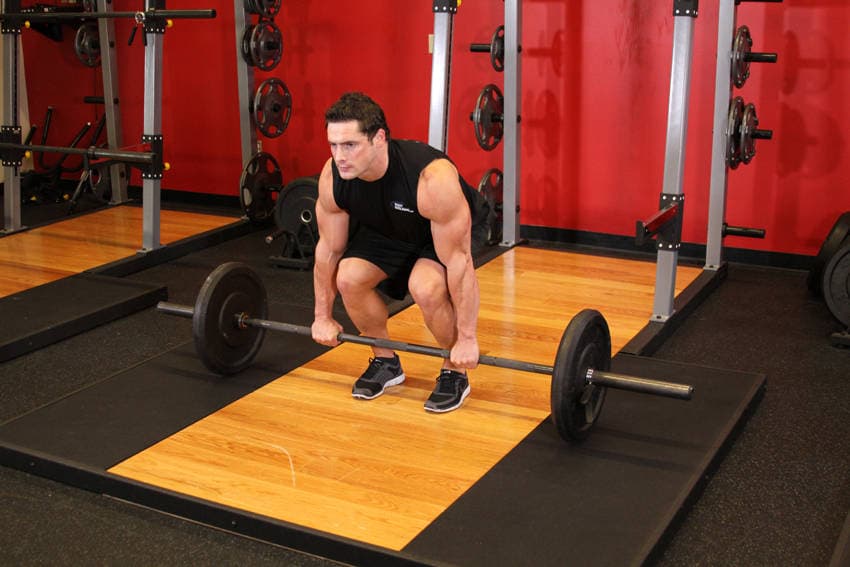
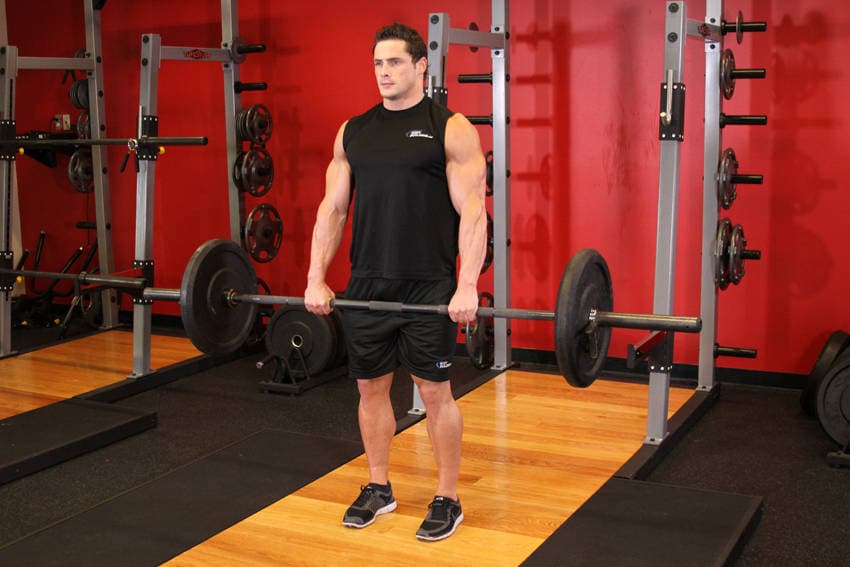
Barbell Deadlift
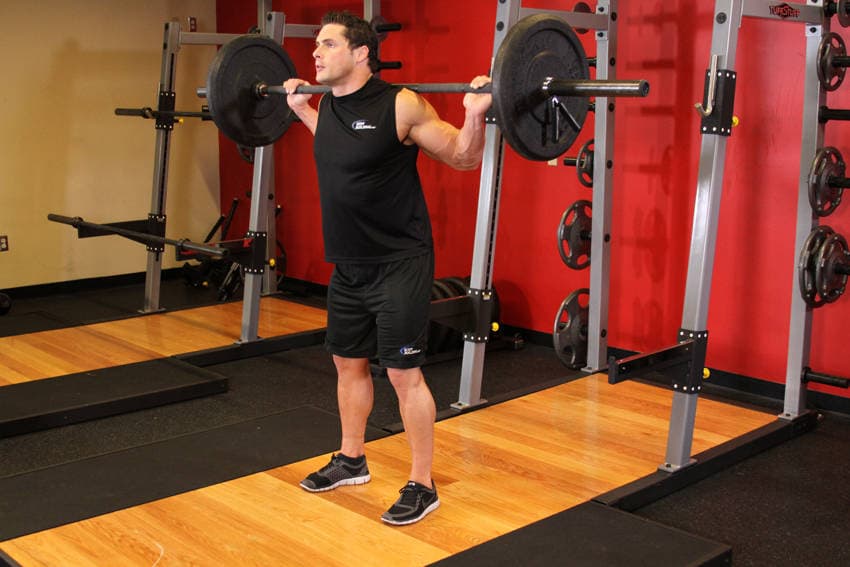
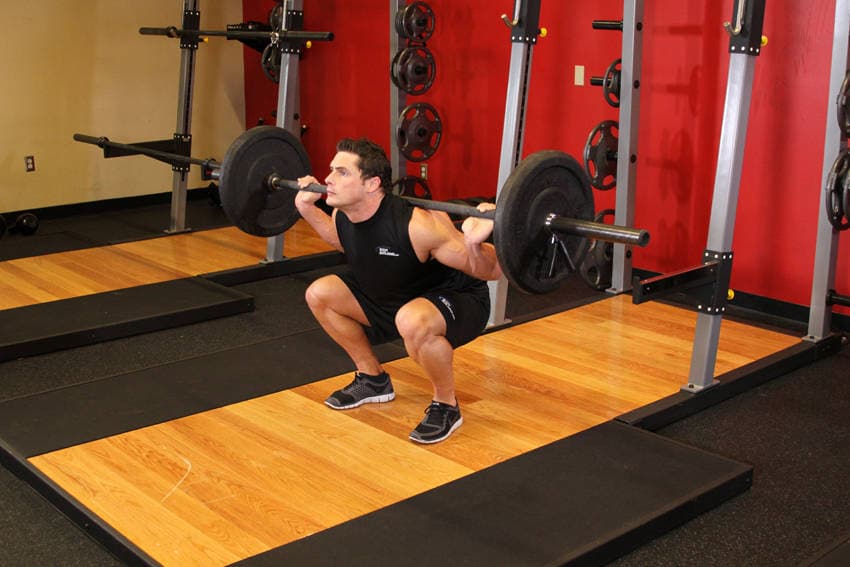
Barbell Full Squat
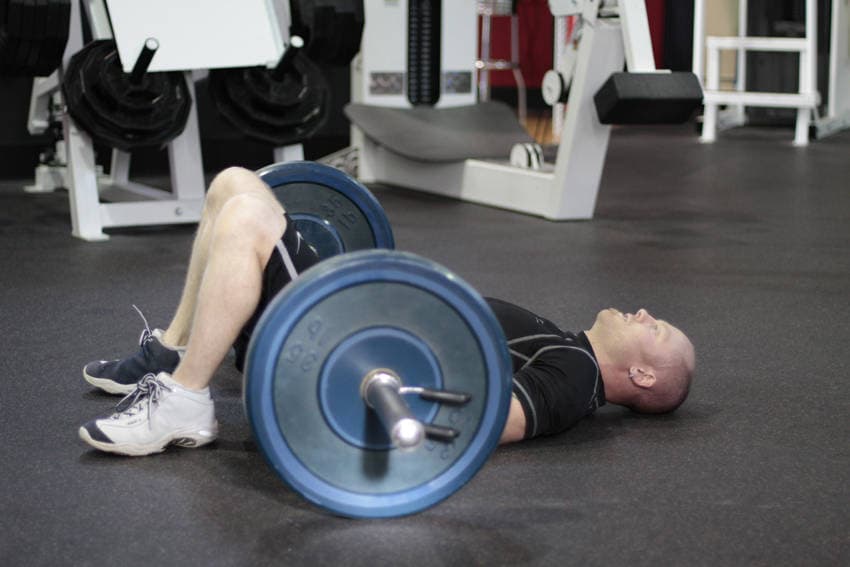
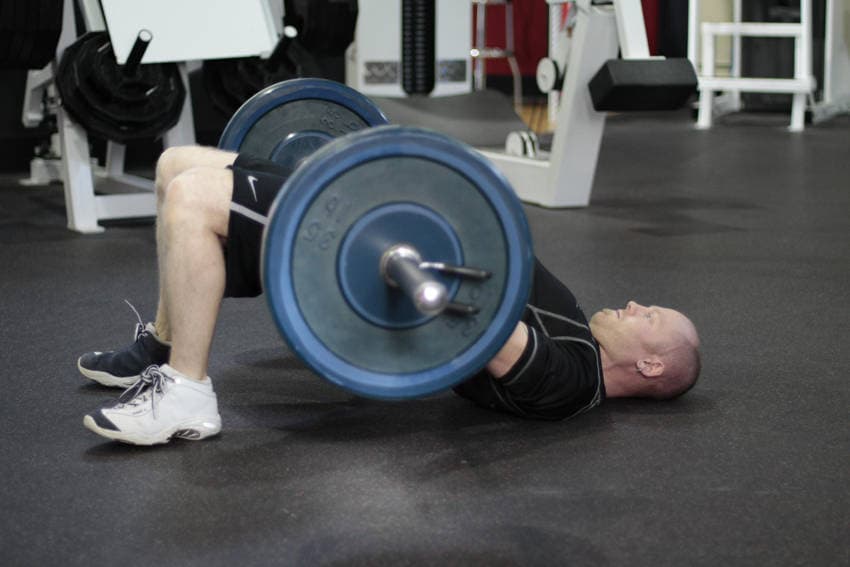
Barbell Glute Bridge
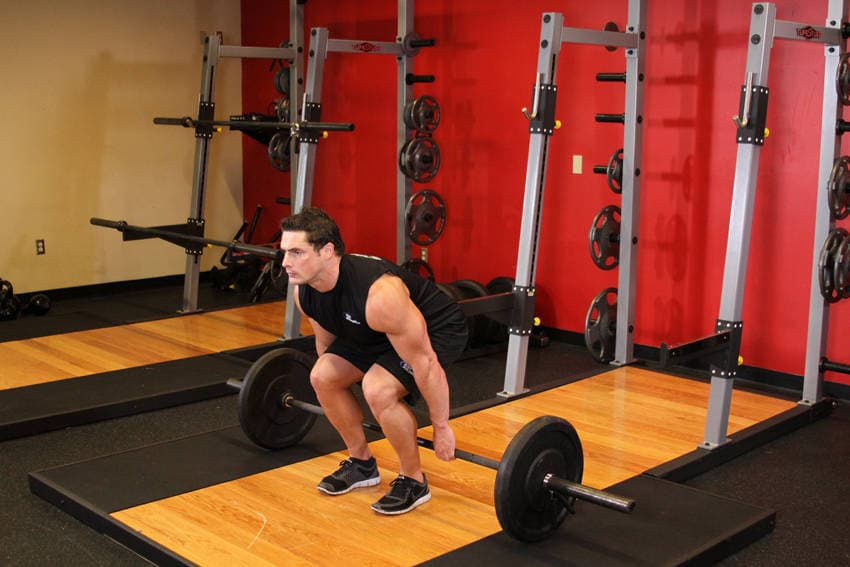
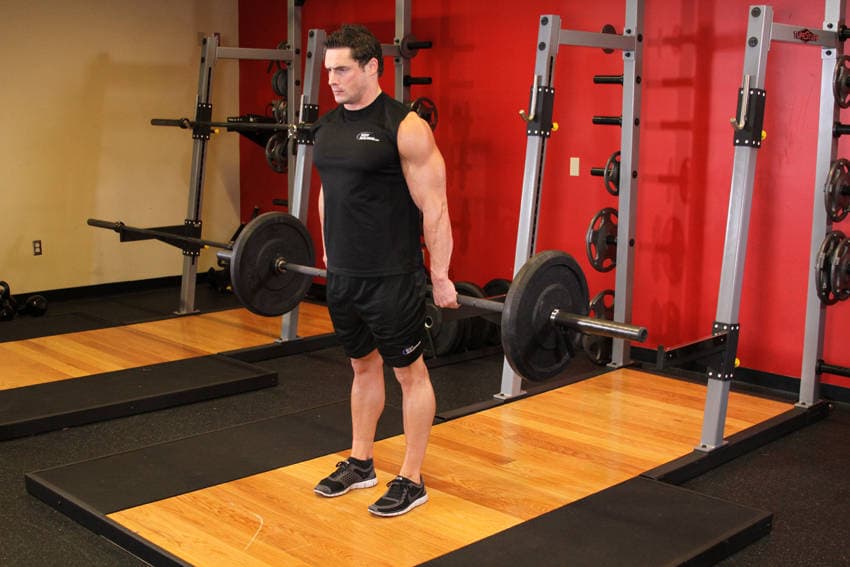
Barbell Hack Squat
Related Lower Leg Muscles
Lower Leg Pain Guide
Common causes and relief
Activities & Sports
See which activities use tibialis posterior